

Rediscovering Meaning In A World Overloaded With Images
By Tom Seest
At LegacyExplorations, we help people plan and explore their legacy by collecting information and news regarding end-of-life planning.
Please share this post with your friends, family, or business associates who may want help to plan or explore their legacy.
10,000 Photos and No Memories – the Paradox Of Digital Abundance
In a world overflowing with digital images—10,000 photos and yet a thirst for real memories—the paradox is stark. Each click of the shutter promises a moment frozen in time, yet as we scroll through endless feeds, how many stories do we genuinely recall? We’ve traded the art of remembering for the convenience of capturing. Legacy storytelling seems lost in the sea of pixels, yet it holds a power we’re neglecting.
Consider how the humble photograph once served as a tangible connection to our past. It was a portal to shared laughter, tears, and milestones—each image accompanied by a story that enriched our lives. Today, amidst a backdrop of digital abundance, these memories often slip through our fingers. The more we capture, the less we seem to hold on to. We lack context; the images become mere files, stripped of their narrative essence.
Think about the last time you flipped through an old photo album. Each turn of the page was a trip down memory lane, igniting feelings of nostalgia and reflection. With legacy storytelling, each picture tells a story, a chapter of your life waiting to be shared, reinforcing bonds with family and friends. When we dismiss this art, we lose not just our memories but the richness that connects us to our past and to each other.
From a practical standpoint, consider that our devices and online storage options are not just warehouses of photographs but also repositories of our collective experiences. In maintaining these archives, we can actively cultivate our family narratives, ensuring that our legacies endure beyond the fleeting moment of every photo op. This practice invites ethical reflection on our priorities—what do we truly want to remember and share?
Moreover, the act of sharing these stories fosters connection and empathy among those who view them. By inviting others into our lives through legacy storytelling, we create space for dialogue, vulnerability, and understanding, transforming a simple image into a shared experience.
So, the next time you snap a photo, remember: it’s not merely a digital imprint. Engage with it, cherish it, and consider the story it carries. Don’t let your moments become mere numbers in the cloud. Instead, let your life’s journey inspire trust and connection through purposeful storytelling. In this digital age, take a stand to prioritize memory, meaning, and the stories that breathe life into our experiences.

10,000 Photos and No Memories – the Paradox Of Digital Abundance
10,000 Photos and No Memories – the Paradox Of Digital Abundance
- The abundance of digital images creates a paradox of recalling genuine memories.
- We often prioritize capturing moments over remembering their stories.
- Photographs once served as tangible connections to shared experiences and emotions.
- Legacy storytelling enriches memories and reinforces bonds with family and friends.
- Devices and online storage can be repositories for collective experiences and family narratives.
- Sharing stories fosters connection, dialogue, and empathy among viewers.
- Engaging with photos meaningfully can transform them into rich narratives rather than mere digital files.

10,000 Photos and No Memories – the Paradox Of Digital Abundance
Table Of Contents
- 10,000 Photos and No Memories – the Paradox Of Digital Abundance
- What Moments Truly Matter In Our Lives?
- How Do We Assign Value to Memories?
- Is Digital Abundance Making Us Forgetful?
- Can We Reclaim Lost Memories From Our Photos?
- What Stories Do Our Photos Tell Beyond Their Images?
- Are We Becoming Desensitized to Our Own Experiences?
- How Does Sharing Online Affect Our Personal Memories?
- Conclusion
- Other Resources
- Glossary Of Terms
- Other Questions
- Haiku
- Poem
- Checklist
What Moments Truly Matter In Our Lives?
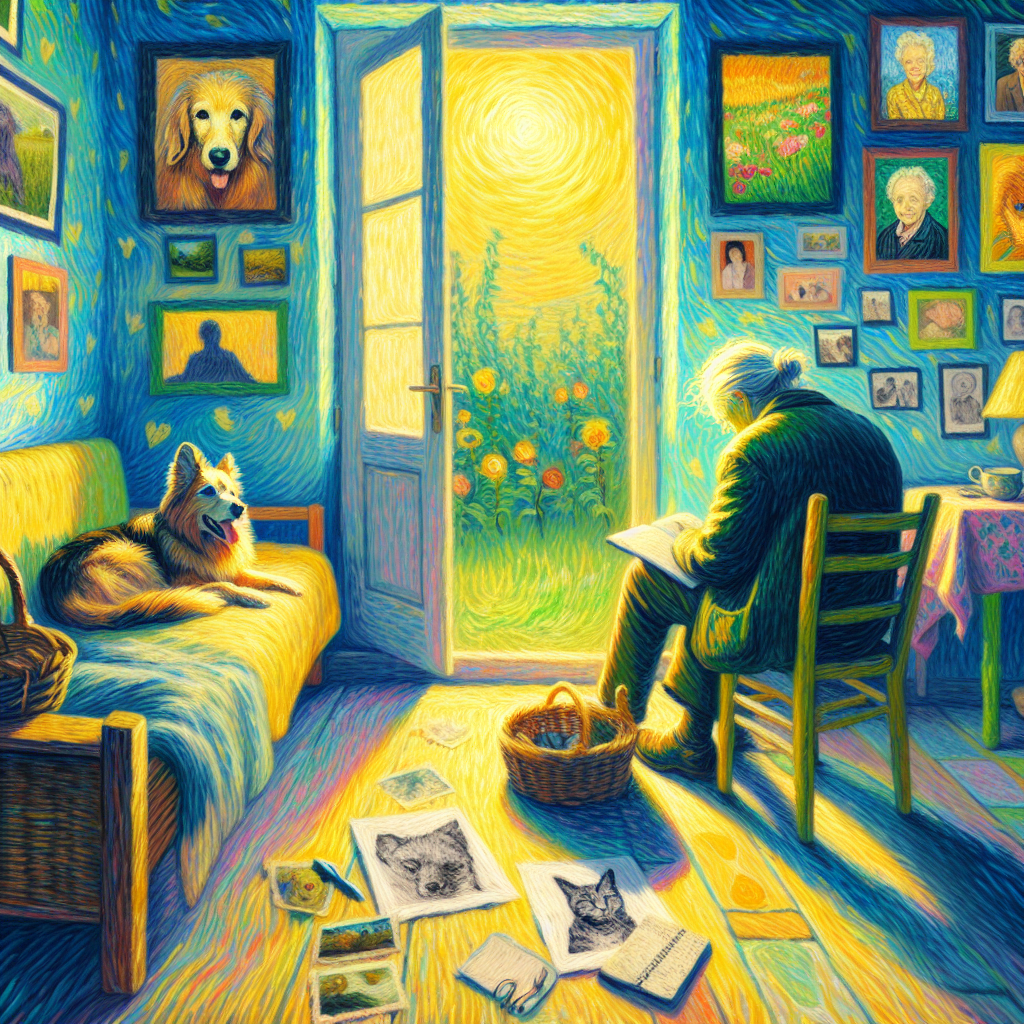
In the grand tapestry of existence, certain moments define us. These are not the spectacular milestones often celebrated, but the quiet instances that shape our legacy and forge lasting connections with others. Legacy storytelling offers a glimpse into how our experiences, both mundane and extraordinary, can resonate through generations. It’s not just the birthday parties or weddings that linger in memory; it’s the small acts of kindness, a shared laugh over coffee, or the comfort of a friend during hard times.
Take a moment to remember a time when someone put their phone down, looked you in the eye, and truly listened. That momentary pause, a simple act of presence, tells a story rich with significance. Here, we find the emotional appeal of authentic human interaction. It strikes at the core of who we are—social beings craving connection. We don’t just exist; we live for these relationships, shaped by our interactions and the legacies we choose to build.
Rationally, it’s clear that these connections influence not just our happiness, but our overall well-being. Research consistently shows that strong relationships contribute to a longer, healthier life. The gut instinct confirms it: these moments foster a feeling of belonging that money simply can’t buy. They remind us that, at our core, we are defined not by what we have, but by who we share our lives with.
Ethically, recognizing the importance of these moments lays a responsibility on us. We have a duty to prioritize them, to choose presence over distraction. In a world that often feels overwhelming, we need to cultivate environments where these interactions thrive. By weaving our own legacy through storytelling, we create a collective narrative that enriches not just our lives but those of others. Each story shared becomes a thread in the intricate fabric of our communities, inspiring trust and confidence in the bonds we form.
Think about the narratives that resonate with you. Each has the power to inspire action, encouraging us to cherish our moments. In embracing our legacy through storytelling, we confront life’s briefness and embrace its richness, prompting us to live intentionally. It’s the smallest interactions—the “how are you” that lingers after a brief pause, or a shared story that draws laughter—these moments matter. They are the essence of what it means to be human, reminding us of our shared path and the legacies we leave behind.

What Moments Truly Matter In Our Lives?
What Moments Truly Matter In Our Lives?
- Moments that define us often include quiet instances rather than spectacular milestones.
- Legacy storytelling showcases how experiences resonate across generations.
- Small acts of kindness and shared experiences create lasting memories.
- Authentic human interactions fulfill our social need for connection.
- Strong relationships contribute to overall happiness and health; they foster belonging.
- There is a responsibility to prioritize meaningful interactions in a distracting world.
- Embracing storytelling helps us confront life’s brevity and encourages intentional living.
What Moments Truly Matter In Our Lives?
How Do We Assign Value to Memories?
When we talk about memories, we’re not just reminiscing about the past; we’re weaving the very fabric of our existence. It’s remarkable how the simplest moments can shape our legacy. Think about your favorite memories, those vivid snapshots frozen in time, each a testament to who you are. This is where storytelling comes into play. Legacy storytelling isn’t merely recounting events; it’s about connecting with the essence of those experiences.
Memories have a unique value that transcends time. They anchor us to our roots, grounding us in a world that’s constantly changing. Every laugh shared, tear shed, and lesson learned contributes to our personal narrative. This narrative doesn’t just enrich our lives; it serves as a guide for others who walk alongside us, echoing the belief that our stories matter. Each tale we tell can inspire someone, stir a long-buried emotion, or illuminate a new perspective.
But how do we discern the significance of a memory? It’s often tied to ethics and authenticity. Our memories are shaped by our values and principles. When we reflect on them, we engage in a courageous act of vulnerability—offering a glimpse into our true selves. In a world where facades can easily obscure reality, the power of genuine storytelling fosters trust. By sharing our experiences openly, we invite others to relate and connect, acknowledging that beneath our diverse exteriors, we share fundamental truths.
Let’s not forget the gravity of our memories in the context of modern life. Social media has changed how we archive our lives, often reducing everything to highlights and soundbites. Yet, true value lies not in the polished perfection but in the raw, unfiltered moments. The lunch shared with a friend, the quiet evening spent with family, or the struggle faced during tough times—these are the moments that build a life worth sharing. They evoke a gut-level response, reminding us that we’re all human, navigating this chaotic world together.
As we navigate our everyday lives, it’s worth pausing to reflect on the wealth stored in our memories. They aren’t merely remnants of what was; they’re invitations to honor our legacies and foster deeper connections. Harnessing legacy storytelling transforms our individual experiences into a collective tapestry, rich with compassion and understanding. So, let’s embrace our stories, share them boldly, and inspire others to do the same. After all, it’s in these shared moments that true value is revealed.

How Do We Assign Value to Memories?
How Do We Assign Value to Memories?
- Memories shape our existence and legacy through storytelling.
- They connect us to our roots, anchoring us in a changing world.
- Every shared laugh, tear, and lesson contributes to a collective narrative.
- Significance of memories is tied to ethics and authenticity.
- Genuine storytelling fosters trust and invites connection.
- Social media alters how we archive lives, emphasizing raw moments over perfection.
- Legacy storytelling honors our experiences and fosters deeper connections.

How Do We Assign Value to Memories?
Is Digital Abundance Making Us Forgetful?
In a world overflowing with information, we stand on the precipice of a paradox. The internet has given us access to a trove of knowledge—news, facts, experiences, and memories—but at what cost to our own recollection and understanding? Each notification, tweet, or viral video drills deeper into our psyche, pushing aside the vital lessons buried in our personal legacy storytelling. Our ancestors knew the importance of passing down wisdom, shaped by lived experiences and heartfelt narratives. Somehow, amidst the constant barrage of digital stimuli, we’ve lost sight of these lessons.
Consider the last time you felt a true connection with someone. Was it over a meme shared in passing or a heartfelt story exchanged face-to-face? We’ve all seen how easy it is to lose ourselves in scrolling, yet in doing so, we neglect the rich tapestry of human experience that binds us together. When relationships become less about genuine interaction and more about virtual acknowledgments, we find ourselves craving something deeper—a longing for connection that technology can’t quite replace.
Our capacity for empathy hinges on our ability to remember the past, to hold onto those moments that define us. Generations prior to us engaged in storytelling as a means to share wisdom and foster community. They understood that narratives carry the weight of shared values and ethics, a way to pass down not just information but also the heart behind that information. In our pursuit of constant connectivity, are we sacrificing the very fabric that holds us together?
Research suggests that while our smartphones enable rapid access to information, they simultaneously train us to forget. We’re conditioned to rely on devices rather than our minds, leading to a gut-wrenching realization: we may be losing our identities in the pixels of someone else’s story. We owe it to ourselves and to those around us to reclaim our narratives.
As we navigate this digital landscape, let’s prioritize the moments that matter. Sharing our legacy storytelling can inspire others, strengthen bonds, and reinforce the values we hold dear. Let’s talk, share, and remember—not just through screens but as real, breathing people. Through this connection, we can cultivate a robust community that celebrates the past while embracing the future, nurturing a collective memory that enriches our lives and guides us all forward.

Is Digital Abundance Making Us Forgetful?
Is Digital Abundance Making Us Forgetful?
- The internet provides vast knowledge but may impair personal recollection and understanding.
- Digital distractions overshadow vital lessons from personal legacy storytelling.
- Genuine connections often diminish in favor of virtual interactions.
- Storytelling historically shared wisdom and fostered community ties.
- Reliance on digital devices risks losing personal identities and memories.
- Encouraging legacy storytelling can inspire others and strengthen community bonds.
- Reclaiming narratives is essential for nurturing a meaningful collective memory.

Is Digital Abundance Making Us Forgetful?
Can We Reclaim Lost Memories From Our Photos?
In the dim light of nostalgia, where dust motes dance like long-forgotten dreams, we hold in our hands the fragile keys to our past: photographs. Those snapshots, often overlooked, are more than mere images; they are woven into the very fabric of our Legacy Storytelling—beautiful fragments that recount the rich tapestry of our lives. Each picture is an invitation, a candid moment of joy, sorrow, love, loss, and growth, beckoning us to step back in time, to experience once more the emotions we thought had been lost.
How many times have we thumbed through old albums, only to find ourselves lost in reverie? A simple photo of an old family reunion can trigger laughter, tears, and a sense of belonging—feelings often buried beneath the mundane grind of daily life. It’s in these moments that we realize that recalling lost memories doesn’t just enrich our personal history; it connects us to others. The act of sharing stories behind these images not only rekindles our memories but creates bonds with those around us.
From a more rational perspective, psychologists assert that the recollection of memories through photographs can enhance our mental well-being. Revisiting cherished moments helps anchor us in the present, grounding us in the knowledge of who we are and where we come from. It’s a gentle reminder that even amidst life’s chaos, there exists a legacy worth preserving, stories worth telling, and connections worth nurturing.
Yet, it’s crucial to consider the ethical dimension of how we share these memories. In a world where every image can be instantly disseminated, responsibility comes with this power. Reflecting on what we choose to share or keep private not only honors those captured in our photos but the emotions and stories they carry with them. It demands a respect for privacy and the intricacies of others’ narratives, allowing us to navigate our social landscape with care.
As we dig deeper into our old photographs, we unlock more than just memories; we ignite a movement of connection. Let the world bear witness to our lives’ richness, inviting others to participate in our storytelling. This is not just a reclaiming of a memory; it’s an enriching of our shared humanity—a beautiful tapestry reminding us that we’re all in this together. So, let’s dust off those albums, restore those connections, and celebrate the legacy that each photograph captures. Embrace the stories. Embrace the memories.
Can We Reclaim Lost Memories From Our Photos?
Can We Reclaim Lost Memories From Our Photos?
- Photographs serve as keys to our past, revealing the rich tapestry of our lives.
- They evoke emotions of joy, sorrow, love, and growth, connecting us with our history.
- Old albums trigger memories, fostering a sense of belonging and shared experiences.
- Psychological studies indicate that recalling memories through photos boosts mental well-being.
- Ethical considerations are important when sharing memories, respecting privacy and narratives.
- Sharing stories from photographs strengthens social bonds and enriches connections.
- Engaging with our legacies through photographs celebrates shared humanity and invites collective storytelling.

Can We Reclaim Lost Memories From Our Photos?
What Stories Do Our Photos Tell Beyond Their Images?
Every photo we take harbors a deeper story beneath its surface, a narrative woven into the very fibers of our experiences. These snapshots of life act as vessels for our memories, transporting us back to moments that shaped our existence. When we gaze at an image, we’re not only seeing a moment frozen in time; we’re witnessing the legacy of our journeys, the connections we’ve forged, and the lessons we’ve learned. The act of capturing an image is an invitation to engage in legacy storytelling, revealing the tapestry of our lives.
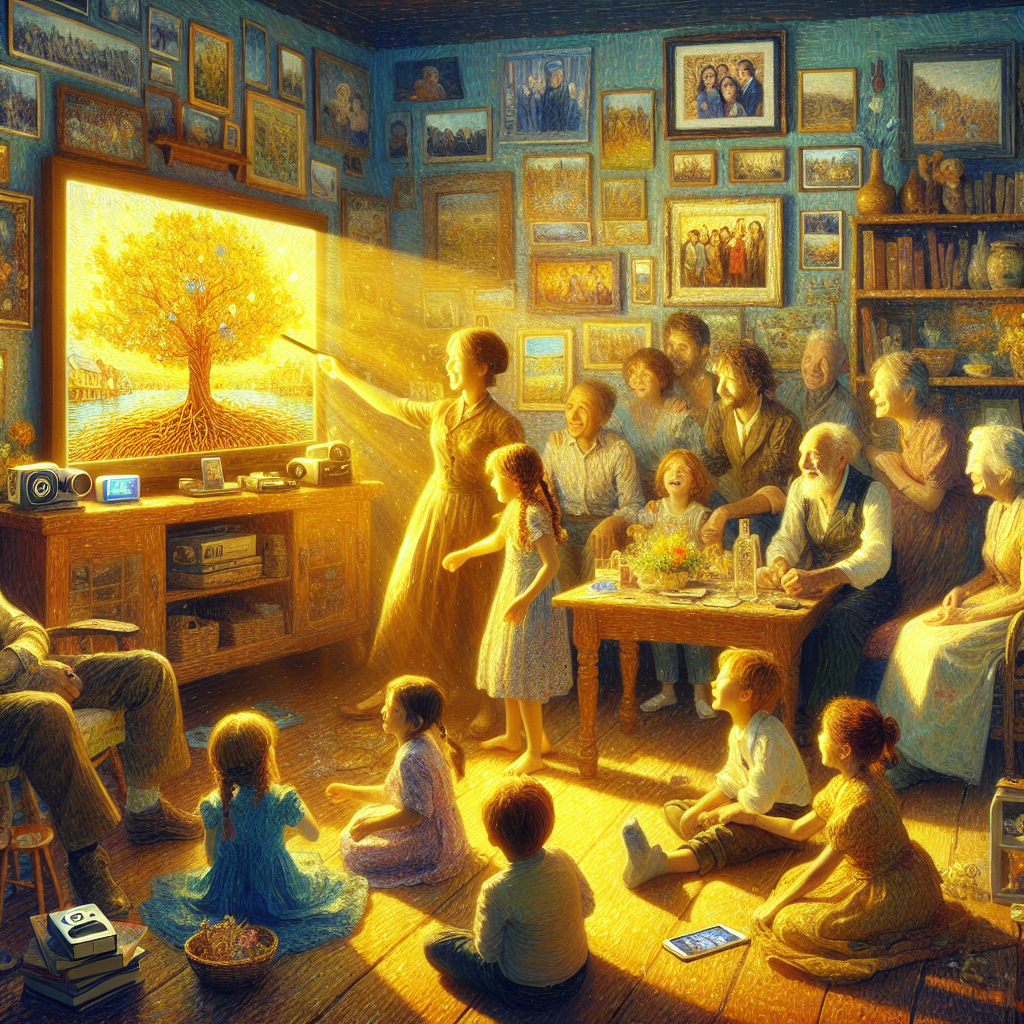
Consider the smiling faces in a family photo. Behind that smile lies a myriad of tales—the struggles overcome to gather everyone in one place, the laughter shared over countless meals, and the support offered during times of heartache. Each picture tells a story not just of individual lives, but of collective experiences, echoing the value of community and shared history. It reminds us that we are all part of something larger, forging relationships that withstand time and distance.
Looking closely, we find that photographs speak to both the heart and the head. They evoke emotions, stirring feelings of nostalgia, joy, and sometimes sorrow. Rationally, they serve as records, tangible evidence of the passage of time and a reminder of what matters most. As we turn our gaze to these captured moments, we glean wisdom about our own lives and the paths we have traveled. The fragility of life, the importance of resilience, and the power of love become clear through the tales our photos tell.
In a world that often rushes by, these images ground us in the present, encouraging a pause for reflection. They encourage us to honor our stories and those of the people around us. Ethically, it fosters a sense of responsibility to not just capture moments, but to understand their significance. Are we preserving our legacy in a way that respects those who came before us and inspires those who will follow?
Ultimately, each photograph is a call to action. It urges us to engage with one another, to seek connection, and to share our stories. Beyond the pixels and the colors lies an unseen thread that binds us all, reminding us that we are not alone. Embracing these truths can transform the mundane act of photography into powerful legacy storytelling, crafting a narrative that inspires trust and connection for generations to come.
What Stories Do Our Photos Tell Beyond Their Images?
What Stories Do Our Photos Tell Beyond Their Images?
- Photos contain deeper stories and memories woven into our experiences.
- They serve as vessels that transport us back to significant moments and lessons learned.
- Family photos represent shared struggles, laughter, and support, emphasizing community value.
- Photographs evoke emotions while also serving as tangible records of time.
- They encourage reflection and honor individual and collective stories.
- Photos remind us of the importance of legacy and the responsibility of preservation.
- Each image calls for connection and storytelling that fosters trust and unity.

What Stories Do Our Photos Tell Beyond Their Images?
Are We Becoming Desensitized to Our Own Experiences?
In our fast-paced world, it’s easy to lose sight of the stories that define who we are. Legacy storytelling isn’t just a charming idea; it’s a fundamental part of what connects us as humans. But as we scroll through our feeds—a whirlwind of curated moments and soundbites—one has to wonder: Are we starting to numb ourselves to the very fabric of our experiences?
When we encounter tragedy or joy through the digital lens, the initial emotional jolt quickly fades away, replaced by a reflexive swipe. It’s as if we’ve collectively agreed to put our feelings on the back burner; we witness but don’t fully engage. Each notification pulls us further away from genuine connection, dulling our capacity to appreciate the weight of what’s happening around us. We dwell in the half-light of our screens, bypassing moments that once might have spurred deep reflection, engagement, and empathy.
Rationally, we must acknowledge the cost of this desensitization. Our society thrives on shared experiences and storytelling that shape us and inform our values. When we disconnect from our emotions, we risk losing touch with important narratives—those of struggle, joy, resilience—stories that could guide us through our own lives. We become mere spectators in our existence, missing the lessons that await us behind every moment.
Ethically, we have a responsibility to uphold our humanity. There’s power in the vulnerability of sharing our truths and listening to others. Imagine the ripple effects if we began to see our interactions—not as fleeting moments—but as vital threads in the larger tapestry of life. Each story, whether heartbreaking or uplifting, is a call to respond, to take action, and to stand as witnesses in this shared journey of life.
In understanding legacy storytelling, we recognize how those narratives cultivate connection. They remind us that behind every story is a person striving, struggling, celebrating. We must resist the urge to trivialize these experiences. By embracing them fully, heart and gut, we not only enrich our lives but those of others around us.
Let’s reclaim our capacity for empathy. Let’s invite the raw, unfiltered emotions back into our lives. We are not mere consumers of experiences; we are the storytellers of our own legacies. It’s time to engage, to listen, and to feel deeply, as stories deserve more than a passing glance; they demand our attention and respect.

Are We Becoming Desensitized to Our Own Experiences?
Are We Becoming Desensitized to Our Own Experiences?
- Legacy storytelling connects us and defines who we are.
- Digital consumption risks numbing our emotional engagement with experiences.
- Desensitization leads to a loss of important narratives shaping our values.
- We must uphold our humanity by sharing our truths and listening to others.
- Recognizing narratives fosters connection and empathy among individuals.
- Embracing experiences enriches our lives and those of others.
- We are storytellers of our own legacies, deserving of deeper engagement.

Are We Becoming Desensitized to Our Own Experiences?
How Does Sharing Online Affect Our Personal Memories?
In the vast landscape of our digital existence, where memories are often filtered through a lens of likes, shares, and comments, we find ourselves pondering a crucial question: How does sharing online affect our personal memories? The answer is as complex as the very act of memory itself, intertwining our past with the present in ways both profound and puzzling.
Consider the concept of legacy storytelling. Each post, photo, or status update contributes to a narrative—a digital tapestry woven from the threads of our lives. We share moments that resonate with us, whether they’re heartfelt highs or gut-wrenching lows, seeking validation and connection. This sharing process is not merely a way to document our lives; it becomes a way to craft our personal legacies. We curate our stories, often polishing them until they shine, but in doing so, we risk altering the authenticity of our experiences.
Now, think about the emotional layer here. When we look back at what we’ve shared, are we reliving those moments as they truly were, or are we gazing through a filter, shaped by the reactions of others? The gut feeling of nostalgia might push us to reminisce about laughter shared with friends or the tears shed during tough times, yet these memories can become skewed when viewed through the lens of social media. Each like and comment can turn a genuine moment into a performance, making us question whether our memories are our own or a collective narrative shaped by external expectations.
On a cognitive level, the act of sharing also alters how we remember. Studies suggest that our memories are malleable, influenced by the stories we tell and the audience we engage with. This creates a unique challenge: if our social lives become the framework through which we interpret our past, what happens to the raw, unedited emotions that give our memories their weight? They become abstract, more affected by the pixels on a screen than the fibers of our human experience.
Ultimately, our online sharing practices create a rich dialogue about who we are and want to be. They invite community engagement, fostering connections that transcend geographical boundaries. However, as we navigate this digital sphere, it’s vital to maintain the integrity of our memories. Authenticity in sharing will ensure that our narratives are not just stories told for mere interaction but experiences that define our legacy and the essence of who we are. In doing so, we enrich not just our lives but the lives of those who venture into our world, creating a shared tapestry of what it truly means to be human.

How Does Sharing Online Affect Our Personal Memories?
How Does Sharing Online Affect Our Personal Memories?
- Digital sharing impacts personal memories, blending past and present in complex ways.
- Legacy storytelling is created through posts, photos, and updates, contributing to a personal narrative.
- Sharing evokes validation and connection but risks altering the authenticity of experiences.
- Shared memories may be viewed through filters shaped by social media reactions, affecting their true essence.
- Cognitive studies indicate that sharing can alter memory recollection, making memories more malleable.
- The act of sharing invites community engagement, fostering connections beyond geographical limits.
- Maintaining authenticity is crucial to ensure narratives define personal legacy and individual essence.

How Does Sharing Online Affect Our Personal Memories?
Conclusion
In a world bursting with digital images—over 10,000 photos often lost in the ether—there’s a fundamental disconnect between the act of capturing and the art of remembering. Each snap promises a moment preserved, yet as we scroll endlessly through feeds, real memories fade. We’ve traded depth for convenience, allowing photographs to devolve into mere files, devoid of the rich stories they once told. Reflect on the last time you flipped through an old album; each picture sparked nostalgia and reminded you of what truly matters. Photo albums invited storytelling, reinforcing bonds with those we love, and now they’re often replaced by cloud-stored images that lack context.
The implications of our digital age stretch beyond mere photographs. We’re sitting on vast archives of shared experience, begging for engagement. Legacy storytelling is not just a nostalgic whim; it’s a necessary tool for connection. When we recount our stories, we not only preserve our legacies but also foster empathy and understanding in our community. Our memories, often tied to acts of kindness or moments of raw honesty, define not only our happiness but our overall well-being. Research shows that strong relationships contribute to a longer, healthier life, underscoring the ethical imperative to prioritize connection over distraction.
Yet, amidst all this digital abundance, are we becoming forgetful? While technology offers access to a wealth of information, it can also desensitize us to our own experiences. Each notification pulls our attention, diverting us from meaningful interactions. We risk becoming spectators in our own lives, letting vital narratives slip through our fingers while focusing on fleeting likes and comments. This awareness demands that we reclaim our stories and engage more deeply with our past.
As we dig deeper into those often-overlooked photos, we breathe life into our memories, inviting others to join in our narrative. It’s not just about relishing the good times but also sharing the struggles that shape our journeys. By choosing to engage authentically with our memories and foster real connections, we enrich both our lives and those of others. So, the next time you take a photo, remember that it carries a story worth sharing. Don’t let it dissolve into the cloud; honor it, reflect on it, and embrace the legacy it embodies. This commitment can transform a mere snapshot into a powerful narrative, binding us together in the shared human experience.

Conclusion
Conclusion:
- Digital images often result in lost memories as we scroll through feeds.
- Photographs have become mere files, lacking the storytelling aspect they once had.
- Photo albums foster nostalgia, storytelling, and strengthen bonds with loved ones.
- Legacy storytelling is essential for preserving our stories and fostering empathy.
- Strong relationships are linked to overall well-being and a longer, healthier life.
- Technology can desensitize us to our own experiences, making us spectators in our lives.
- Engaging authentically with our memories enriches our lives and strengthens connections.

Conclusion
Other Resources
Other Resources
Here is a list of other resources you can review online to learn more:
- MyHeritage
- Geneanet
- USLegalWills.com
- Personal Legacy Advisors
- MyWishes
- Trust And Will
- LegalNature
- LegacyLearned
- IronClad Family
- GhostMemo
- Storyworth
- LivingDNA
- Memorial Matters
- Legacy
- LifeWeb 360
- Legacy Family Tree
- Funeral Services Guide
- How to Save Your Family’s Stories from Being Lost Forever – A Step-by-Step Guide to Creating a Lasting Digital Legacy
- ForeverMissed
- Can Telling and Preserving Personal or Family Legacy Stories Be Therapeutic?
Use This Prompt To Get More Resources With Your Favorite Online AI Tool: Please provide me with a list of online articles with their URLs in a bulleted list that I can read regarding 10,000 Photos and No Memories – the Paradox Of Digital Abundance

Other Resources
Glossary Terms
10,000 Photos and No Memories – the Paradox Of Digital Abundance – Glossary Of Terms
1. Digital Abundance: The overwhelming availability of digital content, particularly photographs, that can lead to saturation and a lack of emotional connection.
2. Paradox: A situation or statement that contradicts itself, highlighting the conflicting outcomes of digital photo proliferation.
3. Nostalgia: A sentimental longing for the past, which may be diluted by the sheer volume of photos that fail to evoke specific memories.
4. Ephemeral: Lasting for a very short time; often used to describe digital content that can be quickly forgotten.
5. Memory Recall: The process of retrieving memories, which can be hindered by a surplus of visual stimuli.
6. Curation: The act of selecting and organizing photographs, transforming a chaotic collection into a meaningful narrative.
7. Sentimentality: An excessive tenderness or nostalgia towards memories captured in photographs.
8. Digital Footprint: The trail of data one leaves behind online, including photographs that contribute to one’s identity.
9. Visual Overload: A state where the quantity of visual information overwhelms the viewer’s ability to process or appreciate it.
10. Archiving: The systematic storage of digital photos to preserve them for future reference or historical context.
11. Cognitive Load: The amount of mental effort being used in the working memory, which can increase with excessive photo viewing.
12. Emotion Regulation: The ability to manage emotional responses, potentially affected by the abundance of digital memories.
13. Snapshot: A casual photograph taken quickly to capture a moment, which may lack depth in memory association.
14. Social Media: Platforms where users share and view photographs, contributing to the paradox of digital memory.
15. Memory Lane: A metaphorical path of memories often revisited through photographs, which may lose significance in abundance.
16. Image Saturation: The state of being overwhelmed with images, leading to diminished emotional response.
17. Intimacy: The closeness or personal connection one feels towards captured moments, often diluted by mass sharing.
18. Digital Narrative: The story presented through a collection of photos, which can be unclear amidst excessive images.
19. Personal Archive: A collection of one’s own photographs that serves as a repository of memories.
20. Attachment: The emotional bond associated with specific photographs, which may weaken over time with too many images.
21. Filtering: The process of selecting only the most meaningful or impactful photos for sharing or viewing.
22. Visual Diary: A record of daily life collected through photographs, often losing its significance in abundance.
23. Reminiscence: The act of recalling past experiences, sometimes impeded by excessive digital images.
24. Cultural Memory: Shared memories that are represented through photographs, which can become diluted in a sea of personal images.
25. Reflexivity: The understanding of how personal experiences shape and are shaped by the photographs taken.
26. Aesthetic Value: The visual appeal of photographs, which may be overshadowed in a large collection.
27. Immediacy: The quickness with which digital images are captured and shared, potentially undermining their long-term value.
28. Documentary Photography: A style of photography aimed at capturing a truthful representation of reality, often contrasted with personal snapshots.
29. Cherished Moments: Significant experiences captured in photos that seek to evoke lasting memories but may fade in saturation.
30. Legacy: The lasting impact or memory one leaves behind, which may be challenged by digital abundance in photographs.

Glossary Of Terms
Other Questions
10,000 Photos and No Memories – the Paradox Of Digital Abundance – Other Questions
If you wish to explore and discover more, consider looking for answers to these questions:
- How can I decide which of my 10,000 photos are worth keeping?
- What practical steps turn individual photos into lasting legacy stories?
- How should I organize digital photos to preserve context and narrative?
- What tools or apps let me attach stories, dates, and emotions to images?
- How can families collaborate on shared photo storytelling projects?
- What techniques help recover forgotten memories tied to unlabeled photos?
- Do psychologists recommend methods to boost memory retrieval using photographs?
- Does sharing images online change how I remember events?
- How do likes, comments, and social feedback shape the authenticity of memories?
- Is there evidence that smartphone photo habits contribute to forgetfulness?
- How can I balance capturing moments with being fully present in them?
- Which moments truly matter when building a personal or family legacy?
- How do cultural and generational differences affect legacy storytelling?
- What ethical issues arise when sharing images of family members or children?
- How do I obtain and document consent before sharing photos publicly?
- What are reliable backup and archival strategies to prevent photo loss?
- How can I guard my photo archive against format obsolescence and platform shutdowns?
- Should I print photos, and how do I choose which ones to print?
- How do captions, dates, and metadata influence long-term recall?
- What prompts or questions best elicit the stories behind images?
- Can organized storytelling around photos improve mental health or well‑being?
- How do I curate a photo collection that future generations will understand and appreciate?
- What simple daily or weekly habits cultivate meaningful legacy storytelling?
- How can oral histories be integrated with photographic archives?
- Are there ethical guidelines for restoring or enhancing old photos?
- Can AI responsibly help restore, annotate, or reconstruct memories from images?
- How should I handle sensitive or painful memories found in old photos?
- What legal issues concern photo ownership, copyright, and sharing rights?
- How do platform algorithms and feeds influence which of my memories resurface?
- How can I prevent becoming desensitized to my own experiences from overexposure?
- How do I teach children to value memory and storytelling over social validation?
- What metrics or criteria can I use to assign value to a memory?
- How can I craft coherent narratives from a sequence of seemingly unrelated images?
- What role do rituals or family practices play in preserving photographic legacies?
- How do I document context (who, where, why, emotions) for future viewers?
- How can I distinguish authentic memory-sharing from performative posting?
- What resources exist for turning a private photo archive into a published family history?

Other Questions
Haiku
10,000 Photos and No Memories – the Paradox Of Digital Abundance – A Haiku
Captured moments fade,
Stories lost in endless scroll—
Seek the heart’s true thread.

Haiku
Poem
10,000 Photos and No Memories – the Paradox Of Digital Abundance – A Poem
In a world awash with digital light,
Ten thousand images, yet memories in flight,
We capture each moment, a fleeting glance,
Trading true stories for a glance in a dance.
Once, a photograph was a connection profound,
A portal to laughter, where joy could be found.
Now, in endless scrolls, our lives fade away,
Pixels replace meaning, as memories sway.
The heart seeks connection, the gut knows it true,
It’s not the grand moments but the small acts we rue.
A pause for a story, a touch or a smile,
These are the threads that make life worthwhile.
Our memories, they matter, shaped by love and by loss,
Each shared laugh or tear is a narrative embossed.
In neglecting our past, the richness we forfeit,
We lose that which binds us, reducing our wit.
So, reclaim those lost memories, dust off the frames,
Engage with each story, remember the names.
In sharing our lives, we build trust and restore,
A legacy woven with threads of rapport.
Beyond likes, beyond shares, let’s engage and reflect,
Honor the moments that help us connect.
For in every snapshot and every recount,
Lies the essence of who we are—our stories amount.

Poem
Checklist
10,000 Photos and No Memories – the Paradox Of Digital Abundance – A Checklist
Emotional Appeals
✅______ Reflect on the last moment that genuinely moved you.
✅______ Identify three emotions you associate with your favorite memories.
✅______ Share a story that evokes nostalgia, laughter, or tenderness with someone close.
Rational Appeals
✅______ Analyze how many photos you have versus how many meaningful memories you can recall.
✅______ Commit to organizing your digital photos by themes or significant events to create context.
✅______ Set aside time monthly to review and reflect on your photos and the stories they tell.
Ethical Appeals
✅______ Consider the impact of sharing memories online on both yourself and others.
✅______ Make a conscious effort to respect the privacy and narratives of those featured in your photos.
✅______ Engage in discussions about the importance of legacy and community storytelling with family or friends.
Authority Appeals
✅______ Read articles or books on the psychology of memory and storytelling.
✅______ Attend a workshop or seminar on photography, storytelling, or memory preservation.
✅______ Seek guidance from an elder or mentor on how they preserve their memories and stories.
Narrative Appeals
✅______ Write down your life story in brief, focusing on key moments that define you.
✅______ Collect anecdotes from family members and consider how their stories intertwine with yours.
✅______ Create a family photo album that visually narrates your family history and legacy.
Social Appeals
✅______ Share a cherished memory on social media, inviting others to share their own stories.
✅______ Organize a gathering where friends or family can share their favorite stories in person.
✅______ Start a community project or blog dedicated to preserving and sharing local stories and memories.
Checklist
At LegacyExplorations, we help people plan and explore their legacy by collecting information and news regarding end-of-life planning.
Please share this post with your friends, family, or business associates who may want help to plan or explore their legacy.