

Transforming Pixels Into Stories: Every Image Holds Heartfelt Memories
By Tom Seest
At LegacyExplorations, we help people plan and explore their legacy by collecting information and news regarding end-of-life planning.
Please share this post with your friends, family, or business associates who may want help to plan or explore their legacy.
A Photo Without a Story Is Just Pixels
A photo without a story is just pixels. We’ve all seen that one stunning image, the kind that makes you stop scrolling and catch your breath. Yet, when stripped of its context, it becomes an empty vessel, a collection of colors and shapes devoid of meaning. This is where the power of legacy storytelling comes in. It’s not enough to capture a moment; we must weave the narrative that gives it weight, significance, and connection.
Imagine a weathered face, eyes filled with decades of wisdom, framed against a backdrop of a bustling marketplace. At first glance, it’s merely an interesting picture. But delve deeper, and you uncover a lifetime of experiences—sacrifices made, dreams chased, and love shared. This is the essence of storytelling; it transforms mere snapshots into rich tapestries of human experience.
Legacy storytelling is a bridge between generations. It’s how we honor those who came before us, understanding that their struggles and triumphs shape our current reality. When we share stories behind our photos, we create a thread that binds us to those we love and respect. It encourages our children to ask questions, fostering curiosity about their heritage and an appreciation for who they are. This engagement isn’t just educational; it’s foundational, forging bonds that can last a lifetime, embedding trust within our families and communities.
On a rational level, these stories serve as life lessons, providing wisdom distilled through years of experience. They serve as cautionary tales or inspirational guides, offering insights into navigating our own challenges. When we frame our photos with a narrative, we invite others to reflect on their experiences and find solidarity in shared struggle and joy.
Ethically, we bear a responsibility to tell these stories well. Each narrative carries the weight of truth and authenticity, reminding us not to sanitize our past but to embrace it—imperfections and all. This honesty fosters an environment where others feel safe to share their truths.
Ultimately, photos imbued with story resonate on a level that mere visuals cannot achieve. They spark action and encourage conversation. So, the next time you snap a picture, think about what lies behind it. Consider the legacy it represents and the stories that long to be told. Remember, a photo without a story is just pixels, but a photo with a story is a timeless legacy, waiting to inspire connection and ignite change.
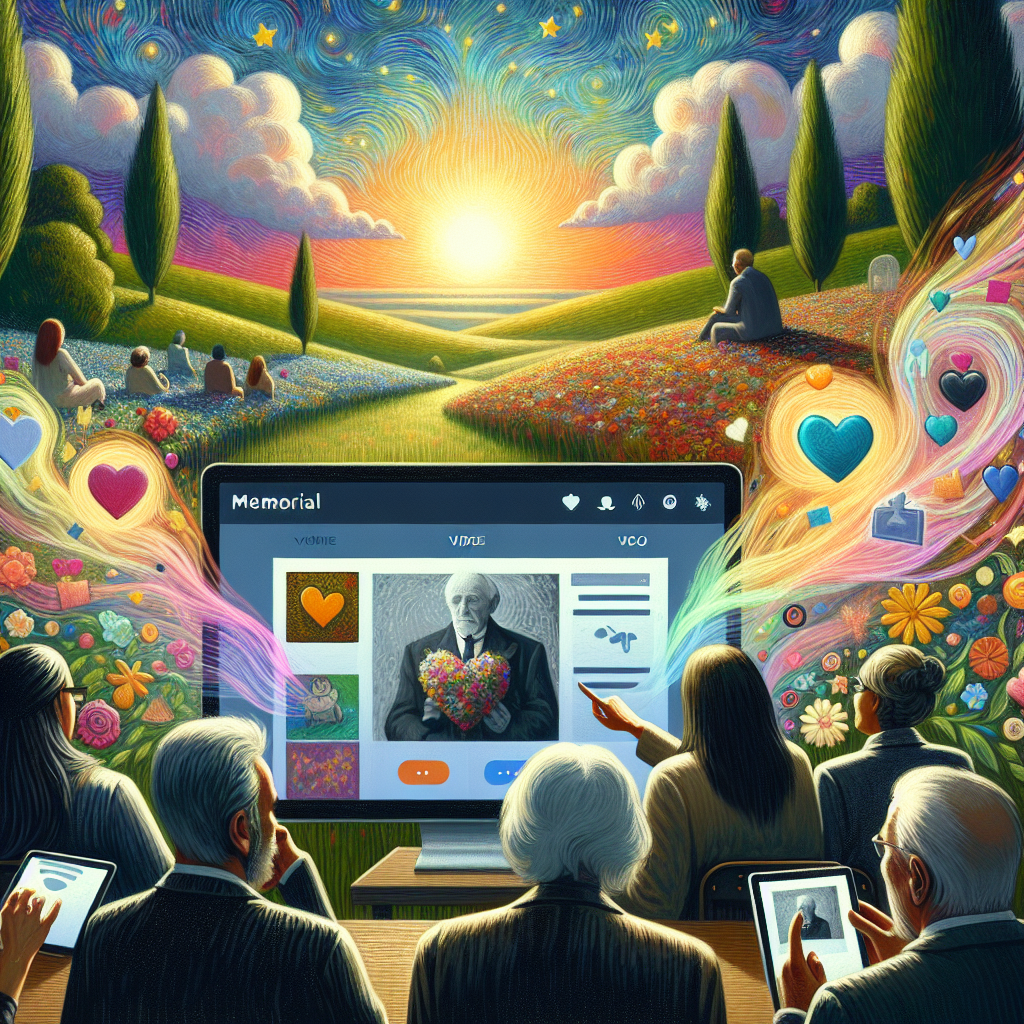
A Photo Without a Story Is Just Pixels
A Photo Without a Story Is Just Pixels
- A photo without a story lacks meaning and context.
- Legacy storytelling transforms images into narratives that convey significance and connection.
- Images can reveal rich human experiences and stories of sacrifice, dreams, and love.
- Storytelling connects generations and fosters appreciation for heritage in children.
- These narratives provide life lessons and insights for navigating challenges.
- Telling stories authentically encourages openness and sharing of truths.
- Photos combined with stories inspire connection and ignite change.
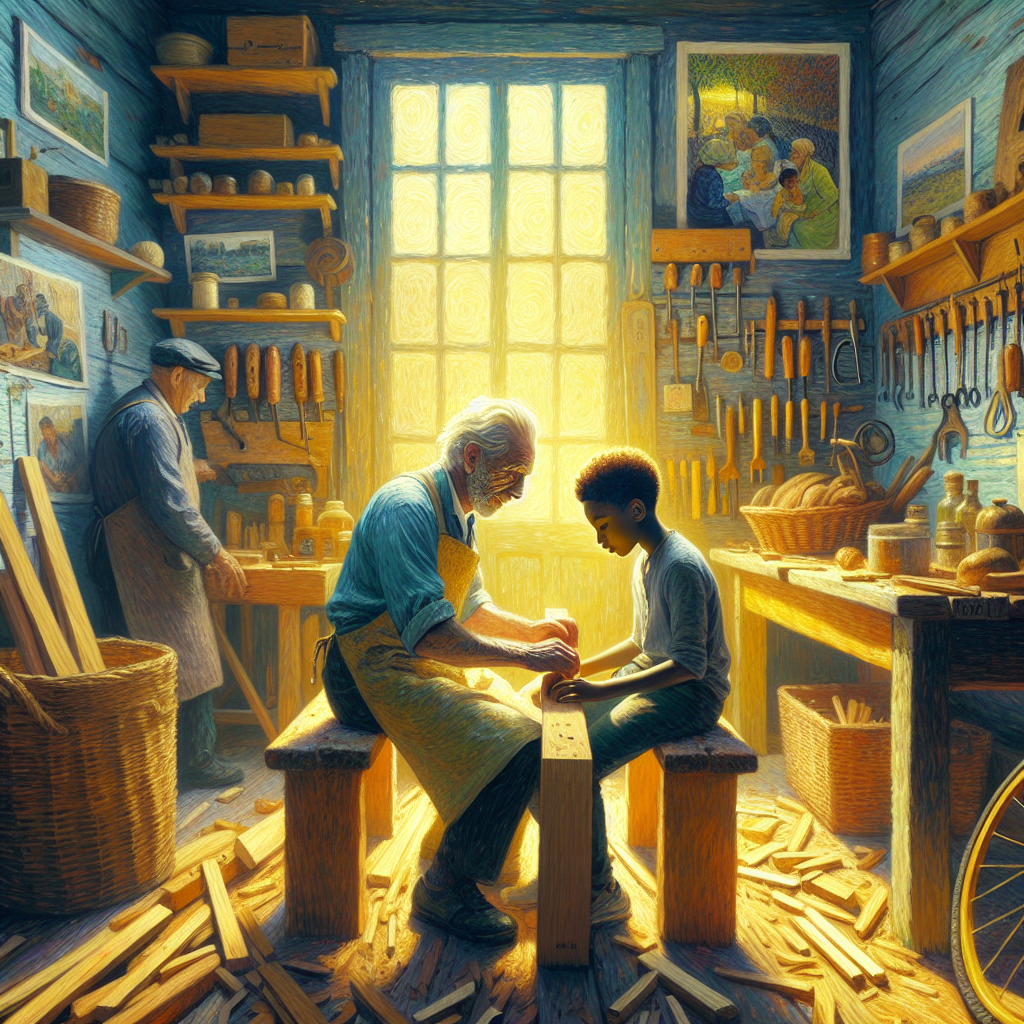
A Photo Without a Story Is Just Pixels
Table Of Contents
- A Photo Without a Story Is Just Pixels
- What Emotions Do Your Photos Capture and Convey?
- How Do Stories Enhance Visual Art?
- Can an Image Evoke Deeper Understanding Than Words?
- What Ethical Responsibilities Come with Sharing Photos?
- How Do Personal Narratives Shape Photographic Meaning?
- Why Do Relatable Stories Create Stronger Emotional Connections?
- What Authority Do Photographers Hold In Storytelling?
- Conclusion
- Other Resources
- Glossary Of Terms
- Other Questions
- Haiku
- Poem
- Checklist
What Emotions Do Your Photos Capture and Convey?
Every photograph we snap holds a piece of legacy storytelling, a visual testament to the moments that define us. The emotions captured in our images are powerful; they can evoke laughter, nostalgia, or even a tear. Consider this: when you look at a photograph, what do you feel? This question transcends the mere act of looking—it taps into something deeper, a connection that stirs both heart and mind.
Emotionally, photographs serve as mirrors reflecting the human experience. A smile immortalized in a fleeting moment can transport you back to a day filled with joy, reminding us of shared laughter around a dinner table. Conversely, a candid shot during a quiet moment may unearth the weight of solitude or loss, connecting us to others who have faced similar trials. This is the essence of storytelling—our stories, told through images, resonate with the stories of countless others, creating threads of empathy and understanding.
Rationally, the power of an image lies in its ability to convey complex narratives without a single word. Think about the impact of a striking photograph on social media; it can ignite conversations, foster connections, and inspire action. By presenting a visual narrative, we engage both our intellect and emotions, compelling viewers to reflect on their values and beliefs. It’s not just about what’s seen; it’s about what’s felt, creating a shared experience that invites us to ponder our place in the world.
Ethically, the photographs we choose to capture and share also play a role in legacy storytelling. They reflect our values, influencing how we perceive not only ourselves but also those around us. Each image carries with it the weight of responsibility; we must consider the stories we tell and the emotions we evoke. Are we fostering connection or division? Are we highlighting moments of triumph or despair?
Authority in photography is about mastering the art of representation. Those who understand light, composition, and timing can convey powerful messages, guiding viewers to see beyond the surface. When skilled storytellers share their work, they invite us to trust their perspective, making their images more than mere captures—they become catalysts for change, inspiring us to act and to reflect.
Our photographs are more than just pixels. They are portals to our legacy, a bridge connecting heart, head, and gut. Each click of the shutter is an opportunity to share a piece of our humanity, encouraging others to feel, reflect, and perhaps see the world anew through our eyes.

What Emotions Do Your Photos Capture and Convey?
What Emotions Do Your Photos Capture and Convey?
- Photographs represent legacy storytelling, capturing defining moments and powerful emotions.
- Images evoke nostalgia, laughter, or sadness, connecting heart and mind.
- Photographs reflect the human experience, reminding us of shared moments and struggles.
- They convey complex narratives without words, influencing conversations and inspiring action.
- Ethical considerations in photography involve the impact of shared images on values and perceptions.
- Mastering photography involves understanding light and composition to guide viewer interpretation.
- Each photograph is a reflection of humanity, inviting others to feel and reflect on their own lives.

What Emotions Do Your Photos Capture and Convey?
How Do Stories Enhance Visual Art?
Art transcends mere aesthetics; it weaves narratives that resonate deeply with our experiences and emotions. The power of visual art lies not just in what is seen but in the stories it tells. Every brushstroke, hue, and texture carries a legacy, a whisper from the artist that invites viewers into a shared moment of understanding. This kind of storytelling is not a new concept; it has been a tradition threading through our human experience for centuries, evolving but never losing its essence.
When we stand before a painting or a sculpture, we find ourselves engaged in a dialogue—one that stirs our hearts and challenges our perspectives. This is where legacy storytelling comes into play. When artists embed their personal narratives or broader societal themes into their work, they create connections that go beyond visual appreciation. It’s about evoking empathy, allowing us to step into the shoes of others and feel their triumphs, struggles, and beliefs. Art, therefore, becomes a collective memory, enriching not only our understanding of history but also our understanding of each other.
From the broad strokes of historical drama to the intricate details of personal expression, stories that inform visual art spark curiosity and invite exploration. They provide a rational context, revealing the artist’s intent and the cultural backdrop that shaped the creation. This connection fosters critical thinking, encouraging us to delve into the “why” behind the “what.” It’s this narrative complexity that inspires us to reflect, to interpret, and perhaps to act. The arts often challenge societal norms, question ethical dilemmas, and ignite conversations that inspire change.
Moreover, art functions as a social bridge, connecting diverse communities through shared experiences and stories. It’s a vessel for dialogue and an opportunity to address modern issues—each piece resonates differently based on one’s background, creating a tapestry of perspectives. This inclusive engagement cultivates a sense of trust, drawing us into a collective pursuit of meaning.
In embracing the stories within visual art, we recognize the transformative potential of creativity. We are not just passive observers; we become part of a larger narrative. We are moved to reflect on our own stories, to find our place within the artistic legacy before us. In doing so, we unleash the power of art to inspire action—not just for ourselves but for our communities, forging connections that last well beyond the frame.
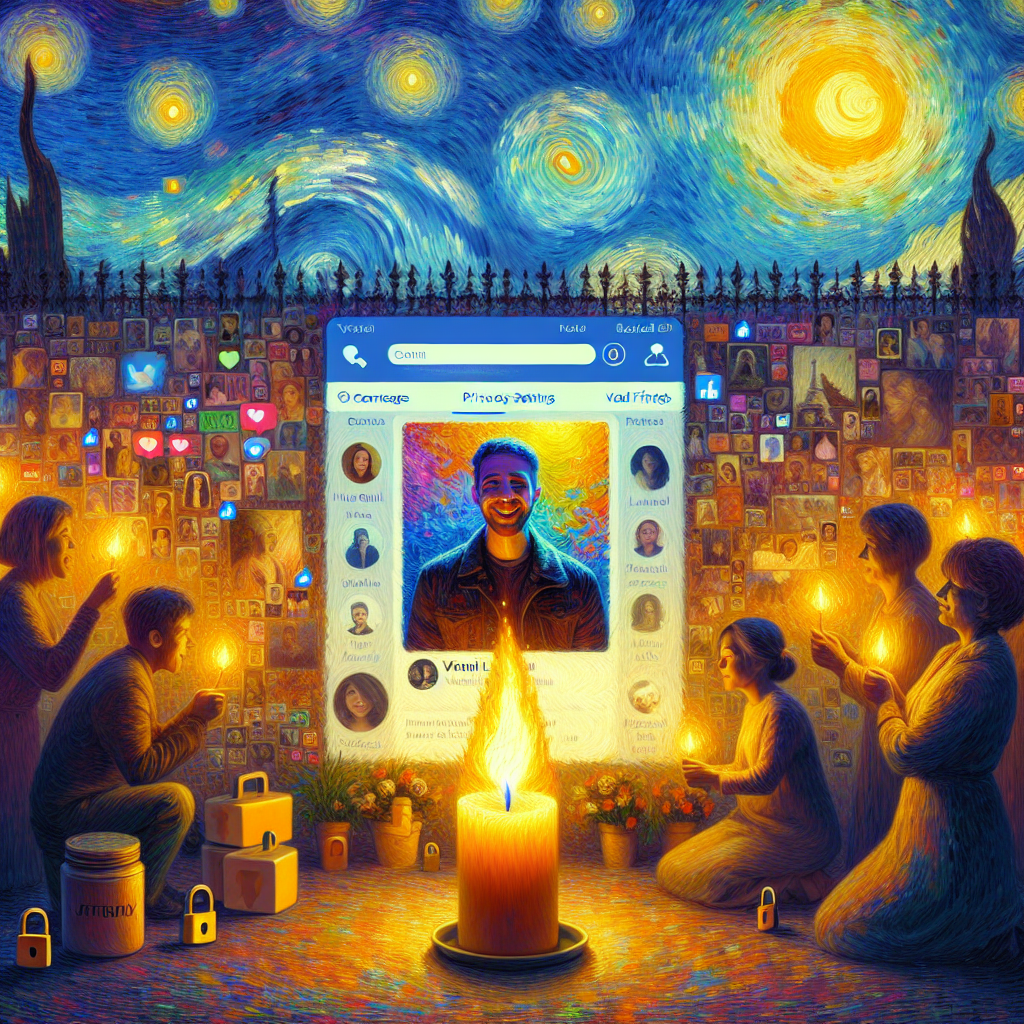
How Do Stories Enhance Visual Art?
How Do Stories Enhance Visual Art?
- Art extends beyond aesthetics, weaving narratives that resonate with personal experiences and emotions.
- Visual art tells stories through brushstrokes, hues, and textures, inviting viewers into shared moments of understanding.
- Legacy storytelling allows artists to embed personal and societal themes, fostering empathy and connection.
- Art serves as a collective memory, enriching our understanding of history and each other.
- Narrative complexity in art encourages critical thinking about the intentions and cultural contexts behind creations.
- Art acts as a social bridge, connecting diverse communities through shared stories and experiences.
- Engaging with art inspires individuals to reflect on their own narratives and catalyzes community action.

How Do Stories Enhance Visual Art?
Can an Image Evoke Deeper Understanding Than Words?
In a world overflowing with information, we often find ourselves hungry for genuine connection and understanding. Images possess a unique ability to encapsulate complex emotions and stories in a single frame. Think about the last time you looked at a photograph and felt an immediate connection. Perhaps it was a scene that reminded you of a cherished memory or a moment of vulnerability that resonated with your own experiences. These visuals can trigger a flood of emotions, making us feel seen and understood in ways that words struggle to capture.
Imagine walking through a gallery filled with photographs that tell the story of resilience. The expressions on faces, the dust on worn shoes, the weary eyes of a child waiting for a brighter tomorrow—each image is a chapter in what could be a larger narrative. This is legacy storytelling at its finest. Every picture has the potential to communicate what is deeply human, bridging gaps across cultures, backgrounds, and time. It’s not just art; it’s an invitation to engage with our shared humanity, a reminder that we are all part of something greater.
Rationally, consider how our brains process visual stimuli. Studies suggest that images are processed 60,000 times faster than text. When we see an image, we engage instantly; when we read, we analyze. This speed can evoke an emotional response long before our logical minds have a chance to catch up. In an age where attention spans are shrinking, the immediacy of an image serves as a potent tool for communication. A powerful photograph can encapsulate a story or a message that takes hundreds of words to explain, sparking curiosity and leading to deeper engagement.
Ethically, the images we share carry weight. They shape narratives and influence perceptions. When we focus on visual storytelling, we empower communities to tell their own stories, to share their struggles, and to illuminate their triumphs. This kind of storytelling fosters empathy and understanding, driving us toward collective action and conscious choices. Each image is a call to arms, urging us to reflect, to act, and to connect.
So, the next time you encounter an image that stirs something within you, take a moment to pause. Reflect on what it communicates, what stories it holds, and how it can inspire others. Images aren’t just snapshots; they’re powerful tools for connection and understanding, enabling us to navigate the world with a deeper sense of empathy and awareness. They encourage us to look beyond ourselves and embrace the rich tapestry of stories that surrounds us every day.

Can an Image Evoke Deeper Understanding Than Words?
Can an Image Evoke Deeper Understanding Than Words?
- Images capture complex emotions and stories in a single frame.
- Photographs resonate with personal experiences and memories, evoking strong emotional responses.
- Visual storytelling conveys resilience and bridges cultural gaps, fostering a shared humanity.
- Humans process images 60,000 times faster than text, leading to immediate engagement.
- Powerful images can communicate stories that would require extensive text to explain.
- Ethical use of images shapes narratives and empowers communities, fostering empathy and action.
- Images serve as tools for connection, inviting reflection on their messages and potential impact.

Can an Image Evoke Deeper Understanding Than Words?
What Ethical Responsibilities Come with Sharing Photos?
In the age of instant communication and social media saturation, the simple act of clicking a photo carries weight beyond what many may realize. When you share a photo, you are not just transmitting an image; you are becoming a part of a much larger narrative—a legacy of storytelling that intertwines your perception with the lives of others.
Consider the emotional landscape that unfolds with each image shared. A beautiful landscape might evoke nostalgia; a candid shot of friends can stir joy or longing. Each photo has the power to inspire a sense of belonging and community, yet with this power comes a profound ethical responsibility. Are you honoring those within the frame? Are you capturing their essence or framing them in a light that may alter how others perceive them? The heart of ethical photography does not lie solely in the image itself but in the story it tells.
Rationally, we must acknowledge the implications of our images. Every click can have far-reaching consequences. Think about it: how often do you scroll through a feed where someone’s life is displayed like an open book? Each photo potentially becomes a part of that individual’s legacy, influencing their future in ways we often overlook. Respecting the privacy and dignity of subjects is paramount. Before sharing, we should introspect: Would I want this shared about me? That simple question can be the cornerstone of responsible sharing.
Ethically, we stand on the shoulders of those who came before us. We should aim to cultivate a culture of respect within photography, where the intent behind sharing is as important as the image itself. Authority in this field doesn’t stem from technical skill alone but from the understanding that we have a duty to uplift rather than diminish. Each photograph is an opportunity for connection, fostering trust in the relationships cultivated through that shared experience.
Narratively, every image can be seen as a small thread in the broader tapestry of humanity. Capturing a moment is akin to weaving a story that transcends generations. When we share thoughtfully, we contribute to a collective narrative that inspires dialogue, reflection, and social change.
The ethical responsibilities of sharing photos go far beyond aesthetics. It’s about recognizing the profound impact our choices can have—on ourselves, on our subjects, and on the world around us. As we navigate this landscape, let us be guardians of our stories, ensure our lens captures the truth, and inspire a movement of mindful legacy storytelling that resonates with everyone involved.
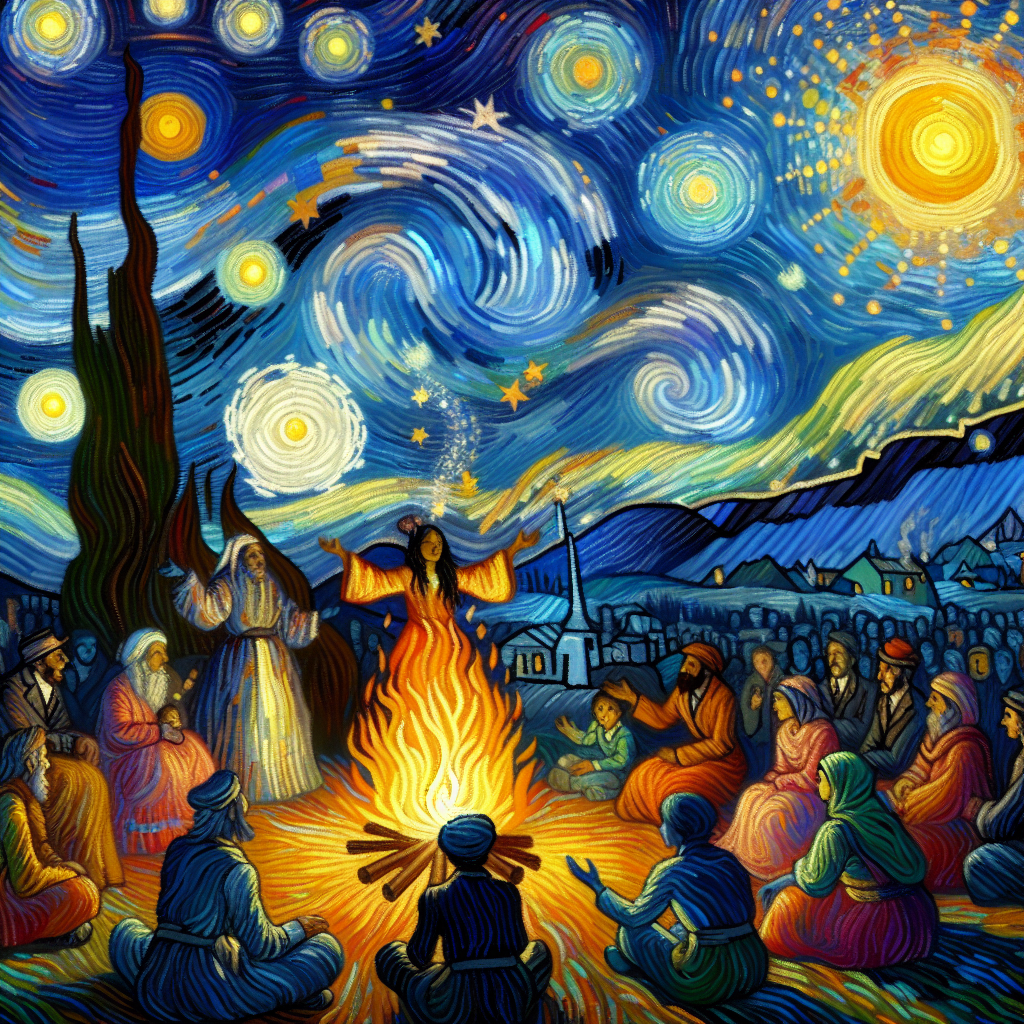
What Ethical Responsibilities Come with Sharing Photos?
What Ethical Responsibilities Come with Sharing Photos?
- The act of sharing photos contributes to a larger narrative and personal legacy.
- Photos evoke emotions and can foster a sense of belonging, but come with ethical responsibilities.
- It’s crucial to honor subjects in photos and consider the implications of how they are portrayed.
- Every image shared can influence an individual’s legacy and future, necessitating respect for privacy.
- Building a respectful culture in photography focuses on intent as well as technical skill.
- Each photograph is an opportunity to foster trust and connections through shared experiences.
- Ethical photo-sharing acknowledges the impact on oneself, subjects, and society, advocating for mindful storytelling.

What Ethical Responsibilities Come with Sharing Photos?
How Do Personal Narratives Shape Photographic Meaning?
Every photograph captures a split second, but it’s the personal narratives behind those moments that breathe life into the image. This isn’t just about a pretty picture; it’s about the legacy storytelling that unfolds with every snapshot. When you look at a photograph, you’re not merely gazing at pixels and colors; you’re peering into someone’s story, a tale woven from memories, emotions, and experiences. Each image carries the weight of its history, invoking feelings that resonate deeply.
Consider the power of an old family photo. The worn edges tell of years gone by, but it’s the faces—full of laughter, joy, or even sorrow—that move us. They remind us of our own families, our own moments frozen in time. Each photograph serves as a relic of identity, bridging the past with the present. In this way, personal narratives don’t just complement photographs; they define their meaning, transforming simple images into visceral reminders of who we are.
On a larger scale, personal narratives cultivate a sense of community. When we share stories associated with photographs, we invite others into our lives. It’s not just about telling our tales; it’s about creating connections. The shared experiences resonate with others, blurring the lines of individuality and drawing people together. A photograph of a community event becomes a collective memory when stories are exchanged, fostering a sense of belonging that is both powerful and necessary.
Moreover, these narratives invite us to reflect on our choices and values. A photograph can confront us with ethical dilemmas: What should be preserved? What should be shared? Who gets to decide what stories are told? This reflection isn’t just an intellectual exercise; it forms a gut-level response to the values that shape our lives. Every story told through photography represents a decision about legacy—what we want to pass down to future generations.
The authority of these narratives lies in their authenticity. We trust the stories born from lived experiences, raw and honest. They hold a mirror to our struggles, triumphs, and the human condition. As we connect with others through these shared narratives, we inspire trust in one another—trust that our experiences, whether joyous or painful, resonate on a profound level. In essence, this is what photography can achieve: It captures not just moments but also invites us to share our legacies, enriching our lives and the lives of those around us.

How Do Personal Narratives Shape Photographic Meaning?
How Do Personal Narratives Shape Photographic Meaning?
- Photographs capture split seconds and personal narratives that add depth to images.
- Each photograph acts as a relic of identity, linking the past to the present.
- Sharing stories related to photographs fosters a sense of community and connection.
- Photographs serve as collective memories, enhancing feelings of belonging.
- Narratives prompt reflection on ethical dilemmas and values regarding preservation and sharing.
- Authenticity in narratives strengthens trust and resonates with shared human experiences.
- Photography enriches lives by inviting the sharing of legacies and personal history.

How Do Personal Narratives Shape Photographic Meaning?
Why Do Relatable Stories Create Stronger Emotional Connections?
In a world flooded with images and sounds, it’s the story — the legacy of who we are — that resonates on a deeper level. Legacy storytelling plays a pivotal role in creating connections that go beyond mere words. When we share a story that mirrors someone else’s experiences, we bridge the chasm between our lives, allowing mutual understanding to blossom.
Think about it. Stories rooted in everyday experiences trigger an emotional response. They unveil vulnerabilities, fears, and triumphs common to all. When someone recounts a struggle with loss or joy in the face of adversity, it’s not just a tale; it’s a mirror reflecting our own journey. This connection fosters trust. We see ourselves in these stories, which leads us to open up and share parts of ourselves, spinning a web of empathy and camaraderie.
Rationally, we engage with narratives far more powerfully than plain facts. Data and statistics don’t breathe, don’t feel. They lack the heartbeat that a tangible story provides. A story can illustrate the real-world implications of an issue, bringing abstract concepts into focus. When we hear a personal account of hardship, it contextualizes information in a way that mere numbers cannot. This is where the head meets the heart, leading to a more profound understanding and response.
Ethically, there’s a weight to these narratives. They challenge us to reflect on our values, on the principles that guide our actions. Consider the stories of those who’ve stood up against injustice; they inspire us to do the same. We recognize the greatness in these individuals, sparking a sense of moral obligation within ourselves to act with integrity and compassion, igniting change.
Moreover, storytelling taps into our social instincts. Humans are social creatures, yearning for connection. When we find that our experiences resonate with others, we cultivate a sense of belonging. This is essential; life’s burdens become lighter when shared. Ultimately, strong emotional bonds form when storytelling transcends personal boundaries and becomes collective.
Stories link generations, weaving a thread between past and present, encouraging us to build a legacy that uplifts. Each tale we share is not just an anecdote; it’s an invitation to inspire action, to foster connections, and to create a community that understands and embraces one another. It’s this legacy storytelling — our shared humanity — that brings us together, rooting us in trust and confidence, inspiring us to take the leap into a brighter future.

Why Do Relatable Stories Create Stronger Emotional Connections?
Why Do Relatable Stories Create Stronger Emotional Connections?
- Legacy storytelling creates deep connections beyond words.
- Shared stories foster mutual understanding and empathy.
- Everyday experiences in stories evoke emotional responses.
- Narratives illustrate real-world implications, enhancing understanding.
- Ethical storytelling inspires moral action and integrity.
- Storytelling cultivates belonging and social bonds.
- Stories link generations, encouraging a legacy of community and action.

Why Do Relatable Stories Create Stronger Emotional Connections?
What Authority Do Photographers Hold In Storytelling?
Photographers wield a power that often transcends mere images; they shape narratives that resonate with our core. Their lens captures more than just light; it memorializes moments, weaving a legacy of storytelling that stirs the heart, challenges the mind, and ignites the gut. Each photograph is a frozen tale, a heartbeat caught in the rush of modern life, demanding attention and reflection.
Consider the overwhelming impact of a single photograph. It can transport us to a time or place we’ve never known, introduce us to a stranger, or make us look anew at the familiar. This is storytelling at its finest. It’s not simply an array of colors and shapes; it’s a window into the soul of humanity, highlighting joy, sorrow, triumph, and failure. Each click of the shutter is both an assertion and an invitation—a beckoning to look deeper and feel more profoundly.
The authority photographers hold stems from their ability to distill complex stories into a singular frame. They connect us to the narratives often overlooked or forgotten. In a world bombarded with noise and distraction, they remind us of the simplicity and power of the moment. Their work evokes empathy, urging us to recognize ourselves in the experiences of others. It’s a profound ethical responsibility that comes with wielding such power, as they decide what stories deserve to be told and through which lens.
By sharing their authentic visions, photographers foster a sense of community. Their images spark dialogue amongst diverse groups, connecting strangers through shared experiences and emotions. This social dynamic enhances their authority, as viewers find common ground in the stories presented. A photograph can provoke action, generate awareness, or inspire change, making it a tool for both personal and collective growth.
As we navigate the world, let us remember that photographers are the storytellers of our time, tasked with preserving the legacy of who we are. Their authority lies in their ability to engage our hearts, stimulate our minds, and stir our guts. By embracing their work, we take part in a larger narrative, one that reminds us of our shared humanity. So the next time you gaze at a photograph, pause and reflect—recognize the weight of the story it holds and the responsibility that comes with witnessing it. These moments invite connection and encourage us all to share in the storytelling journey.

What Authority Do Photographers Hold In Storytelling?
What Authority Do Photographers Hold In Storytelling?
- Photographers shape narratives beyond images, capturing and memorializing moments that resonate emotionally.
- Each photograph is a storytelling vehicle, highlighting complex human experiences like joy and sorrow.
- A single photograph can transport viewers to different times, places, or perspectives, facilitating deep reflection.
- Photographers distill intricate stories into singular frames, connecting audiences to often overlooked narratives.
- Their work fosters empathy, urging recognition of shared human experiences and ethical storytelling responsibility.
- By sharing authentic visions, photographers create community and dialogue among diverse groups.
- Photographs serve as tools for action, awareness, and change, emphasizing collective growth and shared humanity.

What Authority Do Photographers Hold In Storytelling?
Conclusion
Every photograph is more than just a visual; it’s a narrative, a fragment of life captured in time, rich with emotions and stories. When we look at a photo, we aren’t just seeing shapes and colors; we’re engaging with memories, legacies, and experiences that echo through generations. The heart of photography lies in its ability to bridge the past with the present. These images invite us to explore the complexities of human existence—our joys, our struggles, our shared humanity. A snapshot of an elderly individual can evoke laughter or sadness, revealing a history that resonates profoundly within us.
Legacy storytelling enriches these images, transforming mere pixels into deep connections that speak to our hearts and minds. Each story enhances our understanding and appreciation of not just the photo, but of who we are as individuals and as a community. Legacy storytelling acts as a vessel through which we share the light and darkness of our experiences, fostering empathy and trust within families and among strangers alike. The emotional resonance of shared experiences creates bonds that allow us to navigate our own narratives with greater understanding.
Rationally, the impact of an image is immediate. We process visuals much faster than words, and that speed can reveal insights and influences that statistics fail to deliver. This immediacy invites reflection and discussion, urging us to contemplate how we perceive our world and the values we hold. Ethically, we have a responsibility to respect and honor the subjects within our photographs, understanding that these images can shape narratives and influence societal perceptions. They inspire action, inviting us to confront injustices and celebrate victories, thus igniting a sense of obligation to champion truthfulness in our storytelling.
Photography fosters community and dialogue, allowing us to forge connections through shared narratives. Each image shared becomes part of a larger conversation—an opportunity to discuss what it means to be human in a complex world. The authority of photographers lies not just in their technical skills, but in their ability to bring forth deeper truths and encourage vulnerability.
Ultimately, photographs enriched with stories resonate more profoundly than those without. They invite us to engage, reflect, and connect, crafting legacies that inspire both personal growth and collective change. Consider the power of your own images; each click of the shutter can become a timeless legacy, uniting hearts and minds through the stories it tells. Together, let us honor these narratives, recognizing that a photo without a story is merely pixels, while one imbued with meaning is a powerful testament to our shared journey.

Conclusion
Conclusion:
- Photographs serve as narratives, capturing life with rich emotions and stories.
- They connect the past to the present, inviting exploration of human complexities.
- Legacy storytelling enhances images, fostering deeper connections and understanding.
- The immediate impact of visuals encourages reflection and discussion on values.
- Photographers have ethical responsibilities to respect subjects and shape narratives.
- Photography promotes community and dialogue through shared human experiences.
- Images enriched with stories inspire personal growth and collective change.

Conclusion
Other Resources

Other Resources
Here is a list of other resources you can review online to learn more:
- Storyworth
- Association of Personal Historians
- LifeWeb 360
- PartingWishes
- MyHeritage
- 23AndMe
- Geneanet
- FuneralWise
- My Wonderful Life
- Forever Missed
- Storyfile Life
- Funeral Services Guide
- INELA
- LifeNaut
- LifeBio
- Ancestry
- StoryCorps
- ForeverMissed
- MyMoriam
- deviantART
Use This Prompt To Get More Resources With Your Favorite Online AI Tool: Please provide me with a list of online articles with their URLs in a bulleted list that I can read regarding A Photo Without a Story Is Just Pixels

Other Resources
Glossary Terms
A Photo Without a Story Is Just Pixels – Glossary Of Terms
1. Aesthetic: The visual appeal or beauty of a photograph that captivates the viewer.
2. Composition: The arrangement of elements within a photo that creates balance and focus.
3. Context: The background information or circumstances surrounding a photo that enhances its meaning.
4. Emotion: The feelings that a photograph evokes in the viewer, often linked to the subject or story.
5. Frame: The boundaries or edges of a photograph that influence how the subject is perceived.
6. Focus: The sharpness and clarity of the subject in a photograph, guiding viewer attention.
7. Light: The illumination that shapes a photo’s mood, highlighting or shadowing elements.
8. Narrative: The story or message conveyed through the elements and composition of the photograph.
9. Perspective: The viewpoint or angle from which a photo is taken, affecting its interpretation.
10. Mood: The overall feeling or atmosphere created by a photograph’s composition and lighting.
11. Subject: The main focus or central theme of a photograph, often conveying a story.
12. Symbolism: The use of visual elements in a photo to represent ideas or concepts beyond their literal meaning.
13. Technique: The methods used in photography, such as exposure, shutter speed, and depth of field.
14. Vignette: A technique that involves fading the edges of a photograph to draw attention to the center.
15. Contrast: The difference between light and dark areas in a photo that can enhance its impact.
16. Saturation: The intensity or purity of colors in a photograph, affecting its emotional tone.
17. Narrative Arc: The structure of a story within a photo, often demonstrating a beginning, middle, and end.
18. Documentation: Capturing and preserving moments or events through photography that tell a broader story.
19. Captivation: The ability of a photo to hold viewers’ attention and interest.
20. Candid: Unposed and spontaneous moments captured in photography, often revealing true emotions.
21. Juxtaposition: The placement of two contrasting elements in a photo to create meaning or highlight differences.
22. Depth: The perception of three-dimensional space in a photo, created through composition and focus.
23. Highlight: The lightest areas in a photograph that emphasize certain details.
24. Shadow: The darker areas of an image that can add depth and dimension.
25. Visual Storytelling: The art of using images to narrate a story without words.
26. Experimentation: The process of trying new techniques or perspectives to discover unique photographic expressions.
27. Rendering: The depiction of reality or imagination through artistic expression in photography.
28. Intent: The purpose behind capturing a photograph, often influencing its style and composition.
29. Emotionally Resonant: Describes photos that connect deeply with viewers, evoking strong feelings.
30. Inspiration: The spark that motivates a photographer to capture and tell a story through their work.

Glossary Of Terms
Other Questions
A Photo Without a Story Is Just Pixels – Other Questions
If you wish to explore and discover more, consider looking for answers to these questions:
- How do I craft a compelling story to accompany a single photograph?
- What practical steps can I take to capture genuine emotion in photos?
- Which interview questions should I ask subjects to uncover meaningful backstory?
- How can I balance artistic composition with truthful representation?
- What ethical guidelines should I follow before sharing someone’s photo online?
- When is consent required and how should I document it?
- How do I handle photos of vulnerable people or sensitive situations responsibly?
- What are best practices for obtaining permission from minors and guardians?
- How can I avoid exploiting subjects while still telling a powerful story?
- What legal issues (copyright, model releases) should photographers be aware of?
- How can I verify and contextualize factual claims connected to an image?
- What techniques help photographs evoke empathy rather than pity?
- How can captions and short narratives change the viewer’s perception of an image?
- What storytelling frameworks work best for photographic essays or series?
- How do I decide which photos to include in a legacy or family archive?
- How should I preserve and archive photos for future generations?
- What metadata and documentation should accompany archived images?
- How can I combine oral histories with photographic records effectively?
- What role does cultural context play in interpreting images, and how do I provide it?
- How can photographers ensure diversity and fair representation in visual storytelling?
- What are ethical considerations around editing or retouching documentary photos?
- How can I use social media to share legacy stories without compromising privacy?
- How do I measure the impact or reach of a photographic story?
- Are there proven techniques to make images more memorable or emotionally resonant?
- How accurate is the claim that images are processed “60,000 times faster than text”?
- What workshops, books, or courses are recommended for learning legacy storytelling?
- How can families encourage elders to share stories and memories on camera?
- What are common pitfalls when turning personal photos into public stories?
- How should photographers approach contentious or traumatic family histories?
- How do I ethically document community struggles or activism through photography?
- When should a photographer anonymize subjects or obscure identifying details?
- How can photographers collaborate with communities to co-create narratives?
- What tools and software best support combining text, audio, and images for storytelling?
- How can photographers avoid reinforcing stereotypes when telling others’ stories?
- How do I write captions that add insight without imposing interpretation?
- What steps can I take to ensure my photographic legacy is accessible and discoverable?
- How do photographers navigate the tension between artistic license and factual accuracy?

Other Questions
Haiku
A Photo Without a Story Is Just Pixels – A Haiku
Pixels capture but fade,
Stories breathe life into frames,
Hearts connect, truth revealed.

Haiku
Poem
A Photo Without a Story Is Just Pixels – A Poem
In pixels captured, souls align,
Each photo tells a tale divine.
Beyond mere colors, forms and light,
A story breathes, igniting insight.
Wisdom etched in weathered eyes,
Moments frozen, where memory lies.
Generations bridge through visual lore,
Legacy woven, hearts to explore.
Emotions rise from smiles and tears,
Shared experiences dissolve our fears.
Art transcends the surface, speaks deep truths,
Uniting us all in our human roots.
Ethics guide the tales we share,
Honor each subject, show you care.
With every click, a choice unfolds,
Narratives rich, let empathy hold.
Photographers craft with intent and grace,
Invoking stories in every space.
Connections forged through visual art,
Inviting reflection, a call to the heart.
So when you capture a moments glow,
Hear the whispers, let the stories flow.
In every frame, let meaning connect,
Transform our lives, inspire, reflect.

Poem
Checklist
A Photo Without a Story Is Just Pixels – A Checklist
Emotional Appeals
✅______ Reflect on the personal memories each photo evokes.
✅______ Consider how the images convey joy, sadness, nostalgia, or triumph.
✅______ Encourage sharing feelings associated with each photograph to foster connection.
Rational Appeals
✅______ Analyze the narratives behind photos and how they inform our understanding of complex issues.
✅______ Evaluate the impact of visual storytelling on social awareness and community engagement.
✅______ Contemplate the potential lessons and insights the stories can provide for personal growth.
Ethical Appeals
✅______ Assess the responsibility in sharing photos—are they respectful and authentic?
✅______ Question the implications of the stories told through images and their effects on subjects and viewers.
✅______ Ensure that the narratives shared empower rather than exploit.
Authority Appeals
✅______ Recognize the skill and intent behind capturing moments—does the photographer have credibility and experience?
✅______ Reflect on the influence of professional photographers in shaping public discourse through their work.
✅______ Acknowledge the importance of diverse perspectives in storytelling.
Narrative Appeals
✅______ Identify how personal and collective stories are woven into the imagery.
✅______ Encourage storytelling alongside photo sharing to deepen understanding and connection.
✅______ Explore the cultural and historical contexts that enrich the narratives.
Social Appeals
✅______ Engage in discussions about shared experiences reflected in the photos.
✅______ Foster community by connecting with others through relatable stories captured in images.
✅______ Encourage collaborative narratives that invite contributions and diverse viewpoints.

Checklist
At LegacyExplorations, we help people plan and explore their legacy by collecting information and news regarding end-of-life planning.
Please share this post with your friends, family, or business associates who may want help to plan or explore their legacy.