

Unlocking Legacy: Bridging Hearts And Minds In Inheritance Battles
By Tom Seest
At LegacyExplorations, we help people plan and explore their legacy by collecting information and news regarding end-of-life planning.
Please share this post with your friends, family, or business associates who may want help to plan or explore their legacy.
Access Denied – the Modern Inheritance Crisis
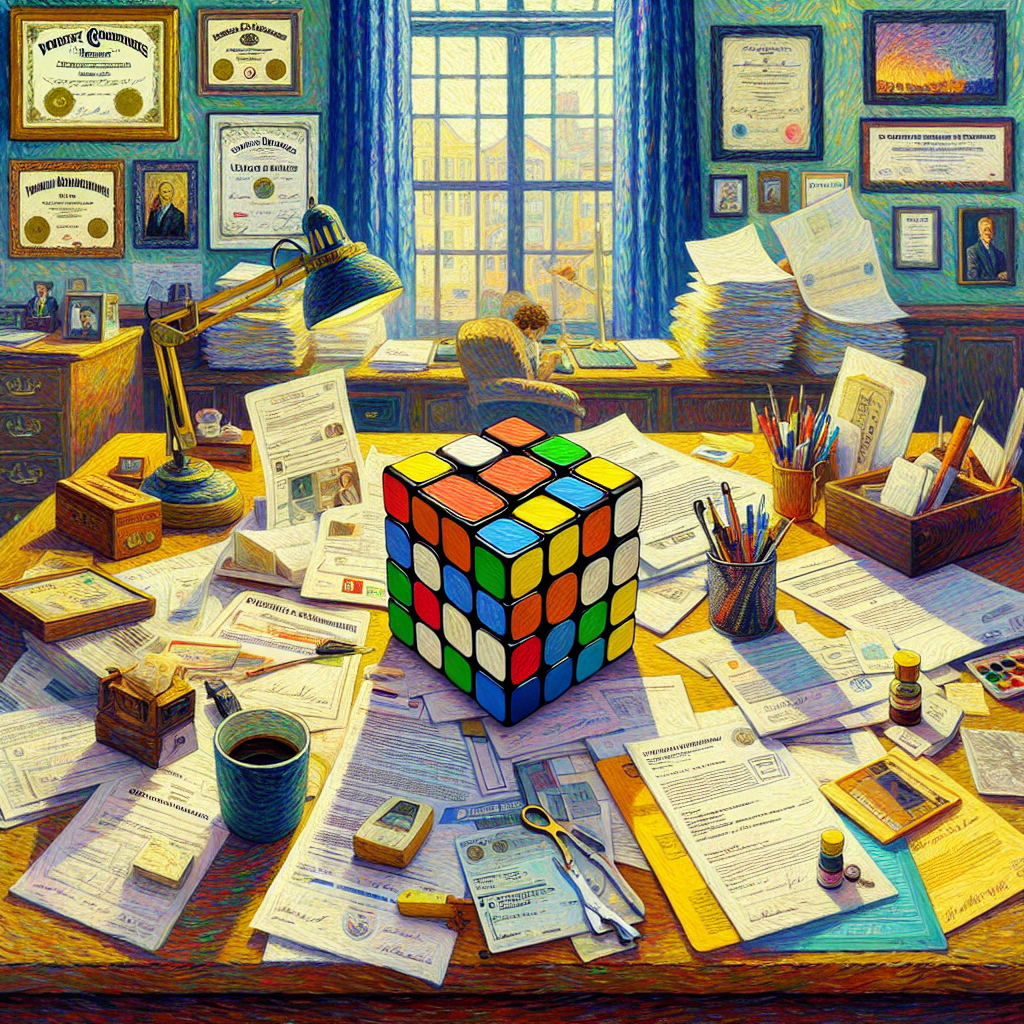
When we think of inheritance, we often envision the passing of wealth, property, or treasured family heirlooms from one generation to the next. However, beneath the surface lies a complex crisis that transcends mere material possessions. It’s about legacy storytelling, the narratives we weave, and the bonds that tie us to our past, our family, and our society. Too many individuals find themselves on the wrong side of access denied, left to grapple with unfulfilled expectations and the emotional weight of what could have been.
Imagine a young woman discovering a box of letters from her grandmother, poignant pieces of a life filled with struggles, triumphs, and wisdom. In these moments of connection, she realizes that her true inheritance isn’t a mansion or a bank account, but the stories and values that shape who she is. Yet, for many, the thread of legacy storytelling is frayed or nonexistent, severed by familial conflict, poor communication, or sheer neglect. This crisis is not just a personal loss; it creates a ripple effect throughout families and communities, undermining our collective understanding of who we are.
The disparity in access to inheritances reflects larger societal issues. Some families are able to pass down generational wealth, while others are left scrambling to make ends meet. It’s not just about money; it’s about the stories untold, lessons unlearned, and identities lost. The moral imperative is clear: we must ensure that everyone has the chance to partake in this essential human experience. Embracing legacy storytelling allows us to honor our ancestors, learn their lessons, and pass down not just assets, but the values that enrich our lives.
Think about the impact of sharing your story with loved ones. It cultivates trust and confidence, fostering a sense of belonging and continuity. When we invite our families into our narratives, we create an intertwined tapestry—one rich with emotional depth and collective resilience. This is the power of storytelling: it empowers us to confront the inheritance crisis head-on, transforming it from a source of division into an opportunity for connection and growth.
In addressing the modern inheritance crisis, we don’t just salvage relationships; we foster a renewed understanding of what it means to inherit. By reclaiming the art of legacy storytelling, we can ensure that future generations inherit not just wealth, but the richness of shared experiences and invaluable lessons learned along the way.

Access Denied – the Modern Inheritance Crisis
Access Denied – the Modern Inheritance Crisis
- Inheritance often viewed as the passing of wealth and property between generations.
- The true essence of inheritance lies in legacy storytelling and familial bonds.
- Many face emotional challenges due to denied access to family narratives.
- Stories and values hold more significance than material wealth.
- Generational disparities in inheritance reflect broader societal issues.
- Sharing stories fosters trust, belonging, and emotional depth within families.
- Reclaiming legacy storytelling enhances understanding of inheritance for future generations.
Access Denied – the Modern Inheritance Crisis
Table Of Contents
- Access Denied – the Modern Inheritance Crisis
- What Does Inheritance Mean for Our Family Legacy?
- How Can We Navigate the Complexities Of Wills?
- Are We Prepared for the Emotional Impact Of Inheritance Disputes?
- What Role Does Fairness Play In Dividing an Estate?
- How Can We Ensure Our Values Are Upheld In Our Will?
- What Stories Do Our Possessions Tell About Our Lives?
- How Do Family Dynamics Affect Inheritance Decisions?
- Conclusion
- Other Resources
- Glossary Of Terms
- Other Questions
- Haiku
- Poem
- Checklist
What Does Inheritance Mean for Our Family Legacy?
When we think about inheritance, it often conjures images of dollar signs and legal documents. But in truth, it’s so much more profound. Inheritance isn’t just what you leave behind; it’s about the stories, values, and traditions we pass from one generation to the next. It’s legacy storytelling, where every anecdote shapes how we view our past and informs our future.
Consider the weight of a family heirloom—a worn-out fishing rod, a recipe passed down through generations, or a quilt stitched with care. These items tell stories of who we are, grounding us in a shared history while encouraging us to dream for the future. Each thread in that quilt doesn’t just hold fabric; it stitches together the aspirations, struggles, and triumphs of those who came before us. As we reflect on these inheritances, we tap into a wellspring of identity and belonging.
Inheritance invites us to engage with our family’s narrative, invoking a rush of emotions that span pride, nostalgia, and even sorrow. It’s a reminder that we are part of something larger. The values instilled in us—honesty, hard work, compassion—become the blueprint for our behavior and decision-making. We inherit more than property; we inherit principles that shape our character and influence future generations.
Rationally, this legacy holds the power to unite us. It reminds us of our roots, educating us on the significance of resilience in the face of adversity. By sharing our stories, we cultivate an understanding that transcends time. Each shared memory becomes a building block of familial unity, reinforcing our collective identity. Think about the lessons learned from your parents or grandparents. Those stories carry the weight of experience, urging us to both remember where we came from and envision where we’re going.
Ethically, it compels us to consider our role in this ongoing narrative. What are we teaching those who come after us? Are we passing on wisdom that enriches their lives? By taking responsibility for what we leave behind, we inspire trust not just in our legacy, but in the importance of family and community. Thus, inheritance evolves from a mere transactional exchange into a social contract, binding us together through shared values and experiences.
Ultimately, inheritance is about connection—through legacy storytelling, we bridge the gaps between generations. When we choose to honor our past, we empower our future, creating a lineage that is filled with purpose, understanding, and deep-rooted love.

What Does Inheritance Mean for Our Family Legacy?
What Does Inheritance Mean for Our Family Legacy?
- Inheritance encompasses more than just material wealth; it includes stories, values, and traditions.
- Family heirlooms reflect shared history and aspirations, connecting generations.
- Values learned from family shape our behavior and decision-making.
- Shared stories foster familial unity and reinforce a collective identity.
- Inheritance compels us to consider our role in passing on wisdom to future generations.
- It transforms from a transactional exchange into a social contract of shared values.
- Honoring our past through legacy storytelling empowers our future with purpose and connection.

What Does Inheritance Mean for Our Family Legacy?
How Can We Navigate the Complexities Of Wills?
Navigating the complexities of wills can often feel like wandering through a dense fog, clouded with uncertainty and emotion. Many of us associate the subject with loss, grief, and tough conversations that we’d rather avoid. However, approaching this topic with a mix of emotional honesty and practical clarity can transform a daunting task into a meaningful journey.
At its core, legacy storytelling lies at the heart of any will. It’s not merely a list of assets and beneficiaries; it’s a timestamp of your life—a narrative that holds your values, dreams, and the essence of who you are. Each decision you make within that document is a brushstroke on the canvas of your legacy. It’s a chance to convey lessons learned, hopes for future generations, and stories that define your family.
Engaging in this process requires both heart and head. Emotionally, consider the sentiments tied to your possessions. Perhaps a beloved guitar holds cherished memories of family gatherings, or a grandfather’s watch carries wisdom across generations. Rationally, think of the practical implications: ensuring that your hard-earned legacy doesn’t dissolve into chaos but instead becomes a source of unity and strength for your loved ones. By clearly outlining your wishes and values, you transform what could be a battleground of disputes into a foundation for collaboration and connection.
Ethically, there’s a responsibility to address tough conversations head-on. Avoiding discussions about wills often leads to misunderstandings and resentment. Engaging your loved ones in this process fosters trust and transparency. They gain a clearer understanding of your intentions, providing them with the peace of mind that comes with knowing your wishes.
Talk to those you trust—whether it’s family members or legal experts. Their insights and support can guide you through the legal and emotional landscapes. There’s no shame in seeking help; everyone benefits from shared knowledge. You’re not just drafting a legal document; you’re crafting a roadmap navigated by love and purpose.
Ultimately, the act of creating a will is a profound expression of your humanity. It’s a chance to impact lives long after you’re gone. So take that step, delve into legacy storytelling, and make your own narrative a guiding light for the ones you leave behind.

How Can We Navigate the Complexities Of Wills?
How Can We Navigate the Complexities Of Wills?
- Navigating wills involves emotional challenges and complex conversations often associated with loss.
- Legacy storytelling is central to a will, serving as a narrative of values and dreams.
- Each decision in a will contributes to the individual’s legacy and communicates important life lessons.
- Creating a will requires balancing emotional significance with practical considerations to prevent disputes.
- Engaging loved ones in discussions about wills promotes trust and clarity regarding one’s intentions.
- Seeking guidance from trusted individuals or legal experts can aid in navigating the complexities of will creation.
- Creating a will is a deeply human act that leaves a lasting impact on future generations.

How Can We Navigate the Complexities Of Wills?
Are We Prepared for the Emotional Impact Of Inheritance Disputes?
Are We Prepared for the Emotional Impact of Inheritance Disputes?
Inheritance disputes can turn a family’s grief into a battlefield, where what should be a legacy of love is transformed into discord. As we gather to honor those we’ve lost, what most families forget is that the emotional impact can linger far beyond the final farewells. Inheritance is not just about property or money; it’s about the stories that bind generations together. It’s a form of legacy storytelling that reflects values, dreams, and aspirations passed down through time, but an inheritance dispute can shatter that narrative into fragments.
Imagine holding a cherished family heirloom that tells a story of resilience, hard work, and unity. Now, picture that same heirloom being ripped away in the name of entitlement. Suddenly, a loving family becomes a collection of adversaries, each fighting not just for material wealth, but for recognition of their worth within the family fabric. These emotional disputes cut deep, planting seeds of resentment that can grow into chasms impossible to cross. Here lies a problem that demands our attention.
Rationally, we know that planning for inheritance can prevent such conflicts. Crafting a well-thought-out will can provide clarity, yet many shy away from these conversations, thinking it will somehow lessen their love for those still living. However, neglecting this responsibility may lead to grief morphing into regret or anger, as survivors grapple with what remains after a loved one is gone. Ethically, leaving behind a comprehensive plan that considers everyone’s feelings and needs fosters harmony instead of chaos, paving the way for healing.
Consider this: disputes can overshadow the essence of who we are—our values, our relationships, and our stories. When families take the time to communicate their wishes thoughtfully, they honor not just their memories, but the very essence of their legacy. They transform potential disputes into opportunities for connection, sharing narratives that matter. This is where authority comes into play; financial advisors and legal experts can guide families through these fraught waters, providing tools to navigate what can feel insurmountable.
The emotional cost of inheritance disputes can be harrowing, impacting not just individuals but entire family systems. By engaging in open dialogue and planning ahead, we can diminish the need for battles, inviting a dialogue that honors our collective history. When we commit to legacy storytelling, we ensure that love triumphs over conflict, allowing families to emerge not as adversaries, but as stewards of memories, bound by love—even beyond life itself.

Are We Prepared for the Emotional Impact Of Inheritance Disputes?
Are We Prepared for the Emotional Impact Of Inheritance Disputes?
- Inheritance disputes can create conflict during family grief, transforming legacy into discord.
- Inheritance represents not just money or property but the stories and values passed through generations.
- Disputes can result in deep emotional wounds and resentment, affecting family relationships.
- Planning ahead with a well-structured will can mitigate conflicts arising from inheritance issues.
- Open communication about inheritance may foster harmony rather than chaos, aiding in healing.
- Engaging financial advisors and legal experts can help navigate complex inheritance matters.
- Focusing on legacy storytelling ensures that love and connection prevail over conflict within families.

Are We Prepared for the Emotional Impact Of Inheritance Disputes?
What Role Does Fairness Play In Dividing an Estate?
When it comes to dividing an estate, you’re not just handling numbers and assets; you’re engaging in a deeply human experience that intertwines financial decisions with family emotions. Fairness, in this context, acts as a guiding principle—a silent storyteller weaving through the fabric of relationships as legacies are passed down. Picture a family gathered around the dining table, sharing memories of loved ones, each story a thread in a rich tapestry that exemplifies their values. This is where legacy storytelling comes alive, transforming what could be a transactional process into an opportunity to honor the past.
At the heart of this conversation lies the question of equity. We often find that fairness is more than just smooth sailing for the sake of harmony; it is a vital moral compass. When decisions regarding inheritance are made without consideration for fairness, the ripples can affect generations. Imagine siblings at odds over a property or cherished heirlooms, torn apart by perceived injustices. In these moments, fairness has the capacity to unite rather than divide, building a bridge of trust that reminds each member of their shared history and interdependence.
Embracing fairness in estate division also extends to ethical obligations. When decisions reflect genuine concern for each person involved, it fosters a sense of respect and dignity. Everyone wants to feel valued, especially in times of loss. Ensuring that each family member feels heard and considered doesn’t just create a sense of fairness; it cultivates an atmosphere where healing can flourish. This is where the head meets the heart; rational decision-making paired with genuine empathy can turn a difficult time into a chance for connection.
In terms of social implications, the way families navigate this process can set a standard for future generations. When fairness prevails, it signifies a commitment to family unity, showing that the legacy left behind goes beyond material wealth. It’s about creating a blueprint for kindness, compassion, and mutual respect. Each decision can empower the family’s narrative, ensuring it echoes through the years.
Ultimately, fairness is not merely a concept—it’s the very foundation upon which families can build a future. By prioritizing it in the estate division process, we engage in a powerful act of love and respect. It reminds us that while we may be dealing with assets and estate plans, what we’re really piecing together are the stories that make us who we are.

What Role Does Fairness Play In Dividing an Estate?
What Role Does Fairness Play In Dividing an Estate?
- Dividing an estate intertwines financial decisions with family emotions.
- Fairness serves as a guiding principle, enhancing family relationships and legacy storytelling.
- Decisions made without fairness can create conflicts and affect generations.
- Fairness fosters unity and trust among family members during times of inheritance disputes.
- Ethical obligations in estate division promote respect and dignity for all family members.
- Families demonstrating fairness set a standard for future generations, emphasizing values beyond material wealth.
- Prioritizing fairness cultivates a powerful act of love and connection, preserving family narratives.

What Role Does Fairness Play In Dividing an Estate?
How Can We Ensure Our Values Are Upheld In Our Will?
When considering how to ensure our values are upheld in our wills, it’s essential to remember that this isn’t just about assets; it’s about our legacy—a story that defines who we are and how we want the world to remember us. Every decision we make in drafting a will carries the weight of our life’s experiences, relationships, and principles. This is our opportunity to convey a message that resonates beyond our time, a narrative woven into the fabric of our loved ones’ lives.
Think about it: every family has a legacy story. Perhaps it’s that tale of great-grandma’s resilience during hard times or a lesson learned from a father’s gentle guidance. These narratives shape us, molding our values and influencing how we interact with others. When you take the time to reflect on what matters most to you—your beliefs, your passions, your ethical standards—you’re not just creating a document; you’re establishing a blueprint for future generations.
Emotionally, a well-crafted will serves as an expression of love and intention. It communicates your hopes and dreams for your heirs, reminding them of the things that truly matter. It’s the bridge that connects your personal principles to practical decisions, transforming abstract ideals into tangible support for those you care about. Have those tough conversations with your family. Share your thoughts, not just about wealth, but about values like honesty, kindness, and standing up for what’s right. This fosters a deeper understanding of your wishes and makes your legacy an active part of their lives.
Rationally, this approach also offers clarity. A well-defined set of values reduces conflict and confusion, guiding heirs in their own decisions. It helps them navigate not only the distribution of your estate but also how to honor your memory. Establishing a clear ethical framework within your will supports decisions that align with your principles—ensuring that your legacy persists in actions and choices, not merely material things.
But there’s also a social aspect to consider. Your story becomes part of a collective narrative that lives on through your family, enriching their lives and influencing their decisions. This sense of connection inspires trust, inviting those left behind to uphold and cherish your values.
Ultimately, when we emphasize our values in our wills, we do more than protect our assets; we forge a path where our legacy story lives on, encouraging generations to come to carry forward the very essence of who we are. Let that be the heart and soul of your will—an unwavering commitment to the values that defined your life.

How Can We Ensure Our Values Are Upheld In Our Will?
How Can We Ensure Our Values Are Upheld In Our Will?
- Wills should reflect personal values and legacy, not just asset distribution.
- A well-crafted will conveys a family narrative that shapes identity and values.
- Reflecting on beliefs and principles creates a blueprint for future generations.
- A will serves as an expression of love, communicating hopes for heirs.
- Clear values in a will reduce conflict and guide heirs in honoring your memory.
- Your legacy becomes part of a collective family narrative, inspiring trust and connection.
- Emphasizing values in a will ensures the legacy lives on through actions, not just material possessions.

How Can We Ensure Our Values Are Upheld In Our Will?
What Stories Do Our Possessions Tell About Our Lives?
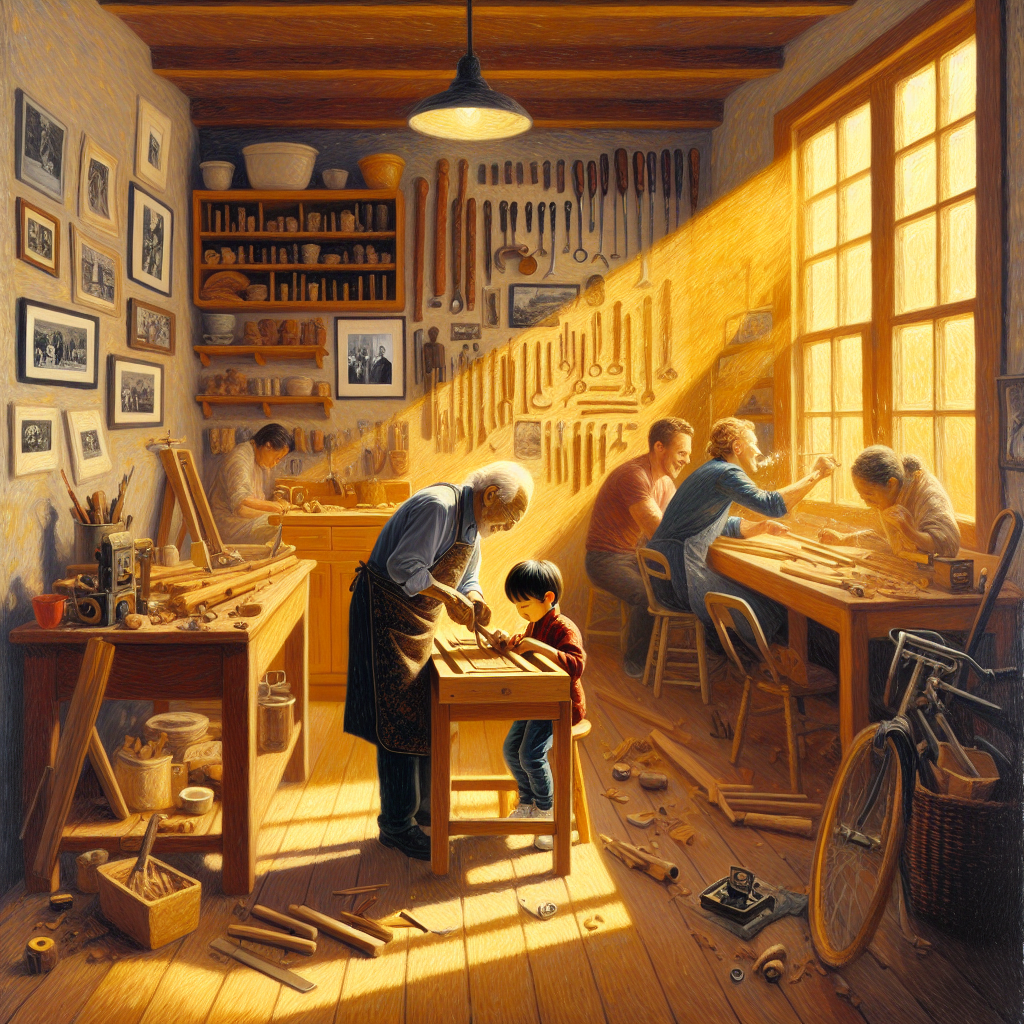
Our possessions are more than mere objects; they are the storytellers of our lives. Each item we acquire, whether a frayed book passed down through generations or a simple tool from our first job, holds a narrative that speaks to our legacy and experiences. When we pause to reflect on these belongings, we engage in a powerful form of legacy storytelling that reveals our values, dreams, and the roads we’ve traveled.
Picture a weathered baseball glove, a symbol of summers spent bonding with family. That glove not only captures the essence of past games but encapsulates laughter, lessons learned, and moments of connection. It evokes memories and emotions, pulling at our heartstrings. It’s a reminder of the fleeting nature of time and the importance of cherishing our connections. Each scuff and mark is a chapter in a larger story, highlighting both triumphs and challenges. We find ourselves in these narratives, underscoring the truth that our possessions are reflections of who we are and what we deem important.
On a more rational level, consider the decisions behind our acquisitions. Each possession is often chosen with intention, representing our aspirations or practical needs. The heirloom dishes we save for special occasions signify traditions we want to uphold or moments we choose to celebrate. This thoughtfulness extends beyond materialism; it illustrates the ethical dimension of our lives, reminding us of our social responsibilities and the impact we can make on others. Are we curating a legacy that contributes positively to our communities and families?
Moreover, the very act of sharing these stories can foster connection. When we invite others to explore our belongings, we open doors for dialogue, bridging gaps between generations and experiences. Imagine a heart-to-heart chat over a rustic wooden table, each scratch and imperfection a testament to the lives it has witnessed. These interactions build trust, establishing a safe space where memories can be exchanged and human experiences validated.
In a world increasingly focused on the disposable and the ephemeral, let us not forget the value of our stories. They inspire confidence in our journey and invite action—whether that means sharing a piece of our past or ensuring that the next generation understands the weight of their own legacies. Our possessions are the canvases of our lives, and every scuff, tear, and shine beckons us to engage deeply with the narrative woven into the fabric of our existence. Embrace these artifacts; let them speak and guide us as we continue our unique tales.

What Stories Do Our Possessions Tell About Our Lives?
What Stories Do Our Possessions Tell About Our Lives?
- Possessions serve as storytellers, reflecting our legacy and personal experiences.
- Each item carries memories, evoking emotions and connections to our past.
- Belongings symbolize our values, dreams, and the importance of cherishing relationships.
- Intentional acquisition of items signifies personal aspirations and traditions.
- Sharing stories about possessions fosters connection and dialogue across generations.
- Interactions around belongings create a trusted space for exchanging memories.
- Embracing our possessions deepens engagement with our life narratives and legacies.
What Stories Do Our Possessions Tell About Our Lives?
How Do Family Dynamics Affect Inheritance Decisions?
Family dynamics play a pivotal role in shaping inheritance decisions, often unveiling a complex tapestry of emotions, expectations, and realities. When it comes to passing down a legacy, every family has its unique story—an intricate blend of values, traditions, and relationships that inform how wealth and belongings are distributed. It’s about more than just money; it’s about connection and the narratives we create around our lives.
Consider the scenario where siblings, united in blood but divided by complex histories, are faced with the challenge of inheritance. The emotionally charged atmosphere can lead to tension, misunderstandings, and, in some cases, even rifts that last for generations. Each family member brings their own perspective shaped by years of shared experiences. Here, legacy storytelling emerges as a vital tool. When families communicate openly about their wishes, fears, and dreams, they weave a narrative that not only honors the past but also honors the present relationships that bind them together.
This emotional appeal is rooted in our human need for connection. Aligning distribution of assets with familial bonds fosters an environment that prioritizes relationships over mere financial equity. Rationally, it makes sense to consider the individual contributions and needs of each family member. A fair and open discussion not only nurtures kinship but can also prevent conflicts that might arise from unspoken assumptions and outdated expectations.
Ethically, transparency in inheritance planning respects the dignity of all parties involved. Families who actively engage in this delicate conversation typically report higher levels of satisfaction and peace. By establishing clear intentions, the family cements trust—the cornerstone of enduring relationships.
Historically, wealth has often been a source of division, but it can also be a means of unity. In our society, where familial connection is increasingly strained, the commitment to legacy storytelling becomes not just beneficial but essential. Each family has the power to create a reassuring narrative around their inheritance decisions that encourages unity rather than division.
So, as families confront these conversations, they’re not just discussing material possessions—they’re crafting the future of their relationships. By embracing empathy, rationality, and ethical responsibility, families can ensure that their legacy endures in a way that resonates with the hearts and minds of everyone involved, fostering stronger bonds and a more harmonious journey forward.

How Do Family Dynamics Affect Inheritance Decisions?
How Do Family Dynamics Affect Inheritance Decisions?
- Family dynamics significantly influence inheritance decisions, revealing emotions and expectations.
- Inheritance is shaped by a family’s unique blend of values, traditions, and relationships.
- Siblings may face tensions and misunderstandings during inheritance discussions due to their complex histories.
- Open communication about wishes, fears, and dreams can strengthen family bonds and prevent conflicts.
- Aligning asset distribution with familial relationships fosters unity over financial equity.
- Transparency in inheritance planning enhances dignity and satisfaction among family members.
- Legacy storytelling is crucial for creating a harmonious narrative around inheritance and strengthening family ties.

How Do Family Dynamics Affect Inheritance Decisions?
Conclusion
In grappling with the complexities of inheritance, we must recognize that this isn’t merely a transaction of assets; it’s a profound intersection of human experience, relationships, and legacy. Inheriting is about so much more than money or property—it’s about the stories, values, and traditions that we carry forward. As we delve deeper into this narrative, we uncover an emotional truth: our possessions—and the legacies they embody—are essential threads woven into the fabric of who we are. They carry whispers of our ancestors’ lives, reminding us of the laughter, struggles, and triumphs that shape our identities.
The modern inheritance crisis is more than an individual tragedy; it’s a societal challenge impacting connections across families and community lines. When communication falters, and expectations clash, the bonds that should tether us can fray, leaving a wake of confusion and hurt. By inviting families into an open dialogue about their hopes and fears surrounding inheritance, we transform potential battlegrounds into spaces of shared understanding. This is where legacy storytelling springs to life, offering an opportunity for healing and connection.
Fairness sits at the heart of inheritance discussions, serving as a moral compass guiding many decisions. When families come together to navigate the distribution of wealth and belongings, they cultivate a sense of equity that honors every individual involved. Engaging in these conversations with empathy not only fosters trust but lays the groundwork for a shared narrative that can uplift future generations. Each action taken today ripples through family histories, setting standards for kindness, respect, and emotional intelligence.
The act of drafting a will is not just about delineating assets; it is a heartfelt expression of one’s values and hopes for the future. It invites a legacy rich with meaning—one where loved ones carry forward not just material wealth, but the principles that guide their lives and decisions. This is an ethical responsibility that transcends generations, reminding us that our actions have the power to influence and inspire those who follow.
Ultimately, facing the modern inheritance crisis requires us to reclaim our narratives. By bridging hearts and minds through legacy storytelling, we ensure that future generations inherit not just possessions, but the enduring love, wisdom, and unity that form the very core of our family legacies. Drawing from our collective experiences, we can transform the conversation around inheritance into an opportunity for connection, growth, and meaningful bonds that last far beyond our time.

Conclusion
Conclusion:
- Inheritance transcends asset transactions, embodying human experience, relationships, and legacy.
- It involves carrying forward stories, values, and traditions that shape identities.
- The modern inheritance crisis impacts families and communities, creating challenges in communication and expectations.
- Open dialogue about inheritance can transform conflicts into opportunities for understanding and connection.
- Fairness and empathy are essential in discussions about the distribution of wealth, fostering trust and equity.
- Drafting a will expresses one’s values and hopes, inviting a meaningful legacy for future generations.
- Reclaiming inheritance narratives through legacy storytelling promotes enduring love, wisdom, and family unity.

Conclusion
Other Resources

Other Resources
Here is a list of other resources you can review online to learn more:
- Digital Legacy Association
- Ancestry
- NoLo
- Willmaker
- Meminto
- LifeWeb 360
- INELA
- EverLoved
- Funeral Services Guide
- How to Save Your Family�s Stories from Being Lost Forever � A Step-by-Step Guide to Creating a Lasting Digital Legacy
- LastPass
- EverNote
- USLegalWills.com
- Legacy Family Tree
- DocuBank
- Your Digital Afterlife
- Personal Legacy Advisors
- Lexikin
- Geneanet
Use This Prompt To Get More Resources With Your Favorite Online AI Tool: Please provide me with a list of online articles with their URLs in a bulleted list that I can read regarding Access Denied – the Modern Inheritance Crisis
Other Resources
Glossary Terms
Access Denied – the Modern Inheritance Crisis – Glossary Of Terms
1. Access Denied: Term used to indicate that permission to enter or retrieve information is not granted.
2. Inheritance: The transmission of assets, property, or rights from one individual to another upon death.
3. Estate Planning: The process of organizing the disposal of an individual’s assets and liabilities after death.
4. Trust: A fiduciary arrangement where a third party holds assets on behalf of beneficiaries.
5. Beneficiary: An individual designated to receive benefits or assets from a trust, will, or insurance policy.
6. Will: A legal document that specifies how an individual’s assets shall be distributed after death.
7. Probate: The legal process of validating a will and distributing the deceased’s estate.
8. Executor: A person appointed to manage and distribute a deceased individual’s estate according to their will.
9. Intestate: A situation wherein a person dies without a valid will, leading to state laws determining asset distribution.
10. Asset: Any resource owned by an individual that has value, including property, investments, and cash.
11. Liability: An obligation that an individual owes to another party, often involving debt or legal responsibilities.
12. Family Trust: A legal entity designed to hold assets for the benefit of family members.
13. Heir: A person legally entitled to inherit property or money upon someone’s death.
14. Contested Will: A legal challenge to the validity of a will, often initiated by disgruntled heirs.
15. Digital Assets: Online assets, including social media accounts, online financial accounts, and cryptocurrencies, that require specific provisions in inheritance.
16. Succession: The transfer of rights or properties from one individual to another, typically after death.
17. Lifetime Gifts: Assets given to beneficiaries while the giver is still living, often to reduce estate taxes.
18. Tax Implications: Financial consequences, particularly taxation, resulting from inheritance and estate transfers.
19. Estate Taxes: Taxes imposed on the estate before assets are distributed to heirs.
20. Power of Attorney: A legal document that gives someone the authority to act on another’s behalf regarding financial or health decisions.
21. Living Will: A legal document outlining an individual’s preferences for medical treatment in case of incapacitation.
22. Settlement: The process of concluding an estate’s affairs by paying debts and distributing assets.
23. Executor Bond: A financial guarantee that the executor will fulfill their duties correctly; often required by the court.
24. Guardian: A person appointed to manage the personal and financial affairs of a minor or incapacitated individual.
25. Disinheritance: The act of intentionally excluding an heir from receiving an inheritance.
26. Spousal Rights: Legal entitlements of a spouse regarding inheritance and asset distribution in the absence of a will.
27. Estate Freeze: A strategy to limit the tax exposure of an estate by fixing the current value of assets to avoid future appreciation taxes.
28. Fiduciary Duty: The legal obligation of one party to act in the best interest of another, particularly in financial matters.
29. Asset Protection: Legal strategies intended to shield assets from claims by creditors or lawsuits.
30. Legacy: Anything handed down from the past, such as values, properties, or traditions, often discussed in the context of inheritance.

Glossary Of Terms
Other Questions
Access Denied – the Modern Inheritance Crisis – Other Questions
If you wish to explore and discover more, consider looking for answers to these questions:
- What exactly does “inheritance” include beyond money and property?
- How do I begin legacy storytelling with my family?
- How can I document and preserve family stories and heirlooms?
- What legal documents do I need to ensure my wishes are followed?
- When should I update my will and how often?
- What is the difference between a will and a trust?
- How does probate work and how long does it take?
- What taxes might heirs owe after an inheritance?
- How can I make sure my values are honored, not just my assets?
- How do I handle sentimental items that multiple relatives want?
- What steps prevent inheritance disputes among siblings?
- How do blended families and stepchildren affect inheritance plans?
- Can I disinherit a family member and what are the consequences?
- How can mediation or family meetings reduce conflict over estates?
- What are common legal grounds for contesting a will?
- How do I protect vulnerable heirs (minors, disabled relatives)?
- What happens to digital assets and online accounts after death?
- How do cultural or religious traditions influence inheritance decisions?
- How should small estates or low-income families approach legacy planning?
- How can I pass on values and lessons, not just objects?
- What role do executors and trustees play and how are they chosen?
- How are jointly owned properties handled in inheritance?
- What resources help families with the emotional fallout of disputes?
- How can business owners plan for succession?
- How do pre- or post-nuptial agreements change inheritance outcomes?
- What are the ethical considerations when dividing an estate unevenly?
- How can charitable bequests be structured in a will?
- What records and evidence strengthen the validity of my wishes?
- How do jurisdictional differences affect estate law and planning?
- What practical steps ensure heirs can access and understand my legacy?
- How can oral histories be collected and authenticated?
- How do I balance privacy with transparency when discussing my will?
- What costs are involved in estate planning and administering an estate?
- How can families rebuild trust after inheritance conflicts?

Other Questions
Haiku
Access Denied – the Modern Inheritance Crisis – A Haiku
Legacy threads fray,
Stories lost in estate wars,
Hearts seek unity.

Haiku
Poem
Access Denied – the Modern Inheritance Crisis – A Poem
Access Denied The Legacy We Hold
Inheritance whispers through the ages,
Not merely wealth, but stories on pages.
From grandmothers’ letters, wisdom unfolds,
The essence of family, in memories, we hold.
A quilt stitched with history, each thread a embrace,
Lessons etched in laughter, time cannot erase.
In disputes over treasures, the heart breaks in two,
Yet love should bind us, not the riches we pursue.
Fairness, the compass guiding our way,
In sharing our legacies, let kindness stay.
Through open dialogues, our narratives blend,
In unity, we find our beginnings and ends.
Values carried forth like flames in the night,
Encouraging courage, compassion, and light.
Our possessions tell tales of lives intertwined,
In each cherished item, our spirits aligned.
Navigating wills, we blend heart with the mind,
Crafting our truths, leaving legacies kind.
With every decision, a message to show,
What we loved in this life, may it always glow.
Legacy storytelling, a tapestry vast,
Bridging generations, honoring the past.
In the heart of inheritance, let love take its stand,
As we share our stories, united we’ll stand.

Poem
Checklist
Access Denied – the Modern Inheritance Crisis – A Checklist
Checklist for Navigating the Inheritance Conversation
✅______ Reflect on your family’s legacy stories and values. What do you want to pass down?
✅______ Share meaningful possessions and their associated narratives with family members.
✅______ Engage in heartfelt discussions about family heirlooms and their significance.
Rational Appeals
✅______ Draft a clear and detailed will that outlines your assets and intentions.
✅______ Consider individual family members’ needs and contributions when discussing inheritance.
✅______ Develop a plan that aims to prevent potential disputes by addressing sensitivities.
Ethical Appeals
✅______ Foster open communication about your inheritance intentions to ensure transparency.
✅______ Prioritize fairness in dividing assets to promote harmony and understanding.
✅______ Involve family members in discussions to respect their feelings and perspectives.
Authority Appeals
✅______ Consult financial advisors or legal experts to guide the will drafting process.
✅______ Gather resources on effective inheritance planning to inform your decisions.
✅______ Seek insights from those who have navigated similar situations successfully.
Narrative Appeals
✅______ Create a narrative around your estate that connects past memories with future aspirations.
✅______ Encourage family members to share their own stories within the context of your legacy.
✅______ Emphasize the importance of storytelling in maintaining family bonds during transitions.
Social Appeals
✅______ Establish a family meeting to discuss inheritance openly, fostering trust and connectivity.
✅______ Encourage sharing of stories and experiences that strengthen family relationships.
✅______ Advocate for legacy storytelling as a cornerstone of maintaining familial unity as you plan for the future.

Checklist
At LegacyExplorations, we help people plan and explore their legacy by collecting information and news regarding end-of-life planning.
Please share this post with your friends, family, or business associates who may want help to plan or explore their legacy.