

Unlocking History: How Annotation Empowers Our Collective Memory
By Tom Seest
At LegacyExplorations, we help people plan and explore their legacy by collecting information and news regarding end-of-life planning.
Please share this post with your friends, family, or business associates who may want help to plan or explore their legacy.
Annotation Is the Soul Of Preservation
Annotation is the soul of preservation, a bridge between the past and the future that allows us to connect with our shared history. Imagine stepping into a dusty attic, where boxes are filled with yellowed photographs and fragile letters. Each item is a piece of someone’s life, a chapter waiting to be told. Annotation gives voice to these stories, providing context and depth, allowing us to see not just what was, but what could have been. It’s not merely about cataloging; it’s about legacy storytelling, breathing life into these artifacts and reminding us of the rich tapestry of human experience.
When we annotate, we’re not just adding notes; we’re curating a conversation across generations. This act is a powerful tool for connection, striking at the heart of what it means to be human. Each line we write serves as an invitation for others to join us in this journey of remembrance and reflection. It’s about understanding our roots and how they shape our identities today. The stories annotated in margins ignite curiosity, cultivate empathy, and foster a sense of belonging in a world that often feels divided.
Annotation also engages the rational mind, grounding our emotional ties with facts and details. It builds authority through in-depth research and thoughtful insights. The act of annotating is an intellectual exercise that sharpens our understanding of history while affirming our responsibility to preserve it. We owe it to future generations to not only safeguard these stories but to ensure that they resonate with urgency and relevance.
Ethically, the act of adding context transforms mere preservation into an advocacy for remembrance. Every annotation is a stand for the importance of memory, a challenge to historical amnesia. In a society inundated with information, quality matters. Annotated records encourage critical thinking and engagement with our past, inspiring new narratives that reflect our values today.
The stakes are high. When we annotate, we’re ensuring that the stories of those who came before us don’t fade into obscurity. This is about more than preservation; it’s about honoring legacy storytelling, validating voices that might otherwise be lost. Together, through the act of annotation, we weave a fabric that strengthens our social bond, inspiring trust and action in the ongoing project of remembering who we are and where we came from.

Annotation Is the Soul Of Preservation
Annotation Is the Soul Of Preservation
- Annotation serves as a vital link between past and future, preserving shared history.
- Each item annotated provides context, depth, and a narrative for understanding human experience.
- It curates conversations across generations, fostering connections and reflection on our roots.
- Annotation engages both emotional and rational aspects, enhancing understanding of history.
- The act of annotating is an ethical commitment to preserving memory and combating historical amnesia.
- Quality annotations inspire critical thinking and create narratives that reflect contemporary values.
- Through annotation, we validate diverse voices, ensuring that important stories are not forgotten.

Annotation Is the Soul Of Preservation
Table Of Contents
- Annotation Is the Soul Of Preservation
- Is Preserving Our History Vital for Future Generations?
- How Can We Ensure Our Stories Are Heard?
- What Role Does Emotion Play In Valuing Artifacts?
- Are We Losing Touch with Our Cultural Roots?
- How Do Preserved Memories Shape Our Identities?
- Can We Find a Balance Between Progress and Preservation?
- What Ethical Responsibilities Do We Have to Past Generations?
- Conclusion
- Other Resources
- Glossary Of Terms
- Other Questions
- Haiku
- Poem
- Checklist
Is Preserving Our History Vital for Future Generations?
Preserving our history isn’t just about old photographs, dusty books, or the crumbling facades of long-abandoned buildings; it’s about ensuring the legacy of our story endures for generations to come. This legacy shapes who we are, where we come from, and how we navigate the world ahead. It’s the thread that ties us to our ancestors, giving us the wisdom and insight to tackle the challenges of the present and future.
Imagine gathering around a fire, sharing stories that have been passed down through the ages. That’s the heart of storytelling, a powerful vehicle for conveying our values, struggles, and achievements. These narratives connect us, reminding us we are not alone in our journeys. They evoke emotions that stir a sense of belonging. When we hear about the hardships and triumphs of those who walked before us, it resonates deeply, igniting a visceral understanding that our experiences are but chapters in a larger book. The weight of those stories fosters a trust in our collective resilience.
Rationally, preserving history equips future generations with the knowledge gleaned from past mistakes and victories. Every decision made in the past is a lesson wrapped in context. Without that context, the folly of repeating history looms large. The ability to learn from our past—good, bad, and ugly—allows us to create informed, thoughtful leaders who uphold ethical standards, ensuring that the mistakes of yesteryear do not echo into our future. Instead, they empower us to forge a better path.
Our history is also a testament to our social fabric. Communities thrive when they recognize their stories as part of a larger narrative. The bonds formed through these shared experiences cultivate empathy and understanding across diverse backgrounds, knitting a tighter society. It’s not just our individual stories that matter; it’s how those tales intertwine that creates a rich tapestry of human experience.
From the perspectives of authority, consider the historians, educators, and artists dedicated to preserving this rich legacy. Their commitment not only builds a bridge to our past but also ignites action, encouraging us to honor those who paved the way. When we invest in understanding our history, we pave the way for more informed, compassionate leaders.
Preserving our history isn’t just an obligation; it’s an opportunity. It’s a chance to embrace our shared humanity, inspire future generations, and safeguard the legacy of our story—a legacy worth telling, time and time again.

Is Preserving Our History Vital for Future Generations?
Is Preserving Our History Vital for Future Generations?
- Preserving history ensures the legacy of our story endures for future generations.
- This legacy shapes identity and provides wisdom for navigating present and future challenges.
- Storytelling connects us through shared values, struggles, and experiences.
- Learning from past mistakes and victories helps create thoughtful leaders and informed decisions.
- Recognizing individual stories as part of a larger narrative fosters empathy and community cohesion.
- Historians, educators, and artists play a critical role in preserving and honoring our rich legacy.
- Preservation of history is an opportunity to inspire future generations and embrace shared humanity.
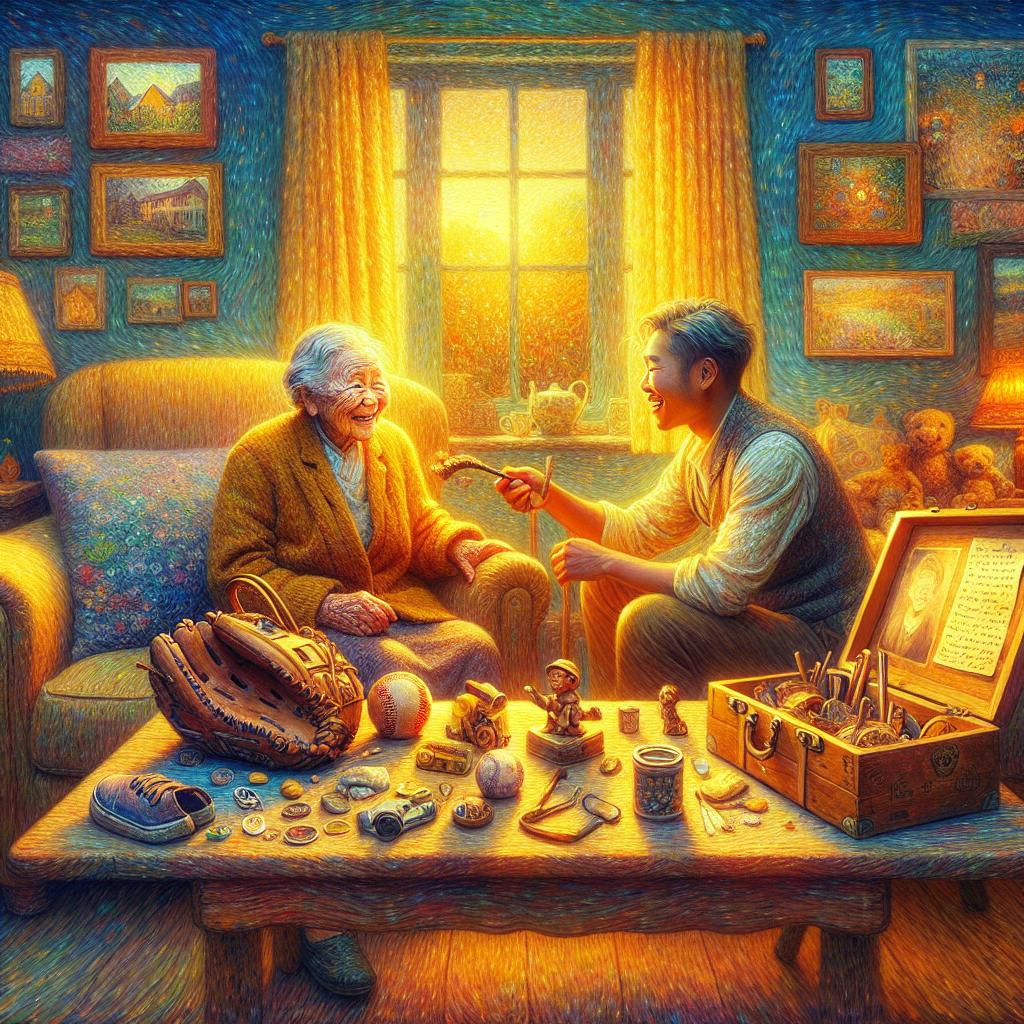
Is Preserving Our History Vital for Future Generations?
How Can We Ensure Our Stories Are Heard?
In a world inundated with noise, finding a way to ensure our stories resonate can feel daunting. Yet, at the heart of legacy storytelling is the belief that every voice matters. Our narratives, filled with unique experiences, shape the very fabric of our communities. They hold the power to connect us, bridging gaps between generations, cultures, and perspectives.
To make our stories heard, we must first engage emotionally. We’re not just sharing facts; we’re offering glimpses into our lives, revealing our triumphs and struggles. When we frame our stories through the lens of shared human experience, we invite listeners in, encouraging them to reflect on their own journeys. This connection cultivates empathy, reminding us that our struggles are often universal.
Rationality plays a crucial role, too. Crafting our stories with purpose and clarity attracts an audience that values authenticity. It’s about providing context, highlighting why our experiences matter. If we can present our narratives in a way that resonates with others’ logic and beliefs, we strengthen our message. Each detail, meticulously chosen, can change the outcome, transforming passive listeners into engaged participants.
Ethically, we owe it to ourselves and our audiences to present our truths honestly. A legacy story should carry the weight of responsibility. It’s not merely about self-promotion; it’s about fostering trust and respect. By being vulnerable, we create a safe space for others to share their truths, building a community based on mutual respect and understanding.
Authority comes into play when we ground our narratives in real-life experiences. Drawing upon our expertise or lessons learned can instill confidence in our audience. When we share our stories backed by years of hard work or expertise, we establish ourselves as credible storytellers. This authority invites others to listen, learn, and perhaps even take action based on what they hear.
Finally, we must consider the collective impact. Each story adds to a larger conversation, fostering social connection and collective understanding. When individual stories intertwine, they create a rich tapestry of humanity. Engaging with others, sharing our legacy storytelling in communal settings, helps amplify our voices.
Ultimately, ensuring our stories are heard requires a blend of emotional appeal, rational clarity, ethical integrity, authoritative insight, and social connection. By weaving these elements together, we ignite a powerful dialogue that can inspire trust, confidence, and action in ourselves and others.
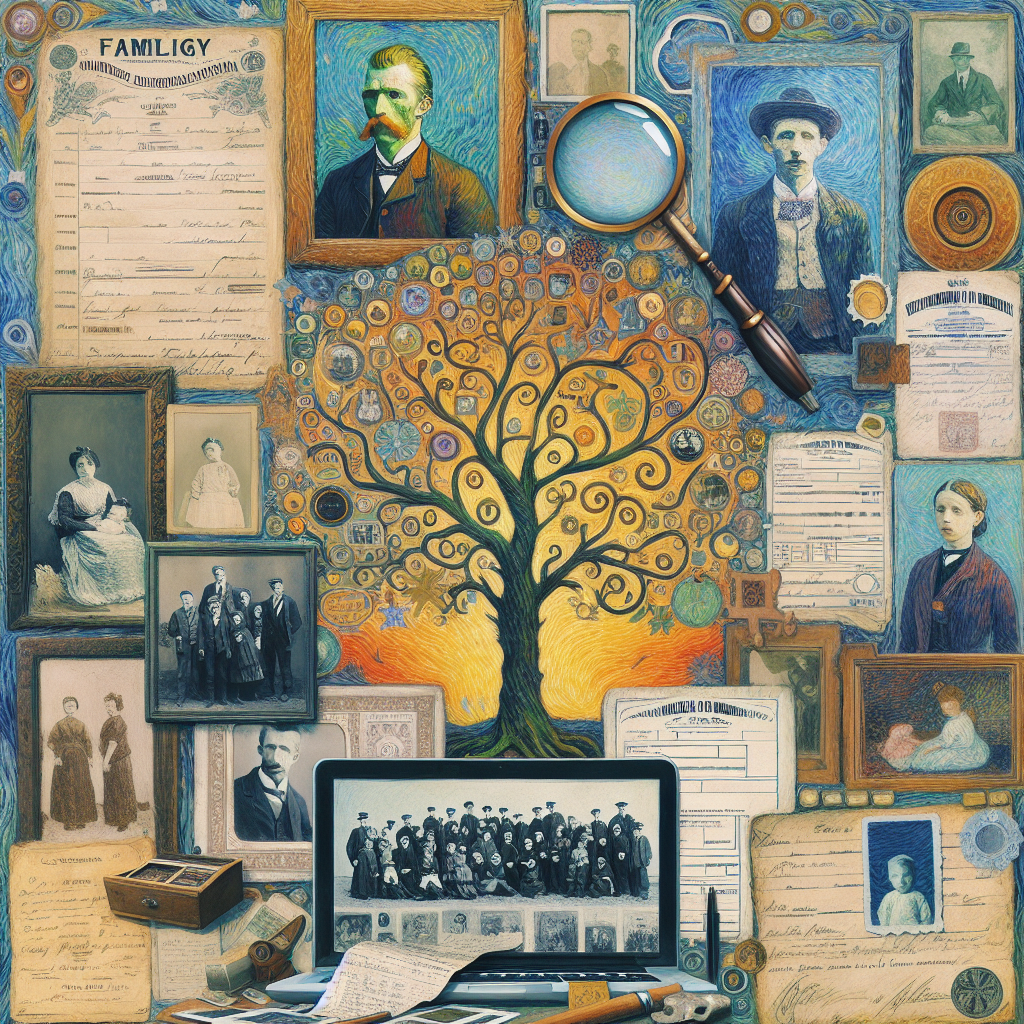
How Can We Ensure Our Stories Are Heard?
How Can We Ensure Our Stories Are Heard?
- Every voice matters in legacy storytelling, shaping community narratives.
- Emotional engagement invites listeners to connect and reflect on shared experiences.
- Clarity and purpose in storytelling attract audiences that value authenticity.
- Stories must be presented ethically, fostering trust and respect through vulnerability.
- Authority stems from real-life experiences, establishing credibility and inspiring action.
- Collective storytelling creates a rich tapestry of social connection and understanding.
- Combining emotional appeal, rational clarity, ethical integrity, authority, and social connection strengthens storytelling impact.

How Can We Ensure Our Stories Are Heard?
What Role Does Emotion Play In Valuing Artifacts?
Emotion is the beating heart behind every artifact we cherish—the bridge that connects us to our past and the stories that shape our identities. When we encounter an artifact, we’re not merely looking at a crafted object; we’re peering into a legacy etched in time, each piece holding within it the whispers of those who came before. This is where storytelling comes into play. Each artifact has its own story, a narrative waiting to inspire, educate, and connect. Those stories are what breathe life into inanimate objects, making them invaluable.
Consider the role emotions play in how we assess the worth of these items. A weathered photograph of a family gathering can evoke a swell of nostalgia, transcending its physical condition or market value. It’s not just an image; it’s a tangible connection to our roots. Similarly, a hand-woven blanket may speak to the craftsmanship of its creator, igniting an appreciation for the artistry and cultural heritage involved. Here, emotion intertwines with rationality, presenting a multifaceted view that guides our understanding of value.
Ethically, we face the responsibility to recognize and preserve these artifacts not just for ourselves but for future generations. Sharing this rich legacy ensures that stories remain alive—teaching lessons, virtues, and histories that have weathered time. This act of preservation fosters a collective connection, urging us to take a stand and act. We’re stewards of these treasures, responsible for carrying forward the narratives that define communities and cultures.
Emotion also taps into authority. Museums, historians, and collectors often wield their influence to frame narratives around certain artifacts. When experts share their insights, they lend credence to the emotional significance, making us more receptive to the stories embedded within the objects. This relationship creates trust; we begin to appreciate not just what artifacts are, but what they mean in a broader social context.
In valuing artifacts, emotion pulls at our gut, engages our intellect, and nurtures our ethical obligations. It’s about building connections—with the past, with others sharing similar experiences, and with the artifacts themselves. By embracing the robust interplay between emotion and value, we ignite a passion for storytelling that resonates on a personal and communal level. The artifacts are not just remnants of history; they are the threads weaving together our shared human experience, inviting each of us to contribute to the evolving tapestry of culture and identity.

What Role Does Emotion Play In Valuing Artifacts?
What Role Does Emotion Play In Valuing Artifacts?
- Emotion serves as the core connection to artifacts, linking us to our past and shaping identities.
- Each artifact tells its own story, inspiring, educating, and connecting people.
- Emotions influence our perception of value in artifacts, as seen with nostalgic items like photographs.
- Artifacts embody craftsmanship and cultural heritage, intertwining emotion with rational understanding.
- Preserving artifacts is an ethical responsibility to ensure stories and histories endure for future generations.
- Experts, museums, and collectors shape narratives, enhancing emotional significance and fostering trust.
- The relationship between emotion and value deepens our connections to the past and strengthens communal ties.

What Role Does Emotion Play In Valuing Artifacts?
Are We Losing Touch with Our Cultural Roots?
In an age where technology often overshadows tradition, one must ponder: Are we losing touch with our cultural roots? The pulse of our shared humanity lies not just in advancements, but in the rich tapestry of our legacy. It’s crucial to remember that each of us is part of a larger narrative, a story that has been passed down through generations. This legacy storytelling shapes our identities and acts as a bridge to our past.
Consider the origins of your own family. What tales did your grandparents share, filled with laughter and wisdom? The truth is, these stories form the backbone of who we are. They hold the values, struggles, and triumphs that define us. In a world racing forward, we risk losing these important connections if we don’t actively engage with them. It’s time to invite these stories back into our lives, to not only preserve them but also to weave them into our modern fabric.
Rationally speaking, as we embrace newer technologies and lifestyles, the fabric of our communities seems to fray. Fast-paced living and digital interactions often replace genuine connections and dialogues where stories once thrived. Yet, taking a step back and revisiting our roots can foster a profound sense of belonging. Nothing is more powerful than gathering around a table, sharing experiences, and reigniting the cultural significance that shapes our behaviors and decisions. It’s a reminder of our ethical obligations to honor our heritage and to pass it on to future generations.
Authority figures like historians and cultural caretakers remind us that tradition is not just nostalgia; it’s a foundational element of our societies. When we align ourselves with these narratives, we connect with something greater than ourselves. These stories can empower us to be more empathetic and understanding as we navigate contemporary challenges.
Socially, the beauty of legacy storytelling is that it creates bonds. No matter where we come from, we share a universal need for connection and understanding. By embracing our cultural heritage, we invite others into our narratives and welcome theirs into ours, creating a rich dialogue that benefits everyone.
So, let’s nurture this legacy together. Seek out those stories, share them, and integrate them into our daily lives. In doing so, we anchor ourselves in a timeless and meaningful heritage, ensuring that we do not drift too far from the roots that ground us.

Are We Losing Touch with Our Cultural Roots?
Are We Losing Touch with Our Cultural Roots?
- Technological advancements may overshadow cultural traditions, raising concerns about losing touch with roots.
- Legacy storytelling shapes identities and connects individuals to their past.
- Family stories, shared through generations, hold essential values, struggles, and triumphs.
- Fast-paced living risks severing genuine connections and community bonds.
- Revisiting cultural roots fosters belonging and reinforces ethical obligations to heritage.
- Tradition is a foundational aspect of societies, promoting empathy and understanding.
- Nurturing legacy storytelling creates rich dialogues that benefit everyone, anchoring us in our heritage.

Are We Losing Touch with Our Cultural Roots?
How Do Preserved Memories Shape Our Identities?
Our memories are more than just fragments stored in our minds; they are the threads that weave together the fabric of our identities. Each preserved memory acts like a brick in the foundation of who we are. It’s in those moments of reflection—finding an old photograph, recalling a bittersweet story shared with a friend—that we come face-to-face with our legacy. Legacy isn’t just about the tangible things we leave behind; it’s about the emotional imprints we make on the lives we touch. Every laugh we shared, every tear we shed, becomes a part of our narrative, shaping the person we are today.
Storytelling is a powerful tool in this equation. It allows us to connect not only with ourselves but also with others. When we share stories—whether around a campfire, via a phone call, or through social media—we engage in a ritual that transcends time and space. These tales are our way of saying, “I was here; I mattered.” They ground us in the present while anchoring us to the past. The stories we tell reflect our values and beliefs, and they have the power to inspire and ignite action. When we embrace our experiences, we create a bridge that invites others to step into our world, fostering connection and encouraging empathy.
This shared narrative is critical in a society hungry for authenticity and meaning. In our fast-paced lives, we often forget the importance of connection—yet, it’s those heartfelt moments that remind us of our shared humanity. The stories we preserve can instill a sense of responsibility to honor not just our memories but also the memories of others. They serve as reminders of the fragility of life and the richness of our shared experiences.
Moreover, our legacy is not solely ours to claim. It belongs to those who come after us, shaping their identities in turn. This notion carries an ethical weight; we must be conscious of the stories we choose to tell and the memories we choose to preserve. Our decisions today impact generations tomorrow. Let us make choices that reflect our truest selves, ensuring that our legacy is woven with care, compassion, and authenticity. As we look back at our preserved memories, let’s inspire trust and action in others, encouraging them to do the same. In this way, our identities become not just personal stories, but part of a larger tapestry—an enduring legacy that binds us all.
How Do Preserved Memories Shape Our Identities?
How Do Preserved Memories Shape Our Identities?
- Memories shape our identities and act as a foundation for who we are.
- Legacy involves emotional imprints on the lives we touch, beyond tangible belongings.
- Storytelling connects us to ourselves and others, affirming our existence and significance.
- Shared narratives reflect our values and can inspire action.
- Authenticity and meaning are increasingly important in today’s fast-paced society.
- Preserving stories carries a responsibility to honor personal and collective memories.
- Our legacy impacts future generations, necessitating mindful choices in storytelling.
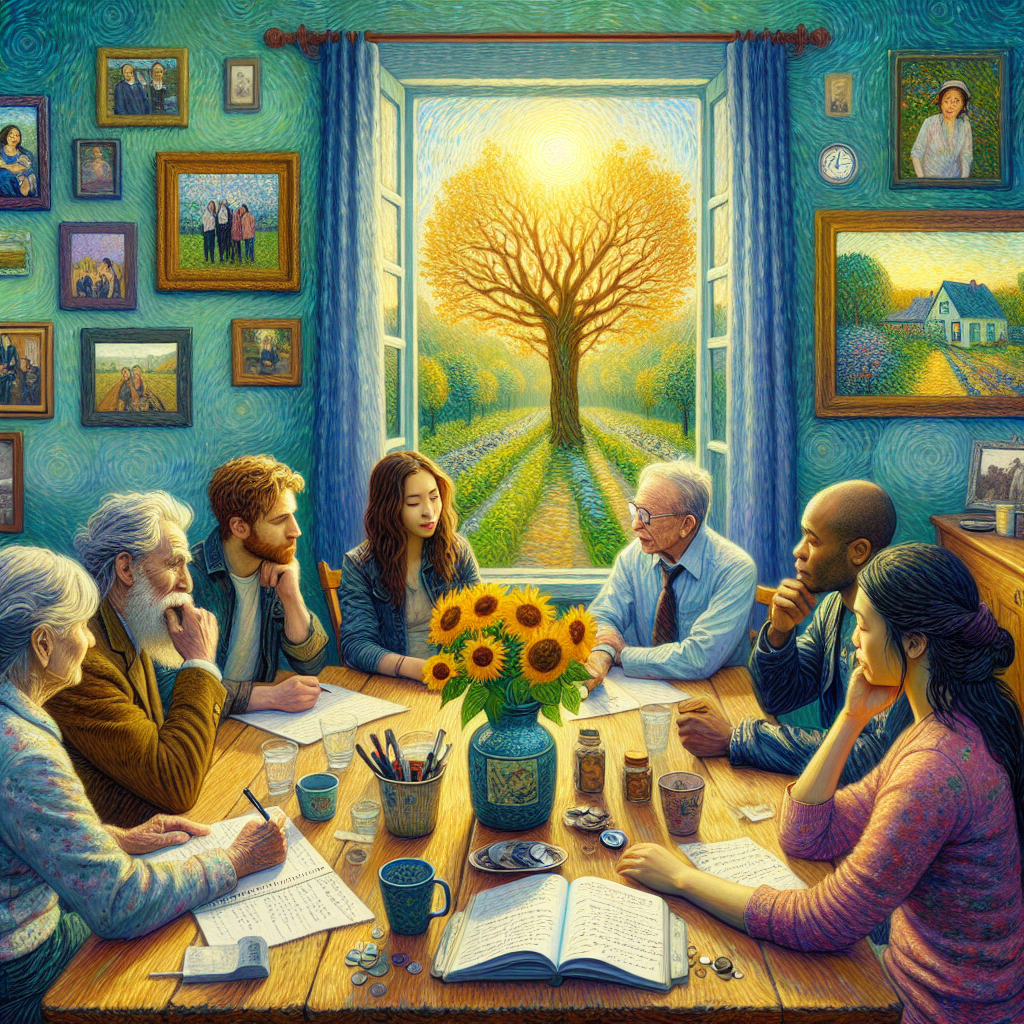
How Do Preserved Memories Shape Our Identities?
Can We Find a Balance Between Progress and Preservation?
In the pursuit of progress, we often find ourselves at a crossroads, where the advancements of today clash with the traditions and treasures of yesterday. The challenge isn’t merely about whether to forge ahead or to hold back; it’s about finding that delicate balance between innovation and the preservation of our collective identity. As we navigate this complex landscape, we must remember that every decision we make shapes our legacy, and legacy is, in many ways, just a series of stories tethered to our roots.
Consider the whisper of a tree that’s stood for centuries, its rings telling tales of the seasons it has weathered. This isn’t just nature; it’s a narrative worthy of our respect. Each time we take a step toward development—new roads, new buildings, new technology—we must ask ourselves, what story are we telling? Are we honoring our history, or are we silencing the voices of those who came before us? In our quest for progress, we risk losing the very essence of what has made our communities vibrant and resilient.
This isn’t just an emotional appeal. It’s time to engage our rational minds, too. We can innovate and expand without erasing our past. We can design cities that breathe, ecosystems that thrive, and communities that resonate with the fabric of their histories. This balance can foster a society where new ideas flourish amidst the roots of legacy storytelling, enriching our understanding of who we are and where we came from.
Ethically, we have a duty to future generations to be stewards of the planet and guardians of culture. Are we leaving them with a world that reflects our values, or one that necessitates a choice between progress and preservation? It’s a question that transcends personal opinion; it’s about moral responsibility. We have experts and leaders in sustainable design and conservation who guide us, but ultimately, it falls on each of us to foster a culture of respect and understanding.
This is not a passive issue—it requires our active participation. When we share our stories, when we voice our hopes and fears, we create a tapestry of experiences that bind us. Every voice matters. We can inspire action by recognizing that together, we can pave the way for progress that honors the past while embracing the future. Let’s commit to crafting a narrative that speaks not just of advancements but of a legacy of respect, resilience, and harmony—a legacy we can all be proud to pass on.

Can We Find a Balance Between Progress and Preservation?
Can We Find a Balance Between Progress and Preservation?
- Progress often presents a conflict between modern advancements and traditional values.
- Finding a balance between innovation and preserving collective identity is essential.
- Every decision shapes our legacy, which consists of stories connected to our roots.
- Development should honor history and avoid silencing past voices.
- We can expand while respecting our past, fostering communities that thrive.
- There’s a moral responsibility to ensure future generations inherit a world reflecting our values.
- Active participation and storytelling are crucial for building a legacy of respect and harmony.
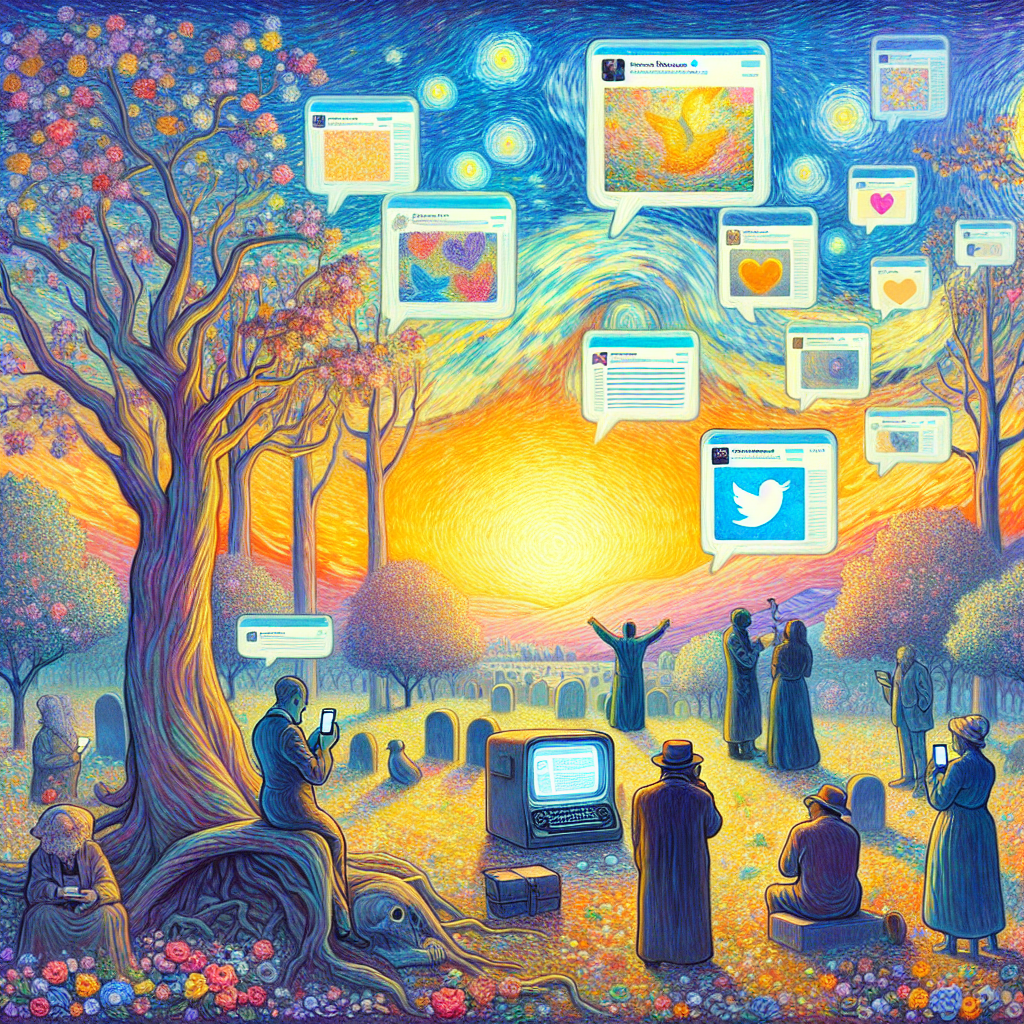
Can We Find a Balance Between Progress and Preservation?
What Ethical Responsibilities Do We Have to Past Generations?
As we navigate the complex landscape of our modern existence, we often overlook the foundational beliefs and sacrifices of those who came before us. The legacy they left is not just a series of historical anecdotes; it’s a tapestry woven from their struggles, triumphs, and unyielding commitment to a future they would never see. This is where the concept of legacy storytelling comes into play. Each story serves as a bridge—connecting us to our ancestors and reminding us that their choices significantly shape our present and future.
We owe it to those who fought for what we have today—our rights, freedoms, and comforts. It’s not just about honoring their memory; it’s about recognizing our ethical responsibility to carry their stories forward. This legacy isn’t a burden; it’s a call to action, urging us to preserve the values that define us. When we share these narratives, we breathe life into their experiences and connect on a deeply human level—our hearts resonate with their struggles, and we understand our duty to honor their sacrifices.
Moreover, we must consider the rational implications of our choices. Every action we take reflects not just our desires but echoes the hopes and aspirations of past generations. When we treat the environment with care or advocate for social justice, we honor a tradition that values stewardship and equity. It’s vital to recognize that our ethical duties extend beyond mere vocal acknowledgment; they manifest in tangible actions we choose to take today.
Socially, there’s a profound strength in recognizing the interconnectedness of our stories. When we engage in legacy storytelling, we foster communities built on shared values and mutual respect. These connections create networks of support, driving collective change. By inviting others into these narratives, we reaffirm our commitment to the past while shaping a conscientious present.
Ultimately, our ethical responsibility to past generations is a thread in the larger fabric of humanity. It calls for introspection, urging us to ask: What would they want us to remember? As we ponder this question and act upon our answers, we build a bridge of trust—signifying that we respect the legacy they left behind and are ready to forge a future worthy of their dreams. In doing so, we not only honor their stories but also ensure that their sacrifices continue to inspire future generations.

What Ethical Responsibilities Do We Have to Past Generations?
What Ethical Responsibilities Do We Have to Past Generations?
- Legacy storytelling connects us to our ancestors and highlights their impact on our present and future.
- It is an ethical responsibility to honor the struggles and sacrifices of those who fought for our rights and freedoms.
- Sharing these stories fosters a deeper human connection and understanding of our duty to carry their values forward.
- Every action we take reflects the hopes and aspirations of past generations, emphasizing the need for stewardship and equity.
- Engaging in legacy storytelling strengthens communities through shared values and mutual respect.
- Reflecting on what past generations would want us to remember encourages introspection and thoughtful action.
- Honoring their stories and sacrifices inspires future generations and reinforces our commitment to a worthy legacy.
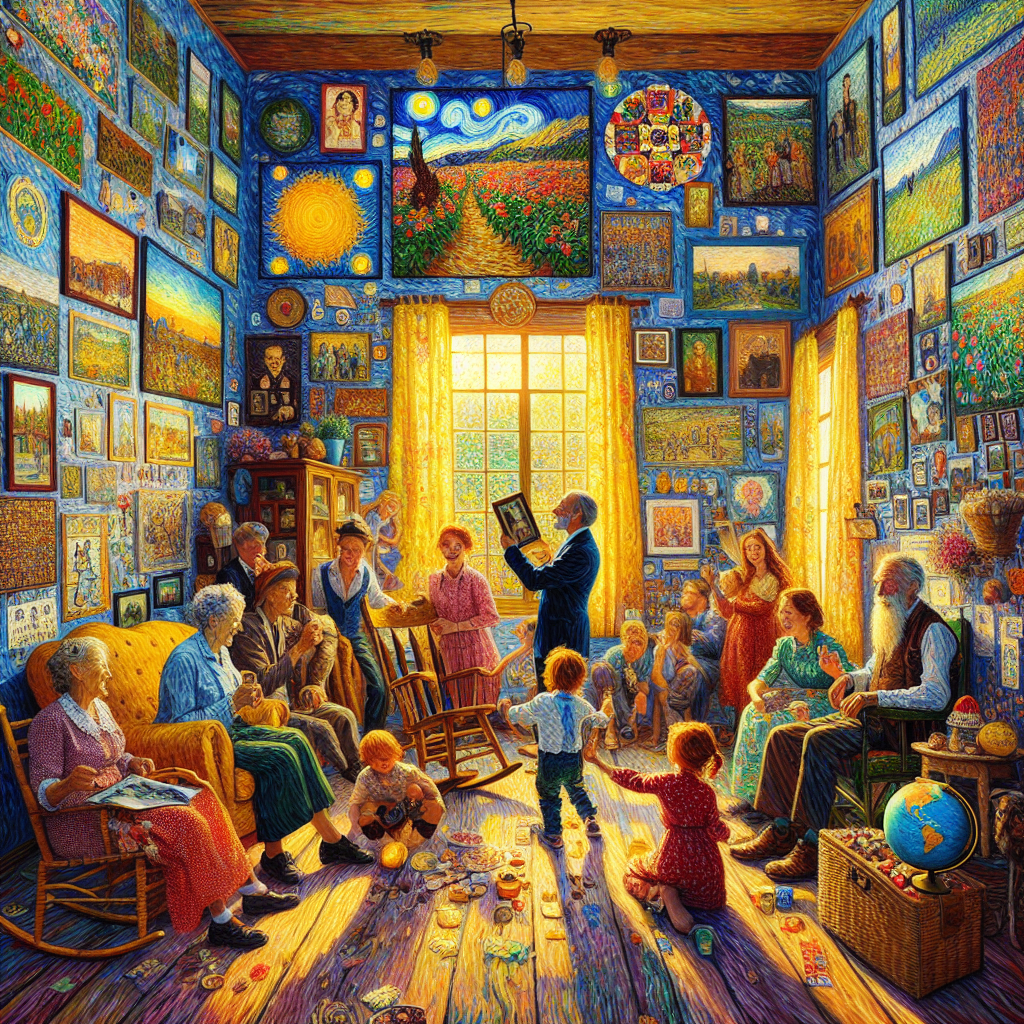
What Ethical Responsibilities Do We Have to Past Generations?
Conclusion
Annotation is the core of preservation, acting as a bridge that links our past to the future. It transforms artifacts, from dusty photographs to cherished letters, imbuing them with context and meaning. This act isn’t just about recording history; it’s about storytelling—an endeavor that breathes life into our shared experiences and cultivates a deep sense of belonging. Annotation represents a powerful connection to our roots, shaping our identities and helping us understand who we are today. Every note or comment serves as an invitation for reflection and engagement, encouraging empathy and igniting curiosity about the human experience.
Preserving history goes beyond safeguarding old items; it’s about the enduring legacy that molds our present and future. Our collective past offers invaluable lessons—guiding us through triumphs and trials, reminding us of our shared humanity. These narratives are more than memories; they are essential components of our identities. When we gather to share stories, we create communities where values and experiences can thrive, weaving a vibrant tapestry that represents our diverse backgrounds.
In a world that’s quick to dismiss tradition, we must invest time in ensuring our stories are heard and valued. Each person’s narrative contributes to our broader social fabric, fostering understanding and connection among varied perspectives. Engaging emotions, grounding narratives in facts, and embracing ethical storytelling empower us to share our truths authentically, building trust and solidarity within our communities.
Artifacts hold emotional significance, serving as tangible connections to our past. The stories they carry mirror the essence of humanity, reminding us of the richness of life experiences. By valuing and preserving these memories, we nurture our cultural identity, honoring the sacrifices and achievements of those who came before us. The ethical responsibility to future generations lies in sharing and protecting these stories, ensuring they don’t fade into obscurity.
As we navigate the fine line between progress and preservation, we must remain mindful of our legacy. Our commitment to honoring our cultural roots enriches our communities and inspires trust and action. By weaving together the stories of our past into our present, we are not merely remembering; we are actively shaping the narrative of who we are and who we aim to be. Let’s celebrate our collective journey, recognizing the power of legacy storytelling in nurturing our identities and forging a more connected world for generations to come.

Conclusion
Conclusion:
- Annotation serves as a vital link between the past and the future, enriching artifacts with context and meaning.
- It is an act of storytelling that fosters shared experiences and a sense of belonging.
- Preserving history involves maintaining an enduring legacy that shapes our present and future while providing valuable lessons.
- Collective narratives create communities, promoting understanding and connection among diverse backgrounds.
- Each individual’s story contributes to the social fabric, reinforcing empathy and curiosity about human experiences.
- Artifacts function as emotional connections to our past, helping to honor and preserve cultural identities.
- We must actively shape our narrative by valuing our cultural roots and stories, ensuring a connected future for generations to come.

Conclusion
Other Resources

Other Resources
Here is a list of other resources you can review online to learn more:
- FindMyPast
- Tributes
- DocuBank
- NoLo
- EverNote
- LifeWeb 360
- LifeSite
- AmericanAncestors
- Funeral Finder
- StoryCorps
- INELA
- International End of Life Doula Association
- How to Save Your Family�s Stories from Being Lost Forever � A Step-by-Step Guide to Creating a Lasting Digital Legacy
- USLegalWills.com
- Trust And Will
- Xarona
- UpCounsel
- WishesKeeper
- Funeral Services Guide
- 23AndMe
Use This Prompt To Get More Resources With Your Favorite Online AI Tool: Please provide me with a list of online articles with their URLs in a bulleted list that I can read regarding Annotation Is the Soul Of Preservation

Other Resources
Glossary Terms
Annotation Is the Soul Of Preservation – Glossary Of Terms
1. Annotation: A note added to a text to provide explanation or commentary.
2. Preservation: The act of maintaining and protecting items, documents, or information to ensure longevity.
3. Metadata: Data that provides information about other data, helping to organize and retrieve it more effectively.
4. Digitization: The process of converting physical objects or documents into digital format for preservation and accessibility.
5. Archiving: The systematic storage and preservation of records or materials for future reference.
6. Curation: The selection and organization of content or artifacts to maintain their value and relevance.
7. Restoration: The process of returning an item to a good condition, often involving repairing damage.
8. Retention: The act of keeping information or documents for a specific period, often dictated by policies or regulations.
9. Contextualization: Providing background information or context to enhance understanding of a subject or item.
10. Accessibility: The quality of being easily reachable or usable, especially regarding information or resources.
11. Documentation: The process of creating and maintaining records that support understanding and preservation efforts.
12. Sustainability: Practices that ensure resources remain available for future generations, often relating to environmental conservation.
13. Artifact: An object made or used by humans, often of historical or cultural significance, that requires preservation.
14. Conservation: The professional care and management of cultural heritage to prevent deterioration.
15. Scholarship: Academic study or learning that contributes to the preservation and understanding of knowledge.
16. Triage: The process of prioritizing items based on their condition and preservation needs.
17. Repository: A centralized location for storing and preserving collections of artifacts, documents, or data.
18. Exegesis: A critical interpretation or analysis of a text to understand its meaning and significance.
19. Heritage: The traditions, achievements, and artifacts valued by a culture that require preservation.
20. Ephemera: Transitory documents or items intended for short-term use, often preserved for their historical value.
21. Archival Science: The study of how to properly manage and preserve records and materials in an archival setting.
22. Digitization Strategy: A plan outlining the methods and goals for converting materials into digital formats for preservation.
23. Cataloging: The systematic arrangement and description of items in a collection to facilitate access and organization.
24. Informatics: The study of the structure, properties, and interactions of information, especially in the context of preservation.
25. Open Access: The practice of providing unrestricted access to research outputs and materials, promoting sharing of knowledge.
26. Bibliography: A list of sources or references related to a specific topic, often used to support preservation research.
27. Preservation Policy: Guidelines and rules governing the methods and practices used for preserving materials.
28. Folksonomy: A system of classification derived from the collaborative tagging of content by users, facilitating access and understanding.
29. Toolshed: A collection of resources, tools, or methodologies used for preservation and annotation efforts.
30. Interoperability: The ability of different systems and organizations to work together, particularly related to sharing and accessing preserved information.

Glossary Of Terms
Other Questions
Annotation Is the Soul Of Preservation – Other Questions
If you wish to explore and discover more, consider looking for answers to these questions:
- What practical steps can individuals take to begin annotating family artifacts and documents?
- Which digital tools and platforms are best for annotation and long-term preservation?
- How do professional archivists decide what to preserve and what to let go?
- What metadata standards should annotators use to ensure interoperability (e.g., Dublin Core, TEI)?
- How can communities fund preservation and annotation projects sustainably?
- Who owns the rights to annotated materials and how does copyright affect sharing?
- How do we protect privacy and sensitive information when annotating living people’s records?
- What ethical guidelines govern annotation of marginalized or vulnerable communities’ histories?
- How can we ensure that annotations do not introduce bias or alter the original context of an artifact?
- What methods exist to verify the provenance and authenticity of artifacts and their annotations?
- How can annotations be translated or adapted across languages and cultures without losing meaning?
- In what ways can annotation practices amplify underrepresented voices rather than silence them?
- How should conflicting or contested narratives be annotated and presented?
- What role can schools and universities play in teaching annotation and preservation skills?
- How can technology (including AI) assist annotation without erasing human judgment and nuance?
- What are the risks of relying on proprietary platforms for long-term access to annotated collections?
- How do archivists handle digital obsolescence and file-format migration for annotated content?
- What are best practices for crowdsourced annotation projects and quality control?
- How can communities balance open access with protecting culturally sensitive materials?
- What legal or ethical obligations exist when repatriating artifacts to descendant communities?
- How do institutions measure the impact of annotation on public understanding and engagement?
- What assessment methods determine whether preservation efforts are meeting intergenerational needs?
- How can small local archives or family historians access training and resources affordably?
- What incentives encourage volunteers and community members to contribute annotations?
- How should annotations handle uncertain or incomplete historical information?
- What governance structures support collaborative annotation across multiple institutions?
- How can annotations be made discoverable and searchable across different catalogues?
- What role do museums and cultural institutions play in validating or contesting public annotations?
- How do we document oral histories and integrate them into annotated archives?
- What conservation techniques are needed for fragile physical artifacts alongside digital annotation?
- How do annotation practices differ between personal archives, community archives, and national archives?
- What policies protect annotated materials during conflicts, natural disasters, or political upheaval?
- How should institutions handle requests to remove or revise annotations made in the past?
- What standards exist for citing annotations in scholarly work and public displays?
- How can annotations be used to foster reconciliation and restorative practices in divided communities?
- What metrics indicate that preserved memories are effectively shaping identity and civic engagement?
- How do cultural differences influence what is considered worth preserving or annotating?
- What responsibilities do tech companies have when hosting annotated cultural heritage data?
- How can blockchain or other provenance technologies assist in tracking annotation history?
- What are the costs and resource requirements for digitizing and annotating large collections?
- How can annotation projects ensure inclusivity across age, socioeconomic status, and digital literacy?
- What training and ethical oversight should citizen annotators receive before contributing?
- How do we balance physical restoration of artifacts with preserving their original traces and marks?
- What examples or case studies demonstrate successful annotation-driven preservation initiatives?
- How can policymakers be persuaded to invest in preservation and annotation infrastructure?
- What is the role of storytelling techniques in making annotated materials emotionally resonant yet historically accurate?
- How do we handle commercialization or exploitation of annotated cultural materials by third parties?
- How can families and communities plan for intergenerational transfer of annotated archives?
- What immediate actions should be taken when discovering historically significant but at-risk artifacts?

Other Questions
Haiku
Annotation Is the Soul Of Preservation – A Haiku
Voices of the past,
Threads of legacy weave tight,
Memories endure.
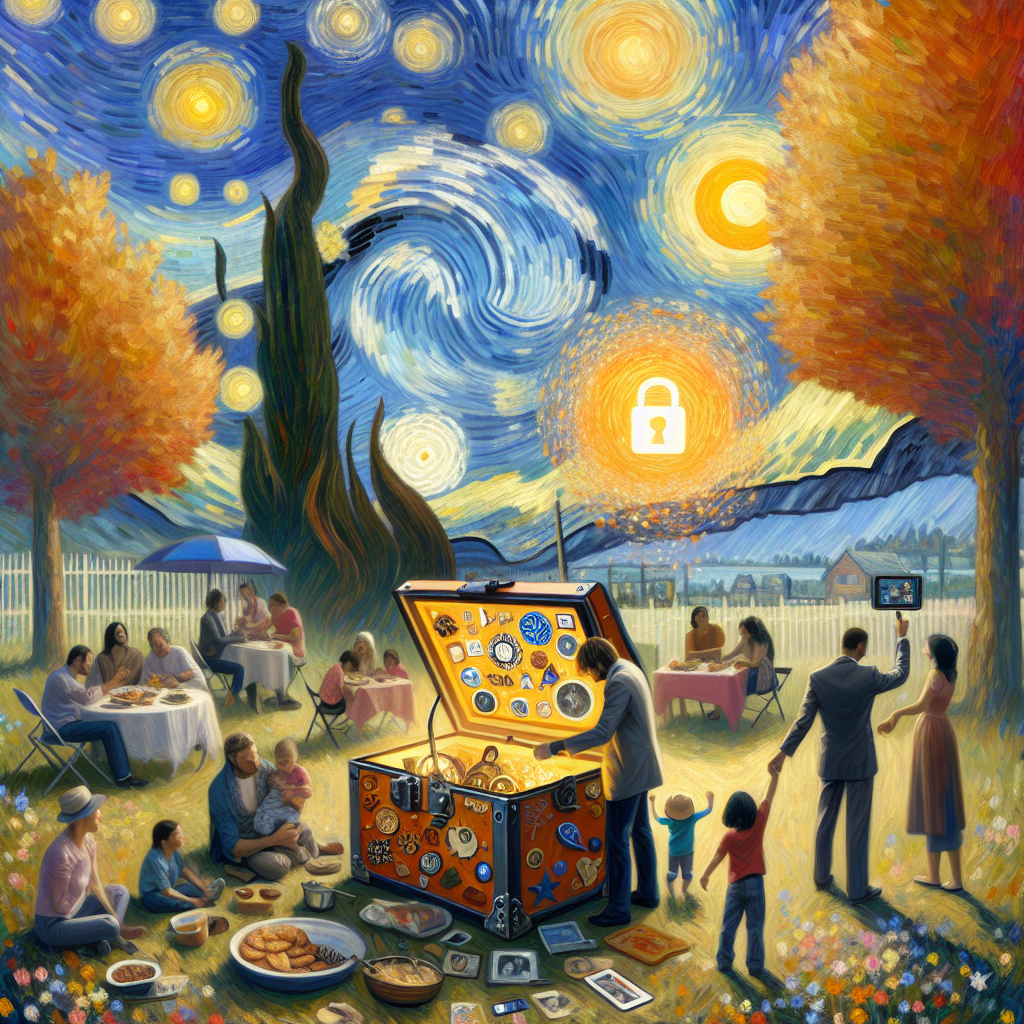
Haiku
Poem
Annotation Is the Soul Of Preservation – A Poem
In the dust of time, where memories lay,
Whispers of ancestors beckon, guiding our way.
Each faded page, each photo worn thin,
Tells the tale of where our journey begins.
Annotations breathe life into silence profound,
They weave through history, where stories are found.
Legacy storytelling, a bridge that we build,
In hearts and in minds, our identities filled.
Each line a connection, a thread through the years,
Inviting reflection, igniting our tears.
In laughter and struggle, in triumphs we share,
The fabric of humanity, woven with care.
Rational echoes remind us to learn,
From past mistakes, through knowledge we yearn.
Ethical duties press us to seek,
Guardians of stories, both strong and weak.
Amid the noise, our voices must soar,
Crafting narratives that open each door.
Emotions entwined with the truths we reveal,
Fostering trust in the tales that we feel.
In a world racing forward, traditions we keep,
A heritage rich, for our children to reap.
Bound to the roots, we stand side by side,
A tapestry vibrant, where history resides.
So let us gather, share stories once told,
An invitation for others, both young and old.
In preserving our past, we shape what’s to come,
A legacy cherished, a chorus begun.

Poem
Checklist
Annotation Is the Soul Of Preservation – A Checklist
Emotional Appeals
✅______ Reflect on personal connections; identify artifacts or stories from your past that evoke strong emotions.
✅______ Share your story; write about a significant memory linked to a family artifact or tradition.
✅______ Invite community participation; organize a gathering to share stories that celebrate collective heritage.
Rational Appeals
✅______ Research and contextualize; investigate the history behind at least five important artifacts or traditions in your life.
✅______ Create a timeline; develop a timeline of significant events related to your family legacy or community history.
✅______ Document facts and details; ensure that each story includes well-researched facts to support its historical context.
Ethical Appeals
✅______ Commit to preservation; develop a personal pledge for how you will contribute to preserving your family or community history.
✅______ Engage as a steward; volunteer with local historical societies or museums to help with conservation efforts.
✅______ Promote inclusive storytelling; encourage the inclusion of diverse voices and narratives from your community.
Authority Appeals
✅______ Learn from experts; attend workshops or lectures on historical preservation and storytelling techniques.
✅______ Network with historians; build relationships with local historians or archivists to deepen your understanding of effective preservation practices.
✅______ Utilize credible sources; when documenting stories, back them up with reputable historical references or expert interviews.
Narrative Appeals
✅______ Craft your legacy story; write a narrative that encompasses your identity and heritage, focusing on core values and lessons learned.
✅______ Incorporate multiple perspectives; include stories from different family members or community members to enrich the narrative.
✅______ Share your narrative publicly; publish your story in a community newsletter or blog to inspire others.
Social Appeals
✅______ Join a community group; become part of a club focused on preserving local history or storytelling.
✅______ Host storytelling events; organize opportunities for others in your community to share their own legacy stories.
✅______ Leverage social media; create hashtags or online campaigns to encourage the sharing of collective memories and heritage.
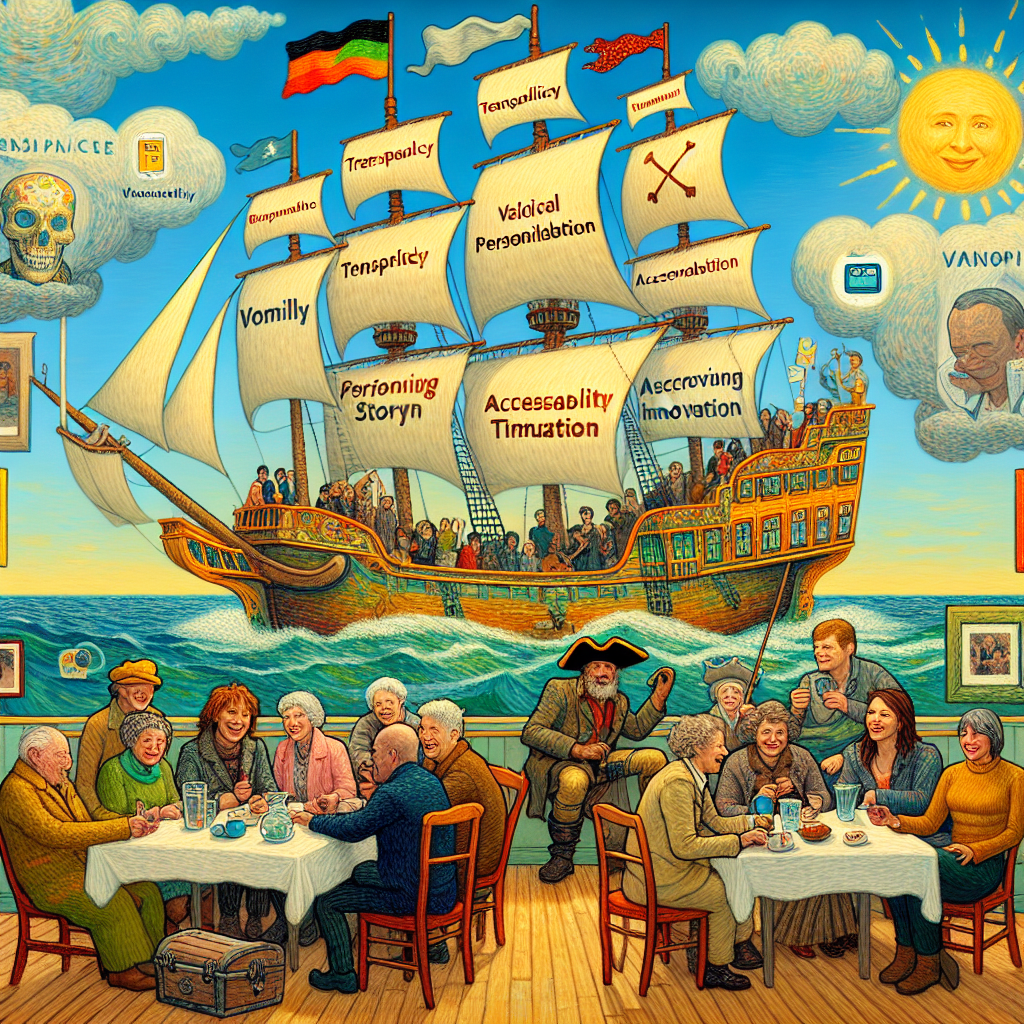
Checklist
At LegacyExplorations, we help people plan and explore their legacy by collecting information and news regarding end-of-life planning.
Please share this post with your friends, family, or business associates who may want help to plan or explore their legacy.