

Choosing Sides: Where Loyalty Meets Innovation And Legacy
By Tom Seest
At LegacyExplorations, we help people plan and explore their legacy by collecting information and news regarding end-of-life planning.
Please share this post with your friends, family, or business associates who may want help to plan or explore their legacy.
Apple Vs. Windows – the Family Feud Of Memory
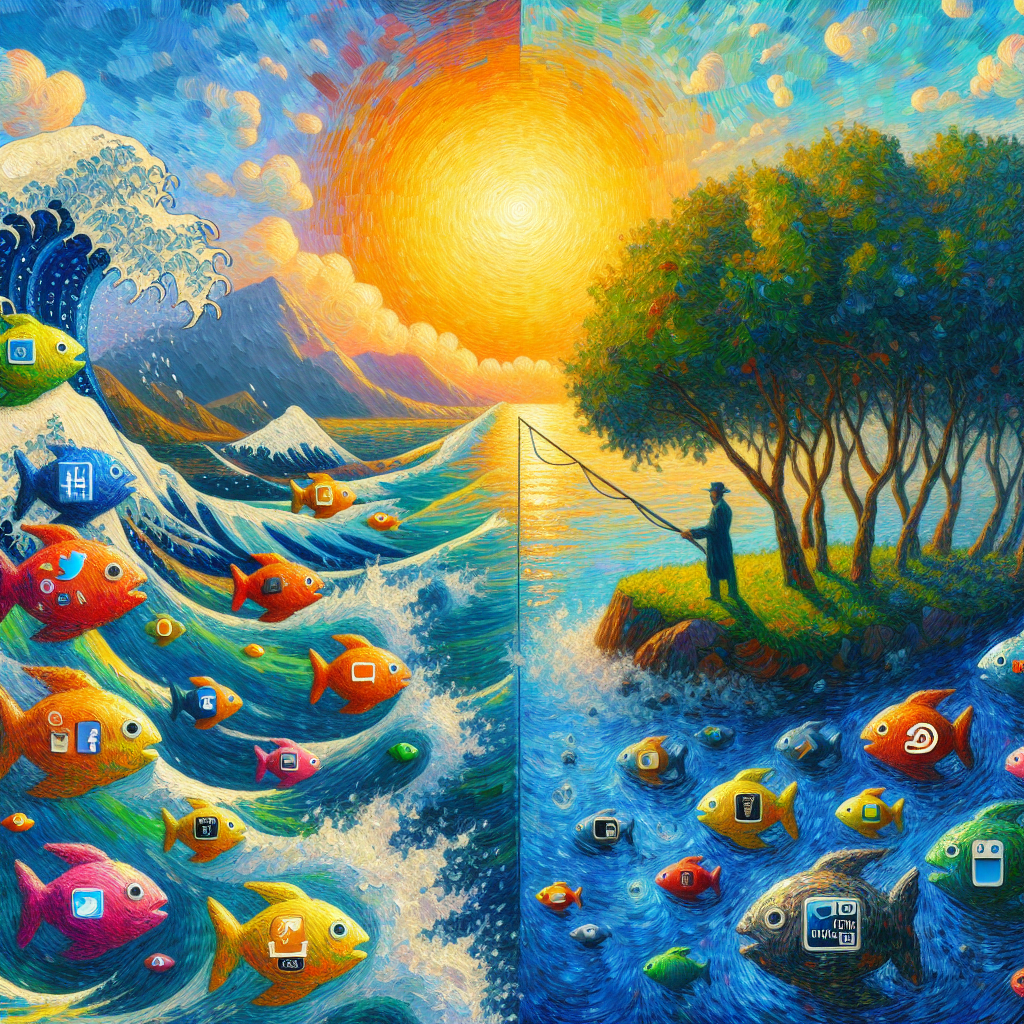
In the grand theater of technology, the age-old rivalry between Apple and Windows unfolds like a family feud passed down through generations. It’s a narrative steeped in ambition, identity, and the often unyielding grip of nostalgia. Picture it: a bustling household, packed with PCs in the den and MacBooks on the kitchen table. Each device, a storyteller in its own right, whispers tales of productivity and creativity, crafting a legacy that resonates deeply within us.
Every family has its unique milestones, moments engraved in memory like cherished photographs. For Apple devotees, there’s a sense of belonging interwoven with sleek design and user-friendly interfaces. It’s not just about aesthetics; it’s about the stories told through every time someone unboxes that shiny new device. The excitement felt, the first tap of the screen, the sheer enjoyment of fluid multitasking—it’s all part of a narrative that speaks to the heart. With every update, there’s hope and anticipation, a collective sigh of relief when everything just works, reinforcing the trust in a legacy built on innovation.
On the flip side, we have Windows, a figure rooted in versatility and familiarity. It’s the underdog tale, the steady hand that can navigate the chaos of bureaucracy and gaming alike. The Windows narrative doesn’t shy away from hard work and practicality; it embraces the grit of functionality over flair. In homes around the country, it’s the operating system that hosts countless memories—from late-night gaming marathons with friends to the relentless grind of homework sessions. Here, every blue screen encountered is a lesson learned, adding weight to the legacy, forging a bond between the user and machine born from perseverance.
As these two giants continue their dance, it’s essential to recognize that we’re all part of this grand narrative. It’s more than just choice; it’s about connection—the link between the individual and their machine, how that bond shapes our daily lives. In a world where technology both unites and divides, we find ourselves standing at a crossroads. Do we embrace the sleek design and ethos of Apple? Or do we trust the long-standing reliability of Windows?
Ultimately, the decision goes beyond specifications and preferences; it pulls at the heartstrings of our legacy storytelling. This narrative, rich with emotion and endurance, doesn’t merely pit one against the other. It invites us to reflect on what we value in technology—creativity, accessibility, productivity—and how these values shape our lives and our families. Whether entrenched in the Apple camp or loyal to Windows, we’re all part of this tech-driven saga, seeking not only tools but companions that echo our legacy and connect us to a larger story.

Apple Vs. Windows – the Family Feud Of Memory
Apple Vs. Windows – the Family Feud Of Memory
- The rivalry between Apple and Windows represents a longstanding narrative rooted in ambition and nostalgia.
- Apple users experience a sense of belonging through sleek designs and user-friendly interfaces, with emotional ties linked to their devices.
- Windows is characterized by versatility and practicality, resonating with users through functionality and reliability.
- Apple’s narrative emphasizes innovation, with updates creating hope and trust among its users.
- Windows fosters memories through experiences like gaming and productivity, turning challenges into lessons learned.
- The choice between Apple and Windows reflects broader values in technology, influencing daily lives and relationships with machines.
- This ongoing narrative invites reflection on individual preferences and the emotional connection users have with technology.

Apple Vs. Windows – the Family Feud Of Memory
Table Of Contents
- Apple Vs. Windows – the Family Feud Of Memory
- What Do You Truly Value In Your Digital Experience?
- How Does Your Device Shape Your Creativity?
- Are You Making the Most Of Your Tech Investments?
- What Ethical Implications Arise From Your Platform Choice?
- How Can a Better Os Enhance Family Communication?
- Do You Feel Loyalty to a Brand Or Its Values?
- How Do Stories Shape Your Perception Of Apple Vs. Windows?
- Conclusion
- Other Resources
- Glossary Of Terms
- Other Questions
- Haiku
- Poem
- Checklist
What Do You Truly Value In Your Digital Experience?
In an age dominated by screens and clicks, the question leans heavily on us: what do we truly value in our digital encounters? It’s easy to get swept away in the flashy interfaces and relentless updates, yet beneath that glossy veneer lies something deeper—a desire for authenticity and connection.
Digital experiences today should echo our legacy storytelling, weaving together narratives that resonate not just in the moment but leave a lasting imprint. Picture this: you’re scrolling through your feed, and a post grabs your attention not because of its trending hashtags but due to the story behind it—the real life of someone just like you, someone who faced challenges and triumphed. This is where the heart beats strongest; it’s in those stories that we find ourselves reflected, reminding us of our own struggles and victories.
It’s essential to engage our heads when we consider how technologies shape our lives. Every app, every social media interaction comes with a cost—often in our time and mental space. Does that slick new app truly deliver value, or is it merely a shiny distraction? It’s about asking hard questions: Are these tools enhancing our lives or clouding our perspectives? The better choices we make online contribute to a legacy that honors our values, crafting stories of resilience and purpose.
The gut check is equally important. We often know when something feels right or wrong, and trusting that instinct should guide our digital habits. Are we fostering connections that enrich our lives, or are we losing our grasp on genuine relationships in favor of digital likes and shares? The ethical dimension urges us to consider the impact of our choices—not just for ourselves, but for the communities around us.
Moreover, we must acknowledge the authority of voices echoing through our networks. Who are we listening to? The opinions and experiences we value shape our views and, ultimately, our digital experiences. Those voices should be inspiring, grounded in real-life lessons that motivate action and commitment.
Finally, the social appeal is about fostering a sense of belonging. We crave that shared experience, reinforcing the idea that we’re all in this together. Let’s prioritize authenticity and connection in our digital spaces, ensuring that the legacies we build aren’t just digital breadcrumbs but stories with heart. By valuing what matters, we can transform our digital journeys into rich, meaningful experiences worth sharing for generations to come.
What Do You Truly Value In Your Digital Experience?
What Do You Truly Value In Your Digital Experience?
- Digital encounters demand reflection on what we truly value beyond flashy interfaces.
- Authenticity and connection in digital experiences echo legacy storytelling.
- Captivating stories of real-life struggles and triumphs resonate more than trends.
- Engagement with technology requires critical evaluation of its impact on our time and mental space.
- Intuition should guide our digital habits in fostering meaningful connections.
- Voices within our networks shape our views and experiences, emphasizing the need for inspiration.
- Prioritizing authenticity fosters belonging and enriches our digital legacies.

What Do You Truly Value In Your Digital Experience?
How Does Your Device Shape Your Creativity?
Amidst the buzzing of devices and the neon glow of screens, one might ask how these gadgets truly shape our creativity. It’s more than just pixels and code; it’s about the legacy we build and the stories we tell. Each swipe, click, and tap intertwines with our unique experiences, crafting a narrative that echoes through time.
Consider the child at a kitchen table, crayons strewn about, sharing a legacy story with their grandparents. The device, a simple tablet, acts as a bridge to capture that moment. Through apps that enable easy drawing and storytelling, this child transforms a raw idea into a digital masterpiece, connecting generations in intimate ways. Here lies the power of technology; it doesn’t just enhance our skills but profoundly impacts how we communicate and share our stories, allowing the voices of the past to resonate through the innovations of today.
Yet, let’s not forget the heart of creativity—the human touch. There’s an innate desire to create and share, engraved in our very being. Devices provide tools, yes, but it’s our intentions, our emotions, that breathe life into our creations. A filmmaker captures the haunting beauty of a sunset through a lens, while a writer paints vivid images with the mere tap of a keyboard. These acts symbolize something greater than individual expression; they are acts of connection. Our devices help us share our thoughts with strangers who may become allies in our journeys, sparking conversations that light the fire of inspiration across diverse communities.
From a rational perspective, the accessibility of technology democratizes creativity. Anyone with a smartphone can now wield the power of storytelling. But it also raises an ethical question: how do we ensure that our stories honor our truths? We have a responsibility to represent our cultures accurately while fostering inclusivity. This is where authority comes into play—leaning on experts, educators, and community leaders to guide us in telling our stories with integrity.
In this ever-evolving landscape, the device becomes a partner in our creative endeavors, urging us to push boundaries and explore new mediums. It’s not merely about content creation; it’s about fostering empathy, understanding, and growth within our societies. So, as you pick up your device, remember that you are part of a larger narrative—one that shapes not just your creativity but the very fabric of our shared human experience.

How Does Your Device Shape Your Creativity?
How Does Your Device Shape Your Creativity?
- Devices shape creativity through legacy-building and storytelling.
- A child’s use of a tablet connects generations, transforming ideas into digital art.
- Technology enhances communication and allows past voices to resonate in new ways.
- The essence of creativity lies in human intention and emotion, not just in technology.
- Devices facilitate connections and spark conversations across diverse communities.
- Access to technology democratizes storytelling but raises ethical questions about truth and representation.
- Devices serve as partners in creative exploration, fostering empathy and understanding within society.

How Does Your Device Shape Your Creativity?
Are You Making the Most Of Your Tech Investments?
In a world buzzing with innovation, it’s easy to get swept up in the allure of the latest gadget or software. But here’s the catch: technology is more than just shiny tools; it’s a legacy, a storytelling medium that connects us to our past, present, and future. Each investment in tech carries the weight of potential success or failure, echoing stories of others who’ve walked this path before us. Have you ever wondered how your tech choices reflect your values and vision?
Reflect on the moments when technology has genuinely transformed your daily life. Maybe it was the software that streamlined your workflow or the device that helped you build a deeper connection with loved ones. These aren’t mere transactions; they are part of a larger narrative, a legacy storytelling experience that showcases your journey. By embracing this perspective, you begin to see each investment not just as a budget line item but as a brick in the foundation of your future.
However, the heart of making the most of these investments lies in alignment. When you invest in technology, it’s crucial to pinpoint how it aligns with your goals and ethics. The right tools should elevate your capabilities, allowing you to work smarter, not harder. This is where thoughtful choices impact not just efficiency, but the very essence of your work and relationships. Are you committed to ethical technology that fosters inclusivity and respect? Your choices ripple outwards, influencing not just your environment but also your community.
Think of technology as a bridge rather than a barrier. Success isn’t merely defined by how advanced your tools are, but by how effectively they allow you to connect with others. The emotional weight of your investments should inspire confidence and trust, leading not just to profitability, but to personal satisfaction and a sense of purpose. When technology supports your legacy story, it becomes a partner in your journey, amplifying your voice and mission in a collective narrative.
As you evaluate your tech investments, take a moment to reconnect with your intention. Are you maximizing not just the features of your tools, but their impact on your world? It’s a worthy endeavor to reflect on how every gadget and software contributes to the story you’re telling—both to yourself and those around you. Embrace the journey, invest wisely, and let your legacy unfold through the narratives you create.

Are You Making the Most Of Your Tech Investments?
Are You Making the Most Of Your Tech Investments?
- Technology is a storytelling medium that connects us to our past, present, and future.
- Investments in technology reflect personal values and can shape future narratives.
- Technology can transform daily life by streamlining workflows and enhancing connections.
- Aligning technology choices with goals and ethics is crucial for maximizing impact.
- Thoughtful investments should elevate capabilities and foster inclusive relationships.
- Success is defined by how effectively technology connects individuals rather than its advanced features.
- Every tech investment contributes to personal legacy and the broader community narrative.

Are You Making the Most Of Your Tech Investments?
What Ethical Implications Arise From Your Platform Choice?
Choosing a platform in today’s digital world isn’t just a matter of convenience; it’s akin to writing a legacy story, one that resonates deeply with who we are and what we stand for. Each decision you make carries weight, impacting not just your audience but also the broader society. When you opt for one platform over another, you’re not merely selecting a tool; you’re embracing an ethos and a community that aligns—or diverges—from your values.
Consider the narratives we share through these platforms. Are the stories we tell reflective of our true selves or merely echoes of trending topics? Legacy storytelling isn’t confined to books or films; it lives within every post, tweet, and update. Each piece of content we create contributes to an ongoing dialogue, one that shapes perceptions and influences how others see the world. In choosing your platform, think of the narrative you wish to forge. Does it uplift the voices that need amplification, or does it play into a cycle of sensationalism and division?
Engaging with a platform that promotes transparency and ethical standards gives you the power to build trust with your audience. It’s a nod to integrity in an age filled with misinformation. As someone who creates and shares content, your platform choice speaks volumes about your commitment to ethical engagement. The authority that comes from making informed, principled decisions resonates far beyond your immediate circle. It fosters a sense of community and responsibility, encouraging others to join in a collective effort to raise standards and hold one another accountable.
But there’s also the gut feeling that accompanies these choices. Deep down, you know that platforms can either empower or endanger. Ask yourself: What does this platform stand for? Is it a safe space for dialogue, or does it foster a toxic environment? Recognizing the ethical implications of your platform choice prompts you to reflect on the type of legacy you wish to leave behind.
Ultimately, your platform isn’t just about sharing information; it’s about creating connections. By choosing wisely, you’re weaving your values into the very fabric of our digital culture, inspiring others to consider their own impact. The call to action here isn’t burdensome; it’s empowering. It invites you to embrace your role in shaping a world where stories matter and ethics are the bedrock of our shared experiences. Choose a platform that amplifies truth, compassion, and connection—because that’s the legacy worth writing.

What Ethical Implications Arise From Your Platform Choice?
What Ethical Implications Arise From Your Platform Choice?
- Choosing a platform transcends convenience; it shapes your legacy and reflects your values.
- Decisions impact not only your audience but also society at large.
- Content shared on these platforms contributes to ongoing dialogues and influences perceptions.
- Selecting platforms with transparency and ethical standards builds trust and integrity.
- Your platform choice reflects your commitment to ethical engagement and community responsibility.
- Platforms can either empower or harm; consider their impact on dialogue and safety.
- Choosing wisely promotes a culture of connection, truth, and compassion, fostering a meaningful legacy.
What Ethical Implications Arise From Your Platform Choice?
How Can a Better Os Enhance Family Communication?
How Can a Better OS Enhance Family Communication?
In today’s fast-paced world, communication within families can often feel like an uphill battle. Between work commitments, school activities, and our obsession with digital devices, the art of meaningful family interaction is getting lost. However, just as the right tools can make a job easier, a better operating system (OS) can transform how families connect, share, and bond. It’s about creating a legacy—a narrative woven through shared experiences that strengthens our familial ties.
Imagine a family dinner where every member can easily share their day’s stories, challenges, and triumphs, all without the distractions of a flickering screen or the angst of misunderstandings. A well-designed OS focuses on intuitive interfaces, prompting genuine conversation and encouraging vibrant storytelling. This is about more than just tech; it’s an invitation to engage with one another. When technology embraces our human need for connection, it helps us cultivate a family culture rich in support and understanding.
Emotional ties run deep within families, and an OS that promotes communication fosters a space where feelings can be expressed openly. Think about the countless moments that form our legacy—those shared laughs, lessons learned, and comforting words offered in times of stress. Each interaction is a thread in the fabric of our family’s narrative. An effective operating system doesn’t just facilitate communication; it enriches it, making sure no voice is left unheard, and no story is left untold.
Rationally, we understand that strong communication leads to stronger relationships. The right OS provides features like shared calendars, to-do lists, and communication hubs that keep everyone on the same page, ensuring no one feels left out. It elevates family cohesion—creating a structure that allows each individual to contribute to the family dialogue, thus reinforcing a sense of belonging.
Ethically, every family deserves a communication framework that honors their unique dynamic. When technology enhances connection, it shines a light on our common values, pushing us to be more present, more engaged, and more aware of one another’s experiences.
Ultimately, investing in a better OS means investing in the future of our family legacy. It’s about nurturing an environment where storytelling thrives, where every voice matters, and where love is communicated unconditionally. So let’s embrace the tools that bring us closer, fostering a shared narrative that will resonate through generations. Take action, harness technology to strengthen those bonds, and watch as your family’s story unfolds beautifully, one conversation at a time.

How Can a Better Os Enhance Family Communication?
How Can a Better Os Enhance Family Communication?
- Effective family communication is increasingly challenged by modern distractions and busy lifestyles.
- A better operating system (OS) enhances family connectivity, promoting meaningful interactions and shared experiences.
- Intuitive interfaces in a well-designed OS encourage genuine conversations and vibrant storytelling.
- An OS that fosters communication allows for open expression of emotions and strengthens familial ties.
- Features such as shared calendars and communication hubs elevate family cohesion and inclusivity.
- A communication framework should respect and honor each family’s unique dynamics and values.
- Investing in a better OS nurtures a storytelling environment where every voice matters and love flourishes.
How Can a Better Os Enhance Family Communication?
Do You Feel Loyalty to a Brand Or Its Values?
In today’s fast-paced world, the question of loyalty to a brand or its values isn’t just a marketing strategy; it’s a reflection of who we are. When you think about the brands that you love, does it come down to their products, or is it more about a legacy? Consider the stories behind those brands—their journey, their challenges, and triumphs. That’s legacy storytelling at work, connecting us on a profound level.
Think back to the first time a brand made an impression on you. Maybe it was through a heartfelt advertisement or a friend’s enthusiastic recommendation. These stories create a shared experience that resonates deep in our gut. More than just consumers, we become part of a narrative that speaks to our hearts. When a brand stands by its commitments, such as sustainability or ethical labor practices, it builds an emotional bond that fosters loyalty—one that extends beyond mere transactions.
The rational side of loyalty plays a significant role too. It’s not just about feeling good; it’s about making informed choices. Consumers today demand transparency and authenticity. They want to know the story behind that packaging—they want to see the footprint of the brand’s values imprinted in every product they buy. And when they find a brand that aligns with their personal values, it creates a sense of trust and confidence that can’t easily be shaken.
Additionally, consider the ethical implications. A brand that champions social justice or advocates for the environment taps into the collective conscience of its consumers. It’s a call to action—an invitation to join a movement that transcends the product itself. It ignites a passion that doesn’t just appeal to the intellect; it stirs us to take part in something bigger than ourselves.
Through the narrative of legacy storytelling, we see the human side of brands. They are not mere entities; they are storytellers, weaving tales of struggle, success, and commitment. When we identify with these stories, our loyalty shifts from the functional aspects of a product to the emotional resonance of a brand’s mission.
So, as you ponder your loyalty, consider this: Are you loyal to the brand itself, or are you invested in the values it represents? This is not just a question; it’s an invitation to rethink what loyalty really means in a world craving genuine connection and purpose.

Do You Feel Loyalty to a Brand Or Its Values?
Do You Feel Loyalty to a Brand Or Its Values?
- Loyalty to brands reflects personal identity, going beyond simple marketing strategies.
- Legacy storytelling connects consumers to a brand’s journey, challenges, and successes.
- Heartfelt advertisements and personal recommendations create deep emotional bonds.
- Brands committed to sustainability and ethical practices foster loyalty that transcends transactions.
- Modern consumers value transparency and authenticity, seeking brands that align with their values.
- Brands advocating for social justice or environmental causes inspire collective action and deeper connections.
- Understanding loyalty involves reconsidering whether it is to the brand or its underlying values.
Do You Feel Loyalty to a Brand Or Its Values?
How Do Stories Shape Your Perception Of Apple Vs. Windows?
In the world of technology, choices often come down to more than just specifications; they resonate with the stories we tell ourselves and each other. This is where legacy storytelling plays a crucial role. From the sleek elegance of Apple to the sturdy reliability of Windows, these brands aren’t just selling products; they’re weaving narratives into our daily lives.
Think about it. When you hear someone mention Apple, you might picture innovation and creativity. The story isn’t just about a shiny device; it’s about the brilliant minds who dared to think differently—a narrative that stirs our sense of wonder and possibility. Apple’s marketing successfully captures the hearts of those who seek uniqueness, positioning their products as not just tools, but as part of a broader lifestyle. This emotional connection invites consumers to identify with the brand, inspiring trust in its promise of simplicity and beauty.
On the flip side, Windows evokes a tale of tradition and stability. For many, it symbolizes a dependable approach to technology—a sturdy workhorse rather than a flashy show pony. The narratives surrounding Windows highlight a legacy of empowerment: millions of businesses and individuals relying on its software to fuel their productivity and creativity. This inspiring story legitimizes Windows’ authority in the industry, rooting its worth in the countless successes driven by its platform.
When it comes to ethics, the stories we tell about these platforms shape our choices. Are we supporting innovation, or clinging to tradition? Each narrative challenges us to reflect on what values we prioritize—creativity versus reliability, aesthetics versus functionality. It’s a personal reckoning, inviting us to align our decisions with our principles.
In social contexts, the stories of these brands create connections among users. You might share a knowing glance with a fellow Apple enthusiast, united by a common allegiance to innovation, or engage in a spirited debate with a Windows user about the merits of flexibility and familiarity. These interactions strengthen community ties, making the choice between these technologies not just a personal one, but a shared experience rich with meaning.
Ultimately, both narratives—whether rooted in cutting-edge design or steadfast reliability—have the power to shape our perceptions, urging us to consider not just which product to choose, but what story we want to be part of in this digital age.

How Do Stories Shape Your Perception Of Apple Vs. Windows?
How Do Stories Shape Your Perception Of Apple Vs. Windows?
- Technology choices reflect personal narratives beyond specifications.
- Apple embodies innovation and creativity, appealing to those who value uniqueness.
- Windows represents tradition and reliability, serving as a dependable tool for productivity.
- Stories surrounding brands influence ethical considerations in consumer choices.
- Consumer narratives invite reflection on values like creativity versus reliability.
- Brand stories foster social connections among users, enriching the technology experience.
- Both Apple and Windows shape perceptions, prompting reflection on the story we choose in the digital age.

How Do Stories Shape Your Perception Of Apple Vs. Windows?
Conclusion
The ongoing rivalry between Apple and Windows embodies a familial saga, rich with ambition, nostalgia, and identity. This enduring battle isn’t just about technology; it reflects our values, emotional ties, and deep-seated connections to the devices we choose. Apple users often find themselves drawn to the elegant design and seamless user experience that these devices promise. It’s a connection cultivated over years of trust, encapsulated in the joy of unboxing a new gadget and experiencing the anticipation of each software update. This relationship goes beyond mere functionality; it’s about a shared narrative filled with creativity and innovation.
On the other hand, Windows users embody the spirit of resilience and practicality, accessing a familiar interface that has stood the test of time. Windows serves as the backbone for countless memories, from gaming nights to productive work sessions, illustrating how technology can unite families and bond communities over shared experiences. It’s a story of reliability and grit, a testament to the idea that hard work and perseverance yield lasting connections. As we stand at this crossroads, we are reminded that our choices in technology reflect our deeper values and aspirations.
In a world increasingly defined by digital interfaces, we must carefully consider what we truly value in our tech experiences. Authenticity, connection, and the narratives we curate through our digital lives matter significantly. Are we seeking tools that enhance our creativity and foster genuine interactions, or have we succumbed to distractions hidden behind sleek interfaces? Every app, every platform, becomes a reflection of who we are and how we wish to be perceived. Each technology investment carries the potential to craft our collective legacy, shaping not only personal identity but also community values.
Ultimately, the choice extends beyond specifications into the realm of storytelling—a union of emotional, rational, and ethical considerations that bind us to our devices. Whether with Apple or Windows, it’s about embracing what resonates with our experience, cultivating narratives that unite rather than divide. Every device we choose is a chapter in our shared journey, allowing us to connect with others and empower ourselves; it’s about building a legacy worth passing on, one meaningful interaction at a time.

Conclusion
Conclusion:
- The rivalry between Apple and Windows reflects deeper values, nostalgia, and identity.
- Apple users appreciate elegant design and seamless experiences, fostering trust and anticipation.
- Windows users value resilience and practicality, with many cherished memories tied to the platform.
- Technology has the power to unite families and communities through shared experiences.
- Choices in technology reflect our deeper aspirations and what we value in our digital lives.
- Every interaction with technology shapes our identity and community values.
- The decision between Apple and Windows involves emotional, rational, and ethical storytelling.

Conclusion
Other Resources

Other Resources
Here is a list of other resources you can review online to learn more:
- Geneanet
- IronClad Family
- Cake
- WishesKeeper
- USLegalWills.com
- EverNote
- deviantART
- FuneralWise
- FutureMe
- Storyfile Life
- 23AndMe
- Legacy Learned
- Tributize
- LastPass
- International End of Life Doula Association
- Legacy
- Storyfile
- How Has Time Changed The Cost Of Capturing Family Legacy Stories
- FindMyPast
- GhostMemo
Use This Prompt To Get More Resources With Your Favorite Online AI Tool: Please provide me with a list of online articles with their URLs in a bulleted list that I can read regarding Apple Vs. Windows – the Family Feud Of Memory
Other Resources
Glossary Terms
Apple Vs. Windows – the Family Feud Of Memory – Glossary Of Terms
1. Apple: A technology company known for its innovative products like the Mac, iPhone, and iPad.
2. Windows: An operating system developed by Microsoft, widely used for personal and enterprise computing.
3. Operating System (OS): Software that manages computer hardware and software resources and provides common services for computer programs.
4. User Interface (UI): The space where interactions between humans and machines occur, including design elements that users interact with.
5. MacOS: The operating system designed specifically for Apple’s Macintosh computers, known for its clean interface and stability.
6. Windows 10/11: The latest versions of Microsoft’s operating system, featuring a flexible interface and a wide range of applications.
7. Ecosystem: The integrated experience of hardware, software, and services offered by a company, such as Apple’s products working seamlessly together.
8. Platform: A system that allows software applications to run and provides services to users, e. g. , MacOS or Windows.
9. User Experience (UX): The overall experience a user has when interacting with a product, particularly in terms of ease of use and satisfaction.
10. Hardware: The physical components of a computer system, such as the CPU, memory, and storage.
11. Software: A collection of instructions or programs that enable a computer to perform specific tasks.
12. Driver: A software component that allows the operating system to communicate with hardware devices.
13. Application (App): Software designed for end-users to perform specific tasks like word processing or graphic design.
14. File System: The method and structure an operating system uses to manage files and data on storage devices.
15. Virtual Machine: A software emulation of a physical computer that runs an OS and applications in a sandboxed environment.
16. Firmware: A specific class of computer software that provides low-level control for a device’s specific hardware.
17. Cloud Computing: The delivery of computing services over the internet, allowing for storage, databases, and applications to be accessible remotely.
18. Open Source: Software that is released with a license that allows users to view, modify, and distribute the source code.
19. Proprietary Software: Software that is owned by an individual or company and is not available for free use or modification.
20. Compatibility: The ability of software or hardware to work with other software or hardware without conflict.
21. Updates: New versions or patches of software released to fix bugs, improve performance, or add features.
22. Security: Measures taken to protect a computer system against unauthorized access or attacks.
23. Backups: Copies of data stored in multiple locations to prevent loss in case of failure or disaster.
24. Cloud Storage: Online storage solutions that allow users to save data remotely and access it from different devices.
25. Benchmarking: The process of assessing the performance of a computer system by comparing it to industry standards.
26. Malware: Malicious software designed to harm, exploit, or otherwise compromise a computer system.
27. User Account: A personalized access point for users to log into operating systems and applications, enabling individual settings and permissions.
28. Integration: The process of combining different systems or applications to work together within a single framework.
29. Firewall: A network security system that monitors and controls incoming and outgoing network traffic based on predetermined security rules.
30. Licensing: The legal permissions granted to users regarding the use of software, including terms of service and copyright restrictions.

Glossary Of Terms
Other Questions
Apple Vs. Windows – the Family Feud Of Memory – Other Questions
If you wish to explore and discover more, consider looking for answers to these questions:
- Which platform—Apple or Windows—best supports my primary tasks (creative work, gaming, office productivity, coding)?
- How easy is it to switch from one ecosystem to the other and migrate my files, apps, and settings?
- What are the long-term costs of ownership for Apple devices versus Windows PCs (purchase price, accessories, repairs, upgrades, subscriptions)?
- How do privacy and data-collection practices differ between Apple and Windows?
- Which platform offers better security against malware, ransomware, and other threats?
- How do software update policies and support lifecycles compare between Apple and Windows?
- Which ecosystem locks you in more tightly, and how easy is it to use third‑party hardware and software?
- How do app availability and professional software support compare (e.g., Adobe, Office, development tools, industry-specific apps)?
- Which platform is better for gaming in terms of game library, performance, and peripherals?
- How do repairability and upgradeability compare (battery replacement, RAM/SSD upgrades, repair costs)?
- What are the environmental and ethical records of Apple and major Windows hardware manufacturers (supply chain practices, recycling, carbon footprint)?
- How do the platforms handle family features—shared calendars, parental controls, file sharing, screen time management?
- Which OS better supports accessibility needs and assistive technologies?
- How do cloud services (iCloud vs OneDrive/others) affect cross‑device collaboration and data portability?
- What are the differences in customer support and warranty options between Apple and typical Windows OEMs?
- How do choice of platform and device affect resale value and trade‑in options?
- Which platform offers more customization and control for power users and IT administrators?
- How do performance and battery life compare across typical Apple devices and Windows laptops/desktops?
- What are the ethical implications of app store policies, payment fees, and developer treatment on each platform?
- How well do Apple and Windows interoperate in mixed‑device households and workplaces?
- Which platform fosters creativity more effectively for different disciplines (music, video, design, writing)?
- How do firmware and driver ecosystems impact peripheral compatibility (printers, scanners, specialty gear)?
- What should families consider when choosing an OS to support education, remote learning, and homework workflows?
- How transparent are each company’s AI, advertising, and algorithmic choices that shape user experience?
- What are the common troubleshooting issues for each platform and how difficult are they to resolve?
- Which platform gives better value for different budgets and use cases (budget laptops vs premium devices)?
- How do software licensing and enterprise management differ for organizations choosing between Apple and Windows?
- What trade‑offs exist between design/aesthetics (Apple) and hardware variety/price (Windows OEMs)?
- How do each platform’s update cycles influence device longevity and planned obsolescence?
- Which ecosystem better supports cross‑platform collaboration tools and file formats used by teams?
- How do privacy, moderation, and content policies on platform‑owned services affect families and creators?
- What metrics or questions should I use to align my platform choice with personal values and legacy goals?
- How do each platform’s developer communities and third‑party ecosystems influence innovation and tool availability?
- What practical steps can families take to evaluate which OS will improve communication and shared storytelling at home?

Other Questions
Haiku
Apple Vs. Windows – the Family Feud Of Memory – A Haiku
Apple and Windows clash,
Legacy weaves their stories,
Choices shape our heart.

Haiku
Poem
Apple Vs. Windows – the Family Feud Of Memory – A Poem
In a world divided by tech, two giants stand tall,
Apple whispers of elegance, while Windows answers the call.
In every home, a device shares dreams and strife,
Rooted in stories, they shape our digital life.
From sleek designs, Apple builds a heartfelt lore,
Unboxing joy, creativity at its core.
With every tap, anticipation ignites,
Trust in innovation, lighting up our nights.
Windows, the steadfast, embraces the grind,
A tale of versatility, practicality entwined.
Through late-night gaming and works stern embrace,
It weaves connection—a familiar face.
Yet in this feud, it’s more than brand names
It’s legacy, identity, intertwined with our aims.
Echoes of laughter, lessons carved deep,
In pixels and code, our memories we keep.
What do we value in this digital dance?
Connection, authenticity—a shared circumstance.
Ethics and choices in platforms we make,
Shape not just our stories, but the bonds that we break.
So as devices hum, remember your role,
Each interaction a thread in the fabric of the whole.
Choose not just for function, but the legacy you hold,
In this digital saga, let your true story unfold.

Poem
Checklist
Apple Vs. Windows – the Family Feud Of Memory – A Checklist
Emotional Appeals
✅______ Reflect on your tech experiences. What feelings do they evoke?
✅______ Identify your nostalgic connections to technology. How do they shape your preferences?
✅______ Consider how your tech choices enhance your relationships and storytelling.
Rational Appeals
✅______ Assess whether your current technology fulfills practical needs and enhances productivity.
✅______ Analyze the true value of apps and devices. Are they worthwhile investments?
✅______ Evaluate the reliability and efficiency of the operating system you use.
Ethical Appeals
✅______ Contemplate the ethical implications of your chosen platforms. Do they align with your values?
✅______ Research the practices of brands you support. Are they committed to sustainability and social justice?
✅______ Reflect on how your technology choices impact wider communities and society.
Authority Appeals
✅______ Seek out expert opinions or reviews on the technologies you’re considering.
✅______ Follow thought leaders who discuss responsible tech use and innovation.
✅______ Look for brands known for their leadership in ethical practices and community engagement.
Narrative Appeals
✅______ Think about the stories behind your tech choices. How do they resonate with your identity?
✅______ Share your experiences with technology to connect with others and build a community narrative.
✅______ Explore how different devices have played a role in shaping your personal or family story.
Social Appeals
✅______ Engage with communities that share your tech preferences and values.
✅______ Participate in discussions about technology’s role in enhancing family communication.
✅______ Encourage storytelling about technology experiences within your social circles.

Checklist
At LegacyExplorations, we help people plan and explore their legacy by collecting information and news regarding end-of-life planning.
Please share this post with your friends, family, or business associates who may want help to plan or explore their legacy.