
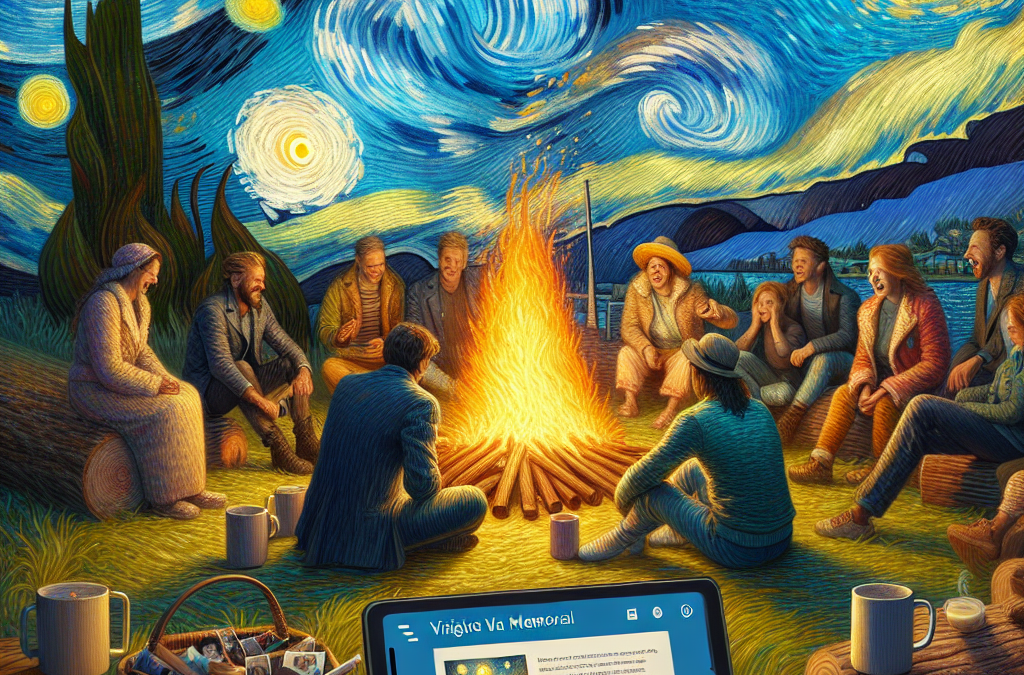
Redefining Digital Legacy: A Fresh Perspective For Seniors.
By Tom Seest
At LegacyExplorations, we help people plan and explore their legacy by collecting information and news regarding end-of-life planning.
Please share this post with your friends, family, or business associates who may want help to plan or explore their legacy.
Are Digital Legacy Projects Overrated for Seniors Today?
In the rapidly evolving digital landscape, the notion of creating a digital legacy can seem like a glamorous undertaking, especially for seniors. However, as we wrestle with the implications of technology on our lives, we must ask ourselves: are these digital legacy projects truly beneficial, or are they overrated?
At its core, Legacy Storytelling is a compelling concept. It offers a chance for our elders to share their hard-earned wisdom, unique experiences, and rich histories with future generations. But let’s face it—how many of us are actually motivated to sit down and compile our life stories into an online format? Sure, the idea sounds nice in theory, but the practical application often ends up being a daunting task.
Many seniors today are not digital natives. They grew up in an era where memories were kept in photo albums and stories were passed down over backyard fences rather than through social media feeds. The digital realm can feel like an overwhelming maze riddled with technological jargon and platforms that seem to change faster than we can keep up. For some, this can lead to frustration rather than the heartwarming experience we imagine digital legacy projects to be.
Moreover, consider this: not every story needs to be digitized. There’s something inherently valuable about oral tradition and the intimate gatherings that come from sharing these stories face-to-face. A Sunday dinner with family or a coffee chat over the kitchen table can evoke emotions in ways that emails or video uploads simply can’t replicate.
Plus, let’s not overlook the fact that the digital world is a noisy one. With endless distractions vying for attention, will a digital legacy even stand the test of time? A digital story risks being just another blip in a torrent of information, easily forgotten amid the latest TikTok dance trend or viral meme.
While digital legacy projects can provide a framework for storytelling, we must consider the practicality and emotional impact of such endeavors. It may be that the most authentic legacy storytelling happens not through a screen, but through the simple act of connecting and conversing with one another, preserving the essence of our histories in the tangible moments that bind us together. After all, it’s the stories we share, face-to-face or heart-to-heart, that truly endure.

Are Digital Legacy Projects Overrated for Seniors Today?
Are Digital Legacy Projects Overrated for Seniors Today?
- The concept of creating a digital legacy can seem appealing, especially for seniors.
- Legacy Storytelling allows elders to share their wisdom and experiences for future generations.
- Many seniors struggle with the motivation to digitize their life stories, finding the task daunting.
- Most seniors are not digital natives, making the technology intimidating and overwhelming.
- Not all stories need to be digitized; oral traditions and face-to-face sharing hold significant value.
- The digital landscape is crowded, raising questions about the longevity and impact of digital legacies.
- Authentic legacy storytelling often occurs through personal connections rather than digital formats.

Are Digital Legacy Projects Overrated for Seniors Today?
Table Of Contents
- Are Digital Legacy Projects Overrated for Seniors Today?
- How Can Seniors Benefit From These Projects?
- What Challenges Do Seniors Face With Digital Tools?
- Are Digital Legacies Important For Family Connections?
- Can Digital Legacy Projects Help Preserve Memories?
- What Are Common Misconceptions About Digital Legacies?
- How Can Seniors Get Started With A Digital Legacy Project?
- What Tools Are Available For Creating Digital Legacies?
- Conclusion
- Other Resources
- Glossary Of Terms
- Other Questions
- Haiku
- Poem
- Checklist
How Can Seniors Benefit From These Projects?
When it comes to seniors and the myriad of projects designed with them in mind, the real beauty lies in the transformative power of connection. Among the standout initiatives is Legacy Storytelling, a heartfelt endeavor that allows seniors to share their life stories and experiences. This isn’t just about passing the time; it’s about creating a bridge to the past, one that can nurture understanding and foster empathy in younger generations.
Imagine a gathering where seniors reminisce and young folks listen intently, eyes wide with wonder. Each story, rich with lessons learned and challenges overcome, contributes to a larger narrative. For seniors, this isn’t merely a nostalgic trip down memory lane; it’s an affirmation of their experiences, a chance for their voices to echo through time. They have lived through historical events and personal trials that can enrich collective knowledge—a priceless resource that’s often overlooked.
Benefits extend beyond mere storytelling. Engaging in these projects can invigorate seniors’ spirits. The act of sharing stories stimulates their cognitive functions, fostering mental agility and enhancing memory recall. It’s a workout for the brain, coupling nostalgia with a bit of nostalgia-induced creativity. Plus, many seniors find a renewed sense of purpose when they realize that their stories matter—that they are invaluable parts of a larger tapestry that is still being crafted.
Moreover, projects that foster companionship provide emotional benefits that are hard to quantify. Older adults often face loneliness, a silent adversary that can weigh heavily on their well-being. By participating in initiatives that emphasize connection and storytelling, they form bonds, cultivate friendships, and build community. These interactions breathe new life into the mundane, reminding them of their value and enriching their day-to-day experiences.
Lastly, every session of legacy storytelling can become a treasure trove of insights for younger folks. These narratives don’t just entertain; they teach invaluable life lessons about resilience, love, loss, and achievement. The wisdom shared can shape the perspectives of those who listen, creating a more compassionate and knowledgeable generation.
In a world increasingly dominated by quick information bites and digital distractions, fostering these tangible connections and sharing life stories is more important than ever. The legacy of our elders deserves a spotlight, and through these projects, we ensure that their tales endure—not just in fading memory, but as a vital part of our shared human experience.

How Can Seniors Benefit From These Projects?
How Can Seniors Benefit From These Projects?
- Legacy Storytelling empowers seniors to share their life stories, fostering connection between generations.
- The initiative creates a bridge to the past, nurturing understanding and empathy in younger generations.
- Seniors’ stories contribute to a larger narrative, affirming their lived experiences and historical significance.
- Involving seniors in storytelling stimulates cognitive functions, enhancing memory recall and creativity.
- Projects emphasizing connection help combat loneliness, fostering bonds and community among older adults.
- Each storytelling session provides invaluable life lessons for younger listeners about resilience, love, and achievement.
- These initiatives highlight the importance of preserving elders’ legacies as a vital part of the shared human experience.

How Can Seniors Benefit From These Projects?
What Challenges Do Seniors Face With Digital Tools?
In today’s fast-paced world, digital tools are woven into the fabric of our daily lives. But when it comes to seniors embracing this new tech-driven norm, things can feel a bit like trying to teach an old dog new tricks. The challenges they face are as varied as the devices themselves.
One of the core issues many seniors encounter is the steep learning curve associated with these digital platforms. For someone who spent decades communicating through handwritten letters or face-to-face conversations, navigating modern technology can feel daunting. The simple task of sending a text message or making a video call can be a labyrinth of confusion, leaving many feeling frustrated and disheartened. It’s not just about pushing buttons; it’s about learning a whole new language of swipes, taps, and digital lingo.
Another layer to these challenges is the issue of accessibility. Older adults may contend with physical limitations, such as arthritis or diminished vision, making it tough to handle small screens or tiny buttons. And let’s not forget the social factor. Many seniors find themselves at the receiving end of a “tech gap,” where their social circles are entirely rooted in traditional communication methods. As conversations turn to their grandchildren’s latest Instagram posts or the newest TikTok trends, these seniors can feel isolated, almost like they’re standing outside a lively party with no way to join in.
Legacy storytelling becomes a crucial aspect in this narrative. For many seniors, sharing their life experiences and family histories is a desire that remains steadfast, yet often unfulfilled in a digital context. While technology offers them tools to preserve their stories—be it through blogging, social media, or video recordings—understanding how to utilize these platforms can be a significant hurdle. They may have an incredible tale to tell, filled with lessons and laughter, but lacking the confidence or know-how to broadcast it effectively.
Additionally, security concerns loom large. The digital realm can feel like a minefield filled with scams and phishing attempts, leaving many seniors cautious and reluctant to engage fully. After all, we’re talking about experiences shaped by a lifetime of hard work and savings. It’s no surprise they’d be wary about exposing themselves to risks they don’t yet understand.
In summary, the landscape of digital tools presents a host of challenges for seniors. It takes patience, support, and perhaps a gentle hand to help guide them through the myriad of obstacles they encounter, ensuring their voices—rich in legacy and wisdom—are not lost in the digital wilderness.

What Challenges Do Seniors Face With Digital Tools?
What Challenges Do Seniors Face With Digital Tools?
- Digital tools are integral to modern life, posing challenges for seniors adapting to new technology.
- Seniors face a steep learning curve, struggling to navigate text messaging and video calls.
- Physical limitations and accessibility issues (e.g., arthritis, diminished vision) hinder their use of digital devices.
- A “tech gap” can lead to feelings of isolation as seniors miss out on conversations about contemporary digital trends.
- Legacy storytelling is important to seniors, but they often lack the confidence or skills to share their experiences online.
- Security concerns about scams and phishing prevent seniors from fully engaging with digital platforms.
- Support and patience are essential to help seniors overcome technological obstacles and share their valuable stories.

What Challenges Do Seniors Face With Digital Tools?
Are Digital Legacies Important For Family Connections?
In a world that often feels consumed by the digital hustle, it’s easy to forget the power of the stories we leave behind. The idea of Legacy Storytelling is more than just a trendy concept; it’s a vital thread in the fabric of family connections. Think of your digital legacy as the breadcrumbs of your life’s path, meticulously laid out for the ones you love. Each post, each photo, and each video serves as a testament to who you are and what you cherished during your time here.
Consider the stories tucked away in the dark corners of your hard drive or in the depths of your social media accounts. They may seem trivial or mundane in the hustle of daily life, but for your loved ones, they can represent moments that are more significant than gold. Imagine your children or grandchildren sifting through these digital remnants years down the road, discovering snippets of laughter, wisdom, and even the occasional misstep. Those moments are windows into a life fully lived. They provide context, emotion, and connection to the lineage that shaped them.
But let’s be honest: assembling your digital legacy is not an automatic process. It requires intention. It requires us to pause amid the busyness of life and consider what we want to pass down. It’s about more than just logging into a platform; it’s about curating a collection of memories that narrate your journey. Each story—whether a triumphant shout-out or a quiet reflection—builds a bridge between generations. This is particularly crucial today when technology has become a double-edged sword, often creating barriers instead of bonds.
To strengthen family connections, we might want to think about how we can consciously integrate Legacy Storytelling into our routine. Perhaps start a family blog, where shared experiences can be documented and celebrated. Or, consider video diaries where you share insights and memories, leaving a piece of your essence for future generations. It doesn’t have to be formal or polished; what matters is authenticity and effort.
So, when contemplating your digital legacy, remember that it isn’t merely a collection of pixels and bytes; it’s a gift. It’s a way to keep family ties taut, ensuring that when future kin come seeking the essence of who you were, they find richness in the storytelling of your life. Make it count. The connections we cultivate today through our digital presence can resonate for generations to come.

Are Digital Legacies Important For Family Connections?
Are Digital Legacies Important For Family Connections?
- Legacy Storytelling is crucial for maintaining family connections in a digital world.
- Your digital legacy consists of posts, photos, and videos that reflect your life and values.
- Seemingly trivial digital moments may hold great significance for future generations.
- Curating your digital legacy requires intention and reflection amid life’s busyness.
- Storytelling builds generational bridges and counteracts technology’s divisive potential.
- Consider starting a family blog or video diaries to document and share family experiences.
- Your digital legacy is a valuable gift that can strengthen family ties for years to come.

Are Digital Legacies Important For Family Connections?
Can Digital Legacy Projects Help Preserve Memories?
In today’s fast-paced, technology-driven world, the concept of preserving our memories and stories is more important than ever. That’s where digital legacy projects come into play. Picture this: every laugh shared, every tear shed, and every triumph achieved captured and preserved for future generations. It’s a bit like legacy storytelling, but infused with the power and flexibility of the digital age—a blend of nostalgia and innovation that can breathe new life into our personal histories.
When you think about it, who hasn’t lost themselves in the pages of a family album or a well-worn scrapbook? Those tangible representations of our lives offer a peek into our past, allowing us to relive moments we may have otherwise forgotten. Yet, as technology continues to evolve, so too does the way we curate our memories. Digitizing our legacies means we can not only safeguard them from the ravages of time but also share them with a broader audience. Imagine turning your grandmother’s countless stories into an interactive timeline, complete with photos, videos, and audio recordings. The tales that shaped your family’s identity come to life, transcending generations.
What’s fascinating about digital legacy projects is the collaborative aspect. Families across the globe can engage in legacy storytelling together, each person contributing their own fragments of memory. A dynamic, woven tapestry emerges—like a quilt made of memories, stitched together by the hands of many. Uncle Frank can add his fishing stories, while Aunt Mary chimes in with her recollections of the family reunions. This collective effort transforms individual narratives into a shared legacy, enriching our understanding of where we come from.
Moreover, in a world that often rushes us along, taking the time to reflect on our past can serve as a grounding force. By engaging in these digital projects, we not only preserve treasured moments but also nurture our connections with one another. It becomes more than just a repository of memories; it’s a way to foster understanding and empathy within our families and communities.
So, can digital legacy projects help preserve memories? Absolutely. They allow us to celebrate the intricate, messy, and beautiful tapestry of life that we all contribute to, ensuring that the stories we cherish don’t fade away into obscurity. Instead, they can shine brightly, illuminating the way for future generations.

Can Digital Legacy Projects Help Preserve Memories?
Can Digital Legacy Projects Help Preserve Memories?
- The importance of preserving memories and stories in a technology-driven world.
- Digital legacy projects capture and preserve personal histories for future generations.
- Digitizing legacies allows for safeguarding against time and sharing with a wider audience.
- Digital storytelling can transform family tales into interactive timelines with multimedia elements.
- Collaboration in legacy storytelling creates a collective narrative enriched by family contributions.
- Engaging in digital projects promotes reflection on the past and nurtures family connections.
- Digital legacy projects ensure cherished stories remain vibrant for future generations to explore.

Can Digital Legacy Projects Help Preserve Memories?
What Are Common Misconceptions About Digital Legacies?
When it comes to digital legacies, there’s an ocean of misunderstanding swirling around—and it’s no surprise. Technology can feel like a foreign land, filled with jargon and complex rules that make many folks want to throw in the towel. Let’s dive into some common misconceptions and see if we can clear the waters a bit.
First up is the idea that your digital footprint is just that—a footprint. People tend to think that once they log out and shut down, their online existence is behind them. Wrong. A digital legacy is much more than a temporary mark; it’s a whole narrative waiting to be told. Legacy storytelling is about the stories, memories, and values you leave behind, captured in the likes of social media posts, emails, and photographs. Each click, share, or comment contributes to a much larger canvas.
Another prevalent myth is that only famous people need to bother with their digital legacies. They think, “Who’s going to care about my cat videos?” Well, here’s the thing: your digital life tells a story about who you are, and it could resonate with more people than you think. Friends and family may find comfort or inspiration in your online expressions long after you’re gone. That’s powerful stuff.
Then there’s the belief that ensuring a lasting digital legacy is as simple as hitting “delete” or “unfollow.” Some folks think they can scrub their online existence and walk away, but it’s not that straightforward. Even if you delete something, there’s a good chance it’s still lurking somewhere in the depths of the internet. Plus, many online platforms have complicated policies concerning data that can outlive our intentions.
And let’s not forget the misperception that digital legacies are all about tech-savviness. Many believe you need to be a whiz with gadgets and gizmos to make an impact. But here’s the kicker: it’s not just about the technology; it’s about the stories you choose to share and how they reflect your values and experiences.
So, if you’re thinking about your digital legacy, remember: it’s not just a collection of bits and bytes. It’s a vibrant tapestry of your life’s narrative. Embrace it, and don’t shy away from telling your legacy story—because once you start considering it, you’ll realize just how important it truly is.

What Are Common Misconceptions About Digital Legacies?
What Are Common Misconceptions About Digital Legacies?
- Digital legacies are often misunderstood, as technology can seem complex and intimidating.
- A digital footprint represents more than a brief mark; it forms a comprehensive narrative filled with stories and values.
- Everyone has a digital legacy that might resonate with friends and family, not just famous individuals.
- Deleting or unfollowing does not guarantee the removal of your online presence, as data can persist even after deletion.
- Creating a lasting digital legacy is not solely dependent on tech skills; it focuses on the stories shared and their significance.
- Your digital legacy is a vibrant tapestry representing your life’s narrative, not just a series of digital bits and bytes.
- Embracing your legacy story is crucial, as awareness of its importance can lead to meaningful reflections on your life.

What Are Common Misconceptions About Digital Legacies?
How Can Seniors Get Started With A Digital Legacy Project?
When it comes to leaving behind a digital legacy, there’s no time like the present to dive in. For seniors, embarking on a legacy storytelling project is not just a way to capture memories; it’s a golden opportunity to reflect on a life well-lived and share those experiences with loved ones. So, how do you get started? Well, grab a cup of coffee, settle into your favorite chair, and let’s walk through it.
First off, pick a platform. Today, digital tools are as abundant as the stories that fill our minds. You might create a blog, record video testimonials, or even compile photos and anecdotes into a slideshow or a book. With the right technology, sharing your legacy can be as simple as clicking a few buttons. If the tech feels daunting, don’t hesitate to enlist the help of family members or friends. They’ll probably appreciate the chance to learn from your wealth of experience, not to mention help preserve it.
Next, consider your audience. Who is it you want to reach? Is it your grandchildren, distant relatives, or perhaps even a wider audience? Understanding your intended audience can greatly influence how you tell your story and what you choose to include. After all, a story shared with the aim to teach or entertain can take on a different flavor than one meant solely for family members.
Once you have a sense of direction, it’s time to brainstorm. Think back to pivotal moments in your life—those chapters that shaped you. Jot down memories, anecdotes, or even life lessons you want to impart. Your experiences are rich with insights that can teach, inspire, or simply amuse. Don’t be afraid to get personal; vulnerability can create some of the most compelling stories.
Then, start creating. Allow your narrative to unfold naturally. You might choose to write it out, record your voice, or speak to a family member who can help document your story. Remember, it’s not about perfection; it’s about authenticity. That authenticity is what transforms a simple tale into a powerful legacy storytelling project.
Finally, once your project starts taking shape, share it! Gather family and friends, host a viewing party, or disseminate your work through social media. This is where your legacy truly comes to life, inviting others to engage with your journey. So, embrace the process and get started. Your story deserves to be told, and your digital legacy is waiting to be crafted!

How Can Seniors Get Started With A Digital Legacy Project?
How Can Seniors Get Started With A Digital Legacy Project?
- Seniors can create a digital legacy storytelling project to capture and share their memories.
- Choosing the right platform is essential; options include blogs, video testimonials, or photo slideshows.
- Consider your audience; tailor your storytelling to grandkids, relatives, or a broader public.
- Brainstorm pivotal life moments to share, writing down memories and lessons that are meaningful.
- Focus on authenticity during the creation process, rather than striving for perfection.
- Once completed, share your project with family and friends through gatherings or social media.
- Embrace the storytelling journey—your experiences are valuable and deserve to be shared.

How Can Seniors Get Started With A Digital Legacy Project?
What Tools Are Available For Creating Digital Legacies?
Creating a digital legacy is much like crafting a time capsule, but instead of burying it in the ground, you’re uploading it to the cloud. The tools available today for legacy storytelling are designed to help you preserve memories, thoughts, and experiences for future generations. But just as with any toolbox, the key is knowing how to use the right tool for the right job.
First on the list, we have legacy storytelling platforms. These modern marvels allow you to compile everything from photographs and personal anecdotes to videos and voice recordings. Websites like Storyworth and Everlit provide structured formats to help guide you through the storytelling process, ensuring that your narrative isn’t just a collection of random thoughts but a cohesive story that reflects your values, lessons, and beliefs. You can think of these platforms as digital scrapbooks, where each page can hold a pivotal moment in your life.
Another essential tool in your digital legacy arsenal is social media. While it can sometimes feel like a fleeting whirlwind of memes and selfies, platforms like Facebook and Instagram have powerful features for sharing your life’s journey. By thoughtfully curating posts that capture milestones and memories, you can piece together a rich tapestry of your existence. Remember to adjust your privacy settings so that this legacy can be viewed by those you intend to share it with, not just the worldwide web.
For those who prefer a more traditional route, there are journaling applications and digital diaries. Apps like Day One or Journey allow for intimate reflection, giving you a place to store not just facts, but the emotions tied to those moments. This form of legacy storytelling is about capturing your thoughts and feelings, offering a glimpse into your inner world that can bridge the past with our digital presence.
And let’s not forget video. The age of streaming has made it easier than ever to share your ideas and experiences through platforms like YouTube or Vimeo. Creating a series of personal documentaries or simply recording yourself recounting stories can be a powerful way to leave a lasting impression.
Ultimately, the tools for creating a digital legacy are as diverse as the stories they hold. Whether you choose a dedicated platform, use social media, journal, or record videos, what matters most is the thought you put into ensuring that your legacy lives on for those who come after you. After all, it’s not just about what you leave behind but how you share your story with the world.

What Tools Are Available For Creating Digital Legacies?
What Tools Are Available For Creating Digital Legacies?
- Creating a digital legacy is akin to crafting a time capsule, but stored in the cloud.
- Legacy storytelling platforms, like Storyworth and Everlit, help compile memories into cohesive narratives.
- Social media platforms, such as Facebook and Instagram, can be used to share life milestones and memories with curated posts.
- Journaling apps like Day One or Journey provide a space for intimate reflection and emotional storytelling.
- Video platforms like YouTube and Vimeo offer opportunities to create personal documentaries and share experiences.
- The tools for digital legacy creation are varied, including dedicated platforms, social media, journaling, and video recording.
- Thoughtfulness in sharing your story is crucial for ensuring your legacy endures for future generations.

What Tools Are Available For Creating Digital Legacies?
Conclusion
As we wrap up this insightful exploration of digital legacy projects for seniors, it’s clear there’s a lot more simmering beneath the surface. The landscape of legacy storytelling is layered, complex, and often laden with misconceptions. So, let’s distill the essence of what we’ve discussed and set the record straight.
In a world awash with digital noise, the quest to create a digital legacy can appear daunting, especially for seniors who didn’t grow up navigating social media feeds or texting emojis. Sure, the allure of sharing one’s life narrative online is enticing—everyone wants to feel relevant, right? However, it’s one thing to be inspired by the idea and quite another to roll up your sleeves and dive in. Many seniors aren’t just battling tech; they’re also sifting through the practicality versus emotional authenticity of their stories. There’s a richness to oral tradition and personal storytelling that can be lost in the clatter of digital uploads.
Let’s not sugarcoat it: the challenges are real. From steep learning curves and accessibility hurdles to feelings of isolation when faced with rapidly changing communication technologies, seniors might find themselves questioning the real value of these projects. Yet, arguably the greatest benefit lies not in the bytes and pixels, but in the connections these stories forge. The act of recalling and recounting memories isn’t merely a vanity project—it can rejuvenate the mind and restore a sense of purpose, reminding seniors of their immeasurable worth as bearers of wisdom.
Moreover, let’s remember the communal aspect that digital legacy projects can bring. Imagine sitting around a table, tablets in hand, sharing laugh-out-loud anecdotes that colored your past, passed down like a family heirloom. Each story creates an intricate tapestry that binds generations together. While one might think of a digital legacy as a mere catalogue of events, it’s fundamentally a bridge connecting hearts and homes across time.
So, are digital legacy projects for seniors overrated? Maybe in some aspects. But in a world that often neglects the voices of its elders, these projects hold the potential to preserve invaluable narratives, heal familial rifts, and spark connections. When executed with intention and care, they become not just a record of a life lived but a celebration of legacies that deserve to be shared, cherished, and remembered. It’s about time we embraced this journey, allowing our stories to echo through time in the most authentic way possible.

Conclusion
Conclusion:
- Digital legacy projects for seniors offer a complex and layered storytelling landscape.
- Seniors may find creating a digital legacy daunting due to unfamiliarity with technology and social media.
- The challenge lies in balancing the practicality of digital storytelling with emotional authenticity.
- Despite technological hurdles, the greatest benefit of these projects is the connections they foster.
- Recounting memories can rejuvenate seniors’ minds and restore their sense of purpose.
- Digital legacy projects can strengthen familial bonds and create a communal sense of sharing stories.
- Ultimately, these projects deserve to be embraced as a celebration of legacies, not merely as records of life lived.

Conclusion
Other Resources

Other Resources
Here is a list of other resources you can review online to learn more:
- Tributes
- Personal Legacy Advisors
- Postumo
- INELA
- Remembered.com
- Legacy Family Tree
- LegalZoom
- EverNote
- ForeverMissed
- Storyworth
Use This Prompt To Get More Resources With Your Favorite Online AI Tool: Please provide me with a list of online articles with their URLs in a bulleted list that I can read regarding Are Digital Legacy Projects Overrated for Seniors Today?

Other Resources
Glossary Terms
Are Digital Legacy Projects Overrated for Seniors Today? – Glossary Of Terms
1. Digital Legacy: The collection of a person’s digital information, assets, and memories, which may include social media accounts, emails, photos, and documents.
2. Digital Literacy: The ability to effectively find, evaluate, utilize, share, and create information using digital technology.
3. Social Media: Online platforms that enable users to create and share content or participate in social networking, such as Facebook, Twitter, and Instagram.
4. Digital Footprint: The trail of data that individuals leave behind when they use the internet, which can include social media interactions, website visits, and online purchases.
5. Legacy Planning: The process of arranging for the distribution of one’s assets and wishes after death, which can also include digital assets.
6. Preservation: The act of maintaining digital materials in a way that they are accessible and usable in the future, often involving data backup techniques.
7. Digital Will: A legal document that specifies how a person’s digital assets should be handled after their death.
8. Elderly Engagement: The involvement of seniors in various activities, including digital technology, to enhance their quality of life and social connections.
9. Privacy Settings: Controls provided by online platforms that allow users to manage who can see their information and what data is shared publicly.
10. Cloud Storage: Online storage services that allow users to save and access their digital files remotely, such as Google Drive and Dropbox.
11. Digital Asset Manager: A tool or platform used to organize and catalog digital assets, making them easier to manage and share.
12. Cybersecurity: The practice of protecting systems, networks, and programs from digital attacks that can compromise personal information.
13. Backup: The process of creating copies of digital data to ensure that it can be recovered in the event of loss or damage.
14. User-friendly Interface: A design that makes technology easy to use, especially important for seniors who may not have grown up with digital devices.
15. Technological Anxiety: The apprehension or fear that individuals may feel when interacting with new technology, particularly prevalent among seniors.
16. Memory Preservation: The process of collecting and maintaining memories through digital means, such as photos or videos, for future generations.
17. Shareable Digital Content: Any digital asset that can be easily distributed online, including photos, videos, and personal stories.
18. Intergenerational Sharing: The practice of sharing digital assets and stories between different age groups, often enhancing familial bonds.
19. Online Identity: The persona that a person presents in digital spaces, shaped by their online interactions and content.
20. Digital Etiquette: Guidelines for acceptable behavior and communication in digital environments, particularly important for seniors joining social media.
21. Content Curation: The process of gathering, organizing, and presenting digital content to tell a specific story or convey a message.
22. Archiving: The systematic storage of digital files for long-term preservation and accessibility, especially important for legacy projects.
23. Online Memorials: Digital spaces created to commemorate loved ones, featuring tributes, photos, and stories shared by family and friends.
24. Digital Gap: The disparity between individuals who are proficient with technology and those who are not, often affecting senior populations.
25. Toolkit: A set of resources or guides designed to assist seniors in navigating digital technology and legacy planning.
26. Integration: The process of incorporating digital legacy projects into existing life plans, ensuring that they are beneficial and meaningful.
27. User-Centric Design: An approach that focuses on creating technology that meets the needs and preferences of users, particularly seniors.
28. Digital Reminiscence: The act of reflecting on past events through digital means, often involving sharing memories and experiences online.
29. Accessibility Features: Special tools and settings that make digital content easier to use for individuals with disabilities, including vision or hearing impairments.
30. Community Engagement: The active participation of individuals in their local or online communities to foster connections and support, particularly for seniors.

Glossary Of Terms
Other Questions
Are Digital Legacy Projects Overrated for Seniors Today? – Other Questions
If you wish to explore and discover more, consider looking for answers to these questions:
- What are the key components of a successful digital legacy project for seniors?
- How can families support seniors in creating their digital legacies?
- What are some examples of successful digital legacy projects implemented by seniors?
- Are there specific challenges for seniors with different technological literacy levels?
- What privacy concerns should seniors consider when creating a digital legacy?
- How can technology be made more accessible to seniors for storytelling purposes?
- What role does storytelling play in mental health for seniors?
- How can digital legacies foster intergenerational connections?
- What resources are available for seniors to learn about digital tools?
- How do cultural differences affect perceptions of digital legacies?

Other Questions
Haiku
Are Digital Legacy Projects Overrated for Seniors Today? – A Haiku
Wisdom in silence,
Stories shared in quiet rooms,
Legacy lives on.

Haiku
Poem
Are Digital Legacy Projects Overrated for Seniors Today? – A Poem
In a world of pixels, bright and fast,
Our elders wonder if their tales will last.
Digital legacies, a glimmering dream,
Yet often lost in a relentless stream.
Once whispered stories by the hearth’s warm glow,
Now tucked away where few will know.
A photograph fading, a story untold,
In albums and whispers, their histories unfold.
Old hands tremble at the touchscreen’s glare,
Navigating tech feels like a daunting affair.
Yet with every laugh shared, and every tear shed,
The essence of life will forever be spread.
Gather ’round tables, with hearts open wide,
Where stories are treasures, not lost in the tide.
Through simple connection, with voices so clear,
The legacies linger, our memories dear.
The beauty lies not just in the digital frame,
But in bonds that unite us, the sharedness of name.
As family we sit, both young and old,
Listening to whispers of wisdom retold.
So let’s capture these moments, let stories ignite,
For each tale we share keeps the past in our sight.
In the chaos of bytes, let love be the guide,
As we weave our legacies, side by side.
For beyond social posts, beyond fleeting trends,
The heart of our legacy is where connection begins.
It’s not merely pixels, but the love that we sow,
In the tapestry of life, let our true stories flow.

Poem
Checklist
Are Digital Legacy Projects Overrated for Seniors Today? – A Checklist
Preparation
_____ Identify Your Purpose: Determine why you want to create a digital legacy (e. g. , sharing stories with family, preserving memories, leaving lessons for future generations).
_____ Choose Your Audience: Decide who you want to reach with your digital legacy (family, friends, future generations).
Selecting Tools and Platforms
_____ Choose a Platform: Research and select a digital legacy storytelling platform that suits your needs. Consider options like:
_____ Storyworth
_____ Everlit
_____ Blogging platforms (WordPress, Blogger)
_____ Social media (Facebook, Instagram)
_____ YouTube or Vimeo for video sharing
_____ Journaling applications (Day One, Journey)
Storytelling Content
_____ Brainstorm Your Stories: List key events and significant moments in your life that you want to share. Think about:
_____ Pivotal life experiences
_____ Family traditions
_____ Valuable lessons learned
_____ Humorous anecdotes
_____ Gather Supporting Media: Collect photographs, videos, recordings, and documents that enrich your stories.
Creating Your Legacy
_____ Start Crafting Your Narrative: Write, record, or create your story. Focus on authenticity, ensuring your personality shines through.
_____ Edit and Organize: Review your content for clarity and flow. Organize it logically to help readers or viewers engage with your story.
Sharing Your Legacy
_____ Decide on Sharing Methods: Plan how you’ll share your digital legacy (e. g. , family gatherings, social media posts, email distribution, dedicated website).
_____ Host a Sharing Event: Consider organizing a family gathering to share your legacy. Gather feedback and promote discussion.
Maintenance and Updates
_____ Update Regularly: Set reminders to update your digital legacy with new stories, memories, and experiences.
_____ Enhance Privacy Settings: If using social media, ensure that your privacy settings are adjusted so that only your intended audience can access your legacy.
Overcoming Challenges
_____ Seek Support: If technology feels overwhelming, ask family members, friends, or community resources for help in navigating the platforms.
_____ Practice Patience: Allow yourself time to learn and get comfortable with the tools you choose to use.
Reflection
_____ Reflect on the Process: After completing your project, take time to reflect on the experience. Consider how it felt to share your stories and what you learned.
Creating a digital legacy can be a rewarding journey of self-discovery and connection. Embrace the process, share your voice, and leave a lasting impact on future generations.

Checklist
At LegacyExplorations, we help people plan and explore their legacy by collecting information and news regarding end-of-life planning.
Please share this post with your friends, family, or business associates who may want help to plan or explore their legacy.