

Uncovering The Past: The Cost Of Legacy Stories
By Tom Seest
At LegacyExplorations, we help people plan and explore their legacy by collecting information and news regarding end-of-life planning.
Please share this post with your friends, family, or business associates who may want help to plan or explore their legacy.
Are Legacy Stories Better Left Untold for The Sake Of Peace?
In the quiet corners of our lives, where shadows seem to dance with memories, there lies a delicate matter that stirs the heart: Legacy Storytelling. It’s not just about passing down tales from one generation to the next; it’s about the weight of those stories—the good, the bad, and the ugly—and the potential consequences they can unleash.
We’ve all heard those old family stories that come wrapped in layers of love, laughter, and sometimes, heartache. The tales of Grandpa’s old tractor, the one that never quite ran right but somehow became a symbol of resilience, or the whispered legends of a family feud that spanned decades. Each anecdote served as a connection to the past, a rudder guiding us through the tumultuous waters of life. But when do these stories cross the line from cherished folklore to burdensome baggage?
Imagine gathering around the dinner table, where the air is thick with nostalgia, and someone mentions a legacy story. Everyone perks up, but what follows could be a mixed blessing. For every laugh and tear shared, there’s the potential for old wounds to be reopened, and grudges long buried to resurface. Family dynamics are complex; woven into the fabric of our relationships are threads of history that are often frayed and tangled. Sometimes, it’s easier to let sleeping dogs lie, to shield our loved ones from the uncomfortable realities that might explode from the depths of our legacy storytelling.
Now, I’m not suggesting we wrap our family history in bubble wrap and stow it away in a dusty attic. There’s value in understanding where we come from, but there’s also an art to knowing what stories should be told and which ones are better left in the shadows. The truth is, storytelling is a dance. When the rhythm falters, when the wrong step is taken, it can lead to discord instead of harmony.
So, as we navigate the landscape of legacy storytelling, we must ask ourselves tough questions. Are we sharing these tales to enrich our lives and those of future generations, or are we opening a Pandora’s box that threatens to spill chaos into the present? Sometimes, for the sake of peace, it may be wise to let certain legacy stories slip silently into the night, where they can rest undisturbed, allowing us to move forward unburdened.

Are Legacy Stories Better Left Untold for The Sake Of Peace?
Are Legacy Stories Better Left Untold for The Sake Of Peace?
- Legacy Storytelling encompasses the passing of family tales across generations.
- Stories carry emotional weight, including love, heartache, and resilience.
- Family stories can serve as connections to the past but may also bring up old wounds.
- The dinner table often becomes a setting for sharing legacy stories, which can evoke mixed emotions.
- It is essential to discern which stories should be told and which ones should remain untold.
- Storytelling resembles a dance, where missteps can disrupt family harmony.
- Some legacy stories may be best left undisturbed to maintain peace and allow progress.

Are Legacy Stories Better Left Untold for The Sake Of Peace?
Table Of Contents
- Are Legacy Stories Better Left Untold for The Sake Of Peace?
- What Are Legacy Stories And Why Do They Matter?
- What Impact Do Untold Stories Have On Families?
- Can Revealing Legacy Stories Bring Healing Or Conflict?
- How Do Cultural Perspectives Influence Legacy Storytelling?
- What Are The Psychological Effects Of Sharing Untold Stories?
- Are There Circumstances Where Silence Is More Beneficial?
- How Do Legacy Stories Shape Our Understanding Of Identity?
- Conclusion
- Other Resources
- Glossary Of Terms
- Other Questions
- Haiku
- Poem
- Checklist
What Are Legacy Stories And Why Do They Matter?
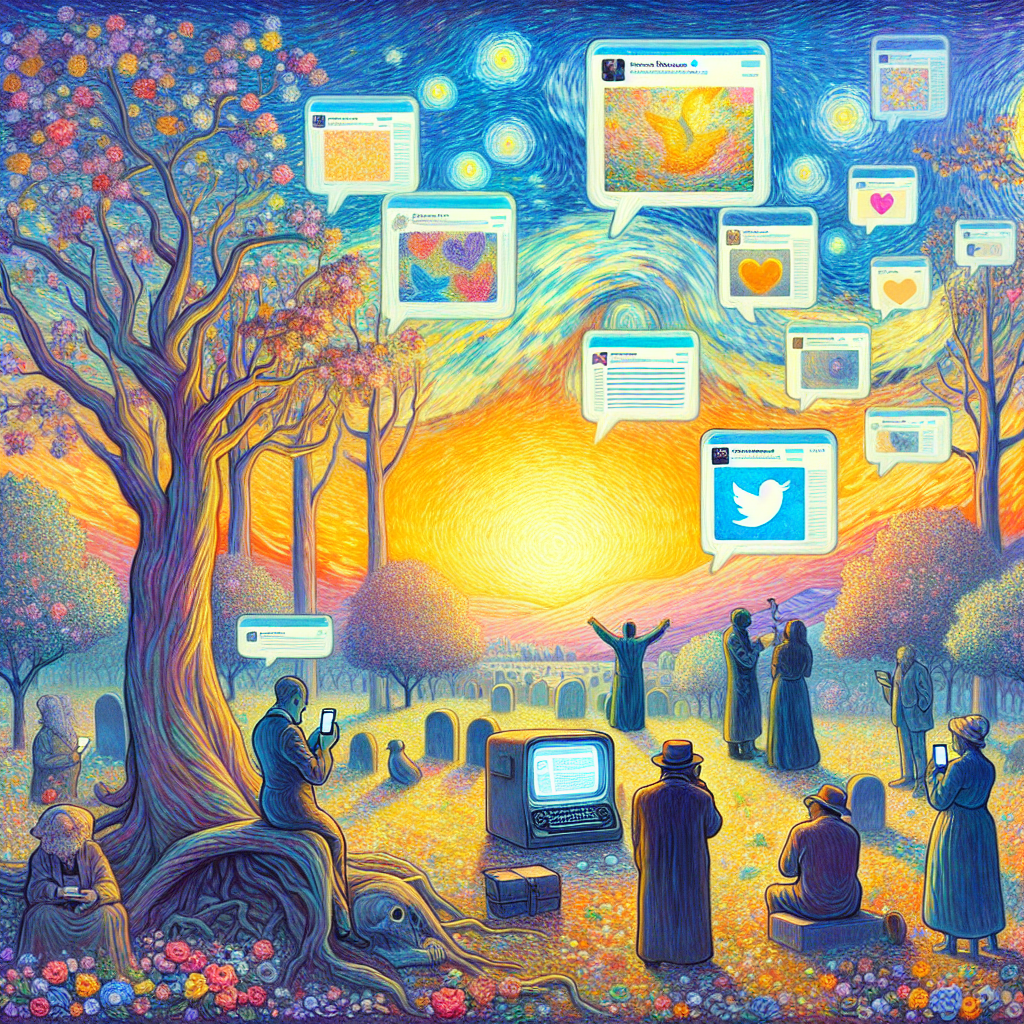
When you think about the tales that get passed down from generation to generation, what comes to mind? Perhaps it’s the whimsical adventures of an eccentric great-aunt, or the life lessons delivered through the lens of an elder after dinner. Legacy storytelling is more than just spouting off anecdotes; it’s a way to connect the past with the present, weaving a tapestry that holds our shared experiences, values, and traditions.
At its core, legacy storytelling serves as a bridge between generations. It’s the glue that holds families, communities, and cultures together, granting us a sense of belonging that’s often hard to quantify. These stories capture the essence of who we are, and that’s why they matter. They offer a glimpse into struggles and triumphs, mistakes and victories that shape our identities. When we share them, we’re not just reminiscing; we’re actively participating in an ongoing dialogue that spans time.
Think about it: every time you sit down with an elder who recounts their experiences, they’re equipping you with more than just facts. They’re imparting wisdom forged in the fires of their own life’s journey. Legacy stories often carry lessons about resilience, integrity, and the importance of hard work. These are the nuggets of knowledge that can help younger generations navigate an increasingly complex world. You see, life is a series of choices, and the best stories illustrate the consequences—good and bad—of those choices.
Then there’s the emotional aspect to consider. Legacy storytelling allows us to engage our shared humanity. It offers relief through the realization that we’re not alone in our challenges or heartbreaks. These narratives become a mirror reflecting our own struggles and joys, creating empathy and understanding—qualities that seem scarce these days.
Moreover, telling these stories isn’t just beneficial for the listener. The act of sharing allows the storyteller to preserve their life’s meaning. As they articulate experiences from their past, they solidify their own legacy. It’s a two-way street that fosters connection and understanding between the speakers and the listeners.
So, the next time you hear a legacy story, lean in. Embrace the rich history and life lessons that come with it. After all, in a world increasingly captivated by fleeting digital interactions, these timeless narratives remind us of what truly matters: our shared humanity and the stories that bind us together.
What Are Legacy Stories And Why Do They Matter?
What Are Legacy Stories And Why Do They Matter?
- Legacy storytelling connects the past with the present, sharing experiences, values, and traditions.
- It serves as a bridge between generations, fostering a sense of belonging within families, communities, and cultures.
- Stories reflect individual struggles and victories, shaping our identities and continuing an ongoing dialogue across time.
- Legacy stories impart wisdom about resilience, integrity, and hard work, aiding younger generations in navigating challenges.
- These narratives create empathy and understanding, reminding us of our shared humanity in facing challenges and joys.
- The act of storytelling helps preserve the storyteller’s legacy and solidifies connections with their audience.
- In a digital age, these timeless narratives highlight the importance of our shared experiences and relationships.

What Are Legacy Stories And Why Do They Matter?
What Impact Do Untold Stories Have On Families?
In every family, there exists a tapestry woven with the threads of shared experiences, histories, and memories, each contributing to the overall narrative. However, not every story gets passed down through the generations. These untold stories can be the secret foundations of our legacies, often left to gather dust in the corners of our minds. When families embrace Legacy Storytelling, they discover that the narratives we choose to share have a profound impact on how we view ourselves and each other.
Imagine a family gathered around a table, laughter mingling with the aroma of a home-cooked meal. When grandpa reminisces about the harrowing trials he faced during the Great Depression, the room becomes a vessel of connection. It’s more than just a fun tale; it’s a lesson in resilience, hard work, and community. Yet, too often, these poignant moments don’t happen because we shy away from sharing the tougher or less glamorous parts of our history.
When stories remain untold, they create a void—an invisible gap that can lead to misunderstandings and disconnections. Children grow up without grasping the challenges their ancestors overcame, missing out on valuable lessons embedded in history. They lose the opportunity to cultivate empathy and a sense of belonging. It’s these untold stories that rob them of understanding their roots and strengths, leaving future generations with a skewed or incomplete picture of their family’s legacy.
Legacy Storytelling gives us a chance to push back against this inertia. By inviting everyone to partake in the narrative, we breathe life into old tales and allow them to take root in the hearts and minds of listeners. It fosters dialogue, encourages questions, and ignites curiosity about the past. Perhaps most importantly, it builds bridges—transforming distant relatives into active participants in a shared history.
Think about the impact of these narratives on unity. Families that engage in Legacy Storytelling find that their bonds grow stronger. The act of sharing stories turns strangers into allies, fortifying ties that time or distance might threaten to sever. In a world increasingly disconnected by technology and rapid change, taking the time to share our stories becomes an act of resistance—an essential step in ensuring that our legacies endure.
So, the next time you gather with family, ask about that untold story. You might just uncover the soul of your family history waiting to be rediscovered.

What Impact Do Untold Stories Have On Families?
What Impact Do Untold Stories Have On Families?
- Every family has a tapestry of shared experiences that contributes to their overall narrative.
- Untold stories can serve as secret foundations of legacies, often forgotten in our minds.
- Legacy Storytelling can significantly impact how families view themselves and each other.
- Sharing challenging stories fosters connections and imparts valuable life lessons to future generations.
- Untold stories create voids that may lead to misunderstandings and hinder the development of empathy.
- Engaging in Legacy Storytelling encourages dialogue, questions, and a deeper curiosity about family history.
- Sharing stories strengthens family bonds and serves as an act of resistance against disconnection in modern society.

What Impact Do Untold Stories Have On Families?
Can Revealing Legacy Stories Bring Healing Or Conflict?
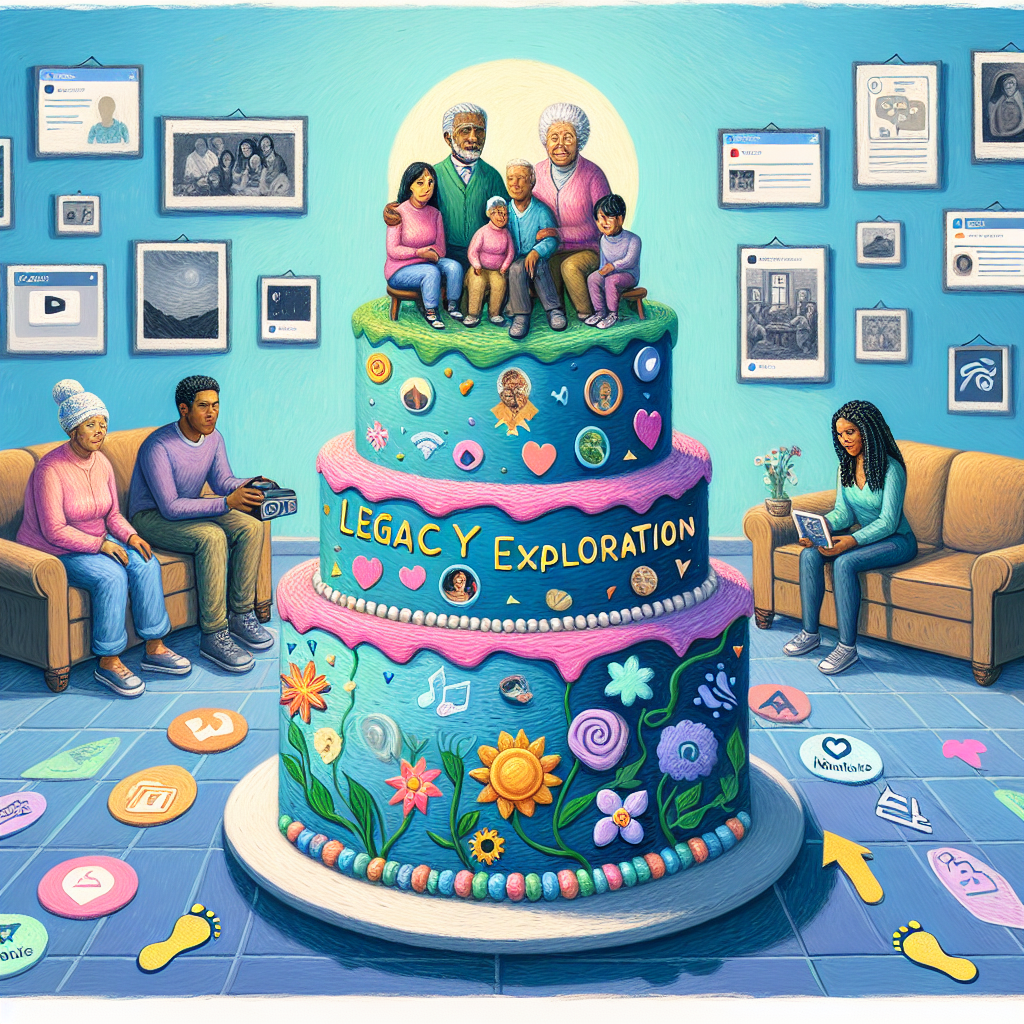
Life is a series of stories, some sweet, some bitter, and some that cut right to the bone. In the realm of family and community, the act of Legacy Storytelling takes center stage, serving as a bridge between generations. But let’s be candid: opening up those dusty old family albums can evoke a rollercoaster of emotions, revealing everything from heartwarming memories to long-buried conflicts.
At its best, Legacy Storytelling can be a powerful tool for healing. Think about it—when we share stories of our ancestors, we’re not just recounting events; we’re connecting with our roots. These tales, whether filled with triumph or tragedy, bring our family history alive. They provide context for who we are, why we act the way we do, and where we might be heading. Discovering that a great-grandparent faced insurmountable odds can be a source of inspiration, igniting a fire in our bellies to persevere through our own challenges.
But let’s not kid ourselves. Not every story is wrapped in a cozy bow. Sometimes, digging into our family’s legacy dredges up tensions that have simmered for far too long. Perhaps there’s a fractured relationship in the family, or maybe a dark secret that’s been tucked away like a skeleton in the attic. When Legacy Storytelling goes awry, what was intended as a healing exercise can morph into a battleground, where old wounds are reopened and bitterness is rekindled.
As the stories unfold, those still carrying the weight of their ancestors’ mistakes may feel compelled to voice their pain. In such moments, the very act of sharing can pivot from cathartic to confrontational. The real question is, how do we navigate these potential pitfalls? Recognizing the emotional gravity that Legacy Storytelling carries is crucial. Approaching these narratives with empathy and a willingness to listen can pave the way for understanding and healing.
Ultimately, whether Legacy Storytelling brings about healing or conflict boils down to the approach taken. Embracing these stories with both humility and honesty can illuminate paths to reconciliation, while carelessly unearthing unresolved issues can lead to deeper divides. It’s a delicate dance between honoring the past and forging a healthier present. The choice lies in our hands—grasping the lessons learned or letting the shadows of history dictate our future.

Can Revealing Legacy Stories Bring Healing Or Conflict?
Can Revealing Legacy Stories Bring Healing Or Conflict?
- Life consists of various stories that evoke a range of emotions, from joy to pain.
- Legacy Storytelling serves as a bridge between generations within families and communities.
- This practice can lead to healing by connecting individuals with their roots and family history.
- Sharing stories can inspire resilience, especially when overcoming adversity faced by ancestors.
- However, uncovering family legacies may also reveal long-standing tensions and conflicts.
- Approaching these narratives with empathy and understanding is essential to navigate potential pitfalls.
- The outcome of Legacy Storytelling depends on the approach, balancing honoring the past with creating a healthier present.
Can Revealing Legacy Stories Bring Healing Or Conflict?
How Do Cultural Perspectives Influence Legacy Storytelling?
When you dive into the world of Legacy Storytelling, you quickly realize that culture is the thread that weaves the fabric of our narratives. Each culture brings its own colors, patterns, and textures to the stories we pass down. These aren’t just tales; they are lifelines that connect generations, reflecting not just personal experiences but also communal values, beliefs, and history.
In some cultures, oral tradition reigns supreme. Stories are handed down like heirlooms, carefully nurtured and polished over the years. The nuances within these narratives often reflect the community’s struggles, triumphs, and core philosophies. It’s fascinating to see how these stories shape identities. For example, take the Indigenous peoples of North America, where oral narratives serve as vital tools for teaching, preserving languages, and sharing life lessons. Their legacy is deeply embedded in the land and its very essence, making their storytelling salient and impactful.
Conversely, some cultures gravitate towards written forms of Legacy Storytelling, celebrating the permanence of the printed word. Think of the centuries-old epics written in ancient scripts, which encapsulate the essence of entire civilizations. These texts do more than inform; they carry the weight of ancestral wisdom, shining a spotlight on values treasured by their societies. The Epic of Gilgamesh, for instance, isn’t merely an adventure story; it’s a profound exploration of friendship, mortality, and the human psyche, reflecting the cultural lens through which its creators viewed the world.
Legacy Storytelling also evolves with technology. The rise of social media has birthed a new avenue for sharing stories. Quick videos, posts, and digital art allow for instant dissemination of personal and collective narratives. This modern approach can blend cultures, creating a rich tapestry of diverse experiences, yet it also raises questions about authenticity and the dilution of traditional values.
Ultimately, what’s reassuring is that whether via ancient oral tales or contemporary digital platforms, the essence remains the same: Legacy Storytelling bridges gaps across time and space. The unique cultural perspectives provide a lens through which we can not only honor the past but more importantly, understand our shared humanity. By understanding how different communities convey their legacies, we too can find our place in this expansive narrative tapestry that is life.

How Do Cultural Perspectives Influence Legacy Storytelling?
How Do Cultural Perspectives Influence Legacy Storytelling?
- Legacy Storytelling is deeply intertwined with culture, using distinct colors, patterns, and textures in narratives.
- Oral traditions in many cultures serve as lifelines that connect generations, reflecting communal values and histories.
- Indigenous peoples of North America rely on oral narratives to teach, preserve languages, and share life lessons.
- Some cultures favor written forms of storytelling, where ancient texts embody the wisdom and values of civilizations.
- The Epic of Gilgamesh exemplifies how written narratives explore profound themes such as friendship and mortality.
- Modern technology, including social media, has transformed Legacy Storytelling, allowing for rapid sharing of diverse narratives.
- Regardless of the medium, Legacy Storytelling fosters understanding of shared humanity and honors cultural legacies across time.
How Do Cultural Perspectives Influence Legacy Storytelling?
What Are The Psychological Effects Of Sharing Untold Stories?
When we delve into the concept of *legacy storytelling*, we’re diving into much more than just words on a page or tales passed down through generations. It’s about connecting with our innermost selves and finding purpose in the narratives that shape our lives. Picture this: our experiences, our triumphs, and yes, our failures all form a tapestry that weaves us into the fabric of history. But, what really happens when we share these untold stories?
First off, there’s a profound release in sharing stories that haven’t been told. Many people carry the weight of their experiences like a ball and chain, dragging it along through life. When they finally open up, there’s an almost palpable lightness that follows. It’s as if shedding that burden allows room for resilience to grow. The act of storytelling can foster catharsis, providing a platform to sift through the past. It’s like cleaning out a cluttered attic: you find treasures you forgot you had, but also the dust and cobwebs that need addressing.
Moreover, sharing these personal narratives cultivates connection with others. Every listener processes their own reflection in the stories being told. The stories become bridges, uniting people across experiences and eras. Those moments of shared understanding weave kinship. Imagine sitting around a fire, each person contributing to a collective history; it’s a unifying experience that’s hard to replicate elsewhere. In a world that often feels chaotic and disjointed, these connections can restore the sense of community that many are yearning for.
Not to mention the empowerment that comes from owning one’s narrative. When individuals step forward and share their truths, it resonates beyond the individual. It empowers others to follow suit, fostering a chain reaction of vulnerability and authenticity. It reminds us that we are not alone in our struggles, and that our voices have power. This ripple effect can encourage others to share their own stories, creating a culture of openness.
Lastly, there’s the legacy that comes from storytelling. Each shared revelation enriches not just the storyteller but also those who come after them. We’re all part of a continuous chain, where stories linger long after the teller is gone. In this sense, sharing untold stories is not just an act of bravery; it’s a meaningful contribution to the world. It leaves an imprint, a legacy that defines who we are and what we stand for—a powerful reminder that our lives, indeed, matter.

What Are The Psychological Effects Of Sharing Untold Stories?
What Are The Psychological Effects Of Sharing Untold Stories?
- Legacy storytelling involves connecting with our innermost selves and discovering purpose in our narratives.
- Sharing untold stories provides a significant release, fostering resilience and catharsis.
- Storytelling helps individuals sift through their past, revealing hidden treasures and addressing old burdens.
- Personal narratives cultivate connections, creating bridges of shared understanding and kinship among listeners.
- Owning and sharing one’s narrative empowers individuals and inspires vulnerability and authenticity in others.
- Each shared story contributes to a culture of openness and a sense of community in chaotic times.
- Storytelling leaves a lasting legacy, enriching both the storyteller and future generations while defining our impact on the world.

What Are The Psychological Effects Of Sharing Untold Stories?
Are There Circumstances Where Silence Is More Beneficial?
In a world buzzing with noise, where the clatter of opinion is louder than the clarion call of reason, silence can often feel like a radical act. But what if I told you that there are moments when embracing the hush can be more than just peaceful? There are circumstances where silence doesn’t just hold weight; it can change the course of history.
When we look at the art of Legacy Storytelling, we find that some of the most impactful tales don’t need a constant stream of words. Think about it: a well-timed pause can often speak louder than any elaborate expression. Silence gives us space—space to reflect, to ponder, and to absorb what we’ve just experienced. Consider a grandparent sharing family history. Sometimes, they’ll pause for a moment, a silence that hangs heavy with emotion, allowing the listener to feel the weight of what has been shared. This is more than just a storytelling tactic. It’s a bridge that connects generations, a way to honor those who came before us.
In moments of crisis, silence can be equally powerful. During turbulent times, a thoughtful pause can serve as a balm, allowing emotions to settle before we react. Imagine a heated argument, where voices rise and logic takes a backseat. Then, someone speaks up and suggests a moment of silence. That quiet allows for clarity, giving everyone the chance to step back, gather their thoughts, and engage in a more constructive dialogue.
Silence can also manifest in creative realms. Writers often face the dreaded blank page, but it’s in those quiet moments of contemplation that inspiration can strike. When you’re letting ideas marinate in silence, you allow your mind to dig deeper, exploring insights that a cacophony of distractions might drown out.
Even in our day-to-day lives, consider the value of a quiet walk in nature versus a crowded social gathering. When you’re surrounded by the rustle of leaves instead of the chatter of people, the mind opens. We can hear ourselves think, reflect on our paths, and reconnect with our core values.
So, yes, while the clamor of conversation can be engaging, there exists a beauty in silence. In the right context, this quiet can amplify the stories we share and the connections we make, proving that sometimes, less truly is more.

Are There Circumstances Where Silence Is More Beneficial?
Are There Circumstances Where Silence Is More Beneficial?
- Silence can be a radical act in a noisy world filled with opinions.
- In Legacy Storytelling, impactful tales often rely on well-timed pauses rather than constant dialogue.
- Pauses in storytelling serve to connect generations and honor those before us.
- During crises, moments of silence can provide clarity, allowing emotions to settle before reacting.
- In creative processes, silence fosters contemplation and inspiration away from distractions.
- A quiet walk in nature can promote reflection, enhancing self-awareness and connection to one’s values.
- Silence has the potential to amplify stories and connections, demonstrating that sometimes, less is more.

Are There Circumstances Where Silence Is More Beneficial?
How Do Legacy Stories Shape Our Understanding Of Identity?
How Do Legacy Stories Shape Our Understanding of Identity?
When you think about legacy storytelling, it’s hard not to appreciate the powerful ripple effect it creates in the grand tapestry of our identities. You see, the stories that circulate through families, communities, and cultures shape who we are and how we see ourselves in the world. These narratives aren’t just tales from yesteryear; they’re the lifeblood of our understanding, framing our beliefs and values in ways we may not even realize.
Take a moment to reflect on the stories passed down through generations. Imagine an elderly family member recounting their struggles, triumphs, and even the downright absurd moments that have defined their lives. What often emerges in these conversations is a rich mosaic of experiences that forge connections and foster empathy. The colorful threads woven into these legacy stories give us insights into our ancestry and highlight the resilience present in our lineage.
These narratives shape our identity in a multitude of ways. For one, they instill a sense of belonging. When we hear about our grandparents’ hardships during difficult times or our great-grandparents’ journey to a new land, we begin to understand the sacrifices made for our very existence. In sharing these experiences, we recognize that we’re part of something much larger than ourselves—a lineage of struggle and perseverance. That sense of belonging becomes a cornerstone of our identity, anchoring us when life gets turbulent.
Moreover, legacy storytelling often provides us with a moral compass. The stories of heroic deeds, ethical dilemmas, and even life’s failures guide our decision-making processes. These tales teach us about right and wrong in ways that transcend mere rules; they embed lessons into the fabric of our consciousness. We learn valor from tales of courage and humility from instances of failure, all while shaping our individual paths.
Now, consider how these legacy stories are continually reinterpreted and reshaped as they’re passed down. Each retelling can adapt to contemporary issues, reflecting our evolving identities while keeping the core of the narrative intact. This adaptability is crucial—it allows the stories to stay relevant, ensuring that they continue to resonate with new generations.
In essence, legacy storytelling envelopes us, influences us, and ultimately crafts our identities like a skilled artisan shaping clay. As we carry forward these rich narratives, we become conduits of our history, transforming personal and collective experiences into a living legacy that shapes who we are and how we connect with the world around us.
How Do Legacy Stories Shape Our Understanding Of Identity?
How Do Legacy Stories Shape Our Understanding Of Identity?
- Legacy storytelling has a profound impact on our identities and self-perception.
- These stories, passed down through generations, create a rich tapestry of experiences that connect individuals.
- Hearing about family struggles and triumphs fosters empathy and highlights resilience in our lineage.
- Legacy stories instill a sense of belonging, emphasizing the sacrifices made by ancestors for our existence.
- They also provide a moral compass, teaching lessons of bravery and humility that guide our decision-making.
- These narratives adapt as they are retold, reflecting contemporary issues while maintaining their core message.
- Ultimately, legacy storytelling shapes our identities and connects us to both our history and the world around us.

How Do Legacy Stories Shape Our Understanding Of Identity?
Conclusion
As we wrap things up in this exploration of legacy storytelling, it’s clear we’ve waded into some deep waters. The debate over whether to keep legacy stories alive or let them remain buried for the sake of peace is one that packs a serious emotional wallop. These stories are not just names and dates; they’re the very fibers that weave us into the rich fabric of our families and communities. They carry the weight of who we are and where we come from—but they also come with their own set of complications.
On one hand, sharing legacy stories can lift us. They’re the candlelight flickering in the darker corners of our history, illuminating lessons of resilience, courage, and even failure. They remind us that we’re not alone in our struggles. Picture a family gathering, where every anecdote adds a fresh stitch to an already complex tapestry of shared experiences. By passing down tales—sweet or bitter—we create connections that resonate through generations, instilling a sense of belonging that is often hard to find in today’s fast-paced world.
However, let’s not pretend that opening up a family album doesn’t have its risks. Old wounds can fester and forgotten conflicts can resurface, turning what should be a heartwarming moment into a combustible dialogue. Every family has its skeletons, and sometimes it’s just easier to let those arrangements stay buried in the attic. The reality is, not all stories should see the light of day—especially if their revelation threatens the very peace we seek to maintain.
The crux of the matter is this: wisdom lies in knowing what to tell and what to keep under wraps. As the storytellers and listeners in our own narratives, we need to tread carefully, being mindful of the possible consequences and emotional weight these stories carry. Balancing openness with sensitivity is no easy task, but it’s crucial.
In the end, this delicate dance of sharing and silence feeds the essence of legacy itself. It’s about honoring our past while forging a path forward—fully aware that the stories we choose to tell can either heal or divide. At the heart of all this is a simple truth: our legacies, shaped by stories, offer a window to our identity and an opportunity to create a better understanding for future generations. In choosing what to share or keep quiet, we engage in a profound act of responsibility, shaping not just who we are, but who we might become. So let’s embrace those stories, bearing in mind the potential they hold to connect us—while also recognizing the power that silence can bring in the right moments.

Conclusion
Conclusion:
- The debate surrounding legacy storytelling evokes strong emotions about keeping stories alive versus letting them remain buried.
- Legacy stories shape our identity and connect us to our families and communities.
- Sharing these stories can provide comfort and foster a sense of belonging through shared experiences.
- However, revealing certain stories may bring up old wounds or conflicts, complicating family dynamics.
- Wisdom lies in discerning which stories to share and which to keep private to maintain peace.
- The balance between openness and sensitivity is essential in storytelling and preserving legacies.
- Ultimately, the choice of what to share shapes our identity and influences future generations.

Conclusion
Other Resources

Other Resources
Here is a list of other resources you can review online to learn more:
- Association of Personal Historians
- FuneralWise
- MyWishes
- Ancestry
- FutureMe
- EverNote
- Tributes
- Storyfile Life
- RocketLawyer
- Tributize
Use This Prompt To Get More Resources With Your Favorite Online AI Tool: Please provide me with a list of online articles with their URLs in a bulleted list that I can read regarding Are Legacy Stories Better Left Untold for The Sake Of Peace?

Other Resources
Glossary Terms
Are Legacy Stories Better Left Untold for The Sake Of Peace? – Glossary Of Terms
1. Legacy: A story, memory, or impact passed down through generations, often reflecting cultural, familial, or societal values.
2. Untold: Referring to narratives or experiences that have not been shared or disclosed, often hiding deeper truths.
3. Peace: A state of tranquility or quietness, where conflict, disturbance, or agitation is absent or minimized.
4. Conflict: A serious disagreement or argument, often leading to tension or violence between individuals or groups.
5. Reconciliation: The process of restoring friendly relations or settling differences, often after a disagreement or conflict.
6. Censorship: The suppression or prohibition of speech, writing, or information deemed unacceptable or sensitive by authorities.
7. Trauma: The emotional and psychological effects resulting from distressing events, which can shape individual and collective identities.
8. Silence: The absence of speech or sound, often used as a strategy to avoid uncomfortable discussions about sensitive histories.
9. Narrative: A structured account of events or experiences, usually with a specific point of view or message.
10. Oral History: The collection and study of historical information using audio recordings of interviews with people having personal knowledge of past events.
11. Emotional Burden: The psychological weight of carrying untold stories or unresolved issues that can impact one’s mental health.
12. Intergenerational Trauma: Psychological effects endured by descendants of individuals who experienced severe trauma, often resulting in patterns of behavior and narrative silence.
13. Cultural Identity: The identity of a group or culture based on common cultural traits, such as language, traditions, and shared history.
14. Forgiveness: The act of letting go of resentment or anger towards someone for a perceived wrongdoing, often essential in healing processes.
15. Historical Memory: The collective memory of a society or group, shaped by past events and experiences, often influencing present-day beliefs.
16. Truth-Telling: The act of disclosing personal or communal truths, which can lead to healing and understanding but may also reignite pain.
17. Taboo: A social or cultural prohibition against discussing or engaging with certain subjects, often for fear of conflict or discomfort.
18. Identity: The qualities, beliefs, and expressions that make up an individual or group, often influenced by shared narratives.
19. Legacy Building: The process of creating lasting values and heritage that can impact future generations, whether positive or negative.
20. Healing: The emotional or psychological recovery process that can occur after trauma or conflict, often requiring transparency and story-sharing.
21. Community: A group of individuals sharing common interests, experiences, and often a collective history that influences their relationships.
22. Ethics: Moral principles that govern a person’s or group’s behavior, especially regarding the sharing of sensitive stories.
23. Self-Censorship: The act of withholding one’s thoughts or experiences from sharing, often to avoid conflict or maintain peace.
24. Cultural Amnesia: The phenomenon where significant past events or narratives are forgotten or disregarded by a culture, often leading to lost lessons.
25. Perspective: A particular attitude towards or way of regarding something, which can shape how legacy stories are interpreted and shared.
26. Collective Healing: The process through which a group addresses and works through traumas, often requiring the sharing of legacy stories.
27. Storytelling: The art of conveying narratives, often used as a means to communicate cultural values, lessons, and histories.
28. Historical Injustice: Events in the past that have caused suffering or unfair treatment to individuals or groups, often resting unaddressed in legacies.
29. Vision for the Future: An aspirational outlook on what is to come, often influenced by the lessons learned from legacy stories, whether shared or untold.
30. Restorative Justice: An approach to justice emphasizing reconciliation with victims and the community, focusing on healing rather than punishment.

Glossary Of Terms
Other Questions
Are Legacy Stories Better Left Untold for The Sake Of Peace? – Other Questions
If you wish to explore and discover more, consider looking for answers to these questions:
- What are some specific examples of legacy stories that have been impactful for families?
- How can families initiate conversations about legacy storytelling?
- What are the risks of sharing legacy stories that may cause conflict?
- How can we discern which legacy stories are appropriate to share?
- What role does forgiveness play in sharing difficult legacy stories?
- How do cultural differences impact the way legacy stories are told?
- What are some techniques for effectively sharing legacy stories?
- How can digital platforms enhance or dilute legacy storytelling?
- What psychological barriers might prevent people from sharing their legacy stories?
- Are there professional resources available for navigating complex family histories?
- How can educators incorporate legacy storytelling into their curriculum?
- What is the role of generational differences in understanding legacy stories?
- How can storytelling be used as a therapeutic tool in family dynamics?
- What are the long-term effects on individuals who grow up without hearing legacy stories?
- How do legacy stories influence our perception of history and culture?

Other Questions
Haiku
Are Legacy Stories Better Left Untold for The Sake Of Peace? – A Haiku
Whispered tales unfold,
Roots tangled in light and dark—
Healing or discord?

Haiku
Poem
Are Legacy Stories Better Left Untold for The Sake Of Peace? – A Poem
In quiet corners where shadows dwell,
Lies the weight of stories we long to tell,
Tales of laughter, tears, of love and strife,
A legacy woven into the fabric of life.
From Grandpa’s tractor, rusted yet bold,
To feuds whispered in hushed tones of old,
Each thread offers ties, resilience and grace,
Yet some stories beckon, a treacherous space.
Around the table, nostalgia thrives,
But laughter can stir where old wound survives.
When memories ignite what peace has concealed,
Are these tangled tales truly revealed?
Stories matter, they connect, define,
Bridging our past, a heritage line.
Yet silence sometimes shields what hearts can’t bear,
Choosing peace over chaos, who’s willing to share?
With every untold, a gaping void grows,
Missing the lessons that history knows.
When we share our tales, healing can flow,
Yet reckoning with truths can cut deep as woe.
Cultural threads weave a rich tapestry,
Oral and written—diverse histories.
Through modern tongues, with a digital spin,
Still, the art of telling must begin within.
Narratives shape how we see our fate,
Tradition and struggle, our roots resonate.
In sharing our burdens, we lighten our souls,
Fostering kinship that time often tolls.
So gather the stories, both joyous and grim,
In the quiet of sharing, let your light brim.
For legacy lives in the tales that we share,
In choosing to whisper, or boldly declare.

Poem
Checklist
Are Legacy Stories Better Left Untold for The Sake Of Peace? – A Checklist
1. Reflect on Personal Motivation
_____ Why do you want to share this story?
_____ What value do you hope to provide to future generations?
2. Consider the Emotional Impact
_____ Will this story bring joy, healing, or understanding?
_____ Could it potentially reopen old wounds or conflicts?
3. Assess Family Dynamics
_____ How might sharing this story affect relationships within the family?
_____ Are there unresolved issues related to this story?
4. Evaluate the Context
_____ Is this the right time and setting to share this story?
_____ Are family members open and willing to engage with the topic?
5. Seek Permission When Necessary
_____ Should you consult other family members before sharing sensitive stories?
_____ Are there aspects of the story that should remain private?
6. Choose Your Audience Wisely
_____ Who will be listening to this story, and how might they react?
_____ Are there family members or friends who might find this story particularly meaningful?
7. Embrace Silence When Appropriate
_____ Are there moments where a pause or silence might be more impactful than words?
_____ Can you create space for reflection on the story shared?
8. Adapt the Story for Relevance
_____ Does the story still resonate with contemporary issues?
_____ How can you reshape the narrative to keep it meaningful for the current generation?
9. Invite Participation and Dialogue
_____ How can you encourage others to share their stories related to this theme?
_____ Are you fostering an environment of open conversation around family history?
10. Recognize the Legacy You Are Creating
_____ How does this story contribute to your family’s overall narrative?
_____ What lessons or values does this story emphasize for future generations?
11. Consider Cultural Perspectives
_____ How does your cultural background shape your understanding and delivery of legacy stories?
_____ Are there traditional methods of storytelling that could enhance this experience?
12. Reflect on Psychological Outcomes
_____ How will sharing this story affect your own emotional well-being?
_____ Are you prepared for the reactions that might arise from sharing?
Use this checklist as a guide to thoughtfully navigate the complex terrain of legacy storytelling, ensuring that the stories you choose to share resonate with wisdom, respect, and sensitivity.

Checklist
At LegacyExplorations, we help people plan and explore their legacy by collecting information and news regarding end-of-life planning.
Please share this post with your friends, family, or business associates who may want help to plan or explore their legacy.