

Preserving Wisdom In The Digital Era
By Tom Seest
At LegacyExplorations, we help people plan and explore their legacy by collecting information and news regarding end-of-life planning.
Please share this post with your friends, family, or business associates who may want help to plan or explore their legacy.
Are Our Digital Age Stories Compromising Generational Wisdom?
The rapid advancement of technology has undeniably transformed the way we communicate, share experiences, and tell our stories. In this digital age, we find ourselves inundated with information at an astonishing rate, from social media posts to viral videos. Yet, as we navigate this hyper-connected world, we must ask ourselves: Are our digital age stories compromising generational wisdom?
At the heart of this issue lies the concept of Legacy Storytelling. For centuries, storytelling was a revered tradition, passed down through generations to encode life lessons and cultural values. Our grandparents told us tales of hardship and triumph, woven with morals that guided their lives. These stories were not just entertaining; they were anchors, tethering us to our heritage and imparting wisdom that lived on long after the storyteller had departed.
Today, however, the landscape has changed dramatically. While we now have the tools to share our experiences with unprecedented speed and reach, the depth and richness of these tales often fall short. Instead of deep-rooted narratives, we’re more likely to witness fleeting glimpses of life: quick snapshots and soundbites that barely scratch the surface. The irony is that in our quest for connection, we might be losing the art of meaningful exchanges, the type that could bridge generations and instill lasting values.
Consider the impact of a 30-second video versus a heartfelt conversation with an elder. The former may go viral, garnering millions of likes and shares, but it rarely carries the same weight as a lengthy discussion steeped in personal trials and cultural teachings. When we prioritize brevity and entertainment, we risk neglecting the complex tapestry that gives our lives meaning. A focus on likes can overshadow the significance of learning from those who have walked this earth before us.
Moreover, there’s a danger in oversimplifying narratives to fit into digital formats. The nuances of experience are lost, and with it, the intricacies of wisdom. Our elders possess a treasure trove of knowledge, filled with lessons carved from their journeys. If we allow this fundamental storytelling to fade into obscurity, we may lose sight of what it means to truly connect across generations.
In this whirlwind of bytes and pixels, let’s take a breath and contemplate the stories we choose to share. Are they merely ephemeral moments, or will they foster a rich legacy for those who come after us? The choices we make today could echo through the ages.

Are Our Digital Age Stories Compromising Generational Wisdom?
Are Our Digital Age Stories Compromising Generational Wisdom?
- Technology has transformed communication and storytelling in the digital age, flooding us with information.
- Legacy Storytelling, a traditional method of sharing life lessons and cultural values, is in danger of being compromised.
- Stories from previous generations provided deep-rooted narratives that connected us to our heritage.
- Modern storytelling often favors brief moments over meaningful exchanges, leading to a loss of depth in narratives.
- A short viral video may gain popularity, but lacks the weight of conversations with elders that share personal and cultural insights.
- Oversimplifying narratives for digital formats risks losing the nuances and wisdom contained in elder stories.
- We must reflect on the stories we share, ensuring they foster a rich legacy for future generations rather than being fleeting moments.

Are Our Digital Age Stories Compromising Generational Wisdom?
Table Of Contents
- Are Our Digital Age Stories Compromising Generational Wisdom?
- How Do Social Media Narratives Shape Our Beliefs?
- Are Younger Generations Losing Touch With History?
- What Role Do Digital Platforms Play In Storytelling?
- Can Storytelling Evolve Without Losing Tradition?
- How Can We Preserve Wisdom In A Digital Format?
- Are Family Stories Shared Less In The Digital Age?
- What Impact Does Technology Have On Memory Retention?
- Conclusion
- Other Resources
- Glossary Of Terms
- Other Questions
- Haiku
- Poem
- Checklist
How Do Social Media Narratives Shape Our Beliefs?
In a world where information blasts out at the speed of light, social media has transformed how we digest and share our beliefs. Gone are the days of sitting around the family table, swapping stories that connect us to our heritage. Now, it’s all about scrolling through endless feeds, where the narratives we encounter are often wrapped in shiny packaging, ready to tug at our heartstrings. This is what we call Legacy Storytelling.
These narratives are powerful. They shape our views, often without us even realizing it. Just think about the last time you found yourself nodding along to a post that resonated with your experiences. You weren’t just liking a picture or commenting on a friend’s rant; you were participating in a form of modern storytelling. It’s how we collectively make sense of the world, and it’s not simply the information that’s shared; it’s the story behind it that sticks with us.
The catch is that social media algorithms are designed to amplify certain voices and ideas, while potentially silencing others. This creates an echo chamber where our beliefs can be reinforced to the point where they feel like undeniable truths. It’s a bit like a game of telephone, where the original message gets distorted along the way. The narrative you bought into might’ve started with noble intentions, but by the time it reaches your screen, it could be a completely different beast — one that shapes your opinions and informs your decisions in ways you might not even recognize.
Moreover, the visuals accompanying these narratives — carefully chosen images, videos, and memes — amplify the emotional connection. They make us feel something, often leading to rapid reactions rather than thoughtful responses. We share these stories, reinforcing their reach and, in turn, their impact, as though we’re torchbearers of a new kind of truth.
But let’s not forget the responsibility that comes with this power. Legacy Storytelling is not just about sharing what you believe; it’s about understanding the weight those words carry. So, the next time you hit that “share” button, take a moment. Ask yourself: What narrative am I promoting? Is it one that builds bridges or one that burns them? Social media holds a mirror to our beliefs, but it’s up to us to make sure what we see reflects the truth, not just our biases.

How Do Social Media Narratives Shape Our Beliefs?
How Do Social Media Narratives Shape Our Beliefs?
- Social media has revolutionized how we share and digest beliefs, replacing traditional storytelling.
- Legacy Storytelling encompasses narratives that influence our perceptions, often unwittingly.
- Social media interactions, such as liking or commenting, contribute to modern storytelling.
- Algorithms create echo chambers, reinforcing specific beliefs while silencing others.
- Visual elements like images and videos enhance emotional connections, leading to quick reactions.
- Sharing narratives carries responsibility; it’s crucial to consider the impact of what we promote.
- Users should reflect on whether they are fostering understanding or division through their shares.

How Do Social Media Narratives Shape Our Beliefs?
Are Younger Generations Losing Touch With History?
In today’s fast-paced world, it seems that younger generations are often swept up in a whirlwind of technology, social media, and instant gratification. The gadgets we carry around make information accessible at the tap of a finger, but there’s a catch: the art of Legacy Storytelling is falling by the wayside.
When was the last time you sat down with someone older—perhaps a grandparent or a wise neighbor—and listened to stories that shaped their world? Stories rich with culture, resilience, and lessons learned from past struggles. These tales are more than mere entertainments; they are our collective history, woven together like the threads of a beautiful tapestry. Unfortunately, in an age dominated by 280-character thoughts and viral memes, that tapestry risks unraveling.
It’s not that younger people don’t care about history; rather, it seems they’re often overwhelmed by the sheer volume of information available. Each day is filled with countless stories vying for attention, leading to a phenomenon where the important gets drowned out by the sensational. If you ask most young folks about the events that shaped their communities, they might struggle to provide more than basic details. Yet, these historical touchpoints not only inform our understanding of the present but also illuminate our path into the future.
So, what’s to be done? It starts with rediscovering the value of storytelling. For generations, stories have served as vessels for wisdom, connecting the past to the present. They can ground us, reminding us that even in today’s high-tech landscape, our roots run deep. Whether it’s through family gatherings, community events, or simply sharing a cup of coffee with a kindred spirit, we have to make a conscious effort to engage with the narratives of those who came before us.
Engaging in Legacy Storytelling doesn’t require grand gestures. It can be as simple as sparking a conversation, asking thoughtful questions, and being genuinely interested in the answers. By doing so, we keep the lines of communication open and ensure that the lessons of yesterday aren’t lost in the noise of today.
It’s time we bridge the gap between generations. If we aim to build a future that honors our history, we must remember that every story matters. In preserving these legacies, we not only honor those before us but also equip ourselves for the challenges ahead. History isn’t just a textbook—it’s alive, breathing, and waiting to be shared.
Are Younger Generations Losing Touch With History?
Are Younger Generations Losing Touch With History?
- Younger generations are often overwhelmed by technology and instant gratification, which diminishes the practice of Legacy Storytelling.
- Listening to older generations’ stories enriches our understanding of culture, resilience, and history.
- The vast amount of information today can drown out important historical narratives, leaving youth with superficial knowledge.
- Rediscovering the value of storytelling connects the past to the present and grounds us in our roots.
- Engaging in Legacy Storytelling can be simple, involving meaningful conversations and questions.
- Bridging the generational gap is essential for preserving history and equipping ourselves for future challenges.
- History is not just in textbooks; it’s a living, breathing entity that needs to be shared.
Are Younger Generations Losing Touch With History?
What Role Do Digital Platforms Play In Storytelling?
In the ever-evolving landscape of narrative creation, it’s crucial to understand how digital platforms are shaping the art of storytelling. Gone are the days when stories were solely the province of books and films, with their origins rooted in what some might call legacy storytelling. Today, the digital realm has redefined how we share our tales, making them accessible to anyone with an internet connection.
Take a look around. Whether it’s social media, podcasts, or video sharing sites, storytelling has gone from the cozy confines of a library to the bright screens of millions. What does that mean for the stories we tell? For one, it amplifies voices that traditional media often overlooks. The rise of user-generated content has democratized the storytelling process, permitting individuals from all walks of life to share their unique experiences and perspectives.
Digital platforms offer an array of tools that can enrich narratives in ways legacy storytelling never could. We now have the ability to use multimedia—think video clips, soundtracks, and images—to create an immersive experience that pulls audiences into the narrative. This layer of interactivity can forge a deeper connection between the storyteller and the audience, making the experience more relatable and impactful. You can click, swipe, or tap your way through someone’s journey, engaging with their story in real time.
Moreover, analytics play a pivotal role in refining how stories are told. Content creators can assess what resonates with their audience, allowing them to tweak their narratives to align better with viewer preferences. Opting out of traditional gatekeeping methods like focus groups and testing, digital platforms empower storytellers to craft and distribute their work at lightning speed. They become not just the narrators but also the feedback loop, continuously adapting their stories based on real-time reactions.
Let’s not overlook collaboration, either. Through digital mediums, creatives can join forces across the globe, blending various styles and cultural influences into a single narrative tapestry. The canvas is now as expansive as the internet itself, fostering a sense of community among storytellers who might never have met otherwise.
Digital platforms have not just expanded the horizons of what storytelling can be—they’ve revolutionized the very essence of it. The legacies we create now are not bound by physical mediums; they thrive in the cloud, echoing through the endless corridors of the digital age, reminding us that every story matters, and every storyteller has a chance to share their voice.

What Role Do Digital Platforms Play In Storytelling?
What Role Do Digital Platforms Play In Storytelling?
- Digital platforms have transformed storytelling from traditional books and films to a more accessible online format.
- Social media, podcasts, and video sharing allow for a broader reach and participation in storytelling.
- User-generated content amplifies diverse voices often overlooked by traditional media.
- Multimedia elements enhance narratives, creating immersive experiences for audiences.
- Analytics enable content creators to tailor stories to audience preferences in real-time.
- Collaboration across digital platforms fosters a global community of storytellers sharing diverse influences.
- The digital age has revolutionized storytelling, allowing every voice to be heard and every story to matter.

What Role Do Digital Platforms Play In Storytelling?
Can Storytelling Evolve Without Losing Tradition?
Can storytelling truly evolve without sacrificing the rich tapestry of tradition woven into its very fabric? It’s a question that lingers like the last note of a well-played song. At its core, storytelling is a legacy—a bridge connecting generations through the shared experiences and lessons of life. Yet, like any enduring legacy, it must adapt to the changing times to remain relevant.
Imagine sitting around a crackling campfire, where every night, stories are passed down, generation to generation. This is legacy storytelling in its purest form. The tales, steeped in history, contain wisdom, caution, and humor, all delivered in a way that resonates with those gathered. The art of storytelling is not merely about the words spoken; it encompasses the tone, gestures, and emotions that give life to the narrative. But then came the digital age, and everything changed.
Our world has become a whirlwind of screens and fast-paced interactions, yet the essence of storytelling hasn’t faded. Instead, it’s transformed. Today, social media platforms are the new campfires, where stories can spread like wildfire across borders and cultures. But this raises important questions: Are we losing the depth and meaning that come with face-to-face connection? Does our reliance on technology dilute the tradition?
Evolving storytelling doesn’t mean throwing out the old scripts and starting anew. Rather, it’s about embracing innovation while honoring the foundational truths that hold us together as a community. Think about how many stories have been told through various mediums—oral, written, visual. Each has adapted to the tools of the time while retaining the core moral. It’s not about abandoning legacy storytelling; it’s about enriching it.
Take a moment to consider how podcasts have emerged as a contemporary form of narrative. They breathe new life into old tales, enabling them to reach wider audiences, while also allowing for the intimate storytelling techniques that have stood the test of time. Our ancestors would surely have marveled at such possibilities, recognizing that the spirit of legacy storytelling lives on, even amidst change.
So yes, storytelling can evolve without losing its thread of tradition. It’s a balance; a dance between keeping the fire burning bright and inviting new flames to the circle. In that intricate interplay lies hope—a resurgence of the age-old practice, ready to inspire the next generation.

Can Storytelling Evolve Without Losing Tradition?
Can Storytelling Evolve Without Losing Tradition?
- Storytelling is a legacy that connects generations through shared experiences and lessons.
- Traditional storytelling occurs around gatherings, like campfires, where stories are passed down with wisdom and humor.
- The art of storytelling includes not only words but also tone, gestures, and emotions that enhance the narrative.
- The digital age transformed storytelling, with social media becoming a modern equivalent of campfires for sharing stories globally.
- Evolving storytelling involves embracing innovation while respecting foundational truths that unite communities.
- Podcasts represent a contemporary form of narrative, revitalizing old tales and reaching wider audiences while maintaining intimacy.
- Storytelling can evolve without losing tradition; it is a balance that nurtures hope for future generations.

Can Storytelling Evolve Without Losing Tradition?
How Can We Preserve Wisdom In A Digital Format?
In our ever-evolving digital landscape, the concept of preserving wisdom takes on a new, yet timeless, urgency. It’s not just about storing information in the cloud or archiving videos on platforms that might not exist in a couple of decades. No, preserving wisdom transcends mere data collection; it’s an art form that hinges on the craft of Legacy Storytelling.
When we think about wisdom, we often lean on the rich traditions of our forebears—stories passed down through generations that carry lessons learned, experiences gained, and the undeniable grit of life itself. A well-told legacy is like a fine wine; it gets better with age and enriches those who partake in its narrative. But as technology accelerates and the world rushes forward, we must ask ourselves how we can ensure that these invaluable stories don’t fade into obscurity amid an endless stream of TikTok trends and ephemeral memes.
One approach is to harness digital technology in a way that elevates rather than diminishes the wisdom contained in personal and collective experiences. Imagine creating a digital archive where family members can record and share their stories—think of it as a living repository of voices that speak to the joys, struggles, and lessons learned through the ages. Combining audio, video, and written narratives adds layers to the storytelling process, ensuring the essence of the tale is preserved just as much as the facts it presents.
But let’s not stop at individual stories. Communities and cultures have their own wealth of wisdom to share. Local historians can digitize the oral histories of their areas, capturing firsthand accounts of pivotal moments and everyday life. This becomes not just a preservation effort, but a celebration of the human experience, reminding us of our shared humanity even in the midst of rapid technological change.
Now, engaging the youth in this process is crucial. The next generation must not only inherit this legacy but actively participate in its creation. Encourage them to document their own stories, to ask questions, and to seek connections to those who came before them. This engagement fosters a sense of continuity, anchoring them in a much larger story that is rich and textured.
In a nutshell, preserving wisdom in a digital format isn’t just about technology; it’s about bridging generations through Legacy Storytelling and ensuring our shared wisdom survives in a world that often feels transient and fleeting.

How Can We Preserve Wisdom In A Digital Format?
How Can We Preserve Wisdom In A Digital Format?
Here’s the requested summary in a formatted bulleted HTML list:
- The urgency of preserving wisdom in the digital age transcends mere data collection.
- Legacy Storytelling involves sharing rich traditions and lessons learned through generations.
- A well-told legacy improves with age, enriching those who engage with it.
- Digital technology can enhance the preservation of personal and collective experiences.
- Creating a digital archive allows families to share and document their stories collaboratively.
- Community and cultural wisdom can be captured through digitization of oral histories by local historians.
- Engaging youth in documenting their own stories fosters continuity and connection to their heritage.
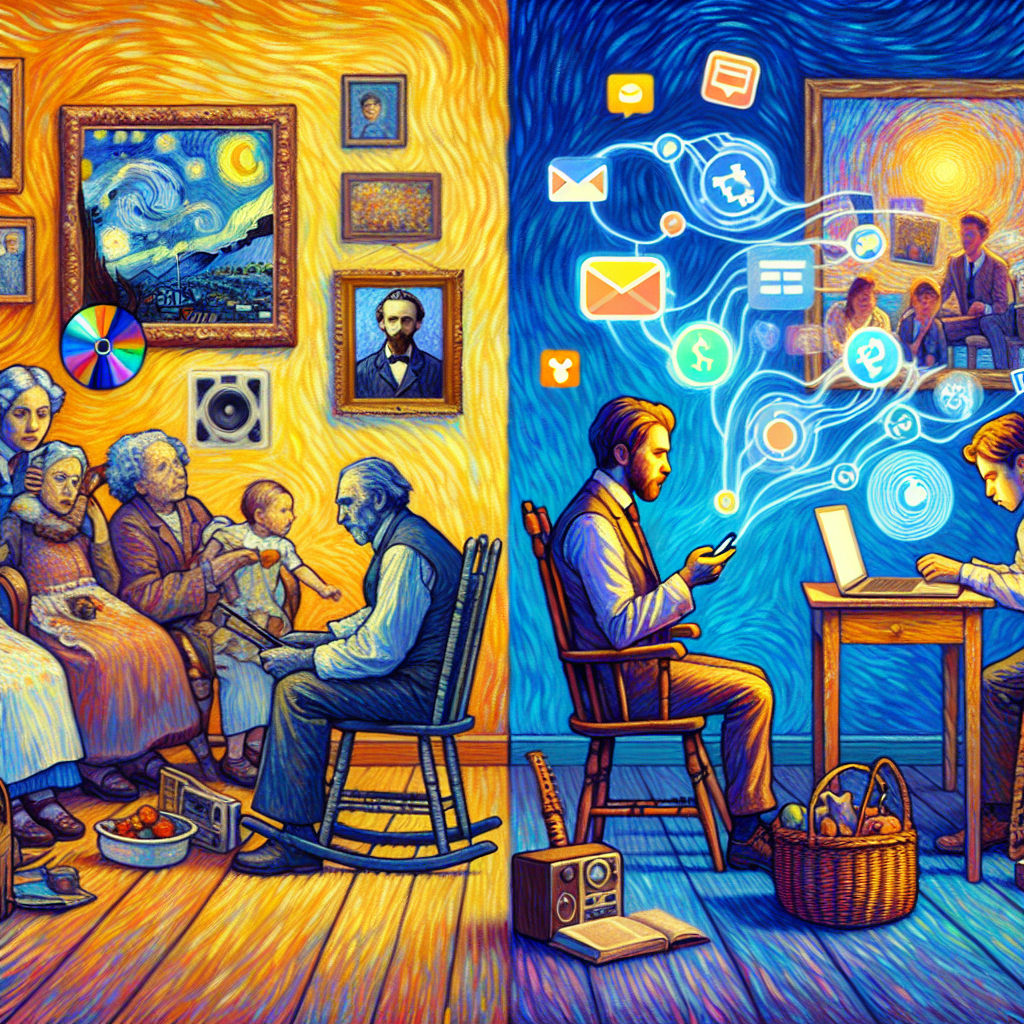
How Can We Preserve Wisdom In A Digital Format?
Are Family Stories Shared Less In The Digital Age?
In a world increasingly dominated by screens and social media notifications, there’s a nagging concern about a practice that has stood the test of time: storytelling. More specifically, what’s happening to our family stories? These aren’t the blockbuster narratives we see at the cinema or on the latest binge-worthy TV series; rather, they’re the legacy storytelling that has woven the fabric of our family identities for generations. They’re the tales of resilience, love, and the sheer grit that comes from navigating life’s challenges—a treasure trove of wisdom passed down from one generation to the next.
Imagine gathering around the dinner table, a steaming pot of something delicious in the middle, and the air thick with laughter and chatter. In those moments, stories flowed like wine, and each sip gave life to experiences from days long gone. A grandparent would share how they managed to survive the Great Depression or recount a particularly mischievous frolic from their youth, grounding the younger generation in the rich, often messy, tapestry of family history. Today, though, many of those conversations happen in the vulnerable space of text messages or social media, where brevity trumps depth and the intricate nuances of life can become mere emojis or likes.
With the rise of digital communication, we have found ourselves in a paradox. We’re more connected than ever, yet increasingly isolated from the fulfilling narratives that shaped us. The tales of our past—those lessons learned the hard way, the shared victories, and even the painful losses—are at risk of being lost in the ether of endless scrolling. Legacy storytelling isn’t just about passing down “facts”; it’s about creating connections, nurturing empathy, and honoring the struggles and triumphs of our ancestors.
And sure, technology offers up new platforms for preserving these stories. Podcasts, digital albums, and even specialized apps aim to keep family histories alive. Yet, as we delve into these modern avenues, one must ask: are the stories being shared with the same intention and connection that face-to-face conversations once provided?
In an age where instant gratification reigns, let’s pause and consider the importance of gathering ‘round the fire—real or metaphorical—and sharing our family stories. For it’s within those tales, deeply rooted in our legacy, that we might find threads that bind us to one another, transcending time and technology alike.

Are Family Stories Shared Less In The Digital Age?
Are Family Stories Shared Less In The Digital Age?
- Storytelling is a timeless practice, crucial for preserving family identities and legacies.
- Family stories convey resilience, love, and wisdom passed down through generations.
- Dinner table conversations once fostered deep connections through shared personal histories.
- Modern communication often relies on brevity, reducing meaningful storytelling to emojis and likes.
- Despite increased connectivity through technology, many are becoming isolated from fulfilling narratives.
- While new platforms like podcasts and apps can preserve stories, they may lack the intimacy of face-to-face sharing.
- It’s essential to prioritize the sharing of family stories to cultivate connection beyond time and technology.

Are Family Stories Shared Less In The Digital Age?
What Impact Does Technology Have On Memory Retention?
In the vast landscape of human experience, memory retention plays a crucial role in how we comprehend and share our world. While you might think that our relationship with technology offers us the keys to unlock our minds, it often feels more like handing a kid a candy bar and expecting them not to eat it. There’s a fine line between convenience and forgetfulness, and it’s a line that’s getting blurrier by the day.
Let’s take a step back and consider the art of legacy storytelling. There’s something deeply human about gathering around a fire or a kitchen table and passing down tales of triumph, failure, love, and loss. These stories build bonds, forge identities, and teach lessons that echo through generations. But what happens when the medium for storytelling evolves? With the advent of smartphones and digital platforms, our narratives are now confined to screens, often reduced to tweets, texts, or social media posts. Sure, it’s quicker, but is it more memorable?
As we lean into technology for immediate gratification—capturing moments with a selfie instead of etching them into our memories—we inadvertently risk losing the depth of those experiences. The more we rely on devices to store our thoughts, the less we engage in the act of remembering. Think about it: how often do you reach for your phone to remember something you just read, rather than letting it settle in your mind? That reliance can be a slippery slope, leading us toward a world where digital reminders replace mental ones.
Consider the terms “memory palace” or “mnemonic devices.” These age-old techniques engage multiple senses, building strong connections in our brains that technology often bypasses. Instead of actively participating in the act of remembering—grappling with information and wrestling with ideas—many of us now opt for passive consumption.
So what’s the takeaway here? While technology undeniably enhances our lives—streamlining tasks and connecting us with others—it also presents a double-edged sword for memory retention. To preserve the art of legacy storytelling, we must strive for balance. Embrace the advances of technology, but don’t let it dilute the richness of our experiences. Remember, every story deserves a rightful place in our minds, not just on a hard drive.

What Impact Does Technology Have On Memory Retention?
What Impact Does Technology Have On Memory Retention?
- Memory retention is crucial for understanding and sharing human experiences.
- Technology can provide convenience but often leads to forgetfulness.
- Legacy storytelling connects us through shared narratives of human emotion and experience.
- Digital platforms have transformed storytelling into shorter formats, raising questions about memorability.
- Relying on devices for memory can detract from deep engagement with experiences.
- Traditional memory techniques like “memory palace” engage senses and promote active recollection.
- Balancing technology use is essential to preserve the richness of storytelling and memory retention.

What Impact Does Technology Have On Memory Retention?
Conclusion
As we stand at the crossroads of tradition and innovation, we must ask ourselves: is our increasing reliance on digital storytelling compromising the rich legacy of generational wisdom? Tom Seest invites us into a thoughtful exploration of how our narratives are shaped in this digital era—a time when storytelling is more accessible than ever, yet perhaps less meaningful. Over time, storytelling was not merely a pastime; it was a cherished tradition, steeped in the experiences of those who came before us. While social media and other digital platforms have democratized the art of sharing our tales, they’ve done so at the potential cost of depth. Quick videos and social media soundbites may capture fleeting moments, but they often fail to convey the profound life lessons sewn into the rich tapestries of our families’ narratives.
The irony is that, while these platforms connect us in new ways, they risk dismantling the intimate conversations that used to thrive around family tables or campfires. Legacy storytelling allowed us to absorb wisdom from our elders, learning the morals derived from their trials. Yet, in a world consumed by the immediate gratification found in likes and shares, the subtleties of these stories may become bonds of connection—fragile and fleeting.
Seest emphasizes that it’s crucial to harness digital technology in ways that celebrate rather than diminish our collective wisdom. We must carve out spaces—virtually or physically—where thoughtful conversations can flourish. The challenge is not in the evolution of the medium but in ensuring that the essence of these narratives survives amidst the noise. So, how do we bridge this gap? By actively engaging in conversations with those older than us, preserving their stories, and recognizing the lessons that can resonate through generations.
Let’s not forget, the power of a well-told story is timeless. It is our responsibility to ensure that as our storytelling evolves, it doesn’t lose the richness that gives it meaning. Technology can assist, but it must never replace the genuine connections that legacy storytelling fosters. As we continue to craft and share our narratives in this hyper-connected age, let us do so with intention, aiming not just to entertain but to build bridges across generations. After all, every story shared can ripple through time, shaping not just our personal identities but fostering a collective wisdom that enriches us all. So here’s to keeping those stories alive, because they matter now more than ever.

Conclusion
Conclusion:
- Digital storytelling raises questions about the preservation of generational wisdom.
- Tom Seest explores how narratives are evolving in this digital era.
- Storytelling used to be a revered tradition that included the experiences of previous generations.
- While social media democratizes storytelling, it risks sacrificing depth and meaning.
- Immediate gratification from quick content detracts from intimate family storytelling experiences.
- Seest encourages utilizing digital technology to celebrate collective wisdom through thoughtful conversations.
- The essence of storytelling must be preserved to maintain its richness and meaning across generations.

Conclusion
Other Resources

Other Resources
Here is a list of other resources you can review online to learn more:
- IronClad Family
- USLegalWills.com
- Memorial Matters
- Legacy Family Tree
- MyWishes
- LifeBio
- NoLo
- Digital Legacy Association
- LegalZoom
Use This Prompt To Get More Resources With Your Favorite Online AI Tool: Please provide me with a list of online articles with their URLs in a bulleted list that I can read regarding Are Our Digital Age Stories Compromising Generational Wisdom?

Other Resources
Glossary Terms
Are Our Digital Age Stories Compromising Generational Wisdom? – Glossary Of Terms
1. Digital Age: *The current era characterized by the widespread use of digital technology and the Internet, impacting communication and information sharing. *
2. Generational Wisdom: *The knowledge, skills, and insights passed down from older generations to younger ones, often reflecting cultural values and life lessons. *
3. Narrative: *A spoken or written account of connected events; stories that convey messages, values, and morals among different cultures and generations. *
4. Intergenerational Communication: *The exchange of information, ideas, and values between different generations, highlighting similarities and differences in perspectives. *
5. Cultural Heritage: *The traditions, practices, and values that are inherited from past generations, shaping identity and community. *
6. Digital Storytelling: *The practice of using digital tools and platforms to create stories, often involving multimedia elements like text, images, and video. *
7. Wisdom: *The ability to make sound judgments and decisions based on knowledge and experience, typically accumulated over time. *
8. Social Media: *Web-based platforms that allow users to create, share, and exchange content, influencing how stories are told and received. *
9. Echo Chamber: *A situation where beliefs are reinforced through repeated exposure to similar viewpoints, limiting the diversity of perspectives. *
10. Cultural Amnesia: *The phenomenon where individuals or societies forget or become disconnected from their historical narratives and cultural identities. *
11. Legacy: *What is handed down from one generation to another, often in the form of values, beliefs, or traditions. *
12. Information Overload: *The state of being overwhelmed by the vast amount of information available, making it difficult to discern what is valuable or true. *
13. Contextual Understanding: *The comprehension of information within its context, crucial for preserving the meaning and nuances of generational wisdom. *
14. Traditional Storytelling: *Oral or written multi-generational storytelling techniques that have historically been used to convey wisdom and cultural values. *
15. Diminished Attention Span: *A reduction in the ability to concentrate on lengthy narratives, often influenced by rapid content consumption in the digital age. *
16. Values Transmission: *The process through which important cultural values and beliefs are passed from one generation to another. *
17. Digital Divide: *The gap between those who have access to digital technology and those who do not, which can impact the sharing of stories. *
18. Adaptive Narratives: *Stories that change or evolve over time to remain relevant to new generations while retaining core wisdom. *
19. Cognitive Dissonance: *The mental discomfort experienced when holding two conflicting ideas, often arising in intergenerational discussions about values. *
20. Empathy: *The ability to understand and share the feelings of others, key to bridging generational gaps in storytelling. *
21. Authenticity: *The quality of being genuine or real, particularly important in preserving true generational stories and wisdom. *
22. Digital Literacy: *The skills needed to effectively navigate and critically evaluate digital content, crucial for understanding and sharing stories. *
23. Multimedia: *The use of various content forms (text, audio, video) to enhance storytelling, often prevalent in digital age narratives. *
24. Sustainability of Culture: *The ability of a culture to maintain its traditions and values in the face of external influences, such as technology. *
25. Preservation: *The act of maintaining and safeguarding cultural stories and wisdom for future generations. *
26. Globalization: *The process by which businesses and cultures integrate on a global scale, affecting local narratives and wisdom. *
27. Narrative Identity: *The internalized story an individual develops about themselves, influenced by generational narratives and inherited wisdom. *
28. Peer Influence: *The impact of social groups, especially among youth, on beliefs and behaviors, often shaping their narratives. *
29. Technological Mediation: *The process by which technology influences or shapes interpersonal interactions and communications, including storytelling. *
30. Resilience: *The capacity to recover quickly from difficulties, often reflected in the stories and wisdom passed through generations. *

Glossary Of Terms
Other Questions
Are Our Digital Age Stories Compromising Generational Wisdom? – Other Questions
If you wish to explore and discover more, consider looking for answers to these questions:
- What are the long-term effects of digital storytelling on cultural heritage?
- How can we integrate traditional storytelling methods with modern technology?
- What role do schools and educational institutions play in preserving legacy storytelling?
- How can families encourage storytelling among younger generations?
- What are examples of successful legacy storytelling projects in the digital age?
- How does the commodification of stories on social media affect their impact?
- What strategies can be implemented to improve the quality of narratives shared online?
- Are there specific platforms better suited for deep storytelling compared to others?
- How can we measure the impact of digital storytelling on memory formation?
- What ethical considerations arise from sharing personal stories on digital platforms?
- How does the pace of life in the digital era affect our ability to engage with complex narratives?

Other Questions
Haiku
Are Our Digital Age Stories Compromising Generational Wisdom? – A Haiku
Stories once rich,
Timeless tales lost in streams—
Bridge the past and now.

Haiku
Poem
Are Our Digital Age Stories Compromising Generational Wisdom? – A Poem
In the bustle of bytes and fleeting trends,
Our stories, like threads, from the past to the ends,
Whisper of wisdom, of trials, of grace,
Yet, lost in the noise, we struggle to trace.
Gone are the evenings, with elders beside,
With stories of hardship, of love and of pride.
Once woven in words, through laughter and tears,
Now quick snippets shine, yet we overlook years.
The campfires flicker, replaced by a screen,
Where moments go viral, but meanings grow lean.
A share or a like—does it breathe, does it teach?
Or merely connects us, while wisdom’s out of reach?
For each tale retold, there’s a history lost,
In the rush to connect, are we blind to the cost?
Generations yearning for bonds that won’t fade,
Yet buried beneath the pixels, true stories evade.
Our youths, in the whirlwind of fast, fickle feeds,
Struggle with roots as they wander through weeds.
In the echo chambers of social delight,
Lies a truth overshadowed by shadowy light.
Through podcasts and pixels, a new way to share,
But can depth still endure when it’s hurried and bare?
To preserve what is cherished, to nurture the past,
We must reach out, engage, let our legacies last.
So take up the mantle—let our voices rise,
Gather ‘round once more, let tradition be wise.
For the essence of story—the heart of the wise—
Transcends all the formats where memories lie.
Embrace both the old and the new, hand in hand,
In the dance of the ages, let us form a band.
In a world full of echoes, let our truths be clear,
For every shared tale draws our loved ones near.

Poem
Checklist
Are Our Digital Age Stories Compromising Generational Wisdom? – A Checklist
Reflective Considerations
_____ Assess Your Storytelling Practices: Reflect on how you share stories. Are they meaningful and rich, or brief and superficial?
_____ Embrace Legacy Storytelling: Identify stories from your family history that hold valuable lessons or cultural significance.
Engaging with Elders
_____ Schedule Conversations: Make a plan to sit down with elders in your family or community to hear their stories and experiences.
_____ Ask Thoughtful Questions: Be prepared with questions that encourage deeper sharing of personal and historical narratives.
Digital Story Sharing
_____ Utilize Digital Tools: Explore platforms (like video calls, podcasts, or social media) to document and share stories from loved ones.
_____ Create a Digital Archive: Consider starting a digital repository where family members can record and share their legacies (videos, audio, written narratives).
Being Mindful Online
_____ Evaluate Your News Feed: Be conscious of the narratives you engage with and share on social media—do they promote understanding or division?
_____ Limit Sensational Content: Prioritize consuming and sharing thoughtful content that adds depth to the conversation rather than quick soundbites.
Family Connections
_____ Plan Family Storytelling Activities: Organize family gatherings focused on sharing personal stories—dinner nights, virtual meetups, or dedicated storytelling events.
_____ Encourage Open Dialogue: Foster an environment where family stories can be shared and valued, whether through casual discussions or formal storytelling sessions.
Cultivating Memory Practices
_____ Practice Active Engagement: When learning or experiencing something new, consider ways to engage with the material meaningfully (e. g. , writing summaries, discussions).
_____ Use Memory Techniques: Research and apply mnemonic devices or storytelling exercises to strengthen your memory retention.
Community Engagement
_____ Participate in Local Storytelling Events: Join or create forums that allow community members to share their stories and preserve historical narratives.
_____ Collaborate on Collective Projects: Work with local historians or community members to digitize and document regional stories and histories.
Personal Reflection
_____ Reflect on Your Legacy: Consider what stories and lessons you want to pass down to future generations and how you can begin sharing them today.
Continuous Learning
_____ Stay Informed: Keep reading articles, books, and resources on storytelling, memory, and the impact of technology on our communications.
_____ Adapt and Evolve: Continuously reevaluate how you tell and share stories in a way that honors tradition while embracing innovation.
By following this checklist, you can actively engage in preserving wisdom in our rapidly evolving digital landscape while ensuring that the stories that connect us across generations are not lost.

Checklist
At LegacyExplorations, we help people plan and explore their legacy by collecting information and news regarding end-of-life planning.
Please share this post with your friends, family, or business associates who may want help to plan or explore their legacy.