

The Dilemma Of Parental Legacy
By Tom Seest
At LegacyExplorations, we help people plan and explore their legacy by collecting information and news regarding end-of-life planning.
Please share this post with your friends, family, or business associates who may want help to plan or explore their legacy.
Are Parents Abandoning Their Legacy By Default Or By Choice?
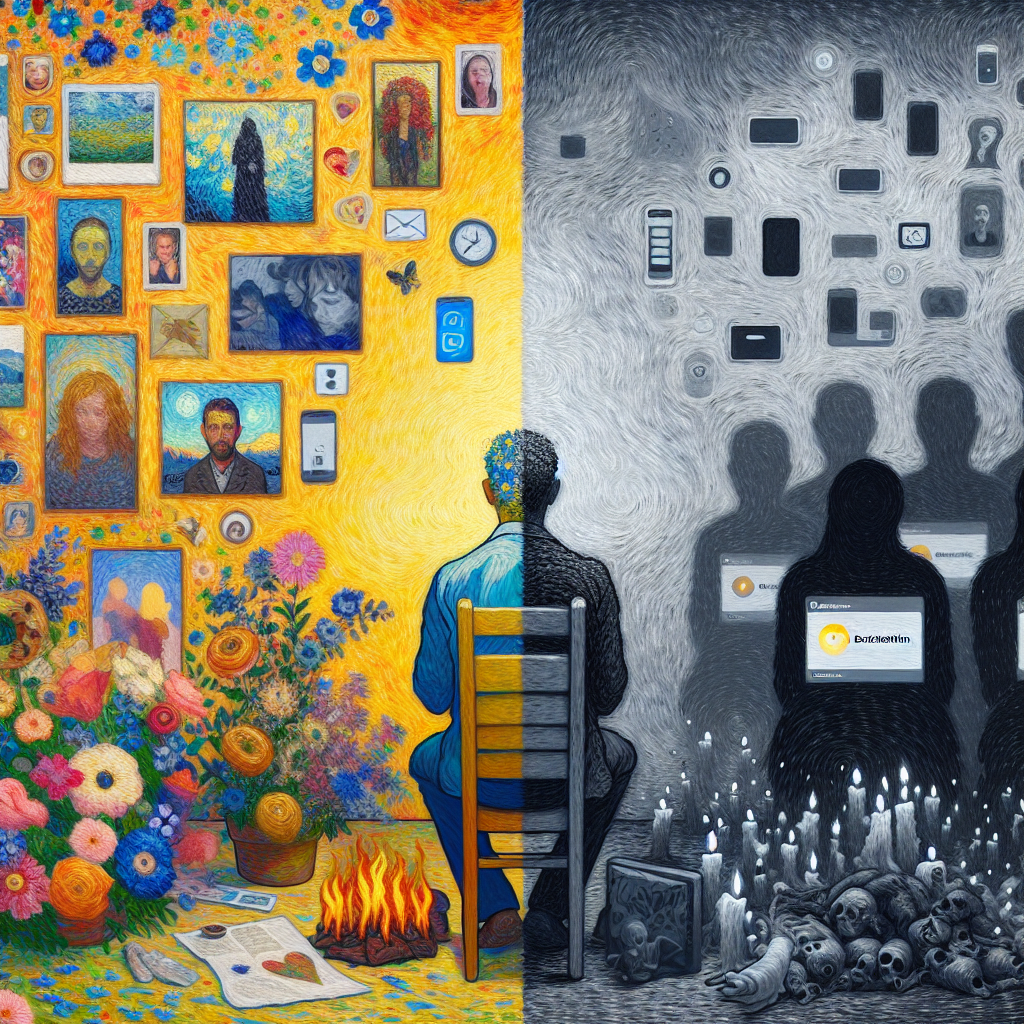
In the hustle and bustle of modern life, there’s an often-unrecognized phenomenon at play—the slow fade of family legacy storytelling. It used to be a rite of passage. Around the dinner table, parents would weave tales of their own parents, grounding their children in history, values, and identity. But today, amidst screens and schedules that seem to control our lives, those rich stories often remain untold, left to gather dust in the corners of our minds.
So, what happened? Did we choose to abandon our legacy, or did the fast pace of life simply invite it to slip through our fingers like sand? For many, the answer might lie somewhere in between. In an age dominated by technology, parents find themselves tethered to devices that demand immediate attention, which inadvertently creates a distance from the family traditions that bind us together. It’s easy to take the easy route—grab a snack and scroll through social media rather than engage in heartfelt conversations.
Yet, it doesn’t have to be this way. Imagine reclaiming those moments, igniting the flicker of curiosity in your children. Share that hilarious story of your great-grandfather’s first car, or the time your grandmother outsmarted everyone at a family poker game. These nuggets of wisdom and humor become the seeds of resilience, helping our kids to understand where they come from and who they are.
Every family has a legacy—an interconnected web of stories that shape our identities. When we choose to engage in legacy storytelling, we’re not just offering entertainment; we’re gifting our children the opportunity to learn from the past. They will understand the strengths and struggles of their ancestors, cultivating a sense of belonging and purpose.
So, let’s not leave our family tales to languish unheard. This is an invitation to turn off the distractions, gather around the table, and lay down the groundwork for a future steeped in history. You have an opportunity right now to connect with your children, to build a bridge from past to future—a living lineage that thrives in the hearts and minds of those who hear your words. Don’t abandon your legacy by default; grab hold of it by choice, and let the storytelling begin!

Are Parents Abandoning Their Legacy By Default Or By Choice?
Are Parents Abandoning Their Legacy By Default Or By Choice?
- The tradition of family legacy storytelling is fading in modern life, often replaced by technology and busy schedules.
- Once a rite of passage, these stories grounded children in their history, values, and identity, but now remain untold.
- Parents often choose convenience over connection, opting for devices instead of engaging in meaningful conversations.
- Reclaiming storytelling can ignite curiosity in children and share valuable family history and humor.
- Legacy storytelling provides insight into ancestors’ strengths and struggles, fostering a sense of belonging and purpose.
- Families are encouraged to gather together, turn off distractions, and share their rich narratives for future generations.
- Connecting through storytelling builds a living lineage, preserving the family’s heritage and ensuring it thrives in the hearts of future generations.

Are Parents Abandoning Their Legacy By Default Or By Choice?
Table Of Contents
- Are Parents Abandoning Their Legacy By Default Or By Choice?
- What Defines A Legacy Today?
- How Do Cultural Changes Affect Parental Legacies?
- Are Parents Intentionally Neglecting Their Legacy?
- What Role Do Societal Expectations Play In Legacies?
- How Can Parents Effectively Communicate Their Values?
- Are Digital Platforms Changing How We Perceive Legacies?
- What Impact Do Family Dynamics Have On Legacies?
- Conclusion
- Other Resources
- Glossary Of Terms
- Other Questions
- Haiku
- Poem
- Checklist
What Defines A Legacy Today?
There was a time when legacy was a straightforward concept—maps drafted in family trees, heirlooms passed down through generations, and dusty photo albums tucked away on shelves. Today, however, legacy storytelling has evolved into something far more intricate, fluid, and remarkably personal. In an age defined by digital footprints and social media snapshots, we often find ourselves wondering what it truly means to leave a mark behind.
To understand legacy today, think beyond tangible gifts. It’s about the narratives we craft and the values we impart. Legacy storytelling is our way of weaving a tapestry rich with the threads of experience, knowledge, and individual triumphs. Each person’s story—every failure, every fleeting moment of joy—contributes to the collective wisdom of our shared humanity. It’s a chance to illuminate the passions that ignite us, the dreams that lead us, and the lessons learned through trials and tribulations.
Consider your own path for a moment. What tales do you hold close to your heart? Perhaps it’s that old job you took, knowing it was a long shot, or the impulse to help someone else through a tough time. These are the threads that weave your personal legacy, illuminating who you are and who you aspire to be. In a world that often feels like a race against time, taking a step back to reflect allows us to share those powerful moments, sparking connections and fostering empathy—an essential ingredient in creating a meaningful legacy.
And let’s face it, the landscape of our lives is constantly shifting. The challenges and victories we encounter are like waves crashing against the shores of our memories, shaping them little by little. By engaging in legacy storytelling, we transform those waves into something more—a rhythmic dance that inspires others to embrace their journeys. This is where trust and confidence sprout; when we open our hearts, share our struggles, and reveal our triumphs, others feel encouraged to do the same, strengthening not only their legacy but that of the community around them.
So, what defines a legacy today? It’s a call to action. It’s inviting others to partake in our stories as we welcome theirs into our fold. A legacy worth leaving behind is not merely a mark on a gravestone; it’s the collection of vibrant stories that continue to thrive, echoing long after we’ve walked away.
What Defines A Legacy Today?
What Defines A Legacy Today?
- Legacy has evolved from tangible items to intricate, personal storytelling.
- It encompasses the narratives we create and the values we share.
- Each individual’s story contributes to the collective wisdom of humanity.
- Reflecting on personal experiences helps illuminate one’s identity and aspirations.
- Legacy storytelling fosters connections and empathy among individuals.
- Engaging in stories transforms challenges and victories into inspiring shared experiences.
- A meaningful legacy is a vibrant collection of stories that resonate beyond one’s lifetime.

What Defines A Legacy Today?
How Do Cultural Changes Affect Parental Legacies?
When we talk about parental legacies, we’re diving into waters that run deep. Think about it: every family has its stories, traditions, and values—a tapestry woven together by generations. But here’s the kicker: culture is not a stagnant pond; it’s a river that twists and turns. As society shifts, so too do the legacies left by parents. How does that work, you ask? Let’s ponder that for a moment.
At the heart of it all lies legacy storytelling. This isn’t just about passing down tales of old; it’s about framing those stories within the context of current beliefs and values. In generations past, a family’s worth might have been defined by land ownership or how well one could hunt. Today, we gaze into the mirror of our digital lives, measuring value in likes, shares, and the vibrancy of our social circles. So, when parents pass their stories down, they’re not just recounting history; they’re also reframing it. The way they tell those tales is influenced by what’s relevant in society—not just for their children, but for the world they’re entering.
Take a moment to think about your own family. What stories do your parents tell? And how have those narratives adapted as the cultural landscape has morphed? The adaptability of a family’s legacy can serve as a guiding light for the next generation. In a world that celebrates diversity and inclusivity, a parent’s legacy is now more about embracing change than preserving the status quo. It’s powerful!
But it’s not just about sharing stories; it’s about authenticity. In these shifting times, parents have an incredible opportunity to bond with their kids. By intertwining tradition with contemporary issues—like climate change, social justice, and mental health—parents can create a dynamic legacy that not only embodies resilience but also fosters understanding. It’s about having those tough conversations and ensuring that children realize their voices matter in shaping the future.
So, if you’re a parent or guardian, what stories are you telling? How are you adapting your legacy to inspire your kids amidst the cultural winds? Remember, it’s not merely about handing down a collection of stories; it’s about handing down the courage to adapt, grow, and make a difference. As you navigate your own legacy, consider how you can turn those tales into a powerful tool that prepares the next generation for their journey ahead. It’s not just a story—it’s an invitation to engage with the world.

How Do Cultural Changes Affect Parental Legacies?
How Do Cultural Changes Affect Parental Legacies?
- Parental legacies encompass family stories, traditions, and values shaping identity across generations.
- Culture evolves like a river, influencing how parents frame their legacies as society progresses.
- Legacy storytelling involves adapting and reframing family narratives in line with current beliefs and values.
- In modern times, family worth may be reflected in digital engagement rather than historical measures of value.
- Adapting family legacies encourages the next generation to embrace change and diversity.
- Authenticity is vital; parents can bond with children by linking tradition to contemporary issues like climate change and social justice.
- Parents should view storytelling as a means to inspire resilience and encourage children to engage with the world meaningfully.

How Do Cultural Changes Affect Parental Legacies?
Are Parents Intentionally Neglecting Their Legacy?
In today’s fast-paced world, the term “legacy storytelling” often gets tossed around like a marketing buzzword, yet it holds a deeper significance than mere jargon. Picture this: generations of families passing down tales of resilience, laughter, hardship, and triumph. Yet, as we scroll through our screens and juggle work-life balances, many parents find themselves sidestepping this rich tradition without even realizing it.
Isn’t it ironic? In a time when information flows faster than ever, we’re at risk of losing the very essence of who we are. Isn’t our legacy more than photos tucked away in an attic? It’s the stories—the raw, unfiltered moments—that breathe life into those images. They connect us across generations, reminding us of our roots, values, and the lessons learned along the way.
But why do parents neglect this crucial task? The answer might lie in the whirlwind that is modern life. Between the demands of work, raising kids, and trying to find a moment of peace, legacy storytelling often slips down the priority list. Perhaps there’s a prevailing thought that “I don’t have time right now,” or “I’ll get to it eventually.” But here’s the truth: every day that passes is an opportunity lost. It’s not about crafting a novel; it’s about sharing snippets of wisdom over dinner, recounting family anecdotes during a car ride, or simply jotting down moments that made your heart swell.
When you overlook this responsibility, you risk losing a part of your family’s identity. Think about it—what will your children tell their children about you? Will they remember your storytelling prowess or how you inspired them simply by sharing your experiences? The stories we tell are the threads that weave our lives together, creating a tapestry that future generations can look back on with pride and admiration.
So, let’s take action, not tomorrow or next week, but today. Start a conversation. Ask your parents what shaped their lives, dive into the annals of family history, and share your own stories with your kids. Engage in legacy storytelling in a way that feels natural—make it a family affair. When you embrace this craft, you create lasting connections, build trust, and inspire confidence in future generations, ensuring that your legacy thrives, not just survives. After all, we’re all part of a bigger story; it’s time to share yours.

Are Parents Intentionally Neglecting Their Legacy?
Are Parents Intentionally Neglecting Their Legacy?
- Legacy storytelling goes beyond being a marketing buzzword; it represents a deep familial tradition.
- Families pass down stories of resilience, triumph, and shared experiences that define their identity.
- Modern life’s fast pace often leads parents to neglect this important tradition of storytelling.
- Every day that passes without sharing stories is an opportunity lost for preserving family history.
- Storytelling isn’t about perfection; it’s about sharing snippets of wisdom and family anecdotes.
- Overlooking legacy storytelling can result in a loss of family identity for future generations.
- Engage in conversations and share stories to create lasting connections and inspire confidence in children.

Are Parents Intentionally Neglecting Their Legacy?
What Role Do Societal Expectations Play In Legacies?
When we talk about legacies, it’s easy to get lost in the grandeur of monuments and historical figures who’ve changed the world. But have you ever considered that the legacies we leave behind are shaped not just by our actions, but by the expectations society places upon us? Just think about it—how often do our choices reflect what others expect from us, rather than what truly resonates within us?
This concept of *legacy storytelling* can transform how we connect with our own narratives. Lasting impressions are seldom crafted in a vacuum; they are often woven from the rich, colorful threads of our culture, environment, and the people who surround us. Those societal expectations act as both a compass and a constraint. They can motivate us to great heights, pushing us to meet standards of success or altruism. But they can also box us in, whispering that we must conform to a certain mold or follow a preordained path.
Consider the person who tirelessly volunteers at local shelters, living up to the expectation of being a “model citizen.” Their actions may be commendable, and perhaps even part of a compelling *legacy storytelling* element, but what if their true passion lies in painting? Navigating these expectations can become a sort of balancing act, where the tightrope is strung between personal fulfillment and societal approval.
That’s where the power of authentic legacy comes into play. It’s about taking control of your narrative. Ask yourself: What do I want to be remembered for? Does that align with what others want? Engaging in this dialogue with yourself is critical to crafting a legacy that is genuinely yours. When you sift through the noise and focus on what truly matters, you’ll discover that authenticity tends to resonate with others more than any scripted persona ever could.
So let’s embrace our individual quirks, talents, and passions, instead of letting societal expectations dictate our paths. After all, a true legacy is not simply about what you achieved in life; it’s about the stories you left behind and how they inspire those around you. You have the power to shape your legacy, and it starts with understanding the role societal expectations play in your own unique narrative. The stories we tell about ourselves matter, so let’s make them count.

What Role Do Societal Expectations Play In Legacies?
What Role Do Societal Expectations Play In Legacies?
- Legacies are influenced by societal expectations as much as personal actions.
- Legacy storytelling helps us connect with our own narratives.
- Societal expectations can motivate or constrain individual choices.
- Balancing personal fulfillment and societal approval is crucial.
- Authentic legacy involves taking control of your own narrative.
- True legacies are formed by the stories we leave behind, not just achievements.
- Understanding societal expectations is key to shaping a unique legacy.

What Role Do Societal Expectations Play In Legacies?
How Can Parents Effectively Communicate Their Values?
When it comes to instilling values in our children, we often think the most effective method is to sit them down for a grand lecture or a heart-to-heart talk. However, let’s face it: kids aren’t always receptive to sit-downs, especially when they’re more interested in their latest video game. That’s why embracing Legacy Storytelling can be a game-changer.
Think of your family history, the stories that shaped who you are—those moments of triumph, hardship, and learning. These are the gems that weave the fabric of your family’s values. Instead of preaching about honesty or kindness, share an engaging story from your life. It might be the time your granddad helped a neighbor in need or the moment you learned the hard way that lying doesn’t pay off. Each story serves as a vessel, carrying lessons wrapped in relatable experiences.
Now, don’t just tell the story; bring it to life! Use a tone that resonates—add your own flair, a touch of humor, or even a hint of vulnerability. Children connect with genuine emotions, and they’re more likely to retain the lesson when it’s tied to a memory that feels real rather than a simple moral directive. When you share these stories, it’s not just about delivering a message; it’s about inviting them into a shared narrative that they can understand.
Moreover, encourage openness by making it a two-way street. Ask your children if they have stories of their own. What moments have shaped their understanding of right and wrong? This can deepen their perspective and make them feel valued, reminding them that their experiences matter. When they see you value their input, it fosters trust and establishes a safe space for dialogue.
Finally, don’t shy away from revisiting these stories. Repetition is a powerful tool; it reinforces the lessons you want to impart. So, the next time you’re gathered around the dinner table or sharing some quiet time before bed, reach into that treasure trove of family lore. Instead of a lecture on values, what if you offered a story that encapsulates them? Your personal tales will serve as guideposts, helping your children navigate their own paths while reminding them of the legacy they carry forward—the values that define who they are and who they’ll become.

How Can Parents Effectively Communicate Their Values?
How Can Parents Effectively Communicate Their Values?
- Traditional lectures may not be effective for teaching values to children.
- Legacy storytelling offers an engaging alternative to convey family values.
- Personal stories from family history can illustrate lessons in honesty and kindness.
- Bringing stories to life with genuine emotions helps children connect and retain lessons.
- Encouraging children to share their own stories fosters trust and values their experiences.
- Revisiting these stories reinforces important lessons over time.
- Using storytelling instead of lectures can help children understand and embrace their family legacy.

How Can Parents Effectively Communicate Their Values?
Are Digital Platforms Changing How We Perceive Legacies?
In this age of screens and scrolling, there’s a new frontier of Legacy Storytelling that’s emerged, blending the age-old art of reminiscing with the dynamic world of digital communication. Think about it: a photo shared on social media does more than capture a moment; it serves as a thread that ties generations together. Gone are the days when a family story was told around a dinner table. Now, it’s being woven into the fabric of online narratives that can be shared with a global audience at the click of a button.
Consider your own experiences. How many times have you found yourself lost in the past while browsing through an old family album on your phone or a cherished memory posted online? Digital platforms empower us to curate and celebrate our legacies without the constraints of time or space. Each story helps shape our identity and, in turn, influences how others see us. By sharing snippets of our lives, we invite friends, family, and even strangers into our world—offering them a chance to connect with who we were, who we are, and who we aspire to be.
But there’s a two-fold nature to this transformation. While it allows for a wider audience and richer storytelling, it also raises the stakes. The permanence often associated with digital content can weigh on our minds. Failure to carefully craft our Legacy Storytelling may lead to misunderstandings or misrepresentations. This is where trust becomes crucial; ensuring that the stories we tell are genuine, reflective, and respectful of those who came before us. They carry the weight of our history and the values we aspire to pass down.
So, how do we navigate this evolving landscape? It starts with intention. As you journey through your digital storytelling, remember to honor the legacy of your past while remaining true to the present. Embrace the messiness of life; after all, it’s the imperfections that tell the real story. Encourage conversations around your stories and invite others to share theirs—thus creating a tapestry woven with shared experiences.
In this digital age, let’s reshape our understanding of legacies. Rather than seeing them as relics of the past, let them serve as vibrant narratives that connect us across time and space. Together, let’s revitalize how we view our stories, and in doing so, build a more meaningful relationship with our own histories and the legacies we leave behind.

Are Digital Platforms Changing How We Perceive Legacies?
Are Digital Platforms Changing How We Perceive Legacies?
- Legacy Storytelling blends traditional reminiscing with digital communication.
- Social media transforms photo sharing into a means of connecting generations.
- Digital platforms allow for curated celebrations of personal legacies.
- Sharing life snippets fosters connections with friends, family, and strangers.
- The permanence of digital content raises the importance of careful storytelling.
- Intentional storytelling honors past legacies while embracing present realities.
- Legacies should be viewed as vibrant narratives that strengthen connections across time.

Are Digital Platforms Changing How We Perceive Legacies?
What Impact Do Family Dynamics Have On Legacies?
When we think about legacy, we often envision grand monuments or hefty bank accounts left behind for future generations. Yet, the most profound legacies are usually woven into the fabric of family dynamics—shaped by stories, traditions, and those little quirks that make each family unique. It’s in these dynamics that the seeds of our “Legacy Storytelling” are sown.
Consider this: around the dinner table, amidst the laughter and occasional squabbles, family stories are born. These aren’t just tales of heroism or monumental achievements; they’re often about the everyday struggles and triumphs that resonate through generations. Perhaps it’s your grandmother recalling how she stitched her wedding dress on a shoestring budget or your uncle sharing his early mornings spent working odd jobs to support his siblings. These narratives shape our understanding of who we are—collectively and individually. They form a backbone that reinforces values like perseverance, compassion, and resourcefulness.
Moreover, family dynamics often influence how these stories are told and retold. A supportive environment fosters open communication, allowing children to absorb these valuable lessons and develop their own interpretations of what legacy means. Conversely, strained relationships can create barriers, often relegating those treasured family tales to the shadows, where they are lost to time. It’s uncomfortable to accept, but the emotional climate of a family can determine whether legacies thrive or wither. A simple conversation about your family’s history, led by an eager child or a wise elder, can ignite a flame of curiosity. It encourages the younger generation to internalize those lessons and carry the torch forward.
Think about the legacies you want to leave behind. Are they limited to material possessions, or do you desire to transcend the trappings of mere wealth? Imagine instilling resilience, empathy, and gratitude in your children—qualities that enrich lives far more than any monetary gift ever could. Legacy isn’t only about what we hand down; it’s about the stories we tell and the emotions we cultivate. So, let’s not just focus on preserving wealth; let’s be intentional about nurturing family dynamics that uplift, inspire, and create a lasting impact. Because in the end, it’s those stories—the ones sparkled with laughter, tears, and hard-earned wisdom—that become our most cherished legacies.

What Impact Do Family Dynamics Have On Legacies?
What Impact Do Family Dynamics Have On Legacies?
- Legacies are often seen as material possessions, but they are deeply embedded in family dynamics.
- Family stories—including struggles and triumphs—shape our identities across generations.
- Narratives passed down strengthen values such as perseverance and compassion.
- The emotional climate of a family influences how stories of legacy are shared and remembered.
- A supportive environment encourages open communication and the exploration of family history.
- True legacies involve instilling qualities like resilience and empathy, beyond mere wealth.
- Intentional nurturing of family dynamics leads to cherished legacies filled with meaningful stories.

What Impact Do Family Dynamics Have On Legacies?
Conclusion
In the whirlwind of modern life, it seems many parents might be letting their rich family legacies slip away, whether intentionally or by default. Gone are the days when conversations around the dinner table were filled with tales of ancestry, values, and life lessons. Instead, many find themselves knee-deep in screens and schedules, unintentionally leaving behind the stories that shape identities and instill values.
The conclusion is clear: legacy storytelling is not just a matter of nostalgia; it’s a fundamental part of life that actively builds resilience in future generations. By sharing anecdotes about great-grandparents’ adventures or the funny mishaps of family life, parents can offer their children pieces of history that nurture a sense of belonging. These snippets of wisdom, humor, and experience don’t merely entertain—they serve as vital lessons, bridging the gap between past and present.
But let’s not kid ourselves; as our lives speed up, it’s all too easy to forget that sharing these stories is both a privilege and a responsibility. The challenge lies not in the heritage itself but in making the conscious choice to share it. So, how do we tackle this? First and foremost, it’s about flipping the script on distractions. Instead of reaching for a phone to scroll through social media, we can turn our attention to those we love most, sharing experiences that not only describe who we are but instill values that inform who we want to become.
Let’s also consider the impact of today’s digital landscape. With platforms that enable storytelling to a broader audience, we have the power to share those family tales far beyond the confines of our dining rooms. While expanding our audience can be great, we must also remember the importance of authenticity; our stories, shared online or offline, should capture the essence of the values we wish to impart.
Ultimately, what defines a legacy today rests heavily on how we choose to communicate our experiences. In every family, the narratives woven into the fabric of life can inspire and prepare future generations for the world ahead. As parents, we have the unique opportunity to tell our stories and invite our children into this dialogue. So, let’s take charge of our legacy, making storytelling a cornerstone of family life once more. Gather around the dinner table, spin those yarns, and most importantly, create a lasting legacy—by choice, not by default. Let’s get to work because the best stories are waiting to be told!

Conclusion
Conclusion:
- Modern parents may unintentionally let rich family legacies slip away amidst busy lives and distractions.
- Dinner table conversations, once filled with ancestral tales and life lessons, are often replaced by screens.
- Legacy storytelling builds resilience in future generations by sharing family histories and values.
- Sharing stories fosters a sense of belonging and offers vital lessons that bridge the past and present.
- Parents are encouraged to consciously choose to share their heritage, recognizing it as a privilege and responsibility.
- The digital landscape allows for broader storytelling, but authenticity in conveying family values remains crucial.
- Parents have the opportunity to redefine legacy by making storytelling a central part of family life.

Conclusion
Other Resources

Other Resources
Here is a list of other resources you can review online to learn more:
- Forever Missed
- APH
- FamilySearch
- International End of Life Doula Association
- Digital Legacy Association
- MyWishes
- 23AndMe
- Storyworth
- My Wonderful Life
- NoLo
Use This Prompt To Get More Resources With Your Favorite Online AI Tool: Please provide me with a list of online articles with their URLs in a bulleted list that I can read regarding Are Parents Abandoning Their Legacy By Default Or By Choice?

Other Resources
Glossary Terms
Are Parents Abandoning Their Legacy By Default Or By Choice? – Glossary Of Terms
1. Legacy: The values, traditions, wealth, and beliefs that are passed down from one generation to the next.
2. Abandonment: The act of giving up on or neglecting responsibilities or relationships, particularly in a familial context.
3. Inheritance: The assets, property, or intangible qualities passed down from one generation to others, often associated with financial wealth.
4. Generational Wealth: Financial assets that are passed down from one generation of a family to the next, influencing opportunities and lifestyle.
5. Cultural Heritage: The shared beliefs, values, and practices that are maintained and passed down through generations, contributing to a family’s identity.
6. Parental Responsibility: The duties and obligations that parents have towards the upbringing and development of their children.
7. Intentionality: The quality of being deliberate or purposeful in decision-making, particularly regarding the actions taken to ensure legacy continuity.
8. Family Dynamics: The patterns of interaction and relationships within a family that can impact legacies and the passing of values.
9. Societal Norms: The unwritten rules and expectations that govern behavior within a society, influencing parental choices regarding legacies.
10. Personal Values: The individual principles and beliefs that guide a parent’s decisions about what they consider important to pass down.
11. Tradition: Established customs and practices that are passed down through generations, often serving as a means of maintaining legacy.
12. Emotional Legacy: The feelings, attitudes, and emotional qualities that parents instill in their children, shaping their views on relationships and life.
13. Neglect: The failure to care for or give proper attention to one’s responsibilities, which can include a parent’s legacy.
14. Intergenerational Transmission: The process through which values, beliefs, behaviors, and assets are passed from one generation to another.
15. Default: A failure to make a conscious choice, often leading to unintended consequences, such as the unintentional abandonment of legacy.
16. Choice: A deliberate decision made by parents regarding how they will manage and pass down their legacy.
17. Resilience: The ability to thrive and adapt despite adversity, impacting how families navigate and preserve their legacies.
18. Contextual Factors: The environmental, social, and economic conditions that can influence parental choices regarding legacy and inheritance.
19. Ethics: A system of moral principles that influences decisions about responsibilities and the legacy parents choose to leave.
20. Identity: The qualities, beliefs, and expressions that make an individual or family unique, influencing what is considered a legacy.
21. Communication: The process through which families share values and beliefs, crucial for the transmission of legacy.
22. Disengagement: A conscious decision by parents to withdraw from active participation in their children’s lives, potentially leading to legacy abandonment.
23. Legacy Planning: The process of preparing for the transfer of one’s values, assets, and responsibilities to future generations.
24. Crisis: A significant event or challenge that may impact family dynamics and legacy transmission, forcing parents to re-evaluate priorities.
25. Responsibility Transfer: The act of shifting obligations from one generation to another, influencing how legacies are maintained.
26. Systemic Factors: Broader societal structures and norms that can impact family dynamics and legacy.
27. Parental Involvement: The active participation of parents in their children’s lives, which significantly influences how legacies are understood and continued.
28. Family History: The narrative of a family’s past, including achievements, trials, and traditions that shape their collective legacy.
29. Community Influence: The impact of external social groups on individual family values and the legacy parents choose to preserve.
30. Reflection: The process of thoughtful consideration regarding one’s legacy and the implications of decisions made about passing values to future generations.

Glossary Of Terms
Other Questions
Are Parents Abandoning Their Legacy By Default Or By Choice? – Other Questions
If you wish to explore and discover more, consider looking for answers to these questions:
- What are the benefits of legacy storytelling for families?
- How can parents start engaging in legacy storytelling?
- What techniques can be used to make storytelling more engaging for children?
- What are some common barriers parents face when trying to share family stories?
- How does technology impact the way families share their legacies?
- What role do grandparents play in family legacy storytelling?
- How can families preserve stories for future generations in a digital age?
- What are some specific examples of legacy storytelling that have had a lasting impact on individuals?
- How do different cultures approach legacy storytelling?
- In what ways can legacy storytelling help in building family relationships?
- How do children perceive family legacies differently than adults?
- Can legacy storytelling influence a child’s sense of identity?
- How important is the emotional connection in legacy storytelling?
- What are the risks of neglecting family storytelling?
- How can parents address and share difficult family histories?

Other Questions
Haiku
Are Parents Abandoning Their Legacy By Default Or By Choice? – A Haiku
Legacy whispers soft,
Stories fade in screens’ embrace,
Hearts seek to connect.

Haiku
Poem
Are Parents Abandoning Their Legacy By Default Or By Choice? – A Poem
A Legacy Weave
In a world where time does race,
And screens invade our sacred space,
Families once shared tales at night,
Now whispers fade, lost from sight.
Once by the table, stories spun,
Of grandfathers, laughter, battles won,
Now silence lingers, hearts adrift,
As technology steals our timeless gift.
Did we choose this path, or was it fate?
A legacy slips through, we hesitate,
The gems of wisdom, their tales untold,
Gathering dust, their value grows cold.
Yet in our hands, the power lies,
To turn back time, and harmonize,
With familial threads, let’s start to weave,
Resilience, grace—tales that can relieve.
For every family’s rich tapestry,
Holds treasures of strength and history,
Through struggle and joy, we learn to grow,
These ancient whispers help us sow.
Past and present, forever entwined,
We shape our futures with stories aligned,
Adapt them to meet the cultural tide,
Let authenticity be our guide.
In this fast-paced, digital embrace,
Each post we share, a moment we trace,
Let’s craft our legacy with care and grace,
A vibrant journey—our family’s face.
Conversations bloom, values through story,
In remembrance, we find our glory,
So gather ‘round, let your voice be heard,
In every heart, a legacy stirred.
For it’s not just wealth that we aim to impart,
But laughter, love, and the truth of our heart,
With each tale shared, the past finds its place,
A legacy alive, a timeless embrace.
So let’s not drift, let’s choose to connect,
In every story, a chance to reflect,
For in these moments, both big and small,
We build our legacy—our family’s call.

Poem
Checklist
Are Parents Abandoning Their Legacy By Default Or By Choice? – A Checklist
Checklist: Reclaiming Your Family Legacy Through Storytelling
1. Schedule Regular Family Time
_____ Set aside time for family dinners or gatherings to foster connection.
2. Turn Off Distractions
_____ Limit screen time to promote deeper conversations and storytelling.
3. Share Personal Family Stories
_____ Encourage storytelling by sharing anecdotes about your life and your ancestors’ experiences.
4. Create a Family Story Archive
_____ Start a journal, blog, or digital archive to document and preserve family stories.
5. Encourage Open Dialogue
_____ Invite your children to share their own stories and experiences related to their values and lessons learned.
6. Make Storytelling Fun
_____ Use humor, props, and visuals to bring stories to life and engage your audience.
7. Revisit Valuable Lessons
_____ Regularly bring up key family stories that exemplify moral lessons or values you want to impart.
8. Adapt Stories to Contemporary Contexts
_____ Relate past stories to current events or values to help children understand their relevance today.
9. Encourage Participation in Legacy Storytelling
_____ Involve all family members in storytelling to create a collective memory and bond.
10. Reflect on Societal Influences
_____ Discuss how societal changes shape your family’s narrative and the importance of authenticity in storytelling.
11. Leverage Digital Platforms
_____ Use social media or family group chats to share stories and pictures in a modern context.
12. Emphasize Family Traditions
_____ Keep family traditions alive and use storytelling to explain their significance to younger generations.
13. Encourage Empathy and Connection
_____ Highlight how your stories connect to larger themes of resilience, understanding, and compassion.
14. Be Intentional with Family Dynamics
_____ Foster a supportive environment where each member feels comfortable sharing stories.
15. Make It a Legacy Practice
_____ Create a routine for legacy storytelling and celebrate the art of sharing family histories.
This checklist serves as a guide to help families actively participate in storytelling, ensuring that their legacies are preserved and passed down through generations. By embracing these practices, families can cultivate richer, more connected narratives that enhance their sense of identity and belonging.

Checklist
At LegacyExplorations, we help people plan and explore their legacy by collecting information and news regarding end-of-life planning.
Please share this post with your friends, family, or business associates who may want help to plan or explore their legacy.