

The Power Of Passing Down A Lasting Legacy
By Tom Seest
At LegacyExplorations, we help people plan and explore their legacy by collecting information and news regarding end-of-life planning.
Please share this post with your friends, family, or business associates who may want help to plan or explore their legacy.
Are Parents Missing Out on The True Impact Of a Well Kept Legacy?
Picture this: a cozy kitchen, the aroma of freshly baked cookies wafting through the air, and the laughter of children spinning tales that echo down generations. Each story shared, each laugh exchanged, is a thread woven into the rich tapestry of family life. If you think about it, that’s more than just a fun afternoon; it’s a form of Legacy Storytelling that has the power to shape identity, strengthen bonds, and carry wisdom through the ages.
Yet, many parents are so caught up in the hustle and bustle of daily life—soccer practices, school projects, endless to-do lists—that they often overlook the profound impact a well-kept legacy can have on their children. The truth is, every family has a story, an intricate weave of triumphs, challenges, and shared dreams. But are we taking the time to pass these stories down? Are we inviting our kids into this sacred exchange of history, or are we letting it slip away like yesterday’s news?
The art of Legacy Storytelling isn’t just about recounting the past; it’s about offering a framework for understanding who we are and where we come from. Children who hear stories about their grandparents’ struggles and victories grow up with a sense of connection that fosters resilience. They realize they’re part of something bigger—a lineage of love, perseverance, and character. That’s the real beauty of a well-kept legacy: it lives in the hearts and minds of our children, instilling a sense of pride and responsibility for the future.
So why not carve out a little more time for those kitchen table conversations, for those evenings spent flipping through family photo albums? Whether it’s sharing memories of your own childhood, recounting quirks of long-lost relatives, or passing down a cherished recipe, each moment offers a chance to reinforce connections and create lasting impressions.
No one waits for permission to tell a story; we’re all born storytellers. It’s time to embrace that gift. By nurturing this rich tradition, we’re not just preserving our families’ histories; we’re building a legacy that will echo in the laughter of future generations. Let’s seize the opportunity to instill confidence and spark curiosity in our children—after all, the stories we share today become the lessons they carry tomorrow.
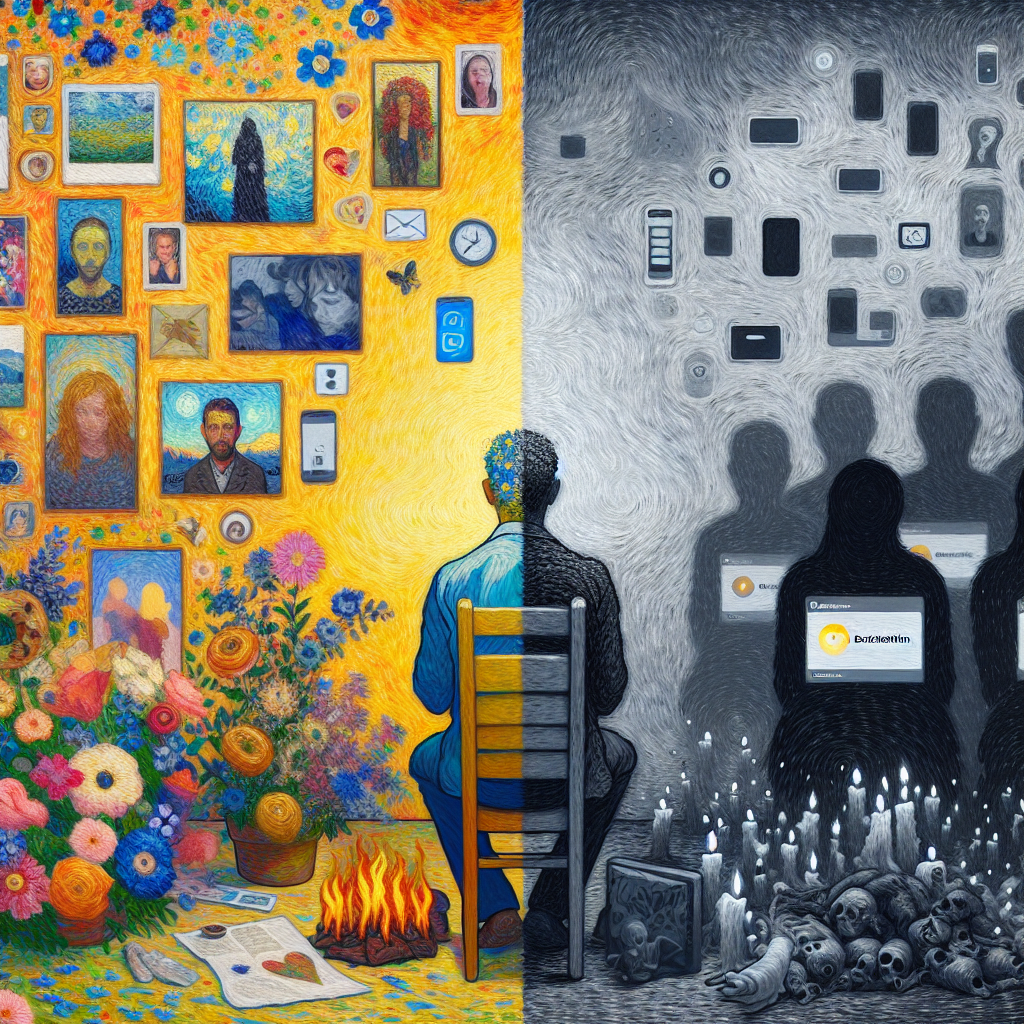
Are Parents Missing Out on The True Impact Of a Well Kept Legacy?
Are Parents Missing Out on The True Impact Of a Well Kept Legacy?
- A cozy kitchen atmosphere filled with the aroma of cookies and children’s laughter represents the essence of family life.
- Legacy Storytelling shapes identity, strengthens family bonds, and imparts wisdom across generations.
- Parents often overlook the importance of sharing family stories amidst daily responsibilities and activities.
- Every family has a unique narrative of triumphs and challenges that should be passed down.
- Hearing stories of grandparents fosters children’s resilience and creates a sense of connection to their lineage.
- Engaging in family storytelling through conversations and shared memories reinforces connections and creates lasting impressions.
- Nurturing the tradition of storytelling instills confidence in children and ensures the preservation of family legacies for future generations.

Are Parents Missing Out on The True Impact Of a Well Kept Legacy?
Table Of Contents
- Are Parents Missing Out on The True Impact Of a Well Kept Legacy?
- What Does A Well-Kept Legacy Mean For Families?
- How Can Parents Create A Lasting Legacy?
- What Are Common Misconceptions About Legacies?
- Why Is A Family History Important For Children?
- How Do Legacies Impact A Child’s Sense Of Identity?
- What Role Do Traditions Play In A Family Legacy?
- How Can Parents Involve Children In Legacy Planning?
- Conclusion
- Other Resources
- Glossary Of Terms
- Other Questions
- Haiku
- Poem
- Checklist
What Does A Well-Kept Legacy Mean For Families?
##
Have you ever sat around a dinner table surrounded by loved ones, when the conversation shifts from the mundane to the profound? Maybe it’s Grandma sharing those wild tales of her youth, or Grandpa recounting the family’s ups and downs through the ages. This is the magic of legacy storytelling, and it’s a thread that binds generations together.
A well-kept legacy isn’t just about old photos aching to be dusted off or heirlooms that gather dust in the attic. It’s about creating a living narrative, a vibrant tapestry woven from shared experiences, triumphs, and even hardships. Think of it this way: your family’s legacy is like a compass, giving direction and purpose to future generations. It answers the crucial, yet often unasked questions: Who are we? Where do we come from? What values do we hold dear?
In today’s fast-paced world, the wisdom of our ancestors can feel like a forgotten treasure. But that treasure can be brought back to life through simple acts of storytelling. Imagine your children and grandchildren sitting cross-legged, eyes wide, as you share stories of bravery, resilience, and even mistakes that led to valuable lessons. Each narrative not only preserves your family’s history but also instills pride, grit, and a sense of belonging.
But here’s the thing: a legacy isn’t just handed down; it’s cultivated. It requires the active participation of everyone in the family. After all, it’s not just your story; it’s *our* story. Gathering regularly for family dinners, game nights, or even virtual meet-ups can create the perfect atmosphere to share and celebrate your unique heritage. Encourage your loved ones to contribute their own tales, making it a collective effort.
Take the first step; dig into the past and pull out those stories. Ask questions! Learn about the trials and triumphs of your forebears. Engage with one another in a way that sparks those intergenerational conversations. You’ll discover just how powerful legacy storytelling can be.
A well-kept legacy offers more than just nostalgic warmth. It builds a foundation of trust, confidence, and strength that can carry your family through the ebbs and flows of life. So, gather ‘round, share your stories, and watch as the threads of your family’s legacy become richer, stronger, and woven ever tighter. Because when you cultivate a legacy, you’re not just preserving the past; you’re empowering the future.

What Does A Well-Kept Legacy Mean For Families?
What Does A Well-Kept Legacy Mean For Families?
- Legacy storytelling connects generations through shared experiences and family history.
- A well-kept legacy creates a living narrative rather than merely preserving old artifacts.
- Your family’s legacy serves as a compass, providing direction and purpose for future generations.
- Storytelling brings to life the wisdom of ancestors, fostering pride and a sense of belonging.
- Building a legacy requires participation from all family members to create a collective story.
- Engaging in regular family gatherings can create an ideal environment for sharing stories.
- A well-kept legacy strengthens familial bonds and empowers future generations.

What Does A Well-Kept Legacy Mean For Families?
How Can Parents Create A Lasting Legacy?
When we talk about legacy, we’re often wrestling with a big idea that feels like it belongs on a marble monument. But truthfully, creating a lasting legacy is more about the little moments than grand gestures. It’s about infusing the mundane with meaning, allowing your kids to see the world through your eyes, and giving them a sense of belonging in a much larger story.
One poignant way to do this is through legacy storytelling. Don’t wait for special occasions or significant milestones; weave your stories into everyday life. Share quirky tales from your childhood, the challenges you overcame, or even moments that made you laugh until you cried. In doing so, you’re not just narrating events; you’re handing down wisdom and perspective. Your kids will soak it up like a sponge, and those stories will take root in their minds, shaping how they see the world and their place in it.
Now, let’s be honest: sharing stories can feel a bit daunting. You might worry about whether your tales are “big” enough or relevant enough. But remember, it’s the authenticity of your experiences that matters most. Kids don’t need stories about overcoming world wars; they need to hear about what made you burst with joy or what made you shake your head in disbelief. Those raw, unfiltered moments are the threads that stitch together the fabric of family history.
Furthermore, don’t shy away from discussing your values and the lessons you’ve learned. Explain why honesty matters or why hard work pays off. These conversations build trust and create a safety net for your children, a sense of security knowing they can come back to your gathered wisdom when faced with their own challenges.
You may also want to encourage your kids to contribute to this legacy storytelling. Have them share their thoughts and feelings about their own experiences. A family story is best when it becomes a tapestry that everyone has a hand in weaving.
When you make the effort to share your legacy, you don’t just build a bridge to your past; you create a pathway for your children to forge their future. Trust me, a lasting legacy isn’t about money or possessions; it’s about love, connection, and the stories that will echo through generations. So pull up a chair, turn on the warmth, and start weaving that legacy today.

How Can Parents Create A Lasting Legacy?
How Can Parents Create A Lasting Legacy?
- Creating a lasting legacy is about small, meaningful moments rather than grand gestures.
- Legacy storytelling can be integrated into everyday life, not just special occasions.
- Sharing personal experiences imparts wisdom and perspective to children.
- Authenticity in sharing stories is more valuable than their perceived significance.
- Discussing values and lessons learned fosters trust and a sense of security in children.
- Encouraging children to contribute reinforces the family story as a collaborative tapestry.
- A lasting legacy is rooted in love, connection, and shared stories, not material wealth.

How Can Parents Create A Lasting Legacy?
What Are Common Misconceptions About Legacies?
When we think about legacies, it’s easy to get caught up in grandiose ideas—skyscrapers named after someone, foundations pouring millions into worthy causes, or self-aggrandizing memoirs detailing a life lived in a greater-than-life manner. But here’s a truth that often goes unnoticed: the most meaningful legacies are often quiet, intimate, and deeply personal. It might surprise you to learn that the essence of legacy storytelling isn’t about headlines or history books; it’s about the small moments that shape our lives and the lives of those around us.
First, let’s clear up a misconception that’s as stubborn as an old dog refusing to budge from its sunbeam. Many people believe that a legacy is something you leave behind only when you’re gone. However, the reality is that you’re creating a legacy every single day through your actions, words, and relationships. Think about the lessons you pass on to your children, the kindness you show to friends, or even the way you handle challenges. These day-to-day decisions contribute to how you’ll be remembered. Remember, a legacy isn’t just a final chapter; it’s an ongoing narrative.
Another common myth swirling around is that legacy storytelling is reserved for the exceptional—overachievers, celebrities, or those who’ve made monumental impacts. Wrong again! Legacy is universal. It belongs to each and every person, regardless of their background or accomplishments. Your story matters, no less than anyone else’s. Whether you’re a teacher shaping young minds or a neighbor who offers a helping hand, your contributions have a ripple effect that extends far beyond your immediate circle.
Some also assume that legacies have to be big, formal projects, something you can slap a plaque on and call it a day. But here’s the kicker: a legacy can be as simple as sharing your everyday wisdom, stitching together family memories, or telling stories about your past. These tales, the quintessential living threads of legacy storytelling, breathe life into who we are and connect us with the world around us.
So, take a moment to reflect on what you want your legacy to be. Start embracing the little things, the everyday choices, and the relationships you nurture. It’s in these moments that true legacy lives, much like the history that we seldom hear but inspires generations to come. Your legacy is not a race; it’s a journey. Make each step count!

What Are Common Misconceptions About Legacies?
What Are Common Misconceptions About Legacies?
- Legacies are often perceived as grand gestures, but meaningful legacies are usually intimate and personal.
- You create your legacy every day through actions, words, and relationships, not just after you’re gone.
- Legacy storytelling is not reserved for the exceptional; everyone has a story that matters.
- Your simple contributions, whether big or small, have a ripple effect beyond your immediate circle.
- A legacy can be expressed through everyday wisdom, family memories, and personal stories.
- Reflect on your desired legacy by embracing everyday choices and nurturing relationships.
- Your legacy is a journey, not a race; make each step meaningful.

What Are Common Misconceptions About Legacies?
Why Is A Family History Important For Children?
Let’s talk about family history. You know, it’s more than just names scratched onto a dusty old family tree or tales shared over holiday dinners. It’s about legacy storytelling—those rich narratives that breathe life into our roots. When children know where they come from, they’re not just being handed a list of ancestors; they’re being gifted a treasure trove of experiences, values, and lessons learned.
Imagine a rainy Saturday afternoon, when the world outside is gray and the kids are bouncing off the walls. Instead of flipping on that latest animated blockbuster, why not dive into the stories of your family? Dust off that beautiful old scrapbook filled with crinkled photos and handwritten notes. There’s a certain magic in storytelling that ignites a spark of curiosity in young minds, transforming the mundane into the magnificent. Each chapter of your family history connects them to something larger, something monumental—the human experience itself.
Isn’t it fascinating to consider that your children are not just here in this moment, but part of a long line of storytellers, dreamers, and doers? Each family member, from the distant relative who crossed an ocean to seek a better life to the grandmother who perfected a secret recipe, adds flavor to their identity. When children hear these stories, they begin to understand that they, too, have a role in this epic tale. They start to see themselves as part of a continuum—a lineage that shapes who they are and who they aspire to become.
Moreover, knowing one’s family history can bolster confidence. It offers children a sense of belonging and pride. When they hear tales of resilience in the face of adversity, or kindness that made a difference in someone’s life, they internalize those values. They learn that it’s okay to stumble, as long as they rise again with a sense of purpose, just like their great-grandfather did during tough times.
So, let’s gather ‘round the proverbial campfire and share these invaluable stories. Share the tears and laughter, the triumphs and tragedies. These narratives are not just historical footnotes; they’re the building blocks of character and integrity. Show your children that they are woven into a fabric that is rich and vibrant. Who knows? That spark of connection could cultivate a lifelong love for their heritage and inspire them to carry forward a legacy of their own—one story at a time.

Why Is A Family History Important For Children?
Why Is A Family History Important For Children?
- Family history goes beyond names and dates; it’s about legacy storytelling.
- Sharing family stories teaches children valuable experiences, values, and lessons.
- Engaging with family history cultivates curiosity and transforms mundane moments into meaningful experiences.
- Children recognize themselves as part of a long line of storytellers, enhancing their identity.
- Understanding family history can boost children’s confidence and sense of belonging.
- Sharing stories of resilience and kindness instills important values in children.
- These narratives build character and integrity, inspiring children to carry forward their own legacy.

Why Is A Family History Important For Children?
How Do Legacies Impact A Child’s Sense Of Identity?
Let’s take a moment to think about the power of legacy storytelling. You know, those tales we gather around to share, the anecdotes woven with humor, grit, and sometimes a touch of heartache. It’s in the nature of these stories that we find our roots, our anchor in the world. A legacy isn’t just about what we inherit; it’s about the narratives that shape who we are. The stories passed down from generation to generation have a unique ability to mold a child’s identity, offering them a lens through which to view their place in the world.
We’re not just talking about family histories or the possessions left behind. No, it runs deeper than that—it’s about the lessons tucked within those stories. Each tale, whether related to triumph or struggle, does something extraordinary: it gives context. When a child learns about a grandparent’s hard work, an uncle’s bravery, or a mother’s resilience, they don’t just hear facts—they experience emotions. Those lived experiences become part of their understanding of what it means to be part of a family, a community, or even a culture.
Imagine a child learning about sacrifices made in the past to provide a better future. That information may spin into motivation, igniting a passion to carry on traditions or perhaps challenge the status quo. Or consider the child who hears about an ancestor’s journey from hardship to success. Those stories can plant the seeds of self-belief and aspiration within them. They become aware that they’re not just adrift in the current of life; they come from a lineage of strong individuals who faced challenges and rose above them.
Let’s not overlook the stories that carry the weight of humor and whimsy. Those moments often resonate in a way that’s just as powerful. Laughter can connect generations in a way that fosters a sense of belonging—reminding children they are part of something larger than themselves.
So, when you gather around the table, tell those stories. Share the triumphs, the woes, the laughter, and the lessons learned. Encourage a dialogue about your legacy. After all, it’s through legacy storytelling that you offer the future its greatest gifts: identity and self-awareness. When children grasp the essence of who they come from, they cultivate a resilience that carries them forward, with confidence that they can navigate the waters ahead.

How Do Legacies Impact A Child’s Sense Of Identity?
How Do Legacies Impact A Child’s Sense Of Identity?
- Legacy storytelling shapes personal identity by connecting individuals to their roots.
- These narratives encompass lessons that go beyond mere facts, embedding emotions in children.
- Stories of family sacrifices can inspire children to value traditions and challenge the status quo.
- Success stories from ancestors instill self-belief and aspirations in younger generations.
- Humorous tales foster connections between generations, enhancing a sense of belonging.
- Telling legacy stories encourages dialogue about family history and values.
- Understanding one’s lineage cultivates resilience and confidence in children for their future.

How Do Legacies Impact A Child’s Sense Of Identity?
What Role Do Traditions Play In A Family Legacy?
What Role Do Traditions Play in a Family Legacy?
In the heart of every home, traditions vibrant as an old quilt stitched together over generations tell a story that’s more profound than we often realize. Picture this: the annual family reunion, where everyone gathers for a barbecue that’s just as much about the flame-grilled burgers as it is about the laughter echoing through the backyard. That gathering is more than a mere summer pastime; it’s a piece of your family’s legacy storytelling. It binds you to your ancestors and weaves a narrative that’s passed down like a prized heirloom.
Traditions serve as the living fibers of your family identity, connecting past, present, and future like threads in a tapestry. They remind us where we come from, providing a sense of security and continuity in our fast-paced world. Think about the recipes that have been handed down and changed, sometimes imperceptibly, over the years. Each ingredient tells a story, a testament to a loved one who stirred the pot and added a dash of love—an ingredient that can’t be measured by cups or teaspoons.
Engaging in these time-honored practices fosters a sense of belonging, not just among family but within the wider community. When we gather to share stories around the dinner table or participate in the quirky annual talent show that Uncle Bob insists everyone must join, we’re participating in something larger than ourselves. It’s our way of saying, “I am proud of my roots, and I celebrate with you.” These moments create deeper connections that are invaluable; they inspire trust, engraining a sense of reliability and love in the younger generations.
As your family grows and evolves, traditions can adapt too. It’s in this flexibility that you find the true magic—the ability to honor the past while making room for new experiences. It’s a dance, really; honoring the steps of those before us while adding our own flair. Embrace these gatherings and rituals, for they are the canvas upon which your family’s life is painted. They set the stage for legacy storytelling, passing on not just memories but values, lessons, and hopes for those who come after.
So, as you reflect on what traditions you hold dear, think about how you can further cultivate them. Embrace this rich tapestry. Gather your family, share those stories, and consider how each tradition shapes your legacy. It’s more than just gathering. It’s about igniting the spirit that brings generations together—a timeless connection that endures through every family chapter.

What Role Do Traditions Play In A Family Legacy?
What Role Do Traditions Play In A Family Legacy?
- Traditions are like a vibrant quilt, representing family stories that resonate across generations.
- Annual gatherings, such as family reunions, serve as crucial storytelling moments linking ancestors to descendants.
- They connect the family identity, bridging past, present, and future through shared experiences.
- Handed-down recipes symbolize love and family history, enriching the family narrative.
- Participating in traditions fosters belonging and strengthens community ties, enhancing family pride.
- Traditions can evolve, allowing families to honor the past while embracing new experiences.
- Cultivating traditions ignites a timeless connection that shapes family legacy and values for future generations.

What Role Do Traditions Play In A Family Legacy?
How Can Parents Involve Children In Legacy Planning?
When it comes to legacy planning, the conversation often feels heavy—almost like lugging around a family-sized bag of cement. But it doesn’t have to be that way! Involving your kids in the process can be an enriching experience that not only teaches them about responsibility but also strengthens family bonds. Enter the world of Legacy Storytelling. Just think about it: every family has its own cache of stories, memories, and lessons—those nuggets of wisdom that you want to pass down through generations.
Start by gathering your family around the dinner table. No need for a PowerPoint presentation here! Just a good old-fashioned chat. Ask your children what they think “legacy” means. You might be surprised by their answers! Young minds can see the world through a lens of creativity and imagination that often shines a light on perspectives you may not have considered. Encourage them to share stories of their own. What are the things they cherish most about your family history?
From there, transition into your own experiences. Share the values and lessons that shaped your life. Talk about your triumphs—but don’t shy away from the mistakes. Children relate better to authentic stories that include a good dose of vulnerability. It’s not just about mortality; it’s about the richness of life and what you want to impart.
Another great way to involve your kids in legacy planning is through hands-on activities. Perhaps you could create a family scrapbook filled with photos and notes that illustrate your family narrative. Let them decorate it in whatever way they like. Not only does this make the process interactive, but it also gives them something tangible that they’ll cherish as they grow older.
Don’t forget about technology! In today’s digital age, you could even consider creating a simple family website or recording short videos telling your family’s history. Imagine your kids watching those stories years down the line and sharing them with their own children. You’re not just preserving memories; you’re building a bridge between generations.
So, roll up your sleeves, get engaged, and make legacy planning a family affair! When children see that their voices matter in these discussions, they barely register the weight of the topic. Instead, they proudly step into the role of guardian of your family’s history, and that’s a legacy worth passing down.

How Can Parents Involve Children In Legacy Planning?
How Can Parents Involve Children In Legacy Planning?
- Legacy planning can be a heavy topic, but involving children can create a positive experience.
- Legacy Storytelling allows families to share stories, memories, and lessons across generations.
- Begin discussions around the dinner table, engaging children in their understanding of “legacy.”.
- Encourage children to share their favorite family stories and cherish moments.
- Share personal experiences, including both triumphs and mistakes, to foster authenticity.
- Consider hands-on activities like creating a family scrapbook to make the process interactive.
- Utilize technology by creating family websites or recording videos to preserve memories for future generations.

How Can Parents Involve Children In Legacy Planning?
Conclusion
As we wrap up this heartfelt journey through the art of legacy storytelling, let’s take a moment to reflect on what we’ve uncovered. In our fast-paced lives, it’s easy for parents to get swept away in the day-to-day hustle—school drop-offs, soccer games, and work obligations—while the priceless stories of our families drift quietly into the background. Yet, as Tom Seest eloquently reminds us, each of these stories holds the power to shape our children’s identity, instilling values and connections that far outperform any material inheritance.
Think of your family legacy as more than just a dusty old heirloom or a collection of family trees. It’s a living, breathing entity that knits together the fabric of your family’s narrative—a treasure trove of resilience, love, achievements, and sometimes, even folly. When you sit down at the kitchen table, sharing recollections of great-grandma’s struggles or the laughter of Uncle Bob’s infamous tales, you’re not merely passing the time; you’re cultivating an environment where your kids can sense their roots and derive comfort from understanding where they come from.
Let’s not kid ourselves; storytelling isn’t reserved for only the grandiose or the celebrated. Each of us carries a rich tapestry of stories, and those tales—big and small—are the threads that stitch together generations. When children hear stories filled with grit, joy, and life lessons, they absorb those narratives like a sponge, gaining wisdom that helps them navigate their own lives.
So, parents, it’s high time we shake off the notion that storytelling is obsolete or irrelevant. Embrace those kitchen conversations; weave in family traditions; create moments that build bridges between generations. In doing so, you’re not just preserving your family’s history—you’re constructing a legacy that will endure long after we’re gone.
As you step into the role of storyteller, remember: your experiences and authenticity matter. Share the raw, real moments—the triumphs, the failures, the laughter, and even the tears—because together, they create a treasure map for your children, guiding them as they carve out their own story. Don’t just wait for those “perfect moments”; make the mundane special. Pull up a chair, gather around, and share your tales. After all, in every family story lies the potential to inspire confidence, foster understanding, and ignite the spirit of connection that carries us into the future. So let’s turn our focus away from the daily grind, and make room for the beauty of legacy storytelling in our lives—because the stories we tell today will lay the groundwork for the legacies our children carry forward tomorrow.

Conclusion
Conclusion:
- Legacy storytelling is essential in shaping children’s identity and instilling values.
- Family stories create a living narrative that reflects resilience, love, and achievements.
- Sharing stories at the kitchen table cultivates comfort and connection to family roots.
- Every individual has a rich tapestry of stories, both big and small, that connect generations.
- Storytelling is relevant and crucial for building bridges between generations.
- Your experiences and authenticity in storytelling provide guidance for children’s personal stories.
- By prioritizing legacy storytelling, we lay the groundwork for the stories our children will carry forward.

Conclusion
Other Resources

Other Resources
Here is a list of other resources you can review online to learn more:
Use This Prompt To Get More Resources With Your Favorite Online AI Tool: Please provide me with a list of online articles with their URLs in a bulleted list that I can read regarding Are Parents Missing Out on The True Impact Of a Well Kept Legacy?

Other Resources
Glossary Terms
Are Parents Missing Out on The True Impact Of a Well Kept Legacy? – Glossary Of Terms
1. Legacy: The passing down of values, traditions, and assets from one generation to the next.
2. Estate: All of a person’s assets, including property, finances, and personal belongings, at the time of their death.
3. Heritage: The cultural, historical, and social influences inherited from previous generations.
4. Generational Wealth: Financial assets that are passed down from one generation of a family to the next.
5. Values: Deeply held beliefs that influence behavior and decisions throughout life, often imparted to children by parents.
6. Tradition: Customs and practices that are handed down from one generation to the next, creating a sense of identity and continuity.
7. Family Dynamics: The relationships and interactions within a family unit that can shape legacies.
8. Intergenerational Communication: The exchange of ideas and values between different generations, crucial for maintaining legacy.
9. Cultural Identity: The identity of a group or culture, shaped by traditions, beliefs, and shared experiences passed through generations.
10. Memory Preservation: The practice of keeping memories alive, often through storytelling or documentation, ensuring that legacies endure.
11. Intentional Legacy: A proactive approach to shaping what will be remembered or inherited, including guiding principles for future generations.
12. Philanthropy: Charitable giving or actions intended to promote the welfare of others, often a part of family legacies.
13. Sentimentality: The quality of being overly emotional about memories or possessions, which can influence legacy perceptions.
14. Digital Legacy: The digital footprint and online assets a person leaves behind, which can hold significance for future generations.
15. Family History: The narrative of a family’s past, including key events, ancestors, and how they’ve influenced current family members.
16. Succession Planning: The process of preparing for the transfer of assets and responsibilities to future generations.
17. Impact: The significant effect that actions and values can have on others, especially in the context of familial legacies.
18. Role Model: A person whose behavior or success is emulated by others, often parents to their children in shaping legacy.
19. Emotional Connection: The feelings that bind family members together, crucial for fostering a strong sense of legacy.
20. Teaching Moments: Opportunities to impart wisdom and values, shaping how children perceive and carry forward legacies.
21. Custodianship: The responsibility of managing and preserving family traditions and values for future generations.
22. Enduring Symbol: An object or tradition that represents a family’s values and heritage, reinforcing their legacy.
23. Nostalgia: A sentimental longing for the past, often influencing how families perceive their legacies.
24. Resilience: The capacity to adapt well to adversity, crucial for families in maintaining legacies through challenges.
25. Ethical Will: A document that expresses a person’s values, beliefs, and hopes for their descendants, ensuring legacy transmission.
26. Disinheritance: The act of excluding someone from receiving a legacy or inheritance, which may affect family dynamics and perceptions.
27. Family Meetings: Gatherings designed to discuss family values and legacies, fostering an intentional approach to legacy planning.
28. Storytelling: The oral or written recounting of personal or family experiences that help to preserve and communicate legacy.
29. Symbolic Gesture: An action or tradition that represents deeper values or sentiments, reinforcing the family legacy.
30. Transformative Experience: Key life events that can reshape family perceptions and values, directly impacting the legacy left behind.

Glossary Of Terms
Other Questions
Are Parents Missing Out on The True Impact Of a Well Kept Legacy? – Other Questions
If you wish to explore and discover more, consider looking for answers to these questions:
- What are practical ways to engage children in legacy storytelling?
- How can families effectively document their legacy for future generations?
- What specific traditions can be started to enhance family legacy?
- How can parents overcome the challenges of busy schedules to create legacy moments?
- What are some examples of meaningful family stories to share with children?
- How can digital tools aid in preserving family legacies?
- What are the long-term benefits of maintaining a family legacy?
- How can families make legacy storytelling a regular practice?
- What role do cultural backgrounds play in family legacy and storytelling?
- How can grandparents contribute to their grandchildren’s understanding of family legacy?
- What resources are available for families interested in genealogy and history?
- How can sharing family stories foster emotional connections among family members?
- What positive effects can legacy storytelling have on a child’s self-esteem?
- How far back should families explore their ancestry for a meaningful legacy?

Other Questions
Haiku
Are Parents Missing Out on The True Impact Of a Well Kept Legacy? – A Haiku
Gather ‘round, share tales,
Threads of time weave family,
Legacy lives on.

Haiku
Poem
Are Parents Missing Out on The True Impact Of a Well Kept Legacy? – A Poem
A Legacy to Share, A Story to Tell
In the heart of a cozy kitchen, with warmth in the air,
Laughter and stories weave a tapestry rare.
Each tale that is shared, each laugh that is spun,
Connects generations, a journey begun.
Through the hustle of life, in the rush of the day,
Parents often forget the stories find their way.
So much more than possessions, more than what’s told,
A legacy blooms in the warmth of the bold.
What binds us together are memories we weave,
Triumphs and struggles, the lessons we leave.
From Grandma’s sweet laughter to Grandpa’s wise grin,
These threads of our history bring us closer in kin.
Gather the family, let stories unfold,
In the echoes of laughter, let wisdom be bold.
For children who know where their roots have long grown,
Build courage and grit from the seeds they have sown.
In traditions we cherish, over feasts, we unite,
Creating connections that make future hearts bright.
From old recipes cherished to tales shared on the fly,
The legacy whispered is the one that can fly.
Let us carve out the moments, the mundane, the fine,
In simple discussions, where our spirits align.
For every small story, each honest exchange,
Leaves a mark on the soul, ensures love will remain.
So embrace this tradition, let stories take flight,
Build a bridge to the past, while shaping the light.
For a legacy nurtured, alive in our days,
Is the heartbeat of family, a flame that stays.
In kitchens and gatherings, in laughter’s sweet call,
The legacy we weave is a gift to us all.
Let children step forward, let their voices resound,
In the fabric of family, forever we’re bound.

Poem
Checklist
Are Parents Missing Out on The True Impact Of a Well Kept Legacy? – A Checklist
Checklist: Creating a Lasting Family Legacy
Embrace Legacy Storytelling
_____ Schedule regular family storytelling sessions. Set aside specific times for family gatherings to share stories.
_____ Share personal anecdotes. Recount experiences from your childhood and daily life that highlight lessons learned.
_____ Encourage children to share. Invite your kids to discuss their own stories and experiences.
Cultivate Family Traditions
_____ Document family recipes. Create a family cookbook with cherished recipes from generations past.
_____ Establish annual family events. Whether it’s a barbecue or a holiday celebration, prioritize family get-togethers.
_____ Incorporate quirky traditions. Create unique family rituals that add character and fun to gatherings.
Engage in Active Legacy Planning
_____ Discuss the meaning of legacy. Sit down with your children and explore their thoughts on what legacy means to them.
_____ Create a family scrapbook. Compile photos, letters, and notes that illustrate your family’s history and milestones.
_____ Leverage technology. Consider creating a family website or video recordings to preserve stories.
Strengthen Intergenerational Bonds
_____ Ask questions about family history. Encourage discussions that delve into your family’s past, seeking out stories from older generations.
_____ Involve children in planning. Discuss family values and lessons learned with your kids, allowing them to contribute their perspectives.
Foster a Sense of Belonging and Identity
_____ Relate stories to values. Discuss the lessons embedded within family narratives and how they apply to life today.
_____ Highlight the family lineage. Share stories that connect your children to their ancestors and the experiences that shaped the family.
_____ Encourage resilience through storytelling. Use stories of struggle and triumph to instill confidence and character in your children.
Maintain an Ongoing Legacy Narrative
_____ Document everyday moments. Capture and share ordinary experiences that hold significance in your family narrative.
_____ Reflect on shared values. Regularly communicate the morals and principles that are important to your family.
_____ Embrace spontaneity in storytelling. Don’t wait for special occasions to share stories; weave them into everyday conversations.
Treasure the Simple Moments
_____ Delight in family gatherings. Enjoy the time spent together sharing stories, meals, and laughter.
_____ Celebrate small achievements. Acknowledge and cherish everyday victories and milestones as part of the legacy.
By following this checklist, you can proactively nurture a lasting family legacy that will echo through generations, reinforcing values, identity, and connections among your loved ones.

Checklist
At LegacyExplorations, we help people plan and explore their legacy by collecting information and news regarding end-of-life planning.
Please share this post with your friends, family, or business associates who may want help to plan or explore their legacy.