

Securing Your Family’s Future Through Personal Legacy
By Tom Seest
At LegacyExplorations, we help people plan and explore their legacy by collecting information and news regarding end-of-life planning.
Please share this post with your friends, family, or business associates who may want help to plan or explore their legacy.
Are You Ensuring The Future Of Your Family with a Personal Legacy?
Have you ever thought about what your family will remember about you long after you’re gone? This isn’t about fancy estates or stacks of cash. No, this is about the intangible treasure—the values, lessons, and memories you leave behind. That’s right, folks, we’re diving into the heart of what makes us human: Legacy Storytelling.
Every family has its own narrative, a tapestry woven from shared experiences—those moments that get passed down, not in wills, but in stories. Think about it: the stories of your grandparents that made you laugh, the lessons learned during tough times, or even that wild family vacation where things went hilariously awry. These are the threads of your legacy, and they hold more weight than any dollar amount could ever provide.
Imagine gathering around your kitchen table, or huddled around a fire in the backyard, recounting tales from your youth. What about that time you tried to fix the leaky sink and ended up flooding the whole house? Or when you stood your ground for what you believed in, no matter the odds? These are the stories that shape your family’s identity and give your loved ones a connection to you that lasts beyond the grave.
So how do you ensure your legacy is rich with these anecdotes? Start by sharing them. Write them down, record them, or better yet, tell them. Make it a ritual. Teach your children about the values that shaped you, the trials you faced, and the triumphs that followed. Allow them to connect with your past, and in turn, encourage them to build their own legacy that reflects their experiences and insights.
When you invest time into Legacy Storytelling, you’re not just sharing tales; you’re crafting touchstones for your family. You create a foundation of trust and resilience, a deep well they can draw from in times of need. This legacy is your gift—an inheritance of love, wisdom, and courage.
So take that plunge. Start today. No more waiting for the “perfect moment.” The perfect moment is now. And trust me, the stories you share will echo through generations, long after you’ve taken your last bow. It’s time to ensure that your family’s future is rich with the roots of your past.

Are You Ensuring The Future Of Your Family with a Personal Legacy?
Are You Ensuring The Future Of Your Family with a Personal Legacy?
- Legacy Storytelling focuses on the values, lessons, and memories left behind, rather than material possessions.
- Family narratives are created from shared experiences that are passed down through stories.
- Personal anecdotes, such as funny or challenging moments, are essential threads of your family’s legacy.
- Sharing stories can take place in social gatherings, enhancing connections with loved ones.
- Engage in rituals of storytelling to teach children about personal values and experiences.
- Legacy Storytelling creates a foundation of trust and resilience for future generations.
- Start sharing your stories now, as they will resonate through generations and enrich your family’s future.
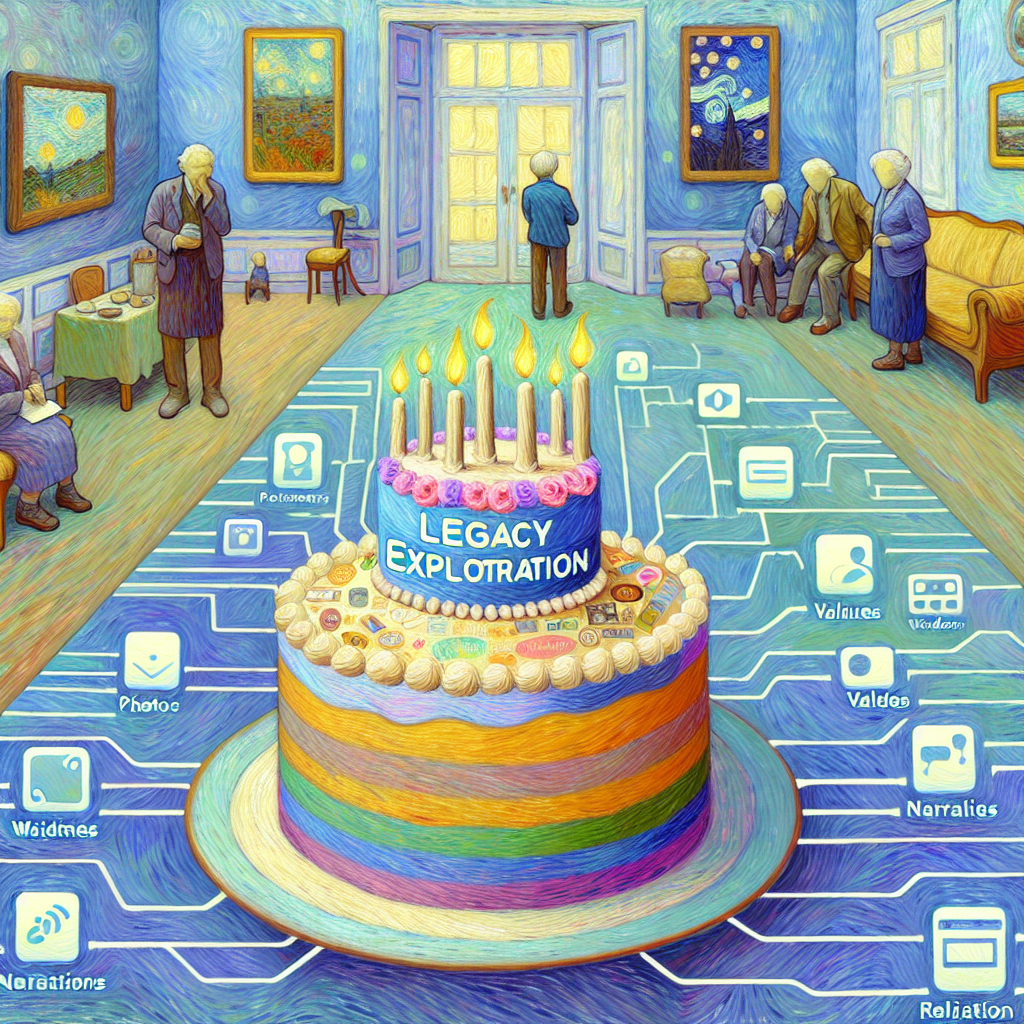
Are You Ensuring The Future Of Your Family with a Personal Legacy?
Table Of Contents
- Are You Ensuring The Future Of Your Family with a Personal Legacy?
- How Can You Define Your Legacy?
- What Steps Can You Take To Create A Personal Legacy?
- Why Is It Important To Discuss Legacy With Your Family?
- How Can Your Values Shape Your Personal Legacy?
- What Role Does Financial Planning Play In Your Legacy?
- How Can Storytelling Help Preserve Your Legacy?
- What Are Common Mistakes In Creating A Legacy?
- Conclusion
- Other Resources
- Glossary Of Terms
- Other Questions
- Haiku
- Poem
- Checklist
How Can You Define Your Legacy?
When you think about your legacy, what comes to mind? Is it the big moments, sweeping accomplishments, or the quiet, everyday acts of kindness that have shaped who you are? Defining your legacy isn’t just about the grand gestures; it’s often the stories we tell and the relationships we build that leave the greatest imprint on the people around us.
Let’s face it: we all want to matter. Whether it’s in our careers, our families, or our communities, understanding your legacy can help you navigate the often unpredictable waters of life with purpose. The truth is, every one of us is a storyteller, whether we realize it or not. Each day, we add another chapter to our “Legacy Storytelling.” The key is to be intentional about the narrative you create. Think about the values you hold close and the lessons you wish to impart. Those are the lines in your story that will resonate most deeply with others.
Take a moment to reflect: What do you want people to remember about you when you’re gone? It’s not always the awards or accolades. It’s the moments we create, the connections we forge, and the times we’ve lifted others up. Perhaps it’s a heartfelt conversation with a friend or a helping hand offered to a stranger. These seemingly small actions weave together a tapestry that becomes your legacy, a story passed down through generations.
Of course, defining your legacy isn’t a one-time affair, nor is it limited to a single audience. Your story can evolve as you do, influenced by the experiences you encounter and the people you meet. So, consider this an invitation to be proactive. Don’t wait for someone else to define your story for you; take the reins and start crafting it today.
Engage with your own narrative. Write it down. Share it with others. Ask your loved ones what they believe your legacy is. You might discover some surprising truths—or reaffirm what you already know. The important takeaway here is that you have the power to create a meaningful story that inspires confidence, trust, and action in others, effectively turning your legacy into a living, breathing testament to who you truly are. So, roll up your sleeves and get to work. Your legacy is waiting to be written, one story at a time.

How Can You Define Your Legacy?
How Can You Define Your Legacy?
- Legacy is shaped by both big moments and everyday acts of kindness.
- Your story and relationships have a lasting impact on others.
- Understanding your legacy helps navigate life’s challenges with purpose.
- We are all storytellers, adding chapters to our “Legacy Storytelling” daily.
- Reflect on how you want to be remembered beyond awards and accolades.
- Your legacy can evolve through experiences and relationships.
- Take control of your narrative by engaging with it, writing it down, and sharing it.

How Can You Define Your Legacy?
What Steps Can You Take To Create A Personal Legacy?
Creating a personal legacy is like crafting a fine piece of art—it demands time, intention, and a whole lot of heart. So how do you begin? Well, let’s roll up our sleeves and get to work on this together.
First, it helps to think about legacy storytelling. Every good tale begins with a captivating hook, and your story is no different. Start by reflecting on the moments in your life that have shaped who you are. What experiences, challenges, or triumphs stand out? Jot them down, and don’t be afraid to dig deep. Sometimes the grit you find in those memories will resonate the most with others.
Next, identify your core values. What do you want to be remembered for? Is it your generosity, your courage, or perhaps your unwavering sense of humor? It’s essential to pinpoint these attributes, as they will serve as the foundation of your legacy. Once you know what you stand for, you can align your actions with your values.
Now, consider your audience. Who do you want to share your legacy with? Is it your children, grandchildren, or even your community? Understanding your audience can guide you in tailoring your stories in a way that speaks directly to them. Think about how each story might teach, inspire, or offer a lesson. Sharing your journey invites others to connect with their own experiences, fostering a sense of community and shared understanding.
Then comes the act of sharing itself. Start small—perhaps with family gatherings or community events. Share your stories verbally or consider writing them down in a journal or blog. Photography or scrapbooking can also be powerful tools for legacy storytelling, allowing you to visually document your life’s journey. Don’t forget about social media; it’s an effective way to connect and expand your reach. Just remember to be authentic. Your vulnerability can create deeper connections, making your stories that much more impactful.
Finally, leave a little something behind that embodies your legacy. It could be a charitable donation, a community project, or even just a thoughtful letter to your loved ones. Whatever it is, ensure it reflects your values and inspires others to carry your message forward.
So there you have it: the building blocks of a legacy that can endure and inspire. Dive in, take it one step at a time, and let your story unfold—it’s waiting to be told!

What Steps Can You Take To Create A Personal Legacy?
What Steps Can You Take To Create A Personal Legacy?
- Creating a personal legacy is an art that requires time, intention, and heart.
- Begin by engaging in legacy storytelling; reflect on impactful moments in your life.
- Identify your core values to define what you want to be remembered for.
- Consider your audience—who will you share your legacy with, such as family or community?
- Start sharing your stories in small settings like family gatherings or through writing.
- Utilize tools like photography, scrapbooking, or social media to document and share your journey authentically.
- Leave behind something that embodies your legacy, such as a charitable donation or a letter to loved ones.

What Steps Can You Take To Create A Personal Legacy?
Why Is It Important To Discuss Legacy With Your Family?
When was the last time you sat down with your family to really talk? I don’t mean a casual chat over dinner or a quick text exchange about the grocery list. I’m talking about those deep, meaningful conversations that linger in the air long after the last word has been spoken. Conversations about your legacy. You see, legacy goes beyond money or possessions; it’s about the stories, values, and lessons you pass down through generations. This is where *legacy storytelling* comes in—and it’s why having these talks with your family is so vital.
Think about it. Each of us has a unique story, a collection of experiences that shape who we are. When you share your legacy, you’re not just talking about what you’ve done; you’re inviting your family into a world where they can learn from your successes and failures alike. Imagine your kids or grandkids listening intently as you recount how you faced challenges, overcame hurdles, and cherished the triumphs. These stories form a tapestry of your life’s lessons that they can use as a roadmap.
Discussing legacy isn’t just about the past, though. It’s also about the future. Engaging in these conversations plants seeds of confidence and trust in your family. They see the value of their own stories and recognize that they, too, have a legacy to uphold. It opens the door for them to share their own experiences, reinforcing that family connection that is often mistaken for simply being related by blood. Families grow stronger through open and honest dialogue, and discussing legacy offers an opportunity for that growth.
Now, you might wonder when the right time to start this dialogue is. It’s never too early—or too late! Whether you’re sitting around the kitchen table, taking a walk in the park, or even chatting during a road trip, make it a priority to create space for these discussions. Prepare not just to share, but to listen. This is a two-way street, and your family will appreciate the invitation to contribute their own chapters to your collective legacy.
Discussing your legacy helps build a bridge between generations, ensuring that the wisdom of the past doesn’t vanish but lives on. By sharing your *legacy storytelling*, you bring your family closer together, infusing your shared history with meaning that can inspire and guide them long after you’re gone. So go ahead—start that conversation. Your legacy is waiting to be told.

Why Is It Important To Discuss Legacy With Your Family?
Why Is It Important To Discuss Legacy With Your Family?
- Engage in meaningful conversations with family, beyond casual chats.
- Legacy encompasses stories, values, and lessons, not just material possessions.
- Sharing personal experiences helps inform and guide future generations.
- Discussing legacy fosters confidence and trust within the family.
- Encourage a two-way dialogue, inviting family members to share their experiences.
- It’s never too early or too late to start discussions about legacy.
- Legacy storytelling strengthens family bonds and preserves wisdom across generations.

Why Is It Important To Discuss Legacy With Your Family?
How Can Your Values Shape Your Personal Legacy?
When it comes to the question of what we leave behind, it’s a little like sculpting—each choice chisels away at the block of stone that is our life. The values we hold close are the tools we use to shape our legacy. They’re the guiding stars in our personal voyage, refracting the light of our intentions into a lasting impression on the world.
Have you ever paused to consider your own *legacy storytelling*? Not the kind that’s reserved for history books or happy Instagram posts, but the kind that we compose with each decision we make, each conversation we have, and each moment we share with those around us. Think about it: when people talk about you long after the echoes of your laughter fade, what story do you want them to tell?
Values like honesty, compassion, and resilience act like a compass that guides our interactions and choices. When we’re grounded in these principles, we find ourselves moving toward a legacy that reflects who we truly are. Imagine a world where we no longer define ourselves by the things we’ve acquired or the accolades we’ve received, but by the way we treated others and the positive change we sparked.
Consider a simple exercise: List your core values. Go ahead; grab a napkin, a sticky note, or your notes app. Now, reflect on a moment when you lived in alignment with those values. What was it? Who were you with? What did it feel like to be true to yourself in that instance? The powerful thing about this process is that it gears you to become more intentional about how you live, pushing you to create a narrative worth sharing.
Living with intention doesn’t mean being perfect; it means being genuine. Every time you choose kindness over indifference or courage over fear, you’re adding another stroke to the canvas of your legacy. So, examine your values closely—nurture them, let them grow, and don’t be afraid to let them guide your choices.
Your legacy will not just be a testament to the life you lived but a powerful story that inspires others. Remember, it’s not just about what we leave behind; it’s about how we make others feel—by living fully in accordance with our values, we can shape a legacy that speaks even louder than our words.

How Can Your Values Shape Your Personal Legacy?
How Can Your Values Shape Your Personal Legacy?
- Legacy is shaped by our choices, similar to sculpting a block of stone.
- Core values serve as tools that guide our interactions and define our legacy.
- Legacy storytelling goes beyond historical accounts, comprising everyday decisions and moments.
- Values like honesty, compassion, and resilience direct us toward a true representation of ourselves.
- Reflecting on core values can foster intentional living and help create a meaningful narrative.
- Living with intention involves making genuine choices that contribute positively to our legacy.
- Ultimately, a well-lived legacy inspires others and deeply affects how we are remembered.

How Can Your Values Shape Your Personal Legacy?
What Role Does Financial Planning Play In Your Legacy?
When the dust settles and the curtains draw on our lives, what do we leave behind? It’s a question many people wrestle with as they navigate the twists and turns of life. The stuff we accumulate—houses, cars, that rarely-used collection of porcelain cats—sure, it’s tangible, but what about the narrative we establish? That’s where financial planning steps in, like the sturdy scaffolding that supports the grand structure of your legacy.
Think of your legacy as a grand story that you’re crafting day by day. It’s more than just assets; it’s your values, your passions, and those irreplaceable lessons woven into your family’s fabric. Legacy storytelling is about sharing those tales, and financial planning lays the groundwork for them. Picture this: You have a vision for how you want to be remembered. Financial planning is the map that helps you reach that destination without veering off course or getting lost.
Let’s be real here: no one plans to shuffle off this mortal coil next week. Most of us like to think we’ve got time, but life has a way of surprising us. By getting a handle on your finances now, you’re not just securing your future; you’re also ensuring that your story continues in ways you care about. Maybe you want to fund educational opportunities for your grandchildren or support causes close to your heart. These are the chapters in your legacy that financial planning can help bring to life.
Now, you might be thinking, “I’m not a millionaire, so why bother?” But here’s the thing: a legacy isn’t defined by the size of your bank account; it’s about how you impact others. With careful planning, even modest means can yield profound results. It’s all about making intentional choices—whether it’s maximizing retirement benefits, deciding on life insurance, or establishing a trust. These are the tools that empower you to immortalize your values and ensure that your legacy storytelling resonates for generations.
So, don’t wait for inspiration to strike or for life’s uncertainties to shake you awake. Take charge of your financial landscape today, and let it pave the way for a legacy that mirrors your true essence. Your story deserves to be told, and with the right financial planning, you can frame it as you wish. Embrace the responsibility and let your legacy be one of meaning and impact.

What Role Does Financial Planning Play In Your Legacy?
What Role Does Financial Planning Play In Your Legacy?
- Legacy encompasses more than material possessions; it includes values, passions, and life lessons.
- Financial planning serves as foundational support for crafting your legacy story.
- Planning helps you envision how you want to be remembered and ensures you stay on track.
- Life is unpredictable; proactive financial management secures your future and extends your narrative.
- Legacy is not defined by wealth, but by the positive impact you have on others.
- Intentional financial choices, like retirement planning and establishing trusts, can ensure your values are honored.
- Taking charge of your finances today allows you to shape a meaningful legacy for future generations.

What Role Does Financial Planning Play In Your Legacy?
How Can Storytelling Help Preserve Your Legacy?
Let’s face it: we all want to be remembered. In a world moving at breakneck speed, amid tweets and texts, it’s easy to feel insignificant. But here’s the kicker—your story matters. It’s the very essence of who you are, and weaving it into the fabric of your legacy can ensure that it endures long after your time here has faded. That’s where legacy storytelling comes into play.
Think about it. Every time you share a tale from your life—whether it’s that unforgettable trip to the mountains, the lessons learned from a tough job, or a moment of heartbreak—you’re crafting a narrative. Each story isn’t just an anecdote; it’s a piece of your unique puzzle, sparking connections with others who may find solace, inspiration, or even laughter in your words. By taking the time to capture and share these experiences, you create a powerful legacy. It’s like planting seeds. You tell your stories, and those seeds take root in the minds and hearts of those around you.
Now, you might be thinking, “What makes my life worth sharing?” That’s the beauty of it! Every life is a tapestry stitched together with mundane moments and extraordinary experiences. It’s the quiet victories and the hard-fought battles that resonate most. Those are the stories that forge connections, grounded in the universal truths we all share. Don’t underestimate the power of your journey—it’s relatable and real, and that’s what makes it vital.
Here’s where it gets even more enriching. When you share your stories, you not only preserve your legacy for future generations, but you also create a dialogue with those around you. You provide a window into your world, inviting your family, friends, and even strangers to know you more deeply. This exchange can spark deeper relationships and understanding, solidifying your impact on the community or family you cherish.
So grab a pen, your favorite drink, or gather friends around a campfire. Start reminiscing. Legacy storytelling doesn’t require a grand stage or a well-crafted script. Just your voice, your heart, and the lived experiences that deserve to be shared. Don’t wait for someone else to tell your story—step up and ensure it’s told your way. After all, your legacy isn’t just about what you leave behind; it’s about how you lived, loved, and connected with the world around you.

How Can Storytelling Help Preserve Your Legacy?
How Can Storytelling Help Preserve Your Legacy?
- Everyone desires to be remembered, especially in a fast-paced world.
- Your personal story is essential to your identity and legacy.
- Sharing life experiences creates connections and inspires others.
- Every story contributes to your unique narrative, whether mundane or extraordinary.
- Sharing stories fosters dialogue and deeper relationships with others.
- Legacy storytelling can occur in any setting—no grand stage required.
- Your legacy is shaped by how you lived, loved, and connected with others.

How Can Storytelling Help Preserve Your Legacy?
What Are Common Mistakes In Creating A Legacy?
Creating a legacy is a pursuit as profound as it is personal, yet many stumble into traps that can cloud their vision and dilute their intentions. We all want to leave a mark, but sometimes we get tangled up in what that means. Let’s unpack some common mistakes that can derail our efforts in crafting a meaningful legacy.
First on the list is the tendency to overcomplicate matters. We envision grand gestures—a massive charity, a monumental foundation—but often forget that legacy storytelling begins in the everyday moments that resonate with our true selves. The simple tales of how we lived, the values we upheld, and the love we shared often form the most enduring legacies. It’s not always about the big wins; sometimes, it’s an honest conversation with a neighbor or the way we treat the cashier at the grocery store.
Next, there’s the pitfall of ignoring our audience. Who do you want to impact with your legacy? Your friends, family, community? Engaging with them in genuine ways is crucial. The stories that will carry your essence forward need to connect with the people you care about. Don’t assume they know what’s important to you; be proactive in your legacy storytelling. Share your experiences and lessons learned—let them know what makes you tick, what you stand for, and what you wish for the future.
Then there’s the mistake of fear—fear of vulnerability, fear of being misunderstood, fear of failure. The truth is, creating a legacy requires courage. Sharing our authentic selves isn’t always easy, but it fosters connection and trust. Embrace your imperfections; they often make the most relatable stories. Remember, everyone has struggles and triumphs, and those shared experiences can inspire others to chase their own legacies.
Lastly, don’t forget to document it! Whether through writing, videos, or recordings, preserving your thoughts and stories will ensure that your legacy lives on, long after you’re gone. It doesn’t need to be perfect; it just needs to be true.
Remember that creating a legacy isn’t a race; it’s a journey. Embrace the missteps as part of the story, trust your instincts, and let your life be the guiding star for others. After all, the greatest legacies are often the simplest ones, shared between friends and woven into the fabric of everyday life. So start today—connect, share, and let your legacy unfold.

What Are Common Mistakes In Creating A Legacy?
What Are Common Mistakes In Creating A Legacy?
- Creating a legacy is a profound and personal pursuit, but common traps can hinder its clarity and focus.
- Overcomplicating matters with grand gestures distracts from the simpler, everyday moments that truly define a legacy.
- Engaging your audience—friends, family, community—is crucial in making your legacy resonate with them.
- Don’t assume others know your values and experiences; proactively share them to connect on a deeper level.
- Fear of vulnerability can be a major barrier; embracing imperfections can lead to relatable and inspiring stories.
- Document your thoughts and stories through writing or recordings to preserve your legacy for future generations.
- Creating a legacy is a journey; embrace missteps, trust your instincts, and let the simple moments unfold.

What Are Common Mistakes In Creating A Legacy?
Conclusion
In the end, folks, it all boils down to one thing: legacy. And let’s face it, it’s not just about the bank accounts or the houses—it’s about what you’re going to leave behind once the curtain drops. It’s the stories, lessons, and values that act as the backbone to the fabric of your family’s future. When your days are done, what do you want people to remember? Seriously take a second and think about that—your legacy rests in those memories, the shared laughter, and the life lessons stitched into the family quilt.
Now, here’s the kicker: creating this kind of legacy doesn’t require a Ph.D. or a trust fund. It starts with you, right now, in the simplest of ways. Think back to your fondest memories—those wild family outings or the tough times that taught you resilience. Each story you share with your loved ones is like planting a seed, nurturing that connection that can sprout for generations to come. Share them around the dinner table, write them down, or better yet, let your voice be heard; these little nuggets of your life become the treasures that form your family’s identity.
And let’s not kid ourselves; no one wants meandering stories that don’t touch the heart. Define your core values—those guiding principles that shape who you are. They’re the toolkit you’ll use to craft your narrative—a narrative that inspires and lifts. When you let your values shine, you’re not just telling tales; you’re laying bricks in that legacy path you’re paving for others to follow.
But don’t pull a “wait until later” on this one. There’s never a perfect time; it’s always ‘go time’ when it comes to building your legacy. Make it a habit—find those moments for deep, heart-to-heart talks with your family. Because guess what? Sharing your legacy isn’t solely about reflecting on your past; it’s a two-way street that fosters deeper connections. It’s about encouraging your circle to share their stories, too.
So, as you gear up to pass down your legacy, remember it’s a holistic journey—financial planning is a key player here, ensuring that what matters to you can continue long after you’re gone.
Let’s get it straight: legacy isn’t a burden; it’s your gift. So, roll up those sleeves and start today. Your story is rich, your values are strong, and they hold the potential to resonate deeply, long after you’re out of the spotlight. Don’t let it go untold, folks. Your legacy isn’t just about what you leave behind; it’s the remarkable way you’ve lived, the love you’ve shared, and the connections you’ve forged. So get out there and start crafting your legacy—one story at a time.

Conclusion
Conclusion:
- Legacy is about stories, lessons, and values, not just material wealth.
- What people remember after you’re gone is tied to shared memories and life lessons.
- Creating a meaningful legacy starts now and can be done in simple ways.
- Sharing fond memories fosters connections that can last for generations.
- Define your core values as the foundation for your legacy narrative.
- Building your legacy requires ongoing efforts and open conversations with loved ones.
- Legacy is a gift, shaped by how you lived, loved, and connected with others.

Conclusion
Other Resources
Other Resources
Here is a list of other resources you can review online to learn more:
Use This Prompt To Get More Resources With Your Favorite Online AI Tool: Please provide me with a list of online articles with their URLs in a bulleted list that I can read regarding Are You Ensuring The Future Of Your Family with a Personal Legacy?

Other Resources
Glossary Terms
Are You Ensuring The Future Of Your Family with a Personal Legacy? – Glossary Of Terms
1. Personal Legacy: The impact and contributions an individual leaves behind for future generations, encompassing values, beliefs, and material wealth.
2. Wealth Transfer: The process of passing on financial assets, property, or investments from one generation to the next.
3. Estate Planning: The preparation for the management and distribution of an individual’s assets after their passing, often involving wills, trusts, and other legal documents.
4. Will: A legal document that outlines how a person’s assets will be distributed after their death.
5. Trust: A legal arrangement where one party holds property on behalf of another, often used to manage assets, reduce taxes, and avoid probate.
6. Probate: The legal process through which a deceased person’s will is validated and their estate is administered.
7. Philanthropy: The desire to promote the welfare of others, often through the donation of money, resources, or time to charitable causes.
8. Generational Wealth: Financial assets passed down from one generation to another, providing opportunities and security for future family members.
9. Family Business Succession: The plan for transferring ownership and management of a family business to the next generation.
10. Financial Literacy: The understanding of financial concepts and skills, necessary for making informed financial decisions.
11. Life Insurance: A policy providing a monetary benefit to designated beneficiaries upon the insured’s death, often used as a financial safety net for families.
12. Legacy Letter: A written document that expresses a person’s values, beliefs, and wishes, intended for future generations.
13. Charitable Remainder Trust: An irrevocable trust that provides income to the donor or beneficiaries for a specified period, after which the remaining assets go to a designated charity.
14. Guardianship: A legal arrangement where an individual is appointed to manage the affairs and care of a minor child or incapacitated adult.
15. End-of-Life Care: Medical and personal care provided to individuals in the later stages of life, often involving hospice or palliative care.
16. Retirement Planning: The process of preparing financially for retirement, ensuring that individuals have sufficient income and resources to maintain their lifestyle.
17. Asset Protection: Strategies to safeguard a person’s wealth from lawsuits, creditors, or unforeseen circumstances, ensuring its availability for future generations.
18. Beneficiary: An individual or entity designated to receive assets or benefits from a financial account or estate after someone’s death.
19. Memorialization: Ways to commemorate and honor a deceased individual, including physical memorials, rituals, or storytelling.
20. Financial Advisor: A professional who provides guidance on financial planning, investments, and wealth management.
21. Succession Planning: Developing a strategy for a smooth transition of leadership and management in family enterprises or organizations.
22. Retirement Accounts: Financial accounts specifically designed to save for retirement, such as 401(k)s or IRAs.
23. Tax Planning: The evaluation of an individual’s financial situation to minimize tax liabilities and maximize the efficiency of wealth transfer.
24. Cultural Heritage: The traditions, customs, and history passed down through generations, influencing family identity and values.
25. Emergency Fund: Savings set aside to cover unexpected expenses, essential for financial security and stability.
26. Estate Tax: A tax imposed on the transfer of a deceased person’s estate before the assets are passed to beneficiaries.
27. Holistic Planning: An approach to personal finance that considers all aspects of an individual’s life, including financial, emotional, and relational considerations.
28. Legacy Planning: The process of preparing for the transfer of one’s values, beliefs, and assets to future generations thoughtfully and intentionally.
29. Asset Allocation: The strategic distribution of investments among various asset categories (stocks, bonds, real estate) to achieve specific financial goals.
30. Intergenerational Wealth: Financial resources that are preserved and passed down through multiple generations, often fostering family continuity and support.

Glossary Of Terms
Other Questions
Are You Ensuring The Future Of Your Family with a Personal Legacy? – Other Questions
If you wish to explore and discover more, consider looking for answers to these questions:
- What are the first steps I should take to start my personal legacy storytelling?
- How can I help my children understand the importance of their own legacies?
- What are some effective ways to document my stories for future generations?
- How do I start meaningful conversations about legacy with my family?
- What role does cultural background play in shaping a personal legacy?
- Are there specific activities or rituals that can strengthen family legacy storytelling?
- How can I ensure that my legacy aligns with my personal values?
- What resources are available to help me with financial planning for my legacy?
- How can I inspire others to share their stories and legacies?
- What are the ethical considerations in legacy planning and storytelling?
- How should I approach legacy planning if I have blended family dynamics?
- What legacy advice do you have for younger generations just starting their journeys?
- Can technology be used to enhance personal legacy storytelling?
- If so, how?
- How do I navigate fears about sharing my personal stories and experiences?
- What can I learn from the legacies of others, both good and bad?

Other Questions
Haiku
Are You Ensuring The Future Of Your Family with a Personal Legacy? – A Haiku
Stories passed along,
Threads of love and wisdom weave,
A lasting legacy.

Haiku
Poem
Are You Ensuring The Future Of Your Family with a Personal Legacy? – A Poem
Legacy’s Tapestry
In whispered tales of yesteryears,
Where laughter mingles with our tears,
A bond that’s formed, a story spun,
The echo lingers; it’s never done.
Forget the riches or the grand estates,
It’s in the moments, love creates,
The kitchen table, fireside glow,
Where seeds of wisdom gently grow.
Each lesson learned, each laugh we share,
Becomes the legacy of our care,
For in the threads of life we weave,
Lives the essence of what we believe.
So gather round and speak your truth,
Share the grit of youth and the joys of sleuth;
Let children learn of courage and grace,
Through tales of trials, their fears to face.
Reflect on values, steadfast and strong,
Craft your narrative, where you belong,
Define the story, make it sincere,
For your legacy whispers… *“You were here.”*
Enable them to see their part,
In this great tapestry, heart to heart,
For every voice, a vital thread,
In the fabric of life, where spirits tread.
Financial planning, a scaffold true,
To support the dreams you wish to pursue—
Donations or lessons, each choice you make,
Shaping tomorrows, for love’s own sake.
So ignite the conversations, don’t let them stall,
Bind generations with your stories, recall—
Your journey’s worth sharing, it’s ever profound,
Legacies flourish where kindness is found.
In simple moments, a legacy thrives,
In laughing voices, and lives that strive,
So roll up your sleeves, it’s your time to start,
For the richest of legacies live in the heart.

Poem
Checklist
Are You Ensuring The Future Of Your Family with a Personal Legacy? – A Checklist
Checklist: Creating a Personal Legacy for Your Family
Use this checklist to help ensure you’re nurturing your personal legacy and enhancing your family’s future.
1. Reflect on Your Story
_____ Take time to consider what experiences have shaped you.
_____ Identify key moments that left a significant impact on your life.
2. Define Your Values
_____ Make a list of your core values (e. g. , honesty, compassion, resilience).
_____ Reflect on moments when you embodied these values.
3. Engage in Legacy Storytelling
_____ Schedule regular family gatherings to share stories.
_____ Choose a format for sharing: verbally, writing, or using multimedia.
_____ Encourage family members to share their own stories and experiences.
4. Document Your Legacy
_____ Journal your thoughts, values, and stories consistently.
_____ Consider creating a scrapbook or photo album that represents your life.
_____ Use social media to share meaningful moments and interactions.
5. Build Connections with Your Family
_____ Initiate deep conversations about legacy during family meals or outings.
_____ Create a safe environment where family members feel comfortable sharing.
_____ Actively listen to family members’ perspectives on your legacy.
6. Create a Legacy Plan
_____ Outline what you want to be remembered for in your family’s narrative.
_____ Discuss how you can support your family’s future (e. g. , education, charity).
_____ Engage in financial planning to ensure your values are reflected in legacy.
7. Embrace Vulnerability
_____ Share both successes and failures in your storytelling.
_____ Be open about your hopes and fears with your family.
8. Encourage Legacy in Others
_____ Inspire younger family members to reflect on and define their own legacy.
_____ Share stories that teach valuable life lessons and morals.
9. Avoid Common Mistakes
_____ Don’t overcomplicate your legacy; focus on everyday moments.
_____ Be mindful of your audience and tailor your stories to resonate with them.
_____ Document your legacy to preserve it for future generations.
10. Take Action Now
_____ Start with one story you’d like to share with your family today.
_____ Make a plan to revisit your values and legacy regularly.
_____ Commit to the process of legacy storytelling as a lifelong journey.
Remember: Your legacy is a living testament to who you are and how you’ve impacted those around you. Start today, and your stories will echo through generations.

Checklist
At LegacyExplorations, we help people plan and explore their legacy by collecting information and news regarding end-of-life planning.
Please share this post with your friends, family, or business associates who may want help to plan or explore their legacy.