

Preserving Your Family’s Legacy For The Next Generation
By Tom Seest
At LegacyExplorations, we help people plan and explore their legacy by collecting information and news regarding end-of-life planning.
Please share this post with your friends, family, or business associates who may want help to plan or explore their legacy.
Are You Giving Your Children The Gift Of Their Heritage?
Imagine sitting around the dinner table, the aroma of your favorite dish wafting through the air, as laughter echoes and stories unfold. In that moment, you can see a flicker in your child’s eyes, the spark of curiosity igniting as they lean in, eager to soak up tales of their ancestors. This is more than just dinner; this is Legacy Storytelling, and it’s a gift that can shape their understanding of themselves and the world around them.
Now, I know what you might be thinking: “I’m not a storyteller.” Well, let’s set the record straight—storytelling doesn’t mean spinning grand myths worthy of epic novels. It’s about sharing the genuine experiences that filled your life and the lives of those who walked before you. Each story carries a thread of your family’s history, stitching together who you are. It could be an anecdote about your great-grandfather’s journey from another country, a funny mishap that happened during a family vacation, or even a heartfelt lesson learned from a failure. These narratives are the foundation of your child’s heritage, weaving a rich tapestry of identity.
Kids are naturally curious; they want to know where they come from. But if we don’t offer them pieces of our legacy, we risk leaving a gaping hole in their understanding of self. Engaging in Legacy Storytelling fosters connection, not just within your family, but with a broader cultural and historical context. It provides them with a compass; a way to navigate their own paths guided by the lessons of the past.
So, how do we bring these tales to life? Start small—maybe during a cozy night in or a weekend barbecue. Ask questions that encourage reminiscence, such as “What were your favorite childhood memories?” or “Did you ever face challenges that changed you?” You might be surprised at what unearths. Create a space where storytelling feels natural, where every laugh, every tear, is a building block in the unique narrative of your family.
Let’s give our children the gift of their heritage, one story at a time. After all, the legs of your legacy stand strongest on the stories you share, and those stories can empower the next generation to embrace their identity with pride and resilience. In a world that often feels disconnected, let’s create connections that last—because the past isn’t just history; it’s the foundation of who they’ll become.

Are You Giving Your Children The Gift Of Their Heritage?
Are You Giving Your Children The Gift Of Their Heritage?
- Legacy Storytelling enriches dinner time with the aroma of favorite dishes and meaningful conversation.
- Storytelling is about sharing genuine life experiences rather than grand myths.
- Each story connects to a family’s history, highlighting identity and heritage.
- Children’s curiosity about their roots necessitates the sharing of family legacies.
- Engaging in storytelling fosters familial bonds and a broader cultural understanding.
- Start storytelling in comfortable settings by asking reflective questions about childhood and challenges.
- Sharing stories empowers children to embrace their identity with pride and resilience.

Are You Giving Your Children The Gift Of Their Heritage?
Table Of Contents
- Are You Giving Your Children The Gift Of Their Heritage?
- What Heritage Traditions Do You Cherish?
- How Can You Involve Your Children In Cultural Celebrations?
- Have You Explored Your Ancestry And Shared It With Your Kids?
- What Stories From Your Past Can You Pass Down To Your Children?
- How Do You Teach Your Kids About Their Cultural Identity?
- Are You Using Books Or Media To Share Your Heritage?
- How Do You Celebrate Holidays That Honor Your Heritage?
- Conclusion
- Other Resources
- Glossary Of Terms
- Other Questions
- Haiku
- Poem
- Checklist
What Heritage Traditions Do You Cherish?
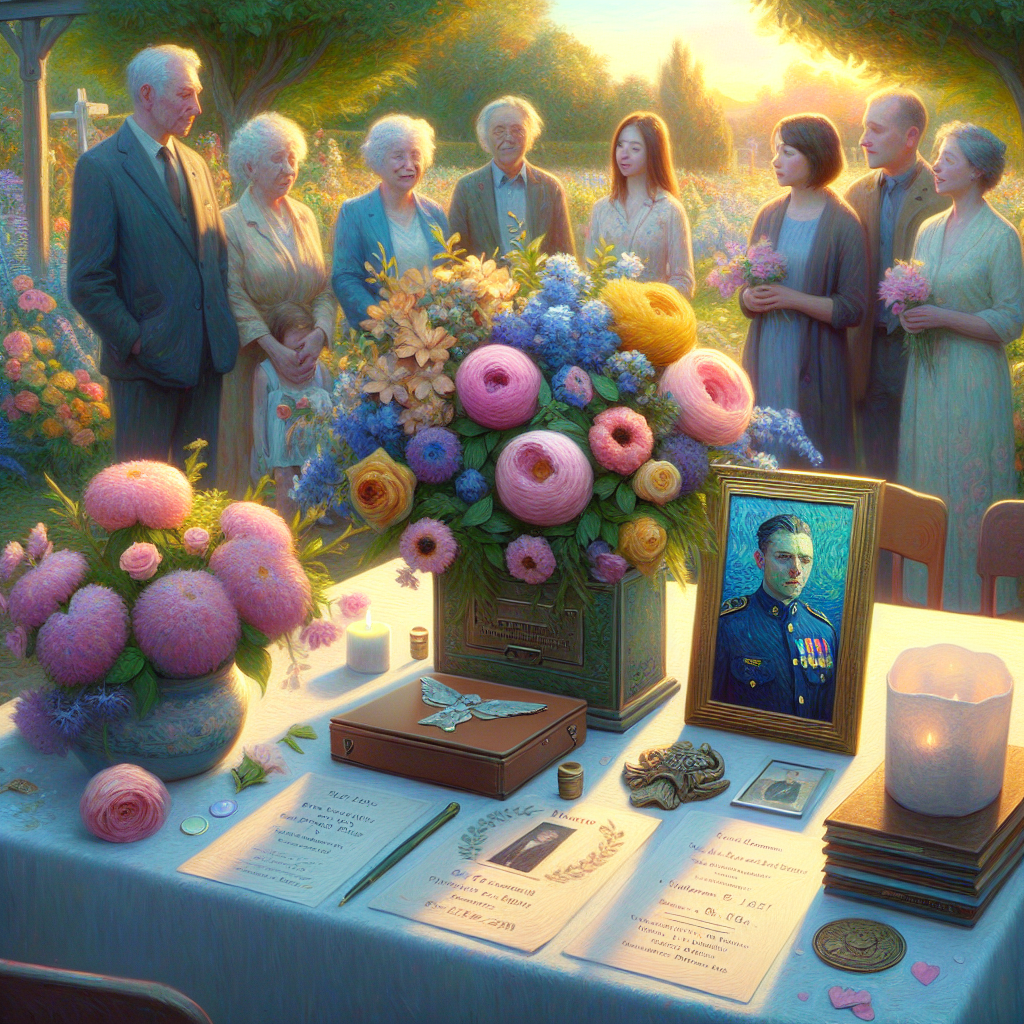
When you think about the people who came before you, what legacy do you hold dear? In a world that constantly pushes us forward, it’s essential to pause and recognize the rich tapestry of traditions that shape who we are today. These are the stories passed down through generations, the moments that weave family ties tighter, and the customs that help us remember our roots. Legacy storytelling is more than just a way to recall the past; it’s a vital thread in the fabric of our identity.
Picture this: a warm kitchen filled with the aroma of your grandmother’s famous recipe simmering on the stove. As the family gathers, stories of yesteryear seep into the air, each tale layered with laughter, tears, and perhaps a few groans of “not that story again!” But therein lies the beauty. Each retelling of that story strengthens the bonds that tie us to our heritage. It’s a playful reminder that even amid our hectic lives, there is a lineage that deserves our reverence—and perhaps a few chuckles.
What traditions do you cherish? Maybe it’s the way your family gathers around the table for Sunday dinner, sharing not just a meal but also heartfelt moments and the events of the week. Perhaps it’s an annual camping trip where stories of the past meet the adventures of the present, creating new memories while honoring old ones. These rituals nurture our connections and ground us in a world that can sometimes feel overwhelming.
Let’s not forget the power of storytelling. Each time we share our stories, whether they’re tales of triumph, struggle, or hilarity, we’re passing on wisdom and understanding. It’s a little magic we cultivate with each shared smile and knowing nod. By encouraging younger generations to join the conversation, we instill a sense of belonging and pride in both our heritage and the dreams we hope to achieve.
So, what will you do? Take a moment to reflect on your family’s legacy. Engage in conversations that invite those cherished stories to surface. Write them down, record them, or simply share them over coffee. No matter how you choose to celebrate them, these traditions are the heartbeat of your history. Cherish them, and watch as they breathe life into the next generation, ensuring that your heritage continues to thrive. After all, every story shared is a step towards preserving the legacy that shapes us all.

What Heritage Traditions Do You Cherish?
What Heritage Traditions Do You Cherish?
- Reflect on the legacy passed down from previous generations and its importance in shaping identity.
- Legacy storytelling connects us through shared family tales, creating tighter bonds.
- Traditions, like family dinners or annual trips, nurture connections and honor our roots.
- Sharing stories helps transmit wisdom and fosters a sense of belonging among family members.
- Encourage younger generations to engage in storytelling to instill pride in their heritage.
- Take time to document and share family stories to celebrate and preserve traditions.
- Every story shared contributes to maintaining the legacy that influences and shapes our lives.
What Heritage Traditions Do You Cherish?
How Can You Involve Your Children In Cultural Celebrations?
How Can You Involve Your Children in Cultural Celebrations?
When it comes to cultural celebrations, it’s not just about the food or the festivities; it’s about the connections we form and the stories we share. Inviting your kids to be part of these experiences can turn a simple celebration into a rich tapestry of memories, bridging generations and grounding them in their heritage. Let’s face it: today’s whirlwind lifestyle can often leave little room for tradition. But it’s essential to pause, look around, and ask ourselves how we can foster a sense of belonging in our children.
One of the best ways to involve your kids is through Legacy Storytelling. Stories are the heartbeat of any culture, and when you weave your family’s narratives into celebrations, you create a sense of pride and identity. Try sitting down with your children before a holiday to talk about its significance in your culture. Share anecdotes from your youth—those unforgettable moments that made you laugh, cry, or even scratch your head in bewilderment. Kids have an innate curiosity, and when they hear tales steeped in tradition, they feel anchored in something bigger than themselves.
You could involve them in the preparations, too. Planning a cultural feast? Assign each child a dish to research and prepare. This not only gets them excited about cooking but also introduces them to the ingredients and techniques tied to their heritage. Imagine the satisfaction on their faces as they present their creations and share with the family how each dish connects to your cultural background. Suddenly, they’re not just participants; they’re active storytellers in the family narrative.
Don’t forget to incorporate arts and crafts related to your celebrations. Encourage your children to help create decorations or traditional attire. This hands-on approach makes them feel part of something genuine and allows them to express themselves creatively. Plus, let’s be honest, there’s nothing like a homemade banner to remind everyone how much fun it can be to celebrate.
Finally, make it a point to document these celebrations. Snap pictures, write down stories, or even record fleeting moments on your phone. These memories will become pieces of the legacy you’re building together. As the years go by, your children will cherish these experiences, passing them on to their own kids, ensuring that the cycle of cultural appreciation continues. So roll up your sleeves, dive in, and embrace the joy of sharing your cultural celebrations with the next generation.

How Can You Involve Your Children In Cultural Celebrations?
How Can You Involve Your Children In Cultural Celebrations?
- Cultural celebrations foster connections and storytelling.
- Involving children creates rich memories and bridges generations.
- Legacy Storytelling helps instill pride and identity in children.
- Engage kids in preparing meals by assigning dishes related to your culture.
- Incorporate arts and crafts to allow children to express themselves within traditions.
- Document celebrations through photos and stories to create a lasting legacy.
- Sharing cultural experiences ensures appreciation is passed down to future generations.

How Can You Involve Your Children In Cultural Celebrations?
Have You Explored Your Ancestry And Shared It With Your Kids?
Look, we’re living in a world where everything seems to move at the speed of light. The hustle and bustle of daily life often drowns out the simple idea of where we come from. Yet, amidst all this chaos, there lies a profound opportunity—one that’s often overlooked: Legacy Storytelling. This isn’t just about names on a family tree or dusty photographs in a shoebox; it’s about crafting a narrative that feeds the mind and soul of the next generation.
Imagine sitting down with your kids, looking over old family photos, and telling them about Great-Grandma who came to this country with nothing but her grit and determination. Or telling them how Grandpa fought in a war, not just for freedom, but for the family he hoped to build one day. It’s these stories that build connections, instill pride, and inspire them to appreciate the richness of their heritage. Sharing your ancestry doesn’t just bridge the past and present; it builds a legacy that can resonate through generations.
Let’s face it, today’s kids often find themselves glued to screens, lost in curated digital realms. But nothing beats the spark in their eyes when they hear anecdotes that give context to their existence. They start to understand that they are part of something larger than themselves. By engaging them in this exploration, you’re not just teaching them about history; you’re empowering them to take ownership of their identity.
Furthermore, sharing these tales cultivates trust and confidence—they learn that their family has faced trials, triumphs, and everything in between. They see your vulnerability when recounting your own experiences, and it opens up a space for deeper conversations about their own lives and choices.
So, how do you start? Dig into the attic, reach out to relatives, or even use technology to map out your family tree. Make it a family project; involve your kids in the hunt for information. Challenge them to find a unique story to share at the next family gathering. Trust me, those stories will bind you like a well-worn quilt—each patch a memory, stitched together by love, laughter, and a sense of belonging.
At the end of the day, exploring your ancestry is not just about seeking the past; it’s about enriching your family’s narrative for the future. So go on, dive into those stories. I promise, your kids will thank you for it.

Have You Explored Your Ancestry And Shared It With Your Kids?
Have You Explored Your Ancestry And Shared It With Your Kids?
- Legacy Storytelling offers a profound opportunity to connect generations beyond just family trees and photographs.
- Sharing stories about ancestors fosters connections, pride, and appreciation for heritage in children.
- Engaging kids with family histories can spark interest and help them understand their identity in a larger context.
- These narratives cultivate trust and confidence, showcasing family trials and triumphs.
- Vulnerability in sharing personal experiences encourages deeper family conversations.
- Start by exploring family history through attics, relatives, or technology, involving kids in the discovery process.
- Exploring ancestry enriches your family’s narrative, creating lasting memories and a sense of belonging.

Have You Explored Your Ancestry And Shared It With Your Kids?
What Stories From Your Past Can You Pass Down To Your Children?
When it comes to shaping the character and values of the next generation, one of the most powerful tools at our disposal is Legacy Storytelling. I believe there’s something profoundly magical about gathering around a table, or sitting by a fire, and sharing the stories that have shaped us. It’s not just about where we came from; it’s about who we are becoming and the subtle threads that connect us to one another.
Think about the tales you’ve tucked away in the corners of your memory. Maybe it’s the time you took a leap of faith to follow your dreams, resulting in an unexpected opportunity or a lesson learned the hard way. Picture yourself recounting that adventure to your children, watching their eyes grow wide with curiosity, understanding that every misstep and triumph builds the foundation of resilience within them. Legacy Storytelling isn’t merely about recounting events; it’s about embedding values that withstand the test of time.
Then there are the honest, perhaps messy stories that remind us we’re all imperfect. Perhaps there was a job you nearly quit, a friend you had a falling out with, or a moment of failure that ultimately led to growth. Those stories remind children that stumbling is a part of life. They help foster a sense of empathy and compassion, crucial traits that are often lifelong allies. You’ll be surprised how relatable your journey can be to them, even in this fast-paced, gadget-filled world.
As you think about what to share, consider the stories that ignite their curiosity. Was there a family tradition that held significant meaning for you? Maybe you have a captivating tale about your grandparents, or a simple lesson learned from a neighbor down the street. These aren’t just stories; they are threads weaving connections through time—building bridges between generations.
So, take a moment. Reflect on the tapestry of your life. What experiences stand out? What lessons have shaped your world? When you transform those experiences into stories, you’re not just passing down entertainment; you’re equipping your children with an understanding of resilience, empathy, and purpose. That’s a legacy worth sharing—one that will inspire, unite, and guide them long after the stories are told. Make it a point to gather together, listen, and learn; you have stories that deserve to be heard.

What Stories From Your Past Can You Pass Down To Your Children?
What Stories From Your Past Can You Pass Down To Your Children?
- Legacy Storytelling is a powerful tool for shaping the character and values of the next generation.
- Sharing personal stories helps connect individuals and highlight personal growth and resilience.
- Every misstep and triumph in storytelling embeds enduring values in children.
- Honest and imperfect stories foster empathy and compassion, important traits for lifelong development.
- Stories that ignite curiosity can bridge connections between generations, linking family traditions and lessons learned.
- Reflecting on life experiences transforms them into meaningful stories that educate and inspire children.
- Gathering to share stories enriches family bonds and ensures valuable lessons are passed down through the years.

What Stories From Your Past Can You Pass Down To Your Children?
How Do You Teach Your Kids About Their Cultural Identity?
Teaching kids about their cultural identity is like handing them a treasure map—one that guides them through the vast, often tangled landscape of who they are and where they come from. This isn’t just a classroom lesson; it’s a journey steeped in Legacy Storytelling that stretches back generations. It’s about more than just knowing facts or dates; it’s infusing their lives with stories that evoke a sense of belonging and pride.
Start simple. Dive into family history. Gather around the dinner table and invite everyone to share a tale from their past—an anecdote about a grandparent or an event that shaped the family. This Legacy Storytelling can spark an interest in your children’s roots. Maybe it’s the story of an ancestor who crossed oceans, or a beloved recipe handed down through the years. These stories serve as a bridge from the past to the present, and they’re engaging enough to keep young minds wide-eyed.
Encourage your kids to explore cultural traditions through meaningful experiences. Attend cultural festivals together, dance to traditional music in the living room, or even try your hand at cooking a dish from your heritage. These activities create a hands-on connection to their identity, reinforcing that understanding who they are involves engaging with the world around them—often with laughter and joy.
Be willing to make mistakes along the way. Embrace the awkward moments when things don’t go as planned. Let them see the humility in learning. Share your own experiences—both the triumphs and failures—as you navigate this path together. This openness fosters trust and shows them that this journey is about growth rather than perfection.
Most importantly, create an environment where questions are welcomed and curiosity is cherished. Let your kids know that it’s perfectly okay to seek out answers about their cultural heritage. Encourage them to reach beyond family stories—dive into books, watch documentaries, or connect with community leaders who can provide a broader perspective.
At the end of the day, teaching your kids about their cultural identity isn’t merely about imparting knowledge; it’s about weaving a tapestry of experiences, stories, and values that they can carry forward. A solid understanding of who they are will prepare them for whatever path they choose and inspire them to celebrate their identity with pride.

How Do You Teach Your Kids About Their Cultural Identity?
How Do You Teach Your Kids About Their Cultural Identity?
- Teaching kids about cultural identity is a guiding journey through their heritage.
- Utilize Legacy Storytelling to connect past events and family history with the present.
- Gather family members to share anecdotes that spark interest in children’s roots.
- Encourage exploration through cultural traditions and hands-on experiences.
- Embrace mistakes and share personal experiences to foster trust and growth.
- Create an environment that welcomes curiosity and encourages seeking answers.
- Ultimately, weave a tapestry of experiences and values for kids to celebrate their identity.

How Do You Teach Your Kids About Their Cultural Identity?
Are You Using Books Or Media To Share Your Heritage?
Are You Using Books or Media to Share Your Heritage?
Let’s take a moment to reflect on how we share our heritage. Whether it’s through a well-worn family photo album or a carefully curated playlist of songs that echo the past, there’s something powerful about the way we pass down our stories. Amid today’s digital whirlwind, it’s easy to forget the simple, profound impact of legacy storytelling.
When you think about it, every family has a story—a tapestry woven from experiences, traditions, and lessons learned. These aren’t just anecdotes; they’re the threads that connect us to our roots, offering a sense of belonging and identity in an often chaotic world. So, how do we keep those stories alive? Through books and media, that’s how.
Consider the shelf in your living room. Is it filled with books that highlight your culture’s history, colorful cookbooks, or maybe even memoirs from your ancestors? Each one represents a voice—a chapter of a story that’s waiting to be shared. And it doesn’t stop there. Digital platforms offer even more avenues to broadcast our stories. Podcasts, blogs, and video series are all powerful tools to explore and communicate our heritage. Are you using them?
Imagine sitting down with your loved ones, flipping through pages of a family history book, or watching an old home video together. It’s in those moments that connections deepen. You laugh, you reminisce, and perhaps you hear stories for the first time—stories that become part of your legacy. When you share these narratives, you’re not only preserving the past but also enriching the lives of those around you.
Now, you might be wondering, how can I get started? Start small—pick an old family recipe and document its story, or gather your relative’s anecdotes during your next get-together. The key is to create an inviting space where these tales can unfold. Whether you opt for the tangible feel of a book or the dynamic reach of digital media, your efforts will resonate far beyond your own backyard.
So, lean into that legacy storytelling ethos. Share your heritage proudly, and give others the opportunity to immerse themselves in the rich tapestry of your family’s past. After all, each story you tell is a thread that strengthens the fabric of who we are. Let’s make sure those threads don’t unravel with time.
Are You Using Books Or Media To Share Your Heritage?
Are You Using Books Or Media To Share Your Heritage?
- Heritage can be shared through various mediums, including photo albums and curated playlists.
- Every family has a unique story that connects them to their roots and provides a sense of belonging.
- Books and media are crucial tools for preserving and sharing family stories and cultural history.
- Digital platforms like podcasts, blogs, and video series further enhance the ways we communicate our heritage.
- Sharing stories through books and media deepens connections among loved ones and enriches their lives.
- To start sharing your heritage, document family recipes or gather anecdotes during family gatherings.
- Embrace legacy storytelling to strengthen family ties and ensure that your family’s stories endure over time.

Are You Using Books Or Media To Share Your Heritage?
How Do You Celebrate Holidays That Honor Your Heritage?
Celebrating Holidays That Honor Your Heritage
Holidays have a remarkable way of bridging our past to our present. They invite us to explore our roots and share stories that echo through generations. Whether it’s lighting a menorah, rolling out tamales, or gathering around a feast full of cultural favorites, these traditions offer a tangible way to celebrate the legacy of those who came before us. But how do you truly embrace those moments, ensuring each celebration is not just an occasion, but a heartfelt homage to your heritage?
Start by recognizing that your family history is a tapestry woven from unique threads: anecdotes, recipes, rituals—each serving as a vital stitch. Don’t overlook the power of legacy storytelling. Gather your loved ones and share stories that link you back to your ancestors. Perhaps it’s an old folktale your grandmother told, or the reason why you wear a particular garment on special occasions. Each narrative adds depth to your celebration, making it feel alive and relevant, rather than just a historical footnote.
Consider hosting a shared meal where family recipes reign supreme. Have everyone bring a dish, but not just any dish—a dish that tells a story. As you gather around the table, let the laughter and memories fill the air. Every bite captures the spirit of who you are as a family and as a community. Engage in conversations about what these dishes mean and the individuals who crafted them. This isn’t just culinary appreciation; it’s about honoring a lineage.
Participation can also extend beyond the kitchen. Involve kids and younger generations in your cultural practices, teaching them why certain customs matter. This might mean crafting decorations, performing songs, or even engaging in community service. The essence of these holidays is not just in celebration but understanding, memory, and an invitation for the next generation to carry the torch.
Don’t shy away from creating new traditions, either. While honoring the old, consider inserting your own twists that resonate with your family today. This blend of old and new demonstrates that heritage is not a stagnant concept but an evolving masterpiece.
So as these holidays approach, take a moment to reflect. How will you share your heritage in a way that feels genuine? From memorable meals to heartfelt storytelling, take solace in knowing that your celebration strengthens the bond between past and present—celebrating not only who you are, but also who you will inspire others to become.

How Do You Celebrate Holidays That Honor Your Heritage?
How Do You Celebrate Holidays That Honor Your Heritage?
- Holidays connect our past to the present, inviting exploration of our roots and generational storytelling.
- Recognize family history as a tapestry of unique threads, including anecdotes, recipes, and rituals.
- Share legacy stories with loved ones to enrich celebrations and make them resonate with significance.
- Host shared meals where each dish carries a story, fostering laughter, memories, and appreciation of lineage.
- Involve younger generations in cultural practices to teach them the importance of traditions and customs.
- Create new traditions that blend the old with the new, showcasing heritage as an evolving concept.
- Reflect on ways to celebrate heritage genuinely, strengthening the bond between past and present.

How Do You Celebrate Holidays That Honor Your Heritage?
Conclusion
As we wrap things up, let’s take a moment to reflect on one of life’s most invaluable gifts: the stories we share with our children about our heritage. Think about it: when you gather around the dinner table, don’t just serve up your favorite dish—serve up memories, traditions, and the rich tapestry of your family’s past. This process, which I like to call “Legacy Storytelling,” isn’t about crafting grand narratives. It’s about the personal anecdotes that connect the dots between generations. It’s about giving your children a clearer sense of who they are and where they come from.
You may think, “I’m no storyteller,” but let’s be honest here—your life is filled with remarkable moments just waiting to be shared. These stories, whether they’re rooted in laughter, tears, or lessons learned, are integral to forming your children’s identity. Without these lessons, we risk leaving gaps in their understanding of themselves, and that’s a legacy you don’t want to leave behind.
Getting started doesn’t require a fancy setting or a dramatic flair. Simple moments—a cozy night in or a weekend barbecue—can create ideal opportunities for these discussions. Engage your kids with questions. Let them pull at the threads of history until a rich story emerges, one that might just illuminate their place in this world.
And let’s not overlook our cultural traditions. They are more than just rituals; they are the very veins through which our heritage flows. Involve your children in cultural celebrations and allow them to help create new memories while honoring the old ones. Cooking family recipes together or discussing cultural significance at gatherings are activities that not only promote connection but also encourage stewardship of your family’s legacy.
Consider your ancestry a treasure trove. Digging into it together can inspire pride and a sense of belonging in an ever-disconnected world. The stories you tell will become the mana that nourishes your family’s roots, ultimately empowering your children to carry forward that legacy—with pride and a sense of resilience.
So, as we navigate the whirlwind of today’s fast-paced life, don’t forget to slow down to reflect on and share your heritage. Document these stories and traditions, whether through books, digital media, or simply heartfelt discussions. Trust me, those memories will bind your family together like stitches in a quilt, ensuring that the legacy you create today is never forgotten tomorrow. Now, go on and give your kids that invaluable gift of heritage—one story at a time.

Conclusion
Conclusion:
- Reflect on the importance of sharing family stories about heritage with children.
- “Legacy Storytelling” connects generations through personal anecdotes rather than grand narratives.
- Sharing stories helps children understand their identities and family backgrounds.
- Engaging in simple moments like cozy nights or barbecues can create opportunities for storytelling.
- Cultural traditions are vital; involve children in celebrations to honor and create memories.
- Exploring ancestry can inspire pride and a sense of belonging in children.
- Document stories and traditions to ensure the legacy of heritage is passed on and remembered.

Conclusion
Other Resources

Other Resources
Here is a list of other resources you can review online to learn more:
- INELA
- Directive Communication Systems
- UpCounsel
- EverNote
- Ancestry
- Your Digital Afterlife
- Ever Loved
- Forever Missed
- Tributes
- Bcelebrated
Use This Prompt To Get More Resources With Your Favorite Online AI Tool: Please provide me with a list of online articles with their URLs in a bulleted list that I can read regarding Are You Giving Your Children The Gift Of Their Heritage?

Other Resources
Glossary Terms
Are You Giving Your Children The Gift Of Their Heritage? – Glossary Of Terms
1. Heritage: The cultural, historical, and ancestral legacy passed down through generations.
2. Cultural Identity: The sense of belonging to a particular culture, including customs, beliefs, and values.
3. Tradition: A belief, custom, or practice that is handed down from one generation to another.
4. Ancestry: One’s family lineage or descent; the origins of family and ethnic background.
5. Values: Core principles or standards that guide behavior and shape perspectives within a culture.
6. Language: The means of communication, especially the mother tongue that connects families to their heritage.
7. Folklore: The collection of traditional beliefs, stories, customs, and practices of a culture, often passed orally.
8. Ritual: A ceremonial act that is often steeped in cultural significance, marking important life events.
9. Cultural Exchange: The sharing of ideas, customs, and traditions between different cultures, enriching each other’s heritage.
10. Genealogy: The study or investigation of family lineage and history, tracing ancestry.
11. Customs: Established and traditional practices or behaviors that are characteristic of a particular culture.
12. Identity: The qualities, beliefs, and expressions that make an individual or group distinct, often influenced by heritage.
13. Cultural Preservation: Efforts to protect and maintain cultural expressions, practices, and artifacts, ensuring they are not lost.
14. Inclusivity: The practice of including various cultural perspectives and backgrounds in family traditions and legacy.
15. Lineage: The direct descent of individuals from their ancestors, often highlighting familial connections.
16. Cultural Awareness: Understanding and recognizing the differences and similarities between various cultures, fostering appreciation.
17. Generational Knowledge: Wisdom, skills, and traditions passed from one generation to the next, forming a bridge between the past and present.
18. Legacy: Something handed down or left behind by predecessors; the impact or contribution one has on future generations.
19. Authenticity: The quality of being genuine or original, especially concerning cultural practices and expressions.
20. Multiculturalism: The coexistence of diverse cultures within a society, promoting respect and appreciation for cultural differences.
21. Cultural Literacy: The ability to understand and participate fluently in a given culture, including its symbols, language, and practices.
22. Storytelling: The art of sharing narratives that convey cultural values, moral lessons, or historical events, often integral to heritage.
23. Family Heritage: The unique combination of customs, traditions, and values that are specific to one’s family.
24. Symbolism: The use of symbols to represent ideas or qualities, often found in cultural practices and traditions.
25. Elders: Older members of a community, often seen as custodians of tradition and knowledge.
26. Cultural Representation: How different cultures are portrayed and interpreted in art, literature, media, and education.
27. Rootedness: A sense of stability and attachment that comes from understanding one’s heritage and history.
28. Community: A group of people sharing a common culture or heritage, providing support and connection.
29. Tradition-bearers: Individuals who actively preserve and transmit cultural traditions and practices to future generations.
30. Cross-generational Learning: The process of gaining knowledge and understanding from different age groups, especially from elders about heritage and culture.
Glossary Of Terms
Other Questions
Are You Giving Your Children The Gift Of Their Heritage? – Other Questions
If you wish to explore and discover more, consider looking for answers to these questions:
- What are some effective storytelling techniques to engage children?
- How can I document family stories for future generations?
- What are some common family traditions that can be easily integrated into storytelling?
- How do I handle sensitive or difficult family stories in storytelling?
- What resources are available for researching family ancestry?
- How can I make cultural celebrations more meaningful for my children?
- What role do visuals (like photos or videos) play in storytelling?
- How can parents encourage children to ask questions about their heritage?
- Are there particular books or media that are recommended for teaching children about heritage?
- What are some creative ways to celebrate and honor diverse cultural backgrounds?
- What age is appropriate to start sharing family stories with children?
- How can I create a tradition of storytelling within my family?
- What are some activities that can help children learn about their cultural identity?
- How can I promote empathy through family stories among my children?
- What pitfalls should I avoid when discussing family history with children?

Other Questions
Haiku
Are You Giving Your Children The Gift Of Their Heritage? – A Haiku
Heritage shared, proud,
Stories weave our roots alive,
Legacy flows deep.

Haiku
Poem
Are You Giving Your Children The Gift Of Their Heritage? – A Poem
The Gift of Heritage
Gather around the table, feel the warmth arise,
In the laughter and the stories, our heritage lies.
With every dish and memory, a bridge to days of old,
Tales of trials, dreams, and courage, waiting to be told.
A great-grandparent’s journey, a vacation gone awry,
These woven threads of history shape who we can be,
Curiosity ignites, as children lean in close,
Their eyes alight with wonder, hungry for each dose.
Legacy storytelling, a simple, tender art,
More than myths and legends; it’s the truth that fills the heart.
From cherished family recipes to traditions passed down,
These narratives entwine us, a tapestry renowned.
Engage them in the journey, let them know the way,
Involving them in rituals, as customs brightly play.
Celebrate the festivals, with music, dance, and cheer,
Each moment shared together, instills their roots so dear.
But don’t just recount glories; the struggles too we need,
For every fault and failure plants the wings of strength and speed.
Create a space for questions, where learning is embraced,
The story of our lineage will never go to waste.
So dig into the archives, explore your family’s past,
Let them feel a sense of belonging, deep and vast.
Through tales of love and laughter, sorrow, and of grace,
We gift them their own heritage, a proud and lasting place.
A rich tapestry of life, through stories we impart,
Each thread a strand of legacy, woven with the heart.
In teaching them their roots, we nurture pride and trust,
For in the soil of our stories, our children rise, we must.

Poem
Checklist
Are You Giving Your Children The Gift Of Their Heritage? – A Checklist
Checklist: Sharing Your Heritage with the Next Generation
1. Legacy Storytelling
_____ Set aside regular time for family storytelling sessions.
_____ Encourage each family member to share a personal anecdote or a memorable family story.
_____ Create a comfortable and inviting atmosphere for storytelling (e. g. , around the dinner table, by the fireplace).
2. Reflecting on Traditions
_____ Identify and discuss cherished family traditions.
_____ Hold family discussions about memorable moments tied to these traditions.
_____ Create a family tradition scrapbook or journal to document stories and important events.
3. Involving Children in Cultural Celebrations
_____ Invite children to help plan cultural celebrations (e. g. , meals, activities).
_____ Share the significance of each celebration in your culture.
_____ Engage children in cooking traditional dishes using family recipes.
4. Exploring Ancestry Together
_____ Plan a family project to research ancestry (e. g. , creating a family tree).
_____ Encourage children to ask questions and be inquisitive about their heritage.
_____ Share family history through storytelling or by looking at old photographs together.
5. Passing Down Personal Stories
_____ Reflect on your life experiences and how they connect to the family’s values.
_____ Identify key life lessons learned and share these with your children.
_____ Use storytelling to convey the importance of resilience and empathy.
6. Teaching Cultural Identity
_____ Have regular family discussions about where you come from and the significance of cultural identity.
_____ Encourage participation in cultural festivals or community events.
_____ Share stories from family members about their experiences with cultural identity.
7. Utilizing Books and Media
_____ Create a collection of books that reflect your family’s culture and history.
_____ Explore digital storytelling through podcasts, blogs, and videos that connect with your heritage.
_____ Involve children in documenting family stories through creative media (e. g. , videos, photo albums).
8. Celebrating Heritage Through Holidays
_____ Plan holiday celebrations that honor your family’s cultural heritage.
_____ Involve family in preparing meals that link to historical traditions connected to the holiday.
_____ Share stories related to the holiday’s significance and your family’s personal experiences.
By using this checklist, you can foster a deeper connection between your children and their heritage, ensuring that the rich tapestry of your family’s legacy is preserved for generations to come.

Checklist
At LegacyExplorations, we help people plan and explore their legacy by collecting information and news regarding end-of-life planning.
Please share this post with your friends, family, or business associates who may want help to plan or explore their legacy.