

Preserving Your Legacy For Generations To Come
By Tom Seest
At LegacyExplorations, we help people plan and explore their legacy by collecting information and news regarding end-of-life planning.
Please share this post with your friends, family, or business associates who may want help to plan or explore their legacy.
Are Your Memories Worth Sharing with Future Generations?
In a world that’s moving faster than a hot knife through butter, it’s easy to overlook the stories that shape us, and more importantly, how we can pass those tales on to the next generation. Let’s talk about the art of Legacy Storytelling—not just an exercise in nostalgia but a vital tool for connecting with those who will come after us. You see, every scar, every triumph, and every little moment of brilliance adds up to a narrative worth documenting.
Picture this: you’ve spent years sweating through the ups and downs of life, and if we’re honest, sometimes it feels like we’re in a relentless grind. But within that grind lies a treasure trove of experiences that, when shared, can breathe life into the history of your family or community. So, what makes a story worth telling? Is it the drama? The laughter? Or perhaps the lessons learned along the way? The answer is all of the above.
Think about your grandparents. What do you wish you knew about their struggles and successes? Sure, they had a different time, a different world, but let’s not kid ourselves—much of what they went through echoes in your life today. When we engage in Legacy Storytelling, we’re not just recounting the past; we’re forging connections that transcend time. We give future generations a window into who we were, what we faced, and how we overcame those obstacles.
Now, this isn’t just about putting pen to paper or recording your voice. No, it’s about the conversations held over a dinner table, the quiet moments shared on a porch swing, and the laughter you share while reminiscing about the days gone by. Ask yourself: What do you want those who come after you to remember? Will they know about your struggles, your growth, and the pivotal choices you made? The experiences you pass on can provide guidance, inspiration, and a sense of belonging that they might not find elsewhere.
In essence, your stories are like the threads in a quilt—each one a unique color, texture, and history that together creates something beautiful and meaningful. So go ahead, embrace your role as the storyteller. Capture those memories, share those laughs, and document those lessons. Because in the end, it’s not just about the stories you leave behind; it’s about the relationships you build and the legacy you create, one narrative at a time.

Are Your Memories Worth Sharing with Future Generations?
Are Your Memories Worth Sharing with Future Generations?
- Legacy Storytelling is essential for connecting with future generations and documenting personal narratives.
- Every life experience contributes to a meaningful story worth sharing.
- Recognizing the shared struggles and successes between generations can strengthen familial bonds.
- Engaging in storytelling goes beyond written or recorded formats; it involves sharing experiences in personal conversations.
- Your stories can provide future generations with guidance, inspiration, and a sense of belonging.
- Stories are like threads in a quilt, each adding value to create a rich and meaningful legacy.
- Embrace the role of storyteller to build relationships and create lasting legacies through shared narratives.

Are Your Memories Worth Sharing with Future Generations?
Table Of Contents
- Are Your Memories Worth Sharing with Future Generations?
- Are Your Memories Valuable To Future Generations?
- How Can I Preserve My Stories?
- What Formats Are Best For Sharing Memories?
- Why Is It Important To Document Experiences?
- What Challenges Do People Face In Sharing Memories?
- How Can Technology Aid In Memory Sharing?
- Should I Focus On Positive Or Negative Memories?
- Conclusion
- Other Resources
- Glossary Of Terms
- Other Questions
- Haiku
- Poem
- Checklist
Are Your Memories Valuable To Future Generations?
When we think about our memories, it’s easy to feel that they are just personal snippets of our lives—fleeting moments wrapped up in time. But what if I told you that those memories might hold more value than you think? Each laugh, every heartache, and all the mundane rituals of daily life weave together a tapestry of experiences that can form a remarkable narrative. This is where the concept of Legacy Storytelling comes into play.
Now, let’s break this down: Legacy Storytelling isn’t just about preserving your favorite childhood anecdotes or recounting the time your grandma made the best pie in town. It’s about creating a living archive of experiences that will resonate long after you’re gone. Have you ever heard a story from a grandparent and thought, “Wow, I never knew that about you?” It’s these kinds of revelations that can bridge generations and foster deeper connections. The stories we carry give insight into who we are, where we came from, and what we’ve learned along the way.
It’s tempting to think of memories as something that will naturally linger in time, but that’s a risky game. Without some form of documentation—be it a diary, video, or simple storytelling—those memories are at risk of being lost in the sands of time. Picture the people who matter most to you, gathering around a fire, eager to hear your stories. What would they want to know? What lessons would you want to pass along? Legacy Storytelling is your opportunity to ensure those moments don’t vanish.
Moreover, it’s not just about you. Think about the future generations who will sift through the sands of their ancestral history. They crave connection and context. Your stories offer them a window into their own identity, linking them to a lineage that goes well beyond the family tree. Each tale you tell becomes an anchor, grounding them in a sense of belonging that transcends time.
So, why not take the plunge? Sit down with a cup of coffee, pull out a pen, and start jotting down your stories. Share them with family, record them digitally, or even write a memoir. Your memories are not just yours; they are treasures waiting to be shared. They have the power to educate, inspire, and enrich the lives of those who come after you. Your memories could be the compass that guides generations into the future.

Are Your Memories Valuable To Future Generations?
Are Your Memories Valuable To Future Generations?
- Memories are more than fleeting moments; they create a narrative of our experiences.
- Legacy Storytelling creates a living archive of experiences that resonate beyond our lifetime.
- Sharing stories can bridge generational gaps and foster deeper connections.
- Documentation of memories is crucial to prevent them from being lost over time.
- Legacy storytelling offers future generations insight into their identity and family history.
- Personal stories serve as anchors, providing a sense of belonging that transcends time.
- Sharing and documenting memories can educate, inspire, and guide future generations.

Are Your Memories Valuable To Future Generations?
How Can I Preserve My Stories?
Preserving our stories is a noble pursuit, one that reaches back to the dawn of humanity. Long before the first written word was scrawled on a cave wall, our ancestors relied on their voices to transmit the tales that shaped their identities. Today, we stand on the shoulders of those early storytellers, grappling with the technology and techniques that can keep our narratives alive for generations to come. It’s not just about sharing a story; it’s about creating a lasting Legacy.
So, how do we capture those moments that make up our lives? Well, the first step is often the simplest: start talking. Gather your family, friends, or anyone willing to listen. Share those anecdotes, those triumphs and trials that define who you are. Don’t underestimate the power of the spoken word. It’s raw, genuine, and often feels more alive than ink on a page. Plus, you might be surprised at what they remember—stories you’ve forgotten or never knew existed.
If you’re feeling particularly ambitious, consider recording your stories. Today’s technology is a double-edged sword; it can be a distraction, but it also offers incredible tools to preserve your narratives. Grab a smartphone, or even a voice recorder, and start documenting yourself. Trust me, twenty years down the line, you’ll cherish those candid conversations where you relive experiences that shaped your identity. There’s something mighty enriching about hearing your own voice echo through time, filled with emotion and authenticity.
Now, let’s talk about written storytelling. Journals and blogs provide excellent outlets for those who relish the craft of penning their thoughts. Start a journal and jot down daily musings or significant moments. Blogs, too, can serve as a vast archive of your thoughts and stories, easily accessible to anyone with a web connection. A quick tip: writing regularly not only hones your skills but also engrains those stories deeper in your memory.
Lastly, consider passing down family heirlooms intertwined with your stories. A photograph, a piece of jewelry, or even a hand-me-down tool can serve as tangible links to the past. When you accompany these items with your narrative, you transform mere objects into living testimonies of your family’s journey.
So, roll up your sleeves, grab that phone or notebook, and start preserving your stories today. After all, the tales we tell are the threads that weave together our very existence, and each thread adds richness to the fabric of our Legacy.

How Can I Preserve My Stories?
How Can I Preserve My Stories?
- Preserving stories is a crucial pursuit that has existed since the dawn of humanity.
- Our ancestors transmitted tales through voice long before written language emerged.
- Gather family and friends to share anecdotes that define your identity through spoken word.
- Recording your stories with technology, such as smartphones or voice recorders, can preserve conversations for future reflection.
- Written storytelling through journals and blogs allows for ongoing documentation of thoughts and significant moments.
- Passing down family heirlooms alongside your stories creates tangible connections to the past.
- Start preserving your stories today to enrich your legacy and share the threads that weave your existence.

How Can I Preserve My Stories?
What Formats Are Best For Sharing Memories?
When it comes to sharing memories, choosing the right format can make all the difference. You want to ensure that these moments don’t just linger in the recesses of your mind, but instead, erupt like fireworks, shining brightly in the lives of those who come after you. Enter the glorious world of Legacy Storytelling—the art of preserving your experiences in a manner that resonates deeply with others.
Let’s start with the traditional heavyweight: the written word. There’s something timeless about sitting down with a pen and paper or tapping away on a keyboard. Whether it’s a memoir, a letter, or even a simple journal entry, writing gives you a chance to dive into the depths of your memories. It allows you to paint a picture with words, conveying emotions, context, and details that might otherwise fade from memory over time. Plus, written stories can be passed down through generations, ensuring that your life’s tales remain alive long after you’re gone.
But let’s not forget about the digital age we live in. Digital storytelling offers an array of new formats, from blogs to social media posts, podcasts, and video blogs. Each platform has its own unique flavor, allowing you to adapt your stories to suit the audience and medium. Imagine sharing your tales of adventure or hardship over a simple podcast while cooking dinner—it’s a casual yet intimate way to connect. Or think about whipping out your phone at a family gathering and capturing a spontaneous video. In these moments, you’re not just telling a story; you’re creating lived memories everyone can revisit with a smile.
Then there’s photography, which, when paired with a caption or a narrative, can evoke powerful emotions. A single photograph can transport someone to a specific moment in time, bringing memories flooding back in a heartbeat. Consider creating a scrapbook or a digital album that goes beyond mere images—each photo telling a story, merging Legacy Storytelling with visual art.
Lastly, let’s not overlook the power of oral storytelling. Gather your family or friends around a table, share a few laughs, and regale them with old tales. There’s something profoundly connective about hearing a story told in someone’s own voice, the nuances, the laughter, and even the pauses, which all add depth to the experience.
Whether through writing, digital mediums, imagery, or spoken word, the formats you choose for sharing memories are vital in creating a lasting legacy. Each method has its benefits, so select the one that feels right for you, and watch as your stories begin to thrive, creating ripples in the lives of those who hear them.

What Formats Are Best For Sharing Memories?
What Formats Are Best For Sharing Memories?
- Choosing the right format for sharing memories is crucial for their impact.
- Legacy Storytelling preserves experiences in ways that resonate with others.
- Written formats like memoirs and journal entries allow deep exploration of memories.
- Digital storytelling offers diverse platforms (blogs, podcasts, videos) to connect with audiences.
- Photography paired with narratives can evoke strong emotions and capture moments in time.
- Oral storytelling creates a deep connection through the personal delivery of tales.
- The selected method for sharing stories contributes to a lasting legacy that can influence future generations.

What Formats Are Best For Sharing Memories?
Why Is It Important To Document Experiences?
In a world where we’re often caught up in the whirlwind of everyday life, taking a moment to pause and document our experiences can feel like a luxury few can afford. Yet, this practice is far more than mere nostalgia; it’s a fundamental component of what it means to be human. Think of it as Legacy Storytelling—an opportunity to weave the fabric of our lives into something that might endure well beyond our time.
Every one of us has a story. Whether it stems from triumph, failure, joy, or sorrow, these narratives shape our identities and influence those around us. When we take the time to document these experiences—whether through writing, video, or even audio recordings—we create a tangible testament to our lives. This isn’t just about preserving a chronological series of events; it’s about capturing the essence of who we are and what we’ve learned along the way.
Consider the art of sharing stories. It’s not simply about relaying facts; it’s about creating connections. Every time we share a piece of our story—a moment of vulnerability or a hard-earned lesson—we offer a glimpse into our humanity. People relate to experiences more than they do to abstract ideas or statistics. So when we document our lives, we contribute to a collective tapestry that can inspire others, encourage empathy, and remind us all that we’re not alone in our struggles.
Moreover, documenting our experiences serves as a powerful tool for self-reflection and growth. When we revisit our past, we gain insights that can guide us in the present and shape our futures. It’s in those moments when we look back at our written words, videos, or voice recordings that we truly grasp the lessons learned from life’s many trials. This process can illuminate patterns, highlight our resilience, and even reveal paths we never considered.
Finally, think about the legacy we leave behind. Our documented experiences become a gift for future generations, offering them a window into our lives and the world as it was. In a way, this is our chance to pass on wisdom, traditions, and values, enriching the lives of those who come after us.
So, whether you choose to jot down your memories in a journal, produce a podcast, or create a personal blog, take the time to document your experiences. The act itself is an invaluable part of the human experience—one that deserves a place in our lives.

Why Is It Important To Document Experiences?
Why Is It Important To Document Experiences?
- In the hustle of daily life, pausing to document experiences is essential for human connection and legacy storytelling.
- Everyone has a story shaped by triumph, failure, joy, or sorrow, influencing both personal identity and others.
- Documenting experiences serves as a testament to our lives, capturing the essence of who we are and our lessons learned.
- Sharing stories fosters connections and empathy, as people relate more to personal experiences than abstract ideas.
- Documenting life aids in self-reflection and growth, illuminating past lessons that guide present actions and future decisions.
- Our documented experiences offer future generations insights into our lives, preserving wisdom, traditions, and values.
- Engaging in this practice, whether through writing, audio, or video, enhances the richness of the human experience.

Why Is It Important To Document Experiences?
What Challenges Do People Face In Sharing Memories?
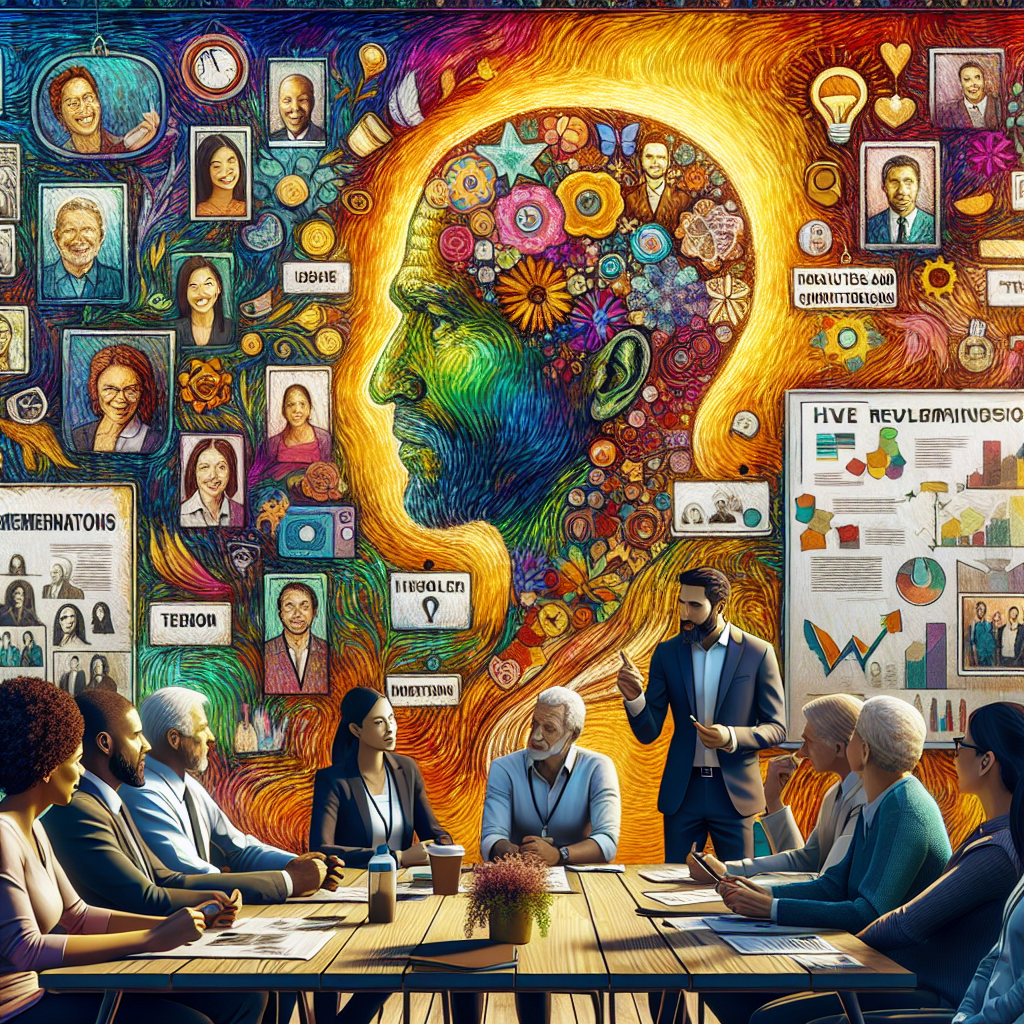
When it comes to sharing memories, the concept can often feel as tangled as a coat hanger with a half dozen loops and twists. It’s not just about recounting an event from our past; it’s about distilling that moment into a Legacy Storytelling that resonates not just with ourselves, but also with those who’ll listen. Each memory has its own flavor, but turning those flavors into a dish that others can enjoy is where the real challenge begins.
First off, there’s the simple matter of clarity. What seems crystal clear in your mind may come out in a muddled mess when you try to convey it to someone else. Our brains are like a beautifully complex machine that stores every detail, yet when we attempt to express what we remember, the gears can grind and get stuck. This is especially true when emotions are involved. The sheer weight of nostalgia or regret can smack down on our ability to communicate clearly, resulting in stories that veer off course or end up lacking the punch we wanted them to have.
Then there’s the concern of relevance. People often grapple with the question: is this memory worth sharing? We hold back, thinking our stories are too mundane or trivial. However, what you deem ordinary might be gold for someone else. This apprehension can stifle the flow of Legacy Storytelling; the fear that our piece may not find an audience, or worse, that it might not be valued. To share a memory is to offer a slice of ourselves, and laying that out can feel like inviting someone to rummage through our emotional attic.
Another obstacle can be the fear of judgment. Sharing a memory sometimes feels like exposing a raw nerve. Vulnerability walks hand-in-hand with storytelling, and for many, it’s a treacherous path. We might fear that our audience will misinterpret our intentions or misconstrue our motives. This fear can lead to half-told tales, where the full essence of the experience remains cloaked in ambiguity, leaving the listener wanting more yet unable to ask for it.
Lastly, the digital age adds another layer of complexity. In a world where everything is searchable and shareable, the idea of altering a memory to fit the mold of likes or shares can lead to a skewed narrative. In essence, the pressure to present a polished version of our past can undermine the raw, authentic essence that Legacy Storytelling thrives on.
In summary, while sharing memories can be an enriching experience, the hurdles can stifle that journey and leave many memories trapped within us, waiting for the right moment, the right audience, and the right approach to escape.

What Challenges Do People Face In Sharing Memories?
What Challenges Do People Face In Sharing Memories?
- Sharing memories involves distilling experiences into Legacy Storytelling that resonates with others.
- The clarity of memories can be lost when attempting to convey them, especially when emotions are involved.
- Concerns about the relevance of memories can prevent individuals from sharing what might be meaningful to others.
- Fear of judgment can make storytelling feel vulnerable, leading to incomplete or ambiguous sharing.
- The digital age complicates memory-sharing by creating pressure to present polished narratives for social validation.
- Legacy Storytelling can be challenging due to emotional weight and the fear of misinterpretation.
- Many memories remain untold due to the hurdles of clarity, relevance, judgment, and digital pressures.
What Challenges Do People Face In Sharing Memories?
How Can Technology Aid In Memory Sharing?
In today’s fast-paced world, where the chaos often drowns out the quieter moments, technology has stepped in as an unexpected ally in the realm of memory sharing. It’s remarkable to consider how our gadgets, once merely entertainment devices, have evolved into powerful tools for preserving our stories and experiences. Enter Legacy Storytelling, a movement gaining traction in every corner of society. It’s a way to keep our history alive, all thanks to the wonders of modern technology.
Just think about it: a simple smartphone can now capture the essence of who we are, collecting photographs, videos, and voice notes that can be stitched together into a narrative tapestry. This isn’t just about recording what we had for dinner or the latest cat meme. It’s about carving out moments worth remembering—like the tales of a grandparent’s youth, sordid family secrets, or the mundane daily rituals that define our existence.
Apps dedicated to memory sharing have emerged, making it easier than ever for families to document their collective journey. A video call that captures laughter, a shared meal, or the unplanned moments—these snapshots turn into living legacy stories waiting to be shared. And it’s a two-way street: older generations learn to navigate these digital landscapes alongside the younger ones, forging connections that span age gaps and outdated methods of communication.
Virtual reality (VR) is pushing the boundaries of how we share memories, offering immersive experiences where we can walk through the past. Ever thought about viewing your childhood home from a 360-degree perspective? Or reliving family vacations through the eyes of a loved one? Technology allows us not just to tell our stories but to experience them anew, with all the sensory detail we could ever want.
Let’s not forget about social media. It’s often seen as a double-edged sword, but when used mindfully, it becomes a platform for storytelling, sharing, and further enriching our life narratives. Through posts and threads, we can document milestones or gather contributions that serve as a digital scrapbook, showcasing the mosaic of our lives.
In a nutshell, technology isn’t just a convenience; it’s a catalyst for memory sharing—a means to ensure that our legacy stories endure, evolving from mere recollections to treasured shared experiences. So, while the world may keep spinning at its dizzying pace, we now have the tools to slow down, reflect, and create a tapestry of our tales that future generations will cherish.

How Can Technology Aid In Memory Sharing?
How Can Technology Aid In Memory Sharing?
- Technology has become an important ally in memory sharing, preserving stories and experiences.
- Legacy Storytelling is a growing movement that aims to keep history alive through modern technology.
- Smartphones can capture significant moments through photos, videos, and voice notes, creating a narrative tapestry.
- Memory-sharing apps facilitate documentation of family journeys, promoting connections across generations.
- Virtual reality (VR) offers immersive experiences to relive and share memories in a new way.
- Social media, when used mindfully, serves as a platform for storytelling and documenting milestones.
- Technology acts as a catalyst for memory sharing, transforming recollections into treasured shared experiences.

How Can Technology Aid In Memory Sharing?
Should I Focus On Positive Or Negative Memories?
When it comes to memories—those little snapshots we carry around in our heads—you might find yourself wondering whether to focus on the positive or negative. It’s an age-old debate, one that has a way of creeping into the conversation whenever folks gather around a campfire or the dinner table. But let’s be honest: life is a mixed bag, isn’t it? So, should you lean towards the sunshine or dance in the rain?
First, let’s talk about the charm of positive memories. They’re like a warm blanket on a chilly night—comforting, nostalgic, and often tied to our best moments. These memories help build what I like to call our “Legacy Storytelling.” Think about it: the tales we tell ourselves and each other shape our identity. When we share stories of triumph, joy, or even simple pleasures, we create a narrative that feels not just uplifting but also enriching. It’s like collecting trophies—little reminders of what we’ve accomplished and what makes us feel good.
Now, don’t get me wrong; there’s a place for negative memories in this narrative. They can be the teachers we never wanted but desperately needed. Sure, it’s easy to gloss over the tough times, but those challenging memories hold lessons that can’t be ignored. Every scar tells a story, and every misstep provides insight. In fact, it’s the blending of these experiences that offers depth to our Legacy Storytelling. The struggles and failures can serve as powerful reminders of how far we’ve come, making the positive moments all the sweeter.
What’s crucial is balance. Life’s not just a highlight reel; it’s a full-fledged documentary with rich, complex layers. Embracing both the highs and lows gives your story substance, and the ability to look back without rose-colored glasses is a skill worth honing.
So should you focus on positive or negative memories? The answer doesn’t have to be one or the other; it can—and often should—be both. Channel those positive memories to fuel your journey forward but don’t shy away from the negative ones. They’re part of your landscape, too. After all, it’s the contrasting colors of both light and dark that make a masterpiece worth viewing in the first place.

Should I Focus On Positive Or Negative Memories?
Should I Focus On Positive Or Negative Memories?
- Memories can be both positive and negative, reflecting the mixed nature of life.
- Positive memories serve as comforting reminders of our best moments, contributing to our “Legacy Storytelling.”.
- Sharing uplifting stories helps shape our identity and enrich our narrative.
- Negative memories, though difficult, provide valuable lessons and insights.
- Combining positive and negative experiences adds depth to our storytelling.
- Maintaining a balance between highs and lows enriches our life narrative.
- Both types of memories are essential in creating a complete and meaningful life story.

Should I Focus On Positive Or Negative Memories?
Conclusion
Conclusion: The Importance of Legacy Storytelling
In a world spinning faster than a sumo wrestler on a merry-go-round, we often find ourselves racing through life without taking a moment to appreciate the stories we carry. We accumulate a treasure trove of experiences—those moments that define us, including the scars, victories, and even awkward missteps. But here’s the kicker: these tales don’t just evaporate into thin air; they form the bedrock of who we are.
Let’s put this into perspective. Think of your life as a richly woven tapestry. Every thread represents a story, a memory, a lesson learned. When we engage in Legacy Storytelling, we’re giving future generations a toolkit of wisdom, insight, and connection to their roots. So what’s stopping you from sharing your narrative? Maybe it’s fear of judgment or self-doubt whispering, “Who would care about my stories?” Let me assure you—every story matters, even the most mundane ones. What you see as trivial could be the key to understanding a family legacy or a pivotal lesson for the next generation.
The art of preserving memories doesn’t have to be a daunting task, either. Thanks to the wonders of modern technology, we have the means to capture our lives in written words, videos, and even fleeting social media posts. But remember, it’s not just about the format; it’s about conveying emotion, context, and a sense of belonging. Invite your family around the table, share a good laugh, and recall the moments that made you who you are. Record those voices and faces—there’s immense power in hearing the stories told in person, filled with the very essence that makes them special.
As you embark on this journey of storytelling, think of it as a legacy not just for yourself, but for those who will come after you. By sharing your experiences—both the sunny days and the rainy ones—you provide the youth with a rich narrative tapestry they can touch, feel, and learn from. So go ahead, pick up that pen, grab your device, or simply take a stroll down memory lane with loved ones. Document those moments because they’re not just fleeting; they’re bridges connecting generations. Your stories are gifts waiting to be wrapped and shared, and who knows? They might just become the very compass that guides future generations through their own daunting journeys. Cheers to preserving your legacy, one story at a time!

Conclusion
Conclusion:
- Life is full of unique experiences and stories that define who we are.
- Legacy Storytelling allows us to share wisdom and insights with future generations.
- Every story, even seemingly trivial ones, can hold significant meaning for understanding family legacies.
- Modern technology makes it easier to document and share memories in various formats.
- Sharing stories fosters family connection and preserves the essence of our experiences.
- Storytelling serves as a legacy for future generations, providing them valuable lessons and narratives.
- Preserving your legacy through storytelling connects generations and strengthens familial bonds.

Conclusion
Other Resources
Other Resources
Here is a list of other resources you can review online to learn more:
- Bcelebrated
- Living Wisely
- LegalNature
- FuneralWise
- Memorial Matters
- Meminto
- YouMattered
- deviantART
- Your Digital Afterlife
- AmericanAncestors
Use This Prompt To Get More Resources With Your Favorite Online AI Tool: Please provide me with a list of online articles with their URLs in a bulleted list that I can read regarding Are Your Memories Worth Sharing with Future Generations?

Other Resources
Glossary Terms
Are Your Memories Worth Sharing with Future Generations? – Glossary Of Terms
1. Memories: Personal experiences and recollections that shape one’s identity and understanding.
2. Legacy: Something passed down from previous generations, often including values, traditions, and memories.
3. Oral History: The practice of collecting and preserving spoken recollections and stories from individuals about their experiences.
4. Genealogy: The study and tracing of family lineages and histories, often through shared memories and stories.
5. Storytelling: The art of narrating experiences and events, often used to impart lessons and values to future generations.
6. Cultural Heritage: The practices, languages, arts, and collective memory shared by a community or society, passed down through generations.
7. Psychohistory: A field that combines psychology and history; it explores how collective memories shape societal behaviors.
8. Reflection: The process of contemplating and examining past experiences to derive meaning and insights.
9. Ethical Will: A document or letter that shares one’s values, beliefs, and life lessons with future generations, often distinct from legal wills.
10. Photographic Memory: The ability to remember information or experiences with great detail, often visual, aiding in memory preservation.
11. Memory Bank: An informal term for the collective memories stored within an individual or community.
12. Reminiscence: The act of recalling past experiences, often accompanied by a sense of nostalgia.
13. Narrative: A structured account of events or experiences that convey meaning and context, usually guided by a storyteller’s perspective.
14. Archiving: The process of preserving and storing documents, stories, and artifacts for future reference and remembrance.
15. Tradition: Established customs and practices passed down through generations, often encompassing shared memories and stories.
16. Sentimentality: A tender or emotional response to memories that can influence how stories are shared and perceived.
17. Curation: The act of organizing and selecting memories, stories, or artifacts for preservation and sharing.
18. Memory Mapping: A visual representation of memories linked to specific places, events, or experiences, illustrating their connections.
19. Legacy Project: A deliberate initiative to document and share personal or familial memories for the benefit of future generations.
20. Wisdom Sharing: The process of passing down knowledge and insights gained from personal experiences to others.
21. Intergenerational Dialogue: Conversations between different generations aimed at sharing experiences and understanding diverse perspectives.
22. Collective Memory: The shared pool of memories that groups of people remember and pass on, reflecting their identity and culture.
23. Digital Storytelling: Using digital tools and platforms to convey personal stories and memories, expanding the reach and impact of shared experiences.
24. Archival Research: Investigating historical records and documents to connect with past stories and memories, often for preservation purposes.
25. Emotional Legacy: The feelings and emotional impacts left behind that resonate with those who recall a person’s life and experiences.
26. Memory Lane: A metaphorical term often used to describe reflecting on one’s past experiences, evoking nostalgic feelings.
27. Documentary: A non-fiction film or series aimed at documenting and exploring historical events, personal stories, or cultural memories.
28. Memory Preservation: The act of safeguarding personal experiences and memories to ensure they remain accessible to future generations.
29. Legacy Letters: Letters written to loved ones that convey personal stories, beliefs, and life lessons, serving as a form of memory sharing.
30. Personal Narrative: An individual’s unique story that incorporates their experiences, beliefs, and reflections, often used to connect with others and future generations.

Glossary Of Terms
Other Questions
Are Your Memories Worth Sharing with Future Generations? – Other Questions
If you wish to explore and discover more, consider looking for answers to these questions:
- How can I start the process of Legacy Storytelling?
- What tools are available for documenting my memories?
- How can I encourage my family to share their stories?
- What are some prompts to help me recall my memories?
- Is there a specific age when one should start preserving stories?
- Why do some people struggle to share their memories?
- How do cultural differences affect memory sharing?
- What are the benefits of sharing stories with children?
- Can memory sharing strengthen family bonds?
- How can I ensure my stories are engaging for future generations?
- What are the ethical considerations involved in sharing family stories?
- Can memory sharing help in processing grief or loss?
- What role do photographs play in Legacy Storytelling?
- How can I preserve my memories in a digital format?
- Are there any workshops or courses on Legacy Storytelling?

Other Questions
Haiku
Are Your Memories Worth Sharing with Future Generations? – A Haiku
Memories converge here,
Stories weave through time and hearts,
Legacies endure.

Haiku
Poem
Are Your Memories Worth Sharing with Future Generations? – A Poem
In the swift current of modern days,
Where moments flicker and swiftly blaze,
We sift through whispers of who we’ve been,
To share the tales that dwell within.
Legacy stories, a priceless thread,
Stitch our past to the lives ahead.
Every scar and triumph, every joy and strife,
We weave them together, the fabric of life.
Imagine the echoes of ancestors’ dreams,
Carried in laughter, in tears, in screams.
Through stories told at family feasts,
We foster connections, nurture the least.
What do we want future generations to know?
Of struggles we faced and lessons that grow.
Each memory a thread woven into the quilt,
Creating a tapestry, rich and well-built.
Speak softly by fires or record your sweet voice,
In journals or blogs, let your heart make a choice.
The mundane and monumental, each piece holds its place,
In the saga of lineage woven with grace.
Though challenges arise in making memories clear,
The fear of rejection or judgment can sear.
Yet vulnerability’s power, when shared with intent,
Turns our wounds into wisdom, our traumas to strength.
In this digital age where moments can slip,
Our smartphones and apps lend their supportive grip.
With technology’s aid, our stories take flight,
Capturing laughter and love, igniting the night.
Should we focus on sunshine or shadows that loom?
Both colors enrich this beautifully woven loom.
For life in its fullness is more than a cheer,
It’s the highs and the lows that bring depth to the sphere.
So gather your tales, let your spirit be bold,
The legacy you craft is a treasure to hold.
In sharing your memories, let love be the guide,
For in every connection, your stories abide.

Poem
Checklist
Are Your Memories Worth Sharing with Future Generations? – A Checklist
1. Reflect and Identify
_____ Think about key moments in your life: triumphs, struggles, and lessons learned.
_____ List memorable stories that you would like to share.
2. Choose Your Approach
_____ Decide on a storytelling format that resonates with you:
_____ Written (diary, memoir, or blog)
_____ Audio (podcast or voice recordings)
_____ Visual (photography, scrapbooks, or video recordings)
_____ Oral (sharing stories during family gatherings)
3. Gather Materials
_____ If writing, choose a journal, notebook, or digital platform.
_____ For audio/video, gather necessary equipment (smartphone, camera, etc. ).
_____ Collect any physical mementos (photos, heirlooms) to accompany your stories.
4. Create a Comfortable Space
_____ Set up a peaceful environment for storytelling.
_____ Invite family members or friends to create an engaging storytelling atmosphere.
5. Record Conversations
_____ Encourage family discussions where you can narrate stories aloud.
_____ Record these sessions for future reflection and sharing.
6. Write Regularly
_____ Set aside time each week to write or document your memories.
_____ Regular journaling can deepen memory retention and storytelling skills.
7. Utilize Technology
_____ Explore apps and platforms dedicated to memory sharing.
_____ Consider using social media mindfully to document and share family stories.
8. Include Both Positives and Negatives
_____ Balance your stories by incorporating both joyful moments and challenging experiences.
_____ Reflect on the lessons learned from difficult times to add depth to your narrative.
9. Share with Future Generations
_____ Create opportunities for family members to hear your stories.
_____ Consider writing letters to be read in the future or creating a family archive.
10. Review and Update Regularly
_____ Periodically revisit your stories and add new experiences.
_____ Encourage family members to contribute their own stories and memories.
11. Create a Legacy Plan
_____ Decide how you want to preserve and share your stories after you’re gone (books, recordings, family gatherings).
_____ Discuss your legacy plan with family to ensure they understand its importance.
12. Encourage Continuation
_____ Inspire younger family members to document their own stories.
_____ Establish family traditions centered around storytelling.
By following this checklist, you will embark on a meaningful journey of Legacy Storytelling that connects generations and enriches your family’s history.

Checklist
At LegacyExplorations, we help people plan and explore their legacy by collecting information and news regarding end-of-life planning.
Please share this post with your friends, family, or business associates who may want help to plan or explore their legacy.