

The Art Of Preserving Memories: A Timeless Approach
By Tom Seest
At LegacyExplorations, we help people plan and explore their legacy by collecting information and news regarding end-of-life planning.
Please share this post with your friends, family, or business associates who may want help to plan or explore their legacy.
Avoiding The Digital Dustbin: Archiving That Lasts
In today’s digital age, it’s all too easy to let our most cherished memories slip into the abyss of cyberspace. We snap photos, send messages, and create digital treasures every day, but what happens when the devices go silent, or the apps we relied on fade into obscurity? That’s the thing about digital dust—once it settles, it can be hard to reclaim those pieces of our lives that tell our unique stories. This isn’t just a technical issue; it’s a matter of legacy storytelling. Our stories deserve to be preserved, cherished, and passed down, not lost in the shuffle of bits and bytes.
Archiving isn’t merely about storage; it’s about ensuring that the essence of who we are and what we’ve experienced is captured and maintained. Think about it—each photo, each handwritten note, each video clip is a thread in the tapestry of your life. Without a proper archiving strategy, those threads can easily fray and disappear. This isn’t just an inconvenience; it’s a disservice to future generations who may want to understand where they came from, the trials we faced, and the joy we found along the way.
Emotionally, we yearn for connection, for our lives to matter. If we fail to archive our stories, we deny our loved ones the chance to celebrate our victories and learn from our struggles. There’s a certain gravity to knowing that years from now, your great-grandchildren will pull out an album or boot up an old hard drive and feel a connection to you—a living echo of laughter, sorrow, and triumph.
Rationally, taking the time to organize and archive today’s digital clutter is an investment in the future. Consider the ethics that come with guardianship over memories. By prioritizing archiving, we’re making a promise—to ourselves and those we leave behind—that their heritage is worthy of preservation.
Now, it’s time to take action. Start today. Gather your images, your documents, your stories. Formulate a plan that fits your life and your technology—engage with tools that can help you create a sustainable archive. Your legacy storytelling deserves more than a fleeting moment; it deserves to last a lifetime and beyond. Embrace this responsibility, and together, we can ensure that the dust never settles on what truly matters.

Avoiding The Digital Dustbin: Archiving That Lasts
Avoiding The Digital Dustbin: Archiving That Lasts
- Digital memories are at risk of being lost in the ever-changing technological landscape.
- Archiving is essential for preserving the essence of our experiences and stories.
- Each digital item contributes to the tapestry of our lives and can be easily lost without proper strategy.
- Failure to archive denies future generations the opportunity to learn about their heritage.
- Archiving fosters emotional connections with future descendants, allowing them to celebrate and understand our lives.
- Organizing and archiving digital clutter is a rational investment in preserving family history.
- Taking action now involves gathering and planning the preservation of our digital memories responsibly.
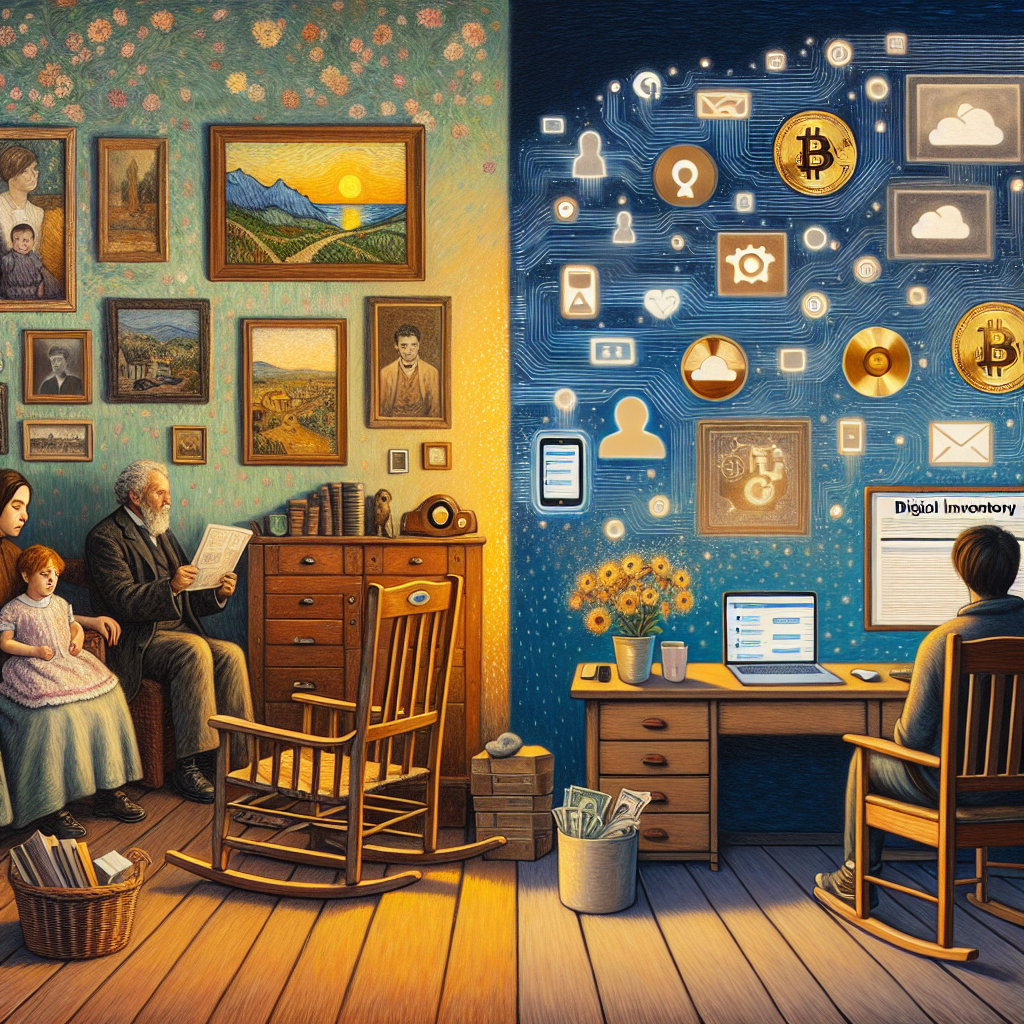
Avoiding The Digital Dustbin: Archiving That Lasts
Table Of Contents
- Avoiding The Digital Dustbin: Archiving That Lasts
- What Memories Deserve To Be Protected And Cherished Forever?
- How Can We Ensure Our Digital Legacy Remains Intact?
- Is Your Online Presence A True Reflection Of Your Life Story?
- What Ethical Responsibilities Do We Have To Our Digital Heirs?
- How Do We Balance Nostalgia With The Need For Digital Clarity?
- Can We Trust Technology To Preserve Our Most Precious Moments?
- What Role Do Stories Play In The Value Of Our Archived Content?
- Conclusion
- Other Resources
- Glossary Of Terms
- Other Questions
- Haiku
- Poem
- Checklist
What Memories Deserve To Be Protected And Cherished Forever?
When we think about the memories worth protecting and cherishing, it’s essential to remember that these moments shape our legacy. They form the backbone of our existence and often emerge from the simplest of experiences. Consider the quiet moments spent with family, where laughter dances through the room, or the profound conversations held over a shared meal—these are the snapshots that often play in our minds even as the years pass. In an age swamped with ephemeral social media posts, we must ask ourselves: what truly deserves to be held close?
First, think about the memories that carry weight—the ones that embody struggle and resilience. Perhaps it’s the story of a parent who made sacrifices to provide for their family or the moments you shared with a mentor who lit your path. These narratives resonate deeply, not only inspiring us but also offering lessons that can transcend time. Such memories reinforce our values and teach us what it means to truly connect with one another.
It’s also crucial to embrace those moments laden with joy—the spontaneous road trips, the late-night conversations with friends where hearts are laid bare, and the simple, yet profound, act of holding hands during a challenging time. These experiences remind us of our shared humanity. They urge us to foster connections that span beyond ourselves, building a community of shared stories.
From a more pragmatic standpoint, preserving our memories through legacy storytelling is a way to create future touchstones for generations to come. It’s about passing down tales that can galvanize younger relatives, offering them a glimpse of their roots and the values that hold our families together. When we share these stories, we’re not just reminiscing; we’re actively shaping the moral fabric of future generations.
We have an ethical responsibility to curate our memories deliberately. In a world where anything can be forgotten in an instant, choosing to remember—and to honor—what is truly meaningful affirms our identities. Each laugh, each tear, each milestone contributes to the rich tapestry of who we are. So, let’s pause, reflect, and invest in safeguarding those memories that inspire trust and confidence in ourselves and our legacy. It’s not just about preserving the past—it’s about nurturing a future rich with meaning.

What Memories Deserve To Be Protected And Cherished Forever?
What Memories Deserve To Be Protected And Cherished Forever?
- Memories shape our legacy and form the backbone of our existence.
- Simple experiences, like family laughter and shared meals, often define our cherished memories.
- Significant memories embody struggle and resilience, offering lessons that can transcend time.
- Joyful moments, such as spontaneous road trips and heartfelt conversations, remind us of our shared humanity.
- Preserving memories through storytelling creates future touchstones for younger generations.
- We have an ethical responsibility to curate our memories deliberately to affirm our identities.
- Investing in meaningful memories nurtures a future rich with meaning and connection.

What Memories Deserve To Be Protected And Cherished Forever?
How Can We Ensure Our Digital Legacy Remains Intact?
When thinking about the digital footprint we leave behind, it’s hard not to feel a tug at the heartstrings. This isn’t just about data and bytes; this is about Legacy. It’s about the laughter, the tears, the wisdom we’ve gained, and the stories that define who we are. Legacy storytelling—that personal narrative threaded through our emails, social media posts, and digital photographs—serves as a bridge, connecting generations. Imagine your grandchildren scrolling through your old photos or re-reading your words, feeling the essence of you in every keystroke.
But let’s engage the head as well. The sheer volume of our digital output can be overwhelming. Websites shut down; platforms change their policies. Your brilliant thoughts may vanish into the ether if you don’t take steps to preserve them. Utilize tools and services that allow you to organize and safeguard your digital materials. Backup your accounts, keep passwords secure, and establish a clear plan for what happens to your digital assets. It’s not just a smart move; it reflects a responsibility to those you love.
We must also consider the ethical implications of our digital legacy. Do we want to leave behind a jumble of data that could misrepresent us, or do we wish to curate a meaningful narrative that echoes our values and principles? This is not just an individual choice; it is part of a collective responsibility toward those who will sift through our digital remnants long after we’re gone. Give them clarity.
Now, let’s not forget the gut instinct. There’s a raw truth in knowing that one day we won’t be here. Our legacy, our story, is what remains. It urges us to take action. Set aside time to think about what you’d like to be remembered for. Write down your thoughts, share your experiences, and engage with loved ones. Connect the dots of your life, creating a rich tapestry that future generations can draw from.
In this interconnected world, our digital legacy doesn’t just belong to us; it’s a communal narrative. So let’s ensure it reflects the best of who we are. Fill it with compassion, wisdom, and authenticity so that it resonates, inspires, and invites others to weave their stories into the fabric of life. Your legacy matters. Make it count.

How Can We Ensure Our Digital Legacy Remains Intact?
How Can We Ensure Our Digital Legacy Remains Intact?
- Digital footprints reflect our legacy, encompassing our laughter, tears, wisdom, and defining stories.
- Legacy storytelling bridges generations through emails, social media, and digital photographs.
- The overwhelming volume of digital output requires us to preserve our thoughts and memories effectively.
- Safeguard digital materials by backing up accounts, securing passwords, and planning for digital assets.
- Curate a meaningful narrative that echoes personal values to prevent leaving behind a jumble of data.
- Take action to define what you want to be remembered for; share experiences with loved ones.
- Our digital legacy is a communal narrative that should reflect compassion, wisdom, and authenticity.

How Can We Ensure Our Digital Legacy Remains Intact?
Is Your Online Presence A True Reflection Of Your Life Story?
In today’s digital landscape, we often find ourselves curating an online persona that feels like a glossy brochure of our lives. But here’s the crux: is that persona aligned with who we really are? It’s easy to get swept up in the allure of likes and follows, crafting a façade that may shine but lacks depth. This becomes especially poignant when we consider the concept of legacy storytelling—how the narrative we present online will echo through time and shape the stories that others tell about us.
When you scroll through your social feeds, what do you see? Perhaps pictures of vacations, perfectly plated meals, and smiles that seem to freeze time. Those moments are special, no doubt, but they’re just snapshots. They don’t capture the grit, the grind, or the genuine struggles that define our human experience. There’s beauty in vulnerability, and often, the most compelling stories emerge from the messy and imperfect parts of our lives—the late-night failures, the unexpected victories, or even the quiet resilience demonstrated in everyday moments. This is the essence of boundary-pushing legacy storytelling.
Think about it. How do you want to be remembered? As a series of highlight reels or as someone who navigated the complexities of life with authenticity? This isn’t merely about the legacy you leave behind; it’s about the connections you forge along the way. When you share the whole truth of who you are—the ups, the downs, and everything in between—you invite others to do the same, creating a ripple effect that fosters community and understanding.
It’s in this shared humanity that we find strength. When we tell our real stories, we inspire trust and confidence among ourselves and our networks. We become relatable, more than carefully curated images. Start by asking yourself, what stories are you telling? Are they reflections of your true self or simply whispers of societal expectations? It takes courage to unearth your genuine narrative, but the rewards are profound.
So take a step back and evaluate your online presence. Is it a true reflection of your heart, your struggles, your triumphs? Or is it simply a polished façade? The world is waiting to hear your authentic story—one that can inspire, connect, and resonate long after the likes fade. Embrace the messy journey of life; it’s there that the magic truly happens.
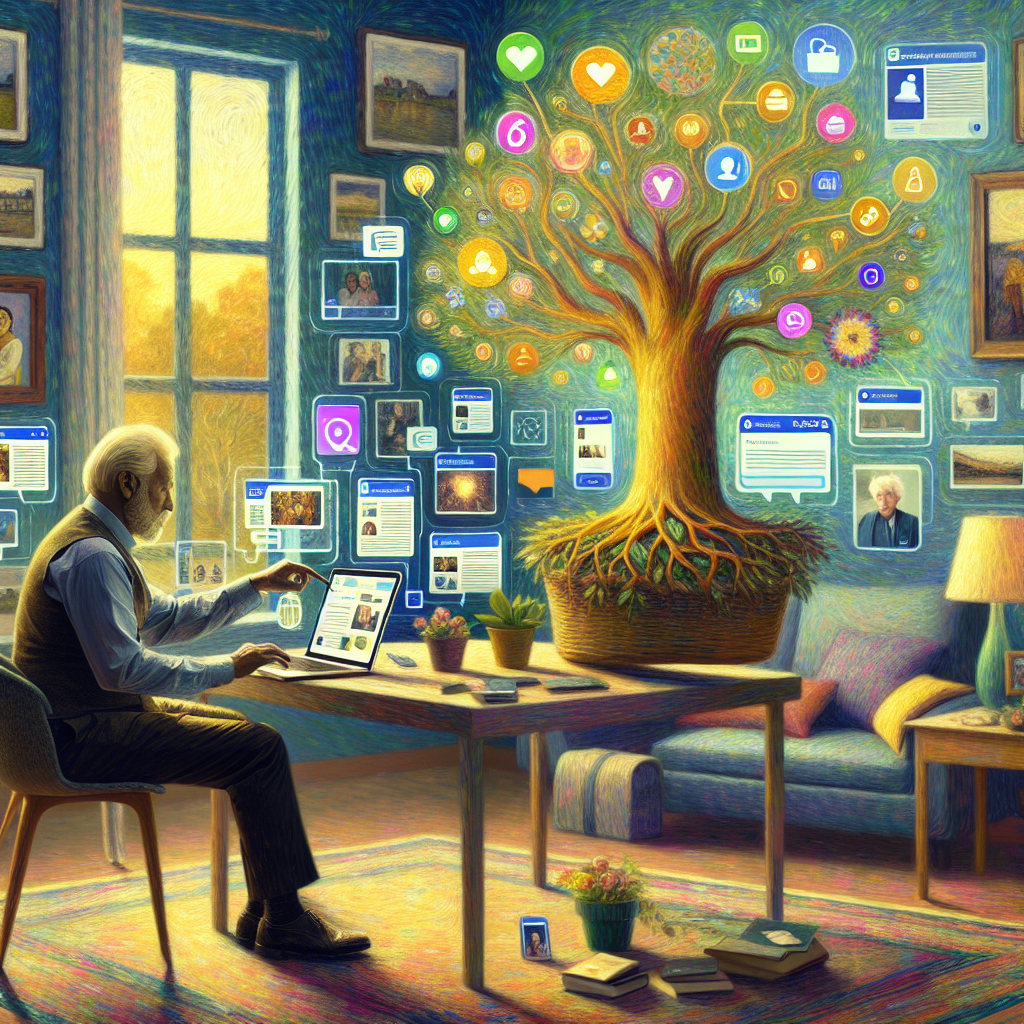
Is Your Online Presence A True Reflection Of Your Life Story?
Is Your Online Presence A True Reflection Of Your Life Story?
- We curate online personas that often resemble glossy brochures of our lives.
- It’s crucial to evaluate if this online image aligns with our true selves.
- Legacy storytelling shapes how our narratives will be remembered over time.
- Social feeds often showcase curated moments, but miss the genuine struggles and complexities of life.
- True storytelling encompasses both the highs and lows, fostering community and understanding.
- Being authentic and vulnerable inspires trust and relatability among our networks.
- It’s important to assess if our online presence reflects our true selves or just societal expectations.

Is Your Online Presence A True Reflection Of Your Life Story?
What Ethical Responsibilities Do We Have To Our Digital Heirs?
In a world where our lives are increasingly lived online, the question of what we leave behind for our digital heirs takes on a poignant significance. The concept of legacy storytelling transcends the mere sharing of possessions; it’s about the memories, values, and lessons we pass on through the digital footprints we create. Think about it. Your emails, social media posts, and even the playlists you curate reflect who you are. They contain your laughter, your struggles, and your triumphs—each one a thread in the rich tapestry of your existence.
Ethical responsibilities to our digital heirs aren’t just a legal matter; they delve deep into the fabric of human connection. It’s about asking ourselves: what do we want our loved ones to remember? When that fateful day comes when we can no longer share our stories directly, how can we ensure that our voices continue to echo in the minds and hearts of those we leave behind? This isn’t theoretical; it’s real. By embracing legacy storytelling now, we consciously shape the narrative that our digital heirs will carry forward.
But let’s be realistic here—navigating this digital landscape can feel daunting. It’s easy to dismiss our digital legacies as an afterthought. However, consider the emotional weight of your content. Videos of family gatherings, heartfelt messages, and even those quirky memes you shared—they all tell a story. How we engage with these assets defines the guidelines for future generations to understand who we were, how we loved, and what we cherished.
Practically speaking, creating a plan for our digital assets is no different than having a will. It’s about taking ownership of your narrative. Can you picture your grandchildren scrolling through your old blog posts or favorite recipes one day, laughing and learning about you? This is where ethics and responsibility intersect—a chance to provide context, instill values, and inspire future generations to live authentically just as you did.
It’s not just about safeguarding passwords or setting up digital trusts; it’s about fostering connections that span beyond our lifetimes. Engage your loved ones, discuss what matters most, and ensure that the lessons learned and stories told don’t fade into the abyss of the internet. This responsibility shouldn’t feel burdensome; rather, it should ignite a sense of purpose to communicate and connect in ways that truly matter. Let’s pave the way for a legacy that resonates well into the future.

What Ethical Responsibilities Do We Have To Our Digital Heirs?
What Ethical Responsibilities Do We Have To Our Digital Heirs?
- The digital legacy we leave behind holds significant emotional weight, comprising our memories, values, and life experiences.
- Legacy storytelling goes beyond possessions, encompassing our digital footprints like emails, social media posts, and playlists.
- Ethical responsibilities toward our digital heirs prompt us to consider the memories and lessons we wish to pass on.
- Engaging with our digital assets allows future generations to better understand who we were and how we lived.
- Creating a plan for digital assets is akin to drafting a will; it shapes our narrative and influences our descendants.
- This process should foster connections and discussions about what truly matters rather than feel like a burden.
- By embracing legacy storytelling now, we can ensure our voices and values resonate beyond our lifetimes.

What Ethical Responsibilities Do We Have To Our Digital Heirs?
How Do We Balance Nostalgia With The Need For Digital Clarity?
Think for a moment about the simple, unforgettable moments from your past. Maybe it’s the smell of fresh-cut grass on a summer morning or the crackling sound of bacon frying in a skillet—each a snapshot from a legacy storytelling that nourishes the soul. We are woven from these experiences, yet we find ourselves adrift in a sea of digital noise, where clarity often takes a backseat to the cacophony of constant updates and notifications.
Now, let’s consider both sides. Nostalgia isn’t just a warm blanket; it’s a compass guiding our values and decisions. When we reminisce, we anchor ourselves in history, context, and in what makes us who we are. This is the heart call to connect, to embrace our roots while navigating the modern world. But while nostalgia pulls us toward memory, it’s the necessity for digital clarity that propels us into the future, ensuring we don’t get lost in the layers of our own past. Finding that fine line is where the magic happens.
Rationally, we must ask ourselves: How do we honor our stories without letting them cloud our vision? The answer might lie in intentionality. Embrace the lessons of the past, allowing them to inform our digital engagements without overshadowing the present. It calls on us to curate our digital spaces thoughtfully, to sift through the noise and hone in on what truly matters. This isn’t merely a choice—it’s a necessity in a world urgent to pull us in every direction.
Ethically, we must also reflect on our legacy. By sharing our stories, we cultivate connection, foster understanding, and inspire others. This wider circle reinforces the idea that, while nostalgia can be a comfort, clarity is key to living fully and authentically. Conversely, we cannot afford to isolate ourselves in our memories. The most powerful stories are those that blend the old with the new, that breathe life into forgotten legacies and adapt them for modern ears.
Ultimately, it’s a delicate balance. Lean too hard on nostalgia, and clarity slips through your fingers. Prioritize clarity alone, and you risk losing the depth of your story. As we navigate this modern landscape, let’s commit to honoring our past while forging ahead—making each keystroke, each click, a chance to blend memory with meaning. After all, our legacy isn’t merely what we story-share; it’s how we choose to live it every day.
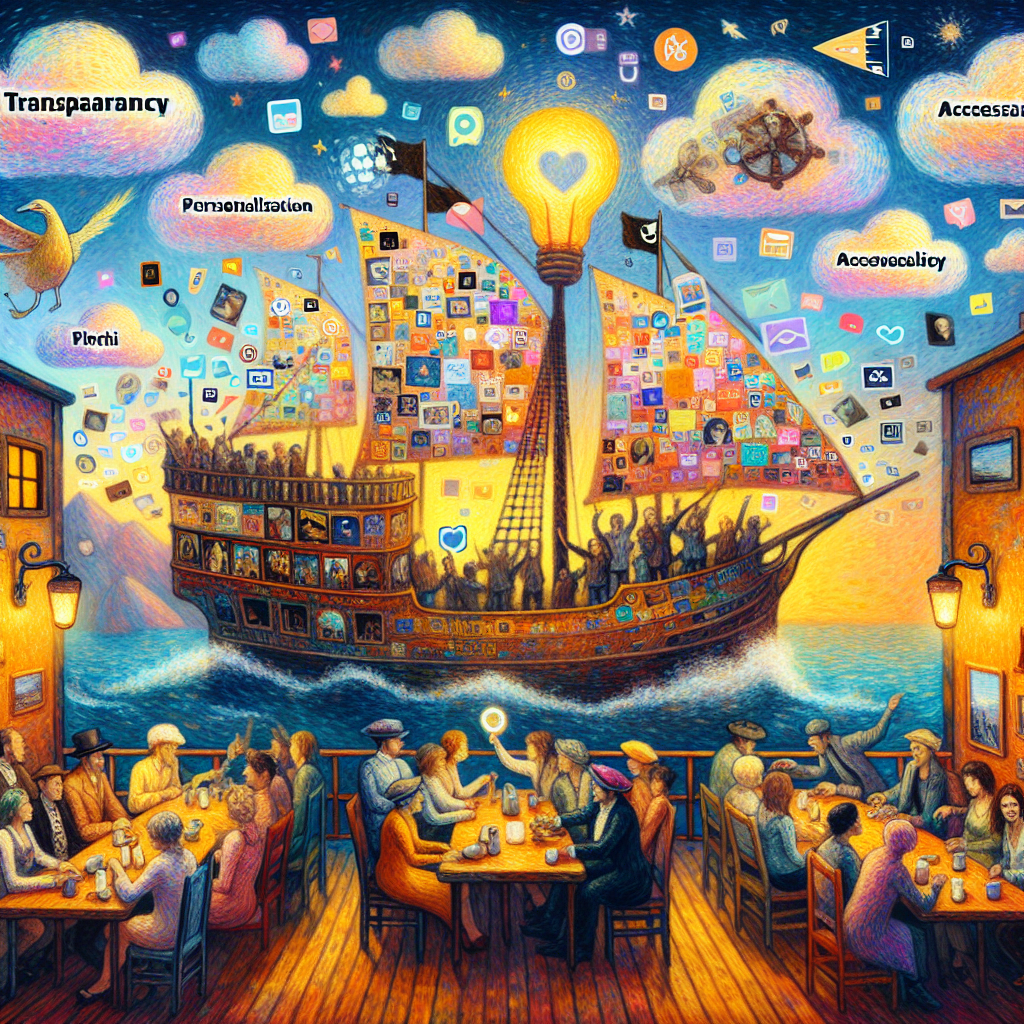
How Do We Balance Nostalgia With The Need For Digital Clarity?
How Do We Balance Nostalgia With The Need For Digital Clarity?
- Unforgettable moments from the past, like scents and sounds, nourish the soul and shape our identity.
- Nostalgia serves as a compass, connecting us to our values and guiding our decisions.
- A delicate balance between nostalgia and digital clarity is crucial to navigate modern life.
- Intentionality is key in honoring our stories without allowing them to cloud present clarity.
- Curating our digital spaces helps sift through noise, focusing on what truly matters.
- Sharing stories fosters connection and understanding, blending old and new for relevance.
- Each action online should aim to blend memory with meaning, honoring the past while living authentically in the present.
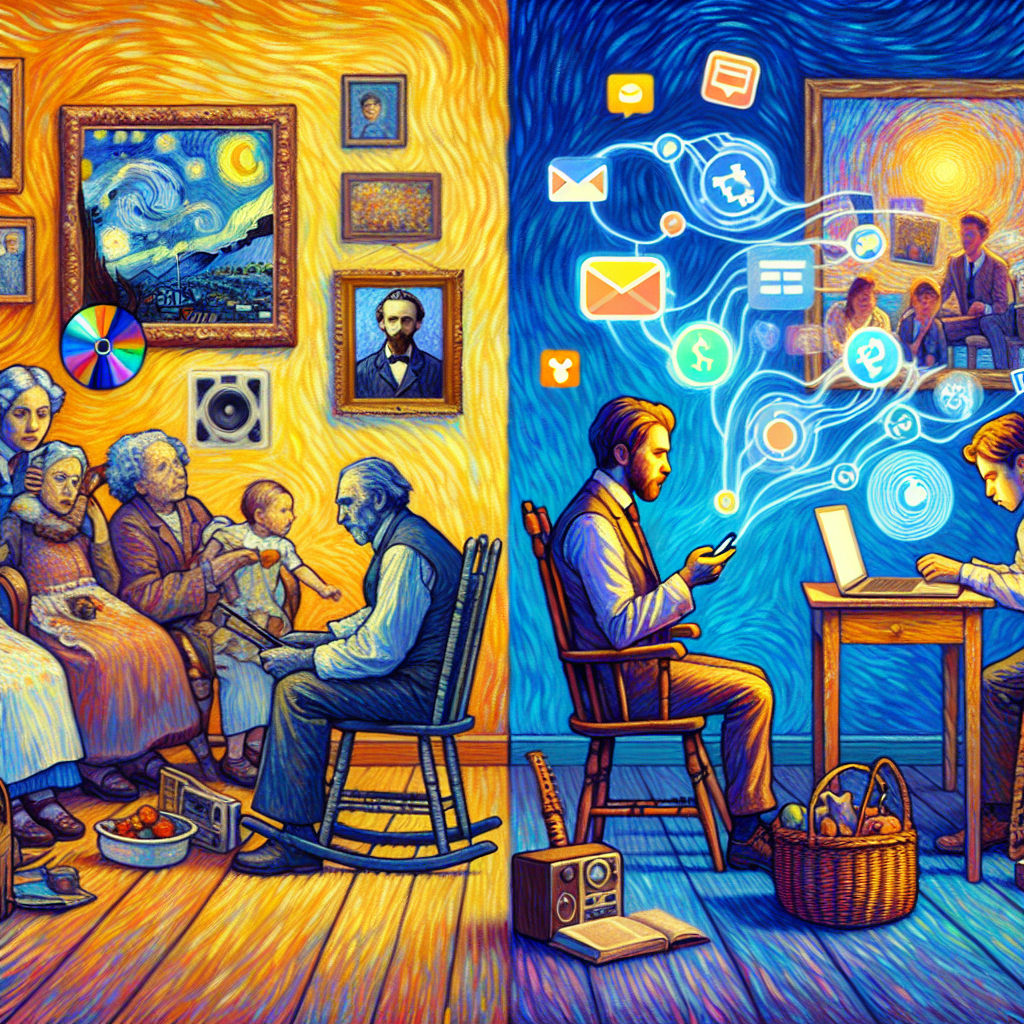
How Do We Balance Nostalgia With The Need For Digital Clarity?
Can We Trust Technology To Preserve Our Most Precious Moments?
When we look back on our lives, it’s the moments that matter—the family gatherings, the laughter of childhood, the bittersweet farewells—that weave the fabric of our legacy. Today, technology stands as both a witness and a participant in our stories. We have smartphones, social media, and cloud storage—tools designed to capture and preserve these fleeting memories. But can we really trust them to tell our legacy story?
Imagine the joy that fills a room during a family reunion, the warmth of shared stories, and the comforting embrace of loved ones. We capture these moments with our devices, sealing them in digital vaults. Yet, how many of us have heard tales of forgotten passwords, lost devices, or the dreaded tech crash? These aren’t just glitches; they’re heart-wrenching losses. Each failed backup or corrupted file represents a piece of our lives—a grandparent’s last birthday, a child’s first steps. It begs the question: can we rely on these modern marvels to safeguard what we hold dear?
To trust technology with our memories is to place faith in its ability to serve us, not the other way around. Think about it—a thousand photos might tell a generic story, but a carefully curated collection, filled with context and intention, captures the essence of who we are. This isn’t just about preserving a memory; it’s about honoring our experiences and ensuring our stories endure.
Moreover, consider the ethical implications. As we choose which moments to share and preserve, we must grapple with the reality of our digital footprints. Our legacy story is not just for us; it extends to future generations. How will they perceive our values, our joys, our struggles, if we offer them a sanitized, filtered version of life? To connect with them authentically, we must paint a holistic picture, complete with the messy, raw edges that make us human.
In a world where technology evolves at breakneck speed, it’s essential to forge a relationship with these tools that fosters trust and confidence. Start by backing up memories in multiple ways—consider tangible keepsakes alongside digital storage. Encourage dialogue with loved ones about what matters most, creating a tapestry of voices that enriches your legacy story.
Ultimately, it’s about connection—between us and our memories, and between generations. We have the power to shape how our stories are told, so let’s embrace technology not as a replacement, but as an ally in preserving what truly matters.

Can We Trust Technology To Preserve Our Most Precious Moments?
Can We Trust Technology To Preserve Our Most Precious Moments?
- Life’s moments, like family gatherings and childhood laughter, shape our legacy.
- Technology, including smartphones and social media, serves to capture and preserve memories.
- Concerns exist regarding trusting technology to secure our important memories due to risks like lost devices and failed backups.
- A curated collection of memories, with context, is more meaningful than a large number of generic photos.
- Consider the ethical implications of our digital footprints and how they affect future generations’ perceptions of our lives.
- Developing trust in technology requires backing up memories in multiple ways and fostering dialogue about what matters most.
- Embrace technology as an ally in preserving meaningful connections and the essence of our stories.

Can We Trust Technology To Preserve Our Most Precious Moments?
What Role Do Stories Play In The Value Of Our Archived Content?
When we think about archived content, we often get wrapped up in numbers, dates, and cold, hard facts. But what if we turned this on its head and considered something far more profound? What if we saw our archived pieces as legacy storytelling—a chance to convey the essence of who we are and what we believe?
We live in a world bursting with noise, where genuine connection feels sparse amid the clamor. But stories—they reach for us in a way that data simply can’t. They tug at our heartstrings, invoking memories and emotions that have shaped our very existence. Think about your favorite story: it isn’t just about plot points; it’s about the feelings it evokes, the lessons it imparts, the shared experiences that bind us. Legacy storytelling, then, is an opportunity to transform dusty archives into vibrant narratives that bridge generations, sharing wisdom, courage, and perhaps even vulnerability.
On a rational level, we can’t ignore the value of this content as a resource. When we distill our archived materials into stories, we make them accessible, engaging, and unforgettable. People are more likely to remember a story than a statistic; it’s human nature. By crafting narratives that intertwine our facts with personal anecdotes and relatable scenarios, we invite our audience to explore our history through relatable lenses. This engagement strengthens not just understanding, but also empathy, fostering a collective identity that is rooted in shared experience.
Ethically, we have a responsibility to preserve these stories—not just for ourselves, but for the benefit of future generations. When we archive with purpose, we leave behind something meaningful—a treasure trove that can inspire action, provoke thought, or prompt a sense of belonging. Our stories can serve as a guiding hand for those who will come after us, reminding them of what was learned and why it mattered.
Finally, let’s not overlook the social fabric woven from these narratives. We are not separate entities; we are interconnected threads in a larger tapestry. Legacy storytelling invites us to share our truths, creating a communal experience that can unite us in ways mere facts cannot. When we uplift our archived content through storytelling, we forge connections—encouraging trust, sparking conversations, and ultimately inspiring action to evolve our legacy as a vibrant, living entity.

What Role Do Stories Play In The Value Of Our Archived Content?
What Role Do Stories Play In The Value Of Our Archived Content?
- Archived content should be viewed as legacy storytelling, conveying who we are and what we believe.
- Stories create genuine connections, evoking emotions and memories that statistics cannot achieve.
- Legacy storytelling transforms archived materials into engaging narratives that bridge generations.
- Retelling facts through personal anecdotes enhances accessibility and memorability for audiences.
- Preserving these stories ethically benefits future generations, creating a meaningful legacy.
- Storytelling fosters a collective identity rooted in shared experiences and understanding.
- Legacy storytelling strengthens social connections, encouraging trust and inspiring action within communities.

What Role Do Stories Play In The Value Of Our Archived Content?
Conclusion
In a world increasingly defined by the ephemeral, the urgency for us to reclaim our stories becomes paramount. Memories flutter by like leaves in the wind, and in the hustle of daily life, it’s all too easy to lose the essence of what makes us, well, us. Digital clutter piles up, and our most cherished moments risk being consigned to the digital dustbin. It’s time to take a stand. Our lives are more than a series of photos, fleeting texts, or social media snapshots; they are intricate narratives woven from laughter, tears, and growth.
Think about it. Each photo holds a story, each message a fragment of our identity. As we grapple with the relentless march of technology, we owe it to ourselves and future generations to curate and preserve these threads. Legacy storytelling is not just an artistic endeavor; it’s a moral imperative. This act of archiving is a promise—to honor our past and guide those who will follow, illuminating their paths with the wisdom of our experiences.
Every moment worth saving transforms our legacy into a heartfelt connection that transcends time. By consciously preserving our stories, we ensure our trials become lessons and our celebrations live on. Imagine your great-grandchildren flipping through a scrapbook filled with not just flawless moments but the raw, unfiltered experiences that shaped who you are. Those stories can teach resilience, encourage courage, and inspire empathy.
Our digital presence is a double-edged sword. While technology offers unprecedented tools for capturing life’s milestones, it’s vital to remember these tools are not infallible. Crashes happen; platforms evolve or fade away. The responsibility to safeguard our legacies rests in our hands. Backup plans, intentional curation, and discussions with loved ones are not mere tasks; they are the building blocks of a lasting heritage.
The stakes are high because our digital echoes will tell stories for generations to come. How do we choose to be remembered? As authors of our own narratives, we must embrace authenticity, sharing not just the polished highlights but also the struggles that define our humanity. Each of us has the power to shape a legacy that endures—a tapestry woven from shared truth, connection, and meaning.
Let’s rise to the occasion. Embrace the responsibility to capture and archive the memories that matter. It’s time to prevent the dust from settling on our stories and instead allow them to flourish, offering an inspiring roadmap for the future. Together, we can nurture a legacy that resonates far beyond our years and reinvigorates the human experience for generations to come. After all, the stories we leave behind are what truly bind us together.

Conclusion
Conclusion:
- The urgency to reclaim our stories is increasing in a world defined by fleeting moments.
- Digital clutter risks losing our cherished memories, reducing our lives to mere fragments.
- Legacy storytelling is essential for preserving our narratives for future generations.
- Every saved moment transforms our legacy into connections that transcend time.
- Our digital presence requires intentional safeguarding to avoid loss from technological failures.
- We must embrace authenticity in our narratives, sharing both triumphs and struggles.
- Capturing and archiving meaningful memories nurtures a lasting legacy that binds us together.

Conclusion
Other Resources

Other Resources
Here is a list of other resources you can review online to learn more:
- Storyfile
- 23AndMe
- LegalZoom
- Geni
- Forever Missed
- Legacy Family Tree
- Bcelebrated
- Personal Legacy Advisors
- MyMoriam
- Digital Legacy Association
- EverLoved
- PartingWishes
- LivingDNA
- INELA
- APH
- LegacyFamilyTree
- Cake
- Can Telling and Preserving Personal or Family Legacy Stories Be Therapeutic?
- Knotify.me
- LifeSite
Use This Prompt To Get More Resources With Your Favorite Online AI Tool: Please provide me with a list of online articles with their URLs in a bulleted list that I can read regarding Avoiding The Digital Dustbin: Archiving That Lasts

Other Resources
Glossary Terms
Avoiding The Digital Dustbin: Archiving That Lasts – Glossary Of Terms
1. Archiving: The process of preserving digital information for long-term storage and accessibility.
2. Digital Dustbin: A metaphor for digital content that is lost or inaccessible due to poor archiving practices.
3. Preservation: Techniques and methods used to maintain the integrity and usability of digital materials over time.
4. Metadata: Structured information that describes, explains, or categorizes digital content to enhance discoverability and usability.
5. Format Obsolescence: The risk of losing access to digital content due to outdated file formats that are no longer supported.
6. Data Migration: The process of transferring digital content from one storage system or format to another to ensure continued access.
7. Digital Integrity: The assurance that digital content remains unchanged and reliable over time.
8. Redundancy: The practice of storing copies of data in multiple locations to protect against data loss.
9. Bit Rot: The gradual decay of data stored on physical media, leading to deterioration and loss of accessibility.
10. Cloud Storage: A technology that allows users to store data on remote servers accessed via the internet, often used for archiving.
11. Digital Repository: A centralized database designed to store and manage digital assets for long-term access and preservation.
12. Access Control: Techniques used to manage who can view or edit archived content, important for both security and integrity.
13. Long-term Access: The ability to retrieve and use digital content over extended periods, often a goal of archiving strategies.
14. Digital Preservation Strategy: A comprehensive plan outlining methods and practices for maintaining digital content over time.
15. File Versioning: Maintaining multiple versions of a digital file to track changes and provide backup options.
16. Checksum: A data verification method used to identify data corruption during storage or transfer.
17. Digital Forensics: The process of recovering and analyzing digital data from various sources, often used in archiving.
18. Curation: The process of selecting, organizing, and presenting digital content for long-term value and usability.
19. Sustainability: The ability to maintain digital archiving efforts economically and effectively over time.
20. Digital Asset Management (DAM): Systems and practices that manage, store, and organize digital assets for easy access and preservation.
21. Open Standards: Guidelines and protocols that are publicly available, facilitating interoperability and longevity of digital formats.
22. File Format: The structure and encoding of digital files, which can impact their accessibility and preservation.
23. Access Formats: The formats in which digital content is made available to users, often less complex than the preservation formats.
24. Capture: The process of converting physical and analog materials into digital formats for archiving purposes.
25. Storage Medium: The physical or virtual devices used to store digital content, such as hard drives, optical discs, or cloud services.
26. Digital Policy: Guidelines and regulations governing the creation, management, and preservation of digital records.
27. User Engagement: Encouraging interaction with archived content to ensure its relevance and continued value to users.
28. Interoperability: The ability of different systems and formats to work together, enhancing access to archived content.
29. Risk Assessment: The evaluation of potential threats to the integrity and accessibility of digital archives to implement appropriate safeguards.
30. Retention Schedule: A plan that outlines how long digital content should be kept before it is archived or deleted, influenced by legal and organizational requirements.

Glossary Of Terms
Other Questions
Avoiding The Digital Dustbin: Archiving That Lasts – Other Questions
If you wish to explore and discover more, consider looking for answers to these questions:
- What are the best practices for digital archiving?
- How can I choose which memories to preserve?
- What tools are available for archiving digital content?
- How can I create a sustainable archiving strategy?
- What steps should I take to ensure my online presence is authentic?
- How do I secure my digital assets for future generations?
- What ethical considerations should I keep in mind while archiving?
- How can I effectively share my legacy with future generations?
- What are the potential risks of relying solely on digital storage?
- How can I balance nostalgia with the need for digital organization?
- What storytelling techniques can enhance the value of archived content?
- How does storytelling influence memory preservation in the digital age?
- What roles do family and community play in legacy storytelling?

Other Questions
Haiku
Avoiding The Digital Dustbin: Archiving That Lasts – A Haiku
Digital memories fade,
Threads of life weave through the past—
Protect their echoes.

Haiku
Poem
Avoiding The Digital Dustbin: Archiving That Lasts – A Poem
In this digital age, memories sway,
Fleeting whispers lost in the fray,
Photos, messages, treasures confined,
Yet we risk forgetting what shaped our minds.
Each snapshot a thread, our stories entwined,
Tales of triumph and love, deeply aligned.
In distant future, our echoes might ring,
If we safeguard the essence that sharing can bring.
Archiving moments, not merely a task,
But a legacy woven, an answer to ask—
What do we leave when our time’s come to part?
Memories cherished, reflections of heart.
The laughter, the struggle, the quiet embrace,
These crafted connections, our shared human grace.
A promise we make to those yet to see,
To hold onto stories that set spirits free.
So gather your whispers, your joyous delight,
Conversing with loved ones, let memories ignite.
In this dance with technology, trust must reside,
As we nurture the stories where our truths abide.
With purpose and clarity, cherish your tale,
The legacy shaping through each heartfelt trail.
Embrace imperfections, the messiness too,
For in life’s tapestry, all threads shine through.
Together we journey, both old and the new,
Creating a fabric of me and of you.
Let our voices echo, each lesson we craft,
For in sharing our stories, we build bridges that last.

Poem
Checklist
Avoiding The Digital Dustbin: Archiving That Lasts – A Checklist
Checklist for Preserving Your Digital Legacy: A Comprehensive Guide
Emotional Appeals
_____ Reflect on what memories truly matter to you. What moments evoke deep emotions?
_____ Consider the impact of your stories on future generations. What do you want them to feel when they remember you?
_____ Identify key experiences that shape your identity and values. Which moments do you treasure the most?
Rational Appeals
_____ Create a plan for organizing and archiving your digital content. What tools can help you stay organized?
_____ Evaluate the platforms you use. Are they reliable, and do they provide long-term storage options?
_____ Back-up your digital assets regularly. What methods will you use to ensure your memories are safe?
Ethical Appeals
_____ Reflect on your responsibility to curate and protect your digital footprint. What values do you want to pass down?
_____ Discuss your archiving strategy with family. How can you ensure everyone understands the importance of preserving your legacy?
_____ Consider the messages you’re sharing online. Are they the authentic representation of who you are?
Authority Appeals
_____ Research tools and resources recommended by experts for digital archiving. Which ones fit your needs?
_____ Seek guidance from professionals in digital preservation. Who can you consult for best practices?
_____ Follow thought leaders in legacy storytelling. What insights can you gain from their experiences?
Narrative Appeals
_____ Start documenting your life stories. What narrative do you want to create?
_____ Share both the challenges and triumphs. How can embracing vulnerability enhance your storytelling?
_____ Incorporate anecdotes and personal touches in your archives. What stories will resonate with your family?
Social Appeals
_____ Engage your loved ones in storytelling. How can you create shared moments around your legacy?
_____ Foster conversations about memories that matter. What can you learn from others’ experiences?
_____ Build a community around preserving stories. How can you encourage others to do the same?
By following this checklist, you can take meaningful steps towards ensuring your memories are not only preserved but truly reflect the rich tapestry of your life.

Checklist
At LegacyExplorations, we help people plan and explore their legacy by collecting information and news regarding end-of-life planning.
Please share this post with your friends, family, or business associates who may want help to plan or explore their legacy.