

Preserving Memories: Creating Meaningful Legacies
By Tom Seest
At LegacyExplorations, we help people plan and explore their legacy by collecting information and news regarding end-of-life planning.
Please share this post with your friends, family, or business associates who may want help to plan or explore their legacy.
Building a Legacy Kit From Objects That Tell Stories
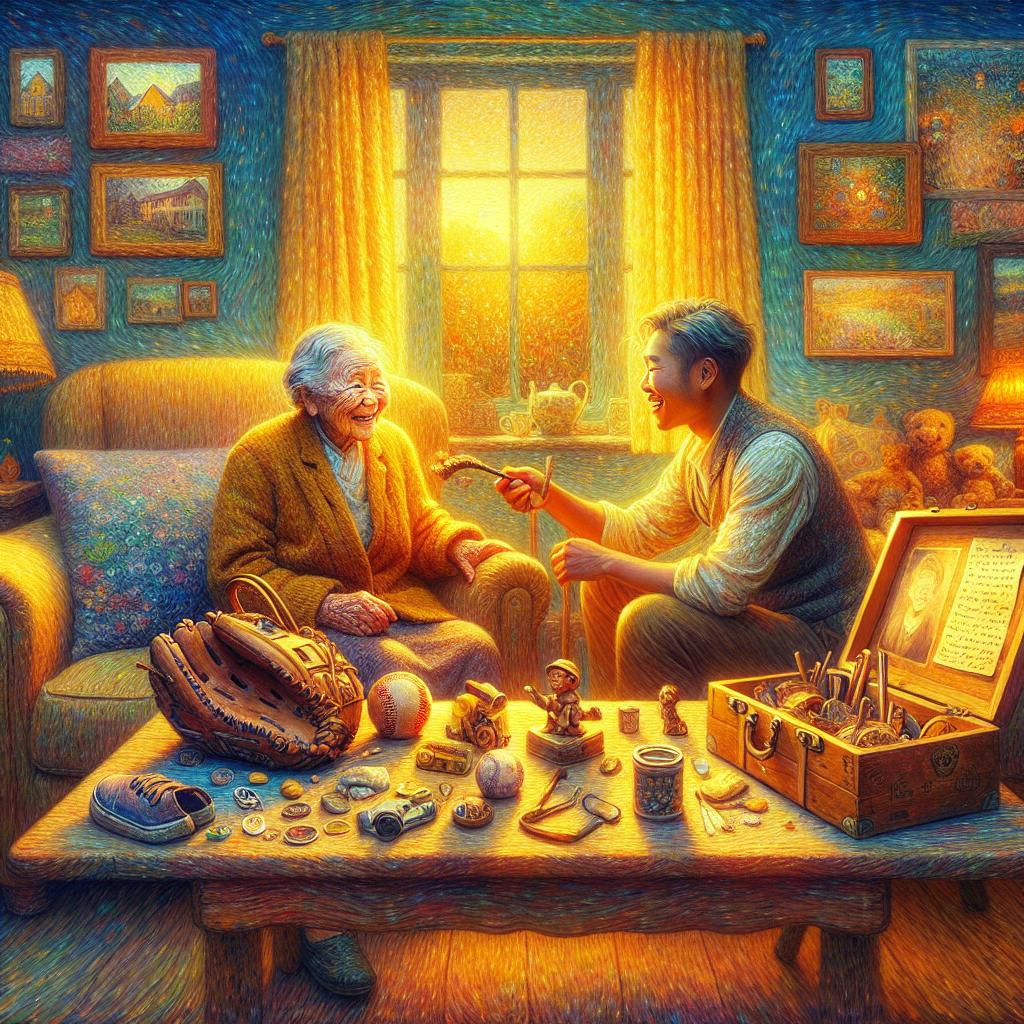
When we think about a legacy kit, the first image that pops into our heads might be a collection of dusty artifacts stashed away in an attic. But let’s pivot for a moment and delve into the profound nature of what these objects can represent. Legacy storytelling is more than just the act of preserving history; it’s about intertwining our lives with the very fabric of our experiences. Each item tells a story, capturing the essence of who we are and the values we hold dear.
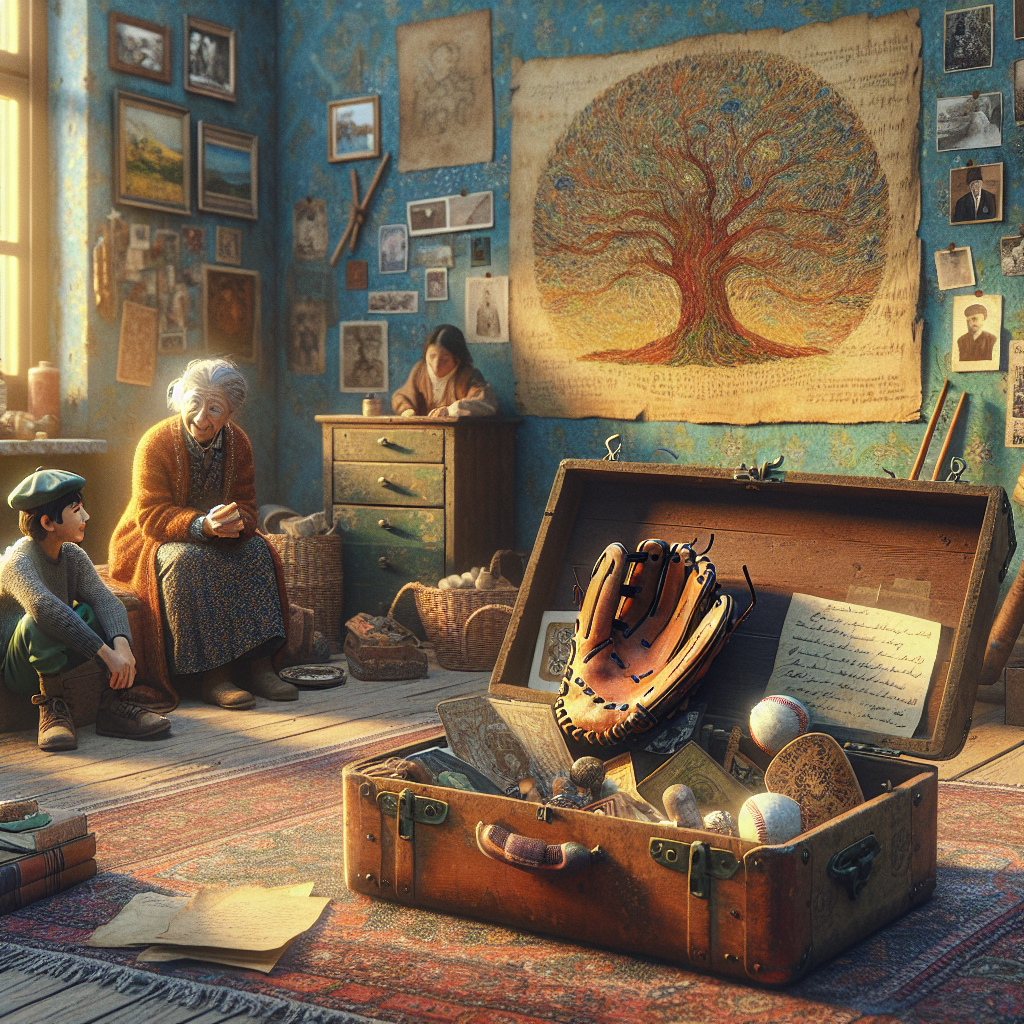
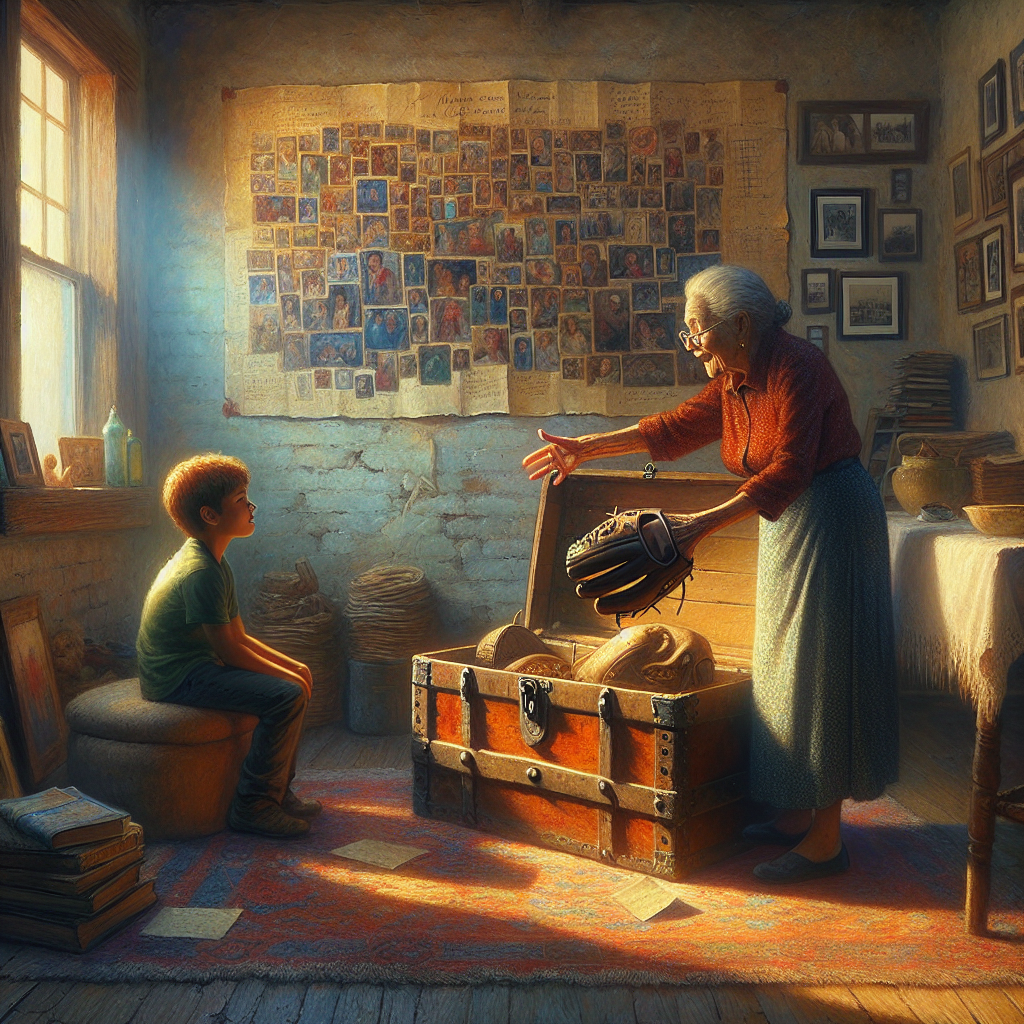
Consider an old baseball glove, tattered and worn. For one person, it might symbolize childhood summers spent in the sun, while for another, it echoes the lessons of teamwork and perseverance learned on the field. These items can invoke a spectrum of emotions—joy, nostalgia, sorrow—all of which remind us of our shared humanity. They ground our stories, offering connections that span generations.
Engagement with these objects not only serves our hearts but also appeals to our heads. By taking the time to curate a legacy kit, we practice mindfulness, reflecting on the experiences that shaped us. This reflection fosters a deeper understanding of our roles within our families and communities. It is a meaningful act; one that reinforces our ethical obligation to pass down knowledge and values to the next generation. In doing so, we become stewards of our history, ensuring that our lessons, triumphs, and even failures are not forgotten.
Narratively, each object we choose becomes a chapter in our lives—a tactile reminder of resilience, love, and growth. These stories connect us not only to our past but to one another. They remind us that while times may change, our shared experiences remain timeless. When you invite loved ones to explore your legacy kit, you create a space of connection where they can express their own stories and make bonds that transcend time.
As you start building your own legacy kit, think beyond the object itself. What stories will you make available to future generations? What values do you want them to carry forward? Craft your kit thoughtfully, and in doing so, you’ll foster trust and inspiration—encouraging others to reflect, share, and ultimately carry on the tradition of legacy storytelling. Your legacy is waiting; embrace it.
Building a Legacy Kit From Objects That Tell Stories
Building a Legacy Kit From Objects That Tell Stories
- Legacy kits are not just dusty artifacts; they embody profound stories and experiences.
- Each item represents a unique narrative, reflecting personal values and shared humanity.
- Objects like an old baseball glove can evoke emotions and signify lessons learned.
- Curating a legacy kit encourages mindfulness and reflection on life experiences.
- It reinforces the ethical responsibility to transmit knowledge and values to future generations.
- Each chosen object serves as a chapter of resilience, love, and growth in our lives.
- Building a legacy kit fosters connections, inspiring others to share their own stories.
Building a Legacy Kit From Objects That Tell Stories
Table Of Contents
- Building a Legacy Kit From Objects That Tell Stories
- What Stories Do Your Cherished Objects Hold for Future Generations?
- How Can a Legacy Kit Reflect Your Values and Beliefs?
- What Memories Do You Want to Pass Down Through Your Objects?
- How Can You Choose Objects That Inspire Connection and Conversation?
- What Practical Steps Can You Take to Create a Meaningful Legacy Kit?
- How Do Shared Stories Strengthen Bonds Among Family Members?
- What Ethical Considerations Arise When Selecting Objects for Others?
- Conclusion
- Other Resources
- Glossary Of Terms
- Other Questions
- Haiku
- Poem
- Checklist
What Stories Do Your Cherished Objects Hold for Future Generations?
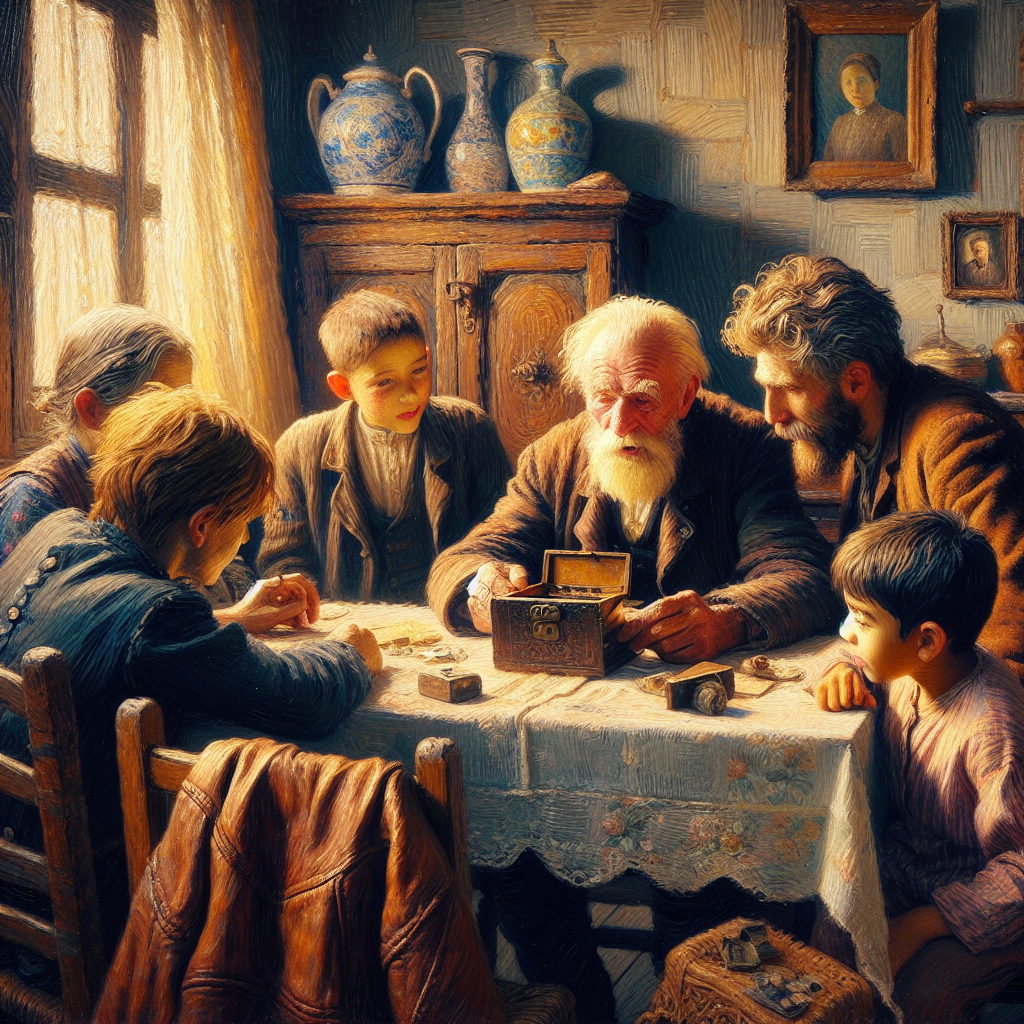
Have you ever paused to consider the hidden stories nestled within your cherished objects? These items, whether a worn leather jacket passed down through generations or a locket that houses a picture of a long-lost relative, act as tangible links to our past. They are vessels of legacy, each holding secrets and lessons patiently waiting to be shared. When we engage in legacy storytelling, we invite future generations into our lived experiences, providing them a lens through which they can understand who we are and where they came from.
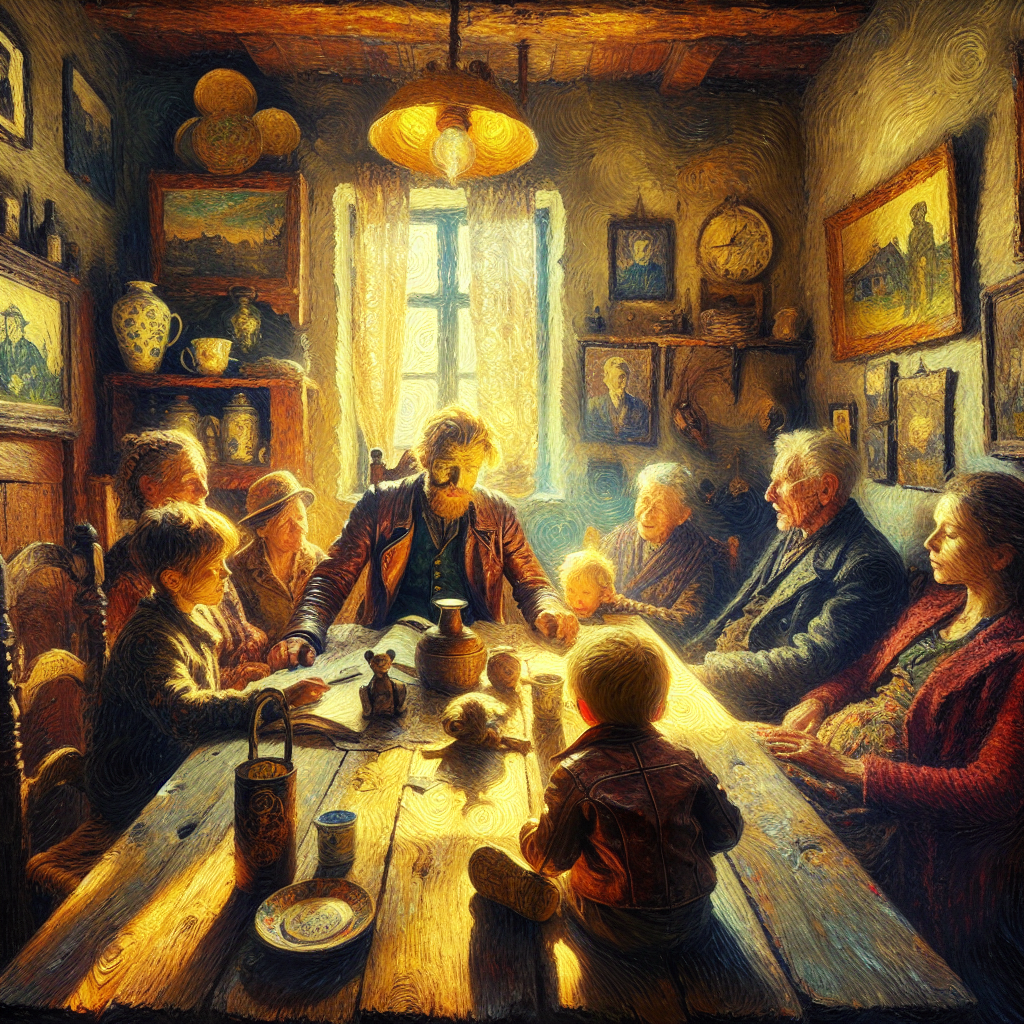
Think of it this way: every scratch on that old dining table speaks to countless family gatherings, laughter, heartache, and the warmth of shared meals. Each time you sit around that table with loved ones, you’re reinforcing your family’s narrative, a living chronicle of struggles and triumphs. It’s not just furniture; it’s a witness to life’s greatest moments. By retelling its story, you preserve the essence of those experiences, letting your children and grandchildren feel the love and strength that resides in those wooden grains.
Then there’s the ethical responsibility we hold. In a world racing toward the next new thing, it’s easy to overlook the meaningful impact of our possessions. Choosing to share the stories behind these curated objects instills a sense of value in simplicity, encouraging a mindset of connection rather than consumption. Through legacy storytelling, we nurture an appreciation for craftsmanship and history, teaching younger generations the importance of cherishing both memories and items.
This isn’t just about individual stories; it’s a social fabric woven with threads of shared experiences. Consider how a simple item can spark a conversation, bridging generational divides. Picture a child cupping a vintage toy in their hands, curiosity lighting up their eyes as they ask, “Who played with this?” In that moment, a bridge is built, linking past to present, individual stories to a collective family narrative.
So, what are you waiting for? Delve into your possessions with fresh eyes. Unearth the stories that dwell within, and don’t keep them tucked away in silence. Give voice to your legacy, and foster connections that will echo through time. It’s not just about what you own; it’s about what you pass on. That’s the beauty of legacy storytelling — it’s an invitation to cultivate trust, authenticity, and kinship with those who come after us. Embrace it.
What Stories Do Your Cherished Objects Hold for Future Generations?
What Stories Do Your Cherished Objects Hold for Future Generations?
- Cherished objects carry hidden stories that connect us to our past.
- Legacy storytelling allows future generations to understand our experiences and lineage.
- Every scratch on beloved items reflects family gatherings and shared moments.
- Engaging with these stories helps preserve the essence of family history.
- We have an ethical responsibility to value our possessions and their narratives.
- Legacy storytelling fosters connections across generations and bridges divides.
- Embracing these stories cultivates trust, authenticity, and kinship with future generations.
What Stories Do Your Cherished Objects Hold for Future Generations?
How Can a Legacy Kit Reflect Your Values and Beliefs?
When we talk about a legacy kit, we’re diving into something far more profound than a mere collection of belongings. This is a treasure chest of values and beliefs, a reflection of who you are and what you stand for. Imagine your grandchild sifting through your curated items—each piece steeped in legacy storytelling, whispering tales of resilience, passion, and purpose. It’s about more than memories; it’s about messages that transcend time.
At its core, a legacy kit invites you to reflect on what truly matters. Is it the handcrafted toolbox your father passed down, each scratch and dent a testament to hard work and dedication? What about the worn-out cookbook crammed with family traditions—the meals that brought everyone together under one roof, creating laughter and warmth? These items don’t just hold sentimental value; they embody the truths you wish to impart to future generations.
Rationally speaking, a legacy kit also serves as a guide for those who come after you—a roadmap shaped by your experiences. It allows loved ones to navigate their own lives with the wisdom you’ve accumulated. They’ll learn not only from your triumphs but also from your struggles. This blend of vulnerability and strength is what makes our stories resonate. It makes them relatable and, more importantly, useful in guiding others through their own challenges.
Ethically, consider the implications of what you choose to include. Each item must carry a piece of your moral compass. Having a legacy kit rooted in your principles ensures that those who follow understand the core values you’ve championed. It’s not just a gift; it’s a responsibility—a handrail on the staircase of life.
As you assemble your kit, think of the social connections you’re fostering. This is your chance to spark conversations, to inspire trust and action, and to galvanize your community around the beliefs you hold dear. Engage those around you in legacy storytelling, sharing the importance of your choices and encouraging them to create their own.
Ultimately, a well-crafted legacy kit does more than store physical items; it encapsulates your essence, providing a firm embrace to those navigating the unknown. When they reach for it, they’ll find not just heirlooms, but a guide, a confidant, and a promise of continuity. The legacy you leave is a testament to what you’ve believed, fought for, and cherished—an enduring connection that stretches through time.

How Can a Legacy Kit Reflect Your Values and Beliefs?
How Can a Legacy Kit Reflect Your Values and Beliefs?
- A legacy kit is more than just belongings; it reflects your values and beliefs.
- Each item in the kit carries stories of resilience, passion, and purpose.
- It serves as a guide for future generations, containing lessons from your experiences.
- Items should carry pieces of your moral compass, rooted in your principles.
- The kit fosters social connections and inspires conversations in the community.
- A well-crafted legacy kit encapsulates your essence and provides support for loved ones.
- The legacy you leave is a testament to your beliefs and cherished moments, connecting through time.

How Can a Legacy Kit Reflect Your Values and Beliefs?
What Memories Do You Want to Pass Down Through Your Objects?
What memories do you want to pass down through your objects? It’s a deceptively simple question, yet the weight of your answer can ripple through generations. Each item we cherish carries its own narrative, evoking feelings of love, struggle, triumph, and unity. Legacy isn’t just about what you leave behind; it’s about the stories woven into the very fabric of these objects. Each scratch on a wooden table, each faded photograph, is a chapter waiting to be shared.
Consider the eclectic collections stashed in your attic. There’s that old, dusty toolbox passed down from your grandfather, its rust a testament to hard work and perseverance. It’s not just tools; it’s a compass guiding future generations to value craftsmanship and resilience. With each use, it whispers tales of long afternoons spent repairing cars, fixing fences, or building something that mattered. This is storytelling at its finest—a narrative anchored in tangible memories that reach beyond the present.
But let’s dig a little deeper. What about the objects that don’t have a clear lineage? A simple pendant might carry the weight of a moment—the day you first learned about love, heartache, or the importance of family. Sharing the story behind that pendant can foster connections, evoke empathy, and even ignite a spark of curiosity in those who come after. We are all part of a larger tapestry, and each thread carries a unique pattern of human experience.
Ethically, we have a responsibility to curate the legacies we share. When you choose what to keep, what to display, and what to tell, you frame your values. You shape who you are and who your descendants will strive to be. You become the architect of their understanding of the world, the one who illuminates hard truths and beautiful moments alike.
As you sift through your belongings, don’t just see them as inanimate objects; see them as bridges. Bridges that connect us to our past, our family, and our community. They are vessels for stories that inspire trust and confidence, achieving an essence that transcends time.
So, ask yourself: What do you want your objects to convey? What memories do you want to resonate through time, echoing in the hearts of those who come after? Each choice counts, and every item carries the potential for profound impact. In that sense, we’re not just passing down objects; we’re passing down memories, values, and, ultimately, love.
What Memories Do You Want to Pass Down Through Your Objects?
What Memories Do You Want to Pass Down Through Your Objects?
- The question of which memories to pass down through objects carries significant generational weight.
- Each cherished item has its own narrative, reflecting themes of love, struggle, and unity.
- Legacy is about the stories tied to objects, evident in their wear and history.
- Eclectic collections, like a grandfather’s toolbox, convey lessons of craftsmanship and resilience.
- Objects without clear lineages, like a pendant, can evoke powerful emotional connections and stories.
- Curating our belongings is an ethical responsibility that shapes our values for future generations.
- Objects serve as bridges connecting us to our past, communities, and the memories we want to pass on.
What Memories Do You Want to Pass Down Through Your Objects?
How Can You Choose Objects That Inspire Connection and Conversation?
When it comes to choosing objects that inspire connection and conversation, remember that each item you select carries the power of legacy and storytelling. Think about the last time you gathered with friends or family. Was it the big screen TV that sparked discussion, or was it an old, dusty photo album tucked away in the attic? The objects that fascinate us are often those that resonate at a deeper level—objects that evoke memories, stories, and emotions.
Now, let’s get real for a moment. Picking an object that can ignite conversation isn’t just about aesthetics; it’s about history and context. Maybe it’s a handcrafted item from your travels—a simple trinket that tells tales of adventures had and lessons learned. These pieces can become conversation starters, bridging gaps between different generations and perspectives. They carry ethical weight, reminding us of the artisans who poured their heart and soul into creating them.
From a rational standpoint, consider how these items can promote deeper understanding. They serve as tangible connections to our past, sparking discussions about heritage, values, or even challenges we’ve faced along the way. Each artifact can cultivate curiosity, pushing those around you to inquire, learn, and share their own stories. The more relatable the object, the greater the potential to foster empathy and connection.
Don’t underestimate the narrative power of a well-chosen piece. A rusted tool passed down through generations can stir up tales of your grandparents’ struggles and triumphs, igniting a sense of pride and continuity. We need these stories to remind us of where we come from and to inspire future generations. Anchoring conversations in these narratives helps build a tapestry of shared experiences, creating a culture of understanding that goes beyond mere small talk.
Social interaction thrives on authenticity. People are drawn to sincerity, and choosing objects with a meaningful backstory showcases your willingness to engage on a deeper level. Whether it’s a vintage vinyl record that played during a pivotal moment in your life or a cherished book that shaped your worldview, these items become symbols of who we are, inviting others to reflect on their own lives.
So, let your selections resonate, connect, and inspire. By choosing objects that embody legacy and storytelling, you create a rich tapestry of conversation that connects hearts and minds, encouraging everyone to share their own stories in turn.

How Can You Choose Objects That Inspire Connection and Conversation?
How Can You Choose Objects That Inspire Connection and Conversation?
- Selecting objects that inspire connection and conversation carries the power of legacy and storytelling.
- Objects that evoke memories and emotions often spark deeper discussions compared to mundane items.
- Handcrafted items from travels can serve as conversation starters, connecting different generations.
- These artifacts provide tangible connections to our past and promote understanding of heritage and values.
- A well-chosen piece, like a rusted tool, can ignite pride and continuity through shared family stories.
- Objects with meaningful backstories foster authenticity in social interactions, encouraging deeper engagement.
- Choosing items that embody legacy creates a rich tapestry of conversation, connecting hearts and minds.

How Can You Choose Objects That Inspire Connection and Conversation?
What Practical Steps Can You Take to Create a Meaningful Legacy Kit?
Creating a meaningful legacy kit is like planting a tree for future generations—a testament to your life, values, and the lessons you’ve learned along the way. It’s not just a box of mementos; it’s a bridge connecting your past to a future you won’t be around to see. Let’s take a moment to unpack the practical steps you can take to assemble this vital piece of your heritage.
First, start with Legacy Storytelling. Share your experiences, your triumphs, your failures—everything that shaped you. Write down anecdotes that made you who you are, passing on those invaluable life lessons to your loved ones. Encourage them to ask questions. Record your answers. Remember, it’s not just the big events that matter; sometimes, the small, everyday moments are the ones that resonate most deeply.
Next, consider including personal artifacts—family heirlooms, your favorite books, or even letters you’ve penned. These items are more than possessions; they hold the essence of your journey. Picture your grandkids holding that old compass you carried during an adventure, igniting their curiosity about the paths you took. Each object is a conversation starter—a chance to share your story and keep your spirit alive in their hearts.
Don’t stop at the tangible. Dive into the intangible by setting values and beliefs. Create a manifesto of your guiding principles. If you’ve learned the importance of honesty, resilience, or hard work, articulate why they matter to you. These can serve as a moral compass for generations to come, offering them a framework for their own lives.
Involve your family in this process. Gather around the dinner table and share your stories. Ask for theirs in return. Intergenerational storytelling fosters connection and emotional authenticity. It’s not just about what you leave behind; it’s about building a legacy of love, understanding, and unity.
Lastly, embrace technology. Create a digital archive of your legacy kit—videos, audio recordings, or an online journal. In our interconnected world, it’s easier than ever to ensure your voice is heard, even when you’re no longer present.
Assembling a meaningful legacy kit isn’t merely an act of nostalgia; it’s an investment in the future, a commitment to your family’s growth long after you’ve signed off. It’s your chance to ensure they carry a piece of you wherever they go—connecting hearts through time, one story at a time.

What Practical Steps Can You Take to Create a Meaningful Legacy Kit?
What Practical Steps Can You Take to Create a Meaningful Legacy Kit?
- Creating a legacy kit is akin to planting a tree for future generations, representing your life, values, and lessons learned.
- Begin with Legacy Storytelling by sharing personal experiences, triumphs, and failures; document anecdotes for loved ones.
- Include personal artifacts like family heirlooms and favorite books, which serve as conversation starters and connect future generations to your journey.
- Establish a manifesto of your guiding values and beliefs, providing a moral framework for future family members.
- Engage family members in storytelling, fostering connection and emotional authenticity to build a legacy of love and unity.
- Utilize technology to create a digital archive of your legacy kit, ensuring your voice is heard through videos, recordings, or online journals.
- Assembling a legacy kit is a proactive investment in your family’s future, connecting them to your stories and spirit beyond your lifetime.

What Practical Steps Can You Take to Create a Meaningful Legacy Kit?
How Do Shared Stories Strengthen Bonds Among Family Members?
There’s something magnetic about a shared story—a thread woven through the fabric of family that binds generations, ignites laughter, and sparks tears. Legacy storytelling isn’t just a pastime; it’s an act of love and connection that resonates deep within each of us. When families gather around the dinner table or campfire, they inadvertently forge a living tapestry of experiences, lessons learned, and cherished moments, turning history into a treasure trove for future generations.
Every family has its own unique narrative, with chapters filled with triumphs, failures, hope, and heartache. These are the stories that teach resilience, illustrating that life is a journey peppered with challenges. When an elder shares their journey of overcoming adversity, it inspires younger members to push through their own trials. This isn’t just about passing the baton of history; it’s about imparting wisdom drawn from the ink of hard-earned experience. The gut-check realization that we all struggle brings us closer together, reminds us we’re not alone.
Legacy storytelling also fosters an ethical responsibility. By sharing our stories, we uphold the values, customs, and lessons that define our families. In a world that sometimes feels fractured, these narratives serve as a compass, guiding family members to honor their roots. When children hear tales of their grandparents’ perseverance or their parents’ sacrifices, they’re steeped in a sense of identity that transcends time. This creates a culture of respect and understanding, not only for family but for the world at large.
On an emotional level, there’s magic in the shared laughter, the collective gasps at plot twists, and the tears shed during poignant memories. Every chuckle and every emotional release strengthens those unseen ties that bind. When one family member opens up, it creates a ripple effect, inviting others to share their own stories. In these vulnerable moments, bonds deepen, and walls come down. Suddenly, family dynamics shift—conflict can fade, empathy can blossom, and connections transform into a lifeline.
Ultimately, shared stories testify to the power of community. They remind us that while each family member is an individual, they are also part of something larger, a legacy that continues to grow, evolve, and inspire. When we embrace our stories, we not only honor our past, but we also lay the groundwork for our future, nurturing the bonds that are vital for both personal and collective growth. Now is the time to share your legacy. What stories lie waiting to be heard in your family?

How Do Shared Stories Strengthen Bonds Among Family Members?
How Do Shared Stories Strengthen Bonds Among Family Members?
- Shared storytelling connects generations, fostering love and connection within families.
- Families create a living tapestry of experiences that transforms history into a treasure for future generations.
- Unique family narratives include stories of triumph, failures, and resilience, teaching valuable life lessons.
- Legacy storytelling imparts wisdom and shows younger members that struggles are universal.
- Sharing stories reinforces ethical responsibilities, upholding family values and customs.
- Emotional moments in storytelling strengthen family bonds and encourage vulnerability and empathy.
- Ultimately, shared stories highlight the importance of community and lay the foundation for future growth.

How Do Shared Stories Strengthen Bonds Among Family Members?
What Ethical Considerations Arise When Selecting Objects for Others?
When we talk about selecting objects for others, we inevitably walk a tightrope of ethical considerations—a balance between the heart’s desire to give and the mind’s call to question. Each item we choose carries weight, often far beyond its visible form. It can serve as a vessel for legacy, a testament to our storytelling abilities, or even a bridge to our identity. The objects we pass on do more than occupy space; they echo our values and beliefs, shaping the stories we tell about ourselves and the messages we send to others.
Think about it: selecting a gift or an artifact isn’t just a transaction; it’s a form of responsibility. Every item holds the potential to inspire joy, spark nostalgia, or incite confusion. When we hand over something that carries our touch, we invite others into a narrative woven from our experiences. But what happens when that narrative doesn’t align with their own? Clashing values, differing perspectives—these can turn a seemingly innocent gift into an emotional minefield.
The ethical implications grow more complex when we acknowledge that some choices can inadvertently reinforce stereotypes or perpetuate biases. Selecting an object for someone else can lead to unintentional assumptions about their identity, culture, or lifestyle. This isn’t just about the material aspect; it goes deeper, tapping into the very fabric of social connection. Are we honoring their story, or are we imposing our own? The gutsy part is recognizing that the choice we make doesn’t solely reflect us; it can either uplift or undermine someone else’s legacy.
Authority in this process matters. Ethically, we must ask ourselves: Do we have the right to choose for someone else? A smart choice considers not just personal sentiment but also the broader impact. It’s about taking a step back and understanding the stories that others live by—not merely seeing through our lenses but acknowledging theirs. The act of selecting an object becomes not an assertion of self but a collaborative act, a connection rooted in respect and empathy.
So the next time you contemplate what to give, remember it’s not merely a matter of personal preference but an opportunity to contribute positively to someone else’s journey. Dive deep into understanding, listen intently, and choose wisely. Foster trust and connection, and let your selections resonate with the heart, embody ethical consideration, and champion your shared story.
What Ethical Considerations Arise When Selecting Objects for Others?
What Ethical Considerations Arise When Selecting Objects for Others?
- Selecting objects for others involves navigating ethical considerations and balancing personal desire with responsibility.
- Each item chosen serves as a vessel for legacy, storytelling, and personal identity, reflecting our values and beliefs.
- Gift selection is a form of responsibility, as it can evoke joy, nostalgia, or confusion.
- Conflicting narratives and values can turn a gift into an emotional minefield if they don’t align with the recipient’s identity.
- Choices may reinforce stereotypes or biases, highlighting the deeper implications of social connections.
- Authority in the selection process raises questions about the right to choose for others and understanding their stories.
- Gift giving should foster empathy and connection, contributing positively to someone else’s journey and respecting their narrative.
What Ethical Considerations Arise When Selecting Objects for Others?
Conclusion
Building a legacy kit is more than just gathering a collection of items; it’s a heartfelt journey that transforms everyday objects into powerful storytellers. Every cherished item—be it a worn baseball glove, an old toolbox, or a family photo—serves as a bridge connecting generations. These artifacts don’t just occupy space; they encapsulate life lessons, family values, and emotional truths that shape who we are. The beauty lies in their ability to evoke memories and sentiments, sparking joy, laughter, or even tears, reminding us of our shared human experience.
Engaging with these objects offers a profound opportunity for introspection. When we curate a legacy kit, we reflect on our lives, the choices we’ve made, and the values we wish to pass on. It’s an exercise in mindfulness, serving both the heart and the head, intertwining emotions with rational thought. Through this contemplation, we acknowledge our ethical obligation to share wisdom with future generations, ensuring our stories, including our struggles and triumphs, are preserved.
The narrative woven through these items is rich and relatable. Each piece we choose can ignite conversations, creating spaces for connection and empathy among family members. Imagine a grandchild holding a vintage toy, curiosity sparkling in their eyes as they ask, “Who played with this?” Such moments foster understanding and social bonds, bridging the gaps that time can often widen. The act of storytelling keeps our legacies alive, turning mundane objects into living testaments of resilience and love.
As you embark on building your legacy kit, think deeply about what your selections say about you and the messages you want to impart. This is an ethical endeavor, rooted in respect for the past while illuminating the path for those who follow. In a world often torn between the rush for the new and the technological facade, returning to the tangible and meaningful nurtures appreciation for simplicity and craftsmanship.
So, dive into your collection. Ask yourself: what stories do your cherished objects hold? What memories, values, and love do you wish to pass down? As you craft your legacy, remember that it’s not merely about the items; it’s about the enduring emotional connections they represent. Your legacy is waiting for you—embrace it, and let your story echo through the ages, guiding others with the light of your experiences.

Conclusion
Conclusion:
- Building a legacy kit transforms everyday objects into powerful storytellers, bridging generations.
- Every cherished item encapsulates life lessons, family values, and emotional truths.
- Engaging with these objects encourages introspection and mindfulness regarding life choices and values.
- Curating a legacy kit acknowledges our responsibility to share wisdom with future generations.
- Items chosen can spark conversations, fostering connection and empathy among family members.
- Creating a legacy kit is an ethical endeavor that respects the past while guiding the future.
- Your legacy is about the emotional connections represented by the items, not just the items themselves.

Conclusion
Other Resources

Other Resources
Here is a list of other resources you can review online to learn more:
- StoryCorps
- USLegalWills.com
- Trust And Will
- RocketLawyer
- Geneanet
- Obituary Templates
- Memorial Matters
- Afternote
- My Wonderful Life
- Xarona
- Ancestry
- LegacyFamilyTree
- Association of Personal Historians
- 23AndMe
- Can Telling and Preserving Personal or Family Legacy Stories Be Therapeutic?
- Forever Missed
- LegalNature
- AmericanAncestors
- FutureMe
- LifeBio
Use This Prompt To Get More Resources With Your Favorite Online AI Tool: Please provide me with a list of online articles with their URLs in a bulleted list that I can read regarding Building a Legacy Kit From Objects That Tell Stories

Other Resources
Glossary Terms
Building a Legacy Kit From Objects That Tell Stories – Glossary Of Terms
1. Legacy Kit: A curated collection of items that represent personal heritage, family history, or significant life experiences.
2. Storytelling: The art of conveying experiences, values, and emotions through narratives, often through objects and artifacts.
3. Curation: The process of selecting, organizing, and preserving items in a meaningful way to create a cohesive narrative.
4. Artifact: An object made or used by humans that holds cultural, historical, or personal significance.
5. Heirloom: A valuable object passed down through generations, often imbued with family history and traditions.
6. Memory: The mental capacity to recall past experiences or events, often tied to specific objects in a legacy kit.
7. Personal History: An individual’s life story, including significant events, milestones, and relationships that shape identity.
8. Symbolism: The use of objects to represent deeper meanings, values, or concepts within a legacy kit.
9. Narrative: A structured story that provides context and understanding of personal or familial experiences represented by the objects.
10. Genealogy: The study of family ancestry and lineage, often informing the selection of items for a legacy kit.
11. Collectible: An item that is valued for its rarity or historical significance, often included in a legacy kit.
12. Tradition: Customs or practices passed down through generations, often reflected in the items chosen for a legacy kit.
13. Sentimental Value: The emotional significance attached to an object, influencing its inclusion in a legacy kit.
14. Preservation: The act of maintaining and protecting items to ensure they endure for future generations.
15. Tangible: Objects that can be physically handled and experienced, providing a direct connection to personal stories.
16. Visual Story: The integration of images and objects to tell a cohesive and engaging narrative about personal history.
17. Cultural Heritage: The traditions, customs, and artifacts of a group passed through generations, influencing legacy kit contents.
18. Memory Keeper: The individual responsible for assembling and maintaining a legacy kit, often a family member.
19. Story Object: An item selected for its ability to evoke specific memories or narratives within a legacy kit.
20. Legacy: The impact and contributions of an individual or family that are remembered and honored after their passing.
21. Reflection: The process of introspection and contemplation that can guide the selection and arrangement of legacy items.
22. Journey: The personal and familial experiences that shape the narrative of a legacy kit.
23. Connection: The bond between individuals and their history, often represented by the objects in a legacy kit.
24. Chronology: The arrangement of items or stories in a sequence that reflects the timeline of personal or familial history.
25. Testimonial: An account or statement reflecting an individual’s experience or belief, often included to enhance the narrative.
26. Artifacts of Change: Objects signifying transitions or significant events that mark personal growth or evolution.
27. Resilience: The ability to withstand and adapt through challenges, often reflected in the stories associated with legacy items.
28. Legacy Rituals: Ceremonies or practices that honor and remember family history, often incorporating elements from the legacy kit.
29. Narrative Arc: The structure and progression of a story represented in the arrangement of objects within a legacy kit.
30. Intergenerational: Relating to the sharing of stories, objects, or traditions across different generations within a family.

Glossary Of Terms
Other Questions
Building a Legacy Kit From Objects That Tell Stories – Other Questions
If you wish to explore and discover more, consider looking for answers to these questions:
- What types of objects are best suited for a legacy kit?
- How do you document the stories behind each object in the legacy kit?
- What role does community play in building a legacy kit?
- How can technology enhance the process of creating a legacy kit?
- What are the potential emotional impacts of sharing legacy stories with family members?
- How can you encourage younger generations to participate in legacy storytelling?
- What challenges might arise when building a legacy kit, and how can they be addressed?
- How can different cultures influence the creation of a legacy kit?
- What should you do if an object you want to include carries negative associations?
- How do personal values shape the selection of objects in a legacy kit?
- What are some creative ways to present a legacy kit to family members?
- What reflective questions can guide the process of selecting objects for a legacy kit?

Other Questions
Haiku
Building a Legacy Kit From Objects That Tell Stories – A Haiku
Tales woven in time,
Objects whisper values deep,
Legacies unite.

Haiku
Poem
Building a Legacy Kit From Objects That Tell Stories – A Poem
In the attic of our lives, where memories reside,
Lie objects of connection, where histories abide.
An old glove, a locket, each bearing their tale,
Whispers of laughter, of love, and of frail.
These treasures are vessels, their stories entwined,
Teaching us lessons of the meaningful kind.
From dusty old toolboxes to well-worn recipes,
Each artifact beckons, inviting heart-to-heart pleas.
Mindfully crafted, a kit for the ages,
With every selection, we write new pages.
Ethical threads woven into our lore,
The guiding values we choose to explore.
Let children uncover our past through their eyes,
As each scratch on the surface unpeels family ties.
What we pass down is more than mere stuff,
It’s love wrapped in stories, for hearts that are tough.
So gather around, let your narratives flow,
In shared tales and laughter, true bonds start to grow.
With trust in our voices, we clarify roles,
Uniting our spirits, nurturing souls.
For legacy isn’t just about what we hold,
It’s the warmth of connections in stories retold.
So embrace the heartstrings, the gut and the head,
In the tapestry woven, let memories lead.

Poem
Checklist
Building a Legacy Kit From Objects That Tell Stories – A Checklist
Legacy Kit Creation Checklist
Emotional Appeal
_____ Reflect on the emotions connected to each item: joy, nostalgia, love.
_____ Choose objects that evoke heartfelt memories for you and your family.
_____ Consider items that symbolize resilience and growth within your family narrative.
Rational Appeal
_____ Summarize the important life lessons each item represents.
_____ Create a list of your core values and beliefs to guide your selections.
_____ Document personal anecdotes related to each object for clarity and depth.
Ethical Appeal
_____ Assess the message each item sends to others, ensuring it aligns with your values.
_____ Consider the diversity of perspectives in your family when selecting objects.
_____ Ensure that your selections do not inadvertently reinforce stereotypes or biases.
Authority Appeal
_____ Include items that represent your heritage and traditions, serving as cultural touchstones.
_____ Gather feedback from trusted family members about the significance of potential items.
_____ Refer to storytelling best practices to ensure a well-rounded collection.
Narrative Appeal
_____ Select items that have compelling backstories or unique histories.
_____ Create a storybook or journal accompanying the kit to enrich the narrative.
_____ Engage family members in discussions to share their perspectives on the objects.
Social Appeal
_____ Involve family members in the selection process to build a shared legacy.
_____ Organize a gathering to explore the legacy kit and encourage storytelling.
_____ Encourage others to create their own legacy kits, fostering intergenerational connections.
Practical Steps
_____ Start with personal storytelling: document your life experiences tied to each item.
_____ Consider including both tangible artifacts and intangible values.
_____ Embrace technology by creating digital records (videos or online journals) of your legacy kit.
Reflective Questions
_____ What stories do you want future generations to remember?
_____ How can you make your legacy kit a bridge connecting past and future?
_____ What conversations do you hope your legacy kit will inspire among family members?
Checklist
At LegacyExplorations, we help people plan and explore their legacy by collecting information and news regarding end-of-life planning.
Please share this post with your friends, family, or business associates who may want help to plan or explore their legacy.