

Preserving Your Family’s Heritage: Documenting Your Legacy
By Tom Seest
At LegacyExplorations, we help people plan and explore their legacy by collecting information and news regarding end-of-life planning.
Please share this post with your friends, family, or business associates who may want help to plan or explore their legacy.
Can Documenting Your Legacy Protect Family Traditions?
When we think about family traditions, we often picture the laughter around the dinner table, the cherished holiday rituals, or maybe even that peculiar family recipe that somehow tastes better when prepared by grandma. These traditions aren’t just routine; they’re the threads woven into the fabric of our lives, holding us together through generations. But here’s the kicker: unless we take a moment to snag these moments and document our legacy storytelling, those precious memories might slip through our fingers like sand.
Legacy storytelling is more than just recounting the past; it’s about capturing the essence of who we are as a family. Think about it: how many stories have you heard in your family that made you feel connected to a distant relative you’ve never even met? Stories filled with grit, laughter, and love can instill a sense of belonging that transcends time. By taking the time to write them down, record them, or even just share them aloud, we’re doing more than reminiscing; we’re protecting the very traditions that define us.
Imagine a time when your grandchildren sit around a table, flipping through an old book filled with these legacy stories. They see your grandma’s hand-written notes, perhaps a photograph of her in her apron, ready to bake that famous pie. In that moment, the stories come alive. They feel the warmth and love that went into each recipe and every family gathering, and suddenly, they’re not just tales of the past; they’re a living, breathing part of their identity.
Documenting your legacy doesn’t have to be complicated or fancy. It can be as simple as jotting down anecdotes in a journal, creating a family tree, or producing a video where everyone gets a chance to share their favorites. The key is to make it accessible — easy for future generations to dive into. By fostering this connection, we build a bridge for our children to walk across, keeping our family traditions alive, vibrant, and ever-present.
So why wait? Start today. Gather your family, sit down together, and let the stories flow. Not only will you preserve these invaluable traditions, but you’ll also create a lasting testament to the love, resilience, and quirks of your family. Your legacy isn’t just about the things you leave behind; it’s about the stories that will go on, resonating through the ages, binding generations in joy and memory. Let’s make sure those stories are told, retold, and cherished.

Can Documenting Your Legacy Protect Family Traditions?
Can Documenting Your Legacy Protect Family Traditions?
- Family traditions create bonds through shared experiences like holiday rituals and unique recipes.
- Documenting legacy stories helps preserve the essence of family and maintain connections.
- Sharing family stories instills a sense of belonging and can connect generations, even to unknown relatives.
- Written legacy stories bring memories to life, allowing future generations to connect with their heritage.
- Documenting your legacy can be simple, such as journaling, creating a family tree, or recording videos.
- Making legacy stories accessible ensures that future generations can engage with and understand their family history.
- Preserving stories fosters love and resilience within the family, creating a lasting testament for future generations.

Can Documenting Your Legacy Protect Family Traditions?
Table Of Contents
- Can Documenting Your Legacy Protect Family Traditions?
- How Can Legacies Strengthen Family Bonds?
- What Methods Are Effective For Documenting Traditions?
- Can Sharing Your Legacy Help Future Generations?
- What Role Does Technology Play In Legacy Documentation?
- How Can I Ensure My Legacy Reflects My Values?
- What Are Common Mistakes In Documenting A Legacy?
- How Can I Involve My Family In Legacy Projects?
- Conclusion
- Other Resources
- Glossary Of Terms
- Other Questions
- Haiku
- Poem
- Checklist
How Can Legacies Strengthen Family Bonds?
There’s something deeply satisfying about gathering around the dinner table, passing around plates brimming with food, while the stories of those who came before us flow as freely as the laughter. That’s what legacy storytelling can do. It’s the art of weaving our family’s history into the fabric of daily life, transforming ordinary moments into lasting memories.
Imagine a chilly evening, the embers of the fireplace crackling softly as your grandmother shares tales of her childhood. Each story is a thread, meticulously woven into a tapestry of legacy that not only connects us with our past but also strengthens our bonds with one another. When your family takes the time to recount these narratives, you’re not just learning about who your ancestors were—you’re also shaping your own identity. You’re creating a sense of belonging that knits generations together.
Legacy storytelling often reveals surprising connections too. The same resilience your great-grandfather showed during the Great Depression might inspire you when facing today’s challenges. Or perhaps your aunt’s adventurous spirit sparks that dormant wanderlust you’ve been feeling. Every shared laugh, twinge of nostalgia, or moment of reflection becomes a shared experience that cultivates trust and confidence within the family.
Moreover, in a world that often seems to push us apart, these stories can act as a bridge—connecting not just past to present, but also each family member to the next. They can transform those awkward silences during family gatherings into lively discussions filled with passion and insight. Everyone has a story to tell; it’s just waiting for a willing ear.
So, consider taking the time to engage in legacy storytelling. Retrieve those cherished photographs, dig out that old diary, or, even better—gather everyone around and let the tales unfold naturally. Your family’s history is waiting to be told, and every story adds another layer of understanding and appreciation to your shared lives.
Ultimately, it’s not just about chronologically recording facts; it’s about celebrating the essence of who you are, where you came from, and how each of you plays a crucial role in this ongoing saga. So, crack open that door of conversation, invite those stories in, and watch as your family bonds deepen in ways you never thought possible. Legacy storytelling is not just a pastime—it’s a lifeline that strengthens and enriches the family experience.

How Can Legacies Strengthen Family Bonds?
How Can Legacies Strengthen Family Bonds?
- Legacy storytelling fosters connection and strengthens family bonds through shared narratives.
- It transforms ordinary moments into lasting memories, revealing a family’s history during gatherings.
- Tales from ancestors can inspire and shape personal identity, highlighting resilience and adventure.
- These stories create a sense of belonging that bridges generational gaps.
- Graceful storytelling can turn awkward silences into engaging conversations filled with passion.
- Engaging in legacy storytelling involves sharing photographs, diaries, and spontaneous tales.
- It’s about celebrating who you are and appreciating each family member’s role in your shared history.

How Can Legacies Strengthen Family Bonds?
What Methods Are Effective For Documenting Traditions?
When we talk about legacy storytelling, we’re diving into a wealth of experiences that shape who we are. These narratives are the threads that weave our past into the fabric of our future, and honestly, there’s nothing more compelling than a good story passed down through generations. So how do we capture these stories before they slip away like grains of sand? Let’s take a closer look at some methods that can help preserve your heritage for future generations.
First off, consider sitting down with your loved ones and simply talking. Yes, it’s that simple. Gather ‘round the kitchen table, or hit up a family picnic. Bring along a notepad—or better yet, a recorder—and let the memories flow. This isn’t just about capturing facts; it’s about getting into the heart of the matter. What were their challenges? What made them laugh? What traditions ignited their passions? You’ll be amazed at what comes to light when you create a cozy atmosphere for storytelling.
Next, documenting traditions through physical objects and spaces can be just as powerful. Maybe it’s an old family quilt, a trinket from a memorable vacation, or even the backyard where summer barbecues were a rite of passage. Take photographs, write descriptions, or even create a scrapbook. These pieces don’t just represent memories; they trigger emotions that can deepen your understanding of family lore. Every object has a story, and it’s your job to capture the essence of that story and share it.
Technology also plays a huge role in today’s legacy storytelling. You don’t have to be a tech whiz to start a family blog or create a digital archive. Share recipes, photos, and anecdotes that reflect your family’s unique journey. Platforms like social media can be beneficial here, allowing family members—scattered across the globe—to contribute their own snippets of tradition, forging connections even from afar.
Lastly, don’t forget the beauty of written word. Start a family journal where everyone has a chance to jot down their thoughts, stories, or anecdotes. This acts as a living document, one that grows and evolves as future generations add their voices and perspectives.
Remember, the goal is to embrace the richness of your heritage. Whether it’s through conversations, objects, technology, or written reflections, each method holds the potential to keep your family’s stories alive. Let’s make sure those tales don’t fade. After all, they’re the fabric of our identity, and it’s our responsibility to keep them stitched into the future.

What Methods Are Effective For Documenting Traditions?
What Methods Are Effective For Documenting Traditions?
- Legacy storytelling weaves our past into our future, shaped by compelling narratives passed down through generations.
- Engage in conversations with loved ones to capture their memories and experiences in a cozy setting.
- Document traditions through physical objects and spaces, preserving their emotional significance through photographs and scrapbooks.
- Utilize technology to create family blogs and digital archives for sharing recipes, photos, and stories across distances.
- Start a family journal to allow everyone to contribute their thoughts and stories, creating a living document for future generations.
- Embrace your heritage by keeping family stories alive using various methods—conversations, objects, technology, and writing.
- It’s essential to stitch these narratives into our identity and ensure they endure for future generations.

What Methods Are Effective For Documenting Traditions?
Can Sharing Your Legacy Help Future Generations?
You ever sit down and think about the stories that make up your life? I mean really think about them—the moments that shaped who you are today? Well, buckle up, because these are not just tales for the scrapbook; they’re treasures, waiting to be unearthed and shared. This is the essence of Legacy Storytelling, and trust me, it’s more powerful than you might think.
Now, you may wonder why it’s worthwhile to dive into your past. Let’s face it: we all have our ups and downs, successes and setbacks, and they form the very fabric of our existence. When you share your legacy, you’re not simply recounting events; you’re weaving a narrative that gives younger generations a glimpse into the trials and triumphs that forged your character. Imagine a grandparent passing down the lessons learned from their own first job or the wisdom gained from life’s tougher turns—those stories become guideposts for the ones who come after us.
Think about it: what if your school project on family history includes tales of resilience, hard work, and passion that inspire your descendants? By sharing your legacy, you’re equipping them with the tools to navigate their own paths. They may face challenges you never did, but your experiences can help light the way. Each story you share is like a map highlighting potential pitfalls and opportunities, allowing future generations to learn from both your victories and missteps.
And let’s not forget the sense of connection it fosters. In a world that often feels divided, sharing your legacy bridges gaps, keeping family bonds strong. It fosters conversations around the dinner table, ignites curiosity, and encourages young people to ask questions that could lead to deeper understanding. This is how we build trust and form a foundation for future generations to stand on—a foundation crafted from the sweat and tears of those who came before them.
So, why not take a moment and start sharing your legacy today? Gather your family, share those stories rich with emotion and life lessons, and watch as your experiences ripple through time, inspiring the next generation to rise, learn, and carry forth the torch. Because in the end, it’s not just about us; it’s about the legacy we leave behind. Let that legacy be one of connection, wisdom, and resilience.

Can Sharing Your Legacy Help Future Generations?
Can Sharing Your Legacy Help Future Generations?
- Legacy storytelling involves reflecting on and sharing the significant moments that shape our lives.
- Sharing personal stories offers younger generations insight into the trials and triumphs that build character.
- These narratives can serve as guideposts, offering wisdom and tools to help descendants navigate their own challenges.
- Stories of resilience, hard work, and passion can inspire and motivate future generations.
- Legacy storytelling fosters connection, strengthens family bonds, and encourages meaningful conversations.
- It builds trust and a foundation for future generations, rooted in the experiences of those who came before.
- Sharing our legacy is about creating a lasting impact that emphasizes connection, wisdom, and resilience.

Can Sharing Your Legacy Help Future Generations?
What Role Does Technology Play In Legacy Documentation?
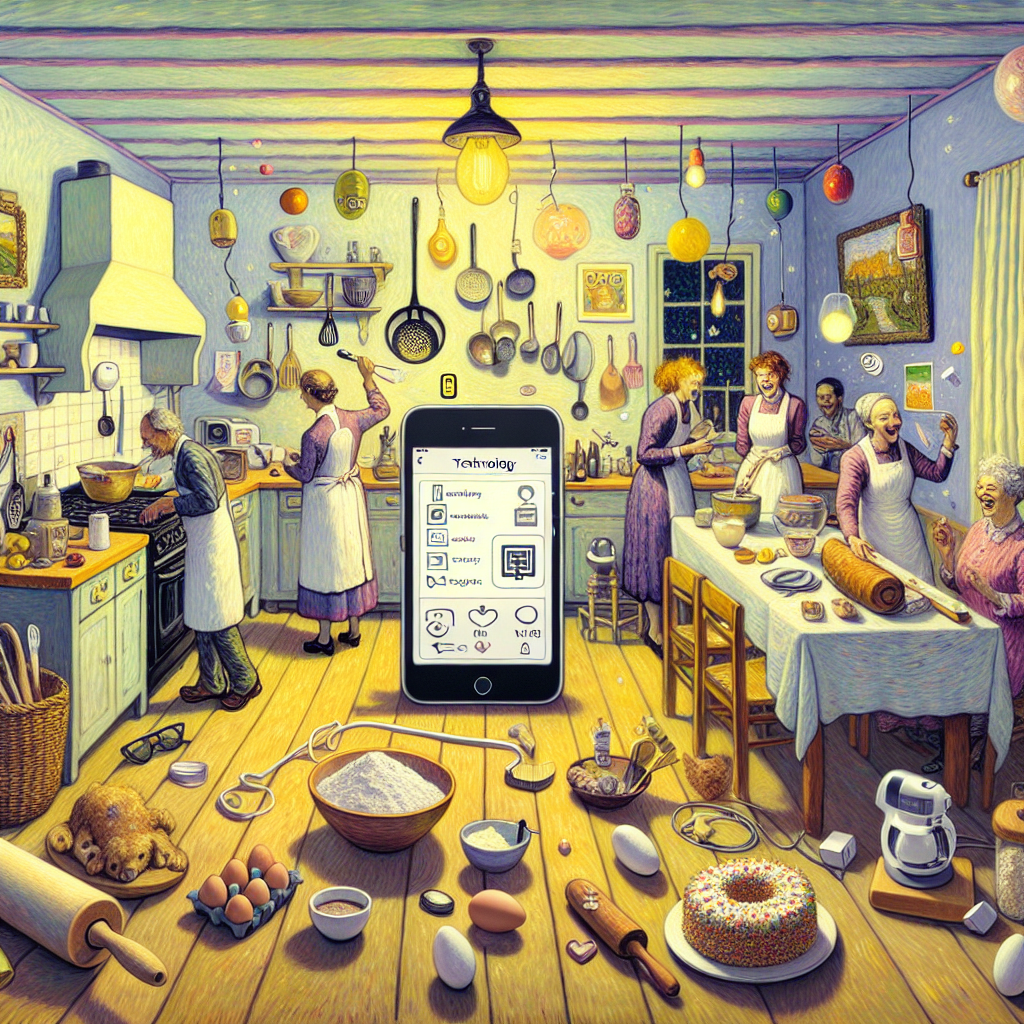
When it comes to preserving our stories—those vibrant snapshots of who we are and where we’ve been—technology takes the wheel, steering us towards a future where legacy storytelling flourishes like never before. Remember the days of scribbling handwritten notes or tossing family photos into a box, hoping that future generations would decipher the tangled web of our lives? Those methods still have their charm, but technology has opened the floodgates to a whole new world of possibilities.
Imagine gathering around a table not just with your family, but with your history. With just a few clicks, you can compile documents, images, and recordings into a digital narrative that paints a fuller picture of your roots. Scanning old letters or digitizing cherished VHS tapes is like breathing fresh life into forgotten tales, making your legacy as vibrant as ever. Each snippet, whether a photograph of Grandma’s garden or Dad’s old baseball trophy, becomes a piece of a larger puzzle—an invitation for the next generation to dive into their heritage.
Moreover, the beauty of technology in legacy storytelling isn’t just about preservation; it’s about connection. Video calls, digital archives, and online family trees bring relatives together, regardless of how far apart they may be. These tools create a tapestry of stories, threading together lives that might otherwise drift into obscurity. By capturing and sharing experiences, we strengthen our bonds and ensure that the lessons learned and the love shared resonate with those who come after us.
Yet, with this flood of options comes the need for discernment. Not all technological advancements are created equal, and the right tools can make all the difference. So, as we navigate this landscape, let’s embrace those platforms that honor our stories with authenticity and ease. Whether through dedicated storytelling apps or streamlined digital photo albums, choose those that reflect the heart of your family legacy.
In today’s fast-paced world, it’s easy to overlook the importance of preserving our past. However, harnessing technology to document our legacies is not just about nostalgia; it’s about ensuring that the essence of who we are remains intact. So let’s not just store our stories—let’s celebrate them, using all the rich tools at our disposal to create a legacy that will echo through the ages. After all, our stories are worth telling, and technology is here to help us share them.
What Role Does Technology Play In Legacy Documentation?
What Role Does Technology Play In Legacy Documentation?
- Technology enhances the preservation of personal and family stories, offering innovative alternatives to traditional methods.
- Digital tools allow for easy compilation of documents, images, and recordings into cohesive narratives about family history.
- Digitizing old materials, like letters and tapes, revitalizes forgotten stories and connects generations.
- Technology fosters connection among relatives through video calls, digital archives, and online family trees.
- Not all technological options are equally effective; discernment in choosing the right tools is crucial for authentic storytelling.
- Preserving legacies with technology is essential not just for nostalgia but for maintaining the essence of family heritage.
- Embracing digital tools to celebrate our stories ensures they resonate and endure through time.

What Role Does Technology Play In Legacy Documentation?
How Can I Ensure My Legacy Reflects My Values?
When you stop to think about it, everyone is weaving their own legacy, thread by thread, day by day. The real trick is making sure that the tapestry you leave behind reflects who you are and what you stand for. It’s not just about what you accumulate; it’s about the stories you tell and the values you embody. Yes, that’s right: Legacy Storytelling.
Think of it this way: you don’t need to write a best-selling book or deliver an Oscar-worthy speech to share your values with the world. The most meaningful legacies often spring from the simplest gestures—those spontaneous acts of kindness, the shared laughter around a dinner table, or the moments spent listening to a friend in need. Each of these moments holds a narrative, a lesson worth passing down. Start by identifying what matters most to you. Is it family, community, creativity, hard work, or maybe a quiet strength? These values are the bedrock of your legacy.
Once you’ve got that cornerstone in place, it’s time to let your legacy take shape through your actions. Share stories, whether through a journal, in casual conversations, or in community gatherings. Invite people into your world. Let them know what you cherish and why. Your legacy isn’t just about grand accomplishments; it’s about the everyday choices you make and the influence you have on others.
Moreover, don’t shy away from vulnerability. Sharing your struggles along with your triumphs makes your story relatable. People resonate with authenticity, and a sprinkle of humility can go a long way in connecting your values with others. As you lay the groundwork, consider involving loved ones. Ask them what they think your legacy is or what values they see in you. This dialogue can be enlightening and offer insight into how your legacy has already begun to unfold.
Finally, remember that a legacy isn’t something you passively leave; it’s something you actively create. It takes intention and persistence. Make choices that align your daily life with your values. Get out there, take action, and live a life that echoes through the hearts and minds of those who come after you. Your legacy might just be the greatest story you ever tell.

How Can I Ensure My Legacy Reflects My Values?
How Can I Ensure My Legacy Reflects My Values?
- Everyone is weaving their own legacy day by day through their actions.
- Legacy storytelling is about reflecting your true self and values, not just material accumulation.
- Meaningful legacies often stem from simple gestures, like kindness and shared moments.
- Identify your core values, which serve as the foundation of your legacy.
- Shape your legacy through actions and storytelling in various forms, inviting others into your narrative.
- Embrace vulnerability to make your story relatable and authentic to others.
- Create your legacy actively through intention and choices that align with your values.
How Can I Ensure My Legacy Reflects My Values?
What Are Common Mistakes In Documenting A Legacy?
When it comes to documenting a legacy, you might think it’s as straightforward as writing down a few family stories or capturing a few cherished moments. But let’s be honest—many of us trip over the same hurdles when we attempt to preserve what really matters. Legacy storytelling isn’t just about the big moments; it’s about the subtle nuances that define a life well-lived. And yet, too often, we make some common missteps that can overshadow the very essence of what we’re trying to convey.
First, let’s talk about the overwhelming urge to be comprehensive. Sure, it’s tempting to try and paint a complete picture, detailing every family gathering, milestone, and mishap along the way. But here’s the catch: not every detail matters. Instead of drowning your audience in a flood of facts, focus on the stories that resonate. Choose a handful of defining moments that encapsulate the values and lessons worth passing on. By honing in, you not only light a path through the thicket of memories but also make it easier for future generations to appreciate what you’ve left behind.
Next, there’s the all-too-common pitfall of treating legacy storytelling like a dry history report. Listen, this is your life we’re talking about—not a textbook! Avoid getting mired in formal language or overly complicated narratives. Instead, embrace your voice. Use humor, emotion, and honesty to create a narrative that feels authentic and relatable. People connect with genuine stories, not polished scripts. Remember, it’s your legacy, and the imperfections are often what make it beautiful.
Another mistake many make is the often-overlooked challenge of inclusivity. Legacy storytelling isn’t a one-person job. Invite family members and friends to share their perspectives. You may discover layers of your own story that you never knew existed. By weaving together multiple voices, you enrich the narrative, allowing it to breathe and grow beyond your own experience.
Finally, don’t let procrastination steal your chance to leave behind something meaningful. The best time to start documenting your legacy is now. Grab a pen, open your heart, and let your stories flow. Trust me, there’s no greater gift you can give future generations than the wisdom that comes from your unique journey. So, roll up those sleeves, dig in, and start preserving your legacy today. You won’t regret it.
What Are Common Mistakes In Documenting A Legacy?
What Are Common Mistakes In Documenting A Legacy?
- Legacy storytelling is more than just documenting family stories; it captures the nuances of a well-lived life.
- Avoid trying to be comprehensive; focus on defining moments that encapsulate your values and lessons.
- Steer clear of treating the narrative like a formal report; embrace your authentic voice with humor and emotion.
- Include family and friends in the storytelling process to uncover different perspectives and enrich the narrative.
- Start documenting your legacy now; don’t procrastinate on preserving meaningful stories for future generations.
- Genuine stories, imperfections included, create deeper connections and resonate more with audiences.
- The wisdom from your unique journey is a valuable gift to leave for those who come after you.

What Are Common Mistakes In Documenting A Legacy?
How Can I Involve My Family In Legacy Projects?
When it comes to leaving a mark that matters, getting your family involved in legacy projects can transform the whole experience from a solitary endeavor into a tapestry of shared memories and connections. After all, who better to help you weave your legacy than the ones who will carry it forward? So, how do you pull them into the fold?
Start with a cozy family gathering. It doesn’t have to be a grand affair—think of a Sunday dinner or a simple backyard barbecue. Use this time not just to eat and laugh, but also to initiate conversations about your family’s history. Ask questions that lead to rich, nuanced legacy storytelling. “What stories do you remember about your grandparents?” or “Was there a moment that shaped you as a person?” These prompts can spark lively discussions and ignite interest in preserving those tales for future generations.
Next, bring in a tangible component. Let’s be honest; every family has that dusty box of photographs stashed away in an attic or hidden under a bed. Why not make an event out of sorting through it together? Organize a family scrapbook session where everyone can contribute their favorite stories and photos. Invite family members to bring their own items—handwritten letters, mementos from travels, or even sketches. This collaborative effort not only builds excitement but also teaches younger generations the importance of intergenerational storytelling.
Consider starting a family blog or video series where each member can step into the storyteller’s role. Sharing personal experiences, recipes, or traditions not only solidifies your family’s history but can also foster a sense of pride and identity. Imagine a vibrant digital tapestry, rich with the experiences and wisdom of your loved ones, that you can revisit whenever you miss them.
Finally, make it a regular practice. It doesn’t have to be elaborate or formal; even a monthly family chat over coffee to share recent discoveries, stories, or reflections can be invaluable. Consistency builds trust and shows that legacy storytelling is not just a fleeting activity but a vital part of being family.
Involving your family in legacy projects isn’t just about preserving the past; it’s about forging deeper connections that will live on long after you do. So gather them around, share your stories, and watch as the threads of your family history come together in a beautiful, lasting legacy.

How Can I Involve My Family In Legacy Projects?
How Can I Involve My Family In Legacy Projects?
- Engaging family in legacy projects transforms solitary experiences into shared memories.
- Start with a cozy family gathering, like a dinner or barbecue, to discuss family history.
- Use storytelling prompts to spark discussions about family memories and experiences.
- Organize a family scrapbook session to sort through old photographs and memorabilia together.
- Consider starting a family blog or video series to share personal stories and traditions.
- Make legacy storytelling a regular practice with informal monthly family chats.
- Involving family in legacy projects strengthens connections and preserves family history.

How Can I Involve My Family In Legacy Projects?
Conclusion
In conclusion, let’s dive into the heart of preserving our family traditions through the art of documenting legacies — a powerful act that stands as a bridge across generations. When you sit down at the table with your loved ones, sharing stories that echo through time, you’re not merely recounting past events; you are weaving together the very fabric of your family’s identity. These traditions, whether it’s Grandma’s secret recipe or the stories of trials faced by your ancestors, are the glue that binds us, generating warmth and connection that spans the ages.
Now, I get it: life is busy. But think about it — without a conscious effort to record these moments, we risk losing those cultural touchstones that define who we are. That’s where legacy storytelling comes into play. By taking the time to narrate these tales, whether through a handwritten journal, a casual video call, or a lively family gathering, we create a repository of experiences that our descendants can look back to with pride and nostalgia. Picture your grandkids flipping through a family photo album or reading heartfelt stories that trace their roots back to you. With each page turned, they’re not just absorbing history; they’re feeling connected to you, the values you held dear, and the laughter and resilience that shaped your family’s journey.
Let’s also chat technology, because it’s a game changer. No longer do we have to rely solely on fading memories or forgotten anecdotes. Today, we have the tools to share our stories far and wide, locking in memories that can be enjoyed across distances. From family blogs to digital archives, these platforms invite everyone to contribute, creating a richer, more vibrant legacy. That’s the beauty of our modern age — we can preserve our stories not only for ourselves but for future generations who will inherit the narratives of love, struggle, and joy that make us who we are.
So here’s the bottom line: don’t wait. Gather your family, ignite those discussions, and document your legacy. The time is now to ensure that your family traditions live on, vibrant and cherished. Your legacy is not just what you leave behind; it’s the stories, laughter, and love that will resonate through the years to come. Embrace this chance to connect — because in the end, it’s the stories we tell that make us truly immortal. Let’s get to it!

Conclusion
Conclusion:
- Preserving family traditions through legacy documentation bridges generations.
- Sharing stories around the table strengthens family identity and connection.
- Without effort to record, we risk losing cultural touchstones that define us.
- Legacy storytelling can be achieved through journals, video calls, or family gatherings.
- Modern technology allows easy sharing of stories, ensuring memories are preserved.
- Online platforms encourage family contributions, enriching the legacy for future generations.
- Act now to document your legacy, as stories and love create lasting connections.

Conclusion
Other Resources

Other Resources
Here is a list of other resources you can review online to learn more:
- LastPass
- INELA
- Legacy Family Tree
- Funeral Services Guide
- MyWishes
- Remembered.com
- Knotify.me
- USLegalWills.com
- Storyfile Life
- Storyworth
Use This Prompt To Get More Resources With Your Favorite Online AI Tool: Please provide me with a list of online articles with their URLs in a bulleted list that I can read regarding Can Documenting Your Legacy Protect Family Traditions?

Other Resources
Glossary Terms
Can Documenting Your Legacy Protect Family Traditions? – Glossary Of Terms
1. Legacy: The body of beliefs, values, traditions, and memories that are passed down from one generation to another.
2. Family Traditions: Customs and practices shared by family members that contribute to their unique identity and cohesion.
3. Documentation: The process of recording and preserving information, stories, or memories for future generations.
4. Genealogy: The study and tracing of family lineages and ancestry.
5. Oral History: A method of preserving history through the spoken word, sharing personal stories and experiences.
6. Cultural Heritage: The shared practices, values, and artifacts of a community that are passed down through generations.
7. Heirlooms: Items of special significance that are passed down from one generation to another, often carrying sentimental value.
8. Storytelling: The art of narrating stories, often used to convey morals, historical events, or family lore.
9. Archiving: The systematic storage and preservation of documents and records for future reference.
10. Memory Keeping: The practice of recording and preserving memories, often through scrapbooking, photo albums, or digital means.
11. Tradition Bearers: Individuals who actively practice, maintain, and pass down family traditions.
12. Digital Legacy: The collection of digital information and assets (such as social media posts, photos, and emails) that contribute to a person’s legacy online.
13. Ethnography: A research method that studies cultures and communities, often through immersive observation and interviews.
14. Family Reunion: A gathering of extended family members, often used as an opportunity to share traditions and document family histories.
15. Values: Core beliefs and principles that guide behaviors and decision-making within a family or community.
16. Preservation: The act of protecting and maintaining traditions, stories, and artifacts to ensure they are not lost over time.
17. Memoir: A written account of a person’s life experiences, often including reflections on family and traditions.
18. Legacy Planning: The process of preparing how one’s assets, values, and memories will be passed on to future generations.
19. Custodian: A person responsible for safeguarding and maintaining family traditions, memories, or heirlooms.
20. Cross-Generational Sharing: The act of passing knowledge, stories, and traditions from one generation to another.
21. Family Archives: A collection of documents, photographs, and artifacts that record the history and traditions of a family.
22. Customs: Established practices or behaviors that are characteristic of a particular culture or community.
23. Relics: Objects of historical significance that represent a family’s past and traditions.
24. Tradition Evolution: The process by which family traditions change or adapt over time while still honoring their original meaning.
25. Shared Narrative: A collective story that bonds family members and reflects their values and traditions.
26. Virtual Heritage: The use of digital technology to preserve and share cultural and family histories.
27. Family Cookbook: A compilation of recipes that reflect family traditions, often passed down through generations.
28. Rituals: Structured and repetitive actions or ceremonies that hold significant meaning within a family or culture.
29. Personal Biography: A detailed account of an individual’s life, including their experiences, relationships, and contributions to family traditions.
30. Heritage Tourism: Travel motivated by a desire to experience and learn about one’s cultural or familial heritage.

Glossary Of Terms
Other Questions
Can Documenting Your Legacy Protect Family Traditions? – Other Questions
If you wish to explore and discover more, consider looking for answers to these questions:
- What are the most effective methods for documenting family stories?
- How can I encourage younger family members to participate in legacy storytelling?
- What specific tools or technologies are recommended for documenting my family’s legacy?
- Are there resources or guides available for family tree creation?
- How can I ensure the stories I document are preserved for future generations?
- What role does cultural context play in family legacy documentation?
- How can I balance storytelling with factual accuracy in my legacy?
- What are some creative ways to present family traditions and stories?
- How often should families update or revisit their legacy documentation?
- What are some common themes found in family legacies across different cultures?
- How can documenting my legacy influence my family’s understanding of their identity?
- What challenges might arise when involving multiple family members in legacy projects?
- How can I make legacy storytelling a part of family gatherings?
- What impact does sharing personal stories have on family dynamics?
- How can I handle sensitive topics in family stories when documenting my legacy?

Other Questions
Haiku
Can Documenting Your Legacy Protect Family Traditions? – A Haiku
Stories of our past,
Threads of love woven through time,
Legacy lives on.

Haiku
Poem
Can Documenting Your Legacy Protect Family Traditions? – A Poem
In the warmth of gathered kin,
Where laughter dances, stories spin,
A tapestry of love and lore,
Family bonds, forever more.
Around the table, tales unfold,
Of grandmas baking, of hearts of gold,
The quirks and lessons time has sown,
In every whisper, our roots are grown.
But hold these moments, cherish and keep,
For the essence of us in memories seep,
Document the laughter, the tears we share,
In journals, in photos, laid out with care.
With tech at hand, let stories ignite,
A digital archive, a future’s light,
Gather them close, let emotions flow,
For every tale told lets our legacy grow.
So gather the young, and invite them in,
With anecdotes shared, let the magic begin,
From quilts that shelter to recipes passed,
Each object a story, each memory cast.
Embrace the imperfections, the lessons learned,
In every struggle, wisdom is earned,
Speak from the heart, let your voices blend,
A living testament, where histories mend.
For what you leave isn’t stuff or gold,
But love and connection, tales gently told,
So weave your legacy, bright and bold,
In the fabric of family, let your story unfold.

Poem
Checklist
Can Documenting Your Legacy Protect Family Traditions? – A Checklist
1. Gather Family Input
_____ Organize a family gathering or dinner
_____ Initiate conversations about family history and traditions
_____ Ask family members to share their favorite memories or stories
2. Choose Documentation Methods
_____ Select a method for recording stories (journal, audio, video)
_____ Consider creating a family tree
_____ Start a family blog or social media group to share updates and stories
3. Collect and Preserve Physical Items
_____ Gather photographs and family memorabilia (old letters, heirlooms)
_____ Create a scrapbook with pictures and stories
_____ Digitize old photos and VHS tapes for easier sharing
4. Engage with Technology
_____ Explore storytelling apps or digital archiving tools
_____ Set up a shared online storage space (like Google Drive) for family documents
_____ Organize virtual family calls to share stories and updates
5. Create a Family Journal
_____ Start a family journal where everyone contributes their thoughts and stories
_____ Regularly update the journal with new stories and reflections
6. Encourage Storytelling
_____ Host regular family storytelling sessions (monthly or quarterly)
_____ Use prompts to spark conversations (e. g. , “What was your favorite family vacation?”)
_____ Allow for different forms of storytelling (skits, dialogues, written narratives)
7. Maintain Inclusivity
_____ Invite all family members to contribute their voices
_____ Share the roles in story creation (Who will write? Who will narrate?)
_____ Incorporate stories from extended family (cousins, aunts, uncles)
8. Focus on Core Values
_____ Identify values that are important to your family (kindness, hard work, resilience)
_____ Reflect these values in your storytelling (choose stories that embody your family’s spirit)
9. Avoid Common Mistakes
_____ Focus on significant stories rather than trying to document everything
_____ Keep storytelling engaging and relatable; avoid overly formal language
_____ Don’t procrastinate; start documenting your legacy today!
10. Review and Reflect
_____ Periodically go through collected stories and materials
_____ Discuss as a family what values and narratives you want to carry forward
_____ Update methods and practices based on feedback and new family experiences
11. Establish a Legacy Routine
_____ Set regular times for family discussions about legacy (monthly meetings, annual reunions)
_____ Make legacy documentation a family tradition in itself
By following this checklist, you can actively involve your family in building a comprehensive and meaningful legacy that honors your shared history and strengthens your family bonds for generations to come.

Poem
At LegacyExplorations, we help people plan and explore their legacy by collecting information and news regarding end-of-life planning.
Please share this post with your friends, family, or business associates who may want help to plan or explore their legacy.