

Maximizing Your Present Through Legacy Planning
By Tom Seest
At LegacyExplorations, we help people plan and explore their legacy by collecting information and news regarding end-of-life planning.
Please share this post with your friends, family, or business associates who may want help to plan or explore their legacy.
Can Legacy Planning Help You Live More Intentionally Today?
When we think about legacy, what pops into our minds? Often, it’s a grand vision of how we want to be remembered, or perhaps the material wealth we’d like to pass on to our loved ones. But here’s the kicker: legacy isn’t just about the far-off future; it’s deeply entwined with the choices we make today. So, can legacy planning help us live more intentionally right now? The answer is a resounding yes!
Imagine you’re standing in the garden of your life, looking at a patch of dirt. The seeds you plant today are the plants that will grow tomorrow. If you’re mindful about what you plant, you’re not just cultivating a future harvest; you’re also shaping how the garden looks today. That’s the essence of legacy planning. It gives you a framework to think about your values and priorities, which can transform the mundane decisions you face each day into something meaningful.
Now, let’s get honest. Many people shy away from discussing legacy. Maybe it feels overwhelming, or perhaps it conjures thoughts of mortality that we’d rather sweep under the rug. But when we confront our own legacy head-on, we start to gain clarity. What do we want to leave behind? What impact do we want to have on those we care about? This kind of introspection can be a powerful tool, steering our daily choices in a direction that aligns with our core beliefs.
Let’s talk about actionable steps. Start small. Jot down what you value most. Is it family? Community? Creativity? By identifying these priorities, you pave a path toward making choices that reflect them. Your daily routine can shift from just going through the motions to making conscious decisions that resonate with your desired legacy.
What’s even more intriguing is that living intentionally makes the mundane feel a bit more magical. A simple dinner with family becomes a cherished memory rather than a routine. An average Tuesday transforms into an opportunity to connect and express gratitude. In embracing the idea of legacy planning today, we’re not just preparing for the future; we’re enriching our present.
Understanding your legacy is like having a compass. It doesn’t just guide us through the complexities of life; it helps us live with purpose and intent, making the journey just as valuable as the destination. So, why not start today? After all, the best time to plant a tree was twenty years ago; the second best time is now.

Can Legacy Planning Help You Live More Intentionally Today?
Can Legacy Planning Help You Live More Intentionally Today?
- Legacy encompasses both our future vision and the immediate choices we make.
- Intentional legacy planning can lead to a more meaningful and mindful daily life.
- The decisions we make today shape how our ‘garden of life’ looks tomorrow.
- Discussing legacy can clarify our values and the impact we want to leave behind.
- Start small by identifying your core values to align daily choices with your desired legacy.
- Living intentionally turns ordinary moments into meaningful experiences.
- Understanding your legacy serves as a guiding compass for purposeful living.

Can Legacy Planning Help You Live More Intentionally Today?
Table Of Contents
- Can Legacy Planning Help You Live More Intentionally Today?
- What Is Legacy Planning And Why Is It Important?
- How Can Legacy Planning Impact My Daily Life?
- What Are The Main Components Of A Legacy Plan?
- Can Legacy Planning Help Clarify My Personal Values?
- How Does Legacy Planning Influence Decision-Making Today?
- How Can I Involve My Family In My Legacy Planning Process?
- What Steps Can I Take To Start Legacy Planning?
- Conclusion
- Other Resources
- Glossary Of Terms
- Other Questions
- Haiku
- Poem
- Checklist
What Is Legacy Planning And Why Is It Important?
When we talk about legacy planning, we’re diving into the not-so-glamorous side of life that most folks would rather avoid. But let’s face it: life is a rollercoaster, and eventually, we all come to that fork in the road where we must address what happens when the ride comes to a stop. So what exactly is this legacy planning? At its core, it’s about taking a proactive approach to shaping how your memories, values, and possessions will be remembered and shared after you’re gone.
Imagine your legacy as a tapestry woven from your experiences, achievements, and, let’s be honest, a few missteps along the way. You want that tapestry to tell a story—your story—one that captures who you were and what mattered most to you. But without proper planning, the threads can fray and become tangled, leaving your loved ones to sort through the chaos of grief and uncertainty. That’s where legacy planning comes in; it’s like putting on a safety harness before you embark on that wild ride.
Why is this important, you ask? Well, for starters, legacy planning gives you a sense of control that life often seems to rob us of. By documenting your wishes—be it through a will, trusts, or necessary healthcare directives—you’re paving a clearer path for your family. This isn’t just about distributing your assets; it’s about passing down your values and lessons learned. When you take the time to articulate what you want your legacy to be, you provide a roadmap that honors your life while guiding those left behind through the inevitable storms of loss.
Moreover, not addressing the future can lead to conflict among loved ones. Imagine family members squabbling over belongings or unclear wishes for care; that’s not the legacy anyone wants to leave behind. Planning beforehand helps alleviate potential misunderstandings and creates a smoother transition, ensuring your loved ones can focus on grieving rather than arguing.
In a nutshell, legacy planning is about more than just money and possessions—it’s about setting the stage for your story. So, take a moment. Gather your thoughts, pen down your wishes, and think about the kind of impact you want to leave. Because when life’s ride does come to an end, wouldn’t it be great to have a legacy worth celebrating?

What Is Legacy Planning And Why Is It Important?
What Is Legacy Planning And Why Is It Important?
- Legacy planning involves proactive steps taken to shape how memories, values, and possessions are shared after one’s passing.
- It serves as a narrative of your life, weaving experiences and achievements into a meaningful story.
- Proper planning helps avoid chaos for loved ones during moments of grief, providing them with a clearer path forward.
- Documenting wishes through wills, trusts, and healthcare directives gives individuals a sense of control over their legacy.
- Legacy planning goes beyond asset distribution; it includes passing down values and life lessons.
- Failing to plan can lead to conflicts and misunderstandings among family members during a difficult time.
- Ultimately, legacy planning is about creating an impactful legacy that honors your life and guides loved ones through loss.

What Is Legacy Planning And Why Is It Important?
How Can Legacy Planning Impact My Daily Life?
When we think about legacy, most of us naturally drift toward the grandiose—the sprawling estates, the charitable foundations, the epic tales of family history told around the dinner table. But legacy planning is a lot more than just the final acts of generosity or the big money moves you might be leaving behind. In fact, it has a direct impact on our daily lives in ways that often go unnoticed.
Here’s the reality: while we’re busy going through the grind of our daily to-do lists—work, family, groceries—our choices today are writing the story of our legacy for tomorrow. And that story doesn’t only belong to us; it will shape the lives of those we love. By considering legacy planning, we are making a conscious decision about the kind of influence we want to have beyond our own lifetimes.
Take financial decisions, for instance. The way we spend our money now, the savings we accumulate, and the investments we choose set a foundation for what we will leave behind. By understanding legacy planning, you may find yourself motivated to budget more wisely or prioritize long-term savings over immediate gratification. The small changes you make significantly impact your financial legacy and can serve as a template for your children or loved ones to follow, instilling in them the same principles of planning and responsibility that you adopted.
And let’s not forget about emotional legacy. How you communicate with your family every day—expressing love, sharing values, encouraging honesty—creates a narrative that will echo long after you’re gone. By consciously making an effort to strengthen these relationships, you enhance not only your life but the lives of future generations. Are you teaching them to appreciate the simple things in life or the importance of hard work? These daily lessons become part of your legacy.
Even when engaging in community activities, your efforts today can sow the seeds for a more sustainable and supportive framework for the future. Whether it’s volunteering, mentoring, or just being an engaged neighbor, these contributions build goodwill that leads to a stronger legacy.
So, think about that. Legacy isn’t just for the backyard barbecues or the checkboxes on some post-retirement planner. It’s a living, breathing part of who we are and how we choose to operate each day. The impact of our actions now will ripple through time, shaping the lives and values of those who follow in our footsteps.

How Can Legacy Planning Impact My Daily Life?
How Can Legacy Planning Impact My Daily Life?
- Legacy is more than grand gestures; it affects our daily lives in subtle ways.
- Our everyday choices contribute to the legacy we leave for future generations.
- Financial decisions, like spending and saving, form the foundation of our financial legacy.
- Teaching budgeting and the importance of long-term savings can inspire similar habits in loved ones.
- Emotional legacy is built through daily communication that expresses love and shared values.
- Community involvement, such as volunteering, enhances our legacy and creates a stronger future.
- Legacy is a continuous part of our lives that shapes the values and lives of those who come after us.

How Can Legacy Planning Impact My Daily Life?
What Are The Main Components Of A Legacy Plan?
When we talk about crafting a legacy plan, we’re diving into a profound and often underappreciated endeavor—one that has the potential to define not just our lives, but also the lives of those who come after us. So, what are the main components of a solid legacy plan? Let’s break it down in a way that makes sense, without the fluff.
First up is the foundation: values. Your legacy is not just about the assets you leave behind; it’s about the ideals and principles you pass on. Consider what you stand for and how you want that to resonate long after you’re gone. Whether it’s a commitment to family, community service, or integrity in business, these core values shape the narrative of your life and inform the decisions that future generations will make.
Next, let’s talk about your assets—both tangible and intangible. This includes financial investments, properties, and heirlooms that have been in the family for generations. But don’t stop there. Also think about your skills, experiences, and wisdom. What lessons have you learned along the way? Documenting these can be just as valuable as any material possession.
Now, how do we package this up? The third component involves communication. It’s all well and good to have a plan sketched out in your mind, but if it’s not communicated clearly, it may as well be written in invisible ink. Share your wishes with your loved ones. Host family meetings, write letters, or even create videos. This direct approach fosters understanding and prevents misunderstandings down the road.
Then we have the important step of decision-making. A legacy isn’t just handed off; it’s a series of choices—big and small—that create impact. Engaging trusted individuals, whether they be family or advisors, is crucial. This team will help navigate the tough questions and ensure that your legacy plan aligns with your values and vision.
Lastly, let’s not forget the big picture. Regularly revisit and revise your legacy plan. Life is dynamic, and so are the elements that shape your legacy. By staying adaptable, you ensure that your legacy remains relevant and true to your original intent.
Creating a legacy plan isn’t about counting coins; it’s about capturing moments—and ensuring that the spirit of who you are continues on in ways you may not even imagine. So roll up your sleeves, get to work, and start building that legacy.

What Are The Main Components Of A Legacy Plan?
What Are The Main Components Of A Legacy Plan?
- Values: Your legacy defines your ideals and principles, such as commitments to family, community service, or integrity.
- Assets: Consider both tangible (financial investments, properties, heirlooms) and intangible (skills, experiences, wisdom) assets.
- Communication: Clearly share your legacy plan with loved ones through meetings, letters, or videos to avoid misunderstandings.
- Decision-Making: Involve trusted individuals in the process to help navigate choices that impact your legacy.
- Regular Revision: Revisit and revise your legacy plan to ensure it remains relevant to your values and the changing dynamics of life.
- Focus on Moments: Creating a legacy is about capturing experiences and ensuring your spirit continues to resonate.
- Take Action: Actively work on your legacy plan to build a meaningful impact for future generations.

What Are The Main Components Of A Legacy Plan?
Can Legacy Planning Help Clarify My Personal Values?
When you think about it, legacy is a funny word. It conjures up images of dusty old albums filled with faded sepia-toned photographs or grandiose monuments erected in honor of someone who’s long since shuffled off this mortal coil. But the truth is a legacy isn’t just about the past; it’s about the values you want to impart to those who come after you. Yes, planning your legacy can become a powerful exercise in distilling who you are and what you stand for – if you’re willing to roll up your sleeves and dig deep.
Now, let’s get practical. How does one go about creating a legacy that resonates? First off, you need to ask some hard questions. What do you truly value? What principles do you want to pass on to your children, loved ones, or even your community? Think about it like crafting a blueprint for a building. You wouldn’t just want a solid structure; you’d want one that reflects your style and serves its purpose. Similarly, your legacy should reflect your beliefs and the footprints you wish to leave behind.
When you engage in legacy planning, you’re essentially charting a course. It’s an opportunity to articulate what matters most to you. For many, it means evaluating their life’s choices, relationships, and experiences, and determining how those can inform their lasting impact. Are you passionate about education? Philanthropy? Environmental stewardship? Whatever it may be, pinpointing these values forces you to confront what gives your life meaning and may even inspire you to act in those areas while you’re still kicking.
But hold on a second; legacy planning isn’t just about proclaiming your intentions. It’s a call to action. Once you clarify what really counts, you might find yourself motivated to embody those values in your everyday life. You might start volunteering, mentoring, or maybe even changing the way you conduct your business dealings. In this way, your legacy becomes a living, breathing testament to your beliefs.
So, next time you hear the word “legacy,” don’t dismiss it as some heavy-handed endeavor reserved for the wealthy and wise. Instead, view it as a chance to clarify your personal values, to transform your life into a meaningful story worth sharing, and to ensure that when the dust settles, you leave behind something rich and impactful that truly reflects who you are.

Can Legacy Planning Help Clarify My Personal Values?
Can Legacy Planning Help Clarify My Personal Values?
- The concept of legacy embodies not only the past but the values for future generations.
- Creating a legacy involves deep self-reflection about personal values and principles.
- Legacy planning is comparable to crafting a blueprint for a building, reflecting individual style and purpose.
- It serves as a way to evaluate life choices, relationships, and experiences to inform lasting impact.
- Identifying values such as education, philanthropy, or environmental stewardship can inspire action in the present.
- Legacy planning encourages one to embody clarified values in everyday life through actions like volunteering or mentoring.
- It provides an opportunity to turn personal values into a meaningful narrative for others to remember.

Can Legacy Planning Help Clarify My Personal Values?
How Does Legacy Planning Influence Decision-Making Today?
When we think about legacy, we often envision monuments of accomplishment, family histories etched in stone, or contributions that echo through time. But let’s not get carried away in the grandeur of it all. Legacy isn’t just about big gestures; it’s more about the everyday decisions we make and the footprints we leave behind.
You see, legacy planning is like laying a tent for a campsite. It sets the stage. It’s a framework that guides how we operate—especially today when choices abound, and distractions lurk around every corner. Think about it: our decisions are profoundly influenced by what we hope to leave behind. Whether it’s the health of our community, the stability of our family, or our personal ethical compass, understanding our legacy can shape how we navigate the myriad of choices life throws at us.
Let’s break this down a bit. Imagine you’re faced with a crucial decision, perhaps a promotion that requires relocating. If you’ve taken the time to consider what kind of legacy you want to establish—be it instilling values in your children or creating a positive change in your neighborhood—that consideration can help clarify your path. You weigh the benefits against not just personal gain, but the implications of your actions on your family and community. Suddenly, it’s not all about “What’s in it for me?” but rather, “What’s this going to mean for the story I’m writing?”
In the hustle and bustle of modern life, it’s easy to get lost in the immediate. But legacy planning encourages us to contemplate the long game. It’s about sewing together the fabric of decisions that align with our core values, ensuring that what we do today resonates for tomorrow. When we make choices grounded in the desire to create a meaningful legacy, we can’t help but hold ourselves to a higher standard.
So, the next time you’re faced with a tough decision, pause for a moment. Remember that your choices are not just momentary impulses but threads woven into the ever-expanding tapestry of your legacy. In this light, decision-making transforms from a mundane task into an opportunity to leave a mark that will endure, an act of responsibility we owe to ourselves and those who come after us.

How Does Legacy Planning Influence Decision-Making Today?
How Does Legacy Planning Influence Decision-Making Today?
- Legacy involves everyday decisions, not just grand gestures.
- Legacy planning provides a framework for decision-making in a complex world.
- Understanding our legacy influences choices regarding the community, family, and ethics.
- Considering legacy can clarify paths when faced with significant decisions.
- Legacy planning encourages a long-term perspective in the hustle of modern life.
- Choices grounded in legacy aspirations hold us to a higher standard.
- Each decision contributes to the tapestry of our legacy and impacts future generations.
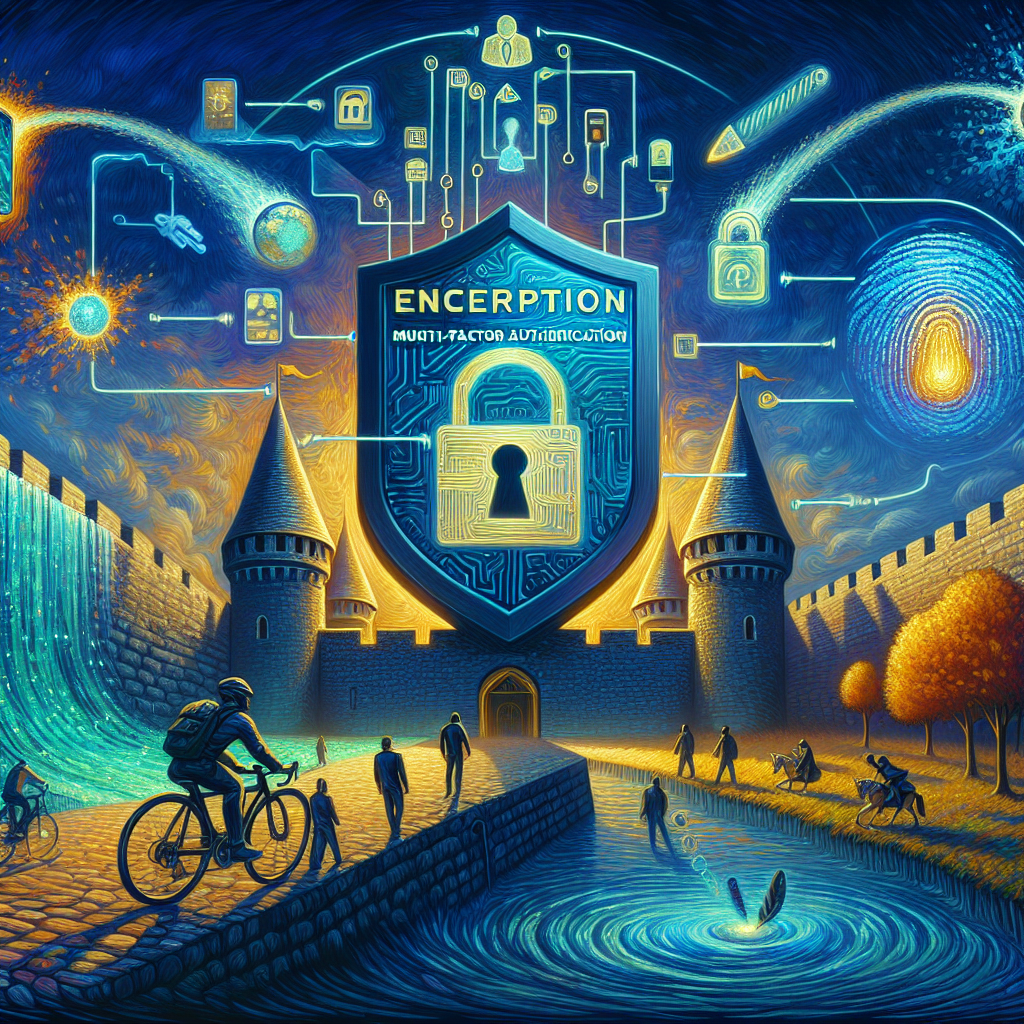
How Does Legacy Planning Influence Decision-Making Today?
How Can I Involve My Family In My Legacy Planning Process?
When it comes to legacy planning, bringing your family into the conversation isn’t just a nice idea—it’s essential. Whether you’re talking about financial inheritance or the values and stories you want to pass down, engaging your family can turn a solitary task into a collaborative journey. Here’s how to get everyone involved in shaping your legacy.
First off, have a family meeting. Sounds simple, right? But you’d be amazed at how many of us avoid this step. Sit down, perhaps with some coffee or a home-cooked meal, and lay your cards on the table. Share your vision for your legacy, and invite input. It’s not just about deciding who gets the family heirlooms; it’s about instilling the values that matter most to you. When your family hears your dreams and goals, it can spark inspiring discussions that lay the groundwork for what you’re really trying to accomplish.
Consider turning your legacy planning into a project. Involve different family members by assigning them roles that play to their strengths. Maybe one person is great with numbers and can help with financial planning, while another has a talent for storytelling and can document family histories. This collaborative effort not only lightens the load but gives everyone a stake in preserving the family’s legacy.
Don’t shy away from discussing difficult topics. Conversations about death and finances can be awkward, but they’re also essential. By tackling these hard subjects together, you can dispel misunderstandings, address fears, and create a supportive atmosphere where everyone feels heard. Remember, your legacy isn’t just about what you leave behind; it’s about how you shape and influence your family’s future.
Lastly, invite ongoing conversations. Legacy planning isn’t a one-and-done sort of deal; it needs regular updates and adjustments. Make it a point to revisit discussions over time—perhaps at family gatherings or holidays. This keeps the lines of communication open and reminds everyone that their voices matter in this process.
In short, involving your family in your legacy planning is about more than just passing on material possessions. It’s about creating a living tapestry of shared values and stories that endure through generations. So gather your family around and start this crucial conversation. You just might be surprised at how enriching it can be for everyone involved.

How Can I Involve My Family In My Legacy Planning Process?
How Can I Involve My Family In My Legacy Planning Process?
- Engaging your family in legacy planning is essential for financial and value inheritance.
- Hold a family meeting to share your vision and invite input on your legacy.
- Transform legacy planning into a collaborative project by assigning roles based on family members’ strengths.
- Tackle difficult topics like death and finances to dispel misunderstandings and fears.
- Encourage ongoing conversations about legacy planning to keep communication open.
- Legacy planning is about creating shared values and stories, not just material possessions.
- Start the legacy conversation with your family for a potentially enriching experience for all.

How Can I Involve My Family In My Legacy Planning Process?
What Steps Can I Take To Start Legacy Planning?
When we think about legacy, it often feels like a weighty concept reserved for the wealthy, the wise, or those with a particularly catchy life mantra. But let me tell you, legacy is all around us, and it’s a lot more accessible than you might think. You don’t need a vast estate or a famous last name to start planning yours. It starts with a few straightforward steps that anyone can tackle, regardless of their financial standing or social status.
The first thing you should do is sit down and reflect on what legacy means to you. What do you want to leave behind? This could be anything from material possessions to values, beliefs, or even memories. Every day, we make choices that contribute to our personal narrative. Start jotting down your thoughts, and soon enough, you’ll have a clearer idea of the kind of legacy you wish to build.
Next, get practical. Take stock of what you own—it can be your home, savings, investments, or even that old collection of baseball cards you’ve been hoarding. The point is to understand your assets and how they fit into your legacy. Once you’ve identified what you have, you should start thinking about how you want these things to be distributed. Will you pass them on to family? Charities? Maybe you have a passion project that deserves a financial boost.
Don’t forget about the importance of documentation! Trusts and wills can sound intimidating, but they’re just tools that help ensure your wishes are honored after you’re gone. They lay a solid foundation so that your family isn’t left scrambling to figure out what’s what when you kick the bucket. Online resources, local lawyers, and financial advisors can help guide you through the process—think of them as the GPS for your legacy planning journey.
Finally, don’t just set it and forget it. Life changes, and so should your planning. Review and update your plans regularly to reflect new circumstances, relationships, or priorities. The legacy you leave isn’t just about what you have but about who you are and the impacts you make along the way.
So, roll up your sleeves and tackle your legacy planning head-on. It’s never too early or too late to start thinking about what you’ll leave behind. After all, it’s your story to write—make sure it’s one worth telling!

What Steps Can I Take To Start Legacy Planning?
What Steps Can I Take To Start Legacy Planning?
- Legacy is a concept that is accessible to everyone, not only the wealthy or famous.
- Start by reflecting on what legacy means personally and what you want to leave behind.
- Take stock of your assets, including material possessions and values, to understand your legacy.
- Consider how you want your assets to be distributed—whether to family, charities, or personal projects.
- Utilize documentation tools like wills and trusts to ensure your wishes are honored after your passing.
- Regularly review and update your legacy plans to reflect changes in your life and priorities.
- Starting legacy planning is important; it’s your story to write and make worth telling.
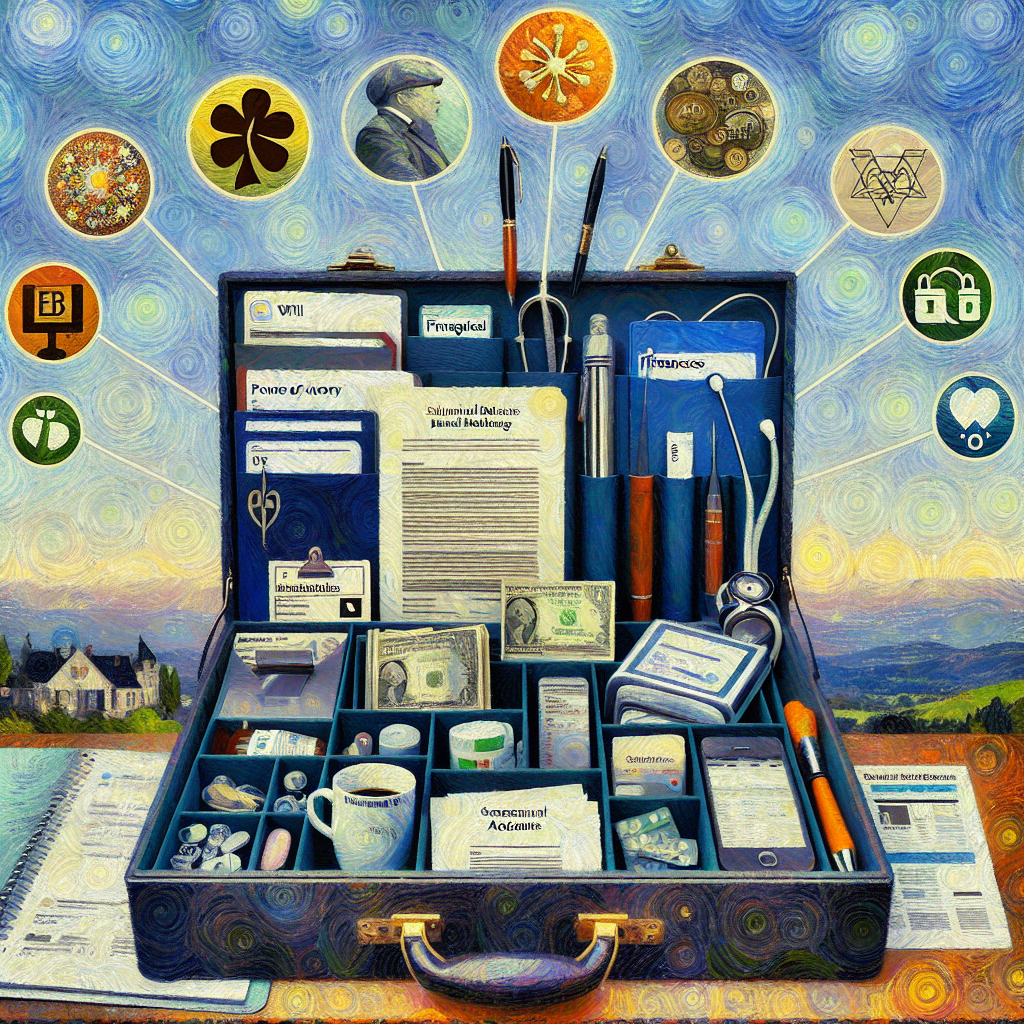
What Steps Can I Take To Start Legacy Planning?
Conclusion
So here’s the deal: when we talk about legacy planning, most folks immediately picture estates, hefty bank accounts, or shiny monuments designed to etch one’s name in history. But let’s not kid ourselves. Legacy isn’t just about the money or the grand gestures; it’s about the day-to-day choices we make—the real, gritty moments that accumulate over time to create the story of our lives. It’s like tending to a garden—every seed you plant today is a step towards the legacy you cultivate tomorrow. When you view legacy planning through this lens, it becomes crystal clear that it starts with living intentionally right here, right now.
Engaging in legacy planning isn’t just a dull task for the anxious or wealthy; it’s a golden opportunity for introspection. By identifying what truly matters to you—family, community, creativity—you begin to mold the fabric of your life into something meaningful. Picture it as holding a compass that guides each decision you make. If you lean into this process and get real about your values, each ordinary day transforms into a building block of your story—a chance to leave a mark on those you love.
Let’s get honest; many of us hesitate to dive deep into legacy discussions. We fear mortality, or we think contemplating our legacy is a monumental task best left for later. But by facing these heavy topics head-on, we gather clarity. If we approach legacy planning as a family project, we foster connection and understanding. Conversations filled with intention create a unified vision, sparking insights that might just surprise us.
As we go about our lives, our everyday actions can either drift aimlessly or align with our values—creating an emotional and financial inheritance that ripples far beyond our own lifetimes. You might start budgeting wisely or savoring that Tuesday family dinner in a way that turns it into something extraordinary. When legacy is infused into decision-making, we hold ourselves to higher standards; we shape a sustainable framework for those who follow.
So as you ponder your legacy, remember this: you don’t need to wait for some grand moment to begin planting today’s seeds. Each thoughtful choice adds to the tapestry of your story. Why wait for tomorrow? Your legacy isn’t just what you leave behind; it’s how you enrich every moment in the process. Gather your loved ones, start those meaningful conversations, and roll up your sleeves. After all, it’s your legacy—make it a narrative that’s as vibrant and rich as the life you live.

Conclusion
Conclusion:
- Legacy planning transcends material wealth; it’s rooted in daily choices and intentional living.
- Engaging in legacy planning provides an opportunity for introspection and clarity on personal values.
- Identifying what matters most—such as family and community—guides meaningful decision-making.
- Confronting legacy discussions can strengthen family connections and foster a collective vision.
- Everyday actions can create a valuable emotional and financial inheritance that lasts beyond our lifetimes.
- Thoughtful decisions transform ordinary moments, enriching life and shaping a sustainable legacy.
- Your legacy is built in the present; begin today to weave together a vibrant and rich narrative.

Conclusion
Other Resources

Other Resources
Here is a list of other resources you can review online to learn more:
- LivingDNA
- Tributes
- Trust And Will
- Cake
- Storyworth
- IronClad Family
- DocuBank
- Obituary Templates
- Postumo
- Remembered.com
Use This Prompt To Get More Resources With Your Favorite Online AI Tool: Please provide me with a list of online articles with their URLs in a bulleted list that I can read regarding Can Legacy Planning Help You Live More Intentionally Today?

Other Resources
Glossary Terms
Can Legacy Planning Help You Live More Intentionally Today? – Glossary Of Terms
1. Legacy: The lasting impact or memories that an individual leaves behind, often encompassing values, beliefs, and achievements.
2. Intentional Living: A lifestyle approach that emphasizes making conscious choices that align with one’s values and goals.
3. Estate Planning: The process of arranging for the management and disposal of an individual’s estate during their life and after death.
4. Values: Core beliefs that guide behavior and decision-making, crucial for shaping one’s legacy.
5. Goals: Specific, measurable objectives that individuals aim to achieve, providing a framework for intentional living.
6. Financial Planning: The management of finances to meet life goals, including retirement and legacy components.
7. Philanthropy: Charitable giving during one’s lifetime or in a will, aimed at creating a positive impact on society.
8. Wealth Transfer: The process of passing on assets and wealth to heirs or designated beneficiaries.
9. End-of-Life Planning: Arranging for medical care, finances, and funeral wishes as one approaches the end of life.
10. Holistic Planning: An approach that considers the overall well-being of an individual—financial, emotional, and social—when planning for the future.
11. Executor: A person appointed to manage a deceased person’s estate and ensure their wishes are carried out as per their will.
12. Will: A legal document that outlines how a person’s assets will be distributed upon their death.
13. Trust: A legal arrangement in which one party holds property for the benefit of another, often used for estate and legacy planning.
14. Insurance: Financial products that provide protection against unforeseen events, such as life insurance for legacy planning.
15. Beneficiary: An individual or entity designated to receive assets from a will, trust, or insurance policy.
16. Advance Directive: A legal document that specifies an individual’s preferences for medical treatment in case they become unable to communicate.
17. Resilience: The ability to recover from setbacks, fostering a mindset that can enhance intentional living and legacy creation.
18. Personal Narrative: The story of an individual’s life experiences, values, and beliefs, contributing to the legacy they wish to leave behind.
19. Mindfulness: The practice of staying present and fully engaging with the current moment, enhancing intentional living.
20. Community Engagement: Actively participating in local organizations and causes, reflecting an individual’s commitment to making a difference.
21. Life Review: Reflecting on past experiences and lessons learned, helping individuals align their daily lives with their desired legacy.
22. Purpose: A sense of direction that influences how one chooses to live and the legacy they aim to build.
23. Multi-Generational Planning: Crafting estate and legacy plans that consider the needs and values of multiple generations.
24. Digital Legacy: The digital presence and online assets one leaves behind, requiring attention in modern legacy planning.
25. Charitable Trust: A type of trust that benefits charitable organizations while providing tax advantages to the grantor.
26. Succession Planning: Preparing for the transition of leadership or assets in a business or organization, ensuring continuity aligned with one’s legacy.
27. Ethical Will: A non-legal document that conveys personal values, beliefs, and life lessons to future generations.
28. Legacy Letters: Written messages sharing love, hopes, and experiences with future generations, reinforcing personal values.
29. Financial Literacy: Understanding financial concepts and tools, empowering individuals to make informed decisions about their legacy.
30. Vision Statement: A written declaration of an individual’s goals and aspirations for their life and legacy, serving as a guide for intentional living.

Glossary Of Terms
Other Questions
Can Legacy Planning Help You Live More Intentionally Today? – Other Questions
If you wish to explore and discover more, consider looking for answers to these questions:
- What are some common misconceptions about legacy planning?
- How can I determine my core values for legacy planning?
- What are the emotional benefits of engaging in legacy planning?
- Are there specific tools or resources for creating a legacy plan?
- How can legacy planning benefit my relationships with family and friends?
- What legal documents are necessary for effective legacy planning?
- How often should I review and update my legacy plan?
- What role does philanthropy play in legacy planning?
- How do I start a family conversation about legacy planning?
- Can legacy planning include digital assets and online presence?
- What steps can I take if I don’t have significant wealth to leave behind?
- How does culture affect views on legacy planning?
- What impact does procrastination have on legacy planning?
- Can legacy planning evolve as my life circumstances change?
- What are some success stories related to effective legacy planning?

Other Questions
Haiku
Can Legacy Planning Help You Live More Intentionally Today? – A Haiku
Plant seeds today, thrive,
In legacy’s embrace, live—
Shape your path, leave light.

Haiku
Poem
Can Legacy Planning Help You Live More Intentionally Today? – A Poem
In the garden of life, seeds we sow,
Each choice a whisper, a future to grow.
A legacy’s not just a tale of the past,
It’s a map for today, guiding choices that last.
With intentions we gather, like threads in a weave,
The values we cherish, the truths we believe.
In the heart of each moment, possibilities bloom,
Simple acts of love chase away shadows of gloom.
Let’s gather our family, share visions and dreams,
For a legacy flourishes in interconnected streams.
Through laughter and tears, we’ll shape our design,
A tapestry rich, where our stories align.
For to plan is to treasure what truly remains—
The relationships forged, the love that sustains.
Decision by decision, through life’s winding lane,
Creating a future where hope will remain.
So pause and reflect on what matters today,
In both big and small, let your legacy play.
With purpose and clarity, you’ll live truly free,
Crafting a life that’s a gift, a legacy.

Poem
Checklist
Can Legacy Planning Help You Live More Intentionally Today? – A Checklist
1. Reflect on Your Legacy
_____ What do you want your legacy to consist of—values, beliefs, material possessions?
_____ Write down your thoughts and aspirations regarding your legacy.
2. Identify Your Core Values
_____ List your core values (e. g. , family, community, creativity).
_____ Consider how these values influence your daily decisions.
3. Take Stock of Your Assets
_____ Create an inventory of your tangible and intangible assets (real estate, savings, heirlooms, skills, experiences).
_____ Determine how you’d like these to be distributed after your passing.
4. Develop a Written Plan
_____ Draft a will or create a trust to outline your wishes clearly.
_____ Seek assistance from legal or financial advisors if necessary.
5. Communicate with Your Family
_____ Schedule a family meeting to discuss your legacy planning.
_____ Share your vision and invite feedback and conversations about values and stories.
6. Engage Your Family in the Process
_____ Assign roles based on family members’ strengths to aid in planning (e. g. , financial planning, story documentation).
_____ Encourage participation to create shared ownership of your family legacy.
7. Address Difficult Topics
_____ Discuss potential challenges and concerns openly (e. g. , death, finances).
_____ Foster a supportive atmosphere to ensure everyone feels heard.
8. Make Legacy Planning a Regular Discussion
_____ Set a routine for family conversations about legacy (e. g. , during gatherings or holidays).
_____ Agree on an ongoing commitment to update your plans as needed.
9. Revisit and Revise Your Legacy Plan
_____ Regularly review your legacy plan to adapt to changes in your life circumstances, relationships, or priorities.
_____ Keep your documentation up to date to reflect your current wishes and circumstances.
10. Take Action Today
_____ Start implementing small changes in your daily life that align with your legacy goals.
_____ Set intentions that help make your daily choices resonate with the legacy you wish to create.
By following this checklist, you can take meaningful steps towards shaping a legacy that reflects your values and impacts those you love.

Checklist
At LegacyExplorations, we help people plan and explore their legacy by collecting information and news regarding end-of-life planning.
Please share this post with your friends, family, or business associates who may want help to plan or explore their legacy.