
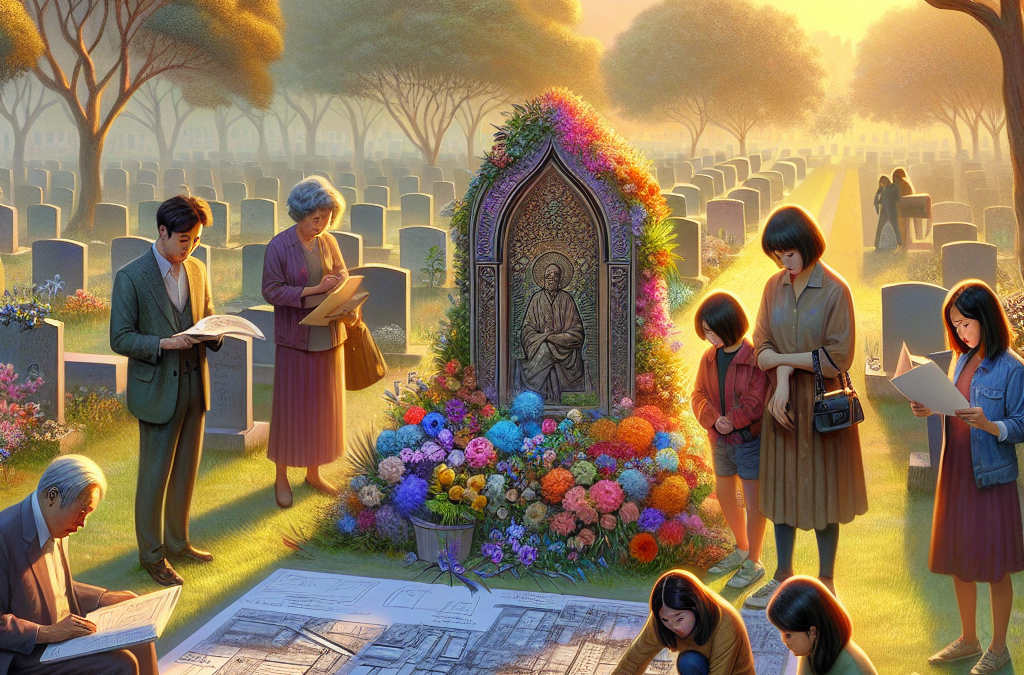
Breaking The Chains Of Legacy: How Seniors Can Move Forward
By Tom Seest
At LegacyExplorations, we help people plan and explore their legacy by collecting information and news regarding end-of-life planning.
Please share this post with your friends, family, or business associates who may want help to plan or explore their legacy.
Can Legacy Storytelling Actually Hinder Seniors From Moving On?
Legacy storytelling is often touted as a way for seniors to pass wisdom to the next generation, preserving personal history, values, and family traditions. But what if the very act of reminiscing about the good old days becomes a hindrance rather than a helpful tool? When stories transform into cobwebs of nostalgia, they can sometimes create a barrier that keeps seniors anchored to a past that is no longer relevant.
Consider this: when seniors dive deeply into their legacy storytelling, they often find solace in recounting moments that shaped their identities. While these narratives serve a purpose, there is a risk of becoming so entangled in their tales that they lose sight of the present. It’s great to remember the triumphs and trials of a life well-lived, but too much dwelling can lead to a sense of stagnation. At some point, the stories are no longer a window to wisdom, but rather a wall that keeps them confined.
Indeed, it can be rather comforting to wrap oneself in the warm blanket of yesteryear. After all, it’s not merely about the events recounted; it’s about the connections and the emotions they evoke. However, one must ask: does this sense of belonging to the past serve as a crutch? For some seniors, the deeper the legacy storytelling runs, the more entrenched they become in an identity firmly rooted in what once was—rather than embracing what could be.
While sharing stories with family and friends can generate meaningful connections, it can also spark feelings of loss or regret. “If only I had done this differently,” might echo in the mind after recounting certain chapters of life. These reflections, which should ideally serve as lessons, can morph into regrets that weigh heavily on the heart.
So, what’s the takeaway? Legacy storytelling, while beneficial in many respects, requires balance. It’s vital for seniors to embrace their stories without being shackled by them. The key lies in finding a way to weave those threads of the past into the fabric of the present. Instead of being merely a storyteller, it’s important to also be a seeker of new experiences and relationships—making the most of the time left, rather than getting lost in what’s already been lived. After all, the stories we leave behind should inspire, not confine.

Can Legacy Storytelling Actually Hinder Seniors From Moving On?
Can Legacy Storytelling Actually Hinder Seniors From Moving On?
- Legacy storytelling allows seniors to pass on wisdom, preserve history, and share family traditions.
- Reminiscing can turn into nostalgia, creating barriers that keep seniors anchored to the past.
- Deep engagement in legacy storytelling risks leading seniors to lose sight of the present and feel stagnant.
- A strong connection to past narratives can become a crutch, hindering the embrace of new experiences.
- While sharing stories fosters connections, it may also evoke feelings of loss or regret.
- Balance is crucial; seniors should embrace their stories without being restricted by them.
- Legacy storytelling should inspire future experiences and relationships rather than confine individuals to what has already been lived.

Can Legacy Storytelling Actually Hinder Seniors From Moving On?
Table Of Contents
- Can Legacy Storytelling Actually Hinder Seniors From Moving On?
- What Is Legacy Storytelling And Its Impact On Seniors?
- How Does Reminiscing Affect Mental Health In Older Adults?
- Can Focusing On The Past Prevent Personal Growth In Seniors?
- Are There Psychological Benefits Of Letting Go Of Legacy Stories?
- How Can Seniors Balance Nostalgia With Present Experiences?
- What Role Does Family Play In Legacy Storytelling For Seniors?
- Can Legacy Storytelling Foster Connections Or Create Divisions?
- Conclusion
- Other Resources
- Glossary Of Terms
- Other Questions
- Haiku
- Poem
- Checklist
What Is Legacy Storytelling And Its Impact On Seniors?
Legacy Storytelling is a concept that’s rooted in the very fabric of human connection. At its core, it’s about capturing the art of sharing experiences, wisdom, and memories from one generation to the next. Imagine sitting around a flickering fire or in a cozy living room, surrounded by family, and hearing tales of times past—the laughter, the struggles, the triumphs. The passing down of these stories is not just a pastime; it’s a vital component of our heritage and identity.
For seniors, the impact of Legacy Storytelling is profound. As individuals age, they often accumulate a wealth of experiences that shape not only who they are, but also who their loved ones become. By taking the time to share their life stories, seniors find a renewed sense of purpose. It’s as if they hold a mirror to their own lives, reflecting back the lessons learned and providing critical insights to younger generations. It’s one heck of a gift, really—a chance to leave behind not just possessions or money, but a treasure trove of wisdom.
Moreover, Legacy Storytelling serves as a bridge that connects the past with the present. For the younger ears that listen in rapt attention, these stories are invaluable. They offer context, instill values, and remind us of the trials and tribulations faced by those before us. In a world racing towards the latest technology and rapid change, these stories become an anchor for the youth, solidifying their roots and giving them a sense of belonging.
Beyond just passing on knowledge, there’s an emotional side to this form of storytelling that deserves attention. When seniors share their narratives—whether they are filled with joy, sorrow, or humor—it fosters intimacy. It opens channels of communication that can sometimes become stifled with time and distance. This exchange not only strengthens family bonds but also affirms the worth of the storyteller, allowing them to feel valued and heard.
In a society that often overlooks the elderly, Legacy Storytelling reclaims their voice. It emphasizes the importance of their role in the family unit and society at large. By shining a light on their experiences, we find that the stories they share are not just relics of the past, but living, breathing lessons that continue to resonate, enrich, and inspire. So let’s not wait until it’s too late—let’s listen, engage, and celebrate the stories that define us all.

What Is Legacy Storytelling And Its Impact On Seniors?
What Is Legacy Storytelling And Its Impact On Seniors?
- Legacy Storytelling captures the art of sharing experiences, wisdom, and memories across generations.
- For seniors, sharing life stories renews their sense of purpose and reflects lessons from their lives.
- These stories are a valuable gift that pass down wisdom rather than just material possessions.
- Legacy Storytelling connects the past with the present, providing context and instilling values in younger generations.
- This form of storytelling fosters intimacy and strengthens family bonds through shared narratives.
- It reclaims the voice of the elderly, emphasizing their importance in families and society.
- Listening to and celebrating these stories enriches our lives and preserves our shared heritage.

What Is Legacy Storytelling And Its Impact On Seniors?
How Does Reminiscing Affect Mental Health In Older Adults?
As we navigate the golden years of life, it’s important to acknowledge that our past isn’t just a collection of faded memories; it’s a treasure trove filled with experiences that shape who we are and how we see the world. Enter the concept of reminiscing—a gentle, reflective act that can profoundly influence mental health in older adults.
When we think of reminiscing, we often picture family gatherings where laughter rings out as old stories are recounted. This act goes beyond mere nostalgia; it’s a form of legacy storytelling. It’s weaving a tapestry of one’s life experience, sharing lessons learned, moments of joy, and even tales of hardship that can leave a lasting impact on both the storyteller and the listener.
There’s something remarkably therapeutic about telling these stories. For older adults, recalling specific events or feelings can stimulate cognitive functions, boosting mental agility. Each story acts as a mental exercise, challenging the brain to navigate time and memory, which can stave off cognitive decline. But it doesn’t stop there—those shared moments also foster emotional well-being. They provide a sense of continuity and identity, reminding individuals of their place in the world and the contributions they’ve made.
Moreover, legacy storytelling enhances connections among family members and friends. When an older adult shares their experiences, it creates a bridge between generations. Younger listeners gain insights into the values and traditions that have shaped their family’s character. This exchange can be profoundly affirming for the senior; it validates their experiences and gives them a sense of purpose. Suddenly, they are not just recounting the past; they are sculpting their legacy, grounded in context and significance.
Additionally, engaging in reminiscing can function as a healthy coping mechanism for older adults facing life’s inevitable changes. Whether it’s the loss of a spouse, retirement, or a decline in health, reflecting upon joyful memories can provide comfort and solace. Instead of dwelling on regrets or losses, reminiscing encourages a focus on all the beauty life has offered, reducing feelings of loneliness and depression.
In this simple act of sharing and reflecting, older adults can find solace, foster relationships, and cement their place in the ongoing story of their family. So, the next time you encounter a seasoned storyteller, sit back, listen closely, and cherish the gift of their narrative.

How Does Reminiscing Affect Mental Health In Older Adults?
How Does Reminiscing Affect Mental Health In Older Adults?
- Reminiscing is a reflective act that shapes identity and worldview in older adults.
- It goes beyond nostalgia, serving as a form of legacy storytelling that weaves life experiences into a cohesive narrative.
- Telling stories can stimulate cognitive functions and boost mental agility, helping to stave off cognitive decline.
- Sharing experiences fosters emotional well-being, providing continuity and identity for older individuals.
- Legacy storytelling enhances intergenerational connections, allowing younger listeners to gain insights into familial values and traditions.
- Reminiscing acts as a healthy coping mechanism for coping with life changes, encouraging focus on joyful memories instead of losses.
- Engaging in reminiscence fosters relationships and cements an individual’s place in their family’s ongoing story.

How Does Reminiscing Affect Mental Health In Older Adults?
Can Focusing On The Past Prevent Personal Growth In Seniors?
As we navigate the winding road of aging, one question looms large: can focusing on the past hinder personal growth in our later years? It’s an interesting conundrum. Think about it—our lives are practically libraries of experience, and each chapter holds a mix of triumphs and tribulations. For many seniors, reminiscing is a form of Legacy Storytelling. It’s a way to hold onto their identities, to connect with those who come after them, and maybe even to impart valuable lessons learned along the way.
Legacy storytelling can be a beautiful thing. It allows individuals to weave their experiences into tapestries rich with wisdom. Grandparents spinning tales of their youth can offer a sense of heritage, pride, and continuity. But hold on a second—what happens when those tales become the sole focus of one’s existence? When the longing for days gone by overshadows the vibrant world right outside their window?
Too much time spent in the rearview mirror can cut off paths to new experiences. Like the wise old adage says, “You can’t drive forward while looking in the rearview.” It cultivates a mindset that may overlook fresh opportunities for learning and growth. Perhaps an eager group of grandchildren would benefit more from hearing stories about their loved ones’ dreams and aspirations rather than their lost youth.
That’s where the art of balance comes into play. It’s okay to honor the past, to cherish it, and yes, to share it. But it’s equally important to engage in the present. Think about it: a senior who spends time volunteering, picking up a new hobby, or even befriending a neighbor is creating new chapters—ones that add richness to their lives that can be shared just as profoundly. Perhaps they could host a storytelling night that blends legacy with innovation, encouraging younger generations to share their own narratives.
Focusing on the past isn’t inherently bad; it’s a human instinct. However, if we cling too tightly, we may miss out on the myriad of moments waiting to be embraced today. Growth isn’t just a young person’s game. For seniors, it can be a bold leap into the unknown—an opportunity to weave new threads into that ever-growing tapestry of life.

Can Focusing On The Past Prevent Personal Growth In Seniors?
Can Focusing On The Past Prevent Personal Growth In Seniors?
- Reflecting on the past can impact personal growth in later years.
- Many seniors engage in Legacy Storytelling to maintain their identities and connect with new generations.
- Legacy storytelling enriches lives with wisdom and a sense of heritage.
- Over-focusing on the past can prevent individuals from experiencing new opportunities.
- Engaging in the present, like volunteering or picking up new hobbies, fosters personal development.
- A balance between honoring the past and embracing the present is crucial for overall growth.
- Growth in later life can lead to new experiences and enrich the life tapestry.

Can Focusing On The Past Prevent Personal Growth In Seniors?
Are There Psychological Benefits Of Letting Go Of Legacy Stories?
When we talk about Legacy Storytelling, we’re often grappling with the narratives that shape our identities. These tales—passed down from generation to generation—can feel like comforting old shoes. They fit, but they also have a way of holding us back. Sure, they might keep our feet warm and grounded in the past, but they can also pinch when we try to take a step forward. So, what happens when we consider letting go of these legacy stories?
First off, there’s liberation in releasing the grip of those narratives. Many of us are caught in a cycle of repetition, living out chapters that were written long before our own pages began. Letting go is like decluttering a closet overflowing with vintage attire; it creates space for new experiences. Instead of feeling doomed to relive the same patterns, we open ourselves to the possibility of fresh perspectives.
Psychologically speaking, this act can be deeply invigorating. When we shed these legacy stories, we disengage from the limiting beliefs that often accompany them. Perhaps we’ve inherited a tale of failure or hardship. By holding onto that narrative, we may inadvertently anchor ourselves to outcomes we fear or expect based on those past experiences. When we let go, we allow ourselves the chance to rewrite our own story—one that doesn’t just reflect the struggles of times gone by but one that embraces the resilience and growth we cultivate in our lives today.
Moreover, letting go can foster a sense of empowerment. Imagine walking through life with a pack of stones slung over your shoulder, each rock representing a legacy story you’ve been told or lived. Gritting your teeth, you carry those burdens, fearing what might happen if you were to drop them. Now, picture standing at a cliff’s edge, thoughtfully tossing those stones into the abyss. It’s an act of choice. It’s freeing. You reclaim your strength, confidence, and agency.
Ultimately, the psychological benefits of letting go of legacy stories are vast. It invites healing, sparks creativity, and cultivates a profound sense of authenticity. You step into your own narrative—not a tribute to the past or a chain that drags you down, but a vibrant declaration of who you are and who you wish to become. So, let’s not just hold onto the stories of old; let’s pave the way for the tales yet to be written.

Are There Psychological Benefits Of Letting Go Of Legacy Stories?
Are There Psychological Benefits Of Letting Go Of Legacy Stories?
- Legacy storytelling shapes our identities but can also hold us back.
- Letting go of legacy stories offers liberation, creating space for new experiences.
- Releasing these narratives helps to disengage from limiting beliefs inherited from the past.
- By releasing legacy stories, individuals can rewrite their own narratives focused on resilience and growth.
- Letting go fosters empowerment, allowing people to reclaim strength and agency.
- The psychological benefits of this process include healing, creativity, and authenticity.
- Embracing new stories paves the way for personal transformation and future evolution.

Are There Psychological Benefits Of Letting Go Of Legacy Stories?
How Can Seniors Balance Nostalgia With Present Experiences?
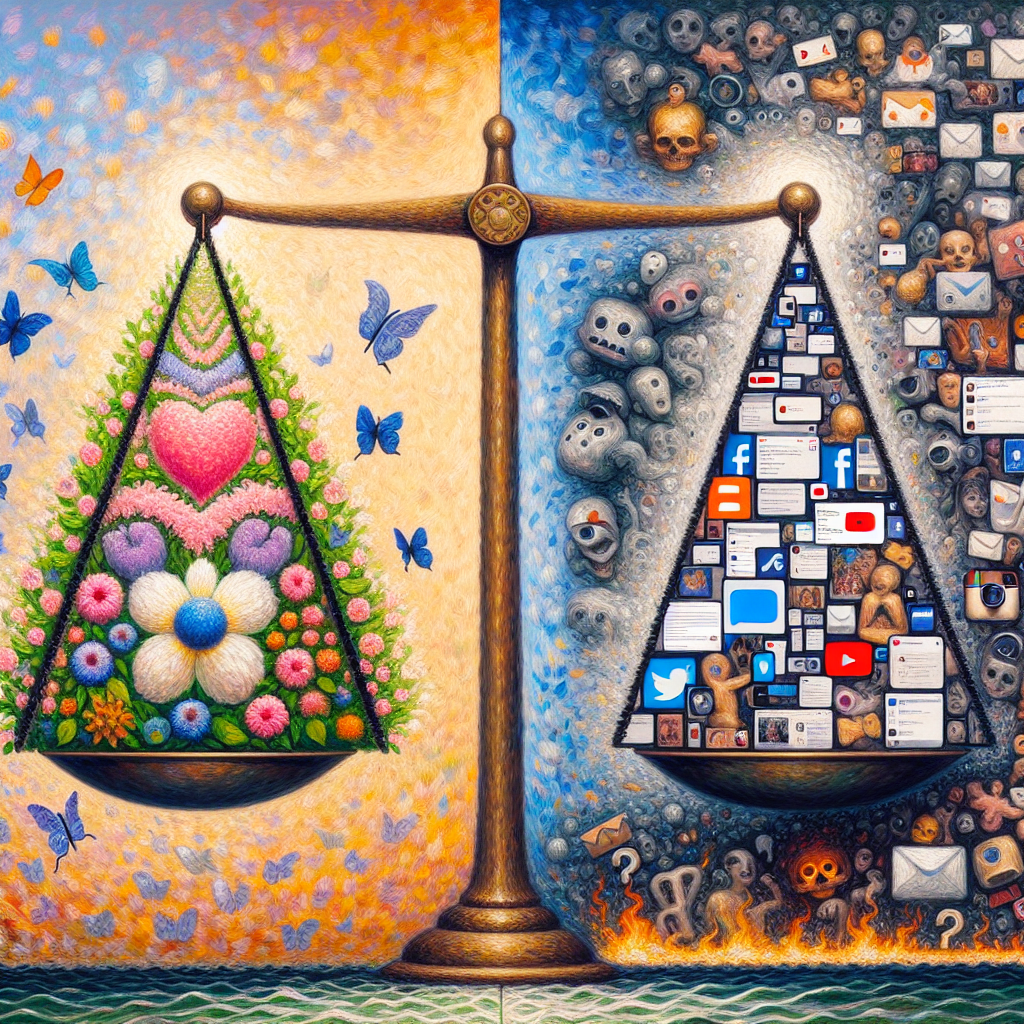
As we navigate the winding paths of our lives, it’s easy to find comfort in the warm embrace of nostalgia. Those cherished memories—faded photographs, old songs, and laughter-filled gatherings—become our personal legacy storytelling. They’re the treasures tucked away in the attic of our minds, reminding us of who we were and where we’ve come from.
However, while reminiscing is invaluable, it shouldn’t eclipse the present. Seniors, in particular, can find themselves at a crossroads, surrounded by a world that moves at a frenetic pace, all while clinging to the richness of days gone by. Balancing these two emotional realms is not just healthy; it’s crucial for overall well-being.
First, consider the power of connection. Sharing your legacy storytelling isn’t just about recounting tales from yesteryears; it’s about intertwining those stories with the experiences of younger generations. When you pass down lessons learned and adventures had, you’re not merely echoing the past; you’re crafting a bridge to the present. Organizing family gatherings where stories are exchanged can invigorate bonds. The laughter that erupts over shared memories can energize the room and spark joy that transcends age gaps.
Next, embrace the present with an open heart. Seniors often shy away from new experiences, believing they’ve lived enough adventures already. But the truth is, life continually offers opportunities for exploration—whether that’s picking up a new hobby, volunteering in your community, or immersing yourself in technology. Embrace that smartphone; it’s a gateway to connecting with the world beyond your front door!
Lastly, practice mindfulness. Being present doesn’t mean completely abandoning the past; it means valuing both facets of life—past and present. Engage in activities that help you stay grounded, like meditation or nature walks. These moments create space for reflection and appreciation, allowing nostalgia to provide comfort without overshadowing new joys.
It’s possible to hold nostalgia close while also welcoming new experiences. Your legacy storytelling adds richness to life, but each day has its own stories waiting to be told. By balancing the past with the present, seniors can cultivate a life that honors history while remaining fully alive to today’s possibilities. Embrace both sides and watch as joy flourishes unexpectedly in critical moments of connection.
How Can Seniors Balance Nostalgia With Present Experiences?
How Can Seniors Balance Nostalgia With Present Experiences?
- Nostalgia serves as a comforting tool, connecting us to our personal legacy through cherished memories.
- While reminiscing is valuable, it’s important not to let it overshadow the present, especially for seniors.
- Creating connections by sharing legacy stories with younger generations strengthens familial bonds.
- Engaging in family gatherings for storytelling can invigorate relationships and spark joy across ages.
- Seniors should embrace new experiences, exploring hobbies or volunteering to remain active in the present.
- Practicing mindfulness helps balance appreciation for the past while remaining engaged in present activities.
- By honoring both nostalgia and new experiences, seniors can cultivate a fulfilling life rich in stories and joy.

How Can Seniors Balance Nostalgia With Present Experiences?
What Role Does Family Play In Legacy Storytelling For Seniors?
Legacy storytelling isn’t just the practice of recounting tales; it’s a tapestry woven with memories, emotions, and lessons learned over a lifetime. As we age, many look back and crave a way to share their experiences, and that’s where family comes into play. Family is the cornerstone of this legacy storytelling, acting as both the audience and the narrative’s co-creator.
Imagine gathering around the dinner table, the clinking of silverware and the aroma of home-cooked meals filling the air. Seniors have a treasure trove of stories—some hilarious, some heart-wrenching, and some that leave you scratching your head in wonder. It’s in these moments, with family gathered at their side, that elders can share their legacy storytelling. Each story, each laugh, and even each tear forms connective tissue between generations.
But it’s not just about relishing the past; it’s also about understanding the threads that tie families together. When family members actively engage in the storytelling, the stories evolve. They become vibrant. For instance, a grandparent’s tale of how they met their spouse turns into a multi-generational saga when grandchildren interject with their perspectives or ask clarifying questions. These layers create a living history, a rich narrative that breathes life into what might otherwise fade into silence.
Family also plays a role in preserving these stories. The younger generations can take those precious anecdotes and record them—whether through audio, video, or written form—transforming casual conversations into cherished legacies. This preservation is crucial. In a world where technology moves faster than any of us can keep up with, documenting these stories ensures they are not lost to the sands of time.
Additionally, family members can encourage seniors to reflect on their lives, prompting them to dive deeper into their experiences. A simple question like, “What was your most memorable adventure?” can unlock a cascade of tales that reveal profound truths and timeless lessons. This back-and-forth enhances the experience for both the storyteller and the listener, with each member coming away richer for it.
In essence, family is the lifeblood of legacy storytelling for seniors. They are the facilitators, the audience, and ultimately, the heirs to these invaluable narratives. Engaging in this shared endeavor not only honors the past but also strengthens family bonds and fosters an appreciation for the wisdom that comes with age.

What Role Does Family Play In Legacy Storytelling For Seniors?
What Role Does Family Play In Legacy Storytelling For Seniors?
- Legacy storytelling weaves together memories, emotions, and lessons from a lifetime.
- Family acts as the cornerstone of legacy storytelling, serving as both the audience and co-creators.
- Seniors share a variety of stories—hilarious, heart-wrenching, and thought-provoking—during family gatherings.
- Engagement from family members transforms stories into vibrant, multi-generational sagas.
- Younger generations can preserve these stories through audio, video, or written forms, ensuring they endure.
- Prompting seniors to reflect on their lives enhances storytelling, revealing profound truths and lessons.
- Family involvement not only honors the past but also strengthens bonds and fosters appreciation for wisdom.

What Role Does Family Play In Legacy Storytelling For Seniors?
Can Legacy Storytelling Foster Connections Or Create Divisions?
In an age brimming with digital noise, where a scroll through social media often feels more like an assault than a conversation, the notion of Legacy Storytelling takes on a vital role. In its essence, Legacy Storytelling isn’t just about recounting events, but about weaving a tapestry of shared experiences that resonate—sometimes across generations. Yet, as profound as it can be, it walks a fine line between bringing people together and pulling them apart.
Consider the tales passed down from grandparents to grandchildren. These stories, enriched with lessons, morals, and vivid imagery, serve as a lifeline to times gone by. They remind us of where we come from, nourishing a sense of belonging. When families gather around a table, recounting moments of bravery, humor, or grief, something magical happens. Bonds are strengthened; laughter echoes, and the simplest narratives can ground us in our shared humanity. It’s a beautiful dance of connection, a warm hug in a world that occasionally feels indifferent.
However, the beauty of Legacy Storytelling is also its potential for division. Different stories and perspectives can create rifts between generations or cultures. What one family cherishes might be another’s source of pain—an untold grievance festering beneath the surface. For instance, the heroic tales told around the fire might overlook the struggles and sacrifices of those who were marginalized—voices not always included in the narrative. As stories are retold, sometimes unconsciously, biases can seep in. Those narratives can forget or distort the pain of others, perpetuating a cycle of misunderstanding.
Moreover, as society evolves, so too do the tales we tell. What once served as a unifying thread might now sound like a discordant tune to newer ears. Legacy Storytelling can inadvertently highlight differences—between what is considered “us” and “them.” In such a complicated landscape, where the past collides with the present, we must ask ourselves: are we nurturing a sense of belonging or inadvertently building walls?
LLegacy Storytelling holds the power to connect and divide, reminding us of our shared struggles and triumphs while also challenging us to confront uncomfortable truths. As we stand on the threshold of our own narratives, it’s essential we choose our words carefully, ensuring that our stories do more than simply echo through time; they should inspire, heal, and unite.

Can Legacy Storytelling Foster Connections Or Create Divisions?
Can Legacy Storytelling Foster Connections Or Create Divisions?
- Legacy Storytelling plays a vital role in a noisy digital age, serving as a way to connect through shared experiences.
- Stories passed down between generations provide a sense of belonging and remind us of our roots.
- Family gatherings over storytelling strengthen bonds, evoke laughter, and ground us in our humanity.
- Despite its beauty, Legacy Storytelling can also create division and highlight differing perspectives.
- Some cherished tales may overlook marginalized voices and contribute to misunderstandings.
- The evolution of society can shift the meaning of stories, potentially highlighting differences instead of unity.
- It is essential to choose our words carefully in Legacy Storytelling to inspire, heal, and unite rather than create divisions.

Can Legacy Storytelling Foster Connections Or Create Divisions?
Conclusion
As we wrap up this exploration of legacy storytelling and its impact on seniors, let’s take a moment to reflect on the balance between celebrating the past and living fully in the present. You see, there’s a real art to legacy storytelling—a marvelous way for older generations to pass down their experiences, wisdom, and values to the younger ones who will carry those narratives forward. Think of it as holding up a mirror that reflects not just who they were but also who they could inspire others to become. These stories can be beautiful connections, bridging the chasm between generations, but they can also act like a double-edged sword, if care isn’t taken.
When reminiscing transforms into an anchor holding someone back, it’s time for a reality check. Sure, recapping the glory days and less-than-stellar moments can be comforting, but that same nostalgia can lead to feeling stuck—like watching life from behind a glass window, while the world outside continues to spin. A relentless focus on what’s been can overshadow the richness of what’s still left to experience. It’s like driving with your eyes glued to the rearview mirror; sooner or later, you’ll smack right into that tree you didn’t see coming.
So what’s the takeaway here? Balance. Remember, it’s about weaving those cherished stories into the fabric of daily life, not letting them become the sole tapestry. Imagine mixing the old tales of resilience and triumph with fresh narratives of new adventures you’ve recently stepped into—volunteering, learning that funky new dance, or diving into the digital world. Sharing your life experience with younger generations while welcoming their experiences in return creates a dynamic exchange.
And here’s the real kicker: while it’s undeniably important for seniors to authentically share their legacy, it’s equally vital to let go of any burden these stories may impose. Freeing oneself from limiting beliefs tied to those stories invites room for growth, empowerment, and a renewed sense of purpose. It’s about being a storyteller and a seeker.
At the end of the day, the legacy we leave behind ought to be a source of inspiration—not a chain that binds us. So, let’s celebrate those life stories, not only for what they represent but also for the adventures that still await us. After all, we’re all in this storytelling journey together, connecting the past and present, one narrative at a time. Let’s embrace every chapter, because the best is always yet to come.

Conclusion
Conclusion:
- Legacy storytelling is a valuable way for seniors to pass down their experiences, wisdom, and values to younger generations.
- These stories create connections between generations but can also become limiting if not handled carefully.
- Nostalgia can lead to feeling stuck in the past, overshadowing the richness of present experiences.
- Balance is key—integrate cherished stories into daily life without allowing them to dominate it.
- Seniors should share their life experiences while also welcoming new narratives from younger generations.
- Letting go of burdens imposed by these stories can foster personal growth and a renewed sense of purpose.
- The legacy left behind should inspire rather than hold one back, celebrating life stories and future adventures.

Conclusion
Other Resources

Other Resources
Here is a list of other resources you can review online to learn more:
- Ever Loved
- MyMoriam
- Everplans
- Bcelebrated
- Knotify.me
- FutureMe
- Legacy Family Tree
- Funeral Services Guide
- Postumo
- Geneanet
Use This Prompt To Get More Resources With Your Favorite Online AI Tool: Please provide me with a list of online articles with their URLs in a bulleted list that I can read regarding Can Legacy Storytelling Actually Hinder Seniors From Moving On?

Other Resources
Glossary Terms
Can Legacy Storytelling Actually Hinder Seniors From Moving On? – Glossary Of Terms
1. Legacy Storytelling: The practice of sharing life stories, experiences, and values passed down from one generation to another, often intended to create a sense of identity and continuity.
2. Nostalgia: A sentimental longing for the past, which can bring comfort but may also lead to fixation on earlier life stages, hindering forward movement.
3. Cognitive Processing: The way in which individuals interpret and think about their experiences, which can be influenced by storytelling.
4. Emotional Attachment: A deep connection to past experiences and narratives that can elicit strong feelings, potentially affecting one’s ability to embrace change.
5. Therapeutic Value: The benefits derived from sharing personal stories that may help in healing or coping with emotional pain.
6. Grief: The sorrow experienced after a loss that can be interwoven with legacy storytelling, affecting the way seniors perceive their personal history.
7. Identity Formation: The process of developing a sense of self, which may be heavily influenced by the stories one tells about their life experiences.
8. Intergenerational Communication: Conversations and exchanges between different generations that can shape understanding and relationships, often influenced by storytelling.
9. Reminiscence Therapy: A therapeutic approach that involves discussing past experiences to enhance psychological well-being, especially in seniors.
10. Life Review: A reflective process where an individual evaluates their life and experiences, often as part of legacy storytelling.
11. Cultural Heritage: The ideas, customs, and social behaviors of a particular group that may be preserved through storytelling.
12. Closure: The feeling of having resolved emotional conflicts or outstanding issues, which could be complicated by focusing too much on the past.
13. Psychological Resilience: The ability to adapt positively to adversity, which might be affected by how seniors engage with their life narratives.
14. Memory Recall: The process of retrieving past experiences, which can be selective and influenced by storytelling efforts.
15. Social Connectedness: The sense of belonging and relationships with others that might be reinforced or diminished through legacy narratives.
16. Existential Reflection: The contemplation of life’s meaning and purpose, which can be both a beneficial and a hindering aspect of legacy storytelling.
17. Disengagement Theory: A sociological theory positing that older adults may gradually withdraw from social involvements, sometimes reflected in their storytelling.
18. Narrative Identity: The internalized and evolving story of the self that shapes how individuals perceive their lives and histories.
19. Coping Mechanism: Strategies employed to manage stress or emotional pain, which can include engaging in legacy storytelling.
20. Anxiety of Aging: The unease or concern related to growing older, which may affect a senior’s willingness to move on from past experiences.
21. Life Stage Transition: Changes in life circumstances, such as retirement or the loss of loved ones, that legacy stories can complicate or alleviate.
22. Self-Reflection: The process of introspection, which may be guided by the stories one tells about themselves and their experiences.
23. Narrative Dissonance: The conflict that arises when one’s life story does not align with current realities, possibly hindering personal growth.
24. Identity Crisis: A time of uncertainty and confusion in which a person’s sense of self becomes insecure, potentially exacerbated by a focus on legacy.
25. Social Isolation: The lack of social interaction, which can be both a risk factor for seniors and a consequence of an overemphasis on personal history.
26. Interpersonal Relationships: The connections and interactions with others that may be fostered or strained by storytelling practices.
27. Support Systems: Networks of family and friends that can either support the continuation of storytelling or encourage moving forward.
28. Acceptance: The acknowledgment and coming to terms with past experiences, essential for a balanced approach to legacy storytelling.
29. Empowerment: The process of gaining confidence and self-determination, which can be stifled if storytelling overly emphasizes loss rather than growth.
30. Meaning-Making: The cognitive process of understanding and interpreting life events, which legacy storytelling can influence positively or negatively.
These terms collectively explore how legacy storytelling can play a complex role in the lives of seniors, potentially facilitating or hindering their ability to move on from past experiences.

Glossary Of Terms
Other Questions
Can Legacy Storytelling Actually Hinder Seniors From Moving On? – Other Questions
If you wish to explore and discover more, consider looking for answers to these questions:
- What are some effective methods for seniors to share their legacy stories without feeling stuck in the past?
- How can families encourage their elderly members to balance storytelling with creating new experiences?
- What resources are available to help seniors document their life stories meaningfully?
- Are there specific techniques that seniors can use to mitigate feelings of regret while reminiscing?
- How can community programs support legacy storytelling among seniors?
- What role does technology play in modern legacy storytelling for seniors?
- How can younger family members engage and learn from their elders’ stories?
- Can legacy storytelling be detrimental to mental health, and how can that be addressed?
- What strategies exist for fostering positive family discussions around legacy storytelling?
- Are there emotional risks involved in shifting focus from the past to the present experiences for seniors?

Other Questions
Haiku
Can Legacy Storytelling Actually Hinder Seniors From Moving On? – A Haiku
Tales of the old days,
Wisdom wrapped in cobwebs tight—
Letting go brings light.

Haiku
Poem
Can Legacy Storytelling Actually Hinder Seniors From Moving On? – A Poem
In the dim light of memory’s embrace,
Where stories of yore find their place,
Seniors whisper tales, both bitter and sweet,
A tapestry woven where past and present meet.
These stories, a bridge to futures yet bright,
Hold wisdom and laughter, and sometimes dread’s bite,
Yet too oft, like shadows, they draw one away,
From the vibrant now, where new moments play.
Nostalgia’s warm blanket can cocoon so tight,
That beauty of today fades from sight,
“Remember when…” floats on silken air,
But what of the now, the joys waiting there?
Regret may linger in stories retold,
A longing for dreams that slipped from our hold,
Yet wisdom lies not in the weight of the past,
But in weaving each tale to forever last.
Seek balance, dear elder, let your stories flow,
Share threads of your life, then let fresh winds blow,
For life is a canvas, still waiting to paint,
New chapters of joy, love, daring, and quaint.
So gather your loved ones, let laughter unite,
Share tales that inspire, that spark pure delight,
As you break the chains of those stories that stick,
Embrace new experiences—make life a grand flick.
With each passing moment, new stories will write,
Intertwined with the old, they’ll shine ever bright,
For legacy lives not just in what’s known,
But in living our truths, and allowing them to grown.

Poem
Checklist
Can Legacy Storytelling Actually Hinder Seniors From Moving On? – A Checklist
1. Reflect on Your Stories:
_____ Ask yourself which stories from your past are meaningful and why.
_____ Consider what lessons you’ve learned from these experiences.
2. Set Storytelling Boundaries:
_____ Determine how much time you want to spend reminiscing versus engaging in new experiences.
_____ Aim for balance; enjoy storytelling but also be present in your current life.
3. Engage with Family:
_____ Schedule regular family gatherings or storytelling nights to share experiences.
_____ Encourage family members to share their stories as well to foster connection.
4. Invite New Perspectives:
_____ Encourage younger family members to ask questions about your tales.
_____ Be open to their experiences and insights to enrich the storytelling experience.
5. Seek New Experiences:
_____ Try a new hobby, volunteer, or learn a new skill to create new stories.
_____ Prioritize engaging with the world outside your home.
6. Practice Mindfulness:
_____ Incorporate mindfulness techniques into your daily routine to stay present (e. g. , meditation, nature walks).
_____ Take moments to appreciate current experiences without dwelling on the past.
7. Let Go of Limiting Narratives:
_____ Identify any legacy stories that may limit or define you negatively.
_____ Empower yourself to rewrite your story, focusing on resilience and growth.
8. Document Your Stories:
_____ Consider recording your stories through written, audio, or video formats for future generations.
_____ Keep your legacy alive, but also embrace the ongoing story of your life.
9. Balance Nostalgia with Current Joys:
_____ When sharing past memories, intertwine them with lessons that apply to today’s world.
_____ Look for ways to see how past experiences inform and enhance current opportunities.
10. Evaluate Emotional Connections:
_____ Assess whether your reminiscing feels comforting or stifling.
_____ If stories evoke regret or sadness, consider discussing these feelings with a trusted family member or friend.
11. Foster Open Communication:
_____ Encourage conversations about family history that embrace both pride and acknowledgment of struggles.
_____ Be willing to share difficult truths alongside uplifting stories to foster understanding and connection.
12. Celebrate New Memories:
_____ Make a conscious effort to create new memories with family and friends.
_____ Plan outings or adventures that can become future stories to share.
By following this checklist, seniors can effectively navigate the delicate balance between honoring their past through legacy storytelling while also embracing growth and new experiences in the present.

Checklist
At LegacyExplorations, we help people plan and explore their legacy by collecting information and news regarding end-of-life planning.
Please share this post with your friends, family, or business associates who may want help to plan or explore their legacy.