

Reframing Legacy: The Weight Of Storytelling For Seniors
By Tom Seest
At LegacyExplorations, we help people plan and explore their legacy by collecting information and news regarding end-of-life planning.
Please share this post with your friends, family, or business associates who may want help to plan or explore their legacy.
Can Legacy Storytelling Be a Burden Instead Of a Gift for Seniors?
Legacy storytelling is often celebrated as a beautiful way for seniors to pass down their experiences, wisdom, and cherished memories. It’s the thread connecting generations, right? But hold your horses for just a moment. While sharing stories can be deeply fulfilling, it can also become a burden—more than just words woven into a tapestry of family tradition.
Consider this: for some seniors, the very act of reliving those past moments can dredge up not only fond memories but also painful ones. Powering through the tales of love, loss, triumph, and failure can be an emotional rollercoaster. When the storyteller feels boxed in by an unyielding need to deliver their legacy, those once cherished memories can become shackles rather than the wings they were meant to be.
Let’s not kid ourselves here; this responsibility can feel heavier with each passing day. Family expectations often loom large, creating a pressure cooker situation where the storyteller might feel compelled to deliver a “perfect” legacy. Instead of a warm, inviting space for reflection, a supposed gift can transform into a high-stakes performance. Suddenly, grandpa isn’t just sharing a tale from the old country; he’s under the spotlight, worried about whether his grandchildren will cherish his stories or scroll past them on their phones. It’s a tough gig when the crux of a family’s history hangs in the balance, isn’t it?
For seniors who are facing the inevitable decline in health, the stakes can get even higher. This might sound harsh, but as some of them deal with anxiety or depression, the pressure to craft an entertaining narrative can feel like running an uphill marathon. These seniors may find themselves retreating into their shells, not wanting to risk sharing moments that expose their vulnerabilities or failures. The legacy they hoped to build instead feels like a wall, isolating them from those they love.
So, it begs the question: is legacy storytelling truly a gift, or could it morph into an unwelcome weight? It’s time for families to tread carefully, understanding the delicate balance that comes with honoring a life’s worth of stories while respecting the storytellers themselves. The key lies in creating an environment that encourages sharing without the added pressures—a genuine exchange rather than a staged performance. When we listen with open hearts instead of demanding narratives, we transform storytelling into a shared journey rather than a solitary burden.

Can Legacy Storytelling Be a Burden Instead Of a Gift for Seniors?
Can Legacy Storytelling Be a Burden Instead Of a Gift for Seniors?
- Legacy storytelling is valued for passing down experiences and wisdom across generations.
- While fulfilling, sharing stories can also revive painful memories, creating emotional turmoil for some seniors.
- Feelings of obligation to share a “perfect” legacy can make the storytelling experience burdensome.
- Family expectations can turn storytelling from a reflection into a high-pressure performance.
- Seniors facing health declines may struggle with anxiety or depression, making storytelling feel even more daunting.
- There’s a risk that the desire to construct a legacy may isolate seniors from their loved ones.
- Creating a supportive environment for sharing stories is essential to ensure a genuine exchange rather than an obligation.

Can Legacy Storytelling Be a Burden Instead Of a Gift for Seniors?
Table Of Contents
- Can Legacy Storytelling Be a Burden Instead Of a Gift for Seniors?
- What Is Legacy Storytelling And Why Is It Important?
- How Can Legacy Storytelling Affect Seniors Emotionally?
- What Challenges Do Seniors Face In Sharing Their Stories?
- Can Legacy Storytelling Create Pressure On Seniors?
- How Does Legacy Storytelling Impact Family Dynamics?
- Are There Benefits To Not Sharing Certain Stories?
- How Can Caregivers Support Seniors In Storytelling?
- Conclusion
- Other Resources
- Glossary Of Terms
- Other Questions
- Haiku
- Poem
- Checklist
What Is Legacy Storytelling And Why Is It Important?
Legacy storytelling is a powerful vessel used to pass down wisdom, experiences, and values across generations. At its core, it’s not just about recounting events; it’s about weaving threads of tradition and memory into a rich tapestry that binds families and communities together. This form of storytelling is steeped in history, often brought to life around a campfire, at family gatherings, or even through written memoirs. It’s a way for the past to speak to the present, ensuring that the lessons learned and the struggles faced are not forgotten.
Now, why is legacy storytelling so important? First and foremost, it connects us to our roots. In a world increasingly defined by transient experiences and fast-paced lives, taking the time to share family stories anchors us to something deeper—a profound sense of belonging that all human beings crave. These narratives remind us of who we are, where we came from, and the struggles our ancestors overcame. They intertwine with our identity, shaping our values and influencing how we navigate the world today.
But legacy storytelling serves more than just a nostalgic purpose; it fosters empathy and understanding. When we hear stories of hardship, triumph, or even humor, we gain insight into different perspectives. Families and communities become richer and more diverse with every story shared. An old tale about a grandparent’s journey through tough times can inspire resilience in a young child now facing challenges of their own.
In addition, legacy storytelling often serves as an educational tool. It’s a way to transmit knowledge, skills, and cultural practices to the next generation. Many traditions, whether they be recipes, crafts, or moral lessons, are passed down through stories, becoming a living legacy that keeps knowledge alive and relevant. They remind us that every generation holds the responsibility to maintain and honor the wisdom of those who came before.
Finally, it’s about preserving history. In our modern era, where information is so easily lost or forgotten, legacy storytelling acts as a safeguard against cultural erosion. Keeping stories alive ensures that our unique histories are recognized and valued.
So next time you gather with family or friends, take a moment to share a story. You might just find that the simplest tale can hold the profound weight of a legacy waiting to be celebrated.

What Is Legacy Storytelling And Why Is It Important?
What Is Legacy Storytelling And Why Is It Important?
- Legacy storytelling is a vessel for passing down wisdom, experiences, and values across generations.
- It connects us to our roots, providing a profound sense of belonging in a fast-paced world.
- These narratives shape our identity by reminding us of our heritage and struggles faced by ancestors.
- Legacy storytelling fosters empathy and understanding, enriching families and communities.
- It serves as an educational tool, transmitting knowledge, skills, and cultural practices to future generations.
- This form of storytelling preserves history and safeguards against cultural erosion in a modern era.
- Sharing stories during gatherings can reveal the profound impact of seemingly simple tales.

What Is Legacy Storytelling And Why Is It Important?
How Can Legacy Storytelling Affect Seniors Emotionally?
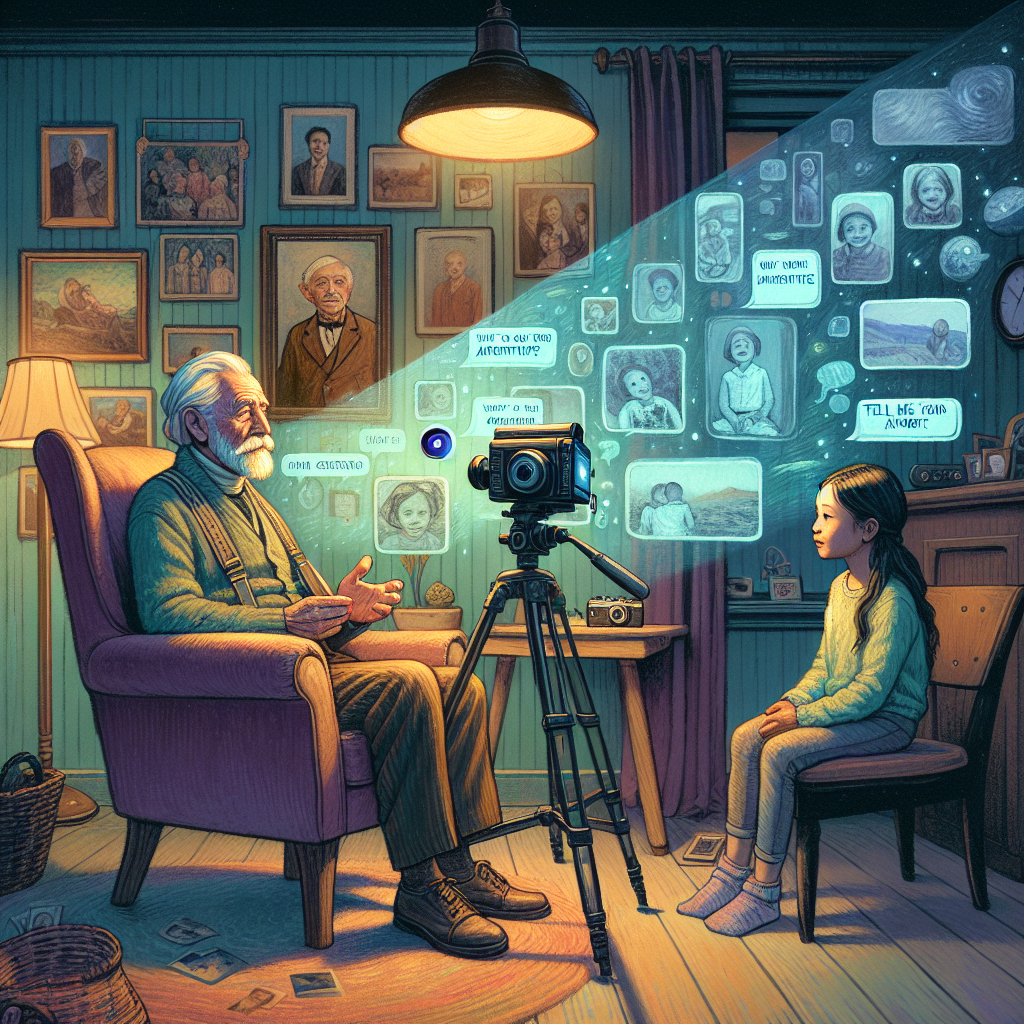
Legacy storytelling is a powerful craft, one that weaves together threads of memory, experience, and nostalgia. For seniors, the act of recounting their lives can serve as a deep emotional reservoir, offering comfort, connection, and an avenue for reflection. Picture this: an elderly person, perhaps perched comfortably in their favorite chair, recounting tales of days gone by. The twinkle in their eye speaks volumes, revealing the profound impact that this journey through memory can have.
At its core, legacy storytelling engages seniors in a dialogue with their past. It enables them to sift through the grains of time, rediscovering the significant moments that have defined their lives. This process can be therapeutic, allowing individuals to revisit joys, hardships, love, and loss. In doing so, they come to terms with the paths they’ve traveled and the people they’ve met along the way.
However, the emotional benefits extend beyond mere reminiscence. Sharing stories fosters a sense of identity. Seniors often grapple with feelings of displacement as the world around them changes at an astonishing pace. Engaging in legacy storytelling can ground them, reminding them of the values, beliefs, and traditions that have shaped their character. It’s that rich tapestry of experience that reassures them of their place in the world.
Moreover, there’s an undeniable power in connection. When seniors share their narratives, they invite others into their world. This can be especially important for family members, often hearing these stories for the first time. The act of listening creates bonds—a bridge between generations. It cultivates empathy, allowing younger family members to better appreciate the struggles and triumphs of their elders. It promotes a sense of family continuity, which is vital in today’s fast-paced society.
Interestingly, legacy storytelling can also encourage resilience. As seniors narrate their challenges, they often illustrate the strength it took to overcome adversity. This not only uplifts their own spirits but can inspire younger listeners facing their own hurdles. It becomes a shared human experience—one that emphasizes growth through hardship.
Legacy storytelling is more than just recounting tales from the past. It’s a lifeline for seniors, a tool for emotional processing, connection, and healing. Through these narratives, they ensure that their legacy lives on, imparting wisdom that resonates far beyond their years.

How Can Legacy Storytelling Affect Seniors Emotionally?
How Can Legacy Storytelling Affect Seniors Emotionally?
- Legacy storytelling intertwines memory, experience, and nostalgia for seniors.
- This process serves as an emotional reservoir, offering comfort, connection, and reflection.
- Engaging in legacy storytelling allows seniors to rediscover significant life moments therapeutically.
- It fosters a sense of identity, grounding seniors amidst rapid societal changes.
- Sharing narratives creates bonds between generations, promoting empathy and family continuity.
- Legacy storytelling encourages resilience by illustrating strength in overcoming adversity.
- Ultimately, it acts as a lifeline for emotional processing and healing, ensuring the legacy lives on.
How Can Legacy Storytelling Affect Seniors Emotionally?
What Challenges Do Seniors Face In Sharing Their Stories?
Sharing one’s life story can be a powerful journey for seniors looking to pass down lessons learned and experiences to future generations. Yet, the road to Legacy Storytelling is often paved with challenges.
First and foremost, many seniors face the daunting task of confronting their own memories. The past can be a mixed bag—beautiful moments intertwined with hardship and loss. For some, it’s like opening a treasure chest of stories but finding a few skeletons hidden beneath priceless heirlooms. This dichotomy—cherished tales mingling with painful ones—can create a hesitancy to share. How do we communicate the lessons learned from life’s challenges without dwelling in sorrow? This emotional tightrope can leave many feeling unsure about how to begin telling their story.
Then there’s the issue of audience. The younger generations, often focused on their own adventures and challenges, may seem less inclined to listen to the tales of their elders. Seniors might worry that their rich experiences will be met with indifference or, worse, dismissed as irrelevant. The fear of being misheard or misunderstood can act as a significant barrier. After all, a story told to disinterested ears feels like shouting into the void. The very essence of Legacy Storytelling hinges on the desire for connection—a connection that can seem fragile and elusive in an era dominated by fast-paced communication.
Another challenge that can’t be overlooked is the practical side of storytelling. Many seniors wrestle with physical limitations that can impede their ability to write, record, or even communicate effectively. Conditions like arthritis can make it tougher to hold a pen or type on a keyboard, and cognitive changes might hinder recall or articulation. This can feel tremendously disheartening for those with a wealth of stories to tell but struggling to find the medium that works best for them.
Lastly, there’s the technology barrier. In a world that increasingly relies on digital platforms, not every senior is tech-savvy. Navigating recording devices, social media, or even simple word-processing software can be intimidating. This can lead to frustration, especially when they see others sharing their stories online with apparent ease.
Despite these roadblocks, there’s a deep-seated desire among seniors to share, to connect, to preserve their legacy. Overcoming these obstacles is not just about storytelling; it’s about bridging generations and ensuring that wisdom—and the heart of experience—endures.

What Challenges Do Seniors Face In Sharing Their Stories?
What Challenges Do Seniors Face In Sharing Their Stories?
- Legacy Storytelling allows seniors to pass down valuable lessons and experiences to future generations.
- Confronting one’s memories can be a challenge for seniors, as they often contain both beautiful and painful moments.
- Seniors may feel hesitant to share due to the fear of balancing cherished tales with painful experiences.
- The younger generation may seem disinterested in elders’ stories, creating a barrier to genuine connection.
- Physical limitations and cognitive changes can hinder seniors’ abilities to communicate their stories effectively.
- Technological barriers can complicate the storytelling process, as not all seniors are comfortable with digital platforms.
- Despite challenges, seniors have a strong desire to share their legacy and wisdom, fostering intergenerational connections.

What Challenges Do Seniors Face In Sharing Their Stories?
Can Legacy Storytelling Create Pressure On Seniors?
Legacy storytelling is a powerful tool, one that connects the past with the present, weaving a rich tapestry of family history, personal milestones, and cultural heritage. It’s a lovely notion, meant to honor and preserve the journeys of those who’ve come before us. But let’s take a moment to peel back the layers and examine the impact it has on seniors. After all, while these narratives can be a source of pride, they can also create an unexpected burden.
Imagine a grandmother sitting beneath the family tree, her stories an exquisite fabric of events that shaped generations. She’s the keeper of knowledge, the custodian of memories. But tied to this role is an unvoiced expectation: the pressure to craft narratives that are both engaging and instructive. For some, this can feel like an obligation rather than a celebration. Rather than recounting experiences filled with joy and laughter, they might find themselves weighed down by the task.
When it comes to legacy storytelling, seniors may feel they have to achieve a certain standard—one that paints their lives in a heroic light, as if they must be the heroes of their own epic tales. The weight of such expectations can lead to anxiety. They worry about how their stories will be received, how they’ll be remembered. Will they be honored or overlooked? The fear of being forgotten looms larger than the joy of sharing.
Moreover, let’s not ignore the rapid pace of modern life. In a world steeped in digital distractions, seniors may feel their legacies are underappreciated or misunderstood. When they share their stories over a meal, younger family members often have their faces buried in screens, a clear sign that the rich narratives being shared may not carry the same weight as when they were first lived. This disconnect can create a feeling of isolation for seniors, reinforcing the pressure to make every word count.
While legacy storytelling can be a fulfilling and enriching experience, it’s essential to recognize the delicate balance involved. Instead of viewing it as a pinnacle to attain or a performance to endure, it can be embraced as an ongoing conversation—a mutual exchange where learning flows both ways. The goal should be connection and understanding, devoid of the pressures that sometimes threaten to overshadow the very stories we seek to preserve.

Can Legacy Storytelling Create Pressure On Seniors?
Can Legacy Storytelling Create Pressure On Seniors?
- Legacy storytelling connects the past with the present, preserving family history and cultural heritage.
- Seniors often feel pressure to create engaging yet instructive narratives, turning storytelling into an obligation rather than a celebration.
- There are unspoken expectations for seniors to present their lives in a heroic light, which can lead to anxiety about being remembered positively.
- The fear of being forgotten can overshadow the joy of sharing personal stories.
- Modern distractions, such as digital devices, may lead to seniors feeling that their legacies are underappreciated or misunderstood.
- This disconnect can create feelings of isolation among seniors, prompting them to make every story count.
- Legacy storytelling should be seen as a mutual exchange and ongoing conversation, focusing on connection rather than performance.

Can Legacy Storytelling Create Pressure On Seniors?
How Does Legacy Storytelling Impact Family Dynamics?
Legacy Storytelling: it’s a term that might seem fancy at first glance, conjuring images of ancient tribes gathered around a fire, swapping tales of glory and humility. But when we peel back the layers, we see that legacy storytelling is as much about the threads that bind families together today as it is about the past. When a family sits down to share stories—whether around the dinner table or via a simple phone call—the act itself becomes a bridge connecting generations.
Think about your own family. How often do tales of old resurface during gatherings? Perhaps it’s the story of a great-grandparent who emigrated from a distant land or a hilarious mishap that occurred during a holiday gathering decades ago. These narratives are more than mere entertainment; they are the framework upon which family identity is built. They help shape values, instill lessons, and foster a sense of belonging and continuity.
The impact of legacy storytelling on family dynamics is profound. For one, it cultivates a sense of identity in younger generations. Kids raised on family lore understand not just where they come from, but also the challenges and triumphs that shaped their lineage. They learn resilience and hope from tales of hardship and laughter amidst trials. These narratives inform their views on life, navigating challenges, and building relationships with others.
Moreover, legacy storytelling has a way of softening the generational divide. As kids listen to their parents and grandparents recount their own life experiences, they begin to see them as more than just authority figures. They become vessels of wisdom and, more importantly, human beings who’ve experienced their own struggles. This can create empathy, paving the way for more open communication and a deeper emotional connection.
So, as you tuck away memories and shared experiences in your family’s vault of stories, remember how these tales hold immense power. They serve not just as entertainment or nostalgia; they are tools that strengthen familial bonds, bridge generational gaps, and provide invaluable lessons for navigating life. Through thoughtful legacy storytelling, we reveal our true selves, connect with each other, and build a lasting heritage that will echo for years to come.

How Does Legacy Storytelling Impact Family Dynamics?
How Does Legacy Storytelling Impact Family Dynamics?
- Legacy storytelling connects families across generations, creating a bridge through shared narratives.
- Family stories, from tales of great-grandparents to humorous mishaps, shape identity and values.
- These narratives instill lessons, foster belonging, and provide continuity for family members.
- Legacy storytelling cultivates identity in younger generations, teaching them about their lineage’s challenges and triumphs.
- Kids learn resilience and hope from stories of hardship and joy, influencing their outlook on life.
- This storytelling process helps soften generational divides, allowing for empathy and open communication.
- Overall, legacy storytelling serves as a powerful tool for strengthening family bonds and creating a lasting heritage.

How Does Legacy Storytelling Impact Family Dynamics?
Are There Benefits To Not Sharing Certain Stories?
In an era where every moment of life seems destined for social media splendor, the art of discretion has taken a backseat. We live in a time that revels in the sharing of experiences, often neglecting the potential benefits of keeping certain stories tucked away. Let’s take a moment to consider the value of what I call “Legacy Storytelling,” a practice rooted in preserving the essence of our lived experiences without the pressure of public consumption.
To start, not every story needs to see the light of day, and some might even do more harm than good if aired publicly. Think about it: our past is cluttered with moments that, while significant, could lead to misunderstandings or messy emotional reveal. In a world that thrives on immediacy, there’s wisdom in holding back a tale now and then, especially when it concerns sensitive subjects or deeply personal experiences. By choosing not to share, we safeguard not only our narratives but also the stories of those who are entwined in them, respecting their privacy in the process.
Moreover, Legacy Storytelling is as much about what is told as it is about what is not. Choosing to keep certain stories under wraps allows us to cultivate a sense of mystery and intrigue. It invites curiosity and speculation that can breathe life into the tales we do share. Instead of oversharing every trivial detail, we create a more profound impact when we distill our experiences down to those few select narratives that embody our values and lessons learned.
Let’s not forget the power of reflection that comes from guarding these untold stories. When we keep them close, we allow ourselves to digest and analyze our experiences more thoroughly. This personal introspection can lead to greater growth and understanding, shaping us in ways that a simple retelling would never accomplish.
At the end of the day, Heritage and memory are crafted not just from the tales we tell but from the silence that accompanies them. Legacy Storytelling, particularly the art of withholding certain narratives, helps us honor our journey while providing a canvas for the stories that truly define us. So, perhaps there’s more to gain by keeping a few chapters of our lives under wraps than by throwing them unceremoniously into the public arena.

Are There Benefits To Not Sharing Certain Stories?
Are There Benefits To Not Sharing Certain Stories?
- The trend of sharing experiences on social media often overshadows the importance of discretion.
- “Legacy Storytelling” emphasizes preserving personal narratives without public consumption.
- Not every story is suitable for public sharing, as some may lead to misunderstandings or emotional turmoil.
- Withholding certain narratives respects the privacy of those involved and safeguards personal truths.
- Keeping stories untold creates an air of mystery, enhancing the impact of the tales that are shared.
- Reflection on unwritten experiences promotes personal growth and deeper understanding of our journeys.
- The balance of storytelling and silence enriches our heritage and solidifies the narratives that truly define us.

Are There Benefits To Not Sharing Certain Stories?
How Can Caregivers Support Seniors In Storytelling?
When we think about the art of storytelling, we often imagine campfires, cozy nooks, and the sounds of laughter swirling in the air. For seniors, these moments become a tapestry of memories, a way to share their lives and connect with others. Legacy storytelling isn’t just for the history books; it’s a lifeline for our elders, a bridge from one generation to the next. As caregivers, it’s our privilege—and responsibility—to facilitate those exchanges.
First off, creating the right environment is crucial. A comfy chair, a warm cup of tea, and some ambient lighting can work wonders. Encourage seniors to open up by asking open-ended questions. Instead of “Did you have a good childhood?” consider “What’s a memory from your childhood that always brings a smile to your face?” It’s the little nudges that can uncover stories they may have tucked away.
Technology can be a fantastic ally in legacy storytelling, too. Whether it’s recording their voice, capturing videos, or even using social media to share snippets, caregivers can help seniors navigate these tools. It might feel daunting at first, but with a bit of guidance, they can share their tales far and wide. After all, what’s the point of a great story if it’s not heard by more than just the four walls of their living room?
But let’s be real here: it’s not just about the stories themselves; it’s about the emotional connection they generate. Encourage seniors to embrace the messiness of their experiences. It’s okay to share the good, the bad, and everything in between. Moments of vulnerability and authenticity can create deeper bonds—both with family and their peers.
Remember, sometimes seniors might be reticent to share their stories. They could be battling a sense of uncertainty, thinking their tales aren’t significant. Here’s where caregivers step in to remind them of their value, to say, “Your experiences matter. They have shaped not only your life, but the lives of those around you.” Acknowledge their worth, and you’ll likely see a spark ignite, a yearning to share their narrative.
Lastly, don’t forget the art of listening. Sure, guiding the storytelling process is essential, but being present in the moment, showing genuine interest, and allowing those stories to unfold at their own pace is where the real magic happens. In the gentle dance of sharing and listening, we help preserve not just memories, but legacies that will echo through time.

How Can Caregivers Support Seniors In Storytelling?
How Can Caregivers Support Seniors In Storytelling?
- Storytelling for seniors creates a tapestry of memories and connections.
- Caregivers should foster the right environment for storytelling, including comfort and open-ended questions.
- Technology aids legacy storytelling through voice recordings, videos, and social media sharing.
- Emphasizing emotional connections is crucial; encourage seniors to share both positive and challenging experiences.
- Caregivers should remind seniors of the significance of their stories and experiences.
- Listening is as important as guiding the storytelling; being present allows stories to unfold naturally.
- The goal is to preserve memories and legacies that can resonate through generations.

How Can Caregivers Support Seniors In Storytelling?
Conclusion
So, let’s tie it all together, shall we? Legacy storytelling has long been hailed as a touching way for seniors to share their life experiences, values, and cherished memories with family and future generations. It’s a heartwarming idea, like an old man spinning yarns around a glowing campfire. However, we can’t ignore the flip side here; this act can sometimes morph from a beautiful gift into a heavy burden for those who are meant to bestow it.
Imagine being a senior who feels compelled to recount a lifetime of stories—not just for the joy of sharing but from an overwhelming sense of obligation. The art of storytelling can stir up a curious mix of sentiments: joy from relived memories but also pain from revisiting past struggles that are better left in the past, hiding beneath layers of joy. When the act of storytelling transforms into a performance, filled with family expectations and pressure to impress, it risks overshadowing the essence of these narratives.
Some seniors may struggle with health issues or anxiety, turning what should be a delightful experience into an uphill climb. They’re faced with the harsh reality of worrying if their tales will connect or fall on deaf ears, especially in an age where screens often divert attention away from the richness of shared history. This disconnect can feel isolating, as if they’re silently shouting their stories into a void.
The pressurized landscape around legacy storytelling begs the question: Shouldn’t we focus on fostering genuine connections over forcing narratives? The goal should be to create warm spaces for sharing, where storytelling is an open dialogue rather than a rehearsed monologue.
In short, the art of legacy storytelling is a delicate balance. It can deeply enrich family life and preserve cherished traditions if approached with tenderness, empathy, and understanding. Let’s commit ourselves to listening without judgment, valuing each memory shared, and allowing seniors the freedom to dictate the pace and content of their stories. In doing so, we transform what might feel like a weight into a shared journey of discovery—one that celebrates the flawed, beautiful tapestry of life. So next time you gather with family, lean in, listen, and let’s ensure the stories unfold naturally. We all stand to gain our own rich legacies from those shared moments, don’t we?

Conclusion
Conclusion:
- Legacy storytelling allows seniors to share life experiences, values, and memories with family.
- It can be heartwarming, like an old man sharing stories by a campfire, but can also be a burden.
- Seniors may feel obligated to share stories, leading to a mix of joy and pain from revisiting past struggles.
- Storytelling can become performance-driven due to family expectations, overshadowing the essence of the narratives.
- Health issues, anxiety, and distractions from screens can complicate the storytelling experience for seniors.
- We should prioritize genuine connections and create open spaces for storytelling rather than forcing narratives.
- Approaching legacy storytelling with empathy and understanding can enrich family life and celebrate shared histories.

Conclusion
Other Resources

Other Resources
Here is a list of other resources you can review online to learn more:
- International End of Life Doula Association
- Funeral Services Guide
- IronClad Family
- Geni
- NoLo
- FindMyPast
- RootsMagic
- My Wonderful Life
- Tributes
- APH
Use This Prompt To Get More Resources With Your Favorite Online AI Tool: Please provide me with a list of online articles with their URLs in a bulleted list that I can read regarding Can Legacy Storytelling Be a Burden Instead Of a Gift for Seniors?

Other Resources
Glossary Terms
Can Legacy Storytelling Be a Burden Instead Of a Gift for Seniors? – Glossary Of Terms
1. Legacy: Something passed down from one generation to another, often comprising stories, values, and cultural traditions.
2. Storytelling: The act of narrating stories, which can convey personal history, teachings, and entertainment.
3. Cognition: The mental process of acquiring knowledge and understanding through thought, experience, and the senses, crucial in how seniors narrate their stories.
4. Nostalgia: A sentimental longing for the past, often experienced by seniors reflecting on their life stories.
5. Burden: A heavy load or psychological weight, which, in this context, could refer to the emotional strain felt by seniors or their families regarding legacy storytelling.
6. Therapeutic: Pertaining to treatment or healing, often linked to storytelling’s potential to foster personal reflection and emotional wellbeing.
7. Intergenerational Communication: The exchange of information and stories between different age groups, emphasizing connections between seniors and younger family members.
8. Identity: The sense of self shaped by personal experiences and stories, significant in how seniors perceive their legacy.
9. Cultural Heritage: Traditions, languages, and practices transmitted through storytelling that define a group’s identity and history.
10. Trauma: Emotional and psychological scars from distressing events, which can complicate legacy storytelling for some seniors.
11. Memory: The ability to store and recall past experiences, crucial for storytelling yet can be affected by aging.
12. Reflections: Thoughtful consideration of past experiences, often highlighted and collected in legacy storytelling.
13. Narrative: The structured format of telling a story, which may vary from personal anecdotes to wider cultural tales.
14. Family Dynamics: The patterns of interaction among family members, which can shape how stories are shared and perceived.
15. Mortality: The awareness of death, which may heighten the desire to pass on stories or, conversely, create a burden of remembering loss.
16. Empathy: The ability to understand and share the feelings of others, essential for creating connections during storytelling.
17. Active Listening: Engaging fully with the storyteller, often necessary in ensuring that seniors feel heard and valued.
18. Catharsis: The process of releasing emotional tension through storytelling, potentially benefiting both the storyteller and the audience.
19. Self-Expression: The ability of seniors to voice their thoughts and feelings, an essential aspect of legacy storytelling.
20. Community: A group of individuals with shared interests or backgrounds, often crucial for the collective aspect of storytelling.
21. Reminiscence Therapy: A therapeutic approach using storytelling and reminiscing to promote mental well-being in seniors.
22. Cognitive Decline: The deterioration of mental functions associated with aging, which can impact a senior’s storytelling ability.
23. Psycho-social Aspects: The interrelation of psychological and social factors that influence how seniors share their stories.
24. Legacy Projects: Initiatives or activities aimed at preserving and sharing personal histories, often involving storytelling.
25. Fear of Oblivion: The anxiety surrounding the possibility that one’s stories and legacy will be forgotten, impacting willingness to share.
26. Role Reversal: The change in dynamic where seniors become the storytellers while younger generations listen and learn.
27. Narrative Identity: The internalized story of oneself that helps create a cohesive sense of identity over time.
28. Emotional Labor: The effort involved in managing emotions during storytelling, particularly when sharing painful memories.
29. Digital Storytelling: Utilizing digital tools to share personal stories, making legacy storytelling more accessible for seniors and families.
30. Connection: The bond formed between individuals through shared stories, creating deeper understanding and relationships.

Glossary Of Terms
Other Questions
Can Legacy Storytelling Be a Burden Instead Of a Gift for Seniors? – Other Questions
If you wish to explore and discover more, consider looking for answers to these questions:
- What are the key elements of effective legacy storytelling for seniors?
- How can families create a supportive environment for seniors to share their stories?
- What are some techniques to encourage reluctant seniors to share their stories?
- How does legacy storytelling impact younger generations in practical terms?
- What role does technology play in facilitating legacy storytelling for seniors?
- How can caregivers address the emotional challenges seniors face when sharing their stories?
- In what ways can families honor and preserve the stories that seniors choose not to share?
- How can legacy storytelling evolve with changing family dynamics?
- What are some common misconceptions about legacy storytelling among families?
- How can organizations assist seniors in sharing their stories effectively?

Other Questions
Haiku
Can Legacy Storytelling Be a Burden Instead Of a Gift for Seniors? – A Haiku
Tales of the past flow,
Weights of memory collide—
Gifts or burdens grow.

Haiku
Poem
Can Legacy Storytelling Be a Burden Instead Of a Gift for Seniors? – A Poem
In twilight’s glow, the elders speak,
Each tale a tapestry, rich and unique,
Yet behind the joy, a burden can bloom,
When memories cherished cast shadows of gloom.
Gathered ’round the family hearth,
Whispers of joy and echoes of mirth,
Yet sorrow lurks in the corners of light,
And reliving those tales can ignite a fight.
They bear the weight of legacy’s call,
Each story a treasure, or a chain, after all.
For love and loss intertwine in their veins,
Replaying the joys, resurrecting the pains.
Caught in the web of expectation’s snare,
Crafting a narrative, they feel the despair.
As screens light up faces, young hearts drift away,
Silent they sit, their voices decay.
Oh, but in sharing lies a magic profound,
A bridge to the past when love knows no bounds.
Through laughter and tears, connections are wrought,
In the depth of their silence, wisdom is sought.
Yet sometimes, to withhold can be wise,
In the space of discretion, truth softly lies.
Not every tale must be told or exposed,
In the quiet of memory, their essence is close.
So let us create an inviting embrace,
Where stories can flourish, find their rightful place.
With open ears, we’ll treasure the art,
In listening warmly, we connect heart to heart.
For legacy’s light can shine bright and true,
Transforming the burden to something renewed.
In the dance of the stories, both old and brand new,
We weave a connection, and the love flows through.

Poem
Checklist
Can Legacy Storytelling Be a Burden Instead Of a Gift for Seniors? – A Checklist
Creating a Comfortable Environment
1. Choose a Relaxing Space: Select a quiet, comfortable area free from distractions.
2. Provide Warm Beverages: Offer a cup of tea or coffee to create a cozy atmosphere.
3. Incorporate Soft Lighting: Use ambient lighting to enhance the mood and make it inviting.
Encouraging Storytelling
4. Ask Open-Ended Questions: Use prompts like “What’s a memory from your childhood that makes you smile?” to elicit deeper storytelling.
5. Share Your Own Stories: Begin by sharing a personal experience to encourage reciprocity.
6. Break the Ice: Use humor or light topics before diving into more significant or emotional stories.
Utilizing Technology
7. Record Stories: Help seniors use audio or video recording devices to capture their narratives.
8. Social Media Sharing: Assist them in sharing snippets of their stories digitally (if they are comfortable).
9. Create Written Memoirs: Help with writing down stories, allowing them to relive their experiences through the narrative.
Fostering Emotional Connection
10. Embrace Vulnerability: Encourage sharing both joyful and challenging memories.
11. Acknowledge Their Experiences: Remind them of the significance of their stories and the impact they’ve had on others.
12. Cultivate Empathy: Share how their experiences resonate with younger generations and foster connections.
Navigating Challenges
13. Be Patient: Allow the storytelling to unfold at their own pace without rushing.
14. Offer Reassurance: Remind them that all stories are valuable and worth sharing, regardless of perceived significance.
15. Assist with Physical Limitations: Provide help with writing or typing if they have physical constraints.
Listening Actively
16. Show Genuine Interest: Maintain eye contact and engage with their stories by asking follow-up questions.
17. Avoid Interrupting: Let them narrate their experiences without interruptions to allow for a natural flow.
18. Validate Their Feelings: Acknowledge the emotions that arise as they tell their stories, creating a space for both joy and sorrow.
Reflecting on the Process
19. Discuss the Experience: After a storytelling session, talk about how it felt to share and connect.
20. Evaluate What Resonates: Encourage feedback on which stories they found most meaningful or enjoyed sharing.
21. Plan Future Sessions: Schedule regular storytelling times to maintain the practice and deepen connections.
This checklist can serve as a guide for families and caregivers to support seniors in effectively sharing their legacies while ensuring that the process is fulfilling rather than burdensome.

Checklist
At LegacyExplorations, we help people plan and explore their legacy by collecting information and news regarding end-of-life planning.
Please share this post with your friends, family, or business associates who may want help to plan or explore their legacy.