
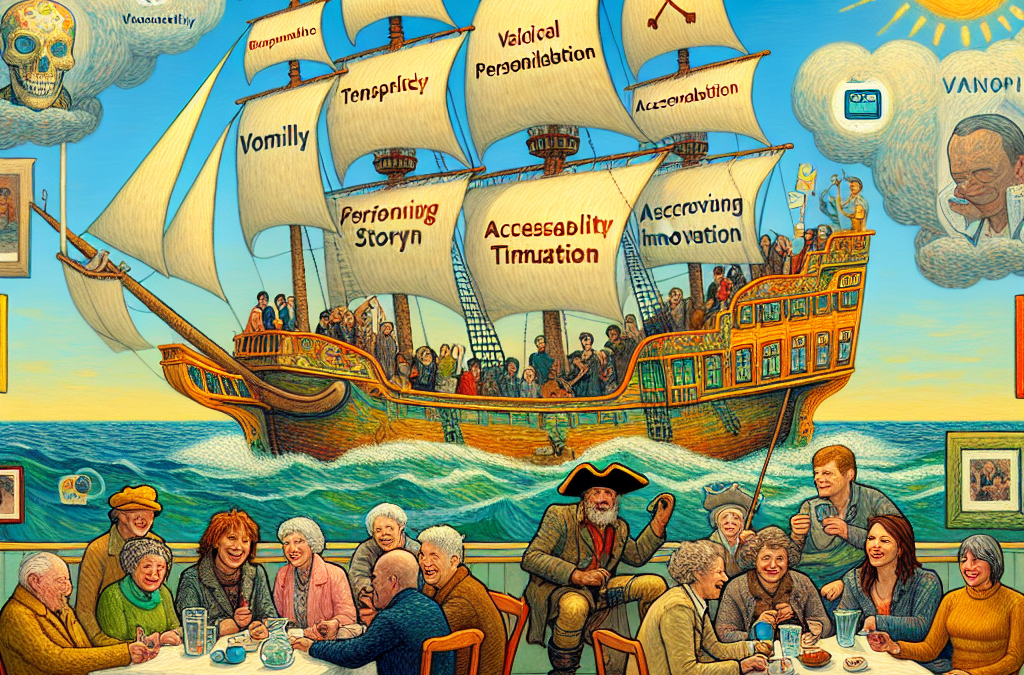
The Importance Of Securing Your Family’s Future
By Tom Seest
At LegacyExplorations, we help people plan and explore their legacy by collecting information and news regarding end-of-life planning.
Please share this post with your friends, family, or business associates who may want help to plan or explore their legacy.
Can Parents Truly Afford to Overlook Preserving Their Legacies?
In the hustle and bustle of daily life, between soccer practices, dance recitals, and endless to-do lists, it’s easy for parents to brush aside the idea of preserving their legacies. But let’s take a moment to consider what that really means. Legacy storytelling isn’t just about passing down an old photo album or a dusty journal filled with “back in my day” anecdotes. It’s about capturing the very essence of who you are, what you’ve endured, and the values you hold close to your heart.
Imagine sitting down with your kids, perhaps on a cozy Sunday afternoon, and sharing the stories that define you. Picture their eyes widening as you recount the tale of your great-great-grandfather’s journey across the country or the lessons learned from your very first job. These are the tales that ground us, the ones that shape our identities and enrich our lives. Legacy storytelling is that bridge between generations. It offers a chance to connect, to bond, and to instill wisdom that the test of time has proven essential.
Now, I get it—most of us are juggling work, home life, and a thousand distractions. We tell ourselves there will always be time to sit down and share our stories. But what if time isn’t as bountiful as we assume? What if life throws a curveball, leaving the stories unshared and the lessons untold? When we don’t prioritize this storytelling, we risk allowing our rich tapestry of experiences to fade into obscurity, leaving our loved ones with nothing but clichés and outdated cultural references.
Let’s face it; every family has its quirks, triumphs, tragedies, and moments of sheer hilarity. These are the threads that weave your family together and define who you are. It’s time to dig in and reclaim that narrative. Plan a family night, bake some cookies, and chat about what really matters. Ask your children about their questions and concerns, share your own childhood misadventures, and encourage them to find their narratives within your stories.
So, can parents truly afford to overlook preserving their legacies? Absolutely not. Your stories matter. They have the power to inspire trust and confidence, uniting families and breaking down the barriers of time. Don’t wait. Start weaving those precious threads into a narrative today—one that will resonate for generations to come.

Can Parents Truly Afford to Overlook Preserving Their Legacies?
Can Parents Truly Afford to Overlook Preserving Their Legacies?
- Legacy storytelling goes beyond old photo albums and journals; it captures your essence and values.
- Sharing personal stories with children can strengthen bonds and shape identities.
- Legacy storytelling serves as a bridge between generations, fostering connection and wisdom.
- Time may not be as plentiful as we expect, making storytelling a priority to avoid losing rich experiences.
- Every family has unique stories, from quirks to triumphs, that define their narrative.
- Encouraging children to engage with your stories can help them discover their narratives.
- P preserving legacies is crucial; your stories can inspire, unite families, and transcend time.

Can Parents Truly Afford to Overlook Preserving Their Legacies?
Table Of Contents
- Can Parents Truly Afford to Overlook Preserving Their Legacies?
- What Are The Risks Of Not Preserving A Family Legacy?
- What Strategies Can Parents Use To Document Their Legacies?
- Why Is It Important For Parents To Pass Down Traditions And Values?
- What Role Do Financial Assets Play In Preserving A Legacy?
- How Can Parents Involve Their Children In Legacy Discussions?
- What Are Common Misconceptions About Legacy Preservation?
- How Does Technology Aid In Preserving Family Legacies Today?
- Conclusion
- Other Resources
- Glossary Of Terms
- Other Questions
- Haiku
- Poem
- Checklist
What Are The Risks Of Not Preserving A Family Legacy?
Picture this: a rainy afternoon spent around the kitchen table, laughter echoing as you recount tales from your family’s past. Stories about your great-grandfather’s bravery during a war, or your grandmother’s relentless spirit building a business from scratch. These moments are more than just amusing recollections; they are threads woven into the rich tapestry of your family’s legacy. Now, consider the risk of letting those threads unravel.
When we fail to engage in Legacy Storytelling, we’re not just withholding tales from the next generation; we’re potentially uprooting their connection to who they are. Think about it. Each story shared builds a bridge, a foundation that grounds younger family members in their history. Without it, they are left grasping at the void, disconnected from the voice that echoes back through time. They might miss out on valuable lessons learned from triumph and failure—the wisdom and grit that can only come from lived experiences of those who came before them.
Moreover, not preserving a family legacy results in lost identity. How often do we hear someone say, “I don’t even know where I came from”? That’s a haunting reality. Without stories, traditions become dusty relics, and family connections dissolve into mere names on a family tree. Consider the lost chance for your children to feel pride or inspiration from their heritage. They are not just searching for history; they are looking for belonging.
And let’s not forget about the emotional toll. Skipping the conversations about your family’s legacy can lead to regret. Imagine several years down the line, wishing you had taken the opportunity to record the voice of that beloved grandparent, only to find their stories lost to time. The burden of that unspoken narrative can weigh heavily, leaving you with questions that might never find answers.
So, let’s be real here. Preserving your family legacy isn’t just a nice idea; it’s a necessity. It cultivates connection, honors those who came before us, and gives future generations the tools they need to navigate their own paths. So, gather around that kitchen table, share those stories, and pass the torch. Trust me, the impact lasts far beyond a single conversation. Take the plunge—preserve your family’s legacy before those stories fade into the backdrop of forgotten history.

What Are The Risks Of Not Preserving A Family Legacy?
What Are The Risks Of Not Preserving A Family Legacy?
- Legacy Storytelling connects younger generations to their heritage through shared family stories.
- Each narrative serves as a bridge, grounding family members in their history and identity.
- Without storytelling, families risk losing lessons learned from past experiences, including wisdom from both triumphs and failures.
- Failure to preserve legacy leads to a loss of identity, leaving descendants searching for belonging.
- Emotional regret may arise from not recording the voices and stories of beloved family members before it’s too late.
- Preserving family legacy is crucial for cultivating connections and honoring ancestors.
- Sharing stories fosters pride and inspiration for future generations, ensuring their narratives endure.

What Are The Risks Of Not Preserving A Family Legacy?
What Strategies Can Parents Use To Document Their Legacies?
We all should take a moment to recognize that our lives are not just a series of events or milestones; they’re rich tapestries woven with experiences, lessons, and emotions. Legacy storytelling isn’t just for the history books; it’s for our families. So how do we translate our life experiences into something our children and grandchildren can cherish? Let’s roll up our sleeves and explore some practical strategies that can help parents document their legacies—strategies that don’t require a PhD in history or an advanced degree in storytelling!
First, consider starting a family journal. This can be a simple notebook or an online blog—whichever fits your style. Dedicate a little time each week to jot down stories, reflections, or even those day-to-day moments that seem trivial but are often the building blocks of our character. You might write about a tough lesson learned the hard way or a joyful occasion that brought your family together. Over time, these entries will add up into an invaluable treasure trove, helping your descendants understand where they come from.
Next, gather the family for what I like to call “storytelling nights.” Think of it like a family reunion in your living room, where sharing stories becomes the main course. Everyone, from the youngest to the oldest, can contribute. You’ll find that new generations bring fresh perspectives on old tales, creating a vibrant patchwork of memories. Those moments become more than mere stories; they become the fabric of your family’s legacy, passed down like heirlooms.
Don’t underestimate technology in this quest. In an age where we capture fleeting moments with a click, leverage social media or video platforms to create a digital scrapbook. Whether you’re making short videos or photo montages, these snapshots of life can humanize the legacy you’re building. How meaningful would it be for your grandchildren to hear your voice as you recount the adventures of your youth?
Finally, engage in community activities or volunteer work as a family. These shared experiences not only enrich your lives but also represent critical reflections of your values and priorities. Documenting these experiences in a shared family project strengthens bonds and embeds your principles into the fabric of your legacy storytelling.
Legacy is about connection. It’s about allowing your family to know you—not just the polished version, but the real, gritty, authentic you. So dive in, start documenting, and watch the stories unfold!

What Strategies Can Parents Use To Document Their Legacies?
What Strategies Can Parents Use To Document Their Legacies?
- Recognize that life is a rich tapestry of experiences, lessons, and emotions, not just events or milestones.
- Legacy storytelling is essential for families, helping future generations cherish their heritage.
- Start a family journal for documenting stories, reflections, and daily moments that shape character.
- Host “storytelling nights” to share and contribute family stories, creating a vibrant legacy together.
- Use technology, like social media and video platforms, to create a digital scrapbook of moments and memories.
- Engage in community activities or volunteer work as a family to share values and enrich your legacy.
- Focus on authenticity in legacy storytelling to allow family members to know the real you.

What Strategies Can Parents Use To Document Their Legacies?
Why Is It Important For Parents To Pass Down Traditions And Values?
You know, life can often feel like a bustling highway with everyone zooming past, distracted by screens and constant noise. In the midst of all that chaos, there lies a quiet, powerful truth: passing down traditions and values creates a kind of anchor for our families. These traditions—those little rituals we might take for granted—serve as the threads that weave our unique story, connecting us to our past and shaping our future.
Consider the art of Legacy Storytelling. It’s more than just sharing tales from yesteryear; it’s about imparting the very essence of who we are to the next generation. When parents take the time to share family recipes, holiday customs, or even the silly jokes that have been handed down, they’re instilling a sense of belonging and identity in their children. It builds a bridge between the past and the present, reminding us that we’re a part of something bigger than ourselves.
As we gather around the dinner table or sit by the fire, those moments of storytelling can spark meaningful conversations. Kids are smart; they pick up on nuances and values just by listening. Perhaps they learn about resilience from a grandparent who persevered through tough times, or they discover the importance of generosity and kindness through tales about community service. Each story serves as a guiding star, illuminating the path of values and ethics that we hope they will carry forward.
Moreover, in a world that often emphasizes the fleeting and the superficial, holding onto traditions grounds our families. Amidst all the change, these rituals remind us who we are. They teach our children that there’s strength in heritage and wisdom in the experiences of those who walked the same paths before them. It’s an opportunity to foster trust, confidence, and connection—qualities that are as essential today as they ever were.
So let’s roll up our sleeves and dig into that treasure trove of family history. Share those quirky stories, relive those joyous celebrations, and never underestimate the power of a well-told tale. Because ultimately, when we pass down traditions and values, we’re not just preserving the past; we’re shaping the future. And that, my friends, is a legacy worth celebrating.

Why Is It Important For Parents To Pass Down Traditions And Values?
Why Is It Important For Parents To Pass Down Traditions And Values?
- Life can feel chaotic, but traditions anchor families amidst the noise.
- Legacy storytelling imparts identity and belonging to the next generation.
- Sharing family recipes and customs strengthens connections to the past.
- Storytelling encourages meaningful conversations and teaches valuable life lessons.
- Traditions provide stability and remind families of their heritage and wisdom.
- These shared rituals foster trust, confidence, and connection among family members.
- Passing down traditions shapes the future while preserving the past.

Why Is It Important For Parents To Pass Down Traditions And Values?
What Role Do Financial Assets Play In Preserving A Legacy?
When we think about leaving a legacy, the first thing that comes to mind may be our values, our stories, and the memories we pass down to our loved ones. But let’s not forget the unsung heroes in this narrative: our financial assets. These aren’t just numbers on a spreadsheet or investments in a portfolio; they’re tools for storytelling, catalysts for change, and the means by which we make our mark on the world.
Imagine a sunny afternoon spent with family, sharing tales of your grandfather’s early struggles and triumphs. His story is not just about what he faced, but also how he used his financial resources to create opportunities for future generations. Every successful business, every home passed down, and every scholarship to a beloved family member is a chapter in that overarching legacy—a legacy storytelling in its truest form.
Financial assets are like the ink in which your story is written. Sure, those investments might dwarf our dreams in numbers alone, but their real power emerges in how we choose to deploy them. Do you want to fund education for your grandchildren or maybe support a cause close to your heart? With thoughtful planning, your financial decisions can carry your values beyond your lifetime, weaving through generations like a timeless classic.
But it’s not just about money; it’s about intention. When you consider your assets—bank accounts, real estate, stocks—consider how they reflect who you are and what you stand for. It’s about aligning your financial legacy with your moral compass. So let’s take a step back and look at what’s left behind, not just in terms of legality but in those moments of life that ring loudest at family gatherings.
Taking the time to organize and thoughtfully distribute your financial assets isn’t just a practical step; it’s a profound act of love. It’s ensuring that your legacy story continues to resonate, long after you’ve turned the last page.
So if you haven’t yet started this journey or you’ve put it off, remember that it’s never too late to take action. Whether it’s seeking guidance from a financial advisor or simply writing thoughts in a journal, begin crafting a legacy that’s as rich in meaning as it is in value. After all, the stories we tell, backed by the resources to support them, are the true treasures we leave behind.

What Role Do Financial Assets Play In Preserving A Legacy?
What Role Do Financial Assets Play In Preserving A Legacy?
- Leaving a legacy encompasses not just values and memories, but also financial assets.
- Financial resources serve as tools for storytelling and catalysts for change.
- Assets contribute to a family’s legacy, as seen through stories of past generations.
- Investments should be viewed in terms of how they can support future generations and causes.
- Aligning financial decisions with personal values enhances the moral integrity of one’s legacy.
- Organizing and distributing assets is an important act of love that ensures the legacy endures.
- It’s never too late to begin planning an intentional legacy, whether through professional guidance or personal reflection.

What Role Do Financial Assets Play In Preserving A Legacy?
How Can Parents Involve Their Children In Legacy Discussions?
How Can Parents Involve Their Children in Legacy Discussions?
When it comes to the idea of legacy, many parents might think it’s an abstract concept reserved for old family albums and whispered tales around the fireplace. But let me tell you, it doesn’t have to be that way. You can start weaving the fabric of your family’s legacy into the everyday moments, turning it into a living, breathing narrative that your children can relate to and carry forward. It’s all about Legacy Storytelling—that delightful craft of sharing experiences, values, and lessons learned.
Start by setting the scene. Perhaps it’s a simple family dinner or a lazy Sunday afternoon. Bring up a moment from your childhood—the one where you learned the importance of hard work, kindness, or resilience. Tell them about the time you faced a challenge and how it shaped you. The key is to be genuine. Children can sense sincerity from a mile away. When they see your eyes light up with passion and authenticity, it invites them in, stirring their curiosity.
Next, ask them about their own stories. What victories are they proud of? What challenges have they faced? Encouraging this exchange fosters not just dialogue but connection. It’s a two-way street: children don’t just absorb lessons; they contribute to the family narrative. This collaborative effort creates a sense of belonging and significance, reinforcing that they are the next chapter in the family saga.
But don’t stop there. Make it interactive! Grab a camera and film a family storytelling night. Allow your children to narrate their own stories, their own legacies. These recorded moments can be treasure troves for generations to come. Who knows? One day, your grandchildren might be watching these videos and feeling the same warmth you felt when you shared them.
Finally, contextualize the discussions. Let your children know that their legacy starts now. They have the power to shape their own story by the choices they make and the values they uphold. Involve them in family projects that align with your values—whether that’s volunteering, gardening, or even starting a family recipe book. This form of active participation helps them internalize the idea that they’re part of something larger than themselves.
Legacy isn’t just about what you leave behind; it’s also about what you build together in the here and now. Through active and engaging Legacy Storytelling, you pave the way for deeper bonds and a narrative that resonates through the generations. Now, that’s a story worth living!

How Can Parents Involve Their Children In Legacy Discussions?
How Can Parents Involve Their Children In Legacy Discussions?
- Legacy can be integrated into everyday life, making it a relatable narrative for children.
- Engage in Legacy Storytelling by sharing personal experiences that convey values and lessons.
- Create a genuine atmosphere during discussions, allowing children to sense sincerity and authenticity.
- Encourage children to share their own stories and victories, fostering connection and dialogue.
- Make storytelling interactive by recording family storytelling nights for future generations to enjoy.
- Help children understand that their legacy begins now through their choices and values.
- Involve children in family projects that align with values to reinforce their part in the family narrative.

How Can Parents Involve Their Children In Legacy Discussions?
What Are Common Misconceptions About Legacy Preservation?
When folks hear the term “legacy preservation,” they often picture dusty archives and faded photographs tucked away in attics. Sure, those things are part of it, but let’s pull back the curtain on some of the misconceptions that keep people from diving into this rewarding journey of what I like to call legacy storytelling.
First off, many believe that preserving a legacy is only for the elderly or those approaching the end of their journey. We live in an era of fleeting moments, and holding onto what matters shouldn’t be left solely to the last chapter. Your story—whether you’re 25 or 85—is worth documenting. It’s a tapestry woven from everyday moments, laughter, failures, and triumphs. Don’t wait for a milestone to begin; start now—share those hilarious stories from college or the wisdom you’ve gleaned in your career. Your legacy story can spark a connection today that resonates for generations.
Another common misbelief is that you need to have a writing degree or fancy equipment to tell your story. Hold on there! Legacy storytelling isn’t about crafting the next great American novel or producing a cinematic masterpiece. It’s about authenticity and heart. Whether you jot down notes on a napkin or record your thoughts into a smartphone, the medium doesn’t matter as much as the message. Your voice is uniquely yours, and there’s power in that simplicity. So grab that pen—or your phone—and let it flow!
Some people think that only big moments matter—a promotion, a wedding, or a graduation. But here’s the kicker: it’s often the small, seemingly insignificant moments that shape our stories the most. The quiet breakfast with a loved one or that ridiculous family vacation when everything went wrong? These are the threads that bind us. Capturing the richness of everyday experiences will create a legacy story that’s vibrant and relatable.
Lastly, there’s the idea that legacy preservation is a chore, an added task on an already overflowing to-do list. But what if you flipped that script? Think of it as an adventure, an opportunity to reflect on your path, learn from it, and share it with others—something that could even inspire your children or friends to live more fully. So, roll up your sleeves and get to work; your legacy is waiting to be told, and the world deserves to hear it!

What Are Common Misconceptions About Legacy Preservation?
What Are Common Misconceptions About Legacy Preservation?
- Legacy preservation is often misunderstood, with many associating it only with archives and old photographs.
- It’s a misconception that only the elderly should document their legacies; everyone has a story worth sharing, regardless of age.
- Legacy storytelling shouldn’t be reserved for major milestones; everyday moments and experiences are equally valuable.
- Anyone can tell their story; a writing degree or fancy equipment is not necessary—authenticity is key.
- Small, seemingly insignificant moments often have a greater impact on our stories than major life events.
- Legacy preservation can be viewed as an adventure rather than a chore, offering a chance for reflection and inspiration.
- Sharing your legacy can inspire others, enriching the lives of those around you.

What Are Common Misconceptions About Legacy Preservation?
How Does Technology Aid In Preserving Family Legacies Today?
In our fast-paced digital world, the stories that bind families together often risk fading away, like a favorite photograph left out in the sun. But thanks to technology, we now have powerful tools at our fingertips, ready to catch those memories before they slip through the cracks. Let’s explore how these innovations help us embrace our past while paving the way for future generations.
Legacy Storytelling has taken on new dimensions. It’s no longer just about gathering around the dinner table to reminisce; it’s about capturing those stories with a click. From video interviews to smart devices that record our voices, families can now document cherished moments in vivid detail. What better way to ensure that grandma’s famous recipe doesn’t get lost than by filming her making it? Those little flickers of laughter, tears, and joy can be preserved forever.
Social media platforms have also become a refuge for these stories. Imagine scrolling down your feed and stumbling upon a family group where members share pictures of family gatherings or milestones. Each post becomes a thread woven into the fabric of your legacy storytelling. That holiday gathering from three generations ago brings the past into the present, allowing us to celebrate not just our history but the people who shaped it.
What’s more, clouds and online storage solutions provide a safe haven for family photos and videos—no more worrying about shoeboxes gathering dust in the attic. Digital archiving offers a sense of permanence and accessibility. Picture this: a grandchild miles away can dive into the family vault and discover tales of their ancestors at any time. That immediacy fosters connection, bridging the gap between generations in a way that was once unimaginable.
But let’s not stop there. Consider taking it a step further with podcasts or blogs dedicated to family storytelling, where everyone—no matter their distance—can contribute. It invites each voice to participate and makes the narrative all the richer. Technology doesn’t just help us remember; it challenges us to talk, share, and celebrate our stories together.
Preserving family legacies through technology isn’t just about storing memories; it’s about creating bonds, building trust, and igniting conversations that inspire us all. So, grab that recording device, fire up your social media, or jot down that blog post—your family legacy awaits, and it’s simply too valuable to let it fade.

How Does Technology Aid In Preserving Family Legacies Today?
How Does Technology Aid In Preserving Family Legacies Today?
- In a digital age, family stories can fade away, but technology offers tools to preserve them.
- Legacy Storytelling now includes capturing memories through video interviews and smart devices.
- Social media serves as a platform for sharing family milestones and gatherings, weaving a narrative of one’s legacy.
- Cloud storage provides a permanent and accessible way to archive family photos and videos.
- Digital archiving fosters connection among generations, allowing far-flung family members to discover their history.
- Podcasts and blogs can further enhance family storytelling by inviting contributions from all members.
- Pursing family legacies through technology builds bonds and encourages conversations that enrich our lives.

How Does Technology Aid In Preserving Family Legacies Today?
Conclusion
Conclusion: Parenting, Legacy, and the Stories That Bind Us
Well folks, here we are at the crossroads of life, where busy schedules, hurried dinners, and never-ending to-do lists can often overshadow the importance of what truly matters—our legacies. As parents, it’s all too easy to dismiss the act of preserving our stories, but let’s be real; we can’t afford to overlook this vital task. It’s not just about family recipes or nostalgic tales from yesteryear; it’s about passing down the essence of who we are, the values we cherish, and the wisdom gleaned from our shared experiences.
Imagine, if you will, a rainy afternoon where laughter fills the air as you recount your grandfather’s bravery, or a quirky family vacation gone awry. These stories foster connections that words on a family tree can’t capture. They remind us of where we came from and ground younger generations in a legacy built upon resilience, kindness, and humor. But here’s the kicker: life doesn’t pause for us to tell those tales. Opportunities can slip away faster than we can catch our breath. If we keep pushing these conversations to “one day,” we risk leaving our children in a void devoid of identity.
So, what’s a parent to do? Start right where you are. Bring storytelling into your day-to-day life. Gather around the kitchen table—delight in not just sharing your own adventures, but inviting your kids to share theirs. Make it fun, engaging, and interactive. You don’t need a fancy camera or a degree in literature; just a genuine commitment to inviting your family into this narrative. As you foster this culture of storytelling, you’re not just preserving a legacy; you’re creating an atmosphere of trust and togetherness that will resonate for generations.
And let’s not forget the role of technology! We live in an age where capturing moments—whether through photos, videos, or social media—is easier than ever. So use those platforms to your advantage. Document, share, archive! Embrace the idea that you are building a living, breathing legacy that will carry your family’s values and stories far beyond your time.
In conclusion, can you really afford to overlook preserving your family’s legacy? Absolutely not. Dive in, share those captivating tales, and weave the threads of your family’s unique story. Remember, it’s not merely about what you leave behind—it’s about who you inspire to carry the torch forward. Your narratives matter, your experiences matter, and they deserve a place in the rich tapestry of your family’s history. So get to it, because the time to start telling your story is now.

Conclusion
Conclusion:
- Parenting and legacy are intertwined, emphasizing the importance of preserving family stories.
- Sharing stories goes beyond recipes and nostalgia; it conveys values, wisdom, and identity.
- Stories strengthen connections and provide grounding for younger generations in resilience and kindness.
- Opportunities to share stories should not be postponed, as life is busy and fleeting.
- Engage in daily storytelling by creating a fun and interactive atmosphere at the kitchen table.
- Utilize technology to document and share moments, creating a living legacy of family values.
- Preserving narratives is crucial not just for memory but for inspiring future generations.

Conclusion
Other Resources

Other Resources
Here is a list of other resources you can review online to learn more:
- Geneanet
- RootsMagic
- Personal Legacy Advisors
- Your Digital Afterlife
- LegalNature
- DocuBank
- Postumo
- EverLoved
- LastPass
- Legacy Family Tree
Use This Prompt To Get More Resources With Your Favorite Online AI Tool: Please provide me with a list of online articles with their URLs in a bulleted list that I can read regarding Can Parents Truly Afford to Overlook Preserving Their Legacies?

Other Resources
Glossary Terms
Can Parents Truly Afford to Overlook Preserving Their Legacies? – Glossary Of Terms
1. Legacy: Something handed down from an ancestor or predecessor, particularly involving values, traditions, or assets.
2. Preservation: The act of maintaining or protecting something for future generations.
3. Heirloom: A valuable object that has belonged to a family for several generations, often carrying sentimental significance.
4. Estate Planning: The process of arranging for the management and disposal of a person’s estate during their life and after death.
5. Will: A legal document that specifies an individual’s wishes regarding the distribution of their assets after death.
6. Trust: A fiduciary arrangement where a third party manages assets on behalf of beneficiaries, offering certain tax benefits and controlling over distribution.
7. Generational Wealth: Wealth passed down from one generation to the next, influencing socioeconomic status and opportunities.
8. Intangible Legacy: Non-material contributions to a family’s heritage, such as values, beliefs, and cultural practices.
9. Philanthropy: Charitable acts or donations aimed at promoting the welfare of others, often seen as part of a personal legacy.
10. Cultural Heritage: The traditions, customs, and artifacts that are passed down within a community or family, which contribute to their identity.
11. Narrative Estate: The stories and experiences that define a family’s legacy, often shared through oral history or written documentation.
12. Genealogy: The study of family ancestries and histories, often used to create a historical legacy for future generations.
13. Life Insurance: A policy that pays out upon the policyholder’s death, often used to ensure financial security for surviving family members.
14. Legacy Project: An initiative undertaken to document or create a lasting impact for future generations, such as writing a memoir or establishing a scholarship.
15. Values Transmission: The process by which parents pass on their beliefs and principles to their children, shaping future generations.
16. Family Stories: Narratives about ancestors and familial experiences that keep memories alive and provide lessons for future generations.
17. Financial Literacy: The understanding of financial principles that enable individuals to manage their money effectively and plan for the future.
18. Succession Planning: Preparing for the transfer of leadership or ownership of a family business or estate to the next generation.
19. Memory Mapping: A technique to visually organize and preserve a family’s memories, traditions, and legacies for future reference.
20. Community Engagement: Involvement in local initiatives or support for the community that can enhance a family’s legacy through positive contributions.
21. Values-Based Legacy: A legacy defined not only by financial assets but also by the moral and ethical values instilled in descendants.
22. Digital Legacy: The online footprint and digital assets that an individual leaves behind, including social media accounts, blogs, and digital files.
23. Noble Debt: The idea that families should prioritize repaying emotional or ethical debts to ancestors through actions that uphold their values and traditions.
24. Legacy Letters: Personal letters or messages written by individuals to communicate their values, thoughts, and wishes to future generations.
25. Relationship Legacy: The impact of familial relationships and connections that shape personal and familial identity over time.
26. Covenant: A formal agreement or promise made within a family, often to preserve values, traditions, or property for future generations.
27. Family Reunion: A gathering of family members that serves to strengthen connections and pass on family history.
28. Functional Inheritance: The transmission of skills, knowledge, and relational qualities that are beneficial to descendants’ personal development.
29. Legacy Funds: Financial resources or endowments set aside specifically to support future family initiatives or charitable contributions in line with family values.
30. Ethical Will: A document that conveys one’s values, beliefs, and life lessons to descendants, creating a moral compass for future generations.

Glossary Of Terms
Other Questions
Can Parents Truly Afford to Overlook Preserving Their Legacies? – Other Questions
If you wish to explore and discover more, consider looking for answers to these questions:
- What are the first steps parents should take to start preserving their family legacy?
- How can parents encourage their children to value storytelling and legacy sharing?
- What tools are available for documenting family stories effectively?
- How do cultural differences impact legacy storytelling within families?
- What are some creative ways to celebrate and share family traditions?
- How can parents balance the urgency of daily life with the importance of legacy preservation?
- What role do grandparents play in the legacy storytelling process?
- How can families handle sensitive stories or family issues when sharing legacies?
- What benefits can come from involving extended family members in legacy discussions?
- How can technology be used to create interactive legacy projects for children?
- What are some examples of successful legacy preservation stories from other families?
- How can parents ensure that family legacies are respected and honored by future generations?

Other Questions
Haiku
Can Parents Truly Afford to Overlook Preserving Their Legacies? – A Haiku
Stories we weave tight,
Legacies transcend time’s flow—
Roots connect our hearts.

Haiku
Poem
Can Parents Truly Afford to Overlook Preserving Their Legacies? – A Poem
A Legacy to Share
In the whirlwind of life, where days swiftly fly,
Parents rush onward, with barely a sigh.
Yet pause for a moment, reflect on the past—
What stories lie hidden, what memories amassed?
Legacy isn’t just photos gathering dust,
It’s the heart of our history, it’s connection and trust.
Gather your children, share tales full of grace,
Of brave ancestors, of hardships we face.
Those kitchen-table moments, laughter’s sweet sound,
Weave threads of existence, where love can be found.
Each story, a bridge that unites and empowers,
A tapestry rich with life’s lessons and hours.
For when tales go untold, and silence takes hold,
Our children may feel lost, their identities cold.
With heritage fading, they’ll search through the dark,
Yearning for roots — a compass, a spark.
Embrace the small moments, the everyday grace,
From silly family trips to a warm fireside space.
Document life’s journey, each victory and strife,
For these are the stories that enliven our life.
Involve them in sharing—oh, let them partake!
Ask about their dreams, the paths they will make.
With laughter and joy, make memory a dance,
For legacy thrives in the moments we chance.
Yet don’t overlook treasure in numbers and gold,
Financial assets, too, can a legacy hold.
They’re tools that reflect all your values and might,
An opportunity to ensure futures stay bright.
So cast aside doubts that keep people away,
Preserving your story is vital today.
Make it an adventure, not just another chore,
And leave them a legacy worth cherishing more.
In a world that shifts swiftly, let technology guide,
Capture love’s echoes, let memories collide.
From videos to blogs, every voice has a place,
With each captured moment, we weave our own grace.
So treasure those tales, share both laughter and tears,
For the legacy cherished shapes futures for years.
In this vibrant dance, let your family’s hearts blend,
So their stories resound and their love never end.

Poem
Checklist
Can Parents Truly Afford to Overlook Preserving Their Legacies? – A Checklist
Checklist for Preserving Your Family Legacy
Title: Essential Steps to Preserve Your Family Legacy
1. Start a Family Journal
_____ Set aside time each week to document stories, reflections, and everyday moments.
_____ Include lessons learned and memorable events.
2. Organize Storytelling Nights
_____ Gather family members regularly to share stories.
_____ Encourage participation from all ages for diverse perspectives.
3. Leverage Technology
_____ Utilize video and audio recording devices for capturing storytelling sessions.
_____ Create digital scrapbooks on social media or blogs to document family history.
4. Engage in Community Activities
_____ Participate in volunteer work as a family to reinforce shared values.
_____ Document these experiences as part of your family legacy.
5. Discuss Traditions and Values
_____ Share family recipes, holiday customs, and memorable anecdotes that highlight family identity.
_____ Engage children by asking them about their struggles and triumphs.
6. Create a Family Tree
_____ Construct a visual representation of your family’s history to help younger generations understand their roots.
_____ Include stories or significant events related to each family member.
7. Record Oral Histories
_____ Interview older relatives about their life experiences and wisdom.
_____ Preserve these recordings to share with future generations.
8. Involve Your Children
_____ Encourage them to share their stories and values.
_____ Make legacy storytelling an interactive family affair.
9. Explore Digital Archiving
_____ Use cloud storage to keep family photos, videos, and documents organized and secure.
_____ Ensure accessibility for future generations.
10. Reflect on Financial Legacies
_____ Organize financial assets and think about how they reflect your family values.
_____ Consider setting up college funds, scholarships, or charitable contributions in line with these values.
11. Stay Consistent
_____ Make preserving your family legacy a regular habit rather than a one-time project.
_____ Find creative ways to incorporate storytelling into daily life.
12. Educate About Legacy Myths
_____ Discuss misconceptions about legacy preservation (e. g. , it’s only for the elderly, requires writing skills, etc. ).
_____ Encourage an understanding that every story, big or small, contributes to the family narrative.
By following this checklist, you can begin to weave together your family’s unique story and ensure that it is preserved for generations to come. Don’t wait – start today!

Checklist
At LegacyExplorations, we help people plan and explore their legacy by collecting information and news regarding end-of-life planning.
Please share this post with your friends, family, or business associates who may want help to plan or explore their legacy.