
Bridging The Divide: The Power Of Preserved Memories
By Tom Seest
At LegacyExplorations, we help people plan and explore their legacy by collecting information and news regarding end-of-life planning.
Please share this post with your friends, family, or business associates who may want help to plan or explore their legacy.
Can Preserved Memories Help Bridge Generational Gaps?
Think about the last time you sat down with someone from a different generation. Perhaps it was your grandparent, a neighbor, or even a younger family member. You may have heard stories that felt like stepping back in time, witnessing moments from a world that seems both distant and achingly familiar. That’s the magic of legacy storytelling—a timeless craft that not only captures the nuances of our past but serves as a powerful connector across age divides.
Legacy storytelling isn’t just about recounting tales; it’s about crafting a narrative that stitches the fabric of different eras together. Imagine gathering around a dinner table, the clinking of forks punctuating the air as you share recollections of your first job, your dreams, or the challenges you faced. You might not have been there when your grandparent watched the moon landing or when your nephew experienced a landmark moment in a video game. But through shared anecdotes, you paint a vivid picture that others can step into, finding threads of commonality in what seems like vastly different experiences.
When we cherish and preserve these memories, we create bridges of understanding that span generations. It’s more than just nostalgia; it’s learning about resilience, innovation, and the sheer audacity of the human spirit through the stories told by those who came before us. By embracing legacy storytelling, we invite others into our lives, allowing them to learn from our experiences—mistakes included—and empowering them to carve their own paths using the foundation we’ve laid.
Why not take a moment today to record your own stories or ask someone else to share theirs? It can be a simple conversation over coffee or a more structured interview. And remember, it doesn’t have to be grand—it can be as small as a cherished recipe or a lesson learned in tough times. These slices of life, preserved through legacy storytelling, enrich the lives of both those telling and those listening.
So grab your phone, find a cozy spot, and start unraveling those memories. You’ll be surprised at how, through sharing your legacy, you not only enhance your own understanding of life but also foster deep, meaningful connections that can stand the test of time. We’re all just stories waiting to be told, inviting others to listen and learn in a world that sometimes feels more divided than ever.

Can Preserved Memories Help Bridge Generational Gaps?
Can Preserved Memories Help Bridge Generational Gaps?
- Legacy storytelling connects different generations through shared narratives.
- It captures the nuances of personal and collective past experiences.
- The act of sharing stories creates common ground between vastly different life moments.
- Preserving memories fosters understanding, resilience, and human spirit across ages.
- Encouraging conversations about personal stories can lead to insights and connections.
- Legacy storytelling can encompass small, everyday moments or cherished lessons.
- Sharing your legacy enhances your understanding of life and fosters deep connections.

Can Preserved Memories Help Bridge Generational Gaps?
Table Of Contents
- Can Preserved Memories Help Bridge Generational Gaps?
- What Role Does Storytelling Play In Memory Preservation?
- Can Family Archives Help Connect Young And Old?
- How Can Digital Tools Aid In Preserving Family Memories?
- What Impact Do Shared Memories Have On Relationships?
- How Can We Encourage Elders To Share Their Memories?
- Are There Specific Methods For Documenting Memories Effectively?
- What Challenges Might Arise In Preserving Memories?
- Conclusion
- Other Resources
- Glossary Of Terms
- Other Questions
- Haiku
- Poem
- Checklist
What Role Does Storytelling Play In Memory Preservation?
Imagine sitting on a creaky porch, the sun dipping low in the sky, painting everything in warm hues of gold and crimson. You’re surrounded by family and friends, laughter mingling with the chatter of cicadas. In that moment, someone leans back, swipes a hand across their brow, and begins to spin a yarn—a tale of days gone by, of trials faced, and triumphs celebrated. It’s not just any story; it’s a Legacy Storytelling moment, where the past dances with the present.
Storytelling has been humanity’s greatest tool in preserving memory. The oral traditions passed down through generations are far more than mere anecdotes; they’re the building blocks of our identities, the glue that holds our collective experiences together. Each time a story is told, it’s akin to tossing a stone into a pond. The ripples spread outward, enriching the lives of those who hear it. Suddenly, tales of love, struggle, laughter, and heartache become part of a shared narrative—a roadmap of who we are and where we come from.
But here’s the kicker: storytelling isn’t just an exercise in nostalgia; it’s an active engagement in preserving memory. When we tell stories, we categorize experiences, giving them shape and meaning. Think of the hundreds, if not thousands, of details that fade with time—faces, places, moments—all slipping quietly into the ether. Yet, with every well-crafted story, we reclaim those fragments. We breathe life back into them, etching them into our minds and hearts.
And let’s not ignore the impact of connection. When we share our tales, we resonate with others, drawing them into our world. It fosters not just understanding but empathy—an invaluable commodity in today’s fast-paced society. When you hear someone recount a struggle similar to your own, suddenly you’re no longer alone in your memories. There’s power in that moment, a reminder that while our stories may differ in detail, the themes—courage, love, loss—are universal.
So, let’s make a conscious effort to embrace Legacy Storytelling in our lives. Whether it’s around a dinner table or an evening campfire, take the time to share not just the highlights but the heartbeats behind your experiences. By doing so, you’re not just preserving a memory; you’re creating an enduring legacy for generations to come. And who knows? You might just spark a connection that transforms someone’s life.

What Role Does Storytelling Play In Memory Preservation?
What Role Does Storytelling Play In Memory Preservation?
- Imagine a cozy setting with family and friends, sharing laughter and stories at sunset.
- Storytelling preserves memory and serves as a foundation of our identities through oral traditions.
- Each story told creates ripples, enriching the shared narrative of love, struggle, and heartache.
- Storytelling helps categorize experiences, giving shape and meaning to fading memories.
- Sharing tales fosters understanding and empathy, reminding us of our shared human experiences.
- Legacy Storytelling encourages us to connect deeply with others, beyond just highlights of our lives.
- By embracing storytelling, we create enduring legacies and potentially transform lives.

What Role Does Storytelling Play In Memory Preservation?
Can Family Archives Help Connect Young And Old?
Finding common ground between generations can sometimes feel like navigating a vast, overgrown garden—plenty of paths, but none that lead you where you want to go. Yet, the untapped potential of family archives may surprise you, acting as a bridge that brings young and old together in the most delightful way. Enter the world of Legacy Storytelling, where yellowing letters, faded photographs, and dusty heirlooms hold the keys to conversations waiting to unfold.
Imagine rummaging through a box that’s been tucked away for decades. You pull out an old photo of your grandmother—barefoot and carefree, grinning in a polka dot dress at a family picnic. You could almost hear the laughter of that day echoing through time. This is more than just a snapshot; it’s a portal into her past, a glimpse into a world that seems distant yet resonates with the very same joys and struggles we experience today.
Family archives are treasure troves filled with stories that transcend age. When we dust off those relics, we aren’t just uncovering the past; we’re breathing life into it, allowing younger generations to see their own narratives reflected in the lives of those who came before. From cherished recipes shared across generations to handwritten letters that might just spark a chuckle or a tear, each item tells a story that is both unique and universal.
So how can we harness this power? Start by rolling up your sleeves and diving into family archives with your relatives. Ask your grandparent about that vintage postcard from their travels. What was the adventure behind that picture? Encourage your parents to share their personal “by the way” moments—the details that might seem mundane but are goldmines of insight. You’ll find that these conversations don’t just fill the void of silence; they build confidence in the younger generation, rooting them in the rich soil of their family history.
As you embark on this Legacy Storytelling journey, remember that every story has value, and each narrative is a thread that weaves the fabric of your family’s heritage. When young and old connect through these stories, they foster understanding, trust, and a heartwarming sense of belonging—a reminder that we are all part of something larger than ourselves. So grab those archives, dust them off, and let the storytelling begin. You never know what connections await in the pages of your family’s history.

Can Family Archives Help Connect Young And Old?
Can Family Archives Help Connect Young And Old?
- Finding common ground between generations can be challenging, likened to navigating an overgrown garden.
- Family archives, such as old letters and photographs, can serve as a bridge connecting young and old.
- Legacy Storytelling allows for uncovering personal family histories through worn items, leading to meaningful conversations.
- An old photo of a grandmother serves as a nostalgic portal into the past, evoking shared emotions across generations.
- Family archives contain stories that transcend age, offering reflections on universal joys and struggles.
- Engaging with family members about their experiences and memorabilia can build confidence and enrich the younger generation’s understanding of their lineage.
- Connecting through storytelling fosters understanding and a sense of belonging, reinforcing familial ties and shared heritage.
Can Family Archives Help Connect Young And Old?
How Can Digital Tools Aid In Preserving Family Memories?
In our fast-paced world, where days blur into weeks and moments slip through our fingers like sand, the importance of preserving family memories can’t be overstated. Every family has stories that define who they are—the legacy they pass on, enriched with laughter, lessons, and love. Digital tools offer a grand opportunity for us to tap into that rich tapestry of experiences and bring it to life like never before.
Imagine curling up on the couch with your kids, thumbs flying over a tablet or smartphone, documenting tales from your childhood or the quirky habits of your great-aunt Edna. Legacy storytelling isn’t just a nostalgic endeavor; it fosters a shared sense of identity and instills a pride that ripples through generations. And thanks to technology, doing that has never been more straightforward.
Start with simple apps designed for family history—those digital scrapbooks that allow you to compile photographs, anecdotes, and musings. They transform mundane documents into multimedia narratives, ensuring that every silly face and every hilarious mishap finds its rightful spot in the family lore. Whether it’s creating a dynamic online family tree or uploading a video where Grandma recounts her wildest escapades, each snippet helps to forge connections, even if time and distance separate us.
Don’t stop there! Social media platforms can showcase your family’s journey in real time. Celebrations, vacations, milestones—featuring key moments online gives your family a living, breathing presence, allowing relatives near and far to share in the joy. You create a communal space for your family’s legacy, letting your kids see they are part of something larger, a timeline filled with love and history.
And let’s not forget about preserving the physical memories. Scanning old photographs and documents prevents the yellowing and smudging that age brings, all while making them easily shareable and searchable. Digital backups ensure that those irreplaceable memories are secure—like a digital vault where your family’s essence is stored for eternity.
So, whether it’s through an app or a simple video call, embrace these digital resources. They can amplify your family’s legacy storytelling in ways we never imagined, bridging gaps and connecting hearts. It’s never been more vital to capture these memories, so dive in and start crafting a legacy that shines bright for all future generations. Your stories are waiting to be told—make sure they’re preserved!

How Can Digital Tools Aid In Preserving Family Memories?
How Can Digital Tools Aid In Preserving Family Memories?
- The importance of preserving family memories in a fast-paced world is paramount.
- Every family has unique stories that contribute to their legacy, filled with laughter and love.
- Digital tools offer exciting opportunities for documenting and sharing family experiences.
- Legacy storytelling fosters a shared identity and pride that transcends generations.
- Utilize apps for family history to create multimedia narratives from photos and stories.
- Social media can showcase family milestones and celebrations, creating a communal legacy.
- Preserving physical memories through scanning protects them while ensuring easy access and sharing.
How Can Digital Tools Aid In Preserving Family Memories?
What Impact Do Shared Memories Have On Relationships?
When you think about the connections we nurture with one another, it’s the shared memories that often stand out, like the threads in the tapestry of our lives. These moments are more than just a flicker of time; they form the bedrock of our relationships, creating a sturdy bridge between our past experiences and our current interactions. Whether it’s a spontaneous road trip, a family gathering filled with laughter, or even the quiet evenings spent reminiscing, these shared experiences weave a rich narrative that becomes part of our “Legacy Storytelling.”
Shared memories offer us something profound: a sense of belonging. Remember that moment when your friend brought up that utterly ridiculous thing you did in high school? Laughter erupted, and for a brief pause, time stood still. It wasn’t just about the laughter; it was the recognition that you had weathered storms and shared joy together. Those memories remind you that you weren’t alone in that moment. They cultivate a bond that deepens your connection, making you feel understood, appreciated, and valued.
In the grand scheme of life, we all play different roles. We’re characters in each other’s stories, each memory acting as a chapter that brings context and depth to our relationships. The beauty lies in how these shared experiences aren’t static; they evolve and grow. They can be revisited and reinterpreted, often taking on new meaning with each recollection. This constant evolution fosters intimacy, making it easier to weather life’s ups and downs together.
Moreover, shared memories carry an inherent trust. When you and a loved one recall those moments, you’re essentially walking hand in hand through the valleys and peaks of your shared history. This collective recollection reinforces your commitment to one another—an unspoken pact that signifies, “I was there for you, and you were there for me.” It’s this trust that encourages honest conversations about fears and dreams, further solidifying your bond.
So, if you haven’t already, take some time to document those memories. Whether it’s through conversation, photographs, or even a scrapbook, celebrate the moments that define your relationships. Your legacy, the stories you share, will not only inspire deeper connections but will also serve as a testament to the life you’ve built together. Remember, the more shared stories you create, the richer your relationships become. And that’s a legacy worth nurturing.

What Impact Do Shared Memories Have On Relationships?
What Impact Do Shared Memories Have On Relationships?
- Shared memories are fundamental to the connections we nurture with one another.
- They form a bridge between past experiences and current interactions.
- A sense of belonging is cultivated through shared memories, deepening bonds.
- Each memory acts as a chapter, adding depth and context to our relationships.
- Shared experiences evolve over time and take on new meanings with each recollection.
- Collective recollection fosters trust and reinforces commitment between loved ones.
- Documenting memories through conversation or creative means can enrich relationships.

What Impact Do Shared Memories Have On Relationships?
How Can We Encourage Elders To Share Their Memories?
When you think about it, every elder carries a treasure trove of experiences just waiting to be uncovered. Each wrinkle tells a story, every gray hair holds a memory. Yet often, those profound stories remain untold, buried beneath the weight of time and perhaps a bit of hesitation. So, how can we coax these stories to the surface? How can we inspire them to share their unique legacy through storytelling?
First, it all starts with making a genuine connection. Approach the conversation with curiosity and warmth, as if you’re digging for gold buried in their past. Ask open-ended questions that invite them to reminisce: “What was the happiest moment of your life?” or “Can you tell me about your first job?” These questions can act like keys, unlocking vivid tales of love, struggle, triumph, and humor that they might have never shared.
Secondly, create an inviting atmosphere. This doesn’t mean you need a fancy setup; a cozy chair and a warm cup of tea can work wonders. Show that you care about their stories by being an attentive listener. Nod along, laugh where appropriate, and maybe even wipe a tear, because every moment of authenticity counts. Your engagement will inspire trust, encouraging them to share details they might otherwise keep hidden.
Next, illustrate the value of their memories. Let’s face it—these stories aren’t just for them; they’re a part of our collective history. By expressing how much you cherish their experiences, you transform the act of reminiscing into something important; a chance to weave their legacy into the fabric of your family or community. Remind them how these memories can influence future generations, molding their understanding of life and relationships.
Finally, give them the gift of permanence. Offer to record their stories, whether that’s through writing, audio, or video. This gesture not only respects their legacy but also creates a tangible treasure for the family to pass down. Imagine gatherings in the future where their words are quoted, their laughter echoes, and their lessons transcend time.
Encouraging elders to share their memories isn’t just a nice thing to do—it’s a gift for everyone involved. So the next time you sit down with an elder, remember: you’re not just hearing stories; you’re building bridges between past and present, fostering a legacy that will endure for generations to come.

How Can We Encourage Elders To Share Their Memories?
How Can We Encourage Elders To Share Their Memories?
- Every elder carries a wealth of untold experiences and stories.
- Begin conversations with genuine curiosity and warmth, asking open-ended questions.
- Create an inviting atmosphere with simple comforts to encourage sharing.
- Engage actively as a listener, showing empathy and understanding.
- Highlight the importance of their memories as part of collective history.
- Offer to record their stories through writing, audio, or video for future generations.
- Sharing memories fosters connections between past and present, creating a lasting legacy.

How Can We Encourage Elders To Share Their Memories?
Are There Specific Methods For Documenting Memories Effectively?
When you think about documenting memories, it might bring to mind dusty journals or half-finished scrapbooks stuck in the back of a closet. But let’s take a step back and realize that preserving our stories can be much more exciting—and meaningful—than that. Think of it as Legacy Storytelling; a powerful way to create a tapestry of experiences that not only honors your past but also enriches the lives of those who come after you.
First off, let’s talk about getting comfortable with the process. You don’t need to be a professional writer or artist to embark on this journey. Start simple. Grab a notebook or your favorite tech device, and jot down a memory that makes you smile. Was it that time you tried to cook a fancy dinner, only to have smoke alarms blaring? Or the moment you figured out how to ride a bike? You’ll be surprised at how these small narratives can paint a larger picture of who you are.
Next, consider using different mediums. If writing isn’t your thing, how about recording your voice? Or creating a photo album that captures not only images but also the stories behind them? Mix it up! Incorporating different forms can make the process more enjoyable and more reflective of your personality. Don’t be afraid to sprinkle in some humor—life is often messy, and that’s what makes our stories relatable.
Share these memories with the people you cherish. Talking through the moments that shaped you can be incredibly bonding. Grab a cup of coffee, sit around a fire pit, or have a family dinner and take turns sharing your stories. Trust builds in these spaces, allowing connections to deepen—not just between you and those around you but also between generations.
Finally, don’t just document the glimmering highlights. Embrace the whole range of experiences: the ups and downs, the triumphs and stumbles. It’s your life. This authenticity is what people resonate with; it’s what will make your Legacy Storytelling truly impactful. So, jump in! The time is now to weave the stories of your life into something tangible and lasting. Your history deserves to be told, shared, and celebrated—so give it the attention it deserves!

Are There Specific Methods For Documenting Memories Effectively?
Are There Specific Methods For Documenting Memories Effectively?
- Legacy Storytelling is an exciting and meaningful way to preserve memories.
- Anyone can start documenting memories—no professional writing skills needed.
- Begin by jotting down simple memories that bring joy, such as cooking mishaps or learning to ride a bike.
- Explore different mediums for storytelling, like voice recordings or photo albums that include narrative context.
- Share stories with loved ones to build trust and deepen connections across generations.
- Embrace the full spectrum of experiences in your life, sharing both highlights and challenges.
- Actively engage in documenting your life’s stories to create something lasting and meaningful.

Are There Specific Methods For Documenting Memories Effectively?
What Challenges Might Arise In Preserving Memories?
When it comes to preserving memories, you might think it’s as simple as snapping a photo or jotting down a few lines in a journal. Sure, those steps are part of the process, but the journey of memory preservation is often fraught with unexpected hurdles. Think of it like digging for treasure; you may uncover gems, but you might also encounter a few rocks along the way.
One of the biggest challenges in preserving memories is the passage of time. Memories fade. They become softer, duller, and sometimes vanish completely. You might find yourself grappling with the urge to remember a family gathering or an event that meant the world to you, only to realize that those vivid details have started to slip through your fingers like fine sand. It’s this inevitable erosion that makes legacy storytelling even more valuable. By crafting and sharing these narratives, we can root ourselves in the past, creating anchors to hold onto when our memories try to float away.
Another obstacle is the emotional weight of recalling certain memories. Some moments are joyful, while others are tinged with grief or regret. Reaching back into the vault can stir up complex feelings that you might not be prepared to confront. However, facing those emotions head-on can lead to healing and connection. You may find that those painful recollections weave into a larger narrative of resilience, shaping who you are today. Embrace that complexity; your story matters, and it’s a part of your legacy.
Then comes the challenge of communication. How often have you tried to recount a memory, only to discover that your story doesn’t resonate with others the way it does with you? It can be daunting to share these pieces of your life, particularly with the younger generation who may not relate to the context. But don’t let that stop you. There’s value in every story, no matter how seemingly mundane. By becoming a bridge between generations through legacy storytelling, you equip others with a richer understanding of their roots and history.
So, what can you do? Start small. Document your experiences, share them with family, or even create a dedicated space for storytelling. Remember, the act of preserving memories isn’t about perfection; it’s about authenticity. And in each shared moment, whether it’s a laugh, a tear, or a pause in between, you deepen your legacy, leaving a lasting imprint not just on your heart, but on the hearts of those who come after you.

What Challenges Might Arise In Preserving Memories?
What Challenges Might Arise In Preserving Memories?
- The process of preserving memories goes beyond simple photos or journal entries and can be challenging.
- Time causes memories to fade, making legacy storytelling essential for preserving vivid details.
- Recollecting memories can stir complex emotions, but confronting them may lead to healing and connection.
- Sharing stories can be difficult, especially with younger generations who may not relate to the context.
- Every story has value, and legacy storytelling can bridge generational gaps and enrich understanding of history.
- Start small by documenting experiences and sharing them, focusing on authenticity rather than perfection.
- Each act of memory preservation helps deepen your legacy and leaves a lasting impact on future generations.

What Challenges Might Arise In Preserving Memories?
Conclusion
As we wrap up this exploration of preserved memories and their profound capacity to mend the generational divide, it’s worth reflecting on what we’ve delved into. Memories are not just dusty relics of the past; they are living, breathing stories that knit together the fabric of our shared humanity. Think about the last time you sat down with someone from a different generation. The stories conveyed during those moments can span decades and illuminate experiences that appear vastly different on the surface but often reveal threads of commonality when we dig deeper.
Legacy storytelling—the art of sharing our lived experiences—serves as a powerful mechanism for connection. It fosters understanding between the old and the young, allowing us to bridge gaps that can sometimes feel insurmountable. Just imagine sitting around a family dinner table, as the clinking of plates accompanies anecdotes that reshape our grasp of history. They are not just tales; they are lifelines that tether us together, reminding us of our shared struggles, achievements, and unmistakable joys.
In this fast-paced digital age, embracing tools that facilitate memory preservation can transform our approach to storytelling. Whether through photos, videos, or simple conversations, capturing and sharing memories helps rekindle connections that form the backbone of our relationships. This isn’t merely nostalgia; it’s a way to celebrate resilience, evolution, and the timeless adventure of being human.
So, take the time to ask a grandparent about their wildest escapades or take stock of those yellowing family photos. Each document, each conversation, unlocks not just a narrative but builds an understanding that elevates our collective identity. The goal here is to not just preserve memories but to animate them, to breathe life into this legacy so that future generations aren’t just reading about it but can feel a part of it.
As you step away from this read, I encourage you to initiate your own conversations, to grab a loved one, and with genuine curiosity and warmth, start weaving your own narrative tapestry. You’ll discover that in sharing, you aren’t just recounting individual stories; you’re nurturing relationships, creating bonds of empathy and kinship that can withstand the test of time. After all, the world might seem divided at times, but through the power of our shared stories, we can create a bridge that leads us back to one another. So go on—start telling those stories, for there’s a legacy just waiting to be told, one connection at a time.

Conclusion
Conclusion:
- Memories are living stories that connect humanity across generations.
- Conversations with different generations reveal shared experiences despite surface differences.
- Legacy storytelling fosters understanding and bridges gaps between the old and the young.
- Anecdotes shared during family gatherings reshape our understanding of history.
- Digital tools for memory preservation stimulate relationships through storytelling.
- Engaging in conversations and sharing memories enhances our collective identity.
- Sharing narratives nurtures empathy, kinship, and connections that transcend time.

Conclusion
Other Resources

Other Resources
Here is a list of other resources you can review online to learn more:
- StoryCorps
- Obituary Templates
- Xarona
- IronClad Family
- Association of Personal Historians
- DocuBank
- Personal Legacy Advisors
- Bcelebrated
- Funeral Finder
- Forever Missed
Use This Prompt To Get More Resources With Your Favorite Online AI Tool: Please provide me with a list of online articles with their URLs in a bulleted list that I can read regarding Can Preserved Memories Help Bridge Generational Gaps?

Other Resources
Glossary Terms
Can Preserved Memories Help Bridge Generational Gaps? – Glossary Of Terms
1. Anecdote: A short, amusing story or personal account that can illustrate a point or reveal a shared experience, fostering connection between generations.
2. Archiving: The process of curating and preserving memories, documents, or objects for future access, enabling future generations to understand their heritage.
3. Cultural Heritage: The traditions, customs, and artifacts that represent the historical identity of a group, which can promote intergenerational understanding.
4. Digital Storytelling: The use of digital media to share personal stories, allowing for creative expression and bridging gaps between different age groups.
5. Empathy: The ability to understand and share the feelings of others, crucial for fostering connections across generational divides.
6. Familial Bonds: The emotional connections that exist within families, often strengthened through shared memories and experiences.
7. Generational Gap: The differences in beliefs, values, and communication styles between individuals from different age groups, often leading to misunderstandings.
8. Heritage: The cultural, familial, and historical legacy passed down from previous generations, which can help unify families across age divides.
9. Intergenerational Learning: The exchange of knowledge and skills across different age groups, often facilitated by shared stories and memories.
10. Legacy: The long-lasting impact of a person’s life experiences and values, which can provide guidance and connection for future generations.
11. Memory Mapping: A visual representation of memories, often used to help individuals articulate and share their life stories with others.
12. Nostalgia: A sentimental longing for the past, which can evoke shared experiences and foster connection within families.
13. Oral History: The practice of collecting and preserving personal narratives and traditions through spoken word, often bridging generational divides through storytelling.
14. Personal Narrative: An individual’s account of experiences, encapsulating their identity and values, which can resonate with others across generations.
15. Preservation: The act of maintaining and protecting memories, stories, or artifacts to ensure that they endure for future generations.
16. Shared Experiences: Common events or memories that can strengthen bonds between individuals of different ages.
17. Social Media: Digital platforms that allow for the sharing of memories and stories, often bridging the gap between older and younger generations.
18. Storytelling: The art of conveying stories, which serves as a powerful tool for sharing experiences and connecting across age gaps.
19. Tradition: Practices or customs that are passed down through generations, often embodying shared memories and values.
20. Transgenerational Influence: The impact that family history and shared memories have on the beliefs and behaviors of future generations.
21. Video Interviews: A method of capturing personal stories on film, providing a direct link to family history that can be shared across generations.
22. Virtual Reality: Technology that can reconstruct past experiences, allowing younger generations to experience and understand their heritage in an immersive way.
23. Wisdom Sharing: The act of conveying lessons and insights from older generations to younger ones, often through the lens of shared memories.
24. Cohesion: The sense of unity and togetherness that can arise from shared memories, helping to smooth over generational differences.
25. Reflection: The process of looking back on past experiences, which can lead to greater understanding and appreciation across generations.
26. Identity: The conception of self that is often shaped by family history and shared memories, influencing interactions between generations.
27. Collective Memory: The shared pool of knowledge and experiences that exist within a community or family, connecting different generations.
28. Bridge-building: The act of creating understanding and connection between groups that may seem divergent, often achieved through shared memories.
29. Documentary: A film or presentation that captures stories and memories, preserving a visual history that can educate and connect different generations.
30. Kinship: The bonds of family and relationships that enhance the sharing of memories and strengthen intergenerational ties.
By understanding these terms, one can appreciate how preserved memories play a pivotal role in bridging generational gaps.

Glossary Of Terms
Other Questions
Can Preserved Memories Help Bridge Generational Gaps? – Other Questions
If you wish to explore and discover more, consider looking for answers to these questions:
- What is the significance of legacy storytelling in modern society?
- How can young people benefit from learning family stories?
- What are effective techniques to encourage storytelling among elders?
- How can one approach documenting memories without feeling overwhelmed?
- What digital tools are recommended for preserving family stories?
- How does cultural background influence storytelling styles and practices?
- What are some potential methods for organizing family archives?
- How can family members who live far apart stay connected through shared memories?
- What are some common mistakes people make when trying to preserve memories?
- How can shared memories foster stronger family bonds?
- What role do photographs play in memory preservation?
- How can storytelling impact mental health and well-being?
- What are the ethical considerations in preserving and sharing family stories?
- How can individuals with limited writing skills still document their stories?
- What are the best practices for recording oral histories?

Other Questions
Haiku
Can Preserved Memories Help Bridge Generational Gaps? – A Haiku
Stories intertwine,
Bridging gaps through memories—
Legacies connect.
Haiku
Poem
Can Preserved Memories Help Bridge Generational Gaps? – A Poem
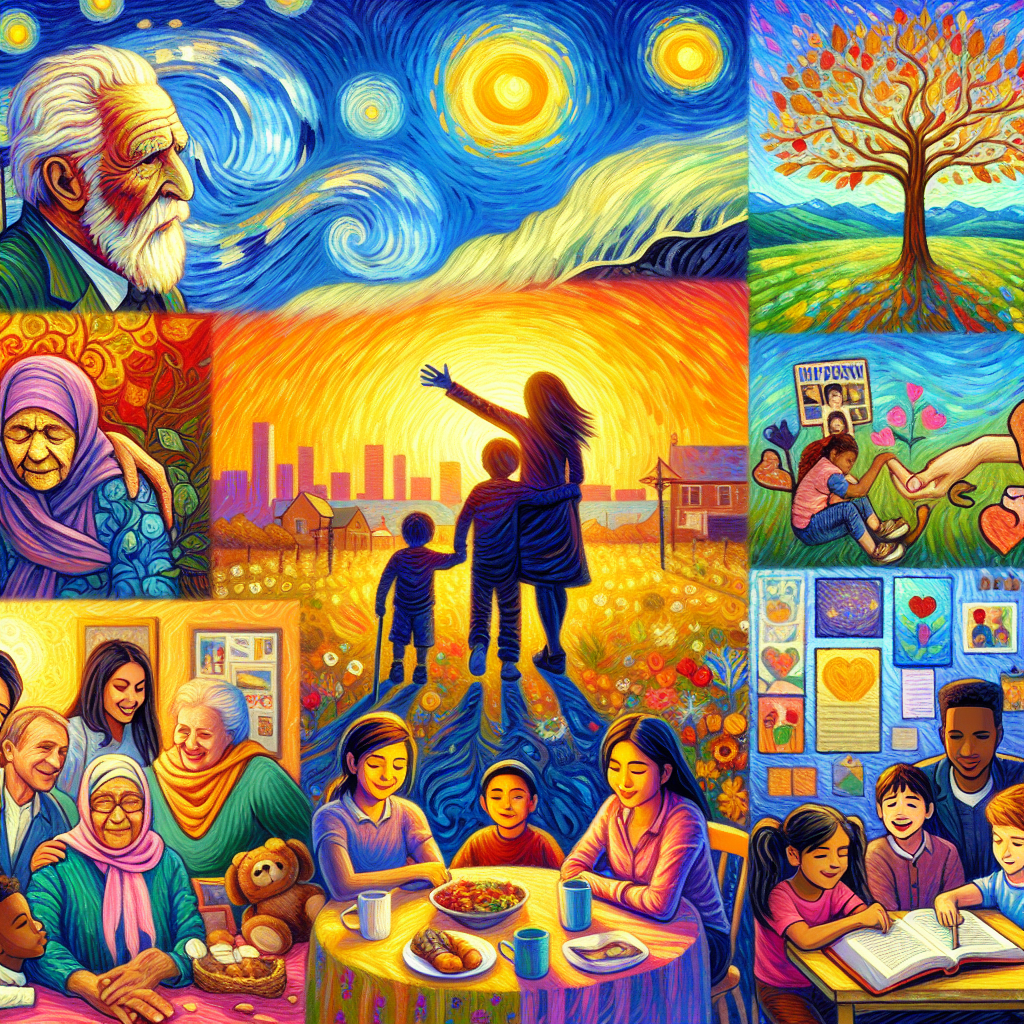
In corners where the stories weave,
Across the ages, we believe,
That memories preserved, bright and bold,
Can bridge the gaps where youth and old.
Gather ‘round in evening’s glow,
With laughter’s echo, hearts will flow,
A grandparent’s tale of days gone by,
Or a child’s dream reaching for the sky.
Legacy storytelling, a sacred art,
Each anecdote a thread, a vital part,
From moonlit landings to video games,
In whispered moments, we find the same flames.
Family archives, treasures untold,
Photos and letters, histories unfold,
Behind worn frames and faded ink,
Lie connections that make us think.
Through digital means, we document,
Every chuckle and heartfelt lament,
In pixels and text, the past comes alive,
Binding us all, making memories thrive.
So pause and listen, ask and share,
Every wrinkle holds a story rare,
Encourage elders to relive their days,
Their laughter, their sorrow, through life’s endless maze.
These shared memories, bridges of trust,
In every recounting, we find a must,
To cherish the moments, both joyous and real,
Their essence a connection, profound as we feel.
So let us record, let us strive,
To keep the legacy truly alive,
For we are but stories, endlessly spun,
In the tapestry of life, we’re forever one.
Poem
Checklist
Can Preserved Memories Help Bridge Generational Gaps? – A Checklist
1. Start Conversations:
_____ Initiate open-ended discussions with family members across generations.
_____ Ask questions that prompt stories, such as:
_____ “What was your proudest moment?”
_____ “Can you describe a challenging time you faced and how you overcame it?”
2. Create a Comfortable Environment:
_____ Choose a cozy setting for sharing stories (e. g. , living room, café).
_____ Offer snacks or drinks to create a relaxed atmosphere.
3. Record and Preserve:
_____ Utilize audio or video recording devices to capture stories.
_____ Take notes or write down key anecdotes for later reflection.
4. Explore Family Archives:
_____ Dig into old family albums, letters, and heirlooms.
_____ Encourage others to share their thoughts and feelings about discovered items.
5. Use Digital Tools:
_____ Create digital scrapbooks or family trees using apps or software.
_____ Share family stories on social media for wider familial engagement.
6. Engage with Different Mediums:
_____ Document memories through writing, art, or photography.
_____ Combine various forms—videos, voice recordings, or creative narratives.
7. Celebrate Shared Memories:
_____ Organize family gatherings focused on storytelling.
_____ Plan activities that encourage reminiscing, such as revisiting old family locations.
8. Embrace Authenticity:
_____ Share both highlights and challenges; real stories resonate deeply.
_____ Be open about emotions—vulnerability fosters connection.
9. Foster Trust and Understanding:
_____ Listen actively; show empathy and interest in experiences shared.
_____ Validate each speaker’s perspective and emotions.
10. Reflect and Build Legacy:
_____ Consider how each story contributes to your family’s history.
_____ Discuss how storytelling can influence younger generations’ understanding of their roots.
11. Overcome Emotional Challenges:
_____ Keep in mind that some memories may evoke difficult feelings.
_____ Encourage a supportive dialogue around these complexities.
12. Maintain Regular Storytelling:
_____ Establish a routine for sharing stories (e. g. , weekly family dinners).
_____ Set aside specific time for storytelling to ensure it remains a family tradition.
By utilizing this checklist, you can create meaningful connections through the power of legacy storytelling. Each shared memory not only strengthens family ties but also preserves the rich tapestry of shared experiences for future generations. Start your journey today!
Checklist
At LegacyExplorations, we help people plan and explore their legacy by collecting information and news regarding end-of-life planning.
Please share this post with your friends, family, or business associates who may want help to plan or explore their legacy.