

Preserving Memories: A Legacy For Your Children
By Tom Seest
At LegacyExplorations, we help people plan and explore their legacy by collecting information and news regarding end-of-life planning.
Please share this post with your friends, family, or business associates who may want help to plan or explore their legacy.
Can Safeguarding Your Memories Offer Your Children a Proven Path?
Let’s get real for a moment. Life is a whirlwind of moments—some fleeting, some monumental, but all of them uniquely yours. Now, what if I told you that these experiences, tucked away in the corners of your mind, could be the compass your children might need as they navigate their own lives? That’s where legacy storytelling steps in. It’s not just about passing down family recipes or old photographs; it’s about weaving a rich tapestry of your lessons, memories, and values.
Imagine your child, standing at a fork in the road, filled with uncertainty about the path ahead. What if they had a treasure trove of your life stories to draw upon? From moments of success to times of sheer struggle, the narratives you share could become their guiding light. You provide a proven path, a roadmap that’s been worn by your journey, and it might just help them avoid the same pitfalls or inspire them to pursue their own dreams.
But let’s not overcomplicate it. You don’t have to be a master storyteller armed with an arsenal of fancy phrases. Just be you. Pull up a chair and let them listen to the stories of your life—the hilarious misadventures, the challenges that nearly broke you, the moments that made your heart swell. Talk about that time you took a leap of faith and it paid off, or even that time it didn’t. Let them hear the authentic you rather than the sanitized version we often present to the world.
Creating a legacy through storytelling is about authenticity and connection. It’s about taking your lived experiences and transforming them into lessons that resonate, not just for today, but for generations to come. When your kids hear about the grit it took to weather the storm, they’re not just hearing a story—they’re learning resilience, courage, and the importance of perseverance.
So, grab a pen, a microphone, or even just a cup of coffee, and start sharing those memories. Your stories hold power, and in them lies the potential to inspire trust, ignite confidence, and evoke a sense of unity within your family. Remember, you’re crafting a narrative that’s bigger than yourself; you are paving a path, a proven path, for the next generation to walk with their heads held high. Join the legacy storytelling movement, and watch as the seeds you plant today bloom into the wisdom your children will carry tomorrow.

Can Safeguarding Your Memories Offer Your Children a Proven Path?
Can Safeguarding Your Memories Offer Your Children a Proven Path?
- Life is composed of unique moments that shape our experiences and values.
- Legacy storytelling helps children navigate their own lives using the insights from their parents’ experiences.
- Sharing life stories serves as a guiding light for children during uncertain times.
- Authenticity in storytelling is key; parents should share their true selves, including both triumphs and challenges.
- Storytelling fosters connection and transforms experiences into valuable lessons for future generations.
- Parents can use simple methods, like writing or talking over coffee, to share their memories effectively.
- Joining the legacy storytelling movement allows parents to inspire confidence and wisdom in their children.

Can Safeguarding Your Memories Offer Your Children a Proven Path?
Table Of Contents
- Can Safeguarding Your Memories Offer Your Children a Proven Path?
- What Are The Benefits Of Safeguarding Family Memories?
- How Can I Start Preserving My Memories Today?
- What Methods Are Best For Memory Preservation?
- Why Is It Important To Share Memories With Children?
- What Role Do Photographs Play In Memory Preservation?
- How Do Stories Shape Family History For Children?
- What Digital Tools Can Help Preserve My Memories?
- Conclusion
- Other Resources
- Glossary Of Terms
- Other Questions
- Haiku
- Poem
- Checklist
What Are The Benefits Of Safeguarding Family Memories?
In today’s fast-paced world, where screens often replace face-to-face interactions, taking the time to preserve our family memories might feel like an old-fashioned practice. But let me tell you—safeguarding these memories is not only important; it’s a treasure trove of benefits waiting to be unearthed. Think about it: every snapshot, every story, and every trinket has its place in our Legacy Storytelling. It’s more than just nostalgia—it’s about weaving the rich tapestry of our lives and ensuring that the next generation understands where they come from.
First off, there’s a profound sense of connection. In our ever-disconnected age, how often do we gather around to hear Aunt Betty’s wild tales or look through dusty old photo albums? These moments not only strengthen family bonds but also create a shared history that can be passed down. When siblings, cousins, and grandchildren sit together to recount the experiences of their ancestors, they build a kinship that goes deeper than genetics. You’re giving them a sense of belonging and identity—something every family member cherishes.
Moreover, safeguarding family memories serves as a guidebook for the future. Think of it as a roadmap filled with lessons learned, joys celebrated, and hardships overcome. Each story can inspire resilience, empathy, and creativity in the coming generations. When families share their triumphs and setbacks, they’re not just reminiscing; they’re teaching invaluable life lessons. It’s a legacy built not just on success but on authenticity.
And let’s not ignore the emotional wellness aspect. In times of trouble or uncertainty, looking back at fond memories can provide solace and hope. Remembering laughter shared around the dinner table can remind us that even in difficult times, joy is possible. It’s like a warm hug from the past that reassures us that we’re not alone in our struggles.
Lastly, diving into your family’s past encourages active participation in preserving memories. Whether it’s digitizing photos, recording oral histories, or simply writing down recipes passed through generations, these can become meaningful family projects. Engaging the whole family in this process not only boosts creativity but creates new memories to cherish.
So, take a moment to reflect on your family’s legacy. By safeguarding these cherished memories, you’ll not only foster deeper connections but also inspire confidence and resilience in those who come after you. Let’s be the keepers of our stories!

What Are The Benefits Of Safeguarding Family Memories?
What Are The Benefits Of Safeguarding Family Memories?
- Preserving family memories enriches our legacy through storytelling.
- It fosters a profound sense of connection among family members.
- Shared family experiences create a sense of belonging and identity.
- Family memories serve as a guidebook for future generations, filled with lessons and insights.
- Looking back at fond memories can enhance emotional wellness and provide comfort during difficult times.
- Engaging in memory preservation promotes creativity and strengthens family bonds.
- Safeguarding memories fosters resilience and confidence in future generations.

What Are The Benefits Of Safeguarding Family Memories?
How Can I Start Preserving My Memories Today?
Let’s face it; life is a whirlwind. One moment you’re chasing dreams, and the next you’re knee-deep in responsibilities, unsure where the time went. But every moment, every heartbeat strands itself in a rich tapestry of memories, and it’s time to take a moment to weave that tapestry into something you can cherish forever. So, how can you start preserving your memories today? Let’s dive in.
First, think about Legacy Storytelling. This isn’t just a fancy phrase—it’s about sharing your experiences, lessons, and triumphs with those who come after you. To do this, grab a pen (or your device of choice) and jot down your stories. Don’t worry about crafting a bestseller. Just focus on getting your thoughts out. Remember the simplicity of storytelling as a child, when every detail felt important? Recapture that sense of wonder and honesty. You’ll be amazed at what flows from your heart.
Next, create a memory jar. It’s a simple idea: take a jar and a stack of colorful papers. Whenever a memory strikes you—a laugh, a lesson, a moment that made your heart swell—write it down on a piece of paper and drop it in the jar. Over time, this jar will become a treasure trove of your life’s best moments, ready for you or a loved one to explore when the nostalgia hits.
Don’t forget the power of pictures! Snap those candid moments—an old family recipe being passed down, a sunset that took your breath away, or simply a goofy selfie with friends. Each photo tells a story and captures emotions that words often can’t. Create albums or digital slideshows, but don’t hide them away—let them be a conversation starter.
Lastly, start speaking about your memories with those close to you. Family gatherings or quiet evenings are perfect settings for sharing stories—old tales, forgotten adventures, or even hard-earned lessons. These conversations foster connection, not only reinforcing your memories but also enriching the lives of others.
Preserving your memories isn’t just about what you remember; it’s about what you share. So today, take that first step. Open the door to reflection, laughter, and connection. You’ll find that in doing so, you’ll not only preserve your memories; you’ll weave a legacy that’s worthy of the stories waiting to be told.

How Can I Start Preserving My Memories Today?
How Can I Start Preserving My Memories Today?
- Life is a whirlwind of dreams and responsibilities, making it essential to cherish memories.
- Legacy storytelling involves sharing experiences, lessons, and triumphs for future generations.
- Writing down personal stories helps recapture the sense of wonder and honesty from childhood.
- A memory jar can be created by writing down significant moments on colorful papers and placing them in a jar.
- Photography captures emotions and stories that words often can’t convey; use photos as conversation starters.
- Engage in conversations with loved ones to share stories and memories, strengthening connections.
- Preserving memories is about sharing experiences, leading to reflection, laughter, and legacy building.

How Can I Start Preserving My Memories Today?
What Methods Are Best For Memory Preservation?
When it comes to preserving memories, we often think of photographs stacked in dusty albums or that old box of family mementos tucked away in the attic. But let’s face it—memories are more than just images or objects. They’re stories. They’re experiences that give shape to who we are and where we’ve been. One of the best methods for truly keeping these memories alive is through Legacy Storytelling.
Imagine sitting around a crackling fire, wrapped in a warm blanket, sharing your life’s most vivid moments with loved ones. This is the essence of Legacy Storytelling—the art of conveying not just events, but the emotions, lessons, and intricate details that make them meaningful. It’s the heart of family history, passed down from generation to generation, like a beloved heirloom. And let’s be honest: there’s something deeply satisfying about recounting a tale that sparks laughter, tears, or even a bit of nostalgia.
So, how do you get started? Begin by carving out time with your family or friends to simply talk. Ask open-ended questions that ignite memories. “What was your favorite childhood adventure?” or “What do you remember about the family gatherings?” These discussions can unearth stories you may have never heard. Grab a notebook, or your smartphone, and jot down the nuggets of wisdom that arise. The beauty of technology today means you can even record these conversations—audio or video—so you can keep their voices and expressions in your collection of cherished memories.
Another powerful tool is creating a memory jar. This is straightforward and surprisingly effective. Pass a jar around at gatherings and ask everyone to write down their favorite memories or funny anecdotes, slip them into the jar, and make a regular habit of reading them together. It sparks joy, connection, and sometimes a healthy dose of laughter, all while reinforcing the bonds you share—a beautiful loop of shared experience.
Don’t underestimate the impact of written records, either. Start a family journal or create a scrapbook filled with stories and visuals that represent milestones, everyday moments, and even the struggles you’ve overcome together. Each page is a tapestry sewn from your unique experiences.
Preserving memories isn’t just about holding onto the past; it’s about enriching the present and shaping the future. It’s an act of love and authenticity that can inspire trust, connection, and even reflection in those who come after you. So grab a seat, share your stories, and let them become a lasting legacy that echoes through time.

What Methods Are Best For Memory Preservation?
What Methods Are Best For Memory Preservation?
- Memories are more than just photographs or objects; they are stories and experiences that shape who we are.
- Legacy Storytelling involves sharing vivid moments with loved ones, emphasizing emotions, lessons, and details.
- Engage family and friends by asking open-ended questions to spark memory-driven conversations.
- Utilize technology to record conversations, preserving voices and expressions for the future.
- Create a memory jar where everyone can contribute favorite memories, fostering joy and connection.
- Consider starting a family journal or scrapbook to document milestones and shared experiences.
- Preserving memories enriches the present and shapes the future, acting as an act of love and connection.

What Methods Are Best For Memory Preservation?
Why Is It Important To Share Memories With Children?
When you sit down with a child and start to share a memory—whether it’s an adventure you had as a kid, a lesson learned the hard way, or a moment of laughter that still tickles your insides—you’re doing something profound. You’re not just recounting a tale; you’re weaving a tapestry of legacy storytelling that connects generations.
Think back to your own childhood. Remember the stories your parents or grandparents told you? Those were not mere words; they were threads that stitched the fabric of your identity. They offered insights into family heritage, values, and traditions. They took us beyond simple history, nudging us to engage with our roots and understand that we are part of something much bigger. Sharing memories with children serves the same purpose. It gives them context, grounding them in a world that can often feel overwhelming or chaotic.
In this digital age, where fleeting images and ephemeral texts are the norm, the art of storytelling holds an even greater significance. When we take the time to pause, to sit down, and convey our experiences, we’re passing on wisdom that can’t be captured in a quick post or a snap. Children today are inundated with information, but meaningful stories resonate. They inspire curiosity and encourage critical thinking. They spark imagination and creativity, prompting children to think about their paths and choices.
Moreover, sharing memories isn’t just about imparting knowledge; it’s about fostering connection. It builds trust and strengthens relationships. Those stories create a safe haven where a child feels seen and understood. They provide a framework for empathy, allowing young ones to see the world through someone else’s eyes, nurturing compassion and open-mindedness. This shared experience breeds confidence, as children realize they can stand on the shoulders of those who came before them.
So, the next time you have a quiet evening, or a lazy afternoon, take a moment to dig into those treasure troves of memories. Talk about those unforgettable family trips, the challenges you faced, or even the goofy blunders that still bring a smile to your face. In doing so, you not only cherish your past but also cultivate a rich legacy of storytelling that your children can carry forward, creating their narratives and connecting with others along the way.

Why Is It Important To Share Memories With Children?
Why Is It Important To Share Memories With Children?
- Sharing memories with children fosters profound connections and deepens generational bonds.
- Stories from parents and grandparents contribute to a child’s identity and understanding of family heritage.
- Memory sharing provides context for children, grounding them in a chaotic world.
- In the digital age, storytelling becomes significant amidst fleeting information and distractions.
- Meaningful stories inspire curiosity, critical thinking, imagination, and creativity in children.
- Storytelling builds trust, strengthens relationships, and nurtures empathy and compassion.
- Revisiting personal memories cultivates a rich legacy of storytelling for future generations.

Why Is It Important To Share Memories With Children?
What Role Do Photographs Play In Memory Preservation?
Picture this: you’re thumbing through a dusty old box in the attic, maybe you’ve unearthed something magical. Tucked away among the forgotten knickknacks and old school projects, you stumble upon a collection of photographs. It’s like cracking open a time capsule. Each image captures a fleeting moment, breathing life into recollections that have faded like old paint. Photographs do more than just document life; they are the very essence of legacy storytelling.
In a world swirling with constant change, we often take for granted the power of a single snapshot. Photographs serve as anchors in the vast sea of our memories, holding tight to those moments that matter the most. Whether it’s an impromptu family barbecue, a grandparent’s smile, or that unforgettable trip to the mountains, each image tells a story. They provide a glimpse into our history and reinforce the connections we cherish with our loved ones. Sharing these stories around the dinner table or during a weekend get-together can spark laughter, tears, and conversation, creating an unbreakable bond that weathers the test of time.
But let’s not forget about the role these images play beyond their immediate impact. As we pass down our photographs—carefully curated pieces of our past—we’re also passing down our wisdom, our experiences, and our lessons learned. This is where legacy storytelling flourishes. Future generations gain insight into who we were, what we loved, and how we navigated this tumultuous journey called life. It gives them context and, perhaps, even inspiration for their own paths.
Moreover, in an age dominated by digital screens, the tactile nature of printed photos offers a delightful tension against the fleeting nature of social media feeds. The crispness of a photo album, the scent of old paper, and the weight of memories held in your hands create a richer experience. It beckons us to slow down and reflect on where we’ve been and where we’re going.
So, dive into those boxes; unearth the treasures that lie within. Allow the magic of photographs to lead you on a journey of remembrance. Embrace the stories they tell and the legacy you’re building with each click of the shutter. Capture your moment, for in doing so, you preserve not just your memories but the very heart of what it means to belong.

What Role Do Photographs Play In Memory Preservation?
What Role Do Photographs Play In Memory Preservation?
- Photographs serve as a time capsule, capturing fleeting moments and breathing life into faded recollections.
- They act as anchors in our memories, preserving moments that matter most, such as family gatherings and significant life events.
- Sharing these images and their stories fosters connections and deepens bonds with loved ones.
- Passing down photographs entails sharing wisdom, experiences, and valuable life lessons with future generations.
- Legacy storytelling provides context and inspiration for the paths of those who come after us.
- The tactile experience of printed photos contrasts with the ephemeral nature of digital content, encouraging reflection.
- Exploring old boxes of photographs invites a journey of remembrance and a celebration of belonging.

What Role Do Photographs Play In Memory Preservation?
How Do Stories Shape Family History For Children?
Gather around, folks, because we’re diving into a topic that resonates with all of us—how stories shape family history for children. Imagine, if you will, a cozy living room filled with the scent of popcorn and the sound of laughter, as generations come together to share tales of yesteryear. These aren’t just any stories; they’re legacy storytelling at its finest, passed down like a treasured family heirloom, each one a thread that weaves the fabric of our family history.
At its core, storytelling is more than just recounting events; it’s the bridge that connects the past to the present. Children who are regaled with family tales feel a deeper sense of belonging. They gain insight into their origins, gleaning lessons from triumphs and failures alike. These narratives shape their identity, instilling values that guide them as they navigate their own lives. It’s not just about knowing where they came from; it’s about understanding who they are.
Consider for a moment the impact of sharing stories about hardship and resilience. When children hear about an ancestor’s struggles, tied with a plucky determination to succeed, they learn perseverance in the face of adversity. They absorb the idea that their family—like any family—has weathered storms. They might even be inspired to tackle their own challenges with the same unyielding spirit. Such stories empower them; they carry that legacy forward, making it their own.
Now, let’s not forget the pure joy that storytelling brings! Imagine a child’s eyes lighting up as they hear about a quirky great-uncle who once danced with a bear or a grandmother who won the town bake-off three years in a row. These colorful characters help children visualize their lineage, transforming ancestors into relatable figures rather than distant names in a dusty book.
The best part? Engaging children in this legacy storytelling doesn’t require a grand, elaborate setup. It can be as simple as a weekend dinner where everyone shares their favorite family anecdotes or even a short bedtime tale about an ancestor’s adventure. The key is consistency. The more stories are shared, the richer the child’s appreciation of their family history becomes.
So, pull up a chair, share a tale, and help the next generation not just know their lineage but feel it—woven right into the very core of who they are.

How Do Stories Shape Family History For Children?
How Do Stories Shape Family History For Children?
- Storytelling serves as a vital connection between past and present, enriching family history for children.
- Children who hear family stories develop a deeper sense of belonging and understanding of their origins.
- These narratives shape children’s identities and instill valuable life lessons derived from family experiences.
- Stories of hardship and resilience teach children about perseverance and inspire them to overcome their own challenges.
- Colorful family characters transform ancestors into relatable figures, enhancing children’s engagement with their lineage.
- Legacy storytelling can be simple and casual, requiring no elaborate setups, just regular sharing of anecdotes.
- The more stories are shared, the richer children’s appreciation of their family history and identity becomes.

How Do Stories Shape Family History For Children?
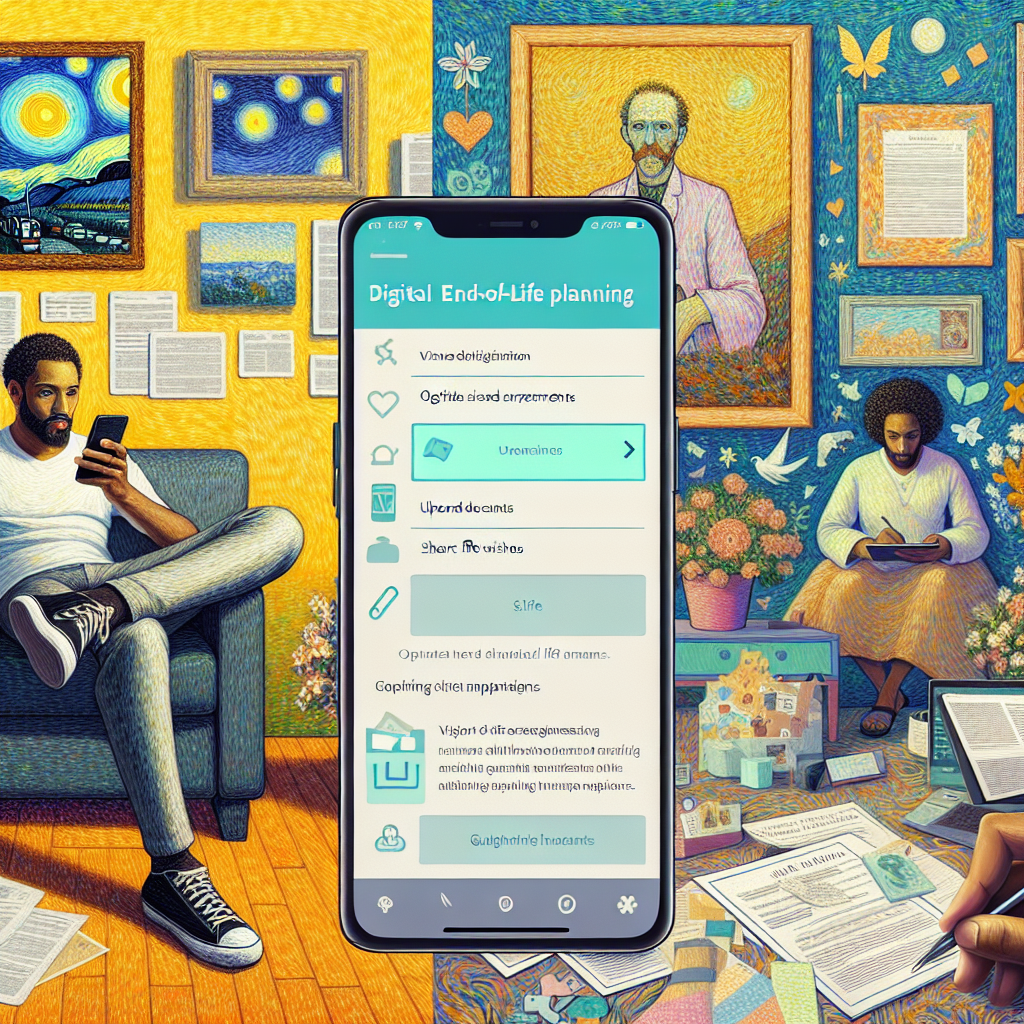
What Digital Tools Can Help Preserve My Memories?
In this ever-changing world, where the hustle and bustle often drowns out the sweet echoes of our personal stories, finding ways to preserve our memories has become more important than ever. Just think about it: every laugh, every tear, and every awkward family gathering is a thread in the grand tapestry of our lives. Luckily, we live in an age overflowing with digital tools that can help you weave your own vibrant legacy storytelling arc.
First up, we have the ever-reliable cloud storage options like Google Drive or Dropbox. Imagine having a treasure chest where you can store precious photos, videos, and even voice recordings of unforgettable family tales. This isn’t just about ensuring those memories don’t fade into oblivion; it’s about having the freedom to share, revisit, and reflect. Whenever you’re feeling nostalgic or simply want to take a trip down memory lane, all it takes is a few clicks. That’s digital convenience at its finest.
Next in your digital toolbox are apps that specifically cater to legacy storytelling, like Storyworth or My Heritage. These platforms encourage you to compile your memories through guided prompts, helping you document your journey in a thoughtful way. You might find yourself reminiscing about childhood adventures or cherished moments with loved ones. And don’t worry, these tools guide you, so you won’t feel lost amidst a sea of blank pages. They’re essentially a friendly nudge, pushing you to explore those stories you never knew were bubbling beneath the surface.
Let’s not overlook social media, either. While scrolling might seem aimless, platforms like Facebook or Instagram can actually serve as memory banks filled with snapshots of your life. They let you organize experiences chronologically, creating an easily accessible timeline of your milestones. But remember, privacy is key! Some moments are meant for the family album, not the digital crowd.
Finally, for those who love the tactile feel of physical mementos, print-on-demand services like Artifact Uprising or Shutterfly exist to transform your online collections into beautifully crafted photo books. Imagine flipping through the pages of a book filled with your memories—now that’s something worth cherishing.
So, embrace these tools, and take action! Because every story deserves to be told, and every life deserves to be remembered.
What Digital Tools Can Help Preserve My Memories?
What Digital Tools Can Help Preserve My Memories?
- Preserving memories is crucial in today’s fast-paced world, where personal stories may be overlooked.
- Cloud storage services like Google Drive and Dropbox offer a convenient way to store and share important photos, videos, and voice recordings.
- Legacy storytelling apps such as Storyworth and My Heritage provide guided prompts to help document personal journeys and cherished memories.
- Social media platforms like Facebook and Instagram can serve as memory banks, allowing users to organize experiences in a chronological timeline.
- Privacy is important on social media; not all moments are meant for public sharing.
- Print-on-demand services like Artifact Uprising and Shutterfly can transform digital collections into physical photo books.
- Using these digital tools is essential, as every story and life deserves to be remembered.

What Digital Tools Can Help Preserve My Memories?
Conclusion
Alright, folks, let’s wrap this up with a bit of wisdom gained from the beautiful chaos that is life. If there’s one thing we’ve learned, it’s that memories are not just vestiges of joy and laughter; they are the very tapestry that weaves our families together across generations. Now, here’s the kicker: every moment you’ve lived, every lesson you’ve learned, can become the invaluable roadmap your children navigate as they find their footing in this unpredictable world.
Think about it. The stories you share—those chuckle-worthy, cringe-inducing, and uplifting moments—aren’t just good entertainment; they are powerful teaching tools. You’ve got the chance to show your kids what resilience looks like in the face of adversity, or how to savor joy even during tough times. The narrative of your life, with all its quirks and lessons, is a treasure trove waiting to be opened, and it’s up to you to pass it on.
In a society that’s increasingly glued to screens and struggling to connect, preserving our family memories feels more crucial than ever. Whether you’re scribbling notes in a journal, capturing candid photos at family gatherings, or sitting around a table spinning tales that blend the funny with the profound, you’re doing more than just reminiscing; you’re constructing a legacy. You’re giving your children an anchor in their own tumultuous seas.
So grab that memory jar, fire up that digital archive, or simply start chin-wagging about life’s adventures over a cup of coffee. It doesn’t need to be a polished performance. Authenticity is the goal here; it’s about being real and sharing your journey in a way that resonates. Remember, it’s the sincerity and the connections you forge in these moments that matter most.
As you reflect on your family’s legacy, know this: in each anecdote, each shared laugh, each heartfelt lesson, you’re crafting a powerful narrative that your kids will carry as a beacon as they forge their paths. By safeguarding your memories, you’re not only preserving your past but also empowering their future with resilience, identity, and a sense of belonging.
So go on, become a storyteller. Dive into those treasured memories and let them bloom into something extraordinary. The road ahead may be uncertain, but armed with your tales, your children will have the chance to navigate it with confidence and courage. Your legacy awaits—start building it today!

Conclusion
Conclusion:
- Memories are crucial in weaving family connections across generations.
- Every lesson learned can serve as a roadmap for children navigating life.
- Sharing personal stories can teach resilience and the appreciation of joy in tough times.
- Preserving family memories is essential in a screen-dominated society.
- Creating a legacy involves documenting experiences through journals, photos, or storytelling.
- Authenticity in sharing your journey enhances connection and meaning.
- By preserving memories, you empower your children with resilience, identity, and belonging.

Conclusion
Other Resources

Other Resources
Here is a list of other resources you can review online to learn more:
- Bcelebrated
- IronClad Family
- Afternote
- NoLo
- Legacy Family Tree
- My Wonderful Life
- UpCounsel
- RootsMagic
- Living Wisely
- Geni
Use This Prompt To Get More Resources With Your Favorite Online AI Tool: Please provide me with a list of online articles with their URLs in a bulleted list that I can read regarding Can Safeguarding Your Memories Offer Your Children a Proven Path?

Other Resources
Glossary Terms
Can Safeguarding Your Memories Offer Your Children a Proven Path? – Glossary Of Terms
1. Memory: The mental faculty of retaining and recalling past experiences, events, and knowledge.
2. Safeguarding: Protecting memories from loss or distortion through various methods such as documentation, storytelling, or technology.
3. Nostalgia: A sentimental longing for the past, which can positively influence identity and emotional well-being.
4. Legacy: Something handed down from one generation to another, often including memories and values that shape future behavior.
5. Documentation: The act of creating written or recorded accounts of experiences to preserve memories, such as journals, videos, or photographs.
6. Storytelling: The art of sharing experiences through narrative, which can help transmit knowledge and values to children.
7. Emotional Intelligence: The ability to recognize, understand, and manage one’s own and others’ emotions, which can be enhanced by reflecting on shared memories.
8. Cultural Heritage: The traditions, values, and stories passed down through generations that contribute to a shared identity.
9. Psychological Resilience: The capacity to recover from difficulties, often strengthened by supportive memories and family narratives.
10. Intergenerational Learning: The process by which knowledge, skills, and values are passed down from older generations to younger ones.
11. Memory Mapping: Creating visual representations of memories to help individuals connect their past with their present and future.
12. Reflective Practice: The process of analyzing experiences, which can lead to deeper understanding and insight regarding personal and familial memories.
13. Family Tradition: Customs and practices that families regularly engage in to create shared memories and strengthen bonds.
14. Preservation: The act of maintaining and protecting memories through various means to ensure they endure over time.
15. Connection: The emotional and psychological ties between individuals, often strengthened by shared memories and experiences.
16. Identity Formation: The development of a person’s sense of self, influenced significantly by memories of personal and familial experiences.
17. Collective Memory: The shared pool of knowledge and information within a community or family that shapes their identity and culture.
18. Therapeutic Narratives: Stories and memories that can be used in therapy to promote healing and understanding of one’s experiences.
19. Photographic Memory: The ability to remember information or images in great detail, often helpful for recalling significant life events.
20. Mindfulness: A mental practice that involves focusing on the present moment, which can enhance memory retention and appreciation of experiences.
21. Memory Lane: A metaphorical path through one’s memories, often evoked during reflections about the past.
22. Parenting Strategies: Approaches parents use to educate and nurture their children, which can be influenced by their own memories and experiences.
23. Bonding: The process of forming emotional connections, often facilitated by shared experiences and memories within families.
24. Heirloom: A valuable object that is passed down through generations, often accompanied by stories that enrich family memories.
25. Gratitude: The quality of being thankful, which can be cultivated by reflecting on cherished memories and family connections.
26. Emotional Storytelling: Sharing personal narratives that evoke emotions, allowing listeners to connect deeply with the storyteller’s experiences.
27. Memory Preservation Tools: Various methods and technologies, such as digital archives or scrapbooking, that help keep memories alive.
28. Mind Mapping: A visual technique employed to organize thoughts and memories, helping individuals see connections and themes.
29. Active Listening: Paying close attention to what others share, which fosters deeper understanding and connection through shared memories.
30. Generational Wisdom: Knowledge and insights gained from experience that can be passed down to younger generations through memories and stories.

Glossary Of Terms
Other Questions
Can Safeguarding Your Memories Offer Your Children a Proven Path? – Other Questions
If you wish to explore and discover more, consider looking for answers to these questions:
- What are some easy ways to begin sharing memories with my children?
- How can I encourage my children to share their own memories?
- What are some effective storytelling techniques to engage children?
- How can I motivate other family members to participate in memory preservation?
- What are some memorable family traditions I can create around storytelling?
- How can technology enhance the process of memory preservation?
- What should I do if I’m not comfortable sharing my memories verbally?
- Are there any specific recording tools or apps that can help in preserving stories?
- How can I make memory sharing a fun activity for my family?
- What types of stories are most impactful for children to hear?
- What are the potential downsides of sharing personal memories with children?
- How can I track and organize all my preserved memories for easy access?
- Can memory sharing help strengthen family bonds during difficult times?
- What are some creative ways to visualize family history for children?
- How do I deal with sensitive topics when sharing memories?

Other Questions
Haiku
Can Safeguarding Your Memories Offer Your Children a Proven Path? – A Haiku
Memories we weave,
Stories shared, a guiding light—
Legacy unfolds.

Haiku
Poem
Can Safeguarding Your Memories Offer Your Children a Proven Path? – A Poem
In Time’s Embrace: A Legacy of Memory
In life’s grand tapestry, moments weave,
Some fleeting whispers, some we believe,
What if your stories, heartfelt and true,
Could light the path for the child within you?
From laughter to struggle, from dreams to defeat,
Each tale a companion, each lesson a treat,
Gather ’round, dear children, sit close by my side,
As I share the journeys, the waves, and the tide.
Not just recipes or photographs old,
But the marrow of living, the truths to be told.
A legacy crafted, not from polished prose,
But the grit of our lives, the thorns and the rose.
Let them hear of the storms that we braved,
Of joys that we captured, of moments we saved.
Authenticity reigns as the stories take flight,
Instilling in them the compass for light.
When screens often dull the warmth of our kin,
Let’s gather and cherish the voices within.
Through memory jars and the laughter we share,
We build them a future, teach them how to care.
In snapshots and stories, love’s whisper remains,
A history built on joy and on pains.
With every recounting, our hearts intertwine,
In the roots of our family, their spirits will shine.
So let’s not forget with the hustle of days,
To pause and reflect, to honor always,
For in every shared memory, a legacy grows,
A map for their journeys, a heart that still glows.
Take up a pen, or let stories unfold,
In the simple of moments, let connection be bold.
Preserving these treasures in time’s gentle grasp,
A legacy blooming, in memories clasped.

Poem
Checklist
Can Safeguarding Your Memories Offer Your Children a Proven Path? – A Checklist
Checklist for Preserving Your Memories: A Legacy for Your Children
Start Your Legacy Storytelling Journey
_____ Reflect on Your Memories: Take time to think about significant moments in your life that you want to share.
_____ Make a List of Stories: Jot down key experiences, lessons learned, and emotions associated with those moments.
Methods for Memory Preservation
_____ Keep a Journal: Regularly write down your experiences and thoughts.
_____ Create a Memory Jar: Use a jar to collect written memories, anecdotes, and lessons learned.
_____ Gather Visuals: Start taking candid photos of everyday life and memorable events.
_____ Choose a Digital Solution: Explore cloud storage options (e. g. , Google Drive, Dropbox) for secure memory storage.
Share and Document Your Stories
_____ Schedule Time to Share: Plan family gatherings where you can recount your stories.
_____ Engage Children with Questions: Ask open-ended questions that encourage story sharing.
_____ Use Digital Tools: Consider apps like Storyworth or My Heritage to guide your storytelling.
Involve the Whole Family
_____ Participate Together: Encourage family members to share their memories and stories.
_____ Start a Family Project: Engage in collective memory preservation activities (e. g. , digital photo albums, scrapbooks).
Connect Through Photos
_____ Organize Your Photos: Sort and label photographs for easy access.
_____ Create a Photo Album or Book: Compile your favorite memories into a printed or digital album.
Embrace Authenticity and Connection
_____ Share the Unfiltered You: Be honest and open about your experiences.
_____ Encourage Empathy: Highlight the lessons in your stories to foster understanding and compassion.
Reflect and Refresh Memory Practices
_____ Regularly Revisit Memories: Set aside time to share and reflect on collected memories.
_____ Update Your Tools: Explore new digital tools or platforms to enhance your memory preservation efforts.
Commit to Your Legacy
_____ Start Today: Take the first step in documenting your memories.
_____ Invite Feedback: Encourage family members to share their thoughts and reactions to your stories.
This checklist is designed to guide you in preserving your memories and creating a legacy that your children can cherish. Happy storytelling!

Checklist
At LegacyExplorations, we help people plan and explore their legacy by collecting information and news regarding end-of-life planning.
Please share this post with your friends, family, or business associates who may want help to plan or explore their legacy.