

Uncovering The Power Of Personal Narratives For Family Bonds
By Tom Seest
At LegacyExplorations, we help people plan and explore their legacy by collecting information and news regarding end-of-life planning.
Please share this post with your friends, family, or business associates who may want help to plan or explore their legacy.
Can Sharing Your Story Create Revolutionary Connections with Family?
In a world buzzing with noise and superficial conversations, there lies an untapped reservoir of human connection just waiting to burst forth: Legacy Storytelling. It’s a powerful tool that goes far beyond the simple exchange of facts; it weaves a rich tapestry of experience, emotion, and understanding among family members. When you sit down to share your story—whether it’s the tale of a tough struggle, an unexpected triumph, or even the mundane moments that shaped you—you’re not just reminiscing; you’re laying down the groundwork for deeper ties that can ripple through generations.
Now, let’s be honest here. Most of us are busy, caught in the relentless churn of our daily lives. We’re glued to our screens, distracted by the humdrum routine of work and obligations. Amidst all this, the art of storytelling often gets relegated to the back burner. But imagine, for a moment, the kind of connections that could ignite if only we took a step back and shared those pivotal moments that define us. A well-told story can bridge gaps that years of silence might have widened, creating bridges where there were once divides.
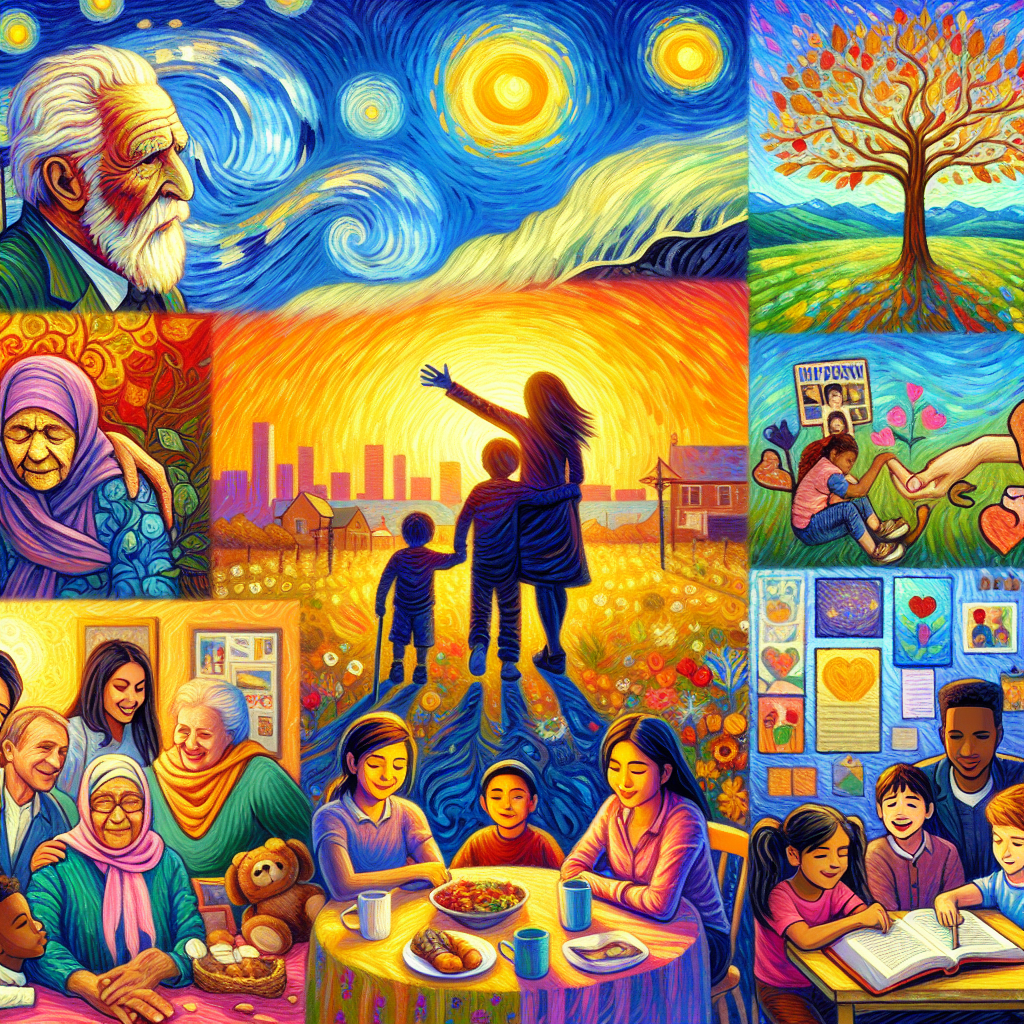
Family gatherings are ripe opportunities for this kind of transformative dialogue. Picture yourself sitting around a table, with the smell of comfort food wafting through the air, laughter resonating off the walls. This setting becomes fertile ground for Legacy Storytelling. When one person shares a heartfelt account of their childhood or a challenging experience they’ve overcome, it opens the door for others to follow suit. Suddenly, the mundane becomes spectacular, and the past is not just a series of events but a shared journey shaped by common struggles and victories.
The magic of sharing our stories lies in their ability to humanize us. It creates empathy and understanding across the generational divide, allowing grandparents, parents, and children alike to see one another not just as roles but as real people with emotions and experiences. This kind of sharing can dissolve the barriers often built by miscommunication and assumptions.
By engaging in Legacy Storytelling, not only are we preserving our heritage, but we’re also sewing the seeds of connection that may grow into something truly revolutionary within our families. So, why not take the plunge? Grab a cup of coffee, gather your loved ones, and start talking. You might just be surprised by the bonds that form when stories are shared.

Can Sharing Your Story Create Revolutionary Connections with Family?
Can Sharing Your Story Create Revolutionary Connections with Family?
- Legacy Storytelling is a powerful way to enhance human connections among family members.
- It goes beyond sharing facts, weaving a tapestry of experiences, emotions, and understanding.
- In a busy world, sharing personal stories can help bridge gaps created by years of silence.
- Family gatherings are ideal for transformative dialogue and storytelling.
- Telling heartfelt stories fosters empathy and helps break down generational divides.
- Legacy Storytelling preserves heritage while cultivating deep family connections.
- Engaging in storytelling can surprise you with the bonds that develop through shared experiences.

Can Sharing Your Story Create Revolutionary Connections with Family?
Table Of Contents
- Can Sharing Your Story Create Revolutionary Connections with Family?
- What Does Sharing Your Story Mean In A Family Context?
- How Can Sharing Personal Experiences Strengthen Family Bonds?
- What Are The Emotional Benefits Of Storytelling Within Families?
- How Can Storytelling Bridge Generational Gaps In Families?
- What Challenges Might Arise When Sharing Personal Stories With Family?
- How Can Storytelling Foster Empathy And Understanding Among Relatives?
- What Role Does Active Listening Play In Sharing Family Stories?
- Conclusion
- Other Resources
- Glossary Of Terms
- Other Questions
- Haiku
- Poem
- Checklist
What Does Sharing Your Story Mean In A Family Context?
In the heart of every family, there exists a tapestry woven from countless narratives. When we talk about sharing your story, especially in the context of family, we’re diving into a unique form of legacy storytelling. It’s more than just recounting events; it’s about giving voice to experiences, struggles, and triumphs that shape our collective identity.
Imagine sitting around a table, the aroma of a home-cooked meal filling the air. The younger generation leans in, eager to hear tales from those who lived them. This is where the magic happens—an exchange of stories that not only entertains but strengthens familial bonds. Each account shared acts as a thread that holds the fabric of family together. It’s how we pass down values, traditions, and lessons learned the hard way. By sharing our stories, we ensure that the experiences of our elders don’t fade away into obscurity.
Legacy storytelling serves as a bridge across generations. When you share your journey—complete with the bumps and detours—you create a space for understanding. Your children might learn why a certain tradition is cherished or why resilience is a crucial trait. They gain insight into struggles, whether they be financial hardships, health crises, or personal challenges, and recognize that they are not alone in facing adversities. Every story has the potential to transform a moment of confusion into a lesson in resilience, showing younger family members how to forge their paths.
Moreover, sharing your story invites vulnerability. In a world where perfection often takes center stage, it’s refreshing, even liberating, to admit that life doesn’t always go according to plan. When we share our stories—complete with failures and flaws—we free others to do the same. This mutual exchange fosters empathy and strengthens connections. It reminds us that we are human, all navigating the complexities of life together.
In essence, sharing your story within a family context is about preserving a legacy. These narratives become the backbone of who we are, guiding future generations as they navigate their own lives. So, the next time you find yourself reminiscing about the good, the bad, and the downright messy, remember: you’re doing more than just talking. You’re contributing to a legacy that will echo through time, shaping the lives of those who come after you. Your story matters.

What Does Sharing Your Story Mean In A Family Context?
What Does Sharing Your Story Mean In A Family Context?
- Family storytelling is a unique form of legacy storytelling that involves sharing experiences, struggles, and triumphs.
- Gathering around a meal promotes sharing stories that strengthen familial bonds and pass down values and traditions.
- Legacy storytelling bridges generations by providing insight into traditions and the importance of resilience.
- Sharing personal journeys can help younger family members understand that they are not alone in facing adversities.
- Vulnerability in storytelling allows for the sharing of failures and flaws, fostering empathy and deeper connections.
- Preserving family stories ensures that they guide future generations through their own challenges.
- Your personal story contributes to a lasting legacy that shapes the lives of future generations.

What Does Sharing Your Story Mean In A Family Context?
How Can Sharing Personal Experiences Strengthen Family Bonds?
In the hustle and bustle of modern life, we often forget the importance of personal connections. Yet, it’s those very connections that form the backbone of our families. One powerful way to strengthen these bonds is through something I like to call “Legacy Storytelling.” It’s about sitting down and sharing those life experiences—both big and small—that shape who we are.
Picture this: a rainy Sunday afternoon, everyone gathered around the table, maybe with a warm cup of cocoa in hand. It’s the perfect atmosphere to dive into the fabric of your family’s history. When we share our stories, we’re not merely recounting events; we’re weaving a rich tapestry of emotions, lessons, and insights. Each thread carries with it the laughter of shared jokes, the weight of hardships, and the beauty of personal triumphs. These stories become touchstones that connect generations, reminding us where we came from and who we are.
Now, why does this matter? For starters, sharing personal experiences cultivates empathy. When family members hear about each other’s triumphs and struggles, it creates a foundation of understanding. A young person grappling with their own challenges can find solace in the story of a parent or grandparent who faced similar obstacles. It’s almost like passing on wisdom through a warm handoff—“You’re not alone in this.”
Legacy storytelling also keeps family history alive. In an age where everything feels transient, sharing experiences ensures that our narratives don’t fade away like footprints in the sand. Those tales can be as mundane as a recipe handed down through the generations, or as thrilling as an ancestor’s daring adventure. Every story etched in memory becomes a part of the family’s legacy—a living document of resilience, hope, and love.
Ultimately, the simple act of sharing can serve as a salve for wounds both old and new. It allows families to address unresolved pains, celebrate milestones, and deepens their interpersonal connections. Through heartfelt conversations, we affirm our place within the familial narrative. So next time you find yourself with a moment to spare, consider gathering those closest to you. Share a story, savor the responses, and watch as the threads of connection grow stronger, binding you more tightly to those you cherish. In this chaotic world, such moments are pure gold.

How Can Sharing Personal Experiences Strengthen Family Bonds?
How Can Sharing Personal Experiences Strengthen Family Bonds?
- Personal connections are crucial for family bonding in modern life.
- “Legacy Storytelling” involves sharing life experiences to strengthen these bonds.
- Gathering together to share stories creates a rich tapestry of emotions and lessons.
- Sharing experiences cultivates empathy and understanding among family members.
- It keeps family history alive, ensuring narratives don’t fade over time.
- Storytelling helps address unresolved issues and celebrate milestones within families.
- Taking time to share stories can significantly strengthen familial connections.

How Can Sharing Personal Experiences Strengthen Family Bonds?
What Are The Emotional Benefits Of Storytelling Within Families?
Gather ‘round, folks, because there’s something profound about the way families weave their tales. When we talk about legacy storytelling, we’re not merely discussing the tales told around the dinner table; we’re diving headfirst into the very foundation of familial bonds. It’s about crafting narratives that not only entertain but also serve to connect generations.
First off, let’s consider the power of shared experiences. When family members swap stories, they create a collective memory. These narratives act as anchors, giving past events a sense of presence in the moment. Imagine Grandma recounting how she met Grandpa. Suddenly, a dusty old family photo transforms into a vibrant scene, complete with laughter and love. It’s this ability to bring the past to life that strengthens emotional ties.
Further, storytelling teaches empathy. It’s about walking in someone else’s shoes—even if those shoes haven’t been worn in decades. When children hear about hardships faced by their parents or grandparents, they develop a deeper understanding of resilience. They learn that struggles are not just personal but are part of the human experience. This connection fosters compassion and encourages open dialogue, creating an environment where feelings can be expressed freely.
Then there’s the whole concept of identity. Families often use legacy storytelling as a way to instill values. Children grow up hearing the stories of their ancestors, learning what it means to be part of a lineage. Whether it’s tales of hard work, honesty, or generosity, each story acts as a building block in shaping who they are. This sense of identity plays a crucial role in their emotional well-being, as it provides a sense of belonging and direction.
Moreover, storytelling serves as a fantastic coping mechanism. In tough times, sharing experiences can alleviate stress and anxiety. It’s a cathartic process, allowing family members to express their fears and find comfort in the knowledge that they are not alone. These stories, filled with ups and downs, illustrate that life is a journey—one best traveled together.
In a nutshell, the emotional benefits of storytelling within families are profound and far-reaching. As we uncover layer upon layer of our shared history, we find that the power of words can heal, connect, and uplift. So, the next time you gather with family, don’t underestimate the value of a good story. It might just be the glue that holds you all together.

What Are The Emotional Benefits Of Storytelling Within Families?
What Are The Emotional Benefits Of Storytelling Within Families?
- Legacy storytelling strengthens familial bonds through shared narratives.
- Storytelling creates collective memories that bring past events to life.
- It teaches empathy by allowing children to understand their ancestors’ hardships.
- Legacy stories instill values and shape children’s identities within their lineage.
- Storytelling serves as a coping mechanism during tough times, reducing stress.
- It fosters an environment for open dialogue, enhancing emotional expression.
- The power of storytelling can heal, connect, and uplift families.

What Are The Emotional Benefits Of Storytelling Within Families?
How Can Storytelling Bridge Generational Gaps In Families?
In a world that often feels like it’s moving at breakneck speed, the art of storytelling can serve as a familiar anchor, especially in our families. Legacy storytelling isn’t just a method of passing down tales; it’s a powerful tool for bridging the generational gaps that sometimes make us feel like we’re speaking different languages. Picture this: a grandparent sharing tales from their youth, stories that contain not just facts, but the essence of experiences, values, and lessons learned along the way. It transforms simple narratives into treasures that strengthen the familial bond.
Every family has a rich tapestry woven from the fabric of its past. Yet, the threads connecting one generation to the next can fray if we don’t take the time to explore them. Legacy storytelling invites us to gather around the dinner table or in the backyard and uncover those hidden gems of family history. When a parent recounts their childhood, from the games they played to the hurdles they faced, it provides invaluable context for their choices today. Suddenly, children are not just kids—they are interwoven into a larger story, one that began long before they were born.
But let’s not kid ourselves: storytelling isn’t always easy. The generational divides we encounter can create hesitance. Older generations may be wary of sharing their experiences, while younger ones might feel boredom creeping in. It’s a recipe ripe for misunderstanding. However, by approaching storytelling with an open heart and mind, we break down those walls of assumption. For every eye-roll you might encounter when you tell a tale, there’s a spark of connection hidden within. If we can meet in the middle, the wisdom of one generation can resonate with the curiosity of another, ultimately enhancing mutual understanding.
Engaging in legacy storytelling isn’t just about nostalgia; it’s about relevance. Today’s youth are curious about their roots, driven by a desire to understand the world through the lens of their family’s narrative. When we share our stories, we impart values, encourage resilience, and, most importantly, show that every generation is part of an ongoing saga—one that connects us all.
So, gather the family, bring out those tales, and discover the unpolished gems of your history. You might just find that through storytelling, you’re not only preserving the past but also paving the way for a deeper understanding and respect across generations. It’s a legacy that can last a lifetime.

How Can Storytelling Bridge Generational Gaps In Families?
How Can Storytelling Bridge Generational Gaps In Families?
- Storytelling serves as an anchor in fast-moving world, especially within families.
- Legacy storytelling bridges generational gaps, sharing experiences, values, and lessons.
- Family histories weave a rich tapestry that needs exploration to connect generations.
- Recalling childhood stories offers context for current choices, integrating children into a larger family narrative.
- Generational divides can create hesitance in storytelling; openness helps overcome misunderstandings.
- Today’s youth are eager to understand their roots, making storytelling relevant and valuable.
- Engaging in legacy storytelling preserves the past while fostering deeper intergenerational understanding.

How Can Storytelling Bridge Generational Gaps In Families?
What Challenges Might Arise When Sharing Personal Stories With Family?
When it comes to the art of sharing personal stories with family, the concept of legacy storytelling takes center stage. However, this seemingly simple act can come with its own set of challenges, and it’s important to recognize that diving into personal narratives can stir the pot in ways we might not anticipate.
First off, not every family is created equal. What makes for a riveting tale in one household could be met with blank stares—or worse, heated debate—in another. Each member brings their own experiences, biases, and sensitivities to the table. When recounting past misadventures or tough lessons, you might inadvertently touch on raw nerves. Think about it: a story that highlights your high school awkwardness could lead to a family member reflecting on their own struggles, igniting a complex emotional landscape.
Timing is everything. Gathering the family for what you envision as a heartwarming session can easily backfire. If someone’s just gotten off a grueling work shift or is burdened by personal struggles, your enthusiasm for legacy storytelling may not be reciprocated. Family gatherings aren’t always the idyllic symposium we picture. People may be preoccupied or distant, and that can lead to misunderstandings or the perception that your story falls flat.
There’s also the challenge of differing perspectives. Everyone sees life through their uniquely tinted glasses. The way you view your childhood might contrast sharply with another sibling’s recollection. This could open the floodgates for disagreements or lead to some awkward repartee. In the pursuit of sharing a heartfelt memory, you might find yourself navigating a minefield of competing narratives, and that can complicate the whole exercise in unexpected ways.
Lastly, let’s talk about the burden of authenticity. Anyone who’s tried to recount a family saga knows the desire to keep it real while balancing the emotions involved. You want to make sure your stories resonate without risking hurt or misinterpretation. The weight of legacy storytelling is heavy; it’s not just about sharing anecdotes—it’s about preserving the essence of your family’s history without causing friction.
So while sharing personal stories can feel like a noble endeavor, it’s wise to tread carefully. Legacy storytelling can enrich our lives, but it requires thought, empathy, and sometimes, a good dose of patience. The goal is to unite, not divide, so proceed with caution as you venture into the depths of your family’s narrative.

What Challenges Might Arise When Sharing Personal Stories With Family?
What Challenges Might Arise When Sharing Personal Stories With Family?
- Legacy storytelling involves sharing personal narratives with family, but it can present challenges.
- Family dynamics vary; what excites one household may provoke disinterest or conflict in another.
- Timing is crucial; family members’ openness can be influenced by their current emotional states.
- Differing perspectives may lead to disagreements, complicating the sharing of heartfelt memories.
- Maintaining authenticity while addressing emotional sensitivities is a significant challenge.
- Legacy storytelling is about preserving family history without causing friction.
- Approach legacy storytelling thoughtfully and empathetically to promote unity rather than division.

What Challenges Might Arise When Sharing Personal Stories With Family?
How Can Storytelling Foster Empathy And Understanding Among Relatives?
How Can Storytelling Foster Empathy and Understanding Among Relatives?
There’s something timeless about the way stories can forge connections, particularly within families. Imagine gathering around the dinner table, the aroma of a home-cooked meal wafting through the air, and each person bringing a slice of their life to the conversation. It’s in these moments of Legacy Storytelling that the magic happens—a sharing of experiences that can bridge generational gaps and deepen familial bonds.
When relatives share their stories, it’s not just for entertainment. Each tale carries with it a piece of the storyteller’s journey—triumphs, struggles, laughter, and tears. We often think we know our family members, but the truth is, we only scratch the surface. For instance, hearing about a grandparent’s early struggles can illuminate the sacrifices they made that allow us to enjoy our lives today. This process can be eye-opening, fostering an understanding that goes beyond the superficial roles we play in each other’s lives.
Now, let’s get real for a moment. Life isn’t always polished and perfect. When relatives share those messy, vulnerable moments—their failures and fears—it creates a powerful atmosphere of empathy. Suddenly, we’re not just distant relatives; we’re humans with raw emotions, navigating a complex world together. This shared vulnerability opens doors to genuine conversations, allowing individuals to truly understand the fears and hopes of their loved ones.
Moreover, Legacy Storytelling sets the stage for the preservation of family history and values. It’s a reminder of where we’ve come from and the lessons learned along the way. By recounting these tales, families can instill values in the younger generation while creating a sense of belonging. Children listening to stories of resilience and courage can internalize these messages, cultivating empathy that stretches beyond immediate relatives into the broader community.
The benefits of storytelling are profound. It not only fosters empathy but allows us to recognize common ground in our diverse experiences. Whether it’s a humorous anecdote or a poignant revelation, each story enhances our understanding of one another, building a legacy of connection that can last for generations.
So the next time you gather with family, don’t underestimate the power of sharing stories. Dive deep, ask questions, and watch as the fabric of your collective history unfolds—one narrative at a time. It’s in this beautiful exchange that empathy flourishes, turning mere acquaintances into a tight-knit family.

How Can Storytelling Foster Empathy And Understanding Among Relatives?
How Can Storytelling Foster Empathy And Understanding Among Relatives?
- Storytelling forges connections among family members, especially during gatherings.
- Legacy Storytelling involves sharing experiences that bridge generational gaps.
- Each story reveals a piece of the storyteller’s journey, promoting deeper understanding.
- Sharing vulnerable moments fosters empathy, transforming distant relatives into relatable humans.
- Legacy Storytelling helps preserve family history and instill values in younger generations.
- Storytelling highlights common ground across diverse experiences, enhancing mutual understanding.
- Encouraging open dialogue within families during storytelling strengthens bonds and empathy.

How Can Storytelling Foster Empathy And Understanding Among Relatives?
What Role Does Active Listening Play In Sharing Family Stories?
What Role Does Active Listening Play in Sharing Family Stories?
When we talk about legacy storytelling, it’s important to understand that the true magic often happens in the spaces between the words. Picture this: gathering around the dinner table, the aroma of a home-cooked meal wafting through the air, and the ancestral stories that have shaped your family history begin to tumble out of the mouths of your loved ones. Each tale holds pieces of wisdom, cherished memories, and lessons learned — but how can we truly capture the essence of those stories? Enter the often-overlooked hero of transformative conversation: active listening.
Active listening isn’t just about hearing; it’s about diving deep into the sea of someone else’s experiences. It requires you to put aside your own thoughts for a moment and focus entirely on the speaker. This is particularly crucial when it comes to legacy storytelling. When aunt Mildred recounts that summer road trip where the car broke down in the middle of nowhere, fully embracing her narrative allows you to tap into emotions and details that might have been lost had you only been half-listening. You’ll notice the glimmers in her eyes or the soft chuckle as she reminisces. Those nuances bring the tale to life, making it not just a family story, but a vibrant piece of your family’s legacy.
Moreover, active listening invites questions, and connection bubbles to the surface. By showing genuine interest, you create an environment where stories flourish. When you ask, “What happened next?” or “How did that make you feel?” you aren’t just being polite; you’re opening the door to deeper revelations. These follow-up questions can unearth hidden gems from the past — perhaps a long-forgotten family secret or a lesson learned the hard way.
In the world of storytelling, the listener plays a pivotal role, transforming mere recollections into a living history. Legacy storytelling is not a one-way street; it’s a shared journey where both the teller and the listener navigate the winding paths of memory together. So, if you want to keep the family lore alive, gear up to engage in active listening. With each “tell me more” and every nod of understanding, you’ll find that you’re not just collecting stories, but crafting a rich tapestry that binds your family together across generations. After all, it’s not just about what’s said; it’s about how we choose to hear it.

What Role Does Active Listening Play In Sharing Family Stories?
What Role Does Active Listening Play In Sharing Family Stories?
- Legacy storytelling flourishes in the nuances between words, capturing family history.
- Active listening goes beyond hearing; it involves immersing oneself in the speaker’s experiences.
- Fully embracing narratives enhances the emotional depth and details of family stories.
- Active listening fosters a space for connection, encouraging questions and deeper revelations.
- Follow-up questions can reveal hidden family secrets and valuable lessons.
- The storytelling process is collaborative, with both tellers and listeners sharing the journey of memory.
- Engaging in active listening helps preserve family lore and strengthens generational bonds.

What Role Does Active Listening Play In Sharing Family Stories?
Conclusion
Conclusion: The Transformative Power of Storytelling
So, here we are—at the end of our storytelling journey, and if there’s one takeaway I want you to hold close, it’s this: stories are not just a collection of memories; they’re the lifeblood of family connection. In an age where digital distractions vie for our attention, legacy storytelling offers us a chance to pause, reflect, and truly engage with one another. It’s revolutionarily simple, yet profoundly impactful. When we take the time to share our experiences—our hardships, our victories, and even those mundane moments that often go unnoticed—we create a rich tapestry that binds us across generations.
The power of sharing our stories goes beyond mere entertainment. It fosters empathy, allowing us to see one another not just as our roles—mom, dad, grandparent, sibling—but as fellow travelers on this complex journey called life. When Grandma recounts her struggles, or Dad talks about his youthful misadventures, the façade of generational divides begins to dissolve. We uncover layers of shared humanity, realize we’re not as different as we thought, and find comfort in knowing that these threads of experience connect us.
Sure, it won’t always be smooth sailing. Some stories may touch on raw nerves, and getting everyone together might present its own challenges. But even with the bumps along the road, the act of storytelling opens doors, inviting conversations that can heal old wounds and strengthen familial ties. It’s about taking that leap of vulnerability and exposing what makes you, well, you. You might stumble along the way, but as you continue to share, understand, and actively listen, those moments become sacred.
So, whether it’s over a cup of coffee or a hearty family dinner, don’t shy away from seizing the small moments for storytelling. Dive into those memories; you might discover insights that illuminate your family’s collective history. Each tale shared is a reminder that every family is a mosaic of diverse experiences—honoring that spectrum is what makes us human.
In closing, sharing your story isn’t just about reminiscing; it’s about creating a legacy of connection, empathy, and understanding that will ripple through generations. So gather around, share your stories, and watch the revolutionary connections unfold. Your narrative matters; it’s time for it to be heard.

Conclusion
Conclusion:
- Stories are essential for family connection, serving as the lifeblood of relationships.
- Legacy storytelling offers a chance to pause, reflect, and engage amidst digital distractions.
- Sharing experiences creates a tapestry that connects generations through shared memories.
- Storytelling fosters empathy, helping to dissolve generational divides.
- Though some stories may be challenging, they open conversations that can heal and strengthen bonds.
- Seizing small moments for storytelling can illuminate a family’s collective history.
- Creating a legacy through storytelling is about connection, empathy, and understanding across generations.

Conclusion
Other Resources

Other Resources
Here is a list of other resources you can review online to learn more:
Use This Prompt To Get More Resources With Your Favorite Online AI Tool: Please provide me with a list of online articles with their URLs in a bulleted list that I can read regarding Can Sharing Your Story Create Revolutionary Connections with Family?

Other Resources
Glossary Terms
Can Sharing Your Story Create Revolutionary Connections with Family? – Glossary Of Terms
1. Narrative: A structured story that conveys experiences, emotions, and insights, often used to create connections.
2. Connection: A bond formed through shared experiences, emotions, or understanding, often deepened through storytelling.
3. Empathy: The ability to understand and share the feelings of another, often enhanced through personal narratives.
4. Vulnerability: The willingness to expose one’s feelings and experiences, often key to making deeper family connections.
5. Tradition: Established customs or stories passed down through generations, which can strengthen family ties.
6. Identity: The qualities, beliefs, and history that define an individual; sharing stories can help clarify and share one’s identity within a family.
7. Intergenerational: Relationships or exchanges that occur between different generations, often facilitated by storytelling.
8. Healing: The process of overcoming emotional pain or trauma, which can be aided by sharing personal stories.
9. Insight: A clear understanding of a complicated situation or perspective gained through shared experiences or stories.
10. Courage: The ability to confront fear or express challenging emotions, particularly in the context of sharing difficult family stories.
11. Revolutionary: Involving or causing a dramatic change, particularly in family dynamics through the sharing of honest narratives.
12. Authenticity: The quality of being genuine and truthful, essential for impactful storytelling that fosters real connections.
13. Reflection: The act of contemplating or considering personal experiences, which can lead to shared understanding among family members.
14. Legacy: The long-lasting impact of family stories and values passed down through generations.
15. Listening: The act of actively hearing and understanding another’s story, crucial for building connections.
16. Intimacy: A close, familiar, and usually affectionate or loving personal relationship, often achieved through sharing stories.
17. Generational Trauma: Psychological effects that result from traumatic experiences passed down from one generation to another, which can be addressed through storytelling.
18. Community: A feeling of fellowship with others, particularly within a family, fostered by sharing experiences and stories.
19. Bonding: The process of developing a close relationship, often enhanced through shared narratives and experiences.
20. Cultural Heritage: The legacy of physical artifacts and intangible attributes inherited from past generations, often conveyed through storytelling.
21. Support: Emotional backing or reassurance, often delivered through shared family experiences.
22. Conflict Resolution: The process of resolving a dispute, which can sometimes be facilitated through sharing perspectives and stories.
23. Trust: A firm belief in the reliability and integrity of others, often built through open storytelling.
24. Communication: The act of exchanging information and feelings, critical for meaningful family interactions via shared narratives.
25. Storytelling: The art of conveying tales, morals, and experiences, used as a powerful tool for connection within families.
26. Understanding: The ability to comprehend one another’s feelings, thoughts, and backgrounds, often cultivated through narrative sharing.
27. Perspective: A particular attitude toward or way of regarding something, shaped by individual experiences and stories.
28. Expression: The process of making one’s thoughts or feelings known, often through storytelling.
29. Compassion: Sympathetic concern for the sufferings or misfortunes of others, which storytelling can help evoke.
30. Catalyst: An agent that provokes or speeds significant change or action, with family stories serving as a catalyst for emotional connection.

Glossary Of Terms
Other Questions
Can Sharing Your Story Create Revolutionary Connections with Family? – Other Questions
If you wish to explore and discover more, consider looking for answers to these questions:
- What are the origins of legacy storytelling?
- How can I encourage family members to participate in storytelling?
- What specific stories should I focus on when sharing my experiences?
- Are there any practical tips for effective storytelling with family?
- How can storytelling be integrated into family traditions?
- What impact does storytelling have on children’s understanding of family history?
- How can families address sensitive topics during storytelling?
- What are some examples of stories that have significantly impacted family dynamics?
- How can storytelling help in resolving family conflicts?
- What role does humor play in family storytelling?
- How can technology be used to document family stories?
- How can we ensure that all family members feel included in the storytelling process?
- What are some challenges parents face when trying to share stories with their children?
- How often should families engage in storytelling sessions?
- What are some alternative methods for sharing family stories?

Other Questions
Haiku
Can Sharing Your Story Create Revolutionary Connections with Family? – A Haiku
Stories shared unite,
Threads of lives interweave,
Legacy ignites.

Haiku
Poem
Can Sharing Your Story Create Revolutionary Connections with Family? – A Poem
In a world that rushes, full of noise,
Lives an art, a gift to rejoice:
The stories we carry, both big and small,
Weave connections, a legacy for all.
Gather ’round the table, breathe in the past,
With warmth and laughter, let moments last.
Each tale a thread in our family seam,
Binding together, like a shared dream.
Through struggles and triumphs, our truths unfold,
In the fabric of life, these narratives hold.
Lessons in resilience, love’s gentle grace,
Empathy blooms in this sacred space.
Grandparents share secrets, children lean in,
Hearing of battles, the losses, the wins.
The mundane becomes magical, histories steep,
Fostering bonds that run both wide and deep.
Yet, sharing can stir up the heart’s hidden sighs,
As stories invoke tears and provoke our replies.
With every recount, a journey we tread,
Navigating sensitive paths that we dread.
Embrace the discomfort, the challenge it brings,
For vulnerability’s nectar makes us take wing.
In each tale whispered, in laughter or woe,
Lies the strength of connection, a beautiful glow.
So let us gather, with open hearts near,
Listening closely, hold family dear.
For in the tapestry of tales that we tell,
Lies the legacy woven, where love always dwells.
Poem
Checklist
Can Sharing Your Story Create Revolutionary Connections with Family? – A Checklist
Preparing for Family Storytelling Sessions
1. Set the Atmosphere
_____ Gather in a comfortable and familiar location (e. g. , dining table, backyard).
_____ Consider having snacks or a meal to create a relaxed environment.
2. Schedule Time Together
_____ Select a date and time when family members are available and not preoccupied.
_____ Send reminders as the date approaches.
3. Encourage Participation
_____ Invite all family members to bring a story or memory to share.
_____ Provide prompts or themes to help guide the stories (e. g. , childhood memories, family traditions).
Active Listening Techniques
4. Practice Active Listening
_____ Put away distractions (phones, TV) and focus fully on the speaker.
_____ Show engagement through nods and verbal affirmations.
5. Ask Open-Ended Questions
_____ Use prompts such as “What happened next?” or “How did that make you feel?” to deepen the conversation.
_____ Encourage elaboration on specific details or emotions.
6. Validate Feelings
_____ Acknowledge the speaker’s emotions and experiences with empathy and understanding.
_____ Share your reactions to show that you are genuinely connected to the story.
Sharing and Storytelling Techniques
7. Share Personal Stories
_____ Be willing to share your own experiences to create a reciprocal atmosphere.
_____ Discuss challenges and successes to humanize the storytelling experience.
8. Incorporate Family History
_____ Highlight significant family events or traditions to foster a sense of belonging.
_____ Relate stories to common family themes or values.
9. Create a Legacy Document
_____ Consider writing down shared stories or recording them for future generations.
_____ Have a designated family member take notes or audio record the stories.
Refining the Storytelling Experience
10. Be Mindful of Sensitivities
_____ Recognize and navigate challenging topics or emotional triggers carefully.
_____ Be prepared to shift topics if a story becomes uncomfortable.
11. Celebrate the Sharing Experience
_____ After stories are shared, take time to acknowledge the value of personal narratives.
_____ Praise family members for their courage in sharing.
12. Reflect and Discuss
_____ Conclude the session with a group discussion about key takeaways from the stories.
_____ Encourage family members to express how stories resonated with them.
Continuing the Legacy
13. Make Storytelling Routine
_____ Schedule regular family storytelling sessions to keep the tradition alive.
_____ Rotate storytelling duties among family members to ensure everyone’s voice is heard.
14. Create Family Rituals
_____ Associate storytelling with family gatherings or holidays for a sense of continuity.
_____ Incorporate storytelling into activities like family game nights or road trips.
15. Encourage Future Generations
_____ Involve younger family members in sharing their own stories and listening to others.
_____ Teach them the importance of preserving the family legacy through storytelling.
By following this checklist, families can harness the power of storytelling to foster stronger connections, empathy, and understanding across generations. Each shared story becomes a thread in the rich tapestry of family history, binding members tighter together.

Checklist
At LegacyExplorations, we help people plan and explore their legacy by collecting information and news regarding end-of-life planning.
Please share this post with your friends, family, or business associates who may want help to plan or explore their legacy.