

Crafting Your Story: How Personal Historians Can Preserve Your Legacy
By Tom Seest
At LegacyExplorations, we help people plan and explore their legacy by collecting information and news regarding end-of-life planning.
Please share this post with your friends, family, or business associates who may want help to plan or explore their legacy.
Can The Association Of Personal Historians Help You Prepare Your Legacy?
When it comes to crafting a legacy, most folks don’t tend to think twice about it. We go through life chasing careers, raising families, and getting caught up in the endless cycle of daily demands. But amidst all that hustle, there’s one crucial aspect that often gets shoved aside: preserving the stories that define us. That’s where the Association of Personal Historians (APH) steps in, making sure the richness of life experiences doesn’t fade away with time.
Imagine for a moment your great-grandchildren, digging through old boxes in the attic, stumbling upon a dusty collection of documents. What if those papers weren’t just letters and photos but entire narratives—your narratives? The APH specializes in turning personal histories into polished stories, allowing you to shape your own legacy with precision and care. It’s a simple but powerful idea: your life is a story worth telling, and with the right guidance, you can ensure it’s told authentically.
Now, you might be asking, “Why is this so important?” Well, let’s face it; memories are fleeting. They can slip through your fingers like sand, and without an intentional effort to capture them, they risk being lost forever. The APH connects you with trained professionals who are passionate about storytelling, ensuring that your life’s arc, pivotal moments, and the lessons learned along the way are documented meticulously. They’re not just archivists; they’re storytellers. They understand that everyone’s life is a tapestry woven with unique threads, and they know how to pull those threads together into something coherent and meaningful.
What’s more, the process of working with a personal historian can be liberating. Think of it as an expedition through your own memories. You’ll have the chance to reflect on the joys, the challenges, and the triumphs that make you who you are. This collaboration not only preserves your legacy but also enriches your own understanding of your journey.
In a world increasingly obsessed with the ephemeral, the Association of Personal Historians reminds us that our stories deserve a place in the annals of time. So why wait? Start thinking about the legacy you want to leave behind. Remember, every story needs a storyteller, and the APH might just be the guide you need to ensure your narrative endures long after you’re gone.

Can The Association Of Personal Historians Help You Prepare Your Legacy?
Can The Association Of Personal Historians Help You Prepare Your Legacy?
- Many people overlook the importance of preserving their personal stories while pursuing careers and raising families.
- The Association of Personal Historians (APH) helps individuals document their life experiences into cohesive narratives.
- APH enables people to shape their legacies by transforming memories into polished stories.
- Capturing memories is essential as they can easily fade away if not intentionally preserved.
- APH connects individuals with trained storytellers who meticulously document pivotal life moments and lessons.
- Working with a personal historian can be a reflective and liberating journey through one’s memories.
- APH emphasizes the importance of every story and encourages people to leave behind a legacy that endures.

Can The Association Of Personal Historians Help You Prepare Your Legacy?
Table Of Contents
- Can The Association Of Personal Historians Help You Prepare Your Legacy?
- Can The Association Of Personal Historians Guide My Legacy Planning?
- What Services Do Personal Historians Offer For Legacy Creation?
- How Do I Choose The Right Personal Historian For My Needs?
- What Are The Benefits Of Documenting My Personal History?
- How Much Does It Cost To Work With A Personal Historian?
- What Should I Include In My Legacy Project?
- Can I Incorporate Multimedia Into My Legacy Documentation?
- How Can Personal Historians Help With Family Interviews?
- What Are The Steps To Start My Legacy Project Today?
- How Does The Association Ensure The Quality Of Its Members?
- Conclusion
- Other Resources
- Glossary Of Terms
- Other Questions
- Haiku
- Poem
- Checklist
Can The Association Of Personal Historians Guide My Legacy Planning?
When it comes to legacy planning, the journey is much like assembling a puzzle—each piece tells a part of your story, and the final picture is a reflection of who you are, what you’ve done, and what you hope to leave behind. To approach this intricate task, many people underestimate the power of personal historians and the value of associations that specialize in preserving narratives.
Imagine you’re standing in a room filled with old photographs, diaries, and dusty boxes of memorabilia. Each item holds a memory, a moment, a lesson learned. Now picture a personal historian—someone trained to sift through these relics, to extract the essence of your life experiences and weave them into a compelling narrative. The Association of Personal Historians (APH) can be your trusted guide in this process. They connect you with skilled professionals who don’t just catalog your life; they help you understand the profound significance of your own story.
But why bother? Why spend time and resources ensuring your legacy is recorded? Well, for many, it’s more than just about preservation; it’s about connection. Legacy planning isn’t just a task to check off before you kick the bucket. It’s an opportunity to share the wisdom you’ve amassed over the years, to pass on values and insights to future generations, and to reinforce family bonds. Your journey—filled with triumphs, failures, and everything in between—becomes a source of inspiration.
With the help of the APH and its network of personal historians, you gain more than just a well-documented life story. You get a collaborative partner in the legacy process. They understand the importance of storytelling and can guide you through interviews, writing, and even multimedia formats, ensuring your ‘masterpiece’ resonates long after you’re gone.
Furthermore, by working with an association that specializes in this realm, you’re entering into a community that honors history and values personal narratives. You’re not just a client; you’re a vital piece of a larger tapestry, one that celebrates diverse backgrounds and life experiences.
Engaging with the Association of Personal Historians might be one of the best investments you can make—not just for yourself, but for all those whose lives you’ve touched. So, roll up your sleeves, and get to the heart of what really matters. Your legacy deserves it.

Can The Association Of Personal Historians Guide My Legacy Planning?
Can The Association Of Personal Historians Guide My Legacy Planning?
- Legacy planning is akin to assembling a puzzle, with each piece reflecting your life story.
- Personal historians and specialized associations, like the Association of Personal Historians (APH), are crucial for preserving narratives.
- Personal historians extract and weave life experiences into a compelling narrative from photographs, diaries, and memorabilia.
- Legacy planning fosters connection and is more than just a task; it shares wisdom and reinforces family bonds.
- Engaging with APH provides not just a documented life story but a collaborative partner in the legacy process.
- Working with APH connects you to a community that values history and personal narratives.
- Investing in legacy planning is beneficial for you and those you’ve impacted throughout your life.

Can The Association Of Personal Historians Guide My Legacy Planning?
What Services Do Personal Historians Offer For Legacy Creation?
When you think about legacy, you might picture grand moments captured in marble or leather-bound books—something that speaks to history and time. But what if I told you that creating a meaningful legacy can start with you sitting down and telling your story? Enter the personal historian, a professional storyteller armed with the skills to help you weave your life’s tapestry into something lasting.
Personal historians offer a variety of services that cater to the unique needs of individuals looking to preserve their experiences. First and foremost, they often provide interview services. These conversations are far from your ordinary chit-chat; they are guided dialogues designed to dive into the depths of your memories. You might discuss childhood adventures, career milestones, or the quirky family traditions that define who you are. These sessions are carefully crafted to draw out the golden nuggets of your life story—those moments that deserve a place in history.
Once the interviews wrap up, personal historians roll up their sleeves and get to work. They can transform spoken anecdotes into written narratives, creating everything from memoirs to autobiographies. Their pen (or keyboard) is your magic wand, converting your life’s moments into a compelling narrative that captures your voice and essence. Imagine your grandchildren picking up that book someday, flipping through pages that detail your life’s adventures. It’s like leaving behind a treasure map for future generations.
But don’t think it stops there. These storytellers can also help you create multimedia projects, bringing your history to life in vibrant ways. Think photo books filled with pictures and stories that chronicle not just your life, but your family’s legacy. Or consider a video documentary where you recount your tale while showing off old family photos. That’s a powerful way to share your experiences with a broader audience and make history feel alive.
Furthermore, personal historians offer guidance in estate planning. They can assist families in organizing and documenting heirlooms, ensuring that the stories behind those treasured items remain intact. After all, isn’t that what legacy is about? It’s preserving the past so future generations can connect with their roots.
In a world increasingly focused on the ephemeral, personal historians serve as the guardians of our stories, ensuring they are not only remembered but celebrated. So, when you think of building a legacy, consider what a little help from a personal historian could do. It’s more than just history; it’s your life’s narrative, beautifully captured for all time.
What Services Do Personal Historians Offer For Legacy Creation?
What Services Do Personal Historians Offer For Legacy Creation?
- Legacy is often envisioned as grand moments but can begin with sharing personal stories.
- Personal historians are professional storytellers who help individuals preserve their experiences.
- They provide guided interviews to explore meaningful memories and life events.
- Personal historians transform spoken anecdotes into written narratives, such as memoirs and autobiographies.
- They create multimedia projects, including photo books and video documentaries, to bring history to life.
- They also assist with estate planning and documenting heirlooms to preserve family stories.
- Personal historians ensure that personal narratives are remembered and celebrated across generations.

What Services Do Personal Historians Offer For Legacy Creation?
How Do I Choose The Right Personal Historian For My Needs?
Choosing the right personal historian isn’t just about finding someone who can shuffle through your family tree or slap together a photo album. It’s about embarking on a journey, one where you want a guide who not only understands the terrain but also appreciates the significance of where you’ve been and where you want to go. So, let’s roll up our sleeves and dig into what makes a personal historian the right fit for you.
First and foremost, you need to consider the scope of your project. Are you looking merely for a biography? Perhaps you want to preserve family stories, or maybe you need help curating a legacy for future generations. Define your goals clearly. Once you know what you want, finding someone with the right experience becomes a lot easier. A good personal historian will tailor their services to meet your expectations rather than trying to fit you into a pre-defined box.
Next, let’s talk about compatibility. You’re not just hiring someone to do a job; you’re forming a partnership. It’s essential that you click with this person, as you’ll need to share your personal narrative and invite them into your family’s history. Ask yourself: Do they listen? Do they seem genuinely interested in your story? A good personal historian should be more than just a fact-finder; they should be someone who gets excited about the nuances and the unique twists in your life’s tale. You want a partner who appreciates your anecdotes and can help you highlight them, not minimize them.
Now, consider their portfolio. A solid personal historian will have samples of their work readily available. Look for storytelling that resonates with you, whether it’s through compelling writing, engaging visuals, or both. Don’t be afraid to ask for references, either. Previous clients can provide insight into the historian’s reliability, professionalism, and ability to deliver on promises. It’s always smarter to get the scoop from someone who has been in your shoes.
Lastly, don’t overlook the logistics. Discuss timelines, costs, and deliverables upfront. A good personal historian will be transparent about their process and what you can expect at each stage.
The right choice should feel less like a transaction and more like reuniting with an old friend. Take your time, do your homework, and trust your instincts. After all, this isn’t just history—it’s your history.

How Do I Choose The Right Personal Historian For My Needs?
How Do I Choose The Right Personal Historian For My Needs?
- Choosing a personal historian involves finding a guide who understands and appreciates your family history and future goals.
- Consider the scope of your project: biography, family stories, or legacy curation; define your goals clearly.
- Ensure compatibility, as it’s essential to form a partnership and share your personal narrative with someone who listens and is genuinely interested.
- Review their portfolio for storytelling that resonates with you, looking for compelling writing and engaging visuals.
- Ask for references from previous clients to gain insight into the historian’s reliability, professionalism, and delivery capabilities.
- Discuss logistics upfront, including timelines, costs, and deliverables, and ensure transparency in their process.
- Choosing the right historian should feel like reuniting with an old friend; take your time and trust your instincts.

How Do I Choose The Right Personal Historian For My Needs?
What Are The Benefits Of Documenting My Personal History?
When you think about documenting your personal history, it might sound a bit like homework. But, let me tell you, it’s about as far from a chore as you can get. So, why should you roll up your sleeves and dive into the past? Well, the benefits are plenty, and they pack a punch.
First off, documenting your personal history gives you a front-row seat to your own life. It’s like crafting a time capsule filled with everything that makes you, well, you. Remember those awkward teenage years? Or the time you nearly burned down your kitchen trying to impress your first date with your “culinary skills”? Recording these moments allows you to relive them and appreciate how far you’ve come. Plus, it helps put the tough times into perspective. Life is a winding road, and every twist and turn has shaped who you are today.
Now, let’s not forget about storytelling. Every good story deserves to be told, and guess who the main character is? That’s right, it’s you! By writing down your experiences, you’re preserving the tales that define your journey. Your future kids or grandkids will thank you when they’re reading about your adventures — think of it as leaving a legacy. And let’s be honest, family stories have a way of bringing generations together. They create bonds and keep memories alive, doing the heavy lifting of connecting us across time.
Another hidden perk is the self-discovery factor. The process of documenting your life forces you to reflect. You begin to see patterns in your choices and behaviors, which can often illuminate aspects of your personality you might not have considered. This introspection can lead to personal growth, new goals, and even a whole new direction in life. Who knows? You might just stumble upon a passion or realize that the path you’re currently on isn’t quite right for you.
Lastly, let’s talk about mental health. In a world that often feels chaotic, reflecting on your life can provide a sense of order. It’s a grounding exercise, helping you make sense of your experiences. Writing about your feelings and memories can prove cathartic, reducing stress and promoting a healthier mindset.
So go ahead, grab a pen, a voice recorder, or whatever medium floats your boat. Documenting your history isn’t just about the past; it’s about embracing the journey and reveling in the rich tapestry of life. After all, there’s no one quite like you, and your story deserves to be told.

What Are The Benefits Of Documenting My Personal History?
What Are The Benefits Of Documenting My Personal History?
- Documenting personal history is an engaging and rewarding activity rather than a chore.
- It provides insight into your own life, allowing appreciation of personal growth through reliving past experiences.
- Writing your story preserves the tales that define your journey and creates a legacy for future generations.
- Family stories strengthen bonds across generations and help keep memories alive.
- The process fosters self-discovery, highlighting patterns in choices that can lead to personal growth and new goals.
- Reflecting on your life can promote mental health, providing a sense of order and reducing stress.
- Documenting your history is about embracing your journey and celebrating the uniqueness of your story.

What Are The Benefits Of Documenting My Personal History?
How Much Does It Cost To Work With A Personal Historian?
If you’ve ever gazed at an old family photo and wondered about the stories that are buried beneath its faded surface, you’re not alone. Personal historians are the folks who can help you unearth those tales and preserve them for future generations. But before you hop on board this emotional ride, let’s dive into the practical side of things: the cost of working with a personal historian.
First off, you need to understand that the price tag for hiring a personal historian can vary just like the stories they tell. Factors like experience, project complexity, and location all come into play. Generally, you can expect to spend anywhere from $50 to $200 per hour. That might sound like a hefty chunk of change, but remember, you’re not just purchasing a service; you’re investing in a piece of legacy that can be cherished by your family for years to come.
Some historians offer package deals—these can range from $1,500 for a basic project to upwards of $5,000 or more for extensive work. A straightforward oral history interview might be on the lower end of that scale, while an in-depth biography that includes research, writing, editing, and even formatting into a fine-looking book will drive that price up.
It’s essential to ask potential historians about their process and what’s included in the price. A good personal historian will not just record your stories but will also conduct research, helping to paint a broader picture of your family’s history. This may include digging into public records, census data, and other documents that enrich the narrative. So, that $5,000 project might just be worth every penny when you see how much work and detail goes into crafting a beautiful family chronicle.
Now, don’t forget the potential ongoing costs. If you’re interested in additional projects like updating family histories over the years or creating thematic volumes (think: “Adventures of Uncle Joe”), those costs can add up as well. Moreover, if you need printed copies or digital formats, factor those into your budget too.
So, how much does it cost to work with a personal historian? In all honesty, it depends on what you’re after and who you decide to hire. Just remember, the value of capturing memory is priceless—especially when it comes to preserving your family’s legacy for future generations.
How Much Does It Cost To Work With A Personal Historian?
How Much Does It Cost To Work With A Personal Historian?
- The cost of hiring a personal historian typically ranges from $50 to $200 per hour, depending on various factors.
- Package deals vary, with basic projects starting at around $1,500 and extensive work exceeding $5,000.
- Types of projects influence pricing, with straightforward interviews costing less than in-depth biographies that require more research and detail.
- Inquire about the historian’s process and what services are included in their fees for transparency and value.
- A good personal historian conducts research to enhance family narratives, using public records and various documents.
- Consider potential ongoing costs for future projects or updates, as well as expenses for printed or digital formats.
- The ultimate value of personal historians lies in preserving family legacies and memories for generations to come, making them a worthwhile investment.
How Much Does It Cost To Work With A Personal Historian?
What Should I Include In My Legacy Project?
When it comes to creating a legacy project, the first thing to remember is that it’s less about perfection and more about authenticity. You want to capture the essence of who you are and what you stand for, presenting a true reflection of your life’s journey. So, what should you include? Here are some thoughts to help you get started.
First and foremost, personal stories. The heart of any legacy project lies in the tales that shaped your life. Dive deep into your past and recount those defining moments, whether it’s a lesson learned the hard way or a joyous occasion that made you realize what’s truly important. These stories not only preserve your memory but also provide invaluable insights for those who come after you. Consider including anecdotes about family gatherings, significant travels, or the moments when you took a stand for what you believed in.
Next, think about your values and principles. What beliefs guided your decisions? What lessons did you gather along the way? This is your chance to articulate the philosophies you’ve lived by, the guiding stars that influenced your choices. Share the lessons that have kept you grounded through life’s inevitable storms. Remember, it’s not just about what you did, but why you did it.
Don’t forget your passions. What got you out of bed in the morning? What activities made you lose track of time? Include reflections on your hobbies, interests, and all those quirky things that set your spirit on fire. These passions not only illustrate who you are but may also inspire others to explore their interests.
Also, consider including photographs and mementos. Visual components bring stories to life in a way that words alone cannot. Curate a collection that encapsulates your experiences—family snapshots, travel souvenirs, or even items that represent pivotal moments. These tangible pieces create a visceral connection, allowing future generations to see and feel what you experienced.
Finally, think about your hopes and dreams for those who will follow you. What do you wish for the future? What guidance can you offer? Articulating your aspirations can provide a roadmap for the next generation, serving as a beacon of encouragement and wisdom in a world that can sometimes feel overwhelming.
In essence, your legacy project is a window into your life—one that reflects your stories, lessons, passions, and dreams. So grab that pen, or camera, or keyboard. Start crafting a project that is as uniquely you as your fingerprints. The world deserves to know your story.
What Should I Include In My Legacy Project?
What Should I Include In My Legacy Project?
- Your legacy project should prioritize authenticity over perfection, reflecting your life’s journey.
- Incorporate personal stories that define your experiences and convey lessons learned.
- Articulate your values and principles, sharing the philosophies that guided your choices.
- Include reflections on your passions, hobbies, and interests that inspire and define you.
- Add photographs and mementos to create a vivid connection to your memories and experiences.
- Express your hopes and dreams for future generations, offering guidance and encouragement.
- Your legacy project is a unique window into your life, inviting the world to understand your story.
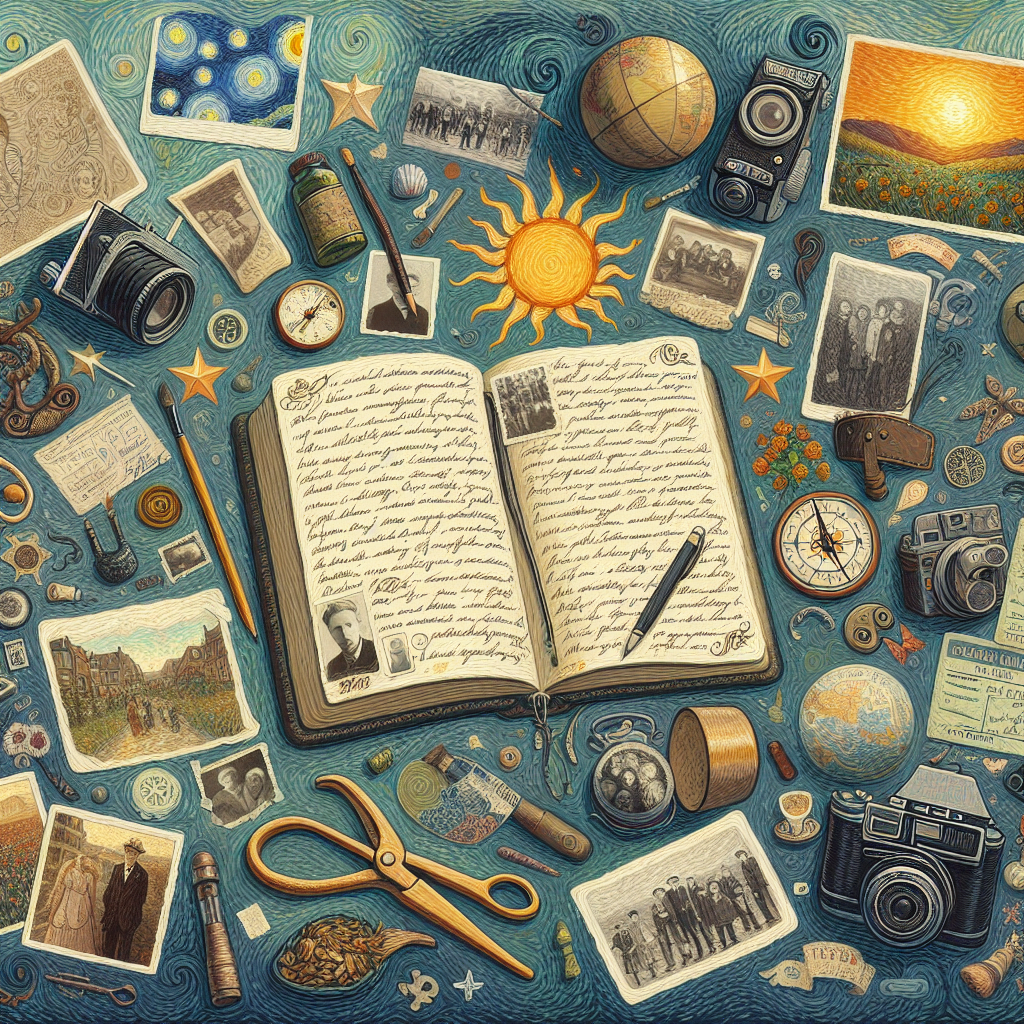
What Should I Include In My Legacy Project?
Can I Incorporate Multimedia Into My Legacy Documentation?
When it comes to legacy documentation, the question of integrating multimedia usually pops up like a jack-in-the-box at a kid’s birthday party. You’ve got the important text, the crafted words, the rock-solid foundation of knowledge—and then someone suggests throwing in some videos, audio clips, or images. It’s a tempting proposition, and for good reason. But let’s take a step back and unpack this a bit.
First off, let’s acknowledge that legacy documentation isn’t just a dry collection of data; it’s a living record of experience, wisdom, and invaluable lessons learned over the years. It’s the story of how you got where you are, the bumps you encountered, and the twists that ultimately shaped your path. So, yes, it makes sense to spice it up with some multimedia that can bring those experiences to life in a way that text alone simply can’t.
Now, how do you go about it? Think about the purpose each multimedia piece serves. A video demonstration can illustrate complex tasks in a way that written instructions might leave some scratching their heads. Put a face to the name, and suddenly, your readers aren’t just looking at a manual; they’re getting a glimpse into the real-world applications of what you’re teaching them. Pictures, too, can evoke emotions and capture moments that words might fail to convey. A snapshot of a team gathering or a project completion can resonate more profoundly than any paragraph of text.
That said, don’t go overboard. Like any good recipe, balance is key. You don’t want your documentation to feel like a chaotic highlight reel that distracts from vital information. Ensure that the multimedia elements enhance, rather than overshadow, the main points you’re making. Clarity and accessibility should always be the priority.
Additionally, consider the formats and platforms your audience will be using. Not everyone will have the latest tech, and you don’t want to create barriers for those who will be relying on this documentation in the future. Keep your multimedia simple and easy to access, ensuring it complements the written word without complicating things.
Embrace the power of multimedia, but do so with a purpose. When done right, it can enrich your legacy documentation, turning it into a comprehensive, engaging resource that truly reflects the depth and breadth of your experiences. So roll up your sleeves and get to work. Your future readers will thank you.

Can I Incorporate Multimedia Into My Legacy Documentation?
Can I Incorporate Multimedia Into My Legacy Documentation?
- Legacy documentation is a vital record of experience, wisdom, and lessons learned over time.
- Integrating multimedia elements like videos, audio clips, and images can enhance the storytelling aspect of documentation.
- Multimedia can illustrate complex tasks and provide real-world applications that text alone may lack.
- Emotional resonance can be achieved through images, making documentation more impactful.
- Maintain balance; too much multimedia can distract from essential information, so clarity should remain a priority.
- Consider the formats and platforms your audience will use to ensure accessibility and ease of use.
- When used purposefully, multimedia can transform legacy documentation into an engaging, comprehensive resource.

Can I Incorporate Multimedia Into My Legacy Documentation?
How Can Personal Historians Help With Family Interviews?
When it comes to preserving family stories, many of us might think we can do it solo. We grab a recorder, sit down with Grandma, and hope she’ll spill the beans on the good ol’ days. But let’s face it: most of us are better off with a little guidance. That’s where personal historians step in, like skilled navigators charting a course through a sea of memories and emotions.
Picture this: You’re sitting across from an elder, a notebook in hand, and suddenly the questions you rehearsed slip your mind. Or maybe you have that sinking feeling that your queries are just not digging deep enough. A personal historian can be your ace in the hole. These professionals specialize in eliciting stories that often hide beneath the surface, and they have a knack for asking the right questions—the kind that aren’t just yes-or-no queries but ones that spark genuine dialogue.
Furthermore, personal historians come armed with techniques that mend the generational gap. Somehow, they have that special talent for building rapport. They know how to make even the most reticent family member feel at ease, transforming strangers into storytellers. Imagine your shy great-uncle suddenly opening up about his wild adventures abroad because someone knows how to bring out the narrative in him.
Beyond just asking questions, personal historians often bring an emotional intelligence that can truly enhance the interview process. They recognize that family history isn’t just a collection of facts; it’s tangled with feelings, relationships, and sometimes, pain. They can help guide family discussions through sensitive subjects, facilitating a safe environment where raw emotions can surface and be processed. This creates not just a record but a connection—a bridge between generations.
Then there’s the matter of organization. After the heartfelt conversation wraps up, personal historians don’t just leave you with a pile of recordings and disjointed memories. They can transform those interviews into cohesive narratives, preserving the essence of those stories in a comprehensive way that can be cherished and shared. Rather than relying on stashed-away notes and disorganized files, you’ll have a beautifully crafted family narrative that can be passed down for generations.
So, if you’re contemplating a family interview, consider enlisting a personal historian. They’re like the Swiss Army knife of family storytelling—equipped with the tools, techniques, and expertise to help you navigate the complexity of preserving your family’s legacy. And in that endeavor, you’ll find not just facts, but a tapestry of who you are, woven by the voices that came before you.

How Can Personal Historians Help With Family Interviews?
How Can Personal Historians Help With Family Interviews?
- Many people attempt to preserve family stories on their own, but may benefit from expert guidance.
- Personal historians help elicit deeper stories by asking thoughtful and engaging questions.
- They excel at building rapport, making even shy family members feel comfortable sharing their experiences.
- These professionals possess emotional intelligence, facilitating discussions around sensitive topics.
- Personal historians create a safe environment for expressing emotions, fostering connections across generations.
- They organize and transform recordings and memories into cohesive narratives for families to cherish.
- Enlisting a personal historian can enhance the process of preserving a family’s legacy and identity.

How Can Personal Historians Help With Family Interviews?
What Are The Steps To Start My Legacy Project Today?
Starting a legacy project is like crafting a well-worn tool—each step requires intention, grit, and a clear vision of what you want to leave behind. If you’re ready to roll up your sleeves and dive in, here’s a straightforward guide to kickstart your journey.
Step 1: Define Your Purpose
Every great project begins with a solid foundation. Take some time to dig deep. What passions have fueled your fire over the years? What skills or experiences do you possess that could benefit others? This isn’t just about making a mark; it’s about making your mark matter. Write down your thoughts, and don’t shy away from revisiting them as your ideas evolve.
Step 2: Set Tangible Goals
Once you have a clear purpose, break it down into achievable goals. This could be a time frame for completion or specific milestones you’d like to hit along the way. Use the SMART criteria—make your goals Specific, Measurable, Achievable, Relevant, and Time-bound. This way, you can track your progress and maintain motivation through even the toughest of days.
Step 3: Identify Your Audience
Now that you know what you want to achieve, think about who will be impacted by your project. Who stands to benefit from your legacy? Understanding your audience will help you tailor your message and choose the most effective avenues for outreach. After all, a message without an audience is like a tree falling in an empty forest—no one’s around to hear it.
Step 4: Gather Your Resources
Every artisan needs their tools. Assess what resources are at your disposal—these could be skills, funding, or connections. Reach out to your community; you’ll be surprised at how many folks are willing to lend a hand. Creating partnerships can amplify your impact and help you achieve your goals more efficiently.
Step 5: Take Action
Once you have your purpose, goals, audience, and resources all lined up, it’s time to get to work. Start small if you need to—every monumental project is built on a series of smaller actions. Don’t let fear of failure paralyze you. Remember, progress is progress, regardless of pace.
Step 6: Reflect and Adapt
As you push forward, take time to periodically reflect on your journey. Are you still aligned with your initial purpose? What’s working, what isn’t? Flexibility is crucial—don’t be afraid to pivot or adjust your plans as you grow and learn.
With these steps in your toolbox, you’re well on your way to launching a legacy project that’s as uniquely you as the fingerprints on your hands. Now, let’s get to work!

What Are The Steps To Start My Legacy Project Today?
What Are The Steps To Start My Legacy Project Today?
- Starting a legacy project requires intention, grit, and clear vision.
- Define your purpose by identifying your passions, skills, and experiences.
- Set tangible goals using the SMART criteria to track progress.
- Identify your audience to tailor your message and outreach effectively.
- Gather resources, including skills, funding, and community support.
- Take action, starting small and focusing on consistent progress.
- Reflect and adapt periodically to ensure alignment with your purpose.

What Are The Steps To Start My Legacy Project Today?
How Does The Association Ensure The Quality Of Its Members?
In any organization, maintaining a high bar for membership is crucial, not just for credibility but for the overall betterment of the industry. The Association employs a robust framework of standards and practices designed to ensure that its members don’t just meet the bare minimum but excel in their respective fields. It’s about creating a culture of excellence, where mediocrity is left at the door.
First off, let’s talk about the vetting process. Prospective members don’t simply sign up and fill out a form; they face a series of rigorous evaluations that dig deep into their qualifications and experience. This isn’t a mere check on a résumé; it’s an exhaustive assessment that includes reference checks, peer evaluations, and, for some, practical demonstrations of their skills. If you’re looking to join this esteemed group, you better bring your A-game.
But the Association doesn’t just stop at onboarding. Ongoing education and training are integral to the organization’s ethos. Members are required to engage in continual professional development, with a variety of courses, workshops, and seminars designed to keep them sharp and up-to-date with industry trends. Imagine a mechanic who hasn’t looked under the hood in years—would you trust them to fix your car? The same principle applies here. The Association believes that stagnation is the enemy of quality, and continuous learning is essential to staying relevant.
Another cornerstone of maintaining quality is the system of accountability the Association has put in place. Members are not only expected to uphold high standards in their work, but they are also subject to regular performance reviews and audits. Think of it as a friendly nudge to keep everyone on their toes. This process doesn’t just identify who’s coasting; it fosters an environment where feedback is not just given but embraced. It ensures that every member is striving for improvement, rather than resting comfortably on past laurels.
Finally, let’s not forget the power of community. Quality thrives in an environment of collaboration and support. The Association fosters a culture where seasoned pros mentor newcomers, sharing advice, tricks of the trade, and invaluable lessons learned through hard experience. It’s a network built on mutual respect and the understanding that everyone has something to contribute.
So, how does the Association ensure the quality of its members? Through rigorous vetting, ongoing education, accountability, and a commitment to community. In this landscape, the path to excellence is paved with hard work and a dedication to being better today than you were yesterday.

How Does The Association Ensure The Quality Of Its Members?
How Does The Association Ensure The Quality Of Its Members?
- Maintaining high membership standards is crucial for credibility and industry improvement.
- Prospective members undergo a rigorous vetting process involving detailed evaluations and practical demonstrations.
- Ongoing education and training are vital, with members required to engage in continuous professional development.
- Regular performance reviews and audits ensure accountability and encourage improvement among members.
- The Association promotes a culture of feedback and growth to avoid stagnation.
- Community support is essential, fostering mentorship between seasoned professionals and newcomers.
- The path to excellence is characterized by hard work and a commitment to continuous improvement.

How Does The Association Ensure The Quality Of Its Members?
Conclusion
Let’s face it, folks—life is a bustling whirlwind of commitments, responsibilities, and daily duties that often leave us gasping for breath. We race through our days, ticking boxes and moving on to the next task, rarely pausing to consider one crucial question: What will people remember about us when we’re gone? The truth is, our stories and experiences are the very fabric of our existence, yet they are often neglected, at risk of fading into obscurity. That’s where the Association of Personal Historians (APH) steps in like a trusty tool in a cluttered workshop, reminding us that every life is a story worth telling.
Think about it: Could you imagine your great-grandkids unearthing nothing but a stack of dusty boxes? What if, instead, they encountered beautifully crafted narratives filled with laughter, lessons, and legacies? Personal historians are skilled artisans who fine-tune your experiences into coherent, engaging stories, ensuring you shape your legacy with purpose and precision. Their work goes beyond mere documentation; it’s about nurturing those personal narratives that not only enrich your understanding of your journey but also create connections with future generations.
But why put in this effort to preserve your legacy? Because your life is valuable, and the wisdom you’ve accrued over the years deserves a stage—a lasting home. The APH can help you extract the essence of your life experiences, transforming them into an inspiring tapestry that will resonate with loved ones for years to come. It’s about sharing your life’s lessons, celebrating family traditions, and carving out a deeper understanding of what has shaped you into the person you are today.
So, don’t wait for tomorrow or the next chapter to begin your legacy project. Instead, take the initiative now, because every story needs a storyteller. The APH is your guide, your collaborator, and your partner in crafting a narrative that respects your journey and celebrates your uniqueness. Picture a future where your great-grandchildren fondly flip through the pages of a book filled with your adventures, lessons, and dreams—an olive branch stretching across time, binding generations.
In a world that constantly churns out the ephemeral, remember this: Your story is a treasure. And thanks to the Association of Personal Historians, it can endure long after you take your final bow. So, roll up those sleeves, engage in the process, and let those stories shine—your legacy awaits, and it’s high time you made it count!

Conclusion
Conclusion:
- Life is busy, often leaving us to question how we will be remembered.
- Our stories and experiences are essential but often overlooked and forgotten.
- The Association of Personal Historians (APH) emphasizes that every life is a story worth telling.
- Personal historians transform life experiences into engaging narratives that connect with future generations.
- Preserving your legacy is important, as the wisdom you’ve gained deserves recognition and a lasting home.
- Starting a legacy project now allows for the celebration of your unique journey and family traditions.
- Your story is a treasure, and the APH can help ensure it endures for generations to come.

Conclusion
Other Resources

Other Resources
Here is a list of other resources you can review online to learn more:
- “Association of Personal Historians”
- “Frequently Asked Questions”
- “Association of Personal Historians”
- “history of the Association of Personal Historians”
- “21 Frequently Asked Questions About Personal Histories …”
- “Frequently Asked Questions”
- “The Association of Personal Historians”
- “A Critical Approach to Reusing Archived Oral History …”
- “Telling Your Story”
- “Memory in Place – ANU Press”
- “REFIGURING the ARCHIVE”
- “Whose History? Engaging History Students through …”
- “Life Story Ethnography and the Future of Social-Ecological …”
Use This Prompt To Get More Resources With Your Favorite Online AI Tool: Please provide me with a list of online articles with their URLs in a bulleted list that I can read regarding Can The Association Of Personal Historians Help You Prepare Your Legacy?

Other Resources
Glossary Terms
Can The Association Of Personal Historians Help You Prepare Your Legacy? – Glossary Of Terms
1. Legacy: The body of knowledge, values, and contributions that an individual passes down to future generations.
2. Personal Historian: A professional who specializes in preserving individual life stories and memories, often through writing, audio, or video content.
3. Genealogy: The study and tracing of family lineages and histories, often involving the documentation of ancestry.
4. Memoir: A written account of specific experiences from a person’s life, focusing on particular themes or periods.
5. Oral History: The collection and study of historical information through recorded interviews with individuals who have firsthand knowledge of significant events.
6. Document Preservation: The practice of maintaining and protecting important records, photographs, and artifacts for future generations.
7. Historical Context: The background information and circumstances that form the setting and significance of a personal narrative or event.
8. Ethical Will: A document that conveys a person’s values, beliefs, and lessons learned, meant to be shared with future generations.
9. Archiving: The systematic organization and storage of documents and records to ensure their preservation for future generations.
10. Life Story: An individual’s complete personal narrative, encompassing their experiences, thoughts, and insights throughout their life.
11. Narrative Structure: The organizational framework of a story, including the sequence and flow of events, themes, and character development.
12. Storytelling: The art of conveying stories, often through spoken or written words, to engage and connect with audiences.
13. Interview Techniques: Skills and methods used to effectively conduct personal interviews for the purpose of gathering historical information.
14. Memory Mapping: A technique used to visually chart memories and experiences, helping individuals to remember and organize their thoughts.
15. Cultural Heritage: The traditions, values, and historical narratives that are passed down within families and communities, enriching their identity.
16. Legacy Project: A dedicated endeavor to document, preserve, and share one’s life experiences and personal history.
17. Writing Prompts: Guided questions or statements designed to inspire reflection and writing about personal experiences and memories.
18. Digital Storytelling: The use of digital media to create and share personal narratives, combining audio, video, and text elements.
19. Family Archive: A collection of personal documents, photographs, letters, and artifacts that holds significant meaning within a family.
20. Collaborative Projects: Initiatives that involve working with others, such as family members or historians, to gather and create a comprehensive legacy.
21. Life Timeline: A chronological sequence of significant events and milestones in an individual’s life, often used to visualize one’s journey.
22. Creative Nonfiction: A genre of writing that uses literary styles and techniques to present factual narratives, often found in memoirs and personal essays.
23. Personal Narrative: A story recounting the experiences and reflections of an individual, often shaped by their values and perspectives.
24. Reflection: The process of thinking deeply and critically about one’s experiences, often leading to insights and personal growth.
25. Historical Research: The investigation and study of historical documents, events, and contexts that inform personal and family histories.
26. Sharing Circle: A group setting where individuals come together to share stories and experiences, fostering connection and understanding.
27. Visual Storytelling: The practice of conveying narratives through images, photographs, or film, used to enhance personal storytelling.
28. Life Review: A reflective process through which individuals examine and evaluate their lives, highlighting accomplishments, challenges, and personal growth.
29. Preservation Techniques: Methods and strategies employed to protect and maintain artifacts and documents from damage or decay.
30. Future Generations: Descendants or individuals who follow after the current generation, often the intended audience for a legacy.

Glossary Of Terms
Other Questions
Can The Association Of Personal Historians Help You Prepare Your Legacy? – Other Questions
If you wish to explore and discover more, consider looking for answers to these questions:
- What is the history of the Association of Personal Historians?
- What are the qualifications of personal historians?
- How do personal historians charge for their services?
- Can personal historians help with digital legacy preservation?
- What are some success stories from clients of personal historians?
- What should I look for in a personal historian’s portfolio?
- Are there specific themes or formats personal historians recommend for legacies?
- How can I get started on my own legacy project without hiring a personal historian?
- What kind of multimedia resources can I use for my legacy documentation?
- What is the process for collaborating with a personal historian?
- How has the role of personal historians evolved in recent years?
- Are personal historian services available internationally?
- What ethical guidelines do personal historians follow?

Other Questions
Haiku
Can The Association Of Personal Historians Help You Prepare Your Legacy? – A Haiku
Legacy stories we weave,
Guided by skilled hands of time—
Echoes of our lives.

Haiku
Poem
Can The Association Of Personal Historians Help You Prepare Your Legacy? – A Poem
In the hustle of life, we weave and we chase,
Careers and families set at a breakneck pace.
But in the flurry, a truth we forget,
Our stories, our legacies, in silence they fret.
The Association of Personal Historians stands tall,
To catch fleeting memories and cherish them all.
They sift through the dust, find treasures unseen,
Translating our lives into stories serene.
Imagine your grandkids, with wonder in their eyes,
Diving through boxes, where your legacy lies.
Not just old letters, but tales richly spun,
Of trials and triumphs, of battles once won.
Every life a tapestry, every thread a recall,
Personal historians, they listen and enthrall.
Guided expeditions through memories long stored,
Reflecting the joys, the lessons explored.
With interviews cherished, they draw out the soul,
Turning whispers of history into narratives whole.
Multimedia, too, makes memories dance,
A vibrant connection, a shared passing glance.
So ponder your legacy, what stories you’ll leave,
The wisdom you’ve gathered, the dreams you believe.
It’s more than preservation—it’s connection profound,
In family’s embrace, let your truth be found.
Roll up your sleeves; let your heart pave the way,
For the tales that define you, for echoes that stay.
Your journey, your lessons, woven into the seam,
Through the art of your story, let your legacy gleam.

Poem
Checklist
Can The Association Of Personal Historians Help You Prepare Your Legacy? – A Checklist
Step 1: Define Your Purpose
_____ Reflect on your life experiences and what aspects you want to preserve.
_____ Write down your motivations for creating a legacy.
Step 2: Set Tangible Goals
_____ Create specific, measurable, achievable, relevant, and time-bound (SMART) goals.
_____ Determine a timeline for your legacy project.
Step 3: Identify Your Audience
_____ List individuals or groups who will benefit from your legacy (e. g. , family, community).
_____ Consider how to tailor your narrative to engage them.
Step 4: Gather Resources
_____ Identify any available skills, funding, or tools for documentation (e. g. , voice recorder, camera).
_____ Reach out to potential collaborators, such as family members or personal historians.
Step 5: Consider Personal Historian Services
_____ Research personal historians and their offerings (interviews, written narratives, multimedia projects).
_____ Establish what type of service aligns with your legacy goals.
Step 6: Conduct Family Interviews
_____ Prepare a list of questions to facilitate deep conversations with family.
_____ Consider hiring a personal historian for guidance during interviews.
Step 7: Document Your Stories
_____ Choose a format (written narrative, audio recordings, video documentaries).
_____ Include personal anecdotes, values, passions, and hopes for future generations.
Step 8: Incorporate Multimedia Elements
_____ Decide what multimedia elements to include (photos, videos, audio clips).
_____ Ensure they complement the written content—maintaining clarity and engagement.
Step 9: Review and Reflect
_____ Periodically assess your project’s progress and alignment with your initial purpose.
_____ Make adjustments to your narrative or methods as needed.
Step 10: Finalize and Share Your Legacy
_____ Compile your documented history into a cohesive format.
_____ Consider options for sharing or publishing your legacy with family and friends.
Step 11: Create a Plan for Future Updates
_____ Develop a strategy for updating your legacy over time.
_____ Identify how you will incorporate new memories or stories as they develop.
Step 12: Connect With The Association of Personal Historians
_____ Explore membership or services offered by the Association of Personal Historians for continued support and resources.
_____ Attend workshops or seminars to enhance your skills in legacy documentation.
Take Action!
Start your legacy project today with a small step—whether that’s jotting down a favorite memory or scheduling a family interview. Your journey to preserving your story is significant and deserves attention.

Checklist
At LegacyExplorations, we help people plan and explore their legacy by collecting information and news regarding end-of-life planning.
Please share this post with your friends, family, or business associates who may want help to plan or explore their legacy.