

The Burden Of Sharing: How Seniors Are Struggling To Meet Expectations
By Tom Seest
At LegacyExplorations, we help people plan and explore their legacy by collecting information and news regarding end-of-life planning.
Please share this post with your friends, family, or business associates who may want help to plan or explore their legacy.
Can The Pressure to Share Stories Actually Stress Seniors Out?
In our fast-paced world, it often feels like everyone is shouting to be heard. Amongst the noise, there’s an emerging trend known as Legacy Storytelling—where individuals, particularly seniors, are encouraged to share their life stories and wisdom. Sounds noble, right? After all, who wouldn’t want a treasure trove of experiences to pass down through generations? But here’s the catch: this well-intentioned pressure to sit down and regale others with tales of yesteryear can sometimes turn into an unexpected source of stress for those it aims to uplift.
Imagine a seasoned citizen, perhaps someone with a lifetime of memories tucked away like keepsakes in a dusty attic. The idea of finally laying out these stories can be exhilarating, but what happens when that pressure mounts? Instead of reminiscing, they might find themselves wrestling with the fears of scrutiny or even disappointment—the thought of not being good enough to capture an audience’s attention. The weight of expectation transforms what should be a joyous experience into an obligation, and that’s where the trouble begins.
Now, let’s unpack that burden a bit. The act of sharing one’s legacy is inherently personal. These stories are woven into the very fabric of their lives, representing victories, failures, and everything in between. However, when the spotlight shines too brightly, the pressure can stifle the authenticity of those tales. “Will my story resonate? Will they appreciate the lessons learned?” These questions can morph into insidious sources of anxiety, making what should be a rewarding exercise feel more like an oral exam.
Additionally, the mediums through which these stories are often shared—be it social media, video recordings, or community gatherings—can further complicate matters. The digital age has thrust the audience’s expectations into overdrive, and a senior may feel flustered trying to craft a poignant story that matches the viral standards of today. It’s a lot to handle, especially considering the changing landscape of communication, where brevity often trumps depth.
So, while the idea behind Legacy Storytelling is undeniably heartwarming, let’s not overlook the potential flip side. As seniors are pushed to share their stories, let’s ensure we’re doing so in a way that embraces their individuality, minimizes stress, and honors the rich tapestries of their lives. After all, the essence of storytelling is not just about the listen, but about celebrating the journey in a way that feels right for the storyteller.

Can The Pressure to Share Stories Actually Stress Seniors Out?
Can The Pressure to Share Stories Actually Stress Seniors Out?
- Legacy Storytelling encourages seniors to share their life experiences and wisdom.
- This practice, though noble, can create stress and pressure for those sharing their stories.
- Sharing personal stories can trigger fears of scrutiny and disappointment in seniors.
- The expectation to produce engaging stories can turn a joyous experience into an obligation.
- Personal stories are intertwined with victories and failures, making authenticity crucial.
- The digital environment raises audience expectations, adding to the pressure on seniors.
- It’s important to honor individual storytelling styles while minimizing stress and celebrating the journey.

Can The Pressure to Share Stories Actually Stress Seniors Out?
Table Of Contents
- Can The Pressure to Share Stories Actually Stress Seniors Out?
- How Does Storytelling Impact A Senior’s Sense Of Belonging?
- Are Seniors Feeling Overwhelmed By The Expectation To Share?
- What Are The Psychological Effects Of Storytelling On Older Adults?
- How Can We Support Seniors Who Are Reluctant To Share Stories?
- What Role Do Caregivers Play In Encouraging Seniors To Share?
- Can Storytelling Improve Cognitive Function In Seniors Under Pressure?
- How Can We Create A Comfortable Environment For Sharing Stories?
- Conclusion
- Other Resources
- Glossary Of Terms
- Other Questions
- Haiku
- Poem
- Checklist
How Does Storytelling Impact A Senior’s Sense Of Belonging?
Storytelling has an unrivaled ability to craft connections, especially among seniors. As we get older, the narratives we tell and hear intertwine with our identity, forming a tapestry that links us to our past and gives us a sense of belonging in the present. Take legacy storytelling, for instance. It is more than just recounting events—it’s about passing down the essence of who we are. It’s about sharing the trials, triumphs, and tribulations that shaped our lives, weaving threads that connect generations.
When seniors engage in legacy storytelling, they often discover a shared resonance with their audience, breathing life into their untold tales. This act not only preserves personal histories but also fosters a sense of community, prompting others to share their own stories. Suddenly, you’ve got a room full of wisdom, where each voice adds depth to the collective experience. What was once an individual story transforms into a communal narrative, binding participants together in shared understanding and empathy.
The act of sharing stories ignites feelings of validation and importance. For many seniors, the mundane details of their lives take on new significance when recounted in the context of legacy storytelling. Everyday experiences morph into lessons, imbuing them with value that extends beyond their original context. Hearing these stories can provide younger generations with an appreciation for the struggles and victories that paved the way for their current lives. It becomes a bridge, a way of making the past relevant in a steadily changing world.
Moreover, legacy storytelling can combat feelings of isolation. In our fast-paced society, it’s easy for seniors to feel disconnected. Yet, through the practice of sharing their life experiences, they cultivate a sense of belonging that’s hard to replicate elsewhere. They are reminded of their worth, not just as individuals, but as vital contributors to a broader narrative. This recognition that they are valued and heard uplifts their spirits and enhances their emotional well-being.
In summary, storytelling does more than entertain; it forges connections and nurtures belonging. For seniors, legacy storytelling creates a unique opportunity for reflection and affirmation, offering them a platform to not only relive their own experiences but also strengthen the bonds with those around them. In doing so, it fosters a network of understanding that—and let’s be honest—everyone, regardless of age, could use a little more of in our lives.

How Does Storytelling Impact A Senior’s Sense Of Belonging?
How Does Storytelling Impact A Senior’s Sense Of Belonging?
- Storytelling creates deep connections, especially among seniors.
- Legacy storytelling goes beyond recounting events; it passes down the essence of identity.
- This practice fosters community by encouraging individuals to share their own stories.
- Sharing narratives transforms personal experiences into a collective understanding.
- Legacy storytelling gives everyday experiences greater significance and valuable lessons.
- It combats isolation and promotes feelings of belonging and worth among seniors.
- Overall, storytelling nurtures reflection, affirmation, and understanding across generations.

How Does Storytelling Impact A Senior’s Sense Of Belonging?
Are Seniors Feeling Overwhelmed By The Expectation To Share?
In today’s hyper-connected world, it’s hard to miss the growing pressure on seniors to share their personal experiences through legacy storytelling. You see, those of us navigating the twilight years of our lives have a wealth of stories, lessons, and hard-earned wisdom tucked away like treasures in a dusty attic. But with the rise of social media and digital platforms, many older adults are feeling the heat to extract those stories and broadcast them to anyone with a screen.
Let’s break this down. Here’s a group of folks who grew up in a time when sharing meant gathering around a kitchen table or the occasional phone call. Now, they’re being asked to dive into a deep end filled with hashtags, likes, and algorithms. It’s no wonder seniors might feel overwhelmed by the expectation to chronicle their lives in a way that’s not only engaging but also marketable. After all, what’s a story worth if it doesn’t go viral?
The irony here is palpable. With the rise of legacy storytelling comes the fear of being left behind, not just in terms of technology but also in the preservation of family history. Many seniors may feel it’s their duty to pass down their tales, to ensure future generations know where they came from. But do they want to do it on Instagram? Just because there’s a platform doesn’t mean every story belongs there. While some may embrace this shift and dive in headfirst, for numerous others, it sparks anxiety—a fear of exposure and the pressure to craft something worthy of attention.
Let’s face it: the art of storytelling is a deeply personal affair. It’s rooted in reflection and intimacy, but too often, the modern mediums throw a wrench in that process. The obligation to share can feel less like an opportunity and more like a burden. Seniors want their stories to be appreciated, not critiqued by strangers in a comment section.
So how do we bridge this gap? Allowing seniors the space to share at their own pace and on their own terms is crucial. Encouragement shouldn’t come with stipulations about how a story should be told. Whether it’s around that kitchen table or in a living room filled with laughter, the heart of legacy storytelling must remain personal and meaningful, not just a checkbox to tick in the world of social media. After all, the best stories are the ones that are told just for the sake of telling them.

Are Seniors Feeling Overwhelmed By The Expectation To Share?
Are Seniors Feeling Overwhelmed By The Expectation To Share?
- Seniors are facing pressure to share personal experiences through legacy storytelling due to the rise of social media.
- Many older adults have valuable stories and wisdom but may feel overwhelmed by modern storytelling expectations.
- The shift from intimate storytelling to digital platforms can create anxiety about crafting engaging and marketable content.
- There is a fear among seniors of being left behind in technology and family history preservation.
- The art of storytelling is personal and often conflicts with the public nature of social media.
- Encouragement for seniors to share their stories should be without stipulations on how to tell them.
- Legacy storytelling should remain meaningful and personal, not just a requirement for social media engagement.

Are Seniors Feeling Overwhelmed By The Expectation To Share?
What Are The Psychological Effects Of Storytelling On Older Adults?
When we talk about storytelling, we’re not just chatting around the campfire. We’re diving into a rich tradition that connects generations and weaves the fabric of our experiences. For older adults, engaging in legacy storytelling isn’t just about passing the time; it’s about the profound psychological effects that can resonate deeply within their minds and hearts.
Legacy storytelling invites older adults to reflect on their lives, to sift through a treasure chest of memories, and to share those gems with the younger generation. This act can be tremendously cathartic. Imagine sitting down with a grandchild and recounting tales of youth, the ups and downs, the triumphs and tribulations. Not only does this create a bridge between past and present, but it instills a sense of purpose and belonging. That sense of connection helps combat feelings of isolation, which can often plague the elderly population.
Moreover, delve a little deeper, and you’ll find the cognitive benefits that come along for the ride. As older adults engage in legacy storytelling, they activate various cognitive pathways, keeping their minds sharp. The process of recalling stories, organizing thoughts, and articulating experiences is akin to a mental workout. And like any good exercise, the more you do it, the stronger you become. This kind of brain engagement has been shown to potentially lower the risk of cognitive decline, making storytelling a win-win for mental health.
But what about emotions? Well, legacy storytelling can serve as an emotional anchor. It allows individuals to process their life experiences, make sense of past events, and even seek closure on unresolved issues. It’s a chance for older adults to frame their narratives in a way that empowers them, ultimately fostering resilience. The sharing of stories can also create communal bonds, often leading to laughter, lessons learned, and heartfelt connections that enrich the spirit.
Lastly, let’s not overlook the importance of identity. For many older adults, their stories are integral to who they are. Engaging in legacy storytelling helps to reaffirm their identity, giving voice to a lifetime of experiences. It reminds them—and those listening—of the rich tapestry that defines a life well-lived.
So, whether it’s through a family gathering or a simple quiet moment, legacy storytelling can profoundly influence the psychological well-being of older adults, encouraging connection, reflection, and growth in the process.

What Are The Psychological Effects Of Storytelling On Older Adults?
What Are The Psychological Effects Of Storytelling On Older Adults?
- Storytelling is a deep tradition that connects generations and enhances shared experiences.
- Legacy storytelling allows older adults to reflect on their lives and share memories with younger generations.
- This practice fosters a sense of purpose and belonging, combatting feelings of isolation.
- Engagement in storytelling activates cognitive pathways, keeping minds sharp and potentially lowering cognitive decline risk.
- Legacy storytelling serves as an emotional anchor, helping individuals process experiences and seek closure.
- Sharing stories strengthens communal bonds and enriches emotional connections through shared laughter and lessons.
- Storytelling reaffirms identity for older adults, highlighting the importance of their life experiences.

What Are The Psychological Effects Of Storytelling On Older Adults?
How Can We Support Seniors Who Are Reluctant To Share Stories?
In a world where stories are the threads that weave together our humanity, it’s a bittersweet reality that many seniors may feel reluctant to share their own. They often sit on a wealth of experiences, lessons, and memories that could illuminate the lives of those around them. However, coaxing these narrative treasures out of them can sometimes feel like pulling teeth. So, how do we support them in overcoming that reluctance?
First and foremost, it’s essential to foster an environment that feels safe and welcoming. Create a space where the seniors feel comfortable, perhaps by surrounding them with warm memories—family photos, keepsakes, or even favorite music. This isn’t merely about nostalgia; it’s about setting the stage for legacy storytelling. When seniors see items that resonate with their past, they may feel encouraged to open up about times long gone.
Listening is a powerful tool we often overlook. By showing genuine interest in their anecdotes—no matter how simple or mundane we might think they are—we provide them with a sense of validation. It’s crucial to exhibit patience and understanding as they unravel their tales. By asking open-ended questions rather than yes-or-no ones, we invite them to elaborate, helping them delve deeper into reflections that might otherwise remain buried.
One effective approach is to share your own stories first. This doesn’t mean turning the spotlight away from them; rather, it illustrates that storytelling is a two-way street. When you kick off with a personal anecdote, it can serve as a gentle nudge, encouraging them to reciprocate. The key here is authenticity—be vulnerable and forthright, and they might feel empowered to share their own narrative in return.
Incorporating technology into this equation can also bridge the gap. Consider recording their stories—perhaps through audio or video. The very act of saving these moments could spark a newfound eagerness to share. Remember, we’re not just documenting stories for posterity; we’re honoring their legacy and affirming the experiences that shaped them.
Lastly, remember to create rituals around storytelling. Whether it’s a regular gathering or a simple cup of tea with a purpose, these shared moments can chip away at reluctance. By using these strategies, we can transform storytelling into a treasured experience, not just for the seniors but for all of us. Each shared story adds a stitch to the rich tapestry of our collective history, one legacy at a time.

How Can We Support Seniors Who Are Reluctant To Share Stories?
How Can We Support Seniors Who Are Reluctant To Share Stories?
- Many seniors have a wealth of experiences and memories that remain untold due to reluctance in sharing their stories.
- Creating a safe and welcoming environment can encourage seniors to open up; surrounding them with familiar items can evoke memories.
- Listening attentively and showing genuine interest in their anecdotes validates their experiences and encourages them to share.
- Asking open-ended questions invites deeper reflections and helps uncover stories that might be overlooked.
- Sharing your own stories first can demonstrate that storytelling is two-way and may motivate seniors to reciprocate.
- Incorporating technology, such as audio or video recording, can help document their stories and spark eagerness to share.
- Establishing regular storytelling rituals can alleviate reluctance and transform the sharing of stories into a cherished experience.

How Can We Support Seniors Who Are Reluctant To Share Stories?
What Role Do Caregivers Play In Encouraging Seniors To Share?
In a world where conversations often seem fleeting, caregivers hold a unique position when it comes to encouraging seniors to share their stories. In many ways, they are the bridge connecting generations through the art of Legacy Storytelling. This isn’t just idle chatter—it’s a chance for seniors to reflect on their lives and pass down wisdom, experiences, and insights that might otherwise fade into the ether.
Picture this: a caregiver sitting down with an elderly individual, armed with nothing but a cup of coffee and a gentle smile. This simple act creates an environment ripe for sharing. Through patience and genuine curiosity, caregivers can unlock a treasure trove of stories that seniors have tucked away in the vault of their memories. Every wrinkle on a senior’s face tells a tale, a legacy woven together with threads of joy, sorrow, triumph, and loss. Caregivers foster this process by asking open-ended questions, giving seniors the space to explore their thoughts without pressure or judgment.
Moreover, the role of caregivers extends beyond merely being listeners. They act as storytellers themselves, sometimes sharing snippets of their lives to establish a rapport that encourages an open dialogue. This exchange of experiences creates a comforting rhythm that invites seniors to lean into their narratives and feel valued in their storytelling. When seniors realize their stories matter, it ignites a sense of purpose—a connection to their legacy that can be profoundly healing.
Legacy Storytelling also provides a remarkable opportunity for caregivers to glean important lessons from their charges. In those discussions, pearls of wisdom often surface. Seniors may share insights about overcoming hardships, the importance of community, or the simple joys of life that elude the younger generation. Caregivers can facilitate this exchange, turning potentially mundane moments into rich tapestries of understanding, empathy, and respect.
But it’s not just about the stories themselves. The act of sharing can improve a senior’s mental and emotional health. Engaging in conversations about the past can alleviate feelings of isolation and depression, while simultaneously building a stronger bond between caregiver and senior. It’s a win-win: the seniors receive validation and connection, while caregivers benefit from witnessing the power of storytelling in action.
In sum, caregivers play an invaluable role in encouraging seniors to share their lives. With a little encouragement, they can help transform quiet reflections into vibrant Legacy Storytelling sessions that honor the past, strengthen relationships, and create lasting memories for everyone involved.

What Role Do Caregivers Play In Encouraging Seniors To Share?
What Role Do Caregivers Play In Encouraging Seniors To Share?
- Caregivers facilitate Legacy Storytelling, connecting generations through shared experiences.
- They create a comforting environment, encouraging seniors to reflect and share their life stories.
- Open-ended questions and genuine curiosity help unlock valuable memories and insights.
- Caregivers also share their own stories, fostering rapport and open dialogue.
- Legacy Storytelling empowers seniors, giving them a sense of purpose and connection to their legacy.
- These exchanges often yield important life lessons and promote understanding between generations.
- Engagement in storytelling can enhance seniors’ mental and emotional well-being, while strengthening caregiver relationships.

What Role Do Caregivers Play In Encouraging Seniors To Share?
Can Storytelling Improve Cognitive Function In Seniors Under Pressure?
In the vast and often tumultuous world of aging, where the weight of memories can feel both burdensome and enlightening, the concept of Legacy Storytelling emerges like a lighthouse guiding seniors through the fog. Picture this: a grandma sitting in her favorite armchair, recounting the tales of her youth—not just for the benefit of her grandchildren but for her own cognitive vitality. It’s a simple act, really, yet its impact can reverberate far beyond the walls of a living room.
As seniors navigate the pressures of daily life, whether it be dealing with health challenges or the inevitable changes brought by time, engaging in Legacy Storytelling offers more than just a trip down memory lane. It becomes a cognitive workout, forcing the brain to delve into its archives, sift through the dust of forgotten days, and pull out the gems that shaped their lives. Science supports this approach, showing that verbal storytelling activates various regions of the brain, enhancing critical thinking skills and improving memory retention. Imagine the neurons firing away, breathing life into dormant synapses as vivid stories shape cognitive pathways.
Under pressure, the challenge to maintain clarity of thought can feel insurmountable. Stress has a unique way of tightening its grip, often muddling our ability to think clearly. However, weaving narrative can serve as a form of cognitive release. It offers seniors the chance to refocus their minds, anchoring them in the present while simultaneously allowing them to revisit rich experiences from the past. The act of storytelling invites interaction, prompting questions and evoking emotions that foster deeper connections with both the storyteller and the audience. It’s a reminder that we are all part of a larger narrative—our legacies intertwined in the tapestry of human experience.
Moreover, Legacy Storytelling carries with it an inherent therapeutic quality, igniting creativity even in the face of mental fatigue. The pressure to remember discrete details fades away, replaced by the joy of expression and the freedom to embellish a story for laughs or solidarity. As seniors recount their life stories, they aren’t just preserving their legacies; they are quite possibly bolstering their cognitive defenses and honing their problem-solving abilities—all while entertaining the younger generations in the process.
In a world that often overlooks the wisdom of age, Legacy Storytelling stands as a beacon of positive mental engagement, reminding us that while time may march on, our stories can continue to resonate, enriching minds and hearts alike.

Can Storytelling Improve Cognitive Function In Seniors Under Pressure?
Can Storytelling Improve Cognitive Function In Seniors Under Pressure?
- Legacy Storytelling serves as a guiding light for seniors, helping them navigate the complexities of aging.
- This practice enhances cognitive vitality by allowing seniors to recount their life stories.
- Engaging in storytelling acts as a cognitive workout, improving memory retention and critical thinking skills.
- Verbal storytelling stimulates various brain regions, activating dormant cognitive pathways.
- Legacy Storytelling helps seniors manage stress and refocus, providing clarity of thought.
- This form of narrative fosters deeper connections between the storyteller and their audience.
- Ultimately, it preserves legacies while also bolstering cognitive defenses and creativity in seniors.

Can Storytelling Improve Cognitive Function In Seniors Under Pressure?
How Can We Create A Comfortable Environment For Sharing Stories?
Creating a comfortable environment for sharing stories is not just a nice idea; it’s essential if we’re going to tap into the rich well of experiences that give life its color. Legacy storytelling is about passing down the tales that shape who we are. To make sharing these stories comfortable, we need to focus on a few key elements.
First off, it helps to establish a relaxed atmosphere. Think about that favorite coffee shop where you can kick back, sip on something warm, and let your guard down. In the same way, a cozy space can make all the difference. Whether it’s a circle of friends around a fire pit, a quiet corner in a classroom, or even a virtual meeting room with the right lighting, the right environment invites openness.
Next, there’s no denying the power of trust. When people feel safe, they’re more likely to share their stories. Building trust isn’t a one-time deal; it takes time, patience, and a genuine interest in each other. It’s about listening with your whole heart and showing that every story matters. By asking open-ended questions and allowing pauses, the storyteller feels empowered to share without the pressure of a ticking clock.
Additionally, consider the role of respect. Every tale is unique and deserves to be treated with dignity. It’s important to create a judgment-free zone where individuals feel valued for their narratives. Encourage listeners to absorb and appreciate the story without interrupting or hijacking the conversation. This respect fosters an environment where people are eager to contribute, understanding that their experiences are not only welcome but celebrated.
And let’s not overlook the art of storytelling itself. A good story needs a listener as much as it needs a teller. Encourage those around you to share not only their victories but their struggles as well. These raw, unfiltered accounts often resonate on a deeper level and inspire others to be vulnerable.
Finally, remember that the act of storytelling is an exchange. It connects generations. Legacy storytelling is a bridge between the past and the present, and when we create a comfortable setting for such exchanges, we enrich not just our communities but ourselves. So, gear up, take a deep breath, and prepare to be moved by the tapestry of experiences that’s waiting to unfold—because every story has a place in our shared legacy.

How Can We Create A Comfortable Environment For Sharing Stories?
How Can We Create A Comfortable Environment For Sharing Stories?
- Creating a comfortable environment for sharing stories is essential for legacy storytelling.
- A relaxed atmosphere, like a cozy coffee shop or a fire pit, encourages openness and connection.
- Building trust is key; it requires time, patience, and genuine interest in each other.
- Listening with full attention and asking open-ended questions empowers storytellers to share freely.
- Respect is crucial; every story deserves to be treated with dignity in a judgment-free zone.
- Encourage sharing of both victories and struggles to foster deeper connections and vulnerability.
- Storytelling serves as an exchange that connects generations and enriches communities and individuals.

How Can We Create A Comfortable Environment For Sharing Stories?
Conclusion
Conclusion: The Balancing Act of Legacy Storytelling for Seniors
Alright folks, let’s cut to the chase here. When we talk about legacy storytelling—the act of seniors sharing their life experiences—it seems like a no-brainer, right? After all, who wouldn’t want to gather around and soak in the rich, textured tales of those who’ve lived through it all? But hang on a second! There’s a flip side to this well-meaning idea that we can’t ignore.
Imagine a seasoned veteran of life, rich with stories yet grappling with the pressure to deliver a performance worthy of an audience that’s not just sitting quietly. The well-intentioned push for seniors to share can flip from a cherished opportunity into a source of stress faster than you can say “viral video.” These individuals might find themselves overwhelmed, worrying about whether their stories resonate, or if they’ll be judged harshly. The burden of expectation can transform what should be a joyful act into a high-pressure audition just for the sake of social media likes. And let’s face it—it gets even trickier. As the digital age demands brevity and tends to favor flashy content, seniors can feel like they’re being asked to navigate a techno-maze. It’s enough to make anyone want to throw up their hands and admit defeat.
But here’s the kicker: storytelling isn’t just about the audience; it’s about the storyteller. The act of sharing doesn’t just preserve history; it reignites connections, fosters belonging, and affirms identity. When given the right environment—where they can reflect at their own pace, in a safe space—seniors can unlock those delightful treasures of the past without the nagging pressure to perform. The value of their narratives isn’t determined by societal metrics; rather, it resides in the authenticity of the moment.
As we celebrate the art of storytelling, let’s remember to offer support that empowers seniors to share, not as a chore but as an act of love and legacy. Encouragement should feel warm, gentle, and relatable—not like an obligation. Finding ways to honor their personal experiences and providing countless opportunities for them to share on their own terms can lead to rich, heartfelt exchanges.
So, as we venture into this compelling world of legacy storytelling, let’s foster the kind of space where every voice can flourish, and every story can breathe. After all, it’s not just about the applause; it’s about the connections we create and the journeys we honor along the way.

Conclusion
Conclusion:
- Legacy storytelling allows seniors to share their life experiences, enriching the connection with others.
- Seniors may feel pressured to perform, leading to anxiety about audience expectations and perceptions.
- The digital age emphasizes brevity, causing seniors to struggle with the pressure of delivering flashy content.
- Effective storytelling should prioritize the storyteller, fostering connection, identity, and belonging.
- Creating a supportive environment enables seniors to share their narratives at their own pace without performance pressure.
- Encouragement should be warm and relatable, making storytelling an act of love rather than an obligation.
- Fostering a space for genuine storytelling promotes connection and honors the personal journeys of seniors.

Conclusion
Other Resources

Other Resources
Here is a list of other resources you can review online to learn more:
- LifeSite
- Funeral Services Guide
- Living Wisely
- Knotify.me
- LegacyFamilyTree
- LegalZoom
- StoryCorps
- Forever Missed
- USLegalWills.com
- INELA
Use This Prompt To Get More Resources With Your Favorite Online AI Tool: Please provide me with a list of online articles with their URLs in a bulleted list that I can read regarding Can The Pressure to Share Stories Actually Stress Seniors Out?

Other Resources
Glossary Terms
Can The Pressure to Share Stories Actually Stress Seniors Out? – Glossary Of Terms
1. Aging: The process of becoming older, which can affect physical health, cognitive functions, and emotional well-being.
2. Anxiety: A feeling of worry, nervousness, or unease about something with an uncertain outcome, commonly experienced by seniors under pressure.
3. Cognitive Decline: A reduction in cognitive abilities such as memory, reasoning, and decision-making, often observed in older adults.
4. Communication: The act of sharing or exchanging information, which can be influenced by social pressures among seniors.
5. Emotional Burden: An emotional weight or stress that arises from expectations and obligations, potentially felt by seniors when asked to share stories.
6. Empathy: The ability to understand and share the feelings of another, crucial for supportive interactions with seniors.
7. Eldercare: Support and services provided to older adults, often addressing both physical needs and emotional well-being.
8. Isolation: A state of being separated from others, which can exacerbate stress among seniors expected to communicate and share experiences.
9. Legacy: The impact or story that a person leaves behind, which can create pressure for seniors to articulate their life stories.
10. Memory Lane: Reflecting on past experiences; while often nostalgic, reminiscing can also induce stress if pressured or uncomfortable.
11. Nostalgia: A sentimental longing for the past, sometimes described as bittersweet, which can affect seniors in storytelling.
12. Pressure: The feeling of stress or urgency to meet expectations, which can be magnified for seniors sharing personal stories.
13. Recollection: The act of remembering past experiences, which can be both enjoyable and daunting for seniors.
14. Resilience: The ability to recover quickly from difficulties, a trait that can help seniors navigate the pressures of storytelling.
15. Social Engagement: Participation in social activities and interactions, essential for mental health but may lead to stress if feeling obligated to share.
16. Stress: A state of mental or emotional strain resulting from demanding circumstances, which can be heightened in seniors.
17. Support Systems: Networks of people or resources that provide emotional and practical assistance, instrumental for seniors feeling pressured.
18. Storytelling: The act of sharing narratives from one’s life, which can foster connection but may also be a source of anxiety.
19. Tradition: Customs or beliefs passed down through generations, often expected to be shared by seniors, which can create pressure.
20. Validation: The act of confirming someone’s feelings or experiences, crucial for building a supportive environment for seniors.
21. Vulnerability: The quality of being open to emotional exposure, which can be particularly pronounced in sharing personal stories.
22. Well-being: A state of comfort, health, and happiness, significantly influenced by social interaction and personal expression in seniors.
23. Life Review: A therapeutic process where individuals reflect on their past experiences, promoting understanding but potentially inducing stress.
24. Expectations: Assumed standards for behavior, which can lead seniors to feel pressured to share more than they’re comfortable with.
25. Social Anxiety: The fear of social situations that may cause embarrassment or judgment, particularly relevant for seniors in storytelling contexts.
26. Communication Barriers: Obstacles that hinder effective sharing of stories, such as cognitive decline or hearing difficulties, experienced by some seniors.
27. Therapeutic Storytelling: A method that uses storytelling to promote healing and connection, potentially alleviating stress for seniors.
28. Cultural Heritage: Traditions and narratives passed down through generations that seniors may feel compelled to share, impacting their stress levels.
29. Self-Expression: The process of conveying one’s thoughts and feelings, which can be both liberating and stressful for seniors under pressure.
30. Coping Mechanisms: Strategies used to manage stress or anxiety, essential for seniors dealing with the pressures of storytelling.

Glossary Of Terms
Other Questions
Can The Pressure to Share Stories Actually Stress Seniors Out? – Other Questions
If you wish to explore and discover more, consider looking for answers to these questions:
- What specific techniques can help seniors feel less pressured to share their stories?
- Are there particular types of stories that resonate more with younger generations?
- How can family members encourage storytelling in a supportive way?
- What are some common barriers seniors face when it comes to sharing their stories?
- What role does technology play in both helping and hindering storytelling among seniors?
- Can professional storytellers or facilitators assist seniors in sharing their stories?
- How might cultural differences influence the storytelling experience for seniors?
- What are some successful examples of community programs that promote legacy storytelling?
- How can storytelling be integrated into caregiving practices to improve senior well-being?
- What are the long-term benefits of encouraging storytelling among seniors?

Other Questions
Haiku
Can The Pressure to Share Stories Actually Stress Seniors Out? – A Haiku
Legacy stories shared,
Pressure dims their joy within,
Let tales flow with grace.

Haiku
Poem
Can The Pressure to Share Stories Actually Stress Seniors Out? – A Poem
In the quiet corners of aging grace,
Where life’s rich stories find their place,
A gentle pressure starts to grow,
To share the tales we’ve come to know.
With wisdom woven through years gone by,
A legacy beckons, an urge to comply,
Yet among the chatter, an unseen stress,
Is this sharing a burden, or a chance to express?
For every heartbeat holds a tale unsung,
Of laughter, of heartache, the old and the young,
Yet faced with expectations, the joy can retreat,
As fears of perfection cast shadows on sweet.
What once was a treasure, buried deep in the past,
Becomes a performance, where memories clash,
In a world of pixels, likes, and filters anew,
How can one’s story feel genuine and true?
Yet in this journey, connection can bloom,
As stories unfurl in a welcoming room,
They bind us together, enrich minds and hearts,
Creating a canvas where each person imparts.
Caregivers listen with warmth and respect,
Encouraging voices to earn their effect,
Each story ignites a spark of delight,
In sharing, they shine, turning darkness to light.
So let’s craft a space where all can feel free,
Where chatter is cherished, and hearts can agree,
That every shared story bridges the divide,
And weaves our legacies, side by side.
For in this shared tapestry, rich and profound,
Everyone’s journey is honored and found,
Embrace the burden, let’s find the way,
To share life’s stories, come what may.
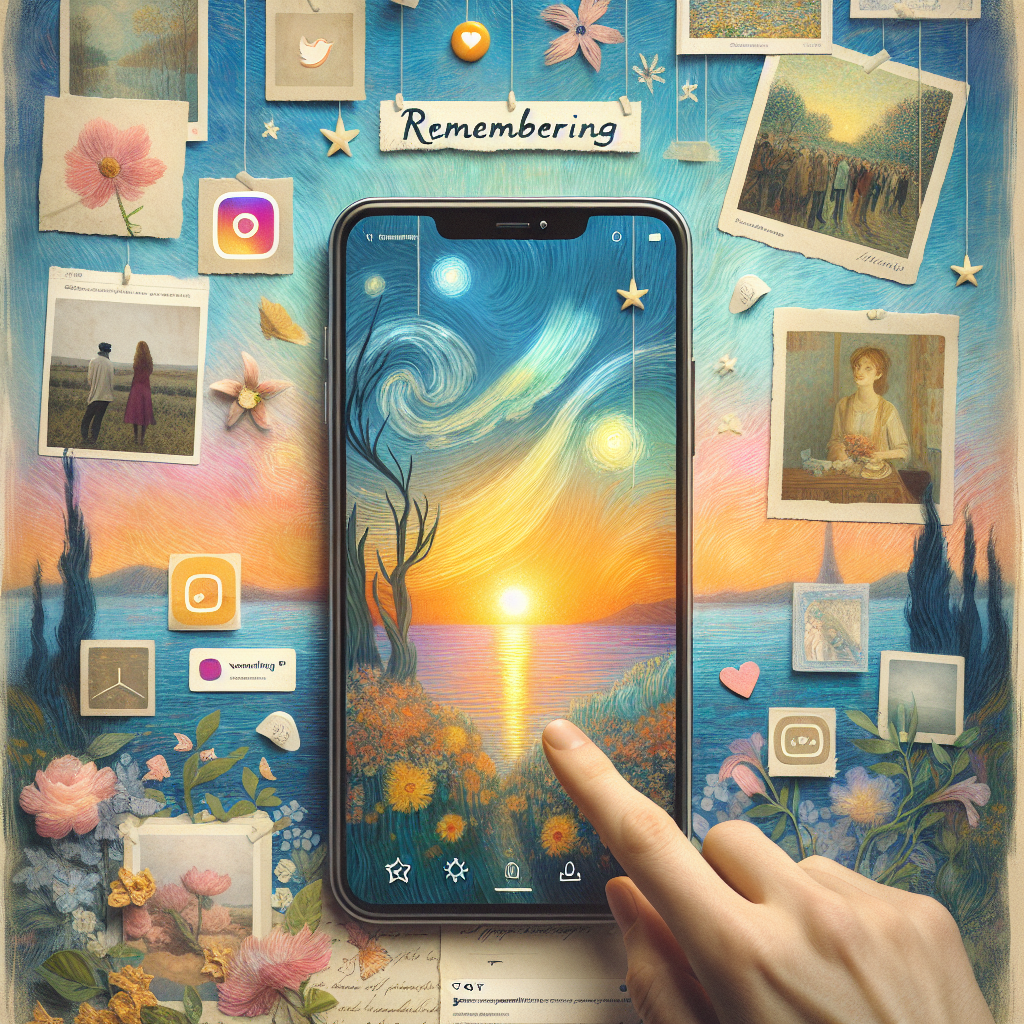
Poem
Checklist
Can The Pressure to Share Stories Actually Stress Seniors Out? – A Checklist
1. Create a Comfortable Environment
_____ Choose a cozy location: Select a quiet and inviting space (e. g. , living room, coffee shop, or park).
_____ Use warm, familiar items: Surround them with family photos, keepsakes, or favorite music to evoke nostalgia.
2. Build Trust
_____ Establish open communication: Show consistent interest in their stories and experiences.
_____ Practice active listening: Give them your full attention, making them feel valued.
3. Foster a Judgment-Free Zone
_____ Encourage respect: Ensure that all shared stories are received with appreciation and without interruption.
_____ Welcome all narratives: Acknowledge that every story, whether triumphant or challenging, has value.
4. Use Gentle Encouragement
_____ Ask open-ended questions: Prompt them to elaborate on their experiences rather than giving yes-or-no answers.
_____ Share your own stories: Start with a personal anecdote to show that storytelling is a reciprocal experience.
5. Incorporate Technology
_____ Record their stories: Utilize audio or video recording to preserve their narratives and make sharing less daunting.
_____ Explore storytelling apps: Introduce user-friendly tools that can aid in capturing their memories digitally.
6. Establish a Routine
_____ Create storytelling rituals: Set regular times for storytelling, such as during family gatherings or over a cup of tea.
_____ Mix storytelling with activities: Combine sharing with enjoyable tasks, such as cooking or gardening, to make it more comfortable.
7. Focus on the Emotional Connection
_____ Encourage sharing of emotions: Allow them to express feelings attached to their stories for deeper connection.
_____ Highlight the importance of their legacy: Remind them how their experiences and lessons can enrich future generations.
8. Provide Cognitive Support
_____ Help them organize thoughts: If they feel overwhelmed, guide them through their memories to help structure their storytelling.
_____ Engage in memory-enhancing activities: Suggest games or exercises that stimulate memory, fostering readiness to share.
9. Celebrate Their Contributions
_____ Acknowledge their stories: Regularly affirm the importance of what they share and thank them for opening up.
_____ Create a space for group storytelling: Organize sessions where multiple seniors can share, creating a community of shared experiences.
10. Assess and Adapt
_____ Check in on their comfort level: Regularly ask how they feel about sharing their stories and make adjustments as needed.
_____ Be patient: Understand that storytelling is a process and may take time for them to feel comfortable and confident.
By following this checklist, caregivers, family members, and friends can help create a nurturing environment that encourages seniors to share their life stories, strengthening connections and preserving legacies.

Checklist
At LegacyExplorations, we help people plan and explore their legacy by collecting information and news regarding end-of-life planning.
Please share this post with your friends, family, or business associates who may want help to plan or explore their legacy.