

Unlocking The Secrets Of Digital Inheritance
By Tom Seest
At LegacyExplorations, we help people plan and explore their legacy by collecting information and news regarding end-of-life planning.
Please share this post with your friends, family, or business associates who may want help to plan or explore their legacy.
Can You Explain Digital Estate Planning?
Alright, folks, let’s roll up our sleeves and dive into a topic that most people don’t think about until it’s too late: digital estate planning. Now, I know what you might be thinking—why on earth would I need a plan for my online presence? It seems a bit too much like asking if you need a helmet for your trip to the fridge, doesn’t it? But let me tell you, the digital world is a whole lot more complex than anyone realizes.
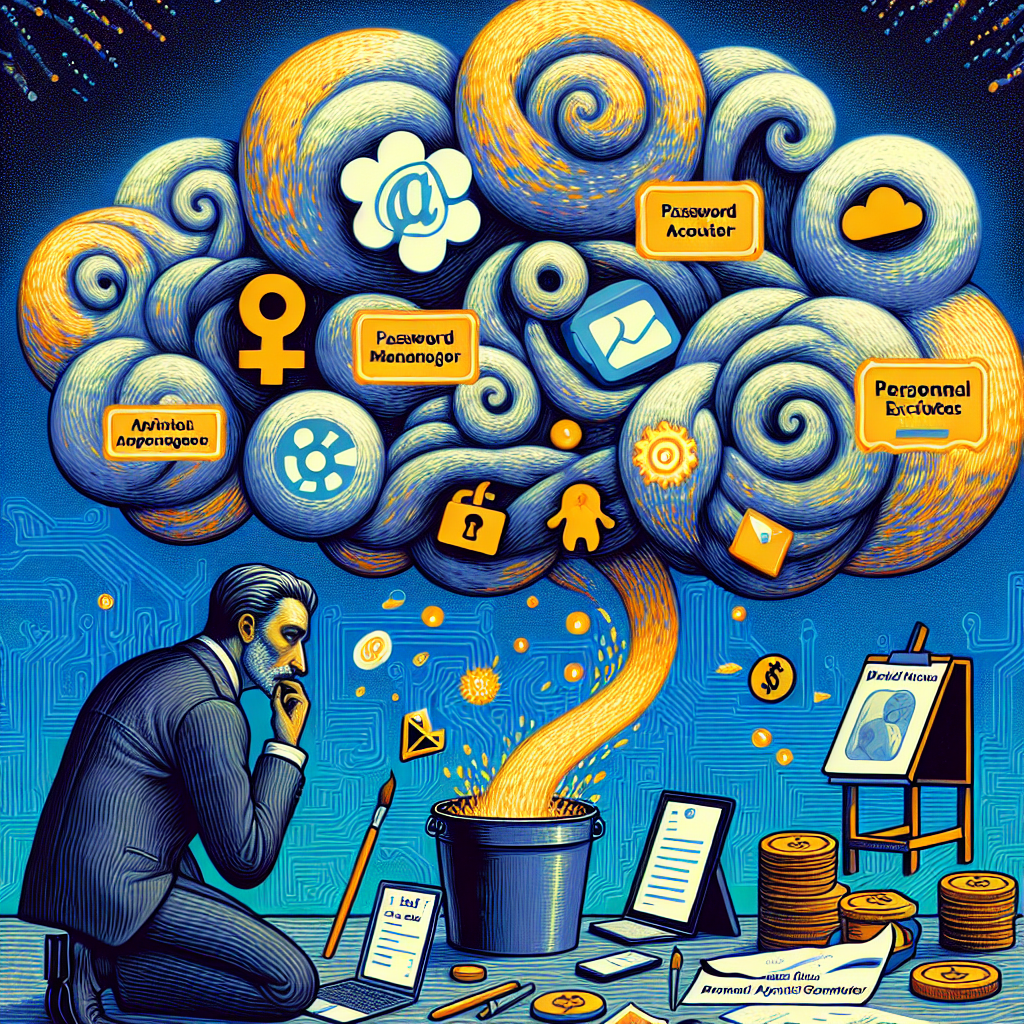
Digital estate planning is simply a way to manage what happens to your online assets after you’re gone. Think about it. You’ve got social media accounts, email addresses, online subscriptions, cryptocurrencies, and maybe even a blog featuring your expert pizza-making tips. These are pieces of your life that live in the cloud, and they need direction. Without a plan, they could be lost in cyberspace—or worse, left in the hands of someone who doesn’t know the first thing about your digital legacy.
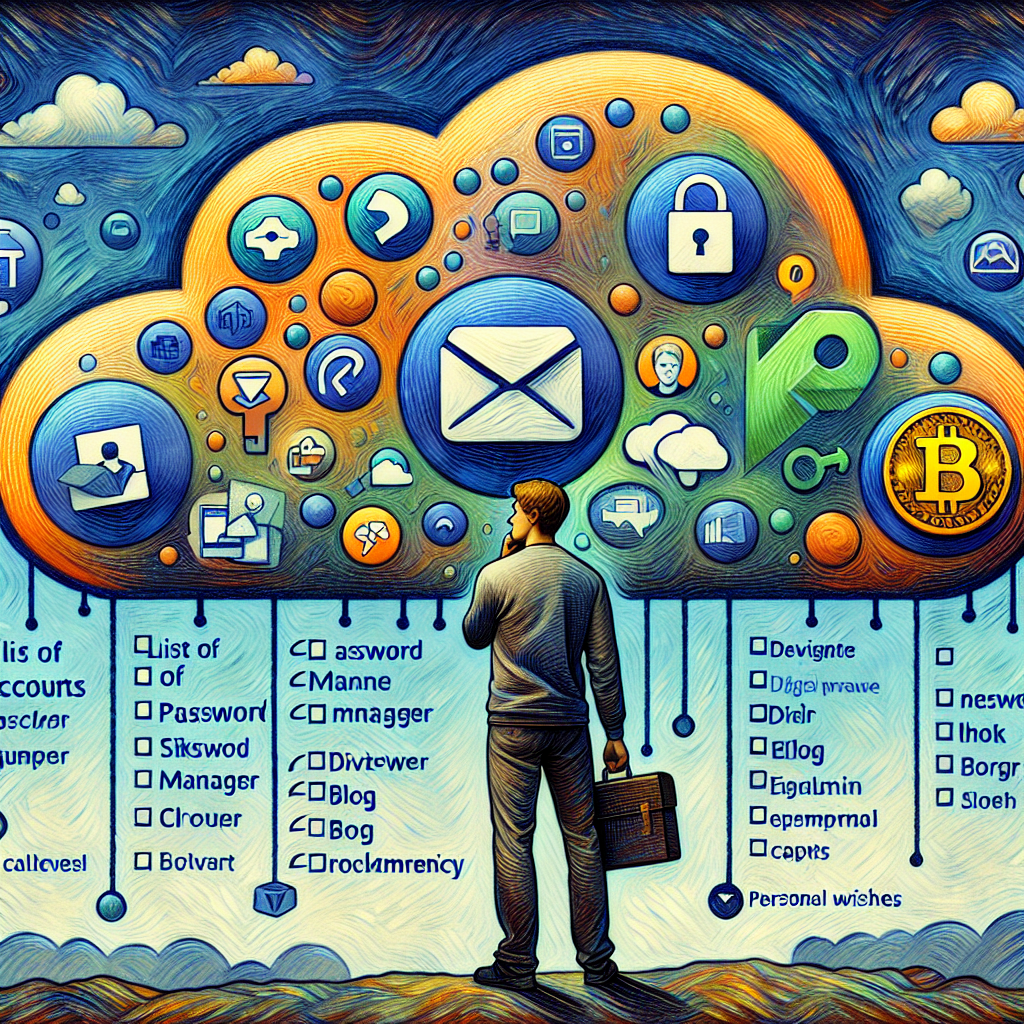
Let’s start with a good ol’ checklist. First, gather all your accounts—social media platforms, cloud storage, websites, online banking, you name it. Make a list, and include the usernames and passwords. Now, before you start sweating bullets, there are password managers out there that can help keep this information secure. Just keep in mind that if that password manager is locked up tight, you’d better have someone you trust who knows how to access it.
Next up, it’s essential to designate a digital executor. This isn’t just some fancy title; it refers to the person who will handle your digital affairs after you’ve stepped off the stage of life. Choose wisely; make sure they are tech-savvy and trustworthy. It’s not just about sharing passwords; it’s about respecting your online identity, too.
Then there’s the matter of personal wishes. Do you want your Facebook page to be memorialized, or should it disappear like a bad eulogy? What about your blog? Should it continue on, or should it be taken down? Writing these preferences down gives you peace of mind and spares your loved ones from guessing what you’d want.
In a world where everything from heartfelt messages to priceless memories is stored online, digital estate planning isn’t just smart—it’s essential. It’s about taking control of your digital life before the curtain falls. So, don’t let your online legacy vanish without a trace. Give it the plan it deserves.
Can You Explain Digital Estate Planning?
Can You Explain Digital Estate Planning?
- Digital estate planning involves managing online assets after one’s death.
- Online assets can include social media accounts, emails, subscriptions, and cryptocurrencies.
- Creating a checklist of all accounts, including usernames and passwords, is essential.
- Password managers can help securely store account information but require trusted access.
- Designating a tech-savvy and trustworthy digital executor is crucial for handling digital affairs.
- Documenting personal wishes regarding online accounts (e.g., memorialization) is important.
- Effective digital estate planning is essential for preserving one’s online legacy.
Can You Explain Digital Estate Planning?
Table Of Contents
- Can You Explain Digital Estate Planning?
- Can You Define Digital Estate Planning?
- Why Is Digital Estate Planning Important?
- What Assets Qualify For Digital Estate Planning?
- How Do I Create A Digital Estate Plan?
- What Tools Are Available For Digital Estate Planning?
- Who Should Manage My Digital Estate?
- How Do I Ensure My Passwords Are Secure?
- What Happens To My Social Media Accounts?
- Can I Choose A Digital Executor For My Estate?
- How Often Should I Update My Digital Estate Plan?
- What Are The Risks Of Not Having A Digital Estate Plan?
- How Does Digital Estate Planning Differ From Traditional Planning?
- What Legal Considerations Are Involved In Digital Estate Planning?
- Are There Specific Laws Governing Digital Assets?
- How Can I Share My Digital Plan With Loved Ones?
- Conclusion
- Other Resources
- Glossary Of Terms
- Other Questions
- Haiku
- Poem
- Checklist
Can You Define Digital Estate Planning?
Digital estate planning is the modern-day equivalent of sorting through a dusty old trunk in the attic filled with faded photographs and letters from days gone by. But instead of musty antiques, we’re dealing with bits and bytes, passwords, and digital accounts that form the backbone of our online lives. In a world where we work, play, and communicate online, it’s more crucial than ever to get our digital affairs in order before passing on to that big server in the sky.
So, what is digital estate planning? At its core, it’s the process of managing and organizing your digital assets—everything from emails and social media profiles to online banking accounts and cloud storage. Think of it as a roadmap for those you leave behind, guiding them through the labyrinth of your digital presence when you’re no longer around to offer directions. Imagine the confusion your loved ones might face if they suddenly find themselves tasked with sorting through your online life, only to encounter a tangled web of passwords, accounts, and possibly even unremarkable memes that you thought were pure gold.
Now, don’t fool yourself into thinking this is just another bureaucratic hurdle. Digital estate planning is not just for tech-savvy whiz kids; it’s equally important for anyone with an online footprint—whether you’re a grandparent posting family photos on Facebook or a millennial trading Bitcoin. It’s about ensuring that your digital identity is preserved, your wishes are carried out, and your loved ones aren’t left clutching at straws trying to unravel your virtual world.
This process typically involves creating a comprehensive list of your digital assets and deciding what should happen to them after you’re gone. It might mean designating someone trustworthy to manage your accounts, breaking down your preferences on how to handle social media profiles, and documenting the passwords—yes, the dreaded passwords—that guard your online kingdom.
In essence, digital estate planning mixes a little bit of the practical with a whole lot of emotional. It’s an opportunity to reflect on your online legacy, maybe even preserve some memories that matter, and provide some peace of mind for those you care about most. Because let’s be honest: navigating the digital landscape is hard enough when you’re alive; it shouldn’t be a scavenger hunt after you’ve already logged off for good.

Can You Define Digital Estate Planning?
Can You Define Digital Estate Planning?
- Digital estate planning involves organizing and managing your digital assets, such as emails, social media, and online banking accounts.
- It serves as a roadmap for loved ones to navigate your digital presence after your passing.
- Anyone with an online presence, from grandparents to millennials, should consider digital estate planning.
- This process includes creating a list of digital assets and deciding their fate after you are gone.
- Designating a trustworthy person to manage your accounts and documenting passwords are key components.
- Digital estate planning blends practical steps with emotional reflection on your online legacy.
- The aim is to provide clarity and peace of mind for your loved ones, making their transition easier in a complex digital world.

Can You Define Digital Estate Planning?
Why Is Digital Estate Planning Important?
When it comes to planning for the future, most folks think of the traditional stuff: real estate, bank accounts, maybe a cherished collection of baseball cards. But there’s a whole digital frontier just waiting to be sorted out, and believe me, it’s crucial that we don’t overlook it. Welcome to the brave new world of digital estate planning—a topic that may seem low on the priority list, but trust me when I say it’s anything but trivial.
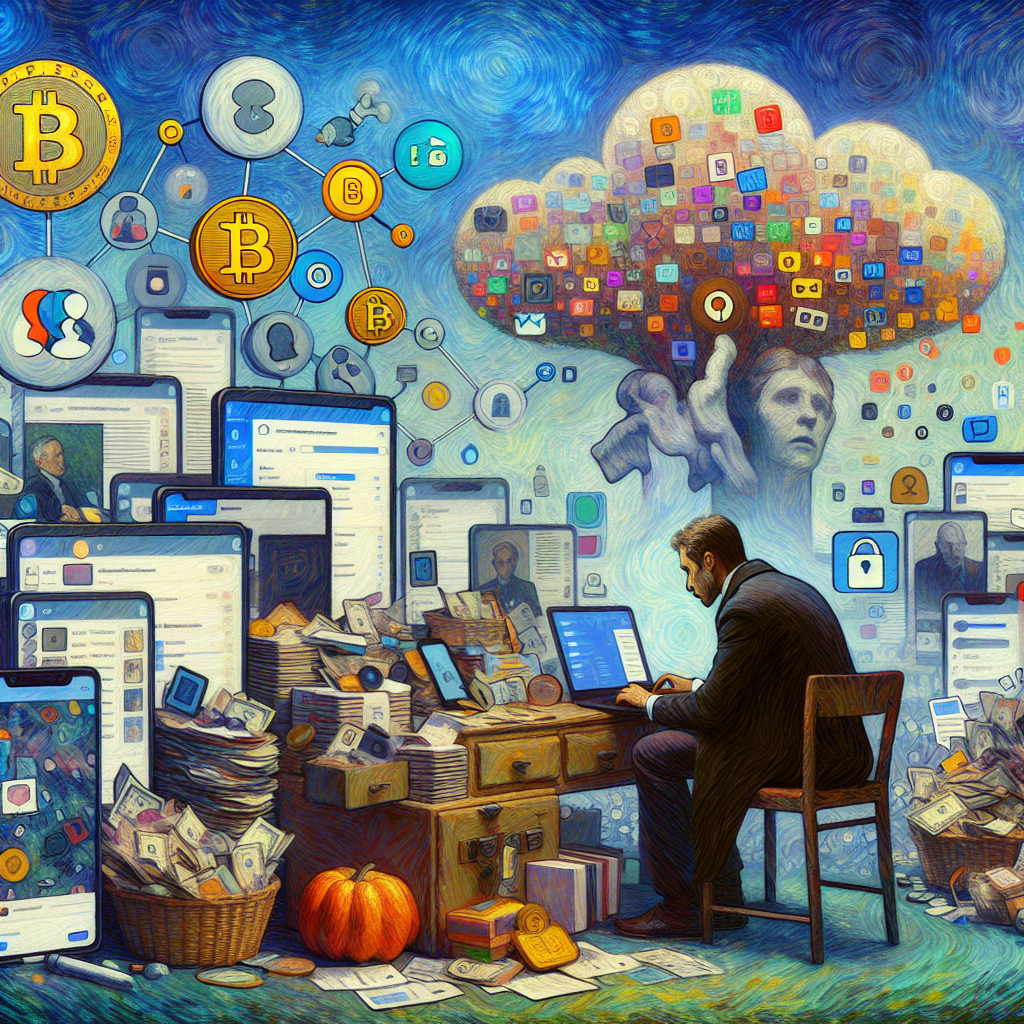
Let’s paint the picture. In today’s technology-soaked society, our lives are intricately woven into the digital tapestry. From social media profiles and online banking accounts to emails, photos, and even cryptocurrency wallets, our digital assets are as valuable as anything you might keep in a safety deposit box. Imagine someone trying to access your Instagram account or decipher your financial information in the event you’re no longer around. It’s enough to make you break out in a cold sweat.
This is where digital estate planning comes in. Without a plan in place, all those treasured memories, hard-earned investments, and even personal correspondences could be lost or, worse yet, tangled in a legal nightmare. Think of your online presence as a virtual legacy. The pictures you’ve shared, the words you’ve crafted; they all tell a story. If you don’t put thought into how that story continues after you’ve moved on, it could be left in the hands of the unknown.
Now, some of you may be thinking, “I don’t need to plan for digital assets; that’s not important!” But let me tell you: failing to plan is planning to fail. In a world where data breaches and identity theft lurk around every corner, having a detailed, well-organized digital estate plan isn’t just smart—it’s essential. It ensures your loved ones can gain access to your accounts, prevents unwanted intrusions, and allows your wishes to be known when it counts the most.
In short, digital estate planning isn’t just about the assets you’ve accumulated; it’s about protecting your legacy. It’s about ensuring that even when you’re no longer watching the world unfold, your digital footprint tells a coherent story that honors the life you lived. So, roll up your sleeves and dive into that digital chaos—it’s time to reclaim your digital domain and secure your legacy for the future.
Why Is Digital Estate Planning Important?
Why Is Digital Estate Planning Important?
- Digital estate planning is often overlooked but is crucial for future planning.
- Our lives are deeply integrated into digital platforms, including social media, banking, and cryptocurrency.
- Digital assets, like online accounts and personal memories, are as valuable as physical assets.
- Without a digital estate plan, important digital legacies could be lost or complicated legally.
- Failing to plan for digital assets can lead to access issues for loved ones after your passing.
- Having a well-organized digital estate plan protects against data breaches and identity theft.
- Digital estate planning helps ensure your legacy is honored and tells a coherent story.

Why Is Digital Estate Planning Important?
What Assets Qualify For Digital Estate Planning?
When it comes to digital estate planning, it’s essential to realize that your online presence is like a hidden treasure chest. Inside it lies a collection of assets that, while not tangible, hold significant value—financially, sentimentally, and sometimes both. Understanding what qualifies as digital assets is the first step in ensuring they’re managed properly after you’re gone.
Let’s start with the obvious—financial assets. Any accounts that have monetary value should be your priority. This includes online banking, digital wallets, and cryptocurrency holdings. You might think your Bitcoin stash is just a bunch of numbers on the screen, but in reality, that’s real money, and it deserves a place in your estate plan. Also, don’t overlook your PayPal or Venmo accounts; that cash can add up, and maybe you want it to go to someone special.
Next on the list are investment accounts. Any trading platforms you use, whether you’re dabbling in stocks, bonds, or even the latest tech startups, do indeed count as assets. If you have a brokerage account online, be sure it’s included in your digital estate plan. And as for retirement accounts—like an IRA or a 401(k)—yep, those are digital assets too. They aren’t just set-and-forget accounts; they’ll need a beneficiary and instructions for access.
Now, let’s not forget about the intangible assets. We’re talking about your social media accounts, email accounts, and any subscriptions you might have. While your Facebook or Instagram page might not look like much, it can hold years of memories, pictures, and connections—assets that can be emotionally important to family and friends. Likewise, access to your email can be vital for retrieving important documents or communicating with contacts posthumously.
Then there’s the world of personal content. Think of your blogs, digital photos, and music collections. Whether you’re a shutterbug with a cloud full of photos or have a curated Spotify playlist that you’d like to pass down, these pieces of digital real estate also deserve a mention in your planning.
Lastly, don’t forget about any domain names or websites you might own. They may have value, monetary or otherwise, and should definitely be included in the conversation.
Crafting a digital estate plan isn’t just about protecting your financial assets; it’s about preserving your digital legacy. So roll up your sleeves and dig into the complex world of digital assets—there’s a lot more to it than meets the eye!

What Assets Qualify For Digital Estate Planning?
What Assets Qualify For Digital Estate Planning?
- Your online presence contains valuable digital assets, both financially and sentimentally.
- Prioritize financial assets like online banking, digital wallets, and cryptocurrency in your estate plan.
- Include investment accounts such as brokerage accounts and retirement accounts in your digital estate planning.
- Recognize intangible assets, such as social media and email accounts, which may hold sentimental value.
- Account for personal content, including blogs, digital photos, and music collections, in your planning.
- Don’t overlook domain names and websites, as they may also have monetary or other value.
- Crafting a digital estate plan is essential for preserving your digital legacy beyond just protecting financial assets.

What Assets Qualify For Digital Estate Planning?
How Do I Create A Digital Estate Plan?
Alright, folks, let’s break it down nice and simple. If you’ve got an online presence—and let’s be honest, who doesn’t these days—you need a digital estate plan. Think of it as the roadmap for your digital legacy, because one day, believe it or not, you’ll be kicking back in the great beyond. And while the idea of sipping lemonade on a beach sounds nice, your digital world doesn’t just turn off like a light switch. It needs a plan, and here’s how you get started.
First, list out everything you own in the digital realm. We’re talking social media accounts, email addresses, cloud storage, and any other online platforms you’ve signed up for. It’s like inventorying your garage—only instead of rusty tools and old furniture, you’ve got a trove of photos, memories, and maybe even some embarrassing posts from 2009.
Now, after you’ve got your inventory, think about access. Do you want someone to have control over these accounts after you’re gone? Most platforms have legal protocols for this—think “digital executor.” But here’s the catch: you need to give them permission. You can’t just hand over a list and hope for the best. Find out how each platform deals with account access—some might need a death certificate, while others only require a password. Be proactive. You might even want a trusted friend to be your digital co-pilot.
Speaking of passwords, don’t underestimate their importance. Consider using a password manager. These nifty tools store your login info securely, which makes it easier for your executor to access your accounts. And hey, make sure to share the password manager’s master password with someone you trust—or at least clue them in on how to access it when the time comes.
Next up, document your wishes. It’s not just about who gets what; it’s about how you want your online presence to be handled. Should they delete that Instagram account full of brunch pics? Or do you want a sentimental post put up every year on your anniversary? You’d be surprised at how many people gain a sense of peace and closure simply by knowing your preferences.
Finally, revisit your plan regularly. Just like life, your digital footprint evolves. So update your inventory, check back on what needs to change, and ensure your loved ones know where to find the info. That’s it! A little forethought can save your family a heap of stress down the line, and let’s face it—they’ve got enough to deal with already. So roll up those sleeves, and get to making that digital estate plan—you won’t regret it.

How Do I Create A Digital Estate Plan?
How Do I Create A Digital Estate Plan?
- Every individual with an online presence needs a digital estate plan.
- Start by listing all digital assets, including social media accounts, email addresses, and cloud storage.
- Determine who will have access to your accounts after you’re gone, and make use of the platform-specific protocols.
- Consider using a password manager to securely store login information for your executor.
- Document your wishes regarding your online presence, specifying how you want your accounts to be managed.
- Regularly revisit and update your digital estate plan to reflect changes in your online footprint.
- Taking proactive steps can alleviate stress for your loved ones in the future.

How Do I Create A Digital Estate Plan?
What Tools Are Available For Digital Estate Planning?
When it comes to digital estate planning, knowing the right tools to navigate the digital landscape is essential. In this era of keyboards, cloud storage, and social media profiles, organizing your digital footprint doesn’t have to feel like chasing a chicken around a barn. With the right tools, you can tame the digital wilderness and secure your online legacy for those who matter most.
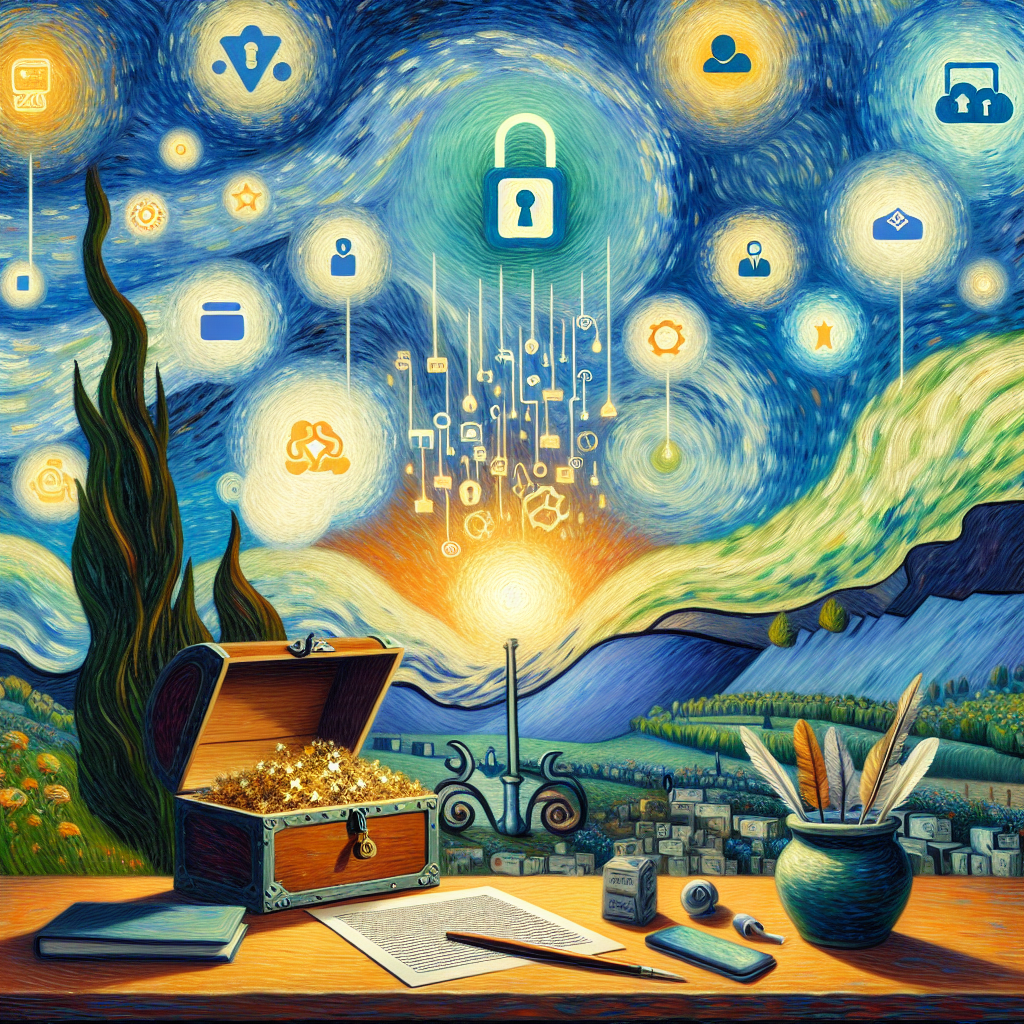
First on the roster are password managers. Tools like LastPass, 1Password, and Dashlane don’t just store your passwords; they can also serve as a vital part of your digital estate plan. Many of these services allow users to set up emergency access or designate beneficiaries who can unlock your vault in the unfortunate event of your passing. Think of it as the secret passcode to your digital treasure chest, ensuring that your loved ones can access what you’ve left behind.
Next, digital vaults are emerging as a popular solution. These specialized services, such as Everplans and Final Estate, are designed to organize important documents, digital assets, and even instructions for your online accounts. They serve as a centralized repository where you can keep everything from bank account details to social media instructions. Imagine these as your virtual filing cabinets, ready to be opened by the right folks when the time comes.
Then there’s the good old trusty cloud storage. Services like Google Drive, Dropbox, or Microsoft OneDrive allow you to store important files and documents securely. You can share access with trusted individuals, ensuring they have the keys to your digital domain when needed. Just like a well-placed note left in a fishing tackle box, this can guide your loved ones through the myriad of online considerations during a challenging time.
Let’s not overlook the importance of social media management tools. Platforms like Facebook and Instagram allow users to designate legacy contacts. This means, upon your passing, a trusted friend or family member can manage your profile and posts tributes, helping to preserve your digital memory and maintain that online legacy.
Finally, we can’t forget the classic approach: good old-fashioned documents. Drafting a will that includes instructions for your digital assets and accounts can tie it all together. Whether it’s a handwritten note in the back of a drawer or a formal document prepared by an attorney, clarity is key.
In short, the tools for digital estate planning are out there, waiting for you to grab hold of them. By taking these steps, you ensure that your digital legacy lives on, navigating the tech waters with a bit of foresight and preparedness.

What Tools Are Available For Digital Estate Planning?
What Tools Are Available For Digital Estate Planning?
- Digital estate planning requires knowledge of the right tools to manage your online presence.
- Password managers like LastPass, 1Password, and Dashlane not only store passwords but can also provide emergency access for beneficiaries.
- Digital vaults, such as Everplans and Final Estate, act as centralized repositories for important documents and instructions.
- Cloud storage services like Google Drive, Dropbox, and Microsoft OneDrive help securely store and share important files with trusted individuals.
- Social media management tools allow for designated legacy contacts to manage profiles and preserve online memories after passing.
- Classic documents, such as a will, can include instructions for digital assets to ensure clarity and organization.
- Taking these steps fosters preparedness and helps secure your digital legacy.
What Tools Are Available For Digital Estate Planning?
Who Should Manage My Digital Estate?
When it comes to managing your digital estate, you might feel a bit like a deer caught in the headlights. You’ve got social media profiles, online banking, emails, and a stream of digital content that could fill a library. So, who on Earth should you trust with all of it once you’ve kicked the bucket?
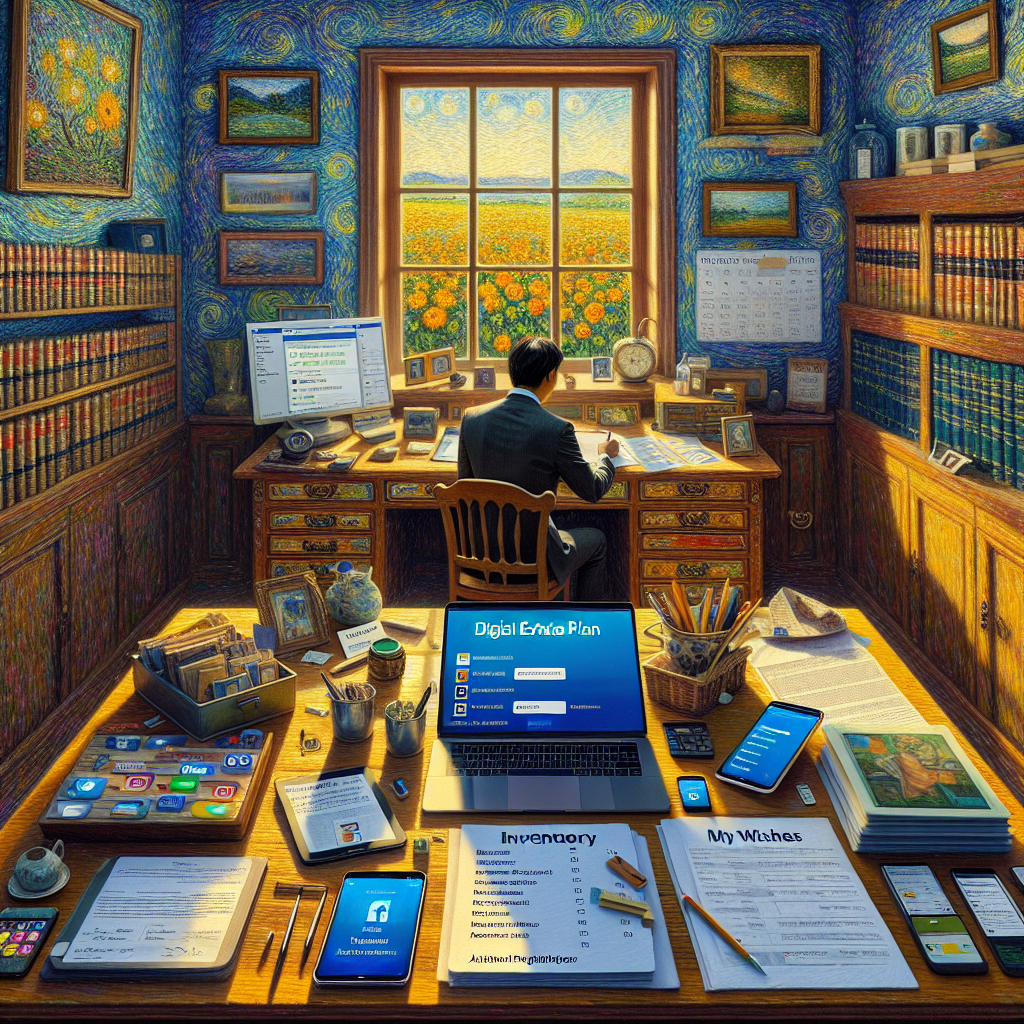
First off, understand that managing a digital estate isn’t just for tech whizzes or digital natives; it’s a task that requires a diverse set of skills and a level of responsibility that’s not to be taken lightly. Take a deep breath and consider the people in your life who have the right mix of technical savvy, emotional intelligence, and a clear understanding of your wishes.
Is there a family member who’s always on top of their game when it comes to technology? Perhaps a tech-savvy nephew or niece, or even a friend who can expertly navigate the complexities of the online world? Whoever you choose should ideally have a good grasp of your digital footprint and a willingness to honor your wishes. Remember, this person will have access to sensitive information—banking details, personal messages, the works. So, openness and honesty are essential here.
Next, think about a legal professional—specifically, someone well-versed in estate planning and digital assets. This could be your attorney or a financial advisor who understands the ins and outs of digital legacies. They can help draft the necessary legal documents and provide guidance on how to transfer ownership of your online accounts in accordance with the law. They’re your ticket to ensuring everything is above board when the time comes.
And let’s not forget the significance of clear communication. Document your wishes in a manner that’s easy to understand. Use a digital executor designation in your will, detailing precisely who you’re entrusting with your digital estate. Create an inventory of your accounts, passwords, and how you want each piece of your digital life to be managed. This isn’t just a practical step; it’s a kindness to those left behind.
Ultimately, deciding who manages your digital estate is an exercise in trust. Look for someone you can rely on, whether it’s a family member, a close friend, or a professional advisor. It’s a new frontier, but one that deserves careful consideration. After all, digital legacies are just as real as the tangible ones—and they should be treated with the same level of care.
Who Should Manage My Digital Estate?
Who Should Manage My Digital Estate?
- Managing your digital estate involves handling social media, banking, emails, and other digital content.
- It requires a combination of technical skills, emotional intelligence, and a thorough understanding of your wishes.
- Choose someone trustworthy, such as a tech-savvy family member or friend, who understands your digital footprint.
- Consider enlisting a legal professional experienced in estate planning and digital assets for legal guidance.
- Communicate your wishes clearly; designate a digital executor in your will and create an inventory of your digital accounts.
- Trust is essential when deciding who will manage your digital estate, ensuring they are reliable.
- Digital legacies deserve the same level of care and consideration as tangible assets.

Who Should Manage My Digital Estate?
How Do I Ensure My Passwords Are Secure?
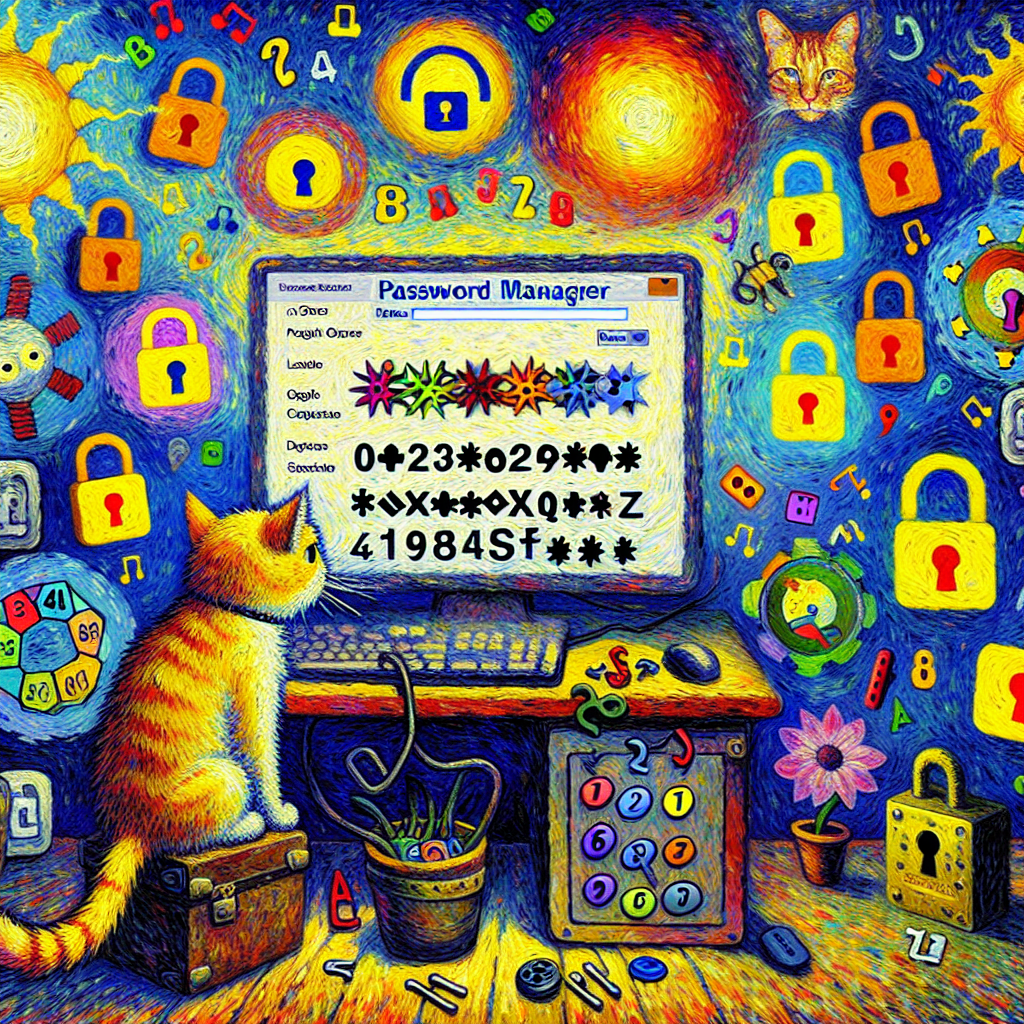
In a world where your cat’s name might be your most closely guarded secret—until it gets hacked, that is—security starts with the simple act of creating a password. Now, before you roll your eyes and think, “I’ve got this covered,” let’s dig into the nitty-gritty of keeping your digital life safe and sound.
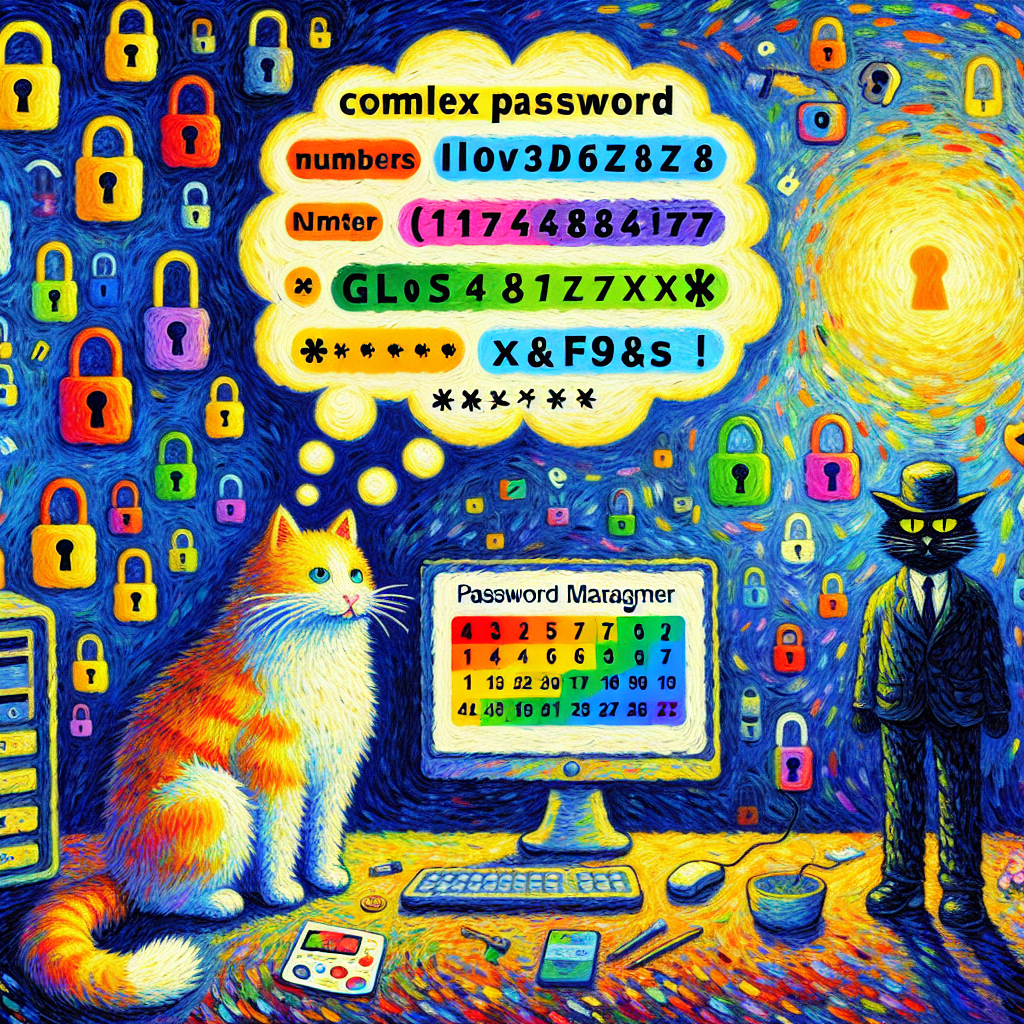
First off, stop using your birthday or the name of your favorite sports team. Sure, “Yankees2015” might have felt clever back in the day, but now it’s just an open invitation for any miscreant lurking in the web shadows. The golden rule here? Make it complex. A strong password is a delightful 12 to 16 characters, mixing uppercase letters, lowercase letters, numbers, and even some special characters. Why? Because the longer and more complicated your password, the harder it is for hackers to crack. It’s like trying to break into Fort Knox with a butter knife—good luck with that.
Now, you might be wondering, “How do I remember this cryptic concoction?” Enter the world of passphrases. Think of a sentence that means something to you, and then get creative. Instead of “I love pizza,” try “IL0v3P1zz@&T0ast!” It’s quirky, memorable, and much tougher to guess. Plus, it won’t show up in a database of popular passwords.
Next up, don’t put all your eggs in one basket—use different passwords for different accounts. Yes, I know it’s a pain, but imagine the fallout if your email password is the same as your bank password. That’s akin to leaving your car keys in the ignition while you run into the store. Not smart.
To make this multi-password situation manageable, consider a reputable password manager. These nifty tools not only store your passwords securely but can also generate them for you. Think of them as a vault for your virtual treasures, keeping all those complex codes safe and sound.
Lastly, don’t forget to enable two-factor authentication (2FA) wherever possible. It’s like having a bouncer at the door of your digital space—an extra layer of protection that ensures that even if someone manages to snag your password, they won’t have the keys to your kingdom.
So, roll up your sleeves and get to work. With a little effort, you’ll have fortress-like security around your passwords, ensuring that your data stays as safe as your grandma’s secret cookie recipe.
How Do I Ensure My Passwords Are Secure?
How Do I Ensure My Passwords Are Secure?
- Creating a strong password is crucial for digital security.
- Avoid using easily guessable information like birthdays or favorite sports teams.
- Use complex passwords of 12 to 16 characters, mixing uppercase, lowercase, numbers, and special characters.
- Consider using passphrases for better memorability and security.
- Use different passwords for different accounts to prevent catastrophic fallout from a single compromised password.
- Utilize a reputable password manager to securely store and generate passwords.
- Enable two-factor authentication (2FA) for an additional layer of security.
How Do I Ensure My Passwords Are Secure?
What Happens To My Social Media Accounts?
In the digital age, where selfies and hashtags reign supreme, it’s easy to forget that our online presence can almost feel like a virtual treasure chest — filled with memories, connections, and far too many food pics. But what happens to this treasure once we hang up our digital boots? You may not have given it much thought, but your social media accounts can become a veritable ghost town if not tended to properly.
First off, it’s essential to know that social media companies have policies in place for the great digital beyond. If you pass on, some of these platforms allow your loved ones to request memorialization of your account. This means your profile can be transformed into a space where friends and family can come together, reminisce, and swap stories about that time you ate an entire pizza by yourself and felt no shame. This option, however, is not universal. Facebook, for example, has a clear process, while others might leave your profile hanging like an abandoned swing set, slowly accumulating dust.
Now, if the idea of your digital life living on after you feels more unsettling than comforting, you may want to consider a little preemptive planning. Many platforms allow you to designate a legacy contact who can manage your account. This person can update your profile picture — perhaps swap it out for a more flattering shot from that fabulous vacation five years back — or even post a farewell message to let your followers know that you’ve logged off for good.
For some, that deep dive into the world of digital legacy might evoke a sense of dread, like watching a horror film where the Wi-Fi goes down. But fear not! You can also choose to do nothing, and your accounts may simply fade into cyberspace over time. They’ll sit there, collecting virtual dust, their contents remaining essentially frozen in time. But don’t be surprised if they occasionally pop up in your friends’ “memories” notifications, resurrecting your digital self for one last group chuckle.
Whether you opt for a memorial page, designate a legacy contact, or let your accounts linger like the favorite jacket you’ve outgrown, the choice is yours. Just remember, while our online personas can be fleeting, the impact of what we share can leave lasting impressions on those we leave behind. So, think of your social media as the digital echo of your life — make it sing!

What Happens To My Social Media Accounts?
What Happens To My Social Media Accounts?
- Online presence functions as a virtual treasure chest filled with memories and connections.
- Social media companies have policies for account memorialization after death.
- Memorialized accounts allow loved ones to reminisce and share stories.
- Options for managing accounts post-mortem vary by platform, with some offering a clear process.
- Users can designate a legacy contact to manage their social media accounts after they pass.
- Accounts can simply fade away or appear occasionally in friends’ notifications if no action is taken.
- Ultimately, the choice of managing a digital legacy is personal and can impact those left behind.

What Happens To My Social Media Accounts?
Can I Choose A Digital Executor For My Estate?
In an age where our lives are spinning faster than a cat on a hot tin roof, the question of appointing a digital executor has become more relevant than ever. Picture this: you’ve poured your heart into tweets, posts, and uploads that represent not just moments, but pieces of who you are. Now, what happens to all that digital debris when you croak? Can you pick someone to steer that ship after you’ve dropped anchor? Absolutely.
A digital executor, simply put, is someone you designate to manage your online presence after you’ve clocked out for the last time. This person’s job would be to handle your social media accounts, emails, photos, and any other digital keepsakes you’ve accumulated. The idea is to make sure your digital legacy isn’t left to fester—like old leftovers in the fridge—after you’ve passed on to whatever lies beyond.
Now, while planning for your digital afterlife sounds like a sci-fi movie plot, it’s a practical move. As online interactions grow, so does the necessity to keep these digital tidbits in line. Whether you want your online accounts deleted, memorialized, or transformed into a digital shrine is a personal choice. But here’s the kicker: not every state has clear laws on digital assets, which means your wishes could wind up like a sock in the dryer—lost and irretrievable.
Choosing a digital executor requires some forethought. You’ll want to think about who not only understands your online preferences but can handle the often sticky emotional weight of preserving or dismantling your digital presence. Make sure this trusty individual is savvy with technology and, importantly, has the gumption to enact your wishes. This isn’t just a matter of clicks and keys; it’s about navigating the emotional terrain that comes with happy memories and freshly tapped tears.
Before you hand over the reins, have the conversation with your digital executor. Be transparent about what you want and ensure they’re up to speed on your passwords and account details—because let’s face it, a locked vault means nothing if someone can’t find the key.
In sum, appointing a digital executor isn’t just a convenience; it’s a responsibility. It’s your chance to shape how you’ll be remembered in that vast digital wilderness long after you’ve left the chat. So, why not take the reins now and ensure your digital existence gets the farewell it deserves?

Can I Choose A Digital Executor For My Estate?
Can I Choose A Digital Executor For My Estate?
- Appointment of a digital executor is increasingly relevant in our fast-paced digital age.
- A digital executor manages your online presence after you’ve passed away, handling social media, emails, and digital keepsakes.
- Planning for your digital afterlife is practical, as online interactions and digital assets grow.
- Personal choices dictate whether your accounts are deleted, memorialized, or transformed.
- Not all states have clear laws on digital assets, risking the loss of your wishes.
- Choose a digital executor who understands your online preferences and can handle the emotional aspects.
- Have open conversations with your executor about your wishes and provide them with necessary account details.

Can I Choose A Digital Executor For My Estate?
How Often Should I Update My Digital Estate Plan?
#
Life isn’t static, and neither should your digital estate plan be. The digital landscape is perpetually shifting, and your needs and circumstances can change with the flick of a switch. So, how often should you don the hat of a digital planner and give your estate plan a good once-over? Let’s dive in and sort through the clutter.
First off, think about the major life events that can drastically alter your digital footprint. Got married? Had a child? Lost a loved one? Each of these milestones can shift the gears of your life and influence what’s included in your plan. You might have to add new accounts, change beneficiaries, or rethink who gets access to your digital legacy. It’s a good idea to review your plan at least once a year—consider it a digital spring cleaning.
But don’t wait for the calendar to remind you. Your digital estate plan should also reflect changes in technology. As platforms rise and fall, your online presence may evolve. A social media site that was popular yesterday could be obsolete tomorrow. Keep an eye on the platforms you use and ensure they’re accounted for in your will or trust. If you pick up a new hobby that leads to the creation of new accounts—like a photography site or a financial tracker—those need to be incorporated as well.
Then there’s the financial aspect. If your financial situation shifts—whether you score a new job, cash in on some investments, or take a hit in the market—it’s time to re-evaluate. The assets you want to leave behind could change significantly, and you don’t want your loved ones scrambling to sort out what you’ve left behind—or worse, missing out on valuable digital assets.
Lastly, don’t underestimate the power of technology itself. New laws and privacy regulations can affect how you manage your digital estate. Keeping abreast of these changes ensures that your estate plan remains compliant and effective.
Think of your digital estate plan as a living document. Embrace a mindset of regular review and adaptation. You’re not just crafting a plan; you’re creating a roadmap for your loved ones in a digital world, ensuring your legacy is passed on just the way you intended. So grab that metaphorical toolbox and get to work—your future self will thank you!

How Often Should I Update My Digital Estate Plan?
How Often Should I Update My Digital Estate Plan?
- Life events can significantly alter your digital footprint, necessitating updates to your estate plan.
- Review your digital estate plan at least once a year for necessary adjustments.
- Be proactive; don’t wait for yearly reminders to make changes as technology evolves.
- New hobbies and accounts should be included in your estate plan.
- Changes in your financial situation require re-evaluation of your digital assets.
- Stay informed about new laws and privacy regulations affecting your digital estate management.
- Treat your digital estate plan as a living document that requires regular review and adaptation.

How Often Should I Update My Digital Estate Plan?
What Are The Risks Of Not Having A Digital Estate Plan?
Let’s face it: in today’s tech-savvy world, our lives are drenched in digital assets. From social media accounts and online banking to cloud-stored photos and important documents, the internet has become an extension of our everyday existence. But what happens to all that digital property when we shuffle off this mortal coil without a plan? Well, the short answer is: a lot of confusion and potential chaos.
First off, think about your social media accounts. Without a digital estate plan, your loved ones may be left scratching their heads, trying to figure out how to access or memorialize your presence online. Do you want your accounts to linger in the virtual ether—forever frozen in time—or do you want them wiped clean? If you don’t specify your wishes, your digital legacy may end up in a limbo where nobody really knows what to do.
Then there’s your financial digital footprint. Online banking, investment accounts, e-wallets—the list goes on. If you haven’t equipped someone you trust with the necessary access or knowledge, your heirs might find themselves fighting a mountain of red tape just to get to what is rightfully theirs. Time is money, folks, and the time lost in searching for passwords or navigating complex recovery processes can lead to financial strain during an already difficult period.
Moreover, consider the sensitive data we keep online—health records, personal correspondence, and even records of your digital purchases. If this information falls into the wrong hands because you haven’t secured it properly, it could lead to identity theft or other privacy violations. Imagine an unprepared beneficiary stumbling upon your digital life and accessing every embarrassing moment you believed was safely hidden in archive folders. Not exactly the legacy you had in mind, is it?
Lastly, without a solid digital estate plan, you run the risk of incurring hefty fees and fines as companies attempt to locate the rightful owner of your accounts. It’s not just about the digital assets; it’s also about the accessibility and the ethical handling of those possessions.
In short, neglecting to create a digital estate plan is like leaving the door wide open to chaos. A little forethought can save your loved ones a massive headache down the line. So, take the time now to ensure your digital life is as well organized as your physical one. Your future self—and your family—will thank you.

What Are The Risks Of Not Having A Digital Estate Plan?
What Are The Risks Of Not Having A Digital Estate Plan?
- Digital assets are integral to modern life, encompassing social media, online banking, cloud-stored photos, and important documents.
- Without a digital estate plan, loved ones may face confusion trying to access or memorialize social media accounts.
- Unclear wishes regarding your digital legacy can result in accounts lingering in limbo.
- Your financial digital footprint, including online banking and investment accounts, may become inaccessible without proper preparation.
- Sensitive online data, if not secured, poses risks of identity theft and privacy violations.
- Failure to plan can lead to financial strain for heirs due to complicated recovery processes and potential fees.
- Creating a digital estate plan helps avoid chaos and ensures your digital assets are organized and accessible for your loved ones.

What Are The Risks Of Not Having A Digital Estate Plan?
How Does Digital Estate Planning Differ From Traditional Planning?
Digital estate planning and traditional estate planning both aim to ensure that your assets are distributed according to your wishes after you kick the proverbial bucket, but they tackle the task from rather different angles. Just like comparing a trusty old shovel to a high-tech excavator, each approach has its merits and unique quirks.
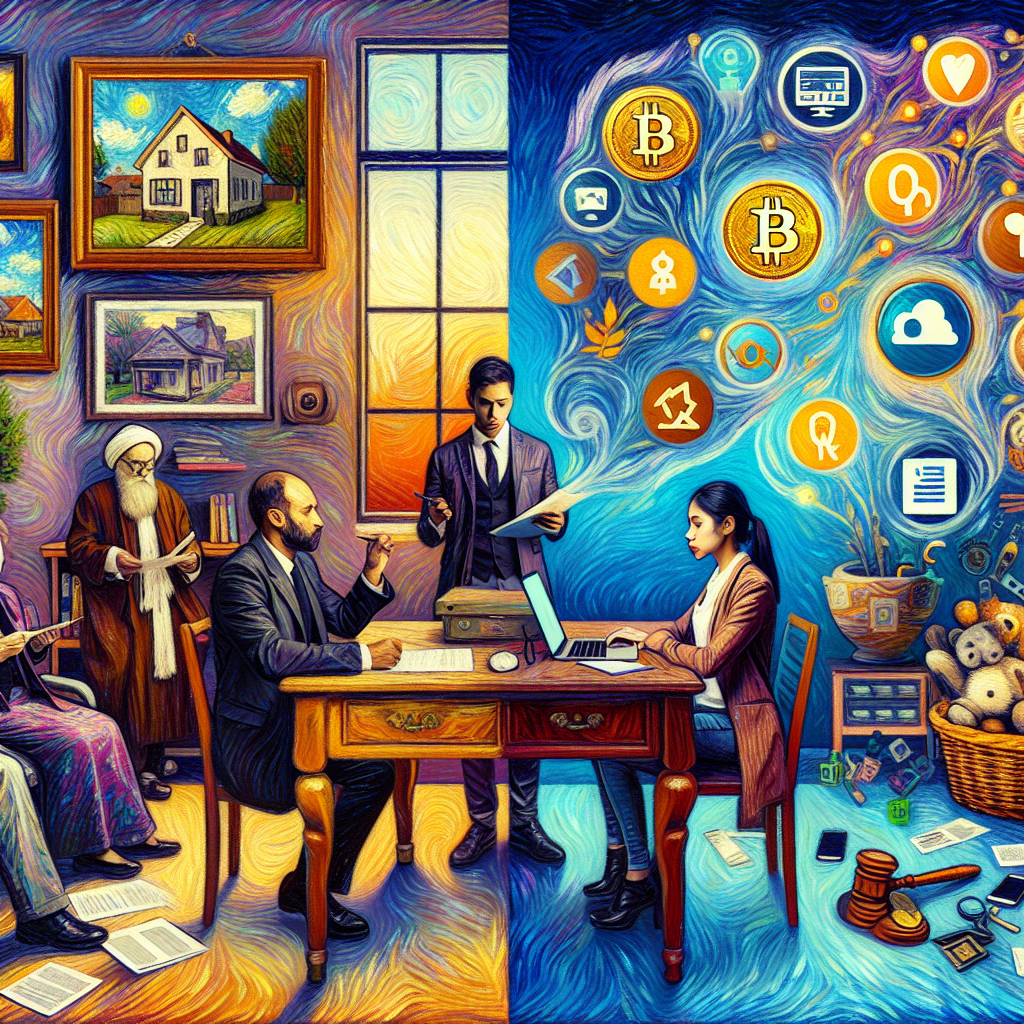
Traditional estate planning usually revolves around physical assets like homes, cars, and family heirlooms. You sit down with a lawyer, hash out a will, create trusts, and draft power-of-attorney documents. It’s a straightforward process that’s been around longer than most of us can remember. You specify who gets what, and your loved ones execute your wishes when the time comes. But, in our increasingly digital world, this method often falls short. You might have a closet full of antiques, but what about the lifetime of digital investments and online accounts you’ve accumulated?
Enter digital estate planning, a concept that’s like a breath of fresh air in a stale room. With our lives increasingly lived online, it’s essential to consider our digital footprints as part of our overall estate plan. This includes everything from social media accounts and emails to cryptocurrencies and digital photos stored in the cloud. These aren’t just virtual trinkets; they hold real value and significance, often more than we realize.
In the realm of digital planning, you’re looking at the bigger picture. It’s not just about who gets the family dog; it’s about who has access to your online subscriptions, digital business assets, and even the sentimental value wrapped up in your carefully curated social media profiles. Digital estate planning often involves utilizing specific tools and services that manage these accounts, ensuring your digital life is treated with the same level of care and consideration as your physical assets.
Moreover, the digital aspect introduces an element of immediacy. Traditional estate planning can take time to activate, with courts and paperwork dragging on for months. In contrast, digital estate planning can be more efficient—providing direct access to your digital assets and driving faster decisions.
The bottom line? Embracing digital estate planning isn’t just smart; it’s essential in our modern age. As you consider how best to safeguard your legacy, remember that both digital and traditional elements deserve a seat at the table. It’s time to bridge the gap between the physical and the virtual, ensuring your estate reflects the entirety of your life’s work.

How Does Digital Estate Planning Differ From Traditional Planning?
How Does Digital Estate Planning Differ From Traditional Planning?
- Digital and traditional estate planning both aim to distribute assets according to your wishes after death, but do so through different methods.
- Traditional estate planning focuses on physical assets like homes, cars, and heirlooms, often involving a lawyer to create wills and trusts.
- In a digital world, traditional methods may not sufficiently cover valuable digital assets, such as online accounts and investments.
- Digital estate planning considers online footprints, including social media, emails, and digital currencies, recognizing their real value.
- This approach ensures access to digital subscriptions and business assets, alongside sentimental values tied to social media profiles.
- Digital estate planning offers an element of immediacy, providing quicker access to assets compared to the often lengthy traditional processes.
- Both digital and traditional estate planning are essential for safeguarding your legacy, bridging the gap between physical and virtual assets.
How Does Digital Estate Planning Differ From Traditional Planning?
What Legal Considerations Are Involved In Digital Estate Planning?
In the world of digital estate planning, the intersection of technology and legality can feel like navigating a minefield. The digital age has gifted us with many conveniences, but it has also complicated the landscape of asset control and distribution after death. When considering the legal implications of your online assets, a few key things to keep in mind will help ensure you aren’t leaving a mess for your loved ones to clean up.
First off, recognize that your digital footprint is just as valuable as your physical assets. Everything from social media accounts, email addresses, and online banking to digital photos and cryptocurrency belongs in the conversation. Yet, many people forget one important point: different platforms have different rules. Each social media site and online service has its own terms of service that dictate what happens to your account upon your passing. Some may allow for an account to be memorialized or transferred, while others might outright delete it, leaving no room for sentimental treasures.
Then there’s the matter of passwords and access. We’ve all been there, juggling dozens of complex passwords like a circus performer with flaming torches. Without careful planning, your heirs might find themselves locked out of important accounts, unable to access cherished memories or financial assets. One effective approach is to use a password manager that securely holds your login information, pairing it with a clear directive on how to access it after your passing.
Another crucial aspect is the legal documentation. State laws regarding digital assets can vary widely, so it pays to do your homework. Some jurisdictions have embraced laws that recognize digital assets similarly to traditional ones, but others are still catching up. Consulting with an estate attorney who understands the nuances of digital estate planning is essential. A well-crafted will or trust can lay out your wishes clearly, ensuring that your digital estate is distributed according to your preferences.
Lastly, consider the emotional side of digital estate planning. Your online presence isn’t just a collection of accounts—it’s a part of your legacy. Thoughtfully addressing how your digital assets should be handled can ease the emotional burden on your loved ones and provide peace of mind. By taking the time to formulate a comprehensive digital estate plan, you’re not just safeguarding your assets; you’re also ensuring that your memory endures in the form you intended.

What Legal Considerations Are Involved In Digital Estate Planning?
What Legal Considerations Are Involved In Digital Estate Planning?
- The digital age complicates asset control and distribution after death.
- Your digital footprint (social media, email, banking, photos, cryptocurrency) is as valuable as physical assets.
- Different online platforms have various rules regarding account management upon death, impacting access and memorialization.
- Using a password manager with clear access instructions can help heirs avoid being locked out of important accounts.
- State laws on digital assets differ, making it essential to consult an estate attorney experienced in digital estate planning.
- A well-crafted will or trust ensures your digital estate is distributed according to your wishes.
- Addressing the emotional side of digital estate planning can ease burdens for loved ones and preserve your legacy.

What Legal Considerations Are Involved In Digital Estate Planning?
Are There Specific Laws Governing Digital Assets?
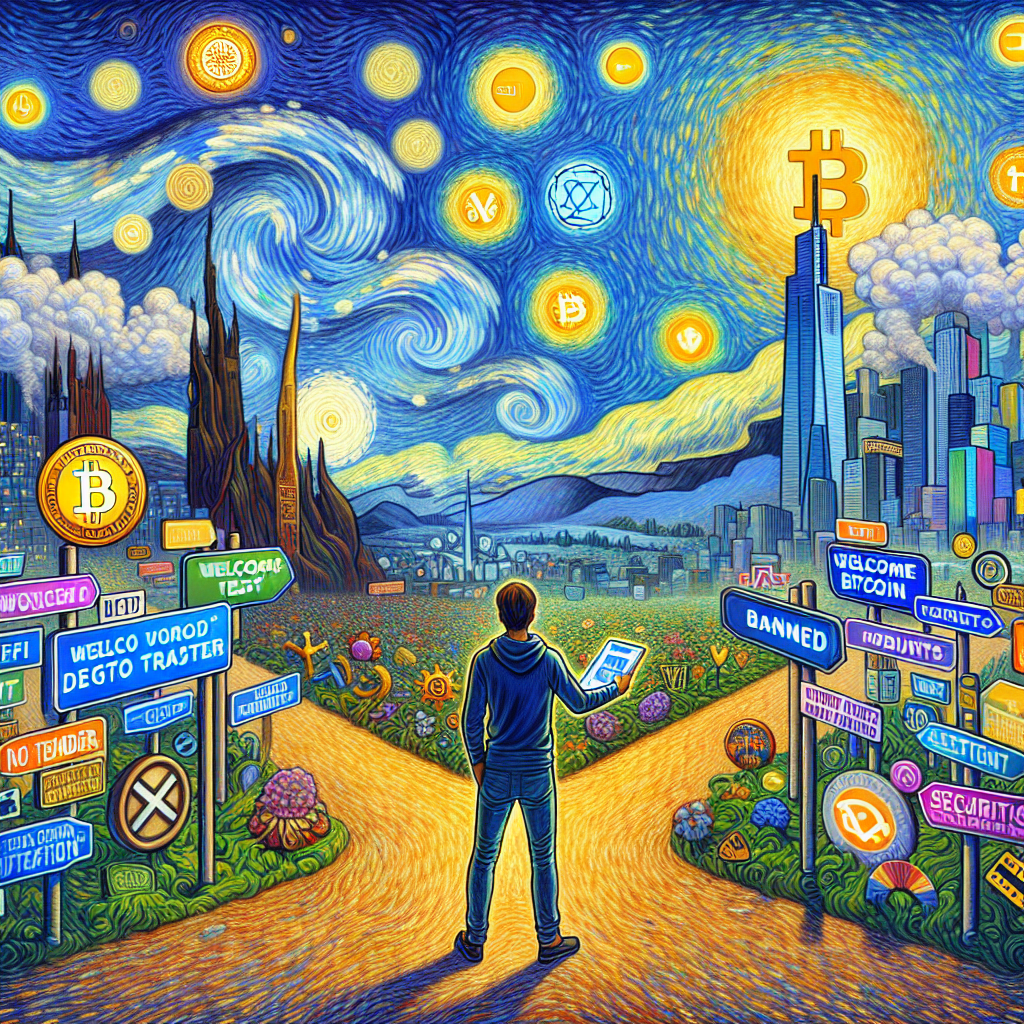
In the rapidly evolving landscape of digital assets, the question isn’t just what these assets are or how they function, but rather, what laws govern them? It’s a labyrinth of regulations, often as bewildering as the tech itself. Make no mistake: the world of digital assets—cryptocurrencies, NFTs, and blockchain technology—has thrown traditional legal frameworks into a spin.
First off, let’s cut through the jargon. Digital assets are not just some tech-savvy whim; they represent a paradigm shift in how we conceive ownership, value, and commerce. But with innovation comes the necessity for regulation, and herein lies the dilemma. Many governments are scrambling to put a regulatory framework in place, but they often find themselves a step behind the innovations they’re trying to control. For instance, in the United States, where the regulatory landscape resembles a patchwork quilt of state and federal laws, agencies like the Securities and Exchange Commission (SEC) and the Commodity Futures Trading Commission (CFTC) are at odds over classifications and jurisdiction.
What’s more, while cryptocurrencies like Bitcoin and Ethereum have attracted the spotlight, digital assets are not created equal. The classification of these assets can determine whether they are considered securities, commodities, or something entirely different. This is where things get murky. The infamous “Howey Test” has been used to define what constitutes a security, but it can leave many asset creators and investors scratching their heads, trying to determine where their assets land on the regulatory spectrum.
Globally, the approach to digital assets varies significantly. For example, countries like El Salvador are wholeheartedly embracing Bitcoin as legal tender, while others—like China—have opted for outright bans on cryptocurrency transactions. This contradictory landscape can leave entrepreneurs and investors feeling like they’re playing a game without knowing the rules.
Moreover, as the technology behind digital assets evolves—thanks to innovations like smart contracts and decentralized finance (DeFi)—the laws governing them must adapt. Regulatory bodies are beginning to recognize the need for a coherent legal framework that can flex and bend as the digital asset space grows. However, the real challenge lies in crafting that framework in a way that fosters innovation while protecting consumers and maintaining market integrity.
In short, digital assets are here to stay, and so will the discussions regarding their regulation. Whether you’re an investor, creator, or just a curious onlooker, staying informed about the laws governing this new frontier is more critical than ever. After all, in this brave new world of digital assets, knowledge might just be your best asset.
Are There Specific Laws Governing Digital Assets?
Are There Specific Laws Governing Digital Assets?
- The digital asset landscape, including cryptocurrencies and NFTs, raises questions about governing laws and regulations.
- Digital assets signify a shift in ownership, value, and commerce, necessitating new regulatory frameworks.
- Many governments are struggling to keep pace with innovations in digital assets, resulting in a patchwork of regulations.
- The classification of digital assets—whether as securities or commodities—can lead to confusion, particularly regarding the “Howey Test.”.
- Global attitudes towards digital assets vary, with some countries embracing them while others impose bans, creating an inconsistent environment for businesses.
- Advancements in technology, such as smart contracts and DeFi, demand adaptable legal frameworks to support innovation and protect consumers.
- Staying informed about digital asset regulations is essential for investors, creators, and observers in this evolving field.

Are There Specific Laws Governing Digital Assets?
How Can I Share My Digital Plan With Loved Ones?
When it comes to sharing your digital plan with your loved ones, it’s not just about hitting “send” and hoping for the best. It’s about clarity, connection, and ensuring that those who matter most are on the same page. Here’s the deal: digital planning is no small feat. It requires thoughtfulness and a bit of strategy, much like preparing for a road trip. You wouldn’t just jump in the car without knowing where you’re heading, right? The same principle applies here.
First off, gather your thoughts. Take a moment to jot down what your digital plan entails. Are you talking about financial strategies, digital asset management, or perhaps your social media presence? Be specific. The clearer you are about what you want to share, the easier it will be for your loved ones to understand your vision. Too many folks attempt to explain things off the cuff, relying on memory and vague descriptions. Instead, prepare an outline or even a short presentation to walk them through your idea.
Next, consider how you want to communicate this information. While a face-to-face sit-down over a cup of coffee can be the most heartfelt approach, it’s not always feasible, especially in our digitally-driven world. If you can’t meet in person, think about a video call. It adds a personal touch, allowing you to convey passion and intent beyond mere text. If that’s not your style, prepare an email or a shared document that outlines everything neatly. Use simple language—don’t drown them in jargon. You know your plan inside and out, but that doesn’t mean your audience does.
Involving your loved ones is key. Encourage questions and discussions. It’s like a good conversation at the dinner table; everyone should feel like they have a voice. Foster an environment where they feel comfortable expressing their thoughts, concerns, and even suggestions. Just remember, the goal isn’t just to share information; it’s about creating a collaborative effort that brings everyone together around your digital vision.
Lastly, consider regular updates. Just like a project at work, your digital plan is a living, breathing entity that might change. Keeping your loved ones in the loop will strengthen their understanding and support, making them feel valued in your journey. Sharing isn’t just about the initial download; it’s about nurturing those connections over time. So, roll up your sleeves, communicate effectively, and watch your digital plans flourish alongside your relationships.

How Can I Share My Digital Plan With Loved Ones?
How Can I Share My Digital Plan With Loved Ones?
- Effective sharing of your digital plan requires clarity, connection, and ensuring everyone is aligned.
- Gather your thoughts and be specific about your digital plan, whether it’s financial strategies or digital asset management.
- Prepare an outline or presentation to clearly convey your ideas, moving beyond vague descriptions.
- Choose the right communication method: face-to-face, video call, or written documents, using simple language.
- Involve your loved ones by encouraging questions and fostering a collaborative environment.
- Provide regular updates to your digital plan to keep everyone informed and engaged.
- Prioritize nurturing relationships alongside your digital planning efforts for lasting support.

How Can I Share My Digital Plan With Loved Ones?
Conclusion
Alright, folks, let’s wrap this up and shine a spotlight on the sometimes-overlooked discipline of digital estate planning. If you think this topic doesn’t apply to you, I encourage you to reconsider. In today’s fast-paced, digital-first world—where our lives are essentially curated online—it’s time we acknowledge that our digital presence matters, perhaps even more than we realize. Digital estate planning is the act of organizing your digital assets—everything from social media accounts and online banking to treasured email conversations and those countless photos—so that they don’t just vanish into the ether once you’re no longer around.
Picture a cluttered attic filled with memorabilia from your life. Without a plan, your digital assets can become that dusty attic—confusing, disorganized, and impossible for your loved ones to navigate. And that’s not just a headache; it could lead to lost memories, sentimental treasures, or even valuable financial assets. By taking the time to draft a digital estate plan now, you give your loved ones a roadmap to follow when they need it the most.
Imagine this: you’ve amassed a treasure trove of photos, stories, messages, and yes, even some cryptocurrency. Who’s going to manage all that after you’re gone? That’s right, you need a digital executor—someone who understands your digital legacy and can carry it out according to your wishes. You wouldn’t leave your physical belongings to chance, so why risk leaving your online life uncurated? Whether it’s preserving that Instagram account filled with grandbaby pics or ensuring your Bitcoin goes to someone who appreciates it, a little proactive planning can go a long way.
Not to mention, we finally live in a world rife with tools that can help ease this process. From password managers and digital vaults to platforms with legacy features, you’ve got an arsenal at your fingertips. And let’s not kid ourselves: life changes often, so revisit your plan regularly. Whether it’s a new addition to the family, a job change, or even a new online obsession, update your digital estate plan just as you would your traditional will.
Ultimately, folks, digital estate planning isn’t just about dots on a screen—it’s about honoring your story. It’s about ensuring that the pieces of your online life reflect the real you, even when you’ve stepped off the stage. So, let’s roll up those sleeves and start reclaiming our digital legacies, sparing our loved ones the headache of untangling the digital when the time comes. You’ve crafted a life worth remembering; your digital estate plan is just the icing on the cake. Don’t let your legacy disappear without a trace; give it the respect it deserves.

Conclusion
Conclusion:
- Digital estate planning involves organizing your digital assets, such as social media accounts, online banking, and photos, to prevent them from being lost.
- Without a plan, digital assets can become cluttered and confusing for loved ones, risking the loss of memories and valuable assets.
- Assigning a digital executor ensures that your digital legacy is managed according to your wishes after you’re gone.
- Utilize tools like password managers and digital vaults to help organize and preserve your digital estate.
- Regularly revisit and update your digital estate plan to reflect life changes, similar to how you would with a traditional will.
- Digital estate planning honors your story and ensures that your online life represents the real you.
- A comprehensive digital estate plan protects your legacy and spares loved ones from the challenge of navigating your digital life.

Conclusion
Other Resources

Other Resources
Here is a list of other resources you can review online to learn more:
- “The Importance of Digital Estate Planning”
- “Estate Planning for Social Media and Digital Asset …”
- “Digital Executor”
- “Digital Afterlife: Preserving Online Legacies Beyond Death”
- “Understanding Digital Assets”
- “Wills in the Time of Social Media: 5 Important Digital Estate …”
- “ESTATE PLANNING FOR CYBER PROPERTY”
- “Secure Your Crypto Legacy: Essential Estate Planning Guide”
- “Digital Inheritance in Web3: A Case Study of Soulbound …”
- “How will you manage your digital assets when you die?”

Other Resources
Glossary Terms
Can You Explain Digital Estate Planning? – Glossary Of Terms
1. Digital Estate: The sum of an individual’s online presence and digital assets, including social media accounts, email accounts, cryptocurrency, and digital businesses.
2. Estate Planning: The process of arranging for the management and disposal of a person’s estate during their life and after death, including assets, debts, and legal obligations.
3. Digital Assets: Any assets that exist in a digital form, such as online accounts, digital currencies, intellectual property, and more.
4. Will: A legal document that states how a person’s assets will be distributed after their death, which can also include instructions regarding digital assets.
5. Trust: A legal entity that holds assets for the benefit of another, allowing for specific management and distribution of both physical and digital assets upon the grantor’s death.
6. Executor: An individual or institution appointed to carry out the instructions of a will, including managing digital assets and accounts.
7. Power of Attorney: A legal document allowing one person to act on behalf of another in legal and financial matters, including management of digital assets.
8. Digital Heir: An individual who is designated to inherit or manage a person’s digital assets after their death.
9. Online Accounts: Accounts maintained by individuals on various platforms (social media, email, banking, etc. ) that may require special instructions for access and management after death.
10. Cryptocurrency: Digital or virtual currencies that use cryptography for security, which can form a part of someone’s digital estate.
11. Social Media Footprint: The collection of a person’s online activities and interactions on social media platforms, which may require specific planning for management after death.
12. Digital Legacy: The online presence and digital assets that remain after a person’s death, including social media profiles, blogs, and other online content.
13. Account Recovery: The process of reclaiming access to online accounts after the account holder’s death, which may require knowledge of passwords and security questions.
14. Privacy Settings: Configurations on online accounts that control who can see personal information; relevant for determining how digital assets are managed posthumously.
15. Cloud Storage: Online services that store digital files, documents, and media, which can be part of a digital estate.
16. Data Disposal: The process of securely deleting or managing unwanted digital files and accounts as part of estate planning.
17. Beneficiary Designation: A specific designation in legal documents indicating who will inherit certain assets, including digital properties.
18. Digital Vault: A secure online storage service used to store important documents and digital assets, often used for estate planning.
19. Legacy Contact: A person designated by an individual to manage their digital accounts, particularly on social media platforms, after their death.
20. Intellectual Property: Creations of the mind, such as copyrights, trademarks, and patents, which can form part of an individual’s digital legacy.
21. Data Preservation: The act of keeping and maintaining digital files and information for future access, important in estate planning to ensure digital assets are not lost.
22. Asset Inventory: A comprehensive list of an individual’s possessions, including digital assets, that aids in effective estate planning.
23. Griefing: The act of damaging or vandalizing a person’s online legacy or accounts after their death, which sometimes occurs in social media contexts.
24. Digital Rights: Rights related to digital content or assets, determining how these assets can be used or transferred after death.
25. Legal Recognition: The extent to which digital assets and estate planning are acknowledged by law, which can vary by jurisdiction.
26. Access Credentials: Information needed to access digital accounts, such as usernames and passwords, essential for managing an estate.
27. Digital Trust: A type of trust specifically created to manage and distribute digital assets according to the wishes of the deceased.
28. Digital Footprint: The residue of a person’s online activity, which may affect how digital assets are managed after death.
29. Death Notification Services: Tools that notify online platforms and service providers of a person’s death to facilitate account management.
30. Robo-Advisor: An automated financial planning service that can be used to manage digital assets and investments as part of a broader estate plan.

Glossary Of Terms
Other Questions
Can You Explain Digital Estate Planning? – Other Questions
If you wish to explore and discover more, consider looking for answers to these questions:
- What types of digital assets can I include in my estate plan?
- How can I find a trustworthy digital executor?
- What are the common mistakes people make in digital estate planning?
- How do I handle my online subscriptions in my digital estate plan?
- What happens to my cryptocurrency after I pass away?
- Are there specific guidelines for different social media platforms regarding my digital assets?
- How can I ensure my digital executor understands my wishes?
- What steps should I take if I change my mind about my digital estate plan?
- How do I protect sensitive information in my digital estate plan?
- Can I access my digital estate plan after I’ve shared it with my loved ones?
- What legal documents are necessary for digital estate planning?
- How can I secure my password manager for my digital estate plan?
- Should I consult a professional for my digital estate plan?
- Will my digital estate plan be recognized in all states or countries?
Other Questions
Haiku
Can You Explain Digital Estate Planning? – A Haiku
Digital plans for life,
Guarding legacies online,
Secure your true self.

Haiku
Poem
Can You Explain Digital Estate Planning? – A Poem
In realms where memories collide with bytes,
A digital world awaits our foresight.
Not just a space for memes and fun,
But legacies crafted—when life’s overrun.
Your social sites, emails, and treasures amassed,
Hold value unseen, a future to cast.
Without a roadmap, your tale may fray,
Lost in the chaos of this vast cyber bay.
First, assemble the keys to your ether-bound chest,
A list of accounts, a digital quest.
With passwords secured, and an executor wise,
Your wishes laid bare, avoiding digital lies.
Do you want memorials, or accounts to erase?
Write down your choices, to navigate this space.
For loved ones once lost, may struggle to trace
A life full of laughter, in pixels and grace.
Investments entrusted to platforms and clouds,
A fortune wrapped tight in digital shrouds.
Your photos and playlists, your coins and your trades,
All part of a future that planning pervades.
In a changing landscape, be ready to shift,
Review and update—bequeath your own gift.
With technology’s pace, let not your legacy wane,
For in planning right now, future peace you can gain.
A digital executor, with trust held near,
To carry your wishes, erase all the fear.
Discuss with each other, lay bare every thought,
For clarity nurtures the end you have sought.
So roll up your sleeves and don’t shy away,
Control your tomorrow; let chaos decay.
In this tapestry woven of online delight,
Your legacy mapped will shine ever bright.

Poem
Checklist
Can You Explain Digital Estate Planning? – A Checklist
1. Inventory Your Digital Assets
_____ List all online accounts (social media, email, banking, subscriptions)
_____ Document usernames and passwords for each account
_____ Include information on cryptocurrency wallets or digital investments
_____ Identify online storage (cloud services) where important documents/photos are saved
2. Choose a Digital Executor
_____ Designate a trustworthy individual who is tech-savvy
_____ Discuss your intentions and expectations with your chosen executor
_____ Ensure they can access your password manager or know where to find your passwords
3. Specify Your Wishes
_____ Decide what happens to each online account (memorialization, deletion, etc. )
_____ Write down your preferences for social media management (legacy contact, memorialization)
_____ Determine how to handle digital content (blogs, art, photos)
4. Ensure Password Security
_____ Use a password manager to securely store passwords
_____ Create strong, unique passwords for each account
_____ Enable two-factor authentication on major accounts for added security
5. Create Legal Documentation
_____ Draft a will or trust that includes your digital assets and wishes
_____ Consult with an estate attorney knowledgeable about digital assets
_____ Include a clear directive on account management after your passing
6. Inform Loved Ones
_____ Share your digital estate plan with family and trusted friends
_____ Provide guidance on how to access your inventory and accounts
_____ Schedule regular check-ins to update loved ones as necessary
7. Review Regularly
_____ Update your digital estate plan at least once a year
_____ Reassess your digital assets following significant life events (marriage, family changes, etc. )
_____ Stay informed about new laws or changes to digital asset management policies
8. Choose Tools for Digital Estate Planning
_____ Research and select a reliable password manager
_____ Consider using digital vaults or estate planning services
_____ Explore social media management tools for posthumous account handling
9. Understand Legal Considerations
_____ Familiarize yourself with laws regarding digital assets in your jurisdiction
_____ Keep abreast of evolving regulations related to digital ownership
10. Address Risks of Not Having a Plan
_____ Acknowledge potential issues like identity theft, financial loss, and unresolved digital legacies
_____ Recognize that having no plan can complicate access for heirs and loved ones
Final Thoughts
_____ Keep your checklist updated and accessible to your digital executor
_____ Make digital estate planning a regular part of your financial discussions and planning
By following this checklist, you can create a comprehensive digital estate plan that safeguards your online legacy and eases the burden on those you leave behind.

Checklist
At LegacyExplorations, we help people plan and explore their legacy by collecting information and news regarding end-of-life planning.
Please share this post with your friends, family, or business associates who may want help to plan or explore their legacy.