

The Power Of Preserving Your Legacy Through Storytelling
By Tom Seest
At LegacyExplorations, we help people plan and explore their legacy by collecting information and news regarding end-of-life planning.
Please share this post with your friends, family, or business associates who may want help to plan or explore their legacy.
Can You Grasp The Importance Of Legacy Storytelling This Instant?
In a world teeming with information, where the newest gadget or viral sensation can eclipse even the most profound events, the art of Legacy Storytelling often gets lost in the noise. Yet, it stands as a timeless practice that connects us to our past, anchors us in the present, and shapes our future. You see, Legacy Storytelling isn’t merely about recounting the adventures of our ancestors or the hard-won lessons of our forebears; it’s about forging a bridge between generations.
Now, picture this: you sit with an elderly family member, perhaps an uncle or grandmother, and they begin to share tales of a life you can hardly imagine. They speak of hardships that tested their mettle, of triumphs that defied the odds, and of the values that have shaped your family’s identity. This is Legacy Storytelling at its finest—it’s where memories mingle with life lessons, forming a rich tapestry that connects you to your roots. When you listen and engage with these stories, you don’t just hear the words; you absorb the essence of resilience, courage, and determination.
The importance of this practice today cannot be overstated. In an age where digital distractions pull us away from meaningful connections, turning stories into simple soundbites or social media posts, Legacy Storytelling compels us to slow down and reflect. It challenges us to sit face-to-face with family and friends, to share not just our experiences but the wisdom gleaned from them. And that wisdom? It’s an invaluable gift that enriches our lives and fortifies our communities.
Moreover, Legacy Storytelling fosters a sense of belonging. In a world where many feel adrift, these narratives provide context and continuity. They remind us that we’re not just isolated individuals; we are part of a larger story, a continuum that has much to teach us. By embracing this legacy, we learn to navigate our own journeys with a greater sense of purpose.
So, can you grasp the importance of Legacy Storytelling this instant? Absolutely. Take the time to listen, share, and reflect. Whether it’s family folklore or the stories of those who came before us, each tale holds a piece of our collective identity. In doing so, we ensure that the legacies of our past resonate into the future, nurturing both ourselves and those who will follow.

Can You Grasp The Importance Of Legacy Storytelling This Instant?
Can You Grasp The Importance Of Legacy Storytelling This Instant?
- Legacy Storytelling connects our past, present, and future, standing as a timeless practice.
- It forges a bridge between generations through the sharing of family stories.
- Listening to the experiences of older family members enriches our understanding of resilience and values.
- This practice encourages deeper connections in an age dominated by digital distractions.
- Legacy Storytelling fosters a sense of belonging and provides context in our lives.
- Each shared tale contributes to our collective identity and wisdom.
- Embracing these stories ensures that the legacies of our past resonate into the future.

Can You Grasp The Importance Of Legacy Storytelling This Instant?
Table Of Contents
- Can You Grasp The Importance Of Legacy Storytelling This Instant?
- What Is Legacy Storytelling And Why Does It Matter?
- How Can Legacy Storytelling Preserve Family History?
- What Are The Key Elements Of Effective Legacy Storytelling?
- How Can I Start My Own Legacy Storytelling Project?
- What Tools Can Help With Documenting Legacy Stories?
- Why Should We Involve Younger Generations In Storytelling?
- How Does Legacy Storytelling Impact Identity And Culture?
- Conclusion
- Other Resources
- Glossary Of Terms
- Other Questions
- Haiku
- Poem
- Checklist
What Is Legacy Storytelling And Why Does It Matter?
Legacy storytelling isn’t just a fancy term to throw around at dinner parties. No, it’s a concept that digs deep into the roots of our shared human experience. At its core, legacy storytelling is about passing down the narratives that shape who we are. These aren’t just tales for the sake of whimsy; they’re the life lessons, the struggles, and triumphs of those who came before us. The essence of legacy storytelling lies in connecting generations, creating a tapestry of experiences that enrich our lives and inform our choices.
Think about it. Every family has its anecdotes—those stories that get told and retold, often over a round of drinks or during festive gatherings. They’re not merely entertainment; they’re the bedrock of our identities. When we sit down to listen to an elder share their recollections, we’re absorbing more than words. We’re absorbing culture, values, and perspectives that have been fine-tuned over decades, sometimes even centuries. Legacy storytelling invites us to pause and reflect on the challenges faced, the victories celebrated, and the lessons learned.
Why does it matter? Well, let’s face it: we live in a world that often feels chaotic and disconnected. With the constant barrage of information at our fingertips, it’s easy to lose sight of who we are and where we come from. Legacy storytelling offers a remedy, allowing us a tangible connection to our past. It reminds us that we are part of a larger narrative, which anchors us in our present lives. We’re not just individuals moving through time; we’re part of an ongoing story, a thread woven into a much larger fabric.
Engaging in legacy storytelling is a powerful act of love and remembrance. It’s a way to ensure that important lessons don’t fade into obscurity, that the voices of our ancestors continue to resonate through the ages. It helps us carve out a sense of belonging and instills pride in our shared history.
So, the next time you’re inclined to roll your eyes at another family tale, remember: those stories are more than just words; they’re legacies waiting to be cherished and passed on. Embrace them—because, in a world that’s always rushing forward, it’s the stories of the past that ground us with purpose and meaning.

What Is Legacy Storytelling And Why Does It Matter?
What Is Legacy Storytelling And Why Does It Matter?
- Legacy storytelling is a concept rooted in the shared human experience.
- It involves passing down narratives that shape identities, encompassing life lessons, struggles, and triumphs.
- Family anecdotes serve as the foundation of our identities, enriching our lives through culture and values.
- Listening to elders connects us to our collective past and offers insights into challenges and victories.
- In a chaotic world, legacy storytelling provides a tangible connection to our roots and a sense of belonging.
- Engaging in this practice honors important lessons and ensures ancestral voices resonate through time.
- Embracing these stories grounds us in purpose and meaning amidst the rush of modern life.

What Is Legacy Storytelling And Why Does It Matter?
How Can Legacy Storytelling Preserve Family History?
In a world buzzing with digital distractions and fleeting trends, there’s something refreshing about the art of Legacy Storytelling. It’s like pulling up a chair around the kitchen table, where the rich aroma of home-cooked meals blends with the warmth of shared voices. This is more than just recounting events; it’s about weaving together the fabric of family history, threading the past into the present, and ensuring that no significant moment is left to fade away like an old photograph without a frame.
Legacy Storytelling acts as a bridge between generations. When you sit down to share these stories, you’re not simply passing along information; you’re handing down values, traditions, and the essence of who you are as a family. Imagine a grandparent sharing tales of their own hardships and triumphs, each word a stepping stone for the next generation to understand their roots. This context fosters empathy, resilience, and identity in young people, helping them realize that every family has its own unique narrative that deserves to be honored and remembered.
At its core, Legacy Storytelling enriches our understanding of ourselves. By recounting stories from family gatherings or pivotal moments, we learn about the mistakes made, the lessons learned, and the love that endured. These stories provide the fertile ground for our offspring to plant their own seeds of experience, nurturing their own life stories with the wisdom of those who came before them. Without this anchor in history, families could drift aimlessly, uninformed about the experiences that laid the groundwork for their lives today.
Furthermore, there’s an intimacy in sharing these moments with one another, capturing emotions that aren’t easily documented in mainstream media or social platforms. When a child hears their parent’s childhood adventures or a grandparent’s youthful mischief, it creates a bond—something tangible that connects them to their heritage. This act fosters not just understanding, but also appreciation for the family’s journey.
In an age where the nuances of personal experiences often get lost in the shuffle, Legacy Storytelling serves as a beacon, illuminating what truly matters. It promotes a culture of remembrance, not just through the tales we share, but in the way we live our lives, honoring the past while paving the way for the future. In preserving family history, we ensure that every story, every lesson, and every laugh is etched into the hearts of those who listen, transforming words into a legacy that endures.

How Can Legacy Storytelling Preserve Family History?
How Can Legacy Storytelling Preserve Family History?
- Legacy Storytelling contrasts with modern digital distractions, urging a return to meaningful family narratives.
- It weaves family history into the present, ensuring significant moments are not forgotten.
- This practice serves as a bridge between generations, transferring values and traditions.
- Sharing personal stories fosters empathy, resilience, and a sense of identity in younger family members.
- By recounting family stories, individuals gain insights into lessons learned and enduring love.
- Intimate sharing of moments creates tangible connections to heritage, strengthening family bonds.
- Legacy Storytelling promotes remembrance and honors the past while shaping the future for generations to come.
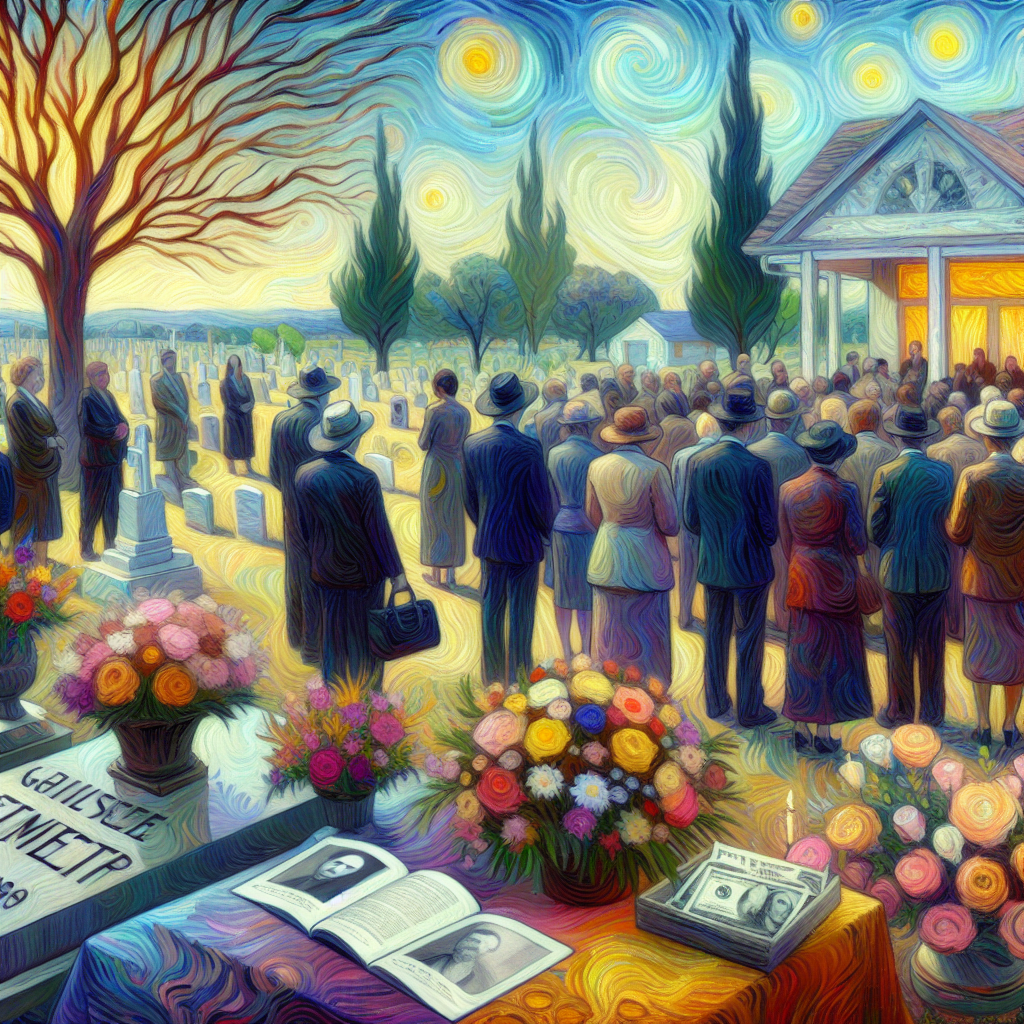
How Can Legacy Storytelling Preserve Family History?
What Are The Key Elements Of Effective Legacy Storytelling?
When it comes to Legacy Storytelling, the goal isn’t just to pass down a family history; it’s about crafting narratives that resonate through time. You’re not merely recounting dates and events; you’re breathing life into the memories that shape your family’s identity. So, what are the key elements that make these stories stick?
First and foremost, authenticity stands tall among the elements of compelling storytelling. When you share experiences—yours or those of your ancestors—make sure to be genuine. The more real and raw your stories are, the more they connect with your audience. Paint the picture of challenges faced, lessons learned, and moments of joy. Remember, people connect with the struggles and victories that echo their own experiences.
Next up is the importance of detail. Think back to those family gatherings where stories were shared; it was often the quirky nuances—an exaggerated gesture or a laughable mistake—that made the tale much more vivid. Don’t shy away from including the small stuff. Descriptions of the sights, sounds, and even smells allow your listeners to engage their senses and feel they’re part of the story. These sensory details can transform a simple narrative into a rich tapestry that captures the listener’s imagination.
Emotional resonance is another cornerstone of effective Legacy Storytelling. Your stories should tug at heartstrings rather than pull them. Tap into the emotions of love, loss, perseverance, and triumph. Sharing how a moment impacted you or your family can create a bridge between generations. When the emotions are authentic and relatable, your stories stand a better chance of being remembered and cherished.
We can’t overlook the power of context, either. It’s crucial to weave in the cultural, historical, or personal context of your stories. This isn’t just background noise; it helps listeners understand the “why” behind the events. It’s like setting the stage for an epic performance. Without understanding the broader landscape, the plot can feel flat and disconnected.
Finally, engagement is key. Encouraging dialogue around your legacy stories can breathe even more life into them. Ask open-ended questions to invite reflections or share related experiences. This connection transforms passive listeners into active participants, ensuring that your legacy story continues to evolve with each telling.
In essence, effective Legacy Storytelling isn’t just about preservation; it’s about building bridges of understanding, emotion, and connection that can span generations. Get out there and share your tales—they might just become the threads that weave your family’s narrative.

What Are The Key Elements Of Effective Legacy Storytelling?
What Are The Key Elements Of Effective Legacy Storytelling?
- Legacy Storytelling is about crafting narratives that resonate through time, not just recounting family history.
- Authenticity is crucial; genuine, real stories connect better with audiences by reflecting shared struggles and victories.
- Detail enhances storytelling; including sensory descriptions makes narratives more vivid and engaging for listeners.
- Emotional resonance is fundamental; stories should evoke authentic emotions like love, loss, and triumph to be memorable.
- Context adds depth; providing cultural, historical, or personal context helps listeners understand the significance of events.
- Engagement encourages dialogue; asking open-ended questions invites reflection and transforms listeners into active participants.
- Effective Legacy Storytelling builds bridges of understanding and connection that span generations, preserving family narratives.

What Are The Key Elements Of Effective Legacy Storytelling?
How Can I Start My Own Legacy Storytelling Project?
When you think about it, every person has a story worth sharing. Legacy storytelling is about capturing those tales before they fade into the ether. Whether it’s your grandma’s hilarious mishap at a family reunion or your uncle’s daring adventures during his youth, these gems are the threads that weave together the fabric of our collective history. So how do you embark on your own legacy storytelling project? Let’s break it down.
First off, find your subjects. Start with people who inspire you, those who have lived lives filled with experiences that matter. This could be family members, friends, or even your neighbors. The key is to choose individuals whose stories resonate—those moments when you just know that what they’ve got to say could form the foundation of something bigger.
Next, don’t just jump in with a microphone and a barrage of questions. Approach your subjects with respect and genuine curiosity. Lay the groundwork by initiating casual conversations. Perhaps you can share a meal or take them on a stroll down memory lane, tapping into delightful anecdotes that might spark significant stories. Often, the most poignant moments come when someone feels comfortable enough to let their guard down.
Once you’re past those initial layers, it’s time to dig deeper. The essence of legacy storytelling is about more than just chronicling events; it’s about capturing emotions, lessons learned, and the unique perspectives that arise from individual experiences. Ask questions that prompt reflection—questions that start with “How did you feel?” or “What was going through your mind at that moment?” You’ll be surprised at the wealth of material that unfolds.
Now, let’s talk about preservation. You want these stories to last, right? Consider recording the sessions or taking notes. You might even explore creative formats: written narratives, video interviews, or even audio podcasts. The aim here is to ensure these stories find a home, whether it’s in a family album, a local library, or even shared online.
Finally, remember that this isn’t just a project; it’s a journey. As you navigate through these lives and experiences, you’ll likely find your own perspective shifting. You’re not just preserving a legacy; you’re actively participating in it. So gear up, grab your notebook or camera, and dive into the world of legacy storytelling. The stories are out there, waiting for you to uncover them.

How Can I Start My Own Legacy Storytelling Project?
How Can I Start My Own Legacy Storytelling Project?
- Every person has a story worth sharing, and legacy storytelling captures these tales for future generations.
- Identify subjects who inspire you, such as family, friends, or neighbors with meaningful experiences.
- Approach subjects with respect and genuine curiosity, initiating casual conversations to encourage storytelling.
- Dig deeper by asking reflective questions to capture emotions and unique perspectives, not just events.
- Consider preserving stories through various formats like written narratives, video interviews, or audio podcasts.
- This journey involves actively participating in the legacy and discovering new insights along the way.
- Be prepared to uncover and share the rich tapestry of stories that surround you.

How Can I Start My Own Legacy Storytelling Project?
What Tools Can Help With Documenting Legacy Stories?
When it comes to documenting legacy stories, the right tools can elevate the process from a mundane task to an engaging and enriching experience. Legacy storytelling isn’t just about sharing memories; it’s about preserving the essence of who we are, where we come from, and what has shaped our journeys. So, let’s dive into the tools and methods that can help you capture those invaluable tales.
First up, consider digital recording devices. Quality audio recorders or even modern smartphones can be your best friends in this quest. There’s something authentic about hearing a loved one’s voice as they recount tales of yesteryear. The nuances in their tone and the emotion behind their words breathe life into the stories. Don’t be afraid to hit “record” during family gatherings or casual Sunday dinners—those spontaneous moments often result in the most genuine legacy storytelling.
Next, if you’re looking to get a bit more structured, journaling software or apps can be extremely helpful. Tools like Day One or Evernote allow you to create entries that can be tagged and organized for easy retrieval later. Coupled with photos and even snippets of audio, these platforms put a modern spin on traditional scrapbooks. They enable you to create a digital tapestry of your family’s history that can be preserved for generations.
Now, let’s not overlook the power of video. Platforms like YouTube or even simple video recording tools offer an entertaining way to document and share stories visually. From heartfelt interviews to animated retellings, video adds another layer of depth—a visual storytelling element that engages not just the mind, but the heart as well. Editing software like iMovie or Adobe Premiere Pro can turn raw footage into compelling narratives worth sharing.
Lastly, consider using online family tree tools. Websites such as Ancestry or MyHeritage aren’t just about compiling names and dates; they often provide avenues for sharing stories tied to specific ancestors. With these platforms, you can connect legacy storytelling across generations—unearthing tales that might have been lost to time.
In a world that’s constantly pushing to move forward, it’s essential to pause and recognize the importance of documenting our legacy stories. With these tools in your arsenal, you’re not just preserving history; you’re shaping it for the future. So grab that recorder, open that journal, and let those stories flow; the world is waiting to hear them.

What Tools Can Help With Documenting Legacy Stories?
What Tools Can Help With Documenting Legacy Stories?
- Legacy storytelling is essential for preserving individual and family histories.
- Digital recording devices, such as audio recorders or smartphones, capture authentic voices and emotions.
- Journaling software like Day One or Evernote helps organize stories and memories digitally.
- Integrating photos and audio snippets enhances the storytelling experience.
- Video platforms, like YouTube, allow for visual documentation of stories, adding depth and engagement.
- Online family tree tools, such as Ancestry or MyHeritage, facilitate sharing stories tied to specific ancestors.
- Documenting legacy stories helps shape history for future generations, emphasizing the importance of storytelling.

What Tools Can Help With Documenting Legacy Stories?
Why Should We Involve Younger Generations In Storytelling?
In an age where information flies at us faster than a caffeinated squirrel, we’ve got an opportunity—no, a responsibility—to harness the art of storytelling and pass it down to the next wave of thinkers, dreamers, and doers. When we talk about Legacy Storytelling, we’re not just reminiscing about the good old days; we’re crafting a bridge to the future, and the young folks are our co-pilots. But why should we involve them in this narrative journey?
First off, our world is changing rapidly. The next generation is growing up in an environment drastically different from the one many of us knew. Their experiences, challenges, and victories are unique, and they bring fresh perspectives that can transform the way we share stories. Involving younger generations is crucial for keeping storytelling relevant. When they contribute their thoughts and experiences, it’s like adding color to a black-and-white photograph—suddenly, it pops with energy and vibrancy.
Secondly, storytelling is more than just a means of entertainment; it’s a vehicle for education and understanding. It’s how cultures pass down wisdom, morals, and values. We all want to leave a Legacy Storytelling that resonates, and when we include younger voices, we ensure that these tales are imbued with their truths. The themes that matter to them—environmental consciousness, social justice, or even the absurdities of modern life—are not just background noise; they are the heartbeat of tomorrow’s narratives.
Moreover, involving young storytellers fosters a sense of community and belonging. When they see their tales taking shape, their ideas valued, it empowers them. It allows them to celebrate their backgrounds, grapple with their identities, and, ultimately, find their voices. As they share their stories, we create a tapestry of narratives—woven with threads of various colors and textures—that illuminate the human experience in all its glorious complexity.
Lastly, let’s not forget about technology. The younger generation has grown up in the digital realm, where storytelling takes on exciting new forms—podcasts, TikTok videos, and interactive media. By bringing them into the fold, we learn to adapt and evolve, ensuring that our Legacy Storytelling thrives in the digital age.
Involving younger generations in storytelling isn’t just beneficial; it’s essential. It allows us to pass on a vibrant legacy that captivates, educates, and unites, enriching our collective human experience as we move into an uncertain future. That’s a story worth telling.

Why Should We Involve Younger Generations In Storytelling?
Why Should We Involve Younger Generations In Storytelling?
- Legacy Storytelling bridges the past and future, inviting younger generations as co-pilots.
- The rapid changes in the world necessitate younger voices in storytelling for relevancy.
- Younger perspectives add vibrancy and energy to traditional narratives.
- Storytelling serves as a vehicle for education, passing down wisdom, morals, and values.
- Including young voices enriches narratives with themes important to them, like environmental issues and social justice.
- Involving young storytellers fosters community, belonging, and identity exploration.
- Younger generations adapt storytelling to digital realms, ensuring narratives thrive in the modern age.

Why Should We Involve Younger Generations In Storytelling?
How Does Legacy Storytelling Impact Identity And Culture?
In a world filled with digital distractions and fleeting trends, there’s something profoundly powerful about Legacy Storytelling. It’s not just another narrative device; it’s the very thread that weaves together the fabric of identity and culture. When we dive into the tales passed down through generations, we find a treasure trove of wisdom, values, and shared experiences that shape who we are and where we come from.
Every culture boasts its own unique set of stories—an oral tradition that serves as an anchor amidst the chaos of modern life. From the bustling cities to the quiet countryside, these narratives reflect the struggles and triumphs of our ancestors, reminding us that we are part of something much larger than ourselves. They reinforce our connections to family, community, and history, creating a sense of belonging that transcends geographical boundaries.
Consider the role of a grandparent sharing tales by a crackling fireplace or a parent recounting their own childhood adventures. These moments are not merely about entertainment; they are rich with lessons and morals that can shape perspectives. When children hear stories of their heritage, they cultivate a sense of pride and identity grounded in the trials faced and victories won by those who came before them. This, in turn, builds a solid foundation for younger generations as they forge their paths in an ever-changing world.
Moreover, Legacy Storytelling fosters resilience. The shared narratives of hardship and perseverance inspire individuals to overcome obstacles in their own lives. When hearing about the struggles of those who endured tough times, it sparks an inner strength—an understanding that challenges can be met and conquered. This sense of resilience is a critical component of cultural identity; it reminds us that our histories are intertwined and that we draw strength from our collective past.
In many ways, Legacy Storytelling acts as a moral compass. By disseminating values through stories, communities can pass down ethical frameworks, helping to shape the behaviors and choices of future generations. These narratives become a shared language, allowing us to navigate the complexities of our world while remaining grounded in our roots.
Ultimately, in a fast-paced, ever-evolving society, Legacy Storytelling stands as a testament to the enduring power of culture and identity. It’s a lifeline to our past, a guide for our present, and a beacon of hope for our future. Embracing these stories not only honors those who came before us but also helps carve out a path for those who will follow.

How Does Legacy Storytelling Impact Identity And Culture?
How Does Legacy Storytelling Impact Identity And Culture?
- Legacy Storytelling is a powerful tool that connects identity and culture amidst digital distractions.
- Unique stories of each culture serve as an anchor, reflecting ancestral struggles and triumphs.
- Sharing stories fosters a sense of belonging to family, community, and history.
- Storytelling moments with grandparents and parents enrich perspectives and cultivate pride in heritage.
- Legacy Storytelling inspires resilience by showcasing struggles and perseverance from past generations.
- Stories act as a moral compass, passing down ethical values to guide future choices.
- In a fast-paced world, Legacy Storytelling preserves cultural identity and offers hope for the future.

How Does Legacy Storytelling Impact Identity And Culture?
Conclusion
Alright, folks, let’s wrap this up with some clarity around the significance of Legacy Storytelling. In a world that bombards us with distracting noise—trending hashtags and flashy gadgets—it’s all too easy to overlook the profound power of the stories that bind us. Legacy Storytelling isn’t just a cute practice; it’s crucial for connecting generations. It goes far beyond the recounting of family mishaps or recounting past glories; it’s about creating a network that stitches our past to our present and future.
Picture sitting around the kitchen table with your grandparents, not just scrolling through screens but engaging in a rich tapestry of narratives that tell you who your family is. These stories of resilience, struggles, and hard-won lessons do more than entertain; they equip us with a sense of identity, grounding us in our family’s history and moral framework. It’s in these moments of listening and sharing that we grasp not just facts and figures, but the spirit that makes us who we are and the lessons that guide us.
The beauty of Legacy Storytelling lies in its authenticity. The quirks, the love, the heart-wrenching moments—all of it is what makes these narratives come alive. As we become active participants in this storytelling journey, we create bonds that not only enrich our understanding of our own heritage but also foster empathy towards the struggles and victories of those who came before us. Now, we’re not just isolated individuals; we’re part of a larger narrative—a continuous thread woven with shared experience.
Involving younger generations in this process is paramount. They bring fresh perspectives that can reshape these narratives, adding vibrancy to our tales and ensuring that our legacies are not just relics of the past but dynamic stories that grow and evolve. They come equipped with new forms of storytelling—be it through digital mediums or vibrant discussions—that can breathe life into our family history, ensuring it resonates in today’s fast-paced world.
So, can you grasp the importance of Legacy Storytelling right now? You bet. Let’s put down those shiny screens for a moment, gather around, listen, and share. Each tale is a thread in the fabric of our collective identity, waiting to be cherished and preserved. The legacy doesn’t just reside in the past; it lives on in us and in those who come after. When you embrace these stories, you’re planting seeds for the future, keeping our family’s spirit alive and thriving. Now, go out there, listen, share, and make those stories a legacy worth passing on.

Conclusion
Conclusion:
- Legacy Storytelling connects generations amid a world filled with distractions.
- It creates a network that links our past to our present and future.
- Sitting with family and sharing stories deepens our understanding of our identity and moral framework.
- The authenticity of these stories, with their emotions and experiences, makes narratives come alive.
- Younger generations play a crucial role in reshaping and adding vibrancy to family stories.
- Incorporating modern storytelling methods helps preserve our family history in a dynamic way.
- Embracing these stories keeps our family spirit alive while planting seeds for the future.

Conclusion
Other Resources

Other Resources
Here is a list of other resources you can review online to learn more:
- International End of Life Doula Association
- LegacyFamilyTree
- LegalNature
- INELA
- PartingWishes
- FindMyPast
- IronClad Family
- AmericanAncestors
- Your Digital Afterlife
Use This Prompt To Get More Resources With Your Favorite Online AI Tool: Please provide me with a list of online articles with their URLs in a bulleted list that I can read regarding Can You Grasp The Importance Of Legacy Storytelling This Instant?

Other Resources
Glossary Terms
Can You Grasp The Importance Of Legacy Storytelling This Instant? – Glossary Of Terms
1. Legacy: The values, stories, and impact that individuals leave behind for future generations.
2. Storytelling: The art of conveying events, experiences, and concepts through narratives to engage and connect with others.
3. Narrative: A structured account of a series of events or experiences that convey a particular message or lesson.
4. Cultural Heritage: The traditions, customs, and stories passed down through generations that shape a community’s identity.
5. Generational Wisdom: Knowledge and insights gained from life experiences that are shared from one generation to the next.
6. Oral Tradition: The practice of telling stories verbally, often used to preserve history and culture before written records.
7. Family History: The study or compilation of genealogical records, stories, and traditions within a family lineage.
8. Mythmaking: The process of creating and sharing myths or legends that reflect cultural values and beliefs.
9. Intergenerational Communication: The exchange of stories and knowledge between different age groups, fostering understanding and connection.
10. Emotional Resonance: The capacity of a story to evoke emotions and memories in listeners, enhancing its impact and relatability.
11. Legacy Projects: Initiatives designed to capture, preserve, or share personal and family stories for future generations.
12. Identity Formation: The development of an individual’s understanding of self, often influenced by family and cultural narratives.
13. Ethos: The characteristic spirit and beliefs of a community manifested in its stories and traditions.
14. Historical Context: The background information about the time and place in which a story occurs, critical for understanding its significance.
15. Story Arc: The structure of a story, including the setup, conflict, climax, and resolution.
16. Symbolism: The use of symbols in storytelling to convey deeper meanings and themes, often tied to cultural legacies.
17. Personal Narrative: An individual’s own life story, reflecting personal experiences, values, and lessons learned.
18. Empathy: The ability to understand and share the feelings of others, often fostered through storytelling.
19. Collective Memory: The shared pool of knowledge and information within a community about its past, often preserved through stories.
20. Tradition: Customs and beliefs passed down through generations, often expressed through storytelling.
21. Digital Storytelling: The modern practice of using digital media to narrate stories, making legacy storytelling more accessible.
22. Memoir: A historical account or biography written from personal knowledge, often focusing on significant events.
23. Legacy Letter: A written testament or document expressing values, beliefs, and advice to future generations.
24. Connection: The bond formed between individuals through shared stories and experiences, fostering a sense of belonging.
25. Community Narrative: The collective stories of a community that help define its character and values.
26. Preservation: The act of maintaining and safeguarding stories and traditions for future generations.
27. Teaching Tool: A method or medium used to impart knowledge and morals, often employed through storytelling.
28. Influence: The power of stories to shape thoughts, behaviors, and societal values across generations.
29. Reflection: The process of looking back on one’s life experiences and the lessons learned, often shared through storytelling.
30. Inspiration: The motivation that stories provide, encouraging individuals to live by the values and lessons conveyed.

Glossary Of Terms
Other Questions
Can You Grasp The Importance Of Legacy Storytelling This Instant? – Other Questions
If you wish to explore and discover more, consider looking for answers to these questions:
- What are some practical ways to start Legacy Storytelling in my family?
- How can I encourage my family members to share their stories?
- What types of stories are most impactful in Legacy Storytelling?
- How can technology enhance the Legacy Storytelling process?
- What historical examples illustrate the importance of Legacy Storytelling?
- How can Legacy Storytelling contribute to community building?
- What role do cultural differences play in Legacy Storytelling?
- Are there specific techniques for making Legacy Storytelling more engaging?
- How can I ensure my children appreciate and carry on our family’s stories?
- What are common challenges faced in Legacy Storytelling and how can they be overcome?

Other Questions
Haiku
Can You Grasp The Importance Of Legacy Storytelling This Instant? – A Haiku
Stories from the past,
Threads that weave through heart and mind,
Roots nourish our souls.

Haiku
Poem
Can You Grasp The Importance Of Legacy Storytelling This Instant? – A Poem
In a world where whispers often fade,
And voices drown in the digital parade,
Legacy calls with a warmth so profound,
A tapestry woven, where memories abound.
Gather ’round, let the stories unfold,
Of triumphs and trials, of courage and bold,
With each heartfelt narrative, a lesson is spun,
From faces long faded, to battles well won.
Sit by the hearth, with a grandparent near,
Let tales of the past fill your heart with cheer,
For each cherished story, with laughter and tears,
Ties you to your roots, spanning countless years.
In time’s constant rush, take pause and reflect,
Embrace the connection, let wisdom perfect.
Each voice is a treasure, each memory a gem,
Guiding the future, as old souls transcend.
With younger hearts joining the tapestry’s flow,
New threads of perspective begin to bestow,
A vibrant narration, where cultures entwine,
A bridge between ages, a truth we define.
Gather those moments, with laughter and care,
Record them in whispers, in video, and air—
For in sharing our legacy, we lose not our way,
But honor our past, as we greet each new day.
The weight of our stories, both heavy and light,
Crafts the essence of who we become in the fight,
Let the richness of heritage anchor our flight,
In the embrace of our tales, we’ll find strength and light.
So share and remember, let the dialogues thrive,
Through the power of storytelling, our spirits revive.
In the bustling world, may each legacy thrive,
Woven through time, together we thrive.

Poem
Checklist
Can You Grasp The Importance Of Legacy Storytelling This Instant? – A Checklist
1. Identify Your Subjects
_____ Choose family members or friends whose stories inspire you.
_____ Consider individuals with unique life experiences or lessons to share.
2. Approach with Respect and Curiosity
_____ Initiate casual conversations to build trust.
_____ Share meals or engage in activities to encourage storytelling.
3. Ask Open-Ended Questions
_____ Use prompts like “How did you feel?” or “What was going through your mind?”
_____ Encourage reflection to unearth deeper insights.
4. Document the Stories
_____ Use digital recording devices (audio or video) for capturing stories.
_____ Consider journaling software or apps for written accounts.
5. Include Sensory Details
_____ Capture descriptive elements such as sights, sounds, and emotions.
_____ Make the stories immersive to engage your audience.
6. Emphasize Authenticity
_____ Share genuine experiences with raw emotions.
_____ Highlight both struggles and triumphs for relatability.
7. Provide Context
_____ Weave in cultural, historical, or personal information.
_____ Explain the significance of events and emotions in the narratives.
8. Foster Engagement
_____ Encourage dialogue and reflections during storytelling sessions.
_____ Invite others to share their related experiences.
9. Explore Creative Formats
_____ Experiment with different mediums: written narratives, videos, podcasts.
_____ Use editing software to enhance your storytelling.
10. Involve Younger Generations
_____ Include younger family members or friends to share their perspectives.
_____ Encourage them to explore modern storytelling formats (e. g. , social media, podcasts).
11. Create a Legacy Archive
_____ Compile stories into a family album, library collection, or online platform.
_____ Ensure stories are preserved for future generations.
12. Share and Celebrate
_____ Organize family gatherings to share stories.
_____ Create opportunities for storytelling traditions to flourish.
13. Reflect on Your Own Journey
_____ Consider how engaging in Legacy Storytelling shapes your identity and understanding.
_____ Be open to personal growth through the storytelling process.
By following this checklist, you can embark on a fulfilling journey of Legacy Storytelling that honors the past, enriches the present, and inspires future generations.

Checklist
At LegacyExplorations, we help people plan and explore their legacy by collecting information and news regarding end-of-life planning.
Please share this post with your friends, family, or business associates who may want help to plan or explore their legacy.