

Unleash Your Legacy: Share Your Story And Shape The Future
By Tom Seest
At LegacyExplorations, we help people plan and explore their legacy by collecting information and news regarding end-of-life planning.
Please share this post with your friends, family, or business associates who may want help to plan or explore their legacy.
Can You Impact Future Generations By Starting to Tell Your Story?
Let’s face it—most folks don’t think their lives are particularly remarkable. But here’s the kicker: every ordinary life is laced with extraordinary moments, the kind that can shape not just individual destinies but entire legacies. Legacy storytelling isn’t just a nostalgic pastime; it’s a powerful means of connecting with the future.
When you start to tell your story, you’re not just recounting old tales over a cup of coffee; you’re planting seeds for generations to come. Think of it as a bridge spanning time, connecting your unique experiences to the lives of those who will walk the Earth long after you’re gone. It’s about sharing the nuances that molded you—those small victories and colossal blunders that make up the rich tapestry of your existence. Each story contributes to a kind of collective wisdom, ready to be passed down like a sacred heirloom.
Imagine your grandchildren hearing tales of your struggles, dreams, and the lessons you learned along the way. When you bring your experiences to life, you empower them to confront their own challenges with insight and a better understanding of who they are. Instead of merely being a family tree with names and dates, your legacy becomes a living document filled with emotion, laughter, and hard-earned lessons.
And let’s be honest, storytelling has a way of humanizing history. The world is packed with dry accounts of data and events. But when you infuse those facts with personal anecdotes, you ignite interest and empathy. Suddenly, your audience—be it family, friends, or even strangers—becomes invested in your journey. They see themselves in your story, and that connection is transformative.
Additionally, in an era dominated by screens and fleeting interactions, the power of a well-told story is more important than ever. It’s the antidote to isolation and disconnect, reminding future generations of shared values and experiences. Legacy storytelling provides context, a reminder that we’re all part of the same human experience, navigating the trials and triumphs of life.
So, yes, you can impact future generations by starting to tell your story. Each narrative you share is a beacon, guiding those who come after you through uncharted waters. Embrace your story, and dare to let it ripple through time. You never know how many lives you might touch along the way.

Can You Impact Future Generations By Starting to Tell Your Story?
Can You Impact Future Generations By Starting to Tell Your Story?
- Every ordinary life contains extraordinary moments that shape legacies.
- Legacy storytelling connects past experiences to future generations.
- Sharing personal stories plants seeds for growth and understanding.
- Storytelling empowers future generations to face their own challenges.
- Infusing facts with personal anecdotes makes history relatable and human.
- In a digital age, storytelling combats isolation and fosters shared values.
- Telling your story can guide and impact the lives of those who come after you.

Can You Impact Future Generations By Starting to Tell Your Story?
Table Of Contents
- Can You Impact Future Generations By Starting to Tell Your Story?
- How Can My Experiences Shape Future Generations?
- What Lessons Can I Pass On Through Storytelling?
- Why Is Personal Storytelling Important For Legacy?
- How Do I Start Telling My Story Effectively?
- Can Oral History Be A Tool For Change?
- What Role Does Vulnerability Play In Storytelling?
- How Do Stories Connect Us Across Generations?
- Conclusion
- Other Resources
- Glossary Of Terms
- Other Questions
- Haiku
- Poem
- Checklist
How Can My Experiences Shape Future Generations?
When we look back on our lives, it’s easy to think that our experiences are just fleeting moments—streaks of time that, once passed, leave no trace. But here’s the kicker: those very moments are the building blocks of something far greater. They construct our legacy, the stories we pass down to future generations, creating a tapestry woven with lessons, trials, and triumphs.
Legacy storytelling is an art form that often gets lost in the shuffle of modern life, yet it’s a vital tool for shaping the world we leave behind. Each time we share our experiences, we give a piece of ourselves—a nugget of wisdom, a cautionary tale, or a celebration of hard-fought victories. It’s in these stories that younger generations find meaning and context for their own lives. They might learn the value of hard work from our tales of grit in the face of adversity, or understand the importance of kindness and empathy through our struggles with human connection.
Think about it: when you relate a story from your own life, you’re transforming what could be isolated incidents into valuable lessons. Maybe it was the summer you took a job that was beneath you but taught you more than any classroom ever could. Or perhaps it was the time you overcame a failure that seemed insurmountable. In recounting these experiences, you’re not just reminiscing; you’re paving a path for others to follow, or perhaps a path for them to avoid. Ultimately, you become a guide, lighting the way through the dark and uncertain corners of life.
It’s critical to remember, though, that every story we tell carries weight. Our experiences mold not just our narrative but influence the thoughts and actions of those who come after us. When we choose to be transparent and honest about our failures and successes, we help to cultivate resilience in others. They see that perfection is a myth and that every journey, no matter how winding, is valuable.
So, the next time you gather friends or family around a table, don’t shy away from sharing your truth. Each story is a thread in the legacy you weave. One day, your words might be the guiding light for someone facing their own struggles, inspiring them to forge ahead with courage, just like you once did. Embrace the opportunity to shape future generations and make your mark on the world.

How Can My Experiences Shape Future Generations?
How Can My Experiences Shape Future Generations?
- Experiences are not just fleeting moments; they are building blocks of our legacy.
- Legacy storytelling is an important art that shapes the world we leave behind.
- Sharing our stories imparts valuable lessons and context to younger generations.
- Personal stories transform isolated incidents into meaningful lessons for others.
- Every story carries weight and influences the thoughts and actions of those who follow.
- Transparency about our failures and successes cultivates resilience in others.
- Sharing your truth can inspire others to face their struggles with courage.

How Can My Experiences Shape Future Generations?
What Lessons Can I Pass On Through Storytelling?
In a world teeming with data and fleeting trends, few things possess the indescribable power of narrative. Legacy storytelling isn’t just about recounting events; it’s about weaving the fabric of our experiences into something tangible, something that can endure long after we’re gone. So, what lessons can we truly pass on through the art of storytelling?
First, storytelling provides context. When you share a personal tale, you’re not merely delivering a dry fact or statistic; you’re embedding those details in a human experience. Consider the lesson learned from a family business that struggled and persevered. You can teach your children about resilience and hard work through the story of a time your grandfather faced adversity but adapted and ultimately succeeded. This context transforms the idea of resilience from an abstract notion into a living, breathing example.
Next, stories have the remarkable ability to ignite empathy. When you reveal the triumphs and failures that have shaped your life or your community, listeners are urged to experience emotions alongside you. Through legacy storytelling, you can provide insights into struggles that others may not fully grasp. An account of hardship, loss, or achievement taps into something universal. When we hear stories, we begin to understand not just the experiences of others, but also the shared tapestry of human emotions that connects us all. This isn’t merely lecturing on how to be a good person; it’s making morality resonate in the soul.
Moreover, stories encourage critical thinking. They invite your audience to reflect on their own lives. What choices would they have made in similar situations? What lessons resonate with their personal experiences? The beauty of legacy storytelling is that it nurtures an open dialogue. Questions arise, conversations flourish, and wisdom is shared in a way that is both engaging and enlightening.
Lastly, let’s not forget that a well-told story can be downright entertaining. Whether sprinkled with humor or colored with drama, your stories keep listeners engaged. And engagement is the cornerstone of all effective communication.
Ultimately, the lessons you pass through these narratives not only shape the identity of those who hear them but also enrich your own understanding of your life’s journey. It’s about connecting the dots in our human experience, one story at a time.

What Lessons Can I Pass On Through Storytelling?
What Lessons Can I Pass On Through Storytelling?
- Legacy storytelling weaves our experiences into enduring narratives.
- It provides context, transforming abstract concepts like resilience into tangible lessons.
- Stories ignite empathy by sharing triumphs and failures, connecting us through shared emotions.
- This art forms a deeper understanding of struggles that others face, beyond mere statistics.
- Legacy storytelling encourages critical thinking, inviting reflection on personal choices and experiences.
- A well-told story entertains and keeps audiences engaged, fostering effective communication.
- The narratives shape the identity of listeners and enrich the storyteller’s understanding of their journey.

What Lessons Can I Pass On Through Storytelling?
Why Is Personal Storytelling Important For Legacy?
When we think about legacy, we’re often consumed by the big picture—massive achievements, monumental contributions, and the kind of impact that spans generations. Yet, tucked inside this grand narrative is something simpler, yet tremendously powerful: the art of personal storytelling. It’s a bit like a thread in a fine tapestry; each tale adds depth and texture, creating a richer overall picture.
At its core, personal storytelling serves as a bridge between generations. Imagine sitting around the dinner table, sharing those little anecdotes from your life—stories that might seem mundane but hold profound significance. These narratives offer essential insights into who you are, what you value, and how you’ve navigated life’s unpredictable twists and turns. When shared, they become a gift, passed down like a treasured heirloom. This is where legacy storytelling comes into play. Every event, triumph, and setback creates a multitude of narratives that contribute to the larger tapestry of who we are.
Moreover, personal stories foster connections—both with those we share them with and with our own pasts. Digging into our experiences allows us to reflect. It helps us understand how we came to be the people we are today. You might find that your reactions, the values you hold dear, and even your flaws have roots in these stories. When we embrace our narratives and share them openly, we invite others into our lives, making room for empathy, understanding, and growth. This is crucial for anyone looking to craft a legacy worth leaving behind.
Let’s not overlook the fact that stories are relatable. In a world filled with polished images and highlight reels, authenticity stands out. Sharing our struggles and triumphs humanizes us, bridging gaps and breaking down barriers, especially when it comes to imparting lessons learned. Listeners resonate with genuine experiences, finding solace in the idea that they are not alone in their struggles.
Ultimately, personal storytelling adds both color and context to legacy. It exemplifies the idea that what we leave behind isn’t merely a list of achievements, but a rich collection of experiences that intrigue, inspire, and inform those who come after us. As we distill our lives into narrative form, we empower ourselves and others to reflect, learn, and carry forward our shared human experience—the true essence of a legacy worth preserving.

Why Is Personal Storytelling Important For Legacy?
Why Is Personal Storytelling Important For Legacy?
- Legacy often focuses on significant achievements, but personal storytelling plays a crucial role in its depth.
- Personal storytelling connects generations and provides insight into one’s values and life experiences.
- Sharing narratives transforms life events into treasured heirlooms that contribute to one’s identity.
- Personal stories foster connections with others and facilitate self-reflection about one’s journey.
- Authenticity in storytelling resonates with listeners, bridging gaps and breaking down barriers.
- Stories highlight that a legacy is not just achievements, but a collection of experiences that inspire others.
- Ultimately, personal storytelling empowers individuals to reflect and share the human experience effectively.

Why Is Personal Storytelling Important For Legacy?
How Do I Start Telling My Story Effectively?
Every one of us has a story to tell, made up of moments that shape who we are, what we believe, and how we navigate the complexities of life. When it comes to Legacy Storytelling, the first step is to understand that your narrative isn’t just a collection of events; it’s a testament to the life you’ve lived, the lessons you’ve learned, and the people you’ve encountered along the way.
You don’t have to be a seasoned storyteller or a bard from the olden days to begin. Instead, think of your story as a treasure chest holding valuable gems—each gem represents a pivotal moment. Start by jotting down those defining experiences. Maybe it’s the time you took a leap of faith and changed careers, or the day when kindness from a stranger restored your faith in humanity. Every small detail counts.
Once you’ve gathered your gems, it’s time to weave them into a cohesive narrative. Think about what you want your audience to feel. Are you aiming for laughter? Perhaps to inspire? Or maybe you want them to reflect on their own journeys? Whatever your goal, your story should resonate with authenticity. If it’s genuine, it will have a life of its own, echoing in the minds of those who hear it.
Don’t shy away from vulnerability. Our scars tell stories that are often more relatable than our well-polished achievements. When you share the challenges you faced, you create a bridge that invites others to connect with you. After all, nobody can relate to a tale that’s all sunshine and rainbows; it’s the stormy days that yield growth and understanding.
When you begin to narrate, remember that pacing matters. Allow your audience to catch a breath between the twists and turns of your story. Use vivid imagery; paint a picture with your words that engages the senses. It’s not just about what happened; it’s about how it felt—the adrenaline, the anxiety, the joy.
Most importantly, embrace your story with pride. It’s a part of your legacy, a record of the unique perspective you bring to the tapestry of life. So take a deep breath, gather your thoughts, and let your voice be heard. The world is eager to listen.

How Do I Start Telling My Story Effectively?
How Do I Start Telling My Story Effectively?
- Everyone has a unique story formed by pivotal moments in life.
- Legacy Storytelling involves understanding your narrative as a reflection of your experiences and lessons learned.
- Your story can be thought of as a treasure chest filled with important memories or “gems.”.
- Weave your experiences into a cohesive narrative, focusing on the emotions you wish to evoke in your audience.
- Sharing vulnerability creates relatability and connection with others through your challenges.
- Pacing and vivid imagery are crucial in storytelling to engage the audience and convey feelings.
- Embrace your story with pride as part of your legacy, inviting others to listen and learn from your experiences.

How Do I Start Telling My Story Effectively?
Can Oral History Be A Tool For Change?
When we open our ears to the stories of those who came before us, we unlock something powerful. Oral history, with its roots deep in the soil of legacy storytelling, is more than just a collection of anecdotes; it’s a living, breathing testament to who we are and where we’ve been. It’s like a flashlight in a dark room, illuminating the corners of our shared experience, and revealing lessons that textbooks just can’t capture.
Consider the individuals in your community—grandparents, veterans, local artisans. Each one possesses a treasure trove of experiences, often rich with context that can make us reconsider our perspectives. They’ve seen things and participated in events that the younger generations might only know from headlines or filtered versions on social media. When they share their stories, they breathe life into history, turning dusty facts into relatable narratives. This type of direct engagement fosters connection and understanding, paving the way for real change.
Now, change doesn’t happen in a vacuum. It requires motivation, and often that motivation stems from understanding our lineage. Legacy storytelling passes down wisdom that challenges us to confront uncomfortable truths about our past. It can compel us to take action, to advocate for justice, or to lend a voice to those who may still feel silenced. When we listen and genuinely absorb these stories, we are not just passive recipients; we become active participants in reimagining our future.
Look at any movement for social change, and you’ll find oral history woven throughout its fabric. The courageous acts of those who dared to share their experiences often ignite a fire among the masses, sparking conversations that lead to awareness and transformation. By documenting and sharing these narratives, we preserve our heritage and ensure that lessons learned are not thrown to the wayside.
In essence, oral history acts as a catalyst for change, bridging generational gaps and providing a platform for voices that might otherwise go unheard. It invites us to embrace our roles as storytellers—whether we’re sharing our own tales or amplifying those of others. As we engage in legacy storytelling, we empower communities, fostering resilience and unity in an ever-evolving world. The stories we gather today will shape the narrative for tomorrow, reminding us that change is not only possible; it’s essential.

Can Oral History Be A Tool For Change?
Can Oral History Be A Tool For Change?
- Oral history is a powerful means of connecting with the past and understanding our identity.
- Listening to individuals like grandparents and veterans offers rich, context-filled experiences that challenge modern perspectives.
- Engaging with personal stories transforms historical facts into relatable narratives, fostering connection and understanding.
- Legacy storytelling challenges us to confront uncomfortable truths and motivates us to advocate for justice.
- Oral history is integral to social change movements, sparking awareness and transformation through shared experiences.
- Documenting these narratives preserves heritage and ensures valuable lessons are not forgotten.
- Engaging in legacy storytelling empowers communities, fostering resilience and unity for a better future.

Can Oral History Be A Tool For Change?
What Role Does Vulnerability Play In Storytelling?
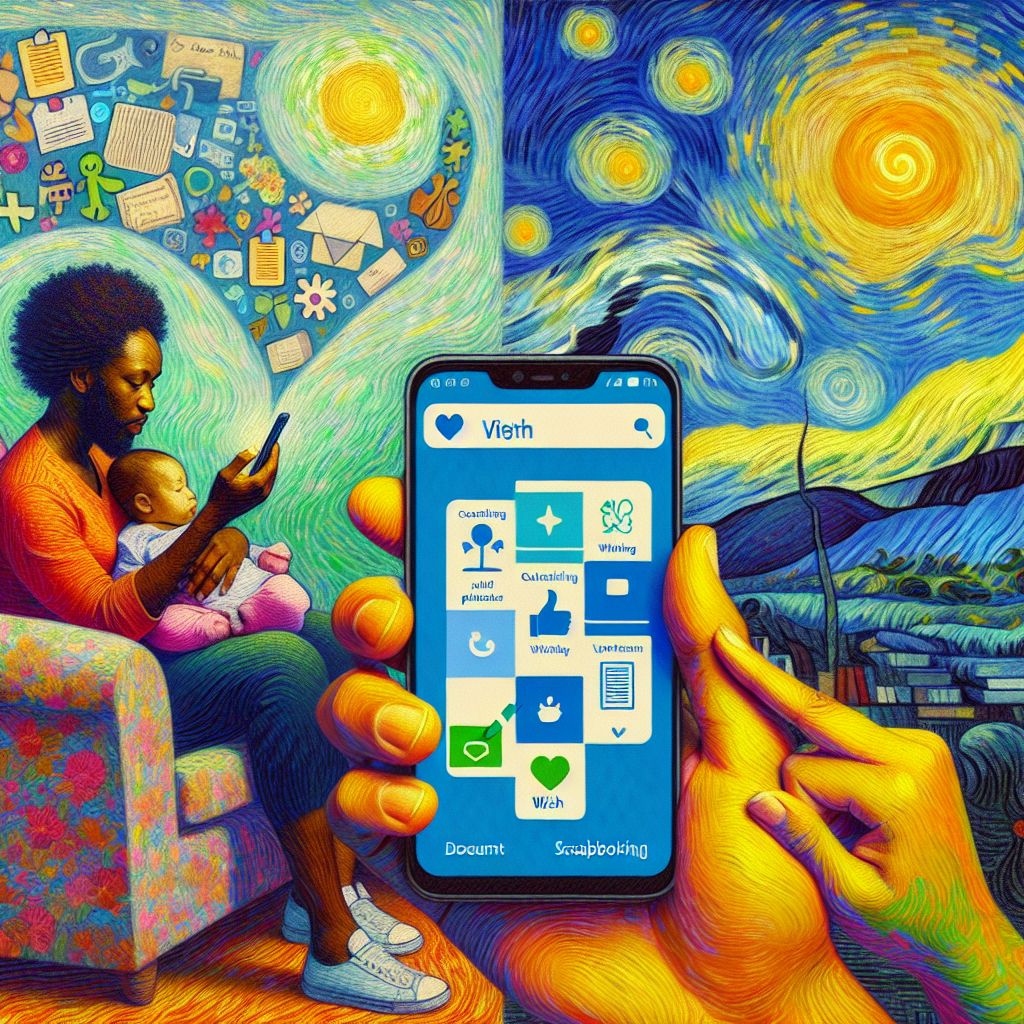
When we think about the art of storytelling, particularly in the realm of Legacy Storytelling, the most compelling narratives often arise from a place of vulnerability. It’s astonishing to realize how exposing our flaws and uncertainties can invite others to truly connect with our experiences. Think about it: the tales that resonate most deeply aren’t necessarily about grand achievements or flawless victories. Rather, they often revolve around our struggles, fears, and mistakes.
Vulnerability in storytelling serves as a bridge, connecting the storyteller to the audience. This connection fosters empathy, inviting listeners to reflect on their own lives. When we share the raw, unpolished aspects of our journey, we invite others to let down their guards as well. It’s a two-way street; the vulnerabilities we share resonate on a human level, reminding us all that nobody is perfect. This can be especially powerful in Legacy Storytelling, where the aim is not just to recount events, but to impart lessons and values that endure beyond our own lifetimes.
Consider the stories passed down through generations. The wise ones often involve characters who face fears, make mistakes, and learn from them. By sharing these moments, they teach us resilience and authenticity, encouraging future generations to embrace their own vulnerabilities. These narratives become a part of our culture, shaping who we are and how we relate to one another.
Moreover, vulnerability invites authenticity into storytelling—a quality that is often sorely missed in today’s digital age. Scrolling through social media feeds, we frequently witness a curated version of life, where everyone appears to be living their best lives. In contrast, when storytellers acknowledge their struggles, it serves as a refreshing reminder that real life is messy and complicated. This authenticity resonates, offering comfort to those who may be grappling with their own challenges.
In the realm of Legacy Storytelling, vulnerability can transform a simple anecdote into a powerful lesson. It teaches us not only about the individual sharing the story but also about our collective humanity. By embracing what makes us human, we create narratives that echo through time, reminding future generations that it’s our very imperfections that weave the rich tapestry of life. This is the essence of storytelling—the exchange of genuine experiences that allow us to learn, grow, and ultimately connect with one another on a deeper level.
What Role Does Vulnerability Play In Storytelling?
What Role Does Vulnerability Play In Storytelling?
- Compelling narratives in Legacy Storytelling often stem from vulnerability.
- Exposing flaws and uncertainties allows for deeper connections with the audience.
- Stories about struggles and mistakes resonate more than tales of flawless victories.
- Vulnerability fosters empathy and encourages listeners to reflect on their own lives.
- Generational stories often involve characters facing fears and learning from mistakes, teaching resilience.
- Authenticity is crucial in storytelling, contrasting with curated social media portrayals of perfection.
- Embracing imperfections creates narratives that reflect our shared humanity and endure over time.

What Role Does Vulnerability Play In Storytelling?
How Do Stories Connect Us Across Generations?
At the heart of every family, community, and culture lies a simple yet profound truth: stories are our most powerful tools for connection. Legacy storytelling isn’t just a fanciful pastime; it’s the beating heart of our shared human experience. It’s what binds us, tethers generations, and helps us make sense of our place in the world.
Imagine sitting around a crackling campfire, the flickering flames illuminating faces that span decades. As the night unfolds, tales of bravery, love, and hardship emerge from the shadows, creating a tapestry of experiences that transcends the boundaries of time. Each story carries with it the essence of those who lived it, bridging the gaps between the young and old, the past and present. It’s through these narratives that we come to understand our roots—the irreplaceable threads that weave the fabric of our identity.
Now, let’s get real. In today’s fast-paced world, where distractions are as common as the air we breathe, it can be easy to overlook the importance of these interactions. Yet, the act of storytelling cultivates empathy and understanding. It prompts questions, stirs curiosity, and creates opportunities for dialogue that can lead to deeper connections. A child listening to a grandparent recount tales of their youth isn’t just passing time; they’re absorbing wisdom, values, and the lessons distilled from a life well-lived.
Consider the stories that have shaped your own life. Maybe it was a bedtime story that sparked your imagination or a cautionary tale that influenced a pivotal decision. Those narratives, no matter how small, often linger in our minds and shape our futures. They establish a legacy that is not confined to one generation but is designed to be passed along, like a cherished heirloom, from one family member to the next.
Moreover, legacy storytelling fortifies our sense of belonging. When we share our stories, we become part of something bigger than ourselves. We create a collective memory, a rich tapestry of diverse experiences and perspectives that reflect the beauty and complexity of humanity. In a world that often feels disconnected, these stories serve as a lifeline, reminding us of our shared struggles, triumphs, and, above all, our unwavering resilience.
So, let’s not underestimate the power of a good story. Let’s make it a point to share, listen, and cherish the narratives that define us. After all, our stories are not just ours to keep; they are the threads that connect us all, binding the past and the present into an enduring legacy.
How Do Stories Connect Us Across Generations?
How Do Stories Connect Us Across Generations?
- Stories are a powerful tool for connection within families, communities, and cultures.
- Legacy storytelling is central to our shared human experience, bridging generations and understanding our roots.
- Storytelling creates a sense of empathy and prompts deeper connections through shared narratives.
- Personal stories influence our lives, shaping imagination and guiding decisions.
- Legacy storytelling establishes continuity, allowing values and wisdom to be passed from one generation to the next.
- Sharing stories fosters a sense of belonging and creates a collective memory of diverse experiences.
- Recognizing the significance of storytelling helps bind the past and present into an enduring legacy.

How Do Stories Connect Us Across Generations?
Conclusion
Alright, folks, let’s wrap this up with a big bow and a hearty salute to the art of storytelling. Now, you might find yourself thinking, “Who, me? My life’s not that special!” But hold on. That’s where the magic happens. Each one of us carries a treasure trove of experiences that are anything but ordinary. These are the threads that weave our legacies, bits and pieces that can not only narrate who we were but also inspire who we want future generations to become.
Legacy storytelling isn’t just a hobby; it’s the lifeblood that connects us to our past and, importantly, to our future. When you sit down with family or friends, regaling them with tales of your triumphs, misadventures, or moments of sheer vulnerability, you’re doing more than just sharing a laugh—you’re planting seeds of wisdom that will thrive long after you’re gone. Think of every story as a bridge; each time you recount an event from your life, you’re reaching across time to touch the lives of those who will come after.
Let’s break it down: storytelling breathes life into history. Those dry textbooks filled with dates and names? They don’t hold a candle to the engaging, relatable narratives we can share. When you infuse your life experiences with emotion and honesty, you evoke empathy and connection. Suddenly, the struggles of your grandfather catching the last train home during a snowstorm morphed from a dusty tale into a vivid experience that resonates with everyone present.
And let’s not forget vulnerability. It’s not the polished victories that resonate the most; it’s those raw, messy moments that invite others in. Sharing your failures, fears, and growth cultivates a bond that fortifies your connections and enriches the lives of others. So, don your proverbial storyteller hat and embrace it!
In a world increasingly distracted by screens and soundbites, your words are a lifeline—reminders of shared values, struggles, and perseverance. Remember, each story you tell is a guiding light for those wandering in uncertain waters. Embrace your narrative, cherish it, and watch as it ripples through the lives of others. Yes, you can—and you should—shape the future, one story at a time. So let’s get to it! Your legacy won’t write itself; grab that pen and let those tales flow!

Conclusion
Conclusion:
- Every individual holds a unique collection of experiences that can inspire future generations.
- Legacy storytelling connects us to our past and shapes our future.
- Sharing personal stories plants seeds of wisdom that thrive beyond our lifetime.
- Storytelling transforms history from dry facts into relatable and engaging narratives.
- Infusing stories with emotion fosters empathy and connection among listeners.
- Vulnerability in storytelling invites deeper connections and enriches others’ lives.
- Your stories serve as guiding lights, shaping the future and inspiring others.

Conclusion
Other Resources

Other Resources
Here is a list of other resources you can review online to learn more:
Use This Prompt To Get More Resources With Your Favorite Online AI Tool: Please provide me with a list of online articles with their URLs in a bulleted list that I can read regarding Can You Impact Future Generations By Starting to Tell Your Story?

Other Resources
Glossary Terms
Can You Impact Future Generations By Starting to Tell Your Story? – Glossary Of Terms
1. Legacy: Description: The long-lasting impact or memories left behind by an individual, often shaped by their experiences and stories.
2. Oral Tradition: Description: The practice of storytelling that passes cultural knowledge, values, and history through spoken word from one generation to another.
3. Narrative: Description: A structured account of a sequence of events or experiences that conveys a message or theme.
4. Empathy: Description: The ability to understand and share the feelings of another, often fostered through storytelling.
5. Cultural Heritage: Description: The legacy of physical artifacts and intangible attributes of a group or society, including stories that define their identity.
6. Personal Story: Description: An individual’s unique experiences and perspectives conveyed through a narrative form.
7. Intergenerational: Description: Relating to or involving multiple generations, particularly in the context of sharing values and knowledge.
8. Storytelling: Description: The art of conveying events, messages, or morals through spoken or written narratives.
9. Connection: Description: The emotional and cognitive links established through shared stories, fostering understanding between individuals.
10. Values: Description: The principles or standards of behavior that are important to individuals and societies, often conveyed through storytelling.
11. Influence: Description: The capacity to affect the character, development, or behavior of others, as achieved through sharing personal experiences and narratives.
12. Testimonial: Description: A formal statement or endorsement of the significance of personal experiences, often used to inspire or educate others.
13. Identity: Description: The characteristics and qualities that define an individual or group, often expressed through personal stories.
14. Resilience: Description: The ability to recover from adversity, often communicated through narratives of overcoming challenges.
15. History: Description: The study or account of past events, especially relating to human affairs, often enriched by personal stories that provide insight.
16. Voice: Description: The expression of thoughts and feelings through narrative; crucial for individuals to share their stories and perspectives.
17. Inspiration: Description: The process of being mentally stimulated to do or feel something; often ignited by hearing others’ stories.
18. Community: Description: A group of individuals with shared interests, values, or stories that foster a sense of belonging and connection.
19. Wisdom: Description: The ability to discern what is true, right, or lasting; often gained through life experiences and shared through stories.
20. Digital Storytelling: Description: The use of digital tools to create and share narratives, amplifying reach and engagement in today’s technological landscape.
21. Story Arc: Description: The chronological construction of plot in a narrative, consisting of the conflict, climax, and resolution.
22. Multimedia: Description: The integration of various forms of content, such as text, audio, images, and video, to enhance storytelling.
23. Audience: Description: The group of individuals who engage with or listen to a story, whose perspectives can shape the narrative’s impact.
24. Reflection: Description: The process of considering, analyzing, and interpreting one’s experiences, often leading to deeper understanding shared through storytelling.
25. Mentorship: Description: A relationship where a more experienced person shares knowledge and guidance, often facilitated through personal storytelling.
26. Authenticity: Description: Being true to one’s own personality, spirit, or character, crucial for impactful storytelling.
27. Change: Description: The act of making something different, often a goal that storytelling can inspire in individuals and communities.
28. Empowerment: Description: The process of gaining influence or confidence, often through the expression of personal stories and experiences.
29. Understanding: Description: Comprehension of complex ideas, emotions, or situations, often enhanced through shared narratives.
30. Future Generations: Description: Descendants or individuals yet to be born who will inherit the lessons and legacies of those who came before them, often shaped by shared storytelling.

Glossary Of Terms
Other Questions
Can You Impact Future Generations By Starting to Tell Your Story? – Other Questions
If you wish to explore and discover more, consider looking for answers to these questions:
- What are some examples of impactful legacy stories?
- How can I motivate others in my family to share their stories?
- What techniques can I use to improve my storytelling skills?
- How do I choose which stories to tell?
- What are the potential benefits of sharing my story with a broader audience?
- How can I ensure that my stories are remembered by future generations?
- What challenges might I face when sharing my story, and how can I overcome them?
- How does the culture of storytelling differ across various communities and generations?
- Can storytelling be used as a form of healing and growth?
- What role do visual elements play in enhancing my storytelling?
- Are there specific platforms or methods that work best for sharing my story?
- How can I incorporate lessons learned from my story into my daily life?

Other Questions
Haiku
Can You Impact Future Generations By Starting to Tell Your Story? – A Haiku
Stories we all share,
Woven threads through time unite,
Legacies we leave.

Haiku
Poem
Can You Impact Future Generations By Starting to Tell Your Story? – A Poem
In lives we think are dull, routine,
Lie threads of gold, though seldom seen.
With each untold, a legacy fades,
Yet storytelling bridges time’s cascades.
From whispered tales of joy and strife,
We weave the fabric of our life.
A dance of moments, soft and sweet,
From every heart, a tale—discrete.
Share the struggles, the dreams, the fall,
For in our truths, we gift to all.
Lessons forged in fire and tears,
Resilience blooms through shared fears.
In laughter’s echo and empathy’s glow,
We teach the youth, let wisdom flow.
The power of stories, a guiding light,
Transcending darkness, igniting the night.
Through fragile tales of love and loss,
We find connection, no matter the cost.
A tapestry bright, with colors that blend,
Uniting tomorrow with the wisdom we send.
So gather your gems, let your voice be free,
Let your narrative ripple like waves on the sea.
For in every story, legacies rise,
Rooted in truth, they reach for the skies.

Poem
Checklist
Can You Impact Future Generations By Starting to Tell Your Story? – A Checklist
1. Reflect on Your Experiences
_____ Identify defining moments in your life (successes and failures).
_____ Consider experiences that taught you valuable lessons or shaped your values.
2. Gather Your Key Stories
_____ Write down pivotal events (at least 5) that have impacted you or taught you important lessons.
_____ Think of anecdotes that highlight resilience, kindness, empathy, or personal growth.
3. Understand Your Audience
_____ Who do you want to share your stories with? (e. g. , family, friends, community)
_____ What messages do you want them to take away from your stories?
4. Craft Your Narrative
_____ Structure your story: setting, conflict, resolution.
_____ Use vivid imagery and descriptive language to engage the senses.
5. Embrace Vulnerability
_____ Include struggles or hardships that can foster connection and empathy.
_____ Be honest about your feelings, choices, and the lessons learned.
6. Make It Engaging
_____ Aim for a balance of emotion (humor, seriousness) to maintain interest.
_____ Consider pacing your storytelling to allow your audience to resonate with key moments.
7. Create an Open Environment
_____ Foster a space where listeners feel comfortable sharing their reactions or experiences.
_____ Encourage questions and discussions to deepen understanding.
8. Document Your Stories
_____ Write or record your stories to preserve them for future generations.
_____ Consider using audio/video recording for a more personal touch.
9. Share Regularly
_____ Set aside time for storytelling with family and friends.
_____ Use platforms like social media, blogs, or community events to share with a broader audience.
10. Reflect and Grow
_____ After sharing, reflect on the feedback and connections made.
_____ Continue to refine your stories based on what resonates most with your audience.
11. Encourage Others to Share
_____ Invite friends and family to share their stories, creating a supportive storytelling environment.
_____ Initiate storytelling traditions (e. g. , family gatherings, special occasions).
12. Keep the Legacy Alive
_____ Encourage younger generations to document their own stories, contributing to the family legacy.
_____ Establish a cultural practice of storytelling within your community or family.
By following this checklist, you can effectively share your story, create meaningful connections, and inspire future generations. Your narrative is a powerful part of your legacy—embrace and share it!

Checklist
At LegacyExplorations, we help people plan and explore their legacy by collecting information and news regarding end-of-life planning.
Please share this post with your friends, family, or business associates who may want help to plan or explore their legacy.