

Rediscovering Our Past: Navigating The Loss Of Collective Memory
By Tom Seest
At LegacyExplorations, we help people plan and explore their legacy by collecting information and news regarding end-of-life planning.
Please share this post with your friends, family, or business associates who may want help to plan or explore their legacy.
Captured But Forgotten – the Modern Memory Crisis
In an age where everything is recorded and stored, we find ourselves paradoxically forgetting what truly matters. It’s a peculiar truth: the more we capture, the less we remember. Our devices possess the uncanny ability to preserve moments, yet many of us struggle to recall the things that shape our very essence. The art of legacy storytelling is fading, and with it, a critical component of our shared humanity.
Consider this: each of us carries stories that define who we are. These narratives weave together our past experiences, our triumphs, and even our failures, constructing a tapestry that deserves to be shared. Yet, as we scroll through endless feeds and clips, we find connections dissolving into mere data points. In the rush to document every second, we often overlook the richness of genuine interaction—the gleam in a grandparent’s eye as they recount their youth, the laughter shared over an old photograph.
This modern memory crisis invites us to pause, reflect, and reignite the importance of those oral traditions. Engaging in legacy storytelling is not just an activity; it is an act of preservation. It honors our ancestors and ensures that their wisdom and experiences are not lost in a sea of digital noise. After all, the stories we tell are frequently the glue that binds families and communities, fostering connections deeper than any fleeting social media post.
We should also recognize the ethical responsibility we hold. In a world teeming with information, discernment is our ally. Prioritizing human connection over algorithm-driven engagement requires courage—courage to stand against the tide of mindless consumption. By valuing authentic narratives, we not only uplift our personal histories but also bolster a culture of empathy and understanding.
On a societal level, let’s face it: we thrive on stories. Whether it’s a campfire tale or the latest bestseller, they resonate with us, galvanizing action and inspiring change. The storytelling legacy we leave behind can embark on a journey far beyond our lifetimes, influencing generations to come.
As we navigate this digital frontier, let’s not forget the power of our voices. Each story shared is a thread woven into the broader fabric of our existence. It’s time to reclaim our memories before they slip away, and in doing so, create a future filled with hope, connection, and renewed purpose.

Captured But Forgotten – the Modern Memory Crisis
Captured But Forgotten – the Modern Memory Crisis
- In a recorded age, we paradoxically forget what truly matters.
- Capturing moments has reduced our ability to remember our defining stories.
- The art of legacy storytelling is fading, impacting our shared humanity.
- Personal narratives connect past experiences, triumphs, and failures, enriching our interactions.
- Engaging in legacy storytelling preserves wisdom and strengthens family and community bonds.
- We have an ethical responsibility to prioritize human connection over mindless consumption.
- Stories foster empathy and inspire change, leaving a lasting legacy for future generations.
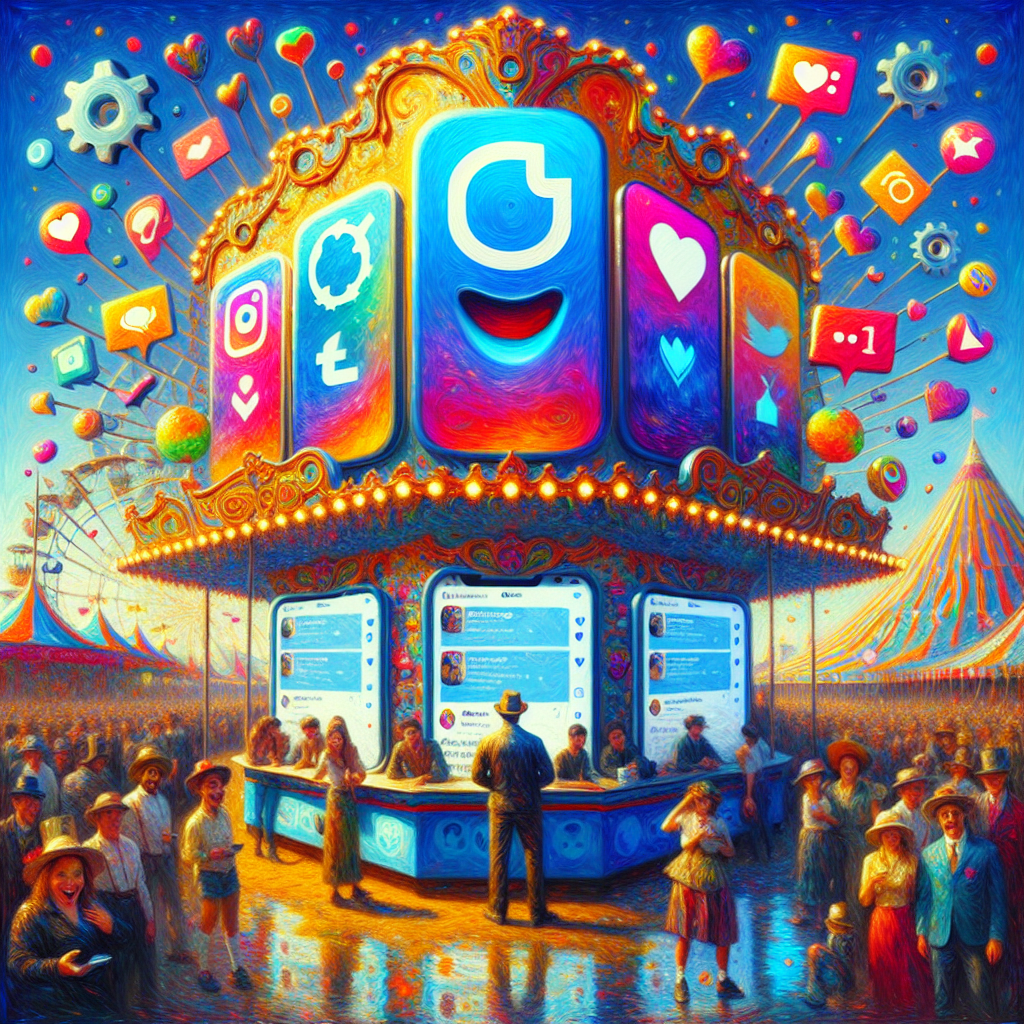
Captured But Forgotten – the Modern Memory Crisis
Table Of Contents
- Captured But Forgotten – the Modern Memory Crisis
- What Memories Do You Cherish That Feel Lost to Time?
- How Does Forgetting Affect Our Identity?
- What Role Does Technology Play In Our Memory Today?
- Do You Trust Your Memories, Or Do They Betray You?
- How Does Nostalgia Influence Our Actions and Decisions?
- Are We Losing Our Connection to the Past In a Digital Age?
- What Ethical Dilemmas Arise From Controlling Our Memories?
- Conclusion
- Other Resources
- Glossary Of Terms
- Other Questions
- Haiku
- Poem
- Checklist
What Memories Do You Cherish That Feel Lost to Time?
Memories are the threads of our existence, woven into the fabric of who we are. They form a tapestry that not only tells our story but also shapes our legacy. Each recollection, whether vivid or faded, carries with it a weight that transcends time, yet so many slip through our fingers like sand. Think about that moment when laughter echoed in a room filled with friends, or a fleeting glance shared with someone who mattered. These memories, although sometimes lost to the demands of daily life, serve as markers of the most authentic parts of our journey.
We often think of legacy as a grand, final chapter, but it’s built through countless seemingly trivial moments. Storytelling is a powerful tool, allowing us to breathe life into these memories, giving them substance and permanence. When we share these tales, we engage not just the heart but also the mind. Each story has the potential to inspire and connect, fostering understanding among generations. Imagine sitting around a table, reminiscing with your own family and friends. As you recount the past— your grandmother’s resilience, your father’s humor—each story not only honors their experiences but also reinforces our values and deepens our interpersonal bonds.
In the journey of life, we come to realize that these recollections aren’t merely personal; they resonate on a broader scale, echoing universal themes of love, loss, and perseverance. When we delve into our past, reflecting on the bittersweet and the joyful, we recognize that many of us share similar narratives. This collective experience fosters a sense of belonging, offering reassurance that we’re not alone in our struggles or triumphs.
Engaging with our memories can be liberating. It invites us to consider what we want our imprint to be, how we can echo our values through the stories we tell. By embracing our past, we cultivate trust and confidence in ourselves and each other. As we nurture this connection, we are reminded of the importance of preserving our stories, not only for our legacy but for those who come after us. Each recollection is a beacon, illuminating the path forward. Whether it’s through simple conversations or more structured storytelling, let’s honor these moments. Share them, relive them, and create new ones. After all, memories may fade, but the stories we tell can last a lifetime, shaping our legacy for generations to come.

What Memories Do You Cherish That Feel Lost to Time?
What Memories Do You Cherish That Feel Lost to Time?
- Memories shape our identity and legacy, creating a tapestry of our existence.
- Recollections, both vivid and faded, carry meaning and significance over time.
- Legacy is built through small, seemingly trivial moments rather than a singular grand narrative.
- Storytelling breathes life into memories, fostering emotional and intellectual engagement.
- Sharing stories reinforces values and deepens interpersonal bonds within families.
- Collective memories resonate with universal themes, creating a sense of belonging and shared experience.
- Preserving and sharing stories is vital for individual and collective legacies, guiding future generations.

What Memories Do You Cherish That Feel Lost to Time?
How Does Forgetting Affect Our Identity?
Forgetting plays a profound role in shaping our identity, often in ways we aren’t fully aware of. We cling to memories as if they were lifelines, threads weaving together the fabric of who we are. But what happens when these threads begin to fray? Forgetting isn’t just a glitch in our mental software; it’s a powerful force that can redefine our very essence.
At its core, our identity is built on a collection of memories—those defining moments and lessons learned that contribute to our legacy. The tales we tell ourselves about who we are often pivot on past experiences, like stars guiding a ship through turbulent waters. However, as we move through life, the stories can shift, become muddled, or even fade into obscurity. This isn’t merely a loss; it can spark a transformation that opens new avenues for growth.
Consider the elder who struggles with memory loss. Each forgotten name or moment may feel like a loss of self. Yet, in these instances, we also witness a legacy of resilience. Those who have forgotten may share wisdom from stories that have left a lasting impact, teaching younger generations about love and struggle, even if the specifics are lost in the haze. This highlights a deeper truth: forgetting can fuel the storytelling that binds us, weaving our pasts into a collective heritage.
Engaging with the concept of forgetting invites us to reflect on how we shape our identities. It challenges us to confront our relationships with our histories, what we choose to remember, and what we allow to slip away. We might find that some forgotten experiences create space for new memories to flourish, nurturing our evolving selves. This cycle isn’t just about individual loss; it’s about fostering connections and building a community anchored in shared stories.
As we navigate through a world that often glorifies remembrance, it’s crucial to recognize that forgetting isn’t just an absence but a part of our journey. By embracing forgetting, we learn to champion the legacies that matter most—the love, the lessons, the values—that define us beyond the confines of memory. In doing so, we empower ourselves and others to rediscover identity within a tapestry of shared experiences, allowing us to connect with one another on a deeper level. Forgetting becomes a paradoxical bridge, leading us towards a richer understanding of who we are and who we can become.

How Does Forgetting Affect Our Identity?
How Does Forgetting Affect Our Identity?
- Forgetting plays a significant role in shaping identity, often unconsciously.
- Memories serve as crucial threads that weave the fabric of our identities.
- Forgetting can transform our understanding of self, sparking growth and new avenues.
- The experience of memory loss in elders reflects resilience and the enduring impact of shared wisdom.
- Forgetting aids in storytelling, creating a collective heritage that connects generations.
- Engaging with forgetting challenges us to reevaluate our histories and identities.
- Embracing forgetting empowers us to redefine our identities and foster deeper connections.

How Does Forgetting Affect Our Identity?
What Role Does Technology Play In Our Memory Today?
In today’s world, technology stands as both a beacon of connection and a veil over our memories. The legacy of storytelling, once transmitted through the spoken word by our ancestors, now finds itself entangled in the myriad forms of digital communication. Remember the thrill of gathering around a fire, sharing tales that inspired laughter and tears? That essence hasn’t vanished; it’s merely transformed.
Take a moment. Look around. Chances are, every person is tethered to a device, scrolling through a sea of information, stories, and fleeting images. We capture moments with the click of a button, preserving our experiences in the cloud, often forgetting that real memories don’t just exist in pixels; they lie within us. There’s an intimacy in storytelling—a deep connection that technology can amplify, but not replace. The challenge comes when we begin to outsource our recollections. Is it a modern convenience or a subtle degradation of our cognitive abilities? When was the last time a photograph sparked a real conversation, one that drew us closer, rather than just scrolling past?
Think about the ethical responsibility we bear as curators of our own memories. We choose what to keep and what to share, shaping our narratives and often glossing over the imperfections that make us human. In an age where editing is at our fingertips, remember that authenticity resonates more profoundly than perfection. As we engage with technology, let’s not forget the power of genuine connection. Real stories—filled with highs and lows—help us relate to one another on a fundamental level. They remind us of our shared humanity, the struggles we face, and the triumphs we celebrate.
Moreover, the legacy of storytelling invites us to not just consume but contribute. Our voices matter. By sharing our experiences, we establish connections, echoing through social platforms and beyond. While technology may seem like a barrier, it can also serve as a bridge, inviting others to engage in rich dialogue where every shared moment becomes part of a larger narrative.
So, as we navigate the digital landscape, let’s hold onto what makes us human. Balance the convenience of technology with the richness of our lived experiences. It’s not about replacing memories with machines; it’s about enhancing and preserving the fabric of our stories that bind us all together. Embrace the tools at our disposal, but remember: the heart of memory still beats within our stories, waiting to connect, inform, and inspire.

What Role Does Technology Play In Our Memory Today?
What Role Does Technology Play In Our Memory Today?
- Technology serves as both a connection tool and a barrier to genuine memories.
- The essence of storytelling has transformed from oral traditions to digital communication.
- Real memories reside within us, not just as digital images or data.
- Outsourcing recollections to technology may impact our cognitive abilities.
- Curating our memories involves ethical responsibility and authenticity over perfection.
- Sharing real stories fosters human connection and reinforces our shared experiences.
- Technology can enhance storytelling and build connections if used mindfully.
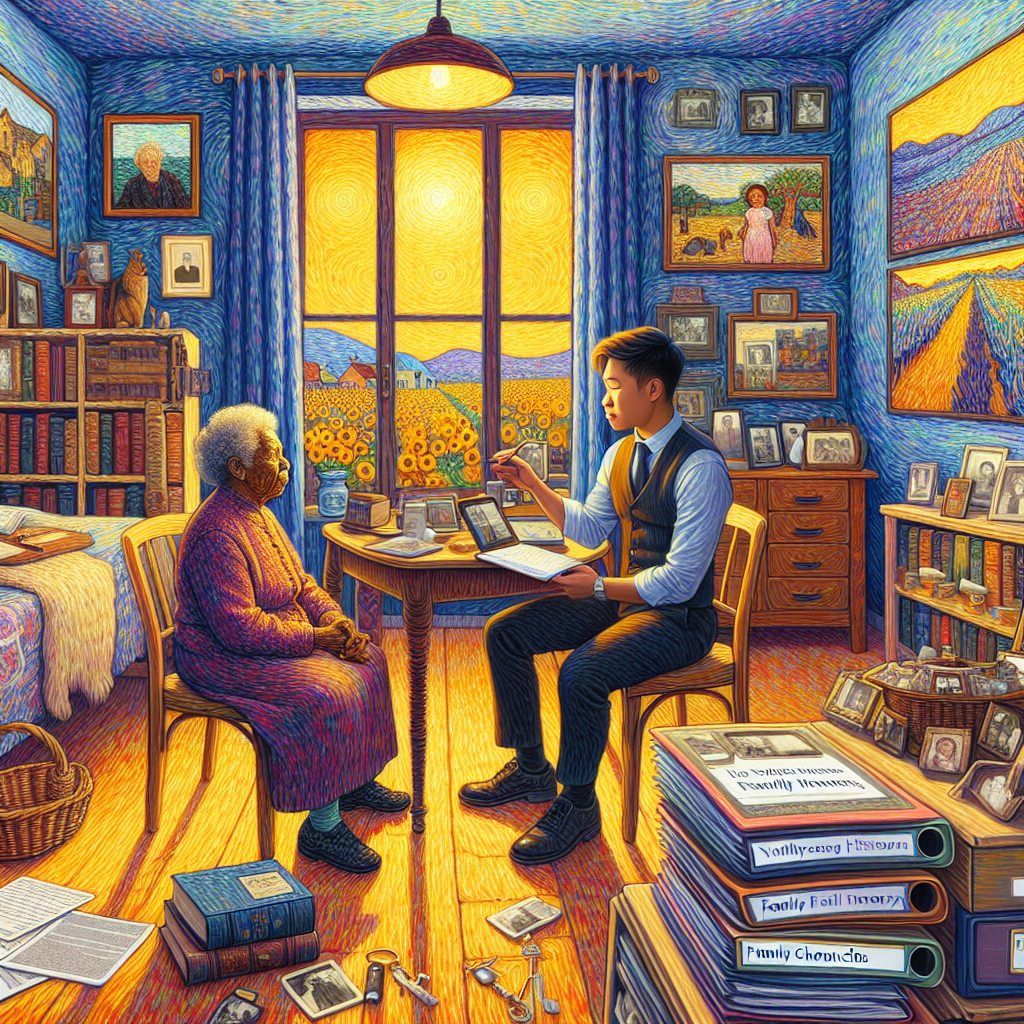
What Role Does Technology Play In Our Memory Today?
Do You Trust Your Memories, Or Do They Betray You?
Memories are the threads that weave the fabric of our lives, yet they can sometimes feel like a fickle tapestry, frayed at the edges. The stories we tell ourselves about who we are and where we’ve been are rooted in these memories, but how often do we pause to consider their reliability? We all have them—memories that shine like polished gems, glittering with the glory of past accomplishments and heartwarming moments. Yet, we also carry memories that haunt us, twisting our perceptions and leaving us wondering if we’ve crafted a Legacy Storytelling that truly reflects our journey.
How many times have you shared a memory with a friend, only to find that their recollection of the same event is sharply different? It’s a disconcerting realization that our minds, while powerful, are prone to distortion. Memories are not static. They morph over time, influenced by our emotions, biases, and the ever-changing landscape of our lives. This is the paradox of nostalgia: it can entice us with its sweetness while simultaneously betraying our sense of truth.
Consider the ethical weight we place on our memories. They shape our identities, influence our decisions, and define our relationships. When we trust our memories, we gain confidence in our ability to navigate the world. Yet, when those memories falter or fail us, we’re left questioning not just our past, but also our present. This doubt can erode our connections, leaving us feeling isolated in a sea of uncertainty.
As we engage in our personal Legacy Storytelling, it’s crucial to remember that these narratives can inspire action. When we share our experiences—both the triumphs and the trials—we create a bridge of understanding with others. Each story we tell, each lesson learned, fosters connection, resonating with the hearts and minds of those who listen.
So, as you reflect on your own memories, ask yourself: Do they serve you? Are they building bridges or walls? Trust isn’t just about confidence in your recollections; it’s about embracing the imperfections of memory and recognizing their role in a shared human experience. Let your memories inspire you to forge deeper connections, enrich your narrative, and craft a Legacy Storytelling that honors both the light and the shadows of your past.

Do You Trust Your Memories, Or Do They Betray You?
Do You Trust Your Memories, Or Do They Betray You?
- Memories weave the fabric of our lives but can be unreliable.
- Personal narratives are often shaped by distilled memories of accomplishment and regret.
- Different recollections of shared events highlight the distortion inherent in memory.
- Memories evolve over time, influenced by emotions, biases, and life changes.
- Trust in memories affects identity, decision-making, and relationships.
- Legacy storytelling can create connections through shared experiences.
- Reflecting on memories prompts considerations of their value in building connections.

Do You Trust Your Memories, Or Do They Betray You?
How Does Nostalgia Influence Our Actions and Decisions?
Nostalgia is a powerful force, intricately woven into the fabric of our decisions and actions. It pulls us back to moments that shaped who we are, offering a comforting embrace that only memories can provide. Picture this: a dusty old box filled with photographs from simpler times, when life felt less complicated. Each snapshot tells a legacy story, reminding us of who we’ve been and who we aspire to be. In a world often obsessed with forward momentum, nostalgia invites reverence for our past while shaping our future choices.
When we feel that pang of nostalgia, it’s not just a trip down memory lane; it’s our heart connecting with experiences that mattered—family gatherings, childhood adventures, and the laughter of friends. These emotions can guide our actions, prompting us to seek out more meaningful relationships or to honor traditions that resonate deeply within us. This isn’t merely sentimentality; it’s our brain firing on all cylinders, blending memories with learning. Here, nostalgia serves as a compass, helping navigate the complexities of modern life by anchoring us in our values.
Rationally, studies show that nostalgia can enhance creativity and problem-solving, leading us to make more thoughtful decisions. When we reflect on our past, we tap into a wealth of knowledge and experience, challenging ourselves to apply those lessons in the present. This cognitive connection reminds us that our decisions aren’t made in isolation; they are influenced by the trajectory of our lives, the stories we’ve accumulated.
Ethically, the legacy storytelling inherent in nostalgia encourages us to consider the impact of our choices on future generations. When we engage with our past, we’re not only preserving memories but also paving the way for others to understand their roots. This social responsibility is powerful; it’s an invitation to reflect on how our actions today are part of a larger narrative that extends beyond ourselves.
By engaging with nostalgia, we foster connections—both with ourselves and with others. It’s in these moments of reflection that we find common ground, sharing stories that resonate not just within our personal history but also within the collective experience. This shared understanding builds trust and inspires confidence in the decisions we make, encouraging us to act in ways that honor our past and serve our future. Ultimately, nostalgia is more than mere remembrance; it’s a call to action, a narrative guiding us towards a purposeful life.

How Does Nostalgia Influence Our Actions and Decisions?
How Does Nostalgia Influence Our Actions and Decisions?
- Nostalgia shapes our decisions and actions, connecting us to significant moments in our lives.
- Emotional experiences linked to nostalgia can guide us towards meaningful relationships and honoring traditions.
- Nostalgia enhances creativity and problem-solving by allowing reflection on past experiences.
- Our choices are influenced by the stories we’ve accumulated throughout our lives.
- Engaging with nostalgia encourages consideration of our impact on future generations.
- Sharing nostalgic stories fosters connections and builds trust among individuals.
- Nostalgia serves as a narrative that guides us towards a more purposeful life.

How Does Nostalgia Influence Our Actions and Decisions?
Are We Losing Our Connection to the Past In a Digital Age?
In a world dominated by screens and instant gratification, one has to wonder: Are we truly losing our connection to the past? The answer isn’t black and white; it sits in the gray, woven into the fabric of our daily lives. Each of us carries a legacy, a narrative passed down through generations like a well-worn quilt. It’s the stories that shape us, that create a shared identity, and it’s precisely these stories that are at risk of fading into the digital background noise.
Consider for a moment the simple act of storytelling. For centuries, families gathered around fires, recounting tales of bravery and hardship, joy and resilience. Those stories didn’t just entertain; they educated, providing moral frameworks and a sense of belonging. Today, while we boast a wealth of information at our fingertips, much of it is devoid of the personal touch that only human experience can impart. This shift highlights a critical question: How can we maintain our legacy while navigating this digital landscape?
Let’s face it—our connection to the past has immense value. It informs our decisions and shapes our beliefs. When we ignore our roots, we risk becoming unmoored, adrift in a sea of superficial interactions. The deeper our understanding of our legacy, the more we can navigate the complexities of our present. Ethically, we owe it to ourselves and future generations to keep those connections vibrant. By embracing storytelling, we preserve our shared history and instill a sense of responsibility towards our culture and heritage.
But it’s not just about preserving history; it’s about relevance. The stories we choose to share resonate with our current struggles, aspirations, and dreams. They provide context and continuity, helping us make sense of the rapid changes happening around us. Embracing legacy storytelling isn’t merely an academic pursuit; it’s a communal effort that invites us all to the table.
Take action; engage with those who’ve walked the paths before us. Ask your grandparents or parents about their experiences. Share your own stories, keeping the cycle alive. By doing so, we can forge deeper connections, building bridges across generations in an era that often prioritizes digital facades over genuine human interaction. It’s time to reclaim our stories, ensuring that our connection to the past isn’t merely a flickering memory but a robust foundation for the future.

Are We Losing Our Connection to the Past In a Digital Age?
Are We Losing Our Connection to the Past In a Digital Age?
- Digital age may threaten our connection to the past.
- Legacy stories shape our identity and are at risk of fading.
- Storytelling traditions taught lessons and fostered belonging.
- Modern information lacks the personal touch of human experience.
- Understanding our legacy helps navigate current complexities.
- Sharing stories is essential for cultural responsibility and relevance.
- Engaging with elders and sharing personal narratives strengthens intergenerational connections.

Are We Losing Our Connection to the Past In a Digital Age?
What Ethical Dilemmas Arise From Controlling Our Memories?
In a world where technology allows us to curate our memories or perhaps even rewrite them, we stand at the precipice of an ethical quandary that tugs at the heart, challenges the mind, and stirs the gut. Picture this: our memories are the threads of our legacy, woven into the tapestry of who we are. They shape our identity, guide our decisions, and connect us to our stories—the legacy storytelling we pass down through generations. But what happens when we put the power of memory control in the hands of individuals, corporations, or governments?
Imagine someone erasing the painful memories of loss or trauma. On one hand, this could offer relief, a chance to move forward unburdened by sorrow. Yet, are we willing to sacrifice the very essence of our humanity, the lessons learned from hardship? Memories, good and bad, inform our values and ethics. They serve as reminders of where we’ve been and provide the moral compass that guides our future. If we start to manipulate which memories to keep and which to discard, we may unwittingly alter our ability to empathize, to show compassion, and to grow from past mistakes.
Now consider the social implications. In an age where our collective experiences shape societal narratives, choosing what memories to preserve creates a dissonance. We risk polarizing communities as individuals curate their realities. The very fabric of society relies on shared stories and mutual understanding. If we lose the ability to relate to one another’s struggles or victories because of selective memory, we weaken the bonds that hold us together.
From a rational standpoint, the power to control memories can lead to a slippery slope. Who decides what memories are worth keeping? The potential for abuse is staggering. We have to ask: do we trust those in authority to wield such power responsibly? History has shown us that those who control the narrative can shape public perception, creating echo chambers and biases that distort reality.
Ultimately, the power to manipulate our memories is a double-edged sword that invites fervent debate. We must confront the ethical dilemmas head-on, weighing personal freedom against the collective good. Each choice we make about memory control not only affects our individual experiences but also reverberates throughout society, shaping our legacy for generations to come. In navigating these challenges, we hold the potential to foster deeper connections and enrich our shared stories.

What Ethical Dilemmas Arise From Controlling Our Memories?
What Ethical Dilemmas Arise From Controlling Our Memories?
- Technology enables the curation or rewriting of memories, raising significant ethical questions.
- Memories are integral to our identity and shape our values, decisions, and storytelling legacy.
- While erasing painful memories could provide relief, it risks sacrificing essential lessons from hardship.
- Selective memory manipulation may undermine empathy, compassion, and personal growth.
- Control over memory preservation can polarize communities, weakening societal bonds and shared narratives.
- The potential for abuse in memory control raises concerns about authority and responsibility.
- The debate over memory manipulation highlights the balance between personal freedom and the collective good.

What Ethical Dilemmas Arise From Controlling Our Memories?
Conclusion
In “Captured But Forgotten – the Modern Memory Crisis,” Tom Seest confronts a paradox of our time: despite an abundance of digital memories at our fingertips, we are losing touch with the essence of meaningful recollection. We have become adept at documenting our lives, yet the storytelling traditions that once anchored us seem to be slipping away. Each of us holds within us stories that define our identities and strengthen our connections to one another. These narratives encompass the trials and triumphs that contribute to our collective humanity, yet the rush of modern life often pushes these rich experiences into the background.
Consider the depth found in genuine interactions—the anecdotes shared with loved ones that echo through generations. In a digital landscape flooded with ephemeral posts and scrolling feeds, the significance of oral traditions fades, obstructing the bonds forged through authentic engagement. By reviving legacy storytelling, we recognize an ethical responsibility to prioritize connections that honor our ancestors’ wisdom. When we do this, we preserve our past while nurturing empathy in the present.
Moreover, forgetting plays a complex role in sculpting our identities. It can be both a source of grief and a doorway to growth. As we acknowledge the memories that fade, we open space for emerging narratives, allowing ourselves to evolve and adapt. The challenge lies in trusting our memories and understanding their reliability. They construct our identities and guide our decisions, yet are not set in stone. Our recollections morph and shift over time, influenced by emotions and experiences, leading us to question their truth.
Nostalgia, too, weaves through our decision-making, serving as a compass that roots us in our values while guiding our actions. It encourages us to reflect and connect with moments that resonate deeply within us, bolstering our drive to maintain traditions that give our lives meaning.
Ultimately, as we traverse the digital age, we must not lose sight of our stories. Our memories are threads that bind us to each other and to our history. It’s imperative to embrace storytelling in its truest form—sharing, listening, and valuing the shared experiences that shape our community. In doing so, we can reclaim our connection to the past, ensuring it enriches our identities and future, while empowering us to foster deeper relationships that transcend the noise of modern life. Each story told, each memory shared, reinforces our shared humanity—an irreplaceable inheritance that must not be forgotten.

Conclusion
Conclusion:
- Tom Seest’s “Captured But Forgotten
- the Modern Memory Crisis” addresses the paradox of digital abundance leading to diminished meaningful recollection.
- While adept at documenting lives, traditional storytelling that strengthens identities is fading away.
- Genuine interactions and shared anecdotes foster deep connections and preserve collective humanity.
- Reviving legacy storytelling acknowledges our ethical responsibility to honor communal wisdom and preserve the past.
- Forgetting plays a dual role, allowing for growth while complicating the reliability of our memories in shaping identities.
- Nostalgia acts as a compass that roots us in values, driving actions and strengthening traditions.
- Embracing storytelling fosters deeper relationships and reconnects us to our history, reinforcing our shared humanity.

Conclusion
Other Resources

Other Resources
Here is a list of other resources you can review online to learn more:
- My Wonderful Life
- FindMyPast
- LifeNaut
- Legacy Family Tree
- LifeWeb 360
- Willmaker
- DocuBank
- Your Digital Afterlife
- PartingWishes
- Storyfile Life
- ForeverMissed
- Association of Personal Historians
- Is There A Need To Pay For Copyrighting Services For Personal Or Family Legacy Stories?
- RocketLawyer
- deviantART
- MyMoriam
- Obituary Templates
- How Has Time Changed The Cost Of Capturing Family Legacy Stories
- FutureMe
Use This Prompt To Get More Resources With Your Favorite Online AI Tool: Please provide me with a list of online articles with their URLs in a bulleted list that I can read regarding Captured But Forgotten – the Modern Memory Crisis

Other Resources
Glossary Terms
Captured But Forgotten – the Modern Memory Crisis – Glossary Of Terms
1. Amnesia: A condition characterized by memory loss, often resulting from brain injury or psychological trauma.
2. Cognition: The mental process of acquiring knowledge and understanding through thought, experience, and the senses.
3. Episodic Memory: A type of explicit memory that involves the recollection of specific events, situations, and experiences.
4. Memory Reconstruction: The process of recalling memories that can be influenced by perceptions, emotions, and external cues.
5. Neuroplasticity: The brain’s ability to reorganize itself by forming new neural connections throughout life, impacting learning and memory.
6. Nostalgia: A sentimental longing or wistful affection for the past, which can affect memory and emotional states.
7. Recall: The mental retrieval of information previously learned or experienced, crucial in memory assessment.
8. Recognition: The ability to identify previously encountered information or experiences when presented with cues.
9. Semantic Memory: A category of long-term memory that involves the storage of facts, concepts, and knowledge about the world.
10. Synaptic Pruning: The process of eliminating weaker synaptic connections while strengthening others, a key aspect of memory development.
11. Dementia: A group of cognitive impairments affecting memory, thinking, and social abilities severely enough to interfere with daily life.
12. Forgetting Curve: A mathematical formula that describes the rate at which information is forgotten over time without reinforcement.
13. Hippocampus: A critical brain structure involved in the formation of new explicit memories and spatial navigation.
14. Implicit Memory: Unconscious memory that influences thoughts and behaviors without conscious awareness.
15. Long-term Memory: A type of memory storage that can hold information for extended periods, potentially a lifetime.
16. Memory Consolidation: The biological process through which memories are stabilized and stored in long-term memory after acquisition.
17. Memory Palace: A mnemonic device that uses visualization of familiar spatial environments to enhance memory recall.
18. Metacognition: Awareness and understanding of one’s thought processes, including monitoring and controlling memory.
19. Overgeneralization: A cognitive bias in memory recall where one draws broad conclusions from specific incidents or experiences.
20. Repressed Memory: A memory that has been unconsciously blocked due to its association with trauma or distressing emotions.
21. Contextual Cueing: The phenomenon where memory retrieval is enhanced by contextual or environmental cues associated with the memory.
22. Transience: The tendency to forget information over time, particularly in the absence of rehearsal or reminder.
23. Flashbulb Memory: A vivid and detailed recollection of a significant moment or event, often associated with emotional intensity.
24. Interference Theory: A theory suggesting that forgetting occurs because new information interferes with the retention of old information.
25. Anterograde Amnesia: Memory loss following the onset of amnesia, impairing the ability to form new memories.
26. Retrograde Amnesia: Memory loss that affects the ability to recall events prior to the onset of the condition.
27. Narrative Memory: The process of remembering events in the form of a narrative or story, aiding in the organization of memories.
28. Visual Imagery: The ability to recreate visual representations in the mind which aids in memory retention and recall.
29. Attention: The cognitive process of selectively concentrating on specific information while ignoring others, essential for memory formation.
30. Memory Bias: The distortion of recollections influenced by personal beliefs, emotions, or societal context, altering how past events are remembered.

Glossary Of Terms
Other Questions
Captured But Forgotten – the Modern Memory Crisis – Other Questions
If you wish to explore and discover more, consider looking for answers to these questions:
- What practical steps can individuals take to preserve meaningful memories beyond digital snapshots?
- Which storytelling techniques best capture the nuance and emotion of personal histories?
- How can families encourage younger generations to participate in legacy storytelling?
- What tools or apps are most effective for recording and archiving oral histories?
- How do cultural differences affect the ways communities preserve collective memory?
- What are best practices for organizing and curating a family archive of photos, recordings, and documents?
- How reliable are memories over time and how can we verify conflicting recollections?
- What role do museums, libraries, and archives play in combating the modern memory crisis?
- How does long-term digital storage risk data loss, corruption, or obsolescence?
- What legal and ethical issues arise when recording and sharing someone else’s memories?
- Who owns and controls digitized memories after a person dies?
- How might memory-editing technologies change our personal and collective identities?
- What protections should exist against misuse of memory-altering technologies by corporations or governments?
- How can communities ensure marginalized or suppressed histories are preserved and amplified?
- What are the psychological effects of outsourcing memory to devices and cloud services?
- How can reminiscence therapy and other clinical approaches help people with memory loss preserve their stories?
- How do nostalgia and selective remembering influence decision-making on individual and societal levels?
- What strategies help prevent memories from becoming mere data points in social feeds?
- How can educators integrate legacy storytelling into school curricula?
- What standards should archivists use to maintain authenticity and context for digital memories?
- How can we balance privacy with the desire to share family histories publicly?
- What are the implications of curated online identities for future historical research?
- How do traumatic memories differ from ordinary memories in terms of preservation and ethical handling?
- What are effective ways to prompt richer, more detailed recollections during interviews?
- How can technology be designed to enhance, rather than replace, human-centered storytelling?
- What public policies could support the preservation of communal memories and oral histories?
- How can communities measure whether their memory-preservation efforts are succeeding?
- What responsibilities do social platforms have for maintaining or enabling access to preserved memories?
- How should we approach correcting historical memory when collective narratives prove inaccurate or harmful?
- What small daily rituals can individuals adopt to strengthen memory retention and storytelling habits?

Other Questions
Haiku
Captured But Forgotten – the Modern Memory Crisis – A Haiku
Memories like whispers,
Threads of life, both joy and pain,
Forge our stories’ hearts.

Haiku
Poem
Captured But Forgotten – the Modern Memory Crisis – A Poem
Captured Yet Forgotten A Tapestry of Memory
In a world awash with endless streams,
We document lives, yet slip through seams.
Captured moments, a digital tide,
But the heart’s warm whispers begin to hide.
Once around fires, our stories would bloom,
In laughter and tears, we’d brighten the room.
Yet in scrolling silence, connections unwind,
Leaving threads of our pasts painfully blind.
Memories, the fabric of who we’ve become,
Are woven with wisdom from battles we’ve won.
Yet as digital waves wash over our minds,
The essence of storytelling is what we may find,
Is fraying, dissolving, lost in the noise,
The power of voices replaced by mere toys.
Technology beckons, a bridge and a veil,
Do we choose to disconnect, or set sail?
For each snapshot taken, a moment can fade,
The laughter of elders now digitized shade.
From the elder’s frailty to youth’s vibrant spark,
Each story carries lessons, igniting the dark.
Let’s gather together, hear echoes of old,
Relive our legacies, let history unfold.
For each shared tale binds us closer in fate,
Through love and through loss, identity’s state.
Let’s honor the narratives, both grand and petite,
In preserving our past, the future is sweet.
So pause and reflect on the memories cherished,
In the dance of forgetting, the heart is refreshed.
Let our stories resound, in whispers and roars,
For it’s through our shared tales that humanity soars.

Poem
Checklist
Captured But Forgotten – the Modern Memory Crisis – A Checklist
Emotional Appeals
✅______ Reflect on cherished memories. What moments bring you joy? ⠀
✅______ Share a meaningful story. Connect with a friend or family member through legacy storytelling. ⠀
✅______ Experience the power of nostalgia. Identify how past experiences shape your current values. ⠀
Rational Appeals
✅______ Evaluate your technology use. Are you capturing memories authentically or just for social media? ⠀
✅______ Consider the impact of forgetting. How does it redefine your identity? ⠀
✅______ Analyze the balance of documenting versus living in the moment. What experiences should be prioritized? ⠀
Ethical Appeals
✅______ Promote authentic connections. Commit to prioritizing human interaction over digital engagement. ⠀
✅______ Consider the implications of memory curation. Who controls the narratives we share? ⠀
✅______ Take responsibility for preserving cultural heritage. Engage in conversations that reflect your community’s history. ⠀
Authority Appeals
✅______ Learn from the wisdom of elders. Seek out and listen to experiences that have shaped your family’s legacy. ⠀
✅______ Reference historical narratives. How can shared histories guide future choices? ⠀
Narrative Appeals
✅______ Craft a personal narrative. Write down your life story highlighting significant memories. ⠀
✅______ Engage in storytelling with others. Create a ritual of sharing experiences during family gatherings. ⠀
Social Appeals
✅______ Build connections through shared stories. Invite friends to share their memories. ⠀
✅______ Encourage community storytelling events. Participate in or host gatherings focused on legacy sharing. ⠀
✅______ Foster an environment of empathy. Create spaces where individuals feel safe to share their experiences.

Checklist
At LegacyExplorations, we help people plan and explore their legacy by collecting information and news regarding end-of-life planning.
Please share this post with your friends, family, or business associates who may want help to plan or explore their legacy.