

Transforming Files Into Legacy: Discover Your Family’s Heartbeat
By Tom Seest
At LegacyExplorations, we help people plan and explore their legacy by collecting information and news regarding end-of-life planning.
Please share this post with your friends, family, or business associates who may want help to plan or explore their legacy.
Context Turns Files Into Family History
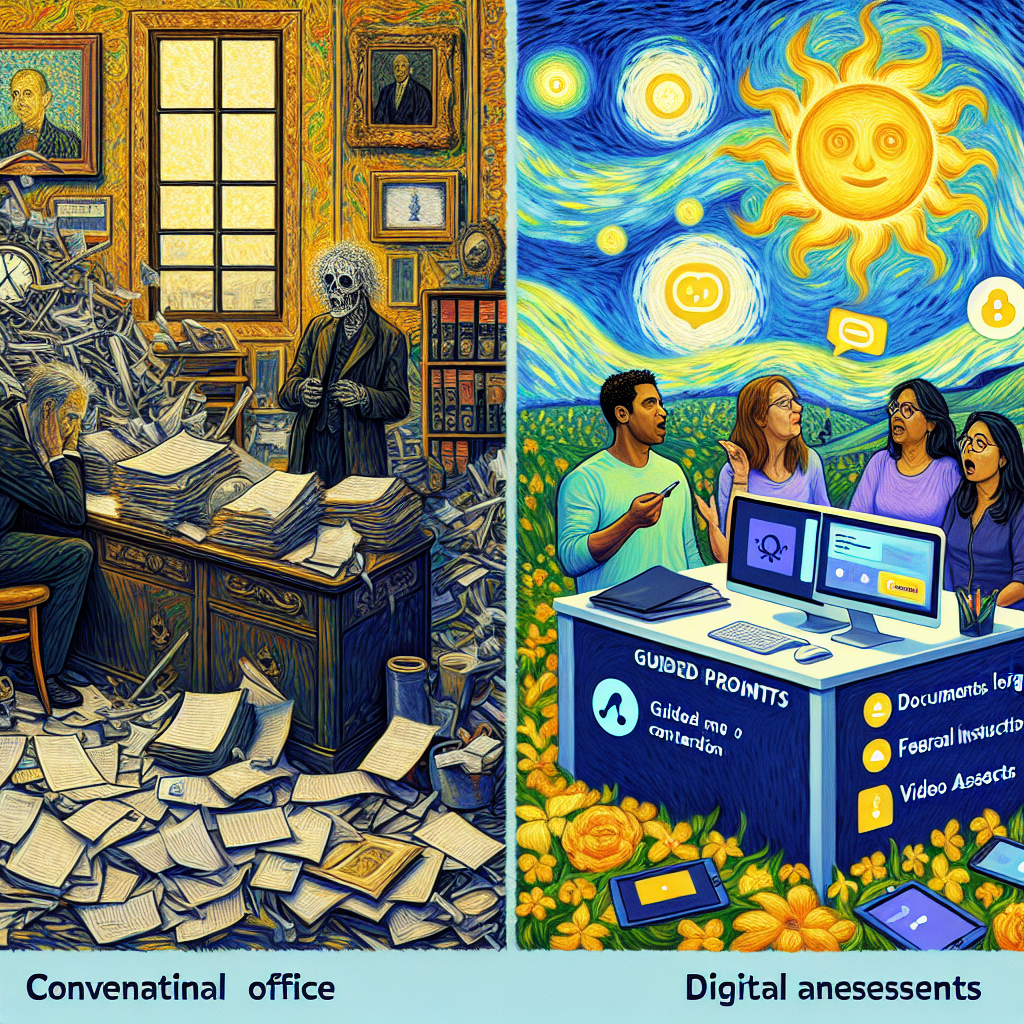
In our digital age, the files we save on our devices tell stories waiting to be unearthed. Each document, photograph, and video clip is more than just data; they are fragments of our family’s legacy. As we sift through these digital archives, we can engage in a powerful form of storytelling—one that connects us to our roots, our triumphs, and even our struggles. Through legacy storytelling, we transform cold pixels into warm memories that resonate emotionally across generations.
Imagine a simple family recipe tucked away in a digital folder. This document holds more than just ingredients; it carries the laughter of kitchen gatherings, the aroma of shared meals, and the warmth of traditions passed down. When we share these files within our families, we invite them to join us in a narrative that spans time. This act is not just about preserving history; it’s about creating bonds that transcend the mundane.
Think practically for a moment. In a world saturated with distractions, these files serve a greater purpose. They offer a means to engage with our heritage in a tangible way, providing clarity and context to our understanding of who we are. When we reflect on the stories these files encapsulate, we invite the head into our hearts. It becomes clear: knowing our family history equips us with insight and wisdom that can guide our future decisions.
Ethically, there’s a responsibility we carry. In sharing our stories, we honor those who came before us and ensure their experiences are not forgotten. Each document is a thread woven into the larger tapestry of our familial identities. By doing this, we generate a sense of authority and ownership over our narratives, empowering ourselves and our descendants.
So, as you delve into those neglected folders, remember that you are not just retrieving information; you are nurturing connections. The stories waiting to be told have the potential to inspire others, to encourage them to look back in appreciation of their beginnings. Together, we can elevate these files from mere data to a celebration of life, resilience, and shared humanity. Embrace this journey of legacy storytelling; it’s a path to understanding where we come from and where we are headed, forging a communal bond that strengthens the fabric of our family history.

Context Turns Files Into Family History
Context Turns Files Into Family History
- Files on devices represent stories that form our family’s legacy.
- Digital archives allow for powerful storytelling connecting us to our roots and experiences.
- Sharing family documents fosters bonds and transcends mere preservation of history.
- These files provide clarity about our heritage and aid in understanding our identities.
- Sharing stories honors ancestors and ensures their experiences are not forgotten.
- Nurturing connections through storytelling can inspire appreciation of our beginnings.
- The journey of legacy storytelling strengthens family history and communal bonds.

Context Turns Files Into Family History
Table Of Contents
- Context Turns Files Into Family History
- How Can Understanding Your Ancestry Shape Your Identity Today?
- What Ethical Responsibilities Come with Sharing Your Family History?
- Which Family Memories Do You Cherish That Deserve to Be Preserved?
- How Can Connecting with Your Roots Enhance Your Sense Of Belonging?
- What Role Does Documentation Play In Keeping Family Legacies Alive?
- How Do You Feel When Rediscovering Long-Lost Family Connections?
- What Impact Does Family History Have on Your Understanding Of Health?
- Conclusion
- Other Resources
- Glossary Of Terms
- Other Questions
- Haiku
- Poem
- Checklist
How Can Understanding Your Ancestry Shape Your Identity Today?
Understanding your ancestry isn’t just an academic exercise; it’s a journey into the enriched tapestry of who you are today. The echoes of our forebears shape our values, our beliefs, and even our choices. When we embrace our lineage, we tap into a wellspring of lessons and stories that have weathered the storms of time. This is not merely about tracing family trees or collecting names; it’s about embracing the legacy storytelling that has been passed down through generations.
Consider how the sacrifices of those who came before us influence our lives. Each story contains a lesson on resilience, hardship, and triumph, often interwoven with struggles that parallel our contemporary challenges. When you recognize that your great-grandfather faced economic hardship or that your grandmother navigated cultural upheaval, it brings a profound sense of connection. Their stories become moral compasses, guiding us in our decisions. It’s as if they whisper encouragement in our ears, reminding us that we are not alone in our trials. We can draw strength from their experiences, their perseverance instilling confidence in our own abilities.
Rationally, understanding your ancestry provides a framework for making sense of your identity. Why do you value community? Perhaps it stems from a family narrative steeped in collective survival. Maybe you feel an innate passion for social justice, inspired by the struggles of your ancestors. These insights allow you to step outside of yourself and view life through a broader lens, creating empathy for others as you recognize the common threads woven through humanity’s experience.
Ethically, this journey fosters a responsibility to honor those who came before us. By learning about our roots, we cultivate a sense of stewardship toward our family history. This commitment inspires action, sparking a desire to share these narratives with younger generations, ensuring that the lessons learned are not forgotten.
Socially, engaging with one’s ancestry can transform personal bonds. As families gather to recount their histories, they strengthen connections, nurturing a sense of belonging that transcends time. Sharing these legacy stories creates a communal identity, making each member feel integral to the collective whole.
Embracing our ancestry is a call to action—not just to know who we are, but to trust in the strength of the stories that built us, to connect with others through shared experiences, and to honor the legacies waiting to be passed down. When we do this, we reclaim our place in the grand narrative of humanity.

How Can Understanding Your Ancestry Shape Your Identity Today?
How Can Understanding Your Ancestry Shape Your Identity Today?
- Understanding ancestry is a journey that enriches personal identity.
- Ancestral stories shape values, beliefs, and choices through lessons of resilience and triumph.
- Recognition of past hardships fosters a deep connection and guidance in personal trials.
- Insights from ancestry provide a framework for understanding identity and cultivating empathy.
- This exploration fosters a responsibility to honor and share family history with future generations.
- Engaging with ancestry strengthens personal bonds and nurtures a sense of belonging.
- Embracing ancestry is a call to connect with shared experiences and honor legacies.

How Can Understanding Your Ancestry Shape Your Identity Today?
What Ethical Responsibilities Come with Sharing Your Family History?
Sharing your family history isn’t just an act of remembrance; it’s a form of LegacyStorytelling, a bridge connecting generations. When you unveil the narratives of your ancestors, you step into a sacred trust. These stories contain the heartbeats of past lives, the dreams and struggles that shaped who you are. But with this trust comes ethical responsibilities that shouldn’t be taken lightly.
First, consider the emotional weight of these stories. They are often carved from pain, triumph, and resilience. Sharing someone’s journey can have profound implications. It’s not merely about recounting events; it’s about honoring the essence of a person, preserving their dignity. Ask yourself: Are you sharing in a way that respects their truth, or are you merely seeking to entertain? The gut reaction here is crucial—will your storytelling evoke a sense of pride, shame, or understanding in those who come after?
Next, let’s engage the rational mind. Think of the impact your stories can have on future generations. They can inspire courage, instill values, and teach lessons that resonate beyond the confines of your home. Conversely, the narratives you choose to share—or withhold—can also influence the social fabric of your family. Sharing your family’s struggles can educate and empower others, helping them navigate similar challenges. It invites a reflection on your lineage, connecting your personal identity to a broader narrative. If you take on this role of storyteller, it’s essential to wield that power with care.
Moreover, there is a moral dimension to consider. When recounting the past, ensure you have permission from living relatives to share certain tales, particularly sensitive ones. Holding the reins of family history carries an ethical obligation to prioritize honesty and transparency while being sensitive to the feelings and contexts of those involved.
Finally, consider the authority you have when sharing these stories. You are a curator of your family’s narrative, and with that comes the responsibility to portray the truth as accurately as possible. Remember, the goal isn’t just connection but understanding—fostering relationships that transcend generations.
The act of sharing your family history is an invitation to engage others in a dialogue about identity, values, and legacy. It’s more than mere storytelling; it’s an ethical journey through the tapestry of your family’s past, aiming to inspire trust and action in all who hear it.

What Ethical Responsibilities Come with Sharing Your Family History?
What Ethical Responsibilities Come with Sharing Your Family History?
- Sharing family history is a form of LegacyStorytelling, connecting generations.
- These narratives contain the emotional weight of ancestors’ lives, dreams, and struggles.
- Storytelling must honor the essence and dignity of those remembered, avoiding mere entertainment.
- Future generations can be inspired by shared stories, instilling values and lessons.
- Consider the ethical responsibility of obtaining permission to share sensitive family tales.
- As a storyteller, portray family narratives with honesty and sensitivity to feelings involved.
- Sharing family history fosters dialogue about identity, values, and legacy, promoting understanding.

What Ethical Responsibilities Come with Sharing Your Family History?
Which Family Memories Do You Cherish That Deserve to Be Preserved?
Family memories are the threads that weave our lives together, creating a tapestry rich in color and texture. They hold the power to shape our identity, instill values, and nurture relationships. These moments, whether mundane or monumental, tell a larger story—a legacy. And it’s through legacy storytelling that we can pass these cherished memories to the next generation.
Consider the everyday moments: a laughter-filled kitchen where recipes are exchanged more than just ingredients; a Saturday morning spent on a fishing trip that turned into tales of near misses and lessons learned. These simple memories often carry the most weight. They are the cornerstones of our familial identity, whispering in our ears, reminding us where we came from and who we are. They deserve preservation. The act of documenting or sharing these stories honors not just the memory itself, but the lived experience that forms the very fabric of our lives.
Now, think about the deeper, transformative events that define us—births, losses, milestones. Each of these moments signifies change, prompting reflection on what matters most. They challenge us to grow, to learn. These powerful narratives are not solely for our remembering; they serve as milestones in our family history, teaching and guiding future generations. The stories of resilience in the face of adversity inspire trust and confidence, equipping them to navigate their own life challenges.
Ethically, we owe it to our families to preserve these stories. Just as history shapes nations, our familial tales shape individuals. They provide context, fostering a sense of belonging and identity. Sharing such memories rejuvenates traditions, ensuring they thrive in a changing world. It is our responsibility to keep the channels of connection open, bridging gaps between generations.
Finally, when we engage in storytelling, something magical happens. We create space for empathy and understanding—not just within families but in broader circles where these stories resonate. Sharing your truth empowers others to do the same, offering vulnerability as an invitation to connect.
So, what memories do you cherish? Which stories deserve to be etched in time, preserved for the future? Take a moment to reflect, and let those memories serve as a guidepost. Together, let’s commit to the art of legacy storytelling, honoring our past while paving the way for a meaningful future.

Which Family Memories Do You Cherish That Deserve to Be Preserved?
Which Family Memories Do You Cherish That Deserve to Be Preserved?
- Family memories connect and shape our identities, creating a rich tapestry of experiences.
- Everyday moments, like cooking together or fishing trips, often hold significant emotional weight and are cornerstones of familial identity.
- Transformative events, such as births and losses, prompt reflection and challenge us to grow.
- Powerful narratives serve as milestones in family history, guiding future generations with lessons of resilience.
- Preserving family stories is an ethical responsibility that fosters identity and belonging.
- Storytelling creates empathy and understanding, extending beyond family circles to broader communities.
- Reflecting on cherished memories can guide us in committing to the art of legacy storytelling.

Which Family Memories Do You Cherish That Deserve to Be Preserved?
How Can Connecting with Your Roots Enhance Your Sense Of Belonging?
Connecting with your roots is not merely about ancestry; it’s a profound journey into the tapestry of your existence. It’s where the heart, head, and gut converge, fostering a sense of belonging that transcends generations. Embracing your heritage does more than honor your family; it builds community. Legacy storytelling becomes an indispensable thread in this fabric, celebrating the unique narratives that define who we are.
When we delve into the lives of those who came before us, we uncover tales of resilience, sacrifice, and triumph. These stories don’t just exist in dusty archives; they live in the laughter of family gatherings and the warmth of shared meals. They remind us that we are part of something larger, a continuum of experiences that have shaped our identity.
Emotionally, digging into our roots can evoke a powerful sense of pride. Knowing the struggles and successes of our ancestors instills a deeper appreciation for our present. Rationally, it’s clear: having a strong connection to one’s heritage can improve mental health and foster resilience. Numerous studies support this idea, linking a solid sense of identity to greater life satisfaction and well-being.
Ethically, embracing our roots invites us to honor those who paved the way. It’s about acknowledging our privileges while also recognizing the hardships that were endured. This understanding plants the seeds of gratitude and humility, enriching our character and our communities.
Narratives play a vital role in this connection. Think about the stories passed down through the years—tales of an immigrant’s struggle, a grandparent’s wisdom, or a parent’s unwavering support. These stories are not just relics of the past; they serve as guideposts for our future. Literally and metaphorically, they ground us, giving us a sense of direction and purpose.
Socially, exploring our background fosters connection with others. Conversations about heritage offer an opportunity to relate on a deeper level, breaking down barriers and building bridges. When we share our stories, we invite others to share theirs, creating a rich mosaic of human experience.
In a world that often feels fractured, connecting with our roots can unite us. Legacy storytelling doesn’t just enhance our understanding of ourselves; it weaves a network of trust and authenticity among diverse individuals. Embrace your heritage. Walk the path that those before you paved. It’s not just about knowing where you came from; it’s about finding a home in the collective experience of humanity.

How Can Connecting with Your Roots Enhance Your Sense Of Belonging?
How Can Connecting with Your Roots Enhance Your Sense Of Belonging?
- Connecting with roots goes beyond ancestry; it fosters a journey into existence.
- Embracing heritage builds community through shared narratives and legacy storytelling.
- Exploring ancestral lives reveals stories of resilience, sacrifice, and triumph.
- Digging into roots evokes pride and appreciation for present circumstances.
- Connection to heritage is linked to improved mental health and overall well-being.
- Narratives guide and ground individuals, serving as important markers for the future.
- Sharing stories fosters social connections, breaking down barriers and building trust.

How Can Connecting with Your Roots Enhance Your Sense Of Belonging?
What Role Does Documentation Play In Keeping Family Legacies Alive?
Documentation is the backbone of legacy storytelling—a bridge that connects generations, ensuring the essence of our loved ones endures far beyond their lives. It’s not just about penning down facts and figures; it’s about capturing the heartbeats of our ancestors, the laughter shared, the struggles faced, and the triumphs celebrated. These records are tangible pieces of our history, reminders that our roots run deeper than we often realize.
When you sit down with an old family album or read a handwritten letter from a grandparent, you’re not just looking at images or words; you’re engaging with the fabric of your family’s identity. The stories documented in these forms prompt us to reflect on our values, our beliefs, and ultimately, our purpose. They shape who we are and how we relate to the world around us. The emotional resonance of these narratives instills a sense of belonging and identity in us. As we connect with our past, we become more grounded in our present.
But it’s not solely an emotional journey; it’s a rational endeavor too. Consider the implications of forgetting those stories—of allowing them to slip through the cracks of time. Each omitted tale diminishes our understanding of where we come from and who we might become. Documenting family legacies serves as an act of preservation, a shield against the forgetfulness that can come with the passage of time. By collecting and organizing these narratives, we equip future generations with the wisdom and experiences of their forebears, creating a foundation for their own journeys.
From an ethical perspective, there lies a responsibility to keep these stories alive. Each legacy represents a life lived, choices made, and lessons learned. In honoring that, we convey respect and gratitude toward those who paved the way for us. It’s our duty to ensure their narratives don’t fade into obscurity, that their struggles and achievements are woven seamlessly into the larger tapestry of our family.
Moreover, in a world increasingly enamored with the digital, documenting family histories cultivates a sense of community. It fosters connections within family units, inviting members to share their experiences and perspectives. We all have anecdotes that tie us together; those shared stories bind us with a common thread, reinforcing that no one walks this path alone.
In an age where the fleeting nature of life often overshadows lasting legacies, let documentation be our way of making sure that the voices of our forebears echo through the ages, reminding us of the profound impact of their lives on our own.

What Role Does Documentation Play In Keeping Family Legacies Alive?
What Role Does Documentation Play In Keeping Family Legacies Alive?
- Documentation preserves legacy storytelling, connecting generations and allowing loved ones’ essences to endure.
- It captures the emotional heartbeat of ancestors, sharing laughter, struggles, and triumphs.
- Engaging with family history fosters reflection on values, beliefs, and individual purpose.
- Documenting stories serves as a preservation method, preventing loss of heritage over time.
- Ethically, there’s a responsibility to honor and keep these narratives alive for future generations.
- Family histories cultivate community, strengthening bonds through shared experiences and stories.
- Documentation ensures voices of forebears resonate, highlighting their impact on our lives.

What Role Does Documentation Play In Keeping Family Legacies Alive?
How Do You Feel When Rediscovering Long-Lost Family Connections?
Rediscovering long-lost family connections can be a profound experience that resonates deeply within us, evoking a potent mix of emotions and reflections. Imagine peeling back the layers of time, dusting off memories long forgotten, and finding threads that connect us to those who came before. This journey into the past is not merely an act of rekindling old relationships; it’s a revival of our identity, a vital piece of the legacy storytelling that weaves together individual narratives into a larger tapestry of family history.
As you embark on this journey, the head and heart often dance together. The logical mind grapples with the significance of these connections. Why does it matter? The answer lies in the foundation of our humanity. These relationships have shaped who we are, providing insight into our values, beliefs, and even the quirks that define us. Rationally, we understand that each encounter, each story shared, adds depth to our lives, enriching our understanding of ourselves and our place in the world.
Yet, it is the gut that feels the actual impact. There’s a visceral reaction when we unearth a family tale—a rush of joy, nostalgia, or even sorrow. It’s a gut-level understanding that somewhere out there, our kin are walking the earth, sharing our blood, and carrying the same spirit. We experience a rush of connection, sparking a desire to embrace those lost ties, to share laughter, stories, and perhaps even tears.
From an ethical standpoint, seeking these connections can offer a sense of responsibility. Acknowledging our family history brings us face to face with our roots, the good, the bad, and everything in between. It encourages us to honor the sacrifices and triumphs of our predecessors, adding a layer of respect for those who paved the way. Through this lens, we become stewards of our family’s legacy, tasked with carrying forward these stories as a tribute to their experiences and as a gift to future generations.
In the narrative of our lives, every rediscovered connection fuels a larger story. It invites us into a community of shared experiences, fostering bonds that are both comforting and inspiring. When we reach out, we’re not just bridging a gap; we’re building a bridge of trust that can lead to understanding, growth, and unity within our families. This labor of love—this exploration of legacy storytelling—reminds us that while time may stretch and distance may divide, the essence of family, once awakened, is a force that cannot be ignored.

How Do You Feel When Rediscovering Long-Lost Family Connections?
How Do You Feel When Rediscovering Long-Lost Family Connections?
- Rediscovering family connections evokes deep emotions and reflections, linking us to our past.
- This journey revives our identity and contributes to the legacy storytelling of family history.
- The logical mind seeks the significance of these connections, revealing insights into our values and beliefs.
- Emotional reactions arise from uncovering family tales, fostering a visceral connection with our kin.
- Understanding our family history instills a sense of responsibility to honor our predecessors’ sacrifices and triumphs.
- Every rediscovered connection enriches the larger narrative of our lives and strengthens familial bonds.
- This exploration of legacy fosters unity and trust within our families, defying time and distance.

How Do You Feel When Rediscovering Long-Lost Family Connections?
What Impact Does Family History Have on Your Understanding Of Health?
What Impact Does Family History Have on Your Understanding of Health?
There’s a certain weight that comes with knowing your family’s health history—a legacy steeped in stories, choices, and inherited wisdom. This legacy isn’t just a collection of medical facts; it’s a profound narrative that shapes how we view our own health. Understanding your family’s medical past is akin to flipping through the pages of a story that is intricately woven together by shared experiences, struggles, and triumphs.
Take a minute to think about your own legacy storytelling. Each high blood pressure diagnosis, each diabetes warning, becomes more than a statistic. It’s a thread that connects us to our roots, reminding us that health isn’t just a personal journey; it’s a collective one, shared with those who came before us. When we grasp this connection, it shapes our relationship with well-being at a fundamental level. We don’t just seek to live longer; we want to live better, informed by those who walked the same path before us. The stories of our relatives—whether they faced heart disease bravely or battled cancer resiliently—inform our choices, challenge our assumptions, and inspire us to take proactive steps.
On a rational level, understanding family history can guide our approach toward health screenings and preventive measures. If your grandparent struggled with certain ailments, that knowledge can empower you to engage with healthcare providers, advocating for tests or lifestyle changes that may mitigate risks. It’s about transforming fear into information, allowing us to take the reins of our health care.
Ethically, we owe it not just to ourselves but to our families to make choices based on their experiences. Awareness fosters a sense of responsibility to maintain a lineage of health—to break cycles of illness when possible and to cherish the tales of resilience and strength. We become stewards of our family’s health legacy, using that information not just for ourselves but for future generations.
Socially, these conversations can bring families closer together. Discussing health can be uncomfortable, but it’s also an opportunity to open doors, share fears, and build resilience. As we share these stories, we invite others into our experiences, fostering trust and connection. By engaging in these dialogues, we demystify the subject, making it accessible and relatable.
Ultimately, understanding our family history in health is an invitation to take action—to honor the past, navigate the present, and shape a healthier future for ourselves and our loved ones.

What Impact Does Family History Have on Your Understanding Of Health?
What Impact Does Family History Have on Your Understanding Of Health?
- Family health history is a powerful narrative that influences personal health perceptions.
- Health conditions in the family connect individuals to their roots, emphasizing shared experiences.
- Understanding family history guides health screenings and preventive care choices.
- Awareness of familial health challenges empowers proactive engagement with healthcare providers.
- Ethical responsibility to break illness cycles and promote health for future generations.
- Sharing health stories can strengthen family bonds and foster trust through open conversations.
- Recognizing family health history encourages action for a healthier present and future.

What Impact Does Family History Have on Your Understanding Of Health?
Conclusion
In our digital world, the files we accumulate on our devices are more than just bits of data; they are the echoes of our family’s story, waiting to resonate across generations. Each document, from cherished photographs to handwritten recipes, serves as a portal into our past, transforming cold pixels into vibrant memories. When we delve into this digital archive, we embark on a profound journey of legacy storytelling—a journey that resonates with our hearts, engages our minds, and stirs our conscience.
Imagine uncovering a long-forgotten family recipe. It’s not merely a list of ingredients; it embodies laughter-filled gatherings, passed-down traditions, and the warmth of shared moments. Sharing these narratives not only preserves our history but fosters a deep familial bond, urging us to honor the experiences of those who came before us. In this process, we engage more than just emotions; we invite rational reflection, recognizing that understanding our roots equips us with invaluable lessons that can guide our present and future.
The ethical implications of this legacy storytelling are significant. We hold a responsibility to honor those who paved the way for us. Sharing our family history provides a means to connect, create bonds, and foster a communal identity that transcends time. Every story told is an act of stewardship, a commitment to ensure that our ancestors’ struggles and triumphs are not lost to the sands of time.
As we breathe life into these narratives, we begin to sense our place in a larger tapestry. The act of documenting these stories not only preserves individual identities but also serves as a bridge connecting generations. Each shared memory reinforces our understanding of where we come from and, more importantly, informs who we are today.
Rediscovering these connections evokes a visceral response, stirring a blend of nostalgia, pride, and a renewed sense of belonging. Understanding our family’s history shapes our identity and enhances our mental well-being, instilling a sense of empathy and gratitude for those who faced challenges before us.
Ultimately, embracing our lineage is not just an exercise in nostalgia; it is a call to action that urges us to share, connect, and cultivate a legacy rich in narrative. As we navigate this journey, let us celebrate the strength of our stories and the bonds they create, ensuring that the legacy of our families thrives in the hearts and minds of future generations.

Conclusion
Conclusion:
- Digital files reflect our family’s stories, serving as portals to our past.
- Documents like photographs and recipes embody shared experiences and traditions.
- Engaging with these archives strengthens familial bonds and honors our ancestors.
- Legacy storytelling has ethical implications, ensuring our ancestors’ struggles are recognized.
- Documenting stories connects generations, enhancing our understanding of identity.
- Rediscovering family history evokes nostalgia, pride, and a sense of belonging.
- Embracing our lineage calls us to share and cultivate a rich narrative legacy.
Conclusion
Other Resources

Other Resources
Here is a list of other resources you can review online to learn more:
- EverLoved
- DocuBank
- PartingWishes
- Personal Legacy Advisors
- FindMyPast
- How Has Time Changed The Cost Of Capturing Family Legacy Stories
- MyWishes
- LegacyLearned
- Memorial Matters
- 23AndMe
- FutureMe
- Is There A Need To Pay For Copyrighting Services For Personal Or Family Legacy Stories?
- International End of Life Doula Association
- Lexikin
- LifeWeb 360
- Trust And Will
- How To Write Legacy Stories That Appeal To The Heart, Gut and Head
- My Wonderful Life
- LifeSite
- Legacy Learned
Use This Prompt To Get More Resources With Your Favorite Online AI Tool: Please provide me with a list of online articles with their URLs in a bulleted list that I can read regarding Context Turns Files Into Family History

Other Resources
Glossary Terms
Context Turns Files Into Family History – Glossary Of Terms
1. Context: The circumstances or background information surrounding a particular event, providing deeper understanding.
2. Files: Organized collections of documents or data that can include text, images, or other types of information relevant to personal history.
3. Family History: A record of family lineage, ancestry, and significant events impacting family members across generations.
4. Genealogy: The study of family lineage and the tracing of family ancestry through historical records.
5. Ancestry: One’s family or heritage, extending back through generations, often researched for personal insights.
6. Heritage: The cultural background and traditions passed down through generations, shaping family identity.
7. Oral History: Accounts of past events told through spoken narratives by family members, preserving personal experiences and perspectives.
8. Archival: Pertaining to the preservation and organization of historical documents and records for future reference.
9. Record Keeping: The systematic capturing and maintaining of documents or data related to individuals or families for posterity.
10. Documentation: The process of recording necessary information such as birth, marriage, and death to create a factual history.
11. Primary Source: Original documents or artifacts created during the time of study, such as letters, photographs, or diaries.
12. Secondary Source: Interpretations or analyses based on primary sources, often providing context or additional insights.
13. Family Tree: A visual representation of familial relationships, showing ancestry and lineage in a branching diagram.
14. Census: A systematic collection of data about a population, often used to trace family members and demographics over time.
15. Immigration Records: Documents that track individuals’ movements from one country to another, often revealing familial connections.
16. Vital Records: Legal documents that record important life events, including births, marriages, and deaths of individuals in a family.
17. Cultural Identity: The feeling of belonging to a particular culture or social group, influenced by heritage and family history.
18. Narrative: A structured account of events or experiences, often used in family history to tell personal stories.
19. Legacy: The set of values, traditions, and historical impacts passed down through generations within a family.
20. Historiography: The study of historical writing and methodologies, useful for analyzing sources in family history research.
21. Biographical Data: Information concerning an individual’s life, including dates, places, and significant achievements.
22. Socioeconomic Status: A classification based on economic and social factors that can affect family history and migration patterns.
23. Ethnicity: A category of people who identify with one another based on shared cultural traits, ancestry, or historical experience.
24. Photos: Visual images capturing moments in time; often serve as valuable primary sources in documenting family history.
25. Collage: A collection or combination of various items or images, often used creatively to represent family history visually.
26. Interview: A conversation conducted to gather information or personal accounts from family members related to their history.
27. Preservation: The act of maintaining and protecting historical documents and family artifacts to ensure their longevity.
28. Tradition: Established customs and practices passed down within a family, often preserving historical narratives.
29. Forensic Genealogy: The application of genealogical methods to law enforcement to solve crimes or identify individuals.
30. Digital Archive: An online collection of digitized historical documents or family records, making access easier for research.

Glossary Of Terms
Other Questions
Context Turns Files Into Family History – Other Questions
If you wish to explore and discover more, consider looking for answers to these questions:
- How do I start organizing a large collection of digital family files?
- What file formats and resolutions are best for long-term preservation of photos and videos?
- How should I name and tag files so future generations can find them easily?
- Which metadata fields are most important to capture (dates, locations, people, context)?
- Should I scan physical documents and photographs, and if so, what scanning settings should I use?
- How do I verify the accuracy of family stories and conflicting accounts?
- What are practical steps to digitize analog media like tapes, films, and audio recordings?
- How can I create backups that guard against data loss, corruption, and obsolescence?
- What cloud and offline storage strategies provide the best redundancy for family archives?
- How long will common digital formats remain accessible, and how do I plan for format migration?
- How do I protect sensitive family information while still sharing meaningful stories?
- What permissions and consent should I obtain from living relatives before sharing their stories or images?
- How do I handle painful or traumatic family histories ethically and sensitively?
- What legal issues should I consider around ownership and copyright of family photos, letters, and recordings?
- How do I manage digital assets in estate planning and ensure heirs can access them?
- When is it appropriate to anonymize or redact personal details in shared family archives?
- How can I involve children and younger relatives in legacy storytelling in age-appropriate ways?
- What tools and platforms are best for collaborative family history projects?
- When should I hire professional archivists, genealogists, or audio/video restorers?
- How much time and money should I expect to invest in building and maintaining a family archive?
- How can I turn disparate files into coherent narratives—books, documentaries, or digital exhibits?
- What are best practices for interviewing relatives and recording oral histories?
- How do I document contextual information (why a photo was taken, who organized an event)?
- Which family stories are most valuable to preserve: everyday moments, milestones, or both?
- How do cultural norms and traditions affect how I collect and share family histories?
- How can I reconcile and present different versions of family events without causing conflict?
- What role do DNA tests and genetic genealogy play in family history, and what are their limits?
- How should health-related family history be documented and communicated to healthcare providers?
- When should I seek genetic counseling based on family medical history findings?
- How do I protect medical privacy while sharing health patterns that could benefit relatives?
- How can I incorporate artifacts, heirlooms, and physical objects into a digital legacy?
- What steps can I take to make family archives accessible to relatives with disabilities?
- How do I measure or evaluate the emotional impact of sharing family stories on different family members?
- What ethical guidelines should govern sharing stories publicly, on social media, or in publications?
- How can I encourage reluctant relatives to contribute memories and materials to the family archive?

Other Questions
Haiku
Context Turns Files Into Family History – A Haiku
Files whisper stories,
Links of heart and history,
Legacies thrive on.
Haiku
Poem
Context Turns Files Into Family History – A Poem
In digital realms where memories lie,
Files whisper tales that never die.
Each photo, each letter, a heartbeat confined,
Stories of families entwined, redefined.
Recipes echo in kitchens aglow,
Laughter and love in each morsel, we know.
From victories won to hardships faced,
Our history’s rhythm, a legacy traced.
Understanding roots, we gather our strength,
In trials of ancestors, we find our own length.
Lessons of courage when shadows loom,
A compass of stories dispelling the gloom.
With ethical care, we share and we tell,
Honoring lives lived, in silence they dwell.
Our truth is a tapestry, woven with pride,
In voices of kin, the past is our guide.
Rediscovering bonds, we stitch hearts anew,
Uniting our spirits with threads that grew.
A lineage shared, creating what’s whole,
Every tale a beacon, igniting the soul.
From health to identity, our stories unfold,
In the legacy shared, our futures are bold.
So dive into history, let its wisdom ignite,
For kinship and courage weave us in light.

Poem
Checklist
Context Turns Files Into Family History – A Checklist
Heart (Emotional Appeal)
✅______ Reflect on cherished family memories that invoke warmth and joy.
✅______ Identify key family traditions that embody love and connection.
✅______ Share stories that highlight resilience and triumph over adversity.
✅______ Create a family recipe book to preserve culinary traditions and evoke shared experiences.
Head (Rational Appeal)
✅______ Analyze the impact of family health history on personal well-being.
✅______ Document family narratives to provide context and clarity about your identity.
✅______ Review how your family’s values and beliefs influence your decisions today.
✅______ Establish a system for organizing and archiving family documents for future reference.
Gut (Ethical Appeal)
✅______ Consider the emotional weight of sharing sensitive family stories with others.
✅______ Seek permission from relatives before sharing personal narratives.
✅______ Ensure accuracy in documenting family histories to honor your ancestors’ experiences.
✅______ Adopt a mindset of stewardship towards your family’s legacy, committing to preserve and pass it on responsibly.
Authority (Authoritative Appeal)
✅______ Reference credible sources during discussions about health and lineage.
✅______ Share your journey of discovering family history with others to empower them to explore their own.
✅______ Engage with genealogical experts or tools to enhance your understanding of ancestry.
Narrative (Narrative Appeal)
✅______ Write a family memoir that captures the essence of your lineage’s journey.
✅______ Use storytelling techniques to convey memorable family tales at gatherings.
✅______ Collect anecdotes from multiple family members to create a richer narrative.
Social (Social Appeal)
✅______ Organize family reunions or gatherings focused on sharing stories and heritage.
✅______ Create a family group chat or online forum to facilitate sharing and documenting family tales.
✅______ Encourage younger generations to contribute their perspectives on family history through videos or writings.

Checklist
At LegacyExplorations, we help people plan and explore their legacy by collecting information and news regarding end-of-life planning.
Please share this post with your friends, family, or business associates who may want help to plan or explore their legacy.