

Exploring The Legacy We Leave: When Business Meets Personal Remembrance
By Tom Seest
At LegacyExplorations, we help people plan and explore their legacy by collecting information and news regarding end-of-life planning.
Please share this post with your friends, family, or business associates who may want help to plan or explore their legacy.
Corporate Mortality and Personal Memory
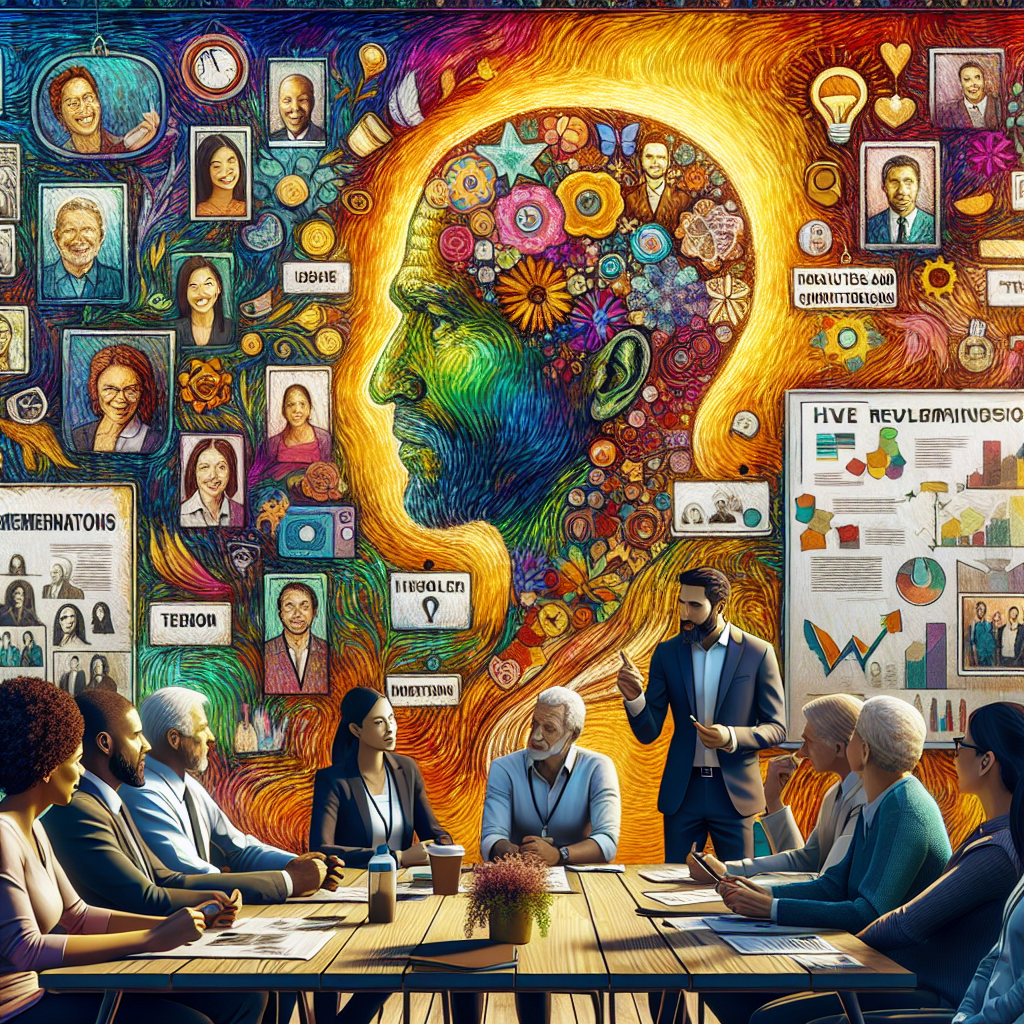
In the whirlwind of our modern corporate landscape, we often overlook the profound connection between the companies we build and the lives we lead. Corporations rise and fall like the tide, but the stories they leave behind echo in the corridors of our personal memories. Each brand represents more than just a logo or a product; it’s a legacy storytelling that shapes our identity and influences our decisions, weaving itself into the fabric of our daily lives.
Think about it: every time you interact with a brand, you’re not just buying a product; you’re engaging in a narrative that has the power to resonate deeply. I remember standing in a hardware store, surrounded by aisles filled with tools, and thinking about the generations that have walked these paths. Each hammer, nail, and paint can tells a story of projects completed, friendships forged, and families built. These are the tangible remnants of a corporate entity that has weathered the storms of economic fluctuation and corporate mortality.
Yet, it’s not just about what’s left when a business closes its doors. It’s about what they inspired while they thrived. Every success story breeds hope and ambition, while every failure teaches us invaluable lessons. When a company collapses, it doesn’t just impact its shareholders; it leaves behind a wake of memories for employees, customers, and the communities that depended on it. These memories form a collective narrative, reminding us that corporations are as human as we are. They embody dreams, aspirations, and sometimes, heartbreak.
Ethically, we have a responsibility to acknowledge the emotional weight of these corporate narratives. When we highlight legacy storytelling, we recognize the interconnectedness of our choices, our values, and the impact we have on those around us. As consumers, we wield immense power. Our purchasing decisions reflect our beliefs and shape the corporate landscape. Remember, every dollar spent is a vote for the kind of companies we wish to see flourish.
Let’s foster connections through these stories—share them with friends and family, discuss them in our communities. By doing so, we not only honor the memories tied to our favorite brands but also inspire a mindful approach to consumption. When we embrace the legacy of corporate tales, we cultivate a culture of awareness that celebrates resilience and innovation. This is where true impact lies, where our personal memories intertwine with the broader narrative of our corporate world.

Corporate Mortality and Personal Memory
Corporate Mortality and Personal Memory
- Modern corporations connect deeply with personal lives and memories.
- Each brand embodies a narrative that shapes identity and influences choices.
- Interaction with brands goes beyond purchasing; it engages with their history.
- Corporate success inspires hope, while failure imparts valuable lessons.
- Businesses impact employees, customers, and communities even after closure.
- Consumers hold power in shaping the corporate landscape through their choices.
- Sharing corporate stories fosters community awareness and celebrates innovation.

Corporate Mortality and Personal Memory
Table Of Contents
- Corporate Mortality and Personal Memory
- What Does Corporate Mortality Mean for Our Personal Legacies?
- How Do We Ensure Memories Last Beyond Corporate Lifetimes?
- Can Corporate Failures Teach Us Valuable Life Lessons?
- Should We Prioritize Individual Stories Over Corporate Achievements?
- How Do Personal Experiences Shape Our Views on Corporate Ethics?
- What Role Does Corporate History Play In Shaping Our Identities?
- How Do We Navigate the Emotional Impact Of Corporate Downsizing?
- Conclusion
- Other Resources
- Glossary Of Terms
- Other Questions
- Haiku
- Poem
- Checklist
What Does Corporate Mortality Mean for Our Personal Legacies?
In a world where companies rise and fall like the tides, corporate mortality holds a mirror to our own lives. It’s an unsettling reminder that even the mightiest structures, built to stand the test of time, can crumble under the weight of change. As we navigate our career journeys, the concept of legacy storytelling becomes essential. It’s about what we leave behind—our traditions, our values, the tales woven into our existence.
Consider the stories we tell about ourselves; they define our identities. Just like a brand, our personal legacy is crafted through the choices we make and the values we uphold. Have you ever considered what people will say about you when you’re no longer in the room? The power of a good story can shape perceptions and inspire others, making legacy storytelling an integral part of how we live and work.
We often equate success with wealth, titles, or recognition, but true legacy is measured by the impact we have on others. Think about the individuals in your life who have shaped your own narrative. They didn’t just build empires; they built connections, fostered trust, and inspired action. Their stories are not just theirs; they’re threads in the larger fabric of our shared human experience.
Moreover, as corporations close their doors and fade from memory, it’s a call to action for us to evaluate our personal footprints. Are we living authentically? Are we building a story that future generations will be proud to inherit? There’s an urgency in this reflection, as we recognize the fragility of time and opportunity.
This brings us to the ethical responsibility we carry. We have the power to influence others positively. In a society that often prioritizes profit over people, we can choose to prioritize our values. Every decision we make can be a deliberate step toward crafting a legacy that reflects the best of who we are—one that transcends the corporate cycle of life and death.
Embracing our stories and sharing them fosters connection. When we align our personal values with our actions, we inspire trust among peers and within communities, establishing a legacy that endures past mere existence. The stories we carve out today are not just for ourselves—they’re for those who will walk this earth long after we’re gone, reminding them of the paths we’ve forged and the truths we held dear. Let your legacy be a story worth telling.

What Does Corporate Mortality Mean for Our Personal Legacies?
What Does Corporate Mortality Mean for Our Personal Legacies?
- Corporate mortality reflects the fragility of both companies and personal lives.
- Legacy storytelling is essential, focusing on traditions, values, and the narratives we leave behind.
- Personal identities are shaped by the stories we tell and the choices we make.
- True legacy is assessed by the impact on others, rather than wealth or recognition.
- As corporations fade, individuals must assess their authentic footprints and the legacies they create.
- We have an ethical responsibility to positively influence society by prioritizing values over profit.
- Sharing our stories fosters connection and builds trust, crafting enduring legacies for future generations.

What Does Corporate Mortality Mean for Our Personal Legacies?
How Do We Ensure Memories Last Beyond Corporate Lifetimes?
Ensuring memories last beyond corporate lifetimes is a matter of weaving together the threads of our shared experiences and values into a tapestry that future generations can admire and learn from. It starts with understanding that every business is more than just a profit-generating entity; it’s a collection of stories. Every employee, every client, and every action contributes to a legacy that, if cultivated properly, can continue to resonate far beyond the years of operation.
Legacy storytelling is the key. It’s not just about documenting milestones or achievements; it’s about capturing the essence of who we are and what we stand for. It’s where the heart meets the head, where logic intersects with emotion. Think of it as an open book filled with the narratives that define our purpose, our missteps, and triumphs. When we share these stories, we create a bond, a connection that transcends time. People are drawn to stories—they evoke empathy and inspire action. They remind us that behind every decision lies a human experience.
To make this journey relatable, consider the power of solid examples from the everyday. Talk about the employee who stayed late to help a colleague, or the initiative that turned a struggling community center into a thriving hub of activity. These moments may seem mundane, but they encapsulate the ethical foundation of a company. They remind us all that success isn’t just measured in dollars; it’s found in the lives we touch along the way.
Committing to legacy storytelling also establishes trust. Companies that openly share their journey—warts and all—demonstrate vulnerability and authenticity. This candidness invites clients, customers, and employees to become part of the narrative. They won’t just remember a brand; they’ll feel connected to its story. They’ll see their own values reflected back at them, fostering loyalty that endures.
The wisdom here is straightforward. By fostering an environment where stories can flow freely, we ensure that memories live on, anchored in the hearts of those who share them. Those memories become guiding stars for new generations, empowering them to learn from the past and boldly walk into the future. In doing so, we not only preserve our legacy but also inspire others to step up and contribute to a story that is bigger than themselves. Now that’s a tale worth telling—a legacy worth leaving behind.

How Do We Ensure Memories Last Beyond Corporate Lifetimes?
How Do We Ensure Memories Last Beyond Corporate Lifetimes?
- Ensuring lasting memories involves creating a tapestry of shared experiences and values for future generations.
- Every business is a collection of stories contributed by employees, clients, and actions that form a legacy.
- Legacy storytelling captures the essence of a company, blending logic with emotion and defining its purpose.
- Stories elicit empathy and inspire action, reminding us of the human experiences behind decisions.
- Everyday examples, like acts of kindness and community initiatives, highlight a company’s ethical foundation.
- Sharing authentic narratives builds trust among clients, customers, and employees, fostering enduring loyalty.
- Create an open environment for storytelling to preserve memories and inspire future generations to contribute.

How Do We Ensure Memories Last Beyond Corporate Lifetimes?
Can Corporate Failures Teach Us Valuable Life Lessons?
In the grand tapestry of our lives, the threads of success and failure often intertwine, creating a rich fabric that tells our story. When we look at corporate failures, they offer us not just lessons in business, but profound insights into resilience, humility, and the human experience. These failures are more than just numbers on a balance sheet; they are legacy storytelling at its finest. They remind us that every setback is a setup for a comeback, a narrative that resonates deeply in our hearts and minds.
Consider the tale of a once-thriving company that fell into disarray. It started with small missteps—decisions motivated by greed or a rush to innovate without purpose. As the company expanded, it lost sight of its core values, alienating both employees and customers alike. This narrative unfolds like a cautionary tale, showcasing how even giants can falter when they neglect the human element. It invites us to reflect on our own lives—how we too can become so consumed by ambition that we overlook the values that truly matter.
The rational mind understands the facts: a lack of transparency leads to distrust; cutting corners results in compromised quality. But it’s the emotional engagement that leaves a lasting impact. We empathize with the employees who lost their jobs, the customers whose needs were ignored, and the leaders who grappled with the consequences of their choices. Their stories become a mirror, prompting us to consider our own decisions, both personally and professionally. Are we prioritizing profits over people?
Ethically, these failures inspire a call to action. As we dissect the mistakes of others, we are reminded of our social responsibility. Businesses are not isolated entities; they thrive in communities, and with that comes an obligation to contribute positively to society. This connection fosters trust, urging us to build a landscape where accountability and integrity reign paramount.
Learning from corporate missteps isn’t merely an intellectual exercise; it’s a vital part of our human journey. Just as these companies can rewrite their legacies through introspection and change, so can we. Let their failures be our teachers, imparting wisdom that compels us to act with courage, integrity, and a sense of purpose. Ultimately, the lessons gleaned from corporate failures serve as heartfelt reminders that success is not just about what we achieve, but how we impact those around us.

Can Corporate Failures Teach Us Valuable Life Lessons?
Can Corporate Failures Teach Us Valuable Life Lessons?
- Failures in business offer lessons in resilience, humility, and the human experience.
- Corporate failures serve as cautionary tales, reflecting the importance of core values.
- Ignoring the human element can lead to alienation of employees and customers.
- Emotional engagement emphasizes understanding the personal impact of business decisions.
- Ethical considerations urge businesses to fulfill their social responsibility to communities.
- Learning from failures is crucial for both organizations and individuals to grow.
- Success is measured not just by achievements, but by the positive impact on others.

Can Corporate Failures Teach Us Valuable Life Lessons?
Should We Prioritize Individual Stories Over Corporate Achievements?
In a world dominated by corporate achievements and bottom lines, we often forget the profound impact of individual stories. These tales, woven from the fabric of human experience, resonate on a level that mere statistics or corporate accolades cannot. Legacy storytelling, a transformative tool, invites us to reflect on the journeys of real people, their struggles, triumphs, and the gritty reality of day-to-day life. The power of a single narrative can overshadow years of corporate performance reports, reminding us that behind every brand, there exists a heartbeat fueled by ambition and resilience.
Consider the everyday worker, who rises before dawn to provide for their family, facing challenges that extend beyond the workplace. Their personal journey speaks volumes about our shared humanity. It pulls at the heartstrings while igniting the intellect. These stories remind us that success isn’t just about profit margins; it’s about the people who contribute to those numbers. They offer us a lens to examine the values we promote; our ethical obligations extend to those behind the scenes, the unsung heroes whose narratives shape the landscape of our communities.
The allure of corporate achievements lays in their polish and precision, yet it’s the rawness of individual stories that galvanizes genuine connection. These stories engage our guts, stirring an emotional response that cuts through corporate jargon. When we prioritize individuals, we foster a culture of empathy, creating an environment where every voice matters. It builds trust, inviting audiences to invest in the authenticity of the brand. People want to support those who reflect their values, who champion the human experience, not just profit.
In embracing legacy storytelling, we don’t just promote products; we cultivate relationships, weaving tales that span generations. By sharing these narratives, we lay the groundwork for authentic connections and social responsibility. It’s a call to action, encouraging businesses to invest in the stories that truly matter—those of their workers, customers, and communities.
Ultimately, prioritizing individual stories over corporate achievements fosters a landscape where values, ethics, and real contributions take center stage. This approach not only inspires but reinforces a belief in our collective potential to drive change, one story at a time. In a world craving authenticity, we must ask ourselves: Are we ready to listen, to share, and to honor the voices that define our legacy?

Should We Prioritize Individual Stories Over Corporate Achievements?
Should We Prioritize Individual Stories Over Corporate Achievements?
- The significance of individual stories often overshadows corporate achievements and statistics.
- Legacy storytelling invites reflection on real people’s journeys, struggles, and triumphs.
- Everyday workers’ narratives highlight shared humanity and the true essence of success beyond profit.
- Raw individual stories cultivate genuine connections and foster empathy within organizations.
- Prioritizing personal narratives builds trust and encourages investment in authentic brands.
- Embracing legacy storytelling promotes relationships and social responsibility within communities.
- This approach underscores the importance of values and ethics in driving change collectively.

Should We Prioritize Individual Stories Over Corporate Achievements?
How Do Personal Experiences Shape Our Views on Corporate Ethics?
Personal experiences play a pivotal role in shaping our views on corporate ethics, often bridging the gap between what is right in theory and what feels right in practice. Think about it for a moment: the company that laid you off during a downturn or the business that treated you like a valued member of the family. These experiences don’t just stay with us; they carve pathways in our minds and hearts, informing our beliefs about what corporate responsibility looks like.
Legacy storytelling is the vehicle through which these experiences are shared, transforming individual stories into collective narratives that resonate with many. When we hear about a friend who stood up for ethical practices in their workplace, we not only connect with the story; we also feel a sense of admiration. This is more than mere admiration—it’s a spark, igniting our own sense of morality. We begin to ask ourselves, “What would I have done in that situation?” It’s this questioning that leads us to reflect on our personal values in relation to our work environments.
Emotionally, corporate ethics resonates deeply when we recognize that companies are run by people—people who make decisions that impact other people. A story about a business that prioritizes ethical sourcing can tug at our heartstrings, evoking empathy for the communities affected. We find ourselves rooting for organizations that demonstrate integrity, as these narratives fulfill an innate desire for connection and authenticity.
Rationally, we can’t ignore the fact that ethical corporate behavior also fosters loyalty and trust among consumers. Studies show that companies known for their ethical practices typically enjoy better financial performance, which paints a clear picture: operating ethically isn’t just the right thing to do; it’s also a smart business strategy. When we chew on these facts long enough, they resonate in our guts, compelling us to support brands that align with our values.
As we traverse our careers, the stories we gather and share contribute to a larger narrative on corporate ethics, inviting much-needed dialogue. These conversations allow us to confront uncomfortable truths about our industries while also championing those who lead by example. Through legacy storytelling, we foster connections not just with our colleagues but with the very essence of what we believe corporate responsibility should embody. This generational wisdom enriches our understanding and inspires trust, urging us toward a future where ethics are not an afterthought but the very foundation of our corporate landscapes.

How Do Personal Experiences Shape Our Views on Corporate Ethics?
How Do Personal Experiences Shape Our Views on Corporate Ethics?
- Personal experiences significantly influence views on corporate ethics, bridging theoretical and practical perspectives.
- Legacy storytelling shares individual experiences, transforming them into collective narratives that foster moral reflection.
- Stories of ethical practices evoke admiration and encourage personal value assessment in workplace contexts.
- Corporate ethics have emotional resonance, highlighting the human impact of organizational decisions.
- Ethical corporate behavior enhances consumer loyalty and trust, often leading to better financial performance.
- Conversations about corporate ethics allow for the exploration of uncomfortable industry truths and celebrate ethical leadership.
- Legacy storytelling promotes connections and inspires a vision of corporate responsibility as foundational to business practices.

How Do Personal Experiences Shape Our Views on Corporate Ethics?
What Role Does Corporate History Play In Shaping Our Identities?
Corporate history is more than just a collection of dates and events; it’s the legacy storytelling that shapes how we perceive ourselves as part of a larger collective. Every logo and brand comes with a unique narrative, one that intertwines with our lives, often without us even realizing it. When we think about the companies we support, we consider not just the products they sell, but the values they embody—values that resonate with our own beliefs, aspirations, and experiences.
In the heart of every successful corporation lies a story that speaks both to our heads and our hearts. It’s a narrative built on trials, triumphs, and an unwavering pursuit of purpose. This is where the notion of identity deepens. We connect with brands that reflect our own journeys, whether it’s a symbol of resilience during tough economic times or a commitment to sustainability in a world craving authenticity. These connections evoke emotions and galvanize us to take action, not merely as consumers, but as ambassadors of a shared ethos.
Moreover, corporate history provides the ethical backbone that earns trust within communities. A brand’s trajectory—its mistakes, learning curves, and eventual successes—builds credibility. When a company owns its story, it fosters transparency, creating a bond that invites customers to be part of that ongoing journey. This authority isn’t just about owning the narrative; it’s about letting the public feel like they are contributors, shaping a tale that is as much theirs as it is the company’s.
Through engaging legacy storytelling, brands can create an emotional tapestry that resonates across generations. Think of how a family-owned business might draw from its rich lineage, infusing modern products with the stories of those who came before. This narrative invites us to be part of something larger, making our choices feel meaningful, encouraging pride in the brands we uphold.
Socially, corporate histories weave us into a fabric that binds consumers together. We identify with the struggles and victories of a company, rallying behind initiatives that reflect our collective aspirations. This sense of belonging is powerful, hinting at something shared that goes beyond mere transactions—it’s about building connections. We are not just patrons; we are allies in an ongoing saga that speaks to our identity and values.
In this interconnected landscape, understanding corporate history becomes crucial. It helps us forge identities not just through personal experiences, but through shared narratives that inspire action and promote a sense of community. The legacy of a company is intimately tied to our own, shaping who we are today and who we aspire to be tomorrow.

What Role Does Corporate History Play In Shaping Our Identities?
What Role Does Corporate History Play In Shaping Our Identities?
- Corporate history is a legacy of storytelling that shapes collective identity.
- Each brand carries a unique narrative that resonates with consumers’ values and experiences.
- Successful corporations foster connections through stories of trials and triumphs.
- Ownership of corporate stories builds trust and transparency within communities.
- Legacy storytelling creates pride and meaning in consumer choices, particularly in family-owned businesses.
- Corporate histories connect consumers by reflecting shared struggles and aspirations.
- Understanding corporate history is essential for building community and shaping individual identities.

What Role Does Corporate History Play In Shaping Our Identities?
How Do We Navigate the Emotional Impact Of Corporate Downsizing?
Navigating the emotional impact of corporate downsizing is no small feat. It’s a journey many find themselves on, often unprepared and overwhelmed. When companies cut back, it’s not just numbers on a balance sheet; it’s lives altered, dreams deferred, and stories disrupted. Each of us has a legacy tied to our work—a legacy that deserves to be acknowledged.
Consider the power of legacy storytelling. Every employee carries a narrative crafted through years of dedication, late nights, and personal investment. When downsizing occurs, those stories are at risk of being minimized, or worse, forgotten. We need to recognize the emotional fallout, not just for those who lose their jobs but also for the remaining team. The air is heavy with uncertainty, and the sense of loyalty can be shaken to its core. When we approach these situations, it’s essential to engage with empathy. A nod to shared experiences and a commitment to honest conversations can go a long way.
On a rational level, the numbers don’t lie: downsizing often claims the best talent. When companies lose good people, it’s not just the workforce that suffers; innovation stagnates, and morale plummets. Making decisions through a lens of ethical responsibility is paramount. It’s about ensuring that those left behind don’t just feel like survivors in a sinking ship but rather vital parts of a thriving community that values their contributions.
To foster connection, we must remember that every faceless statistic represents a real individual with anxieties and aspirations. Stories can bridge the gaps between colleagues, reminding everyone of our shared humanity amidst turmoil. This can ignite hope and reinforce the message that while the current chapter may be tough, it doesn’t define our entire saga.
Lastly, invoke authority not from the top brass but from each individual’s story. When employees feel empowered to share their experiences, it cultivates a culture of resilience. By creating spaces for these stories to surface, companies not only demonstrate trust in their people but inspire action and collaboration as teams navigate the uncharted waters together.
Embracing the emotional complexity of downsizing doesn’t just bring clarity; it builds a foundation for something greater. It’s a chance to reflect, regroup, and march forward with determination, armed with the understanding that every legacy tells a tale worth preserving.

How Do We Navigate the Emotional Impact Of Corporate Downsizing?
How Do We Navigate the Emotional Impact Of Corporate Downsizing?
- Navigating corporate downsizing impacts employees emotionally and psychologically.
- Downsizing alters lives, defers dreams, and disrupts personal stories tied to work.
- Legacy storytelling highlights individual narratives crafted through dedication and personal investment.
- Emotional fallout affects not only those laid off but also remaining employees, creating uncertainty and shaken loyalty.
- Companies must approach downsizing with empathy and ethical responsibility to support their workforce.
- Recognizing each individual’s story fosters connection and resilience within the team.
- Embracing the emotional complexities of downsizing allows for reflection and the cultivation of a supportive community.

How Do We Navigate the Emotional Impact Of Corporate Downsizing?
Conclusion
In a world where businesses rise and fall with alarming regularity, the legacies they leave behind are woven deeply into our personal narratives. Each brand tells a story, one that intertwines with our lives and shapes our identities. From the tools we buy at local hardware stores to the cherished memories associated with them, every interaction with a corporation is an opportunity to engage with this storytelling. We often forget that corporations are not just faceless entities; they are collections of hopes, dreams, and yes, heartbreaks.
As we reflect on corporate mortality, we recognize the ethical responsibility that comes with being a consumer. Our choices are votes for the kind of companies we want to thrive, and each dollar spent influences the corporate landscape. Legacy storytelling isn’t just about commemorating a company’s achievements; it’s about capturing the essence of what they meant to us, what they inspired while they thrived, and the lessons learned when they faltered.
Personal legacy, much like corporate legacy, is about choices and values, forging connections that matter. We must consider what stories we will leave behind—what values we want to pass down. Will our legacies resonate with those who come after us? Will they reflect integrity? As we analyze our individual stories, we begin to uncover a profound truth; the impact we have is measured not in wealth but in the relationships we foster.
This brings us to the heart of corporate ethics: a mirrored reflection of our own values. Real impact occurs when we align our personal stories with those of the businesses we support. This requires vulnerability and transparency—which is where stories become powerful. Businesses that share their journeys, complete with mishaps and triumphs, foster trust and loyalty, reminding us that behind every corporate decision lies a human experience.
In conclusion, as we navigate the delicate intersection of corporate and personal narratives, we must remember that every story is important. Those narratives unite us, creating empathy and understanding. The tales we share can inspire action, challenge the status quo, and empower others to contribute to something greater than themselves. We must listen to these stories, share them, and allow them to shape our collective legacy. When we do, we not only honor the past but also pave the way for a future where values and ethics reign supreme. Let’s ensure our legacies speak volumes, resonating through time, long after we are gone.

Conclusion
Conclusion:
- Corporations are deeply intertwined with personal narratives and identities.
- Each transaction with a company gives consumers a chance to engage in storytelling.
- Consumers hold ethical responsibility; their choices influence which businesses thrive.
- Legacy storytelling captures the essence of what companies meant to consumers.
- Personal legacies reflect our choices, values, and the connections we forge.
- Corporate ethics mirror personal values, emphasizing trust and transparency.
- Sharing stories fosters empathy, inspires action, and empowers others for a greater purpose.

Conclusion
Other Resources

Other Resources
Here is a list of other resources you can review online to learn more:
- Lexikin
- INELA
- Legacy
- Xarona
- Ever Loved
- Geneanet
- PartingWishes
- ForeverMissed
- My Wonderful Life
- DocuBank
- AmericanAncestors
- Funeral Finder
- Geni
- EverLoved
- FuneralWise
- Association of Personal Historians
- International End of Life Doula Association
- StoryCorps
- APH
- LivingDNA
Use This Prompt To Get More Resources With Your Favorite Online AI Tool: Please provide me with a list of online articles with their URLs in a bulleted list that I can read regarding Corporate Mortality and Personal Memory

Other Resources
Glossary Terms
Corporate Mortality and Personal Memory – Glossary Of Terms
1. Corporate Mortality: The concept referring to the decline or end of a corporation’s operational existence, akin to the notion of mortality in living entities.
2. Personal Memory: The individual recollections and experiences that form a person’s identity and understanding over time.
3. Memory Retention: The ability of an individual or entity to store and recall information, crucial for both personal experiences and corporate knowledge.
4. Legacy: The lasting impact or influence that a person or corporation leaves behind after their existence.
5. Corporate Identity: The collective personality of a corporation, shaped by its mission, values, and history.
6. Brand Recall: The ability of consumers to remember a brand, which can fade over time, paralleling personal memory.
7. Corporate Culture: The beliefs, behaviors, and values that define how a company’s employees interact and work together.
8. Historical Narrative: The storytelling aspect of both personal and corporate histories, shaping how events are remembered and interpreted.
9. Nostalgia: A sentimental longing for the past, influencing personal memories and how corporate pasts are viewed.
10. Succession Planning: The strategy for passing on leadership roles within a corporation, ensuring continuity of memory and identity.
11. Memory Palaces: A mnemonic device used to enhance memory retention, applicable to both personal recollections and corporate training.
12. Brand Equity: The value a brand adds to a product or service, shaped by consumer memory and emotional connections.
13. Cultural Amnesia: The phenomenon where collective memory diminishes over time, impacting both personal and corporate histories.
14. Employee Turnover: The rate at which employees leave and are replaced, affecting the continuity of corporate memory.
15. Knowledge Management: The process of capturing, distributing, and effectively using knowledge within an organization, relating to corporate memory.
16. Corporate Social Responsibility (CSR): A business model where companies integrate social and environmental concerns in their operations, impacting their legacy.
17. Brand Loyalty: The tendency of consumers to continue buying the same brand, influenced by strong personal memories and experiences.
18. Intangible Assets: Non-physical assets like brand reputation and company culture that contribute to corporate value and memory.
19. Narrative Structure: The framework used to tell stories, influencing how personal and corporate histories are constructed.
20. Memory Bump: The phenomenon where particular memories are more salient during certain periods of life, affecting both individuals and corporate timelines.
21. Digital Footprint: The trail of data left by online activity, preserving and influencing corporate and personal memories.
22. Historical Revisionism: The re-interpretation of historical records, applicable to both corporate histories and personal recollections.
23. Corporate Governance: The system by which companies are directed and controlled, shaping their operational memory.
24. Ethical Framework: The principles that guide a corporation’s decision-making, influencing its legacy and memory.
25. Ancestral Memory: The collective memory of a family or group passed down through generations, paralleling corporate heritage.
26. Corporate Narratives: Stories told about a corporation’s journey, successes, and failures, creating a shared memory among stakeholders.
27. Personal Narrative: An individual’s story constructed from their experiences and memories, shaping their identity.
28. Knowledge Transfer: The process of sharing or disseminating knowledge and skills, vital for maintaining corporate memory.
29. Generational Memory: Memories that are shared across generations, influencing both personal identities and corporate paths.
30. Cultural Heritage: The legacy of physical artifacts and intangible attributes of a group or society, connecting personal and corporate memory with history.
Glossary Of Terms
Other Questions
Corporate Mortality and Personal Memory – Other Questions
If you wish to explore and discover more, consider looking for answers to these questions:
- What practical steps can a company take to preserve its legacy before it shuts down?
- Who is responsible for curating and maintaining corporate memories after a business closes?
- How can employees document and share their personal stories in ways that outlive the company?
- What legal or intellectual property issues arise when preserving corporate artifacts and stories?
- How can communities and former customers help keep a defunct brand’s memory alive?
- What role should company leaders play in legacy storytelling while still operating the business?
- How can legacy storytelling be structured so it feels authentic rather than promotional?
- Which formats (oral histories, archives, digital repositories, museums) are most effective for preserving corporate memory?
- How do family-owned businesses approach legacy preservation differently from large public corporations?
- Can corporate legacies be monetized ethically, and if so, how?
- What measures can reduce the emotional harm to employees during downsizing or closure?
- How can organizations balance transparency about failure with protecting the dignity of those affected?
- What examples exist of companies that successfully preserved their legacy post-failure?
- How can brands translate employee and customer stories into long-term cultural impact?
- What tools or platforms are best for collecting and storing employee memories and artifacts?
- How should companies decide which stories to highlight and which to archive privately?
- What ethical considerations guide whose stories get told and how they are framed?
- How do corporate histories influence consumers’ identity and purchasing choices over time?
- What metrics can measure the effectiveness of legacy storytelling?
- How can legacy storytelling be incorporated into succession planning and corporate governance?
- What responsibilities do surviving stakeholders have to honor the contributions of laid-off workers?
- How can alumni networks help maintain a company’s influence after closure?
- What is the role of archives, libraries, and museums in preserving corporate memory?
- How do digital-first companies preserve legacy compared with companies with physical artifacts?
- What psychological support should be offered to employees coping with the emotional fallout of corporate decline?
- How can consumers verify the authenticity of legacy narratives presented by brands?
- What happens to corporate philanthropic commitments and community programs after a company dies?
- How can startups plan for legacy preservation from day one without detracting from growth?
- How do cultural and generational differences shape what is considered a meaningful corporate legacy?
- How can legacy storytelling drive future innovation or social responsibility within an industry?

Other Questions
Haiku
Corporate Mortality and Personal Memory – A Haiku
In corporate shadows,
Stories weave through heart and mind,
Legacy lives on.

Haiku
Poem
Corporate Mortality and Personal Memory – A Poem
In the corporate tide, we rise and fall,
Yet every brand echoes, telling tales to all.
A hammer, a paint can, memories unfold,
Stories of struggle, legacy bold.
Corporate lives interwoven with ours,
In every purchase, ambition empowers.
Each dollar spent, a vote cast with care,
For values and dreams that we collectively share.
Failures teach lessons in resilience and grace,
Reminding us all of the human embrace.
Behind every figure, a story persists,
In loss and in triumph, our truths coexist.
Personal memories shape corporate might,
Inviting each worker to shine their own light.
As brands build connections, our values intertwine,
Crafting a legacy that’s both yours and mine.
In downsizing’s shadow, stories may fade,
But empathy reigns; through kindness, we wade.
We gather together, our narratives whole,
Navigating the tides, reclaiming our soul.
So let us remember, as we pave the way,
To prioritize stories that resonate, stay.
In the grand tapestry, let our voices be heard,
For each legacy matters—a life, a word.

Poem
Checklist
Corporate Mortality and Personal Memory – A Checklist
Emotional Appeals
✅______ Reflect on the stories behind your favorite brands—what personal memories do they evoke?
✅______ Share a personal experience where a brand impacted your life positively.
✅______ Discuss with friends or family how certain companies resonate with your values and beliefs.
Rational Appeals
✅______ Evaluate the business practices of companies you support—do they align with your ethical standards?
✅______ Consider the long-term effects of your purchasing decisions on corporate behaviors.
✅______ Analyze corporate failures—what lessons can you learn from them in your personal and professional journeys?
Ethical Appeals
✅______ Assess how your values influence your buying choices—what legacy are you supporting?
✅______ Engage in conversations about corporate ethics in your community—how can collective action promote change?
✅______ Commit to supporting brands that prioritize people over profits.
Authority Appeals
✅______ Research companies that have successfully integrated legacy storytelling—what can you learn from their strategies?
✅______ Follow thought leaders in corporate ethics and legacy storytelling—how do their insights shape your understanding?
✅______ Share case studies of brands that have handled downsizing or corporate mortality with transparency and honesty.
Narrative Appeals
✅______ Write your own legacy story—what do you want to be remembered for in your professional life?
✅______ Collect stories of individuals affected by corporate transitions in your community—how do they illustrate the human side of business?
✅______ Encourage team members to share positive narratives about their workplace experiences—what legacy do these stories create together?
Social Appeals
✅______ Host discussions in your community about the legacy of local businesses—what narratives are shared?
✅______ Create an initiative to document personal stories linked to local brands—how can this foster connections?
✅______ Build a social media campaign highlighting legacy narratives that matter to you—how can this influence others to think critically about their consumption?

Checklist
At LegacyExplorations, we help people plan and explore their legacy by collecting information and news regarding end-of-life planning.
Please share this post with your friends, family, or business associates who may want help to plan or explore their legacy.