

Unlocking Family Unity Through Your Life Story
By Tom Seest
At LegacyExplorations, we help people plan and explore their legacy by collecting information and news regarding end-of-life planning.
Please share this post with your friends, family, or business associates who may want help to plan or explore their legacy.
Could Your Life Story Be The Key to Healing Family Divisions?
When it comes to mending the fractures within our families, few approaches resonate quite like the art of legacy storytelling. Picture this: a gathering of loved ones huddled around a cozy fire, faces illuminated by the flickering flames, each person sharing their own chapter of the family saga. This isn’t just a nostalgic exercise; it’s a powerful means of healing.
Legacy storytelling is rooted in the idea that our individual narratives are part of a larger tapestry. Each thread—your triumphs, your struggles, your oddball moments—contributes to the fabric of your family’s identity. When you share these stories, you’re not just recounting old memories; you’re tapping into a wellspring of understanding that can bridge divides. It’s like holding a mirror up to the past, allowing everyone to see that, despite differences, there’s a shared essence that binds you together.
Why is this critical? Well, consider that families often fracture over misunderstandings, disagreements, or fear. We get so wrapped up in our own perspectives that we forget the roots that unify us. When you take the time to share your life story, you create a dual window—one that allows others to see your journey and another that gives you a glimpse into theirs. It fosters empathy, rekindles connections, and can paint a clearer picture of why we all do what we do.
Imagine a family member recounting a childhood memory, complete with the awkward antics or the lessons learned. Suddenly, that uncle who always seems gruff becomes relatable. The cousin who’s always been distant might surprise you with tales of shared experiences from years gone by. Through the lens of legacy storytelling, you begin to dismantle the barriers and rewrite the narratives that may have perpetuated conflict.
Furthermore, sharing these stories isn’t just for the current generation; it lays down a legacy for those yet to come. Think about future gatherings, where your children and grandchildren can gather and hear the tales that shaped you—inspiring them to carry forward the lessons learned. When we embrace the power of our shared histories, we’re not just weaving a narrative; we’re crafting a blueprint for connection, understanding, and yes, healing. So, gather your family, ignite that spark of conversation, and watch as the stories unfold. You might just find that your life story is the key to unlocking deeper connections—something we could all use a little more of in this world.

Could Your Life Story Be The Key to Healing Family Divisions?
Could Your Life Story Be The Key to Healing Family Divisions?
- Legacy storytelling fosters healing within families through shared experiences.
- Individual narratives contribute to a family’s collective identity, forming a larger tapestry.
- Sharing stories creates empathy and bridges divides by revealing commonalities.
- This practice helps dismantle misunderstandings and rekindles connections among family members.
- Recollections of childhood experiences can humanize family members and create relatable bonds.
- Legacy storytelling not only benefits the current generation but also inspires future ones.
- Engaging in storytelling can deepen connections, promoting understanding and healing within families.

Could Your Life Story Be The Key to Healing Family Divisions?
Table Of Contents
- Could Your Life Story Be The Key to Healing Family Divisions?
- What Is The Impact Of Family Narratives On Relationships?
- How Can Storytelling Bridge Generational Gaps?
- What Role Does Forgiveness Play In Family Healing?
- How Can Understanding Family History Promote Empathy?
- What Techniques Can Help Share Personal Stories Effectively?
- How Do Unresolved Conflicts Shape Family Dynamics?
- What Are The Benefits Of Open Conversations About Past Hurts?
- Conclusion
- Other Resources
- Glossary Of Terms
- Other Questions
- Haiku
- Poem
- Checklist
What Is The Impact Of Family Narratives On Relationships?
When we talk about family narratives, we’re diving into the often overlooked, yet profoundly impactful stories that shape our relationships. Think of it like a legacy storytelling session—an intricate weave of anecdotes, traditions, and shared experiences that bind a family together. These narratives don’t just sit on a dusty shelf; they live and breathe in our daily interactions and decisions.
At the core of family narratives is the recognition that every family has its own unique tale. It’s the big moments—like holidays, weddings, and births—that take center stage, but it’s just as critical to pay attention to the small, often mundane stories that fill the spaces in between. These anecdotes might seem trivial, yet they hold the power to fortify connections among family members. They provide context, reinforcing shared identities and values that influence how we see ourselves and each other.
Consider, for instance, how a simple story about a parent’s childhood can ignite conversations that enhance understanding between generations. That story doesn’t merely serve as entertainment; it becomes a touchpoint for empathy. It breaks down barriers and reveals vulnerabilities that might otherwise remain hidden. One moment, you’re just listening to a recount of a misadventure. The next, you’re seeing your parent not as an authority figure, but as a person who faced challenges, just like you.
These family narratives have a tangible impact on emotional wellbeing and resilience as well. In the face of adversity, recalling shared experiences can be a source of strength. “Remember when we all came together to tackle that?” becomes a rallying cry that reinforces unity. Distinct from the peanut butter-and-jelly moments in life, the deeper tales often contain the grit and struggle that can teach invaluable lessons about perseverance and teamwork.
Moreover, the absence of these narratives can lead to gaps in relationships. When family members don’t share their stories, it’s like constructing a bridge with missing planks—there’s potential for connection, but it becomes shaky and unreliable. Without those narratives, misunderstandings fester, and people drift apart, each feeling like an island instead of part of a continent.
Family narratives gift us more than mere memories; they forge connections that can withstand the tests of time, allowing us to navigate the complexity of relationships with understanding, empathy, and a sense of belonging.

What Is The Impact Of Family Narratives On Relationships?
What Is The Impact Of Family Narratives On Relationships?
- Family narratives are impactful stories that shape relationships within a family.
- These narratives include both significant events and small, everyday anecdotes.
- Small stories provide context, reinforcing shared identities and values.
- Stories from parents’ childhoods can enhance generational understanding and empathy.
- Shared experiences contribute to emotional wellbeing and resilience in adversity.
- The absence of family narratives can create gaps in relationships and misunderstandings.
- Family narratives foster lasting connections and facilitate understanding and belonging.

What Is The Impact Of Family Narratives On Relationships?
How Can Storytelling Bridge Generational Gaps?
When it comes to bridging generational gaps, few tools are as powerful as legacy storytelling. It’s an age-old practice, weaving together threads of experience, wisdom, and, yes, a few hard-learned lessons. Often, in the hustle and bustle of modern life, we forget that the stories we carry with us can serve as a bridge—an unbroken connection across the chasm of age, background, and experience.
Picture this: an elderly grandparent sharing tales of their youth, encapsulating the grit and determination it took to thrive in a world vastly different from today’s. Each anecdote drips with authenticity, rich with the flavor of eras past. For younger generations, these stories are like treasure maps, offering insights into a time that seems both fascinating and foreign. This is where legacy storytelling becomes essential. It’s not just about telling a tale; it’s about passing down values, traditions, and a sense of identity.
Now, let’s face it: sometimes, the younger crowd might roll their eyes at the thought of yet another story about “the good old days.” But here’s the catch—when storytelling is done right, it can resonate. It ignites curiosity rather than apathy. The younger generation can find common ground in shared human experiences, even if the specifics don’t quite match up. A story about hardship can evoke empathy, while a tale about triumph might inspire motivation. Through these narratives, wisdom flows across generations, reminding us that though life’s circumstances may change, our fundamental aspirations often remain the same.
Moreover, storytelling creates a forum for dialogue. It allows for questions, discussions, and exchanges that cater to both sides. Young folks might challenge old beliefs, prompting the elderly to reconsider and adapt their worldviews. This respectful exchange nurtures understanding, opening the door for collaborative enlightenment.
Finally, let’s not overlook the magic of storytelling in fostering community. Whether it’s sitting around a dinner table, sharing laughs, or even engaging in digital storytelling, these moments solidify bonds and nurture relationships. Every story is a thread that stitches us closer together, reinforcing the idea that we’re all part of a larger tapestry.
So, if you want to bridge the gap between generations, consider picking up your own storytelling mantle. Embrace the legacy storytelling brings; it might just transform the way we understand one another.

How Can Storytelling Bridge Generational Gaps?
How Can Storytelling Bridge Generational Gaps?
- Legacy storytelling serves as a powerful tool for bridging generational gaps.
- It weaves together experiences, wisdom, and lessons, creating connections across age and background.
- Stories shared by older generations provide insights and understanding of different eras.
- Younger generations may initially resist these stories, but they can ignite curiosity and empathy.
- Storytelling fosters dialogue, allowing for respectful exchanges and prompting new perspectives.
- It strengthens community bonds and relationships, whether shared in person or digitally.
- Embracing storytelling can transform intergenerational understanding and connections.

How Can Storytelling Bridge Generational Gaps?
What Role Does Forgiveness Play In Family Healing?
Forgiveness is a powerful tool, a balm that can soothe the scabs of family strife. It’s not merely about saying, “I forgive you,” and moving on; it’s an intricate dance of emotions, a legacy that families carve into their collective story. It’s a notion that reverberates through generations, shaping not just individuals but families as a whole. When we step back and examine the threads of our family narratives, we see how forgiveness weaves its way through the fabric, creating patterns of resilience, healing, and unity.
Imagine a family gathering, a seemingly ordinary setting where stories flow freely. These moments of legacy storytelling are drenched with the essence of forgiveness. Each family tale, no matter how sunny or fraught with tension, contributes to a greater understanding of where we come from. The scars we bear often reflect the forgiveness we’ve navigated. When a family member chooses to let go of past grievances, it lays the groundwork for not only personal healing but also contributes to a more robust familial bond. Forgiveness becomes the bridge that allows us to traverse the chasms of misunderstanding and hurt.
Now, let’s not sugarcoat it; forgiveness isn’t easy. It’s often messy, filled with raw emotions and tough conversations. But that’s where the real magic happens. It forces families to confront uncomfortable truths and, through that confrontation, fosters growth. Acknowledging pain and finding a way to forgive can rewrite a family’s legacy—transforming cycles of resentment into narratives of resilience.
Furthermore, forgiveness isn’t a one-time deal. It’s more like a recurring theme in an epic saga. As time marches on, families will face new challenges that require revisiting the concept of forgiveness. Each time they do, they build a stronger, more empathetic foundation. Instead of being defined by past grievances, they become known for their ability to rise above them, creating a legacy that future generations can look up to.
Ultimately, forgiveness is about reclaiming power. It shifts the dynamic, allowing family members to liberate themselves from the chains of anger and regret. As they navigate their journey, they craft a story worthy of being handed down—a story of healing, understanding, and the indomitable spirit of family. It’s all about making sure that the legacy we leave behind is one that resonates with grace and forgiveness.

What Role Does Forgiveness Play In Family Healing?
What Role Does Forgiveness Play In Family Healing?
- Forgiveness is a powerful tool that helps soothe family conflicts and enhances collective family narratives.
- It shapes individuals and families, weaving resilience, healing, and unity into their stories.
- Family gatherings serve as opportunities for storytelling, where forgiveness plays a crucial role in understanding family histories.
- Letting go of past grievances fosters personal healing and strengthens familial bonds.
- Forgiveness is often challenging, requiring difficult conversations and emotional confrontation, which leads to growth.
- It is a recurring theme, with families facing new challenges that necessitate revisiting forgiveness over time.
- Ultimately, forgiveness empowers families to break free from anger, ensuring a legacy of healing and understanding for future generations.

What Role Does Forgiveness Play In Family Healing?
How Can Understanding Family History Promote Empathy?
Understanding family history serves as a potent tool for cultivating empathy, and you might be surprised at how it all ties together. When we dive into our own family stories, we unearth a legacy steeped in experience, struggle, and resilience. Legacy storytelling isn’t just for family reunions or an amusing evening with distant relatives; it’s a means to appreciate the fabric of our lineage and, by extension, the humanity around us.
Every family has a narrative, whether it’s about a great-grandparent who immigrated with little more than a suitcase and a dream or a relative who faced hardship during a tumultuous era. These tales aren’t just dusty relics of the past; they are windows into the lives of those who came before us. By sharing and listening to these stories, we can broaden our perspectives and deepen our understanding of the challenges others have faced. This process acts as a bridge of empathy, allowing us to step into another person’s shoes, even if just for a moment.
Think about it. When you hear about your grandfather who worked double shifts during the Great Depression to keep food on the table, or your aunt who fought for civil rights, you begin to understand the motivations, fears, and joys that shaped their actions. These stories resonate. They remind us that behind every smiling face at a family gathering lies a tapestry woven with both triumph and tribulation.
Legacy storytelling serves another crucial purpose: it helps us identify common threads in our experiences. As we relate to the struggles of our ancestors, we begin to see parallels in our own lives and the lives of others. Perhaps we too have faced adversity or made sacrifices for those we love. This understanding fosters a deeper connection, bridging the gaps between generations and cultures.
Moreover, in an age where we’re often distanced from the experiences of others, learning about family history becomes a powerful reminder of shared humanity. It compels us to consider that those who struggle today, whether they’re in our communities or around the world, might have their own compelling stories waiting to be heard. In uncovering these narratives, we nurture not only our family ties but also our capacity for compassion and empathy toward all people.
Understanding the trials and triumphs of our ancestors invites us to be more empathetic individuals, ready to embrace the world with open hearts and open minds.

How Can Understanding Family History Promote Empathy?
How Can Understanding Family History Promote Empathy?
- Understanding family history cultivates empathy and connects us with our lineage.
- Legacy storytelling reveals a family’s narrative, highlighting experiences of struggle and resilience.
- Sharing stories broadens perspectives and deepens understanding of others’ challenges.
- Personal tales, like those of family members’ sacrifices, help us grasp their motivations and emotions.
- Legacy storytelling identifies common threads in experiences, fostering deeper connections across generations.
- Learning about family history reminds us of shared humanity, encouraging compassion for others’ struggles.
- Engaging with our ancestors’ stories invites us to embrace the world with empathy and open-mindedness.

How Can Understanding Family History Promote Empathy?
What Techniques Can Help Share Personal Stories Effectively?
When it comes to sharing personal stories, there’s something truly powerful about Legacy Storytelling. This method isn’t just about recounting your past; it’s about weaving the threads of experience into a tapestry that not only reflects who you are, but also resonates with others. The key is to approach your narrative with authenticity and purpose.
First, start with a captivating hook. An intriguing opener can draw your audience in, setting the stage for the experiences that shaped you. Whether it’s a moment of realization during a tough job or a heartfelt lesson learned from a mentor, engaging your listeners right away makes all the difference. Think about what grabbed your attention when someone else told their story and emulate that same energy.
Next, embrace vulnerability. When you expose your flaws and failures, you create a connection that’s both relatable and humanizing. Sharing a tough moment from your past shows that you’re not perfect, and that’s perfectly okay. People tend to remember the struggles more than the triumphs, because it’s in those moments that we find the greatest lessons. Allow your audience to see the real you—the sweaty, dirty, imperfect individual that’s been molded by life’s experiences.
Then, focus on the details. Paint a vivid picture in your listeners’ minds by including sensory elements. Describe the sights, sounds, and smells associated with your story. This technique turns a simple tale into an immersive experience, making it easier for others to feel what you felt and see what you saw.
Don’t forget about pacing. Just like a well-timed joke, the rhythm of your storytelling matters. Allow pauses for effect; let your audience digest the information you’ve shared. A well-placed silence can convey more than words ever could. Take your time to breathe life into each anecdote, allowing the gravity of your experiences to sink in.
Finally, bring it full circle. As you conclude your story, tie it back to your opening hook or a central theme. This creates a sense of closure and emphasizes the lesson you want to impart. Legacy Storytelling isn’t just about sharing moments; it’s about crafting a narrative that holds meaning and significance for both the storyteller and the listener. Share wisely, and you’ll leave a lasting impact.

What Techniques Can Help Share Personal Stories Effectively?
What Techniques Can Help Share Personal Stories Effectively?
- Legacy Storytelling is about weaving personal experiences into a meaningful narrative that resonates with others.
- Start with a captivating hook to grab the audience’s attention and set the stage for your story.
- Embrace vulnerability by sharing flaws and failures, creating a relatable connection with listeners.
- Focus on sensory details to make your story immersive and allow listeners to experience it with you.
- Pacing is crucial; use pauses effectively to let your audience digest information and absorb the story’s emotions.
- Conclude by tying your story back to the opening hook or central theme, providing closure and emphasizing key lessons.
- Crafting a narrative that holds significance is essential for leaving a lasting impact on your audience.

What Techniques Can Help Share Personal Stories Effectively?
How Do Unresolved Conflicts Shape Family Dynamics?
Unresolved conflicts in a family are like stubborn weeds in a garden—they can ruin the whole landscape if left unchecked. These tensions, whether they stem from financial disagreements, differing values, or childhood grievances, don’t just vanish into thin air. Instead, they fester under the surface, shaping the emotional climate and dynamics of family life in ways we often don’t fully grasp.
Consider the notion of legacy storytelling. Families pass down tales that reflect their values and experiences. When unresolved conflicts simmer for years, they often become part of this narrative. Picture a conversation at a family gathering, where laughter and warmth momentarily mask underlying resentments. The stories shared may gloss over painful truths, creating an air of nostalgia that doesn’t quite match reality. Children listening to these tales may internalize a skewed version of their family’s history, leading to the perpetuation of cycles of conflict or misunderstanding.
When the unresolved issues spill over into family gatherings, they can completely alter the dynamic. Imagine a holiday dinner where the atmosphere shifts from cheerful to tense as soon as that one relative enters the room. Their mere presence—laden with unspoken history—can trigger old wounds that have yet to heal. Suddenly, what should be a celebration becomes a stage for silent battles, where slicing into seconds of turkey is overshadowed by slicing remarks on past grievances.
Moreover, unresolved conflicts create patterns that dictate how family members interact. Those who are caught in the crossfire often take on specific roles—be it the peacemaker, the rebel, or the silent observer. Over time, these roles become engrained, making it even more challenging to resolve the underlying issues. What should be a supportive network instead turns into a minefield where each step carries the risk of igniting old disputes.
In essence, unresolved conflicts serve as shadow characters in the narrative of family dynamics. They influence how stories are told, how relationships are formed, and even how descendants view their family’s legacy. Until those conflicts are acknowledged and actively addressed, they’ll continue to dictate the shared experience, proving that sometimes, the most profound impacts on family life are the unsaid words and the unresolved tensions lurking just beneath the surface.

How Do Unresolved Conflicts Shape Family Dynamics?
How Do Unresolved Conflicts Shape Family Dynamics?
- Unresolved family conflicts are like stubborn weeds that can spoil the entire family dynamic if not addressed.
- These tensions arise from issues such as financial disagreements, differing values, and childhood grievances.
- Legacy storytelling in families often incorporates unresolved conflicts, skewing the perception of family history.
- Family gatherings can shift from joyful to tense due to the presence of individuals harboring unaddressed grievances.
- Patterns of interaction develop among family members, with individuals assuming specific roles like the peacemaker or silent observer.
- These entrenched roles make it increasingly difficult to resolve underlying conflicts and maintain supportive relationships.
- Unresolved conflicts impact how family stories are told and shape descendants’ views of their family’s legacy.

How Do Unresolved Conflicts Shape Family Dynamics?
What Are The Benefits Of Open Conversations About Past Hurts?
When we talk about open conversations regarding past hurts, we’re essentially diving into the deep end of our emotional reservoir. It might feel like a daunting task, but the waters can be calm and rewarding. Imagine being gathered around a campfire with old friends, sharing stories that shaped who you are. This isn’t so different; it’s all about legacy storytelling—a chance to reflect, connect, and ultimately heal.
Let’s be honest: the notion of laying bare our past wounds can be intimidating. But think of it this way: every scar tells a story. Each painful experience becomes part of our “legacy,” shaping how we walk through life and relate to others. By sharing these narratives, we allow those around us to witness the raw and unedited versions of our lives. In doing so, we break the chains of isolation that often accompany our struggles. There’s power in vulnerability, and few things are more freeing than taking ownership of our stories.
Open conversations about past hurts create spaces for empathy and understanding. When we share our trials, we’re not just baring our souls; we’re inviting others to feel alongside us. It fosters connections that transcend superficial pleasantries. People often find commonality in our pain. Those moments of honesty not only help us heal, but they also allow others to confront their own burdens. Suddenly, you’ve created a bridge, a lifeline that encourages collective strength among those who may be grappling with their own unspoken issues.
Moreover, these conversations contribute to our personal growth. By openly discussing past experiences, we begin to comprehend their impact on our current behavior and mindset. It’s like flipping through the pages of our legacy; we learn to rewrite the narrative, ensuring that we define, rather than just react to, our past. These discussions often bring insights that facilitate forgiveness—not just of others, but of ourselves, too.
Lastly, there’s a beauty in legacy storytelling that transcends time. The stories we tell today become the lessons and wisdom of tomorrow. In sharing our struggles openly, we empower future generations to face their own challenges with resilience. So, let’s pull up a chair, stoke the fire, and dive into those discussions. You’d be surprised at the healing that can emerge when we face our past together.

What Are The Benefits Of Open Conversations About Past Hurts?
What Are The Benefits Of Open Conversations About Past Hurts?
- Open conversations about past hurts help explore emotional depths and foster healing.
- Sharing personal narratives, akin to legacy storytelling, connects individuals and reflects on their experiences.
- Discussing scars and painful moments breaks the isolation often felt in struggles.
- Such vulnerability invites empathy and understanding, fostering deeper connections.
- These conversations allow individuals to confront personal burdens and nurture communal strength.
- Openness promotes personal growth by redefining the impact of past experiences on current behavior.
- Legacy storytelling empowers future generations, equipping them with lessons from shared struggles.

What Are The Benefits Of Open Conversations About Past Hurts?
Conclusion
Well folks, it’s time to wrap things up, and what better way to do that than to dive back into the heart of what we’ve been discussing—the sheer power of storytelling in healing and unifying our families. Picture this: a family gathering, laughter filling the air, and suddenly, someone starts sharing their life story, perhaps a memory from childhood, or a hurdle they overcame. Just like that, the atmosphere shifts. The stories transform the gathering from mere pleasantries into a powerful moment of connection.
Your life story is like a treasure map, not just for you, but for everyone who hears it. It’s a chance for relatives—no matter their age—to step into your shoes for a moment and get a peek into what shaped you. In a world where misunderstandings can throw a wrench into family dynamics, sharing these narratives serves as the emotional connective tissue that binds us together. It’s like shining a flashlight on the darker corners of our family history, illuminating the nuances of human experience that we often overlook.
What’s fascinating is that these aren’t just memories—they’re opportunities for empathy. Imagine recounting a time when you triumphed against the odds, or when you stumbled but got back up. With each story, you cultivate understanding, peeling away layers of resentment or grief that may have settled over years. And let’s not kid ourselves—everyone has baggage. But when we share our stories, we don’t just lighten our own load; we create a platform for others to do the same.
Forgiveness plays a starring role, too. It’s not just a one-time fix; it’s a recurring theme in our family narrative. Every time we confront past hurts, we weave in resilience and healing, ensuring that future generations inherit a legacy built not only on love but on understanding and growth. By opening up about our life experiences, we invite conversations that can redefine our relationships. We turn tension-filled holidays into opportunities for connection and understanding.
So, gather your family around that metaphorical campfire (or maybe a literal one) and don’t shy away from those tough conversations. Share your stories and encourage others to do the same. You might find that the key to healing family divisions isn’t some grand revelation; it’s as simple as heartfelt storytelling. And trust me, folks—when those stories are shared, healing begins, understanding deepens, and the family fabric becomes more resilient. Because at the end of the day, we’re all part of the same tapestry, and it’s our stories that keep it woven tight.

Conclusion
Conclusion:
- Storytelling has the power to heal and unify families during gatherings.
- Your life story serves as a treasure map, offering insight into your experiences.
- Sharing narratives helps to improve understanding and connection among family members.
- Stories of triumph and adversity foster empathy and can dissipate long-held resentments.
- Forgiveness is a recurring theme in family narratives, promoting resilience and healing.
- Sharing experiences encourages open conversations that can redefine relationships.
- Heartfelt storytelling is crucial for healing family divisions and strengthening bonds.

Conclusion
Other Resources

Other Resources
Here is a list of other resources you can review online to learn more:
Use This Prompt To Get More Resources With Your Favorite Online AI Tool: Please provide me with a list of online articles with their URLs in a bulleted list that I can read regarding Could Your Life Story Be The Key to Healing Family Divisions?

Other Resources
Glossary Terms
Could Your Life Story Be The Key to Healing Family Divisions? – Glossary Of Terms
1. Narrative Therapy: A therapeutic approach that employs storytelling to help individuals understand and reshape their identities and relationships.
2. Healing: The process of recovering from emotional or psychological wounds, often involving reconciliation and understanding.
3. Family Dynamics: The patterns of behavior and relationships among family members that shape interactions and influence well-being.
4. Reconciliation: The process of restoring harmony and understanding among individuals, often after conflict or division.
5. Trauma: A deeply distressing or disturbing experience that can impact relationships and personal narratives.
6. Empathy: The ability to understand and share the feelings of another, crucial for repairing familial bonds.
7. Conflict Resolution: The methods and processes involved in resolving disputes and restoring peace in relationships.
8. Intergenerational Transmission: The passing down of beliefs, behaviors, and trauma from one generation to the next within families.
9. Acceptance: The acknowledgment of one’s own feelings and the feelings of others, which is essential for healing divisions.
10. Authenticity: The quality of being genuine or true to oneself, allowing families to communicate openly and honestly.
11. Storytelling: The act of recounting personal narratives, which can foster connection and understanding in relationships.
12. Forgiveness: The conscious decision to let go of resentment or vengeance towards someone who has caused harm, facilitating healing.
13. Boundaries: The limits that individuals set in relationships to protect their emotional and physical well-being.
14. Communication: The exchange of information and feelings, vital for understanding and resolving conflicts within families.
15. Vulnerability: The willingness to expose one’s true self and feelings, which can build trust and intimacy in relationships.
16. Legacy: The impact or influence a person’s life has on their family, often shaping narratives and future interactions.
17. Narrative Identity: The internalized story of oneself, shaped by experiences and interactions, which influences one’s place within the family.
18. Healing Journey: The process of personal growth and recovery after experiencing emotional pain or division within a family.
19. Listening: The active process of receiving and understanding messages from others, particularly vital for empathy and conflict resolution.
20. Cultural Context: The cultural background that influences family dynamics and individual life stories within families.
21. Family History: The collective memories and shared experiences of a family that shape their identity and relationships.
22. Shared Experience: Moments or events that family members go through together, bridging gaps and fostering understanding.
23. Validation: The acknowledgment and acceptance of someone’s feelings or experiences, essential for healing emotional wounds.
24. Compassion: A deep awareness of the suffering of others, coupled with a desire to alleviate that suffering, key to family healing.
25. Self-Reflection: The process of examining one’s thoughts and feelings, which can lead to greater understanding and healing.
26. Honesty: The quality of being truthful, which nurtures trust and openness in familial relationships.
27. Mindfulness: The practice of being present and fully engaged in the moment, fostering clarity and understanding in family interactions.
28. Generational Patterns: Recurring behaviors and dynamics that appear across different generations within a family.
29. Support Systems: The network of individuals that provide emotional and practical support, essential during healing processes.
30. Personal Growth: The evolution of self-awareness and emotional maturity that can arise from confronting family divisions and sharing one’s story.
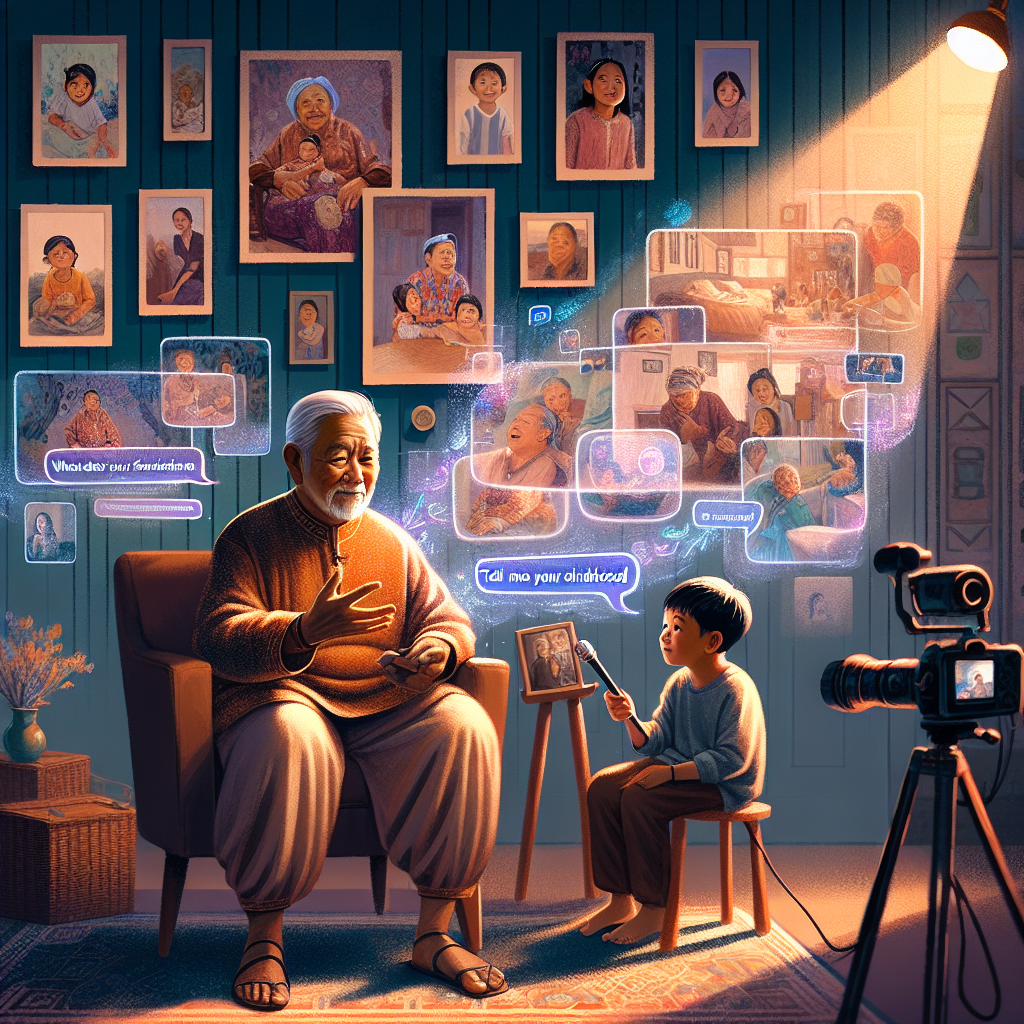
Glossary Of Terms
Other Questions
Could Your Life Story Be The Key to Healing Family Divisions? – Other Questions
If you wish to explore and discover more, consider looking for answers to these questions:
- What specific benefits can families experience from sharing personal stories?
- How can I initiate legacy storytelling in my family?
- What are some effective techniques for encouraging family members to share their stories?
- Can legacy storytelling be effective in blended families or families with step-siblings?
- How do cultural differences affect legacy storytelling within families?
- What are common challenges families face when discussing painful past experiences?
- How can technology be used to facilitate storytelling among family members?
- In what ways can storytelling sessions be structured for maximum effectiveness?
- Why is it important to document family histories and stories?
- How does the act of storytelling differ across generations?

Other Questions
Haiku
Could Your Life Story Be The Key to Healing Family Divisions? – A Haiku
Stories shared with care,
Through time, they bridge our divides—
Healing family ties.

Haiku
Poem
Could Your Life Story Be The Key to Healing Family Divisions? – A Poem
In the glow of flickering light,
Around the hearth, with hearts so bright,
Stories weave through laughter and tears,
Binding us through the flowing years.
Each tale a thread in family’s quilt,
A tapestry rich, with love and guilt,
Your childhood fears, my awkward days,
Through shared memories, our essence stays.
For families often bear a weight,
Of misunderstandings, burdens, and fate,
Yet in our stories, empathy blooms,
A balm for wounds in shadowy rooms.
From gentle whispers of past regrets,
To triumphs won and dark silhouettes,
Through legacy’s lens, we confront the fray,
A bridge of understanding, erasing the gray.
Forgiveness dances, messy yet grand,
Healing the rifts, extending a hand,
As hearts unfold, and walls come down,
Resilience finds roots where love can be found.
So gather, dear kin, let your voices soar,
In the hearth’s warm glow, let stories pour.
For in every struggle and joy we impart,
Lies the strength to unite, and a way to restart.
In knowing our past, we forge a new way,
An empathetic bond that forever will stay.
Let legacy storytelling light our way clear,
For healing divisions, our stories hold dear.
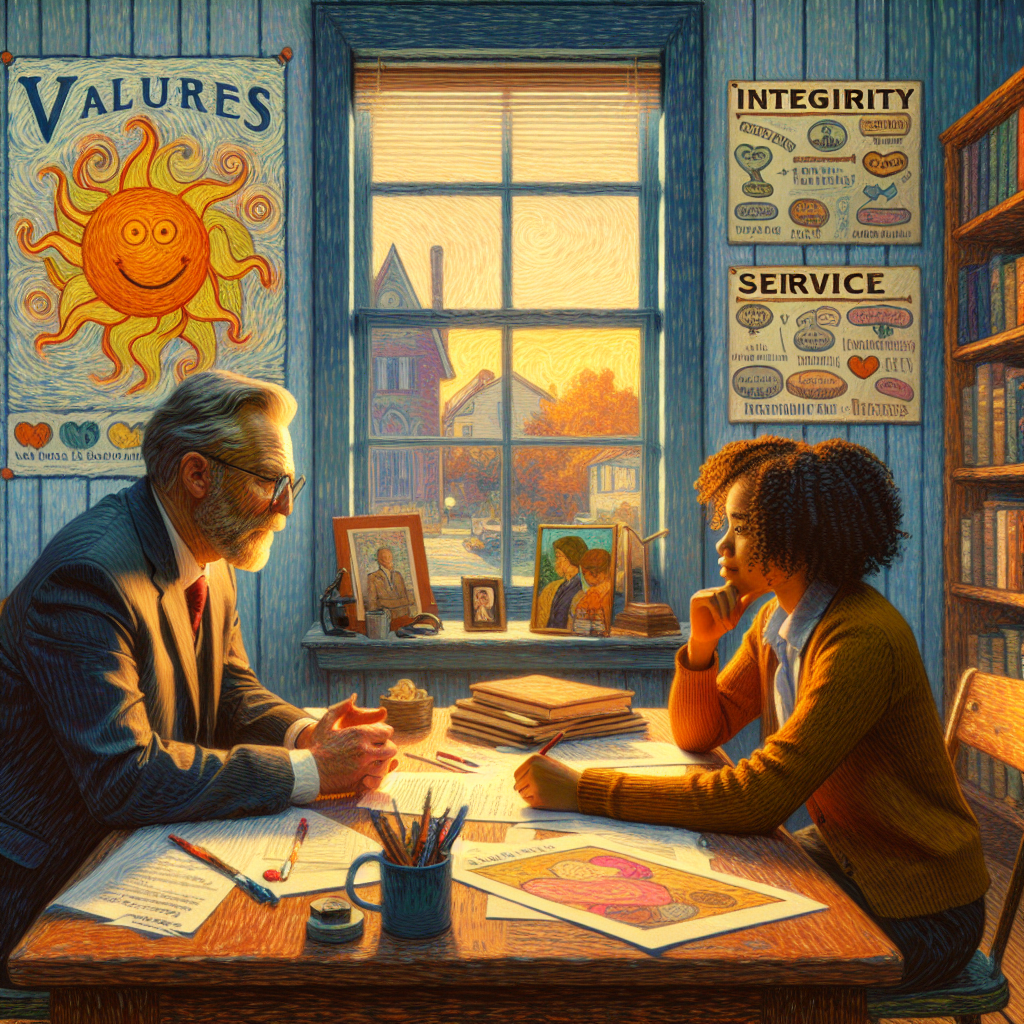
Poem
Checklist
Could Your Life Story Be The Key to Healing Family Divisions? – A Checklist
Preparing for Storytelling
_____ Set the Scene: Choose a comfortable and inviting environment for sharing stories (e. g. , around a fire, at a family gathering, or during a meal).
_____ Gather Family Members: Invite family members of all generations to participate in the storytelling session.
_____ Encourage Openness: Foster an atmosphere of trust, where everyone feels safe to share their stories without judgment.
Crafting Your Story
_____ Start with a Hook: Begin your story with an engaging opening that captures attention.
_____ Be Vulnerable: Share personal struggles and lessons learned from your experiences.
_____ Focus on Details: Include sensory elements that help paint a vivid picture of your story.
_____ Pace Your Story: Utilize pauses for effect and emphasis, allowing listeners to absorb the narrative.
Engaging Your Audience
_____ Invite Questions: Encourage listeners to ask questions or share their thoughts about your story.
_____ Listen Actively: Practice active listening when others share their stories, validating their feelings and experiences.
Building Connections
_____ Identify Common Themes: Relate shared experiences to highlight similarities across generations.
_____ Create Space for Unresolved Conflicts: Address lingering issues by inviting conversations about past hurts in a respectful manner.
Fostering Empathy and Understanding
_____ Encourage Empathy: Share stories that illustrate the challenges your family has faced, inviting others to consider different perspectives.
_____ Acknowledge Past Wrongs: Address the role of forgiveness in family narratives, promoting the idea that healing can reshape family legacies.
Legacy Building
_____ Document Your Stories: Consider recording or writing down family stories for future generations.
_____ Share Stories Across Generations: Make storytelling a regular practice to bridge generational gaps and pass down traditions, values, and lessons learned.
_____ Create a Family Narrative: Work together to weave individual stories into a collective family history.
Follow-Up
_____ Reflect and Share: After storytelling sessions, discuss feelings and insights gained from the stories shared.
_____ Plan Future Storytelling Sessions: Establish a routine for family gatherings that emphasize the importance of sharing life stories.
By following this checklist, you can initiate meaningful conversations and contribute to healing and unity within your family through the art of legacy storytelling.

Checklist
At LegacyExplorations, we help people plan and explore their legacy by collecting information and news regarding end-of-life planning.
Please share this post with your friends, family, or business associates who may want help to plan or explore their legacy.