

Passing Down Memories, Values, And Wisdom
By Tom Seest
At LegacyExplorations, we help people plan and explore their legacy by collecting information and news regarding end-of-life planning.
Please share this post with your friends, family, or business associates who may want help to plan or explore their legacy.
Creating a ‘Legacy Shelf’ That Sparks Generational Stories
There’s something profoundly human about storytelling. It binds us, creates a tapestry of shared experiences, and crafts a narrative that transcends generations. Now, imagine creating a ‘Legacy Shelf’ in your home—a physical embodiment of your family’s history that invites curiosity and sparks generational stories. It’s not just about displaying objects; it’s about showcasing the essence of who you are and where you come from.
Picture this: a weathered fishing rod passed down from a grandfather who taught patience on the icy shores of the family lake. Or a cookbook filled with handwritten notes, each recipe a slice of your family heritage, sprinkled with love and laughter. These aren’t mere relics; they are vessels of legacy storytelling. They breathe life into our past, making it tangible for future generations.
Engaging with these artifacts allows us to connect emotionally. Every item tells a tale, invoking laughter, tears, and pride—the whole spectrum of the human experience. When we share these stories, we elevate our personal histories to something far more significant than mere nostalgia. We strengthen familial bonds, reinforce our values, and provide a foundation for our children and grandchildren to understand the grit and grace that shaped their lineage.
But let’s not ignore the practical side. In a world where everything is disposable, creating a ‘Legacy Shelf’ serves as a gentle reminder of our roots. It’s an antidote to the transient nature of modern life, encouraging us to pause, reflect, and appreciate what truly matters. It invites dialogue, igniting conversations with children and grandchildren that, quite frankly, can be life-changing. Instead of scrolling through a device, they’re learning who they are through the stories of those who came before them.
This isn’t just a trendy home decor project; it’s an ethical responsibility we carry as custodians of our family’s narrative. We owe it to ourselves and future generations to document our experiences, triumphs, and struggles.
So, clear off that shelf. Gather those artifacts. Share those stories. Create a legacy that can be touched, seen, and felt for years to come. In doing so, you aren’t just preserving history; you’re igniting a sense of belonging that will resonate through the ages. And in today’s fast-paced world, that’s what we all truly crave—a connection to something larger than ourselves.

Creating a ‘Legacy Shelf’ That Sparks Generational Stories
Creating a ‘Legacy Shelf’ That Sparks Generational Stories
- Storytelling connects us and preserves shared experiences across generations.
- Creating a ‘Legacy Shelf’ in your home embodies your family’s history and invites curiosity.
- Items like a fishing rod or a cherished cookbook serve as vessels for legacy storytelling.
- Engaging with these artifacts fosters emotional connections and strengthens familial bonds.
- A ‘Legacy Shelf’ counters the disposable nature of modern life, encouraging reflection on what matters.
- Sharing family stories provides essential insights into shared values and lineage for future generations.
- This practice is an ethical duty to document our narratives and create a lasting sense of belonging.
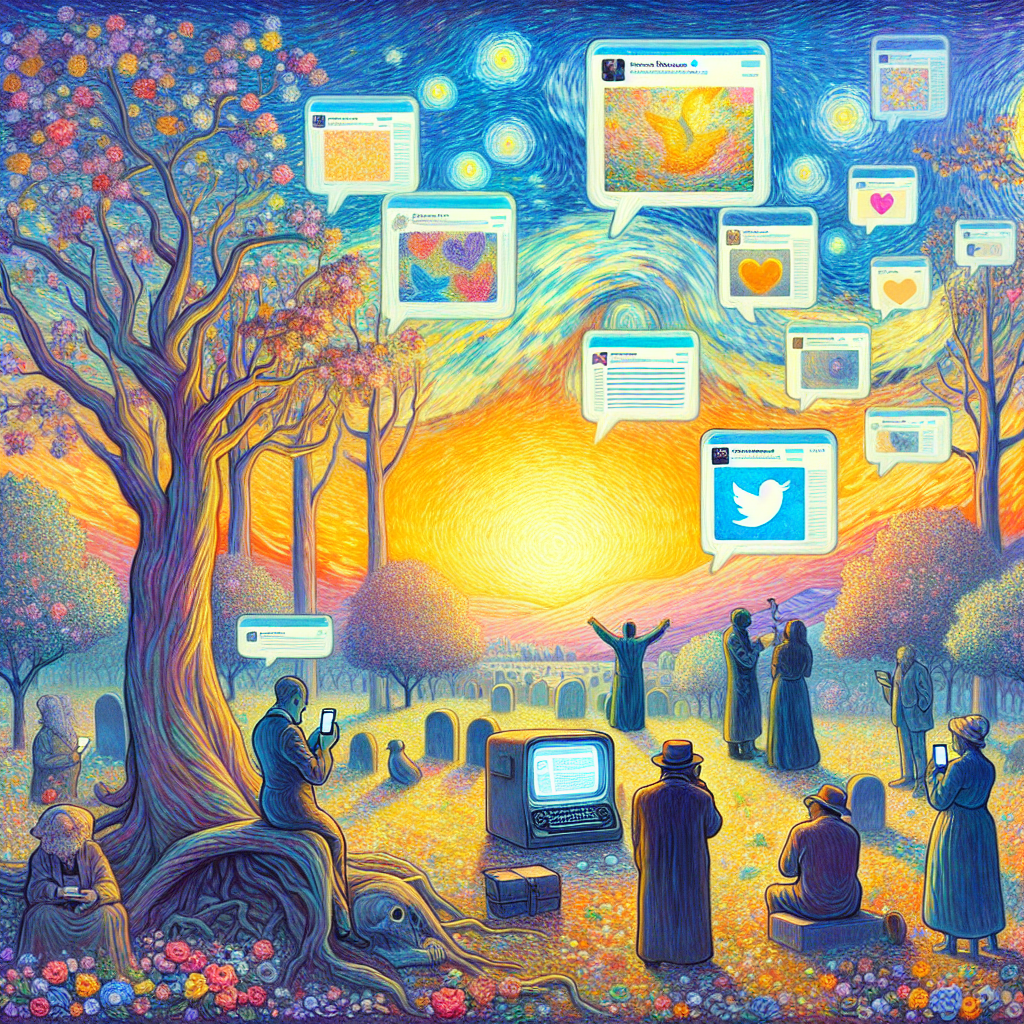
Creating a ‘Legacy Shelf’ That Sparks Generational Stories
Table Of Contents
- Creating a ‘Legacy Shelf’ That Sparks Generational Stories
- What Stories From Your Past Would Inspire Future Generations?
- How Can We Ensure Our Family Stories Are Not Forgotten?
- How Do We Balance Nostalgia with the Need for Modern Updates?
- What Legacy Do You Want to Pass Down to Your Children?
- How Can Storytelling Strengthen Family Bonds Across Generations?
- What Role Does Culture Play In Shaping Our Legacy Shelf?
- How Can We Involve Younger Generations In Preserving History?
- Conclusion
- Other Resources
- Glossary Of Terms
- Other Questions
- Haiku
- Poem
- Checklist
What Stories From Your Past Would Inspire Future Generations?
Every one of us carries within a legacy, a collection of stories that, if shared, have the power to ignite change, foster connection, and inspire generations yet to come. Think back to moments in your life that felt monumental—triumphs over adversity, lessons learned through hard work, or acts of kindness that altered your path. These are not just personal anecdotes; they are the core of legacy storytelling.
Take a moment to consider the heart of your own story. What experience can tap deep into that well of emotion, resonating with listeners long after the last word is spoken? Perhaps it’s the time you trudged through a blizzard to help a neighbor in need, showcasing the timeless principle that compassion outweighs convenience. Or maybe you remember facing a daunting challenge at work, where perseverance led to unexpected success, reminding others that grit can often outshine talent. Each narrative weaves together the fabric of who we are, and those threads can guide others when they stand on the precipice of their own journeys.
Now, let’s engage the head. These tales are not just feel-good moments; they carry a rational weight. Reflect on the learning opportunities embedded in your experiences. When you narrate those instances of failure turned to success, you highlight the importance of resilience, demonstrating that setbacks are merely stepping stones on the path to achievement. This perspective can empower future generations to embrace their own struggles, transforming them into fuel for growth, rather than an anchor of despair.
Consider the ethical component as well. Sharing stories stemming from authentic struggles urges listeners to examine their own values and choices. When young people hear about the confrontations with injustice or inequality that you faced, they gain the moral clarity to take a stand in their own lives.
Finally, think about the broader social appeal. When you bring your life stories into the communal conversation, you knit a network of shared human experience. It’s through these narratives that we can see ourselves in each other. Invite others to join this circle; share a laugh, shed a tear, and find solace in the understanding that we are all navigating similar waters.
Your stories are a legacy worth sharing—and your words have the potential to spark hope, invoke courage, and inspire generations to dream boldly and act fearlessly. What will your story be?

What Stories From Your Past Would Inspire Future Generations?
What Stories From Your Past Would Inspire Future Generations?
- Everyone carries a legacy made up of stories that can inspire change and connection.
- Monumental life moments, such as triumphs, lessons, and acts of kindness, form the core of legacy storytelling.
- Personal narratives resonate emotionally and can leave a lasting impact on listeners.
- Experiences of perseverance and compassion highlight essential life principles and can guide others in their journeys.
- Stories illustrate the importance of resilience, transforming setbacks into opportunities for growth.
- Sharing authentic struggles encourages ethical reflection and empowers others to confront injustice.
- Life stories contribute to a broader social dialogue, fostering a sense of shared human experience.

What Stories From Your Past Would Inspire Future Generations?
How Can We Ensure Our Family Stories Are Not Forgotten?
When we talk about preserving our family stories, we’re diving into a treasure trove of experiences that shape who we are. These stories don’t just gather dust on a shelf; they’re the pulse of our very existence. Legacy storytelling is more than a pastime; it’s an ethical duty to honor our ancestors and connect generations. It’s about taking the time to capture not just the events but the emotions that formed our family tree, allowing us to reflect on where we’ve come from and where we’re headed.
Think about it: every family has a wealth of tales that can make you laugh, cry, or contemplate. From the great-grandfather who braved storms to build a life to the matriarch who held the family together through tough times—these narratives have the power to inspire confidence in the face of adversity. By writing them down, recording them, or sharing them around a dinner table, we ensure these legacies live on.
Engaging in storytelling invites others to join in the conversation, creating a bond that transcends time and space. Have you ever sat around with loved ones, sharing tales that spark laughter or provoke questions? It turns those mundane moments into lasting memories. Sharing these narratives builds a social fabric, threading people together with a common understanding of their heritage, making every participant a critical part of the legacy.
Now let’s get real: life moves fast. In a world obsessed with immediacy, don’t let your family stories slip through the cracks. Grab a pen, or hit record on your phone. Ask your parents or grandparents questions that matter—questions that dig deep into their experiences. What were their biggest fears? What were their most cherished moments? You’ll be surprised by the wealth of wisdom waiting to be uncovered.
Every chapter in your family’s history deserves to be honored. The rustle of pages, the tone of a voice, or even the stillness of a simple photograph can evoke feelings that nothing else can. Don’t let your legacy fade into the background noise; bring it to the forefront. The act of preserving these stories is not just an invitation to remember; it’s a rallying cry to ensure that our family narratives remain vibrant threads in the fabric of our lives for generations to come. The stories are there, waiting. All it takes is for you to take that first step.

How Can We Ensure Our Family Stories Are Not Forgotten?
How Can We Ensure Our Family Stories Are Not Forgotten?
- Preserving family stories connects us to our heritage and shapes our identity.
- Legacy storytelling is an ethical duty to honor ancestors and bridge generations.
- Family narratives evoke strong emotions and can inspire resilience and confidence.
- Sharing stories fosters connections and builds a social fabric among loved ones.
- Life moves quickly, making it essential to capture and record family histories before they fade.
- Engaging with older generations through meaningful questions uncovers valuable insights and experiences.
- The act of preserving these stories ensures they remain vibrant and integral to future generations.

How Can We Ensure Our Family Stories Are Not Forgotten?
How Do We Balance Nostalgia with the Need for Modern Updates?
Nostalgia is a powerful force—one that echoes through our lives like a familiar tune. It pulls at our heartstrings, encouraging us to revisit joyful times, cherished memories, and traditions that have shaped who we are. Yet, as we cling to these memories, we must also grapple with a pressing question: how do we balance nostalgia with the modern updates that our world demands? The answer lies in understanding and embracing the value of legacy storytelling.
Legacy storytelling isn’t just about recounting the past; it’s a means of ensuring that the lessons we’ve learned continue to resonate within our communities. When we share our stories—whether they’re woven into a family quilt or shared over a dinner table—we’re not merely reminiscing. We’re creating a bridge between generations, inviting the young to appreciate the foundations laid by those who came before them. The history within our narratives teaches resilience, creativity, and problem-solving, which have become essential skills in navigating our ever-evolving landscape.
But embracing change doesn’t mean erasing the past. It demands a thoughtful reflection that honors our roots while adapting to contemporary needs. Picture the community gathering to reminisce, yet also to brainstorm how traditions can be integrated with today’s realities. This dual approach nurtures connection, honors diverse perspectives, and empowers individuals. Think about how local businesses can modernize their services while still celebrating their history—crafting a menu that introduces contemporary cuisine while featuring family recipes; this not only fuels the local economy but also creates a sense of belonging.
Developing this balance requires introspection and honesty about what we want to retain and what we need to let go of. It’s a conversation with ourselves and our neighbors. The values that bind us—kindness, integrity, a sense of responsibility—are timeless. They can navigate technological advancements and societal changes without losing their authenticity.
So, let’s unite nostalgia with innovation, paving the way for a future that is enriched by our past. We stand not at a crossroads but at a convergence where our legacy storytelling can guide us forward, ensuring that we don’t lose sight of who we are while fearlessly embracing who we can become. This is the heart of progress: honoring the past while boldly stepping into tomorrow, together.

How Do We Balance Nostalgia with the Need for Modern Updates?
How Do We Balance Nostalgia with the Need for Modern Updates?
- Nostalgia shapes our identity, reminding us of joyful experiences, memories, and traditions.
- Balancing nostalgia with modern demands is essential for personal and community growth.
- Legacy storytelling preserves valuable lessons, fostering inter-generational connections.
- Sharing stories teaches resilience, creativity, and problem-solving skills vital for today’s challenges.
- Change should honor our roots and adapt traditions to contemporary realities.
- Modernization can celebrate history, like local businesses blending contemporary cuisine with family recipes.
- Uniting nostalgia and innovation guides progress, ensuring we honor our past while embracing the future.

How Do We Balance Nostalgia with the Need for Modern Updates?
What Legacy Do You Want to Pass Down to Your Children?
When pondering the legacy you want to leave behind for your children, consider not just what you will bequeath in terms of material wealth, but also the rich tapestry of values you can weave into their lives. Legacy is more than money; it is storytelling—your stories, their stories, and the stories that shape how they navigate the world.
Imagine your children standing tall, equipped with the lessons you imparted. They should know that hard work isn’t just a means to an end; it’s the heartbeat of fulfillment. Instilling a strong worth ethic isn’t just about the daily grind; it’s about nurturing a sense of pride and responsibility. Teach them that perseverance is a valuable currency in life. This is not merely a narrative; it’s a crucial foundation for their future, shaping them into morally grounded individuals ready to face challenges head-on.
Think of the lessons learned at the dinner table, the moments shared when you put down your phone and genuinely engaged with your family. Those conversations, filled with laughter and life lessons, are the threads of your legacy. Share stories of your mistakes and triumphs, because the path to wisdom is paved with experience. Each story resonates, becoming a lifeline in moments of doubt. Your children will find solace in knowing that failure isn’t the end, but a stepping stone on the road to success.
Emotion plays a massive role in shaping behavior and choices. Show them the power of empathy; remind them that kindness is not just a gesture but a way of life. In a world where ethics can feel like a hazy guideline, being a moral compass for them is invaluable. They’ll learn to prioritize integrity and authenticity over superficial gains.
On a social level, consider how your legacy can influence others. Encourage your children to participate in their communities. Teach them that there’s strength in service and that looking out for others never goes out of style. As they impact lives, they’ll weave a broader narrative that extends beyond the family unit.
Ultimately, the legacy you create is a living testament to your values. It’s built through consistent action and heartfelt storytelling, laying a sturdy foundation for your children to stand upon. So ask yourself, what story do you want them to tell? The pen is in your hand—make it a narrative worth repeating.

What Legacy Do You Want to Pass Down to Your Children?
What Legacy Do You Want to Pass Down to Your Children?
- Consider leaving a legacy that includes both material wealth and the values important for life.
- Legacy is defined by storytelling—sharing your experiences and shaping how your children perceive the world.
- Teach the importance of hard work and perseverance as vital components of fulfillment and a strong work ethic.
- Value shared moments and conversations at the dinner table as critical threads in your legacy.
- Encourage empathy and kindness as essential values and demonstrate integrity as a moral compass.
- Promote active participation in the community, teaching children the strength that comes from serving others.
- Your legacy is a reflection of your consistent actions and storytelling, so aim to create a narrative that resonates.

What Legacy Do You Want to Pass Down to Your Children?
How Can Storytelling Strengthen Family Bonds Across Generations?
Storytelling is an age-old tradition, a thread that weaves together the fabric of family life, stitching the hearts of generations into a single, vibrant tapestry. This practice is more than just a delightful pastime; it’s a powerful tool that can deepen relationships, impart wisdom, and build stronger family bonds across the years. Each tale shared is a legacy, echoing through time, creating a bridge between the past and the present that allows our loved ones to walk hand in hand with their ancestors.
Think back to your childhood. Remember those moments huddled around the dinner table, eyes wide as a grandparent spun tales of their youth? These were more than stories; they were lessons wrapped in narratives that taught resilience, love, and the importance of staying true to one’s values. When families share these narratives, they spark emotions—laughter over a silly mishap, tears during unearthing old wounds, and cheers for triumphs hard-earned. This emotional labor, far from being a chore, fosters intimacy, allowing each generation to see life through the lens of those who walked before them.
From a rational perspective, storytelling also serves as a repository of familial wisdom. In an age rife with distractions, these tales help anchor our sense of identity and belonging. When children hear the stories of their ancestors—forged in struggle and triumph—they root themselves in a greater context. They learn the importance of their heritage, fostering a sense of pride that can guide their decisions, both big and small. Statistically, families who engage in regular storytelling report higher levels of emotional intelligence among children. When kids understand their history, they become better equipped for life’s challenges.
Ethics, too, play a role in storytelling. By sharing our stories openly, we establish a standard of honesty and vulnerability that paves the way for deeper discussions. When a grandparent admits a mistake from their past, it teaches that imperfections are human, offering permission for the next generation to embrace their own flaws without shame.
In our fast-paced world, let’s not underestimate the unique power of storytelling to transcend barriers, unite families, and enrich lives. Gather your loved ones, share your legacy, and watch as those connections strengthen. It’s not merely about recounting events; it’s about becoming part of a living, breathing narrative that spans generations.

How Can Storytelling Strengthen Family Bonds Across Generations?
How Can Storytelling Strengthen Family Bonds Across Generations?
- Storytelling is an age-old tradition that strengthens family bonds and connects generations.
- Shared tales impart wisdom, deepen relationships, and create a bridge between past and present.
- Childhood memories of family storytelling teach resilience, love, and the importance of values.
- Emotional storytelling fosters intimacy and allows generations to experience life through familial perspectives.
- Storytelling serves as a repository of wisdom, helping anchor identity and belonging amidst distractions.
- Families that engage in storytelling often report higher emotional intelligence in children.
- Openly sharing stories promotes honesty and vulnerability, paving the way for deeper discussions and acceptance of imperfections.

How Can Storytelling Strengthen Family Bonds Across Generations?
What Role Does Culture Play In Shaping Our Legacy Shelf?
Culture is the unseen thread that weaves our legacy shelf—a collection of stories, values, and artifacts that define who we are and what we stand for. Each of us, in our own way, contributes to this tapestry. Whether it’s a tale passed down from a grandparent or a unique tradition born from the creativity of a community, these elements are the stories that ground us, reminding us of where we come from and where we might be headed.
When we delve into legacy storytelling, we tap into something deeply emotional, stirring the heartstrings and prompting reflection. Picture this: a family gathered around a table, sharing laughter and tears, recounting the trials and triumphs of their ancestors. Each narrative deepens the roots of our identity, anchoring us to a greater purpose. These stories ignite empathy, creating a bond that resonates not just within families, but across cultures, as we recognize the shared human experiences that bind us all.
From a rational standpoint, understanding our cultural legacy can guide our decisions today. Histories often bear lessons—some grim, others vibrant—that can illuminate the path ahead. When we examine the triumphs and failures of those who walked before us, we gain insight into the human condition and the choices that shaped civilizations. This analytical approach empowers us to forge meaningful legacies of our own, reminding us that our actions ripple through time.
Ethically, we have a responsibility to cultivate and pass on the stories that matter. As stewards of culture, we must recognize our role in shaping the narrative, preserving not just our own voices, but also those of marginalized communities. This inclusiveness enriches the cultural mosaic, ensuring that all perspectives are honored and shared.
With every shared experience and story, we tap into collective wisdom and strengthen the social fabric of our communities. The act of storytelling fosters connection, uniting us in our struggles and triumphs, reminding us that none of us are truly alone.
So, as we ponder the legacies we wish to leave behind—what stories will you choose to tell? Your cultural heritage is a vital part of this equation. The question isn’t just what legacy you’ll leave; it’s which stories will inspire future generations to add their own chapters to this ongoing narrative of life.

What Role Does Culture Play In Shaping Our Legacy Shelf?
What Role Does Culture Play In Shaping Our Legacy Shelf?
- Culture is the foundation of our collective legacy, connecting stories, values, and artifacts that shape our identities.
- Individual contributions to cultural narratives stem from personal and community traditions, grounding us in our history.
- Legacy storytelling evokes emotion, fostering connections through shared experiences among families and cultures.
- Understanding cultural history provides valuable lessons to inform current decisions and future directions.
- There is an ethical obligation to preserve and promote diverse stories, ensuring marginalized voices are included in the narrative.
- Storytelling strengthens community bonds and cultivates a sense of belonging, uniting us in our shared human experiences.
- Reflecting on the legacies we leave entails considering which stories will inspire future generations in their own journeys.

What Role Does Culture Play In Shaping Our Legacy Shelf?
How Can We Involve Younger Generations In Preserving History?
History isn’t just a dusty collection of dates and events; it’s the tapestry woven from the threads of our ancestors’ lives. Engaging younger generations in preserving this heritage is not just an option—it’s a necessity. Our legacy depends on how well we can pass down the stories that shape who we are.
To ignite that spark, we need to embrace the concept of storytelling. Every family has a legacy—rich with tales of struggle, triumph, and everyday life that can make the past come alive. Imagine inviting a young person into a kitchen where recipes are handed down like precious heirlooms, each flavor steeped in a story. This isn’t just an exercise in nostalgia; it’s an opportunity for connection, bridging the generational gap and showing that history isn’t a monologue, but a dialogue filled with voices that deserve to be heard.
Now, let’s put our heads together. Younger folks are wired differently; they consume content through platforms like TikTok or Instagram. Why not harness that drive? Create engaging campaigns that challenge them to uncover local history or explore their ancestry and share their findings through these channels. Use technology not as a barrier, but as a bridge. Each post, each video, can be a piece of the historical puzzle, reminding them that their story is part of a larger narrative, where they stand not just as passive observers but as active participants in the ongoing saga of humanity.
Ethically speaking, we owe it to the past to share these stories—because failing to do so risks losing valuable lessons. We also bear a responsibility to foster a sense of belonging and identity in the younger generation. They need to understand that they are part of a continuum.
On a social level, creating community events—like history fairs, storytelling nights, or restoration projects—can pique their interest. When history is something they can touch, feel, and contribute to, it transforms from abstract to intimate. Each brushstroke on a dilapidated mural tells a story, and each participant becomes a keeper of that tale.
So let’s make history not just a subject taught in classrooms but a living entity. Entice the youth with the richness of our heritage, the duty of stewardship, and the reward of connection. Involving them isn’t just important; it’s vital—for their future, our legacy, and the stories yet to be unwritten.

How Can We Involve Younger Generations In Preserving History?
How Can We Involve Younger Generations In Preserving History?
- History is a tapestry woven from our ancestors’ lives, not just a collection of dates.
- Engaging younger generations in preserving heritage is a necessity for our legacy.
- Storytelling can make the past come alive through family legacies of struggle, triumph, and everyday life.
- Younger people consume content differently, utilizing platforms like TikTok and Instagram to share their stories.
- We have an ethical responsibility to share historical stories to prevent losing valuable lessons.
- Community events like history fairs and storytelling nights can engage youth by making history tangible and participatory.
- Involving younger generations in history is vital for their future, our legacy, and the unwritten stories ahead.

How Can We Involve Younger Generations In Preserving History?
Conclusion
In a world racing toward the next fleeting trend, the concept of a ‘Legacy Shelf’ emerges as a sanctuary, a tangible homage to our families’ histories and shared narratives. Picture it: a curated collection nestled within your home, calling to the generations that follow. It’s not just a display; it’s a dialogue across time, a bridge connecting the past to our present and future. Each artifact—a tattered baseball glove, a grandmother’s quilt, or a cherished recipe book—carries within it a tapestry of experiences waiting to be told. These are not mere objects; they are vessels of emotion, resonating with laughter, heartache, and wisdom that can guide the young through their own life’s labyrinth.
As we gather around this shelf, we engage in a ritual of storytelling that strengthens familial bonds. It resonates on an emotional level, reminding us that our stories are more than individual chapters; they are collective lessons that shape who we are. When a child hears tales of resilience or kindness from their forebears, they aren’t just connecting to their lineage; they are internalizing values that will influence their choices and actions. In a society increasingly fragmented by screens, this is a potent reminder that the human experience thrives in conversation, the sharing of stories—a dance as old as time itself.
From a rational standpoint, the insights gleaned from these narratives can empower younger generations to navigate their own challenges. Each tale of struggle transformed into triumph becomes a blueprint, instilling a mindset that embraces persistence over despair. Ethically, there lies a responsibility to protect and pass on these legacies, ensuring that values like kindness, integrity, and compassion don’t fade into obscurity but rather flourish in the hands of those who will inherit our world.
Moreover, engaging the younger crowd doesn’t have to be a daunting task. It involves meeting them at the intersection of the past and the present—leveraging technology, community events, and creative platforms that resonate with their experiences. An Instagram post, a TikTok video highlighting a family recipe or an adventure of discovery can ignite their passion for history and connection to their heritage.
In the end, our legacy isn’t merely what we leave behind; it’s how we engage—through stories, values, and artifacts. As stewards of our family narratives, we carry the heart of our legacy, crafting a narrative that inspires future generations to dream boldly, act courageously, and write their own chapters. What will your Legacy Shelf hold? The power to connect us, teach us, and ground us is there, waiting for you to step forward and share your story. The world needs your legacy—embrace it, cherish it, and let it shine a light on those who will follow.

Conclusion
Conclusion:
- The ‘Legacy Shelf’ serves as a sanctuary for family histories and shared narratives.
- It acts as a dialogue across time, connecting past, present, and future generations.
- Artifacts like baseball gloves, quilts, and recipe books carry emotional value and lessons.
- Storytelling rituals around the shelf strengthen familial bonds and promote collective values.
- Narratives of resilience and kindness help younger generations internalize important life lessons.
- Engaging youth with technology and creative platforms can bridge the gap between past and present.
- Our legacy is defined not just by what we leave behind but by how we share and engage our stories.

Conclusion
Other Resources

Other Resources
Here is a list of other resources you can review online to learn more:
- YouMattered
- deviantART
- Funeral Finder
- LegalNature
- RootsMagic
- Can Telling and Preserving Personal or Family Legacy Stories Be Therapeutic?
- FuneralWise
- Obituary Templates
- Legacy Family Tree
- Ancestry
- ForeverMissed
- International End of Life Doula Association
- StoryCorps
- Tributize
- Remembered.com
- Personal Legacy Advisors
- Xarona
- LegalZoom
- GhostMemo
- How to Save Your Family�s Stories from Being Lost Forever � A Step-by-Step Guide to Creating a Lasting Digital Legacy
Use This Prompt To Get More Resources With Your Favorite Online AI Tool: Please provide me with a list of online articles with their URLs in a bulleted list that I can read regarding Creating a ‘Legacy Shelf’ That Sparks Generational Stories

Other Resources
Glossary Terms
Creating a ‘Legacy Shelf’ That Sparks Generational Stories – Glossary Of Terms
1. Legacy Shelf: A curated space designed to showcase items that represent family history and traditions, encouraging storytelling across generations.
2. Generational Stories: Narratives passed down through families that convey history, morals, and lessons learned from previous generations.
3. Heirloom: A valuable object or item of personal significance that is passed down through family members over time.
4. Memory Keeper: An individual or item dedicated to preserving and sharing family memories, ensuring they are not forgotten.
5. Curation: The process of selecting, organizing, and presenting items for display, often with a thematic focus.
6. Narrative: A structured story or account of events that helps communicate relationships, values, and history.
7. Artifact: An object of historical or cultural significance, often used to connect with past events or ancestors.
8. Tradition: Established customs or practices that are passed down through generations, often forming a part of family identity.
9. Storytelling: The art of conveying stories, often through spoken word, written text, or other forms of expression, which helps bond families.
10. Genealogy: The study of family history and lineage, often involving the creation of family trees to trace ancestry.
11. Preservation: The act of maintaining and protecting items or stories to ensure they endure for future generations.
12. Emotional Connection: The bond or relationship formed through shared experiences and stories, fostering understanding among family members.
13. Memorialization: The act of commemorating an individual or event through physical or symbolic means, helping to keep memories alive.
14. Visual Storytelling: Using images, photographs, or art to convey family narratives and evoke emotions related to those stories.
15. Engagement: The process of involving family members in the creation and sharing of stories, encouraging participation and interaction.
16. Legacy: The long-lasting impact or inheritance that a person leaves behind, encompassing values, memories, and stories.
17. Cultural Heritage: The traditions, customs, and artifacts that define and connect a group of people, often shared within families.
18. Symbolism: The use of symbols or items to represent deeper meanings or values within family stories.
19. Remembrance: The act of recalling and honoring the past, often through sharing stories and engaging with heirlooms.
20. Connection: The relationship formed between individuals through shared stories and experiences, strengthening familial bonds.
21. Intangible Heritage: Non-physical aspects of heritage, such as traditions, rituals, and languages that connect families across generations.
22. Family History: A recorded account of a family’s past, highlighting ancestors, milestones, and significant events.
23. Story Archive: A collection of family stories, either written or recorded, that serves as a repository for future generations.
24. Legacy Planning: The process of intentionally deciding how to pass on values, artifacts, and stories to future generations.
25. Interactive Elements: Features included in a legacy shelf, such as diary entries or recordings, that invite family participation.
26. Third Place: A supportive environment outside of home and work, where families can gather to share stories and create new memories.
27. Digital Legacy: The online presence and digital artifacts (like photos, videos, and social media) that families can preserve and share.
28. Nostalgia: A sentimental longing for the past, often experienced when engaging with family stories or artifacts.
29. Legacy Narrative: A comprehensive story that encapsulates a family’s history, values, and significant events, aiming to be passed down.
30. Family Tree: A diagram that represents family relationships and ancestry, serving as a visual representation of lineage and history.

Glossary Of Terms
Other Questions
Creating a ‘Legacy Shelf’ That Sparks Generational Stories – Other Questions
If you wish to explore and discover more, consider looking for answers to these questions:
- What are some examples of items that can be included on a Legacy Shelf?
- How do you determine what stories are most important to share?
- What practical steps can be taken to create a Legacy Shelf in your home?
- How do you involve family members in the process of creating a Legacy Shelf?
- What challenges might arise when trying to pass down family stories?
- How can technology aid in documenting and sharing family stories?
- What role do family traditions play in storytelling and preserving legacy?
- How can storytelling help in resolving family conflicts?
- What are some effective ways to encourage children to share their own stories?
- How can communities support families in preserving their cultural legacies?
- What is the impact of storytelling on emotional intelligence in children?
- How can you adapt traditional stories for modern audiences?
- What ethical considerations should be taken into account when sharing family stories?
- What role do oral histories play in creating a Legacy Shelf?
- How can storytelling be used to foster intergenerational relationships?

Other Questions
Haiku
Creating a ‘Legacy Shelf’ That Sparks Generational Stories – A Haiku
Legacy shelf stands tall,
Ancient tales weave through the years,
Hearts connect, embrace.

Haiku
Poem
Creating a ‘Legacy Shelf’ That Sparks Generational Stories – A Poem
In a quiet corner, a shelf stands tall,
A treasure trove of tales, an invitation to all.
Each item sparkles with memories, old and new,
A fishing rod whispers of patience, the past breaking through.
Handwritten recipes fill the air with love,
Lessons in joy and heartache, like stars up above.
These relics speak softly, igniting laughter and tears,
Binding generations together, across the years.
In a world so fast, where moments slip away,
This shelf, a gentle reminder, of the values that stay.
It calls for reflection, for narratives to share,
To gather round the table, with stories laid bare.
What do you carry, what legacy will you weave?
Stories of triumph, of kindness, and times they believed.
Every laugh, every tear, a thread in the seam,
Building a tapestry richer than any dream.
Yet, let’s not forget, this duty we hold,
To cherish and nurture the tales yet untold.
Encourage the youth, let them be part of the dance,
To explore their own histories, to share and to enhance.
Invite them into the kitchen, hear them engage,
In this living history, let them take center stage.
For every voice matters, every truth needs a sound,
In the echo of stories, true connections are found.
So clear off that shelf, let memories unfurl,
With each story you tell, shape a meaningful world.
For it’s not just what you leave, but the wisdom you share,
In crafting your legacy, there’s love in the air.

Poem
Checklist
Creating a ‘Legacy Shelf’ That Sparks Generational Stories – A Checklist
Legacy Shelf Creation Checklist
Emotional Appeals
_____ Identify Meaningful Artifacts: List items that evoke personal memories and stories from your family history.
_____ Reflect on Emotional Moments: Write down key life experiences that shaped your identity and feel comfortable sharing with others.
Rational Appeals
_____ Assess Learning Experiences: Note down pivotal lessons learned from challenges and successes in your life.
_____ Document Ethical Lessons: Identify moments when you faced moral dilemmas and how they influenced your values.
Ethical Appeals
_____ Commit to Preserving Stories: Make a pledge to actively document family stories and experiences for future generations.
_____ Incorporate Diverse Perspectives: Include stories from various family members, ensuring all voices are represented in your legacy.
Authority Appeals
_____ Consult Family Elders: Reach out to grandparents or older relatives to gather their stories and wisdom.
_____ Research Family History: Spend time delving into family ancestry to enrich your existing knowledge with facts and narratives.
Narrative Appeals
_____ Craft Your Family’s Story: Begin writing a narrative that includes significant themes, lessons, and values important to your family.
_____ Encourage Shared Storytelling: Plan family gatherings focused on storytelling where everyone shares their experiences.
Social Appeals
_____ Engage Younger Generations: Create opportunities for younger family members to share their perspectives on family history.
_____ Host Community Events: Arrange gatherings with friends and extended family to share stories and foster community connections around shared histories.
Bonus Actions
_____ Capture Stories Digitally: Use technology (videos, audio recordings) to document stories in formats young people can relate to.
_____ Create an Iterative Legacy Shelf: Regularly update your legacy shelf with new artifacts and stories as they arise in your family’s life.
This checklist serves as a comprehensive guide to start your journey in creating a ‘Legacy Shelf’ that fosters generational storytelling and family bonding.

Checklist
At LegacyExplorations, we help people plan and explore their legacy by collecting information and news regarding end-of-life planning.
Please share this post with your friends, family, or business associates who may want help to plan or explore their legacy.