

Unearthing Truth: Why Data Can’T Replace Our Human Experience
By Tom Seest
At LegacyExplorations, we help people plan and explore their legacy by collecting information and news regarding end-of-life planning.
Please share this post with your friends, family, or business associates who may want help to plan or explore their legacy.
Data Is Not Memory
In our fast-paced world, data seems to reign supreme. We fill our devices with information, scrolling through endless streams of numbers, words, and images. But let’s pause for a moment and consider: what does all this data really mean? It’s easy to confuse data with memory, but here’s the truth — data is not memory. Memory is infused with experience, emotions, and the nuances of life that data can never replicate.
Think of your own legacy storytelling. It’s the anecdotes passed down through generations, rich with laughter, sorrow, and lessons learned. These stories come alive because they are tethered to real experiences and emotions. They invite us to connect on a deeper level, reminding us of who we are and where we come from. Data may record facts, but it lacks the soul that transforms a mere statistic into a heartfelt narrative.
When we look at data, it’s like staring at a map without a compass. The numbers, while informative, can’t tell you what it feels like to stand at the edge of a mountain, to feel the earth shift beneath your feet during an earthquake, or to share a meal with loved ones around a table. These memories shape our identity and guide our actions, pushing us to care about one another, to act with empathy and understanding.
Let’s turn our gaze towards the ethical implications of this data-centric focus. By prioritizing data, we risk losing sight of the human element. Every data point represents a person, a story, a life lived. When we reduce individuals to mere statistics, we dehumanize them. Remember, every time we share a legacy story, we honor those who came before us, lifting their voices and experiences into the present.
As we navigate our increasingly data-driven landscape, we must challenge ourselves to engage with the heart, head, and gut. Stand firm in the knowledge that true understanding comes from listening to the stories that data cannot capture. Lean into the narratives that inspire connection, foster trust, and encourage action. Our memories are the fabric of our existence, and while data can inform us, it is storytelling that binds us together as a society.
Let’s not forget — we have the power to choose how we remember, how we connect, and how we inspire future generations. Data may offer insight, but it is the heart of our stories that holds the key to our legacy.

Data Is Not Memory
Data Is Not Memory
- Data dominates our fast-paced world, but it differs from memory.
- Memory is enriched with experience, emotions, and life nuances, unlike data.
- Legacy storytelling connects generations through shared experiences.
- Data provides information, but lacks the soul of heartfelt narratives.
- Prioritizing data can lead to the dehumanization of individuals represented by numbers.
- True understanding comes from engaging with stories that data cannot capture.
- Our memories shape our identity and foster empathy, emphasizing the value of storytelling in society.

Data Is Not Memory
Table Of Contents
- Data Is Not Memory
- What Does It Mean for Data to Not Be Memory?
- How Does Data Impact Our Decisions?
- Can Data Truly Reflect Our Experiences?
- Why Do We Confuse Data with Lived Moments?
- How Can We Distinguish Data From Genuine Understanding?
- What Ethical Implications Arise From Data Interpretation?
- Who Should We Trust When Analyzing Data?
- Conclusion
- Other Resources
- Glossary Of Terms
- Other Questions
- Haiku
- Poem
- Checklist
What Does It Mean for Data to Not Be Memory?
In our fast-paced world, we often mistake data for memory, deeming them interchangeable. Yet, data is merely a collection of numbers and facts, devoid of context and emotion, while memory is an intricate tapestry woven from experiences and narratives. When we think about our legacies, what we truly cherish is not the cold, hard data of our accomplishments, but the legacy storytelling—the rich tales that capture the essence of our lives and the connections we’ve forged.
Every decision we make, every relationship we cultivate, resonates through the narrative we build. Consider the stories we tell around the dinner table, the anecdotes passed down through generations—they shape our identities and our understanding of the world. Data, on the other hand, lacks this warmth and intimacy. It’s as if we’re staring at a painting in a gallery, admiring its beauty but missing the artist’s intent.
When we approach data without the filter of memory, we risk losing sight of what truly matters. It’s easy to get caught up in analytics and metrics, yet these numbers don’t reflect the pulse of human experience. Think about it: Have you ever felt overwhelmed by statistics that lack a personal touch? A report on the rise of a community might showcase figures indicating growth, but without understanding the struggles and triumphs of the people behind that data, we fail to connect.
On an ethical level, we owe it to ourselves and to others to keep the story alive. Treating data as mere information strips it of its humanity. Just as we wouldn’t disregard the tales of our ancestors, we shouldn’t allow today’s data to sit idly, untested and unrecognized. The true power of information lies in the narrative we construct around it—a narrative that demands respect, understanding, and above all, empathy.
This is where we find trust and action. When we view data through the lens of memory, we invite a deeper connection, compelling us to act not just with our minds, but with our hearts. Embracing legacy storytelling doesn’t just energize our lives; it challenges us to recognize the stories that lie within every data point. Each piece of data represents a life, a struggle, a victory. By remembering this truth, we turn cold numbers into warm, living narratives, igniting passion and purpose in our actions going forward.

What Does It Mean for Data to Not Be Memory?
What Does It Mean for Data to Not Be Memory?
- Data and memory are often mistaken for each other, but they differ significantly.
- Data consists of numbers and facts without context, while memory is shaped by personal experiences and stories.
- The true legacy lies in storytelling, capturing the essence of our lives and connections.
- Analytics devoid of human context can lead to a disconnection from the actual experiences behind the data.
- Ethically, we must keep stories alive, as reducing data to mere information strips it of its humanity.
- Viewing data through the lens of memory fosters deeper connections and prompts compassionate action.
- Each data point represents a human experience; recognizing this transforms numbers into meaningful narratives.

What Does It Mean for Data to Not Be Memory?
How Does Data Impact Our Decisions?
Data influences our decisions in profound ways, intertwining with our lives much like a legacy passed down through generations. When we think about how data shapes our choices, we realize it’s not just numbers and graphs; it’s a story—a narrative that speaks to who we are and what we aspire to be. Imagine standing at a crossroads, each path illuminated by data that holds the weight of our experiences. Every statistic tells a legacy story, reflecting our collective wisdom and guiding our steps forward.
Consider this: we often rely on data to inform our big life choices, from selecting a career path to understanding our health. We might look at trends, research findings, or community behaviors, all of which serve as critical clues in our decision-making process. Here, data acts as both a beacon and a compass, helping us navigate the complex landscape of modern life. It appeals to our rational side, offering clear insights into what might be a wise choice versus a risky gamble.
Yet, it’s not just about the logic behind the data; it’s about the emotional resonance it carries. For instance, think of the countless compelling stories behind health statistics—the individual triumphs and struggles that breathe life into abstract numbers. When data connects to personal narratives, it elevates our decisions from cold calculations to deeply human experiences. Our choices become a bridge connecting us to others, uniting us through shared struggles and victories.
Ethically, we must also consider the impact of the data we wield. Are we using it for the greater good? Do we respect the stories intertwined with it? Every piece of data comes with a moral obligation to foster understanding and compassion. This is where authority comes into play; trustworthy data sources can inspire action and foster a community where informed decisions reign supreme.
Ultimately, data shapes our decisions by framing our reality. It fosters a connection among us, encouraging us to look beyond ourselves and engage with the world around us. As we navigate this landscape of information, let’s remember that behind every dataset lies a legacy story—one that invites us to act, to empathize, and to understand. Trust in that journey, and recognize the power we hold in making choices that reflect not just our immediate interests but the values that define our shared humanity.

How Does Data Impact Our Decisions?
How Does Data Impact Our Decisions?
- Data profoundly influences decisions, akin to a generational legacy.
- It tells a story that reflects our identities and aspirations.
- Data informs major life choices, serving as a beacon and compass.
- Emotional resonance of data connects it to individual narratives.
- Ethical considerations arise regarding the use of data for the greater good.
- Trustworthy data sources foster informed community decisions.
- Data frames our reality and encourages empathy and understanding.

How Does Data Impact Our Decisions?
Can Data Truly Reflect Our Experiences?
In a world driven by numbers and algorithms, we often find ourselves tangled in a web of data that promises to quantify our lives. Yet, can these cold, hard statistics genuinely encapsulate the richness of our experiences? Consider this: data is merely a snapshot, a single frame in the ongoing legacy of our storytelling. It’s easy to lose sight of the humanity behind the digits when we rely too heavily on raw figures.
Let’s talk about storytelling and the narratives that shape who we are. Each of us carries a legacy—a history woven together by triumphs and failures, joys and sorrows. The stories we share are not devoid of emotion; they resonate with the heartbeat of our lived experiences. When we isolate our lives into numbers, we strip away the layers of meaning that define us. It’s like flattening a vibrant painting into a dull sheet of paper. Data lacks the color and texture of our individual tales.
From a rational perspective, the need for data in decision-making is undeniable. Organizations, businesses, and even governments rely on metrics to navigate complex problems, aiming for solutions rooted in reasoning. Yet, every decision impacted by these numbers carries a human cost. When we prioritize data over the stories of the people it represents, we risk losing sight of ethical standards that tie us to one another. It’s crucial to remember that behind every graph, every report, lies a narrative that demands our respect and attention.
In our interconnected society, the dialogue around this relationship between data and experience becomes not just academic, but profoundly personal. When we invite others into our stories, we build bridges, fostering connection that transcends the superficiality of charts and graphs. Real change often stems from shared experiences, where numbers fall away, leaving behind the raw, relatable essence of our humanity.
The challenge lies in integrating the powerful insights of data with the deeply personal stories that define us. Embracing both elements allows us to create a fuller picture of reality. It is here that we realize that data doesn’t just reflect our experiences—it has the potential to elevate them. By honoring the legacy of our storytelling while engaging with the analytical world, we invite trust, confidence, and action into the tapestry of our lives. Together, let’s ensure that neither data nor story overshadow the other, finding harmony in their coexistence.

Can Data Truly Reflect Our Experiences?
Can Data Truly Reflect Our Experiences?
- Data offers a limited perspective, often failing to capture the richness of human experiences.
- Storytelling plays a crucial role in shaping identities through shared narratives of triumphs and struggles.
- Overemphasis on data can strip away the emotional depth of individual stories.
- Data is essential for informed decision-making, yet every statistic represents a human cost.
- Beyond numbers, there are narratives that warrant respect and attention.
- Inviting others into our stories fosters deeper connections beyond mere data representation.
- Integrating data with personal stories creates a more comprehensive understanding of reality.

Can Data Truly Reflect Our Experiences?
Why Do We Confuse Data with Lived Moments?
In an age where data reigns supreme, it’s easy to lose sight of something fundamental—our lived moments. We often conflate raw statistics with real experiences, forgetting that numbers can’t capture the essence of what it means to truly feel. Legacy storytelling shapes the tapestry of our lives, weaving threads of experience through our collective consciousness. These stories, passed down through families and communities, breathe life into the data that otherwise remains sterile and lifeless.
Consider the data point: 150,000 lives lost in a year. Each number a statistic, yes, but behind each is a legacy—a story cut short, a family left grappling with grief. The emotional weight of this reality can ignite a fire in our gut. It’s easy to dismiss such figures as mere abstractions until we realize that they represent our neighbors, our friends, our loved ones. The stories behind the numbers remind us of our shared humanity, binding us together in our common experiences.
Rationally, we cling to data as a way to quantify our world; it offers clarity in chaotic times, providing a seemingly objective measure of truth. However, when we strip away the personal narratives, we diminish the very fabric of what makes us human. Data can inform our decisions, but it’s the lived moments—those fleeting instances of joy, sorrow, and triumph—that truly guide our hearts and minds. They resonate on a different frequency, one that demands attentiveness and respect.
Ethically, we must confront our responsibility to honor these stories. Allowing ourselves to dwell in the lived moments urges us to connect on a deeper level, fostering understanding and empathy. When we acknowledge the richness of human experience, we pave the way for compassion in our communities. We inspire action not merely through numbers but through compelling narratives that reflect our shared journey.
Our social fabric is stitched together from these lived moments, making it imperative to differentiate between data and experience. Let’s engage in discussions that celebrate storytelling as a vital means of connection and understanding. Lived moments resonate within each of us, reminding us that behind every data set lies a universe of experiences waiting to be honored.
So as we navigate the statistics of our world, let us remember that true understanding comes not from data alone but from celebrating the legacy of the human experience. By weaving our stories with the facts, we create a rich tapestry that not only informs but inspires and unites us all.

Why Do We Confuse Data with Lived Moments?
Why Do We Confuse Data with Lived Moments?
- Data often overshadows lived moments and real experiences.
- Legacy storytelling shapes our collective consciousness, breathing life into data.
- Statistics, like 150,000 lives lost in a year, represent personal stories and shared grief.
- Data provides clarity but can diminish personal narratives that define our humanity.
- Honoring lived moments fosters understanding and empathy within communities.
- Storytelling serves as a vital connection, transforming statistics into meaningful narratives.
- True understanding arises from weaving together data with the legacy of human experiences.

Why Do We Confuse Data with Lived Moments?
How Can We Distinguish Data From Genuine Understanding?
In the age of information, we find ourselves drowning in data. It’s everywhere, flowing like a river, potent but often unrefined. Yet, genuine understanding? That’s the gold buried deep beneath the surface. The difference between mere numbers and authentic insights is the bridge we must build, not just with our minds, but with our hearts and guts.
Data is akin to a legacy—a collection of moments, experiences, and stories waiting to be told. Each statistics and fact can serve as a junction on a vast highway, leading us to the rich tapestry of human experience. We engage with this data not merely as cold figures but as threads woven into the fabric of our lives. A legacy built on storytelling transcends mere analytics; it resonates, inviting us to listen and reflect. When we understand the stories behind the numbers, we forge connections that ground our rational thinking in something deeper.
Consider the heart of our communities, the pulse of shared experiences. When we share a story, be it about triumph or despair, we ignite empathy. This emotional engagement is crucial. Data can tell the tale of how many individuals suffer from injustice, but it is the story of one person—a face, a name—that stirs our compassion and propels us into action. It’s a call to arms, reminding us that our responsibilities extend beyond spreadsheets and reports; we owe it to one another to ensure our understanding is comprehensive and nuanced.
From a rational perspective, analyzing data without context is like reading a legacy without understanding the intentions behind it. It is essential to ask the right questions—what drove the numbers? What does this mean for us now? Each figure holds a potential narrative that challenges us to think critically and ethically about our decisions.
Moreover, the ethical implications of our understanding can’t be ignored. Data can be manipulated and misconstrued, creating narratives that lead us astray. It is our responsibility to navigate this terrain with integrity and discernment, honing our ability to distinguish genuine understanding from mere data interpretation.
As we progress, we must all become storytellers—curating our experiences to foster a richer, more comprehensive societal dialogue. When we embrace both data and the stories it holds, we forge trust, shape futures, and inspire actions that ripple through our communities. So let’s roll up our sleeves, immerse ourselves in the complex fabric of human experience, and ensure that our data doesn’t just inform, but transforms.

How Can We Distinguish Data From Genuine Understanding?
How Can We Distinguish Data From Genuine Understanding?
- We are overwhelmed by data that can obscure genuine understanding.
- Data serves as a legacy, consisting of experiences and stories waiting to be explored.
- Understanding the narratives behind data fosters deeper connections and empathy.
- Sharing personal stories ignites compassion and calls for action beyond data analysis.
- Context is crucial for analyzing data—understanding the driving forces behind the numbers.
- Ethical considerations are essential to prevent manipulation and misinterpretation of data.
- Embracing both data and its stories can build trust and inspire transformative actions in communities.

How Can We Distinguish Data From Genuine Understanding?
What Ethical Implications Arise From Data Interpretation?
In today’s world, numbers and data tell powerful stories, shaping decisions that affect millions. But with great power comes great responsibility, and the ethical implications of how we interpret data are as significant as the information itself. Every dataset has a legacy, a history shaped by real people and circumstances. When we dive into these numbers, we aren’t just uncovering trends; we’re engaging in a form of legacy storytelling that can either uplift or undermine communities.
At the heart of data interpretation lies the responsibility of interpreting it through a lens of empathy and understanding. Picture a healthcare analyst examining patient records to reveal disparities in treatment based on socioeconomic status. The data might show a trend, but behind every statistic is a story—a grandmother who couldn’t afford treatment or a child whose future hangs in the balance. If we regard these numbers simply as figures on a spreadsheet, we risk stripping away their humanity and the ethical considerations they demand.
Rational thinking must lead our approach, utilizing data to drive better decisions, policies, and outcomes. But let’s pause and reflect on what happens when interpretation veers into manipulation. Data can be cherry-picked or presented in misleading ways, creating biases that skew public perception. Herein lies the moral imperative: As stewards of information, we must commit to transparency and authenticity. This is not just a noble aspiration; it’s a prerequisite for trust. Without it, the gap between those who wield the data and those subjected to its impact widens, eroding the very fabric of our social commitments.
The authority to interpret data comes with a profound ethical weight. We must understand that our choices can have real-world consequences. When engaging in data practices, it’s vital to ask the hard questions: Who benefits from this interpretation? Who suffers? Creating narratives that engage hearts and minds is essential, but we must also strive for fairness and inclusion, ensuring diverse voices inform our data-driven narratives.
In a world overflowing with information, fostering connection through responsible data interpretation invites a call to action. People crave stories that resonate with their experiences and values. By embracing this responsibility, we not only honor the legacy of the data but also the stories of the people behind it, leading to a future where data not only informs but also inspires positive change.

What Ethical Implications Arise From Data Interpretation?
What Ethical Implications Arise From Data Interpretation?
- Data storytelling shapes decisions that impact millions, highlighting the responsibility of ethical data interpretation.
- Every dataset carries a legacy influenced by real people, necessitating empathy in data analysis.
- Statistics reflect human experiences, and ignoring this can lead to a loss of ethical considerations.
- Rational thinking is essential for using data effectively; however, manipulation risks skewing public perception.
- Transparency and authenticity are crucial to building trust in data interpretations.
- Data interpretation has significant ethical implications, requiring critical questioning of who benefits or suffers from the analysis.
- Responsible data practices can foster connections and inspire positive change by honoring the narratives behind the data.

What Ethical Implications Arise From Data Interpretation?
Who Should We Trust When Analyzing Data?
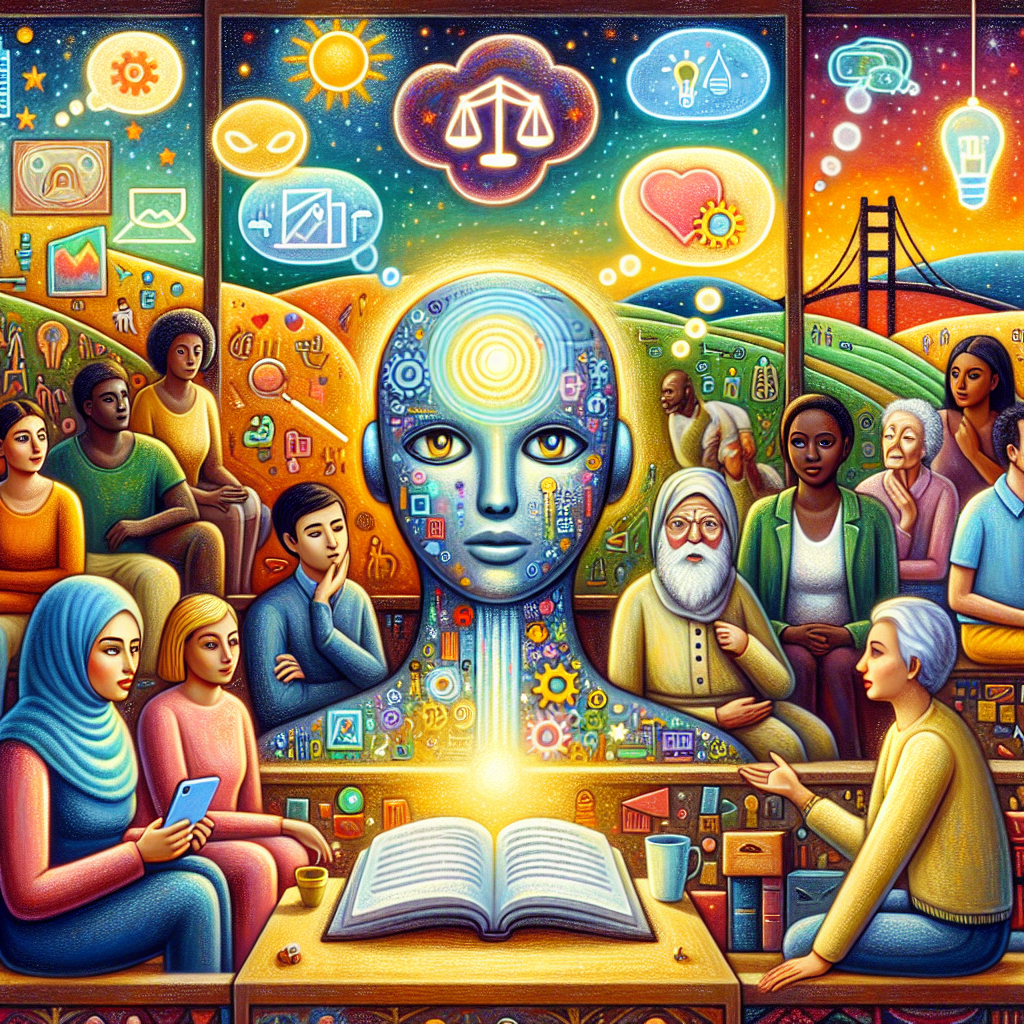
In a world inundated with information, the challenge lies not in the data itself but in discerning who to trust when interpreting it. Each day, we’re surrounded by numbers, charts, and graphs, but behind those figures, real lives are being affected. This is where legacy storytelling comes into play. It’s about more than just data points; it’s about the narrative these numbers tell about us, our communities, and our shared experiences.
Consider the local farmer who uses data to predict crop yields. His trust in agricultural reports comes not just from cold statistics but from years of experience and a history of learning from the land. His story intertwines with the data, making it not simply an abstract concept but a reality that feeds families. This type of authority is built through experience, not just credentials. Trusting someone with a legacy in a given field allows us to root our analysis in proven wisdom.
But it’s not just about authority; it’s about the emotional connection we forge with the stories behind the data. When studying climate change impacts, for instance, it’s essential to hear the voices of those on the frontline—coastal communities facing rising tides, farmers experiencing droughts, and urban dwellers grappling with heat waves. Their struggles provide a visceral understanding of data that numbers alone cannot convey. Our gut tells us to listen to these lived experiences, urging us to empathize and engage with the data on a deeper level.
Furthermore, we must also consider the ethical dimensions of data interpretation. Trust can easily be undermined when we encounter manipulation or misuse of data. In a society craving honesty and transparency, we should prioritize sources that not only present data but do so responsibly, with a commitment to the truth. This fosters a culture of integrity that resonates with our moral compass.
Data analysis should not feel isolating; it should resonate within our social fabric. It’s about fostering connections—engaging in community forums, sharing insights, and collaborating across various sectors. The more we harness collective wisdom, the stronger our analysis becomes.
Ultimately, trusting those who analyze data requires a blend of emotional resonance, rational evaluation, and ethical consideration—each narrative enriching the other. So, who should we trust? Those who not only present the facts but also weave them into the compelling stories that echo through our lives, shaping our present and guiding our future.
Who Should We Trust When Analyzing Data?
Who Should We Trust When Analyzing Data?
- The challenge of interpreting vast information lies in discerning trustworthy sources.
- Legacy storytelling adds depth to data, reflecting real lives and experiences.
- Trust in data comes from the intersection of personal experience and proven wisdom.
- Emotional connections with stories enhance understanding of data, particularly in issues like climate change.
- Ethical data interpretation is crucial to maintaining trust and integrity.
- Data should resonate within social contexts, promoting community engagement and collaboration.
- Trust in data analysis combines emotional, rational, and ethical dimensions, enriching the narrative.
Who Should We Trust When Analyzing Data?
Conclusion
In a world overwhelmed by data, it’s crucial to recognize the distinction between raw numbers and human experiences. Data may track trends and patterns, but it lacks the heartbeat of memory—those rich narratives that truly define our lives. Every statistic represents a person, a family, a life woven into the broader tapestry of community. When we treat data as mere facts, we risk reducing vibrant human stories into sterile entries on a spreadsheet, stripping away the emotional depth and the ethical implications that accompany real personal histories.
Imagine this: every statistic, each data point, tells a legacy story waiting to be uncovered. Like the many narratives shared at the dinner table—filled with laughter, sorrow, and valuable lessons—these stories resonate deeply and connect us. They remind us that behind every decision influenced by data lies a real-world human experience. When we aggregate experiences into cold numbers, we ignore the feelings that inspire empathy and action, making it essential for us to keep stories alive.
Navigating the current data-driven landscape requires us to prioritize not just logic and rationale but also our human instincts—our heart, our gut. This is where ethics and responsibility come into play. Every time we interpret data, we must acknowledge the lives and stories behind it. For instance, when analyzing healthcare statistics, one must remember the individuals impacted by those numbers. Without the stories, we miss opportunities to foster understanding and compassion, and we might manipulate narratives for disingenuous purposes. This ethical stewardship is vital; as we present and analyze these informatics, we owe it to those represented to approach it with integrity and transparency.
Ultimately, data isn’t just a tool for insight; it’s an invitation to connect. The challenge lies in honoring both the analytical power of data and the rich emotional depth of human experience. We should strive to fuse these elements, creating a dialogue that respects memory while engaging with the facts. By doing so, we cultivate a shared understanding that resonates within communities, fostering relationships that inspire collective action.
In the quest for truth, let’s embrace both the heart and the head. Recognizing that data reflects not just information, but the complex narrative of our lives, allows us to celebrate our legacy storytelling. In the end, it is these stories—alive with emotion and experience—that will guide us toward a future built on empathy, trust, and genuine connection.

Conclusion
Conclusion:
- Distinction between raw data and human experiences is crucial in understanding its impact.
- Data represents individual lives, families, and community narratives rather than just statistics.
- Treating data as mere facts strips away emotional depth and ethical implications.
- Each data point tells a unique legacy story, connecting us through shared experiences.
- Ethics and responsibility are essential when interpreting data, acknowledging the human lives behind it.
- Fusing emotional depth with analytical power creates a dialogue that respects both memory and facts.
- Embracing both data and human stories fosters empathy, trust, and genuine connections within communities.

Conclusion
Other Resources

Other Resources
Here is a list of other resources you can review online to learn more:
- LegacyLearned
- Living Wisely
- Is There A Need To Pay For Copyrighting Services For Personal Or Family Legacy Stories?
- Tributes
- Tributize
- How To Write Legacy Stories That Appeal To The Heart, Gut and Head
- Forever Missed
- LivingDNA
- WishesKeeper
- Memorial Matters
- ForeverMissed
- How to Save Your Family�s Stories from Being Lost Forever � A Step-by-Step Guide to Creating a Lasting Digital Legacy
- How to Avoid Losing Your Family History One Generation at a Time
- Association of Personal Historians
- NoLo
- Can Telling and Preserving Personal or Family Legacy Stories Be Therapeutic?
- Ever Loved
- Willmaker
- Funeral Finder
- Directive Communication Systems
Use This Prompt To Get More Resources With Your Favorite Online AI Tool: Please provide me with a list of online articles with their URLs in a bulleted list that I can read regarding Data Is Not Memory

Other Resources
Glossary Terms
Data Is Not Memory – Glossary Of Terms
1. Data: Raw facts and figures that can be processed to derive meaning.
2. Memory: The component of a computer system used to store data temporarily or permanently.
3. Information: Data that has been organized or presented in a context that gives it meaning.
4. Storage: The method of keeping data accessible in various formats for future use.
5. Database: A structured set of data held in a computer, typically managed by a database management system.
6. Data Structure: A specific way of organizing and storing data to enable efficient access and modification.
7. Bit: The smallest unit of data in computing, representing a binary value of 0 or 1.
8. Byte: A group of eight bits, commonly used as a basic unit of data storage.
9. Persistence: The characteristic of data that allows it to outlive the program that created it.
10. Volatile Memory: A type of computer memory that requires power to maintain the stored information.
11. Non-volatile Memory: Memory that retains data even when not powered, such as ROM or flash memory.
12. Data Retrieval: The process of obtaining data from a data storage system.
13. Data Integrity: The accuracy and consistency of data over its lifecycle.
14. Data Management: The practices associated with the proper handling and organization of data.
15. Data Format: The structure in which data is stored or transmitted.
16. Schema: A blueprint or architecture of how data is organized in a database.
17. Data Processing: The series of operations performed on data to extract meaningful information.
18. Information Technology (IT): The use of computers and software to manage information.
19. Cloud Storage: The practice of saving data on remote servers accessed via the internet.
20. File System: A method and data structure that an operating system uses to manage files on a disk.
21. Data Analytics: The technique of analyzing raw data to uncover patterns and insights.
22. Big Data: Data sets that are so large or complex that traditional data processing applications are inadequate.
23. Data Governance: The overall management of data availability, usability, integrity, and security in an organization.
24. Data Lifecycle: The stages data goes through from creation to deletion.
25. Semantic Data: Data that provides meaning and can be understood by computers and humans.
26. Meta Data: Data that provides information about other data, such as its context, format, and structure.
27. Data Visualization: The graphical representation of data to identify patterns or insights.
28. Data Security: Protective measures to safeguard data from unauthorized access or corruption.
29. Structured Data: Data that adheres to a predefined data model, making it easily searchable.
30. Unstructured Data: Data that does not have a predefined format or model, making it more challenging to process. Glossary Of Terms
Other Questions
Data Is Not Memory – Other Questions
If you wish to explore and discover more, consider looking for answers to these questions:
- What exactly is the difference between data and memory?
- Can data ever capture emotions, context, or subjective experience?
- How should organizations combine quantitative data with personal narratives?
- What practical methods preserve legacy storytelling alongside datasets?
- How can analysts avoid dehumanizing people when presenting statistics?
- What are common examples where data misled because it lacked context or stories?
- How can qualitative aspects of memory be measured or represented reliably?
- Which tools or platforms integrate narratives with quantitative data?
- How do we determine when to prioritize lived experience over aggregated metrics?
- What training should data professionals receive to incorporate empathy and story?
- How can data collection be designed to include marginalized or underheard voices?
- What ethical frameworks govern using personal stories alongside data (consent, privacy)?
- How do cultural differences shape the interpretation of data and memory?
- Who decides which stories are included or excluded from a data-driven narrative?
- How do biases in data collection and analysis distort the stories data seem to tell?
- What safeguards prevent cherry-picking or manipulation of data to fit a desired narrative?
- How should policymakers balance statistical evidence with community testimony?
- What responsibilities do researchers have to the people represented in their datasets?
- How can storytellers quantify the impact of legacy narratives on decision-making?
- What privacy risks arise when collecting personal stories linked to data, and how are they mitigated?
- Can AI reconstruct or simulate memory from data, and what are its limits?
- How do historical archives differ from modern data stores in preserving memory?
- How can communicators present data empathetically to nontechnical audiences?
- How should conflicts between anecdotal evidence and aggregate data be resolved?
- What standards determine the trustworthiness of data sources and analysts?
- How do we evaluate whether data-driven narratives are fair and inclusive?
- What policies should govern corporate or governmental use of personal legacy stories?
- How can communities actively curate and transmit their legacy stories for future generations?
- What role do emotions play in interpreting statistical evidence and driving action?
- How can leaders build and maintain public trust when decisions are based on data?
- What are best practices for reporting human-centered research and mixed-methods studies?
- How can education systems teach the difference between data and lived experience?
- What metrics can assess whether storytelling improved the ethical use of data?
- How should researchers document context and provenance to make data meaningful?
- How can communities ensure their narratives are not exploited or silenced by data practices?

Other Questions
Haiku
Data Is Not Memory – A Haiku
Data’s lifeless pulse,
Numbers veil our rich stories—
Hearts breathe through the tales.

Haiku
Poem
Data Is Not Memory – A Poem
In the realm where numbers play,
Data spins its webs each day,
Facts parade in gleaming light,
Yet miss the shadows of our plight.
Memory breathes with tales untold,
Whispers of moments, rich and bold,
From laughter shared in twilights glow,
To sorrows felt, the seeds we sow.
A graph can show a mountains rise,
But lacks the breath, the earth, the skies,
It tells of lives—in sterile lines,
Yet hides the heart where true strength shines.
Herein lies the ethical thread,
Each datum holds a life, once led,
Behind each count, a story breathes—
A legacy in what it weaves.
We seek the pulse in digits dry,
Yet yearn to feel, to laugh, to cry,
The cold, hard facts, they hold a weight,
But loves warm light must navigate.
In every choice, a legacy,
More than mere stats, humanity—
Trust the narratives that intertwine,
For within their folds, true truths align.
So let us bridge the gap anew,
Where data meets our human view,
For in the dance of numbers bright,
Its storys heart that guides our flight.

Poem
Checklist
Data Is Not Memory – A Checklist
Emotional Appeals
✅______ Reflect on a personal experience that data cannot fully capture. What emotions does this memory evoke?
✅______ Consider the stories of those impacted by statistics. How can you connect with their experiences?
Rational Appeals
✅______ Analyze a dataset relevant to your field. What narrative can you derive from these numbers?
✅______ Ask critical questions. What insights do these data points provide? What context is missing?
Ethical Considerations
✅______ Consider the ethical implications of using data. Are you respecting the stories behind the statistics?
✅______ Evaluate whether your data analysis promotes understanding and compassion.
Authority and Trust
✅______ Identify reputable sources for your data. Who has the experience or credentials to result in trustworthy interpretations?
✅______ Look for narratives intertwined with the data you analyze. How do they enhance your credibility?
Narrative Engagement
✅______ Share your legacy stories with others. How can these narratives enrich the understanding of data in conversations?
✅______ Think about how your community’s shared experiences influence data interpretation. What collective stories are significant?
Social Connections
✅______ Engage in discussions about data interpretation with peers or communities. How does sharing perspectives enhance your understanding?
✅______ Create spaces for sharing personal stories related to significant data trends within your community.

Checklist
At LegacyExplorations, we help people plan and explore their legacy by collecting information and news regarding end-of-life planning.
Please share this post with your friends, family, or business associates who may want help to plan or explore their legacy.