

Preserving Our Stories: The Heartfelt Need For Structured Digital Spaces
By Tom Seest
At LegacyExplorations, we help people plan and explore their legacy by collecting information and news regarding end-of-life planning.
Please share this post with your friends, family, or business associates who may want help to plan or explore their legacy.
Digital Archives Without Architecture
In an age where information flows like water, our digital archives stand as both a testament to our collective memory and a connection to our shared legacy. Yet, what happens when these digital repositories lack the architecture to support them? Without a framework, the stories buried within these archives risk fading into obscurity, lost amid the noise of the digital storm. Legacy storytelling is more than just a method of preserving history; it’s the lifeblood of our culture and identity, binding us to our past and guiding future generations.
Think of the digital archives not merely as data banks but as vessels for human experience. Each digital artifact—be it a photograph, a letter, or a piece of music—tells a story worth preserving. When we ignore the importance of organizing and contextualizing these materials, we undermine the narratives they represent. It’s not just about the pixels on a screen; it’s about the lives lived behind them. This is a deeply ethical responsibility to ensure that future generations inherit a rich, textured understanding of who we are.
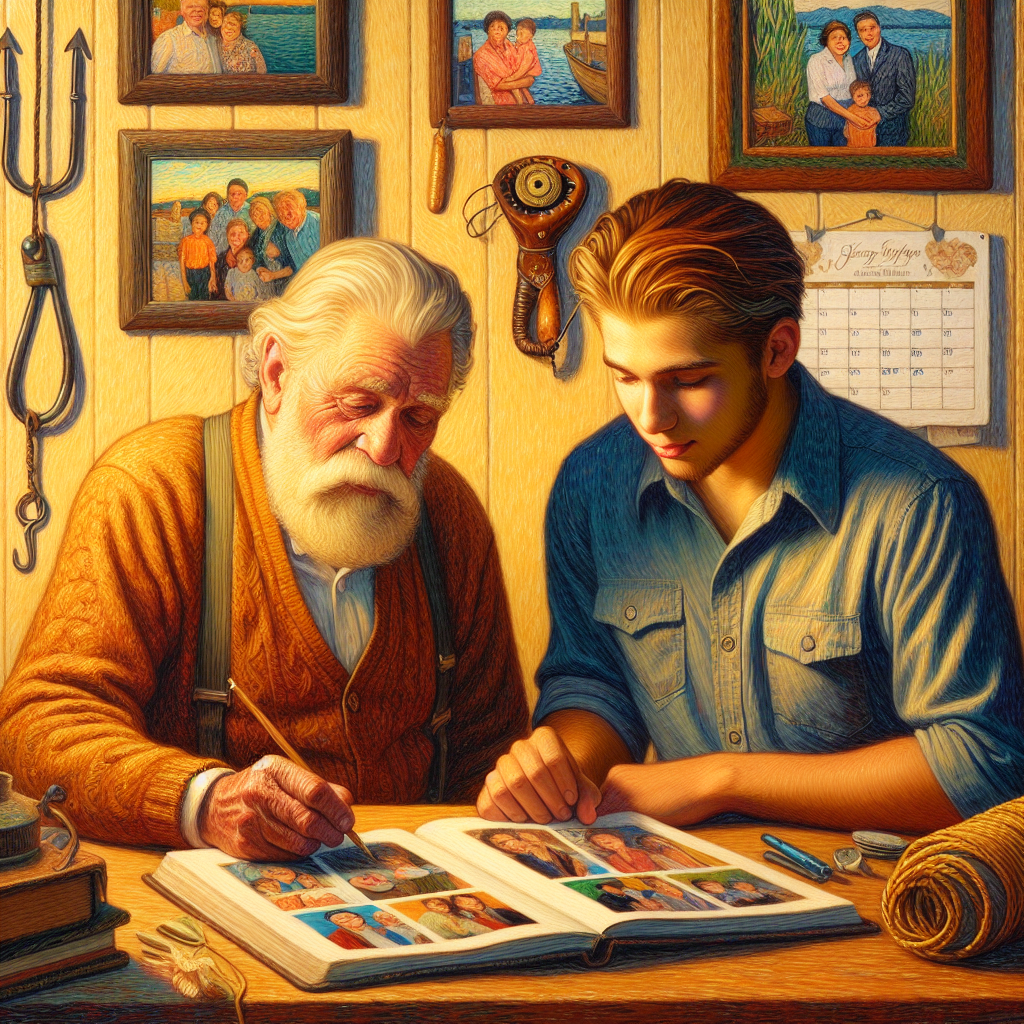
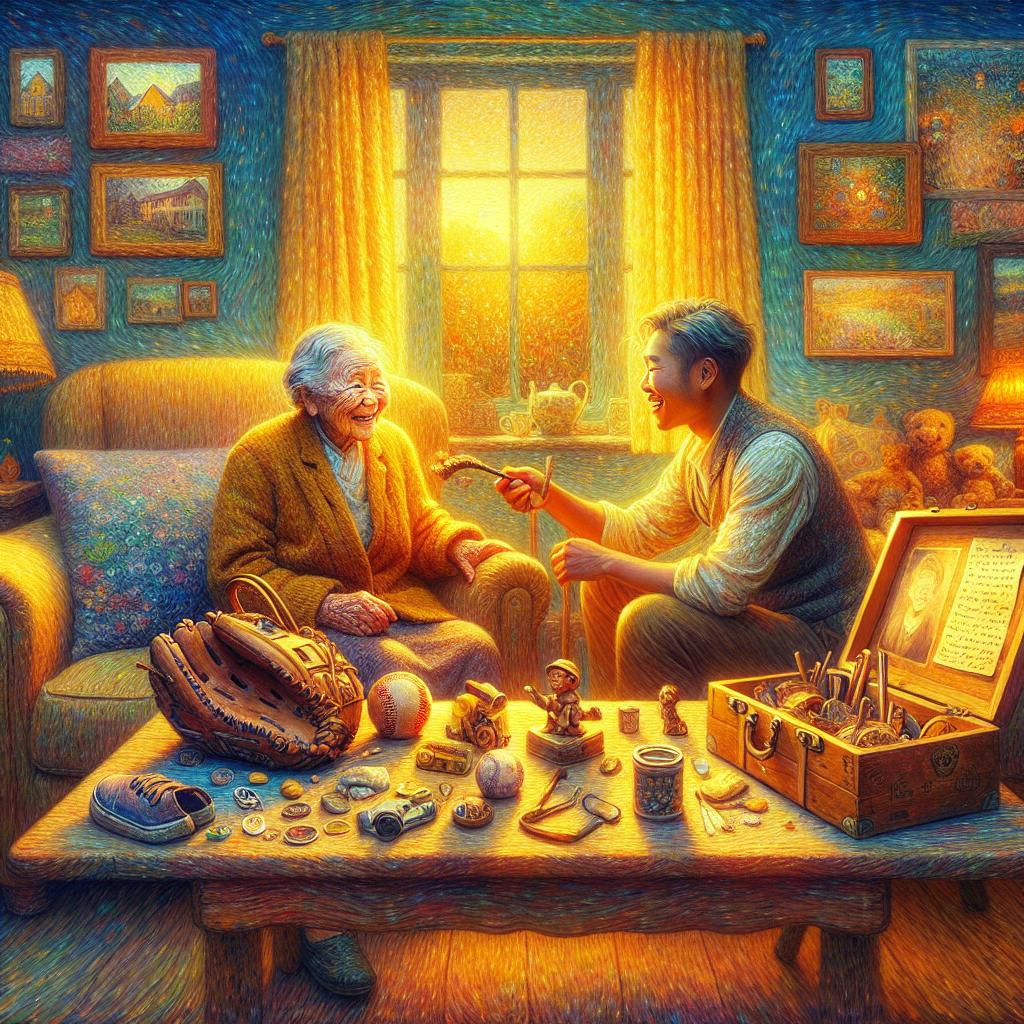
Rationally speaking, well-structured digital archives facilitate access, allowing educators, historians, and everyday citizens to connect with their heritage. They become more than static pages; they transform into interactive experiences that foster engagement. This is where the heart enters the equation. Imagine a child discovering a digital archive filled with stories from their ancestors—sparking curiosity and a sense of belonging. That connection can inspire a lifetime of learning and exploration.
But we must act. Ensuring that our digital archives are constructed with intentionality requires the expertise of archivists, historians, and community members. This collective effort instills a sense of authority—people investing their time and resources into preserving our shared history. When we engage diverse voices and perspectives in the process, we strengthen our community’s fabric while cultivating trust and transparency.
Digital archives without architecture are like ships without sails, drifting aimlessly. They need structure to fulfill their potential, transforming into gateways for exploration and connection. When we prioritize legacy storytelling, we commit to preserving the richness of our past while empowering our community. In this shared journey, every digital archive becomes a cornerstone of remembrance, fostering a narrative that resonates not just with the head, but with the heart and gut. Let’s ensure that the stories worth telling are never lost in the vast expanse of the digital age.

Digital Archives Without Architecture
Digital Archives Without Architecture
- Digital archives serve as a testament to collective memory and shared legacy.
- Without proper architecture, stories in these archives risk fading into obscurity.
- Legacy storytelling is crucial for preserving culture and guiding future generations.
- Digital artifacts, such as photographs and letters, hold valuable narratives that need context.
- Well-structured archives enhance access and foster engagement and curiosity.
- Collective efforts are necessary to construct intentional digital archives, involving various stakeholders.
- Prioritizing legacy storytelling empowers communities and preserves meaningful narratives.

Digital Archives Without Architecture
Table Of Contents
- Digital Archives Without Architecture
- What Stories Are Lost Without Proper Digital Archiving?
- How Does Lack Of Structure Impact Data Accessibility?
- Can We Trust Digital Archives That Lack Clear Architecture?
- What Ethical Implications Arise From Poorly Organized Digital Records?
- How Can We Create More Engaging Narratives From Chaotic Archives?
- How Do Our Memories Suffer Without Reliable Archiving?
- What Authority Do We Hold In Preserving Digital History?
- Conclusion
- Other Resources
- Glossary Of Terms
- Other Questions
- Haiku
- Poem
- Checklist
What Stories Are Lost Without Proper Digital Archiving?
In the age of ones and zeros, where pixels overwrite pages and messages whirl through the ether, the art of Legacy Storytelling hangs in a precarious balance. When we neglect proper digital archiving, we risk losing not just records but the very essence of who we are. Imagine the tales of triumph, struggle, and everyday life that slip through our fingers, disappearing like whispers in the wind. Each lost story represents a unique thread in the fabric of our shared humanity, and without preservation, this tapestry unravels, leaving behind only fragmented memories.
Consider the archives of communities that tell their histories through generations of storytelling. These narratives offer wisdom, celebrate cultural identities, and impart lessons learned from the past. When we fail to safeguard these archives, we lend a deaf ear to future generations. The lessons of yesterday can transform today’s challenges if we can connect them to our ongoing narratives. By not preserving these tales, we risk repeating mistakes and losing the richness of cultural heritage that sustains us.
The ethical implications of inadequate digital preservation are profound. As stewards of our stories, we hold the responsibility to ensure that every voice, particularly those marginalized or forgotten, is heard. Archiving isn’t just about technology; it’s about honoring those who came before us and acknowledging their contributions. When we archive these stories, we create a foundation for dialogue—opening the door to empathy and understanding in an increasingly divided world.
But it isn’t just an ethical duty. There’s an authority in knowing we have tangible stories that can guide us through tough times. These narratives provide not just solace but also a roadmap for personal and collective growth. They draw connections between different lives, illustrating the theme of resilience that resonates across time and space. Think of the impact of losing a diary from a front-line worker during a pandemic or the digital footprints of grassroots movements championing change.
In our increasingly digital society, how we handle these archives becomes a measure of our commitment to preserving the past. Each story we save can inspire action, foster connection, and illuminate paths for future innovators and creators. We cannot underestimate the power of a single narrative; it has the potential to move mountains. So, let’s hold fast to our Legacy Storytelling, safeguarding these treasures for the generations yet to come. Let’s ensure that the voices of today echo in the hearts of tomorrow.

What Stories Are Lost Without Proper Digital Archiving?
What Stories Are Lost Without Proper Digital Archiving?
- Legacy Storytelling is at risk due to inadequate digital archiving, threatening the essence of human identity.
- Lost stories represent vital threads in our shared humanity, leading to an unraveling of cultural fabric.
- Community archives preserve narratives that offer wisdom and celebrate cultural identities.
- Failing to safeguard these archives hinders future generations from learning past lessons and avoiding mistakes.
- Ethical responsibility lies in ensuring marginalized voices are heard through archiving efforts.
- Tangible stories provide guidance and a roadmap for resilience, connecting lives across time.
- The way we handle archives reflects our commitment to preserving the past and inspiring future generations.

What Stories Are Lost Without Proper Digital Archiving?
How Does Lack Of Structure Impact Data Accessibility?
In a world swirling with data, the absence of structure can act like a dense fog, shrouding information in confusion and obscuring vital insights. Picture a legacy storytelling tradition passed down through generations, where each detail, each nuance, is carefully woven into a tapestry of understanding. Now imagine if that story were muddled, with chapters mixed up, key characters lost, and moral lessons obscured. This is what happens when data lacks organization.
Without a clear framework, crucial data becomes less accessible, like a story only half-told. Stakeholders who need insights to make decisions find themselves grappling with fragmented information that feels more like a puzzle missing pieces than a coherent narrative. The frustration of searching for answers amid disarray can lead to decision fatigue, where the fear of making a wrong choice looms large. The emotional weight of uncertainty is palpable. When data is clear and structured, trust builds; when it is chaotic, confidence wanes.
Structuring data is not simply a task for tech-savvy individuals; it’s an ethical imperative. Companies have a responsibility to provide clear, accessible data, fostering transparency and guiding the decisions that impact lives. Every employee, from the intern to the CEO, deserves the ability to navigate the data landscape effortlessly. A well-structured dataset empowers teams to engage fully, driving innovation and collaboration.
Moreover, the fragmented nature of disorganized data can have social implications. In an age where information fuels discourse and decision-making, accessibility is paramount. Communities rely on data for everything, from health metrics to economic trends. When the data is tangled, the story it tells becomes unreliable, isolating individuals and groups from the knowledge they need to thrive.
Ultimately, the narrative of our data is a legacy we build. Each decision supported by clear, structured information writes another chapter in our collective story. So, when we face the reality of disparate data, let’s remember the power of clarity. By embracing structured approaches, we can transform confusion into insight, propelling ourselves forward—together. It’s in our hands to ensure that every piece of data serves its purpose, fostering connection and understanding in the tapestry of our shared experiences.

How Does Lack Of Structure Impact Data Accessibility?
How Does Lack Of Structure Impact Data Accessibility?
- The absence of structure in data creates confusion and obscures insights.
- Disorganized data can make crucial information less accessible, akin to a muddled story.
- Stakeholders face decision fatigue when grappling with fragmented information.
- Clear, structured data builds trust, while chaos undermines confidence.
- Organizing data is an ethical imperative for companies, ensuring transparency.
- Fragmented data has social implications, affecting community access to critical information.
- Embracing structured data transforms confusion into insight, fostering collective growth.

How Does Lack Of Structure Impact Data Accessibility?
Can We Trust Digital Archives That Lack Clear Architecture?
In an age dominated by flickering screens and endless streams of data, the importance of digital archives becomes sharply defined. However, when these archives lack clear architecture, they wade into murky waters. The trust we place in them relies on more than just algorithms; it’s rooted in our Legacy Storytelling. It’s about tracing a lineage through the digital world, where history intertwines with personal experience, fueling our need for connection and understanding.
Imagine a community gathering on a rainy evening, huddled together to share stories. Each tale, rich with emotion and nuance, gives life to the fabric of that community. Similarly, digital archives could serve as our collective hearth, preserving not just information, but the essence of those tales. But when the architecture of these archives is unclear, they risk becoming a jumbled mess of bytes and bits—a far cry from the communal sharing of stories that defines humanity.
From a logical perspective, clear architecture in digital archives acts as a guiding star. Without it, users feel lost, finding themselves in a labyrinth of confusion amidst a wealth of untapped information. Sorting through disorganized content can lead to frustration and abandonment—a waste of valuable stories that deserve to be preserved. We owe it to ourselves to seek systems that provide clarity, ensuring that what’s archived is both accessible and meaningful.
Ethically, we must ask ourselves: Who decides which stories are worth preserving? In a world where digital content can be manipulated, transparency becomes essential. Those entrusted with these archives must possess not only the expertise to organize but also the moral compass to safeguard the integrity of these tales. Trust is hard-earned; it can slip away with one instance of misinformation or mismanagement.
We are not just consumers of content; we are participants in a historical narrative. Each time we engage with digital archives, we affirm our connection to the past, our role in the present, and our responsibility for the future. It’s a social contract, one that requires both dedication and accountability. Every story preserved is an act of tribute to those who came before us—a conscious decision to honor their legacy and share it with the next generation.
In every click and scroll, let us remember the importance of architecture in these digital spaces. Let’s advocate for systems that uplift our shared humanity, fostering an environment where trust can thrive. Building that framework isn’t just about technology; it’s about cultivating a community that values its history and its storytellers.
Can We Trust Digital Archives That Lack Clear Architecture?
Can We Trust Digital Archives That Lack Clear Architecture?
- The significance of digital archives is heightened in a data-driven age.
- Clear architecture in archives is essential to avoid confusion and disorganization.
- Digital archives should preserve not only information but the essence of community stories.
- Users need clarity in accessing archived content to prevent frustration and abandonment.
- Ethical considerations arise regarding who decides which stories are worth preserving.
- Engagement with digital archives ties individuals to their historical and communal narratives.
- Building effective digital frameworks fosters trust and values the shared humanity of storytelling.

Can We Trust Digital Archives That Lack Clear Architecture?
What Ethical Implications Arise From Poorly Organized Digital Records?
In today’s fast-paced digital world, the chaos of poorly organized records can feel like a ticking time bomb waiting to explode. Picture a family searching through a digital labyrinth, trying to uncover the legacy storytelling that holds their loved ones’ history—a difficult journey muddied by disorganized files and forgotten passwords. This isn’t just about inefficiency; it’s about trust, memory, and respect for those who came before us.
When individuals and organizations fail to manage their digital records effectively, the implications resonate deeply. Families may struggle to access essential documents that tell the story of their ancestors, risking the erosion of cultural heritage. An unintentional loss of a medical record can lead to dire consequences for health care—misdiagnoses, incorrect treatments, or even life-threatening errors. Rationally, this chaos invites scrutiny, raising ethical questions about accountability and transparency. Who is responsible when a digital archive fails to reflect the truth or when an important story is left untold?
Moreover, the impact reaches far beyond the individual. Businesses storing client information unprofessionally are not just risking financial penalties; they are jeopardizing their reputation and the trust vested in them. Society thrives on the pillars of reliability and integrity. When these pillars crumble under the weight of negligence, the fallout can reverberate across communities, leading to a collective sense of insecurity and doubt.
We are reminded that digital records are not just files; they hold the essence of our shared humanity. Every document represents a story, a connection, a legacy that we owe to our families, friends, and communities. An effective approach to organizing records isn’t merely a logistical necessity; it’s an ethical obligation. As we sift through the metadata and forgotten files, we should be driven not just by duty but by a profound respect for the narratives that bind us together.
The ask is clear: let us take action. Let’s advocate for better systems that not only preserve our digital heritage but also protect the stories that define us. Embrace the challenge of organizing records with a sense of purpose, ensuring that each story is accessible, honored, and passed on. In doing so, we safeguard the past while empowering future generations to write their own legacy, building a foundation that stands the test of time. This is not just a call to tidy up; it’s an invitation to foster community, trust, and connection—turning chaos into clarity for everyone involved.

What Ethical Implications Arise From Poorly Organized Digital Records?
What Ethical Implications Arise From Poorly Organized Digital Records?
- Poorly organized digital records create significant challenges for families seeking their ancestral stories.
- Failure to manage digital records effectively risks cultural heritage, health care accuracy, and ethical accountability.
- Businesses that mishandle client information compromise both their reputations and the trust of their clients.
- The integrity of society relies on the proper management of digital records, which affect community stability.
- Digital records embody our shared humanity, representing connections and legacies that must be preserved.
- Organizing records is an ethical obligation, not just a logistical necessity, driven by respect for personal narratives.
- Action is needed to establish systems that safeguard digital heritage and empower future generations to share their legacies.

What Ethical Implications Arise From Poorly Organized Digital Records?
How Can We Create More Engaging Narratives From Chaotic Archives?
Creating more engaging narratives from chaotic archives calls for a profound understanding of the human experience. It’s about digging deep into the past and unearthing the tales that resonate with our shared legacy. Legacy storytelling isn’t just about recounting historical facts; it’s about weaving those facts into a tapestry that speaks to our hearts, challenges our heads, and stirs our guts.
Imagine sifting through a cluttered archive—dust settling on letters, photographs, and artifacts that tell of triumphs and tribulations. Each item holds a story waiting to be told. By approaching these archives with a sense of reverence and curiosity, we honor the voices that seem to echo through time. It’s essential to view these fragments not merely as relics of the past but as mirrors reflecting our collective humanity.
To ignite a deeper connection, we must tap into the emotional landscapes these stories inhabit. The excitement of a first love, the despair of loss, the triumph of overcoming adversity—these experiences are universal. By crafting narratives that highlight the emotional truths within these chaotic collections, we draw out empathy and understanding. When a story resonates on an emotional level, it breaks down barriers and creates a bond that transcends time and context.
Equally important is the use of rational appeal. Engaging narratives can draw parallels between past events and contemporary issues, providing a framework for understanding the complexity of human behavior. When we present historical accounts alongside data and analysis, we ground our storytelling in reason and context, enriching the narrative’s impact.
Moreover, ethical considerations must guide our engagement with these archives. We have a responsibility to respect the stories we tell, acknowledging the pain, pride, and perseverance embedded within them. Engaging with voices that deserve to be heard fosters an environment of inclusivity, ensuring that the narratives we promote reflect a diverse range of perspectives.
As we dig into our chaotic archives, let’s not forget the power of social appeal. Sharing these stories can inspire communities to rally around a shared past, forging connections that lead to collaboration and action. This is where true engagement happens—when individuals feel part of a larger narrative, driving collective action toward a shared future.
Ultimately, by embracing legacy storytelling, we preserve the essence of the human experience, inviting others to join us in honoring the intricate tapestry of our history. In doing so, we not only respect the past but inspire future generations to continue weaving their own stories.

How Can We Create More Engaging Narratives From Chaotic Archives?
How Can We Create More Engaging Narratives From Chaotic Archives?
- Engaging narratives from chaotic archives require a deep understanding of human experiences.
- Legacy storytelling weaves historical facts into compelling narratives that resonate emotionally.
- Approaching archives with reverence honors the voices embedded within historical artifacts.
- Emotional landscapes, such as love, loss, and triumph, enhance empathy and connection in storytelling.
- Rational appeal enriches narratives by drawing parallels between historical events and contemporary issues.
- Ethical engagement is crucial, respecting the diverse perspectives and stories from the past.
- Sharing these narratives can foster community collaboration and inspire future generations to weave their own stories.

How Can We Create More Engaging Narratives From Chaotic Archives?
How Do Our Memories Suffer Without Reliable Archiving?
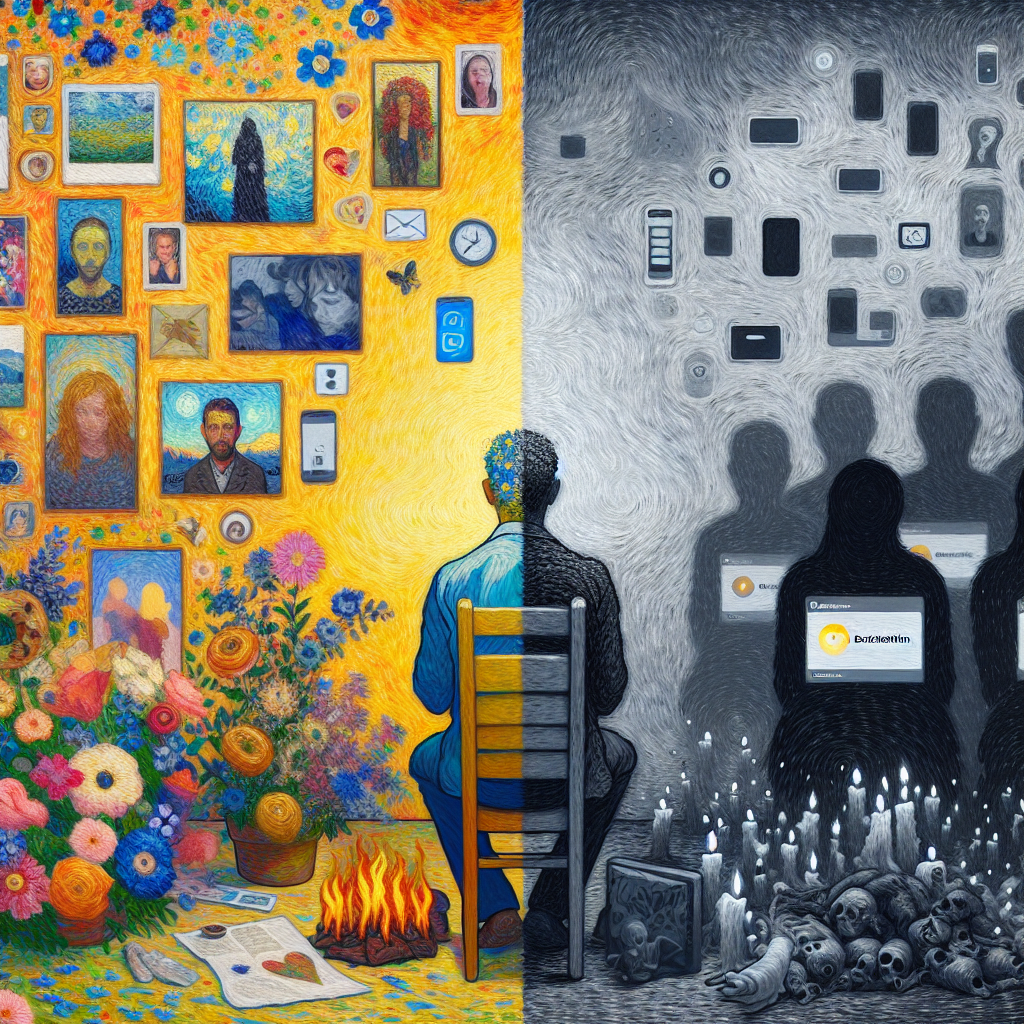
Memories are more than just fleeting thoughts; they are the fabric of who we are. In a world where reliable archiving is becoming obsolete, our collective memories are at risk of fading away. It’s easy to dismiss this as a digital-age problem, but think about it. Every photo, every letter, and every cherished moment connects us to our past and to those we love. When they slip through our fingers, we lose part of ourselves.
Imagine sitting around a fire with family and friends, sharing the legacy storytelling that has defined generations. These narratives shape our identity, forging connections with those who came before us. Yet, when they go unrecorded, these moments dissipate into the ether, leaving us with a void. Without a reliable way to archive our memories, we risk creating a future where our children and grandchildren are disconnected from our history, losing the wisdom captured in our failures and triumphs.
It’s not just a sentimental concern; it’s a rational one. A study might show that individuals who actively document their lives tend to experience a greater sense of well-being. Memories, archived properly, foster connections and provide context, bridging our experiences to those around us. When we capture and preserve our stories, we build a cultural framework, one that thrives on shared knowledge and understanding.
Ethically speaking, it’s our responsibility to protect our legacy for future generations. We owe it to them to keep the lessons learned alive and accessible. Without a foundation of well-preserved stories, we risk allowing history to repeat itself, as we fail to learn from the past. As we gather around the dinner table, our narratives—and the values they represent—should endure beyond our lifetimes.
Moreover, the memories we choose to keep, the stories passed down, form our collective identity. They inform our present and influence how we interact socially. It’s crucial to engage with those around us, sparking conversations that lay the groundwork for more memories to be created and preserved. When we archive our lives, we ensure that our experiences resonate with others, creating lasting bonds and enriching community connections.
Thus, the call to action is clear: invest in robust archiving practices. Take the time to record your legacy. Capture your stories. Build a bridge that will connect generations to come, ensuring that the tapestry of our lives remains vibrant and intact.

How Do Our Memories Suffer Without Reliable Archiving?
How Do Our Memories Suffer Without Reliable Archiving?
- Memories shape our identity and connections to the past.
- The risk of fading collective memories is exacerbated by unreliable archiving methods.
- Storytelling is a significant means of preserving our legacy across generations.
- Well-documented memories contribute to individual well-being and social interaction.
- It is our ethical responsibility to protect and pass on lessons from our history.
- Preserving memories fosters a shared cultural framework and strengthens community ties.
- The call to action is to invest in robust archiving practices for future generations.

How Do Our Memories Suffer Without Reliable Archiving?
What Authority Do We Hold In Preserving Digital History?
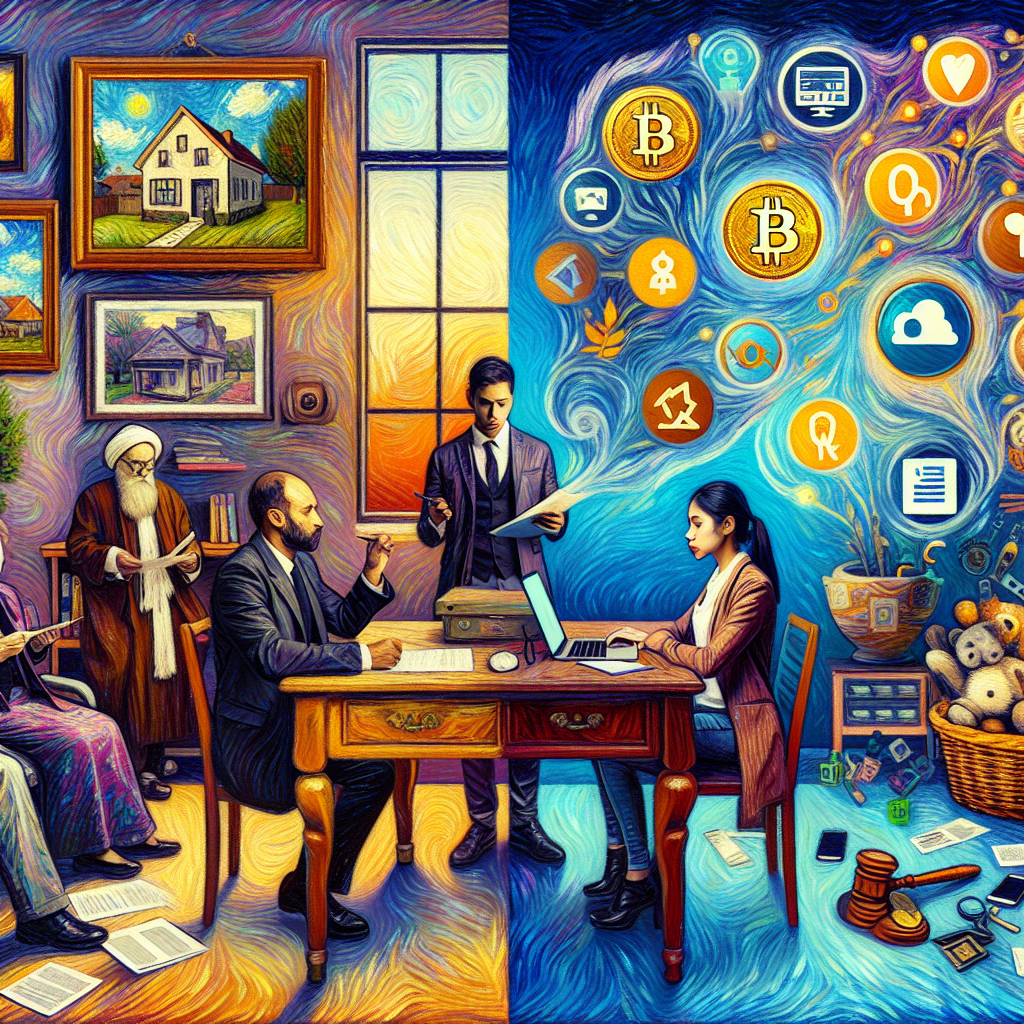
In the digital age, preserving history isn’t just about maintaining files and servers; it’s about safeguarding our legacy. We are custodians of a vast digital tapestry, weaving together our past and present, and shaping the future through Legacy Storytelling. Picture this: every photo, every tweet, every blog post represents a moment in time, a fragment of humanity that deserves to be remembered. This is not just a job; it’s a calling that speaks to the heart of who we are.
When we think about what authority we hold in this endeavor, it’s crucial to acknowledge the emotional weight behind preserving these stories. Each piece of digital content is a life lived, a thought shared, and a truth voiced. These narratives connect us, humbling us while elevating our collective experience. We are entrusted not just with data, but with the essence of different lives, cultures, and times—a tremendous responsibility.
From a rational standpoint, the digital realm is our new archive. Traditional historians relied on dusty tomes and fragile manuscripts, yet today, we have an abundance of information at our fingertips. As stewards of this digital landscape, it’s our duty to ensure accuracy and authenticity. We hold the power to separate the noise from the meaningful. An ethical approach to preservation demands we honor originality and intent, offering future generations reliable sources that reflect the complexities of our existence.
In this narrative, we find ourselves challenged to reflect not just on our authority but on our interconnectedness. Every click, like, and share creates a ripple effect within our communities. As we curate these digital legacies, we foster a sense of belonging and understanding, bridging gaps that often divide us. When we tell these stories, we remind ourselves that we’re all part of something bigger—spanning generations, cultures, and experiences.
Action follows inspiration. With every digital artifact we preserve, we assert our collective commitment to history. We encourage individuals and organizations alike to recognize the urgency of this initiative. Each person has a role to play in the preservation of our shared legacy. Together, we can craft a narrative that resonates through time, ensuring that future generations are not only informed but inspired by the stories we choose to keep. Embrace this responsibility; celebrate your role in Legacy Storytelling. The past is waiting, and it’s up to us to make sure it’s heard.
What Authority Do We Hold In Preserving Digital History?
What Authority Do We Hold In Preserving Digital History?
- Preserving history in the digital age involves safeguarding our legacy beyond just maintaining files and servers.
- Each digital artifact, including photos and social media posts, represents a significant moment deserving remembrance.
- Emotional weight exists in preserving stories, connecting lives, cultures, and experiences.
- The digital realm serves as a new archive, contrasting traditional methods with abundant information accessible today.
- As stewards of this digital landscape, ensuring accuracy and honoring originality is vital for future generations.
- Curating digital legacies fosters belonging and understanding, bridging gaps between communities.
- Every individual has a role in preserving our shared legacy, inspiring future generations through storytelling.
What Authority Do We Hold In Preserving Digital History?
Conclusion
Digital archives are more than collections of data; they are the lifeblood of our shared human experience, holding stories that connect us across time and space. As we stand on the precipice of a digital future, the urgency for well-structured archiving cannot be overstated. Without architecture to organize our digital records, we risk losing vital narratives that shape our collective identity. Each artifact—a photograph, a letter, a piece of music—carries the echoes of lives lived and lessons learned, deserving more than mere storage; they warrant thoughtful preservation.
Consider the child who stumbles upon a digital archive rich with tales from their ancestors. That discovery ignites curiosity and fosters a sense of belonging, weaving them into a larger narrative that spans generations. This emotional connection is crucial; it fills the gaps left by disorganized archives that seldom tell their stories well. Irrespective of background or circumstance, these stories possess the power to inspire resilience, understanding, and community dialogue.
Moreover, there’s an ethical obligation tied to the preservation of digital history. We must ensure that every voice is heard, especially those marginalized throughout history. By engaging with diverse perspectives and involving communities in the archiving process, we not only enrich our cultural narrative but also nurture trust and transparency. This effort demands authority, attracting archivists, historians, and volunteers who contribute their expertise and passion to safeguard our shared heritage.
When we turn our gaze to data archives—often tangled, disorganized, and chaotic—we see another profound responsibility emerge. In today’s fast-paced world, the lack of structure leads to confusion and distrust. When stakeholders encounter fragmented information, decision-making becomes burdensome and error-prone, impacting everything from personal choices to broader societal actions. Clarity in digital archiving is not a luxury; it’s a necessity that promotes collaboration and innovation.
As we venture further into this digital age, we must champion the cause of legacy storytelling. The stories we save today create a bridge to the future, ensuring that lessons of the past remain accessible to those who will follow in our footsteps. By advocating for robust archiving practices, we contribute to a sustainable narrative landscape, inviting others to join this collective journey.
Ultimately, our digital archives reflect who we are. Each preserved story is an act of reverence to those who lived it, a testament to our commitment to cultural continuity. Let’s act diligently to ensure that the treasures of our past are not just stored but celebrated, guiding future generations toward a rich legacy they can call their own.
Conclusion
Conclusion:
- Digital archives are essential for connecting our shared human experiences and preserving vital narratives.
- Well-structured archiving is crucial to avoid losing significant stories that shape our collective identity.
- A child’s discovery of their ancestral tales in a digital archive fosters curiosity and a sense of belonging.
- Preserving diverse perspectives in digital history is an ethical obligation that enhances our cultural narrative.
- Lack of structure in data archives leads to confusion and impacts decision-making on various levels.
- Robust archiving practices create a bridge to the future and ensure accessibility of past lessons for future generations.
- Digital archives are a testament to our commitment to cultural continuity and deserving of celebration.

Conclusion
Other Resources

Other Resources
Here is a list of other resources you can review online to learn more:
- International End of Life Doula Association
- Willmaker
- EverLoved
- Meminto
- How To Write Legacy Story Headlines That Appeal To The Heart, Gut and Head
- Storyworth
- Xarona
- APH
- Living Wisely
- YouMattered
- MyMoriam
- LifeWeb 360
- Cake
- Postumo
- Digital Legacy Association
- ForeverMissed
- Is There A Need To Pay For Copyrighting Services For Personal Or Family Legacy Stories?
- LegalNature
- FuneralWise
Use This Prompt To Get More Resources With Your Favorite Online AI Tool: Please provide me with a list of online articles with their URLs in a bulleted list that I can read regarding Digital Archives Without Architecture

Other Resources
Glossary Terms
Digital Archives Without Architecture – Glossary Of Terms
1. Digital Archives: Collections of digital documents, records, and multimedia that are organized for preservation and access.
2. Metadata: Data that provides information about other data, used to facilitate the organization, discovery, and understanding of digital archives.
3. Preservation: The methods and processes employed to maintain the integrity and accessibility of digital materials over time.
4. Digitization: The process of converting physical documents and materials into digital format for storage, access, and distribution.
5. Repository: A centralized location where digital resources are stored and managed for long-term access.
6. Access: The ability to retrieve and use digital content, often facilitated by databases or online platforms.
7. Curation: The selection and management of digital content within archives to highlight specific materials or themes.
8. Interoperability: The ability of different systems and organizations to work together and share digital information seamlessly.
9. User Experience (UX): The overall experience and satisfaction a user has when interacting with a digital archive.
10. Content Management System (CMS): A software application used to create, manage, and modify digital content within archives.
11. Digital Preservation Standards: Guidelines and best practices for preserving digital documents and ensuring their long-term accessibility.
12. File Format: The specific structure of a file that defines how data is stored and accessed, critical for long-term preservation.
13. Access Control: Policies and technologies that regulate who can view or use certain materials in digital archives.
14. Digital Object Identifier (DOI): A unique alphanumeric string assigned to a digital object to provide a permanent link to its location on the internet.
15. Archival Description: The process of creating detailed accounts of the contents, context, and structure of archival materials.
16. User Interface (UI): The design elements and functionality that allow users to interact with digital archives.
17. Preservation Policy: A set of guidelines that outline how an organization will preserve its digital materials.
18. Flexible Architecture: Design principles that allow digital archives to adapt to changing technologies and user needs without a rigid structure.
19. Born-Digital Records: Materials created originally in digital format, which do not have a physical counterpart.
20. Emulation: A preservation strategy that involves recreating the original environment in which digital objects were created to ensure continued access.
21. Checksum: A value generated from a digital file used to verify its integrity during storage and transfer.
22. Digital Rights Management (DRM): Technologies and policies that control the use and distribution of digital content to protect intellectual property.
23. Archival Software: Software specifically designed to assist in the management, storage, and retrieval of archival materials.
24. Workflow: A defined sequence of processes involved in managing digital archives, including acquisition, description, and access.
25. User Engagement: Strategies to involve users in the discovery and interaction with digital archives, enhancing their experience.
26. Crowdsourcing: The practice of engaging the public to contribute to the creation or enrichment of digital archives.
27. Institutional Repository: A type of digital archive maintained by a specific institution to house its scholarly output and research.
28. Digital Inclusion: The effort to ensure all individuals have access to digital resources and the skills needed to use them.
29. Open Access: A model that allows users free access to digital content, removing barriers associated with copyright and publishing fees.
30. Sustainability: Practices aimed at ensuring the long-term viability and maintenance of digital archives in changing technological landscapes.

Glossary Of Terms
Other Questions
Digital Archives Without Architecture – Other Questions
If you wish to explore and discover more, consider looking for answers to these questions:
- What specific steps are needed to design an effective architecture for a digital archive?
- Which metadata standards should we use to make archived items discoverable and interoperable?
- How do we decide which materials are worth preserving and which can be discarded?
- What file formats and preservation formats (e.g., PDF/A, TIFF) best ensure long-term readability?
- How do we protect archives from bit rot and other forms of digital decay?
- What backup strategies and redundancy models are recommended for archival preservation?
- How much does building and maintaining a structured digital archive typically cost?
- What funding models or grants are available to support digital archiving projects?
- Who should have authority and decision-making power over what gets preserved?
- How do we ensure ethical representation of marginalized or contested voices in archives?
- What consent or permissions are required to preserve and publish personal or sensitive materials?
- How do privacy laws (e.g., GDPR) affect what and how we archive digital materials?
- What access controls and user permission systems should archives implement?
- How can we verify the authenticity and provenance of digital artifacts?
- What audit trails, versioning, and change logs are necessary for trustworthy archives?
- How should archives handle copyrighted content and digital rights management?
- What strategies exist for archiving social media, ephemeral platforms, and dynamic web content?
- How do we preserve interactive or multimedia items that rely on deprecated software or plugins?
- When is emulation preferable to migration, and how is it implemented for access?
- Which open-source platforms (e.g., Omeka, DSpace) are suitable for community archives?
- How can communities participate in curating and describing materials (crowdsourcing metadata)?
- What training do archivists and volunteers need to manage digital archives effectively?
- How can small organizations or individuals start affordable, sustainable digital archives?
- What indexing, search, and discovery features most improve user access and engagement?
- How do we design narratives and user experiences that make archival materials emotionally engaging?
- What tools and techniques exist for transcription, OCR, and enhancing discoverability of text in images?
- How should archives handle culturally sensitive materials or requests for repatriation/restriction?
- What policies should govern retention, deletion, and disposal of digital records?
- How are backup media and storage choices (cloud, on-premises, LTO tape, cold storage) evaluated?
- What disaster recovery and business continuity planning is required for digital archives?
- How can archives measure impact, usage, and community value over time?
- What standards and frameworks (e.g., OAIS) should guide archive development and assessment?
- How do we ensure archives are accessible to users with disabilities and available in multiple languages?
- What governance structures (boards, advisory councils, community stewards) best support trust and accountability?
- How should archives balance open access with protection of sensitive information?
- What role should institutions (libraries, museums, universities) play versus grassroots or community-led archives?
- How do we prevent and detect tampering, misinformation, or manipulation within digital archives?
- What are best practices for documenting technical provenance and preservation actions?
- Are there notable case studies or success stories of chaotic archives turned into engaging narratives?
- How can archives foster ongoing community engagement and ensure stories remain relevant to future generations?
Other Questions
Haiku
Digital Archives Without Architecture – A Haiku
Digital stories reside,
Bound by our shared heritage,
Preserve, connect, ignite.

Haiku
Poem
Digital Archives Without Architecture – A Poem
In the vast domain of digital lore,
Where memories ebb like a restless tide,
Our stories, vibrant, rich, and core,
Demand a cradle where truths abide.
Yet scattered pixels drift unfound,
Like whispers lost in the din of time,
Each thread of life needs solid ground,
To weave our past—a shared, strong rhyme.
Legacys tale—the heart’s embrace,
For in each archive, our cultures blend,
An ethical duty, a sacred space,
To honor voices and historys bend.
Structured paths lead us toward the light,
Where children glimpse their ancestors embrace,
Through curated tapestries, stories ignite,
Awakening wonder, cultivating grace.
Chaos breeds mist; truth falters within,
Yet with clarity, we forge our bridge,
Turning fear of loss into kinships din,
Where trust is the anchor, no longer a ridge.
Bound by the past, yet facing the new,
We hold the power to shape and connect,
With each archive preserved, we renew,
The legacy woven in love and respect.
So let us commit, in unity’s call,
To structure our stories, embrace who we are,
For within our archives, the echoes enthrall,
Creating a future, our guiding star.

Poem
Checklist
Digital Archives Without Architecture – A Checklist
Emotional Appeal
✅______ Reflect on personal stories or artifacts that hold significance for you and your family.
✅______ Identify moments in your life that you want future generations to remember.
Rational Appeal
✅______ Assess the organization and accessibility of your digital archives.
✅______ Create a plan for categorizing and storing your digital artifacts (photos, documents, etc.) for easy retrieval.
Ethical Consideration
✅______ Ensure diverse voices and perspectives are represented in your archives.
✅______ Evaluate how the stories preserved reflect cultural and historical significance.
Authority and Expertise
✅______ Seek guidance from archivists or experts on best practices for digital preservation.
✅______ Consider collaborating with community members who have experience in archiving.
Narrative Development
✅______ Craft engaging narratives around your digital materials, connecting them to broader themes and experiences.
✅______ Use storytelling techniques to highlight the significance of the archived materials.
Social Connection
✅______ Share stories and artifacts with family and friends to foster connections and communal memory.
✅______ Engage in discussions about the importance of preserving digital history within your community.
Action Steps
✅______ Create a timeline for digitizing and organizing key materials.
✅______ Commit to regular reviews and updates of your digital archives to keep them relevant and accessible.
Long-Term Preservation
✅______ Explore reliable storage solutions (cloud services, external hard drives) for maintaining digital files.
✅______ Develop a succession plan for your digital legacy to ensure its continuity across generations.

Checklist
At LegacyExplorations, we help people plan and explore their legacy by collecting information and news regarding end-of-life planning.
Please share this post with your friends, family, or business associates who may want help to plan or explore their legacy.