

Rethinking Our Connection: The Human Cost Of Digital Disintegration
By Tom Seest
At LegacyExplorations, we help people plan and explore their legacy by collecting information and news regarding end-of-life planning.
Please share this post with your friends, family, or business associates who may want help to plan or explore their legacy.
Digital Decay – Its Not Just Hardware
In an age where our devices gleam with the latest technology, it’s vital to shift our gaze from shiny exteriors to the stories they carry. The concept of digital decay extends beyond aging hardware; it encompasses the heritage and legacy we create and leave behind. Every photo, every text, and every bytes of data mirrors a life lived, stories shared, and moments treasured. Yet, how often do we pause to consider what happens when these digital memories fade away?
Think about your first smartphone—remember how it felt, how it connected you to the world? It wasn’t just a piece of hardware; it shaped your social landscape, capturing gatherings, milestones, and spontaneous moments. How do we preserve these fragments of our lives? Legacy storytelling invites us to reflect on the narratives embedded in our devices, reminding us that each click, each post is part of a larger story that deserves recognition and safeguarding.
As time marches on, we must confront a sobering reality: our digital treasures are not immune to deterioration. Files can become corrupted, platforms can disappear, and formats can become outdated, leaving our cherished memories at risk. The emotional weight of losing these snapshots of our lives can be profound. It’s not just data; it’s our history, and without proactive measures, our legacy may dissolve into digital oblivion.
The ethical responsibility to preserve digital legacies resonates not just with individuals but with communities and families. The collective memory of a generation rests in archived emails, family videos, and social media posts. These aren’t merely ones and zeroes; they are the building blocks that foster a sense of belonging, continuity, and identity. Ensuring that this information is preserved requires action, whether it’s through adopting new technologies, utilizing cloud storage, or fostering discussions about digital heritage.
In this digital landscape, trust and connection are paramount. Start conversations with your friends and family about preserving these stories. Share your methods of archiving memories and encourage others to do the same. By engaging collectively in the practice of legacy storytelling, we forge connections that transcend generations, ensuring that our digital heritage remains intact for those who come after us.
Ultimately, digital decay isn’t just a technological issue; it’s a human one. We must act to protect our past while paving the way for future stories to flourish. To neglect this is to risk erasing who we are, leaving future generations to wonder about the narratives that shaped their world. Let’s inspire action today, ensuring our stories endure tomorrow.

Digital Decay – Its Not Just Hardware
Digital Decay – Its Not Just Hardware
- Digital decay goes beyond hardware, encompassing the heritage and legacy of our online lives.
- Each digital memory reflects experiences, significant moments, and shared stories.
- Preserving digital legacies involves acknowledging the emotional weight of lost memories.
- Communities and families share an ethical responsibility to safeguard digital histories.
- Action is required to maintain these legacies through technology, cloud storage, and discussions about heritage.
- Encouraging conversations on memory preservation fosters trust and connection among generations.
- Failure to act risks erasing future generations’ understanding of their narratives and identity.

Digital Decay – Its Not Just Hardware
Table Of Contents
- Digital Decay – Its Not Just Hardware
- What Stories Do We Tell About Our Digital Lives?
- How Does Digital Decay Affect Our Memories?
- Are We Responsible for the Digital Legacy We Leave Behind?
- When Does Digital Decay Become a Barrier to Innovation?
- How Can We Ethically Manage Our Digital Identities?
- What Emotional Toll Does Losing Digital Content Take on Us?
- How Do We Balance Our Digital Presence with Our Physical Lives?
- Conclusion
- Other Resources
- Glossary Of Terms
- Other Questions
- Haiku
- Poem
- Checklist
What Stories Do We Tell About Our Digital Lives?
In the vast expanse of our digital lives, every click, like, and share creates threads that weave the fabric of our existence. What stories do we tell? They are not merely data points or fleeting moments; they are Legacy Storytelling set in the virtual realm, echoing the values we hold dear. Amidst the chaos of notifications and the relentless scroll, our digital narratives emerge—some polished, others raw, but all reflecting the core of who we are.
Consider the power of a single story, the one that captures the struggles and triumphs we face. Each post, every photo, encapsulates a moment, an emotion, a piece of our journey. These shared experiences connect us, offering a glimpse into places we’ve been and choices we’ve made. They remind us that behind each screen lies a person grappling with hopes, fears, and the pursuit of happiness. There’s an undeniable beauty in that shared vulnerability; it fosters connection in a time when isolation often lurks.
Yet, the allure of storytelling in our digital lives extends beyond mere connection. It taps into our rational side. The narratives we craft can influence societal norms and challenge injustices. They shape opinions and inspire action, nudging us toward a better understanding of one another. Digital platforms grant us authority over our stories, empowering us to dictate the narratives that define us. By boldly sharing our truths, we can shift perspectives and foster empathy, steering the collective conversation toward greater understanding.
But let’s not forget the ethical dimension. What we choose to share holds weight. In an age where misinformation can travel faster than truth, the stories we tell should be steeped in authenticity and integrity. This responsibility is ours. By owning our narratives and sharing them with sincerity, we not only honor our own experiences but uplift others, creating a foundation of trust and confidence in our digital communities.
Ultimately, the stories of our digital lives are an invitation—a call to action that encourages reflection and engagement. When we reflect on what we post, what we share, and why, we begin to recognize the profound impact of our digital footprint. In this interconnected world, let us choose to tell stories that matter, that inspire, and that drive positive change, ensuring our legacies are built on truth, connection, and meaningful engagement.

What Stories Do We Tell About Our Digital Lives?
What Stories Do We Tell About Our Digital Lives?
- Digital interactions shape our existence, reflecting values and narratives.
- Each story, post, and photo encapsulates personal journeys and emotions.
- Shared experiences connect us, highlighting shared vulnerabilities.
- Storytelling can influence societal norms, challenge injustices, and inspire action.
- We have the power to dictate our narratives, fostering empathy and understanding.
- Ethical storytelling requires authenticity and responsibility in sharing narratives.
- Our digital stories invite reflection and engagement, driving positive change.

What Stories Do We Tell About Our Digital Lives?
How Does Digital Decay Affect Our Memories?
In a world dominated by screens and instant access to information, the way we remember our lives is changing, and not for the better. Memories, those intricate tapestries of experiences, emotions, and sensations, are paradoxically being both preserved and threatened by our digital age. The ease of capturing moments with a click often comes at the cost of genuine recollection. When was the last time you found yourself scrolling through photos, only to realize you can’t quite connect with the feeling behind them? That disconnect is a form of digital decay, where the abundance of our captured lives leads to a dilution of what those moments truly meant.
Legacy storytelling is about preserving the essence of who we are, the trials we faced, the joys we celebrated. Yet, as we document every mundane detail with the push of a button, we risk losing the emotional gravity that gives our stories weight. Think about your grandparents’ tales — how they wove together hardships and triumphs into narratives that resonate through generations. Their stories thrive on context and lived experience, elements often absent in a sea of pixelated moments. This generational connection is not merely a relic of the past; it’s a lifeline that can ground us in an ever-accelerating world.
Rationality plays a role here too. Studies show that when we rely heavily on digital means to store and recall memories, we’re less likely to remember them vividly. The physical act of writing, or even sharing a moment face-to-face, engages our cognitive functions in ways technology cannot replicate. It’s about engaging with our memories, allowing them to evolve, rather than freezing them in a digital frame. This mindful engagement fosters deeper reflection and appreciation for our past, ultimately reinforcing our identity.
Ethically, we face the question of how much of our lives we’re willing to outsource to technology. Are we willing to sacrifice the authenticity of our memories for mere convenience? What happens when digital platforms decide what we remember, and how we remember it? It’s a sobering thought, yet it’s one we must confront. We owe it to ourselves and future generations to ensure that memories remain rich, textured narratives rather than a blur of data points.
As we navigate this complex landscape, our challenge becomes clear: to foster connections with our memories that transcend the ephemeral nature of digital platforms. Together, we can reclaim the storytelling that shapes our identities, ensuring that it’s our hearts, our heads, and our guts driving the narrative—not our screens.
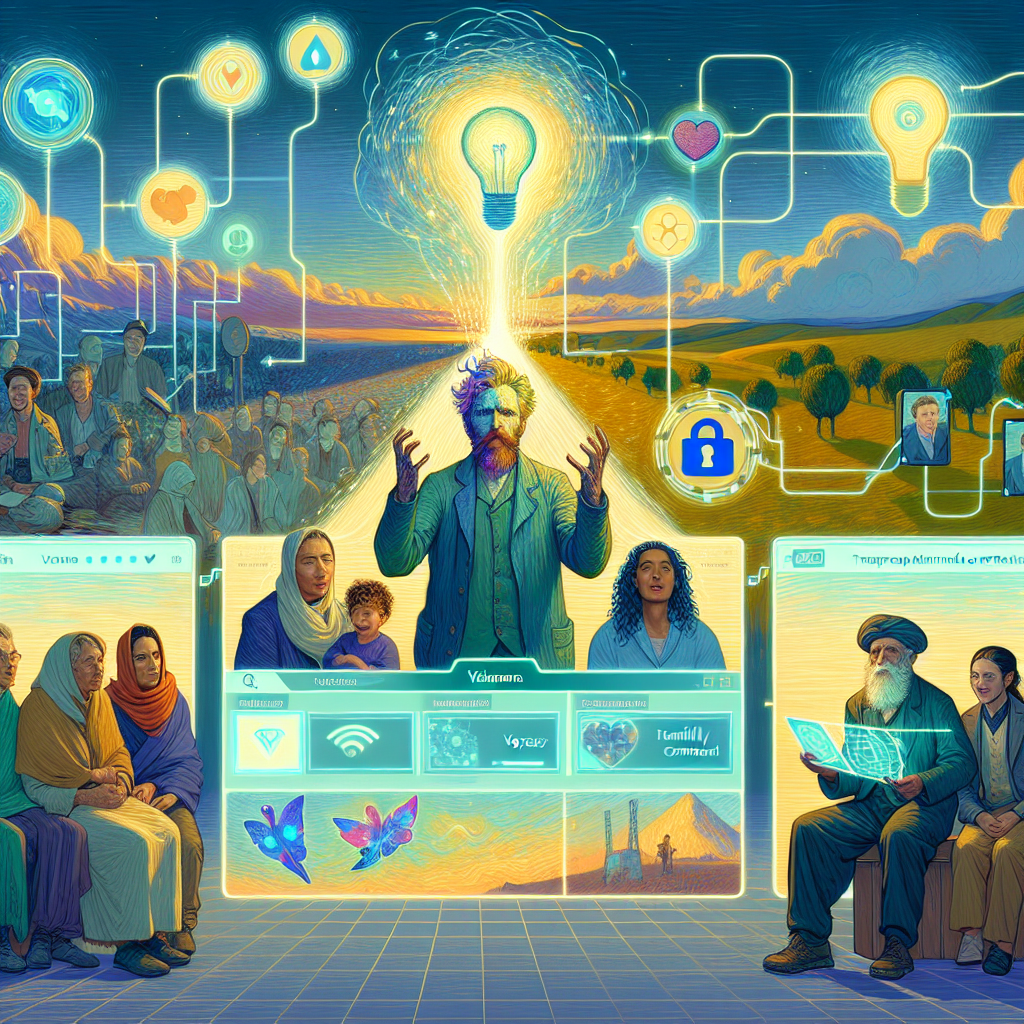
How Does Digital Decay Affect Our Memories?
How Does Digital Decay Affect Our Memories?
- The digital age is changing how we remember our lives, often negatively affecting genuine recollection.
- Capturing moments digitally can lead to a disconnect from the true emotional significance of those memories.
- Legacy storytelling preserves the essence of personal trials and joys, which risks being lost with excessive documentation.
- Generational narratives hold value and context that are often missing from our pixelated memories.
- Relying on digital storage can diminish the vividness of memories compared to physical engagement.
- Ethical considerations arise regarding the authenticity of our memories and the influence of technology on our recollections.
- There is a challenge to foster deeper connections with our memories, prioritizing meaningful storytelling over digital convenience.

How Does Digital Decay Affect Our Memories?
Are We Responsible for the Digital Legacy We Leave Behind?
In a world where every click, share, and post contributes to our digital footprint, the question of our responsibility for the digital legacy we create is more pressing than ever. Each of us is a storyteller, weaving a narrative through our online interactions that can influence not just our lives, but the lives of others. It’s more than just about likes or shares; it’s about the *Legacy Storytelling* we engage in every day, shaping perceptions and connections that ripple throughout the lives we touch.
Consider this: the words we leave behind in digital spaces can endure far longer than we might think, becoming a part of the narrative others construct around us. What is it that you want to be remembered for? A fleeting moment of anger on social media or a heartfelt message of support? In a society driven by likes and followers, we sometimes forget the weight our words carry. They have the power to inspire and to inform, yes, but also to mislead and harm. With our digital actions, we are responsible for crafting the stories that future generations will encounter about us, stories that contribute to our *legacy*.
Yet, understanding this responsibility goes beyond the surface. It requires a deep reflection on how our digital behavior influences societal norms. Each time we choose to amplify a voice of kindness or challenge a narrative of hate, we affirm the ethical obligation we hold to one another—an obligation to foster a positive digital landscape. The digital legacy we leave can be a force for good, influencing not just our immediate circles but also larger communities as they consume the narratives we craft.
When we click “send,” we must act with intention. This isn’t merely a theoretical concept; it’s a gut check. It requires us to pause and consider the stories we write with our digital actions. Are they uplifting? Are they true to who we are? Ultimately, it’s about connection. Our legacy is not just what we leave behind but how we engage with each other in the here and now.
So, as you navigate the vast digital ocean, remember: you are a storyteller. The legacy you create today is the foundation upon which tomorrow’s stories will stand. Share wisely, act intentionally, and be proud of the digital legacy you will leave behind.

Are We Responsible for the Digital Legacy We Leave Behind?
Are We Responsible for the Digital Legacy We Leave Behind?
- Every online interaction contributes to our digital footprint and storytelling.
- Words left in digital spaces can endure and shape narratives about us.
- Acknowledge the influence of our actions; words can inspire or mislead.
- We are responsible for the stories future generations will encounter.
- Understanding our digital responsibility requires reflection on societal norms.
- Cultivating a positive digital landscape necessitates intentional actions.
- Our legacy is defined by how we engage with others in the present.

Are We Responsible for the Digital Legacy We Leave Behind?
When Does Digital Decay Become a Barrier to Innovation?
When digital decay seeps into the fabric of our technological landscape, we find ourselves at a critical juncture—a moment where once-thriving ecosystems of creativity and innovation begin to wither. Legacy systems, once revered as cornerstones of our progress, can morph into shackles, restricting our capacity for advancement. It’s easy to overlook the quiet erosion happening beneath the surface. We become so comfortable with the status quo that we neglect the truth: aging infrastructure can create a chasm between imagination and implementation.
Consider the stories behind the technologies we often take for granted. Each invention carries with it a legacy storytelling that speaks to the dreams and aspirations of its creators. These narratives shape our understanding of what is possible, inspiring us to push boundaries. Yet, when these systems decay, the stories falter. The innovators of tomorrow are left grappling with outdated tools that stifle their ingenuity and creativity. It’s not merely a technical challenge; it’s a profound ethical dilemma. We must ask ourselves: How many brilliant ideas have been lost in the bureaucratic labyrinth of aging software and hardware?
The statistics support our concerns. Studies show that organizations burdened with outdated technology often experience a significant drop in productivity and employee morale. This realization strikes a chord—an emotional response that resonates with anyone who has felt the frustration of trying to navigate a clunky system or one that simply doesn’t work anymore. How many hours have we collectively wasted wrestling with the ghosts of yesterday’s innovations?
The gut feeling is palpable. There’s something deeply unsettling about watching potential go to waste. Innovation should be an open road, not a maze. The connection between generations of creators is built on trust—trust that the tools they have will elevate their work, not hinder it. When that trust erodes, progress stalls. We cannot afford to let digital decay become a barrier to innovation.
It’s time to embrace a new paradigm, one where we honor our legacy storytelling by ensuring our technological foundations are as strong as the dreams they support. Let’s ensure that the next generation of innovators has the tools to craft their narratives without the burdens of the past weighing them down. Together, we can cultivate an environment where creativity not only thrives but flourishes, turning the tide from decay to dynamic progression.
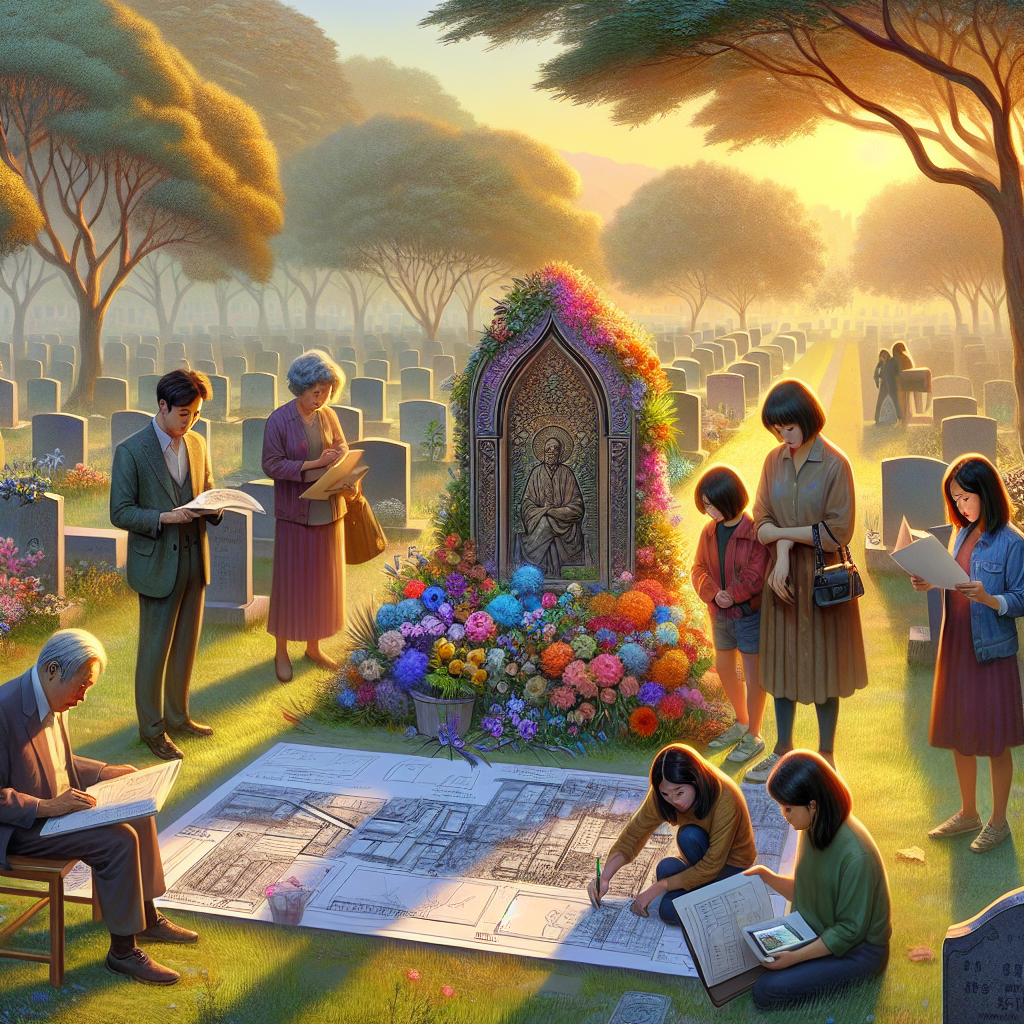
When Does Digital Decay Become a Barrier to Innovation?
When Does Digital Decay Become a Barrier to Innovation?
- Digital decay threatens technological ecosystems, hindering creativity and innovation.
- Legacy systems, once crucial, can become restrictive and stifle advancement.
- Aging infrastructure creates a gap between imagination and implementation.
- Each technology carries a narrative, linking creators’ dreams to their inventions.
- Outdated tools limit the potential of future innovators, presenting an ethical dilemma.
- Organizations with old technology face decreased productivity and morale, wasting time on inefficient systems.
- A new paradigm is needed to strengthen technological foundations and support future creativity.

When Does Digital Decay Become a Barrier to Innovation?
How Can We Ethically Manage Our Digital Identities?
Managing our digital identities ethically is akin to crafting a legacy – a narrative that weaves together who we are, what we value, and how we connect with others in this vast online world. Think about it: your digital footprint is not just a collection of data points; it’s a story, your legacy, shaped by every online interaction and choice.
In this age of hyper-connectivity, each post, tweet, or shared photo contributes to a larger narrative that reflects our values and beliefs. Legacy storytelling requires us to consciously choose the chapters we write. Embrace a mindset of transparency and integrity in your online engagements. What you share and how you present yourself online should resonate with your authentic self. This isn’t about crafting an ideal persona; it’s about embracing the raw, honest version of you that others can relate to.
Rationality plays a vital role here. According to studies, a significant portion of employers and institutions now vet candidates by their digital presence. Understanding this reality empowers us to manage our identities proactively. Adopt a critical eye and assess your content through the lens of future implications. The information you post today can impact opportunities tomorrow. This awareness is not about living in fear but rather about acting with foresight and purpose.
Ethically managing our digital lives also involves a commitment to respect others’ narratives. Honor the diverse legacies of those around you. When we engage thoughtfully and empathetically, we cultivate a community bound by mutual respect and shared experiences. Share your story while inviting others to share theirs, fostering connections that are deeper and more meaningful.
Consider this digital landscape as a shared street where every inhabitant carries a story. We must navigate it with care. Honor your own legacy while promoting a culture where others feel safe and valued to share theirs.
By marrying ethical considerations with our emotional connections, we empower ourselves and those around us to build a meaningful digital presence. This isn’t just about accountability; it’s about creating a tapestry that reflects our collective journey, where each thread matters, and every voice is heard. So take action. Decide how you want to be represented in this digital world, and shape your story with intention and care, leaving a legacy that inspires trust, confidence, and respect for all.
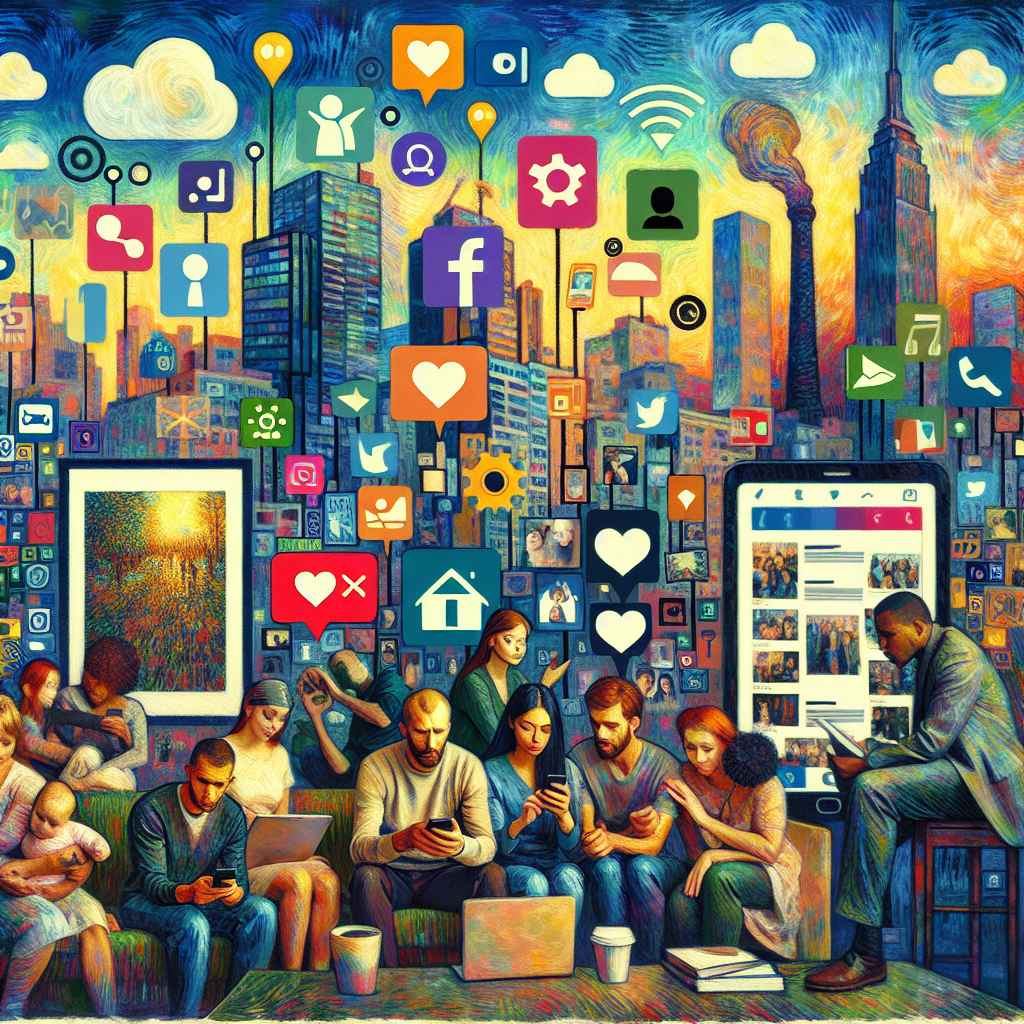
How Can We Ethically Manage Our Digital Identities?
How Can We Ethically Manage Our Digital Identities?
- Managing digital identities ethically is akin to crafting a legacy, reflecting personal values and connections.
- Every online interaction contributes to a larger narrative and impacts future opportunities.
- Engage with transparency and integrity, presenting an authentic self rather than an ideal persona.
- A significant number of employers now vet candidates based on their digital presence.
- Commit to respecting the narratives of others, fostering a community of mutual respect and empathy.
- Navigating the digital landscape requires care to honor both personal and others’ legacies.
- Combine ethical considerations with emotional connections to create a meaningful digital presence.

How Can We Ethically Manage Our Digital Identities?
What Emotional Toll Does Losing Digital Content Take on Us?
Losing digital content can feel like losing a piece of oneself. Whether it’s a cherished photo, a meticulously crafted document, or a heartfelt message, these fragments of our lives hold immense value. They represent memories, dreams, and moments that shape our identity. When these pieces disappear, they take with them not just data, but the stories and emotions tied to our experiences. The emotional toll can be profound, echoing a deep sense of loss that resonates with anyone who has ever felt that pang of absence.
We often underestimate how digital artifacts contribute to our legacy storytelling. Each image captured during significant moments, every word written during times of inspiration, serves as a building block of our personal history. Losing any part of this collection forces us to confront not only the void left behind but also the fact that these moments may never be recreated. This loss isn’t just technical; it’s deeply human. It’s an ethical issue, too. In a world that increasingly prioritizes technology over trust, the disappearance of what we value poses a challenge. We rely on these platforms to safeguard our narratives, yet when they fail, they inadvertently become the architects of our grief.
From a rational perspective, the implications of losing data extend beyond mere nostalgia. The stakes are high when vital information — like work presentations, research findings, or other crucial documents — vanishes without warning. It forces us to reckon with the fragility of our digital lives and to reconsider how we interact with technology. Trust is the foundation of this relationship; when our digital “safekeepers” falter, we feel vulnerable.
Socially, this experience is far from isolated. The stories we share about loss and recovery can unify us, helping others navigate similar heartaches. By acknowledging the collective nature of this digital grief, we forge connections that remind us we are not alone. Each story of loss we share fosters a sense of community, empowering us to advocate for better practices in digital preservation.
Ultimately, the journey through the emotional, rational, and ethical landscape of losing digital content can inspire action. It leads us to cherish the present, to prioritize our digital legacy, and to demand greater accountability from those we entrust with our memories. Embracing this challenge can turn personal loss into a powerful catalyst for change, shaping a future where our stories are less likely to fade away.

What Emotional Toll Does Losing Digital Content Take on Us?
What Emotional Toll Does Losing Digital Content Take on Us?
- Losing digital content symbolizes a significant emotional loss, similar to losing a part of oneself.
- Digital artifacts, such as photos and documents, represent cherished memories and shape personal identity.
- The disappearance of digital content leads to profound emotional impacts and can evoke deep feelings of grief.
- This loss highlights the importance of trust in digital platforms, which are expected to protect our narratives.
- Sharing stories of loss fosters community and connection among those experiencing similar grief.
- The implications of data loss extend beyond nostalgia, affecting critical information and highlighting digital fragility.
- Acknowledging digital grief can inspire action, prioritize legacy, and demand accountability from digital custodians.

What Emotional Toll Does Losing Digital Content Take on Us?
How Do We Balance Our Digital Presence with Our Physical Lives?
In an age where our digital footprints overshadow our physical presence, we find ourselves at a crossroads that demands careful navigation. The question isn’t merely about managing screen time; it’s about crafting a legacy. Our digital lives should enhance, not eclipse, our real-world experiences. This isn’t just a technical challenge; it’s a deeply human one.
Imagine the stories we share around a dinner table—tales that resonate, that stir laughter or provoke thought. These moments are the backbone of our personal legacy. Each conversation, each shared experience, adds a brushstroke to the canvas of our lives. When we prioritize our digital presence over these intimate interactions, we risk losing the true essence of legacy storytelling. Our devices should serve as tools to enhance connection, not barriers that isolate us from the warmth of human interaction.
Let’s consider the ethical implications here. Every time we prioritize a notification over a handshake, we enforce a narrative that says pixels matter more than people. This isn’t just about individual choices; it’s about a collective cultural shift. We have the power to model behaviors that emphasize the value of direct engagement. By choosing real-life connections, we encourage those around us to do the same. We cultivate a social environment that prioritizes authentic relationships and shared experiences, fostering communities grounded in trust and camaraderie.
From a rational standpoint, the benefits of balancing our digital interactions with physical ones are undeniable. Studies show that in-person interactions improve mental health, enhance creativity, and boost empathy. When we make room for physical presence, we unlock deeper connections that the digital realm simply cannot replicate.
Telling our stories involves a blend of heart and grit. It’s about reflecting on our experiences and the lessons learned while inviting others to share their narratives. In doing so, we connect on a fundamental level, forming an invisible thread that weaves through our lives. This is where real influence lies—encouraging a culture of story-sharing that transcends the limitations of screens.
So, let’s strive for balance. Let’s make deliberate choices that honor our physical existence while using digital tools to enhance, not replace, the richness of our interactions. In this balance, we find the power to create not just a digital presence, but a profound, living legacy worth passing down through generations.
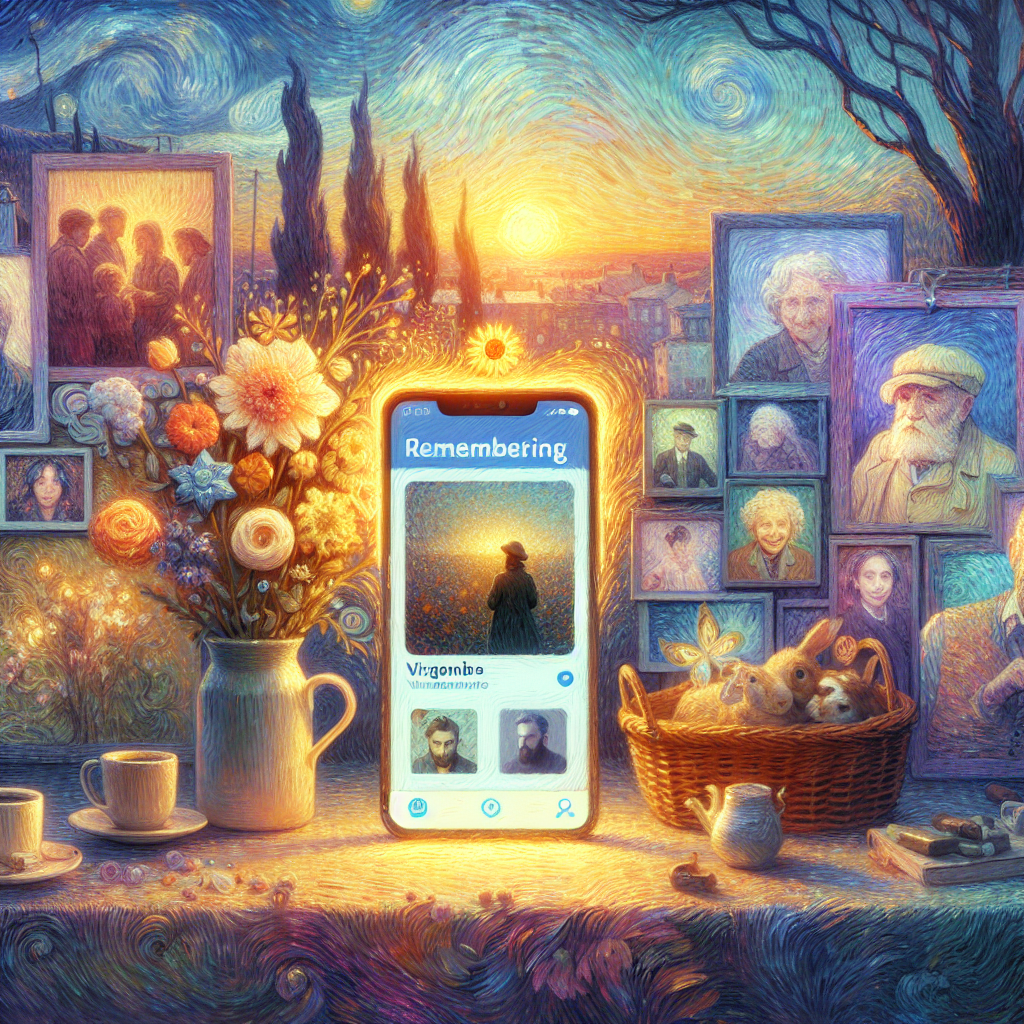
How Do We Balance Our Digital Presence with Our Physical Lives?
How Do We Balance Our Digital Presence with Our Physical Lives?
- Digital footprints overshadow physical presence, prompting the need for careful navigation.
- Crafting a legacy requires prioritizing real-world experiences over screen time.
- Intimate interactions are crucial for storytelling and personal legacy.
- Ethical implications arise when notifications are prioritized over human engagement.
- Real-life connections foster authentic relationships and build trust within communities.
- In-person interactions improve mental health, enhance creativity, and boost empathy.
- Striving for balance between digital and physical interactions creates a profound legacy.

How Do We Balance Our Digital Presence with Our Physical Lives?
Conclusion
In an era of relentless technological advancement, the conversation surrounding digital decay remains critical—not merely for preserving data, but for safeguarding the stories that shape our identities. Each piece of digital content holds emotional weight; these aren’t just bytes and pixels but the vivid recollections of our lives. Think back to what your first smartphone represented. It wasn’t just a device; it was your window to the world, capturing moments that knit our social fabric together. Yet, as time marches on, we find these treasures at risk. Files can corrupt, platforms may vanish, and cherished memories could fade into obscurity. The emotional impact of losing a digital keepsake can be profound, resonating deeply within us.
We owe it to ourselves and future generations to act ethically in how we preserve these digital legacies. Our personal histories are interwoven with collective memories, from family photos to community shares—with every click and post weaving a broader narrative. There’s a sense of duty here, not only individually but communally. As stewards of our digital legacies, we must actively engage in discussions about digital preservation, using technology wisely to ensure these stories endure. This journey requires us to connect deeply not only with our narratives but also with those around us. Embracing past experiences and reframing the way we tell our stories fosters connections that transcend generations.
Moreover, we must confront the staggering reality that our reliance on outdated technologies can impede innovation. Aging platforms may suffocate creativity and limit potential, while eroding trust in the very systems designed to serve us. The loss of essential tools limits our capacity for storytelling and collaboration, which are foundational in shaping future generations.
Navigating this intricate landscape means prioritizing authenticity in how we manage our digital identities. By crafting and sharing stories that resonate with truth and integrity, we uplift not only our experiences but those of others, nurturing a digital culture that values engagement and respect. This ethical dimension forces us to question the implications of sharing and the narratives we propagate.
Ultimately, the emotional toll of losing digital content resonates within us and among our communities. We must advocate for better digital preservation practices and demand accountability from our technology custodians. Changing this narrative transforms individual loss into a catalyst for collective action. We can ensure our stories not only survive but thrive, enriching the legacies we leave for the next generation. Balancing our digital presence with physical interactions reaffirms our identities, underscoring the importance of human connection. It’s a call to action, encouraging each of us to reflect deliberately on what stories we want to tell and how we wish to be remembered, ensuring that our digital heritage remains a vibrant part of our legacy.

Conclusion
Conclusion:
- The conversation about digital decay is essential for preserving not just data but the stories that shape our identities.
- Digital content embodies emotional weight and memories, such as our first smartphones, which were significant beyond their functionality.
- Files can corrupt and platforms may disappear, risking the loss of cherished memories and digital keepsakes.
- We have a collective responsibility to ethically preserve our digital legacies and engage in discussions around digital preservation.
- Reliance on outdated technologies can stifle innovation, creativity, and trust in the systems designed to support us.
- Authenticity in managing our digital identities is crucial to creating a respectful digital culture that values engagement.
- Advocating for better digital preservation practices transforms individual losses into a collective call to action for vibrant legacies.

Conclusion
Other Resources

Other Resources
Here is a list of other resources you can review online to learn more:
- Forever Missed
- How To Write Legacy Stories That Appeal To The Heart, Gut and Head
- Legacy Learned
- Living Wisely
- APH
- Association of Personal Historians
- EverNote
- LifeWeb 360
- PartingWishes
- LastPass
- Storyfile Life
- MyMoriam
- Obituary Templates
- Everplans
- Postumo
- Remembered.com
- LegacyLearned
- How to Avoid Losing Your Family History One Generation at a Time
- How Has Time Changed The Cost Of Capturing Family Legacy Stories
- LivingDNA
Use This Prompt To Get More Resources With Your Favorite Online AI Tool: Please provide me with a list of online articles with their URLs in a bulleted list that I can read regarding Digital Decay – Its Not Just Hardware

Other Resources
Glossary Terms
Digital Decay – Its Not Just Hardware – Glossary Of Terms
1. Digital Decay: The gradual deterioration of digital information and storage media over time.
2. Bit Rot: The slow, spontaneous alteration of data bits stored on some types of digital media.
3. Data Corruption: The unintended modification of data, often due to media failure or software error.
4. Obsolescence: The process through which technology or digital formats become outdated and unusable.
5. Data Loss: The complete inability to access data due to corruption or physical media failure.
6. File Format Degradation: The loss of the ability to open or interpret certain file formats due to technological changes.
7. Storage Medium: The physical or digital device where data is stored, such as hard drives, SSDs, or cloud storage.
8. Migration: The process of transferring data from one storage location or format to another to prevent loss.
9. Legacy Systems: Older technology or software systems that may no longer be supported or compatible with current systems.
10. Digital Preservation: The ongoing maintenance and management of digital data to ensure its longevity and accessibility.
11. E-waste: Discarded electronic devices that may contain digital data at risk of being lost or corrupted.
12. Checksum: A value calculated from data that helps verify its integrity during storage and transfer.
13. Digital Forensics: The practice of recovering and analyzing lost or damaged digital data from devices.
14. Cloud Storage: Online storage that allows data to be saved to remote servers, reducing risks of local decay.
15. Format Migration: The proactive transfer of data from one file format to another to ensure compatibility and access.
16. Metadata: Data that provides information about other data, such as creation dates and authorship, essential for data management.
17. Redundancy: The duplication of critical data to safeguard against loss or corruption.
18. Service Lifecycle: The stages a technology or software goes through from inception to retirement, impacting its obsolescence.
19. Checksum Verification: A method used to ensure data integrity by comparing checksums.
20. Access Protocols: Rules governing how data can be retrieved and utilized, influencing digital preservation strategies.
21. Digital Rights Management (DRM): Technologies used to control and protect the use of digital content and its distribution.
22. Bitstream Imaging: Creating an exact copy of a storage device, including unallocated space, to preserve all data.
23. Data Sanitization: The process of permanently destroying data to prevent unauthorized recovery.
24. End-of-life: The point at which a technology or device is considered unusable or obsolete.
25. Non-recoverable Data: Information that cannot be retrieved after loss, often due to extensive decay or corruption.
26. Digital Archiving: The long-term storage and preservation of digital information for future reference.
27. File Integrity: The assurance that a file has not been altered or damaged during storage or transfer.
28. Physical Media Degradation: The deterioration of physical storage devices over time affecting data accessibility.
29. Software Dependency: The reliance on specific software to access or recover data, which can lead to obsolescence.
30. Data Recovery: Techniques used to restore lost or corrupted data from storage devices.

Glossary Of Terms
Other Questions
Digital Decay – Its Not Just Hardware – Other Questions
If you wish to explore and discover more, consider looking for answers to these questions:
- What exactly is “digital decay” and how does it differ from physical decay?
- What counts as a person’s “digital legacy”?
- Which file formats are most likely to remain accessible long-term?
- How often should I back up my digital files to prevent decay?
- What are the best backup strategies (e.g., 3-2-1 rule) for personal archives?
- Cloud storage vs local storage: which is safer for preserving memories?
- How do I migrate files safely when formats or platforms become obsolete?
- What tools or services exist specifically for long‑term personal archiving?
- How can I add meaningful context or metadata so future viewers understand my files?
- What metadata standards should I use (e.g., EXIF, Dublin Core) to preserve context?
- How do I decide what to preserve and what to discard?
- How can I ethically preserve content that involves other people (consent, privacy)?
- Who legally owns content uploaded to social platforms and how does that affect preservation?
- How can I ensure access to my accounts and files after I die (digital estate planning)?
- What legal documents or authorizations are needed for heirs to access digital assets?
- How do different platforms handle account closure, data export, or deletion?
- What are the costs—time, money, skills—of building and maintaining a durable archive?
- How do I protect archived data from cyberthreats like ransomware?
- How should I store and manage encryption keys to avoid locking out future access?
- Can corrupted or partially damaged files be recovered, and how much will that cost?
- What role should institutions (libraries, archives, museums) play in preserving personal digital heritage?
- How can communities or families collaboratively preserve shared digital histories?
- Are there public or community archives that accept personal digital collections?
- How can I document provenance and chain of custody for important digital artifacts?
- How do I verify the integrity of files over time (checksums, fixity checks)?
- What is emulation and when should it be used instead of migration?
- How does digital decay disproportionately affect marginalized or underrepresented groups?
- How can we prevent platforms from selectively erasing or altering historical digital records?
- What policies or laws govern platform responsibility for preserving user data as cultural heritage?
- How can individuals advocate for better preservation and transparency from tech companies?
- How do I balance privacy with the desire to keep a publicly accessible legacy?
- What ethical considerations arise when preserving or publishing sensitive or traumatic content?
- How can AI tools help organize, restore, or annotate old digital content, and what are the risks?
- How do we avoid AI-generated alterations that compromise authenticity of preserved materials?
- How can younger generations be taught to preserve digital memories responsibly?
- What rituals or practices help families cope with the emotional loss when digital content disappears?
- How do we measure or research the emotional impact of losing digital content?
- How should organizations responsibly retire legacy systems without losing critical historical data?
- When does digital decay start to become a barrier to innovation within organizations?
- What governance structures ensure long-term stewardship of institutional digital archives?
- How much storage redundancy is necessary for truly durable preservation?
- What accessibility considerations are needed to ensure archived materials are usable by people with disabilities?
- How do copyright and intellectual property laws affect the ability to preserve and share digital content?
- What practical steps can I take today to make my digital legacy understandable to future generations?
- How do environmental and sustainability concerns factor into long-term digital storage choices?
- How do cultural differences influence what and how societies choose to preserve digitally?
- How do historians and researchers authenticate digital artifacts for future use?
- What emergency plans should families and organizations have to prevent sudden archival loss?
- How much should I rely on third‑party preservation services versus DIY approaches?
- How are archival standards and best practices evolving in response to rapid technological change?
- What funding models exist to support community or institutional digital preservation efforts?
- How can I ensure discoverability and usability of archived materials decades from now?

Other Questions
Haiku
Digital Decay – Its Not Just Hardware – A Haiku
Memories dissolve,
Digital shadows linger,
Guard stories we cherish.
Haiku
Poem
Digital Decay – Its Not Just Hardware – A Poem
In a world where pixels gleam and shimmer,
Our memories, once vivid, begin to dimmer.
Each click, a tale of love, laughter, and strife,
Yet digital decay threatens the essence of life.
Across the screens, legacies whisper and fade,
Moments captured, but connections delayed.
Are we losing the stories that shaped who we are,
As memories dissolve like dust from a star?
In the silence of loss, the heartstrings ache,
Each vanished photo, a memory we forsake.
What happens to history when we fail to embrace,
The tales that bind us, the warmth of our grace?
A responsibility, heavy as words on a page,
To honor our stories, to nurture, engage.
The threads we weave connect not just the past,
But pave the future, ensuring memories last.
So let’s gather our data, our moments, our pride,
With intention, compassion, let’s turn the tide.
For in every byte lies a piece of our soul,
Together, let’s preserve, to make our stories whole.
Let’s shine a light through the darkness of decay,
For every breath matters, in every way.
Embrace the present while honoring the past,
In this legacy of life, our bonds hold steadfast.

Poem
Checklist
Digital Decay – Its Not Just Hardware – A Checklist
Emotional Appeals
✅______ Reflect on personal memories attached to digital content.
✅______ Identify key moments in your life worth preserving (e.g., photos, messages).
✅______ Consider the emotional impact of losing digital content—how would it make you feel?
Rational Appeals
✅______ Evaluate current digital storage practices (cloud, external drives, etc.).
✅______ Research reliable backup solutions and their effectiveness.
✅______ Create a regular schedule for archiving important files and memories.
Ethical Appeals
✅______ Discuss the responsibility of safeguarding shared narratives within families and communities.
✅______ Reflect on the authenticity of your online presence and its implications for legacy storytelling.
✅______ Consider the potential long-term impact of your digital actions on future generations.
Authority Appeals
✅______ Identify trusted resources or experts in digital preservation (books, articles, workshops).
✅______ Follow guidelines from reputable organizations on data storage and management.
✅______ Engage with technology updates to ensure your preservation methods are current.
Narrative Appeals
✅______ Share personal stories about important digital moments with family and friends.
✅______ Encourage discussions about the value of storytelling in preserving legacies.
✅______ Create a personal narrative that includes digital milestones and experiences.
Social Appeals
✅______ Initiate conversations with peers about collective digital memory preservation.
✅______ Lead workshops or discussions on best practices for digital legacy management.
✅______ Foster a community approach to sharing and safeguarding digital stories.

Checklist
At LegacyExplorations, we help people plan and explore their legacy by collecting information and news regarding end-of-life planning.
Please share this post with your friends, family, or business associates who may want help to plan or explore their legacy.