

Unearthing Lost Truths: Rediscovering Voices From Our Digital Past
By Tom Seest
At LegacyExplorations, we help people plan and explore their legacy by collecting information and news regarding end-of-life planning.
Please share this post with your friends, family, or business associates who may want help to plan or explore their legacy.
Digital Fossils – the Files We Cant Read Anymore
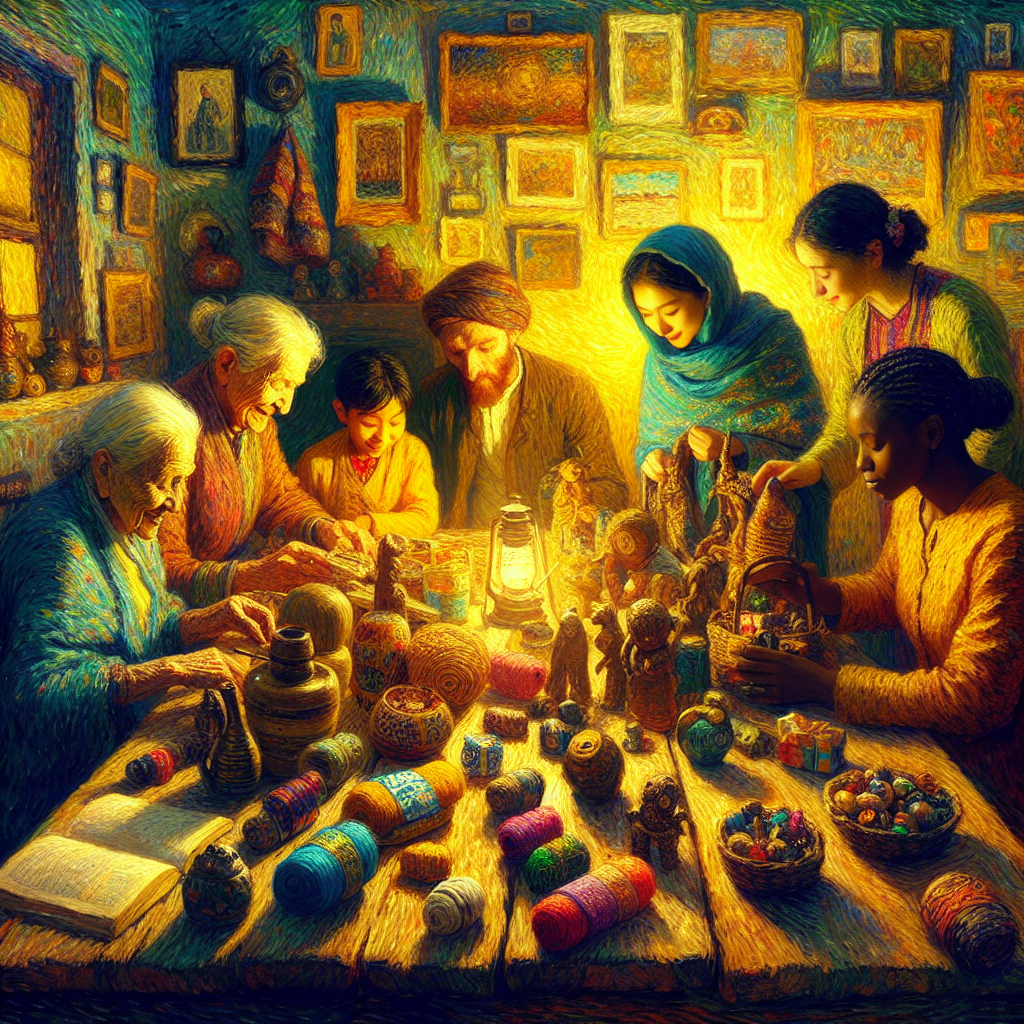
Digital fossils are the remnants of our lives stored in ones and zeros, a haunting reflection of our past that seems to fade like the photographs left to the whims of time. Think about it: the countless files, documents, and records we’ve amassed over the years, each one a piece of our legacy storytelling. They hold memories, ideas, and the essence of who we were at that moment. Yet, as technology evolves at a dizzying pace, many of these digital artifacts become illegible, trapped in formats that no longer exist.
It’s a profound irony that our advances in technology, which were supposed to preserve our histories, are also the very things that threaten them. Ask yourself: what happens to the narratives we cherish if they become trapped in unreadable code? The hard drives filled with photos from the best summer ever, or the carefully crafted emails that once held such promise begin to slip away into oblivion. Each file represents more than just data; they are pieces of our human narrative, deserving of recognition and validity.
This phenomenon cuts deep—emotionally, intellectually, and ethically. We’re not just facing a loss of files; we’re facing the potential erasure of our shared experiences and learnings. Digital loss isn’t just a technical hiccup; it’s a societal setback. Communities that rely on shared stories to bond and grow are impacted when those narratives cannot be accessed. The connections we build on these memories are crucial, not just for us as individuals but for the fabric of society as a whole.
So, how do we confront this reality? It begins with awareness. We must take ownership of our digital footprints and advocate for systems that prioritize the preservation of our data. Thoughtful legacy storytelling isn’t just about what we share; it’s about how we ensure it can be remembered. Just as we gather around a fire to tell stories of the past, we must be willing to create digital spaces that allow future generations to understand our journeys.
We hold the power to inspire trust and action. By promoting practices that archive and stabilize our digital legacies, we can foster a society that values and respects the continuum of human experience. This isn’t merely about preserving files; it’s about honoring the stories that connect us all, ensuring they aren’t lost to the unforgiving march of time. The digital vestiges of our lives deserve better than to fade into obscurity. They deserve a chance to live on, to reach out, and to touch the hearts of those yet to come.

Digital Fossils – the Files We Cant Read Anymore
Digital Fossils – the Files We Cant Read Anymore
- Digital fossils represent the remnants of our lives stored in digital formats.
- Files, documents, and records serve as pieces of our legacy and hold valuable memories.
- Advancements in technology threaten the legibility of these digital artifacts over time.
- Loss of digital narratives impacts societal bonds and community storytelling.
- Awareness is crucial for taking ownership of our digital footprints and data preservation.
- Legacy storytelling involves creating digital spaces for future generations to understand our journeys.
- Promoting practices for archiving digital legacies honors shared human experiences and narratives.
Digital Fossils – the Files We Cant Read Anymore
Table Of Contents
- Digital Fossils – the Files We Cant Read Anymore
- What Memories Do You Wish You Could Access Forever?
- How Do We Preserve Our Digital Legacy?
- Are We Losing Precious Stories with Outdated Formats?
- What Does It Mean to Be Forgotten In a Digital Age?
- How Does Technology Shape Our Shared History?
- Should We Fight to Recover Lost Digital Artifacts?
- What Role Does Nostalgia Play In Digital Preservation?
- Conclusion
- Other Resources
- Glossary Of Terms
- Other Questions
- Haiku
- Poem
- Checklist
What Memories Do You Wish You Could Access Forever?
Life is a tapestry woven from threads of experience, each memory a vibrant hue reflecting the moments that shape who we are. When we talk about memories, we aren’t just talking about fleeting moments; we’re delving into our very legacy. Legacy storytelling isn’t merely the recounting of events; it’s about embracing the essence of our journeys—what we’ve overcome, what we’ve cherished, and what we hold dear.
Picture the laughter shared on a sunlit afternoon, the sound of voices mingling with the rustling leaves. Those are the memories that cling to your heart, reminding you of connection. They call to mind stories worth passing down, narratives imbued with lessons learned and wisdom gained. Have you ever felt that gut punch of nostalgia, the yearning for those moments to linger just a bit longer? Imagine having access to those experiences forever—the warmth of a loved one’s embrace, the thrill of accomplishment, or the quiet moments of reflection that ground us amidst life’s chaos.
Memories have an undeniable impact—not just for us, but for those who come after us. They inform our choices, shaping values and guiding principles. Think about the memories you wish to keep alive, to share with the next generation. What stories will they carry forward? When we reflect on our lives, we often find that the experiences that resonate most deeply are the ones rooted in authenticity and connection. Those powerful moments enable us to cultivate trust and understanding, serving as a foundation for future relationships.
Consider the ethical implications of our memories. Every experience, every lesson learned is an opportunity for growth, not just for ourselves, but for our communities. In sharing our stories, we foster a sense of belonging, creating a fabric of shared experience that binds us together. It’s the quiet whisper of shared struggles and triumphs that reminds us we’re not alone.
So, what memories do you wish you could access forever? Take a moment to reflect on those pivotal experiences that define your existence. The stories that deserve to be retold, the connections that deserve to be honored, and the legacy forged from your journey. In doing so, you not only celebrate your past but also inspire others to cherish, share, and build their own legacy—one memory at a time.
What Memories Do You Wish You Could Access Forever?
What Memories Do You Wish You Could Access Forever?
- Life is composed of experiences that shape individual identities.
- Memories contribute to our legacy and storytelling is about embracing our journeys.
- Shared experiences create connections and meaningful narratives worth passing down.
- Memories influence our choices, values, and guide principles for future generations.
- Authentic experiences foster trust and understanding in relationships.
- Sharing memories promotes community growth and a sense of belonging.
- Reflecting on pivotal experiences helps honor connections and inspire future legacies.

What Memories Do You Wish You Could Access Forever?
How Do We Preserve Our Digital Legacy?
Preserving our digital legacy is not merely about hoarding data or collecting virtual trinkets. It’s about Legacy Storytelling—a heartfelt endeavor to capture the essence of who we are and the imprint we leave behind. Every click, every post, every shared moment tells a story of our lives, woven through the digital fabric of this era. But as we scroll through endless feeds, it begs the question: what will endure, and how can we ensure our stories are not lost in the vast ether?
Imagine for a moment the power of a loved one’s voice or the smiles caught on camera during life’s most joyous occasions. These snippets of snippets capture emotions that resonate far beyond the pixels that house them. It’s about recognizing that each image or word has the potential to echo in the hearts of future generations. But it requires intention—an effort to sift through the overwhelming noise to curate a collection of memories that truly reflect our journey.
Rationally, we must consider the platforms we use. They come and go, shifting like sands beneath our feet. Are we entrusting our memories to fleeting trends, or are we proactively housing them in more permanent places? Backing up our data becomes a necessary act, not just for preservation but as a way to affirm our existence. Think of it as an ethical responsibility. Our digital legacy doesn’t solely belong to us; it influences the way others perceive our lives. By consciously documenting our stories, we frame the narrative that friends and family will remember.
There’s a gut instinct that compels us to connect. Every story we share has the potential to unite, to empower, and to inspire. In a world that often feels fragmented, each digital artifact can serve as a bridge—connecting us to our roots, to our past, and to one another. By sharing our truths, we foster community and empathy; we create spaces for conversation and reflection in a chaotic digital landscape.
As we take inventory of our digital footprints, let’s commit to the act of Legacy Storytelling with intention and clarity. Let’s champion the stories worth telling, ensuring that our digital legacies resonate not just today but for the generations that will come long after us. Each story matters, and together they create a tapestry that illustrates the richness of our shared humanity.

How Do We Preserve Our Digital Legacy?
How Do We Preserve Our Digital Legacy?
- Preserving digital legacy involves intentional Legacy Storytelling beyond just data collection.
- Every digital interaction contributes to a narrative of our lives, prompting reflection on what will endure.
- Memories, such as voices and images, have emotional power and potential to resonate with future generations.
- Choosing the right platforms for storing memories is crucial due to their transient nature.
- Backing up data is an ethical responsibility that affirms our existence and shapes how others perceive us.
- Sharing stories fosters community and connection, bridging gaps in a fragmented world.
- Committing to Legacy Storytelling ensures our narratives are preserved for future generations, enriching shared humanity.

How Do We Preserve Our Digital Legacy?
Are We Losing Precious Stories with Outdated Formats?
Legacy storytelling has been the beating heart of our culture, weaving narratives that define who we are and where we come from. But today, as technology races ahead, we find ourselves at a crossroads. The very formats that have preserved our tales are fading into the background, echoing the cries of a bygone era that still carries immense value. Are we really willing to toss aside the rich tapestry of stories woven through generations because we favor the latest shiny gadget or platform?
Picture the warmth of a grandparent gathering the family around, spinning yarns steeped in lessons and laughter. These are stories not just meant to entertain but to instill values, evoke empathy, and connect us across generations. Yet, as we shift toward bite-sized content and fleeting social media moments, we risk losing the depth and resonance that more traditional forms of storytelling provide. The emotional weight, the moral lessons embedded in these narratives, are irreplaceable. They ground us and remind us of our shared humanity.
Consider the rational aspect—doing away with outdated formats isn’t just convenient; it’s logical. Knowledge is best retained through immersive, engaged experiences. When we carve our stories into instant snippets, we might entertain, but are we truly educating? Are we preserving the essence of each tale? The narratives of our past hold the keys to understanding our present and shaping our future. By embracing these formats, we honor our history while paving the way for meaningful discourse in society.
Ethically, we have a responsibility to preserve these stories for future generations. They aren’t just relics; they’re lifelines for future storytellers, potential bridge-builders. Ignoring the importance of legacy storytelling undermines the foundations that our shared ethics and morals rest upon. The very stories that ignited movements, inspired revolutions, and healed divides are at risk of being lost, relegated to dusty corners of forgotten bookshelves.
Engaging with legacy storytelling fosters a sense of community—a palpable connection. We gather, we listen, we relate. In doing so, we create a narrative thread that binds us together, reinforcing our social fabric. Each story told is a reminder that we are not alone in our experiences; these tales echo in the lives of others, paving pathways of understanding and compassion.
So, as we sit in this era of rapid transformation, we must reflect: are we willing to lose precious stories that have shaped us? It’s time to recognize the power of legacy storytelling, to revive it, respect it, and ensure it thrives in whatever formats the future may hold.

Are We Losing Precious Stories with Outdated Formats?
Are We Losing Precious Stories with Outdated Formats?
- Legacy storytelling is essential to culture, defining identity and heritage.
- Modern technology risks overshadowing traditional storytelling formats.
- Stories from the past provide lessons, values, and foster empathy across generations.
- Bite-sized content may entertain but lacks the depth and educational value of traditional narratives.
- Preserving legacy stories is an ethical responsibility for future generations.
- Engaging in storytelling strengthens community bonds and reinforces social fabric.
- Action is needed to ensure the survival and respect of legacy storytelling amidst technological changes.

Are We Losing Precious Stories with Outdated Formats?
What Does It Mean to Be Forgotten In a Digital Age?
In an era where every moment can be captured, cataloged, and shared, the paradox of being forgotten takes on new meaning. We live in a world dominated by digital footprints, yet the essence of our existence often gets dissolved amidst the noise. Digital platforms are a double-edged sword—while they help us connect and communicate, they also create an overwhelming tide of information, making individual stories feel inconsequential. This is where the concept of Legacy Storytelling comes into play. It’s not just about the tales we tell; it’s about the truths we share and the bonds we build.
When we consider what it means to be forgotten, it stirs something deep within us. We all have stories etched into our bones—experiences that shaped who we are. But as time ticks on and technology advances, these narratives risk slipping into the abyss. Imagine a world where memories fade, where the laughter of loved ones starts to echo only faintly in our minds, and where achievements go unnoticed by future generations. That gut-wrenching thought fuels a desire for connection, a yearning to be remembered.
Navigating the digital landscape, we come face to face with the question of legacy. Are we simply consumers of content, or can we curate our lives into a tapestry of experiences worthy of remembrance? The act of documenting our lives—of engaging in Legacy Storytelling—empowers us to embrace our humanity. It’s an invitation to reflect on our struggles and triumphs, to share our journey with authenticity. This isn’t merely about imparting wisdom; it’s about ensuring that our lives resonate and ripple through time.
In this digital age, we must also consider our ethical responsibility. As we share our stories, we wield the power to uplift others or contribute to the noise. The narratives we choose to amplify can shape societal values, encouraging empathy and understanding. By fostering connections through shared experiences, we raise our collective voice and elevate the significance of genuine storytelling.
In doing so, we can inspire action—not just for ourselves but for the community at large. When we cherish and celebrate our stories, we pave the way for future generations. We remind them that being forgotten is not an inevitability; it’s a choice. The key lies in how we engage with our lives and with one another. So let’s take a moment to reflect, to share, and to remember. In a world teeming with information, let’s ensure that our legacy does not fade into obscurity, but shines brightly in the hearts of those who come after us.

What Does It Mean to Be Forgotten In a Digital Age?
What Does It Mean to Be Forgotten In a Digital Age?
- Digital age amplifies the paradox of being forgotten amidst vast information.
- Legacy Storytelling focuses on sharing truths and building connections.
- Stories shape our identity but risk being lost over time.
- Documenting lives fosters reflection on struggles and achievements.
- Ethical sharing of narratives can uplift others and influence societal values.
- By celebrating our stories, we promote remembrance for future generations.
- Engagement in our lives helps ensure our legacy shines through time.

What Does It Mean to Be Forgotten In a Digital Age?
How Does Technology Shape Our Shared History?
Technology has a peculiar way of weaving itself into the tapestry of our shared history, shaping both the stories we tell and the legacies we leave behind. It’s not simply a collection of gadgets and tools; it’s a powerful force that impacts our narratives, anchoring us to moments that matter and influencing the course of our lives.
Consider the old man by the fire, sharing tales of hardship and triumph. Those captivating stories, handed down through generations, are fueled by human connection. Now, think about how technology amplifies that storytelling. A smartphone can capture the laughter of a child, the struggle of the everyday worker, or the unity formed during a crisis. This Legacy Storytelling transcends the limitations of time and space, bringing distant voices into our living rooms. Each story told becomes a thread in the larger fabric of our community and establishes a shared identity.
Engaging with technology means not only embracing its conveniences but recognizing its ethical responsibilities. It reshapes how we view ourselves in relation to one another. In an age where misinformation can spread like wildfire, our role as responsible storytellers becomes more critical than ever. We must prioritize authenticity and clarity, ensuring that our narratives honor the truths that bind us together. Each shared memory, whether it’s a viral video or a heartfelt blog post, contributes to a mosaic that reflects the complexities of the human experience.
As we navigate this digital landscape, it’s essential to remember the emotional weight our stories carry. They resonate in ways that evoke laughter and tears, transcending mere bytes of data. Our shared experiences, documented and circulated, foster connection and create a sense of belonging. They remind us that beneath our differences, we all share similar struggles and aspirations.
Let’s leverage technology not just to communicate but to inspire action and empathy. Every time we hit “share,” we shape our collective history, influencing the way future generations will understand our time. The moral imperative to use technology wisely rests on our shoulders. We are not mere consumers; we are the custodians of our legacy. By embracing the power of storytelling through technology, we nurture a community that echoes the best of our humanity, reinforcing the bonds that make us who we are. It’s a call to action — to engage, to connect, and to leave behind a legacy that future generations will cherish and build upon.

How Does Technology Shape Our Shared History?
How Does Technology Shape Our Shared History?
- Technology intertwines with our shared history, shaping stories and legacies.
- It amplifies storytelling, allowing experiences to transcend time and distance.
- Responsible engagement with technology involves ethical considerations and authenticity.
- Misinformation highlights the importance of truth in storytelling.
- Shared experiences foster connection and reinforce community identity.
- Every interaction with technology influences our collective history and legacy.
- The call to action is to use technology to inspire empathy and action for future generations.

How Does Technology Shape Our Shared History?
Should We Fight to Recover Lost Digital Artifacts?
The digital age has transformed how we create, share, and remember our stories. Yet, as we stand at the precipice of this brave new world, countless digital artifacts—art, music, literature—have slipped through our fingers, like grains of sand washed away by an unforgiving tide. These artifacts aren’t just bits of data; they represent our legacy. They are the digital echoes of who we are, where we’ve been, and the stories we’ve chosen to tell. So, should we fight to recover them? The answer isn’t merely found in the pixels of a screen but in the heart, head, and gut of humanity itself.
Consider this: every lost digital artifact holds the potential to connect us across generations. When we recover a lost piece of art or a forgotten song, we don’t just restore a file; we reignite conversations about culture, history, and identity. These artifacts are vital components of legacy storytelling, reminding us of our shared experiences and collective memory. Imagine a world where vital stories are told, where voices rise from the digital grave to enrich our understanding of the past. That is not just a noble pursuit; it’s a necessary one.
Rationally speaking, the recovery of digital artifacts can also serve to educate future generations. Each recovered piece is a lesson about creativity, innovation, and the pitfalls of neglect. By understanding what has been lost, we don’t just learn about our past; we define our future. It’s an ethical responsibility that demands action, a calling to preserve what is rightfully ours.
The authority of nostalgia cannot be ignored. When we engage with recovered artifacts, we are reminded of our roots, the stories that shaped us, and the creativity that flourished in times of adversity. These artifacts carry a weight that resonates grossly with the human experience, offering a sense of belonging and understanding in a world that often feels disconnected.
We have the power to inspire action by fostering community involvement in preservation efforts. It’s about more than just reclaiming data; it’s about building a network of individuals from diverse backgrounds united in a common goal. Each piece of recovered digital art has the power to forge connections that transcend age, culture, and geography, igniting a passion for our common heritage.
Fighting for these lost artifacts isn’t just a battle for mere pixels; it’s an affirmation of our commitment to remembering who we are and all we’ve ever been. Our legacy depends on the stories we choose to save.

Should We Fight to Recover Lost Digital Artifacts?
Should We Fight to Recover Lost Digital Artifacts?
- The digital age has changed how we create, share, and remember stories.
- Lost digital artifacts represent our legacy and identity, serving as digital echoes of our history.
- Recovering lost artifacts can reignite conversations about culture, history, and shared experiences.
- Each recovered piece provides lessons about creativity and the importance of preserving our past.
- Engaging with these artifacts fosters a sense of belonging in a disconnected world.
- Community involvement in preservation efforts can unite individuals across backgrounds and cultures.
- Recovering artifacts affirms our commitment to remembering our collective story and legacy.

Should We Fight to Recover Lost Digital Artifacts?
What Role Does Nostalgia Play In Digital Preservation?
Nostalgia is more than just a sentimental longing for the past; it’s a powerful tool that shapes our understanding of heritage and identity. In the realm of digital preservation, nostalgia becomes a bridge, connecting us to memories that might otherwise fade into obscurity. Through the lens of our shared experiences, we establish a legacy that transcends time—a kind of storytelling that resonates deeply with who we are.
Digital preservation isn’t just about safeguarding data; it’s about honoring those fleeting moments that have shaped our lives. It upholds a collective memory, reminding us that history isn’t just written and forgotten. It’s alive, breathing through the pixels and bytes we capture. Think about the old photographs, the vintage music, or the classic films that evoke a wave of nostalgia. These artifacts become more than mere digital files; they are vessels of emotional experience, resonating with our hearts and reminding us of our roots.
The rational side of nostalgia is potent too. As we navigate a rapidly changing digital landscape, the preservation of our past isn’t just a service; it’s a necessity. In a world where trends come and go, the act of preserving these pieces of our history gives us a touchstone—a sense of stability amidst chaos. It encourages us to reflect on where we’ve been while simultaneously guiding us toward where we might go. This framing of nostalgia solidifies our understanding of progress and the ethical responsibility we have to ensure future generations can access these foundational stories.
Engagement with our digital heritage can foster community and connection. When we share our nostalgic moments—be it through blogs, social media, or online archives—we create a conversation that brings people together. This narrative isn’t just personal; it’s communal. Every photograph shared, every story told enriches the tapestry of our collective memory, strengthening social bonds.
Trust and confidence in digital preservation hinge on the assurance that we are not just hoarding relics; we are curating a legacy. Each click, each file saved, contributes to a larger narrative that defines our existence. When we understand and embrace this journey, we empower ourselves and others to take action. We champion not just the preservation of data, but a movement that honors the stories we carry—inviting everyone to partake in this shared experience. Nostalgia, in this context, isn’t just a wistful glance back; it’s an active pursuit of connection, identity, and heritage that shapes our present and future.

What Role Does Nostalgia Play In Digital Preservation?
What Role Does Nostalgia Play In Digital Preservation?
- Nostalgia shapes our heritage and identity, serving as a bridge to fading memories.
- Digital preservation honors significant moments and upholds collective memory.
- Artifacts like photographs and music resonate emotionally, reminding us of our roots.
- Preserving the past is essential in a rapidly changing digital landscape, offering stability.
- Engagement with digital heritage fosters community and strengthens social bonds.
- Curating a legacy through digital preservation is vital for our shared narrative.
- Nostalgia actively connects us to our identity and heritage, influencing our present and future.

What Role Does Nostalgia Play In Digital Preservation?
Conclusion
Digital fossils represent the echoes of our lives, trapped in codes and formats that time has rendered obsolete. They are more than mere data; they are fragments of our identity and stories that deserve to be preserved. With the rapidity of technological advancement, many cherished memories—photos from pivotal moments, heartfelt emails—are becoming unreadable, slipping through our fingers like sand. This isn’t just a technological hiccup; it’s a collective loss. Every lost file represents a missed opportunity to connect with our past and reinforce our shared humanity.
The consequences are emotional and ethical. We are not simply losing documents; we are erasing communal narratives that bind us together. When those stories, which shape our identities and futures, become inaccessible, we threaten the fabric of society itself. Communities founded on shared experiences rely on the preservation of these digital memories, critical for fostering connections in an increasingly fragmented world.
Addressing this challenge requires vigilance and a commitment to legacy storytelling—an effort to chronicle our journeys while ensuring they are preserved for the generations to come. We must advocate for better archival practices, making it possible for what we have created in this digital age to endure. It is an invitation to reflect on our values and to uphold a culture that treasures our histories, allowing us to pass down lessons and laughter through the ages.
As we navigate this digital landscape, we must also cultivate an awareness of the platforms we use and the data we create. Are they sustainable legacy holders, or fleeting moments in time? The distinction is critical, as our digital collections shape the narratives that friends and family will remember. The power of memory and storytelling resonates deeply—it connects, empowers, and inspires.
We are at a crossroads, faced with the decision to recover lost digital artifacts or allow them to drift into oblivion. Each piece of recovered art and voice enriches our understanding of who we are, forging a connection through shared heritage. This act of remembrance is not only about preservation but also about honoring the legacy of those who came before us.
In a world overflowing with content, we must choose carefully which stories we amplify. By engaging in this endeavor, we combat the notion of being forgotten in a digital age. Each reminiscence carries the potential to build bridges and create community, reminding us we are not alone in our experiences. Let’s champion the preservation of our legacy, ensuring our stories continue to resonate in the hearts of future generations.

Conclusion
Conclusion:
- Digital fossils are remnants of our lives, embodying our identities and stories.
- Technological advancement risks making cherished memories, like photos and emails, unreadable.
- Every lost file signifies a missed connection to our past and shared humanity.
- Loss of digital narratives threatens societal fabric and communal bonds.
- Addressing this requires commitment to legacy storytelling and improved archival practices.
- We must be aware of the sustainability of the platforms we use for digital collections.
- Preserving our stories ensures they resonate with future generations and combat the risk of being forgotten.

Conclusion
Other Resources

Other Resources
Here is a list of other resources you can review online to learn more:
- Postumo
- UpCounsel
- LifeSite
- Afternote
- Meminto
- MyWishes
- Bcelebrated
- LifeWeb 360
- How to Save Your Family�s Stories from Being Lost Forever � A Step-by-Step Guide to Creating a Lasting Digital Legacy
- Geneanet
- Knotify.me
- MyMoriam
- IronClad Family
- APH
- Remembered.com
- RootsMagic
- Tributes
- Tributize
- Geni
- MyHeritage
Use This Prompt To Get More Resources With Your Favorite Online AI Tool: Please provide me with a list of online articles with their URLs in a bulleted list that I can read regarding Digital Fossils – the Files We Cant Read Anymore

Other Resources
Glossary Terms
Digital Fossils – the Files We Cant Read Anymore – Glossary Of Terms
1. Digital Fossils: Obsolete digital files that cannot be accessed or read due to outdated formats or software.
2. File Format: The structure or encoding used to store data in a digital file; common types include PDF, DOCX, JPEG, etc.
3. Legacy System: An outdated computing system or application that may create incompatible files or data formats.
4. Obsolescence: The process by which a technology or file format becomes outdated and unsupported.
5. Data Archiving: The practice of moving data that is not actively used to a separate storage location for long-term retention.
6. Bit Rot: The gradual degradation of unmaintained digital data that becomes unreadable over time.
7. Software Emulation: The use of software to replicate the functions of outdated hardware or software environments.
8. File Corruption: Damage to a digital file that makes it impossible to open or correctly interpret.
9. Cloud Storage: Online storage services that allow users to save files remotely; may influence data longevity.
10. Data Migration: The process of transferring data from one system or format to another, often necessary to prevent digital fossils.
11. Format Conversion: The process of changing a file from one format to another to maintain accessibility.
12. Access Protocol: Protocols used to open or retrieve data from storage, potentially impacting the ability to read files.
13. Digital Preservation: The sustained management of digital assets to reduce the risk of obsolescence and ensure continued access.
14. Interoperability: The ability of different systems or file formats to work together without data loss.
15. Metadata: Data that provides information about other data, critical for understanding and accessing digital files.
16. File Compression: The reduction of file size to save space, which can sometimes lead to accessibility issues if specific software is required.
17. Redundancy: The duplication of critical data to prevent loss due to hardware failures or file corruption.
18. Transcoding: The process of converting a file from one encoding format to another, often used in multimedia files.
19. Deprecated: Describes software or technology that is no longer recommended for use, often leading to unavailability of reading specific files.
20. Compatibility: The ability of software or hardware to work with specific file formats without issues.
21. Digital Forensics: The branch of forensic science focusing on recovering and analyzing data from digital devices.
22. Binary Data: The basic data format used in all computers, consisting of ones and zeros; critical for understanding file structure.
23. Legacy Data: Information stored in outdated formats or systems that may be inaccessible.
24. E-Waste: Discarded electronic devices, which can include systems that house inaccessible digital files.
25. Data Retrieval: The process of extracting stored information from a digital archive or storage medium.
26. File Extension: The suffix at the end of a filename that indicates the file type; crucial for opening files correctly.
27. PDF/A: An ISO-standardized version of PDF designed for long-term archiving of electronic documents.
28. Virtualization: The creation of virtual versions of hardware or software to extend the usability of older systems.
29. Redaction: The process of editing a document to remove or obscure sensitive information, potentially complicating file readability.
30. System Migration: The process of moving digital assets from one information system to another, essential for preserving access to data.
Glossary Of Terms
Other Questions
Digital Fossils – the Files We Cant Read Anymore – Other Questions
If you wish to explore and discover more, consider looking for answers to these questions:
- What exactly counts as a “digital fossil” and which file types are most at risk of becoming unreadable?
- How widespread is the problem of unreadable formats—how many files or what percentage of digital archives are affected?
- Which storage media (hard drives, CDs, floppy disks, cloud services, etc.) are most vulnerable to data loss or obsolescence?
- How long do common storage media actually last, and what are realistic lifespans for different formats?
- What technical methods exist to recover data from obsolete or damaged media?
- What is emulation and how can it help access files created for old software or operating systems?
- When should you migrate a file format versus preserve it in its original form?
- Which file formats are considered “safe” or archival (open, nonproprietary) and which should be avoided?
- How do you create and maintain useful metadata so future readers can understand preserved files?
- What tools or software can individuals use today to archive and convert old files reliably?
- Which institutions (libraries, archives, museums, universities) accept or help preserve personal digital archives?
- How do copyright, ownership, and intellectual property laws affect the preservation and sharing of recovered files?
- What privacy and consent issues arise when preserving or sharing personal digital records, especially of deceased people?
- How can marginalized communities ensure their digital stories are preserved and not erased?
- Who bears responsibility for preserving digital legacies: individuals, families, tech companies, governments, or cultural institutions?
- What are the costs (time, money, expertise) associated with meaningful digital preservation at scale?
- Are there affordable or free community resources and services for people wanting to recover or archive files?
- How do cloud providers’ policies, terms of service, and shutdowns affect the longevity of stored content?
- What best practices should individuals follow now to reduce the risk of losing important digital materials?
- How should one prioritize which files or projects to preserve when resources are limited?
- How can families and organizations create sustainable digital estate plans to pass on data to future generations?
- What role do standards bodies and preservation organizations play, and which standards should archivists follow?
- How do archivists verify authenticity and provenance of recovered digital artifacts?
- What ethical dilemmas arise when deciding whether to recover or publish sensitive or traumatic digital materials?
- How can communities organize collective efforts to digitize and preserve shared cultural heritage?
- What are notable success stories or case studies of recovered digital artifacts and how were they done?
- What common mistakes accelerate digital loss, and how can they be avoided?
- How can one protect file integrity over time (checksums, fixity checks, redundancy)?
- What backup strategies (local, cloud, offline, cold storage) are most effective for long-term preservation?
- How will future technologies (AI, blockchain, new storage media) change preservation strategies?
- What policies should governments adopt to support digital preservation and protect public digital heritage?
- How do you handle proprietary software that no longer exists but is needed to read certain files?
- How can individuals document context—stories, dates, relationships—so that preserved files retain meaning?
- How do you balance accessibility with security when making preserved materials available to the public?
- What immediate actions can someone take today if they find old, unreadable media in their possession?
- Where can professionals be hired for complex recovery tasks, and how do you evaluate their credibility?

Other Questions
Haiku
Digital Fossils – the Files We Cant Read Anymore – A Haiku
Digital remnants fade,
Memories lost in the mist—
Preserve our tales, thrive.

Haiku
Poem
Digital Fossils – the Files We Cant Read Anymore – A Poem
In the realm where memories tread,
Digital fossils echo, tales unsaid.
Bits of life in shadows dwell,
Our pasts entwined, a silent bell.
Once vibrant stories, now locked away,
Lost in the codes that time won’t sway.
Heartfelt laughter, warmth turned cold,
Narratives rich, in formats old.
Threads of connection, woven tight,
A tapestry of wrongs and rights.
In every file, a souls embrace,
A reflection of our shared human grace.
Reclaim the echoes, the songs once sung,
For every artifact, a tale is spun.
Together we stand, our voices collide,
Preserving our legacy, side by side.
Let us not forget what makes us whole,
The whispers of ancestors, the beat of the soul.
Embrace nostalgia, a guiding light,
In the digital fog, let memories ignite.
For in fighting to save what was once alive,
We honor our stories, together we thrive.
In every forgotten file, a chance to connect,
A reminder that existence demands to reflect.

Poem
Checklist
Digital Fossils – the Files We Cant Read Anymore – A Checklist
Emotional Appeal
✅______ Reflect on the most cherished digital memories you hold (photos, messages, documents).
✅______ Identify the digital artifacts that evoke feelings of nostalgia.
✅______ Consider the impact of losing these memories on your sense of identity.
Rational Appeal
✅______ Evaluate the platforms you use for storing digital content – Are they reliable?
✅______ Backup important files regularly to multiple formats (cloud storage, external hard drives).
✅______ Review digital file formats – Are they current? Convert outdated formats to modern equivalents.
Ethical Appeal
✅______ Acknowledge your responsibility to preserve not only personal memories but also those of family and community.
✅______ Encourage ethical sharing of stories and artifacts to build a transparent digital narrative.
✅______ Create guidelines for what stories deserve to be passed down to future generations.
Authority Appeal
✅______ Follow best practices from professionals in digital archiving and preservation.
✅______ Stay informed about technological changes affecting data storage and formats.
✅______ Participate in community discussions or workshops about digital legacy preservation.
Narrative Appeal
✅______ Craft your personal digital narrative to understand how your experiences shape your legacy.
✅______ Maintain a digital scrapbook that intertwines stories, images, and artifacts.
✅______ Share your narrative with friends and family to encourage communal storytelling.
Social Appeal
✅______ Engage with friends and family about preserving shared memories and stories.
✅______ Create a group project focused on digital legacy preservation (e.g., a family archive).
✅______ Utilize social media responsibly to document and retain collective memories.
Action Steps
✅______ Regularly review and curate your digital content, removing what’s no longer necessary.
✅______ Advocate for digital preservation initiatives within your community or social circles.
✅______ Plan annual or semi-annual check-ins to assess and update your digital legacy strategy.
Checklist
At LegacyExplorations, we help people plan and explore their legacy by collecting information and news regarding end-of-life planning.
Please share this post with your friends, family, or business associates who may want help to plan or explore their legacy.