

Reclaiming Wholeness In A Disconnected Digital Age
By Tom Seest
At LegacyExplorations, we help people plan and explore their legacy by collecting information and news regarding end-of-life planning.
Please share this post with your friends, family, or business associates who may want help to plan or explore their legacy.
Digital Fragmentation and the Illusion Of Preservation
Digital Fragmentation and the Illusion of Preservation
In an age where every moment is captured, cataloged, and shared, the notion of preservation becomes a double-edged sword. We’ve crafted a vast digital landscape, teeming with images, videos, and tweets—a virtual archive of our lives. Yet, amidst this bounty, we face an unsettling truth: the more we save, the more we risk losing what truly matters. It’s a bit like collecting heirlooms, believing we preserve our family’s legacy, only to realize that the stories attached to those artifacts are fading with each passing generation.
Consider our obsession with digital consumption. We scroll through feeds, merging into a hypnotic haze, each “like” a momentary reinforcement of connection. Yet, at what cost? Our screens reflect lives lived in fragments, a patchwork of experiences stripped of depth and context. This digital fragmentation fosters an illusion of preservation—promising that our memories are safe while, in reality, they often lack the emotional resonance that comes from genuine storytelling. Legacy storytelling isn’t just about the events; it’s about the emotions, the lessons learned, and the triumphs and failures that shape our very essence. It’s in the richness of the narrative where true connection lies.
Rationally speaking, digital platforms offer us unfettered access to a wealth of information, yet they also bombard us with noise. In the clamor of countless uploads and relentless notifications, the authentic voices of our lives can drown beneath the surface. We find ourselves grappling with an ethical dilemma: are we truly preserving our histories, or are we merely glossing over them with superficial snapshots? Each fleeting moment saved in the cloud could easily become a ghost of its former self, stripped of its meaning and resonance over time.
There’s a palpable urgency that arises from this realization. As we navigate this fragmented digital terrain, we must advocate for a deeper connection to our stories. We need to engage, share, and, most importantly, listen—creating spaces where narratives thrive beyond the screen. This isn’t just about individuals; it’s about communities uniting through shared experiences, embracing the messiness of human existence. The journey of preserving our digital legacy must become a collective endeavor, one that honors the authenticity of our experiences rather than reducing them to tokens in a gallery of clicks.
Let’s turn away from the illusion and reclaim the soul of our narrative. It’s time to foster genuine connections, ensuring that our stories endure—not merely as digital fragments scattered in the ether but as a cohesive legacy that binds us together.
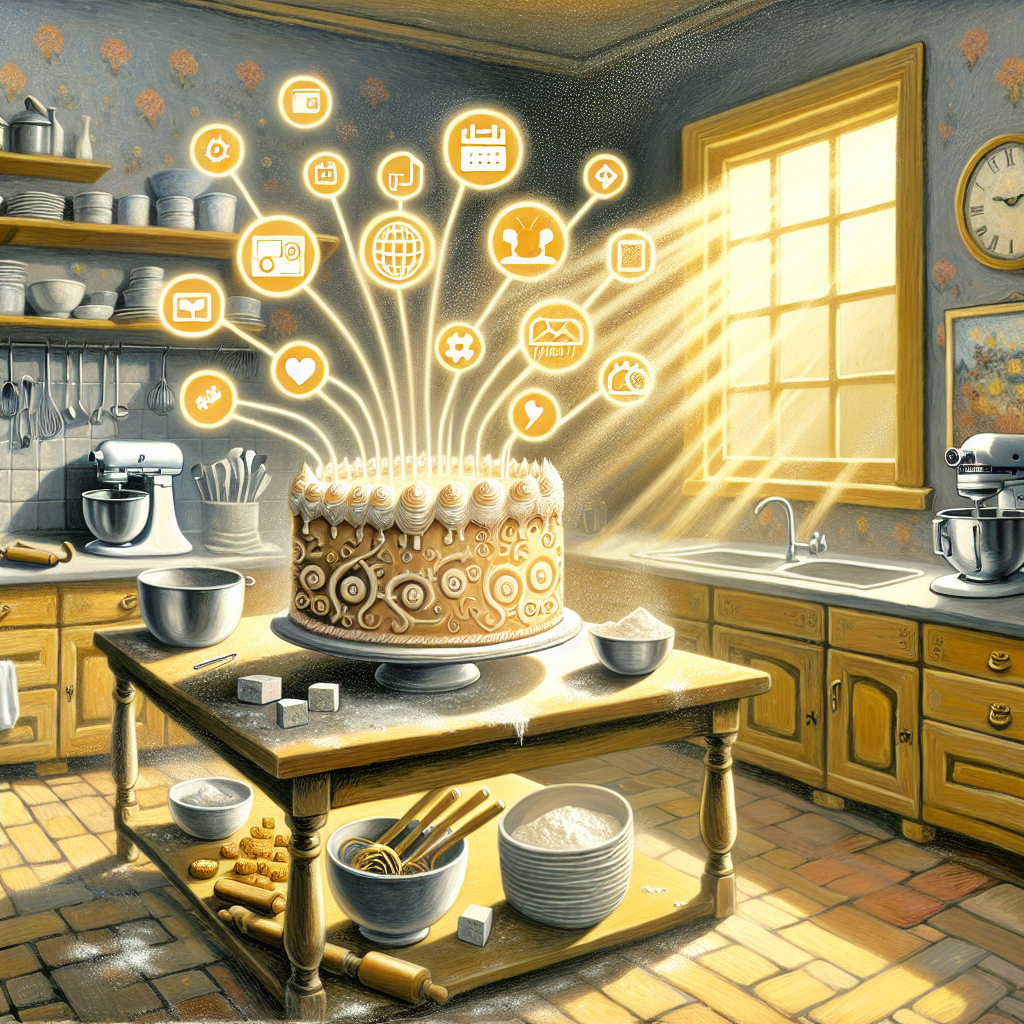
Digital Fragmentation and the Illusion Of Preservation
Digital Fragmentation and the Illusion Of Preservation
- Digital preservation presents a paradox; the more we save, the more we risk losing meaningful connections.
- Our obsession with digital consumption creates fragmented experiences that lack emotional depth.
- Legacy storytelling encompasses emotions and lessons, not just events, fostering genuine connections.
- Digital platforms provide information but can overwhelm us with noise, obscuring authentic voices.
- There’s an ethical dilemma in whether we are truly preserving history or just capturing superficial moments.
- To navigate digital fragmentation, we must create spaces for deeper narratives and community engagement.
- The goal is to reclaim our narratives and ensure that our stories bind us together in a meaningful legacy.

Digital Fragmentation and the Illusion Of Preservation
Table Of Contents
- Digital Fragmentation and the Illusion Of Preservation
- What Memories Are Lost In the Digital Divide?
- How Does Data Fragmentation Affect Trust?
- Are We Truly Preserving Our Digital Heritage?
- What Emotional Toll Does Digital Disconnection Take?
- How Does Fragmentation Challenge Our Identity Online?
- Who Benefits From the Chaos Of Digital Storage?
- Is Our Reliance on Digital Systems Ethical?
- Conclusion
- Other Resources
- Glossary Of Terms
- Other Questions
- Haiku
- Poem
- Checklist
What Memories Are Lost In the Digital Divide?
In a world increasingly reliant on technology, the digital divide isn’t just about access to the internet; it’s a gap that widens the chasm between legacy storytelling and a future overly dependent on screens. Think about it: the stories that bind us, the memories etched in the fabric of our lives, often thrive in the face-to-face connections we have with one another. When we let data define our experiences, we risk losing the essence of what makes those moments meaningful.
Consider a grandparent’s tale about their youth, a shared laugh over an old photograph, or the joy of gathering around the table to share a meal and a story. These are the memories that build our cultural heritage, yet they’re slipping through our fingers. In communities lacking reliable internet access, the tools to capture and share these precious narratives are often out of reach. The stories that should resonate through generations are at risk of being lost, not just to time, but to a society that often prioritizes flash over depth.
It’s about more than just the tales themselves; it’s about the connections they foster. When we engage in legacy storytelling, we breathe life into our past, creating a bridge to understanding our present and guiding our future. Yet, those without digital access often find themselves as spectators to a world they cannot fully participate in, left out of the conversations that shape the narratives around them. It’s a poignant reminder that while technology can enhance our lives, it should never replace the heart and soul of genuine human connection.
The ethical implications are profound. How can we claim to uphold a society built on shared experiences when access to storytelling is dictated by economic lines? When faced with this reality, it raises an essential question: are we comfortable letting an entire segment of our population fade into obscurity, their stories untold and their histories unacknowledged?
It’s time to prioritize inclusivity, ensuring that every voice matters, every story counts. We can’t afford to turn our backs on the rich tapestry of experiences that define us. It’s in this diversity that we find hope, connection, and purpose. It’s our duty to bridge this divide, to bring these vital memories into the light, ensuring that they continue to inspire and inform future generations. As we reflect on what’s at stake, let’s remember: every story told is a step towards enhancing our collective legacy, nurturing a world that values both connection and continuity.

What Memories Are Lost In the Digital Divide?
What Memories Are Lost In the Digital Divide?
- The digital divide extends beyond internet access to impact legacy storytelling and personal connections.
- Face-to-face interactions are vital for creating meaningful memories and cultural heritage.
- Communities without reliable internet lack tools to share and preserve their narratives.
- Legacy storytelling fosters connections and helps understand the past, present, and future.
- People without digital access often miss out on cultural conversations and narratives.
- Economic disparities affect access to storytelling, raising ethical concerns about inclusion.
- Bridging the digital divide is essential to value every story and maintain cultural continuity.

What Memories Are Lost In the Digital Divide?
How Does Data Fragmentation Affect Trust?
Data fragmentation, like a family heirloom passed down through generations, tells a legacy story. Each piece of data is a fragment of a larger tale, yet when those fragments scatter, they become orphaned, diluting their power and meaning. We need to recognize that trust is built on a foundation of integrity and wholeness. When data is fragmented, it creates a landscape where information loses context, and its reliability is called into question. This isn’t just about numbers on a screen; it’s about the stories they tell, the people they affect, and the relationships they forge or fracture.
Imagine a community relying on fragmented information about health, safety, or local governance. Each missing piece creates a gap in understanding, leading to uncertainty and fear. People begin to doubt the systems that govern them, wondering if those at the helm truly have their best interests in mind. The head understands the rational need for complete and accurate data, while the heart aches at the thought of misinformation causing harm. Trust becomes a delicate balance between what we know and what we feel.
When companies or organizations overlook the importance of data cohesion, ethical dilemmas arise. They may compromise on transparency, ignoring the social contract with their audience. The authority they once held can turn into a liability, as the public becomes more astute, more aware of the implications of fragmented information. It’s not just bad business; it erodes the very fabric of trust, leaving a scar on the relationship between institutions and those they serve.
We are called to action. We need to advocate for a holistic approach to data management—one that embraces the richness of legacy storytelling. Every facet must work together to present a unified narrative. By ensuring that data is complete, accessible, and meaningful, we re-establish trust in our personal, professional, and communal landscapes.
It’s time to shift our perspective and consider the emotional weight of fragmented stories. We must seek out the connections, the lessons, and the hopes buried within those data pieces. In doing so, we will not only foster a culture of trust but also inspire a movement for change—one that honors the past while striving for a more transparent and trustworthy future. Trust isn’t merely given; it’s earned through the integrity of the stories we tell and the data we uphold.
How Does Data Fragmentation Affect Trust?
How Does Data Fragmentation Affect Trust?
- Data fragmentation dilutes the power and meaning of information, creating orphaned pieces.
- Trust relies on integrity and wholeness; fragmented data undermines reliability and context.
- Communities dependent on fragmented data face uncertainty, leading to doubt in governing systems.
- Organizations overlooking data cohesion risk ethical dilemmas and compromise transparency.
- Fragmented information can damage trust and relationships between institutions and the public.
- A holistic approach to data management is essential for a unified narrative and restored trust.
- Seeking connections within fragmented data fosters a culture of trust and inspires positive change.

How Does Data Fragmentation Affect Trust?
Are We Truly Preserving Our Digital Heritage?
Are we truly preserving our digital heritage? This question should hit home for anyone who’s ever considered what it means to leave a mark on this world. Digital heritage isn’t just ones and zeros; it’s the legacy storytelling that defines our culture, our experiences, and ultimately, who we are. It’s the heartbeat of countless narratives, waiting to be preserved and passed on, much like the stories told around a campfire.
Take a moment and think about the photos stored on your phone, the videos your child has shot, or the messages shared between friends. These snapshots of life are fleeting, but they hold immense value. Each digital relic encapsulates laughter, pain, triumph, and lessons learned. Yet, they linger in the ether, exposed to the whims of technology and time. Are we setting up a robust framework to ensure these moments are preserved? Or are they destined to fade into obsolescence?
Ethically, we have a responsibility to protect this digital tapestry, much like our ancestors did with their songs, books, and art. Imagine the future generations stumbling upon these fragments of who we were, how we loved, the challenges we faced—an unvarnished glimpse into our lives. This is the core of legacy storytelling: sharing our truths, both the glorious and the gritty, to build a bridge between today and tomorrow.
Consider the authority of digital archives. Major institutions are stepping up, working to catalog and safeguard our digital footprints. However, it’s not solely their battle. Each of us has a role to play. We should be custodians, consciously choosing what to save, share, and celebrate. It’s about fostering connection across generations, ensuring our experiences remain relevant and impactful.
Socially, let’s rally together to create a culture that values preservation. Host storytelling nights to exchange digital memories or develop community initiatives that encourage archiving our stories. When we come together, it enhances our connection to our shared past and enriches our collective future.
This isn’t just a call to action; it’s an invitation. An invitation to engage, to reflect, and to champion the cause of our digital heritage. It’s time to ensure that we’re not just living in a digital age; we are actively weaving a legacy that will endure, a story worth telling for ages to come.

Are We Truly Preserving Our Digital Heritage?
Are We Truly Preserving Our Digital Heritage?
- Digital heritage represents the legacy storytelling that shapes culture and identity.
- Personal digital artifacts, like photos and messages, are valuable yet at risk of being lost.
- There is a moral duty to safeguard these digital memories for future generations.
- Digital archives play a vital role, but preserving heritage is a collective responsibility.
- People should actively decide what to save and share to maintain generational connections.
- Community initiatives and storytelling events can promote a culture of preservation.
- This is a call to engage in preserving our digital legacy, ensuring it lasts for future storytelling.

Are We Truly Preserving Our Digital Heritage?
What Emotional Toll Does Digital Disconnection Take?
In a world where every ping, buzz, or notification keeps us tethered to our devices, disconnecting can feel like stepping off a tightrope—exhilarating yet terrifying. The emotional toll of digital disconnection is a complex tapestry woven from threads of anxiety, loneliness, and moments of profound clarity. It’s easy to romanticize the notion of unplugging, but let’s not romanticize the struggle many face in doing so.
Imagine a worker, after a long day, finally wades through the digital noise of relentless emails and text disputes. They turn off their device, only to be met with an unsettling silence; their mind races with thoughts of missed messages, potential fallout, and the fear of being out of the loop. This isn’t just an inconvenience; it’s a deep-seated anxiety that gnaws away at their sense of belonging. The loss of connection doesn’t just sever our digital ties but chip away at our emotional well-being, leaving us feeling like ghosts in our own lives.
Yet, therein lies a part of the story that is worth telling—the legacy storytelling woven into our connections. When we step back, we begin to see the simplest of joys that often escape us in the rush of online chaos. Those rich, nuanced conversations held in the warmth of someone’s company or those shared laughs that echo long after the moment passes can reignite a sense of purpose and belonging. The truth is that real, meaningful connection often thrives in the spaces left vacant by disconnection.
Rationally, snapshots of our frenetic way of life reveal a startling truth: for every hour spent scrolling through social media, we lose something intangible—our presence. Disconnection fosters reflection, opens up time to explore passions, and ultimately cultivates a deeper understanding of who we are and what our relationships mean. Ethically, we must ask ourselves: what kind of legacy are we crafting when we prioritize a digital presence over authentic human interaction?
As we navigate this modern landscape, it’s crucial to recognize that emotions are not just fleeting signals; they are the very essence of our experiences. They compel us towards reconnection. Embracing digital disconnection can be an act of bravery—an invitation to rediscover the richness of our human experience. So, let’s not shy away from that silence; instead, let’s turn it into a canvas where we paint our story—full of laughter, connection, and a legacy that truly honors what it means to be alive.

What Emotional Toll Does Digital Disconnection Take?
What Emotional Toll Does Digital Disconnection Take?
- Digital disconnection can evoke feelings of anxiety, loneliness, and clarity.
- Unplugging presents challenges, including fears of missed messages and potential fallout.
- Loss of digital connection can negatively impact emotional well-being.
- Real joy and meaningful connection often emerge in moments of disconnection.
- Time spent on social media detracts from genuine presence and reflection.
- Disconnection provides opportunities for self-exploration and deeper understanding of relationships.
- Embracing silence can lead to rediscovering richer human experiences and connections.
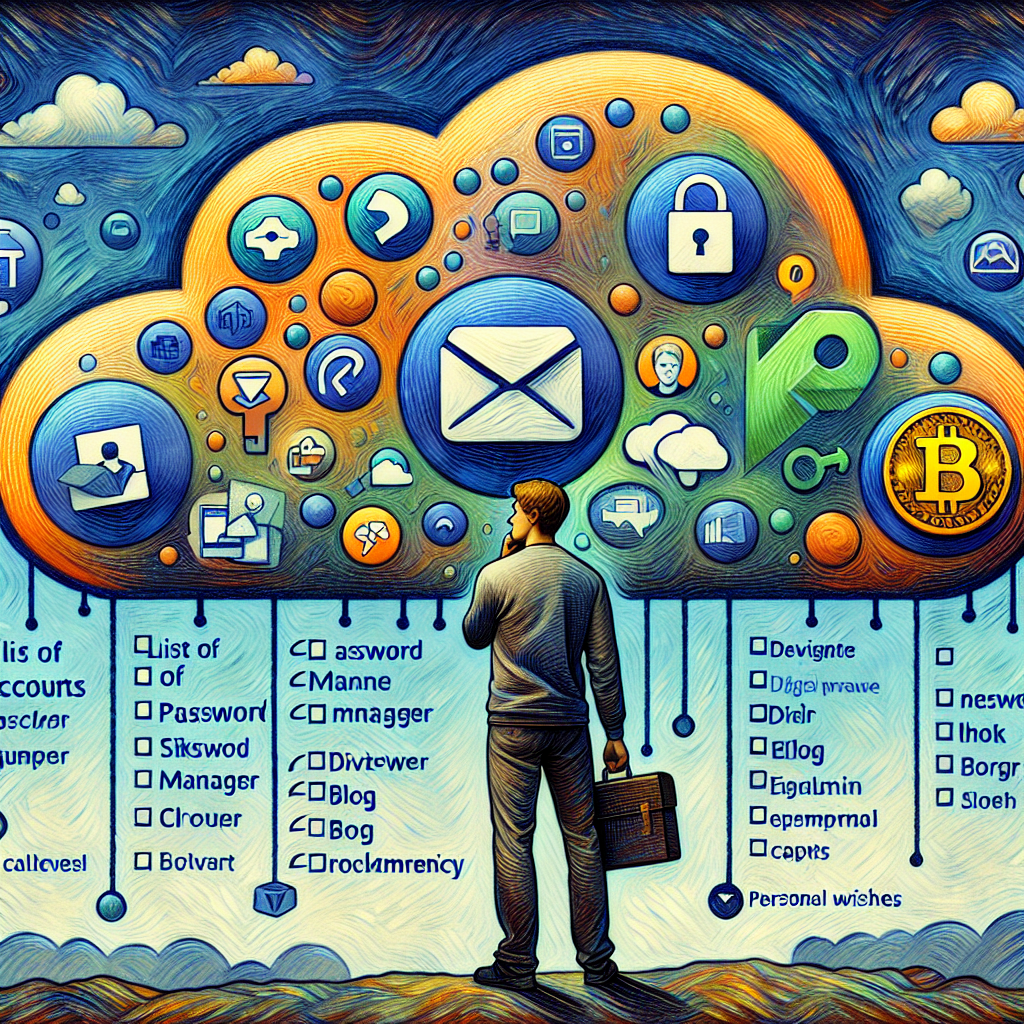
What Emotional Toll Does Digital Disconnection Take?
How Does Fragmentation Challenge Our Identity Online?
In our increasingly interconnected world, our identities become like a patchwork quilt—stitched together from countless experiences, interactions, and stories. This tapestry, vibrant and intricate, is continually pulled and tugged by the forces of fragmentation that surround us. Each social media post, every comment left on a blog, even the fleeting texts exchanged with friends form a layer of who we are. Yet, amidst this wealth of expression, we face a disquieting truth: fragmentation challenges the very essence of our online identity.
Consider the legacy we create with each interaction. It’s more than just a string of memorable moments; it’s about legacy storytelling. What we share defines us, often in ways we fail to realize. When fragmented, our stories lack cohesion, diminishing their power and the connections we forge with others. This inconsistency not only muddles our narratives but can also leave us feeling isolated, as if we’re shouting into the void without a supportive audience.
Rationally speaking, the human mind craves coherence. We seek meaning in our experiences; we want our contributions to matter. Yet, when our digital footprints are scattered across platforms—professional personas on LinkedIn, personal anecdotes on Instagram, and candid thoughts on Twitter—our identities become diluted. This fragmentation is more than a logistical issue; it strikes at the heart of who we are and how we relate to those around us.
Ethically, we grapple with authenticity. Are we presenting our true selves, or are we curating an image based on likes and follows? The pressure to conform to the expectations of various online communities can warp our identity, challenging our core values. Trust erodes when we feel the need to wear masks instead of displaying our genuine selves.
In sharing our stories—true, flawed, and unvarnished—we have the opportunity to connect deeply with others. When we embrace the tapestry of our experiences, we foster a sense of belonging. Each unique thread enriches not only our identity but also the collective narrative that binds us together.
So, as we navigate this digital landscape, let us be mindful of our legacy. Each post, each interaction holds the potential to inspire, to provoke thought, and to unite. By weaving together our fragmented selves into a cohesive story, we reclaim our identity and cultivate authentic connections in a world yearning for sincerity. Let’s choose to share, to engage, and to forge real relationships that transcend the noise.

How Does Fragmentation Challenge Our Identity Online?
How Does Fragmentation Challenge Our Identity Online?
- Identities are formed like a patchwork quilt from diverse experiences and interactions.
- Fragmentation challenges the essence of our online identity, creating disconnection.
- Legacy storytelling shapes how we define ourselves through shared moments.
- Scattered digital footprints across platforms dilute our identities.
- The pressure to conform online can warp our authentic selves and erode trust.
- Sharing true and unvarnished stories fosters deep connections and a sense of belonging.
- Being mindful of our digital legacy can inspire and cultivate authentic relationships.

How Does Fragmentation Challenge Our Identity Online?
Who Benefits From the Chaos Of Digital Storage?
In a world teeming with bits and bytes, the chaos of digital storage isn’t just a challenge; it’s a treasure trove that shapes our modern lives. As we sift through the overwhelming data landscape, we find a fundamental truth: every byte tells a story, linking us to our past, present, and future. This is where legacy storytelling comes into play—crafting narratives from the detritus of our digital existence. But who truly reaps the rewards of this chaos, and how does it connect us all?
Let’s start with the individuals. Each of us has a unique narrative woven into the fabric of countless files, emails, and photos stored in the cloud. When you pause to consider your own digital relics—those candid snapshots from family gatherings or heartfelt emails from long-lost friends—the emotional weight becomes palpable. This is more than mere storage; it’s a legacy waiting to be unearthed, a personal treasure chest that holds the essence of our lives. The heart warms as memories resurface, reminding us that we are not alone in this vast digital ocean.
Then, shift your gaze to the businesses and creators who harness this chaos. Think of the entrepreneurs, artists, and educators who are continuously mining this digital reserve. They transform data into valuable insights, reshaping industries and breaking barriers. Their stories of innovation are born from a profound understanding of the chaos, crafting compelling narratives that resonate with audiences. Rationally, it’s clear: by leveraging this digital storage, they tap into a goldmine of opportunities, advancing their missions and fostering connections that elevate society as a whole.
Ethically, the implications of this chaos are profound. In a landscape where information is power, those who understand the nuances of digital storage can shape conversations and influence decisions. They become authoritative voices, guiding us through the noise and chaos, instilling trust in their expertise. This resonance fosters a collective sense of responsibility, urging us all to cherish and preserve our digital legacies for future generations.
Ultimately, this intricately tangled web of digital storage does more than just serve its purpose; it builds community. It reminds us that behind every piece of data lies a human story, a connection waiting to blossom. So as we navigate the chaos, let’s embrace its potential. Celebrate the legacy storytelling that breathes life into our digital artifacts, inspiring trust in the journey we share together. Wrapped within this digital chaos is a collective narrative, one that invites us all to partake in its unfolding.

Who Benefits From the Chaos Of Digital Storage?
Who Benefits From the Chaos Of Digital Storage?
- The chaos of digital storage is both a challenge and a valuable resource in shaping modern lives.
- Every byte of data tells a story, connecting us to our past, present, and future.
- Individuals possess unique narratives through the files and memories stored in the cloud.
- Businesses and creators leverage digital chaos for innovation, transforming data into valuable insights.
- The ethical implications of digital storage highlight the power of information in shaping conversations.
- Understanding digital storage fosters trust and responsibility in preserving digital legacies.
- This digital landscape builds community by emphasizing the human stories behind the data.

Who Benefits From the Chaos Of Digital Storage?
Is Our Reliance on Digital Systems Ethical?
In a world increasingly dominated by screens and digital interfaces, we find ourselves at a crossroads, much like the pioneers of old navigating uncharted territories. The tug of technology is undeniable—inviting efficiency, connection, and convenience into our lives. Yet, beneath this shiny veneer lies a legacy storytelling that deserves scrutiny. When did we become so dependent on digital systems that we stopped asking whether this reliance is ethical?
Imagine a small-town mechanic, skilled hands covered in grease, sharing tales of the machines that shaped his life. His stories embody the human experience, a narrative rich with failures, triumphs, and lessons learned through grit and sweat. Now consider how much of that legacy is threatened by algorithms and automated processes that prioritize speed over craftsmanship. Our roads may be filled with smart cars, but do they truly understand the essence of the journey?
Rationally, there’s no denying the benefits that come from embracing technology. It connects us in ways that were once unfathomable, breaking down barriers and fostering conversations across the globe. Yet, while this vast web of connections can feel empowering, it often comes at a cost. Our data, our choices, our very identities are threads in a digital tapestry that’s woven without our explicit consent. Each like, each share—we become part of a story not written by us, but dictated by unseen digital architects. This raises the ethical question: are we trading our agency for a fleeting sense of belonging?
The gut feeling betrays a sense of unease, one that resonates with those who remember the warmth of face-to-face conversations, the value of time spent away from screens. The nostalgia for simplicity speaks loudly. Socially, we’re encouraged to embrace progress, yet how often do we pause to reflect on what we may be sacrificing? There’s a human instinct to preserve family traditions and personal interactions, but this instinct needs articulation in a world that often prioritizes efficiency over empathy.
Perhaps it’s time to recalibrate our relationship with technology, acknowledging its role without allowing it to supplant our humanity. This isn’t merely an academic question; it’s a call to action, a chance to reengage with the heart of our legacy storytelling. Each choice—be it to unplug for an hour, listen more intentionally, or share our narratives—can foster a connection that transcends the digital. After all, in a landscape increasingly defined by binary decisions, we hold the power to chart a course that honors both progress and the profound beauty of the human experience.
Is Our Reliance on Digital Systems Ethical?
Is Our Reliance on Digital Systems Ethical?
- Society is at a crossroads between technological reliance and human storytelling.
- Technology offers efficiency and connection but raises ethical concerns about dependency.
- Personal narratives, like those of a small-town mechanic, highlight the human experience.
- Automation often prioritizes speed over the craftsmanship and essence of various journeys.
- While technology connects us globally, it can compromise our data and identity without consent.
- Nostalgia for face-to-face interactions emphasizes the need for balance between progress and empathy.
- A call to recalibrate our relationship with technology to preserve human connection and storytelling.

Is Our Reliance on Digital Systems Ethical?
Conclusion
In the digital sphere, where our lives are distilled into data points and fleeting visuals, the quest for preservation feels paradoxical. We amass countless memories—photos, messages, and videos—yet they often become mere fragments, stripped of their deeper meaning. Just like heirlooms that lose their stories, our digital records may survive but often lack emotional resonance and narrative depth. The heart of legacy storytelling, rich with lessons and shared experiences, risks being overshadowed by the ephemeral nature of social media engagement. Each “like” fails to capture the essence and gravity of genuine connections.
As we scroll through curated feeds, the ethical dilemma arises: are we truly safeguarding our histories, or are we glossing over them with superficial snapshots? Digital fragmentation fosters an illusion of preservation—instead of maintaining valuable relationships and meaningful narratives, we find ourselves distanced from the stories that could unite us. The urgency to reclaim our narratives is palpable; we must prioritize authentic storytelling that thrums with the joy, loss, and humanity of our shared experiences.
Moreover, the digital divide exemplifies the risks of disconnection for communities lacking access to these technologies. Without the means to capture and share their stories, many find themselves on the fringes, unable to contribute their invaluable narratives to the collective. Bridging this divide is both a moral obligation and a necessary step toward inclusivity, ensuring that every voice contributes to our communal legacy.
The issue of data fragmentation extends to our identities, often leading to mistrust as individuals grapple with the disjointed narratives that emerge in digital spaces. Authenticity becomes obscured when we curate self-images for validation rather than sharing our genuine selves. Yet, in embracing our imperfect truths, we not only strengthen our connections but also create a tapestry that honors the complexities of our human experience.
Technology undoubtedly provides us with a wealth of information, yet its chaos lacks the warmth of human storytelling. It challenges us to remember the importance of preserving our digital heritage with care and intention. As we navigate this age of disconnection, let’s commit to fostering genuine interactions that enrich our lives and culture. By making space for true storytelling, we can turn the ephemeral into a cohesive legacy that honors both our past and future, casting aside the fragments that once defined us. The time has come to reconnect—to embrace our shared stories with heart, soul, and purpose.

Conclusion
Conclusion:
- The digital world reduces our lives to data points, risking the loss of deeper meaning in our memories.
- Digital records often lack emotional resonance, similar to heirlooms stripped of their stories.
- Social media engagement may overshadow rich legacy storytelling filled with lessons and experiences.
- Scrolling through curated feeds raises ethical questions about safeguarding our histories versus superficial snapshots.
- The digital divide risks disconnection for communities lacking access, preventing them from sharing their narratives.
- Data fragmentation leads to mistrust as individuals curate self-images for validation instead of authenticity.
- Fostering genuine interactions and embracing shared stories can turn the ephemeral into a cohesive legacy.
Conclusion
Other Resources

Other Resources
Here is a list of other resources you can review online to learn more:
- Is There A Need To Pay For Copyrighting Services For Personal Or Family Legacy Stories?
- Funeral Services Guide
- Personal Legacy Advisors
- Funeral Finder
- Legacy Family Tree
- Willmaker
- LegalZoom
- AmericanAncestors
- Storyfile Life
- deviantART
- Cake
- Tributize
- Directive Communication Systems
- Digital Legacy Association
- INELA
- How to Avoid Losing Your Family History One Generation at a Time
- ForeverMissed
- RootsMagic
- FindMyPast
- FuneralWise
Use This Prompt To Get More Resources With Your Favorite Online AI Tool: Please provide me with a list of online articles with their URLs in a bulleted list that I can read regarding Digital Fragmentation and the Illusion Of Preservation

Other Resources
Glossary Terms
Digital Fragmentation and the Illusion Of Preservation – Glossary Of Terms
1. Digital Fragmentation: The process where digital information is scattered across multiple platforms, devices, or formats, leading to disconnection and loss of context.
2. Illusion of Preservation: The false belief that digital records will endure indefinitely due to their electronic nature, despite risks such as obsolescence.
3. Archiving: The process of storing digital materials for long-term retention and access, often involving organization and cataloging.
4. Digital Obsolescence: The phenomenon where digital formats, software, or hardware become outdated, making information inaccessible.
5. Data Migration: The practice of transferring data from one storage system or format to another to ensure continued accessibility.
6. Metadata: Data that provides information about other data, enhancing the ability to discover and retrieve digital content.
7. Digital Preservation: Strategies and techniques used to maintain, protect, and ensure long-term usability of digital information.
8. Format Sustainability: The viability of digital formats to remain accessible and usable over time.
9. Curation: The act of selecting, organizing, and maintaining a collection of digital materials to ensure their quality and relevance.
10. Access Platforms: Online services or applications that allow users to interact with and retrieve digital content.
11. Content Fragmentation: The division of digital resources into separate parts, complicating the holistic understanding of the information.
12. Information Age: The current era characterized by the shift from industrial to information-based economies, heavily reliant on digital technology.
13. Digital Literacy: The skills required to effectively find, evaluate, create, and communicate information in digital formats.
14. Cloud Storage: A model in which data is stored on remote servers accessed via the internet, offering scalable and flexible storage solutions.
15. Decentralization: The distribution of data and processes across multiple locations or systems, reducing risks associated with centralized storage.
16. Legacy Systems: Older information systems that may no longer be supported or compatible with new technologies, risking data loss.
17. Digital Forensics: The process of recovering and investigating digital data, often used in legal contexts to ensure integrity and authenticity.
18. Bit Rot: The gradual degradation of digital files due to neglect or technological changes, leading to potential data loss.
19. Interoperability: The ability of different systems and organizations to work together, sharing and accessing data smoothly.
20. Emulation: A preservation technique that replicates the original operating environment of digital software or hardware to maintain usability.
21. Versioning: The practice of maintaining multiple copies of a document or file, documenting changes over time for historical reference.
22. Digital Commons: An online collaborative space where creators can share their works, promoting accessibility and community engagement.
23. Bit Preservation: Safeguarding the integrity of digital files at the bit level to prevent corruption over time.
24. SQL (Structured Query Language): A programming language used for managing and manipulating relational databases, often essential for data retrieval.
25. Encoding Standards: Established methods for data representation in digital formats to ensure compatibility and preservation.
26. Content Management Systems (CMS): Software applications used to create and manage digital content, facilitating organization and presentation.
27. User Experience (UX): The overall experience a user has when interacting with a digital product, influencing accessibility and usability.
28. Data Retrieval: The process of extracting and accessing stored digital information, critical for effective use of data.
29. Digital Asset Management (DAM): Systems and practices for storing, organizing, and retrieving digital assets efficiently.
30. Preservation Policies: Guidelines and standards developed by organizations to govern the long-term maintenance and access of digital materials.
Glossary Of Terms
Other Questions
Digital Fragmentation and the Illusion Of Preservation – Other Questions
If you wish to explore and discover more, consider looking for answers to these questions:
- What concrete steps can individuals take to preserve the context and emotional meaning behind digital artifacts?
- How can families create durable legacy-storytelling practices that survive platform changes and technological obsolescence?
- What role should schools, libraries, archives, and museums play in safeguarding personal and communal digital heritage?
- Which file formats, storage methods, and backup strategies are most reliable for long-term preservation?
- How can we prevent or repair data fragmentation across multiple platforms, devices, and accounts?
- Who legally owns and controls digital memories after someone dies or becomes incapacitated?
- What legal and policy gaps currently leave digital legacies unprotected?
- How can communities lacking reliable internet access record, preserve, and transmit their stories?
- What affordable tools, programs, or community initiatives can help bridge the digital divide for preservation?
- How does data fragmentation contribute to misinformation, and how does that erode public trust?
- What industry standards or ethical practices can organizations adopt to ensure data cohesion and provenance?
- How can metadata and contextual documentation be applied to retain narrative meaning in archives?
- What ethical issues arise when corporations monetize, curate, or selectively surface our digital memories?
- Who profits from the chaos of digital storage, and how does that shape what is preserved or amplified?
- How can individuals reclaim agency over their online identities and cohesive life narratives?
- What are the psychological and emotional effects of chronic digital distraction versus deliberate disconnection?
- How can people balance the emotional benefits of unplugging with professional and social obligations that demand connectivity?
- What practical strategies preserve intergenerational storytelling and cultural transmission in a digital age?
- How should consent, privacy, and the rights of subjects be handled when archiving other people’s images and stories?
- How vulnerable are personal and institutional digital archives to hacking, censorship, platform shutdowns, or loss of service?
- What safeguards preserve authenticity and guard against deepfakes or manipulated media in heritage collections?
- How can artificial intelligence help reassemble fragmented digital narratives without erasing nuance or introducing bias?
- What measurable indicators would show that a community’s digital heritage is being successfully preserved?
- What policy changes could governments enact to protect public and private digital heritage more effectively?
- How do cloud providers’ terms, retention policies, and business models affect long-term access to personal archives?
- What community-driven or cooperative models exist for collective archiving and storytelling?
- How can online storytelling be designed to retain emotional resonance rather than reduce experiences to superficial snapshots?
- What are the environmental costs of large-scale digital storage, and how should they influence preservation choices?
- How can preservation efforts prioritize marginalized voices so their stories are not further erased by fragmentation?
- What real-world examples or initiatives successfully reclaimed wholeness from digital fragmentation, and what lessons do they offer?

Other Questions
Haiku
Digital Fragmentation and the Illusion Of Preservation – A Haiku
Digital snapshots fade,
Meaning lost in scattered bytes,
True stories unite.

Haiku
Poem
Digital Fragmentation and the Illusion Of Preservation – A Poem
In a world of screens, where moments scroll by,
We chase shadows of memories, watching time fly.
Digital relics shimmer, yet often feel frail,
What’s lost in the noise, the heart’s fleeting tale.
We gather our fragments, each click a small stitch,
Yet, truth fades in pixels, the depth is a hitch.
Stories should flow like rivers, connecting our past,
Instead, we’re left scattered, our legacies cast.
Layers of laughter, the warmth of a hug,
Are drowned by the chaos, the data we shrug.
Is preservation an illusion, a façade we construct?
Or a call to engagement, where emotions erupt?
An ethics of sharing, we must not ignore,
Each voice has its value, behind every door.
Communities flourish when memories unite,
In the spaces we gather, true narratives ignite.
A digital tapestry, complex and wide,
Yet in the division, we spread our hearts pride.
Trust fractures and trembles where stories lack weight,
Let’s weave our connections, before it’s too late.
So pause in the silence, embrace what is near,
Real stories breathe life, let’s hold them dear.
In the chaos of data, let’s build hands clasped tight,
Reclaim our connections, in the soft glow of light.

Poem
Checklist
Digital Fragmentation and the Illusion Of Preservation – A Checklist
Emotional Appeal
✅______ Reflect on personal stories – Identify and write down meaningful moments that define your narrative.
✅______ Create a family storytelling night – Share experiences with loved ones to strengthen emotional connections.
✅______ Capture mixed emotions – Acknowledge both joys and struggles in your personal history.
Rational Appeal
✅______ Analyze digital habits – Review daily screen time and its impact on genuine interactions.
✅______ Assess the depth of shared content – Examine social media posts for emotional resonance versus superficiality.
✅______ Research legacy preservation – Explore methods to archive digital memories for future generations.
Ethical Appeal
✅______ Promote digital inclusivity – Advocate for equal access to digital storytelling tools in your community.
✅______ Encourage authenticity online – Commit to sharing your true self rather than a curated version.
✅______ Challenge the ethics of digital reliance – Assess how technology impacts real human connections and agency.
Authority Appeal
✅______ Follow experts in digital ethics – Engage with thought leaders on the implications of digital storage and fragmentation.
✅______ Participate in workshops – Attend sessions focused on storytelling and memory preservation.
✅______ Read literature on legacy communication – Gain perspectives from authors dedicated to analyzing digital heritage.
Narrative Appeal
✅______ Craft a personal narrative – Write your life’s story using the principles of legacy storytelling.
✅______ Engage in community storytelling – Share local histories that reflect on collective experiences.
✅______ Document significant events – Create a timeline of major life moments to visualize your journey.
Social Appeal
✅______ Initiate community projects – Collaborate on initiatives that promote storytelling and memory sharing.
✅______ Form discussion groups – Create spaces for dialogue on the implications of digital dependence.
✅______ Share personal stories on social platforms – Use digital media to connect with others and inspire discussions on genuine connection.

Checklist
At LegacyExplorations, we help people plan and explore their legacy by collecting information and news regarding end-of-life planning.
Please share this post with your friends, family, or business associates who may want help to plan or explore their legacy.