

Understanding Our Digital Selves: A Shared Journey Beyond Ownership
By Tom Seest
At LegacyExplorations, we help people plan and explore their legacy by collecting information and news regarding end-of-life planning.
Please share this post with your friends, family, or business associates who may want help to plan or explore their legacy.
Digital Identity Is Not Property
In a world increasingly dominated by technology, it’s easy to slip into the belief that our digital identities are possessions to be owned and traded, much like commodities on a marketplace. Yet, the truth is far more nuanced. Your digital identity—encompassing your online behavior, personal data, and social interactions—is not merely a piece of property; it’s a living, breathing narrative that impacts not just you, but the entire social fabric.
Think about your legacy storytelling. Each interaction you have online tells a story, not just about you, but about the values you represent and the connections you foster. These stories shape your reputation and influence how others perceive and interact with you. When we treat digital identity as property, we risk commodifying our narratives, boxing them into neat categories, and stripping away the rich, messy humanity that fuels our connections.
Rationally speaking, what does it mean to own something so intangible? Our data is created through our interactions; it evolves over time with each like, share, and comment. These actions reflect our choices, beliefs, and desires. When we think of our identity as property, we disregard the responsibility that comes with it. Are we honoring the trust granted to us by our friends and family, or are we merely chasing metrics and validation?
Ethically, we must acknowledge the implications of how we handle our digital identities. When we prioritize ownership over authenticity, we create an environment where manipulation thrives. We’ve all heard the stories—the breaches, the scams, the relentless quest for clicks over conversation. It’s a sobering reminder that trust is fragile. Yet, when we view our identities as communal, something we share with the world, we can rebuild that trust.
We are all interconnected, and our digital stories weave together to form a larger tapestry. Sharing our experiences, learning from one another, and embracing vulnerability can lead to genuine connections and collective growth. The call to action is clear: let’s reclaim our digital narratives from the clutches of ownership and foster environments where authenticity flourishes.
In this journey, let’s remember that we are more than our data. We are the stories we tell and the relationships we build. When we recognize our digital identities as shared experiences rather than mere property, we begin to understand the true value of what it means to connect.

Digital Identity Is Not Property
Digital Identity Is Not Property
- Digital identities are living narratives that influence the entire social fabric.
- Each online interaction reflects personal values and shapes reputation.
- Treating digital identity as property risks commodifying personal narratives.
- Data reflects choices, beliefs, and desires, evolving over time.
- Prioritizing ownership over authenticity can lead to manipulation and distrust.
- Viewing identities as communal helps rebuild trust and foster connections.
- Recognizing digital identities as shared experiences adds value to personal connections.

Digital Identity Is Not Property
Table Of Contents
- Digital Identity Is Not Property
- What Does It Mean for Our Identity to Be Tied to the Digital World?
- How Do We Define Ownership In a Digital Landscape?
- Can We Trust Corporations to Protect Our Digital Identities?
- What Ethical Responsibilities Do Tech Companies Have Towards Users?
- How Does the Loss Of Digital Identity Impact Our Sense Of Self?
- What Stories Illustrate the Importance Of Digital Privacy?
- How Does Control Over Digital Identity Affect Personal Freedom?
- Conclusion
- Other Resources
- Glossary Of Terms
- Other Questions
- Haiku
- Poem
- Checklist
What Does It Mean for Our Identity to Be Tied to the Digital World?
In our fast-paced digital age, the question of identity has transformed significantly. As we craft our online personas, our sense of self becomes intertwined with the vast expanse of the digital world. It’s more than just selfies and social media posts; it’s about the legacy we leave behind. Our digital footprints tell a story—one that reflects our aspirations, our challenges, and, in many ways, our humanity.
Consider the power of legacy storytelling. Each status update, each tweet, constructs a narrative that shapes how we are perceived—not just by friends or family but by a wider audience that spans continents. We often fail to realize that this digital self is a reflection of our ideals and values. What we choose to share—or withhold—reveals our deepest convictions and imperfections, creating a blend of authenticity and curated image. In a world where the click of a button can immortalize a moment, we are challenged to be genuine, to align our digital presence with our true selves.
This connection to the digital realm has ethical implications. Are we using our voices to promote positivity and understanding? Or are we complicit in the noise that divides us? Our online actions ripple through communities, manifesting both benevolence and hostility. It’s a responsibility to consider how we engage with others and what narratives we endorse. By sharing compassionate stories, we can uplift those around us and foster connections that extend far beyond screens.
The gut feelings we experience—the anxiety over online criticism, the joy from a supportive comment—underscore the urgency of this discussion. Our emotions are magnified in this interconnected space, where validation and criticism both come in waves. It’s important to remember that behind every username is a person with their own legacy story, facing their own struggles.
In this digital tapestry, authenticity and vulnerability become our most powerful tools. We’re not just participants in a global dialogue; we are storytellers and collaborators. As we navigate our identities, let’s choose to be agents of change, expressing our real selves amidst the cacophony. By sharing our truths, we invite others into our narratives, building bridges over the chasms of misunderstanding that often define our online interactions. Ultimately, our digital identity is not just about who we are; it’s about who we aspire to be—together.

What Does It Mean for Our Identity to Be Tied to the Digital World?
What Does It Mean for Our Identity to Be Tied to the Digital World?
- The concept of identity has evolved in the digital age, intertwining self-perception with online personas.
- Digital footprints tell stories reflecting our aspirations, challenges, and humanity.
- Legacy storytelling shapes how individuals are perceived by a global audience.
- What we share online reveals our ideals, values, and creates a blend of authenticity and curated image.
- Online engagement carries ethical implications, impacting communities through both positivity and negativity.
- Emotions in the digital realm are heightened, reminding us of the human stories behind each username.
- Authenticity and vulnerability are essential as we navigate our identities and foster connections online.

What Does It Mean for Our Identity to Be Tied to the Digital World?
How Do We Define Ownership In a Digital Landscape?
How Do We Define Ownership in a Digital Landscape?
In the ever-evolving world of digital engagement, ownership takes on a shape as fluid as the data streams that traverse our screens. It’s a story that connects us all, a legacy storytelling that bleeds from our experiences into the fabric of our online lives. From the moment we first clicked “I accept” on those familiar terms and conditions, we embarked on a journey where the lines of ownership blur, and the stakes feel higher than ever.
Ownership in the digital realm isn’t just about possession; it’s about connection. Each of us has a narrative, a story that weaves through the pixels and algorithms designed to capture our attention. Think about it. Every post, every photograph, every piece of content we create is a pixel in this vast tapestry. We invest time and emotion, and we deserve to feel connected to our digital creations. This is where the heart finds a voice.
But here’s the kicker—while we freely share our lives online, it raises challenging questions. Who owns that moment when you hit “share”? Is it the platform that stores your data, or is it you, the creator? Ethically, we wrestle with these questions. We want to believe that our contributions have value, that each of us is more than just another cog in a corporate machine. In a society that thrives on collaboration, we yearn for acknowledgment. We crave recognition for the content that inspires, educates, or simply entertains.
Rationally speaking, the implications of digital ownership stretch far beyond the individual. As businesses rise and fall in this landscape, the question of who controls content becomes paramount. Brands rely on authenticity and trust to foster relationships with their audiences. They must navigate the tricky terrain of ethical responsibility—an authority that establishes trust matters now more than ever.
Look at how communities rally around shared experiences. People come together, embracing collective stories through social media, igniting movements and alliances. In doing so, we acknowledge that our individual narratives shape a broader cultural legacy. It’s a call to action: assert your ownership not merely as a transaction, but as a testament to your unique contribution in the digital gallery we all inhabit.
We’re not just participants; we are storytellers. In this digital age, let’s reclaim our narrative. Recognize that each click, each share, and each like is part of a greater legacy. As we define ownership anew, may we do so with heart, conviction, and an unwavering commitment to honor the stories shared.
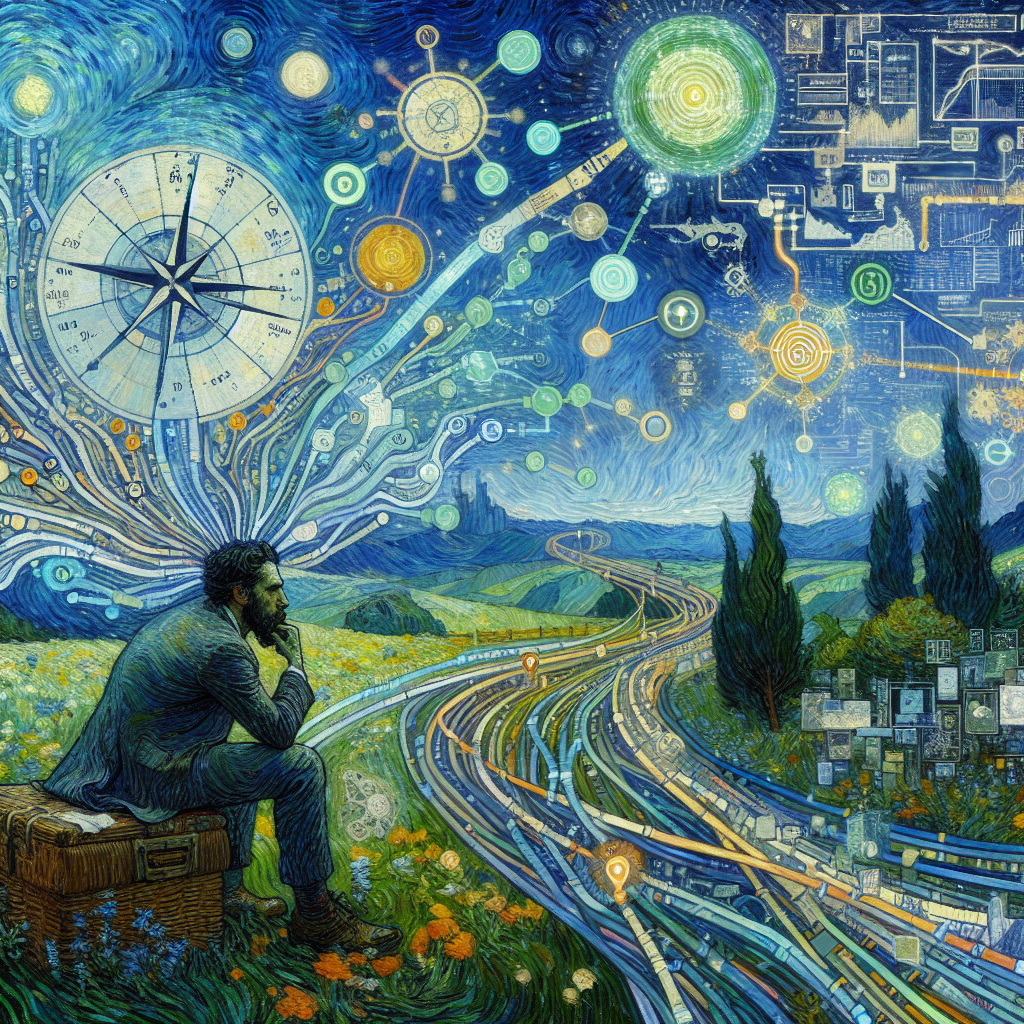
How Do We Define Ownership In a Digital Landscape?
How Do We Define Ownership In a Digital Landscape?
- Ownership in the digital world is fluid, reflecting the evolving nature of technology and data.
- Each individual’s story contributes to the larger tapestry of online experiences.
- Sharing content raises questions about ownership between creators and platforms.
- People seek acknowledgment and recognition for their contributions in a collaborative society.
- The implications of digital ownership affect both individuals and businesses significantly.
- Community engagement around shared narratives fosters cultural legacy and movements.
- Everyone is a storyteller, and reclaiming ownership is essential for authentic contributions.

How Do We Define Ownership In a Digital Landscape?
Can We Trust Corporations to Protect Our Digital Identities?
Can we trust corporations to protect our digital identities? This question reverberates in a world increasingly tethered to screens and pixels. We inhabit a vast digital landscape where our every click and keystroke can be cataloged, analyzed, and even exploited. Digital identity isn’t just data; it’s the legacy storytelling of who we are, how we interact, and what we value.
Picture this: a bustling cafe, people lost in their devices, unaware of the swirling questions around privacy. Among them, a young woman shares her joys, fears, and memories online, her digital footprint expanding with every post. Yet, lurking behind the convenience of connectedness lies a paradox. We ask corporations to safeguard our narratives, to ensure that our identities remain intact against an overwhelming tide of potential breaches. But can they truly be trusted?
Emotionally, it tugs at the heartstrings to think of all the stories that could be lost or manipulated. That small business owner thriving online could see their dreams dashed if their personal data lands in the wrong hands. We recognize that each of us has a stake in this conversation—it’s not just about protection; it’s about the similarities in our experiences. Our stories matter. Each thread woven into the fabric of our digital existence deserves respect and care.
Rationally, the stakes are high. Corporations often champion their advanced security measures, but how many breaches have we witnessed? The alarming frequency of data scandals leaves us grappling with a common quandary: how do we evaluate the promise of security against the reality of risk? An ethical commitment to transparency should be non-negotiable, yet many remain opaque, hiding behind legal jargon while our identities hang in the balance.
Authority figures in tech tout their innovations, often promising us the moon and stars. However, when trust is essential, mere reputation is insufficient. We need accountability and action—yes, we’re talking about companies reinventing their approaches to data protection, not just tweaking their privacy policies in the fine print.
Socially, we, as a collective, must hold these corporations accountable. It’s time to demand better practices and stricter regulations. By fostering connections rooted in trust, we can collectively push for change. It’s a journey—a collaboration between consumers and corporations to protect the legacy storytelling of our digital identities. Together, we can create a landscape that values our stories as much as we do, ensuring they are told with integrity and respect.

Can We Trust Corporations to Protect Our Digital Identities?
Can We Trust Corporations to Protect Our Digital Identities?
- The question of trusting corporations to protect digital identities is increasingly relevant in a connected world.
- Digital identity encompasses our interactions and values, representing the storytelling of who we are.
- Many people are unaware of privacy concerns as they share personal stories online.
- Corporations are expected to safeguard our identities, but their track record raises doubts about their trustworthiness.
- The frequency of data breaches calls into question the effectiveness of corporate security measures.
- Transparency and accountability from corporations are essential for rebuilding trust in data protection.
- Collective action is needed to demand better practices and regulations to ensure the integrity of our digital narratives.

Can We Trust Corporations to Protect Our Digital Identities?
What Ethical Responsibilities Do Tech Companies Have Towards Users?
In the landscape of modern technology, few truths resonate as deeply as the relationship between users and the companies that provide the platforms they engage with. It’s an intricate dance of trust, where ethical responsibilities must take center stage. Companies are not merely service providers; they are stewards of our digital lives, holding the keys to our personal information, privacy, and even our identities. This reality calls for profound legacy storytelling that goes beyond mere profit margins.
Consider the everyday individual navigating the digital realm. Each click, like, and share tells a story. These interactions are not just numbers in a database; they are reflections of our hopes, fears, and dreams. Tech companies must recognize that they are more than algorithms and data points. When they bear witness to the vulnerable fabric of human experience, they must uphold a duty to protect and empower users. Ethical considerations should drive decisions, ensuring that the tools they create uplift rather than exploit.
Rationally, it becomes evident that fostering a culture of transparency not only benefits consumers but enhances a company’s reputation and sustainability. When tech leaders engage users with honesty—disclosing how their data will be used, for instance—they invite a partnership grounded in mutual respect. By adopting ethical guidelines, these companies can cultivate trust, demonstrating they stand for more than just the bottom line.
From an ethical standpoint, tech companies wield considerable authority over a crucial aspect of modern life. With this power comes a responsibility to advocate for users, defending their rights in an age where personal data is often monetized. Speaking out against potential abuses, even at the cost of profit, builds credibility that resonates deeply.
Narratively, we must look at the broader picture: our interconnected lives thriving on shared values. When tech companies choose to act in the best interest of their users, they contribute to a burgeoning ecosystem of empathy and trust. This approach appeals to the gut, igniting a sense of duty among users to support those who support them, fostering a community where ethical practices flourish.
In this digital era, the call to action is clear. Tech companies have a golden opportunity to pioneer a legacy of integrity that prioritizes users, embracing their stories while building relationships that withstand the tests of time. In doing so, they can inspire confidence, loyalty, and a brighter future for us all.

What Ethical Responsibilities Do Tech Companies Have Towards Users?
What Ethical Responsibilities Do Tech Companies Have Towards Users?
- Modern technology emphasizes the relationship of trust between users and companies.
- Companies must act as stewards of digital lives, protecting personal information and identities.
- User interactions reflect deeper human experiences, not just data points.
- Transparency in how companies use data fosters trust and enhances reputations.
- Tech companies hold significant authority and have the responsibility to advocate for user rights.
- Choosing to act in users’ best interests creates a community of empathy and support.
- There is a call for tech companies to prioritize integrity and build lasting relationships with users.
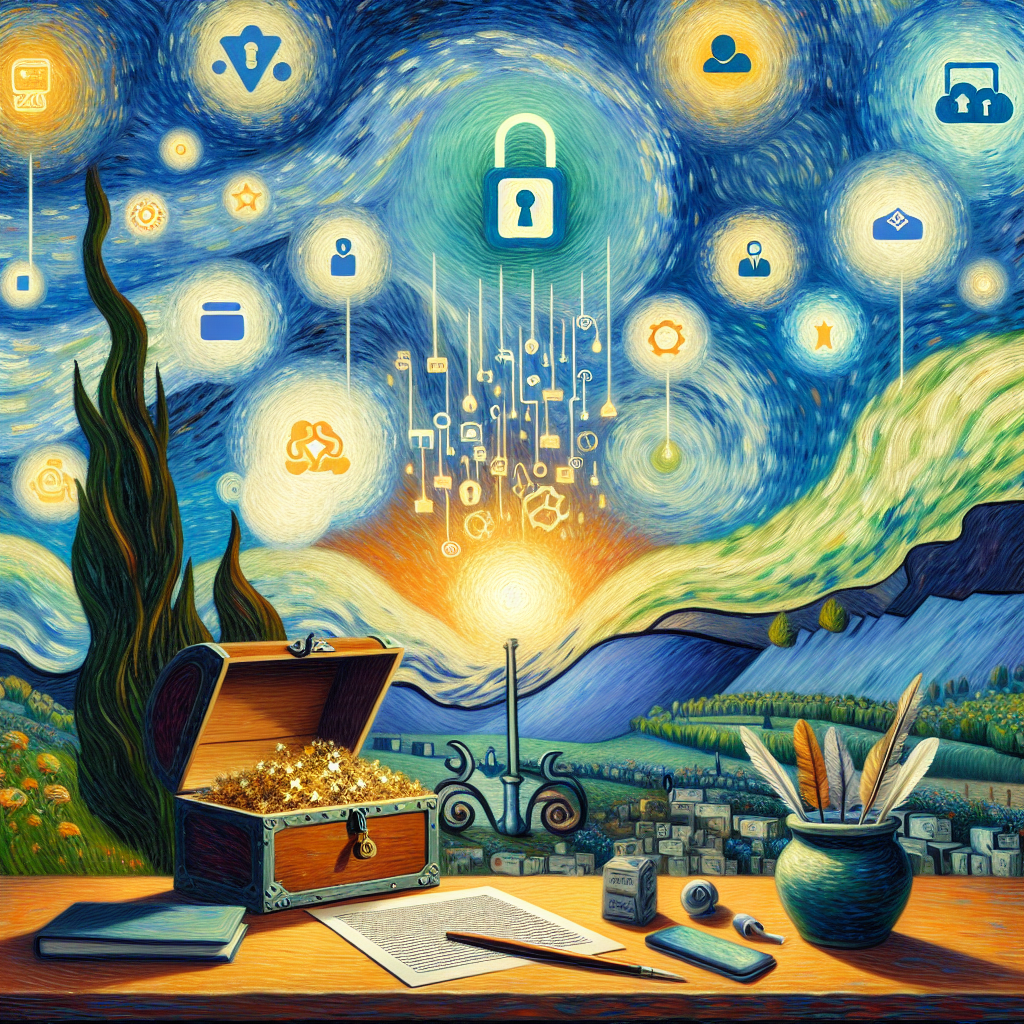
What Ethical Responsibilities Do Tech Companies Have Towards Users?
How Does the Loss Of Digital Identity Impact Our Sense Of Self?
The loss of digital identity can shatter the very foundation of who we are, leaving us adrift in a landscape where our connections, memories, and narratives fade like old photographs. In a world that increasingly measures our worth in likes, shares, and followers, what happens when the digital thread that weaves our legacy is severed? Our online presence is not just bits and bytes; it’s a tapestry of our experiences, relationships, and dreams.
When we log online, we engage in a modern form of legacy storytelling. Each post, photo, and comment captures a moment—an imprint of our thoughts and feelings. These digital snippets contribute to a narrative that informs how we view ourselves and how others perceive us. Without these markers of our existence, the story we tell—both to ourselves and to the world—takes a hit. It’s like losing chapters of a book; suddenly, the plot doesn’t make sense.
Rationally, we understand the implications. Consider how we curate our lives online: crafting a digital persona that both reflects and amplifies our real-world identity. When that reaches an abrupt halt due to identity theft or digital erasure, it challenges our perception of self-worth and belonging. The void left behind invites doubt. “Who am I?” becomes an echoing question, reverberating through the silence of our lost connections.
On an ethical front, our digital identities carry responsibility. We share our stories not merely for validation but to engage and help others walk their paths. This interwoven fabric of lives means that when one thread is pulled, it affects the whole quilt. The loss isn’t just personal; it ripples through family, friends, and communities, reminding us of our interconnectedness.
Reflect too on the emotional stakes. The anguish of losing a digital identity isn’t simply about lost access to accounts or information; it’s about the loss of a lifeline to loved ones and shared experiences. It’s about feeling invisible in a world that demands visibility. Many of us have felt the pang of disconnection in our fast-paced lives, and losing our digital essence amplifies that isolation.
Ultimately, in a society driven by digital footprints, safeguarding our identities isn’t just a personal priority; it’s a collective call to action. By acknowledging and addressing these vulnerabilities, we ensure that the rich narrative of our lives continues to flourish, connecting us through an enduring legacy.

How Does the Loss Of Digital Identity Impact Our Sense Of Self?
How Does the Loss Of Digital Identity Impact Our Sense Of Self?
- The loss of digital identity can undermine personal connections and memories.
- Online presence encapsulates our experiences and shapes perceptions of self.
- Digital narratives, created through posts and interactions, define our personal stories.
- Loss of digital identity raises questions about self-worth and belonging.
- Digital identities have ethical responsibilities, impacting broader communities.
- Loss of digital identity can lead to emotional anguish and feelings of invisibility.
- Protecting digital identities is crucial for sustaining personal narratives and connections.

How Does the Loss Of Digital Identity Impact Our Sense Of Self?
What Stories Illustrate the Importance Of Digital Privacy?
In a world where our digital footprints stretch further than the eye can see, stories about the importance of digital privacy weave through our lives like threads in a tapestry. Legacy storytelling reminds us that each tale carries the weight of our choices, echoing the lessons of those who came before us. One can hardly fathom the gut-wrenching reality of data breaches. Families, once vibrant, suddenly torn apart as personal information becomes a weapon in the hands of malicious actors. Imagine a young professional who was always cautious, but one careless click spirals into chaos, revealing intimate details to the world. His narrative reflects a lesson many will learn too late: privacy, once lost, is not easily reclaimed.
Let’s not overlook the rational aspect of this discussion. In an age where corporations and governments gather data with a fervent zeal, we can’t afford to underestimate the power we relinquish. When we share our lives online, we unknowingly enter a contract where our most sensitive information becomes currency. Data privacy isn’t merely a buzzword; it is our shield against exploitation. We all share a collective responsibility to safeguard not just our own privacy, but the privacy of our peers. The consequences of neglect are not just statistical; they ripple through society, affecting trust and confidence among individuals and communities.
Ethically, we must consider the implications of the stories we tell about our digital lives. Are we fostering an environment that values consent and autonomy, or are we creating a culture where privacy is a relic of the past? Each story of data misuse serves as a beacon, urging us to act, to speak out, and to demand better protections. We have the power to influence narratives, to champion privacy rights, and in doing so, shape a more secure future.
These experiences converge in a shared truth: digital privacy is not just a personal issue; it is a societal imperative. Engaging in these stories can inspire action. As we reflect on the narratives around us, let’s rally behind the call for stronger safeguards, weaving together our voices to create a chorus that can’t be ignored. By embracing the lessons of legacy storytelling and honoring the journeys of those who’ve faced the harsh realities of a privacy-less existence, we cultivate a community rooted in respect and awareness. Trust will grow, connections will deepen, and ultimately, we will reclaim the agency over our digital lives.

What Stories Illustrate the Importance Of Digital Privacy?
What Stories Illustrate the Importance Of Digital Privacy?
- Digital privacy is essential in a world where online actions can have significant consequences.
- Stories of data breaches illustrate the devastating impact on individuals and families.
- Sharing personal information online can lead to unintended consequences and loss of privacy.
- Corporations and governments extensively gather data, making privacy a critical issue.
- There is a collective responsibility to protect privacy, affecting societal trust and confidence.
- Ethical storytelling about digital lives must promote consent and autonomy.
- Advocating for stronger privacy protections can lead to a more secure community and deeper trust.

What Stories Illustrate the Importance Of Digital Privacy?
How Does Control Over Digital Identity Affect Personal Freedom?
Control over digital identity significantly shapes the contours of personal freedom. In an age where our online personas often eclipse our physical selves, the very fabric of who we are can feel precarious. It’s as if we’re living in a constant state of performance, presenting curated versions of ourselves to a world that demands authenticity while monetizing every like, share, and click. This digital landscape is not just a backdrop; it’s our modern legacy storytelling, reflecting our values, aspirations, and fears.
At a gut level, consider the inherent vulnerability of exposure. Every time we post a picture or log into a platform, we sacrifice a degree of privacy, leaving a digital trail that’s ripe for scrutiny. It’s akin to laying bare our lives for all to see, turning every misstep into a potential weapon for judgment. This visceral reaction speaks to a fundamental need for autonomy. When we lose control over our identities, we risk losing ourselves in the noise, forced to navigate an environment that prioritizes algorithms over authenticity.
Rationally, the implications of this control are striking. Our digital identities affect everything from job prospects to personal relationships. Employers often scrutinize social media before making hiring decisions, pondering what type of person their potential employee might be based on an online presence. If that presence is muddied or misinterpreted, opportunities disappear, leaving careers hanging in the balance. The stakes are high, and as we entrust our data to various platforms, we must question the ethics of this transaction: who truly owns our digital legacy?
The ethical dimension cannot be overlooked either. In a society increasingly reliant on technology, we must confront the power dynamics of those who control the platforms that hold our identities. Are they stewarding our stories or commodifying them? This inquiry is not just about individual rights; it’s about the collective responsibility we share in shaping a world where freedom is defined by the integrity of our identities.
Ultimately, engaging with these issues calls for a narrative that is relatable and urgent. Sharing personal experiences of triumph and failure in the digital space fosters connection. It’s through these stories, both cautionary and celebratory, that we inspire trust. By reclaiming control over our digital identities, we can pave the way for a future where personal freedom flourishes—not just for ourselves, but for everyone navigating this complex digital terrain.

How Does Control Over Digital Identity Affect Personal Freedom?
How Does Control Over Digital Identity Affect Personal Freedom?
- Digital identity shapes personal freedom and reflects our values and aspirations.
- Online personas can feel precarious, creating a constant performance of curated identities.
- Posting on social media sacrifices privacy, leaving individuals vulnerable to scrutiny.
- Digital identities influence job prospects and personal relationships, with social media often impacting hiring decisions.
- The ethics of data ownership and control are critical in a technology-reliant society.
- Collective responsibility exists in shaping a world where freedom is linked to identity integrity.
- Reclaiming control over digital identities is essential for fostering personal freedom for all.

How Does Control Over Digital Identity Affect Personal Freedom?
Conclusion
In a rapidly evolving digital landscape, the concept of digital identity has transcended mere ownership to encompass a shared human experience. This perspective asserts that our online personas—crafted through myriad interactions, posts, and connections—represent not just individual possessions but a collective narrative that weaves us together. Each digital footprint contributes to our legacy storytelling, reflecting our values and the rich tapestry of our lives. Our identities are not static items to be cataloged and sold; they are dynamic, intimately tied to the relationships we cultivate and the stories we share.
Rationally, it becomes essential to recognize that our digital actions are threads in a broader narrative. Every click, every share, shapes how we see ourselves and how the world perceives us. When we commodify this narrative, we risk transforming our lived experiences into mere data points, stripping away the humanity that underpins our interactions. The ethical implications are profound; prioritizing ownership over authenticity fosters a culture of manipulation and distrust. Instead, by acknowledging our identities as communal, we can foster an environment rich in authenticity and connection.
Emphasizing the emotional weight of this dialogue, consider the real consequences of losing one’s digital identity. The loss prompts profound questions of self-worth and belonging, echoing through personal and communal realms. Each story of identity theft or breach is a reminder of the vulnerabilities embedded in our online lives. As we navigate this intertwined existence, we must advocate for practices that protect our narratives, ensuring that we uphold trust within our communities.
From a societal standpoint, the conversation around our digital identities transcends the individual. It’s a collective call to reclaim our narratives and embrace the power of authenticity. The digital age presents an opportunity to reshape how we engage with one another, pursuing genuine connections instead of superficial likes or follows. By fostering environments grounded in trust and shared values, we celebrate the intricate stories that define us.
Ultimately, recognizing and protecting our digital identities is not just a personal endeavor; it’s a shared journey towards greater integrity and collective empowerment. Each of us plays a role in uplifting the narrative tapestry of our lives, paving the way for a future where identity, privacy, and connection flourish. Together, we can weave a more robust social fabric, ensuring that our digital legacies honor the authenticity and richness of our shared experiences.

Conclusion
Conclusion:
- Digital identity is a shared human experience, reflecting collective narratives rather than mere ownership.
- Online personas are shaped by interactions, contributing to a dynamic legacy that represents our values.
- Commodifying digital identities risks turning lived experiences into data points, undermining humanity in interactions.
- The loss of digital identity raises questions of self-worth and belonging, highlighting vulnerabilities in online life.
- The conversation around digital identities is a collective call to reclaim narratives and promote authenticity.
- Fostering trust and shared values can lead to genuine connections rather than superficial engagement.
- Protecting digital identities is a communal journey towards integrity and empowerment, enriching our social fabric.

Conclusion
Other Resources

Other Resources
Here is a list of other resources you can review online to learn more:
- RocketLawyer
- FindMyPast
- Directive Communication Systems
- Funeral Services Guide
- Legacy Family Tree
- Personal Legacy Advisors
- Association of Personal Historians
- LifeBio
- LegalZoom
- How Has Time Changed The Cost Of Capturing Family Legacy Stories
- Can Telling and Preserving Personal or Family Legacy Stories Be Therapeutic?
- Tributize
- EverNote
- Xarona
- Tributes
- MyMoriam
- FutureMe
- APH
- LegacyLearned
- LivingDNA
Use This Prompt To Get More Resources With Your Favorite Online AI Tool: Please provide me with a list of online articles with their URLs in a bulleted list that I can read regarding Digital Identity Is Not Property

Other Resources
Glossary Terms
Digital Identity Is Not Property – Glossary Of Terms
1. Digital Identity: The online presence of an individual consisting of personal data, social media accounts, and digital footprints.
2. Property: A legal concept that denotes ownership and control over tangible and intangible assets.
3. Ownership: The state of possessing something, including rights and responsibilities associated with it.
4. Intellectual Property: Creations of the mind, including inventions, literary works, and symbols, that may be legally protected.
5. Personal Data: Information that relates to an identifiable person, which can include names, addresses, and online behavior.
6. Data Sovereignty: The concept that data is subject to the laws and governance of the nation in which it is collected.
7. Digital Footprint: The trail of data that individuals leave behind while using the internet, including website visits and online interactions.
8. Privacy: The right of individuals to control access to their personal information and how it is used.
9. Consent: Permission granted by an individual for the collection and use of their personal data.
10. Identity Theft: The unauthorized use of someone’s personal information, often for fraudulent purposes.
11. Blockchain: A decentralized digital ledger technology that records transactions across many computers securely.
12. Data Ownership: The claim to control access and usage of data, often debated in the context of digital identities.
13. Surveillance: The monitoring of behavior and activities, often related to the collection of personal data.
14. Digital Minimalism: A lifestyle choice focused on reducing digital clutter and prioritizing meaningful online interactions.
15. Anonymity: The condition of being unidentified or unrecognized in online spaces.
16. Data Portability: The ability of individuals to move their personal data between different service providers.
17. Digital Rights: The rights and freedoms related to an individual’s digital identity and online presence.
18. User Agency: The capacity of individuals to make informed choices regarding their data and digital interactions.
19. Terms of Service: Legal agreements outlining the rules and guidelines for using a service or platform.
20. Cybersecurity: The practice of protecting systems, networks, and programs from digital attacks.
21. Identity Management: Processes and technologies that manage an individual’s digital identity and access to systems.
22. Social Media: Online platforms that enable users to create, share, or exchange information and content.
23. Data Breach: An incident where unauthorized access to personal data occurs, often leading to exposure or theft.
24. Digital Literacy: The ability to effectively find, evaluate, use, and create information in digital formats.
25. Algorithm: A set of rules or calculations used by software to process data and make decisions about digital interactions.
26. Ethical Data Use: Principles guiding the responsible and transparent handling of personal data.
27. User Experience (UX): The overall interaction and satisfaction of a user when using a digital platform or service.
28. Platform Dependence: The reliance on specific digital platforms that can dictate the terms of data usage and accessibility.
29. Metadata: Data that provides information about other data, such as when and where it was created.
30. Digital Divide: The gap between individuals who have easy access to digital technology and those who do not.

Glossary Of Terms
Other Questions
Digital Identity Is Not Property – Other Questions
If you wish to explore and discover more, consider looking for answers to these questions:
- What exactly constitutes a “digital identity” and which elements are included or excluded?
- How does digital identity differ from legal identity or offline identity?
- Who, if anyone, legally owns the data that makes up my digital identity?
- What rights should individuals have over their digital identities?
- How can people meaningfully control or reclaim their digital narratives?
- What technical tools or standards exist for users to manage and port their identity data?
- Are decentralized identity systems (e.g., self-sovereign identity, blockchain) a viable solution?
- How do current terms of service and privacy policies affect ownership and control of identity data?
- What responsibilities do platforms have to preserve, delete, or correct a user’s digital history?
- Can corporations be trusted to protect user identities, and what accountability mechanisms are effective?
- What regulatory frameworks or laws govern digital identity, and how do they vary by country?
- What remedies are available to victims of identity theft, impersonation, or unauthorized data use?
- How does data monetization by platforms impact individuals’ autonomy and consent?
- How should consent be defined, obtained, and revoked for ongoing identity data collection?
- What are the ethical obligations of tech companies beyond legal compliance?
- How does loss, alteration, or deletion of digital identity affect mental health and sense of self?
- What guidance should exist for building a resilient digital legacy for friends and family?
- How can marginalized or vulnerable groups be protected from disproportionate harms to their digital identities?
- What role do community norms and social platforms play in shaping shared identity narratives?
- How does algorithmic profiling and targeted content shape or manipulate personal identity?
- What safeguards can limit misuse of identity data for surveillance, discrimination, or political manipulation?
- How should employers, schools, and public institutions use (or avoid using) digital identity data?
- What is the “right to be forgotten” and how practical is it in preserving autonomy over identity?
- How can users verify the provenance and integrity of identity-related data about them?
- What transparent metrics or audits should companies publish to demonstrate ethical identity handling?
- How do cultural differences affect perceptions of ownership, privacy, and sharing of digital identity?
- What future trends (e.g., AR/VR, biometrics, IoT) will most dramatically change digital identity?
- What practical steps can readers take now to protect, curate, and communicate their digital stories?

Other Questions
Haiku
Digital Identity Is Not Property – A Haiku
Digital threads connect,
Stories weave through loss and trust,
Identity shared.

Haiku
Poem
Digital Identity Is Not Property – A Poem
In a world of screens, we weave our tale,
Digital identities, in pixels, prevail.
Not mere possessions, but lives intertwined,
Stories of connection, in every line defined.
Each like and share, an imprint of trust,
Legacies forged, in compassion, we must.
Yet ownership claimed, can lead us astray,
For commodified narratives risk fading away.
Our digital selves, reflections so deep,
Echo our values, in the stories we keep.
A call for authenticity, as we craft our arc,
Inviting a chorus in the vast digital dark.
Can we trust the guardians of our online lives,
When breaches and scandals threaten to rise?
Ethical duty, transparency’s demand,
Together we stand, reclaiming the land.
Loss of our data, a haunting despair,
Bound by the narratives we choose to share.
With every connection, our humanity swells,
In shared experience, the heart truly dwells.
So let’s honor our stories, protect what is ours,
Foster community, as we reach for the stars.
In this tapestry woven of hopes and of fears,
We find our freedom in the legacy we share.

Poem
Checklist
Digital Identity Is Not Property – A Checklist
Emotional Awareness
✅______ Reflect on the narratives your online presence communicates about your values and connections.
✅______ Acknowledge the emotional impact of your digital interactions on your self-worth and relationships.
Rational Reflection
✅______ Understand the implications of viewing your digital identity as a communal narrative rather than property.
✅______ Assess how your online actions (likes, shares, comments) contribute to your evolving digital identity.
Ethical Responsibility
✅______ Commit to sharing your stories authentically and fostering an environment of trust.
✅______ Consider the ethical implications of your interactions and the narratives you support online.
Authority and Trust Evaluation
✅______ Evaluate the practices of platforms regarding data protection and user privacy.
✅______ Demand transparency from tech companies about how your data is used and protected.
Narrative Building
✅______ Craft a digital presence that aligns with your true self and reflects your aspirations.
✅______ Engage in legacy storytelling by sharing experiences that uplift and connect with others.
Social Connection
✅______ Foster connections by participating in online communities that resonate with your values.
✅______ Encourage and support others in sharing their stories, creating a culture of shared experiences.
Personal Freedom and Control
✅______ Assess how much control you have over your digital identity and take steps to reclaim it.
✅______ Explore privacy settings, and be mindful of what you share and with whom online.

Checklist
At LegacyExplorations, we help people plan and explore their legacy by collecting information and news regarding end-of-life planning.
Please share this post with your friends, family, or business associates who may want help to plan or explore their legacy.