

Reclaiming Clarity: Transforming Chaos Into Harmony In Our Digital Lives
By Tom Seest
At LegacyExplorations, we help people plan and explore their legacy by collecting information and news regarding end-of-life planning.
Please share this post with your friends, family, or business associates who may want help to plan or explore their legacy.
Digital Junk Drawers and the Collapse Of Order
In our modern lives, we each have our own version of a digital junk drawer—a cluttered corner of our virtual existence filled with forgotten passwords, abandoned accounts, and a million half-finished projects. This phenomenon reflects a deeper truth about our relationship with technology and, by extension, ourselves. Just as an old, dusty drawer hides trinkets that once held significance, our digital spaces harbor remnants of commitments unfulfilled and dreams shelved.
Consider the impact when we neglect our digital order. Each app and notification competes for our attention, pulling us into a whirlwind of distractions. The constant barrage of information can make clarity feel like a luxury. Emotionally, it’s exhausting to sift through the noise, seeking connection in a sea of chaos. Rationally, we know that organization fosters productivity and peace of mind. However, the inertia of bad digital habits keeps us tethered to messiness, while our aspirations for efficiency and purpose seem just out of reach.
Legacy storytelling plays a pivotal role here, weaving the narratives of our lives into something meaningful. When we take the time to curate our digital narratives, we acknowledge the stories embedded in our fragments. Every photo, every message, tells something about who we are and where we’ve been. By reclaiming our digital spaces, we honor our past and shape our future—transforming clutter into clarity and intention. This is more than just tidying up; it’s a chance to redefine our identities in a world where our online presence can feel overwhelming.
Ethically, there’s a responsibility to maintain the integrity of our digital lives. As our online identity grows, so does the need for accountability and authenticity. By sorting through our digital drawers, we ensure our online personas reflect our true selves, fostering trust in an age where skepticism often reigns. And socially, as we share our journeys toward digital clarity, we inspire others to do the same—sparking connections rooted in shared experiences and relatable struggles.
Ultimately, confronting the chaos of our digital junk drawers is an act of bravery. It’s an invitation to take control, find purpose, and cultivate a sense of order amidst the ever-persistent noise. In doing so, we not only reclaim our individual stories but also foster a collective movement towards a life filled with intention, connection, and discovery.

Digital Junk Drawers and the Collapse Of Order
Digital Junk Drawers and the Collapse Of Order
- Everyone has a digital junk drawer filled with forgotten passwords and abandoned accounts.
- Neglecting digital order leads to distractions and emotional exhaustion in the search for clarity.
- Organization enhances productivity but is often hindered by entrenched bad habits.
- Legacy storytelling adds meaning to our digital narratives, helping redefine our identities.
- Maintaining the integrity of our digital lives fosters accountability and authenticity.
- Sharing experiences of digital clarity can inspire others and create meaningful connections.
- Confronting digital chaos is an act of bravery that promotes intention and discovery.

Digital Junk Drawers and the Collapse Of Order
Table Of Contents
- Digital Junk Drawers and the Collapse Of Order
- What Do Your Digital Junk Drawers Reveal About Your Life?
- How Does Clutter Affect Your Mental Clarity and Focus?
- Are You Losing Time Searching Through Digital Chaos?
- How Does Organizing Your Digital Space Enhance Productivity?
- What Ethical Implications Arise From Our Digital Clutter?
- Who Has the Authority to Help You Take Control Of Your Digital Life?
- What Stories Do Your Discarded Files Tell About Your Past?
- Conclusion
- Other Resources
- Glossary Of Terms
- Other Questions
- Haiku
- Poem
- Checklist
What Do Your Digital Junk Drawers Reveal About Your Life?
In today’s world, we find ourselves curating a vast digital landscape, much like the cluttered drawers in our homes. These digital junk drawers—filled with forgotten emails, unmanaged photos, and outdated apps—tell a story, a legacy, about who we are and what we value. They are more than just a chaotic collection of bits and bytes; they are a reflection of our lives, encapsulated in digital form.
Consider the act of legacy storytelling. Each item we store, whether it’s a snapshot of an unforgettable moment or a message from an old friend, carries a thread of our narrative. These fragments, often left to languish in obscurity, can be the very pillars of our personal histories. When we sift through this digital debris, we unveil not just memories, but the values we live by. They remind us of what we cherish—connection, joy, and sometimes sorrow.
Rationally, it makes sense to engage with this clutter. A well-organized digital space can lead to increased productivity and reduced anxiety. But let’s pivot to the emotional side. Each digital artifact has the potential to spark a memory, a feeling that transcends the screen. When was the last time you looked at that video from a family gathering or a message from a mentor? Those moments resonate powerfully, connecting us to who we are at our core, even if we’ve tucked them away.
Ethically, we have a responsibility to curate our digital legacies thoughtfully. In a time where our lives are increasingly intertwined with technology, it’s essential to understand how our online presence impacts not just us but those around us. Your digital footprint—what you choose to keep and discard—speaks volumes about your priorities and the legacy you’ll leave behind. In many ways, engaging with our digital clutter is an act of integrity.
From a narrative standpoint, think of the stories these digital artifacts could tell if only they were brought to light. Just like the tales of generations told around a fire, your digital junk drawer embodies your journey, filled with triumphs and lessons learned.
As you navigate this digital terrain, remember that your clutter isn’t just a burden; it’s a treasure trove waiting to be explored. By taking the time to clear out what no longer serves you and celebrate what resonates, you’re not just organizing a digital space—you’re honoring your legacy and opening the door for deeper connections with yourself and others. Let’s inspire action, to cherish and curate our digital lives, turning chaos into a curated gallery of who we truly are.
What Do Your Digital Junk Drawers Reveal About Your Life?
What Do Your Digital Junk Drawers Reveal About Your Life?
- Digital clutter represents our lives and values, similar to cluttered drawers in homes.
- Each stored item serves as a fragment of our personal narratives and histories.
- Organizing digital spaces can enhance productivity and reduce anxiety.
- Digital artifacts evoke memories and emotional connections that define our identities.
- There is an ethical responsibility to curate our digital legacies thoughtfully.
- Our digital footprint reflects our priorities and the legacies we leave behind.
- Engaging with digital clutter transforms it into a meaningful representation of our journeys.

What Do Your Digital Junk Drawers Reveal About Your Life?
How Does Clutter Affect Your Mental Clarity and Focus?
Clutter often creeps in like an unwelcome guest, transforming our sacred spaces into overwhelming landscapes of distraction. It festers quietly, each item a reminder of a task unfinished, a decision postponed, or a moment we’ve let slip through our fingers. When we allow physical clutter to invade our lives, we don’t just burden our surroundings; we drag our mental clarity and focus into the chaos.
There’s a certain legacy in the stories our clutter tells. Every pile of mail unopened, every corner filled with unused items speaks of potential and possibility stifled by indecision. The energy spent navigating this maze can lead to a drained spirit, as our minds, once sharp and agile, become weighed down by the sheer volume of visual noise. We start to feel like we’re drowning in a sea of things; we see more but understand less.
Consider the rational aspect of this scenario: our brains thrive in environments that foster clarity and order. When faced with piles of clutter, our cognitive load increases, making it harder to concentrate on the tasks that matter most. This isn’t just about aesthetics; it’s about functionality and efficiency. A clean, organized environment invites creativity and allows us to think more freely, sketching out ideas and solutions without the shadows of distraction looming over us.
Ethically, we owe it to ourselves to cultivate spaces that reflect our best intentions. We seek to honor our time and efforts, creating environments that inspire actions rather than inhibit them. Living clutter-free isn’t merely a trend; it’s an act of respect for our well-being and mental fortitude.
The authority lies in the experiences of those who have chosen to declutter, sharing stories of newfound clarity and focus. They recount how relinquishing physical possessions created emotional space, allowing them to breathe easier and live more fully. It’s a reminder that we, too, can reclaim our narratives from the clutches of clutter.
Socially, consider the connections we fortify when we invite others into spaces that exude calm and order. An organized home becomes a stage for shared memories, fostering interactions that uplift and inspire. By removing the distractions around us, we open the door to genuine relationships, laughter, and heartfelt exchanges.
So, let’s rethink the ties we have to our possessions and make intentional choices. Reducing is not just a task; it’s a legacy of storytelling—about who we are and who we want to become. Embrace decluttering not just as a chore but as an invitation to clarity, focus, and a richer, more fulfilling life.

How Does Clutter Affect Your Mental Clarity and Focus?
How Does Clutter Affect Your Mental Clarity and Focus?
- Clutter progressively overwhelms personal spaces, detracting from mental clarity and focus.
- Each item of clutter represents unfinished tasks and potential stifled by indecision.
- Disorganization increases cognitive load, making it difficult to concentrate on important tasks.
- A clean environment promotes creativity and enhances the ability to generate ideas.
- Creating clutter-free spaces reflects respect for our well-being and mental health.
- Experiences of those who declutter demonstrate emotional benefits and a sense of space and freedom.
- Intentional choices around possessions strengthen social connections and foster meaningful interactions.

How Does Clutter Affect Your Mental Clarity and Focus?
Are You Losing Time Searching Through Digital Chaos?
In a world brimming with digital chaos, the struggle to locate what truly matters can feel overwhelming. We’ve all been there—scrolling through endless files, sifting through mismatched emails, or digging into disorganized folders. Time slips away, and frustration mounts. This is more than just a minor inconvenience; it’s a reality we face every day, and it speaks to a larger issue of how we manage our lives today.
Think about it: as we chase our dreams, each minute lost searching for a crucial document or remembering where we archived a pivotal piece of information is a minute we can’t get back. The legacy of our work, the very storytelling that captures our triumphs and challenges, deserves better than to be buried in a digital landfill. The stories we tell—about our journeys, our struggles, our successes—are the tapestry of our lives. These aren’t just tales to embellish our resumes; they’re the lifeblood of our careers and personal narratives. Every bit of digital clutter symbolizes a moment of our past, a commitment to our future, that risks being obscured.
Rationally, investing time in organizing our digital lives isn’t just about efficiency; it’s about creating space for clarity and creativity. Imagine walking into a clean, organized room; the air feels lighter, ideas flow more freely. When we declutter our digital worlds, we remove barriers that impede our productivity and innovation. The argument is straightforward—chaos inhibits performance, while order fosters success.
Ethically, we must consider the impact of our disorganized digital habits on those around us. The more time we waste in confusion, the less time we have for our colleagues, our families, and our communities. How often have we seen a team’s morale dip because chaos reigns? We owe it to ourselves and to those who depend on our leadership to bring our best selves to the table.
This is more than just a call to action; it’s an invitation to take charge of our digital legacies. Let’s not let our stories fade in the noise. Cultivating order in our digital lives not only enhances productivity—it strengthens connections and builds trust. When we share our organized legacy, we inspire others to reclaim their time and focus on what truly matters. Embrace the journey to clarity, and watch how it transforms not only your work but also the rhythm of your life.

Are You Losing Time Searching Through Digital Chaos?
Are You Losing Time Searching Through Digital Chaos?
- Digital chaos makes locating important information overwhelming.
- Time wasted searching for documents impacts personal and professional narratives.
- Digital clutter symbolizes past moments and future commitments.
- Organizing digital lives creates space for clarity and creativity.
- Order fosters success while chaos inhibits productivity.
- Disorganization affects not only the individual but also colleagues and communities.
- Embracing order strengthens connections and inspires others to reclaim focus.

Are You Losing Time Searching Through Digital Chaos?
How Does Organizing Your Digital Space Enhance Productivity?
Organizing your digital space isn’t just about tidiness; it’s about reclaiming control in a world overflowing with information. Every click, every file, digitally speaking, tells a story—a legacy storytelling that shapes how we work and live. When you’re drowning in digital clutter, those stories become tangled, confusing, and often buried beneath layers of unnecessary noise. It’s enough to ramble through endless folders and documents while feeling lost in the chaos, which drains creativity and motivation.
Think about it: a cluttered digital workspace can mirror a cluttered mind. When you take the time to declutter and organize, you’re effectively clearing the pathway for new ideas to flourish. Your head knows that staying organized can enhance productivity—when you can find what you need when you need it, your work becomes smoother and more efficient. This is not just a matter of preference, but rather a rational approach to enhancing performance. Studies consistently show that a well-organized environment leads to higher productivity levels. You don’t have to be a tech guru to know that navigating a well-structured digital space fosters quick access to resources, leading to timely decisions and actions.
Now, let’s delve into the ethical aspect of this. In a society where attention is the new currency, we owe it to ourselves and our colleagues to create environments that foster collaboration and innovation. By organizing our digital spaces, we’re not only enhancing our own productivity but also respecting others’ time and efforts. Everyone deserves a setting that encourages focus and creativity.
When we share tips and successes in organizing digital spaces within our communities—whether at work, in schools, or among friends—we’re participating in a crucial narrative. We’re building a social fabric that nurtures shared values of efficiency and responsibility. Our collective stories become stronger when we’re connected through these shared experiences.
So, roll up your sleeves and dive into that digital mess. Each file you sort, each email you organize, contributes to a legacy story that not only empowers you but also uplifts others. When you take action to enhance your digital space, you’re not just improving your own productivity; you’re engaging in a collective effort that benefits everyone in the ecosystem, fostering trust, confidence, and a unified approach to excellence.

How Does Organizing Your Digital Space Enhance Productivity?
How Does Organizing Your Digital Space Enhance Productivity?
- Organizing digital spaces is about gaining control in an information-overloaded world.
- A cluttered digital workspace can negatively impact creativity and motivation.
- Decluttering can enhance productivity and allow new ideas to flourish.
- A well-organized environment leads to higher productivity levels.
- Organizing promotes collaboration and respects others’ time and efforts.
- Sharing organization tips fosters a sense of community and shared values.
- Improving one’s digital space benefits both individual productivity and collective efforts.

How Does Organizing Your Digital Space Enhance Productivity?
What Ethical Implications Arise From Our Digital Clutter?
In a world where every click, like, and share contributes to an ever-growing digital legacy, one must pause and ponder the ethical implications surrounding this clutter. Legacy storytelling is often reserved for the tales of our ancestors, rich with wisdom and woven with emotion. Yet, in our present digital landscape, we find ourselves crafting a narrative not only for ourselves but for future generations—one that is often chaotic and fragmented.
We fill our lives with an avalanche of information, from social media posts to endless emails, leaving us to ask: what does this mean for our ethical footprint? Each byte we contribute is a thread in the fabric of our collective memory, but how well are we weaving this tapestry? If we take a step back, the excess of our digital lives raises critical questions about authenticity and the narratives we choose to share. Are we honoring our truths, or merely adding noise to an already cacophonous existence?
Consider the emotional weight. Every interaction we engage in online carries the potential to uplift or undermine another’s dignity. In the midst of digital clutter, we risk diluting our voices, sacrificing meaningful dialogue in exchange for fleeting engagement. This isn’t just about data; it’s about people—friends, family, strangers—whose lives are intertwined in ways we might not fully grasp. We need to act with intention, recognizing that our digital footprints echo long after we log off.
From a rational standpoint, the imbalance created by excessive online noise affects our decision-making and mental well-being. This clutter often leads to distractions, making it harder to discern what truly matters in our personal and professional lives. By embracing clarity, we can cultivate spaces that allow for thoughtful interactions and genuine connections, rather than scrolling through a sea of superficial updates.
Moreover, there lies a profound ethical responsibility to shape our digital legacy consciously. We must ask ourselves: what stories do we wish to tell? The act of sifting through our online clutter isn’t just an exercise in decluttering; it’s an opportunity to curate our narrative with care and intention. As we navigate this evolving digital landscape, let’s foster a sense of accountability. We hold the power to create a digital realm that reflects our values and aspirations, ensuring that the stories we leave behind resonate with authenticity and integrity. It’s time to reclaim our narratives before the noise drowns them out entirely.

What Ethical Implications Arise From Our Digital Clutter?
What Ethical Implications Arise From Our Digital Clutter?
- The digital legacy we create through online interactions has significant ethical implications.
- Our narrative crafting can often be chaotic and fragmented, impacting future generations.
- Excessive digital information raises questions about authenticity and meaningful storytelling.
- Online interactions can either uplift or undermine the dignity of others.
- Digital clutter distracts from decision-making and affects mental well-being.
- Consciously shaping our digital legacy allows for a curated narrative reflecting our values.
- It is crucial to reclaim our narratives amid the noise of the digital landscape.

What Ethical Implications Arise From Our Digital Clutter?
Who Has the Authority to Help You Take Control Of Your Digital Life?
In a world where your digital footprint can often feel like a sprawling maze, finding the right guide to help you navigate it is crucial. We all have our legacy stories, those narratives woven through our lives that shape who we are. Yet, in the vast expanse of cyberspace, these stories can feel vulnerable, scattered, or even lost. Who has the authority to help you take control of your digital life? It isn’t just about expertise; it’s about genuine connection and understanding your unique journey.
Consider this: the internet is a double-edged sword. It offers unparalleled access to information and opportunities, but it can also expose us to risks and uncertainty. This is where an informed ally enters the picture—a partner who understands not just the mechanics of technology, but the emotional weight of your legacy. Think of them as the custodian of your digital narrative, someone who can help safeguard your story while empowering you to flourish within this digital realm.
We often underestimate our power to shape our online existence. It’s easy to feel overwhelmed, thinking that digital literacy is reserved for tech-savvy individuals. Yet, anyone can wield control over their digital presence with the right guidance. These allies, be they trusted professionals or passionate advocates, are dedicated to demystifying the process. They can provide you with actionable strategies, teaching you how to strengthen your online privacy and curate your digital reputation. It’s about more than just managing data; it’s about reclaiming your narrative and ensuring that your legacy story is told on your terms.
Emotional connection plays a significant role here. When we share our fears, aspirations, and experiences, we build trust. The right mentor will listen to your concerns, using their authority to educate and empower rather than simply dictate. They will help you see that managing your digital life isn’t a distant task; it’s an essential step in taking command of your identity.
As you explore who can assist you in this endeavor, remember that community matters. Engage with those around you, seek advice from peers who have been in your shoes, and don’t hesitate to reach out to experts. Each of these connections can provide valuable insight and support, reinforcing that you’re not navigating this journey alone. Taking control of your digital life is a shared experience, and together, you can cultivate a narrative that reflects your true essence—one that stands the test of time.
Who Has the Authority to Help You Take Control Of Your Digital Life?
Who Has the Authority to Help You Take Control Of Your Digital Life?
- Finding the right guide is essential for navigating digital footprints and legacy stories.
- Digital narratives can feel vulnerable and scattered in cyberspace.
- The internet offers both opportunities and risks, highlighting the need for informed allies.
- Allies help safeguard personal stories while empowering individuals in the digital realm.
- Anyone can control their digital presence with proper guidance and strategies.
- Emotional connections and trust are vital in the mentor-mentee relationship.
- Community engagement and support are key to taking control of one’s digital life.

Who Has the Authority to Help You Take Control Of Your Digital Life?
What Stories Do Your Discarded Files Tell About Your Past?
Every file you’ve ever discarded carries a whisper of who you were, snapshots of a journey marked by dreams, disappointments, and decisions that shaped your legacy. Think about it: those digital remnants of old projects, half-finished drafts, and forgotten emails embody more than mere paperwork; they tell a story, your story. In delving into what’s been left behind, we engage in legacy storytelling—a powerful act that links our past to the present and paves the way forward.
When you empty your digital trash, consider what you’re really tossing away. Each file represents choices made, lessons learned, and relationships fostered. There’s a tinge of nostalgia that comes with those discarded documents, a reminder of ambitions reached, or perhaps abandoned. They conjure moments when you believed you could change the world, reflect on your successes, and reveal the hurdles you faced. Each click of delete isn’t just a loss; it’s a chapter in a narrative we often forget to acknowledge.
Rationally, it’s easy to say that our digital lives are cluttered, and clearing out the old makes room for the new. Yet, the act of discarding isn’t merely about organization; it’s an invitation to revisit your ethical foundations. What drove you to create that marketing plan that never saw the light of day? What does it say about your values? Understanding the thoughts behind these decisions weaving your ethical framework can foster deeper self-awareness, leading you to take conscious strides in the future.
Socially, we live in a world where story connects us. Sharing the journey behind those discarded files can strengthen bonds with colleagues and friends, opening up dialogues about growth and resilience. It invites others to share their tales of what lies beyond the delete button, creating a community built on understanding that we’re all carrying a similar burden of untold stories.
Ultimately, the files you discard echo the remnants of your experiences, and in taking the time to reflect, you build trust in yourself. It’s a chance to reclaim your narrative and inspire action. Instead of merely hitting that delete key, pause. Honor the past, learn from it, and let those discarded pieces guide you toward a future filled with purpose and authenticity.

What Stories Do Your Discarded Files Tell About Your Past?
What Stories Do Your Discarded Files Tell About Your Past?
- Discarded files represent personal history, including dreams and decisions that shape individual legacies.
- These digital remnants serve as reminders of past ambitions, successes, and challenges faced.
- Deleting files invites reflection on ethical foundations and values behind past choices.
- The act of clearing digital clutter fosters self-awareness and conscious decision-making for the future.
- Sharing the stories behind discarded files can strengthen social bonds and encourage dialogue about growth.
- Recognizing the narratives in discarded files helps reclaim personal stories and inspire action.
- Pausе before deleting to honor past experiences and guide future pursuits with purpose and authenticity.

What Stories Do Your Discarded Files Tell About Your Past?
Conclusion
Digital clutter is more than an inconvenience; it’s a reflection of our lives and a measure of our values. Each digital junk drawer—filled with forgotten emails, abandoned projects, and neglected accounts—tells a story of who we are and who we could become. It mirrors the overflowing corners of our homes where trinkets collect dust, beckoning us to remember moments once cherished. In the relentless chaos of notifications and information overload, clarity often becomes a luxury. Our emotional resilience is tested as we sift through distractions, searching for meaningful connections amid a sea of digital noise.
From a rational standpoint, we know that an organized digital space enhances productivity and mental clarity. But inertia can bind us to our cluttered habits, preventing us from achieving a streamlined existence. This is where legacy storytelling becomes crucial. By curating our digital narratives, we honor our past and intentionally shape our future. Each artifact in our digital drawers—be it a photo or a message—carries the weight of our experiences and aspirations. As we reclaim our digital territories, we acknowledge our stories and embed purpose into our online identities. Ethically, as our digital footprints expand, so does our responsibility to maintain authenticity. A carefully curated online persona fosters trust, inviting deeper connections in a skeptical age.
This journey isn’t solely a personal endeavor; it’s a shared movement. As we clean our digital houses, we inspire others to follow suit, creating a community built on common struggles and aspirations. Facing our digital clutter requires courage—it’s an active choice to confront chaos and embody intention. Such an act not only recovers our narratives but also cultivates dialogue about the importance of digital integrity.
In our pursuit of clarity, let’s engage with the deeper implications of our digital lives. Each file we discard isn’t just a decision regarding storage; it’s a reflection of our values and the legacy we wish to leave behind. We bear the authority to craft our digital stories, shaping narratives that resonate beyond our screens. Our clutter doesn’t define us; it serves as a treasure trove of lessons waiting to be explored. By embracing the challenge of organization, we pave the way for a life rich in connection, authenticity, and genuine discovery. This is our opportunity to transform chaos into a harmonious digital landscape, where our true selves are celebrated and cherished.

Conclusion
Conclusion:
- Digital clutter reflects our lives and values, embodying forgotten moments and neglected accounts.
- Organized digital spaces enhance productivity and mental clarity, yet inertia can hinder progress.
- Legacy storytelling helps curate our digital narratives, honoring the past while shaping the future.
- Each digital artifact carries the weight of our experiences and aspirations, influencing our online identities.
- Cleaning our digital spaces fosters trust and encourages deeper connections in a skeptical age.
- This journey promotes community, inspiring collective action against digital clutter and chaos.
- Embracing organization transforms our digital landscape into a space for connection, authenticity, and discovery.

Conclusion
Other Resources

Other Resources
Here is a list of other resources you can review online to learn more:
- LifeSite
- IronClad Family
- MyWishes
- Knotify.me
- Xarona
- My Wonderful Life
- Postumo
- Your Digital Afterlife
- Funeral Services Guide
- Geneanet
- RootsMagic
- Storyfile Life
- Remembered.com
- 23AndMe
- FutureMe
- Legacy Learned
- INELA
- LifeNaut
- LivingDNA
Use This Prompt To Get More Resources With Your Favorite Online AI Tool: Please provide me with a list of online articles with their URLs in a bulleted list that I can read regarding Digital Junk Drawers and the Collapse Of Order
Other Resources
Glossary Terms
Digital Junk Drawers and the Collapse Of Order – Glossary Of Terms
1. Digital Junk Drawer: A virtual space where unorganized files, emails, and applications accumulate, leading to clutter and inefficiency.
2. Clutter: An overabundance of digital files or applications that hinder productivity and make information retrieval difficult.
3. Disorganization: A state in which digital assets lack logical arrangement, complicating user navigation and access to information.
4. File Management: The process of organizing and maintaining digital files for easier access and efficiency.
5. Data Overload: The excessive accumulation of information that overwhelms users and complicates decision-making.
6. Tech Fatigue: A feeling of exhaustion or frustration stemming from the constant influx of digital information and notifications.
7. Decluttering: The act of removing unnecessary digital items to restore order and efficiency to one’s digital environment.
8. Digital Minimalism: A lifestyle choice that emphasizes the intentional use of technology to reduce digital distractions and enhance focus.
9. Information Architecture: The structural design of shared information environments, aiming to facilitate user navigation and comprehension.
10. Cloud Storage: Online services that allow users to store and manage digital files securely, enabling access from multiple devices.
11. Archiving: The practice of moving infrequently accessed data to separate storage to free up space and enhance organization.
12. Email Overload: The experience of being inundated with emails to the point where managing them becomes unwieldy.
13. Application Bloat: The scenario where too many apps are installed and used infrequently, contributing to digital disarray.
14. Digital Footprint: The trail of data left behind by users during online activities, which can contribute to clutter if not managed properly.
15. Searchability: The ease with which files and information can be located using search functions, crucial for efficient digital organization.
16. User Interface (UI): The design elements that allow users to interact with digital systems, influencing how easily they can manage their files.
17. Technology Detox: A self-imposed period of abstaining from digital devices to reduce stress and regain focus.
18. Backup Strategy: A planned approach to regularly copying and storing digital data to prevent loss due to corruption or deletion.
19. Streamlining: The process of simplifying and optimizing digital processes and workflows to enhance efficiency.
20. Version Control: A system that records changes to files over time, allowing users to track and revert to previous iterations.
21. Data Privacy: The protection of personal information in digital formats, emphasizing its importance amidst digital clutter.
22. Digital Hygiene: Practices aimed at maintaining the cleanliness and organization of digital environments for optimal functionality.
23. Task Management: Techniques and tools used to organize, prioritize, and track tasks and projects in digital formats.
24. Social Media Overload: The overwhelming feeling resulting from engaging with numerous social media platforms, leading to digital chaos.
25. File Naming Conventions: Standardized methods for naming digital files, promoting consistency and easier retrieval.
26. Digital Blackhole: A metaphor for the phenomenon where digital items become lost and forgotten due to poor organization.
27. Metadata: Data that provides information about other data, aiding in the organization and searchability of digital files.
28. Cross-Platform Integration: The ability of various applications and services to work together seamlessly, reducing disorganization.
29. Content Management System (CMS): Software that enables users to create, manage, and modify content on a digital platform, aiding organization.
30. Digital Retention Policy: Guidelines for how long digital data should be kept and when it should be deleted or archived to maintain order.

Glossary Of Terms
Other Questions
Digital Junk Drawers and the Collapse Of Order – Other Questions
If you wish to explore and discover more, consider looking for answers to these questions:
- How do I begin decluttering my digital junk drawer—what are the first practical steps?
- Which tools or apps are best for organizing files, photos, passwords, and email?
- How do I decide what to keep, archive, or permanently delete?
- How can I create a sustainable system so digital clutter doesn’t return?
- How much time should I expect to spend decluttering each week or month?
- How often should I review and maintain my digital archives?
- What folder structures, naming conventions, and tags work best across devices?
- Cloud storage vs local storage: which is safer, faster, and more cost-effective?
- What are the best backup strategies to prevent data loss (local, cloud, hybrid)?
- How can I securely back up and encrypt sensitive documents and photos?
- How do I manage and reduce notifications to improve focus and mental clarity?
- What are practical habits and routines that prevent digital clutter from building up?
- How can I efficiently find and recover important documents buried in disorganized folders?
- What tools or methods help identify and remove duplicate files and photos?
- How do I manage version control for drafts and iterative projects?
- How should I handle abandoned or unused online accounts safely?
- How can I audit and remove third-party apps that have access to my data?
- What are the security risks of keeping old files and how can I mitigate them?
- How do I protect my online identity and minimize risks of identity theft?
- How can I remove or minimize embarrassing or harmful content from the internet?
- How do I transfer digital assets and accounts to heirs or executors as part of estate planning?
- What legal and privacy issues should I consider when deleting or sharing others’ content?
- How do laws like GDPR or CCPA affect how I store, delete, or share personal data?
- What ethical considerations arise when curating digital stories that involve other people?
- How can I responsibly archive social media posts, messages, and conversations?
- How do I balance keeping sentimental items with the need to reduce clutter?
- How can organizations and teams implement shared standards to manage collective digital clutter?
- Are there professional services for digital decluttering, and how do I choose a trustworthy one?
- How do I quantify or measure productivity gains after organizing my digital space?
- What metadata should I be aware of when sharing photos or documents?
- How do I ensure accessibility to my archives while maintaining privacy and security?
- How can I teach children or less tech-savvy family members to manage their digital junk drawers?
- What checklists or templates exist for undertaking a digital decluttering project?
- How can legacy storytelling be incorporated into practical archiving and curation workflows?
- What emotional benefits can I expect from decluttering, and how should I handle difficult memories?
- What environmental impact does large-scale data storage have, and can decluttering reduce that impact?
- How do I handle retention policies and compliance requirements for work-related digital content?

Other Questions
Haiku
Digital Junk Drawers and the Collapse Of Order – A Haiku
Digital chaos reigns,
Stories lost in cluttered bytes,
Find clarity’s light.
Haiku
Poem
Digital Junk Drawers and the Collapse Of Order – A Poem
In the digital age, cluttered drawers we keep,
Forgotten bits of lives, where memories sleep,
Passwords tangled, dreams cast aside,
Reflecting our chaos, the order denied.
Each beep and ping pulls at our core,
A cacophony swells, drowning us more,
Yet in the jumbled noise, stories lie,
Fragments of legacy, waiting to fly.
Through sifting and sorting, we find clarity,
A path to intention, a return to parity,
Each photo, a heartbeat; each file, a thread,
Woven narratives of lives we’ve led.
We owe it to ourselves to cleanse this space,
To reclaim our stories, to embrace our grace,
For in each digital clutter, ethics arise,
The truth of our presence, reflected in ties.
Through wise guidance, our authority blooms,
We plot a new course through the fog and the gloom,
Together we rise, inspire and share,
Rebuilding connections—hearts laid bare.
So confront the chaos, take hold of the reigns,
Breathe life into spaces, let go of the chains,
For every discarded, forgotten, and tossed,
Speaks of a journey—not truly lost.
In this dance of digital, let’s choose with intent,
To craft a legacy, our voices well-spent,
Amidst the noise, let our truths resound,
In clearing the clutter, our purpose is found.
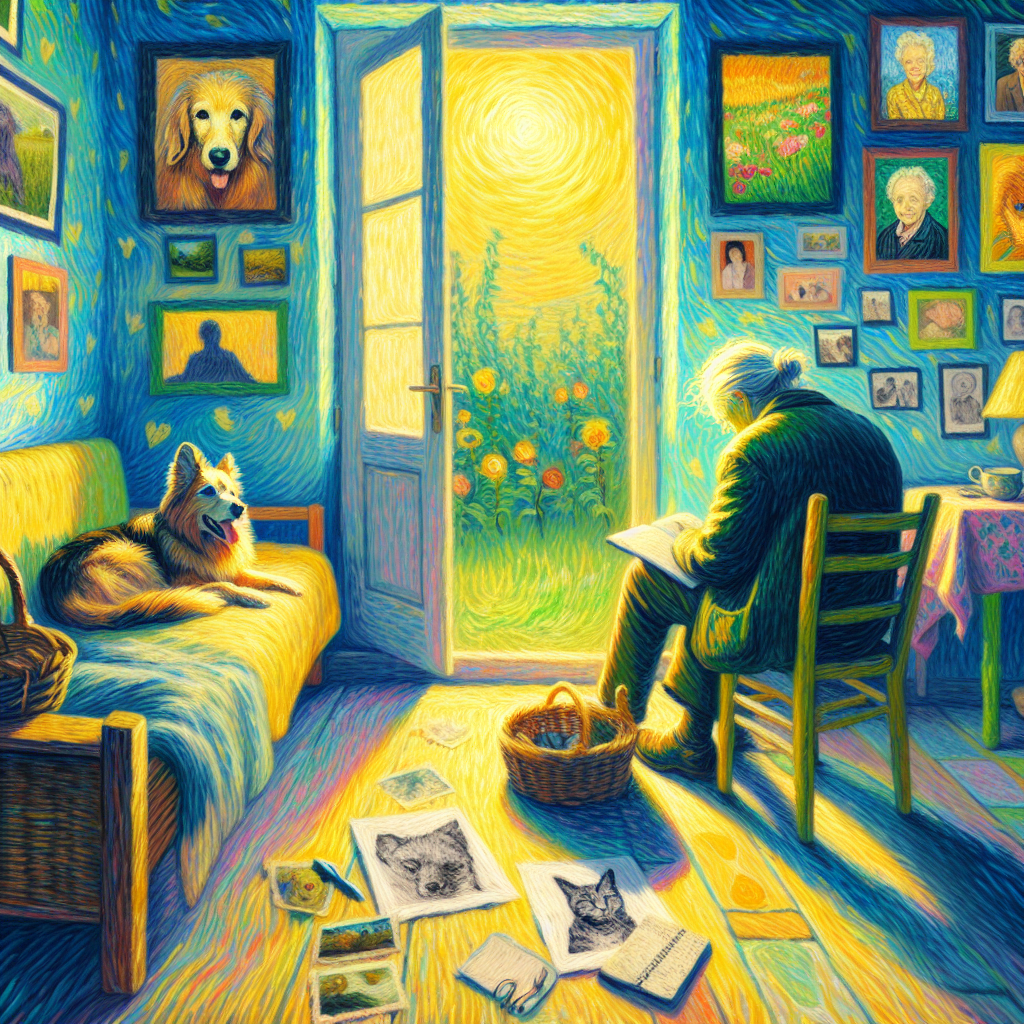
Poem
Checklist
Digital Junk Drawers and the Collapse Of Order – A Checklist
Emotional Appeals
✅______ Reflect on your digital memories. What emotions do your saved files evoke?
✅______ Identify digital artifacts that spark joy or nostalgia. Keep those that resonate.
✅______ Consider how your digital clutter impacts your mental well-being and emotional clarity.
Rational Appeals
✅______ List priorities for digital organization. Which files or accounts do you access most frequently?
✅______ Set a timeline for decluttering sessions. Break tasks into manageable increments.
✅______ Measure productivity changes before and after organizing your digital space.
Ethical Appeals
✅______ Assess the authenticity of your digital representation. Does your online persona reflect your true self?
✅______ Consider the ethical implications of digital clutter. Are you contributing positively to your online community?
✅______ Establish guidelines for responsible digital curation to honor your legacy.
Authority Appeals
✅______ Seek advice from trusted mentors or digital organization experts. Who can guide you?
✅______ Refer to credible resources on best practices for digital tidiness. What strategies do professionals recommend?
✅______ Join forums or groups where others share their digital organizing experiences.
Narrative Appeals
✅______ Write down your digital journey. What stories do your files tell about who you are?
✅______ Identify key milestones in your digital life. What memories would you like to highlight?
✅______ Create a digital narrative that aligns with your goals and aspirations going forward.
Social Appeals
✅______ Share your decluttering experience with friends or on social media. How can you inspire others to take action?
✅______ Join or create a digital organizing challenge with peers. How can community support enhance accountability?
✅______ Foster conversations about digital legacies and experiences to promote collective learning and growth.

Checklist
At LegacyExplorations, we help people plan and explore their legacy by collecting information and news regarding end-of-life planning.
Please share this post with your friends, family, or business associates who may want help to plan or explore their legacy.