

Empower Your Future: Harness Memories For Growth And Connection
By Tom Seest
At LegacyExplorations, we help people plan and explore their legacy by collecting information and news regarding end-of-life planning.
Please share this post with your friends, family, or business associates who may want help to plan or explore their legacy.
Digital Memory As a Service
In a world where moments pass at light speed, the importance of preserving our digital legacy cannot be overstated. Think about it—each photo, video, and message holds the essence of who we are, weaving together the fabric of our individual and collective stories. emerges as a beacon, offering a lifeline to our shared humanity. This isn’t just data storage; it’s legacy storytelling, a chance to capture the moments that truly matter.
Imagine hold onto the laughter of a grandchild, the embrace of a long-lost friend, or the joy of a wedding day. Digital platforms allow these memories to be stored, curated, and shared, creating a tapestry that connects generations. The emotional weight of these memories is undeniable; they remind us of our values, aspirations, and the people we cherish. By investing in our digital memories, we’re not just saving data; we’re ensuring that our stories live on, resonating with those who come after us.
From a rational standpoint, consider the sheer volume of content we generate daily. Traditional methods of memory preservation can’t keep pace. provides a solution that’s scalable and efficient. With technology that can organize and categorize our memories, we don’t have to worry about losing a single cherished moment. This service empowers us to take control of our memories like never before, making it not just a choice but a necessity in our fast-paced world.
As we engage with these services, it’s essential to recognize the ethical implications. Who owns the narratives we create? By choosing reputable platforms committed to safeguarding our data, we uphold our right to tell our stories authentically and ensure they remain untarnished by external forces.
The authority behind these services comes from a commitment to innovation and security. These platforms are built by experts in the field, who understand the emotional implications of our digital lives. They create not just a product, but a trustworthy space where our memories can safely reside.
Finally, in a society increasingly defined by our digital footprints, investing in fosters a sense of connection. When we share our histories, we invite others into our lives, creating bonds over shared experiences. It’s about more than just storage; it’s about crafting a legacy that isn’t merely remembered but celebrated, connecting us all in the beautiful dance of life. Embrace the journey, preserve your memories, and let your legacy story unfold.

Digital Memory As a Service
Digital Memory As a Service
- The preservation of digital legacy is crucial as it represents individual and collective stories.
- Digital platforms allow users to store and share memories, connecting generations and reinforcing values.
- Investing in digital memories ensures that stories resonate with future generations.
- Traditional memory preservation methods are inadequate due to the large volume of content generated.
- Reputable platforms provide scalable solutions for organizing and safeguarding memories.
- Ethical considerations regarding data ownership and narrative authenticity are essential when using these services.
- Sharing digital memories fosters connections and creates a celebrated legacy in society.

Digital Memory As a Service
Table Of Contents
- Digital Memory As a Service
- How Can Digital Memory Services Improve Our Emotional Well-Being?
- How Can These Services Strengthen Our Connections with Others?
- What Role Do Memories Play In Our Identity and Decision-Making?
- How Do We Ensure Our Privacy In a Digital Memory Landscape?
- Are We Losing the Authenticity Of Memories Through Digital Means?
- How Can Technology Shape the Way We Remember Significant Life Events?
- What Stories Do Our Memories Tell About Who We Are?
- Conclusion
- Other Resources
- Glossary Of Terms
- Other Questions
- Haiku
- Poem
- Checklist
How Can Digital Memory Services Improve Our Emotional Well-Being?
Digital memory services offer a powerful avenue for improving emotional well-being, serving as both a sanctuary and a bridge to our past. In a world often dominated by fleeting interactions and superficial engagements, these services invite us to pause, reflect, and connect with our own narratives. By capturing and preserving our life stories—our triumphs, tribulations, and everything in between—these tools provide an opportunity for Legacy Storytelling, allowing each of us to craft a meaningful narrative that can be shared with future generations.
Imagine gathering around a table with loved ones, sharing anecdotes that evoke laughter and tears. Digital memory services facilitate this by enabling us to compile our memories into cohesive, engaging formats. This storytelling doesn’t just live within digital frameworks; it resonates emotionally, fostering deeper connections with those we cherish. It taps into our inherent need for belonging, reinforcing the idea that we are part of something larger than ourselves—our experiences entwined with those of our families and communities.
On a rational level, the impact of preserving memories cannot be overstated. Studies indicate that reminiscing about shared experiences can reduce feelings of loneliness and anxiety. When we engage in Legacy Storytelling, we not only celebrate our past, but we also reinforce our present connections. Sharing our stories nurtures empathy, understanding, and collective resilience. It allows for deeper, more meaningful conversations that often lead to healing and acceptance, both personally and within familial circles.
Ethically, there’s a responsibility inherent in how we share our stories. Digital memory services empower individuals to control their narratives while respecting the privacy of those involved. This conscious curation cultivates a sense of trust, assuring both the storyteller and the audience that these experiences are represented with integrity and care.
Socially, these services play a pivotal role in community building. Digital platforms allow stories to be shared widely, inspiring others to reflect on their own lives and memories. When we honor our stories, we embolden others to do the same, creating a tapestry of shared human experience. In this way, Legacy Storytelling acts as a catalyst for connection, resilience, and joy.
Digital memory services aren’t just about preserving history; they are about enriching our emotional landscape, prompting us to engage with our lives in profound ways. By embracing the stories we’ve lived, we can foster emotional well-being, not just for ourselves but for those around us. This journey of reflection and connection is one worth taking—it’s a testament to the power of our shared humanity.

How Can Digital Memory Services Improve Our Emotional Well-Being?
How Can Digital Memory Services Improve Our Emotional Well-Being?
- Digital memory services enhance emotional well-being, serving as a connection to the past.
- They encourage reflection and help preserve personal narratives through Legacy Storytelling.
- Sharing memories around loved ones promotes emotional connections and belonging.
- Research shows reminiscing reduces loneliness and anxiety, fostering empathy and resilience.
- These services allow individuals to control their narratives while respecting privacy.
- They facilitate community building, encouraging others to share their experiences.
- Digital memory services enrich lives by prompting deep engagement with personal histories.

How Can Digital Memory Services Improve Our Emotional Well-Being?
How Can These Services Strengthen Our Connections with Others?
In this fast-paced world, where technology often isolates more than it connects, certain services can serve as lifelines, reminding us of the importance of human connection. At the heart of this transformation lies the art of Legacy Storytelling, which taps into our shared experiences and emotions. Every story carries the weight of history, forging links between generations, cultures, and individual lives.
Imagine sitting around a campfire, surrounded by friends and family, as the flames flicker like memories coming to life. When we engage in Legacy Storytelling, we don’t just share tales; we share facets of ourselves. These stories resonate, echoing our joys, struggles, and triumphs. They remind us that we are not alone in our journeys. Each narrative builds an invisible bridge between us, fostering the bonds that keep communities strong.
From a rational perspective, we know that understanding each other through stories encourages empathy. By listening and sharing, we’re not merely exchanging words; we are laying the foundation for trust. In a world that often prioritizes individual success, these services emphasize the collective human experience—an understanding that supports our emotional need for connection. When we share our stories, we affirm our existence, enhancing our sense of belonging.
Ethically, there’s a moral imperative to pass on our legacies. Sharing our stories encourages others to do the same, creating a ripple effect of connection. This cycle empowers us to embrace our similarities while also celebrating our differences. It’s a call to action for each of us to contribute to the tapestry of our communities, ensuring that no voice goes unheard.
Authority figures often remind us that fostering connection is vital for mental and emotional well-being. Studies show that people who share and hear stories develop stronger social ties and support systems. This truth isn’t just academic; it’s a lived reality. We all know the warmth of a shared laugh, the understanding in a shared struggle.
As we embrace these services, let’s remember that every story we tell and listen to is a thread in this intricate web of human connection. So, go ahead and share your legacy. Invite others in. Whether it’s at the dinner table or through digital platforms, each story holds the potential to connect, heal, and inspire. It’s about creating a culture where our past enriches our present, reminding us that together, we are stronger.

How Can These Services Strengthen Our Connections with Others?
How Can These Services Strengthen Our Connections with Others?
- Technology can isolate, but some services emphasize the importance of human connection.
- Legacy Storytelling connects shared experiences and emotions, linking generations and cultures.
- Sharing stories fosters bonds, reminding us of our shared joys, struggles, and triumphs.
- Understanding through stories encourages empathy and builds trust within communities.
- There is a moral imperative to pass on legacies, fostering collective understanding and connection.
- Sharing stories enhances social ties and mental well-being, reflecting lived realities.
- Every story contributes to the tapestry of communities, creating a culture of connection and strength.

How Can These Services Strengthen Our Connections with Others?
What Role Do Memories Play In Our Identity and Decision-Making?
Memories are the threads that weave the fabric of our identity, shaping who we are and influencing the decisions we make every day. They don’t simply reside in the past; they live within us, fueling our passions, dreams, and even our fears. Each memory carries a story—a snapshot that, when revisited, evokes emotions and reminds us of our roots. This is where legacy storytelling flourishes, inviting us to pass down our experiences, values, and lessons learned across generations.
Consider a time when a seemingly small memory profoundly impacted your choices. Maybe it was a conversation with a grandparent that illuminated the importance of hard work or a chance encounter that sparked a lifelong passion. These moments accumulate, creating a reservoir of wisdom we draw from when faced with decisions that define our path. They become our compass, guiding us through the noise of external influences, helping us stay true to ourselves.
Yet, memories are not just personal artifacts; they serve a broader social purpose. They connect us to our communities and help them understand their history and shared values. Think of the gatherings that revolve around storytelling—family reunions, community events, or even simple dinners where memories are exchanged and celebrated. In these moments, individuals find a sense of belonging and understanding, reinforcing their identities within a larger narrative. It’s as if each shared tale becomes a brick in the foundation of collective memory, grounding us in a world that often feels chaotic.
But there’s a fine line here. While memories shape our identities, they can also limit us if we allow negative experiences to define us. A moment of failure, betrayal, or loss can lead to hesitation in making crucial decisions. It’s vital to acknowledge these memories but not let them anchor us in the past. Instead, we can choose to view them as opportunities for growth, forging resilience and strength.
Embracing our memories with intention fosters a deeper connection to ourselves and those around us. Legacy storytelling encourages us to share our journeys, creating spaces where our experiences resonate with others. In doing so, we not only honor our past but also inspire others to consider how their memories shape their identity and decision-making. It’s in the sharing that we foster trust, confidence, and a community built on understanding and shared experience—all while reminding ourselves that every choice we make today crafts the legacy we leave behind.

What Role Do Memories Play In Our Identity and Decision-Making?
What Role Do Memories Play In Our Identity and Decision-Making?
- Memories shape our identity and influence daily decisions.
- Each memory serves as a story, evoking emotions and connections to our roots.
- Legacy storytelling invites the sharing of experiences, values, and lessons across generations.
- Small memories can significantly impact choices and foster wisdom for decision-making.
- Memories create connections to communities and enhance understanding of shared history.
- While memories can limit us, they also provide opportunities for growth and resilience.
- Sharing memories fosters trust, confidence, and a sense of community in the narrative of life.

What Role Do Memories Play In Our Identity and Decision-Making?
How Do We Ensure Our Privacy In a Digital Memory Landscape?
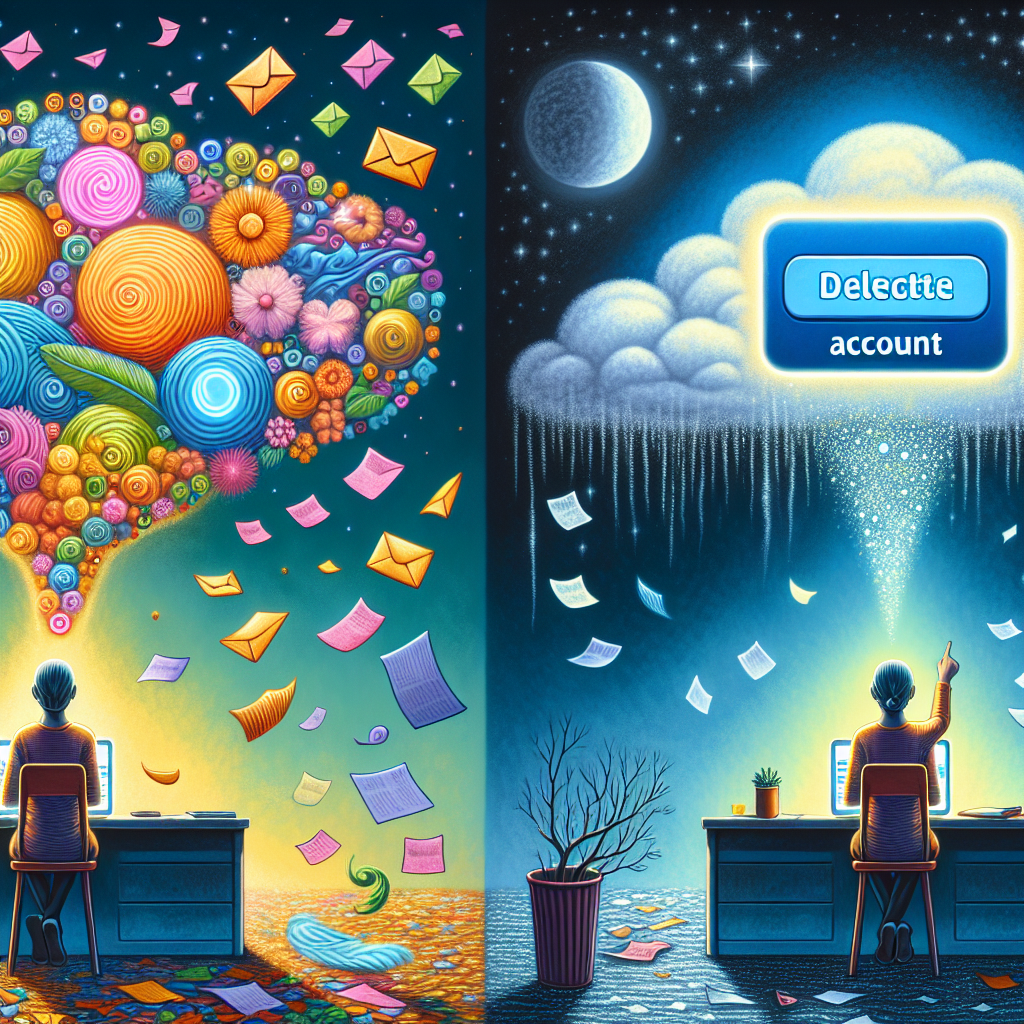
In a world where digital footprints lay bare our lives, the idea of privacy often feels like a fading memory, but it doesn’t have to be this way. We’re navigating a landscape that requires not just our attention but our action. It’s a journey that mirrors the deepest aspects of storytelling; our legacy is woven into the fabric of every choice we make. When it comes to our privacy, we must engage in a kind of legacy storytelling—narratives that reflect our values, beliefs, and the very essence of who we are.
Picture this: every click, every like, and every post is a brushstroke on the canvas of our online existence. The power resides with us to shape our digital legacy, but how do we wield it? Start by being vigilant. The digital space is filled with entities eager to gather bits of information. This isn’t merely a data concern; it’s an ethical one. Each of us has the responsibility to decide what part of our narrative we share and what remains sacred. Privacy isn’t about hiding; it’s about sovereignty.
Think rationally for a moment—companies thrive on our data. They use it to monetize experiences, often at the cost of our privacy. By acknowledging this, we must take a stand, pushing for transparency and accountability in the platforms we use. Supporting legislation that champions user privacy doesn’t just protect us; it fortifies a societal structure that values individuals over income, elevating trust and integrity in our digital exchanges. It’s a shared responsibility, a collective pledge to uphold our rights in this digital frontier.
But let’s get personal. Each of us has a story that deserves to be told, yet the idea of sharing memories in a public space often fills us with uncertainty. Think about those intimate moments that define us—are they meant for the world to consume or a select few? As guardians of our narratives, we need to curate our digital presence with intention. This means using privacy settings on social media and being mindful of the platforms we choose.
Finally, let’s lean into connection. Engaging with our communities about the importance of privacy fosters a culture of awareness. When we talk about these issues, we align our collective consciousness, inspiring others to take action. In this digital memory landscape, let’s ensure our stories are told on our terms, ensuring our privacy and legacy remain intact.

How Do We Ensure Our Privacy In a Digital Memory Landscape?
How Do We Ensure Our Privacy In a Digital Memory Landscape?
- The concept of privacy is diminishing but can be preserved through intentional action.
- Every online interaction contributes to our digital legacy, emphasizing the power we have in shaping it.
- Maintaining privacy is a responsibility that involves deciding what narratives we share.
- Companies often exploit user data for profit, highlighting the need for transparency and accountability.
- Supporting privacy legislation strengthens societal values that prioritize individuals over profits.
- Curating one’s digital presence thoughtfully, including using privacy settings, is essential for protecting personal stories.
- Engaging with communities about privacy fosters awareness and encourages collective action in safeguarding it.
How Do We Ensure Our Privacy In a Digital Memory Landscape?
Are We Losing the Authenticity Of Memories Through Digital Means?
In a world ruled by screens and notifications, the question emerges: Are we losing the authenticity of memories through digital means? Memories, those sacred threads that weave together the tapestry of our lives, are now at risk of being reduced to flickering pixels and fleeting moments captured on smartphones. Legacy storytelling—telling the tales of our past with depth and nuance—faces a formidable adversary in the rapid-fire nature of modern technology.
Think for a moment about the cherished stories passed down through generations. When we gather around a table, the warmth of shared experiences sparks deeper connections than any Instagram post ever could. These stories are more than factual accounts; they embody emotion, lesson, and cultural value. They don’t just inform us; they inspire us and anchor us to our roots. Yet, as we scroll through curated feeds filled with snapshots of our lives, we often sacrifice the substance of these narratives for the sake of brevity and instant gratification.
Rationally, consider the implications of this shift. Each photograph we meticulously choose to share feels important in the moment, but it’s the stories behind those choices that hold lasting value. The laughter shared, the tears shed, the lessons learned—these elements are the essence of meaningful recollection, providing depth and context that a snapshot simply cannot convey. We rely on technology to capture these instances, but in doing so, we risk reducing our most significant experiences to mere highlights in a digital scrapbook.
Ethically, there’s a responsibility we bear to preserve the integrity of our memories for future generations. What will they know of us if all they encounter are carefully edited moments? The authenticity of our experiences deserves to live on in a more genuine form. The narrative of our lives shouldn’t be dictated by algorithms; it should flow freely from our hearts, reflecting our true selves.
As we engage with our families and communities, there’s a collective need to advocate for the revival of those deeper connections. Let’s share our legacies with intention, craft our stories with care, and remind ourselves of the importance of preserving authenticity in this fast-paced digital world. By doing so, we not only honor our past but also inspire others to embrace the richness of their own histories, fostering a connection that transcends mere digital interaction and ventures into the heart of what it means to be truly human.

Are We Losing the Authenticity Of Memories Through Digital Means?
Are We Losing the Authenticity Of Memories Through Digital Means?
- Digital technology risks reducing memories to fleeting snapshots and pixels.
- Legacy storytelling, which provides depth and emotion, is challenged by rapid digital communication.
- Cherished stories passed down through generations foster deeper connections than social media posts.
- Significant experiences are often diluted when shared as curated highlights rather than meaningful narratives.
- There is a responsibility to preserve the authenticity of memories for future generations.
- The narrative of our lives should reflect genuine experiences, not be dictated by algorithms.
- Encouraging deeper connections within families and communities can help preserve the richness of personal histories.

Are We Losing the Authenticity Of Memories Through Digital Means?
How Can Technology Shape the Way We Remember Significant Life Events?
In the whirlwind of our daily lives, it’s easy to overlook the significance of our memories. Yet, the truth is, each moment we capture—through laughter, tears, or triumph—plays a vital role in shaping our legacy. Technology today offers unprecedented opportunities for preserving and sharing these significant life events, creating a tapestry of Legacy Storytelling that connects generations.
Imagine sitting with family, scrolling through cherished photos on a digital device. Each image is more than just a memory; it’s a narrative that binds us together. It can evoke nostalgia and warmth, transporting us back to a time when we felt unequivocally alive. These snapshots, enhanced by technology, become vivid reminders of who we are and who we aspire to be. This isn’t just a sentimental pursuit; it’s a rational investment in our emotional well-being. The act of reliving those moments fosters deeper relationships, reminding us of our shared humanity.
Moreover, the ethics of memory preservation in this digital age cannot be overstated. It’s crucial to ensure that these memories are not just stored but respected—safeguarded from the fleeting nature of online trends. As stewards of our family stories, we bear the responsibility to curate and share our experiences authentically, allowing others to learn from our journeys. This ethical approach helps cultivate a sense of trust and integrity in the way we represent our histories.
Consider the authority that comes from telling your own tale. With each story shared, we build a bridge of understanding, inviting others into our lives. This act of storytelling engages listeners, whether they’re close friends or strangers, creating connections that resonate on a profound level. We find camaraderie in our trials, joys, and failures, realizing that no life is lived in isolation.
But technology doesn’t just allow us to preserve our past; it inspires action for the future. By harnessing tools like social media, blogs, or video platforms, we give voice to our stories, encouraging others to share theirs. This collective sharing transforms isolated incidents into universal experiences, reinforcing our sense of belonging.
In a world where moments pass in the blink of an eye, let’s embrace the tools at our disposal. Let’s not just remember but actively shape our legacies through the art of storytelling. It’s about more than preserving memories; it’s about crafting a narrative that echoes through time, a narrative that indelibly connects us to one another.

How Can Technology Shape the Way We Remember Significant Life Events?
How Can Technology Shape the Way We Remember Significant Life Events?
- Memories play a crucial role in shaping our legacy through moments of laughter, tears, and triumph.
- Technology enables unprecedented opportunities for preserving and sharing significant life events, creating a tapestry of Legacy Storytelling.
- Digital photos serve as narratives that evoke nostalgia and bind families together, enhancing emotional well-being.
- Ethics in memory preservation are vital; memories should be respected and safeguarded from fleeting online trends.
- Telling personal stories fosters understanding and connection, creating a sense of camaraderie among people.
- Technology inspires action for the future by encouraging sharing through social media, blogs, and videos.
- Active storytelling helps shape legacies that connect individuals across time and experiences.

How Can Technology Shape the Way We Remember Significant Life Events?
What Stories Do Our Memories Tell About Who We Are?
Stories are the threads that weave the fabric of our lives, creating a narrative tapestry rich in colors of experience. Each tale we carry is like a legacy, a testament to the relationships we’ve built, the challenges we’ve overcome, and the lessons learned. Legacy storytelling isn’t just about recounting past events; it’s about understanding how those events shape our identity and our place in the world. The reminiscences of your childhood home, the echoes of laughter shared with loved ones, or the struggles that once seemed insurmountable all contribute to the person you are today.
As we sift through these memories, we often uncover profound truths about ourselves. They reveal our resilience in the face of hardship and the joy found in simple moments. When we share these stories, we not only honor our past but also inspire others to reflect on their own journeys. This synchronization of experience fosters a connection, bridging divides and creating a collective understanding of what it means to be human.
A well-told story resonates in the heart and strikes a chord with the gut. It makes us feel—whether through the warmth of nostalgia or the chill of regret. It can provoke thought and reflection, stirring an ethical dialogue about our choices and their impact on others. As we listen to tales of triumph or failure, we recognize the common threads of humanity that bind us. We see ourselves in the struggles and victories of others, igniting a sense of empathy and shared responsibility.
In this sense, memory becomes not just personal history but a shared narrative that forms the backbone of community and society. By engaging in legacy storytelling, we establish a sense of authority over our narratives, taking ownership of our pasts while laying the groundwork for future generations. It’s through these stories that wisdom flows, connecting us to those who came before and those who will follow.
Ultimately, our memories are not mere relics of the past; they are powerful anecdotes that highlight who we are and who we aspire to be. In embracing our stories, we invite others to do the same, fostering a culture where narratives are celebrated, connections are cherished, and every person’s experience holds value. So, let us listen, share, and learn from one another, for the stories we tell shape the world we inhabit.

What Stories Do Our Memories Tell About Who We Are?
What Stories Do Our Memories Tell About Who We Are?
- Stories create a narrative tapestry rich in experiences, shaping our identity.
- Legacy storytelling connects past events to personal growth and relationships.
- Memories highlight resilience and joy, inspiring reflection in others.
- Sharing stories fosters empathy and collective understanding of humanity.
- A well-told story evokes emotions and provokes ethical dialogue about choices.
- Memory forms a shared narrative that strengthens community bonds.
- Embracing and sharing stories cultivates a culture of value in individual experiences.

What Stories Do Our Memories Tell About Who We Are?
Conclusion
Digital Memory as a Service transforms how we perceive and interact with our memories in a world that often prioritizes the fleeting over the meaningful. It’s not merely about storing data; it’s about crafting a legacy that honors our shared humanity. Every snapshot, every story encapsulates our essence, providing a rich tapestry for future generations. This service creates an opportunity to reflect on the moments that define us—the joys, the anguish, and everything in between. By embracing these memories, we affirm our existence and the connections that bind us, helping us understand our past while shaping our future.
Emotionally, these services offer a sanctuary, allowing us to relive cherished moments and share them meaningfully within our families and communities. The act of storytelling fosters empathy and connection, reminding us that we are united by our shared experiences, which transcend simple data points. When we share our narratives, we don’t just recount events; we engage in a powerful dialogue about who we are and what matters most.
From a rational standpoint, investing in digital memory services is a practical necessity. Our digital world produces a massive volume of content too vast for traditional preservation methods. Utilizing advanced technology for organization empowers us to retain our cherished moments while alleviating the burden of loss. This approach acknowledges that memories are living parts of us that shape our decisions and identity.
Ethically, we are custodians of our own narratives. It is our responsibility to choose platforms that respect our stories and safeguard our personal information. This ethical dimension underlines the importance of transparency and integrity in digital memory services, ensuring our tales are preserved genuinely and respectfully.
Authority in this domain comes from a commitment to innovation and security. Experts design these services, understanding the emotional weight our memories carry. They create not just a product but a secure ecosystem for our memories, ensuring that those moments remain protected from the dangers of misuse.
Socially, these services bolster connections. In a landscape often marked by isolation, they provide a means for individuals to share their histories, fostering a sense of belonging. When we tell our stories, we weave a collective narrative that celebrates our shared experiences, enhancing community bonds.
Ultimately, digital memory services empower us to reflect, connect, and heal. They remind us that every story—yours, mine, and ours—holds the potential to inspire and unite. Embrace the journey, preserve your memories, and let your stories illuminate the path for others.
Conclusion
Conclusion:
- Digital Memory as a Service reshapes our perception and interaction with memories, focusing on meaningful over fleeting experiences.
- The service offers a legacy that honors our shared humanity through the preservation of stories and moments.
- It allows reflection on defining moments, helping individuals understand their past and shape the future.
- Emotionally, these services provide a sanctuary for reliving and sharing cherished memories within families and communities.
- From a rational perspective, investing in digital memory services aids in managing vast content volumes, retaining cherished moments, and alleviating loss.
- Ethically, users are custodians of their narratives and must choose platforms that respect and protect their personal information.
- Socially, these services enhance community bonds by fostering connections and celebrating shared experiences through storytelling.

Conclusion
Other Resources

Other Resources
Here is a list of other resources you can review online to learn more:
- Xarona
- IronClad Family
- How To Write Legacy Stories That Appeal To The Heart, Gut and Head
- Storyfile
- International End of Life Doula Association
- FutureMe
- INELA
- Is There A Need To Pay For Copyrighting Services For Personal Or Family Legacy Stories?
- LegacyLearned
- RocketLawyer
- Can Telling and Preserving Personal or Family Legacy Stories Be Therapeutic?
- LegalZoom
- Trust And Will
- Obituary Templates
- Legacy
- UpCounsel
- NoLo
- Directive Communication Systems
- EverNote
Use This Prompt To Get More Resources With Your Favorite Online AI Tool: Please provide me with a list of online articles with their URLs in a bulleted list that I can read regarding Digital Memory As a Service

Other Resources
Glossary Terms
Digital Memory As a Service – Glossary Of Terms
1. Digital Memory: The storage and retrieval of data in a digital format, allowing users to access information from various devices and locations.
2. Cloud Storage: A model of data storage where information is saved on remote servers accessed via the internet, providing scalability and flexibility.
3. Data Backup: The process of copying and archiving data to protect against loss, corruption, or disaster.
4. Encryption: The method of converting information into a code to prevent unauthorized access, ensuring data privacy and security.
5. Latency: The delay before a transfer of data begins following an instruction, crucial for assessing the responsiveness of digital memory services.
6. Accessibility: The ease with which users can access stored data from different devices or platforms, impacting user experience.
7. Storage Capacity: The maximum amount of data that can be stored on a device or server, often measured in gigabytes (GB) or terabytes (TB).
8. Scalability: The ability of a service to accommodate increasing amounts of data or user demand without performance degradation.
9. Redundancy: The duplication of critical components or data to ensure reliability and availability in case of failure.
10. Data Recovery: The process of retrieving lost, corrupted, or inaccessible data, often implemented through specialized software or services.
11. Performance Metrics: Standards used to evaluate the efficiency and speed of digital memory services, including throughput and response time.
12. User Authentication: The process of verifying a user’s identity before granting access to digital memory services, enhancing security.
13. API (Application Programming Interface): A set of protocols that allow different software applications to communicate and interact with each other concerning digital memory.
14. SaaS (Software as a Service): A software distribution model where applications are hosted in the cloud and provided to users over the internet.
15. Hybrid Cloud: A computing environment combining public and private cloud infrastructures, allowing data and applications to be shared between them.
16. Data Migration: The process of transferring data between storage systems or formats, often necessary during upgrades or system changes.
17. Data Integrity: The accuracy and consistency of data over its lifecycle, ensuring that information remains unaltered and trustworthy.
18. Cost Efficiency: The economic aspect of using digital memory services, measuring the cost relative to the amount of data stored and accessed.
19. Content Delivery Network (CDN): A system of distributed servers that deliver web content and data quickly to users based on their geographic location.
20. Multitenancy: An architecture in which a single instance of software serves multiple users, allowing for efficient resource utilization in memory services.
21. Disaster Recovery: A set of policies and procedures for recovering data and restoring functionality after a catastrophic event.
22. User Interface (UI): The visual elements through which users interact with digital memory services, influencing usability and user satisfaction.
23. Data Synchronization: The process of ensuring that data remains consistent across multiple devices or platforms in real-time.
24. Metadata: Data that provides information about other data, enhancing search, retrieval, and organization in digital memory systems.
25. Version Control: A system that records changes to documents or data, allowing for the retrieval of previous versions as needed.
26. Compliance: Adhering to regulations and standards governing data protection, privacy, and security in digital memory services.
27. Throughput: The amount of data processed or transmitted in a given amount of time, a crucial performance indicator for memory services.
28. Access Control: Mechanisms that limit access to data based on user permissions, ensuring that only authorized individuals can retrieve or modify information.
29. Data Lifecycle Management: The policies and processes that manage the flow of data from creation and usage to deletion, ensuring efficiency and compliance.
30. Virtualization: The creation of a virtual version of physical storage resources, allowing for more efficient management and allocation of memory services.

Glossary Of Terms
Other Questions
Digital Memory As a Service – Other Questions
If you wish to explore and discover more, consider looking for answers to these questions:
- What exactly does a digital memory service store and in what formats?
- Who owns the data and the stories stored on the platform?
- How is user consent obtained and managed for sharing memories that include other people?
- What privacy controls are available and how granular are they?
- How is the data encrypted at rest and in transit?
- What protections exist against data breaches or unauthorized access?
- How long will memories be retained and what are the deletion policies?
- Can users export their memories in standard, portable formats?
- What happens to stored memories if the company shuts down or is acquired?
- How are backups handled and how frequently are they made?
- What are the pricing models and are there recurring fees or hidden costs?
- Is there a free tier and what limitations does it impose?
- How accessible is the service across devices and platforms?
- Does the service provide offline access to memories?
- How are memories organized, indexed, and searchable?
- Does the platform use AI to tag, summarize, or enhance memories, and if so how?
- How accurate are automated tags and summaries, and can users correct them?
- Can the service create narrative compilations or timelines automatically?
- How does the platform handle deepfakes, manipulated media, or misleading edits?
- Are there audit logs that show who accessed or modified a memory and when?
- How is consent managed for memories involving minors or vulnerable people?
- What legal frameworks and jurisdictions govern the data (e.g., GDPR, CCPA)?
- How are intellectual property and copyright issues handled for uploaded media?
- Can families or designated heirs inherit access to memories after death?
- Is there a way to set legacy instructions or a digital will within the service?
- What moderation policies exist for user-shared memories and public storytelling?
- How does the service prevent commercialization or unwanted monetization of personal memories?
- Are there options to make memories public, private, or shared with specific groups?
- How does the platform preserve context so that stories remain meaningful over time?
- What measures ensure authenticity and provenance of memories and edits?
- How does the service address the risk of curated or edited memories altering the truth?
- What ethical guidelines does the company follow when using user data for model training?
- How does the platform support emotional and mental health when revisiting difficult memories?
- Are there features to annotate, add commentary, or link related memories and sources?
- Can memories be collaboratively curated by multiple family members or contributors?
- How does the service handle metadata (timestamps, locations) and can users modify it?
- What APIs or integration options exist for other apps, archives, or institutions?
- Does the platform support standards for long-term digital preservation (file formats, migration)?
- How does the company demonstrate its security and trustworthiness (audits, certifications)?
- How does the service address digital inequality and accessibility for older or less technical users?

Other Questions
Haiku
Digital Memory As a Service – A Haiku
Memories entwined,
Stories breathe through time and tech,
Legacies connect.

Haiku
Poem
Digital Memory As a Service – A Poem
In a world where moments swiftly flee,
Each memory holds a legacy,
A tapestry woven with threads of light,
Capturing laughter, love, and night.
Digital whispers echo through time,
Preserving stories, each voice a rhyme,
In joy and sorrow, we find our place,
Building connections that time can’t erase.
Every snapshot a heartbeat, a tale to unfold,
Memories cherished, like treasures of gold,
In sharing our narratives, we spark a flame,
Building community, we’re never the same.
Yet in this digital dance, we guard our truth,
Navigating privacy, our stories’ roots,
With intention, we shape the tales we share,
Crafted with care, reflective and fair.
For within these memories, our essence resides,
Guiding decisions, as life’s current divides,
Through trials and triumphs, we define our path,
Embracing our history, we spark shared laughs.
So capture your moments, let your legacy grow,
In the heart of connection, let your stories glow,
For it’s these shared fragments that bind us tight,
A celebration of life, igniting the night.

Poem
Checklist
Digital Memory As a Service – A Checklist
Checklist for Embracing Digital Memory Services
✅______ Reflect on a cherished memory you’d like to preserve. What emotions does it evoke?
✅______ Consider the importance of sharing your memories with loved ones. How can this strengthen your connections?
Rational Appeals
✅______ Assess the volume of digital content you create daily. Are traditional preservation methods keeping up?
✅______ Evaluate the efficiency and scalability of using digital memory services. How can these tools help organize your memories?
Ethical Appeals
✅______ Investigate the ethical implications of sharing personal stories. Are you comfortable with the narratives you curate?
✅______ Choose reputable platforms that prioritize data security and your right to tell your story authentically.
Authority Appeals
✅______ Identify platforms and tools developed by experts. How do these services ensure the protection and value of your memories?
✅______ Research the importance of legacy storytelling in preserving family history and fostering community ties.
Narrative Appeals
✅______ Think about a story from your past that defines you. What lessons can it teach you and those around you?
✅______ Engage in conversations with family and friends about shared memories to enhance your collective story.
Social Appeals
✅______ Share your memories through digital platforms. How can you inspire others to reflect on their own stories?
✅______ Create family traditions centered around storytelling to strengthen community bonds and shared experiences.
Checklist
At LegacyExplorations, we help people plan and explore their legacy by collecting information and news regarding end-of-life planning.
Please share this post with your friends, family, or business associates who may want help to plan or explore their legacy.