

Who Controls Your Legacy? Navigating Digital Rights Beyond Life
By Tom Seest
At LegacyExplorations, we help people plan and explore their legacy by collecting information and news regarding end-of-life planning.
Please share this post with your friends, family, or business associates who may want help to plan or explore their legacy.
Digital Rights After Death
In a world increasingly defined by our online presence, the question of what happens to our digital selves after we pass is more pressing than ever. Our lives are not just lived in three dimensions; they’re intricately woven into the fabric of the Internet. Think about it—our social media accounts, emails, photos, and personal writings all tell a story that continues long after we’re gone. This is where legacy storytelling takes center stage.
Every one of us has a narrative. It’s the compilation of our experiences, the highs, the lows, and everything in between. The digital realm has given us a platform to share these stories, but what happens to them when we exit stage left? Without clear directives, our rich digital legacies may end up lost or, worse yet, violated by those who don’t understand their value. Imagine someone without a connection to you rifling through your digital belongings, unearthing your private memories, and sharing them with the world. Unsettling, isn’t it?
Rationally, safeguarding these digital rights after death becomes an extension of our ethical duties. How we treat our digital remains reflects our respect for individuals as complex beings, deserving of dignity even after they are gone. Families should have the authority to curate these digital identities—deciding what to preserve, what to delete, and how best to honor the life lived. Policies that safeguard digital assets represent more than just legal rights; they show respect for the human condition and the connections we’ve built.
However, the path to preserving our digital identity is fraught with challenges. Many platforms have ambiguous policies that don’t account for the nuanced emotions tied to our online lives. So often, the rules are written with efficiency in mind, rather than humanity. This disconnect can lead to family members feeling lost in the aftermath of loss.
As we navigate this uncharted territory, it’s vital to foster a conversation about our digital legacies. By opening up about how we want our stories told, we create a culture where future generations can engage with their history respectfully. Advocating for our digital rights not only empowers us but helps ensure that our legacies are told as we intended—a fitting tribute to the lives we led.
Our digital footprints should reflect our humanity. By taking control of our digital narratives now, we can ensure that even after we’re gone, our stories resonate with love, clarity, and respect. That’s a legacy worth striving for.

Digital Rights After Death
Digital Rights After Death
- The question of what happens to our digital selves after death is increasingly urgent.
- Our digital lives encompass social media, emails, and personal writings, continuing to tell our stories posthumously.
- Legacy storytelling is essential, as unclear directives may lead to the loss or violation of digital legacies.
- Families should curate digital identities, deciding what to preserve or delete as a matter of dignity.
- Many online platforms have ambiguous policies that overlook the emotional significance of digital assets.
- There is a need for conversations about digital legacies to empower individuals and honor lives respectedly.
- Taking control of our digital narratives can ensure our stories resonate with love and clarity after we are gone.

Digital Rights After Death
Table Of Contents
- Digital Rights After Death
- How Would You Feel Knowing Your Digital Legacy Is Unprotected?
- What Happens to Your Online Presence After You Pass Away?
- How Can You Ensure Your Wishes Are Honored Digitally After You Die?
- What Stories Do Your Digital Assets Tell About Your Life?
- Should Your Loved Ones Have Access to Your Digital Memories?
- How Does Digital Immortality Impact the Grieving Process?
- What Rights Do You Have Over Your Data After Death?
- Conclusion
- Other Resources
- Glossary Of Terms
- Other Questions
- Haiku
- Poem
- Checklist
How Would You Feel Knowing Your Digital Legacy Is Unprotected?
In a world where nearly every moment of our lives is captured digitally, the thought of our digital legacy going unprotected can feel like tossing a cherished family heirloom into a raging river. Imagine the stories woven into those photographs, the heartfelt messages exchanged, and the laughter shared in video clips, all floating downstream without a care. This isn’t just data; it’s our legacy storytelling—a tapestry of who we are and what we value, waiting to be handed down to future generations.
Let’s pause and think about that for a moment. What happens when that digital vault, filled with memories and milestones, remains vulnerable? It’s not just about losing access to social media accounts or cloud storage; it’s about the core of our identity. Each file, each post, each comment represents a piece of us. Without proper protection, we risk losing the narrative that defines our existence. Consider the implications: will our children understand our passions, struggles, and dreams if our digital footprints vanish? Will they grasp the lessons we hoped to impart?
There’s an undeniable ethical responsibility we bear to not just create memories, but to safeguard them. We owe it to ourselves and those we love to ensure our legacy endures long after we’re gone. It’s about more than just securing passwords; it’s about laying a foundation for future generations to engage with our stories, drawing inspiration from our lives.
As we navigate this digital landscape, we must recognize the authority we hold as stewards of our narratives. By taking tangible steps to protect our digital legacy, we empower ourselves and fortify our connections with those who come after us. This isn’t merely an administrative task; it’s an act of love and foresight. Your digital legacy deserves the same diligence as any family tradition or heirloom.
Now, consider this: every time you share a moment, contribute to a story, or build a memory, you’re crafting a narrative that reaches beyond your lifetime. If we let our digital legacies wither away, we curb that reach. Protecting them is not just about us; it’s about everyone whose lives we’ve touched. Take action, safeguard your digital legacy, and ensure that your story continues to resonate for generations to come.

How Would You Feel Knowing Your Digital Legacy Is Unprotected?
How Would You Feel Knowing Your Digital Legacy Is Unprotected?
- Digital legacy encompasses our cherished memories, stories, and values, akin to family heirlooms.
- The vulnerability of our digital vault risks losing significant aspects of our identity.
- Each digital footprint—file, post, or comment—represents a crucial part of our personal narrative.
- There is an ethical responsibility to safeguard our memories for future generations.
- Protecting our digital legacy goes beyond securing passwords; it supports our loved ones in understanding our lives.
- Tangible steps in preserving our narratives can strengthen connections with those who come after us.
- Taking action to protect our digital legacy ensures that our stories resonate across generations.

How Would You Feel Knowing Your Digital Legacy Is Unprotected?
What Happens to Your Online Presence After You Pass Away?
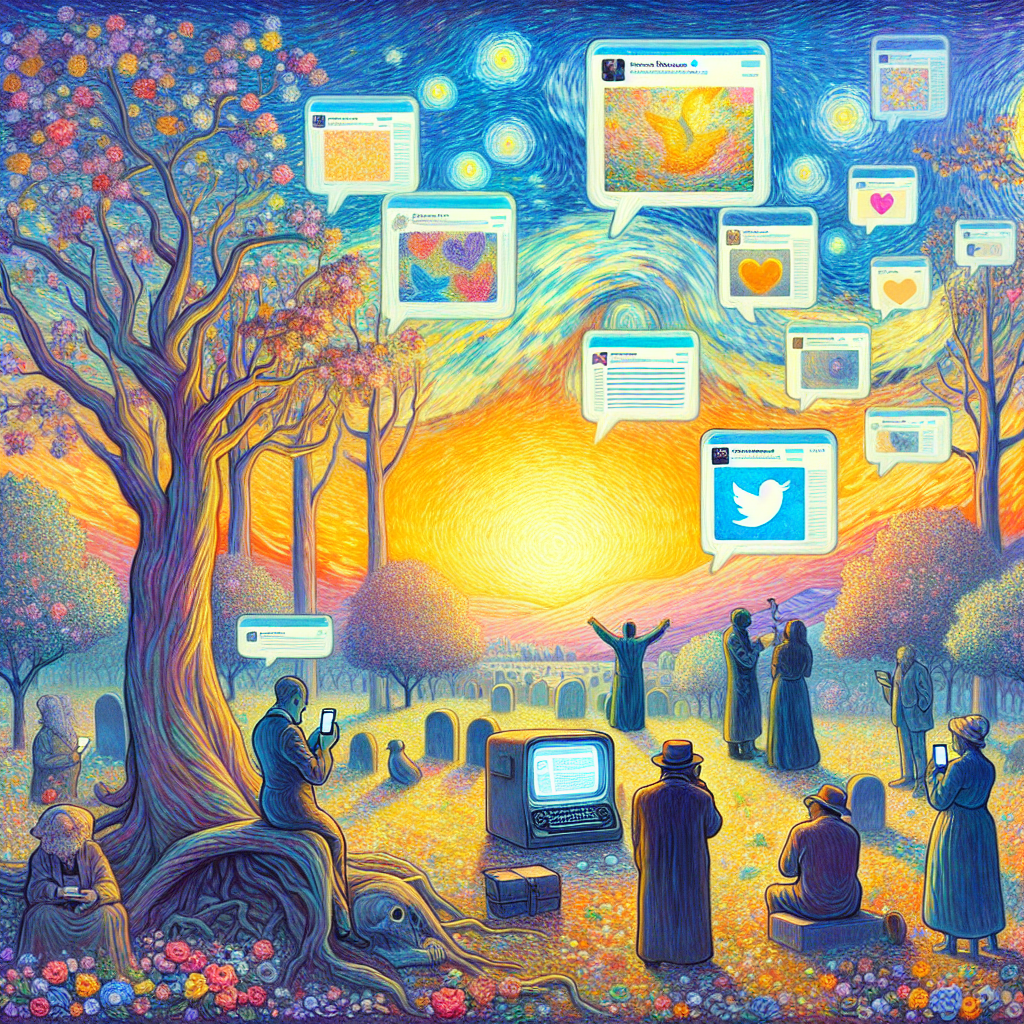
In today’s world, our digital footprints tell stories—our achievements, experiences, thoughts, and connections. But what happens to that mosaic of memories and insights when we’re no longer here? It’s a question that tugs at the heartstrings and resonates deeply for many. Your online presence, consciously or unconsciously crafted over years, becomes your enduring legacy, a narrative that continues to impact others even after you’ve departed.
Imagine a family gathering where loved ones share fond stories and laugh over cherished memories. Now picture those stories extending across digital platforms, where your social media posts, blog entries, and photographs persist. It’s legacy storytelling at its most poignant—a testament to your life, values, and experiences that can inspire, comfort, and connect with those you’ve left behind. Your voice can still be heard, even if your physical presence is absent.
Rationally, it’s important to consider what you want to happen to your online accounts after you’re gone. Many platforms provide options to manage your online legacy, whether it’s designating a trusted friend or family member to take charge or even asking for deletion. This decision allows you to control the narrative, ensuring that what you leave behind aligns with your values. Think about it—not just for yourself but for those who will navigate the digital landscape after your passing. Your choice can ease their journey through grief.
Ethically speaking, the management of your digital legacy raises substantial questions. Should your accounts remain active, serving as digital memorials? Or should they vanish completely, leaving no trace? Each decision reflects your values and wishes. Engaging with loved ones in this discussion demonstrates respect for their emotions and provides clarity in a time rife with uncertainty.
Moreover, consider the authority your online presence holds. With every post and comment, you’ve shaped perceptions about who you are and what you stand for. This power doesn’t disappear; it continues to influence those who follow you. It’s an opportunity to share wisdom, encourage others, and foster connections that transcend time.
Ultimately, your online presence is more than bits and bytes; it’s a living story that echoes in the hearts of those you cherish. A little planning today ensures your narrative continues to resonate tomorrow. Embrace the chance to share your legacy storytelling, and inspire trust, confidence, and connection long after you’ve logged off for the last time.

What Happens to Your Online Presence After You Pass Away?
What Happens to Your Online Presence After You Pass Away?
- Digital footprints capture our achievements, experiences, thoughts, and connections.
- Our online presence serves as an enduring legacy that impacts others even after our passing.
- Online accounts can become digital memorials, allowing loved ones to cherish memories.
- Planning for the management of online accounts can ease the grieving process for those left behind.
- Ethical considerations include deciding whether accounts should remain active or be deleted.
- Your online presence shapes perceptions and can continue to influence others after you’re gone.
- Intentional planning ensures your narrative resonates and inspires connection long after you’ve logged off.
What Happens to Your Online Presence After You Pass Away?
How Can You Ensure Your Wishes Are Honored Digitally After You Die?
In a world increasingly shaped by digital footprints, ensuring that your wishes are honored after you pass away demands more than just a moment’s thought; it requires deliberate action and a little heart. We all have stories to tell, moments that define us, and those narratives form the backbone of our legacy. But what happens to those stories when we’re no longer here? Legacy storytelling isn’t just a quaint notion; it’s a powerful tool to maintain your voice, values, and intentions long after you’ve taken your final bow.
Think about it: your digital presence—be it social media posts, emails, or online subscriptions—serves as an echo of who you are. It holds the potential to connect loved ones to your essence, even when you’re gone. But without a plan in place, that connection can dissolve into silence, leaving questions that linger like dust in an empty room. Communicating your wishes regarding your digital assets becomes not only a means of preserving your legacy but also an ethical responsibility to those you leave behind.
Take a moment to consider how you want your narrative to live on. Have you drafted a will for your digital accounts? Have you chosen a trusted individual to manage your online presence? These are questions that may feel heavy, but they’re crucial in fostering trust and confidence in your loved ones. Clarity today alleviates turmoil tomorrow. Leave behind not just a digital suitcase but a roadmap that guides those still on the journey, allowing them to honor you in a way that resonates.
Furthermore, let’s face facts: our lives are documented in pixels and clicks. That wealth of cherished memories—whether it’s funny family videos, heartfelt correspondence, or photos capturing life’s milestones—is a treasure trove meant to be shared, not lost. Developing a comprehensive plan for your digital legacy can be a cathartic experience. Share your preferences; do you want your social media memorialized, deleted, or transformed into a tribute? These choices help forge connections that keep your spirit alive.
Legacy storytelling transcends the individual. It inspires generations, builds community, and cements relationships, even in absence. By taking the time now to ensure your digital legacy is honored according to your wishes, you infuse confidence into the hearts of those you love, transforming the inevitability of loss into a celebration of life.

How Can You Ensure Your Wishes Are Honored Digitally After You Die?
How Can You Ensure Your Wishes Are Honored Digitally After You Die?
- Digital legacy planning is essential for honoring wishes after death.
- Legacy storytelling preserves voice, values, and intentions for future generations.
- Your digital presence reflects who you are and connects loved ones to your essence.
- Without proper planning, digital connections can fade, leaving unanswered questions.
- Communicating digital asset wishes is an ethical responsibility to loved ones.
- Creating a roadmap for your digital legacy fosters trust and clarity for those left behind.
- Overall, a comprehensive plan can transform loss into a celebration of life.

How Can You Ensure Your Wishes Are Honored Digitally After You Die?
What Stories Do Your Digital Assets Tell About Your Life?
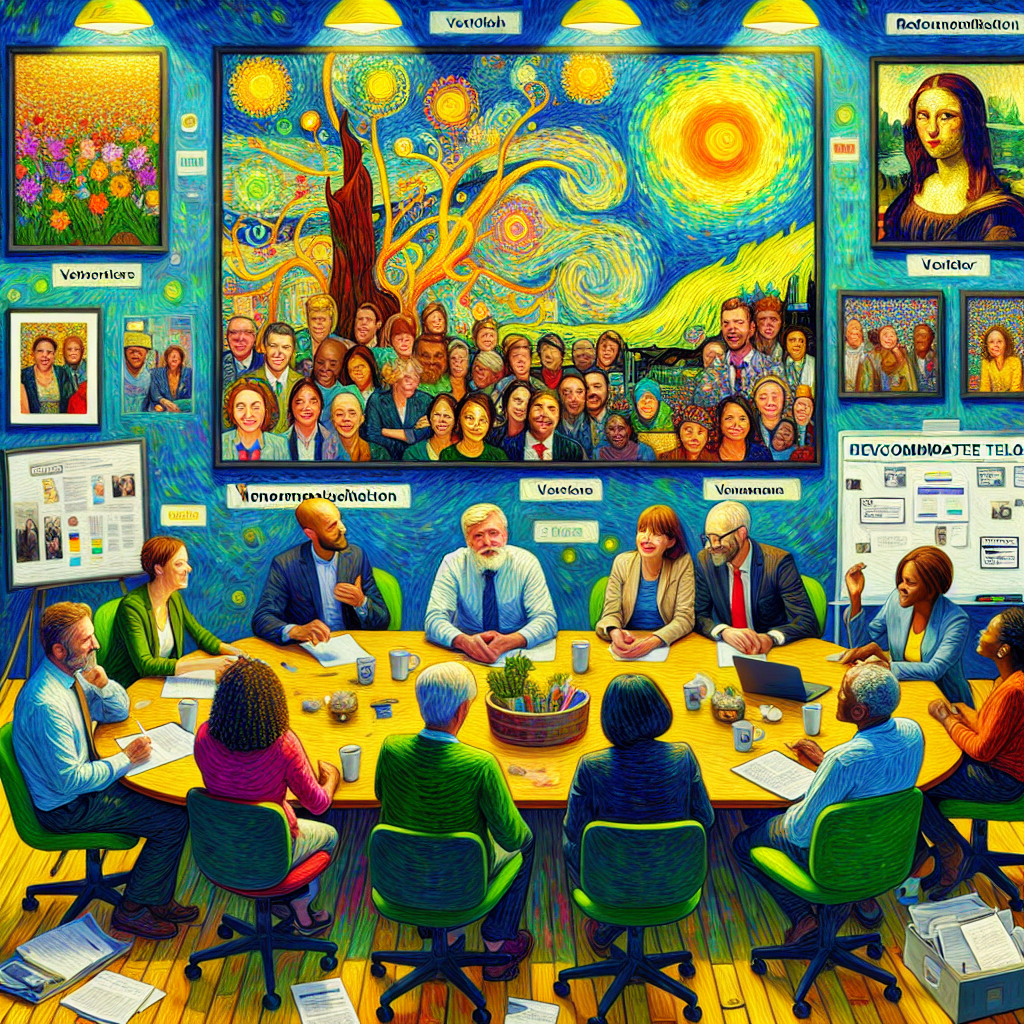
In this age of technology, our digital assets serve as the modern storyteller of our lives, weaving a narrative that’s often richer and more complex than we realize. Each post, each photograph, and every online interaction creates a mosaic that reflects who we are, what we value, and the legacy we hope to leave behind. Legacy storytelling in the digital realm invites us to consider how our choices online shape not just our present, but also influence future generations.
Think back to the last time you scrolled through your social media feeds. What did you see? Smiling faces captured in candid moments, milestones celebrated, and experiences shared. These images don’t just occupy space—they echo the stories behind them, revealing our joys, struggles, and triumphs. They paint a picture of authenticity, a testament to the rollercoaster of life we all ride. This is where the heart of legacy storytelling lies; it’s not just about the highlights, but the fabric of everyday experiences that connects us at a fundamental level.
On a rational note, consider the implications of these digital footprints. Every click, every like, and every comment contributes to a collective narrative. Professionals often sift through these online histories, building judgments about character, morals, and motivations. In this context, our digital lives aren’t just personal; they serve a broader purpose. They reflect our ethics and principles, showcasing what we stand for—not just to ourselves but to the world.
Ethically, it raises a crucial question: What do we want those who come after us to know about who we were? Our children, friends, and even strangers today are shaped by the stories we tell. It becomes a powerful call to action—one that urges us to curate our digital spaces with intention, recognizing the potential impact of our narratives.
These stories foster connections that transcend mere acquaintanceship. They transform the digital landscape into a community, a network of shared experiences, with every story adding to the collective wisdom. As we engage with our digital assets, we must remember: they encapsulate not just our individual journeys, but our interconnectedness as human beings navigating the complexities of modern life.
So, take a moment. Reflect on those digital breadcrumbs you’ve left behind. What stories do they tell? More importantly, what legacy are you crafting for the world to see? Your digital assets are more than mere snapshots; they are a tribute to the life you have lived, the values you cherish, and the legacy storytelling you continue to build with every shared moment.
What Stories Do Your Digital Assets Tell About Your Life?
What Stories Do Your Digital Assets Tell About Your Life?
- Digital assets act as modern storytellers, creating a complex narrative of our lives.
- Every online interaction reflects our values and shapes our legacy for future generations.
- Social media captures genuine moments, showcasing our joys and struggles.
- Each digital footprint contributes to a collective narrative that informs judgments about character.
- Digital storytelling prompts reflection on what we want future generations to know about us.
- These stories foster connections and transform the digital landscape into a community of shared experiences.
- Digital assets represent not only individual journeys but also our interconnectedness in the modern world.

What Stories Do Your Digital Assets Tell About Your Life?
Should Your Loved Ones Have Access to Your Digital Memories?
The digital age has transformed how we document our lives, creating a trove of memories stored in pixels and bytes. These digital remnants, from heartfelt messages to cherished photographs, weave a tapestry of who we are and the legacy we leave behind. But should our loved ones have access to these digital memories when we’re gone?
Consider the power of legacy storytelling. Every picture captured and every word typed is a piece of our story, a puzzle that, when complete, helps others understand our journey. Imagine a grandchild discovering a collection of your anecdotes, dreams, and triumphs preserved in digital form. It’s not just about nostalgia; it’s about connection. At that moment, your memory transcends time, reinforcing bonds that reach across generations.
On the other hand, the decision to grant access is layered with compelling questions. Ethically, it brings forth issues of privacy and autonomy. What if the content of those memories reveals uncomfortable truths, or moments of vulnerability? We wrestle with that notion, balancing the desire for openness with a protective instinct. After all, some narratives may be better left unrevealed.
Rationally, consider the logistics. In today’s fast-paced world, digital space can seem infinite, but the reality is, not everything deserves to be preserved. Curating our digital footprint means making tough choices about what represents our true selves. Your loved ones may need guidance; they may struggle to understand the essence of your digital landscape without the context you provided. Including them in the process can foster a deeper appreciation for your story.
Drawing upon authority, many experts in digital legacy and memory preservation advocate for proactive measures. By preparing a digital will or by designating a trusted individual to manage your online presence, you create peace of mind. This not only protects your narrative but also empowers your loved ones, giving them a roadmap of memories to explore.
Socially, the conversation surrounding digital access is often avoided, yet breaking this silence can foster clearer communication and understanding. Discussing your wishes, sharing your thoughts openly, and letting your loved ones know why you cherish certain memories cultivates trust.
Allowing your loved ones access to your digital memories is about legacy storytelling—paving the way for connection, understanding, and the continuing narrative of love that binds us, even when we are no longer physically present.

Should Your Loved Ones Have Access to Your Digital Memories?
Should Your Loved Ones Have Access to Your Digital Memories?
- The digital age has changed how we document lives, creating memories in digital form.
- Legacy storytelling connects generations through preserved anecdotes and experiences.
- Granting access to digital memories raises ethical questions about privacy and revealing vulnerabilities.
- Curating a digital footprint requires tough choices about what to preserve and share.
- Experts advocate for proactive measures like creating a digital will for peace of mind.
- Open discussions about digital access can enhance communication and trust among loved ones.
- Allowing access to digital memories fosters connection, understanding, and a continuing narrative of love.

Should Your Loved Ones Have Access to Your Digital Memories?
How Does Digital Immortality Impact the Grieving Process?
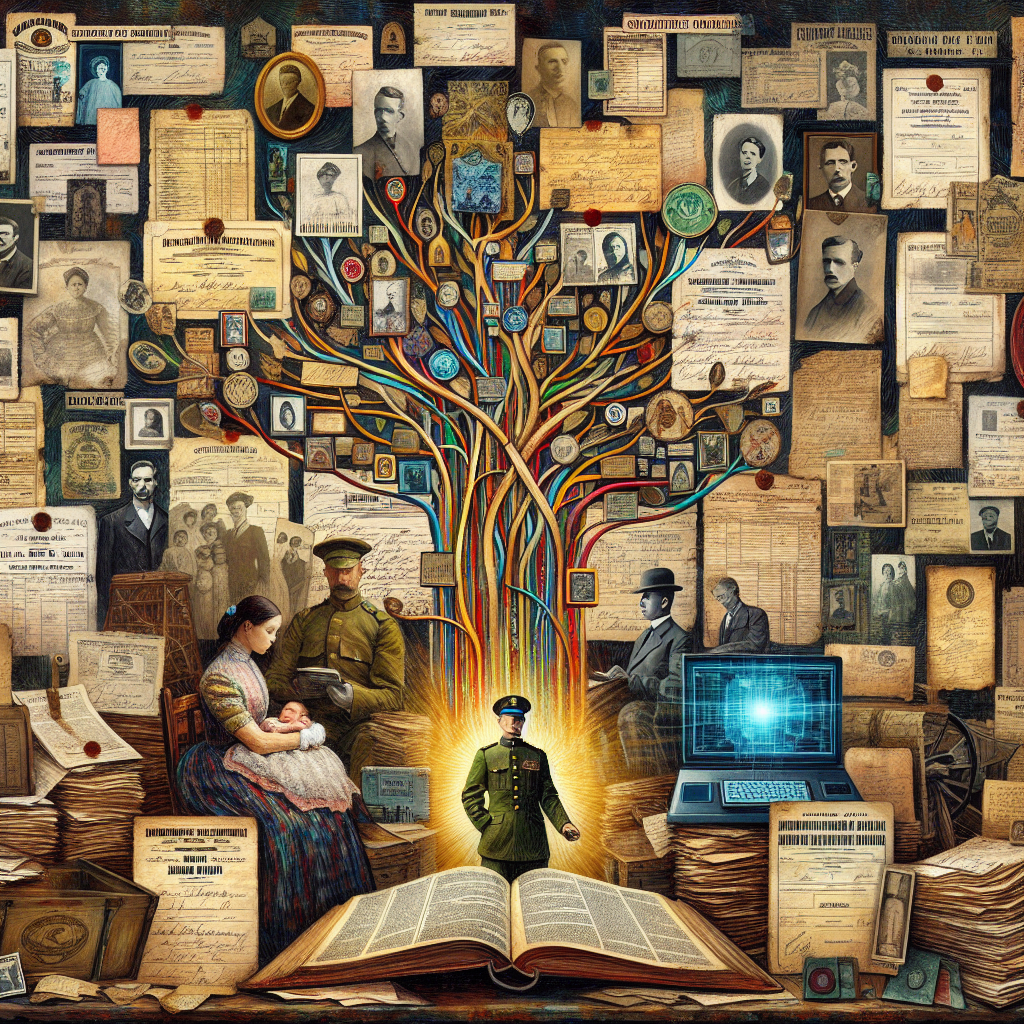
Digital immortality stands as a double-edged sword in our modern approach to grief and mourning. At its core, the concept challenges us to confront the very essence of life and death, where the boundaries blur thanks to technology. When a loved one passes, we often find ourselves enveloped in a fog of sorrow, struggling to reconcile the vacuum left behind. Enter digital immortality—an opportunity for legacy storytelling, where memories can be preserved in a tapestry of shared experiences, videos, and messages that echo long after the final goodbye.
For many, the notion of being able to access memories as if they were still present offers emotional solace. Imagine scrolling through a digital album filled with snapshots of laughter, milestones, and ordinary moments that build the foundation of a relationship. Each click transports us back to times of joy and connection, making it feel as though our loved ones are not entirely gone. This emotional appeal is profound, touching our hearts and reminding us that love can persist beyond the physical realm.
Rationally, the permanence of these digital legacies prompts us to consider how we wish to remember those we’ve lost. Are some memories too painful to revisit? Do we curate our narratives, ensuring that only the most cherished moments endure? In this age of information, we possess the uncanny ability to craft stories that highlight the essence of those who have passed, allowing their personas to influence our lives through wisdom shared and experiences cherished.
Ethically, this raises compelling questions about consent and memory ownership. Should we mold the narratives of our loved ones without their input, even posthumously? The blend of technology and grief compels us to tread thoughtfully, ensuring we honor their true selves rather than casting a shadow of our own perceptions upon their legacy.
Socially, the impact of digital immortality stretches into the community. Engaging with others who experience similar losses through shared digital spaces creates a network of understanding and support. As we navigate our grief, we find solace in knowing that we are not alone—that our stories intertwine, fostering connections that amplify our humanity.
Ultimately, digital immortality reshapes our grieving process, blending emotion with logic, memories with narrative, and heart with social connection. It invites us to redefine loss and the way we cherish and honor the legacies of those we love. In this brave new world, every click becomes an act of remembrance, an invitation to keep the spirit of our loved ones alive in our everyday lives.
How Does Digital Immortality Impact the Grieving Process?
How Does Digital Immortality Impact the Grieving Process?
- Digital immortality challenges our understanding of life and death, facilitated by technology.
- Preservation of memories through digital storytelling provides emotional solace during grief.
- Accessing shared experiences allows for a reconnection with loved ones who have passed.
- The permanence of digital legacies raises questions about memory ownership and narrative curation.
- Ethical considerations include consent and how we shape the memories of deceased individuals.
- Digital immortality fosters community support among those experiencing similar losses.
- This concept reshapes the grieving process, blending emotion, memory, and social connection.

How Does Digital Immortality Impact the Grieving Process?
What Rights Do You Have Over Your Data After Death?
Navigating the murky waters of digital legacy can feel overwhelming, but it’s essential for those left behind. Imagine your life as a vibrant tapestry woven from countless experiences, each moment captured in bytes and pixels. Your data is more than just information; it’s the Legacy Storytelling of who you are and the impact you’ve had. When a loved one passes, the questions surrounding their digital footprint grow complex, yet the answers can be straightforward.
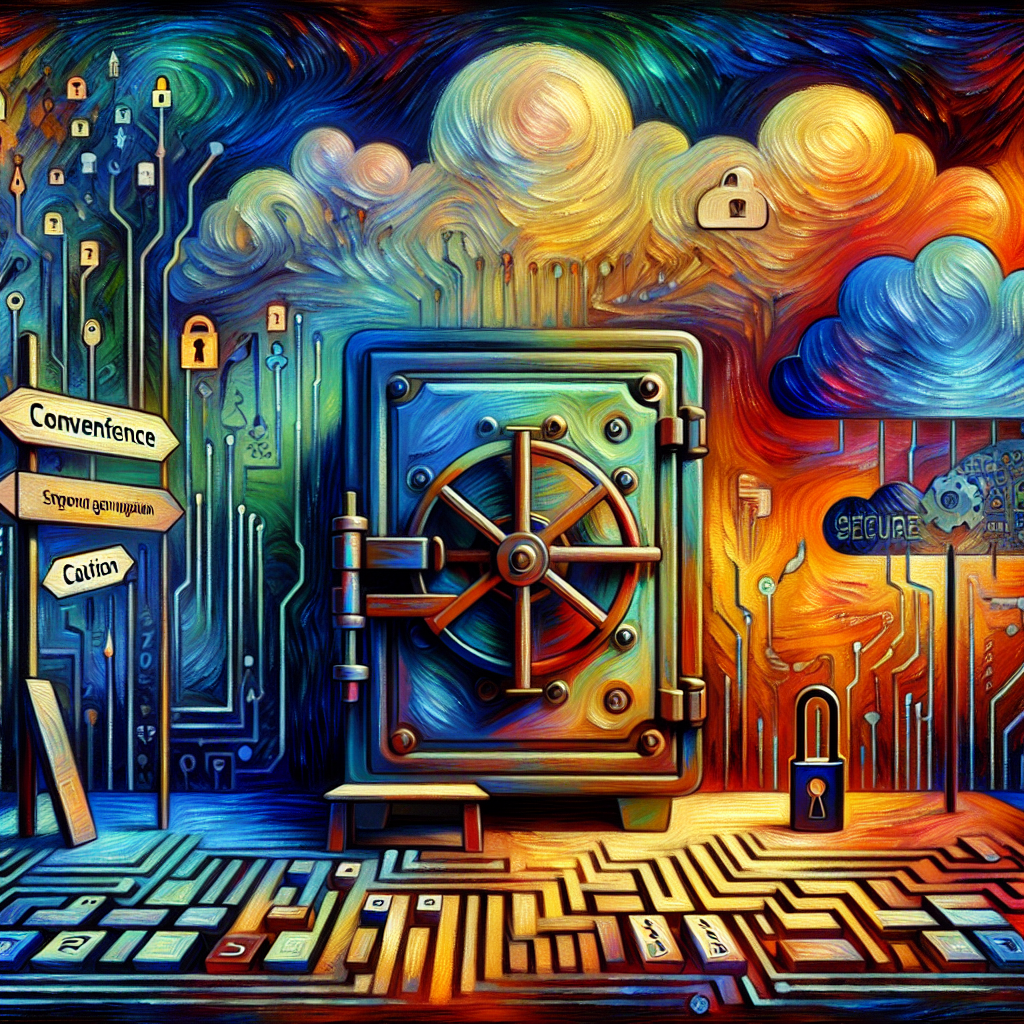
Legally, your data doesn’t just vanish; it remains, often stored in the vast vaults of tech giants that hold your digital likeness. Understanding your rights over this information is vital in ensuring that your story doesn’t drift into obscurity. After death, many states recognize the importance of protecting an individual’s digital assets, allowing designated heirs to access and manage this data. It’s more than a legal procedure; it’s about honoring your identity and preserving memories that fuel connections, show love, and tell the world who you were.
Consider the emotional weight of leaving loved ones with the burden of navigating through your digital life. They deserve clarity and support while grieving, not a scavenger hunt through your online accounts. By specifying your wishes through directives or designating a digital executor, you’re not only streamlining the process but also imparting a final act of love. This act ensures that the essence of your life—your stories, your passions—can continue to resonate within the hearts of those who knew you best.
Rationally, it’s also a matter of security. Just as you wouldn’t want your cherished belongings to fall into the wrong hands, the same applies to your online presence. Protecting your data means safeguarding your legacy from potential misuse. Ethical stewardship of your digital estate fosters trust among family and friends, giving them the peace of mind that you considered them even in death.
Socially, the modern era compels us to confront these challenges head-on. Many of us engage daily on social platforms, sharing intimate details, victories, and struggles. It’s only right to consider how these contributions are handled when we can no longer manage them ourselves. The conversation about data rights after death is evolving, and being part of it means standing up for the legacy storytelling that embodies our very existence. Embrace this responsibility, and ensure that your story continues, resonating through the lives you’ve touched.

What Rights Do You Have Over Your Data After Death?
What Rights Do You Have Over Your Data After Death?
- Navigating digital legacy is crucial for those left behind, as it reflects personal identity and impact.
- Your digital data remains after death and can be managed by designated heirs according to legal rights.
- Proper planning helps alleviate the emotional burden on loved ones during their grieving process.
- Designating a digital executor and specifying wishes facilitates a clearer transition of digital assets.
- Protecting online presence is essential for security and prevents potential misuse of personal data.
- Addressing data rights after death is increasingly important in the context of social media engagement.
- Responsible digital legacy management honors personal stories, ensuring they resonate beyond our lifetimes.
What Rights Do You Have Over Your Data After Death?
Conclusion
Digital rights after death raise profound questions about the legacies we leave behind online. Our digital presences—social media accounts, emails, photos—comprise not just data, but narratives that tell our stories, reflecting who we are and the impact we’ve had on the world. In the absence of clear directives, these cherished memories risk being mishandled or lost entirely, vulnerable to the whims of those who may not understand their significance.
We owe it to ourselves and our loved ones to consider how our digital legacies are treated after we’re gone. It’s an ethical obligation, a matter of dignity that extends beyond our physical existence. Each social media post, every cherished email, contributes to a rich tapestry of experiences that future generations should have the right to explore. When we engage in open conversations about our digital afterlives, we invite our families into the process of curating and preserving these narratives, ensuring that our stories resonate long after we’ve passed.
The power of legacy storytelling cannot be underestimated. What happens to our online presence when we die? Without a plan, our narratives may dissolve into the digital ether, leaving our loved ones navigating a complex landscape of memories with no guide. By taking proactive steps—such as drafting a digital will or naming a trusted individual to oversee our accounts—we can provide clarity, allowing those we’ve left behind to honor our wishes and cherish our memory effectively.
Digital immortality introduces a unique dimension to grief, blending the emotional solace of remembered moments with practical considerations of how those memories are preserved. While it offers comfort, it can also bring challenges surrounding privacy and identity. Engaging with these complexities can empower us—instead of shying away from discussing our digital footprints, we should approach it with intention and heart.
In a world where technology is woven into the fabric of our lives, our digital presence remains a testament to our humanity. What stories do our digital assets tell? Each post, picture, or video represents a piece of our journey, shaping how we are remembered. By safeguarding our digital legacies now, we not only protect our stories but also affirm our connections with others. Legacy storytelling empowers us to continue making an impact, fostering love and clarity that resonates through generations. Stepping forward into this responsibility is not merely practical; it’s a profound act of love and respect for the lives we’ve lived and those we leave behind.

Conclusion
Conclusion:
- Digital rights after death raise important questions about online legacies.
- Our digital presence reflects our stories and the impact we’ve had on the world.
- Without clear directives, cherished memories may be mishandled or lost.
- Considering digital legacies is an ethical obligation for individuals and their loved ones.
- Proactive measures like drafting a digital will can help preserve our narratives.
- Digital immortality complicates grief, blending emotional solace with privacy concerns.
- Safeguarding digital legacies affirms our connections with others and honors our life stories.

Conclusion
Other Resources

Other Resources
Here is a list of other resources you can review online to learn more:
- deviantART
- Trust And Will
- Digital Legacy Association
- IronClad Family
- Your Digital Afterlife
- USLegalWills.com
- Storyfile Life
- Is There A Need To Pay For Copyrighting Services For Personal Or Family Legacy Stories?
- GhostMemo
- Personal Legacy Advisors
- LegacyFamilyTree
- Obituary Templates
- INELA
- WishesKeeper
- How To Write Legacy Story Headlines That Appeal To The Heart, Gut and Head
- Lexikin
- ForeverMissed
- Living Wisely
- How Has Time Changed The Cost Of Capturing Family Legacy Stories
- LegalNature
Use This Prompt To Get More Resources With Your Favorite Online AI Tool: Please provide me with a list of online articles with their URLs in a bulleted list that I can read regarding Digital Rights After Death

Other Resources
Glossary Terms
Digital Rights After Death – Glossary Of Terms
1. Digital Legacy: The collection of a person’s online accounts, files, and digital content after their death.
2. Digital Executor: An individual designated to manage and distribute a deceased person’s digital assets and accounts.
3. Bitroth: A term for the virtual equivalent of a will, specifically addressing digital assets.
4. Cloud Storage: Online services that store digital files, which may need to be accessed or transferred after death.
5. Privacy Settings: User-defined parameters that control who can access their digital information, important for posthumous management.
6. Digital Bequest: The act of leaving digital assets to heirs, similar to physical property inheritance.
7. Online Presence: The totality of an individual’s footprint on the internet, including profiles, posts, and interactions.
8. E-legacy: Digital materials left behind, which can include social media accounts, emails, and other online content.
9. Account Closure: The process of disabling or deleting online accounts following a person’s death.
10. User Agreement: The legal contract users accept when creating online accounts, which often details rights upon death.
11. Data Privacy: The right of individuals to control their personal information and how it’s handled post-mortem.
12. Digital Authentication: Verification processes required to access digital accounts after an owner’s death.
13. Digital Footprint: The trail of data and information a person leaves online, impacting their digital legacy.
14. Social Media Accounts: Platforms where individuals share content; often require specific actions post-death.
15. Content Ownership: Legal rights regarding who owns digital assets such as photos, videos, and writings.
16. Digital Will: A legal document specifying how an individual’s digital assets should be managed after death.
17. Data Retrieval: The process of accessing and recovering digital files and accounts after a person’s death.
18. Death Notification: Communication to online service providers to inform them of a user’s death.
19. Access Rights: Permissions that determine who can manage a deceased person’s digital accounts and assets.
20. Algorithmic Legacy: The digital algorithms that influence how a deceased person’s online presence is maintained or altered.
21. Memorialization: The process of creating a digital memorial or tribute to honor a deceased individual online.
22. Digital Archive: A collection of digital texts, images, and videos that can be preserved after death.
23. Identity Theft: The unauthorized use of an individual’s personal information, potentially increasing risk post-mortem.
24. Virtual Estate: The entirety of one’s digital assets, encompassing social media, online accounts, and files.
25. Legacy Account: Specific designations by social media platforms that allow for posthumous management of accounts.
26. Data Bequest: The transfer of digital assets, such as cryptocurrency or online investments, to beneficiaries.
27. Intellectual Property Rights: Legal rights protecting the ownership of digital creations and assets after an individual’s death.
28. Survivorship Rights: Legal principles determining who inherits digital assets upon the user’s death.
29. Cybersecurity: Measures used to protect digital information, crucial for safeguarding assets after death.
30. Digital Afterlife: The ongoing existence of a person’s digital presence and data after they have passed away.

Glossary Of Terms
Other Questions
Digital Rights After Death – Other Questions
If you wish to explore and discover more, consider looking for answers to these questions:
- Who legally owns my online accounts and digital files after I die?
- How do current laws (RUFADAA, GDPR, local statutes) affect access to my digital assets post-mortem?
- What is a digital executor and how do I appoint one?
- How can I include digital assets in my will so my wishes are enforceable?
- Which platforms allow designated legacy contacts or account transfer, and how do their policies differ?
- What steps should I take now to ensure loved ones can access my passwords and encrypted data?
- Is it safe to store account credentials in a password manager, and how do family members gain access after death?
- How do two‑factor authentication and hardware tokens affect post‑mortem access?
- Can I require that some digital content be deleted rather than preserved?
- How do I specify whether social media profiles should be memorialized, deleted, or managed?
- What legal conflicts can arise between a will, platform terms of service, and family members’ requests?
- How long do companies retain deceased users’ data and what can be requested or removed?
- What documentation do platforms or courts typically require to grant account access after death?
- How do international or cross‑border deaths affect access to accounts hosted in other countries?
- What should families do immediately after a loved one dies to protect digital assets and subscriptions?
- How can I preserve photos, videos, emails, and messages in a way that’s meaningful to family history?
- What are best practices for curating a digital legacy (what to keep, what to delete, how to annotate)?
- How do shared accounts (family Netflix, joint cloud storage, shared social logins) get handled?
- Who controls digital content that includes other people (shared photos, group chats) after one person dies?
- Can my online posts, blogs, or creative works be transferred or sold to heirs?
- How are domain names, websites, and monetized content (blogs, YouTube channels) treated after death?
- What happens to cryptocurrencies, NFTs, and other blockchain assets when an owner dies?
- How should business owners handle access to company accounts, email, and SaaS tools after an owner’s death?
- Can law enforcement or courts access a deceased person’s digital data and under what circumstances?
- How can families prevent misuse, identity theft, or fraud involving a deceased person’s accounts?
- What ethical issues arise when curating or editing a deceased person’s digital narrative?
- Could AI be used to simulate or recreate a deceased person’s voice, messages, or behavior—and who controls that?
- Should I leave instructions about training AI models on my data or allowing post‑mortem chatbots that mimic me?
- How does prolonged digital presence (digital immortality) affect grief, closure, and the mourning process?
- What are respectful norms for public announcements, memorial pages, and sharing of private posts after death?
- How can I protect my reputation and remove harmful or false content that might persist after I die?
- What services or companies specialize in digital estate planning and which are reputable?
- How much does it cost to preserve, transfer, or archive digital assets and is there insurance or funding options?
- What templates or legal language should I use when documenting my digital wishes?
- How do I handle accounts for minors or dependents if a parent or guardian dies?

Other Questions
Haiku
Digital Rights After Death – A Haiku
Digital lives persist,
Memories weave through our hearts,
Guard stories with love.
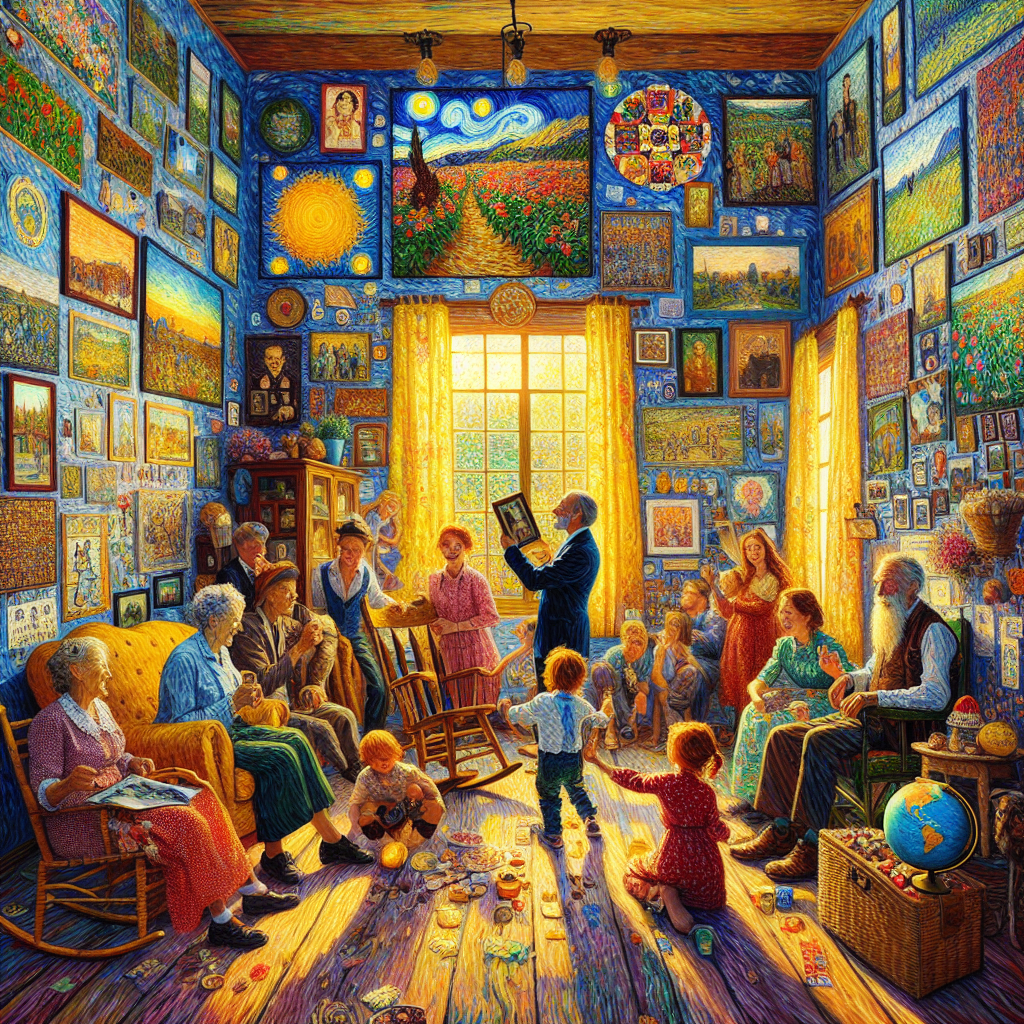
Haiku
Poem
Digital Rights After Death – A Poem
In the digital realm where we reside,
Our stories linger, side by side.
What happens when we cease to be,
To our online selves, who holds the key?
Each tweet and post, a pulse of life,
Captured moments, joy and strife.
Yet who controls this virtual space,
When memories fade without a trace?
Imagine hands that sift through the past,
Unraveling tales, some deep and vast.
In those pixels, love and laughter gleam,
But a strangers touch can shatter the dream.
Ethically bound, we owe the care,
To honor legacies that we all share.
Families must guide, with heart and mind,
Curating stories, respectful and kind.
Questions rise of rights and power,
As we dig deep, hour by hour.
Will our truths see light, or vanish in time,
In digital silence, our voices chime?
With every share, a footprint made,
A tapestry woven, never to fade.
Yet who shall claim the rights after we go?
It’s a responsibility that we must bestow.
Grieve not just for what’s lost in the light,
But for narratives hidden from sight.
Prepare a path for those left behind,
So their hearts can connect, their spirits aligned.
Engage in the talk, make wishes known,
Lest your essence be left all alone.
For in this digital age, our stories impart,
The legacy lives—forever in heart.

Poem
Checklist
Digital Rights After Death – A Checklist
Emotional Appeals
✅______ Reflect on the stories behind your digital assets; how do they encapsulate your life experiences?
✅______ Consider how sharing your digital memories with loved ones can strengthen connections across generations.
✅______ Think about the emotional impact on your family if your digital legacy remains unprotected.
Rational Appeals
✅______ Assess the steps necessary to create a digital will or designate a digital executor.
✅______ Research the policies of digital platforms regarding legacy management and inheritance.
✅______ Identify key digital assets (social media accounts, emails, photos) that need protection and planning.
Ethical Appeals
✅______ Decide how you want your online accounts to be handled posthumously (memorialized, deleted, or managed).
✅______ Communicate your wishes clearly with family and trusted individuals to ensure they’re honored.
✅______ Reflect on the moral obligation to secure memories for the benefit of those left behind.
Authority Appeals
✅______ Consult with digital legacy experts or legal professionals about your rights and responsibilities.
✅______ Follow the guidelines provided by reputable organizations on managing digital afterlife matters.
✅______ Create a comprehensive plan based on best practices outlined by authorities in digital legacy preservation.
Narrative Appeals
✅______ Write down your personal narrative and how you envision it continuing after your passing.
✅______ Encourage family members to contribute their memories and stories to create a collective digital legacy.
✅______ Share your experiences and values to enhance understanding and connection even after you’re gone.
Social Appeals
✅______ Engage in discussions with family and friends about digital legacy topics to foster awareness and understanding.
✅______ Consider joining online forums or support groups focused on digital memorialization.
✅______ Share your checklist with others to spread awareness on the importance of digital legacy planning.

Checklist
At LegacyExplorations, we help people plan and explore their legacy by collecting information and news regarding end-of-life planning.
Please share this post with your friends, family, or business associates who may want help to plan or explore their legacy.