

Uncovering The Wisdom Of Your Past For Future Success
By Tom Seest
At LegacyExplorations, we help people plan and explore their legacy by collecting information and news regarding end-of-life planning.
Please share this post with your friends, family, or business associates who may want help to plan or explore their legacy.
Do The Stories Of Your Past Hold The Answers to The Future?
Let’s take a moment to think about the stories that make up the fabric of our existence. We all have them—those vivid snapshots of our lives that sit in the attic of our memories, waiting to be dusted off. Some may be tales of triumph, while others might read like cautionary sagas. But here’s a thought: what if the key to navigating the future lies buried deep within those legacy storytelling moments?
You see, our past experiences form a kind of roadmap, giving us clues about what works and what doesn’t. Those lessons come wrapped up in days when we fell flat on our faces, or the times we laughed so hard our sides ached. Think about it—when was the last time you truly sat down and reflected on a defining moment? Maybe it was that decision that led you to a career you love or a misstep that taught you resilience. Each of these stories holds a kernel of truth, a message waiting for us to unlock.
Now, I get it. Life can get busy. The responsibilities pile high, and finding a moment to pause feels like a luxury we can’t afford. But I urge you, take that time. Dust off those memories, and give them the attention they deserve. Not only can they inform your next step, but they can also inspire others. When we share our legacy storytelling experiences, we foster a sense of connection. We’re not just recounting history; we’re weaving a tapestry that others can relate to.
Imagine being able to look back at those stories and see how they add richness to your character and depth to your dreams. It’s about more than just introspection; it’s about discovering the power of your narrative. Each tale you tell becomes a thread in the broader fabric of human experience, stitching us together in shared triumphs and failures.
So, where do you go from here? Reflect. Write. Share. Let your legacy storytelling shine a light on your path forward. The insights you uncover might not only pave the way for you but may also inspire those around you to trot the same courageous path of self-discovery. Your past stories are not just echoes—they are guideposts leading straight into a bright, informed future. Embrace them; they just might hold the answers you’ve been searching for.

Do The Stories Of Your Past Hold The Answers to The Future?
Do The Stories Of Your Past Hold The Answers to The Future?
- Our lives are shaped by vivid stories, both triumphant and cautionary.
- Past experiences create a roadmap, revealing what works and what doesn’t.
- Each defining moment contains valuable lessons and truths waiting to be explored.
- Taking time to reflect on these memories can offer insights and inspiration.
- Sharing legacy stories fosters connection and weaves a relatable tapestry of human experiences.
- Reflection helps enrich personal character and deepen future aspirations.
- Your past stories serve as guideposts, paving the way for a brighter future.

Do The Stories Of Your Past Hold The Answers to The Future?
Table Of Contents
- Do The Stories Of Your Past Hold The Answers to The Future?
- How Can Our Childhood Stories Shape Our Present?
- Are We Repeating Mistakes From Our Past?
- How Do Past Failures Inform Future Success?
- What Role Does Nostalgia Play In Our Decision-Making?
- Can Understanding Our History Help Us Plan Better Futures?
- How Can Storytelling Help Heal Past Traumas?
- Do Our Cultural Narratives Influence Our Future Choices?
- Conclusion
- Other Resources
- Glossary Of Terms
- Other Questions
- Haiku
- Poem
- Checklist
How Can Our Childhood Stories Shape Our Present?
We all have those treasured childhood stories tucked away somewhere in the back of our minds—the ones our parents told us before bedtime or the wild tales we spun with friends during summer afternoons. These narratives are more than simple entertainment; they’re integral threads in the fabric of our identities. They shape who we are, influence how we navigate the world, and, perhaps most importantly, connect us to a larger legacy we often overlook in our daily grind.
Think about it: the stories we heard as kids weren’t just meant to pass the time. They conveyed values, shared lessons, and ignited our imaginations. Whether it’s the fable of the tortoise and the hare or the heroic exploits of family members, each story carries with it a wealth of knowledge and insight. Legacy storytelling, in essence, is our way of passing down these lessons—an invitation for us to instill wisdom in the next generation or, better yet, to reclaim those lessons in our adult lives.
Consider how childhood narratives can encourage us to face our challenges. That tale of the little engine that could might just be the boost you need on a tough day at work. Or perhaps the adventurous spirit of a character you admired as a child inspires you to take that leap of faith into a new career path or creative pursuit. These connections are more than whimsical reminiscence; they remind us of our strength, creativity, and resilience we often forget we possess.
And let’s not forget the power of storytelling in fostering connection. When we share our childhood experiences, we open a door to empathy and understanding. It’s amazing how stories about our youthful misadventures or triumphs can resonate with others, bridging gaps and creating camaraderie in unexpected ways. This shared vulnerability builds trust and cultivates confidence not only in ourselves but also in the relationships we cherish.
So, how can we harness these childhood tales in our present lives? Begin by reflecting on your story—write it down, share it, or simply let it inspire you to forge ahead. Embrace the lessons, let them guide you, and become a part of that rich tapestry of legacy storytelling. Whether it’s in the boardroom or the family living room, remember: your story has the power to shape not just your own journey, but those of others around you. Dive in, and stay curious. Your past is waiting to light your way forward.

How Can Our Childhood Stories Shape Our Present?
How Can Our Childhood Stories Shape Our Present?
- Childhood stories are integral to our identities and deeply influence our perspectives.
- These narratives convey values, share lessons, and ignite our imaginations.
- Legacy storytelling helps pass down wisdom and reclaim lessons in adulthood.
- Childhood tales can inspire us to face challenges and embrace new opportunities.
- Sharing stories fosters empathy and understanding, building trust in relationships.
- Reflecting on and sharing your story can guide personal growth and leadership.
- Your past experiences can illuminate your path forward, influencing those around you.

How Can Our Childhood Stories Shape Our Present?
Are We Repeating Mistakes From Our Past?
Let’s face it: history has a way of looping back on itself, and sometimes, it feels like we’re stuck on a merry-go-round of our own making. We’ve all heard that age-old saying, “Those who cannot remember the past are condemned to repeat it.” It sounds cliché, right? But when you peel back the layers, it’s a sobering reminder of our collective journey. Each generation carries a legacy—a story that shapes who we are and how we navigate the uncharted waters of the future.
Think about it: every family has a storyteller, the one who holds court at reunions and spins tales about grandpa’s wild youth, or the aunt who insists that her homemade pie has been passed down since, well, the dawn of time. These conversations might seem like light-hearted banter, but they serve a purpose. They remind us of where we came from, the lessons learned, and perhaps, the blunders we’d rather forget. We pass down this legacy storytelling not just to entertain, but to ensure that the wisdom of yesteryear doesn’t gather dust on the shelf.
So why are we still stumbling over the same rocks? Maybe it’s a failure to listen—to really dig deep into that legacy and apply its lessons. Think about the challenges we face today: division, misinformation, and a growing sense of disconnection from our roots. If we lean into our legacy stories, we can carve out a path forward that is bold yet informed, embracing the lessons from our past while innovating for a brighter future.
Engagement with our history isn’t just about nostalgia; it’s about actionable understanding. It’s about finding common ground in shared experiences. It’s about turning to each other, sharing our fears and hopes, and collectively choosing to move forward with greater awareness.
So, let’s revive those family stories, reinvigorate the tradition of storytelling, and share our experiences in the larger tapestry of community. The legacy we build today will be the foundation for tomorrow’s narrative. And while it’s easy to get caught up in the day-to-day hustle, let’s keep one eye on the horizon and the other firmly rooted in the lessons of our past. That way, we can choose to step off the merry-go-round, armed with the wisdom to chart a new course.

Are We Repeating Mistakes From Our Past?
Are We Repeating Mistakes From Our Past?
- History often repeats itself, reminding us to learn from the past.
- Every generation carries a legacy that shapes their identity and future choices.
- Storytelling within families plays a crucial role in preserving history and wisdom.
- Legacy stories help highlight lessons learned and encourage reflection on past mistakes.
- Contemporary challenges such as division and misinformation can be addressed by embracing our history.
- Engaging with our history fosters common ground and collective progress towards a brighter future.
- Revitalizing storytelling traditions will help build a foundation for future generations.

Are We Repeating Mistakes From Our Past?
How Do Past Failures Inform Future Success?
We all have moments in life where we stumble, trip, or just flat-out fall on our faces. It’s the tapestry of existence—woven into our experiences like threads in a grand masterpiece. But here’s the kicker: those missteps and blunders are often our greatest teachers. They allow us to carve out a narrative that is uniquely ours, reminding us that every setback is an opportunity waiting to happen.
Let’s talk about legacy storytelling for a moment. This isn’t just some trendy buzzword; it’s about sharing our experiences—the good, the bad, and the undeniably ugly. When we open up, we’re engaging in a reciprocal act of humanity. All those tales of our misfortune create a bridge between ourselves and others. They’re a reminder that we’re not alone in our struggles. We paint a picture of perseverance, allowing others to draw strength from our scars.
Think back to a time when you faced an uphill battle. Maybe it was that job you didn’t get or a project that didn’t pan out. Instead of letting those experiences bury you, you could use them as fuel. Each failure invites introspection; it nudges you to dig deeper, learn more, and adapt. Each trial presents a choice: to wallow in despair or to rise, dust yourself off, and embrace that journey with grit.
When we embrace our failures, we’re taking a proactive stance in shaping our future. Each experience adds another layer to our character, helping us refine our vision for what we want to achieve. And here’s the beauty of it all: everyone loves a comeback story. By taking a moment to reflect on your own setbacks, you not only honor your journey but also inspire those around you. Sharing those lessons can empower others to tackle their own obstacles with renewed vigor.
So, the next time you feel like you’ve hit rock bottom, remember this: success isn’t merely the absence of failure. It’s the cumulative wisdom gleaned from every miscalculated step. The beauty of legacy storytelling lies in its ability to connect us through our imperfections. Embrace your past, learn from it, and step into the future with confidence. After all, each setback could very well be the launchpad for your next big success. Who knows? Your story might just light the way for someone else.
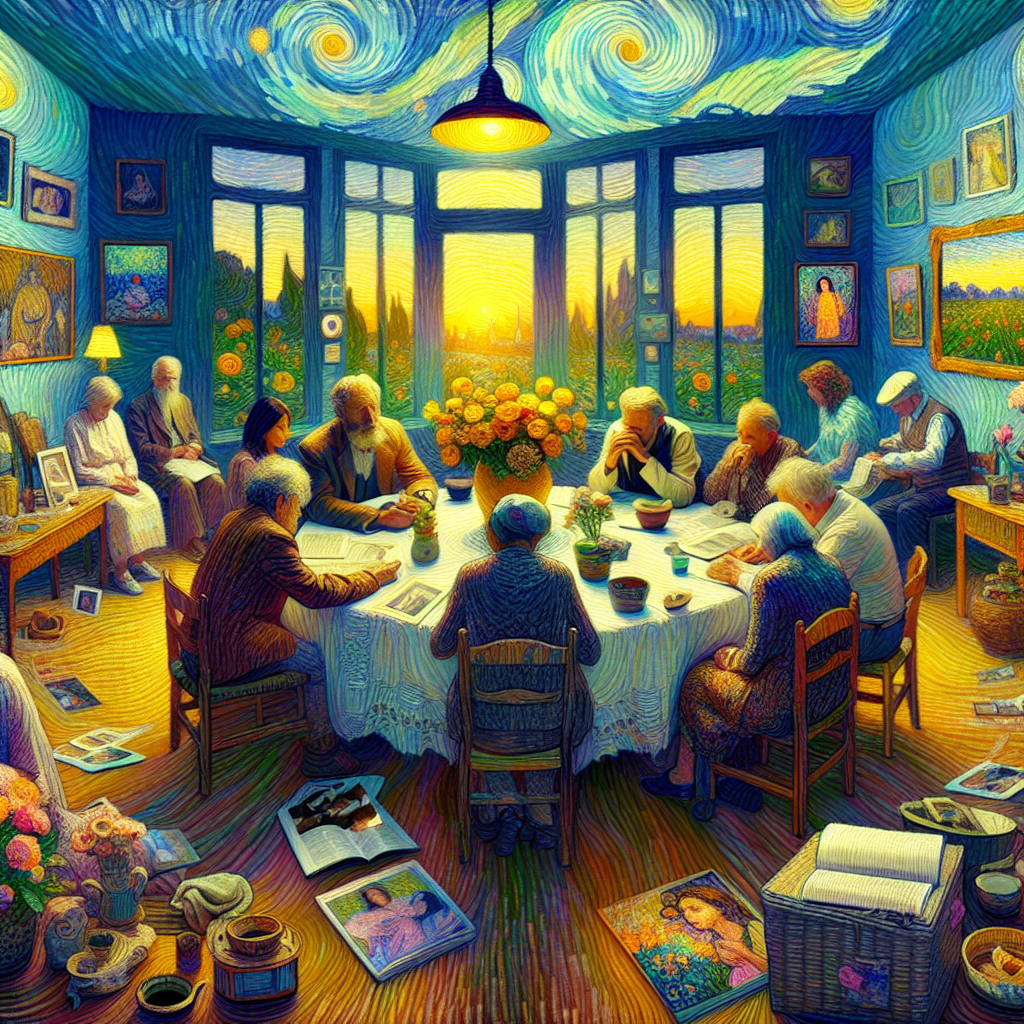
How Do Past Failures Inform Future Success?
How Do Past Failures Inform Future Success?
- Life includes moments of stumbling and falling, which are integral parts of our experiences.
- Missteps can serve as valuable teachers, transforming setbacks into opportunities.
- Legacy storytelling involves sharing our varied experiences to foster connection and humanity.
- Sharing stories of misfortune reminds us that we are not alone in our struggles.
- Failures can be transformed into fuel for introspection, growth, and resilience.
- Embracing failures allows us to proactively shape our future and refine our goals.
- Every setback has the potential to serve as a launchpad for future success and inspire others.

How Do Past Failures Inform Future Success?
What Role Does Nostalgia Play In Our Decision-Making?
Nostalgia is a peculiar thing, isn’t it? It lingers like the sweet smell of fresh-baked cookies wafting through the air, capable of transporting us back to simpler times. Whether it’s the faded photographs tucked away in a dusty shoebox or the familiar tunes that begin to play on an old record player, there’s something about looking back that shapes the decisions we make today.
Our brains are wired for nostalgia, and it often tries to play matchmaker, introducing us to our past while steering our choices in the present. When we tap into those cherished memories, we’re not just reminiscing; we’re engaging in a little bit of what I like to call “legacy storytelling.” This isn’t just about the past; it’s about grounding ourselves in who we are and what we stand for.
Think about it: when faced with a tough choice, what do we often do? We sift through our memories, searching for lessons learned, values instilled, and the paths walked by those who came before us. It’s like looking into a treasure chest, pulling out the shining gems of wisdom our parents, grandparents, or friends passed on to us. Here lies the power of nostalgia—valleys of experience mapped out in our minds—guiding us like seasoned navigators through the tumultuous sea of decision-making.
But let’s not kid ourselves; nostalgia can be a double-edged sword. While it might invite us to cherish those close bonds and golden moments, it can also lead us to make choices driven by an idealized version of the past rather than the reality of today’s world. We must balance those warm, fuzzy feelings with the keen awareness that life is ever-changing, and the best decisions come from understanding both where we’ve been and where we’re headed.
So, the next time you find yourself at a crossroads, take a moment. Reflect on your legacy storytelling. Reach back into those cherished memories and allow them to inspire you. Don’t let nostalgia blind you; instead, let it inform you. It can serve as a trusty compass, nudging you toward decisions rooted in your authentic self. Life is a tapestry woven with the threads of our past—use those threads thoughtfully to craft a future that echoes the best of who you’ve been, while bravely stepping into the unknown of who you’re yet to become.

What Role Does Nostalgia Play In Our Decision-Making?
What Role Does Nostalgia Play In Our Decision-Making?
- Nostalgia evokes strong emotions, reminiscent of sweet, comforting moments from the past.
- It helps shape our present decisions by connecting us to past memories and experiences.
- Nostalgia enables “legacy storytelling,” anchoring us in our identity and values.
- When faced with tough choices, we often reflect on our past to derive wisdom and lessons.
- While nostalgia can foster cherished connections, it may also lead to idealizing the past.
- It’s important to balance nostalgic feelings with the reality of today’s changing world.
- Utilize nostalgia as a guiding compass to make authentic decisions and navigate the future.

What Role Does Nostalgia Play In Our Decision-Making?
Can Understanding Our History Help Us Plan Better Futures?
When you think about it, we’re all part of a bigger narrative—a grand tapestry woven from threads of legacy storytelling, where our past defines the patterns of our future. Imagine sitting around a campfire, sharing tales of times gone by. Each story holds wisdom, cautionary tales, and perhaps even a bit of humor that ties generations together. This is more than just story time; it’s an essential practice of communal understanding and growth.
Now, let’s get real for a moment. We often gloss over our history, relegating it to dusty textbooks or a few lines in a chat. We might think, “Why does it matter? I’m just living my life.” But here’s the thing: when we neglect our history, we lose our footing. Our experiences—both good and bad—shape our decision-making and influence our ambitions. Let’s face it, the world can be a chaotic place. If we want to navigate its complexities, we need a roadmap, and that roadmap is written in the ink of our shared experiences.
Consider how the lessons of past mistakes can be a powerful catalyst for change. Think of the legacy storytelling that’s been passed down through the generations, tales about resilience, innovation, and overcoming adversity. These stories exemplify how humanity has faced challenges time and again, often coming out stronger on the other side. By acknowledging our history, we can foster a sense of confidence in our ability to forge ahead, even when the road gets rocky.
We all know someone who wears their scars proudly—a friend who tells their story of struggle and triumph, illuminating the path for others. That’s the beauty of understanding our history: it’s not just about reflection; it’s about activation. When we embrace our past, we create a foundation on which to build new dreams and aspirations, much like the craftsman who uses a time-tested method to create something innovative.
In this connected world, let’s not forget the legacies we’ve inherited. They’re our reminders of where we came from and guideposts toward where we’re headed. By gathering around that figurative campfire and sharing our narratives, we find trust in the unknown and confidence in our collective future. So let’s learn from the stories that shaped us, and pave the way for a brighter tomorrow together.

Can Understanding Our History Help Us Plan Better Futures?
Can Understanding Our History Help Us Plan Better Futures?
- We are part of a larger narrative, a tapestry of legacy storytelling that shapes our future.
- Sharing stories around a campfire fosters communal understanding and growth.
- If we neglect our history, we lose our footing, as our past experiences influence our decisions and ambitions.
- Lessons from past mistakes can serve as catalysts for change and resilience.
- Understanding our history empowers us to forge ahead and face challenges with confidence.
- Embracing our past allows us to build new dreams on a solid foundation of shared experiences.
- By sharing our narratives, we strengthen trust in the unknown and create a collective vision for the future.

Can Understanding Our History Help Us Plan Better Futures?
How Can Storytelling Help Heal Past Traumas?
Gather ‘round, folks, because today we’re diving into something powerful—something that’s been a lifeline for countless individuals throughout history: storytelling. It’s not just about spinning a great yarn; it’s a tool, a bridge to understanding, and yes, a balm for our wounds.
When we talk about Legacy Storytelling, what we’re really getting at is the art of sharing narratives that shape who we are and who we aspire to be. It’s a way of connecting with our past, making sense of our experiences, and ultimately using our stories to inform our future. Look, we’ve all got a story to tell—each of us carries a unique tapestry of experiences, traumas, and triumphs that are just waiting to be woven into something meaningful.
Sharing our stories can be incredibly freeing. When we put our experiences into words, we take back control. Trauma can often leave us feeling powerless, like we’re stuck in quicksand, but entering the storytelling space allows us to tread water again. It’s a chance to rewrite those unpleasant narratives—to transform them from heavy burdens into tales of resilience.
Think about it: when we share our experiences, we often find that we’re not alone. That sense of isolation can be one of the hardest parts of grappling with trauma. But once we start talking—whether it’s with a friend, in a memoir, or even in a group setting—a connection happens. Others chime in with their tales, and suddenly, what once felt like a solitary battle transforms into a communal experience. You’re surrounded by voices echoing your own; it’s magic.
And here’s the kicker: storytelling isn’t just a one-way street. As we listen to others share their journeys, we gain insights and perspectives that can illuminate our own paths. Someone else’s triumph can inspire our healing journey. Their narrative might just contain the very light we need to see our way forward.
So, if you’re facing the shadow of past trauma, consider picking up that pen or gathering with friends. Whether you write a legacy for future generations or just chat over coffee, know that each story told is a step toward healing. Embrace the power of your narrative—it could be the lifeboon you didn’t know you were searching for. You deserve it. Your story matters.

How Can Storytelling Help Heal Past Traumas?
How Can Storytelling Help Heal Past Traumas?
- Storytelling serves as a powerful tool for understanding and healing.
- Legacy Storytelling involves sharing narratives that define our identities and aspirations.
- Everyone carries unique experiences that can be woven into meaningful stories.
- Sharing experiences provides a sense of control and the opportunity to transform trauma into tales of resilience.
- Storytelling fosters connection, alleviating feelings of isolation associated with trauma.
- Listening to others’ stories can inspire and offer insights for our own healing journeys.
- Engaging in storytelling, whether through writing or discussion, is a vital step toward personal healing.

How Can Storytelling Help Heal Past Traumas?
Do Our Cultural Narratives Influence Our Future Choices?
Imagine sitting around a crackling campfire, stories bubbling up like the flames. Each tale woven into the fabric of our shared existence serves not just as entertainment but as a guiding compass, steering us through the often chaotic ebb and flow of life. These stories are our legacy, stitched together by the trials and triumphs of those who came before us. They shape our understanding of who we are and, more importantly, who we might become.
Take a moment to reflect on the narratives that have colored your life. Maybe it was the tale of your grandparent’s resilience during tough times or the legends of heroes in your community standing tall against adversity. These legacy stories whisper lessons of perseverance, hope, and courage that resonate long after the last embers have burned out. They provide a blueprint, incomplete but invaluable, steering us in our decision-making processes.
The power of cultural narratives extends beyond nostalgia. They influence our choices, often without us even realizing it. When you confront a dilemma—be it personal or professional—perceptions shaped by vestiges of these stories can weigh heavily on your mind. Should I take the leap into the unknown or play it safe? Should I speak up when I see wrongdoing, or should I remain silent to blend in?
Encouragingly, these stories don’t have to be rooted in history alone. We have the power to craft our own narratives every day, adding new chapters to this vast anthology. By embracing our unique experiences and using them to educate others, we can create a legacy that informs future generations. Your choices today can ripple outward, transforming your community and influencing lives in ways you might never fully grasp.
So, why not take a moment to consider the stories that have shaped you? Think about how those narratives resonate within your conscience and how they direct your compass. The next time you face a decision, ask yourself: what choice honors the legacy of those who came before me? And more importantly, what story will I leave behind?
Embrace the narratives that inspire you. They’re not just remnants of the past; they are the blueprints for your future. Your legacy is yours to create, so make it a story worth telling.

Do Our Cultural Narratives Influence Our Future Choices?
Do Our Cultural Narratives Influence Our Future Choices?
- Stories around a campfire serve as a guiding compass through life’s chaos.
- These narratives shape our identity and influence our growth and potential.
- Legacy stories, like those of our grandparents, impart lessons of resilience, hope, and courage.
- Cultural narratives affect our decisions, often unconsciously guiding our choices.
- We have the power to create our own narratives and add to the collective story.
- Reflect on the stories that have shaped you and how they influence your decision-making.
- Your legacy is a story to be crafted; make it meaningful for future generations.

Do Our Cultural Narratives Influence Our Future Choices?
Conclusion
As we wrap this up, let’s take a moment to consider the profound wisdom living in our stories. Each of us has a treasure trove of memories, experiences, and lessons embedded in our past, just waiting to be unearthed. And it’s no small matter—these stories define us, guide us, and can even lead us toward a better future. Our pasts are not just stagnant echoes; they’re dynamic roadmaps, offering invaluable insights into who we are and where we’re headed.
Think about it. Those moments of triumph and those stumbles that left us flat on our faces—each tale is a thread in the intricate tapestry of our lives. They teach us resilience, courage, and introspection. It’s easy to get caught in the hustle of everyday life, but I implore you to pause and reflect. Dust off those memories; bring them into the light. When we embrace our histories, we unlock a wellspring of wisdom that can inform not just our decisions, but also inspire those around us.
Nostalgia plays a significant role in this process. It’s like an old friend, beckoning us to remember the values and lessons of our childhood—lessons that can stir up the courage we often forget we possess. By understanding how our history influences our present, we gain clarity on our choices and a foundation on which to build our future. Every time we share our stories, we foster connection and empathy, creating a community grounded in shared experiences.
And here’s the kicker: each story we tell has the power to heal and inspire. When we engage in legacy storytelling, we shed light on not just our own lives, but also the lives of many, showing that regardless of where we come from, we aren’t alone in our struggles. Sharing our past opens the door for others to step in and say, “Hey, I’ve been there, too!”
So, let’s make a promise to ourselves: let’s not move on from our past; let’s carry it with us. Let it inform, ignite, and illuminate our paths forward. Embrace those stories. Own them. They hold truths you might not have noticed before—truths that could change your trajectory and empower those around you to do the same. Your past isn’t just a chapter; it’s the foundation of tomorrow’s narrative. Shine a light on it, and watch your future unfold with clarity and purpose.

Conclusion
Conclusion:
- Our personal stories contain profound wisdom and lessons from our past.
- These stories define us and guide us toward a better future, serving as dynamic roadmaps.
- Moments of triumph and failure create an intricate tapestry that teaches resilience and courage.
- Nostalgia helps us remember important values and lessons from our childhood.
- Sharing our stories fosters connection and empathy within our communities.
- Legacy storytelling has the power to heal and inspire, revealing that we are not alone in our struggles.
- Embracing our past can illuminate our paths forward and empower ourselves and others.

Conclusion
Other Resources

Other Resources
Here is a list of other resources you can review online to learn more:
- Storyfile
- INELA
- Postumo
- Funeral Services Guide
- Your Digital Afterlife
- LegalZoom
- LastPass
- Lexikin
- Xarona
- deviantART
Use This Prompt To Get More Resources With Your Favorite Online AI Tool: Please provide me with a list of online articles with their URLs in a bulleted list that I can read regarding Do The Stories Of Your Past Hold The Answers to The Future?

Other Resources
Glossary Terms
Do The Stories Of Your Past Hold The Answers to The Future? – Glossary Of Terms
1. Anecdote: A brief, engaging story often used to illustrate a particular point or lesson from personal experience.
2. Archetype: A recurring symbol or motif in literature and storytelling that represents universal patterns of human nature and behavior.
3. Cognition: The mental processes involved in gaining knowledge and comprehension, including aspects like perception, memory, and reasoning, which influence how we interpret our past stories.
4. Collective Memory: The shared pool of recollections and narratives by a group or culture, shaping their identity and future actions.
5. Context: The circumstances or background information surrounding an event or story, providing deeper meaning and understanding.
6. Intergenerational Trauma: Psychological distress that is passed down from one generation to another, manifesting through stories that affect future behaviors and outlooks.
7. Narrative Therapy: A therapeutic approach that uses personal storytelling to help individuals reshape their identity and find meaning in their experiences.
8. Personal History: The compilation of an individual’s past experiences, events, and stories that shape their beliefs, attitudes, and behaviors.
9. Perspective: The particular attitude or way of considering a matter, influencing how one approaches past events and their implications for the future.
10. Resilience: The capacity to recover quickly from difficulties; the stories of overcoming adversity can empower individuals to face future challenges.
11. Symbolism: The use of symbols to signify ideas and qualities, where stories may represent broader concepts that inform future choices.
12. Transformation: The process of change in character or appearance, often reflected in personal stories that guide future behavior and aspirations.
13. Empathy: The ability to understand and share the feelings of another, which can deepen connections through shared stories and enhance future relationships.
14. Reflection: The contemplation or consideration of past experiences, offering insights that can influence future decisions.
15. Identity: The qualities, beliefs, and stories that construct an individual’s sense of self, driving their motivations and actions moving forward.
16. Introspection: The examination of one’s own thoughts and feelings, often leading to a more profound understanding of how the past informs future behaviors.
17. Narrative: A spoken or written account of connected events, used as a method to convey meaning and significance in personal and collective experiences.
18. Myth: Traditional stories that embody a culture’s beliefs and values, often carrying lessons applicable to personal and societal futures.
19. Foresight: The ability to predict or plan for the future based on insights gained from past experiences and narratives.
20. Healing: The process of recovery from emotional or psychological distress, often facilitated by revisiting and reframing past stories.
21. Cultural Narrative: The shared stories and values of a community or society, shaping collective identity and influencing future directions.
22. Visioning: The process of imagining and articulating a desired future, often informed by the lessons learned from past experiences.
23. Legacy: The remembrance or impact one leaves behind through their life stories, influencing future generations and their narratives.
24. Stress Response: The body’s reaction to a challenge or threat, which may be shaped by past experiences and stories of resilience or failure.
25. Self-Discovery: The process of gaining insight into one’s character, motivations, and desires through exploration of personal and shared stories.
26. Catalyst: An event or element that precipitates change, often highlighted in stories that inspire transformation and future action.
27. Wisdom: The ability to make sound judgments based on knowledge and experience, often derived from reflecting on past narratives.
28. Storytelling: The art of conveying stories in various forms that can impart lessons, entertain, and reveal truths about human experiences.
29. Influence: The capacity to have an effect on the character, development, or behavior of someone or something, often a result of shared narratives and experiences.
30. Purpose: The reason for which something exists or is done, often discovered and clarified through the exploration of past experiences and stories.
These terms provide a foundational understanding of how personal and collective narratives can inform our outlooks and decisions concerning the future.

Glossary Of Terms
Other Questions
Do The Stories Of Your Past Hold The Answers to The Future? – Other Questions
If you wish to explore and discover more, consider looking for answers to these questions:
- What specific methods can I use to reflect on my personal stories?
- How can I effectively share my legacy stories with others?
- What are some examples of childhood stories that have influenced people’s lives?
- How can I identify patterns in my past mistakes?
- What techniques can help me learn from my failures?
- How does nostalgia impact our emotional well-being?
- In what ways can storytelling contribute to community healing?
- How can understanding cultural narratives improve decision-making?
- What role does vulnerability play in sharing past experiences?
- How can I encourage others to share their legacy stories?

Other Questions
Haiku
Do The Stories Of Your Past Hold The Answers to The Future? – A Haiku
Past tales shape our paths,
Whispers of wisdom guide us,
Threads weave futures bright.

Haiku
Poem
Do The Stories Of Your Past Hold The Answers to The Future? – A Poem
In the attic of our minds, memories lie,
Snapshots of laughter, lessons wrapped tight,
Tales of triumph and stumbles that sigh,
Each thread a story, each shadow a light.
The road to the future is mapped in the past,
Where failures are teachers and wisdom is cast,
Moments of joy, of courage amassed,
Embrace them as anchors, hold steadfast.
The childhood stories, so vibrant, so dear,
Crafted our values, ignited our cheer,
Through fables and legends, they spark what we fear,
Show us the path, make the journey clear.
Yet sometimes we wander, lost in the swirl,
Echoes of mistakes in the dizzying whirl,
“Remember,” they whisper, “your history’s pearl,
Learn from the ripples, let progress unfurl.”
Nostalgia, a compass, both sweet and unkind,
Can lead us to safety, yet bind and confine,
Reflect on those visions with an open mind,
Let them inform choice, let your heart intertwine.
Around the warm glow of a campfire’s embrace,
We share our narratives, each lesson we face,
Threads of resilience knit time and space,
Crafting the fabric, we find our place.
The scars of endurance, the tales we unfold,
Transforming our burdens, turning them bold,
Through sharing our stories, we heal and we hold,
A testament to strength, as our futures unfold.
So gather your stories, let them ignite,
For within lies potential, a beacon of light,
Each chapter a promise, each verse a flight,
In the tapestry of living, we share our might.

Poem
Checklist
Do The Stories Of Your Past Hold The Answers to The Future? – A Checklist
Reflect on Your Personal Stories
_____ Identify three defining moments in your past that shaped who you are today.
_____ Write down the lessons learned from each moment.
_____ Consider how these lessons can inform your future decisions.
Embrace Legacy Storytelling
_____ Share a personal story with a friend or family member that holds significance for you.
_____ Consider documenting your stories in a journal or blog for future generations.
_____ Encourage others to share their stories to foster connection and understanding.
Explore Childhood Narratives
_____ Recall a childhood story that resonates with you; what values or lessons does it convey?
_____ Find ways to incorporate lessons from your childhood narratives into your current life.
_____ Reflect on how these childhood stories shape your current identity and decisions.
Learn from Failures
_____ List three past failures and the wisdom gained from each experience.
_____ Acknowledge how these failures have contributed to your resilience and personal growth.
_____ Share your failure stories to inspire and empower others who may be struggling.
Engage with Nostalgia
_____ Reflect on a nostalgic memory that influences your current decisions.
_____ Analyze the potential positive and negative impacts of nostalgia on your choices.
_____ Use nostalgia as a grounding tool for making future decisions, ensuring a balance between past and present.
Acknowledge Cultural Narratives
_____ Identify any cultural narratives that have influenced your values and decisions.
_____ Consider how these narratives shape your worldview and interactions with others.
_____ Think about ways to create and contribute to new cultural narratives that reflect your values.
Plan for the Future
_____ Set at least one actionable goal based on the insights you’ve gained from your past.
_____ Share your goals with someone you trust for accountability and support.
_____ Revisit your personal stories and updates on your progress regularly, using them as motivation.
Heal Through Storytelling
_____ Write a narrative about a personal trauma you’ve overcome.
_____ Seek opportunities to share your healing story with others who may benefit from it.
_____ Consider joining a group or community focused on storytelling as a means of healing and connection.
This checklist is designed to help you reflect on your past, embrace your stories, and leverage them for future growth and success. Use it as a tool for personal development and legacy storytelling!

Checklist
At LegacyExplorations, we help people plan and explore their legacy by collecting information and news regarding end-of-life planning.
Please share this post with your friends, family, or business associates who may want help to plan or explore their legacy.