

Uncover Your Family’s Untold Story Today!
By Tom Seest
At LegacyExplorations, we help people plan and explore their legacy by collecting information and news regarding end-of-life planning.
Please share this post with your friends, family, or business associates who may want help to plan or explore their legacy.
Do You Feel Remiss for Not Preserving Your Unique Family Narrative?
Let’s take a moment to talk about something that often gets left behind in the hustle and bustle of life: your family’s story. Sure, we’ve all got that trusty smartphone sitting in our pocket, ready to capture every fleeting moment with one flick of our thumbs. But how often do we hit pause long enough to dig into the treasure trove of legacy storytelling that lives within our families?
Think about it. Your grandparents, your parents—each one has a tapestry of experiences that shape who you are today. Their laughter, their heartaches, the lessons they’ve learned, and even the stories that make you roll your eyes at family gatherings—they’re not just anecdotes; they’re the threads that bind you to your history. The thing is, if you’re anything like me, you might feel a twinge of regret for not capturing those tales before time slips away.
You see, legacy storytelling isn’t just about creating a chronicle for future generations. It’s about connection. It’s about taking the raw material of life—everything from the mundane to the monumental—and shaping it into something meaningful. Maybe it’s a handwritten journal, a video interview, or even a casual family dinner where everyone shares their favorite memories. However you choose to do it, the act of preserving these unique narratives is a form of homage to all that has come before.
Imagine your grandchildren thumbing through an album filled with stories they’ve never heard, colorful photos, or a digital archive filled with your voice reminiscing about life’s laughter and challenges. Picture them gathering around a fire, sharing tales, and keeping those memories alive. Sounds pretty great, right?
So, what’s stopping you? Sure, fear of imperfection can be paralyzing, but just remember: it doesn’t have to be perfect. It just has to be real. You don’t need to be a master storyteller to share your thoughts—your passion and honesty will shine through. So grab a pen, set up a camera, or start a conversation. You’ll be surprised at how quickly the stories start to flow, and how much richer your family’s legacy will become. The time to start is now—before those stories drift into the ether, leaving you with nothing but ‘what ifs.’ Dive in, because your family’s narrative deserves to be told.

Do You Feel Remiss for Not Preserving Your Unique Family Narrative?
Do You Feel Remiss for Not Preserving Your Unique Family Narrative?
- Family storytelling often gets overlooked in our busy lives.
- Every family member, from grandparents to parents, has valuable experiences that contribute to your identity.
- These stories are not just anecdotes; they are vital threads of your history.
- Legacy storytelling fosters connection and can take various forms, such as journals or video interviews.
- Preserving these narratives honors past generations and enriches future ones.
- Fear of imperfection shouldn’t stop you; authenticity is more important than perfection.
- The time to start capturing these stories is now, to avoid future regrets.

Do You Feel Remiss for Not Preserving Your Unique Family Narrative?
Table Of Contents
- Do You Feel Remiss for Not Preserving Your Unique Family Narrative?
- What Does It Mean To Preserve A Family Narrative?
- Why Is Family Storytelling Important?
- What Are The Best Methods For Preserving Family Stories?
- How Do I Engage Family Members In Storytelling?
- What Tools Can Help Me Collect Family Narratives?
- How Can I Overcome The Fear Of Sharing Personal Stories?
- What Role Do Photographs Play In Family Narratives?
- Conclusion
- Other Resources
- Glossary Of Terms
- Other Questions
- Haiku
- Poem
- Checklist
What Does It Mean To Preserve A Family Narrative?
Preserving a family narrative is like tending to a garden—it requires intention, care, and a willingness to dig a little deeper. At its core, this act of Legacy Storytelling isn’t just about chronicling events; it’s about capturing the essence of who we are as a family and passing that essence on to future generations. Think about it: those stories we hear around the dinner table, the ones that make us laugh, cry, or shake our heads in disbelief, are the very threads that weave our identities. They’re the legacy we leave behind, and they have the power to connect us to our roots in ways that few other things can.
When we take the time to preserve our family narrative, we’re not just creating a record; we’re building a bridge. This bridge spans generations, allowing us to reach across the divide of time and connect with those who came before us as well as those who come after. Imagine your great-grandchild, flipping through a well-worn family scrapbook, reading about your adventures, your struggles, and your triumphs. In that moment, they aren’t just a name on a family tree. They’re connected to a lineage, a tapestry of experiences that shaped who they are.
But let’s be real for a moment. It’s not always easy to face these stories. Some might feel like delicate truths that we’d rather tuck away. Yet, those very tales often hold the most power. They teach resilience, humility, and the endurance of love through hardship. By embracing both the light and dark aspects of our narratives, we enable ourselves and our descendants to learn from the past instead of running from it.
So, how do we go about preserving these narratives? Start small. Gather your family around and share stories—maybe over a meal or a cozy weekend. Record these conversations, whether through video, audio, or writing. Encourage the younger generations to actively participate, asking questions and contributing their thoughts.
Preserving a family narrative is about celebrating the complexities of who we are and where we come from. It’s about forging connections that stand the test of time, ensuring that our legacy is not just a collection of dates and names in a dusty album, but a living, breathing story that continues to grow with every generation. So roll up your sleeves and start gardening; your family’s narrative is waiting to blossom!

What Does It Mean To Preserve A Family Narrative?
What Does It Mean To Preserve A Family Narrative?
- Preserving family narratives is akin to gardening, requiring intention and care.
- Legacy Storytelling captures the essence of family identity for future generations.
- Family stories serve as threads that bind and connect us to our roots.
- Creating a family narrative builds a bridge across generations, linking past and future.
- Embracing both light and dark stories teaches resilience and endurance through hardship.
- Start small by sharing stories during family gatherings and recording them.
- Celebrate family complexities to ensure legacies are lively, evolving stories.

What Does It Mean To Preserve A Family Narrative?
Why Is Family Storytelling Important?
Gather ’round, folks. It’s time to dive into something we all share but often overlook—family storytelling. Now, you might be wondering, “What’s the big deal? It’s just a tale about Uncle Joe’s infamous fishing trip or Grandma’s peculiar way of making stuffing.” But hold on a minute; there’s more to it than meets the eye. This isn’t merely about reliving past antics or entertaining the kids. No, this is about Legacy Storytelling, the art of weaving together the fabric of our lives in ways that connect generations and enrich us all.
Think about it. Every family has a unique narrative, a collection of experiences, triumphs, and failures that shape who we are. When you share stories around the dinner table or during the holidays, you’re not just passing time; you’re passing down a legacy. You’re handing over the baton of your family’s history and values, ensuring that they don’t fade into oblivion. Each anecdote is like a thread in a richly patterned tapestry—one that illustrates resilience, love, and life lessons learned the hard way.
Family stories foster connection, and that’s where the magic happens. When you hear about your great-grandfather immigrating to a new land in the hopes of providing a better life, or your mother’s tale of overcoming hardship, you start to understand the weight of your lineage. It’s an instant reminder that you’re part of something bigger—an unbroken chain that stretches back in time. These stories ignite a sense of pride and purpose that can inspire action in your own life.
Moreover, sharing stories encourages empathy and strengthens relationships. By listening to the experiences of others, you develop a deeper understanding of their feelings and motivations, creating a kinship that can weather the toughest storms. And let’s face it, we all have our storms.
So, the next time you sit down with family, don’t shun the past or shy away from the memories that shape you. Embrace them! Make it a point to gather, share, and celebrate your family’s rich narrative. Remember, it’s not just about reminiscing; it’s about building and preserving a legacy that will empower future generations. Now isn’t that a story worth sharing?

Why Is Family Storytelling Important?
Why Is Family Storytelling Important?
- Family storytelling goes beyond entertaining; it’s about Legacy Storytelling.
- Every family has a unique narrative composed of experiences, triumphs, and failures.
- Sharing stories helps pass down a family’s history and values to future generations.
- Family anecdotes create a tapestry that illustrates resilience, love, and life lessons.
- Hearing family stories fosters connection and a sense of belonging to something larger.
- Sharing experiences promotes empathy and strengthens interpersonal relationships.
- Embracing and sharing family stories helps in building and preserving a legacy.

Why Is Family Storytelling Important?
What Are The Best Methods For Preserving Family Stories?
In a world that seems to be moving at breakneck speed, the importance of preserving our family stories can often be overlooked. Yet, these tales—woven together like a beautiful quilt—form the fabric of our existence. They’re the laughter of our grandparents, the heartaches of our ancestors, and the triumphs that define who we are today. So how do we ensure that these precious narratives do not fade into obscurity? Let’s dive into some heartfelt methods for keeping your family lore alive, shall we?
Legacy Storytelling is an art, and like any art form, it thrives on practice. Start simple. Sit down with family members—whether it’s a cozy kitchen gathering or a summer barbecue—and invite them to share their stories. You might discover the mischievous antics of Aunt Karen as a teenager, or Uncle Joe’s brave adventures in the military. These casual conversations can be goldmines of wisdom and laughter.
If you want to get a bit more structured, consider creating a family journal. It doesn’t have to be anything fancy—a simple notebook will do. Pass it around at family gatherings, allowing each person to write down their favorite anecdotes and memories. Over time, you’ll build a treasure trove of stories, like an heirloom that can be passed down for generations.
For those who prefer a digital approach, video recordings can offer a vivid glimpse into the past. Technology today allows us to effortlessly capture our loved ones’ voices, expressions, and emotions. Create a family documentary, even if it’s just a short film featuring interviews with grandparents or cherished relatives. These recordings aren’t just archival—they bring the stories to life, offering a palpable connection to the people behind them.
Don’t underestimate the power of scrapbooking, either. This method marries visuals and narrative beautifully. Gather old photographs, letters, and mementos, and pair them with the stories that go along with them. Every snip of scissors and pasted photo is an opportunity to reflect, reminisce, and document your history.
Finally, consider organizing family reunions with a storytelling component. Yes, it’s about catching up, but dedicating a portion of time to share stories can cultivate an even deeper connection among family members. There’s something inherently powerful about gathering together to preserve and celebrate your shared heritage.
Preserving family stories isn’t merely about documentation; it’s about connection. It’s about fostering trust, building confidence, and ensuring future generations understand the roots from which they’ve grown. So go ahead, grab a pen or a camera, and let the laughter and tears flow. In doing so, you’ll not only honor your family’s past, but you’ll also be crafting a legacy that resonates for years to come.

What Are The Best Methods For Preserving Family Stories?
What Are The Best Methods For Preserving Family Stories?
- Preserving family stories is crucial for understanding our roots and identity.
- Legacy storytelling can be initiated through casual conversations during family gatherings.
- Creating a family journal allows members to document their favorite anecdotes and memories.
- Utilizing video recordings can vividly capture the voices and emotions of loved ones.
- Scrapbooking can combine visuals and narratives, reflecting on family history.
- Organizing family reunions with storytelling components fosters deeper connections among relatives.
- Documenting family stories builds trust and ensures future generations appreciate their heritage.

What Are The Best Methods For Preserving Family Stories?
How Do I Engage Family Members In Storytelling?
Gather ‘round, folks! There’s something about storytelling that can peel back the layers of life, revealing the rich tapestry of experiences that shape who we are. Whether it’s the tales of triumph over adversity or the quirks of family traditions, every story is a thread in the great fabric of Legacy Storytelling — and you hold the needle!
First things first: set the mood. You don’t need a campfire or a fancy setup, though those are nice! A simple family dinner or even a lazy Sunday afternoon can work wonders. Get everyone comfortable, perhaps with a favorite snack or a warm drink, and prepare for a little adventure into the past. Trust me, the right atmosphere can spark the kind of connections you never knew existed.
Next, start with a question—something that invites your family to open up. “What’s the craziest thing your grandfather ever did?” or “Can anyone remember a time when Grandma wasn’t so sweet?” These questions act as catalysts, igniting conversation that might just reveal the hidden gems of your family legacy. And let’s be honest, everyone loves a little gossip, especially when it’s about the family!
Now, don’t just sit there and nod. Be a part of the conversation! Share your own stories, interject with humor, and encourage those quiet family members to chime in. Everyone has a story buried somewhere beneath that exterior. Remind them it’s okay to be vulnerable – storytelling isn’t just about glorious triumphs; it’s also about those moments of awkwardness and failure that make life relatable. Your audience is waiting to engage but may need a little nudge.
If you’re feeling particularly bold, consider incorporating some creative tools to amplify your sessions. Use photos, heirlooms, or even digital storytelling platforms. These artifacts can act as prompts, evoking memories that may have been shelved for years. With a little creativity, you can create a compelling narrative that fosters connection across generations.
Lastly, remember this: the goal isn’t to become the next great novelist but to stitch together the fabric of your family’s legacy through shared stories. It fosters trust, connection, and maybe even a few hearty laughs. So, roll up those sleeves, grab a cup of coffee, and embark on this adventure together—it’s time to pass down your stories!

How Do I Engage Family Members In Storytelling?
How Do I Engage Family Members In Storytelling?
- Storytelling reveals the rich tapestry of experiences that shape individuals and families.
- Set a comfortable mood for storytelling, whether at a family dinner or a casual gathering.
- Start with engaging questions to encourage family members to open up and share memories.
- Participate actively in the conversation by sharing your own stories and encouraging others.
- Incorporate creative tools like photos and heirlooms to evoke memories and enhance storytelling.
- The goal is to connect through shared stories, fostering trust and laughter among family members.
- Embark on the journey of storytelling to pass down family legacy and create lasting connections.

How Do I Engage Family Members In Storytelling?
What Tools Can Help Me Collect Family Narratives?
If you’re wondering how to embark on the meaningful journey of Legacy Storytelling, the good news is you’re not alone, and you definitely don’t have to go it alone. There are plenty of tools, both tech-savvy and timeless, that can help you gather those precious family narratives, and I promise you, they’re more accessible than you might think.
First off, let’s talk about good old-fashioned conversations. A simple notebook and a pen can be your best friends. There’s something intimate about sitting down with a loved one, be it a grandparent, uncle, or sibling, and just chatting. Grab a cup of coffee or tea, and let the conversation flow. Ask open-ended questions that encourage them to share memories and stories—the more genuine curiosity you show, the richer the tales you’ll uncover.
Now, if you want to take it up a notch, consider recording these conversations. Modern smartphones have excellent voice-recording apps that are user-friendly and brilliant for preserving those spoken words for generations to come. Imagine having your grandmother’s laughter and stories about her childhood not just as a fading memory but as an audible treasure to pass down.
For the tech-savvy storyteller, there are a plethora of online tools and websites designed to streamline the Legacy Storytelling process. Websites like StoryCorps allow you to record interviews easily and even create a permanent space in their archive for your family stories. You can also explore platforms like FamilySearch or Ancestry, not just for genealogy but for making connections and documenting narratives that complement your family tree.
Let’s not forget the magic of visuals. Scanning cherished photos and using digital scrapbooking tools can create a compelling blend of narrative and imagery. These tools allow you to craft beautiful presentations that can be shared with family members, sparking more stories and enhancing connections.
Lastly, don’t underestimate the power of community. Join local history groups, libraries, or online forums where others are just as passionate about Legacy Storytelling. Sharing tips, tools, and even stories can be incredibly enriching, reinforcing the idea that we’re all part of a larger tapestry of life.
So, grab those tools, both digital and analog, and dive into the rich world of storytelling. You could just be the catalyst for preserving your family’s legacy, one tale at a time. Embrace the journey, and don’t forget to have fun along the way!

What Tools Can Help Me Collect Family Narratives?
What Tools Can Help Me Collect Family Narratives?
- Legacy Storytelling is a meaningful journey that can be undertaken with the help of various tools.
- Engaging in old-fashioned conversations with family members is a simple yet effective method for gathering stories.
- Using a notebook and pen can enhance the intimacy of these conversations, encouraging open sharing.
- Recording conversations with modern smartphones can preserve spoken memories for future generations.
- Online tools like StoryCorps, FamilySearch, and Ancestry offer resources for documenting and preserving family narratives.
- Visual storytelling through scanning photos and using digital scrapbooking can create rich narratives that blend imagery and text.
- Joining community groups and forums can foster collaboration and sharing among those interested in Legacy Storytelling.

What Tools Can Help Me Collect Family Narratives?
How Can I Overcome The Fear Of Sharing Personal Stories?
Let’s face it: sharing personal stories can feel a bit like standing on a tightrope, with a thousand eyes staring up from below, critiquing your every move. But here’s the thing—those stories of yours? They matter. They’re not just a collection of experiences. They’re your legacy. And when it comes to legacy storytelling, it’s about much more than just recounting events; it’s about creating connections, inspiring others, and maybe even discovering something new about yourself in the process.
First off, realize that you’re not alone in this fear. We all have that inner voice whispering doubts in our ears. “What if they don’t relate?” “What if I sound silly?” But let me tell you a little secret: that voice lies. Instead of focusing on the potential negative feedback, try to shift your perspective. Imagine the warmth of camaraderie when someone nods along, sharing in your laughter or feeling your pain. Your story is a bridge; use it to connect.
Start small. You don’t have to jump straight into the deep end of your life’s saga. Share a memorable moment from your day—a laugh with a friend, a lesson learned from a mistake, or even a random act of kindness you witnessed. These are the threads that weave the fabric of our lives, and they resonate with others. Each time you open up, you’ll build your confidence, and that fear will slowly start to loosen its grip.
Consider the power of vulnerability. It’s in those moments of honesty that people truly connect with us. When we let our guard down, we invite others into our world. This is powerful legacy storytelling—an invitation to share our humanity. Remember, you’re not just sharing for yourself; you’re providing a narrative that others can learn from.
Lastly, embrace the process, and don’t aim for perfection. Your imperfections are part of your journey and sharing them can help someone else feel less alone. So, the next time you hesitate to spill a little of your soul, pause, take a breath, and remind yourself: sharing your story could offer someone else the inspiration they didn’t know they were searching for. You have a legacy to build—don’t let fear hold you back. Take that step, and watch how your world—and theirs—starts to change.

How Can I Overcome The Fear Of Sharing Personal Stories?
How Can I Overcome The Fear Of Sharing Personal Stories?
- Sharing personal stories can feel intimidating but is essential for building connections.
- Your stories represent your legacy and are more than just experiences; they inspire others.
- Everyone shares the fear of vulnerability; it’s important to recognize that this fear is often unfounded.
- Shift your perspective to focus on the connection your story can create rather than potential negative feedback.
- Start by sharing small moments from your life to gradually build confidence in storytelling.
- Embrace vulnerability as it fosters genuine connections and provides valuable lessons to others.
- Accept that imperfections are part of your journey and can offer solace to those who relate; don’t let fear prevent you from sharing.

How Can I Overcome The Fear Of Sharing Personal Stories?
What Role Do Photographs Play In Family Narratives?
You open a dusty box from the attic, and there it is: a photograph, faded but vibrant with stories. It’s more than just an image; it’s a bridge to a moment frozen in time, a glimpse into a world that once was. Photographs are the lifeblood of family narratives, serving as vital clues in the intricately woven tapestry of our legacy storytelling. Each snapshot carries emotions, dynamics, and histories that become the heartbeats of our families.
When families gather around the dinner table or the living room couch, those images spark conversations, laughter, and even introspection. Remember the time Uncle Joe nearly decked the piñata at your cousin’s birthday party? One glance at that photo and suddenly everyone’s laughing, reminiscing about the colors of the cake, the chaos of kids running amok, and the joy that filled the air. These photographs help stitch together the fragmented memories, creating a cohesive family story over generations. They remind us of where we came from, who we’ve loved, and, perhaps most importantly, how we’ve changed.
But let’s talk about the power they wield beyond mere nostalgia. Photographs serve as anchors, rooting us in our family history and identity. They can comfort in times of loss, invoking cherished memories of those who came before us, urging us to share their stories. This act of sharing is where legacy storytelling transforms from a solo journey into a collective experience. It invites younger generations to participate, to ask questions about family members they’ve never met, and to feel that connection to something larger than themselves.
In today’s fast-paced, digital world, we can easily forget the tangible nature of a printed photograph. Yet, as we scroll through endless feeds, it’s the printed images—those you can hold, pass around, or frame—that forge bonds. They invite dialogue and spark curiosity, turning casual exchanges into deep dives into history. So, take a moment to dive into those boxes, dust off those frames, and let photographs remind you of your roots. Your family narrative is waiting to be told. So, why not start it today? Grab that camera and be a part of this legacy storytelling; those moments deserve to be captured and shared. Your family’s future will thank you for it.

What Role Do Photographs Play In Family Narratives?
What Role Do Photographs Play In Family Narratives?
- Discover a faded photograph that serves as a bridge to the past.
- Photographs play a crucial role in family narratives, capturing emotions and histories.
- Family gatherings are enriched by photographs, sparking laughter and nostalgia.
- Images help create a cohesive family story, connecting generations and memories.
- Photographs act as anchors, grounding us in family history and identity.
- Sharing stories connected to photographs invites younger generations to engage with their heritage.
- In a digital age, printed photographs foster deeper connections and encourage legacy storytelling.

What Role Do Photographs Play In Family Narratives?
Conclusion
Conclusion: Unearth Your Family’s Legacy Today
Alright, folks, let’s wrap it up. We live in a world where life speeds by faster than a freight train, and somewhere along the way, we often overlook something of profound importance—our family stories. Whether it’s the quirky tradition that Uncle Bob insists on at Thanksgiving, or the incredible tale of Grandma’s journey to America, these narratives are not just nostalgic trinkets; they are the very fabric of who we are. Yet, many of us feel that pang of regret for not having captured those moments before time slips through our fingers like sand.
Legacy storytelling isn’t just about stuffing memories in a box for future generations to sift through. It’s about connection, understanding where we come from, and forging pathways to those who will come after us. Imagine your descendants thumbing through a photo album, not just looking at pictures, but breathing life into stories that create a sense of belonging. It’s a call to action—a chance to chronicle the laughter, tears, and lessons that shaped your family.
So why the hesitation? Sure, we worry about perfection. But let me tell you, folks, your story doesn’t need to be flawless; it just needs to be real. Grab that old journal, set up a camera, or host a family dinner committed to sharing stories. You’ll be amazed at how your family’s legacy grows rich and vibrant when you take a moment to share those experiences. Yes, some stories might bring tears, but they’ll also teach resilience and strength.
Think of preserving your family narrative as gardening—it takes intention and care, but what blossoms can be truly beautiful. Start small. Gather around that kitchen table, crack open the photo albums, or fire up the recording app on your phone. It’s not just about documenting history; it’s about ensuring that those who come after us understand their roots and feel connected to them.
So, don’t let those stories drift into obscurity amidst the chaos of everyday life. Dive into your family’s narrative right now! Start creating a living tapestry woven with the threads of your past. Because when you preserve these stories, you don’t just honor the past; you enrich the lives of future generations. Your family’s journey is waiting to be told. Let’s make sure it doesn’t go unheard.

Conclusion
Conclusion:
- Family stories, like unique traditions and personal journeys, are crucial to our identity.
- Legacy storytelling fosters connection and understanding of our roots and future paths.
- Sharing family narratives is a way to create a sense of belonging for descendants.
- Perfection is not necessary; stories should be authentic and real.
- Preserving family memories can be approached like gardening—requiring care and intention.
- Small actions, like family gatherings or using technology, can initiate storytelling.
- Documenting stories honors the past and enriches future generations’ understanding of their heritage.

Conclusion
Other Resources

Other Resources
Here is a list of other resources you can review online to learn more:
- LifeWeb 360
- Meminto
- NoLo
- Funeral Services Guide
- FamilySearch
- Your Digital Afterlife
- UpCounsel
- Funeral Finder
- Storyworth
- Association of Personal Historians
Use This Prompt To Get More Resources With Your Favorite Online AI Tool: Please provide me with a list of online articles with their URLs in a bulleted list that I can read regarding Do You Feel Remiss for Not Preserving Your Unique Family Narrative?

Other Resources
Glossary Terms
Do You Feel Remiss for Not Preserving Your Unique Family Narrative? – Glossary Of Terms
1. Ancestry: The lineage or ancestry of a person, encompassing the history and descent of a family over generations.
2. Heritage: The cultural background and traditions passed down through generations, including customs, language, and beliefs.
3. Genealogy: The study and tracing of family lineages and histories, often involving the documentation of familial relationships.
4. Memoir: A written account of someone’s personal experiences or historical events where they were involved, often focusing on specific moments in life.
5. Archiving: The process of collecting, preserving, and storing records and documents for future reference, ensuring that history is maintained.
6. Oral History: A method of preserving narratives through storytelling, usually passed down verbally across generations.
7. Legacy: Something handed down from one generation to another, often in the form of values, traditions, or material possessions.
8. Narrative: A spoken or written account of connected events; a story that conveys experiences and values of a family.
9. Cultural Identity: The identity or feeling of belonging to a group that shares the same culture, including shared values, languages, and practices.
10. Tradition: Customs, practices, and beliefs that are passed down through generations, embodying the essence of a family’s history.
11. Family Tree: A diagram representing familial relationships, typically arranged in a hierarchical structure to illustrate descent.
12. Pictorial History: A collection of visuals documenting family events, significant moments, and the evolution of family over time.
13. Ethnography: A research method that studies and systematically observes cultures and communities, often used to document family narratives.
14. Preservation: The act of maintaining, protecting, or safeguarding family histories, artifacts, or stories from being lost or forgotten.
15. Narrative Therapy: A therapeutic approach that uses storytelling to help individuals make sense of their experiences, often focusing on personal or family history.
16. Life Story: A narrative composed of the events and experiences of an individual’s life, often capturing significant family influences.
17. Fossilized Memory: Memories that are strongly etched in our minds, often from pivotal moments in family history that shape perceptions of the past.
18. Intergenerational Wisdom: Knowledge and skills passed down through generations, offering insights based on the experiences of previous family members.
19. Digital Storytelling: The practice of using digital tools and media to share personal or family stories, often incorporating images, videos, and audio.
20. Cousin Network: A system of familial relationships that includes cousins, often serving as a vital support network and repository of family stories.
21. Family Archive: A collection of documents, photographs, and artifacts that tell the story of a family’s history over time.
22. Relational Dynamics: The interactions and relationships between family members that shape their narratives and collective experiences.
23. Memory Mapping: A technique used to visualize and organize memories, often helping families record and preserve their histories meaningfully.
24. Cultural Narratives: Stories that encapsulate the values, beliefs, and practices of a specific cultural group, often essential to family identity.
25. Historical Context: The backdrop of historical events and circumstances that influence and frame a family’s experiences and narratives.
26. Tradition Bearer: An individual within the family who actively gathers and shares stories and customs, ensuring the transmission of heritage.
27. Repurposing Stories: The act of taking old family tales and reshaping them for contemporary relevance, including modern teachings and values.
28. Communication Rituals: Family practices or events that encourage storytelling or sharing of narratives, fostering connection and continuity.
29. Memory Keeper: A role taken by family members who are responsible for documenting and preserving the family’s past, acting as a custodian of stories.
30. Identity Shaping: The process through which family narratives and histories influence the development of individual and collective identities.

Glossary Of Terms
Other Questions
Do You Feel Remiss for Not Preserving Your Unique Family Narrative? – Other Questions
If you wish to explore and discover more, consider looking for answers to these questions:
- How do I start preserving my family’s stories?
- What specific questions should I ask family members to encourage storytelling?
- Are there any particular tools or apps recommended for documenting family narratives?
- How can I involve younger generations in the storytelling process?
- What are some creative ways to present family stories?
- How do I handle sensitive topics within family narratives?
- What are some tips for recording family conversations effectively?
- How do I deal with family members who are reluctant to share their stories?
- What formats work best for preserving stories (audio, video, written, etc.)?
- How can I ensure that the stories I collect are passed down through future generations?
- What are the benefits of using photographs alongside family stories?
- How do I make storytelling a regular family tradition?
- What if I feel my stories aren’t interesting enough to share?
- Can legacy storytelling be done virtually or online?
- What impact does family storytelling have on mental health and well-being?

Other Questions
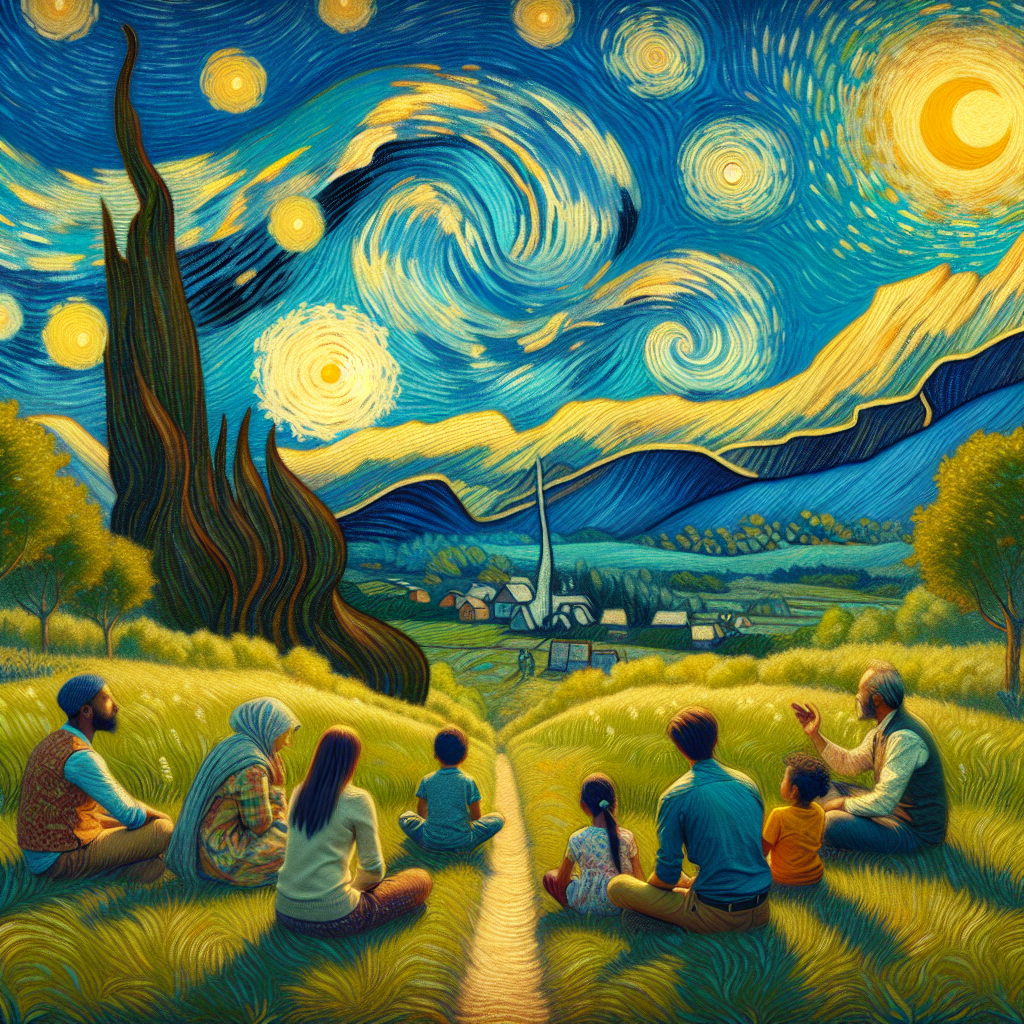
Haiku
Do You Feel Remiss for Not Preserving Your Unique Family Narrative? – A Haiku
Stories of our past,
Threads connecting generations,
Rooted legacies.
Haiku
Poem
Do You Feel Remiss for Not Preserving Your Unique Family Narrative? – A Poem
The Tapestry of Time
In the heart of every home, a story waits,
A legacy woven with love, through trials and fates.
From laughter shared over meals, to tears in the night,
Each tale is a thread that glistens with light.
Uncle Joe’s wild fishing trip, Grandma’s secret stew,
These anecdotes matter, they connect me and you.
Yet amidst our busy lives, we let moments slip,
Ignoring the tales of old, like a long-forgotten script.
But pause for a moment, let the noise fade away,
Your family’s stories deserve to see light of day.
Gather the kinfolk, let the storytelling flow,
In each whispered memory, the seeds of love grow.
A garden of narratives—a scrapbook of lore,
Where every page turns into laughter, forevermore.
With cameras and journals, we capture our song,
Preserving the essence of where we belong.
Embrace the imperfect, the awkward, the true,
For these fragile pieces are what bind me to you.
Reach across time, let our hearts intertwine,
In the fabric of family, our histories shine.
So cherish those moments, both joyous and grim,
For each shared recollection is a chance to begin.
Dive into the treasure, don’t let it fade fast,
Your family’s narrative is a bridge to the past.
With photographs scattered, like stars in the night,
They ignite the connections, their warmth feels just right.
It’s more than just stories; it’s a legacy bright—
A tapestry woven, our hearts will unite.
So gather, remember, and let your voice ring,
For the tales that you share create bonds that still cling.
In the echoes of laughter, in memories, roam,
Together we build, a forever home.

Poem
Checklist
Do You Feel Remiss for Not Preserving Your Unique Family Narrative? – A Checklist
Checklist: Preserving Your Unique Family Narrative
Getting Started
1. Set a Goal: Decide what you want to achieve with your family’s storytelling. Is it to create a scrapbook, record audio stories, or start a family blog?
2. Gather Family Members: Schedule a family gathering or meal to discuss storytelling and encourage participation.
3. Create a Comfortable Environment: Ensure the setting is relaxed and inviting for storytelling, complete with snacks or favorite drinks.
Storytelling Techniques
1. Begin with Open-Ended Questions: Prepare questions to spark conversation, such as:
_____ “What’s your favorite childhood memory?”
_____ “Can you tell me about a time when you overcame a challenge?”
2. Share Your Own Stories: Lead by example to encourage others to open up about their experiences.
3. Document Conversations: Consider recording stories using video or audio devices for preservation.
Tools for Preservation
1. Use a Notebook: Start a family journal to document stories and memories shared at gatherings.
2. Digital Tools: Utilize smartphone recording apps or websites like StoryCorps to keep oral histories.
3. Scrapbooking: Combine photographs, letters, and written memories to create a visual family story.
4. Explore Online Platforms: Consider using ancestry websites and digital storytelling tools to enrich your family’s narrative.
Engaging Family Members
1. Encourage Participation: Ask family members to contribute their stories and experiences.
2. Incorporate Creative Prompts: Use family artifacts like photos or heirlooms to stimulate storytelling.
3. Host Storytelling Sessions: Organize regular family gatherings focused on sharing tales from the past.
Overcoming Barriers
1. Acknowledge Fear: Understand that fears around sharing stories are common; remind yourself that your story is valuable.
2. Start Small: Share simple anecdotes to build confidence in sharing larger, more personal stories over time.
3. Embrace Vulnerability: Be open and honest when sharing your experiences to foster deeper connections.
Utilizing Photographs
1. Organize Family Photos: Create albums or boxes of old photographs to serve as conversation starters.
2. Share and Discuss: Use photographs during gatherings to inspire storytelling about the captured moments.
3. Digitize Memories: Scan and archive photographs to preserve them and make them accessible for storytelling.
Keeping the Legacy Alive
1. Establish Tradition: Make storytelling a regular family tradition, ensuring new memories are continuously added.
2. Make Connections: Encourage discussions about how family stories relate to current family dynamics or individual identities.
3. Pass It On: Share the legacy and stories with younger generations to keep the family narrative alive.
Final Tips
1. Be Patient: Storytelling takes time; let it evolve naturally within your family dynamics.
2. Focus on Authenticity: Aim for authentic storytelling rather than perfection—your family’s tales are precious just as they are.
3. Celebrate Togetherness: Remember that the goal of storytelling is to connect, enrich relationships, and honor your family’s history.
By following this checklist, you’re step by step on your way to preserving the rich tapestry of your family’s unique narrative!
Checklist
At LegacyExplorations, we help people plan and explore their legacy by collecting information and news regarding end-of-life planning.
Please share this post with your friends, family, or business associates who may want help to plan or explore their legacy.