

The Evolution Of Gen Z’s Digital Narrative
By Tom Seest
At LegacyExplorations, we help people plan and explore their legacy by collecting information and news regarding end-of-life planning.
Please share this post with your friends, family, or business associates who may want help to plan or explore their legacy.
Documenting In Real-Time – Gen Z’s Public Storytelling Path
In an age where every moment feels like a chance at global fame, Gen Z is shaping a new frontier in public storytelling. Each TikTok dance and Instagram post isn’t just a flicker of attention; it’s a snapshot of a generation crafting its legacy through digital platforms. This isn’t merely about broadcasting the mundane; it’s a bold declaration of identity, passion, and purpose. As they document life in real time, they not only connect with peers but also weave narrative threads into the fabric of shared experience.
Consider the typical day in the life of a Gen Z’er. What seems like triviality—snapping a picture of their morning coffee or sharing a struggle with mental health—is, in fact, a profound act of legacy storytelling. Each post is akin to a brush stroke on the canvas of history, inviting others to either join in or reflect on their own journeys. This real-time documentation fosters a community where the human experience is laid bare, draped in authenticity. When young people voice their vulnerabilities, they create an ethical bond, allowing others to feel seen, heard, and understood.
What’s particularly remarkable is how this generation harnesses the power of narrative to inspire change. Telling a story about personal triumph or struggle touches deep into the human psyche, appealing to our emotions while also sparking critical conversations. Think of the viral accounts that pushed for mental health awareness or climate action; these aren’t just flashes of popularity but movements that reverberate through our societal conscience. They lend authority to the voices least often heard, ensuring that no matter the size of the platform, every story matters.
This world of public storytelling also depends on reciprocity. As one Gen Z’er opens up about their experiences, others are encouraged to share their own, creating an emotional feedback loop that turns individual tales into collective narratives. The gut-wrenching honesty behind these stories is what keeps the audience engaged—it’s vulnerability that binds us together.
So, as we bear witness to this extraordinary evolution in storytelling, let’s acknowledge that each shared moment forms part of an expansive legacy. It’s a call to action that implores us all to pick up our own pens—electronic or otherwise—and contribute our voices to the ongoing story of humanity. Together, we can build a narrative that transcends generations, crafted by the hearts, minds, and guts of those willing to share their truths.

Documenting In Real-Time – Gen Z’s Public Storytelling Path
Documenting In Real-Time – Gen Z’s Public Storytelling Path
- Gen Z is redefining public storytelling through platforms like TikTok and Instagram, shaping their legacy.
- Every post represents a declaration of identity, allowing for real-time documentation of life experiences.
- What may seem trivial, such as sharing daily struggles, contributes to profound legacy storytelling.
- Vulnerabilities voiced by young people create community bonds, making others feel seen and understood.
- The generation uses narrative power to inspire change, addressing critical issues like mental health and climate action.
- Reciprocal storytelling fosters a feedback loop that transforms individual experiences into collective narratives.
- This evolution in storytelling calls for everyone to contribute their voices to the ongoing human narrative.

Documenting In Real-Time – Gen Z’s Public Storytelling Path
Table Of Contents
- Documenting In Real-Time – Gen Z’s Public Storytelling Path
- What Stories Do You Want to Share with the World Today?
- How Does Your Story Shape Your Identity In This Digital Era?
- What Fears Hold You Back From Sharing Your True Self Online?
- How Can Documenting Your Experiences Foster Genuine Connections?
- What Role Does Authenticity Play In Your Online Presence?
- How Do You Balance Personal Privacy with Public Storytelling?
- Why Is It Important to Reflect on Your Experiences As They Happen?
- Conclusion
- Other Resources
- Glossary Of Terms
- Other Questions
- Haiku
- Poem
- Checklist
What Stories Do You Want to Share with the World Today?
Every day, we have a choice about the stories we tell — not just the ones we share, but the ones we live. It’s tempting to think that storytelling is reserved for authors or filmmakers, but the truth is, each of us carries a unique narrative that contributes to the rich tapestry of human experience. This is what we call Legacy Storytelling, a way to honor our past while shaping the narrative of our future.
Consider the tales you’ve gathered over time — the laughter shared with friends, the struggles faced alongside family, or the lessons learned through hardship. These stories are not just footnotes in your life; they are the foundation upon which your legacy is built. When you choose to share these experiences, you invite others into the depths of your humanity, creating connections that resonate on a level most people crave.
Let’s face it: life can be messy. Yet, within that messiness lies authenticity. People yearn for real stories — the kind that tap into the emotional recesses of our hearts and echo in our minds. These narratives remind us that we are not alone on this journey. They provide a sense of belonging to a larger community, a collective understanding of what it means to be human. We want to feel, to think deeply, to question, and to find solace in shared experiences.
But the power of your story doesn’t just lie in its emotional appeal. There’s a logical side as well. As we navigate an increasingly chaotic world, clarity can be found in the expression of our past. By sharing where we’ve come from, we can offer guidance, impart wisdom, and even ignite the spark of inspiration in others. Stories can serve as a roadmap when it comes to making ethical decisions, exposing truths about ourselves and others that lead to growth.
Moreover, engaging in Legacy Storytelling empowers you to claim your role as an authority in your life. Who knows your journey better than you? You’ve earned your stripes through every triumph and setback, and your voice deserves to be heard. So, what stories do you want to share today? Remember, your tale might just be the guiding light that inspires someone else to share theirs. It’s a ripple effect; when one story is told, it opens the door for countless others. Make your legacy known.

What Stories Do You Want to Share with the World Today?
What Stories Do You Want to Share with the World Today?
- Every individual has a unique narrative contributing to the human experience, known as Legacy Storytelling.
- Stories we tell shape our future and honor our past, emphasizing shared laughter, struggles, and learned lessons.
- Sharing personal experiences fosters deep connections and resonates with the human desire for belonging.
- Authentic stories reflect life’s messiness, tapping into emotions that remind us we are not alone in our journeys.
- Beyond emotional impact, storytelling offers clarity and guidance, serving as a roadmap for ethical decisions.
- Engaging in Legacy Storytelling positions individuals as authorities in their own lives, validating their experiences.
- Sharing your story can inspire others, creating a ripple effect that encourages additional narratives to be shared.

What Stories Do You Want to Share with the World Today?
How Does Your Story Shape Your Identity In This Digital Era?
In this digital era, the way we share our stories not only defines who we are but also shapes our very identity. It’s more than just a tale; it becomes a legacy. Legacy storytelling isn’t simply about recounting events; it’s an intentional weaving of experiences that anchor us to our past while propelling us into the future. Each story we share helps define our values, our beliefs, and ultimately, our sense of self.
Think of the stories that have resonated with you—a wise grandparent’s trials, a friend’s struggle, or even a stranger’s act of kindness. Each narrative serves as a thread connecting us to one another, fostering a profound sense of community. In sharing our truths, we craft a tapestry of shared experiences that can inspire others, offering both solace and courage. In a world saturated with polished images and filtered lives, authentic storytelling is an antidote, grounding us in the messy, beautiful truth of our humanity.
Consider the power of vulnerability. When we allow ourselves to express our struggles, fears, and triumphs, we invite others to do the same. This is where connection thrives. It is through the raw, unfiltered moments that we recognize we are not alone. Each time we choose to share, we take a step toward forging trust and empathy across a digital landscape that can often feel hollow. Every story has the potential to ignite a spark—encouraging someone to push past their own barriers.
Moreover, think critically about the legacy we leave in the online world. What do you want your digital footprint to say about you? In a sense, we are all authors of our own narratives, and how we choose to tell them can have a lasting effect on those around us. It’s a call to action to elevate our storytelling, to consciously curate the narratives we share, and to give voice to those less heard.
In this age of instant communication, let’s harness the power of our stories. Your legacy is shaped by how you connect, inspire, and uplift. Choose to share your truth authentically, and watch as it transforms not just your identity, but also the identities of those who encounter your legacy. Embrace the power of storytelling, for in our shared narratives, we discover the essence of who we are and who we can become.

How Does Your Story Shape Your Identity In This Digital Era?
How Does Your Story Shape Your Identity In This Digital Era?
- Legacy storytelling shapes our identity and defines who we are beyond just recounting events.
- Each story we share connects us to our past and informs our values, beliefs, and sense of self.
- Personal narratives foster a sense of community and connection through shared experiences.
- Authentic storytelling counters the polished images of digital life, grounding us in our humanity.
- Vulnerability in sharing struggles and triumphs invites connection and nurtures trust and empathy.
- Our digital footprint reflects our narratives; we are authors of our legacies in the online world.
- Embracing the power of storytelling can transform our identities and inspire others.

How Does Your Story Shape Your Identity In This Digital Era?
What Fears Hold You Back From Sharing Your True Self Online?
What keeps us from showing our true selves online? It’s a question that gnaws at many of us. As we scroll through curated highlights and glossy filters, a nagging fear creeps in—what if we don’t measure up? Our legacy is often woven into the digital fabric of our lives—a legacy we want to be proud of, not just in the eyes of the world but in our own hearts.
The act of sharing your true self is profound. It’s not just about posting a picture; it’s about legacy storytelling—the way we craft and communicate who we are to others. But the modern landscape can feel like a minefield. We’re often paralyzed by the fear of judgment, pushing us to hide behind carefully chosen avatars and sanitized narratives. But here’s the truth: vulnerability is the bedrock of authentic connection. Those moments when you brave the storm and share your unfiltered self can resonate more powerfully than any glossy facade. They create ripples that touch others, often in ways you’ll never fully see.
Rationally speaking, fear is a guiding force. It tells us the stakes are high when we bare our souls online. Yet, consider this: every time someone shares a struggle, it ignites conversations that spark change, foster understanding, and build communities. Your experience, raw and real, might just be the lifeline another person needs. Don’t underestimate the ripple effect your authenticity can have; it can inspire them to share their journey too.
Ethically, we owe it to ourselves and each other to lift the veil. The tale we tell about who we are shapes our society. In a world flooded with superficiality, your voice matters. When you step forward, you give others permission to do the same. There’s strength in shared experiences, and together, we can redefine what it means to be human in a digital world.
Remember, every time you hesitate before hitting “post,” ask yourself: who am I really doing this for? The judgment of strangers? Or the chance to connect with souls who yearn for authenticity, just like you? Look beyond fear, and you’ll see an opportunity not just to share, but to connect, inspire, and truly be seen. Take action—be part of a legacy rooted in honest storytelling, and let your true self shine.

What Fears Hold You Back From Sharing Your True Self Online?
What Fears Hold You Back From Sharing Your True Self Online?
- Fear of not measuring up often prevents genuine self-expression online.
- Sharing one’s true self is important for personal legacy and storytelling.
- People tend to hide behind curated images and narratives out of fear of judgment.
- Vulnerability fosters authentic connections that resonate deeply with others.
- Sharing struggles can ignite important conversations and build supportive communities.
- Your authentic voice can inspire others and challenge superficiality in online spaces.
- Before posting, reflect on your motivations and the opportunity for genuine connection.

What Fears Hold You Back From Sharing Your True Self Online?
How Can Documenting Your Experiences Foster Genuine Connections?
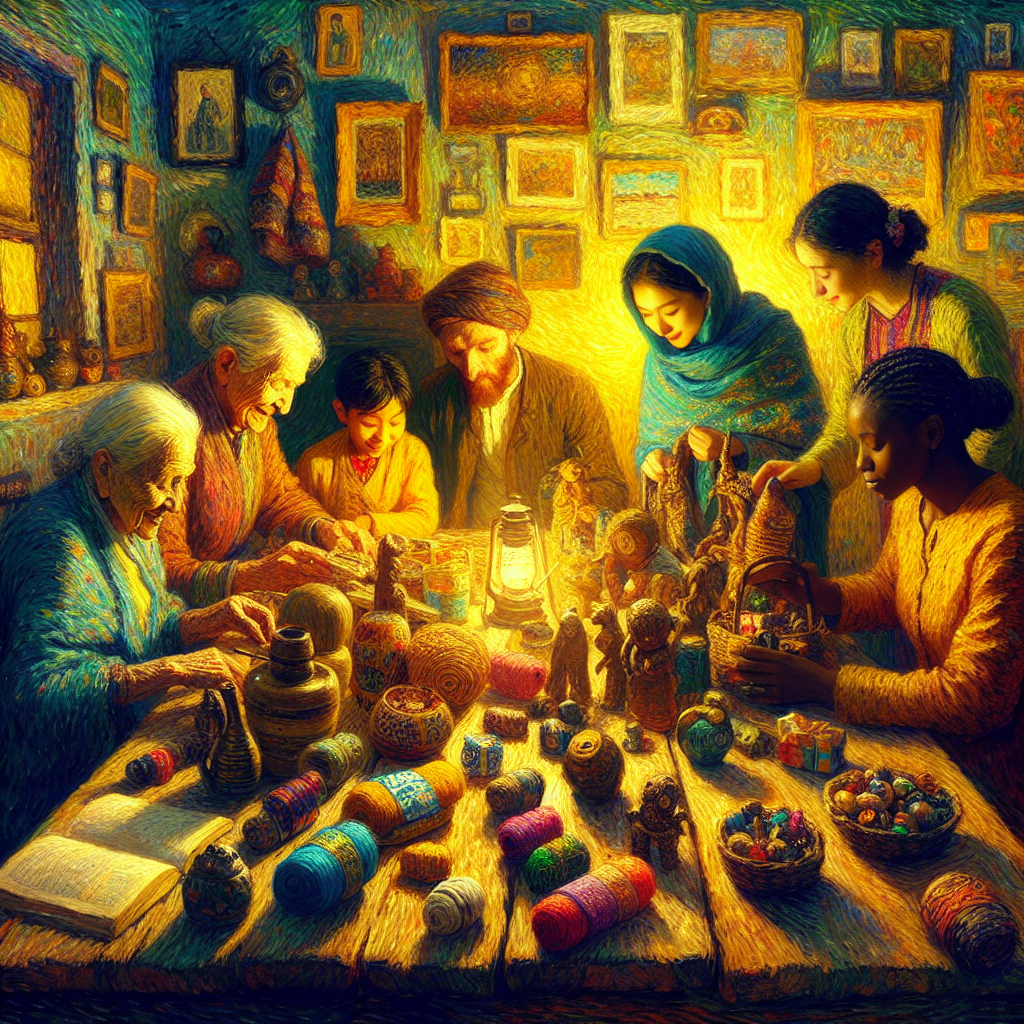
When you take the time to document your experiences—whether it’s through journaling, blogging, or simply sharing stories with friends—you’re creating a tapestry of who you are. This act of Legacy Storytelling not only preserves your past but also anchors your present, allowing others to grasp the depth of your journey. It’s about more than just words; it’s about emotion, insight, and that undeniable connection that emerges when your lived experiences resonate with someone else’s reality.
Think about it: each piece of your story carries weight, offering a glimpse into the lessons learned, the struggles endured, and the triumphs celebrated. When you share these moments, you’re handing out pieces of your heart. People don’t just hear stories; they feel them. They see reflections of their own lives in what you’ve gone through. That’s the magic of vulnerability—it creates a bridge. You’re inviting them into your world, offering solace in shared experiences.
We crave connection; it’s hardwired into our DNA. In a world inundated with superficial interactions, genuine storytelling can cut through that noise. When you articulate your joys and sorrows, you’re not just recounting events; you’re forging relationships based on authenticity. Think of the last time you sat around a fire or a dinner table, where stories flowed freely. Those moments aren’t just entertaining—they’re transformative. They remind us we’re not alone in our struggles.
From a rational standpoint, every experience documented becomes a learning tool. You’re not just reflecting; you’re analyzing. Each narrative you share can serve as a guide for others, a beacon of hope, or a lesson learned. You become an authority on your own life, and when you speak, people listen. They find clarity in your struggles and courage in your resolutions.
Ethically, there’s also power in ownership. By telling your story, you reclaim your narrative. You become the hero of your journey, giving others permission to do the same. It’s an invitation to reflect on their experiences, prompting them to share their truth and continue the cycle of connection.
In a world that desperately needs genuine interaction, documenting our experiences isn’t just a practice; it’s an act of love. It opens the door to vulnerability, understanding, and ultimately, connection. And that connection? It can change lives. So, pick up that pen or grab your keyboard, and start sharing. Your legacy is waiting to be told, and so many are eager to listen.
How Can Documenting Your Experiences Foster Genuine Connections?
How Can Documenting Your Experiences Foster Genuine Connections?
- Documenting experiences through journaling, blogging, or storytelling creates a personal tapestry.
- Legacy Storytelling preserves the past and anchors the present, showcasing the depth of one’s journey.
- Each story conveys emotions, insights, and connections, resonating with others’ realities.
- Sharing personal narratives fosters vulnerability and builds bridges to others through shared experiences.
- Genuine storytelling counters superficial interactions and forges authentic relationships.
- Documented experiences serve as learning tools and guide others, establishing the storyteller as an authority.
- Telling your story empowers ownership and invites others to reflect on their own journeys, promoting connection.

How Can Documenting Your Experiences Foster Genuine Connections?
What Role Does Authenticity Play In Your Online Presence?
In a world overflowing with curated images and polished narratives, the power of authenticity shines brighter than ever. It’s not just a buzzword; it’s a lifeline in a digital age where the noise can drown out the meaningful. Have you ever felt a twinge of disconnect when scrolling through someone’s feed? That’s because real life is messy, and attempts to present anything less can create a barrier between us and those we wish to connect with.
Think of authenticity as your legacy storytelling. It’s about crafting a narrative that reflects not only who you are but also your journey—the tough times, the triumphs, and everything in between. This raw honesty resonates on a deeper level. People crave genuine connection, and they can sense when you’re not being true to yourself. The most effective online presence arises from vulnerability—a willingness to share your flaws and struggles alongside your successes.
This isn’t just emotional appeal; it’s a rational choice too. Research shows that trust builds relationships, whether personal or professional. When you share your authentic self, you foster loyalty and inspire confidence. Audiences are drawn not just to the story you tell but to the story you embody. When they see how you navigate life’s ups and downs, they feel a sense of kinship that is hard to replicate with a perfectly polished image.
Moreover, consider the ethical implications of authenticity. Misrepresentation can lead to disillusionment, damaging not only individual connections but also the community at large. Every time you choose to be real, you contribute to a culture of honesty and openness that others may be desperately seeking. Be that beacon of trustworthiness, and watch how others begin to reflect the same values back at you.
Finally, think about authority. Your authentic voice positions you as an expert in your own narrative. When you talk about your experiences in a sincere way, you invite others to listen and engage. You become not just a participant in the conversation but a leader—an influencer who inspires action. Embrace your story, deeply rooted in authenticity, and watch your online presence flourish as you resonate with hearts, minds, and communities ready to connect.

What Role Does Authenticity Play In Your Online Presence?
What Role Does Authenticity Play In Your Online Presence?
- The power of authenticity stands out in a world of curated images and polished narratives.
- Authenticity serves as legacy storytelling, reflecting an individual’s journey and struggles.
- Genuine connections are fostered through vulnerability and sharing both successes and flaws.
- Research indicates that trust and authenticity build stronger personal and professional relationships.
- Misrepresentation can damage connections and communities, emphasizing the importance of honesty.
- Being authentic positions one as an expert and leader in their own narrative, inviting engagement.
- Embracing authenticity can enhance online presence and foster meaningful connections.

What Role Does Authenticity Play In Your Online Presence?
How Do You Balance Personal Privacy with Public Storytelling?
In a world overflowing with noise, where every moment feels like it can be captured and broadcasted, the delicate dance of personal privacy and public storytelling often leaves us disoriented. How do we share our truths while safeguarding the sacred bits of our lives that deserve to remain untouched? The answer lies in understanding the essence of legacy storytelling—it’s not just about recounting what happened, but sharing the lessons we’ve learned from our experiences.
Consider your own life and the stories that shape you. Every scar tells a tale, doesn’t it? The first time you took a risk, the moment you stood up for what you believed in, or a heart-wrenching experience that forged your character. These narratives resonate deeply with others; they’re like threads connecting us in a tapestry of shared humanity. But as we recount these experiences, we walk a tightrope of vulnerability. The gut instinct kicks in, urging us to protect our most intimate moments, and rightly so.
Yet, it’s not about turning our lives into an open book. It’s about curating what we choose to share, finding that balance where vulnerability fosters connection. Think of the storytellers you admire—those who share their struggles and triumphs while still holding a piece of themselves back. They exemplify the authority that comes from lived experience, blending raw emotion with thoughtful insight. Their narratives inspire you not just to listen, but to reflect—each story echoing the truth that we are not alone in our journeys.
This balance can be ethical too. Our stories can serve a greater good, shedding light on challenges we face collectively. By choosing to share with intention, we create platforms for dialogue and compassion that ripple through our communities. We empower others to step forward, to share their own tales of struggle, strength, and redemption.
So, the next time the urge strikes to bare all online, pause for a moment. Ask yourself what legacy you want to leave behind. Consider the impact of your words and the ripple effects they might create. By sharing with purpose and care, blending the personal with the public, we don’t just tell our stories; we ignite a movement of understanding, acceptance, and connection that reverberates through the fabric of society.
How Do You Balance Personal Privacy with Public Storytelling?
How Do You Balance Personal Privacy with Public Storytelling?
- The balance between personal privacy and public storytelling can be disorienting in a noisy world.
- Legacy storytelling focuses on sharing lessons learned from experiences rather than just recounting events.
- Personal experiences, like scars and challenges, connect us through shared humanity.
- Vulnerability in storytelling requires careful curation to protect intimate moments while fostering connection.
- Admired storytellers exemplify a blend of raw emotion and thoughtful insight while maintaining some privacy.
- Intentional sharing of stories can promote dialogue and compassion within communities.
- Consider the legacy you want to leave and the potential ripple effects of your words when sharing online.

How Do You Balance Personal Privacy with Public Storytelling?
Why Is It Important to Reflect on Your Experiences As They Happen?
We’re all walking narratives, crafting a legacy with every step we take, every choice we make. Yet, how often do we pause to reflect on those experiences as they unfold? Life’s moments are fragile—unfiltered and raw—like a live performance, where you can’t hit pause or rewind. Reflecting on these moments not only solidifies them in your memory but transforms fleeting experiences into powerful stories that shape who we are.
When we don’t take the time to reflect, we risk letting life’s highs and lows breeze past us like autumn leaves caught in a gust of wind. Those lessons learned, however tough, often carry the seeds of wisdom that prepare us for the future. Think of it this way: every job you undertake, every relationship you forge, leaves a mark, like a sculptor chiseling away at marble. Without reflection, those marks become indistinguishable from the stone, lost to the chisel’s momentum. But with thoughtful consideration, you start to see the artistry—clear shapes and stories emerge, revealing deeper meanings and connections.
It’s more than just a cerebral exercise; reflecting embodies a form of ethical responsibility. The stories we live are not just ours; they ripple through our communities, impacting those around us. When we reflect, we learn, and when we learn, we share—passing on lessons that might ease another’s journey. This creates a tapestry of shared experiences, intertwining lives as if we’re all characters in the same epic saga. We’ve all got something to teach and something to learn, and that’s a communal dance deserving of recognition.
Let’s face it, though. Life can throw us curveballs that leave us feeling overwhelmed or lost. In those moments, stepping back and reflecting can feel like the safest approach to regaining control. It’s a way to process the chaos—the head gives clarity, the heart finds meaning, and the gut provides the courage to move forward. This trifecta of understanding helps us take actionable steps to align our legacy with our core values.
So, don’t merely let the moments wash over you. Embrace them, hold them close, and reflect. Engage with your story as it unfolds, because each moment is an opportunity to build a narrative worth sharing—a legacy worth leaving behind. In this chaotic journey called life, the power lies in turning experience into reflection, and reflection into action. That’s where the real richness resides.

Why Is It Important to Reflect on Your Experiences As They Happen?
Why Is It Important to Reflect on Your Experiences As They Happen?
- We are all walking narratives, creating a legacy through our choices and experiences.
- Reflecting on moments transforms fleeting experiences into meaningful stories that shape our identity.
- Neglecting reflection can lead to life’s lessons being overlooked, akin to autumn leaves blown away by the wind.
- Every experience leaves a mark, and through reflection, we can see the artistry in our lives’ narratives.
- Reflecting is an ethical responsibility that allows us to share lessons and connect with others in our community.
- In challenging times, reflection helps regain clarity and courage, aligning our legacy with our core values.
- Embrace and reflect on each moment to build a narrative worth sharing and a legacy worth leaving behind.

Why Is It Important to Reflect on Your Experiences As They Happen?
Conclusion
In a world dominated by the rapid-fire output of media and images, Gen Z is pioneering a new era of public storytelling that merges identity, community, and authenticity into a vibrant digital narrative. Each TikTok video, Instagram post, and tweet isn’t just a flicker of attention; it’s a deliberate act of legacy storytelling. It’s a canvas where young voices articulate their personal truths, showing the rich tapestry of their experiences—be it capturing a mundane morning coffee or sharing the heavy burden of mental health struggles.
This generation’s commitment to real-time documentation is not merely self-aggrandizing; it’s a powerful bridge to others who crave connection and understanding. In a time when vulnerability is often hidden behind curated perfection, Gen Z stands as a testament to the beauty of raw honesty. When they openly discuss their challenges and triumphs, they invite others into their worlds, creating authentic bonds built on empathy and shared experience. These moments of connection are life-affirming, affecting not only those involved but resonating throughout society.
Crucially, the narratives that arise from Gen Z’s authentic storytelling have sparked essential societal conversations around critical issues such as mental health and environmental activism. Each story is a chance to enact change, inspiring others to share their own truths while championing those often overlooked. In this digital landscape, the power of one voice can shine a light on collective experiences, encouraging a ripple effect of openness that transforms individual pain into a shared understanding—the kind that can heal communities.
Engagement in legacy storytelling isn’t just an emotional release; it’s also a rational choice that informs our decisions and shapes our ethical compass. By reflecting on our experiences and embracing our journeys, we carve out authority in our own narratives. So, what’s stopping you from sharing your stories? The fear of judgment is natural, but authentic storytelling fosters human connection unlike any glossy facade ever could. It’s a reminder that we are all flawed, striving beings navigating our paths, and in our honesty, we can inspire others to find their voices too.
As we move forward in this digital age, the call to document, to connect, and to emerge from behind our screens has never been more crucial. Let’s pick up our digital pens and contribute to the rich narrative of humanity, turning the intimate and personal into a collective legacy that highlights the beautiful, complex nature of being alive. Because together, in sharing our stories, we build a lasting legacy that transcends generations, inviting all of humanity to join in the dance of authenticity and connection.

Conclusion
Conclusion:
- Gen Z is reshaping public storytelling by blending identity, community, and authenticity in the digital age.
- TikTok videos, Instagram posts, and tweets serve as platforms for legacy storytelling, highlighting personal truths and experiences.
- Young voices address everyday moments and significant challenges, fostering connection through their authentic narratives.
- Gen Z’s focus on honesty in storytelling creates empathetic bonds and encourages vulnerability in a culture of curated perfection.
- Their narratives open discussions on important issues like mental health and environmental activism, inspiring social change.
- Legacy storytelling helps individuals find their authority in personal narratives and promotes a sense of community through shared experiences.
- As digital engagement grows, contributing personal stories is vital for cultivating authenticity and collective connection across generations.

Conclusion
Other Resources

Other Resources
Here is a list of other resources you can review online to learn more:
- Storyworth
- FamilySearch
- Tributize
- Geneanet
- APH
- Legacy Family Tree
- Tributes
- Cake
- Digital Legacy Association
- YouMattered
- Obituary Templates
- Bcelebrated
- IronClad Family
- USLegalWills.com
- Ancestry
- PartingWishes
- International End of Life Doula Association
- Geni
- RootsMagic
- Postumo
Use This Prompt To Get More Resources With Your Favorite Online AI Tool: Please provide me with a list of online articles with their URLs in a bulleted list that I can read regarding Documenting In Real-Time – Gen Z’s Public Storytelling Path

Other Resources
Glossary Terms
Documenting In Real-Time – Gen Z’s Public Storytelling Path – Glossary Of Terms
1. Documenting: The act of recording events, experiences, or information for future reference.
2. Real-Time: Immediate, live sharing of events or moments as they occur.
3. Gen Z: The demographic cohort born roughly between 1997 and 2012, often characterized by their digital nativity.
4. Public Storytelling: Sharing personal narratives or experiences openly, typically through social media platforms.
5. Social Media: Online platforms enabling users to create and share content or engage in social networking.
6. Authenticity: The quality of being genuine or true to one’s own identity and experiences.
7. Vlogging: The practice of creating video logs, documenting personal experiences or commentary.
8. Influencer: An individual with the power to affect the purchasing decisions of others based on their authority, knowledge, or relationship with an audience.
9. Hashtags: Keywords or phrases preceded by the pound symbol (#) used to categorize content and increase visibility on social media.
10. Engagement: Interaction between users, including likes, shares, comments, and overall participation in content.
11. Narrative: A spoken or written account of connected events; a story.
12. Digital Footprint: The trail of data individuals leave behind while using the internet, including social media interactions and online searches.
13. FOMO (Fear of Missing Out): The anxiety that one might miss out on rewarding experiences that others are having, often intensified by social media posts.
14. Curation: The process of gathering, selecting, and presenting content or experiences in a meaningful way.
15. Micro-Moments: Brief instances captured or shared online that convey meaningful emotions or experiences.
16. Livestreaming: Broadcasting live video content over the internet, allowing real-time interaction with viewers.
17. Content Creation: The process of producing engaging material for various platforms, often tailored to an audience’s preferences.
18. Self-Expression: The expression of one’s thoughts, feelings, and identity through various mediums, especially digital platforms.
19. Trend: A general direction in which something is developing or changing, often seen in popular culture.
20. Platform: A digital service or application that allows users to create, share, and interact with content, such as Instagram or TikTok.
21. Community: A group of individuals connected through shared interests or experiences, particularly evident in online spaces.
22. Feedback Loop: The ongoing process of receiving reactions and responses from an audience, which influences future content.
23. Story Arc: The structure of a narrative that follows a progression of events, typically including a beginning, middle, and end.
24. Emoji: Digital icons used to express emotions, concepts, or phrases in online communication.
25. Trendsetting: The act of influencing or initiating new styles or practices, particularly in fashion, culture, or technology.
26. User-Generated Content: Any form of content (text, videos, images) created and shared by users of a platform rather than by the platform itself.
27. Privacy: The right to control access to personal information shared online, particularly important in public storytelling.
28. Context: The circumstances or background that inform the understanding of a story or event.
29. Branding: The process of creating a unique identity for an individual or entity, often reflected in online presence and storytelling.
30. Analytics: Data analysis tools that measure engagement, reach, and performance of content across social media platforms.

Glossary Of Terms
Other Questions
Documenting In Real-Time – Gen Z’s Public Storytelling Path – Other Questions
If you wish to explore and discover more, consider looking for answers to these questions:
- What are some effective ways for Gen Z to document their experiences in real time?
- How can one ensure their stories resonate with a broader audience?
- What impact does social media have on the authenticity of storytelling?
- How can individuals overcome the fear of judgment when sharing their stories online?
- What are some successful examples of legacy storytelling among Gen Z?
- How does public storytelling influence societal issues like mental health and climate change?
- What role do influencers play in shaping the narrative of Gen Z’s storytelling?
- How can storytelling foster a sense of community among diverse groups?
- What are ethical considerations to keep in mind when sharing personal narratives?
- How can one balance vulnerability with privacy in their storytelling efforts?
- What techniques can help individuals reflect on their experiences as they happen?
- How does the phenomenon of “viral stories” affect public perception and action?
- What resources are available for those interested in improving their storytelling skills?
- How can storytelling empower youth to lead social change?
- In what ways can shared experiences enhance empathy and understanding among different generations?
Other Questions
Haiku
Documenting In Real-Time – Gen Z’s Public Storytelling Path – A Haiku
In fleeting moments,
Stories weave us, hearts aligned—
Truth binds, sparks aflame.

Haiku
Poem
Documenting In Real-Time – Gen Z’s Public Storytelling Path – A Poem
In the digital theater where hearts collide,
Gen Z stands tall, unafraid to confide.
With each TikTok dance and Instagram shot,
They weave a legacy, unfiltered, raw, and hot.
Moments mundane, like morning brews or sighs,
Transcend triviality, under vast, open skies.
They share their struggles, their laughter, their pain,
Painting a tapestry where all can remain.
Vulnerability binds, creates a shared space,
Inauthenticity falters, yet truth finds its grace.
Each personal story, a brushstroke of light,
Fostering connections in the depths of the night.
They carry the weight of history’s call,
In a world craving honesty, they rise and they sprawl.
Guiding voices ignite change, spark fires of dreams,
Drawing us closer, like intricately spun beams.
Yet questions arise beneath this bright glow,
How do we balance the high and the low?
With every shared moment, we make our stand clear,
Crafting a legacy that resonates near.
Reflect on the journey, each lesson and scar,
For within every struggle lies who we are.
With authority woven through stories we share,
We invite others in—making space for the rare.
So, what tales do you hold in your heart’s quiet place?
Each narrative precious, a reflection of grace.
Embrace your own truth in this vast digital space,
For together we rise, and in unity, trace.
With courage to lead, to inspire, to heal,
Your authentic voice has the power to feel.
In the fabric of life, each moment a thread,
Through legacy storytelling, our hearts will be fed.

Poem
Checklist
Documenting In Real-Time – Gen Z’s Public Storytelling Path – A Checklist
Checklist for Crafting Your Digital Legacy:
Emotional Appeal
_____ Reflect on personal experiences that shaped you. What lessons have you learned?
_____ Identify moments of vulnerability in your journey that could resonate with others.
_____ Consider the emotions tied to your stories—how do they connect you to your audience?
_____ Think about ways your story can provide solace to someone else.
Rational Appeal
_____ Analyze your experiences for insights and wisdom you can share.
_____ Consider how documenting your journey can help clarify your thoughts and intentions.
_____ Identify the personal values and beliefs demonstrated in your stories.
_____ Ask yourself how sharing your narrative can serve as a guide for others.
Ethical Appeal
_____ Reflect on the ethical responsibility of sharing your truth in a way that respects the privacy of others.
_____ Consider how your stories can foster understanding and compassion in your community.
_____ Evaluate the impact of your narrative on social issues and collective experiences.
_____ Commit to telling stories that inspire positive change and encourage dialogues.
Authority Appeal
_____ Recognize your unique perspective and experiences—what makes you an authority on your story?
_____ Validate your journey through reflection; what struggles and triumphs give you credibility?
_____ Think about how sharing your experiences positions you as a leader in your community.
_____ Share your insights through various mediums: blogs, social media posts, conversations.
Narrative Appeal
_____ Craft a compelling narrative that authentically portrays your journey, highlighting both highs and lows.
_____ Use storytelling techniques to engage your audience—what anecdotes or metaphors can you include?
_____ Identify common themes in your shared experiences that could strengthen your narrative thread.
_____ Reflect on the transformative moments in your story that exemplify growth or change.
Social Appeal
_____ Engage with your community—how can you share your story to foster deeper connections?
_____ Encourage reciprocity; invite others to share their experiences in response to yours.
_____ Identify platforms where your narrative can inspire others—social media, discussions, workshops.
_____ Build a network of support by commenting on and sharing others’ stories, creating a sense of belonging.
Call to Action
_____ What story do you want to share today? Write it down and plan how to communicate it authentically.
_____ Schedule regular time for reflection, allowing your experiences to shape and refine your narrative.
_____ Challenge yourself to share your story with someone who might benefit from your insights.
_____ Embrace your digital legacy—start documenting your journey with intention and pride.
Checklist
At LegacyExplorations, we help people plan and explore their legacy by collecting information and news regarding end-of-life planning.
Please share this post with your friends, family, or business associates who may want help to plan or explore their legacy.