

The Evolution Of Storytelling In The Digital Age
By Tom Seest
At LegacyExplorations, we help people plan and explore their legacy by collecting information and news regarding end-of-life planning.
Please share this post with your friends, family, or business associates who may want help to plan or explore their legacy.
Does Social Media Make Traditional Legacy Storytelling Obsolete?
Let’s face it—our world is changing faster than a squirrel on espresso. Social media platforms have exploded into the fabric of daily life, transforming how we communicate, share experiences, and tell stories. But does this digital upheaval render traditional legacy storytelling obsolete? Hardly. In fact, it could be argued that these two forms of storytelling are more intertwined than ever.
At its core, legacy storytelling is about the passing down of narratives from one generation to another. It’s about family histories, community legends, and the experiences that shape our identities. Think of it as a rich tapestry woven over time, with each thread representing a life lived and a lesson learned. It captures the essence of who we are in a way that transcends the disposable nature of a tweet or a viral video.
Now, social media has certainly revolutionized the storytelling landscape. It’s a platform where tales are spun in an instant, where moments are captured and shared globally at the click of a button. But let’s remember that the depth of legacy storytelling lies in its ability to provide context and continuity. A five-second story on social media may capture attention, but it often lacks the layers and nuances that give a legacy its weight. The stories we share on platforms like Instagram or TikTok are often snapshots—like photos in an album—while legacy storytelling comprises the entire album.
Moreover, social media also offers a unique convergence point. Traditionally, relationships often formed the basis of storytelling. Now, with the advent of online communities, different cultural narratives are coming together like never before. It’s an opportunity to blend stories, to see how diverse experiences resonate across boundaries, and to enrich our legacy with shared wisdom.
While it might seem easy to vilify social media as a foe to traditional narrative art, the truth is that it can act as an ally. Legacy storytelling can find new life in these digital spaces, inspiring creativity, and sowing seeds of tradition in a contemporary context. So, instead of pitting these two forms of storytelling against each other, one might consider how they can coexist in our digital age, melding the permanence of legacy storytelling with the immediacy of social media. After all, every post, tweet, or video has the potential to contribute to a larger narrative. Let’s not throw out the old stories; let’s share them in a way that resonates with today’s audience.

Does Social Media Make Traditional Legacy Storytelling Obsolete?
Does Social Media Make Traditional Legacy Storytelling Obsolete?
- Social media has dramatically transformed communication and storytelling in modern life.
- Legacy storytelling involves passing down narratives that shape identities and connect generations.
- While social media offers fast, engaging moments, it often lacks the depth found in legacy storytelling.
- Legacy storytelling serves to provide context, continuity, and deeper insights into experiences over time.
- Online communities allow for the blending of diverse cultural narratives, enriching the storytelling landscape.
- Social media can complement legacy storytelling by inspiring creativity and preserving traditions in a modern context.
- Instead of seeing social media and legacy storytelling as opposing forces, they can be viewed as complementary in our digital age.

Does Social Media Make Traditional Legacy Storytelling Obsolete?
Table Of Contents
- Does Social Media Make Traditional Legacy Storytelling Obsolete?
- What Impact Does Social Media Have On Storytelling Methods?
- Can Traditional Storytelling Coexist With Social Media?
- How Do Audience Preferences Shape Modern Storytelling?
- Are Social Media Stories As Impactful As Legacy Narratives?
- How Has Social Media Changed The Way Stories Are Consumed?
- Does Social Media Democratize Storytelling For Everyone?
- What Challenges Do Traditional Storytellers Face Today?
- Conclusion
- Other Resources
- Glossary Of Terms
- Other Questions
- Haiku
- Poem
- Checklist
What Impact Does Social Media Have On Storytelling Methods?
In the age of social media, the landscape of storytelling has undergone a seismic shift. Gone are the days when tall tales were shared around the fire; now, they’re crafted, curated, and disseminated with the flick of a thumb. Legacy storytelling, which once relied on tradition and the spoken word, has given way to a digital age of instant gratification and bite-sized narratives. It’s fascinating, really, how the mechanisms of our communication have evolved, but it also invites us to ponder the impact on the stories we tell and how we connect with one another.
Take a moment to appreciate the mechanics of legacy storytelling — those stories passed down through generations, often rich with cultural significance and personal connection. They were lengthy, detailed, and rich with emotion. Today, however, with our phones held tight like an anchor, we often find ourselves skimming through content in a way that skews our perception of depth and engagement. Instead of immersing ourselves in lengthy narratives, we find ourselves drawn to the immediate and the sensational, leading to a shift in how stories are constructed and understood.
Social media platforms have, in many ways, democratized storytelling. Anyone with a smartphone can be a storyteller, sharing their life’s moments and perspectives with a global audience. This abundance of voices is a double-edged sword: while it allows for greater diversity and representation, it can also lead to information overload. Quick hits of content can dilute the richness and nuance that characterizes legacy storytelling. We’ve traded depth for speed, and while this might satisfy our hunger for instant engagement, it often sacrifices the substance that fosters true connection.
Moreover, the medium itself influences the message. On platforms like Instagram and TikTok, visuals reign supreme. The power of a striking image or a clever video clip can overshadow the importance of narrative crafting. Stories that once took time to develop are now condensed into snippets, often leaning more on emotional reaction than on thoughtful reflection. As a result, the heart of storytelling is at risk; the intricacies of character, plot, and theme can become casualties in the rush to capture attention.
So, as we navigate this brave new world of storytelling, let’s not forget the lessons of the past. While we embrace innovation and engage with our devices, we should also consider the value of the stories that connect us, teach us, and enrich our experience. It’s crucial to strike a balance between the immediacy of social media and the depth of legacy storytelling—a heritage worth preserving in this ever-evolving narrative landscape.

What Impact Does Social Media Have On Storytelling Methods?
What Impact Does Social Media Have On Storytelling Methods?
- The shift from traditional storytelling to social media storytelling reflects a seismic change in how narratives are shared and consumed.
- Legacy storytelling, characterized by cultural significance and emotional depth, contrasts with today’s preference for bite-sized, immediate narratives.
- Smartphones have transformed anyone into a storyteller, democratizing the process but also leading to information overload.
- The proliferation of voices on social media adds diversity but often sacrifices the depth and nuance found in legacy storytelling.
- Visual mediums on platforms like Instagram and TikTok prioritize immediate emotional reactions over thoughtful narrative development.
- The heart of storytelling risks being overshadowed by the rush for attention, compromising character, plot, and theme intricacies.
- Striking a balance between social media immediacy and the depth of legacy storytelling is essential to preserve meaningful connections.

What Impact Does Social Media Have On Storytelling Methods?
Can Traditional Storytelling Coexist With Social Media?
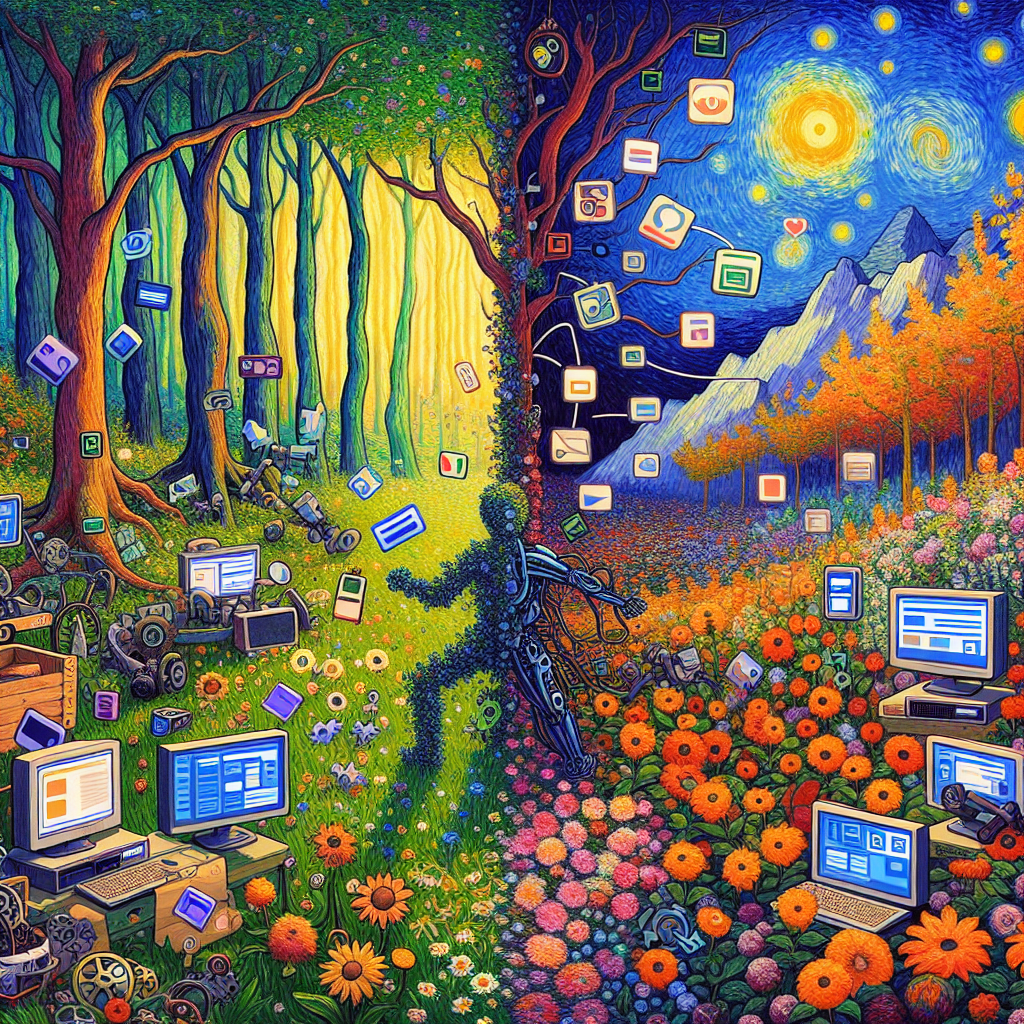
In an age where the flick of a thumb can send a story racing across the globe, the concept of Legacy Storytelling often feels like a relic from a bygone era. Yet, just because we’ve shifted our attention from campfires to screens doesn’t mean the two can’t share a space. Think of it this way: traditional storytelling isn’t just surviving; it’s evolving. It’s adapting, kind of like a well-loved pair of work boots that have worn down but still get the job done.
Legacy storytelling has roots that run deep. It’s rich with culture, designed to pass down wisdom and values from one generation to the next. Whether told through the smooth cadence of a grandparent’s voice or the vibrant brush strokes of an artist’s canvas, these stories have always had a way of capturing the human experience. However, when you throw in social media, with its short attention spans and endless scrolls, things can get a bit messy. People are bombarded by snippets of life, viral memes, and trending challenges. What happens to the art of storytelling when sound bites and hashtags dominate the landscape?
The answer lies in the intersection of old and new. Platforms like Instagram and TikTok, despite their fast-paced nature, offer a unique opportunity for traditional stories to find new audiences. There’s something quite beautiful about how a captivating legend can be turned into a 60-second video, complete with jumping visuals and eye-catching effects. The essence of those Legacy Stories can still be preserved, while also appealing to a generation accustomed to information on-demand.
Moreover, traditional storytelling can teach social media a thing or two. In a world where likes and shares become fleeting though intoxicating currencies, it’s the depth and authenticity of a well-told story that leaves a lasting impact. Imagine a gripping narrative passed down through generations being infused into a viral post, giving depth and context to a culture often misrepresented or oversimplified.
At the end of the day, traditional storytelling and social media don’t have to be foes in an ongoing battle for dominance. Instead, they can be partners in crime, reinforcing one another to create a more vibrant tapestry of human experience. As we move forward, let’s embrace both the rapid and the reflective, remembering that each has its place and purpose in the grand narrative of our shared existence.

Can Traditional Storytelling Coexist With Social Media?
Can Traditional Storytelling Coexist With Social Media?
- Legacy Storytelling is evolving, adapting from traditional methods to modern platforms.
- It serves to pass down cultural wisdom and values across generations.
- Social media platforms like Instagram and TikTok create new opportunities for traditional stories.
- Short-form content can preserve the essence of Legacy Stories while engaging new audiences.
- Authentic storytelling can provide depth to fast-paced, viral social media content.
- Traditional storytelling and social media can complement each other rather than compete.
- Embracing both forms enriches the tapestry of human experience and shared narratives.
Can Traditional Storytelling Coexist With Social Media?
How Do Audience Preferences Shape Modern Storytelling?
In the world of storytelling, the landscape has changed dramatically, and it’s become clear that audience preferences now shape narratives like never before. Gone are the days when tales were crafted solely by writers in ivory towers, disconnected from the very people they’re meant to entertain. Today, we live in a landscape where stories do more than just entertain; they reflect and respond to the preferences of their audiences, creating a new form of what some call “Legacy Storytelling.”
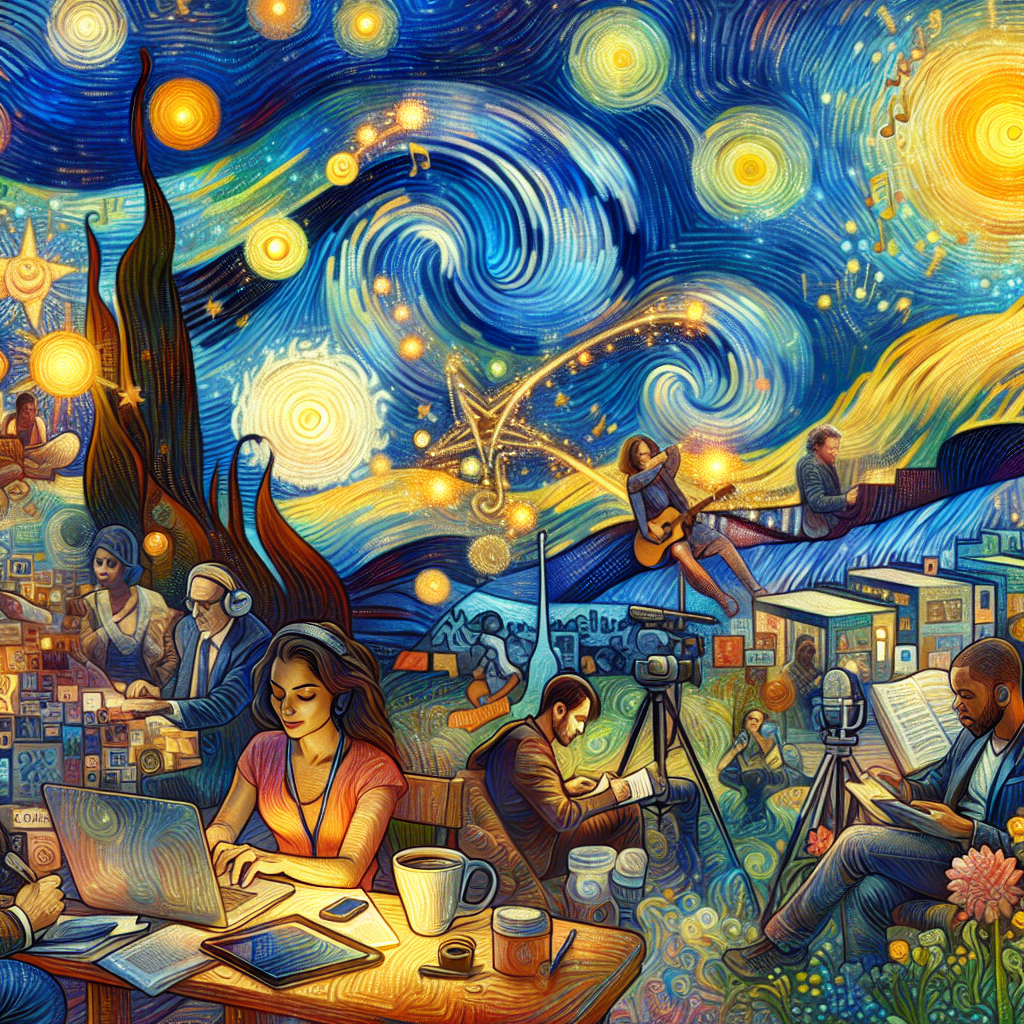
Legacy Storytelling isn’t bound by time or tradition. Instead, it embraces the dynamic dialogue between storytellers and their audiences. The rise of social media has given viewers a megaphone, allowing them to share opinions and preferences instantaneously. It’s no longer a one-way street. Audiences now wield the power to shape plots, define character arcs, and even influence endings based on their engagement and feedback. This interactive nature not only amplifies individual voices but also cultivates a rich tapestry of narratives that resonate with broader experiences and desires.
Consider it this way: Historically, storytelling often involved the age-old archetypes—the valiant hero, the treacherous villain, and the solid supporting cast. These are enduring frameworks that have stood the test of time. But today, audience preferences have started to push against these molds. Characters are now more nuanced, often reflecting complex real-world issues, such as identity, morality, and social justice. Viewers crave authenticity and relatability, and writers who heed this call find themselves creating stories that strike a deeper chord with the audience.
Furthermore, genre boundaries are blurring. The mix-and-match mentality allows for hybrid storytelling that can encompass action, drama, and humor—often within the same narrative. This blending reflects an audience that’s not willing to be boxed in and insists on seeing their multifaceted lives represented on-screen.
As a result, the craft of storytelling has never been more inclusive or imaginative. Writers who once felt the weight of legacy storytelling as a constraint are now discovering freedom within audience preferences. The challenge is no longer merely to captivate but to cultivate a genuine connection, acknowledging that what was yesterday’s standard may not hold the same weight in tomorrow’s narrative. It’s this nuanced dance with audience expectations that ensures stories remain vibrant and relevant, earning their place in the canon of our collective legacy.
How Do Audience Preferences Shape Modern Storytelling?
How Do Audience Preferences Shape Modern Storytelling?
- Storytelling has evolved to be shaped significantly by audience preferences.
- The concept of “Legacy Storytelling” reflects a dynamic interaction between storytellers and their audiences.
- Social media allows audiences to share opinions and influence plot and character development.
- Modern characters are more nuanced and tackle complex issues like identity, morality, and social justice.
- Genre boundaries are dissolving, leading to hybrid storytelling that blends various genres.
- Storytelling is now more inclusive and imaginative, freeing writers from traditional constraints.
- Writers must focus on cultivating genuine connections with audiences to keep narratives vibrant and relevant.
How Do Audience Preferences Shape Modern Storytelling?
Are Social Media Stories As Impactful As Legacy Narratives?
In a world where a single swipe can propel a fleeting moment into a global conversation, one has to wonder: Are social media stories really as impactful as legacy storytelling? The comparison feels a bit like pitting a high school football team against a seasoned NFL squad; both play a version of the same game, but the stakes, strategies, and audiences can differ wildly.
Legacy storytelling, that timeless craft passed down through generations, has a weight and depth that often lingers long after the initial telling. Think of the great tales of yore—the kind that teaches, molds, and inspires. These narratives are rooted in history and human experience, often diving deep into themes of resilience, triumph, and moral lessons. They offer a space where individuals can connect with their past, reflect on their present, and dream about the future. When we dig deep into our family histories or engage with monumental texts, we’re not just absorbing information; we’re participating in an age-old dialogue that has shaped our identities.
Now, enter social media stories, bursting through the screen in vibrant, ephemeral bursts. At their best, these bite-sized narratives are engaging, immediate, and beautifully raw. They invite viewers into a dialogue that feels personal and relatable. However, the downside is equally present. Just as quickly as they arrive, they can vanish—lost to the abyss of algorithmic feeds and digital noise. Social media stories lack the permanence and rigorous crafting found in legacy storytelling. The art of storytelling, once revered, can become a rapid-fire compilation of good vibes and trends, often sacrificing depth for distraction.
But let’s not dismiss social media outright. It has the power to amplify voices that may have gone unheard in the annals of history, allowing marginalized perspectives to take center stage in real-time. It’s a double-edged sword. Where legacy storytelling may linger and provoke thought long after the last word is penned, social media stories can ignite immediate action and foster community among viewers, pushing immediate dialogues forward.
So are these two forms in competition? Not exactly. Each has its strengths and weaknesses. While one crafts lasting pillars of wisdom, the other rushes in like an excited kid at a birthday party, ready to share the latest highlights. Together, they weave a richer tapestry of human experience—one that spans time and space—proving that however the stories are told, their impact can echo in ways we may not always expect.

Are Social Media Stories As Impactful As Legacy Narratives?
Are Social Media Stories As Impactful As Legacy Narratives?
- Social media stories and legacy storytelling differ significantly in impact and character.
- Legacy storytelling conveys deep narratives rooted in history, often teaching and inspiring audiences.
- These timeless tales allow for personal connection with past experiences and collective identities.
- Social media stories are immediate, engaging, and often relatable but lack permanence and depth.
- The rapid-fire nature of social media can lead to distractions, overshadowing the art of storytelling.
- Social media can amplify marginalized voices, fostering immediate dialogue and community engagement.
- Both forms serve unique purposes and, when combined, enhance the richness of human experience.

Are Social Media Stories As Impactful As Legacy Narratives?
How Has Social Media Changed The Way Stories Are Consumed?
In our fast-paced, digitally saturated world, the way we consume stories has undergone a seismic shift. Gone are the days of gathering around a flickering television or thumbing through the pages of a paperback. Instead, we find ourselves enveloped by the bright glow of screens, engaging in a new kind of Legacy Storytelling, one that’s imbued with immediacy and interactivity.
Let’s take a moment to appreciate what’s been lost amidst this whirlwind of change. Legacy storytelling is rooted in patience; it demands our time and focus. It’s the epic tale spun by grandpa on a rainy Sunday afternoon or the heart-wrenching novel that keeps you up at night. These stories linger, evolving as they’re told and retold, becoming part of our collective consciousness. But in a world ruled by social media, such leisurely exchanges seem almost antiquated. Today, our stories rush by us at digital lightning speed—headlines flash, tweets are composed in seconds, and whole narratives are distilled into bite-sized posts.
Social media has transformed us into voracious consumers of fragmented stories. We scroll through endless feeds, absorbing quick snippets that barely scratch the surface of a larger narrative. The danger here lies in the superficial understanding that comes with it. We might capture the essence of a story but miss the depth, the nuance, and the raw emotions that come from the longer forms of expression we once cherished. The true power of storytelling—its ability to evoke empathy, provoke thought, and inspire action—can easily slip through our fingers in a flurry of hashtags and likes.
Moreover, the interactive nature of social media allows everyone to insert their voice into the conversation, reshaping narratives in real time. This democratization of storytelling is both a blessing and a curse. While it gives a platform to diverse voices, it can dilute the richness of Legacy storytelling that often requires skilled craftsmanship and a deep understanding of context.
In this new landscape, we must grapple with the reality that while stories may be more accessible than ever, genuine engagement with them is increasingly rare. As we tweet, post, and scroll, we’d do well to remember the foundational beauty of storytelling—the art of sharing a meaningful experience that connects us across generations. We just might find that some stories are worth more than a few seconds of our time; they’re worth savoring.

How Has Social Media Changed The Way Stories Are Consumed?
How Has Social Media Changed The Way Stories Are Consumed?
- The way we consume stories has drastically changed in our digital age.
- Legacy storytelling is characterized by patience, requiring time and focus.
- Quick, fragmented narratives dominate social media, often at the expense of depth and nuance.
- Social media transforms storytelling into a rapid-fire consumption experience.
- While social media democratizes storytelling, it can dilute the craftsmanship of traditional narratives.
- Genuine engagement with stories is becoming rare in a world of quick posts and tweets.
- We should recognize and appreciate the lasting value of meaningful storytelling over superficial exchanges.

How Has Social Media Changed The Way Stories Are Consumed?
Does Social Media Democratize Storytelling For Everyone?
In today’s fast-paced digital world, the way we tell stories has undergone a seismic shift. Gone are the days when narratives were strictly the domain of the elite—those with access to publishers, stages, and broadcasting networks. Enter the realm of social media, where anyone with a smartphone can become a storyteller, and the potential for democratization is both exciting and daunting.
Legacy storytelling has been a structured affair, held within the well-defined boundaries of print media, cinema, and traditional broadcasting. These platforms often prioritized the polished narratives of a select few, creating an ever-thicker wall between the storyteller and the audience. For generations, this gatekeeping left countless voices unheard, relegated to the periphery of culture, while the mainstream thrived on a handful of familiar tropes spun by the usual suspects.
But what does it mean when anyone can grab a smartphone and share their story with the world? Social media has turned the tables, providing a platform for individuals to share experiences, thoughts, and creativity without the need for an extensive backstory or formal approval. With a few taps of the screen, the garage band can go global, the poet can reach a wide audience, and the everyday citizen can become a reporter of their own lived realities.
Yet, as the floodgates of storytelling swing open, we face the inevitable consequence: noise. The abundance of content on platforms often leads to a dimming of the signal—truths get tangled and distortions thrive amid the chaos. While legacy storytelling was criticized for being exclusionary, it also held a certain clarity and trustworthiness that can sometimes feel lost in the cacophony of social media.
Moreover, with every cheap thrill and viral moment, we run the risk of trivializing profound experiences. Stories that once demanded attention and reflection now compete for eyeballs through flashy visuals and instant gratification. The challenge now lies in navigating this new landscape where everyone’s a storyteller but not every tale carries weight.
In this brave new world, the question remains: does democratization of storytelling elevate the collective narrative, or does it dilute meaning in exchange for visibility? Perhaps, it’s time to embrace this change while also cherishing the foundational lessons learned from legacy storytelling—there’s a balance to be struck between accessibility and substance. It’s not just about telling a story; it’s about telling one that matters.

Does Social Media Democratize Storytelling For Everyone?
Does Social Media Democratize Storytelling For Everyone?
- Storytelling has evolved significantly in the digital age, moving away from traditional, elite-controlled narratives.
- Social media enables anyone with a smartphone to share their stories, democratizing the storytelling process.
- Legacy storytelling was structured and often excluded many voices, concentrating power among a select few storytellers.
- Social media platforms allow individuals to express their experiences and creativity without formal barriers.
- The abundance of content on social media can lead to noise, distorting truths and making it hard to discern valuable stories.
- There is a risk of trivializing meaningful experiences in the quest for visibility and instant gratification.
- The challenge lies in balancing accessibility with the depth and significance of stories in this new storytelling landscape.

Does Social Media Democratize Storytelling For Everyone?
What Challenges Do Traditional Storytellers Face Today?
In the world of entertainment today, traditional storytellers face a myriad of challenges that simply weren’t part of the landscape a generation ago. It’s not that the art of storytelling itself is fading — far from it — but the context in which these stories are shared is changing rapidly. At the heart of this evolution is the clash between age-old craft and modern mediums.
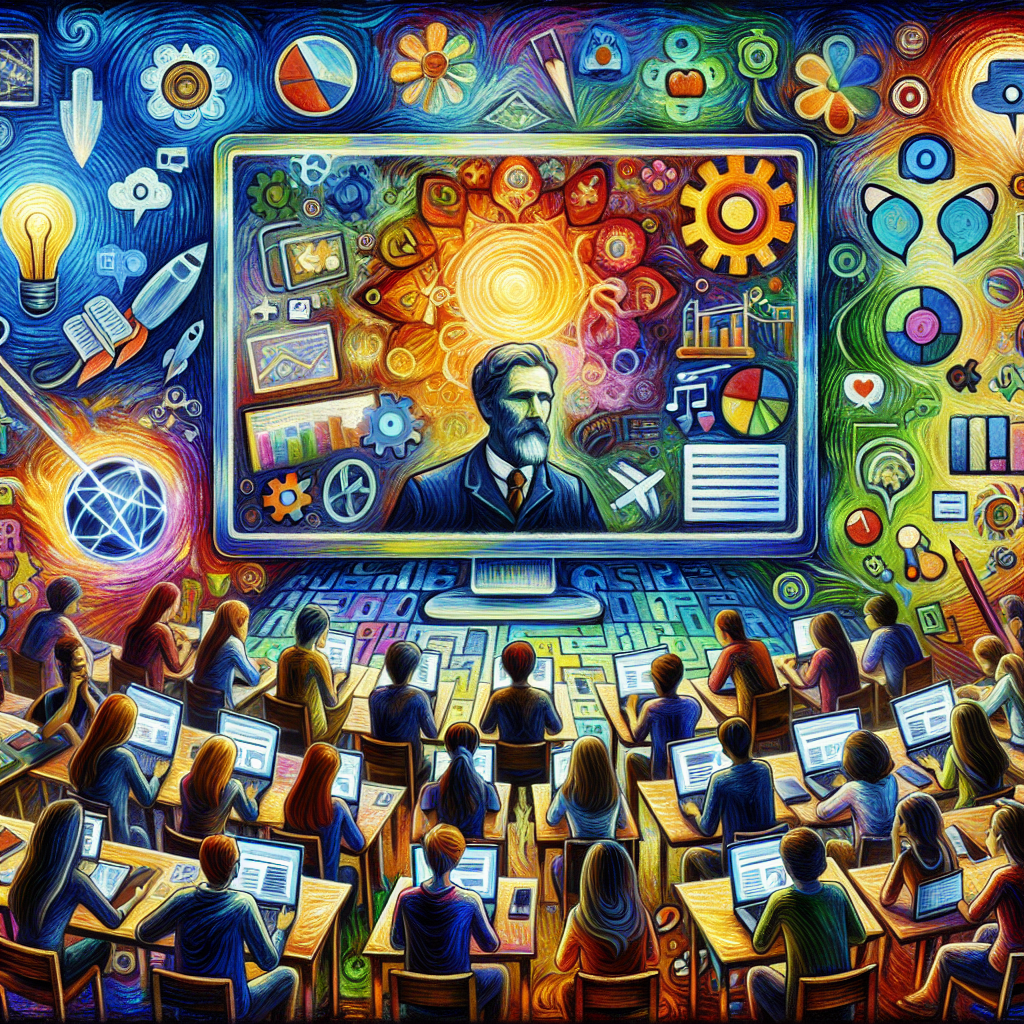
Legacy storytelling, a term that harkens back to the days when oral traditions were the backbone of cultural transmission, is grappling with an audience that’s increasingly conditioned to digest information in 30-second bites or vibrant digital snippets. The storytellers who relied on the power of their voice, the magic of the spoken word, now find themselves competing with high-tech animations, blockbuster films, and bite-sized social media content that hook audiences with flashy visuals and rapid-fire narratives.
But let’s be honest: while technology has opened up a world of possibilities, it has also created a paradox. So much noise and distraction can drown out the subtleties of a well-crafted tale. How do you hold a crowd’s attention when they’re just one scroll away from the next viral sensation? That’s the crux of the challenge for traditional storytellers today. It’s all about keeping that ancient flame alive while navigating a modern, fast-paced world that rewards speed over depth.
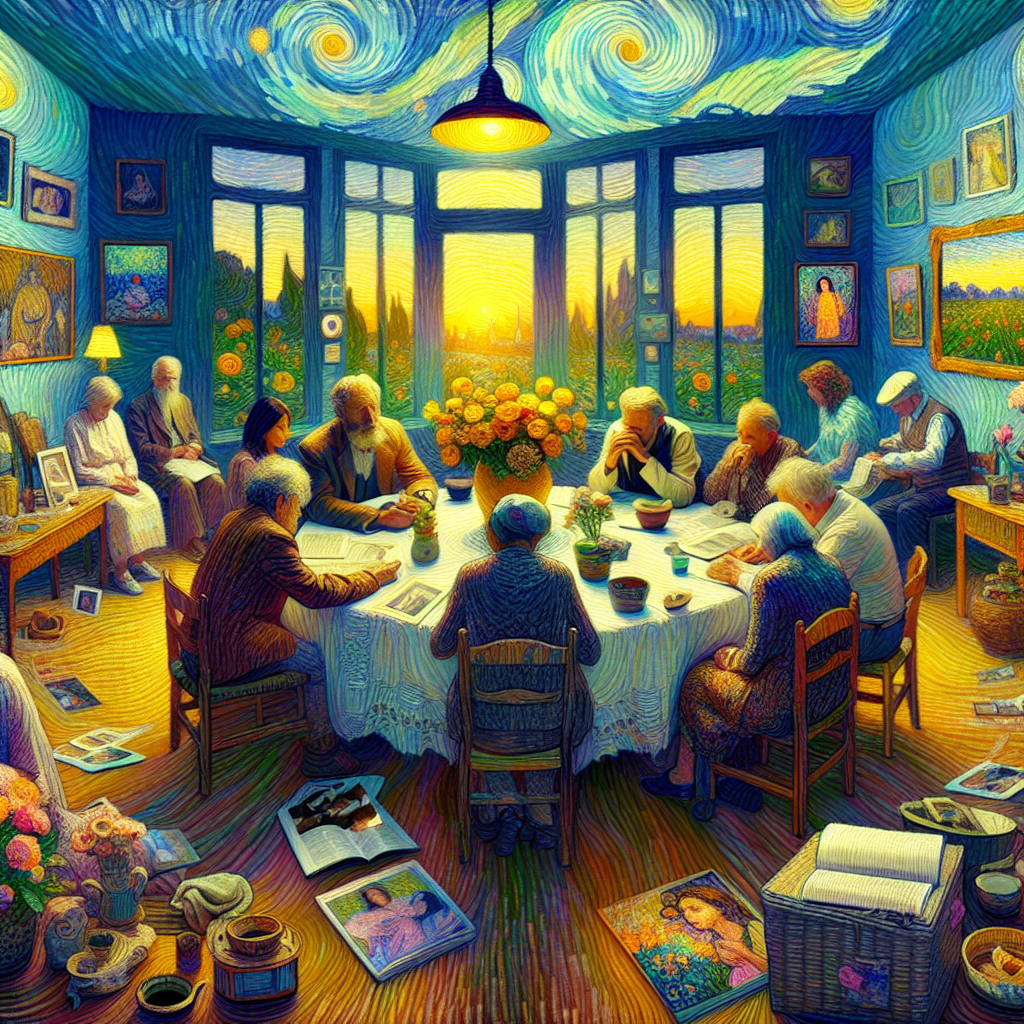
Then there’s the matter of community. Historically, storytelling was a communal experience, often woven into the very fabric of society’s rituals and gatherings. Now, people are more connected virtually than ever before, yet paradoxically more isolated. For a legacy storyteller, drawing an audience isn’t just about capturing attention; it’s about rekindling that sense of community around a shared narrative that pervades the human experience. The challenge lies in creating spaces — both physical and digital — where stories can be told and retold, experienced as a part of something larger.
Let’s not overlook the economic side, either. Funding for traditional arts often takes a backseat to more commercial endeavours, which can be tough for passionate storytellers dedicated to preserving their craft. The reality is that keeping traditional storytelling alive demands grit, creativity, and a good dose of resilience.
In short, legacy storytelling isn’t dead; it’s evolving. Surely, the storytellers of today have their work cut out for them, but those who persevere might just find their stories resonating in unexpected ways. It’s a tough road, but it’s one worth traveling, for the heart of storytelling beats on, waiting to be heard once more.
What Challenges Do Traditional Storytellers Face Today?
What Challenges Do Traditional Storytellers Face Today?
- Traditional storytellers face new challenges in a rapidly changing entertainment landscape.
- Legacy storytelling contrasts with modern mediums, as audiences prefer quick, engaging content.
- Technology offers possibilities but often distracts from nuanced storytelling.
- Creating a sense of community around storytelling is more challenging in today’s virtual world.
- Funding for traditional arts is often limited compared to commercial ventures.
- Legacy storytelling is evolving, requiring grit and creativity from modern storytellers.
- Despite challenges, there is hope for resonating stories in contemporary society.

What Challenges Do Traditional Storytellers Face Today?
Conclusion
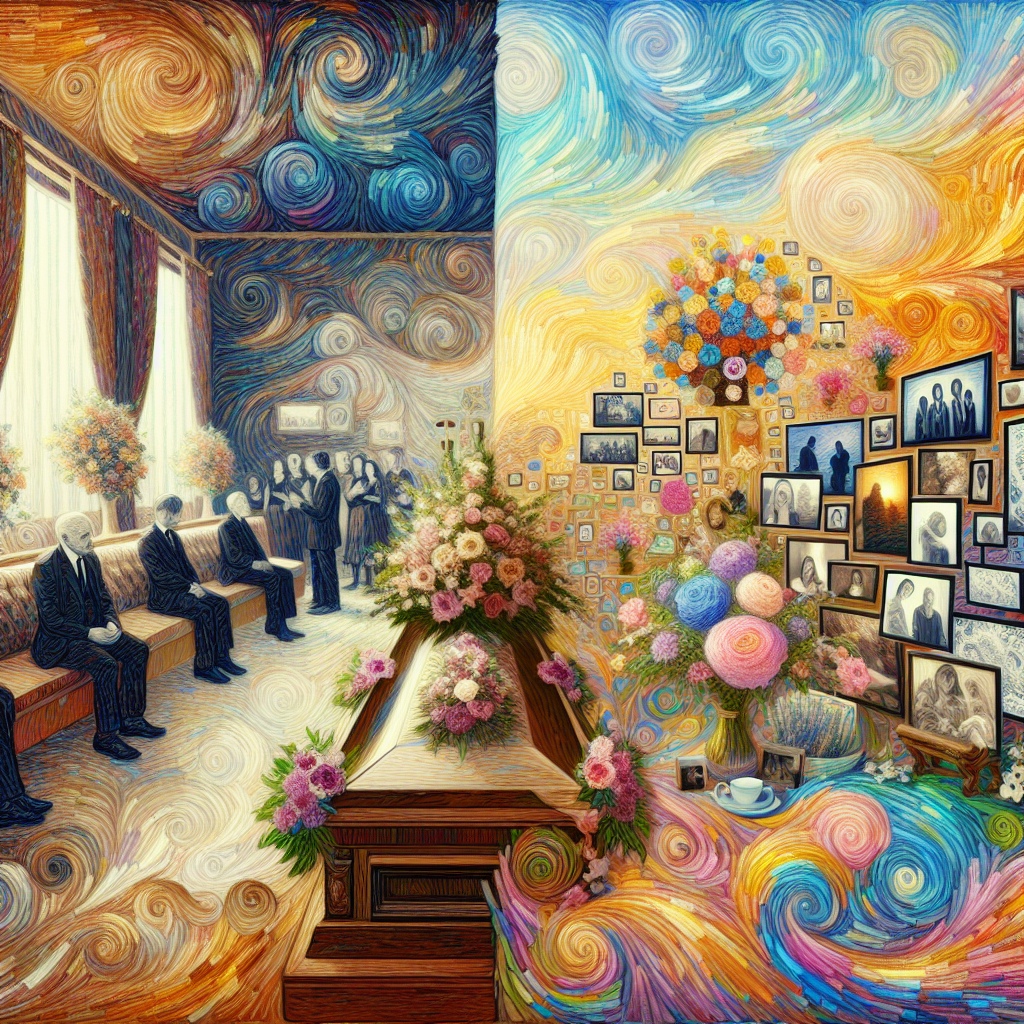
As we wrap up this exploration of storytelling in the digital age, let’s take a moment to reflect on the journey we’ve taken—one that’s akin to watching a skilled craftsman; it’s a blend of tradition and innovation. In a world that feels more chaotic than a three-ring circus on a sugar rush, it’s easy to question whether social media has rendered the time-honored art of legacy storytelling obsolete. But here’s the kicker: it hasn’t. If anything, it’s become like a well-placed bookmark in a riveting novel, emphasizing the importance of both mediums in our lives.
Traditional storytelling, with its roots deep in family narratives and cultural lore, has a richness that carries the weight of history. It provides context and continuity, creating connections that shape our identities. Think of it as the handwritten letters of our ancestors—full of character and emotion—compared to the fleeting nature of a tweet or a quick Instagram snap. Every story passed down has an essence that is irreplaceable, reminding us of who we are and where we came from.
Now, add social media into the mix. It’s the new kid on the block, bringing immediacy and a stylish flair to storytelling. Capturing moments with a swipe of a finger, it democratizes who gets to tell their tale. However, it also revs up the volume, resulting in an overwhelming cacophony of voices. The challenge lies in sorting through the noise while still appreciating the vibrant expression it affords. Yes, content can sometimes feel superficial, but social media also provides a museum of perspectives that would have otherwise gone unheard.
So rather than seeing these storytelling forms in competition, let’s recognize their potential as collaborators. Imagine legacy storytellers harnessing the platforms of TikTok or Instagram to share their crafted narratives with a contemporary audience, preserving the depth of traditional tales while embracing the immediacy of today. This partnership can cultivate a richer tapestry of human experience, allowing stories to thrive and evolve.
At the end of the day, embracing both the old and the new creates a dual narrative that reflects our complex reality. After all, it’s not about choosing one over the other; it’s about understanding that every tweet and post has the potential to contribute to a grander, collective narrative. So let’s raise a toast to both forms of storytelling, celebrating their ability to connect, inform, and inspire in this wild ride of a digital world we find ourselves navigating.
Conclusion
Conclusion:
- The exploration of storytelling blends tradition with innovation, reflecting the journey through the digital age.
- Social media has not made legacy storytelling obsolete; rather, it complements it like a bookmark in a novel.
- Traditional storytelling conveys rich family narratives and cultural lore, shaping identities and providing continuity.
- Social media introduces immediacy and democratizes storytelling, allowing more voices to be heard.
- The challenge lies in navigating the overwhelming number of voices while valuing the diverse perspectives shared online.
- Legacy storytellers can utilize platforms like TikTok and Instagram to preserve traditional narratives and reach contemporary audiences.
- Embracing both old and new storytelling forms enriches our collective narrative in today’s complex reality.

Conclusion
Other Resources

Other Resources
Here is a list of other resources you can review online to learn more:
Use This Prompt To Get More Resources With Your Favorite Online AI Tool: Please provide me with a list of online articles with their URLs in a bulleted list that I can read regarding Does Social Media Make Traditional Legacy Storytelling Obsolete?
Other Resources
Glossary Terms
Does Social Media Make Traditional Legacy Storytelling Obsolete? – Glossary Of Terms
1. Legacy Storytelling: The traditional practice of narrative creation, often passed down through generations, that emphasizes cultural history, myths, and personal or community narratives.
2. Obsolescence: The state of being outdated or no longer in use, often due to the emergence of newer technologies or practices.
3. Social Media: Digital platforms that allow users to create, share, and interact with content, encompassing networks like Facebook, Twitter, Instagram, and TikTok.
4. Narrative: A structured story or account of events, experiences, or the imagination, often forming the basis of communication in both written and verbal forms.
5. Cultural Heritage: The traditions, values, and practices of a specific community that are inherited from past generations, often reflected in storytelling.
6. Digital Storytelling: The practice of using digital tools and platforms to tell stories, which can include video, podcasts, and multimedia presentations.
7. User-Generated Content: Content created and shared by individuals rather than by brands or traditional media, often seen on social media platforms.
8. Interactivity: The capacity for users to engage and participate actively in the storytelling process, rather than being passive consumers of information.
9. Viral Content: Content that spreads rapidly through social media, often characterized by its appeal and shareability.
10. Micro-narratives: Short, concise stories that convey a specific message or theme, often shared on social media.
11. Authenticity: The quality of being genuine or true, which can enhance the perceived value of storytelling in both traditional and digital contexts.
12. Influencer: An individual who has the power to affect the purchasing decisions of others because of their authority, knowledge, position, or relationship with their audience on social media.
13. Platform Agnosticism: A practice where creators and audiences engage with content across multiple platforms, rather than being tied to one specific medium or format.
14. Narrative Immersion: The experience of being deeply engaged in a story, which can occur in both traditional storytelling and interactive media.
15. Episodic Storytelling: A form of storytelling characterized by short segments or episodes that may build on one another, popular in digital media such as web series.
16. Transmedia Storytelling: A technique where a single narrative extends across multiple platforms, enhancing the story universe.
17. Engagement Metrics: Measurements used to assess how audiences interact with content, typically including likes, shares, comments, and viewing time.
18. Broadcasting: The traditional method of disseminating information, often seen in television and radio, as opposed to the personalized sharing on social media.
19. Brand Storytelling: The narrative that a brand creates to connect with its audience, often used in marketing to establish identity and relatability.
20. Content Saturation: A situation where the market is flooded with content, making it difficult for individual stories to gain attention.
21. Curation: The act of selecting and organizing content, which can be crucial in both traditional and social media contexts to create meaningful narratives.
22. Algorithm: A set of rules or calculations used by social media platforms to determine what content is shown to users, affecting the visibility of stories.
23. Echo Chamber: A situation where individuals are only exposed to viewpoints and information that reflect their own beliefs, which can affect the diversity of storytelling.
24. Folk Tales: Traditional stories passed orally through generations, often rooted in cultural values and providing moral lessons.
25. Meme: A humorous image, video, or text that is widely shared online, often modified in some way, and can serve as a modern form of storytelling.
26. Native Advertising: A type of advertising that matches the form and function of the platform on which it appears, blurring the lines between storytelling and marketing.
27. Community Building: The process of creating an engaged group of individuals who share common interests, often facilitated by social media platforms through storytelling.
28. Gamification: The use of game-like elements in non-game contexts, which can enhance narrative engagement.
29. Influence: The capacity to have an effect on the character, development, or behavior of someone or something, often leveraged in storytelling to evoke emotional responses.
30. Diversity of Voices: The inclusion of multiple perspectives and backgrounds in storytelling, which can enrich the narrative landscape in both traditional and social media.

Glossary Of Terms
Other Questions
Does Social Media Make Traditional Legacy Storytelling Obsolete? – Other Questions
If you wish to explore and discover more, consider looking for answers to these questions:
- How do social media platforms differ in their storytelling capabilities compared to traditional media?
- What are the main advantages of legacy storytelling?
- How can traditional storytellers adapt to the digital landscape?
- What role do algorithms play in shaping the visibility of stories on social media?
- Can social media be used effectively to preserve legacy storytelling?
- What are some examples of successful integration between traditional and social media storytelling?
- How do cultural differences influence storytelling approaches on social media?
- What psychological effects does quick consumption of stories on social media have on audiences?
- How can audience engagement be fostered in both social media and traditional storytelling?
- What ethical considerations arise with democratized storytelling on social media?
- How do generational differences affect perceptions of legacy vs. social media storytelling?

Other Questions
Haiku
Does Social Media Make Traditional Legacy Storytelling Obsolete? – A Haiku
Digital tales unite,
Old stories find new wisdom,
Threads of time connect.
Haiku
Poem
Does Social Media Make Traditional Legacy Storytelling Obsolete? – A Poem
In a world where tales are spun with a flick,
Where likes and shares can make stories tick,
A question lingers, bold and profound:
Is the old art of storytelling lost, drowned?
Once by the fire, with voices so grand,
Legends were woven, hand in hand,
Passed down like heirlooms from heart to heart,
A tapestry rich, where each thread was a part.
Now screens glow bright, and our thumbs dance fast,
Content is fleeting, but memories last.
Social media bursts with snippets and scenes,
Yet, can they capture what legacy means?
Traditional stories, like roots deeply grown,
Teach, mold, and nurture, in whispers they’re sown.
While pixels abound in a dizzying display,
Do they capture our essence, or lead us astray?
Amidst digital chatter, a chorus unique,
Voices once muted now boldly speak.
New stories emerge, blending cultures wide,
Embracing connections that we cannot hide.
Can both forms converge, like rivers that meet?
Old and new channels weave tales bittersweet.
For depth need not falter, nor wisdom retreat,
In fast-moving currents, we find our heartbeat.
As stories rush on, let’s pause to reflect,
What is lost in the speed we often neglect?
A balance between fractions and echoes profound,
In the vast web of words, true meaning is found.
So embrace this new canvas, but honor the past,
Let the legacies flourish, their roots hold steadfast.
Together they flourish, in harmony bloom,
A vibrant collection, dispelling the gloom.
In this brave digital age where stories entwine,
Let us cherish the threads that are yours and are mine.
For storytelling’s essence will never grow old;
It thrives in the moments, the young and the bold.

Poem
Checklist
Does Social Media Make Traditional Legacy Storytelling Obsolete? – A Checklist
Understanding Legacy Storytelling
_____ Explore personal and family narratives to reconnect with your cultural heritage.
_____ Identify key themes from traditional stories that resonate with contemporary audiences.
_____ Reflect on how storytelling has shaped your identity and community connections.
Utilizing Social Media Effectively
_____ Choose the right platform (e. g. , Instagram, TikTok) for your storytelling goals.
_____ Experiment with combining traditional storytelling elements (e. g. , narratives, characters) in short social media formats.
_____ Engage with your audience by inviting feedback and incorporating their preferences into your storytelling.
Building Depth and Engagement
_____ Balance bite-sized content with more in-depth narratives—consider storytelling series or features.
_____ Take the time to craft your stories, ensuring they have emotional depth and context.
_____ Use visuals and multimedia strategically to enhance storytelling without overshadowing the narrative.
Fostering Community
_____ Create spaces (both online and offline) for shared storytelling experiences, like story circles or live streams.
_____ Engage with diverse stories from various cultures and backgrounds to enrich your narrative tapestry.
_____ Encourage collaboration among fellow storytellers to share widely and celebrate diverse voices.
Reflecting on Impact
_____ Analyze the impact of your stories—what emotions, thoughts, or actions do they evoke?
_____ Consider the permanence of the narratives you share on social media—how can they contribute to your legacy?
_____ Evaluate the balance between entertainment and substance in your storytelling.
Overcoming Challenges
_____ Identify distractions that may dilute your storytelling efforts and develop strategies to minimize them.
_____ Stay committed to your craft despite the fast-paced digital environment—set aside time for reflective storytelling.
_____ Seek funding or support networks to sustain your storytelling initiatives in a competitive landscape.
Continuous Learning
_____ Stay updated on storytelling trends and techniques in both legacy and digital formats.
_____ Attend workshops or webinars focused on storytelling in the digital age to discover new approaches.
_____ Network with other storytellers to share insights and learn from their experiences.
Use this checklist to guide your storytelling journey, embracing both the richness of legacy narratives and the immediacy of social media. Happy storytelling!

Checklist
At LegacyExplorations, we help people plan and explore their legacy by collecting information and news regarding end-of-life planning.
Please share this post with your friends, family, or business associates who may want help to plan or explore their legacy.