

Encryption: Safeguarding Our Future Or Erasing Our Past?
By Tom Seest
At LegacyExplorations, we help people plan and explore their legacy by collecting information and news regarding end-of-life planning.
Please share this post with your friends, family, or business associates who may want help to plan or explore their legacy.
Encryption – Protector Or Destroyer Of Legacy?
Encryption – Protector or Destroyer of Legacy?
In a world where our lives are often enshrined in data, the question of encryption feels like a double-edged sword. It’s the guardian of our secrets, safeguarding the legacy storytelling that we hold dear. We craft narratives—stories of love, loss, triumph, and failure—and we tuck them away in the digital vaults of our devices. But in this age of information, where a single keystroke can transcend distance and time, what is the cost of keeping those stories locked away?
Imagine a grandparent’s letters, preserved within encrypted files, a legacy of ink and emotion longing to be passed down. Encrypting these memories can be a shield against prying eyes, but it can also become a wall. We find ourselves caught between the need for privacy and the longing for connection. It’s like preserving a family heirloom in a fortress, where only the keeper knows its worth, while generations outside wonder if their roots are lost forever.
In the realm of ethics, the discussion becomes even more complex. Encryption promises safety, but it can also obfuscate truth. There’s a moral responsibility that comes with safeguarding information. When we encrypt, we protect, but do we also isolate? The narratives we seal away could vanish, like whispers in the wind, leaving behind empty spaces in our collective consciousness. The values embedded in our stories craft our identity, yet as we shield them, we risk losing their essence.
From a practical viewpoint, consider the growth of technology. With each innovation, there’s an inherent trust placed in encrypted systems intended to protect us. We trust our banks, our doctors, and our social networks to guard our personal truths. Yet every password, every encryption algorithm invites scrutiny. Are we putting too much faith in codes and keys, or is this just part of the evolving landscape of our society?
Ultimately, encryption is neither purely protector nor destroyer; it is a tool shaped by intention. It goes beyond mere bytes of data; it encapsulates the foundation of who we are and how we connect. Engaging with this dichotomy inspires action. It compels us to foster conversations—community discussions around encryption that embrace its complexities. Let us not lock away our legacy storytelling but instead bridge the gap with thoughtful dialogue, understanding its potential to either empower or hinder our shared human experience. It’s about choosing the legacy we want to leave behind, not just for ourselves, but for those who come after us.

Encryption – Protector Or Destroyer Of Legacy?
Encryption – Protector Or Destroyer Of Legacy?
- Encryption serves as a guardian of secrets, safeguarding personal narratives and legacies.
- It creates a tension between the need for privacy and the desire for connection.
- Preserved memories in encrypted files risk isolation, preventing the sharing of important stories.
- In ethical discussions, encryption can obscure truth, raising moral responsibilities around information protection.
- Trust in encrypted systems grows with technology, but it also invites scrutiny and questions about reliance on security measures.
- Encryption is a tool shaped by intention, impacting how identities and connections are formed.
- Community discussions are essential to navigate the complexities of encryption, ensuring that legacies can be shared rather than locked away.

Encryption – Protector Or Destroyer Of Legacy?
Table Of Contents
- Encryption – Protector Or Destroyer Of Legacy?
- What Does Your Legacy Mean to You?
- How Does Encryption Affect Trust?
- Can Encryption Safeguard Personal History?
- Is Your Privacy Worth the Risks Of Encryption?
- How Does Encryption Influence Social Connections?
- What Ethical Dilemmas Arise From Encryption Use?
- Are We Sacrificing Our Legacy for Security?
- Conclusion
- Other Resources
- Glossary Of Terms
- Other Questions
- Haiku
- Poem
- Checklist
What Does Your Legacy Mean to You?
When you think about your legacy, what comes to mind? It’s not just a matter of what you leave behind; it’s about the stories you create and the impact you have on the lives of those around you. Legacy is a deeply personal concept, shaped by your experiences, choices, and the mark you leave on the world. Think of it as your own unique storytelling—a narrative woven from the threads of your actions, values, and relationships.
Every day, we write our legacy, often without realizing it. Whether it’s how we treat a stranger, the lessons we pass down to our children, or the sacrifices we make for our community, each moment contributes to a larger story. This storytelling shapes how we’re remembered and the values we instill in others.
Legacy isn’t just about the big milestones; it’s also in the small, seemingly insignificant moments that define who we are. Reflect on your daily interactions. Are you amplifying kindness, honesty, and hard work? Are you instilling these values in others? In a world so often driven by self-interest, choosing to pursue a greater purpose is a powerful foundation for a meaningful legacy.
Consider the power of narrative—how tales resonate through generations. These stories possess the ability to inspire, comfort, and drive action. They connect us to our roots and remind us of our shared humanity. We are, after all, the sum of our stories. When we actively cultivate our legacies through intentional acts and service, we not only impact those we know, but also foster a sense of belonging and community.
Ethically, a robust legacy compels us to reflect. Are we contributing positively? Are we leaving the world in a better state than we found it? These reflections can inspire you to act—not just for your benefit but for the collective good.
You may ask: What will my legacy look like? The answer isn’t found in monuments or riches but in the relationships you’re nurturing today, the challenges you rise to with courage, and the compassion you extend to others. It’s a call to action: be deliberate in crafting your legacy. Invite others into your story, for it’s in these connections that true legacies flourish. Ultimately, your legacy is your gift to future generations—a story that continues to resonate long after you’re gone.

What Does Your Legacy Mean to You?
What Does Your Legacy Mean to You?
- Legacy encompasses the stories we create and the impact on others’ lives.
- It is shaped by personal experiences, choices, and values, forming a unique narrative.
- Every daily interaction contributes to our legacy, from kindness to community sacrifices.
- Small moments are as significant as major milestones in defining our legacy.
- Narratives have the power to inspire, comfort, and connect us across generations.
- A robust legacy prompts ethical reflection about our positive contributions to the world.
- Your legacy is shaped by relationships, challenges faced, and compassion shown to others.

What Does Your Legacy Mean to You?
How Does Encryption Affect Trust?
In a world saturated with data breaches and privacy concerns, trust is more fragile than ever. It’s like the delicate thread of an ancient tapestry—each strand representing a connection forged through shared experiences, stories, and vulnerabilities. When we think about encryption, we’re not just considering a technical safeguard; we’re acknowledging a vital facet of our digital legacy.
Consider this: every time you send a message or make a purchase online, you’re placing your faith in a system that promises to protect your information. This faith is rooted in an unspoken agreement between you and service providers—an expectation that your personal stories, your data legacy, will remain safe from prying eyes. Encryption works tirelessly behind the scenes, wrapping your information in layers of protection. But it does more than just shield your data; it nurtures a sense of security, fostering an environment where open dialogue and honest interactions can thrive.
The authority of encryption lies in its ability to weave safety into every transaction, creating a digital landscape where trust can flourish. Imagine standing on a well-constructed bridge—you wouldn’t want to take a step if you weren’t confident in its integrity. Similarly, encryption builds that bridge of trust, supporting everyday interactions in the vast expanse of the internet.
On an emotional level, consider how vulnerable it feels to expose your innermost thoughts and desires. Encryption stands as a guardian, saying, “I’ve got your back.” This protective measure reassures you that your narratives—the experiences that shape who you are—are respected and shielded. When we take a leap of faith and share those stories, we’re inviting connection, deepening relationships, and establishing a community that values confidentiality.
From a rational standpoint, the benefits of encryption extend beyond mere protection. Businesses that prioritize encryption demonstrate an ethical commitment to their customers. In this age of information sharing, when every click counts, transparency becomes as critical as the technology itself. Organizations that invest in robust encryption send a clear message: “Your trust matters, and we will do everything possible to safeguard it.”
Ultimately, encryption is not just about technology; it’s about people. It’s about fostering a climate where trust transcends transactions, creating a web of stories that connect us all. In a time when trust is paramount, encryption becomes both a shield and a bond, empowering individuals and organizations to engage freely and confidently in the digital realm.

How Does Encryption Affect Trust?
How Does Encryption Affect Trust?
- Trust is increasingly fragile in a world of data breaches and privacy concerns.
- Encryption is a crucial aspect of digital legacy, serving as a technical safeguard.
- Every online interaction relies on a system that promises to protect personal information.
- Encryption not only protects data but also fosters an environment conducive to open dialogue.
- It builds trust, akin to the support of a well-constructed bridge, in online transactions.
- Encryption allows for vulnerability while assuring individuals that their stories are respected.
- Organizations prioritizing encryption demonstrate ethical commitment and transparency to customers.

How Does Encryption Affect Trust?
Can Encryption Safeguard Personal History?
In a world filled with constant connectivity, where every swipe and click can unveil the deepest corners of our lives, the question arises: Can encryption truly safeguard our personal history? The answer lies not just in the algorithms and coding that operate behind the scenes but in the robust legacy storytelling that binds our experiences to our identities.
Imagine for a moment the emotional heft of a diary—dog-eared pages, frayed edges, ink smudges. Each entry is a testament to moments lived, joys celebrated, and sorrows borne. This collection of thoughts is a personal history, a legacy woven together by our triumphs and trials. Encrypting these memories, these private narratives, means placing a formidable lock on the door to our innermost selves, safeguarding the essence of who we are.
From a rational perspective, encryption serves as a shield, guarding against prying eyes. Think about it: every digital footprint we leave carries a weight, and the stakes are incredibly high. Data breaches are no longer just headlines; they’re a reality that can unravel lives. By employing encryption, we not only protect sensitive information but also assert ownership over our narratives. This act of guarding our personal stories is empowering, giving us control in a landscape often dominated by exploitation.
Ethically, the conversation deepens. Shouldn’t every individual have the right to protect their history? In a society that increasingly values privacy, encryption stands as a bulwark against unwarranted intrusions. It champions the notion that our life stories—filled with vulnerability, dreams, and failures—deserve respect.
Consider the authority of personal testimony. When we share our stories, we invite connection. Encryption allows us to do this safely, creating a backdrop where individuals can engage without fear of judgment or reprisal. It cultivates an environment ripe for authenticity, transforming isolated experiences into shared human narratives.
We’re also at a crucial juncture culturally. In a time when social consciousness is awakening, encryption can foster trust among communities. We can band together, sharing our legacies while championing one another’s narratives, fortified by the assurance that our words are secure.
Ultimately, encryption isn’t just about technology; it’s about legacy storytelling. It’s about ensuring that our personal histories, rich with emotion and significance, are protected. When we encrypt our stories, we embrace not only safeguarding ourselves but also nurturing the bonds that connect us all.

Can Encryption Safeguard Personal History?
Can Encryption Safeguard Personal History?
- Encryption safeguards personal history amidst constant digital connectivity.
- A diary symbolizes emotional weight, representing personal triumphs and trials.
- Encryption acts as a shield against data breaches, asserting ownership over narratives.
- Privacy rights are crucial; encryption defends against unwarranted intrusions.
- Sharing stories fosters connection and authenticity, supported by secure encryption.
- Encryption encourages trust and community engagement through shared legacies.
- Ultimately, encryption protects personal histories and nurtures interpersonal bonds.

Can Encryption Safeguard Personal History?
Is Your Privacy Worth the Risks Of Encryption?
Is Your Privacy Worth the Risks of Encryption?
In a world increasingly dictated by digital interactions, the notion of privacy has become both a cherished legacy and a battleground. Picture your grandparent’s stories—the way they would gather family around and share tales of simpler times, stories filled with warmth and a sense of belonging. Those tales remind us of what it means to have a safe space, where secrets are kept, and trust flourishes. But today, with every click, share, or post, we risk losing that closeness to a faceless digital age, where encryption can feel like both a shield and a prison.
Encryption offers a promise: your conversations, transactions, and thoughts can remain locked away, safe from prying eyes. It’s a hefty promise, one that appeals to our rational selves, inviting us to believe we can protect what is rightfully ours. Yet, the heart knows the price of this protection—convenience often takes a backseat to caution. Have we blurred the lines between safety and freedom? In our quest for security, we may find ourselves caught in a web of over-complexity, suffocated by the very safeguards meant to liberate us.
Let’s not sugarcoat it. Trust is built through vulnerability, and that’s where the gut comes into play. When societies become beholden to unseen algorithms and encrypted codes, we risk alienation—people step back, walls go up, and connections fade. Yet, the ethical implications are profound. If our history teaches us anything, it’s that clinging too tightly to our privacy can sometimes lead to isolation. We must ask: at what cost does our need to remain hidden outweigh the bonds that could form if we were willing to be a little more open?
To navigate this maze, we need to engage in legacy storytelling—not just preserving our digital identities but sharing them in ways that foster connection. Look to those in authority who advocate for balance, guiding us through this complex digital landscape with transparency. They remind us that we can embrace technology without sacrificing our humanity.
When weighing the risks of encryption against the value of privacy, consider what truly matters. It’s about finding a middle ground where safety does not overshadow our need to connect. Trust in a secure future demands that we remain authentic, recognizing that the real strength lies not just in protecting our information, but in sharing our stories. Through that, we build a community, grounded in understanding, not fear.

Is Your Privacy Worth the Risks Of Encryption?
Is Your Privacy Worth the Risks Of Encryption?
- Digital interactions have reshaped the concept of privacy into a contested space.
- Encryption promises to safeguard personal conversations and transactions, but may complicate user experiences.
- Over-reliance on technology can lead to alienation and a breakdown of trust among people.
- Excessive privacy may foster isolation, questioning the balance between safety and openness.
- Legacy storytelling is vital for sharing digital identities while building connections.
- Authority figures can guide the balance between embracing technology and maintaining humanity.
- Finding a middle ground is essential, where safety coexists with the need for human connections.

Is Your Privacy Worth the Risks Of Encryption?
How Does Encryption Influence Social Connections?
In a world where the click of a button can send your most private moments spiraling into the unknown, encryption stands as the vigilant guardian of our digital lives. It’s not just a line of code; it’s a promise — a legacy storytelling that honors our right to privacy. Imagine sharing a secret with a trusted friend. You part ways, but you know that secret stays safe; encryption mirrors that bond in the digital realm.
When we engage on social media or communicate through messaging apps, we often underestimate the value of what we share. These conversations are threads of our identities, stitched together by emotions, aspirations, and moments that define us. Yet, every time we hit “send,” we throw ourselves into a vast ocean of data, leaving a trail that, without encryption, can be exposed to prying eyes. It invites a gut-wrenching reality: our intimate connections can be scrutinized, our stories misrepresented.
But enter encryption. It doesn’t just protect our messages; it enhances our connections. It instills confidence in us, allowing people to engage more freely, knowing their personal stories are safeguarded. Picture this: a group of friends sharing dreams for the future, fears about the present, or laughter over shared memories. With encryption, they can dive deep into those conversations, unafraid of external judgment or betrayal. It cultivates an environment where authenticity thrives.
Moreover, encryption invites a broader social responsibility. When we safeguard our conversations, we take a stand for ethical communication. In the age of data leaks and privacy invasions, choosing encryption is like standing up for the small things that matter. It’s about fostering trust not just within our personal circles, but within the society at large, encouraging deeper connections that extend beyond mere likes or comments.
As we embrace these digital tools, acknowledging how encryption shapes our exchanges becomes crucial. It’s a call to action — to use these protections not just for ourselves, but also for others who may not have the same privilege. Let’s commit to being advocates for safer, more secure connections, ensuring that our shared legacies are verdant tapestries of truth, respect, and understanding. In doing so, we not only protect our own stories but also cultivate a community where every voice can resonate without fear.

How Does Encryption Influence Social Connections?
How Does Encryption Influence Social Connections?
- Encryption acts as a guardian of digital privacy, protecting personal moments from exposure.
- It reflects the bond of trust when sharing secrets, ensuring safety in the digital realm.
- Conversations online constitute our identities, yet lack of encryption risks exposure and misrepresentation.
- Encryption not only safeguards messages but also fosters confidence and authenticity in communication.
- It encourages ethical communication and trust within personal and societal circles.
- Using encryption is a commitment to protecting oneself and advocating for others’ rights to privacy.
- Embracing encryption cultivates a community where every voice can be shared without fear of scrutiny.

How Does Encryption Influence Social Connections?
What Ethical Dilemmas Arise From Encryption Use?
In a digital landscape where secrets are currency, encryption stands as both a guardian and a gatekeeper. It’s like a modern-day fortification, a safety measure that many celebrate but also one that raises daunting ethical questions. Here we find ourselves weaving through a maze of intentions and consequences, where the lines between security and privacy blur, and moral dilemmas abound.
Consider the legacy storytelling passed down through generations. In the analog world, we shared tales face-to-face, wrapped in warmth and trust. Now, as communication has transformed into bits and bytes, we rely on encryption to protect our narratives. Yet, this protective layer can foster a false sense of security. When individuals seek anonymity to share their truths, they can unwittingly shield malevolence behind the same encryptive barrier—online harassment, cyberbullying, and other malicious acts thrive in the shadows of untraceable communication. This duality is a tough pill to swallow, revealing the paradox of encryption: it empowers the innocent but emboldens the wicked.
On another front, we face the example set by authorities and governments all over the world, often caught in a standoff between preserving public safety and upholding individual rights. When law enforcement seeks access to encrypted data, the ethical debate intensifies. Do we sacrifice our privacy for the illusion of security? The hearts of many ache at the thought that their most intimate conversations could become fodder for an investigative team’s sweeping analysis. Balancing the need for protection with the right to privacy is no easy feat, yet it’s a discourse that must happen.
As digital citizens, we need to engage in this conversation—a dialogue that doesn’t just focus on the technicalities of what encryption can do, but on the human stories entwined within it. Each decision we make about encryption impacts our collective narrative, echoing through our futures. Are we fortifying our digital existence or simply masking our flaws?
Trust in encryption isn’t just about the strength of algorithms; it’s about the ethics behind their use. We owe it to ourselves and future generations—those who will tell their own legacy stories—to navigate this terrain with care and intention, striking a balance that respects our rights while still safeguarding our communities. Encryption provides a tool, but how we wield it defines our ethical landscape. Engaging in these dilemmas isn’t just imperative; it’s our responsibility as custodians of a shared digital future.

What Ethical Dilemmas Arise From Encryption Use?
What Ethical Dilemmas Arise From Encryption Use?
- Encryption acts as both a guardian and gatekeeper in the digital realm, raising ethical questions.
- The shift from face-to-face storytelling to digital narratives relies on encryption for protection.
- Anonymity through encryption can enable harmful behaviors like cyberbullying and harassment.
- Governments and law enforcement face dilemmas between public safety and individual privacy rights.
- Discussions about encryption should focus on human stories and the implications for society.
- Trust in encryption depends not only on technology but also on the ethics of its application.
- Engaging in ethical discussions on encryption is essential for shaping a responsible digital future.

What Ethical Dilemmas Arise From Encryption Use?
Are We Sacrificing Our Legacy for Security?
In a world that often prioritizes safety over sentiment, we must ask ourselves: what are we willing to lose in the name of security? Our legacy—woven from the stories we share and the truths we hold close—faces an uncertain fate as we become increasingly protective of our material possessions and personal data. The importance of legacy storytelling cannot be overstated; it encompasses our shared human experience, passing down values, history, and dreams from one generation to the next.
Consider for a moment the heart of our legacy. Each story we tell is a thread in the fabric of our communities, filled with lessons learned and challenges overcome. Yet, when we reduce our interactions to mere transactions, fueled by fear and distrust, we risk forgetting the poignant tales that connect us. The narratives we choose to embrace are not just embellishments; they are the essence of who we are and what we leave behind. By focusing solely on security, we inadvertently silence these voices, narrowing our appreciation for the diversity of human experience.
Rationally speaking, the choice between security and legacy should not be a zero-sum game. In a time when information pervades every aspect of our lives, safeguarding ourselves from harm is essential, but so is maintaining our humanity. Ethically, we must recognize that the barriers we erect can isolate us, encouraging a culture of fear rather than one of trust and collaboration. The authority we hold as storytellers can influence social norms, shifting the narrative from merely protecting what we have to cherishing what we can share.
Think about the stories from your own life—moments steeped in joy, sorrow, and triumph. Can we allow the weight of our past to be eclipsed by concerns for the future? It’s time to foster connections that transcend our fears. Embrace the richness of our experiences, and invite our families, our friends, and even strangers to engage in meaningful dialogue. It’s through these shared moments that we truly secure our legacy.
We must act. Let us not sacrifice our most potent inheritance at the altar of insecurity. Instead, let’s reclaim the narratives that define us, ensuring they endure beyond the present. The stories we tell today shape the legacies we leave tomorrow—let them be bold, unfiltered, and true. After all, a legacy without a story is merely an echo, fading into silence.

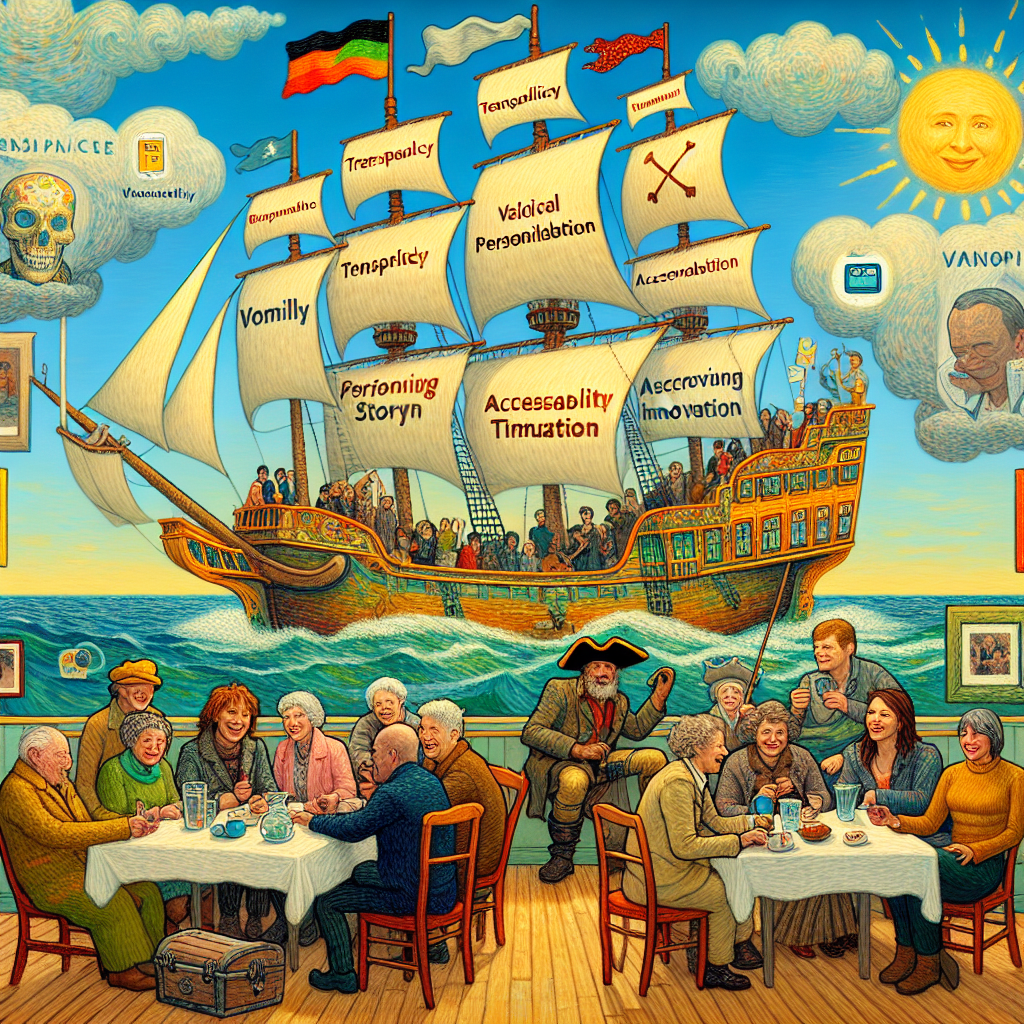
Are We Sacrificing Our Legacy for Security?
Are We Sacrificing Our Legacy for Security?
- Reflection on the tension between safety and sentiment in modern society.
- Legacy storytelling is crucial for sharing values, history, and human experiences.
- Stories connect communities and provide lessons learned from challenges.
- Reducing interactions to transactions risks silencing important narratives.
- Security should not compromise our humanity or the richness of shared experiences.
- Building trust and collaboration is essential to counteract fear-driven barriers.
- Reclaiming and sharing our stories is vital for shaping enduring legacies.
Are We Sacrificing Our Legacy for Security?
Conclusion
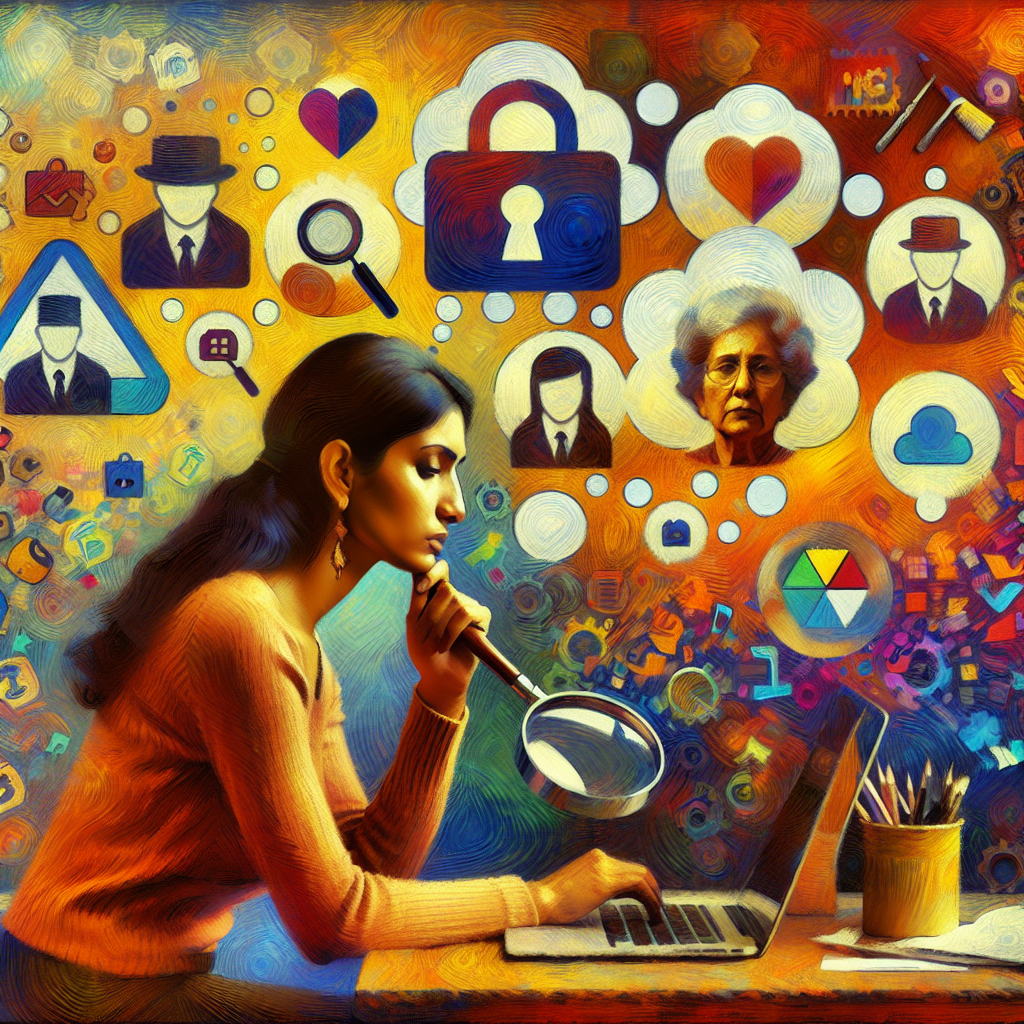
Encryption, in all its complexity, acts as both a protector and a potential destroyer of our personal narratives and shared legacies. It offers a sanctuary for our secrets, our emotional storytelling—preserving those letters from grandparents or diaries filled with life experiences. Yet, as we secure these precious memories, we often create barriers that can isolate us from those who seek to connect with these stories. We stand at a crossroads where the heart yearns for connection, and the mind champions the need for privacy. The heart reminds us that every legacy we leave behind—every act of kindness and every moment of vulnerability—contributes to a larger narrative shared with generations to come.
Compounding the dilemma is the ethical weight of encryption. While it promises safety, it can also shroud truth, creating a moral quandary about whether we protect information at the cost of transparency. We are entrusted with safeguarding our narratives, but in doing so, we must reflect on the inherent risks. Are we prioritizing safety over the legacy that binds us together? Our digital lives, filled with encrypted messages and safeguarded transactions, require a delicate balance. Trust in encryption should foster community and connection rather than create isolation; every interaction and conversation is built upon the fragile threads of mutual trust and respect.
Moreover, as technology advances, we need to critically assess our relationship with encryption. Are we placing undue faith in the systems meant to protect us? The allure of security can sometimes blind us to the cost of disconnection. We must navigate this terrain intentionally, engaging in dialogues that challenge the status quo, while remembering that our stories are intertwined with those of others. Encryption should not serve merely as a lock, but rather as a means to enhance our relationships by instilling confidence that our personal histories are protected.
Ultimately, our legacies will be defined not just by what we choose to encrypt, but by our commitment to sharing our stories with one another. It’s time to embrace our role as custodians of digital narratives, ensuring that while we protect ourselves, we do not forget the importance of connection. By fostering open dialogue, we can bridge the gap between safeguarding our information and enriching our shared human experience. Let us choose to leave a legacy that celebrates our stories, ensuring they resonate long after we are gone—a vibrant tapestry of truth and connection, woven through the fabric of our lives.

Conclusion
Conclusion:
- Encryption serves as both a protector of personal narratives and a potential barrier to connection.
- It preserves valuable memories like letters and diaries but may isolate individuals from sharing these experiences.
- The dilemma lies in balancing the heart’s yearning for connection with the mind’s need for privacy.
- Ethically, encryption can shield truths and raise questions about the cost of transparency.
- Trust in encryption should enhance community and connection rather than foster isolation.
- A critical assessment of our reliance on encryption is necessary as technology evolves.
- Our legacies will be shaped by both the stories we choose to encrypt and our commitment to sharing them.
Conclusion
Other Resources

Other Resources
Here is a list of other resources you can review online to learn more:
- DocuBank
- Geneanet
- LastPass
- Your Digital Afterlife
- Living Wisely
- Memorial Matters
- APH
- LifeSite
- Tributes
- 23AndMe
- IronClad Family
- Legacy Learned
- WishesKeeper
- RootsMagic
- Storyworth
- YouMattered
- Everplans
- Storyfile
- Willmaker
- EverNote
Use This Prompt To Get More Resources With Your Favorite Online AI Tool: Please provide me with a list of online articles with their URLs in a bulleted list that I can read regarding Encryption – Protector Or Destroyer Of Legacy?

Other Resources
Glossary Terms
Encryption – Protector Or Destroyer Of Legacy? – Glossary Of Terms
1. Encryption: The process of converting data into a coded format to prevent unauthorized access.
2. Cipher: A method of transforming text to conceal its meaning, often involving keys for encryption and decryption.
3. Key: A piece of information used in cryptographic algorithms to encrypt or decrypt data.
4. Algorithm: A set of rules or steps used for data processing, particularly in encryption.
5. Public Key: A cryptographic key available to anyone that can encrypt messages sent to the holder of the corresponding private key.
6. Private Key: A secret key known only to the owner, used to decrypt messages encrypted with the corresponding public key.
7. Symmetric Encryption: A type of encryption where the same key is used for both encryption and decryption.
8. Asymmetric Encryption: Encryption that uses a pair of keys (public and private) for encryption and decryption.
9. Hashing: The process of converting data into a fixed-size string of characters, which is typically a digest that cannot be reversed.
10. Digital Signature: A mathematical scheme for verifying the authenticity and integrity of a message or document.
11. Ciphertext: The result of encryption, unreadable without the corresponding decryption key.
12. Plaintext: The original, unencrypted data that is readable and understandable.
13. Brute Force Attack: A method of defeating encryption by trying every possible key until the correct one is found.
14. Man-in-the-Middle Attack: An interception technique where the attacker secretly relays and possibly alters the communication between two parties.
15. SSL/TLS: Protocols for establishing secure, encrypted links between networked computers, primarily used for securing websites.
16. VPN: A Virtual Private Network that provides a secure connection over the internet, often utilizing encryption for data safety.
17. Data Breach: An incident where confidential information is accessed without authorization, often due to insufficient encryption.
18. Key Management: The process of handling cryptographic keys, including their generation, storage, distribution, and destruction.
19. End-to-End Encryption: A communication method where only the communicating users can read the messages, protecting data from interception.
20. Zero-Knowledge Proof: A cryptographic method where one party can prove to another that they know a value without revealing the value itself.
21. AES: Advanced Encryption Standard, a widely used symmetric encryption algorithm known for its efficiency and security.
22. RSA: Rivest-Shamir-Adleman, a widely used asymmetric encryption algorithm that relies on the mathematical properties of large prime numbers.
23. PGP: Pretty Good Privacy, a data encryption and decryption program that provides cryptographic privacy and authentication.
24. Tokenization: The process of replacing sensitive data with non-sensitive placeholders, maintaining usability while protecting data.
25. Secret Key: In symmetric encryption, the key shared between the sender and receiver that must remain confidential.
26. Access Control: A security technique that regulates who can view or use resources in a computing environment.
27. Identity Verification: The process of confirming a user’s identity, often integrated with encryption to protect personal information.
28. Secure Socket Layer (SSL): A protocol for encrypting information over the internet to ensure safe communication.
29. Decryption: The process of converting ciphertext back into readable data using a specific key.
30. Data Integrity: The assurance that information is accurate and unchanged during storage or transmission, often secured through encryption methods.

Glossary Of Terms
Other Questions
Encryption – Protector Or Destroyer Of Legacy? – Other Questions
If you wish to explore and discover more, consider looking for answers to these questions:
- What are the different types of encryption and which are best for preserving personal archives?
- How can heirs or executors access encrypted files after someone dies?
- What happens if encryption keys or passwords are lost or forgotten?
- Can encrypted data become permanently inaccessible due to technological obsolescence?
- How should individuals manage encryption keys for long-term legacy preservation?
- What are best practices for balancing privacy with future access to legacy materials?
- What legal frameworks govern family or government access to encrypted personal data?
- Do cloud providers have obligations or policies regarding encrypted personal archives?
- How does encryption affect the authenticity, provenance, and integrity of historical records?
- What ethical considerations arise when decrypting someone’s private data posthumously?
- Should there be standardized protocols for transferring digital legacies and encrypted assets?
- How can institutions (libraries, archives, museums) help manage or preserve encrypted legacies?
- Are there technical solutions (e.g., escrow, split keys) that allow emergency access without undermining security?
- How do law enforcement and national security needs intersect with individual privacy and encrypted legacies?
- What are the risks associated with backdoors or intentionally weakened encryption for legacy access?
- How does metadata tied to encrypted files affect privacy and legacy discovery?
- What educational resources and tools exist to teach people about encryption and digital estate planning?
- How accessible is strong encryption across different socioeconomic groups and regions?
- How will advances like quantum computing impact the longevity and safety of encrypted legacies?
- Can encrypted data be structured to allow selective sharing while keeping other parts private?
- What practical steps should families take to create a secure digital estate or legacy plan?
- How do cultural differences shape attitudes toward encryption, privacy, and legacy preservation?
- Are there documented cases of encrypted archives successfully preserved and accessed across generations?
- How should backups and redundancy be handled for encrypted storage to ensure long-term survival?
- What happens to encrypted social media accounts, cloud photos, and digital services after account holders die?
- How can we ensure encrypted multimedia (video, audio, old formats) remains playable and accessible in the future?
- Should public-interest or historical-exception policies exist for accessing encrypted records?
- How can archivists and curators ethically handle encrypted materials with unknown or withheld keys?
- What responsibilities do tech companies have to warn users about long-term access risks when offering encryption?
- How do privacy regulations (e.g., GDPR) affect encrypted legacy preservation and access rights?
- What community-driven or open tools exist for collaborative legacy preservation using encryption?
- How can one audit or verify that encrypted data has been preserved correctly without exposing its content?
- What social costs arise from excessive secrecy enabled by encryption versus the benefits of privacy?
- How can marginalized or vulnerable communities ensure their encrypted stories are preserved and accessible to future generations?
- What governance models (family, legal, institutional) are most effective for managing encrypted legacies?

Other Questions
Haiku
Encryption – Protector Or Destroyer Of Legacy? – A Haiku
Encrypted whispers hold,
Stories locked in silence fade,
Trust, our legacy.

Haiku
Poem
Encryption – Protector Or Destroyer Of Legacy? – A Poem
In encrypted shadows, legacies hide,
Guarding our secrets, our truths, our pride.
Yet in this vault where memories dwell,
What do we lose, and what do we tell?
A grandparents letters, paper and ink,
Locked in the silence, no one can think.
Are these treasures preserved, or walls built so tall,
Where loves whispered stories risk fading from all?
Ethics entwined in each code and each key,
Do we shield the innocent, or create apathy?
In seeking protection, do we fragment our ties,
While truth becomes distant, and connection denies?
Trust unfurls like a delicate thread,
In a digital maze where the wary now tread.
Each click a leap of faith, an offering sent,
We hope for safe harbor, not loss of content.
Encryption’s promise—a guardians embrace,
Yet can it invite us to share in our space?
In courts of our hearts, with ethics as guide,
We bridge between safety and love bona fide.
Our legacy lives not just in whats stored,
But in stories retold, in connections adored.
As threats loom around us, let courage ignite,
To craft a narrative bold, connecting the light.
So ponder your legacy, let stories flow free,
Dont seal up your heart for mere security.
For in sharing our tales, our humanity sings,
And the bonds that we nurture will give us our wings.

Poem
Checklist
Encryption – Protector Or Destroyer Of Legacy? – A Checklist
Heart (Emotional Appeals)
✅______ Reflect on the emotional weight of your stories; how do they connect you to your heritage?
✅______ Consider how encryption affects the sharing of personal memories and relationships.
✅______ Assess the emotional impact of keeping your narratives hidden versus shared.
Head (Rational Appeals)
✅______ Evaluate the effectiveness of encryption in protecting sensitive information.
✅______ Analyze the balance between the need for security and the desire for openness in sharing stories.
✅______ Think critically about the trust you place in encrypted systems—are they reliable?
Gut (Ethical and Authority Appeals)
✅______ Contemplate the ethical implications of using encryption; does it protect or isolate?
✅______ Identify authoritative voices in the encryption debate; are they advocating for transparency or security?
✅______ Consider the moral responsibility that comes with safeguarding information—how does it align with your values?
Narrative (Storytelling Appeals)
✅______ Reflect on your own legacy stories; what narratives do you want to pass on?
✅______ Think about how encryption shapes community conversations around shared experiences.
✅______ Identify ways to encourage storytelling in your circles, despite the challenges encryption may impose.
Social (Community and Connection Appeals)
✅______ Assess how encryption impacts your social interactions—does it foster trust or create distance?
✅______ Engage in conversations with peers about the role of encryption in preserving connections.
✅______ Consider advocating for ethical communication practices that balance privacy and openness in your community.

Checklist
At LegacyExplorations, we help people plan and explore their legacy by collecting information and news regarding end-of-life planning.
Please share this post with your friends, family, or business associates who may want help to plan or explore their legacy.