
Embrace Change: Finding Purpose In A World Of Uncertainty
By Tom Seest
At LegacyExplorations, we help people plan and explore their legacy by collecting information and news regarding end-of-life planning.
Please share this post with your friends, family, or business associates who may want help to plan or explore their legacy.
Entropy Always Wins
Entropy is a force we cannot escape. It seeps into every corner of life, quietly reminding us that order is an illusion and that everything we hold dear is, at best, a temporary arrangement. We build our lives—layer by layer—like a carefully crafted tower of cards, only to realize that the very nature of existence is to bring it all tumbling down. This is not a reason to despair but a compelling narrative urging us to embrace our legacy.
Consider the stories we create. They are our legacy storytelling. Each decision we make, every moment we live, adds to the rich tapestry of who we are. It’s in the choices of our everyday lives, from comforting a friend in need to embracing the harsh realities of our environment, that we shape our tales. We may not have the power to defy entropy, but we can harness it. Somehow, in that very awareness lies a profound beauty and a spark of rebellion.
This isn’t just talk; it’s about connection and authenticity. We recognize the chaotic rhythms of our world, and in that recognition, we find community. The struggles are universal. Whether it’s wrestling with the daily grind or facing monumental hurdles, we all share the visceral highs and lows of life. In our most vulnerable moments, we come together. We don’t shy away from sharing what’s real, and that act of candidness becomes a beacon of trust, a connection that transcends the individual.
As we navigate through the chaos, we have a choice. Will we surrender to the inevitability of decay, or will we channel that energy to build something worthwhile? The answer lies in how we choose to live our lives. The impact of our actions ripples through generations, shaping tomorrow’s leaders, thinkers, and doers. It’s a call to rise, to act with intention, to be the architects of our stories despite the entropy looming overhead.
So, here’s to those who dare to stitch coherence into chaos. Here’s to the individuals who acknowledge the disorder but refuse to let it define them. By confronting our realities, we lay down the bricks for a legacy that endures past the collapse, illuminating a path for others. In embracing entropy, we ensure its lessons are not in vain, but rather the seeds of future success.

Entropy Always Wins
Entropy Always Wins
- Entropy is an unavoidable force, highlighting that order is an illusion.
- Life is built layer by layer, akin to a fragile tower of cards.
- Our narratives and legacies are shaped by everyday choices and connections.
- Acknowledging chaos fosters community and authentic relationships.
- We can harness the energy of entropy to create meaningful impacts.
- Our actions influence future generations, shaping tomorrow’s leaders.
- Embracing chaos allows us to build a lasting legacy and offers valuable lessons.

Entropy Always Wins
Table Of Contents
- Entropy Always Wins
- What Does It Mean When We Say “Entropy Always Wins”?
- How Do We Cope with Inevitable Change?
- Can We Find Meaning In the Chaos Of Life?
- What Stories Of Resilience Inspire You In Tough Times?
- How Do You Navigate Feelings Of Uncertainty?
- In What Ways Can We Regain Control In an Unpredictable World?
- What Role Does Purpose Play In Overcoming Adversity?
- Conclusion
- Other Resources
- Glossary Of Terms
- Other Questions
- Haiku
- Poem
- Checklist
What Does It Mean When We Say “Entropy Always Wins”?
Life isn’t just a series of events; it’s a complex tapestry woven from the threads of our experiences, a legacy defined by the stories we tell and the chaos we face. When we say “entropy always wins,” we’re acknowledging a fundamental truth that resonates deep within us—the inevitable decay of order into disorder. Like an old barn, once a proud symbol of harvest, which slowly succumbs to the vines and elements over the years, we too watch as our carefully laid plans unravel, often right before our eyes.
Imagine for a moment the late-night conversations around a flickering campfire, where laughter mixes with the crackle of wood and the scent of nostalgia fills the air. Those moments embody legacy storytelling, as friends share tales of triumph and trials, each story reminding us that while we may strive for structure and success, nature has a way of throwing us curveballs. It’s both humbling and exhilarating to recognize that our lives are not solely about wins or losses but about how we navigate the chaos and create meaning from it.
Think about the times you’ve watched your plans go awry—perhaps a promotion that slipped through your fingers or a relationship that didn’t pan out. Each loss isn’t merely a setback; it’s an opportunity for profound growth and reflection. The heart feels it; the gut knows it. We are all in this together, wrestling with our own version of entropy. We can either bury our heads in the sand or embrace it, learning to celebrate life’s unpredictability.
On an ethical level, acknowledging that entropy wins invites us to be compassionate toward one another. It reminds us that everyone carries the weight of their own struggles, forging connections through shared experiences. When we open up, whether in a community gathering or a social media post, we create an environment where vulnerability is met with understanding.
Through every disordered moment, there lies the potential for renewal, a chance to write our next chapter with intention and resilience. So, let’s not shy away from chaos; instead, let’s lean into it, share our stories, and inspire one another to act. In doing so, we honor the legacy of those who came before us, intertwining their narratives with our own, creating a richer narrative for the future. Entropy may have the upper hand, but it’s how we respond that defines us.

What Does It Mean When We Say “Entropy Always Wins”?
What Does It Mean When We Say “Entropy Always Wins”?
- Life is a complex tapestry woven from experiences and stories.
- Entropy symbolizes the inevitable decay of order into disorder.
- Moments of shared storytelling around a campfire reflect the chaos and unpredictability of life.
- Setbacks, such as failed promotions or relationships, offer opportunities for growth.
- Acknowledging entropy fosters compassion and understanding among people.
- Each disordered moment holds potential for renewal and intentional living.
- Embracing chaos allows us to honor past legacies and enrich future narratives.

What Does It Mean When We Say “Entropy Always Wins”?
How Do We Cope with Inevitable Change?
Change is the only constant in life, yet it often feels like we’re caught in a whirlwind, grasping for stability. Understanding and adapting to this truth can be a deeply personal journey, one that connects us to our own legacy while honoring the stories we carry.
Let’s start with the heart. Each of us has a legacy—an intricate tapestry woven from our experiences and the stories we tell. When faced with change, it’s vital to pause and remember that our narratives are powerful. They can be sources of strength, reminding us of who we are and where we’ve been. Embracing change doesn’t mean abandoning these stories; instead, it’s about integrating them into a larger narrative that propels us forward.
On a rational level, we must confront the facts. Change can be confusing and unsettling, but it can also be a catalyst for growth. History has shown us that those who adapt often emerge stronger, more resilient, and better equipped to face new challenges. It’s about viewing change through a lens of opportunity rather than loss. When we rationalize our experiences, we empower ourselves to make informed decisions, paving the way for a proactive approach to life’s unpredictability.
Ethically, we have a responsibility to ourselves and those around us. Embracing change isn’t just a personal endeavor; it’s a communal one. By sharing our experiences and insights, we foster an environment where others feel safe to navigate their own transitions. This collective wisdom creates a support system that enriches everyone’s legacy, ensuring that the stories we tell resonate beyond our own lives.
Our authority comes not from knowledge alone but from lived experiences. We’ve all faced obstacles that seemed insurmountable—moments that defined us. These challenges forged our paths and taught us valuable lessons. When we share these stories, we inspire trust. We become relatable figures in a sea of uncertainty, reminding others that they’re not alone in their struggles.
Finally, there’s a profound social aspect to coping with change. It’s not just about individual experiences; it’s about how we connect with others during times of upheaval. When we come together to share our stories, we create a sense of belonging. This connection is the bedrock of resilience, helping us navigate the stormy seas of change with a sturdy ship and a crew that supports one another.
So as we step forward into the unknown, let’s lean into our legacies, wield our stories, and support one another. Change is inevitable, but how we cope with it defines not just our lives, but the lives we touch.

How Do We Cope with Inevitable Change?
How Do We Cope with Inevitable Change?
- Change is a constant in life, often creating a sense of instability.
- Our personal legacies are woven from experiences and stories, providing strength in times of change.
- Change can be a catalyst for growth, seen as an opportunity rather than a loss.
- Embracing change is a communal responsibility, fostering safe environments for transitions.
- Lived experiences inspire trust, showing others they are not alone in their struggles.
- Sharing stories creates a sense of belonging and strengthens resilience during upheaval.
- How we cope with change influences our lives and those around us.

How Do We Cope with Inevitable Change?
Can We Find Meaning In the Chaos Of Life?
In the unpredictable tapestry of life, chaos often reigns supreme. We navigate through a whirlwind of challenges, disappointments, and unexpected joys, wrestling with the question: Can we find meaning amid this disorder? The answer lies within the very struggle itself.
The key to understanding our chaotic existence is through Legacy Storytelling. Each of our lives is a story woven from experiences—some triumphant, others profoundly painful. We each possess a narrative that not only defines us but also connects us to one another. When we share our stories, we breathe life into our collective human experience, recognizing that chaos is not just an individual affair but a universal one.
Think for a moment about moments of chaos you’ve encountered. Perhaps it was losing a job, facing a health crisis, or navigating a personal relationship in turmoil. In these moments, we often feel lost, yet what emerges from that turbulence can shape our very legacy. It is in the depth of crisis where our character is tested, revealing the fibers that hold us together. It’s these defining moments that propel us to create meaning, urging us to inspire others with our resilience.
Rationally speaking, we must accept that life’s chaos is not an anomaly, but a constant. Research shows that those who confront and embrace chaos tend to lead more fulfilling lives. They find clarity amidst confusion, constructing purpose from pandemonium. This rational understanding firmly positions us to act, fostering a sense of agency even when faced with the unknown.
Ethically, we owe it to ourselves and to those around us to harness our stories. By acknowledging and sharing our trials, we invite others into a shared space of vulnerability that can teach us compassion and understanding. Every time we recount our experiences, we foster connection—an essential ingredient for combating isolation often birthed from life’s chaos.
Lastly, consider the social impact of sharing your journey. In a world saturated with curated perfection, authentic storytelling cuts through the noise. It encourages others to voice their own narratives, creating a ripple effect of trust and understanding. Each shared experience becomes a beacon of hope, inspiring not just individual action but a broader movement towards embracing life’s unpredictability.
In chaos, there is meaning waiting to be found. Each story we tell can serve as a powerful testament to the strength of the human spirit, urging us all to find purpose amid the storm.

Can We Find Meaning In the Chaos Of Life?
Can We Find Meaning In the Chaos Of Life?
- Life is filled with chaos, challenges, and unexpected joys that prompt the search for meaning.
- Legacy Storytelling reveals that each life is a narrative shaped by experiences, connecting individuals universally.
- Personal crises, such as job loss or health issues, often lead to moments of self-discovery and resilience.
- Confronting chaos can lead to a more fulfilling life, offering clarity and a sense of purpose.
- Sharing stories fosters connection, compassion, and vulnerability, countering isolation caused by chaos.
- Authentic storytelling encourages others to share their narratives, creating a community of trust and understanding.
- Each shared experience acts as a beacon of hope, inspiring action and a movement toward embracing life’s unpredictability.

Can We Find Meaning In the Chaos Of Life?
What Stories Of Resilience Inspire You In Tough Times?
What Stories of Resilience Inspire You in Tough Times?
When we find ourselves grappling with hardships, the stories that reach deep into our souls often come from those who have walked through the fire and emerged stronger on the other side. These narratives aren’t just tales; they are legacies—a testament to human endurance and the power of will. They remind us that the hardest battles yield the most profound lessons.
Consider the story of a small-town mechanic who lost everything in a fire yet turned that tragedy into an opportunity. He didn’t just rebuild his business; he created a community hub, offering free workshops for other struggling entrepreneurs. This isn’t merely about overcoming. It’s about leveraging one’s experience to uplift others—this is the essence of legacy storytelling. We learn not just to endure our struggles but to transform them into a narrative that inspires action and hope in others.
Narratives like this resonate at multiple levels. They engage our hearts, as we feel compassion for the struggles of others. They appeal to our heads, as we recognize the practical steps taken to rebuild and change lives. The ethical thread in these stories compels us to consider our moral responsibility to help those around us. We all have the capacity, and perhaps even the duty, to assist others in their journeys, shaped by the recognition that we’re all in this together.
Moreover, there’s authority in these stories that comes from genuine experience. The mechanist’s journey is credible because he lived through it; he didn’t just read about resilience; he embodied it. This authenticity fosters trust, inviting us to believe that if he can rise, so can we. These stories also establish social norms, illustrating how resilience is a shared human value, binding communities together in solidarity.
In tough times, we often look for guidance and encouragement. These narratives serve as beacons, lighting the way toward action. They teach us that resilience is not an isolated act but a communal endeavor. So, when life knocks you down, remember the stories of those who stood back up, brushed off the dust, and forged ahead, not just for themselves, but for the legacies they wanted to create—a reminder that we each have the power to inspire those around us.

What Stories Of Resilience Inspire You In Tough Times?
What Stories Of Resilience Inspire You In Tough Times?
- Stories of resilience come from those who have overcome hardships, serving as legacies of human endurance.
- A small-town mechanic rebuilt his business after a fire, creating a community hub and offering workshops for struggling entrepreneurs.
- These narratives inspire action by transforming personal struggles into stories that uplift others.
- Resilient stories engage emotional compassion and practical understanding, highlighting our moral responsibility to help each other.
- Authentic experiences, like that of the mechanic, foster trust and encourage belief in personal resilience.
- Such stories illustrate resilience as a shared value that binds communities together.
- Narratives of resilience serve as beacons for guidance, teaching that resilience is a communal endeavor.

What Stories Of Resilience Inspire You In Tough Times?
How Do You Navigate Feelings Of Uncertainty?
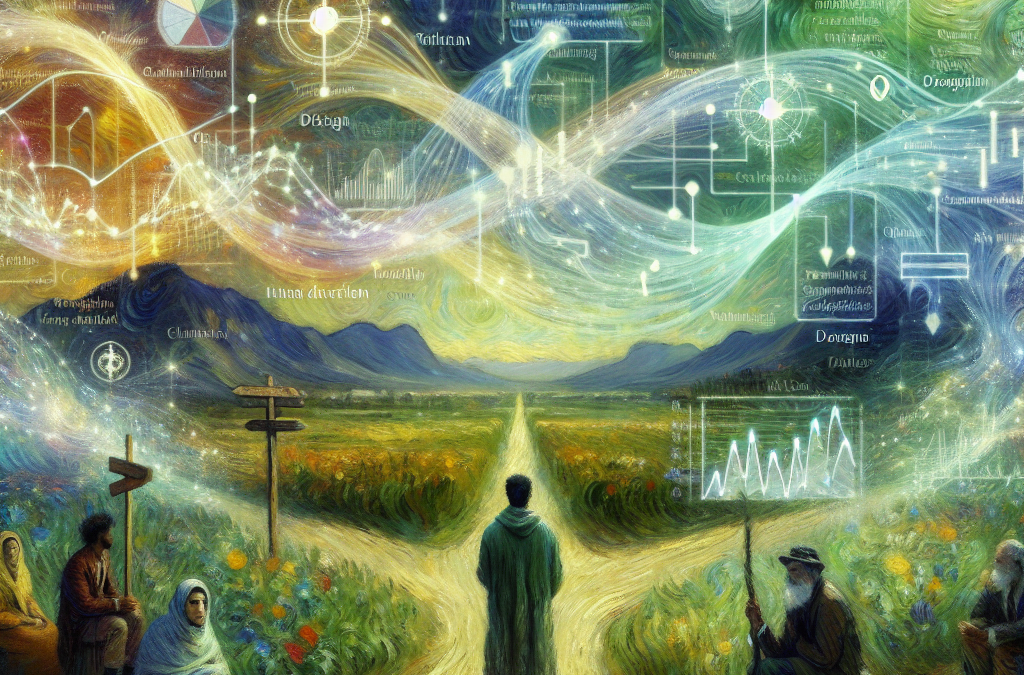
Navigating feelings of uncertainty is a journey many of us undertake, often without a map. It’s like standing at the edge of a foggy path, unsure of where each step will lead. But just as seasoned adventurers know, embracing the unknown can unlock profound personal growth. The landscape of life is rarely straightforward; it’s filled with twists and turns that challenge our spirit and resilience.
There’s a timeless truth in legacy storytelling. Each of us carries a narrative shaped by our experiences, triumphs, and failures. When grappling with uncertainty, recalling our past stories can serve as a compass. We’ve all faced moments that felt insurmountable—a job loss, a relationship breakdown, or even the daunting decision of what comes next. These experiences forge our character and remind us that we are not alone. Our collective narratives connect us, revealing common threads that resonate deeply with others.
From a rational standpoint, consider this: uncertainty is an intrinsic part of life. It invites growth and innovation. Many of the world’s greatest achievements emerged from the minds of those willing to step into the unknown. When you confront uncertainty head-on, you tap into a well of potential and creativity. Embrace the discomfort; it indicates that you’re moving beyond familiar territory and evolving.
Ethically, let’s acknowledge the weight of our choices during these times. Every decision—big or small—shapes our legacy. Those choices define not just our own path but also how we impact others. When confronted with uncertainty, approach your choices with integrity and purpose. Your actions resonate beyond the immediate moment, shaping the world around you.
It’s also important to foster connection with those who share this journey. Reach out to others navigating similar feelings. In a world that often feels isolating, mutual support fuels courage. Open dialogues about uncertainties can spark surprising connections, revealing that what feels daunting can become manageable when faced together.
Look inward and trust your instincts. Your gut often knows more than you realize. When you lean on your intuition, it fortifies your sense of direction amid ambiguity. Embrace the challenge of uncertainty; it’s a wild ride, but it can lead to invaluable discoveries about yourself and the world. Each step into the fog can be a testament to courage, a story to share tomorrow, shaping not just your own legacy but the lives of those around you.

How Do You Navigate Feelings Of Uncertainty?
How Do You Navigate Feelings Of Uncertainty?
- Navigating uncertainty is a journey that often lacks clear direction.
- Embracing the unknown can facilitate profound personal growth.
- Our personal narratives, shaped by triumphs and failures, serve as guidance during uncertain times.
- Uncertainty fosters growth and innovation, leading to creative potential.
- Every choice we make influences our legacy and impacts others.
- Connecting with others who share similar feelings can provide mutual support and courage.
- Trusting one’s instincts can help navigate through ambiguity and lead to self-discovery.

How Do You Navigate Feelings Of Uncertainty?
In What Ways Can We Regain Control In an Unpredictable World?
In an unpredictable world, the quest to regain control often feels daunting, yet it’s crucial to remember that we all have the power to shape our destiny through our actions and choices. This isn’t just a theoretical notion; it’s a call to embrace our agency in the face of chaos.
Consider how deep-rooted and impactful legacy storytelling can be. Each of us carries stories that define who we are, stories forged from our trials, triumphs, and tribulations. By sharing these narratives, we create connections that transcend generations. When we recount our experiences, we don’t just reflect our past; we inspire those around us to find strength in vulnerability. This is where the heart connects with the head; it’s about understanding that our experiences resonate, foster empathy, and lay the groundwork for a more connected community.
Think about the power of sharing your own legacy. Imagine standing around a fire, sharing tales of failure and success—those moments that shaped your identity. Each story is a thread woven into the larger tapestry of life, reminding us that while the world may be unpredictable, our responses to it can be deliberate. This isn’t just about individual resilience; it’s about collective strength. When we open up, we create a social fabric of support, allowing others to lean into their own stories, fostering a sense of belonging and trust.
Rationally, it makes sense that engaging in legacy storytelling can serve to ground us. By actively recalling and articulating our experiences, we create a mental anchor—something tangible to hold onto when everything around us feels chaotic. The ethical appeal lies in the responsibility we have to share our stories, to lift others, and to not shy away from the challenging moments that may inspire greatness in another.
Moreover, there’s authority in storytelling. Leaders from every corner of life—be it in business, community, or family—know this. They recognize that their words can galvanize action and forge connections. It’s not just about delivering a message; it’s about invoking a gut response that propels individuals, teams, and societies forward.
In this unpredictable world, take a step back and embrace the power of your legacy. Share your story, listen to others, and together, let’s regain that sense of control. We may not predict the future, but we can definitely shape our present through the narratives we choose to share.

In What Ways Can We Regain Control In an Unpredictable World?
In What Ways Can We Regain Control In an Unpredictable World?
- In an unpredictable world, we can shape our destiny through our actions and choices.
- Legacy storytelling connects generations, defining our identities through shared narratives of trials and triumphs.
- Recalling experiences fosters empathy and builds a more connected community.
- Sharing personal stories creates a social fabric of support and trust, emphasizing collective strength.
- Engaging in legacy storytelling provides a mental anchor amidst chaos.
- Storytelling holds authority and can galvanize action across various aspects of life.
- Embracing our legacy empowers us to regain control and influence our present through shared narratives.

In What Ways Can We Regain Control In an Unpredictable World?
What Role Does Purpose Play In Overcoming Adversity?
Adversity is a universal experience, a harsh teacher that, if we let it, brings with it the opportunity for profound growth. Purpose acts as the guiding star amid turbulent times, offering a way to navigate through the storm. Many of us find ourselves at a crossroads where challenges seem insurmountable, but it is here that the notion of purpose becomes pivotal. When the going gets tough, those with a clear sense of purpose are more resilient. They find strength in their legacy, a personal narrative that transcends the moment and floods their journey with meaning.
Consider the power of storytelling, not just as a method to entertain but as a vehicle to connect with our shared humanity. When individuals face hardship, they frequently turn to the stories of others who have triumphed. These stories remind us that we are not alone in our struggles. They show us that the human spirit can endure, that every setback can be converted into a setup for a comeback. This narrative is not simply about survival; it is about embracing life’s challenges and recognizing them as essential components of our legacy.
From an ethical standpoint, engaging with purpose during tough times invites a deeper understanding of ourselves. It compels us to ask, “What am I willing to fight for?” This self-reflection can be uncomfortable, even gut-wrenching, but it is necessary. With a firm grasp on our values, we forge connections not only with ourselves but also with others—activating that sense of belonging which is central to overcoming adversity. We become part of something larger than ourselves, integrating the wisdom of past struggles into our current reality.
Moreover, the social dimension cannot be ignored. We thrive in communities where shared purpose breeds support and encouragement. Look around and listen; countless voices echo the same sentiments. Groups band together to face challenges, collaborate on solutions, and lift one another up. This collective experience reinforces the truth that we are all in this together. When individuals come together with a common purpose, fortitude multiplies.
Ultimately, purpose transforms adversity from an obstacle into an affirmation of life’s journey. It shapes our legacy, frames our storytelling, and connects us with others profoundly. It inspires us to push beyond our limits and emerge not just unscathed but as stronger individuals who’ve learned to dance in the rain. It’s time to embrace that purpose, write your own story, and face down the challenges that life throws at you.

What Role Does Purpose Play In Overcoming Adversity?
What Role Does Purpose Play In Overcoming Adversity?
- Adversity serves as a harsh teacher that offers opportunities for growth.
- Purpose acts as a guiding star during turbulent times, enhancing resilience.
- Storytelling connects shared human experiences and highlights triumph over hardship.
- Self-reflection during adversity promotes understanding of personal values and motivations.
- Building connections with others fosters a sense of belonging and support.
- Communities with shared purpose create collective strength and encouragement.
- Embracing purpose transforms adversity into a meaningful aspect of life’s journey.

What Role Does Purpose Play In Overcoming Adversity?
Conclusion
Embracing change is not to cower before chaos, but to understand it as an inevitable and transformative force—the very pulse of life itself. In a world where entropy reigns, we are reminded that what we perceive as order is, in fact, a temporary arrangement susceptible to the unseen winds of change. Yet, instead of succumbing to despair, we find a call to action—a chance to craft our narratives and build a legacy that reflects our resilience.
Every moment we live contributes to our stories, weaving a tapestry of who we are. Our experiences, from victories to failures, create a rich legacy that binds us to one another. As we navigate life’s unpredictable terrain, we recognize that we are all wrestling with our forms of adversity. The shared struggles—whether losing a job, a loved one, or the very stability we thought we had—serve as powerful reminders that we are not alone. It’s in these moments of vulnerability that we foster connection, building communities that create bridges of empathy and understanding.
Rationally, we must accept that chaos and uncertainty are not just obstacles; they are opportunities for growth. Those who adapt—who lean into change—often emerge not merely intact but stronger and more capable. We have the agency to respond to life’s unpredictability, influencing not just our paths but the lives of those around us. This capacity to inspire and uplift others is the essence of legacy storytelling, as we recognize that our actions today set a precedent for future generations.
Ethically, we are reminded of our shared humanity. By openly sharing our experiences, we create spaces for others to find solace and courage amidst their struggles. Each narrative told becomes a thread in our collective experience, reinforcing the truth that resilience is a communal endeavor. When we embrace our stories, we not only reclaim a sense of control but also foster a robust social fabric that can withstand the tests of time.
So, let’s toast to the chaos, the change, and the inevitable entropy. In acknowledging these forces, we transform them into a fertile ground for renewal, paving the way for a future defined by intentional action and shared strength. The narratives we craft in the face of uncertainty illuminate a path for others, reminding us all that even amid disorder, meaning and purpose await to be discovered.
Conclusion
Conclusion:
- Embracing change is essential to understanding chaos as a transformative force in life.
- Perceived order is a temporary arrangement subject to change.
- Our experiences weave a rich legacy that connects us through shared struggles.
- Chaos and uncertainty present opportunities for growth and resilience.
- Adapting to change allows individuals to influence their own paths and those around them.
- Sharing personal narratives fosters empathy and builds a supportive community.
- Acknowledging chaos paves the way for renewal and illustrates the meaning in uncertainty.

Conclusion
Other Resources

Other Resources
Here is a list of other resources you can review online to learn more:
- Memorial Matters
- Legacy
- Remembered.com
- GhostMemo
- Forever Missed
- IronClad Family
- Lexikin
- Everplans
- MyWishes
- UpCounsel
- 23AndMe
- RootsMagic
- LegacyLearned
- EverNote
- How to Save Your Family�s Stories from Being Lost Forever � A Step-by-Step Guide to Creating a Lasting Digital Legacy
- YouMattered
- WishesKeeper
- Storyfile Life
- LifeWeb 360
Use This Prompt To Get More Resources With Your Favorite Online AI Tool: Please provide me with a list of online articles with their URLs in a bulleted list that I can read regarding Entropy Always Wins

Other Resources
Glossary Terms
Entropy Always Wins – Glossary Of Terms
1. Entropy: A measure of disorder or randomness in a system, often associated with the second law of thermodynamics.
2. Thermodynamics: The branch of physics concerned with heat transfer, energy, and the laws governing the conversion of energy.
3. Second Law of Thermodynamics: A fundamental principle stating that the total entropy of an isolated system can never decrease over time.
4. Energy: The capacity to do work or produce change, existing in various forms such as kinetic, potential, thermal, and chemical.
5. Isolated System: A physical system that does not exchange matter or energy with its surroundings.
6. Equilibrium: A state in which opposing forces or influences are balanced, often referring to thermodynamic stability.
7. Spontaneous Process: A process that occurs without requiring additional energy input, generally associated with an increase in entropy.
8. Macroscopic: The scale of study dealing with large systems composed of many particles, as opposed to microscopic or atomic scales.
9. Microstates: The specific configurations of a system at a microscopic level that correspond to its macroscopic properties.
10. Configurational Entropy: The entropy related to the number of ways particles can be arranged within a system.
11. Irreversibility: The characteristic of processes that cannot return to their original state without external intervention, often increasing entropy.
12. Heat Death: A theoretical end-state of the universe where all energy is uniformly distributed, leading to maximum entropy and no thermodynamic free energy.
13. Phase Transition: A change from one state of matter to another (e. g. , solid to liquid) that can involve changes in entropy.
14. Free Energy: Energy available to do work in a system, often used to predict the spontaneity of a process.
15. Statistical Mechanics: A branch of physics that uses statistical methods to relate microscopic properties of particles to macroscopic observables.
16. Order: A state characterized by uniformity and predictable behavior in a system, often contrasts with disorder or entropy.
17. Disorder: The lack of order or arrangement in a system, often associated with higher entropy.
18. Information Theory: A field that quantifies the amount of information and its transmission, often relating entropy to uncertainty in data.
19. Entropy Change: The difference in entropy between two states, often used in thermodynamic calculations.
20. Heat Transfer: The process of thermal energy moving from a hotter object to a cooler one, often increasing total entropy.
21. Brownian Motion: The random movement of particles suspended in a fluid, exemplifying entropy in action at a microscopic level.
22. Self-Organization: A process where a system spontaneously increases its order without external guidance, often temporarily resisting entropy.
23. Non-equilibrium: The state of a system not in equilibrium, often exhibiting gradients and driving forces that increase entropy.
24. Entropy Production: The generation of entropy in a process, often linked to irreversibility and energy dispersal.
25. Biodiversity: The variety of life in a particular habitat, which can be viewed through the lens of entropy in ecological systems.
26. Chaos Theory: The study of systems that exhibit sensitivity to initial conditions, often illustrating complex behavior and entropy.
27. Thermal Equilibrium: A condition where two systems in thermal contact reach the same temperature, with no net flow of thermal energy.
28. Kinetic Theory: A theory that explains the behavior of gases in terms of the motions of individual particles, relating to entropy and temperature.
29. Diffusion: The process by which particles spread from areas of high concentration to low concentration, increasing entropy.
30. Entropy Barrier: A threshold that must be overcome for a system to transition from a lower to a higher entropy state.

Glossary Of Terms
Other Questions
Entropy Always Wins – Other Questions
If you wish to explore and discover more, consider looking for answers to these questions:
- What exactly does the author mean by “entropy” here—is it a scientific concept, a metaphor, or both?
- How can I harness entropy rather than be undone by it?
- What practical daily habits help me embrace change and build resilience?
- What is “legacy storytelling” and how do I practice it effectively?
- How do I create a lasting legacy when everything is subject to decay?
- How can I find or clarify my purpose when life feels chaotic?
- What specific strategies help cope with uncertainty and anxiety?
- When should I accept change versus trying to maintain the status quo?
- How can communities foster authenticity and vulnerability in safe ways?
- What role do relationships play in resisting the negative effects of entropy?
- Are there psychological frameworks or therapies that align with these ideas?
- What empirical evidence supports the claim that embracing chaos leads to growth?
- How can leaders use storytelling to inspire action and resilience?
- What are concrete examples of people or organizations who turned loss into opportunity?
- How do I teach resilience and purpose to children or younger generations?
- How do cultural and socioeconomic factors affect the ability to embrace entropy?
- How should ethical considerations shape our response to change and uncertainty?
- How do I balance short-term stability with long-term legacy-building?
- When is it appropriate to seek professional help for feelings of overwhelm or despair?
- How can I measure whether my actions are creating a meaningful legacy?
- What rituals or practices help stitch coherence into chaos?
- How can I transform personal setbacks into narratives that benefit others?
- What common pitfalls should I avoid when trying to “embrace change”?
- How do I maintain authenticity in a world of curated perfection and social media?
- How can organizations incorporate these principles into culture and policy?
- What role does grief play in rebuilding and finding meaning?
- How do you reconcile hope and realism when entropy seems to dominate?
- How can I build a support network that sustains me through uncertainty?
- What books, studies, or resources further explore entropy, purpose, and resilience?
- How do different philosophical or spiritual traditions interpret “entropy always wins”?
- How can storytelling be used to effect social change or inspire collective action?
- How do we preserve important legacies (art, institutions, knowledge) despite entropy?

Other Questions
Haiku
Entropy Always Wins – A Haiku
Order turns to chaos,
Echoes of shared stories rise,
In change, we find strength.

Haiku
Poem
Entropy Always Wins – A Poem
In the dance of chaos, where entropy reigns,
Lifes fragile constructs face inevitable strains.
A tower of cards, each moment a choice,
In stories we weave, we find our true voice.
Embrace the disorder, let connection ignite,
In shared vulnerability, we find strength and light.
From failures and losses, our wisdom takes flight,
Legacy storytelling, a beacon in night.
Through changes we stumble, yet purpose unfurls,
With hearts intertwined, we navigate swirls.
Each struggle we face, a chance to rise smart;
In the core of our trials, discover your heart.
Amid uncertaintys fog, hold steadfast and brave,
Let every misstep be a path to pave.
For chaos, a canvas, where meaning resides,
Through resilience and hope, our legacy guides.
So stand strong together, in communities bound,
With purpose as anchor, new stories abound.
In the whirlwind of life, let love be our star,
For in the heart of the struggle, shines who we are.

Poem
Checklist
Entropy Always Wins – A Checklist
Heart Appeals
✅______ Reflect on a personal story where you overcame adversity—how did it shape you?
✅______ Share your experiences with others to foster a sense of community and connection.
✅______ Identify moments of vulnerability that can inspire trust and empathy within your circle.
Head Appeals
✅______ Analyze a recent change in your life—what rational steps can you take to adapt?
✅______ Embrace uncertainty as a platform for creativity and growth. List at least three opportunities that can arise from your current challenges.
✅______ Consider the lessons learned from past chaotic moments—document how they helped clarify your purpose.
Gut Appeals
✅______ Trust your instincts—when facing decisions, what does your gut tell you to do?
✅______ Create a daily affirmation or mantra that reinforces your ability to navigate chaos with confidence.
✅______ Identify and confront any fears that keep you from embracing change. What steps can you take to empower yourself?
Ethical Appeals
✅______ Commit to supporting someone else in their journey—share your insights to inspire resilience.
✅______ Reflect on your responsibilities toward your community—how can you contribute to collective growth?
✅______ Consider the impact of your actions—how do they resonate with your values and the legacy you wish to leave?
Authority Appeals
✅______ Recognize your expertise gained through lived experiences—how can you share this wisdom with others?
✅______ Seek out mentors or role models whose stories of resilience inspire you—what can you learn from them?
✅______ Document your journey—write down insights that could guide others facing their own challenges.
Narrative Appeals
✅______ Write a brief account of a challenge faced and how it was transformed into a source of strength.
✅______ Create a vision board that illustrates the narrative you want to build for your future.
✅______ Share your narrative in a community venue—how can storytelling catalyze change for yourself and others?
Social Appeals
✅______ Participate in a community discussion or event focused on resilience and support—engage with others’ stories.
✅______ Build a network of support by reaching out to those who may be experiencing similar challenges.
✅______ Organize a shared storytelling circle—invite friends to reflect on their experiences and learn from each other.

Checklist
At LegacyExplorations, we help people plan and explore their legacy by collecting information and news regarding end-of-life planning.
Please share this post with your friends, family, or business associates who may want help to plan or explore their legacy.