

Unveiling The Day-To-Day Of A Legacy Planner
By Tom Seest
At LegacyExplorations, we help people plan and explore their legacy by collecting information and news regarding end-of-life planning.
Please share this post with your friends, family, or business associates who may want help to plan or explore their legacy.
Ever Wondered What a Legacy Planner Does All Day?
When you think of a legacy planner, what pops into your mind? Perhaps a person in a suit, carefully calculating assets and taxes while sipping a cup of gourmet coffee. But in reality, a day in the life of a legacy planner is far more grounded and, dare I say, rewarding than that.
Picture this: a legacy planner starts the day in their office, which is often a mix of comfortable yet functional spaces. It’s not uncommon to find family photos pinned to the walls or a shelf lined with books that detail the intricacies of estate taxes and ethical wills. The planner is a custodian of stories, taking on the role of not just a financial advisor but an emotional support system for families navigating the often murky waters of end-of-life planning.
The morning begins with a series of meetings—some face-to-face and others virtually. Each meeting is unique, diving deep into the dreams, fears, and aspirations of their clients. What do they want their legacy to be? How do they want to be remembered when they’re gone? These are heavy questions that require a deft touch and an empathetic ear. The planner listens intently, understanding that behind every financial decision lies a myriad of memories and emotions.
As the day progresses, the planner transitions into the analytical side of the job. They sift through documents—trust agreements, property deeds, and investment portfolios—and consider how these pieces fit together to form a coherent legacy. It’s a delicate puzzle, making choices that reflect the values and wishes of a family while adhering to legal requirements. Whether it’s a charitable donation or the division of assets among heirs, the goal remains the same: creating a lasting impact that echoes far beyond the here and now.
Afternoons often involve collaborating with other professionals: attorneys, financial advisors, and sometimes even grief counselors. Together, they strive to ensure that every aspect of a client’s wishes is meticulously addressed and honored.
In the quiet moments, a legacy planner might reflect on the stories they’ve been entrusted with and the profound responsibility they carry. This isn’t just about money; it’s about preserving a family’s heritage and creating a forward-looking vision that can inspire generations. So the next time you wonder what a legacy planner does all day, remember it’s less about the numbers and more about the stories—the legacies that linger long after we’re gone.

Ever Wondered What a Legacy Planner Does All Day?
Ever Wondered What a Legacy Planner Does All Day?
- A legacy planner’s day involves more than just financial calculations; it is deeply rewarding and grounded in emotional support.
- Their office blends comfort with function, featuring personal touches like family photos and books on estate planning.
- Meetings with clients explore their dreams, fears, and aspirations regarding their legacy and how they want to be remembered.
- Legacy planners analyze various documents, such as trust agreements and investment portfolios, to create a coherent legacy.
- They focus on aligning family values and wishes with legal requirements, whether through charitable donations or dividing assets.
- Collaboration with professionals like attorneys and financial advisors ensures every aspect of a client’s wishes is honored.
- The role involves a profound responsibility to preserve family heritage and inspire future generations through storytelling.

Ever Wondered What a Legacy Planner Does All Day?
Table Of Contents
- Ever Wondered What a Legacy Planner Does All Day?
- What Tasks Does A Legacy Planner Handle On A Daily Basis?
- How Does A Legacy Planner Help Clients Define Their Values?
- What Tools Do Legacy Planners Use For Effective Planning?
- How Do Legacy Planners Manage Client Relationships?
- What Are The Common Challenges Faced By Legacy Planners?
- How Can Legacy Planners Assist With Digital Asset Management?
- What Skills Are Essential For A Successful Legacy Planner?
- Conclusion
- Other Resources
- Glossary Of Terms
- Other Questions
- Haiku
- Poem
- Checklist
What Tasks Does A Legacy Planner Handle On A Daily Basis?
When you think about the day-to-day grind of a legacy planner, you might imagine someone buried in paperwork or locked away in an office, crafting elaborate strategies for the afterlife. But in reality, the work of a legacy planner is far more dynamic and engaging. Every day is a mix of emotional intelligence, financial acumen, and a healthy sprinkle of compassion, all aimed at helping individuals articulate their legacy.
First off, a legacy planner spends a good chunk of their day meeting with clients. These aren’t your typical 9-to-5 discussions; they’re deep, meaningful conversations about values, aspirations, and the stories people want to leave behind. Unlike traditional financial advisors focused solely on wealth accumulation, legacy planners focus on the broader picture. They help clients identify what “legacy” truly means to them—beyond money and material possessions. This could involve discussing how to create a family narrative that values experiences over things or determining how to pass down cherished traditions to future generations.
Once the groundwork is laid, legacy planners dive into the nitty-gritty of legally documenting that legacy. This includes drafting wills, trusts, and other essential documents that ensure a client’s wishes are honored. Each document is more than just legal jargon; it’s a vessel for personal stories, values, and beliefs that reflect who someone was in life. Ensuring these documents are both legally sound and heartfelt is a delicate balancing act.
Another crucial task involves conducting research. Legacy planners need to stay informed about regulations, tax implications, and best practices in estate planning. This requires keeping their finger on the pulse of ever-changing laws and trends that could impact their clients’ legacies. A planner’s ability to navigate this complex terrain can make a world of difference for those they serve.
As the day wraps up, you’ll often find a legacy planner analyzing their caseload, following up with clients, and answering questions that inevitably arise about the legacy planning process. It’s about being present, proactive, and supportive—qualities that elevate the planner’s role from mere paper-pusher to trusted advisor.
In short, a legacy planner is not just an architect of financial plans; they are craftspeople of stories and guardians of values, helping individuals pave pathways for future generations. It’s a blend of art and science, heart and head, that transforms the concept of legacy into a tangible reality.

What Tasks Does A Legacy Planner Handle On A Daily Basis?
What Tasks Does A Legacy Planner Handle On A Daily Basis?
- Legacy planners engage in dynamic and meaningful daily work, combining emotional intelligence, financial skills, and compassion to help clients articulate their legacy.
- They hold deep conversations with clients to explore values, aspirations, and how to define “legacy” beyond financial wealth.
- Legacy planners assist clients in creating family narratives that prioritize experiences and the transmission of cherished traditions.
- They draft essential legal documents such as wills and trusts, ensuring these reflect personal stories and values while being legally sound.
- Legacy planners regularly conduct research to stay updated on estate planning laws, tax implications, and best practices.
- They analyze their caseload, follow up with clients, and provide ongoing support throughout the legacy planning process.
- The role of a legacy planner encompasses both the creation of financial plans and the preservation of personal values, blending art and science.

What Tasks Does A Legacy Planner Handle On A Daily Basis?
How Does A Legacy Planner Help Clients Define Their Values?
When it comes to legacy planning, it’s easy to get bogged down in numbers, assets, and technical jargon. People often think about how to pass on wealth or property, but there’s a deeper, less tangible legacy that requires real introspection. This is where a legacy planner steps in, not just as an advisor, but as a guide to help clients navigate the intricate labyrinth of their own values.
Picture this: you sit down with a legacy planner who isn’t just focused on the financial spreadsheets and legalized documents. Instead, they open the door to a conversation that asks, “What really matters to you?” This isn’t a cookie-cutter process. Each client is different, and the legacy planner dives deep into personal experiences, beliefs, and aspirations. It’s about uncovering those inner convictions that shape who we are and how we want to be remembered.
Values can be slippery. They are often masked by daily responsibilities or overshadowed by material pursuits, making it all too easy for folks to overlook what they truly hold dear. A skilled legacy planner facilitates this foundational conversation, helping clients articulate their core values. Is it family? Community? Integrity? Making a dent in environmental issues? These discussions might feel daunting at first, but they lead to rich revelations about what clients want their legacy to reflect.
Now, why is this significant? Well, once these values are laid bare, they become the North Star for all future decisions. A legacy planner helps translate that vision into actionable plans. Want to establish a scholarship in your community? Perhaps create a charitable foundation that channels your life’s work into something meaningful? The legacy planner curates these aspirations and aligns them with strategies, defenses, and, of course, the financial mechanisms to ensure they all come to fruition.
Moreover, this process isn’t just about creating a document that lives in a safe. It’s about fostering a mindset among clients—encouraging them to pass along not just assets, but wisdom. Through reflective discussions, clients are equipped to inspire their children, grandchildren, and beyond with stories that encapsulate their values. In this way, a legacy planner does much more than jot down a plan; they help to instill a philosophy, a way of viewing the world that transcends generations.
A compassionate legacy planner brings clarity, aligning dreams with the practical steps needed to make them a reality, ensuring that when their clients finally take a step back, they can do so with confidence, knowing that their values will resonate long after they’re gone.

How Does A Legacy Planner Help Clients Define Their Values?
How Does A Legacy Planner Help Clients Define Their Values?
- Legacy planning often focuses on numbers and assets, but a deeper introspection is necessary to understand one’s true legacy.
- A legacy planner acts as a guide to explore clients’ values instead of just their financials.
- The process encourages clients to reflect on what truly matters to them, leading to personalized legacy planning.
- Core values such as family, community, and integrity are often overlooked but can be revealed through thoughtful discussions.
- Identifying these values serves as a guiding principle for future decisions and plans.
- The legacy planner translates clients’ aspirations into actionable plans, aligning them with financial strategies to ensure fulfillment.
- This process fosters a mindset of sharing wisdom, enabling clients to inspire future generations with their values and stories.

How Does A Legacy Planner Help Clients Define Their Values?
What Tools Do Legacy Planners Use For Effective Planning?
When it comes to legacy planning, the process isn’t just about writing a will or filling out a few forms. It’s a whole toolbox full of resources and strategies designed to help you craft the blueprint for the future you envision—not just for yourself, but for generations to come. So buckle up as we explore the tools that legacy planners wield to ensure every detail is accounted for.
First up, we find the trusty spreadsheet. It may seem mundane, but this classic tool is invaluable for cataloging assets, liabilities, and those sentimental items that tell the story of your life. A good legacy planner uses spreadsheets to chart everything from real estate holdings to that collection of vintage baseball cards you’ve been hoarding since childhood. This tidy organization helps clarify your financial landscape, ensuring nothing slips through the cracks.
Next on the agenda are digital planning software programs. These platforms have revolutionized the legacy planning game. With user-friendly interfaces and robust features, they allow planners to simulate various scenarios and visualize potential outcomes. Tapping into these sophisticated tools enables planners and their clients to collaborate effectively, creating a flexible and practical plan that reflects personal goals and values. It’s like having a road map to navigate the complex terrain of legacy planning—without needing to pull over for directions.
Of course, communication is essential. That’s where the art of negotiation and discussion comes into play. Legacy planners often use platforms for virtual meetings and secure document sharing to facilitate open conversations among family members. It might be uncomfortable to navigate the intricacies of inheritance, but it’s vital for maintaining harmony. Leveraging technology to connect individuals across distances has never been easier—and it can set the stage for a cooperative approach to planning your legacy.
Don’t forget about community resources. Legacy planners know that local workshops and informational sessions can be treasure troves of knowledge. They tap into these opportunities to forge connections, share insights, and learn from others’ experiences. This collaborative spirit enriches the planning process, ensuring that legacy strategies are as informed and effective as possible.
In sum, the tools of legacy planning are about more than just paperwork; they represent a commitment to preserving memories, intentions, and values for those who come after us. It’s about crafting a legacy that lives on long after we’ve taken our final bow.

What Tools Do Legacy Planners Use For Effective Planning?
What Tools Do Legacy Planners Use For Effective Planning?
- Legacy planning involves a comprehensive set of resources and strategies, not just writing a will.
- A spreadsheet is a vital tool for cataloging assets, liabilities, and sentimental items.
- Digital planning software enhances collaboration and enables scenario simulations for effective planning.
- Communication, negotiation, and discussion among family members are crucial for a harmonious legacy planning process.
- Virtual meeting platforms and secure document sharing facilitate open conversations about inheritance.
- Community resources like workshops and informational sessions provide valuable insights and connections.
- The ultimate goal of legacy planning is to preserve memories and values for future generations.

What Tools Do Legacy Planners Use For Effective Planning?
How Do Legacy Planners Manage Client Relationships?
In the world of legacy planning, relationships matter more than the paper they’re printed on. It’s not just about numbers, contracts, or even the intricacies of tax law; it’s about the people behind those documents. You see, when someone sets out to create a legacy, they’re not merely planning for their assets—they’re crafting a story, a narrative that speaks to who they are and what they value. That’s where the magic starts to happen.
The cornerstone of legacy planning is the relationship between the planner and the client. From the moment a client walks through the door, they need to feel more than just a transaction. They require a confidant, a trusted advisor who understands their unique aspirations, fears, and the impact they wish to make on the world. It starts with listening, and I mean really listening. Consider this: a legacy is deeply personal. It often involves family, friendships, and the nuances of human connection. Therefore, legacy planners must engage in conversations that delve well below the surface. They don’t just ask about monetary assets; they inquire about dreams, values, and the imprint the client wants to leave on their loved ones and their community.
As these planners navigate through the emotional landscape of their clients’ wishes, they embrace empathy as their guiding principle. They recognize that discussing death, inheritance, and the end of life can be daunting. Thus, legacy planners approach each interaction with sensitivity and respect, creating a safe space for clients to express their thoughts and concerns. It’s important to foster trust—clients must feel confident that their visions and values will be honored when it truly counts.
Communication is key in maintaining those relationships over the long haul. Legacy planners keep clients informed and engaged, even when they aren’t actively planning. They might send periodic check-ins or resources relevant to the client’s needs. This ongoing relationship is akin to tending to a garden—it requires consistent care and attention.
In summary, managing client relationships in legacy planning is as much about human connection as it is about financial strategies. Legacy planners act as facilitators, helping clients articulate their values and ensuring that when the time comes, their legacies are honored in a way that reflects their true essence. After all, it isn’t just about leaving something behind; it’s about leaving something meaningful.

How Do Legacy Planners Manage Client Relationships?
How Do Legacy Planners Manage Client Relationships?
- Legacy planning prioritizes relationships over paperwork or contracts.
- Clients are crafting a personal narrative, reflecting their identity and values.
- The planner-client relationship must be based on trust and understanding.
- Conversations should explore clients’ dreams, values, and desired impacts.
- Empathy and sensitivity are crucial when discussing end-of-life matters.
- Maintaining long-term communication is essential for trust and engagement.
- Legacy planners facilitate the articulation of values to ensure meaningful legacies.

How Do Legacy Planners Manage Client Relationships?
What Are The Common Challenges Faced By Legacy Planners?
When it comes to legacy planners, there’s a whole toolbox of challenges waiting to be tackled. Crafting a legacy isn’t just about the fine points of estate planning or deciding who gets Grandma’s ring; it’s a delicate dance that involves family dynamics, financial intricacies, and emotional landmines.
First up on the challenge list is family conflict, which oftentimes makes even the most graceful of planners feel like they’re navigating a minefield. Siblings can turn into adversaries faster than you can say “inheritance dispute,” especially when it comes to dividing sentimental items or deciding what happens to the family home. That emotional tug-of-war can leave legacy planners with the unenviable task of mediating squabbles while keeping the peace—a bit like herding cats wearing boxing gloves.
Then there’s the financial component. Let’s face it: not everyone has their financial ducks in a row. Some clients might find themselves in the unfortunate position of having significant debt or limited resources, which complicates the inheritance conversation. Sudden shifts in the economy or unexpected changes in asset value can throw a wrench in the planning process. A legacy planner must keep one eye on the market and another on possible tax implications, ensuring that their clients understand how these factors may affect their legacy.
Next, there’s the crucial step of communication. Too often, families are left in the dark about the intricacies of estate planning, leading to confusion and resentment after the fact. Planners need to be both educators and advocates, clearly laying out plans and helping families understand the “why” behind every decision. This isn’t just about paperwork; it’s about building a foundation of trust that lasts longer than any financial document.
Lastly, we can’t overlook the emotional burden that legacy planners carry. Helping families confront mortality and think about their own legacies is no easy task. It requires a level of sensitivity and understanding that’s hard to quantify. Planners must navigate their clients’ fears and hopes, trying to ensure that the legacies they help create don’t just preserve wealth but also honor the values of those who have come before.
So, whether it’s family feuds, financial pitfalls, communication barriers, or emotional weight, legacy planners wear many hats and carry a hefty load. It’s a challenging job, but for those who thrive on complexity and connection, it’s a calling well worth answering.

What Are The Common Challenges Faced By Legacy Planners?
What Are The Common Challenges Faced By Legacy Planners?
- Legacy planning involves complex challenges beyond basic estate planning, including family dynamics and emotional issues.
- Family conflict can arise quickly, especially over sentimental items and the family home, leading planners to mediate disputes.
- Financial issues come into play, with some clients facing significant debt or limited resources, complicating inheritance discussions.
- Economic fluctuations and asset value changes can disrupt planning, requiring planners to stay alert to market conditions and tax implications.
- Effective communication is critical; planners must educate families about estate planning to avoid confusion and resentment later on.
- Legacy planners bear an emotional burden, guiding families through mortality and legacy considerations with sensitivity.
- The role of a legacy planner is multifaceted, combining aspects of mediation, education, and emotional support to navigate complex family situations.

What Are The Common Challenges Faced By Legacy Planners?
How Can Legacy Planners Assist With Digital Asset Management?
In today’s fast-paced world, where everything from family photos to important financial records are stored online, digital asset management has emerged as a crucial aspect of legacy planning. It’s not just about ensuring your hard-earned wealth is passed down to the next generation; it’s about making sure that your digital presence—your memories, your stories, and even your quirky hobbies—are preserved too.
Legacy planners can play a pivotal role in this evolving landscape. Think of them as the bridge between the tangible and intangible. They help you navigate the complexities of what should happen with your online accounts, social media profiles, and digital wallets after you’re gone. And let’s be honest, the last thing you want is for your loved ones to be sifting through a digital maze, trying to retrieve assets or understand what certain accounts even are.
These experts start by helping you catalog your digital assets. This is where clarity matters—documenting everything from the platforms you use to how to access them safely. It’s about creating a roadmap that will guide your heirs through the tangled web of online accounts. This isn’t just a labor of love; it’s essential for making sure your digital legacy isn’t lost in cyberspace.
Furthermore, legacy planners can advise on the legal nuances surrounding digital assets. With laws still catching up to technology, it’s easy to overlook the significance of online property. Whether it’s your blog that documents family holidays or your cryptocurrency investments, understanding the legal landscape is key for ensuring ownership is clear and transferable.
Moreover, they encourage conversations among family members. Discussing what signifies your legacy and how you want digital assets to be treated fosters a deeper understanding and appreciation of your life’s work. This proactive approach can greatly reduce disputes and confusion when the time comes to execute your wishes.
Lastly, legacy planners can help you create contingency plans. What happens if a platform you use goes belly-up, or if there’s a major security breach? By preparing for the unexpected, you can rest easy knowing that you’ve covered all bases.
In essence, legacy planners are not just facilitators; they are guardians of your story. They help ensure that your digital asset management is handled with the same care and intentionality as the physical heirlooms you leave behind. So as you ponder your legacy, consider how these professionals can help craft a digital narrative that continues to be part of your family’s journey.

How Can Legacy Planners Assist With Digital Asset Management?
How Can Legacy Planners Assist With Digital Asset Management?
- Digital asset management is vital in legacy planning, preserving both wealth and digital presence.
- Legacy planners serve as a bridge between tangible and intangible assets, guiding the management of online accounts.
- They assist in cataloging digital assets, creating a clear roadmap for heirs to navigate online accounts.
- Legacy planners provide advice on legal issues related to digital asset ownership and transferability.
- They promote discussions among family members about the significance of digital assets to reduce confusion and conflicts.
- Contingency planning is a crucial service offered, preparing for potential platform failures or security breaches.
- Ultimately, legacy planners act as guardians of your digital narrative, ensuring it is preserved alongside physical heirlooms.

How Can Legacy Planners Assist With Digital Asset Management?
What Skills Are Essential For A Successful Legacy Planner?
When it comes to the intricate world of legacy planning, having the right skills is not just beneficial; it’s essential. A legacy planner is more than just a financial advisor or an estate planner; they are the custodians of a family’s history, dreams, and future aspirations. To navigate this delicate landscape, a blend of practical skills, emotional intelligence, and a dash of creativity is required.
First on the list is empathy. A successful legacy planner must be able to put themselves in their clients’ shoes. After all, planning a legacy involves discussing sensitive topics such as mortality, family dynamics, and financial security. It’s not just about dollars and cents; it’s about understanding the emotional weight that these decisions carry. This requires genuine listening skills and a knack for reading between the lines. Being able to connect with clients on an emotional level helps in creating a legacy that feels personal, meaningful, and reflective of their values.
Next up is communication. Whether it’s one-on-one meetings, group discussions, or drafting documents, a legacy planner must be an articulate communicator. They need the ability to explain complex legal jargon in plain language and convey ideas in a way that resonates. When discussing a client’s legacy, clarity is paramount. Clients should leave meetings not just informed, but inspired and motivated about shaping their legacies in a way that aligns with their vision.
Financial literacy is another cornerstone of successful legacy planning. This includes not only knowledge about estate laws and tax implications but also an understanding of investments and financial strategies. A legacy planner must be adept at translating financial concepts into actionable plans. They should be well-versed in various tools—from trusts to retirement accounts—and capable of advising clients on how best to protect and grow their wealth for future generations.
Adaptability also deserves a mention. Life is unpredictable, and legacy planners must be flexible in their approach. Family dynamics can shift, and financial circumstances can change overnight. Being able to pivot and reassess plans is crucial in ensuring that a legacy remains intact and relevant across generations.
Lastly, a bit of creativity goes a long way. Every family has its own unique story, and a great legacy planner is one who can weave those narratives into a cohesive strategy. From creating charitable foundations to memorials that honor a loved one’s contributions, thinking outside the box can help families craft legacies that are as rich and unique as their individual histories.
A successful legacy planner doesn’t just help with paperwork; they help secure the future, uphold values, and create lasting memories. With empathy, communication, financial savvy, adaptability, and creativity, they become the architects of a family’s enduring legacy.

What Skills Are Essential For A Successful Legacy Planner?
What Skills Are Essential For A Successful Legacy Planner?
- Legacy planners are essential custodians of a family’s history, dreams, and future aspirations.
- Empathy is crucial for understanding clients’ emotional needs when discussing sensitive topics.
- Effective communication is required to explain complex concepts in simple and inspiring ways.
- Financial literacy is a cornerstone, including knowledge of estate laws, tax implications, and investment strategies.
- Adaptability is necessary to respond to changing family dynamics and financial circumstances.
- Creativity allows planners to craft unique and meaningful legacies that reflect family stories.
- A successful legacy planner helps secure the future while upholding family values and creating lasting memories.

What Skills Are Essential For A Successful Legacy Planner?
Conclusion
When you picture a legacy planner, you might envision someone buried in paperwork, crunching numbers from dawn till dusk. But let me tell you, it’s anything but dry. The role of a legacy planner is an intricate dance of emotions, finances, and values—a blend that transcends mere asset distribution. In the end, it’s about stories and connections that resonate long after we’ve exited stage left.
From the get-go, a legacy planner’s routine kicks off with meaningful conversations, where clients come armed with hopes and fears alike. Picture a coffee-fueled meeting where they dig deep into what “legacy” truly means—beyond money. It’s about dreams, experiences, and how they wish to be remembered. The planner acts as a confidant and guide, navigating the often choppy waters of emotions and family dynamics. Their office might have a homey feel, filled with family photos and books on estate planning. They’re not just number crunchers; they’re custodians of legacies that reflect a family’s values.
As the day rolls on, our planner wears another hat: the analytical one. They delve into legal documents—wills, trusts, and directives—carefully piecing together a structured plan that’s as unique as each family they serve. This is where financial acumen meets heartfelt storytelling, ensuring that both the legal requirements and emotional ties are honored. It’s like putting together a puzzle where each piece represents more than just finances; it captures the essence of a family’s journey.
Teamwork is crucial in this field too. Collaborating with attorneys and advisors, they ensure all bases are covered, planning not just for wealth transfer but for lasting impact. And let’s not forget about the digital landscape that demands attention in today’s world. Legacy planners help clients manage online assets—everything from social media profiles to digital currencies—creating a comprehensive guide for future generations.
Yet, it’s the relationships they cultivate that truly set legacy planners apart. They foster trust through communication, providing continuous support even after the paperwork is signed. The challenges they face—family conflicts, emotional weight, or changing regulations—only add layers to the job, making it a rewarding venture for those with a passion for impact.
So, when you ponder what a legacy planner does, remember that their work is so much more than managing estates or balancing ledgers. They’re the architects of lasting legacies, helping families craft narratives that ripple through time—stories that linger, inspire, and remind future generations of what matters most.

Conclusion
Conclusion:
- Legacy planners engage in meaningful conversations with clients about their hopes and fears regarding their legacy.
- They focus on understanding clients’ definitions of legacy beyond financial aspects, encompassing dreams and values.
- Planners navigate emotional complexities and family dynamics while being a confidant and guide.
- They analyze legal documents, piecing together personalized plans that honor both legal requirements and emotional ties.
- Team collaboration with attorneys and advisors ensures comprehensive planning for wealth transfer and lasting impact.
- Legacy planners also manage clients’ digital assets such as social media profiles and cryptocurrencies.
- Their emphasis on building trust through ongoing support distinguishes them in their field, making the role both challenging and rewarding.

Conclusion
Other Resources

Other Resources
Here is a list of other resources you can review online to learn more:
- FutureMe
- Meminto
- MyHeritage
- Forever Missed
- My Wonderful Life
- Storyfile Life
- FamilySearch
- Willmaker
- LegalNature
- LivingDNA
Use This Prompt To Get More Resources With Your Favorite Online AI Tool: Please provide me with a list of online articles with their URLs in a bulleted list that I can read regarding Ever Wondered What a Legacy Planner Does All Day?

Other Resources
Glossary Terms
Ever Wondered What a Legacy Planner Does All Day? – Glossary Of Terms
1. Legacy Planner: A professional who helps individuals and families create plans to protect, manage, and distribute their assets and values after their death.
2. Estate Planning: The process of arranging for the management and disposal of an individual’s estate during their life and after death.
3. Wills: Legal documents that outline how a person’s assets should be distributed after their death.
4. Trusts: Legal arrangements where a trustee holds and manages assets for the benefit of beneficiaries, often used to avoid probate.
5. Probate: The legal process that occurs after someone dies, where the deceased’s will is validated and their assets are distributed.
6. Beneficiary: An individual or entity designated to receive assets or benefits from a will or trust.
7. Power of Attorney: A legal document that allows an individual to appoint someone to make financial or medical decisions on their behalf.
8. Advance Healthcare Directive: A document that outlines an individual’s healthcare preferences in case they become unable to communicate those desires.
9. Asset Allocation: The process of dividing investments among different asset categories to manage risk and meet financial objectives.
10. Tax Implications: The potential taxes that may be owed as a result of transferring assets or wealth, which legacy planners consider in their strategies.
11. Charitable Giving: The act of donating assets or a portion of one’s estate to a charity, often incorporated in legacy planning for tax benefits and personal values.
12. Family Legacy: The values, traditions, and financial resources passed down from one generation to another.
13. Intergenerational Wealth Transfer: The movement of financial assets, including property and investments, from one generation to the next.
14. Trustee: An individual or institution responsible for managing a trust according to its terms and for the benefit of the beneficiaries.
15. Executor: A person appointed to carry out the terms of a will, ensuring that the deceased’s wishes are honored.
16. Healthcare Proxy: A person designated to make healthcare decisions on behalf of someone who is unable to do so.
17. Life Insurance: A financial product that pays a beneficiary upon the insured’s death, often used in legacy planning to cover expenses or provide for dependents.
18. Digital Assets: Online assets such as social media accounts, online bank accounts, and digital currencies that require planning for posthumous management.
19. Special Needs Trust: A trust designed to provide for the needs of a person with disabilities without jeopardizing their eligibility for government benefits.
20. 529 Plan: A tax-advantaged savings plan designed to encourage saving for future education costs, often included in legacy planning for children’s education.
21. Guardianship: The legal process of appointing someone to take care of a minor or an individual incapable of managing their own affairs.
22. Ethical Will: A non-legal document that communicates values, beliefs, and life lessons to future generations.
23. Financial Literacy: The ability to understand and effectively use various financial skills, which is important for making informed legacy planning decisions.
24. Retirement Planning: The process of preparing for financial security during retirement, often intertwined with legacy planning.
25. Asset Protection: Strategies used to safeguard a person’s wealth from claims by creditors or legal judgments.
26. Succession Planning: The process of ensuring that an organization’s leadership and assets are transferred smoothly in the event of changes like retirement or death.
27. Gifting: The act of transferring assets to an individual or organization while still alive, often used in tax planning.
28. Intentionality: The principle of being deliberate in planning for one’s legacy to ensure that it reflects personal values and goals.
29. Inheritance: The assets and rights passed down to heirs after an individual’s death, often addressed in estate planning.
30. Financial Advisor: A professional who provides guidance on investment, tax, and estate planning strategies, potentially collaborating with a legacy planner.

Glossary Of Terms
Other Questions
Ever Wondered What a Legacy Planner Does All Day? – Other Questions
If you wish to explore and discover more, consider looking for answers to these questions:
- What qualifications or certifications do legacy planners typically have?
- How do legacy planners determine a client’s unique values and aspirations?
- What are the most common mistakes clients make during legacy planning?
- How can clients prepare for their first meeting with a legacy planner?
- What role does technology play in modern legacy planning?
- How do legacy planners handle conflicting wishes among family members?
- What kinds of digital assets are important in legacy planning?
- How do legacy planners stay updated on changes to laws and regulations?
- What is the typical fee structure for legacy planning services?
- Can legacy planners assist with business succession planning?
- What are the emotional challenges faced by clients during the legacy planning process?
- How can families continue to honor their legacy after a loved one has passed?
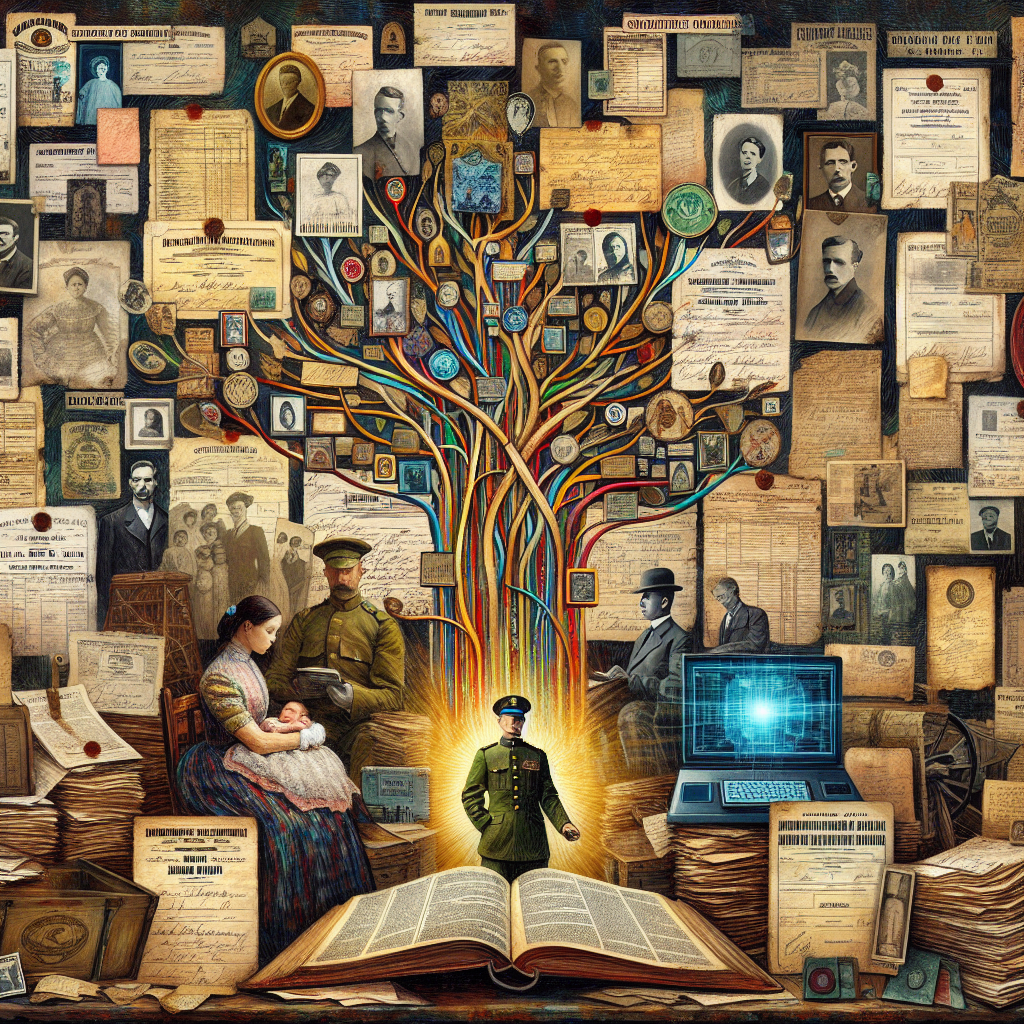
Other Questions
Haiku
Ever Wondered What a Legacy Planner Does All Day? – A Haiku
Custodians of dreams,
Weaving past with future’s thread—
Legacy lives on.

Haiku
Poem
Ever Wondered What a Legacy Planner Does All Day? – A Poem
In a world where stories intertwine,
Lives woven with dreams, hopes that align,
A legacy planner, with purpose profound,
Walks a path where memories abound.
Morning light spills in, a soft embrace,
In a comfortable office, a sacred space,
Family photos and books, wisdom aligned,
Here, the heart meets the mind, a union defined.
Conversations bloom like flowers in spring,
What will you leave? What song will you sing?
Beyond mere dollars, beyond worldly gains,
Echoing whispers of love’s sweet refrains.
Through trust agreements, and portfolios wide,
They navigate puzzles, where emotions reside,
A delicate dance between legal and heart,
Crafting a legacy, a work of art.
In chambers of trust, they gather, they share,
With attorneys, advisors, a team that will care,
Ensuring each wish is honored, each dream is secured,
For the heritage shaped must also be endured.
But challenges lurk, like shadows that creep,
Family squabbles and secrets to keep,
Yet with empathy’s touch, they bridge the divides,
Building connections where love still abides.
Communication flows in a gentle stream,
Keeping clients informed, igniting their dream,
With skills that combine art, heart, and head,
In the tapestry of life, their guidance is spread.
Digital realms where memories reside,
Navigating the channels with confidence and pride,
Cataloging treasures of laughter and tears,
Ensuring each story survives through the years.
Adaptable, creative, with wisdom to lend,
A legacy planner becomes a true friend,
Crafting not just a plan, but a vision,
To inspire the future with heartfelt precision.
So ponder your legacy, the mark that you’ll leave,
In this delicate journey, dare to believe,
In the hands of a planner, your dreams find their way,
A tapestry woven for tomorrow’s new day.

Poem
Checklist
Ever Wondered What a Legacy Planner Does All Day? – A Checklist
1. Initial Consultation
_____ Schedule a meeting to discuss your vision for your legacy.
_____ Reflect on your core values and what legacy means to you.
2. Identify Key Values
_____ What values do you want to be remembered by?
_____ Discuss how these values can be passed down to future generations.
3. Family Conversations
_____ Encourage open discussions about legacy with family members.
_____ Address any potential conflicts about assets or sentimental items early.
4. Inventory of Assets
_____ Create a comprehensive list of all assets, including financial, sentimental, and digital.
_____ Use spreadsheets or digital tools for organization.
5. Draft Legal Documents
_____ Begin drafting wills, trusts, and any other legal documents.
_____ Ensure that these documents reflect your values and desires.
6. Digital Asset Management
_____ Catalog your digital assets (social media, emails, online accounts).
_____ Consider discussing how these assets should be managed after you’re gone.
7. Collaborate with Professionals
_____ Engage with legacy planners, financial advisors, and attorneys.
_____ Discuss with specialists about estate planning laws and best practices.
8. Plan for Continuity
_____ Develop a strategy for ongoing communication with your family about legacy plans.
_____ Regularly revisit and update your plans as life circumstances change.
9. Evaluate Financial Strategies
_____ Review financial strategies to ensure they align with your legacy goals.
_____ Discuss tax implications and potential charitable contributions.
10. Reflect on Your Legacy
_____ Set aside time for personal reflection on what makes a meaningful legacy.
_____ Consider how your life experiences and achievements shape how you wish to be remembered.
11. Create Lasting Impact
_____ Plan for charitable donations or community contributions that reflect your values.
_____ Discuss ideas like establishing scholarships or community projects.
12. Review and Adapt
_____ Regularly review your legacy plan and adapt to changes in family dynamics or financial situations.
_____ Remain open to finding creative solutions that meet your family’s evolving needs.
13. Continued Education
_____ Stay informed about changes in laws and trends affecting legacy planning.
_____ Attend workshops or informational sessions to enrich your understanding.
By following these steps, you can ensure your legacy is well-planned, meaningful, and reflective of your values, leaving a profound impact on future generations.

Checklist
At LegacyExplorations, we help people plan and explore their legacy by collecting information and news regarding end-of-life planning.
Please share this post with your friends, family, or business associates who may want help to plan or explore their legacy.