

Unlocking Potential: Crafting Meaning In A World Of Chaos
By Tom Seest
At LegacyExplorations, we help people plan and explore their legacy by collecting information and news regarding end-of-life planning.
Please share this post with your friends, family, or business associates who may want help to plan or explore their legacy.
Folders Without Frameworks
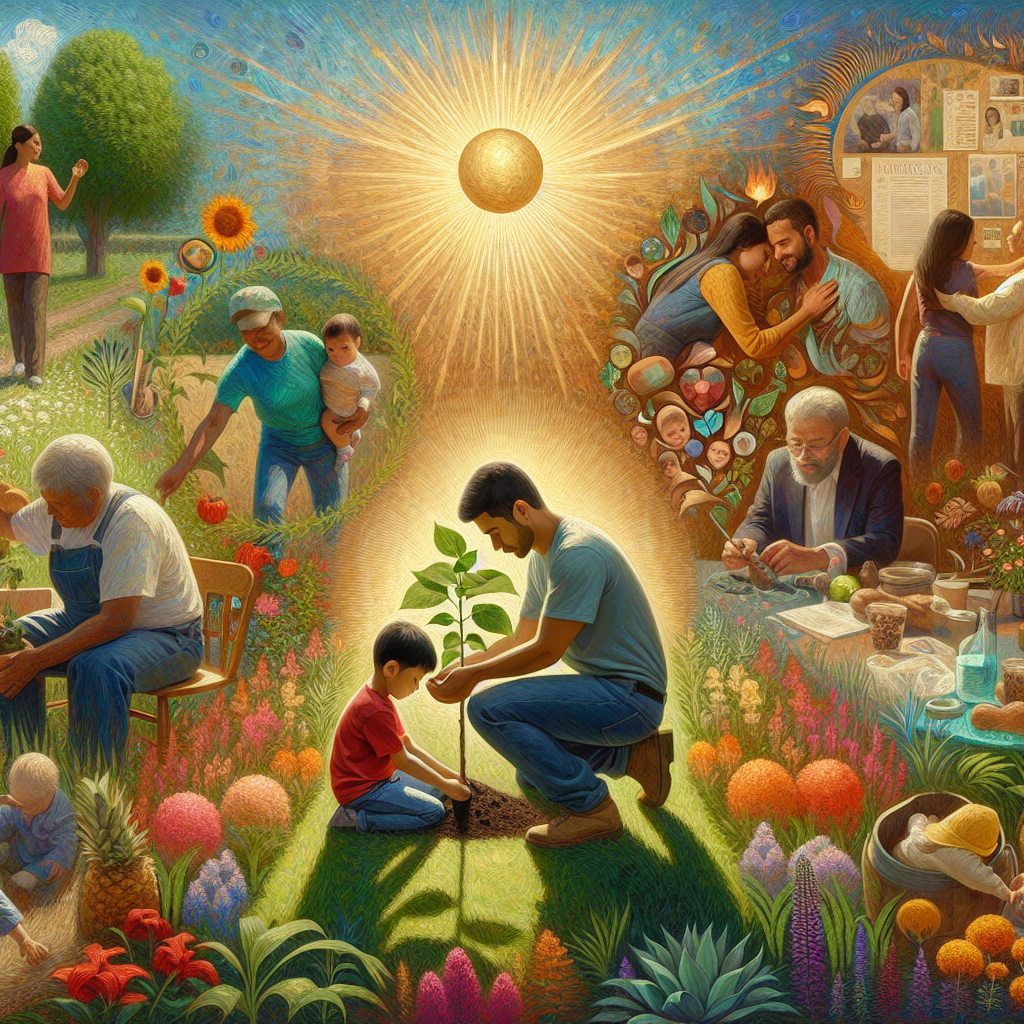
In the world of creativity, there exists a paradox: the more rigid the framework, the less freedom we often feel to express ourselves. Picture a box, meticulously crafted, yet confining; that’s what traditional structures can become. Now, imagine folders without frameworks—locations for ideas, dreams, and stories that don’t fit neatly into tidy categories. These folders invite us to embrace the chaotic beauty of creativity, urging us to dive into our legacy storytelling, where every jagged edge and unconventional twist reflects our unique journeys.
Legacy storytelling is more than a collection of past events; it’s a powerful instrument that resonates with our very being. It connects our history to our future, weaving narratives that remind us of who we are and where we come from. When we dispense with frameworks, we tap into an authentic wellspring of emotion. Think back to the stories shared around a campfire, where laughter and tears mingled freely, where every voice mattered equally. That’s the essence of folders without frameworks—a space for raw, unfiltered experiences that transcend mere documentation.
Rationality finds its place here, too. In an era when everyone is vying for attention through polished façades, those who dare to reveal their unvarnished truths break through the noise. The narratives that resonate most often arise from vulnerability. Each story told in its own unique manner fosters a connection, inviting the listener to engage more deeply. When we stand firm in sharing our authentic selves, we create a ripple effect, encouraging others to do the same.
Ethically, we owe it to ourselves to share our stories without the constraints of expectation. Every experience holds value, every mistake teaches a lesson. By creating folders that embrace this philosophy, we honor our own journeys and those of others. Within this open space, we cultivate a community; we foster support, understanding, and shared growth. It becomes clear: the beauty of legacy storytelling lies not in perfection, but in passion.
By inviting others into this realm—where stories bloom without limitations—we instill trust. We empower individuals to express their truth, and in doing so, we strengthen the ties that bind us. The folders without frameworks remind us that every narrative holds weight, every story has a place. As we turn the pages of our lives, let’s invite authenticity to lead the way, knowing our stories are the very fabric of our shared humanity. It’s time to step beyond the constraints and let creativity roam free.

Folders Without Frameworks
Folders Without Frameworks
- Rigid frameworks hinder creative expression, resembling a confining box.
- Folders without frameworks allow for the exploration of ideas and stories outside traditional categories.
- Legacy storytelling connects history to the future, reflecting personal journeys and emotions.
- Vulnerable, authentic narratives resonate more powerfully and foster deeper connections.
- Every experience has value; sharing stories cultivates community and mutual support.
- The beauty of storytelling lies in passion, not perfection.
- Encouraging authenticity strengthens bonds and recognizes the significance of every narrative.

Folders Without Frameworks
Table Of Contents
- Folders Without Frameworks
- How Does Chaos Affect Your Productivity?
- What Stories Have You Heard About Organizing Success?
- Is It Time to Challenge Conventional Organization Methods?
- Why Do You Think Simplicity Matters In Your Workspace?
- How Do Disorganized Folders Impact Your Mental Clarity?
- What Ethical Considerations Arise From Digital Clutter?
- How Can Clear Organization Improve Team Collaboration?
- Conclusion
- Other Resources
- Glossary Of Terms
- Other Questions
- Haiku
- Poem
- Checklist
How Does Chaos Affect Your Productivity?
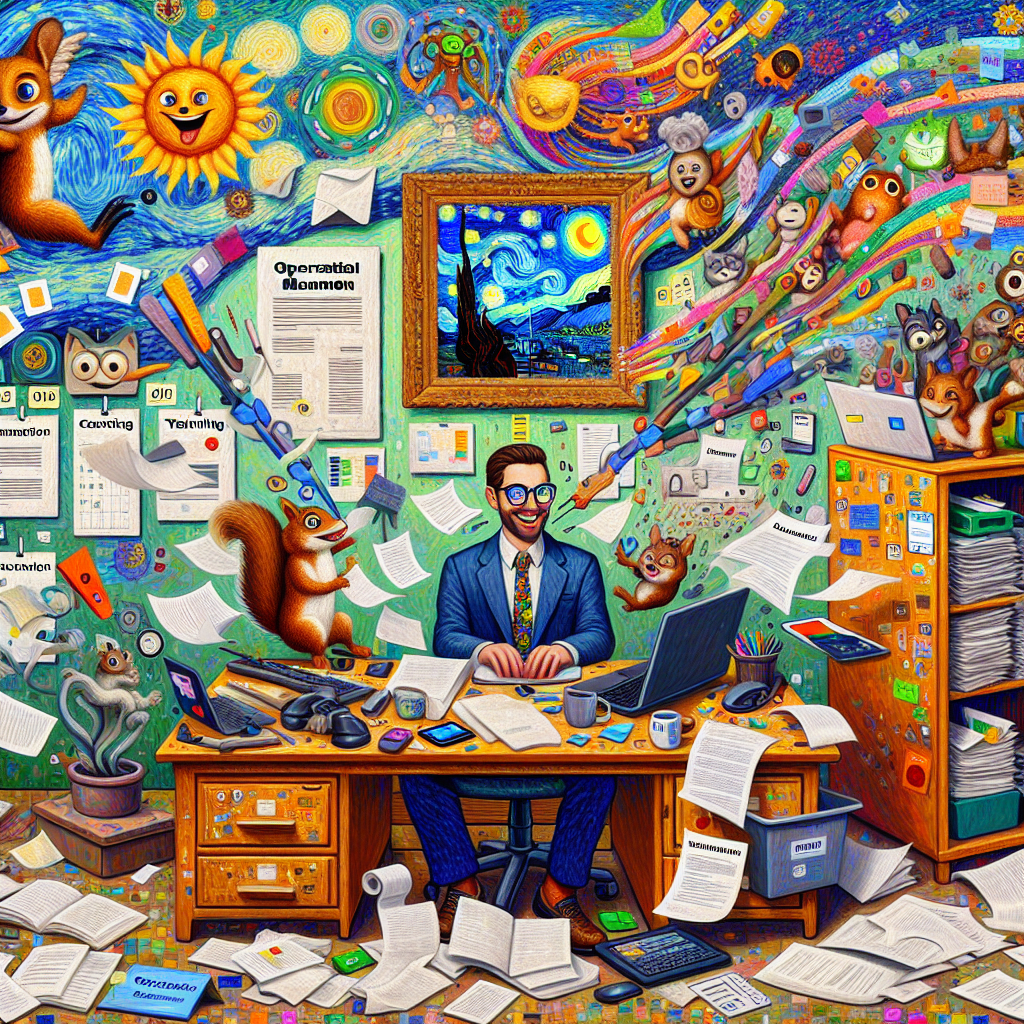
Chaos is a part of life, and whether we like it or not, it can infiltrate our daily routines and influence our productivity in profound ways. The reality is that chaos often feels overwhelming, yet within that mess lies potential for growth and transformation. Think of the stories that shaped you—those moments of uncertainty where you found yourself on the brink of something incredible. Each challenge, each disruption, is a chance to craft a legacy, both personally and professionally.
When we embrace chaos, we tap into something deep; our instincts kick in, driving us toward solutions. The narrative of overcoming obstacles is one we all crave. Through Legacy Storytelling, we recount our struggles to inspire others. It’s about connecting with shared experiences of disarray, which, when faced head-on, can transform us. Imagine a time when chaos pushed you to adapt and innovate. That moment not only shaped your work ethic but also contributed to the larger narrative of your life.
Rationally, chaos compels us to evaluate our priorities. In the whirlwind of demands, we are often forced to strip away the superfluous and focus on what truly matters. This clarity of purpose, forged in turmoil, can sharpen our productivity like a finely honed blade. Consider how many great breakthroughs emerged from chaotic environments—think of innovators who faced setbacks but pressed on, learning from each stumble along the way.
Ethically, we owe it to ourselves and our communities to use chaos as a catalyst for improvement. When we face the storm, we aren’t just survivors—we’re pioneers. Bringing order to chaos not only enhances our own efficiency but also fosters a sense of camaraderie and motivation among peers. You become a beacon of resilience, showing others that productivity is not merely about routine but about harnessing the unpredictable.
In this journey, forging connections becomes vital. Social networks thrive in the acknowledgment of shared chaos. Sharing your legacy story can resonate with others, revealing that they are not alone in their struggle. This bond fosters trust and confidence, galvanizing everyone to take actionable steps forward.
Ultimately, it is in embracing chaos—the mess, the noise, and the unpredictability—that we find our true potential. Each chaotic moment is not a hindrance, but rather, a stepping stone to greater productivity and deeper connections. Embrace it, learn from it, and let it carve your legacy.

How Does Chaos Affect Your Productivity?
How Does Chaos Affect Your Productivity?
- Chaos is an inherent part of life that impacts daily routines and productivity.
- Within chaos exists potential for growth and transformation, offering opportunities to shape a personal and professional legacy.
- Embracing chaos engages instincts and drives individuals toward solutions, fostering a narrative of overcoming obstacles.
- Evaluating priorities in chaotic situations helps focus on what truly matters, enhancing productivity.
- Using chaos as a catalyst for improvement can foster camaraderie and resilience within communities.
- Sharing legacy stories of chaos can strengthen social bonds and inspire collective action.
- Embracing chaos transforms it from a hindrance into a stepping stone for greater productivity and connection.

How Does Chaos Affect Your Productivity?
What Stories Have You Heard About Organizing Success?
When it comes to organizing, we often forget the power of legacy and storytelling. Stories shape our understanding and interpretation of success, making them essential tools that transform challenges into triumphs. Consider the tale of a community rallying together to restore a neglected park. It starts with a simple idea: a few individuals saw potential where others only saw decay. They didn’t just set out to clean up the space; they crafted a narrative around what that park meant to their neighborhood. It wasn’t merely about aesthetics; it was about creating a legacy for future generations—a gathering place where children could play, families could unify, and lives could flourish.
These forms of legacy storytelling provide a canvas for connection. When folks come together with a common purpose, they weave their individual stories into a grand narrative, sparking a movement that’s far larger than any single contribution. This unification isn’t just a feel-good moment; it’s a revolution driven by shared values, ethics, and a vision of collective well-being. As more people join in, the story spreads. It transforms from whispers of a good idea to a chorus of voices demanding change.
Rationally speaking, organizing success relies on building trust—trust in one another, in the process, and in the vision. It’s about assembling a sturdy foundation on ethical principles that everyone can rally behind. That foundation is reinforced through the authority of those who’ve walked the path before, their success stories acting as signposts for newcomers navigating the terrain.
Look at any successful initiative, and you’ll find a tapestry of narratives interwoven with emotional depth. The gut-wrenching struggles, the moments of doubt, and eventual victories are what make these stories relatable. They reflect universal experiences: the desire for connection, the longing for community, and the aspiration to leave a mark.
As we consider our own roles in organizing success, let those stories guide us. Share them, learn from them, and let them inspire action. Because when we tell our legacy, we invite others into our journey, sparking the fires of engagement that can transform not just our neighborhoods, but our souls. That is the essence of organizing—turning stories into a legacy that echoes through time, inspiring trust, confidence, and a collective push towards a brighter future.
What Stories Have You Heard About Organizing Success?
What Stories Have You Heard About Organizing Success?
- Legacy and storytelling shape our understanding of success and transform challenges into triumphs.
- A community’s restoration of a neglected park illustrates the power of narrative in creating a legacy.
- Shared stories foster connection and build movements that exceed individual contributions.
- Organizing success relies on trust in each other and a strong ethical foundation.
- Successful initiatives weave emotional narratives reflecting universal human experiences.
- Sharing and learning from these stories can inspire collective action and engagement.
- The essence of organizing lies in transforming stories into a lasting legacy that motivates change.
What Stories Have You Heard About Organizing Success?
Is It Time to Challenge Conventional Organization Methods?
Is it time to challenge conventional organization methods? This question isn’t just for the board room; it invites us all to reflect on how we work, learn, and connect. In a world where conformity often rules, crafting a legacy grounded in storytelling might just serve as the beacon we need.
Think back to the last time you gathered around a dinner table or shared a coffee with a friend. The narratives woven in those moments—filled with laughter, struggle, and triumph—forge connections deeper than any organizational chart ever could. These are the legacy stories that resonate in our hearts. They remind us that behind every statistic, every metric, are real lives shaped by choices made in moments of courage.
Consider the times when you’ve felt truly engaged in your work. More often than not, it’s when you recognize the direct impact your efforts have on others. That emotional appeal resonates because it comes from the gut; it drives motivation beyond mere job descriptions. Challenging conventional methods might seem daunting, but embracing new frameworks that stress human connection over rigid hierarchies can revitalize our purpose.
Rationality plays its part. Research consistently shows that diverse teams outperform homogeneous ones, but mere compliance with conventional methods stifles those dynamics. It’s not just about efficiency—it’s about fostering an environment that encourages innovation and creativity. The world’s best ideas spring from collaboration, yet many organizations still cling to outdated structures. Why? Fear of the unknown often breeds stagnation.
Ethically, we owe it to ourselves and those who follow to craft environments that prioritize authenticity and individual contribution. Adopting storytelling as a core organizational method doesn’t just make sense; it fosters integrity. When we frame our missions around shared experiences, we inspire trust that goes beyond the transactional. Every member of an organization becomes a vital part of the narrative, enriched by their own personal histories.
Let’s not shy away from discussing this shift. Instead, we should foster open dialogues about how we can evolve our methods to include legacy storytelling. Share your experiences, voice your concerns, and listen actively. This isn’t just a professional endeavor; it’s a social responsibility.
So, is it time to challenge conventional organization methods? The answer is simple. Yes, but only if we’re willing to embrace the stories that make us who we are and move forward with conviction.

Is It Time to Challenge Conventional Organization Methods?
Is It Time to Challenge Conventional Organization Methods?
- Challenging conventional organization methods invites reflection on work, learning, and connection.
- Storytelling fosters deeper connections than traditional organizational charts.
- Emotional engagement at work arises from recognizing the impact of one’s efforts on others.
- Diverse teams outperform homogeneous ones, but traditional methods hinder creativity and innovation.
- Fostering environments of authenticity and individual contribution is ethically imperative.
- Adopting storytelling as a core method inspires trust and integrity within organizations.
- Open dialogue about evolving methods to include legacy storytelling is crucial for social responsibility.

Is It Time to Challenge Conventional Organization Methods?
Why Do You Think Simplicity Matters In Your Workspace?
Simplicity in your workspace isn’t just a matter of taste; it’s a powerful principle woven into the fabric of effectiveness and wellbeing. When we strip away the excess, we unveil clarity, both in our tasks and in our minds. Picture a work environment cluttered with distractions—a chaotic sea of papers, devices, and unfulfilled projects. It’s in this clutter that innovation often struggles to breathe. The beauty of simplicity is that it illuminates the path forward, guiding our focus and energy toward what truly matters.
Think of the legacy storytelling techniques that have endured the test of time. They don’t bombard you with complex plots or convoluted characters; instead, they distill experiences into relatable narratives that resonate deep within us. In the same vein, a simplified workspace promotes a narrative of efficiency and purpose. When the tools of your trade are at hand, free from the noise of distraction, you engage with your work on a more profound level. You’re able to connect emotionally with your projects, breathing life into ideas and executing them with a sense of passion.
Moreover, simplicity fosters a sense of trust among teams. When a workspace is organized and straightforward, it communicates respect—for the work, for each other, and for client relationships. These elements are crucial in building a culture where everyone feels valued and heard. It’s about more than just aesthetics; it’s about cultivating an environment where people can thrive instead of merely survive.
The psychological benefits of simplicity can’t be overstated. Streamlined workspaces reduce cognitive load, allowing for clearer thinking and better decision-making. This isn’t just rational; it’s ethical. Providing yourself and your team with a space conducive to success demonstrates a commitment to nurturing potential, which in turn inspires confidence and action.
Take a moment to reflect on your own experiences. Think about the times when your workspace was a sanctuary of simplicity versus those moments when chaos reigned. The former allows for deeper engagement and heightened productivity; the latter often leads to frustration and burnout. This isn’t just about personal preference; it’s about creating a culture that values clarity and purpose.
In our increasingly complex world, simplicity should be our rallying cry. It’s a call to strip back the unnecessary, to focus on what matters, and to embody a legacy of storytelling that inspires and fosters connection in every corner of our workspace. Embrace simplicity; it’s not just a choice—it’s a necessity for true effectiveness.
Why Do You Think Simplicity Matters In Your Workspace?
Why Do You Think Simplicity Matters In Your Workspace?
- Simplicity enhances effectiveness and wellbeing in the workspace.
- A cluttered environment hinders innovation and clear thinking.
- Legacy storytelling techniques prioritize relatable narratives over complexity.
- A simplified workspace fosters engagement and emotional connection with projects.
- Organized spaces build trust among teams and demonstrate respect for work and relationships.
- Streamlined workspaces reduce cognitive load, aiding better decision-making.
- Emphasizing simplicity creates a culture that values clarity and purpose, essential for productivity.

Why Do You Think Simplicity Matters In Your Workspace?
How Do Disorganized Folders Impact Your Mental Clarity?
Disorganized folders can feel a lot like a messy garage: it’s overwhelming, stressful, and frankly, it chips away at your mental clarity, one cluttered file at a time. Think about it—your physical space often reflects your mind. When folders are packed with disarray, they mirror the chaos lurking in our thoughts and daily lives.
Imagine sifting through a digital mountain of clutter. Each disorganized file feels like a weight hanging around your neck, a reminder of tasks left undone and emotions left unprocessed. It breeds frustration, confusion, and a nagging sense that you’re not where you ought to be. You might think, “a little disorder won’t hurt,” but, in truth, that disorder can lead to a mental fog that clouds your decision-making and drains your motivation.
In a world driven by efficiency and productivity, having an organized system isn’t just a nice-to-have; it’s a necessity for mental clarity. Rationally, we thrive in environments where we can focus our energy without the distractions of chaos. Your brain operates best when it can access the right files at the right time—when the clutter is stripped away, allowing thoughts and creativity to flow freely.
Now picture this: a legacy storytelling perspective shifts the narrative. Every document you file creates a chapter in your professional journey. When your folders are organized, they reflect a commitment to your own story—an understanding that each piece of work contributes to a greater whole, not just a jumble of files. That sense of purpose inspires confidence. You’re not just maintaining order; you’re curating the tale of your career, ensuring it’s one worth retelling.
Ethically speaking, taking control of your workspace respects not only your time and energy but also those around you. Clarity fosters collaboration and enhances relationships, creating an environment where all voices can be heard and valued. Disorganization shuts down communication, and in a time when connection is crucial, that can be a real loss.
On a personal level, the social ramifications of disarray can extend to how others perceive you. A tidy workspace hints at reliability, discipline, and respect for your peers. When you take charge of your folders, you signal that you take yourself—and your work—seriously.
So, take a moment to consider your folders. Are they helping to tell your story, or are they burying it under chaos? It’s time to reclaim your mental clarity and write your legacy with intention. Organize those files, open up space for fresh ideas, and watch as clarity and confidence flow into every aspect of your life.

How Do Disorganized Folders Impact Your Mental Clarity?
How Do Disorganized Folders Impact Your Mental Clarity?
- Disorganized folders create mental clutter, reflecting chaos in thoughts and daily life.
- Sifting through digital clutter breeds frustration and a sense of being overwhelmed.
- An organized system is essential for mental clarity and productivity.
- Clutter disrupts the brain’s ability to focus, hindering creativity and decision-making.
- Order in folders represents a commitment to one’s professional narrative and purpose.
- A tidy workspace fosters collaboration and enhances relationships.
- An organized environment signals reliability and seriousness to peers.

How Do Disorganized Folders Impact Your Mental Clarity?
What Ethical Considerations Arise From Digital Clutter?
In an age where our lives unfold in the digital realm, we find ourselves surrounded by a mountain of digital clutter—a constant barrage of emails, social media updates, and notifications that drown out meaningful connections. This virtual noise doesn’t just impact our mental state; it raises pressing ethical concerns about how we engage with our digital legacy and its implications for future generations.
Consider legacy storytelling, the rich tradition of sharing narratives across time. Our digital footprint is now a part of that legacy. Every post, every photo, every fleeting thought captured online contributes to a story that will outlast us. But what happens when that story is obscured by the detritus of our digital lives? We risk creating a legacy not of inspiration, but of confusion—one that may mislead rather than enlighten those who come after us. We owe it to ourselves—and to them—to consider what we want our digital legacy to convey.
Moreover, this clutter often leads to ethical dilemmas regarding privacy and consent. In our rush to share, we frequently forget that every click can have consequences. Is it right to share someone’s story, even with the best intentions, without their permission? As we navigate this landscape, we must ask ourselves whether our choices promote connection or erode it. The online platforms we use have responsibilities, too. They shape how stories are told and shared, and we must hold them accountable. By demanding transparency and ethical practices, we can ensure our digital storytelling honors its subjects—ourselves included.
At a gut level, think about the emotional toll of digital clutter. It creates a sense of anxiety, a constant reminder of what’s left undone. When we’re overwhelmed, we disengage from our narratives, from each other. Clearing the clutter is not merely a personal endeavor; it’s an ethical act of reclaiming our time, our attention, and ultimately, our stories. It’s about making a conscious decision to curate our digital existence—shedding what no longer serves us and creating space for what truly matters.
Engaging with our digital clutter is more than a matter of personal preference; it’s a collective responsibility that shapes the fabric of our social lives. By fostering a more thoughtful approach to our online interactions, we can inspire trust and confidence in one another, paving the way for richer, more authentic connections in a world that often feels dreadfully disconnected. Let’s reclaim our digital narrative with intention and heart.

What Ethical Considerations Arise From Digital Clutter?
What Ethical Considerations Arise From Digital Clutter?
- Digital clutter from emails and social media hinders meaningful connections.
- Our digital footprint contributes to a legacy that needs careful consideration.
- Confusion may arise from excessive digital noise, impacting future generations‘ understanding.
- Ethical dilemmas concerning privacy and consent are prevalent in digital sharing.
- Online platforms have a responsibility to ensure ethical storytelling practices.
- Clearing digital clutter is essential for reclaiming attention and time.
- Collective responsibility in managing digital narratives fosters trust and authentic connections.

What Ethical Considerations Arise From Digital Clutter?
How Can Clear Organization Improve Team Collaboration?
Clear organization acts as the backbone of team collaboration, revolutionizing the way we work together. Imagine a crew on a fishing boat, each member knowing precisely what their role entails. The nets are cast in harmony, the lines are checked, and the catch is bountiful. This kind of efficiency doesn’t happen by chance; it’s the result of a well-structured approach where clear organization fosters not just productivity but camaraderie as well.
At its core, clear organization provides a framework within which creativity and innovation can thrive. When team members have a distinct understanding of their responsibilities, they can focus on their tasks without the chaos of uncertainty cluttering their minds. This clarity sparks a sense of ownership and purpose among individuals, empowering them to contribute authentically. Each person’s legacy story unfolds as they bring unique skills and experiences to the table, weaving a narrative where collaboration is not just encouraged, but celebrated.
Rationally speaking, organizations that prioritize structure see higher engagement rates. Folk psychology tells us that when people understand how their work fits into the larger picture, they feel valued. This connection nurtures an ethical responsibility to one another. Each member recognizes that their success hinges on the collective effort, urging them to support their teammates rather than compete against them. The result is a vibrant workplace culture where trust blooms, and collaboration flourishes.
Social dynamics also play a critical role here. Think of the stories shared over coffee breaks, where successes are high-fived and failures are dissected with constructive feedback. In such spaces, the bonds formed through clear organization lead to a more resilient team. The shared legacy venerated through collective experiences creates a strong sense of belonging, and when individuals feel they belong, they’re more likely to contribute freely.
Clear organization isn’t merely about charts and deadlines—it’s about crafting an environment in which stories emerge, where each member becomes part of a larger narrative that inspires achievement. By nurturing a culture of collaboration grounded in organizational clarity, teams don’t just become groups of people working toward a common goal. They become communities rallying together, ready to tackle any ocean that stands in their way. That’s the power of working together when everyone knows their role and embraces the journey, forging a legacy that lasts well beyond the immediate task at hand.

How Can Clear Organization Improve Team Collaboration?
How Can Clear Organization Improve Team Collaboration?
- Clear organization enhances team collaboration, likened to a fishing crew working in harmony.
- Provides a structure that allows creativity and innovation to flourish among team members.
- Clarity in roles fosters a sense of ownership and purpose, encouraging authentic contributions.
- Organizations with structured approaches experience higher engagement and employee value recognition.
- Collective effort creates a culture of support, reducing competition and nurturing trust.
- Social interactions and shared experiences strengthen team resilience and a sense of belonging.
- Collaboration grounded in clear organization transforms teams into communities focused on shared goals.

How Can Clear Organization Improve Team Collaboration?
Conclusion
In a world filled with chaos and clutter, the beauty of legacy storytelling offers a path to discovering our potential. Traditional structures, while providing safety, often stifle creativity, resembling meticulously crafted boxes that limit expression. By shifting our perspective to embrace “folders without frameworks,” we open up spaces for ideas to thrive outside rigid categories. This approach allows us to tap into authentic emotions, reminiscent of the raw narratives shared around campfires, where every laugh and tear contributes to the essence of our journeys.
Legacy storytelling becomes an instrument that connects our past to our future, reminding us of our identities. Each of us carries a unique story shaped by our experiences—the struggles, the triumphs, and the chaotic moments that offer opportunities for growth. Embracing this chaos isn’t merely about survival; it’s about crafting meaningful legacies. The discomfort of uncertainty can drive innovation, pushing us to redefine our productivity and prioritize what truly matters.
Moreover, as we confront the digital clutter that complicates our lives, we must consider how our online narratives shape our legacies. Every digital footprint contributes to a story that informs future generations. Ethical considerations arise in discussing what we choose to share and the implications these choices have on our collective narrative. By reclaiming clarity in both our physical and digital spaces, we not only enhance our mental wellbeing but also cultivate environments of trust and collaboration.
Clear organization serves as a catalyst for team success, transforming groups into cohesive units driven by shared goals. When everyone knows their role, clarity fosters engagement and ethical responsibility, leading to a culture where each member’s legacy is honored. Collaboration thrives as stories are shared, creating bonds grounded in collective experiences.
Ultimately, inviting authenticity into our storytelling—both personally and professionally—encourages others to do the same, creating a ripple effect of openness and connection. In this journey, chaos and simplicity aren’t enemies but allies guiding us to our full potential. Let’s embrace the messiness of life, recognizing that our stories weave the fabric of our humanity. By forging connections through legacy storytelling, we inspire a more engaged and resilient community, ready to tackle the complexities of our shared experiences.

Conclusion
Conclusion:
- Legacy storytelling helps discover potential amidst chaos and clutter.
- Traditional structures limit creativity, akin to boxes that restrict expression.
- Embracing “folders without frameworks” fosters idea growth and authentic emotions.
- Each person’s unique story, shaped by experiences, contributes to their identity.
- Digital clutter influences our legacies; online narratives reflect ethical considerations.
- Clear organization cultivates team success, trust, and collaboration.
- Authenticity in storytelling encourages openness, creating a resilient community.

Conclusion
Other Resources

Other Resources
Here is a list of other resources you can review online to learn more:
- PartingWishes
- Legacy
- Storyworth
- International End of Life Doula Association
- How to Avoid Losing Your Family History One Generation at a Time
- Storyfile Life
- Bcelebrated
- LegacyFamilyTree
- LegalZoom
- Directive Communication Systems
- Willmaker
- LegacyLearned
- LegalNature
- Everplans
- Digital Legacy Association
- LifeSite
- Trust And Will
- USLegalWills.com
- LifeBio
- Legacy Learned
Use This Prompt To Get More Resources With Your Favorite Online AI Tool: Please provide me with a list of online articles with their URLs in a bulleted list that I can read regarding Folders Without Frameworks

Other Resources
Glossary Terms
Folders Without Frameworks – Glossary Of Terms
1. Folder: A virtual or physical container used to organize files or documents.
2. Framework: A structured support system or guideline that provides a basis for developing processes or projects.
3. Organizational Structure: The arrangement of roles, responsibilities, and resources within a system or entity.
4. Metadata: Data that provides information about other data, like the content and context of files.
5. File Management: The process of organizing, storing, and maintaining files in a systematic way.
6. Hierarchy: A system where items are ranked or organized according to levels of importance or authority.
7. File Path: The specific location or address of a file within a digital environment.
8. Indexing: The process of creating an organized listing of items to facilitate easy retrieval.
9. Version Control: A system that manages changes to documents or files to track revisions and updates.
10. Archive: A collection of historical documents or files stored for long-term preservation.
11. Access Control: Mechanisms that restrict access to resources or information.
12. Collaboration: Working together among individuals to achieve a common goal, often facilitated by shared documents.
13. Template: A pre-designed document or file structure used as a starting point for creating new documents.
14. File Type: The format in which a file is saved, such as . docx, . pdf, or . jpg.
15. Synchronization: The process of ensuring that files are consistent across different systems or devices.
16. Cloud Storage: A service that allows users to store and access data online rather than on local devices.
17. Data Migration: The process of transferring data from one system or storage medium to another.
18. User Interface: The means by which a user interacts with a computer or software application.
19. Search Functionality: Features that enable users to find specific files or information quickly.
20. Backup: A copy of files or data created for the purpose of recovery in case of loss or damage.
21. Integration: The process of combining different systems or applications to work together seamlessly.
22. Data Governance: The management of data availability, usability, integrity, and security.
23. Encryption: The process of converting data into a secure format to prevent unauthorized access.
24. Sharing: The act of allowing other users access to files or documents.
25. Digital Workflow: The sequence of tasks or processes involved in the management of digital files.
26. Redundancy: The inclusion of extra components or systems to ensure reliability and availability.
27. Interoperability: The ability of different systems or software to work together and exchange data.
28. File Compression: The process of reducing the size of a file to save storage space or speed up transmission.
29. Categorization: The practice of organizing items into specific groups based on common characteristics.
30. Audit Trail: A record of all activities related to a file or document, providing accountability and transparency.
Glossary Of Terms
Other Questions
Folders Without Frameworks – Other Questions
If you wish to explore and discover more, consider looking for answers to these questions:
- What exactly do you mean by “folders without frameworks” and how does that differ from traditional organization?
- How do you start creating a folder system that embraces chaos without becoming unusable?
- What practical steps can an individual take today to declutter digital folders?
- Which digital tools or apps best support a flexible, framework-free organization approach?
- How can teams adopt legacy storytelling as part of their organizational culture?
- What are simple rituals or habits to maintain a non‑rigid folder system over time?
- How do you balance simplicity with the need for some structure in complex projects?
- When is a formal framework still necessary, and how do you integrate it with folders without frameworks?
- How can organizations measure the productivity gains from embracing less rigid organization methods?
- What are common pitfalls when moving from structured systems to more open ones, and how do you avoid them?
- How does legacy storytelling translate into measurable outcomes for teams and communities?
- What privacy and consent issues arise when collecting and sharing legacy stories digitally?
- How should sensitive or personal information be handled within an open, narrative-driven folder system?
- How can leaders foster psychological safety so people feel comfortable sharing vulnerable stories?
- What ethical guidelines should govern the curation of a shared digital legacy?
- How can clear organization coexist with creative spontaneity in the same workspace?
- What tagging, metadata, or search strategies work best for chaotic-but-findable folders?
- How do disorganized folders specifically impact decision-making and mental health at work?
- What is the role of archiving and deletion policies in preserving a meaningful digital legacy?
- How can small teams with limited resources implement these ideas effectively?
- What case studies or real-world examples illustrate successful “folders without frameworks” adoption?
- How do you onboard new team members into a less structured, story-focused system?
- How can organizations reconcile compliance, legal retention requirements, and open folder strategies?
- What training or coaching practices help individuals transition from cluttered to intentional digital spaces?
- How can you quantify the ethical benefits of curating a thoughtful digital legacy?
- What methods help transform personal or chaotic files into shareable legacy stories?
- How does cultural context influence what counts as a valuable “legacy” story?
- How can teams prevent narrative bias or dominant voices from overshadowing others in shared storytelling?
- What hybrid models combine the strengths of frameworks and framework‑less folders?
- How do you maintain discoverability and scalability as a folder system grows organically?
Other Questions
Haiku
Folders Without Frameworks – A Haiku
Chaos invites growth,
Stories weave our legacy,
Freedom blooms through hearts.
Haiku
Poem
Folders Without Frameworks – A Poem
In a world where chaos reigns,
Creativity finds its wings,
Rigid frameworks stifle dreams,
Yet folders without bounds bring meaning, it seems.
Stories shared around the fire,
Laughter mingles, passions inspire,
Legacy woven through shared strife,
Each jagged edge reflects our life.
Embrace the mess, let instincts drive,
In chaos lies potential to thrive,
Digging deep, we find our truths,
In vulnerability, connection soothes.
From disarray, we carve our path,
Gathering strength, we harness the aftermath,
Organized tales of trials and grace,
Each narrative echoes, creating our place.
Simplicity fosters clarity’s grace,
In a clutter-free space, we find our pace,
Trust blooms in environments so pure,
Cultivating bonds, our spirits endure.
Digital footprints lay our legacy bare,
Amidst noise, seek what’s truly rare,
Each click a choice, each post a thread,
Curate your story, let your heart be led.
So challenge the norm, embrace the new,
In collaboration, find power imbued,
Clear organization, a guiding light,
Together we rise, our futures burn bright.

Poem
Checklist
Folders Without Frameworks – A Checklist
Emotional Appeals
✅______ Reflect on your journey. Write down significant moments in your life that shaped who you are.
✅______ Share your story. Take the time to share a personal experience that connects with others emotionally.
✅______ Connect during chaos. Identify a chaotic period and how it led to personal growth or breakthrough.
Rational Appeals
✅______ Evaluate your frameworks. Consider which current structures hinder your creativity.
✅______ Organize thoughtfully. Implement an organizational system that allows easy access to creative ideas.
✅______ Set clear priorities. Identify key tasks and focus on those that matter most in your work and life.
Ethical Considerations
✅______ Honor every experience. Acknowledge the value of both successes and failures in your narrative.
✅______ Respect privacy. When sharing stories, ensure consent from those involved before including their experiences.
✅______ Emphasize collective growth. Cultivate a communal storytelling environment where all voices are valued.
Authority and Credibility
✅______ Learn from others. Seek out stories of individuals who inspired change and innovation.
✅______ Document proven methods. Create a repository of successful techniques and strategies that promote clear organization and creativity.
Narrative Techniques
✅______ Craft your legacy. Begin writing your legacy narrative. Consider future generations and what you want them to know.
✅______ Engage all senses. Use descriptive language and vivid imagery to bring your stories to life.
✅______ Encourage dialogues. Foster discussions around your narrative, inviting feedback and shared experiences.
Social Connections
✅______ Build community. Share your story with a group to create connections around mutual experiences.
✅______ Celebrate collaborations. Acknowledge and appreciate the contributions of team members in collective storytelling.
✅______ Create trust. Foster an environment where sharing stories enhances trust and support among peers.

Checklist
At LegacyExplorations, we help people plan and explore their legacy by collecting information and news regarding end-of-life planning.
Please share this post with your friends, family, or business associates who may want help to plan or explore their legacy.